 Glorious Yemen
 Say Cheese!
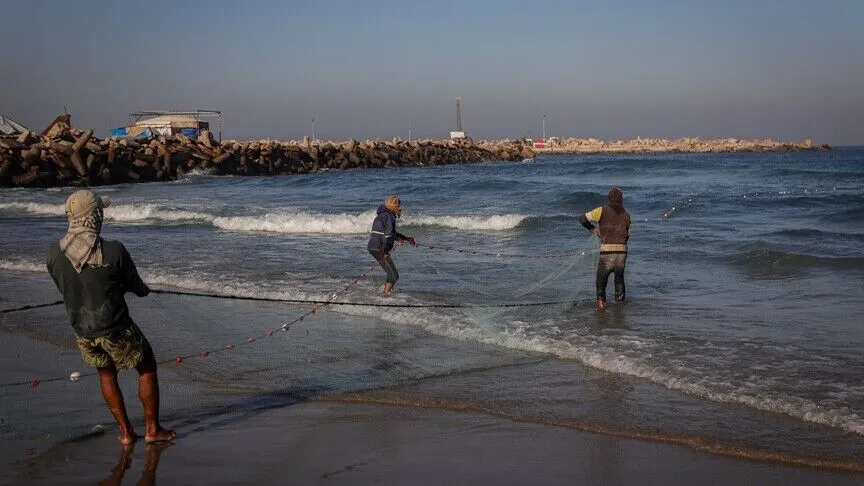 Israel Vessels Fire at Three Fishermen in Gaza
 Palestine in the Olive Harvest
 Smiles and Embroidery






Glorious Yemen
Heba
- August 14, 2026
 Heba
Heba CrossFireArabia
 marwanCrossFireArabiamarwanHebaCrossFireArabiamarwanmarwanHebaCrossFireArabiamarwanmarwanCrossFireArabiamarwanHebaCrossFireArabiaCrossFireArabiaCrossFireArabiaHebamarwanCrossFireArabiamarwanHebaCrossFireArabiaHebamarwanmarwanCrossFireArabiamarwanmarwanmarwanmarwanmarwanmarwanmarwanmarwanmarwanCrossFireArabiaCrossFireArabiamarwanmarwanCrossFireArabiaCrossFireArabiamarwanCrossFireArabiamarwanHebaHebamarwanmarwanCrossFireArabiamarwanmarwanmarwanmarwanCrossFireArabiaCrossFireArabiamarwanmarwanmarwanCrossFireArabiamarwanmarwanmarwanmarwanmarwanCrossFireArabiamarwanmarwanmarwanmarwanCrossFireArabiamarwanmarwanmarwanCrossFireArabia
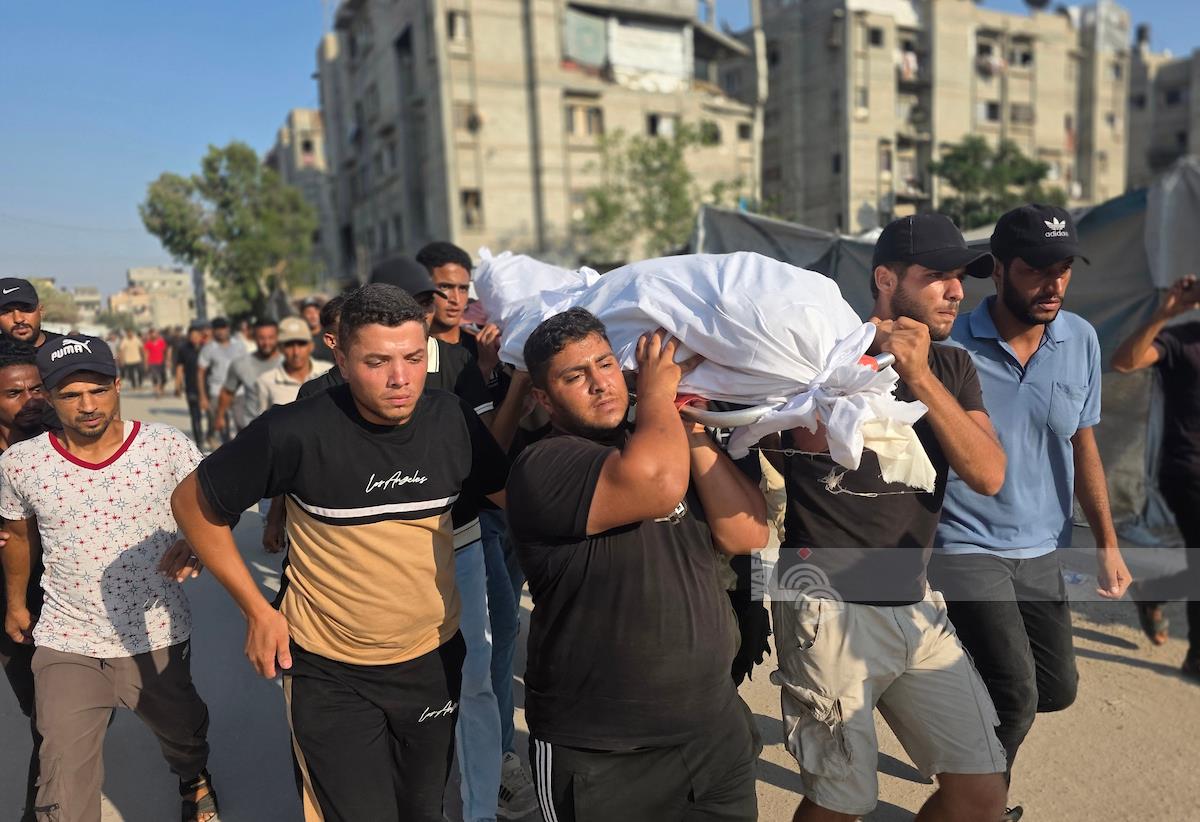
For the 237th consecutive day, Israeli occupation forces continue to violate the fragile ceasefire agreement in the Gaza Strip.
They are committing further attacks and violations across the besieged territory since the ceasefire that was signed on 10 October, 2025.
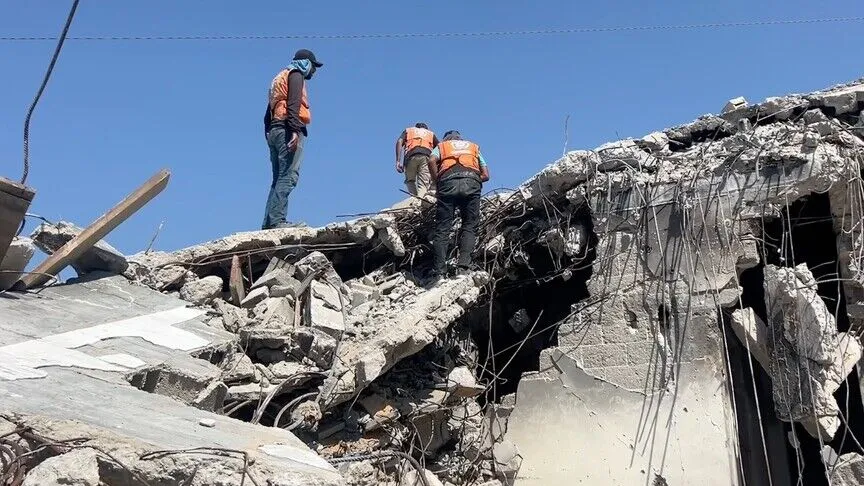
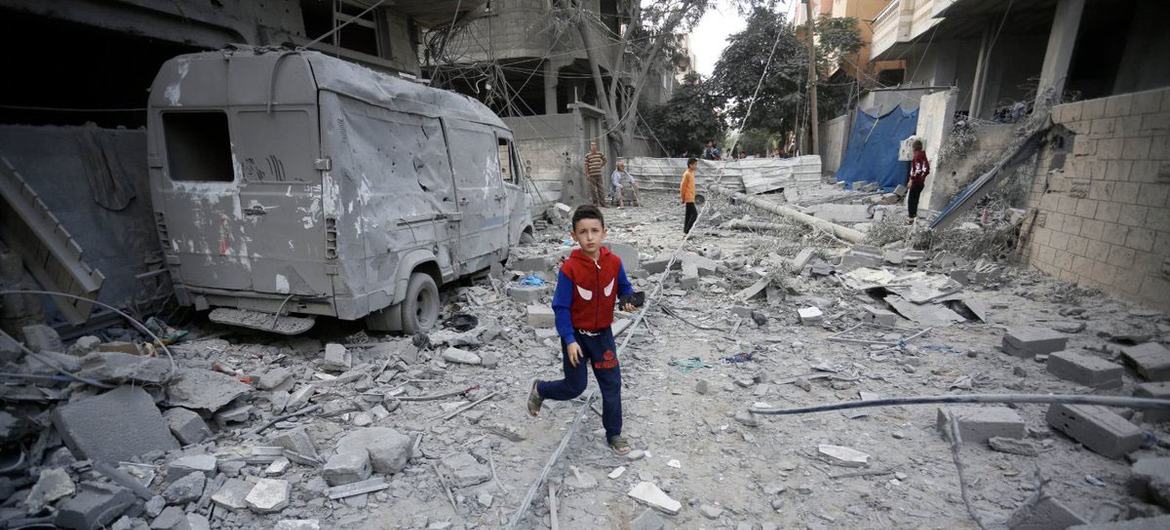
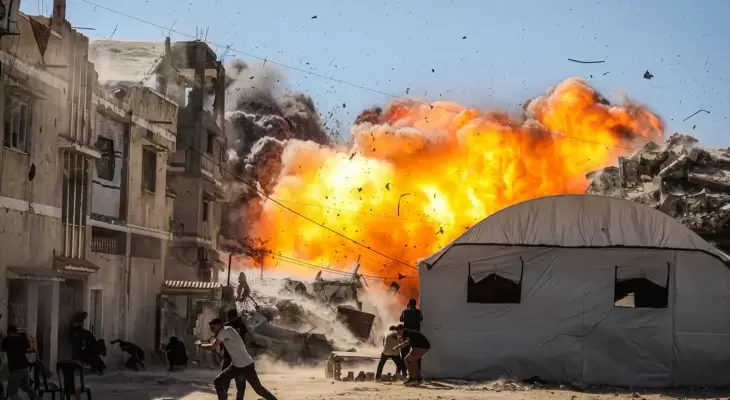
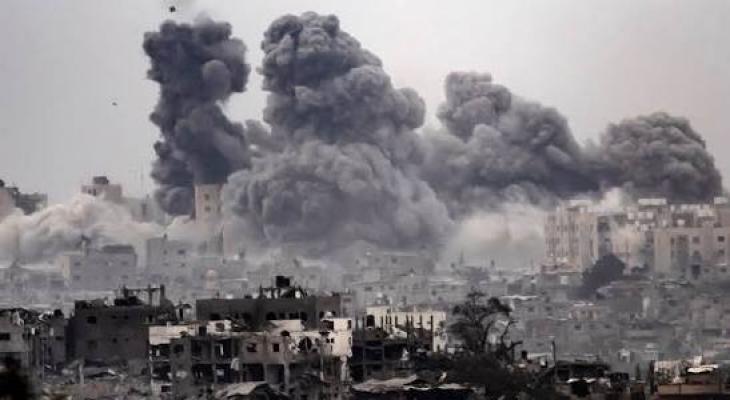
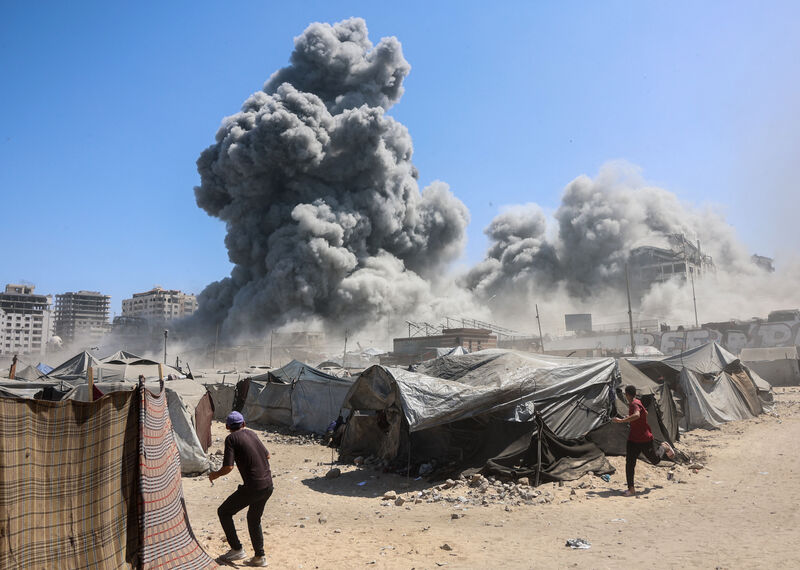
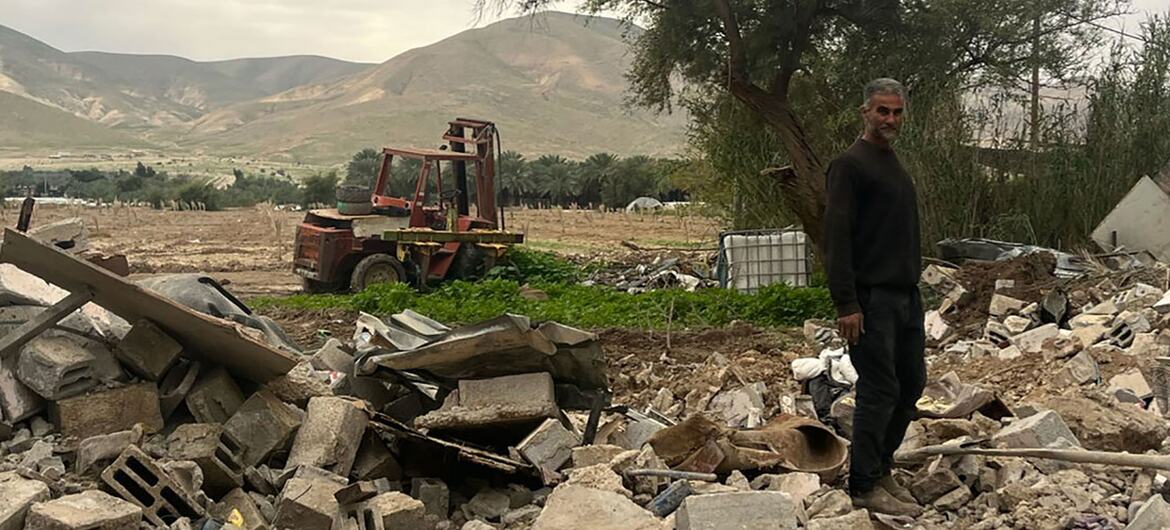
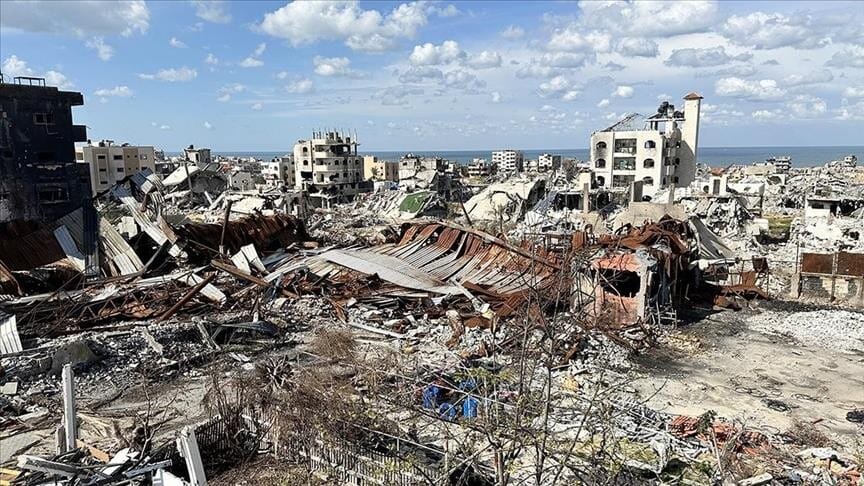
Since dawn, Wednesday, the Israeli occupation forces committed 10 new violations of the so-called “Gaza truce,” including artillery shelling, gunfire, and the demolition of homes and civilian infrastructure, particularly in the eastern areas of Khan Younis.
Eight demolition operations targeting civilian homes were carried out in that area as Khan Younis lies in the southern Gaza Strip. The occupation forces also shelled these areas multiple times.
Read also: Highest number of martyrs since the beginning of the year… 199 martyrs in Gaza last month
Israeli military vehicles fired heavily towards the eastern part of Khan Younis, coinciding with gunfire from Israeli warships in the sea off the city, in the southern Gaza Strip.
The occupation forces also targeted the eastern part of Gaza City with artillery fire. Meanwhile, a correspondent for Sanad News Agency said that gunfire and artillery shelling from occupation vehicles, coinciding with the dropping of bombs from “quadcopter” warplanes, targeted the homes of residents east of the Al-Zaytoun neighborhood, east of Gaza City.
CrossFireArabia
Women and girls in Lebanon are paying an increasingly devastating price as violence and displacement continue despite a ceasefire, the UN reproductive health agency (UNFPA) warned on Tuesday.
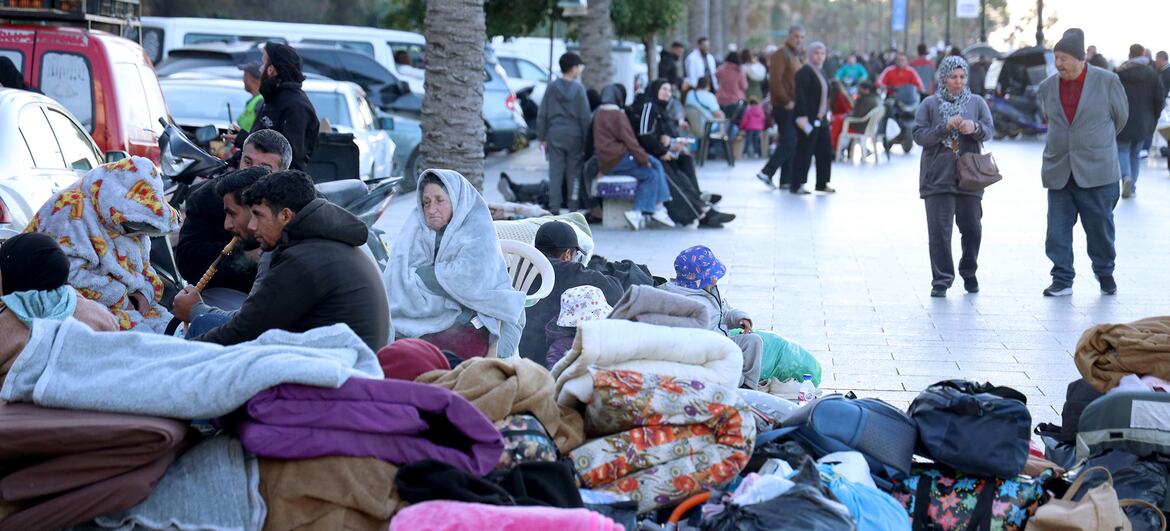
Heightened tensions in Beirut and intensified attacks in southern Lebanon have pushed families into fear and uncertainty, forcing many to make impossible choices in search of safety.
Over the weekend, airstrikes damaged a UNFPA-supported primary healthcare centre and women and girls’ safe space in southern Lebanon, one of the few facilities still providing critical services in the area, the agency’s Representative in Lebanon Anandita Philipose told reporters in New York via video link from Beirut.
Another strike damaged a public hospital offering maternal healthcare. Among those displaced are an estimated 13,500 pregnant women, including 1,500 expected to give birth in the next 30 days.
UNFPA warned that around 1,500 women remain trapped in southern Lebanon without reliable access to skilled care or safe delivery spaces.
“When maternity wards and hospitals are damaged and destroyed, it is pregnant women who cannot get life-saving services,” Ms. Philipose said.
She also raised alarm over deteriorating conditions in shelters.
Safety assessments found overcrowding, poor lighting, lack of privacy and unsafe sanitation facilities, conditions that increase risks of gender-based violence, particularly for adolescent girls, female-headed households, pregnant women and people with disabilities.
UNFPA continues to provide mobile maternal health services, psychosocial support and protection assistance alongside local partners and Lebanese authorities.
But without immediate and sustained funding, the humanitarian consequences could deepen rapidly, Ms. Philipose warned.
The agency’s initial emergency appeal is only 30 per cent funded, and it is now seeking $25 million to continue operations through August.
If funding continues to fall short, thousands of pregnant women could lose access to skilled birth attendance and emergency maternal healthcare, and mobile teams serving hard-to-reach communities may be forced to scale back or stop operations entirely, Ms. Philopose said.
“Scaling down our operations means cutting off more than 75,000 women from critical gender-based violence protection, case management, and safe spaces at the exact moment that they need it the most.” UN News
CrossFireArabia
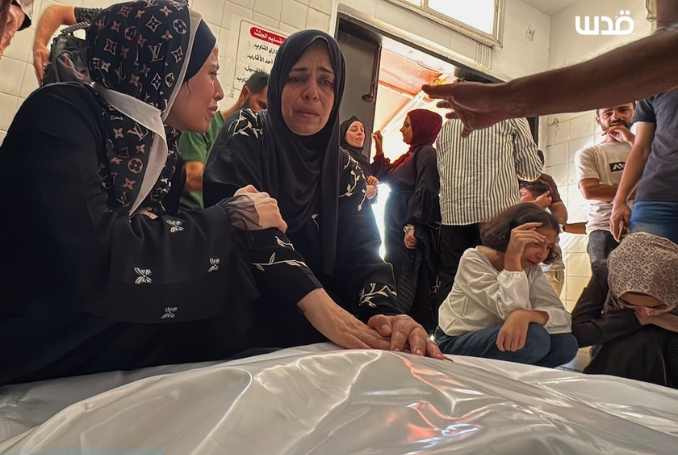
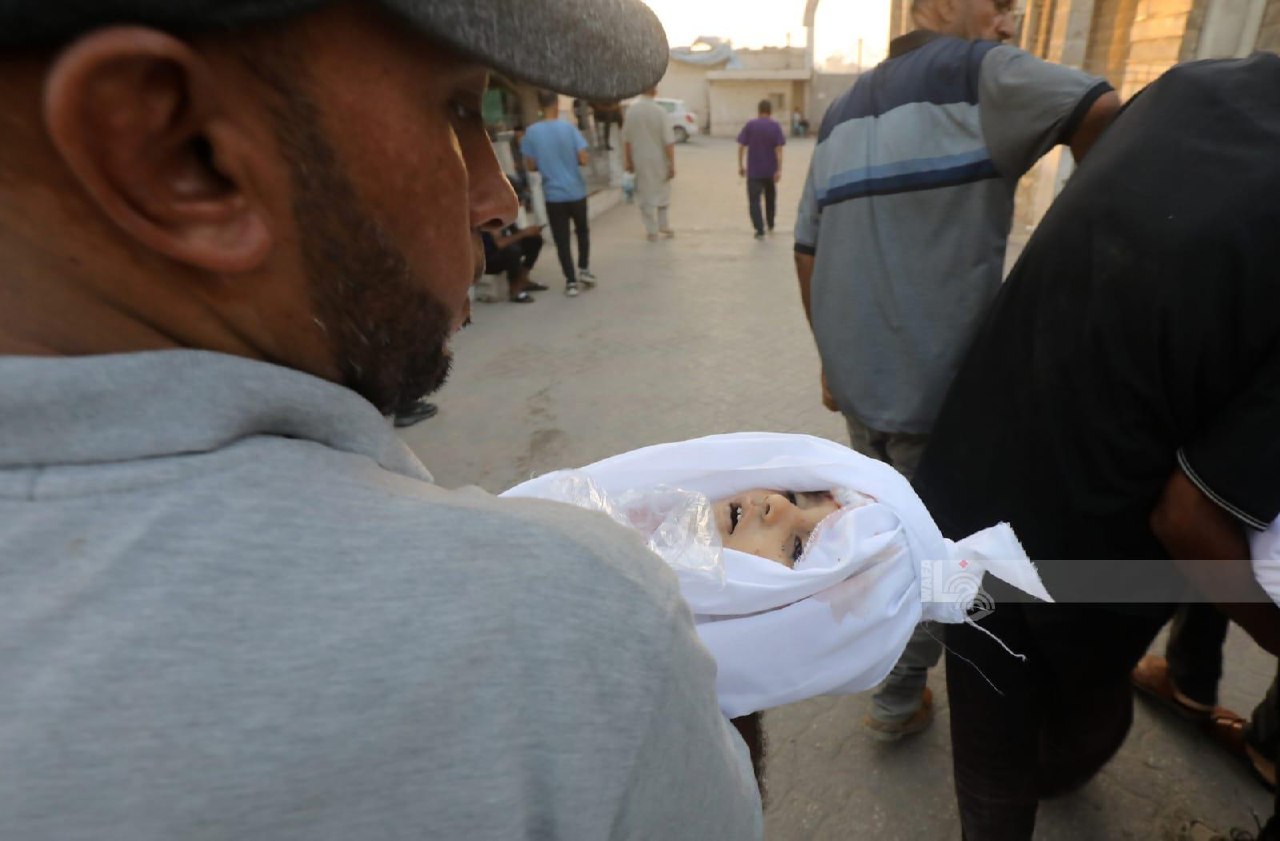
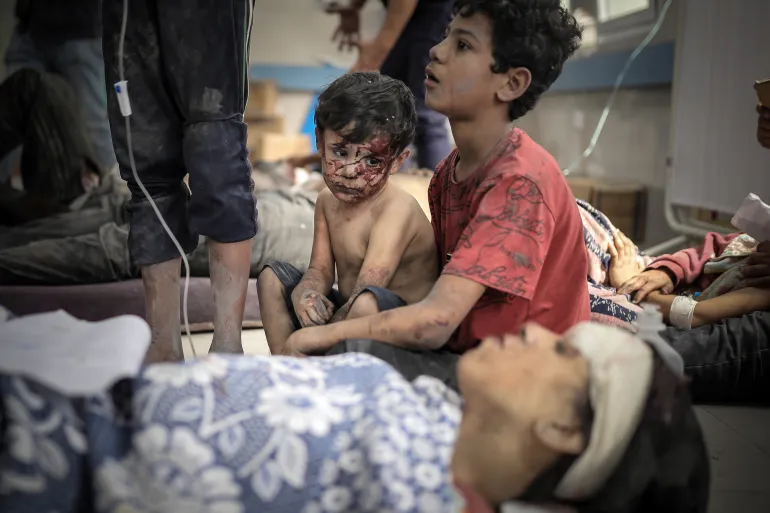
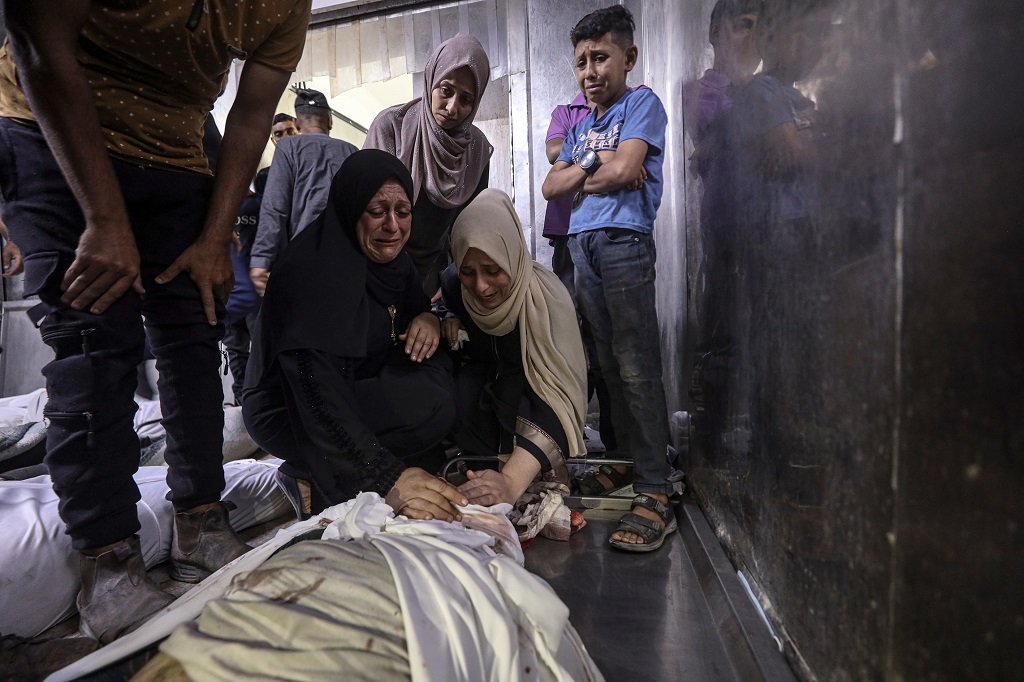
The Ministry of Health announced that hospitals in the Gaza Strip received one martyr and nine wounded individuals in the past 24 hours as a result of the ongoing Israeli aggression.
In its statement, Tuesday, the Ministry reported that, according to updated data since the ceasefire declaration on October 10, the total number of martyrs has reached 933, while the number of wounded has reached 2,868, in addition to 781 bodies recovered.
https://palinfo.com/news/2026/06/02/1110678
As for the cumulative total since the start of the aggression on October 7, 2023, the number of martyrs has risen to 72,942, compared to 172,967 wounded.
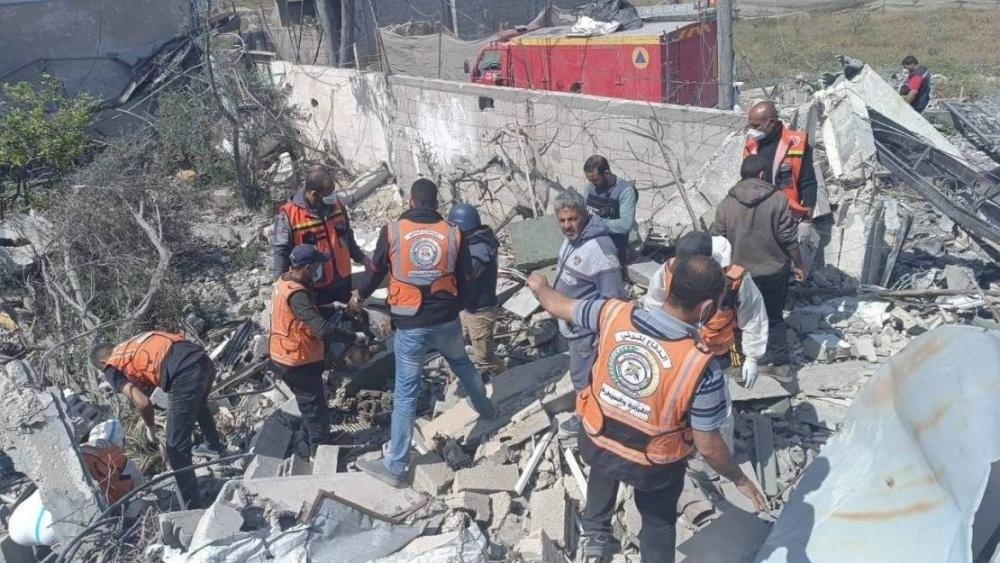
Field data indicates that a number of victims remain under the rubble and in the streets, as ambulance and civil defense teams have been unable to reach them so far due to the security situation and the difficulties of accessing the affected areas.
Read more via the Palestinian Information Center:
CrossFireArabia
Gaza Government Media Office Advisor Taysir Muhaysin warned of a gradual return to famine in the Gaza Strip as a result of continued Israeli policies restricting aid entry and other basic necessities.
He told the Sanad News Agency the amount of aid entering Gaza by truck does not exceed 27% of that stipulated in the last ceasefire agreement.
Muhaysin stated the Israeli policy of reducing aid is not limited to food and humanitarian supplies, but extends to fuel, including diesel, gasoline, and cooking gas, which is an essential commodity for Palestinian families to manage their daily lives and prepare whatever food they can find under the difficult living conditions.
Read also: Al-Hayek: Gaza sounds the alarm of famine due to declining aid
Government institutions in the Strip continue to perform their duties at the minimum level possible, given the available resources and the exceptional circumstances Gaza is experiencing, whilst Muhaysin denying an administrative vacuum in the enclave.
He affirmed that Gaza government institutions continue to function and maintain a minimum level of stability and essential services essential to the population.
The Media Office Advisor indicated different government bodies expressed their full readiness to hand over their administrative and executive responsibilities to the “technocratic committee” as soon as it arrives in the Strip to begin its work, in accordance with the ceasefire agreement signed in 10 October, 2025. He stressed however, there are real obstacles as procedure and conditions is imposed by the Israel occupation that prevent this.
A Complex Humanitarian Crisis…
Muhaysin warned the living conditions in Gaza are really a “complex humanitarian crisis” affecting all aspects of life.
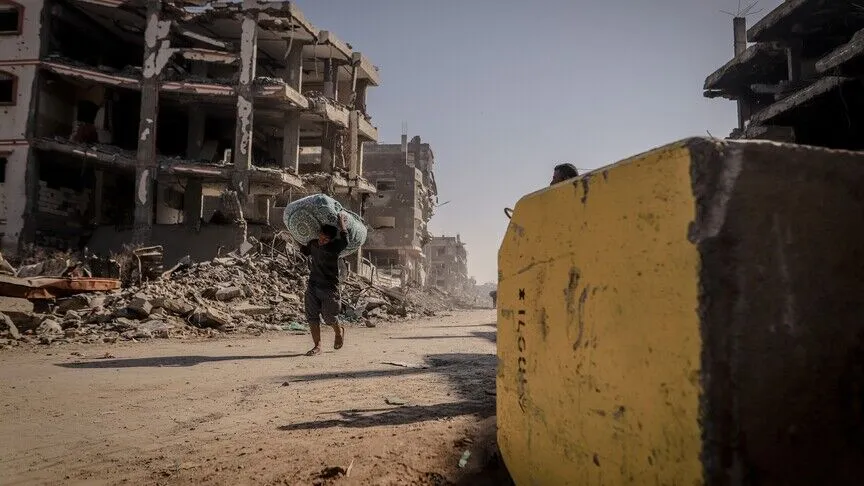
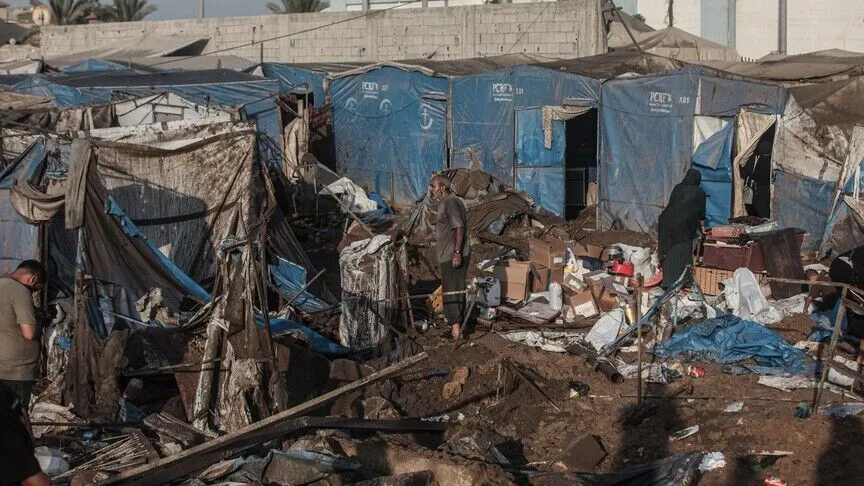
“Hundreds of thousands of citizens are still living in tents amidst the spread of epidemics and diseases,” whilst pointing to the decline in the capabilities of the health system and municipal services in addition to the severe shortage of food and essential shelter supplies.
The health sector faces increasing risks due to the ongoing shortage of fuel and medical supplies. Muhaysin noted the administration of the Al-Aqsa Hospital were forced to shutdown about 50% of its power generators, and this threatens the lives of patients, especially kidney patients, premature infants, and those in operating rooms and intensive care units.
“What Gaza is witnessing today represents an ongoing humanitarian catastrophe, caused by the decisions and measures imposed by the Israeli occupation, which has led to an unprecedented deterioration in living, health, and humanitarian conditions.”
He pointed out that the technocratic committee that is yet to enter the Gaza Strip needs to assuming its responsibilities across the entire enclave, and this needs to happen with the concurrent withdrawal of the Israeli occupation forces from the areas they reoccupied in Gaza and the commencement of international forces operations tasked with monitoring and security separation under the terms of the ceasefire.
Muhaysin accuses the Israeli occupation of attempting to impose new realities on the ground through excluding areas east of what is known as the “yellow line” from the committee’s administrative responsibility. He said these go against the principles agreed upon in the proposals put forward to end the ongoing crisis.
He concluded by saying the occupation continues to impose its own vision on the future of the Gaza Strip by repeatedly introducing new conditions and ideas, contradicting the fundamental understandings and initiatives discussed over the past months. This, he asserted, obstructs any genuine efforts to alleviate the suffering of the population and end the escalating humanitarian crisis.
The specter of famine is returning to haunt the Gaza Strip, and is coinciding with the tightening of military measures at the crossings controlled by the Israeli occupation. Such prevents the entry of humanitarian and relief aid, and allows militias affiliated with the occupation to steal the incoming aid.
At the end of May, the Palestinian Council of Ministers warned of the severity of UN reports that indicate that about 1.6 million Palestinians in the Gaza Strip, nearly 77% of the population, face the immediate threat of famine due to declining humanitarian funding and reduced aid flow.
In a previous statement to Sanad News Agency, Ali al-Hayek, head of the Palestinian Businessmen Association, warned of the deteriorating humanitarian situation in the Gaza Strip. He emphasized that famine indicators are becoming increasingly apparent amid the continued decline in humanitarian aid and the curtailment of relief organizations’ operations. He noted the Gaza situation “threatens the onset of an unprecedented humanitarian catastrophe.”
This article is based on an extended interview by Advisor Taysir Muhaysin published in Arabic by the Sanad News Agency and republished crossfirearabia.com