 Glorious Yemen
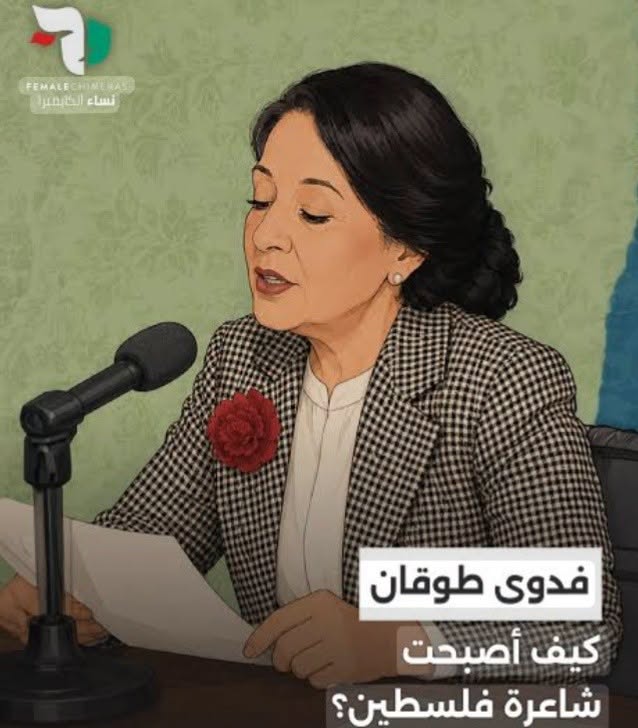
 Say Cheese!
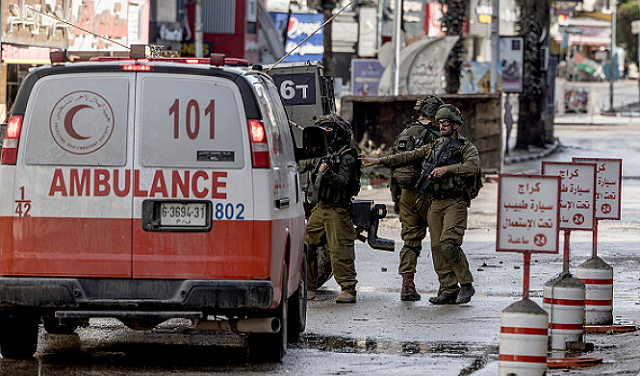
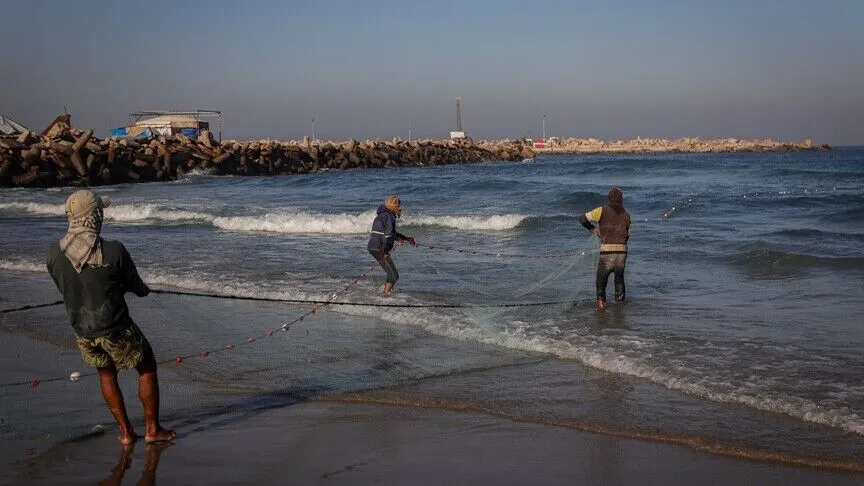 Israel Vessels Fire at Three Fishermen in Gaza
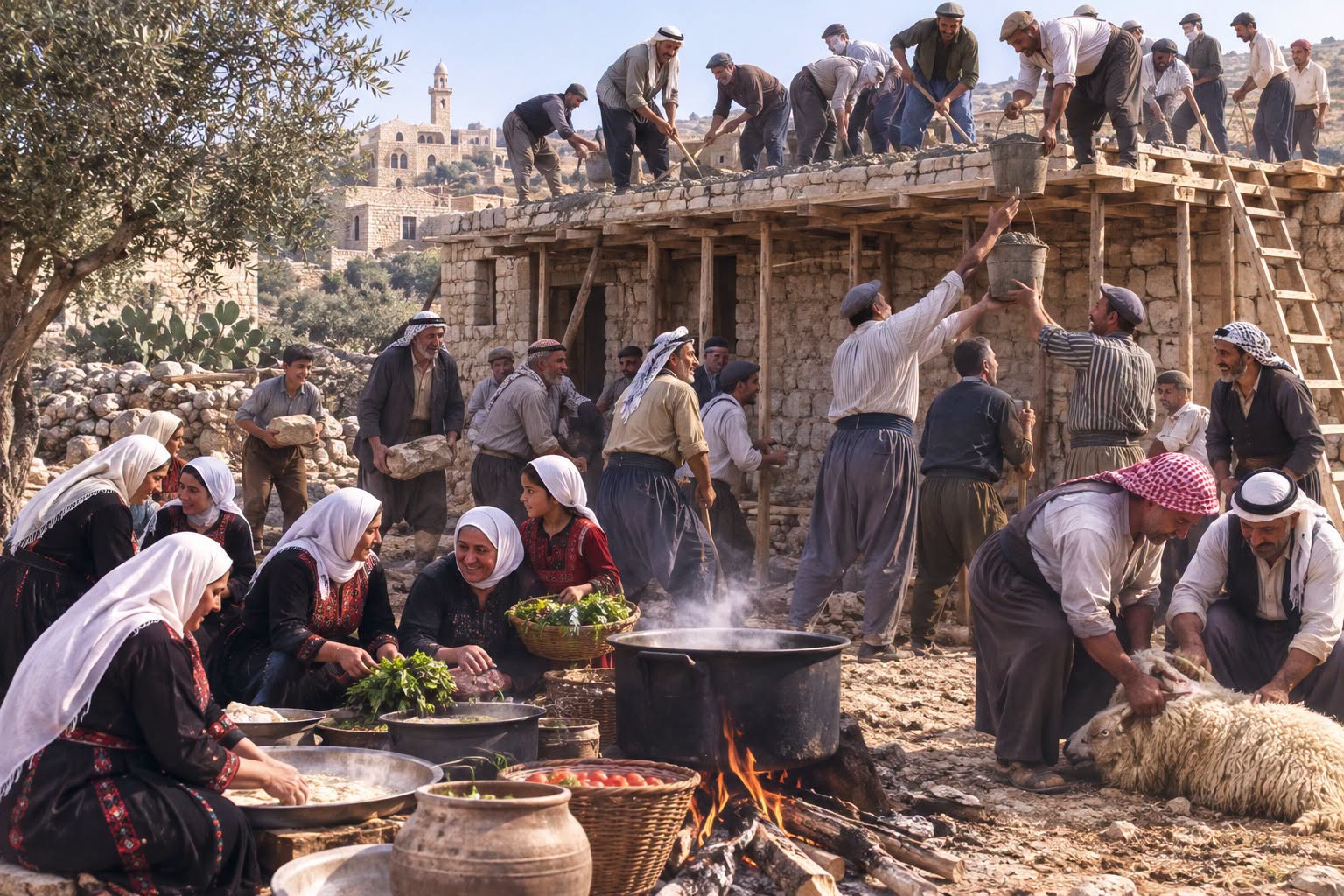
 Palestine in the Olive Harvest
 Smiles and Embroidery

Glorious Yemen
Heba
- August 14, 2026
 Heba
Heba CrossFireArabia
 marwanCrossFireArabiamarwanHebaCrossFireArabiamarwanmarwanHebaCrossFireArabiamarwanmarwanCrossFireArabiamarwanHebaCrossFireArabiaCrossFireArabiaCrossFireArabiaHebamarwanCrossFireArabiamarwanHebaCrossFireArabiaHebamarwanmarwanCrossFireArabiamarwanmarwanmarwanmarwanmarwanmarwanmarwanmarwanmarwanCrossFireArabiaCrossFireArabiamarwanmarwanCrossFireArabiaCrossFireArabiamarwanCrossFireArabiamarwanHebaHebamarwanmarwanCrossFireArabiamarwanmarwanmarwanmarwanCrossFireArabiaCrossFireArabiamarwanmarwanmarwanCrossFireArabiamarwanmarwanmarwanmarwanmarwanCrossFireArabiamarwanmarwanmarwanmarwanCrossFireArabiamarwanmarwanmarwanCrossFireArabia
Italians who took part in a humanitarian aid flotilla for Gaza said Wednesday that when the Israeli army attacked them last month in the Mediterranean in violation of international law, they abducted some activists, and subjected them to ill-treatment amounting to torture.
“This time, the Israeli army responded to the flotilla much more violently” than in past humanitarian efforts, Antonio La Piccirella, who took part in the Global Sumud Flotilla’s 2026 Spring Mission, told a press conference in Rome.
“There were two attacks, one of them off the coast of Europe. In the attack between Italy and Greece, they abducted two of our members, further violating international law. The other intervention was carried out in broad daylight and lasted for one-and-a-half days.”
La Piccirella said Israel last year allocated $180 million to anti-flotilla propaganda in order to fight them and build up a sense of “impunity,” and that this year they spent far more, some $760 million.
This propaganda was carried out through disinformation and aimed to create communities sympathetic to Israel in Europe and the US, he said.
Emphasizing that they would continue to take action in the future, La Piccirella said: “We are concerned with actions against the naval blockade of Palestine (and promoting) humanitarian aid, and international law.
“The international situation is constantly changing, and so is our strategy. So we repeat that we will definitely continue to do something,” he said.
Italian journalist Alessandro Mantovani, who also took part in the spring mission, stressed that after being detained he was not even allowed to say that he was a journalist.
“From the very beginning, we were beaten and forced into humiliating positions. When we were taken to their military ships, we were pushed down face-first onto the deck, tied up, then forced to kneel and kept in the same extremely uncomfortable position for hours. When we were brought to the ship that we all called the prison ship, we were systematically beaten,” he said.
The face-down positions he described fit video footage posted online by Israeli National Security Minister Itamar Ben-Gvir, in which the activists were forced to kneel and were subjected to abusive language, mistreatment which drew fierce criticism from numerous countries.
Mantovani said he still has problems with his jaw because of the blows he received and that his jaw may have been dislocated.
The Italian journalist said the Israeli army treated Turkish activists especially badly.
“I think I can say that the Turks were treated even worse than the others; torture also has a geopolitical dimension,” he said.
Turkish leaders have been at the international forefront of condemning Israel’s genocide in Gaza as well as the famine and near-starvation of its populace due to a long-standing blockade of food, medicine, and other humanitarian supplies. The blockade was due to be relaxed in recent months, but many rights groups and international observers say the situation has improved little if at all.
Mantovani pointed out that the Global Sumud Flotilla was detained at night during its first voyage last year, while during this latest voyage it was detained in broad daylight.
He stressed that the Israeli army was not ashamed to show that it attacked unarmed people with weapons. Anadolu
CrossFireArabia
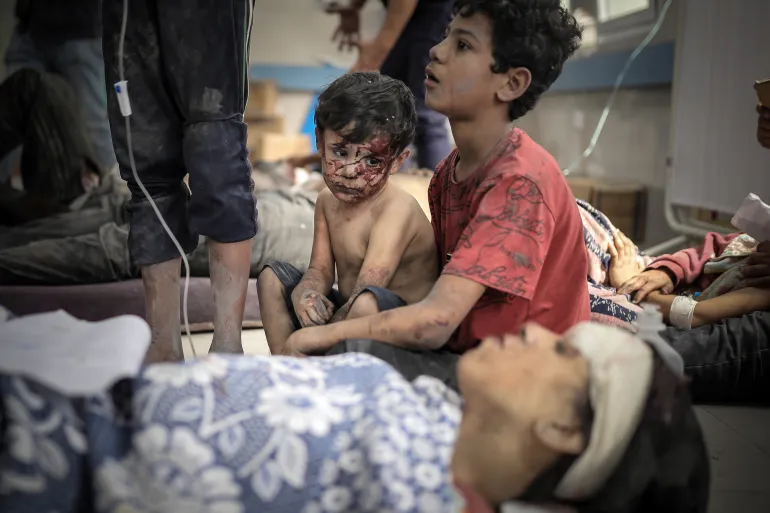
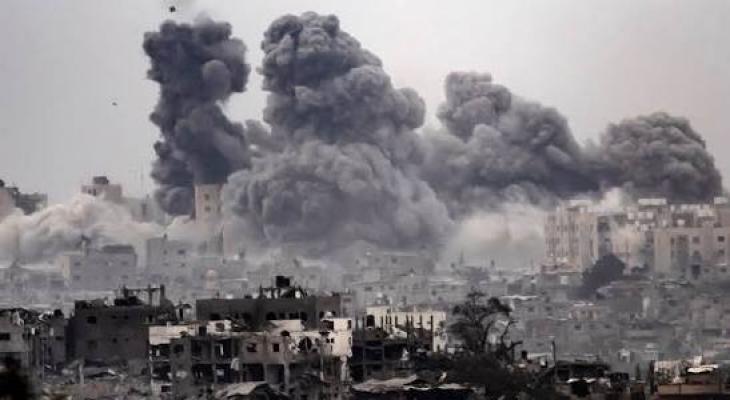
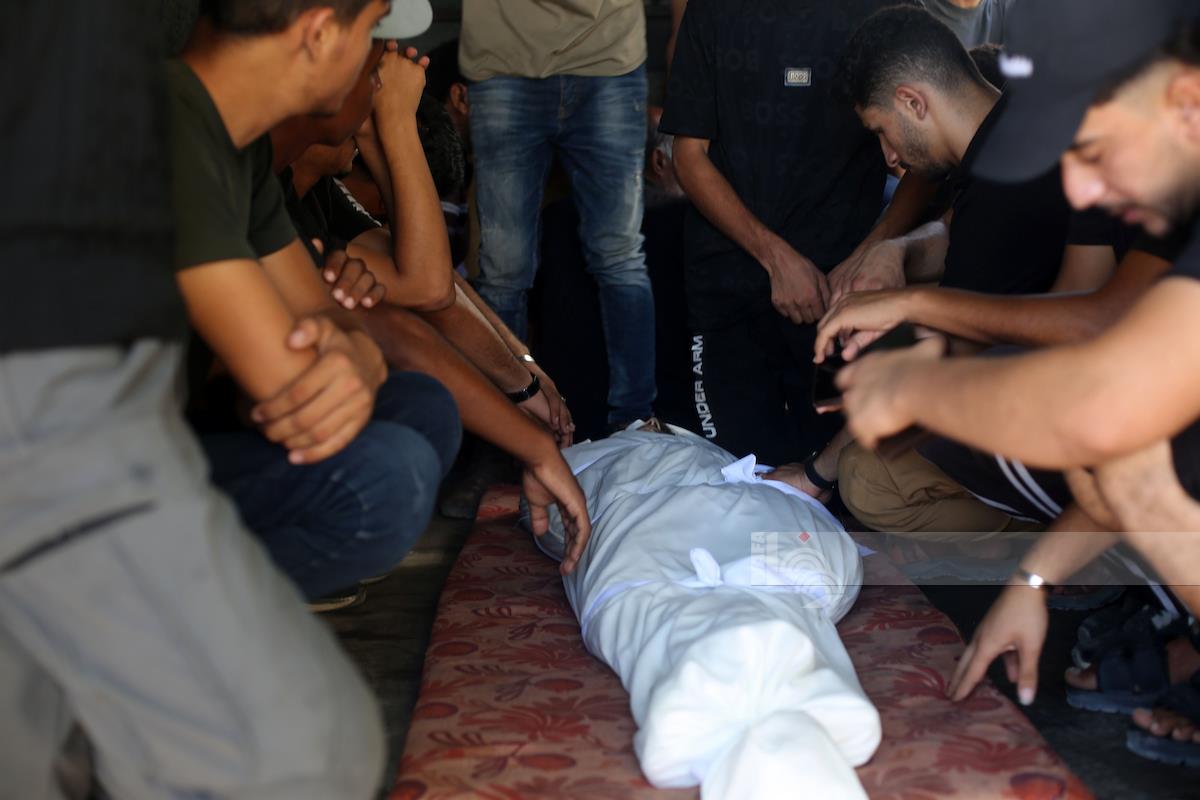
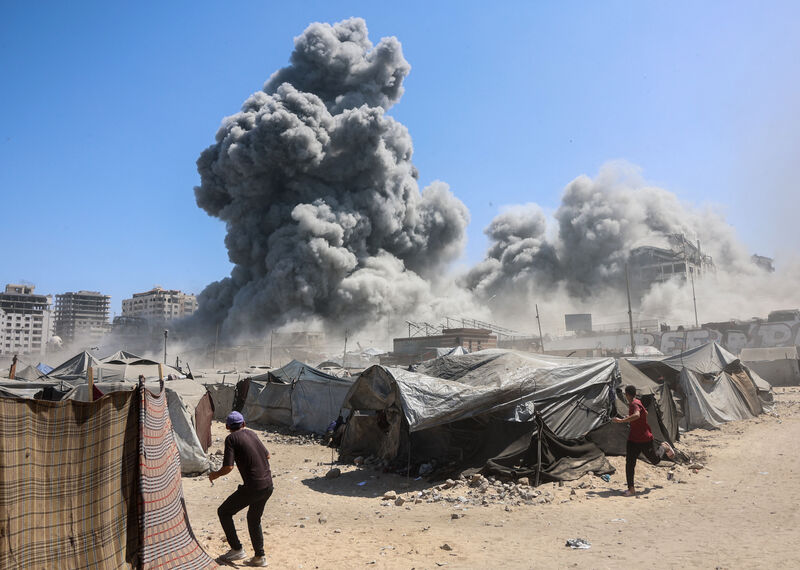
Nine Palestinians were killed and dozens wounded, including women and children, in simultaneous Israeli airstrikes early Thursday targeting four residential apartments across Gaza City, according to medical sources.
The latest strikes come as Israel continues to violate the ceasefire agreement in force in the Gaza Strip since Oct. 10, 2025.
Nine bodies and dozens of wounded were received at Al-Shifa Hospital, an Anadolu correspondent at the scene reported citing medical sources.
Some of the bodies arrived dismembered, while others were severely burned, the sources added.
Israel’s two-year genocide in Gaza since October 2023 has killed nearly 73,000 Palestinians and injured more than 173,000, most of them women and children, according to Palestinian figures.
Despite a ceasefire that took effect on Oct. 10, 2025, the Israeli army has killed 936 Palestinians and injured 2,903 in near-daily attacks, according to the Gaza Health Ministry.
CrossFireArabia
By Abdul Bari Atwan
Israeli Prime Minister Benjamin Netanyahu demonstrated his ability to effectively redraw the maps and borders of the Middle East when he backed down from striking Beirut’s southern suburb to completely destroying it. He succumbed to the threats and pressure from US President Donald Trump. In this respect here, Iran can be considered to have become a regional superpower not only in the Middle East, the West and Central Asia, but globally.
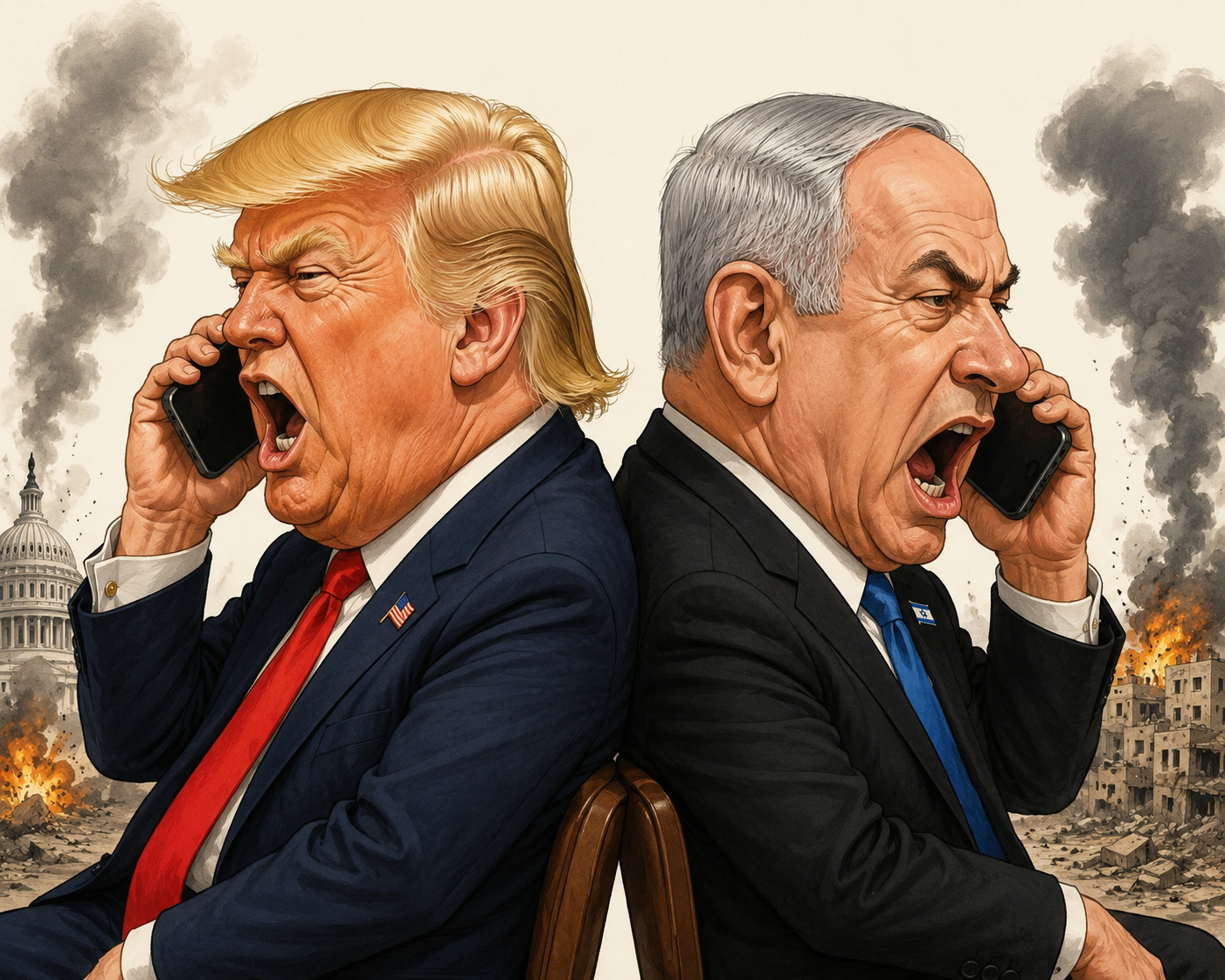
Trump, who previously threatened to wipe Iran off the map and unleash hell upon it, destroying all its energy and electricity infrastructure, scurried like a frightened rabbit to the phone to call Netanyahu in a “call of insults,” ordering him to immediately halt all plans to bomb Beirut’s southern suburb and withdraw his troops and warplanes en route to the area, just hours before the bombings and destructions where to begin.
***
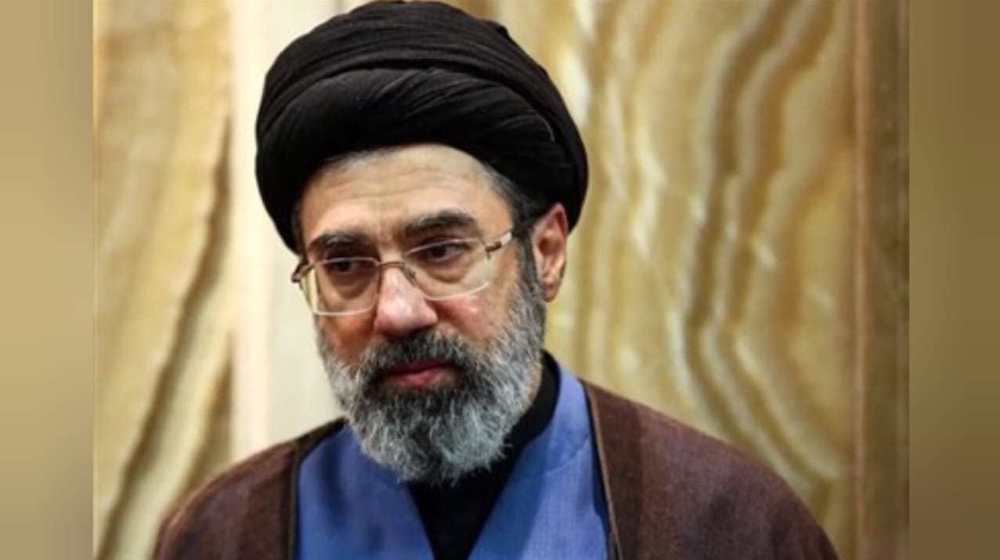
In a Washington Post interview, Trump completely changed his threatening tone and began pleading for peace with Iran, after extending the unilateral ceasefire by 60 days. More importantly, he expressed his desire for a summit with Ayatollah Mojtaba Khamenei as soon as an agreement is reached, and confirmed that Mojtaba, whom he had previously claimed was no longer alive, is now involved in the decision-making process regarding war and peace in the current conflict.
The new and effective ‘password’ in the Middle East, reflecting Iran’s “power shift,” is embodied in its thunderous response to the Israeli threat to destroy the southern suburb of Beirut, western Bekaa Valley, and Nabatieh. Iran launched hundreds of missiles and drones to strike deep into occupied Israel, sending a clear message: “Greater Tel Aviv in exchange for the southern suburb.”
The Iranian leadership, backed by a solid popular base, a highly advanced missile and drone industry, a naval fleet, and over 460 kilograms of uranium enriched above 60%—enriched to produce 10 nuclear bombs in a few days—says what it means and acts accordingly. It will not tolerate injustice and is prepared for all eventualities.
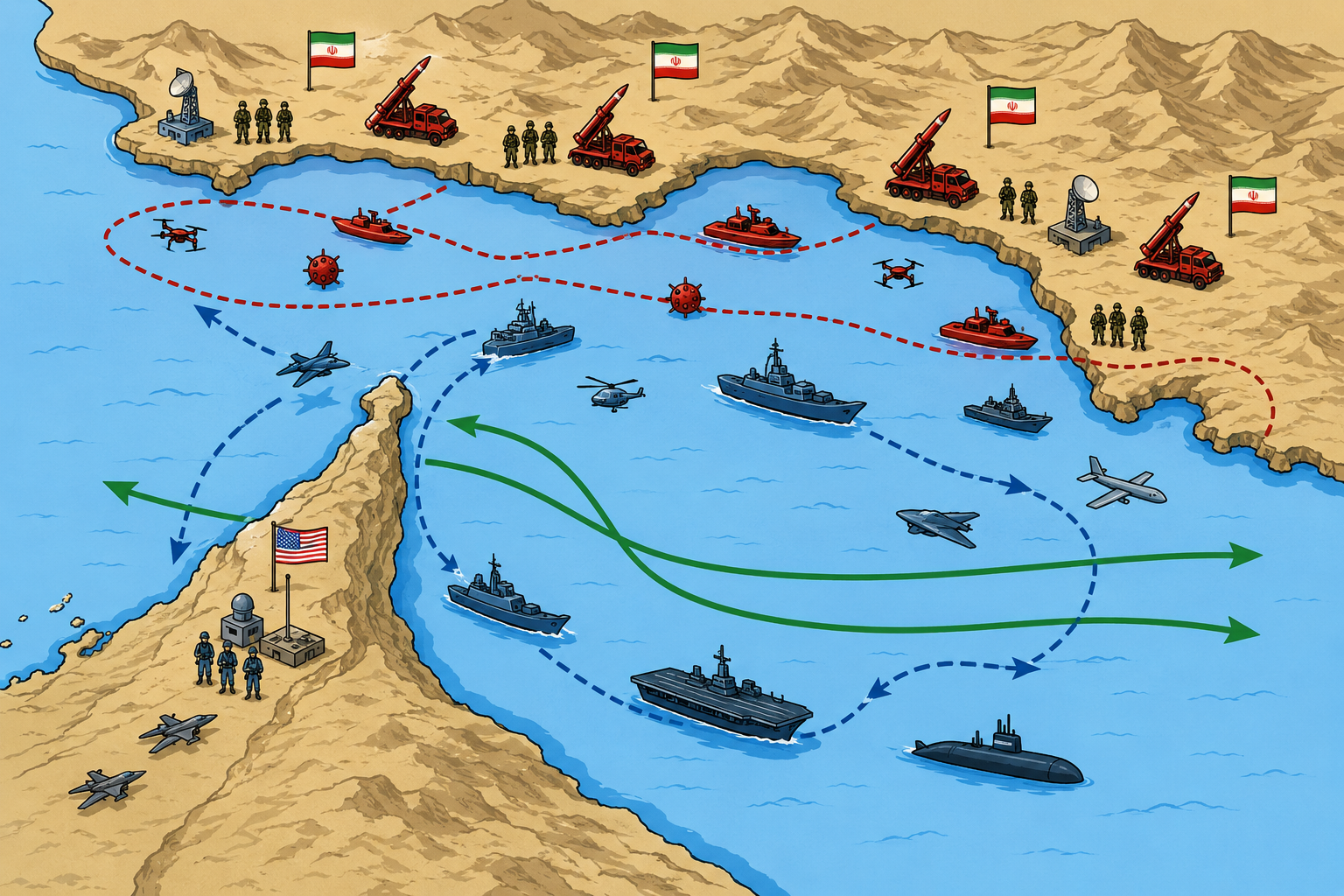
There is ample evidence to support this assertion, as demonstrated early Wednesday morning when Iranian missiles and drones struck US military bases in Kuwait and Bahrain in retaliation for attacks on an Iranian oil tanker in the Strait of Hormuz and a communications tower on Qeshm Island, both launched from these bases.
The American-Israeli alliance has, since the October War of 1973, grown accustomed to a deeply ingrained official Arab subservience, a failure to respond to any Israeli aggression, and a refusal to reject any American dictates. Most Arab leaders turn the other cheek to Israeli and American slaps, becoming indifferent to the situation. But now, someone has emerged to uproot this system of surrender and usher in a new, truly Islamic era—an era of resistance, where the response is not merely in kind, but in a stronger and more significant way.
Mohsen Rezaei, advisor to Iran’s Supreme Leader Mojtaba Khamenei, summarized this new military, political, and moral upheaval in a statement saying, “America and its president, Trump, should expect a barrage of missiles (hypersonic and cluster warheads) and drones should they renew their aggression against Iran.”
Netanyahu, who craved the limelight and the humiliation of Arabs, and who rubbed his hands with glee at the long line of Arab leaders queuing before his office seeking normalization and the signing of the Abraham Accords, has fallen silent and disappeared from the public eye. He no longer dares to threaten to destroy Iran alone, without America’s participation in the aggression.
The dictates Trump issued just days ago, the shifting balance of power on the ground, and Iran’s threat of retaliation for any aggression against Lebanon have evaporated. The American president, as a New York Times editorial acknowledged, has failed miserably in all his wars since arriving at the White House a year and a half ago—in Iran, Ukraine, and the Gaza Strip—and has not achieved his objectives and has become a laughingstock.
As for the Gulf states – those that normalized relations and/or those that were eager to join the “Abraham Accords” to avoid angering Trump and rejecting his demands – they reached a firm conviction that America is incapable of protecting itself, its bases, and its ships.
The most prominent evidence of this is the destruction of American military bases in their countries, including the US Navy base in Bahrain, and the closure of these bases and Saudi airspace to planes and drones, whilst preventing them from launching attacks on Iran from their territory. They saved the Hajj season, just as they saved themselves and their people from the consequences of the mirage of American power.
***
In conclusion, we sympathize with our Kuwaiti brothers who were injured as a result of an Iranian missile attack on the passenger terminal at Kuwait Airport, whether by mistake or deliberately. However, the blame lies entirely with those who allowed America to use Kuwaiti territory as a launching pad for aggression against Islamic Iran. America possesses three aircraft carriers and more than 300 warships in the Arabian Sea, so why didn’t it use them in this aggression? And why does it insist on using its bases in the Gulf states, thereby endangering millions of their citizens?
Abdul Bari Atwan is the Chief Editor of the Arabic Al Rai Al Youm and his piece has appeared in the English crossfirearabia.com English website.
CrossFireArabia
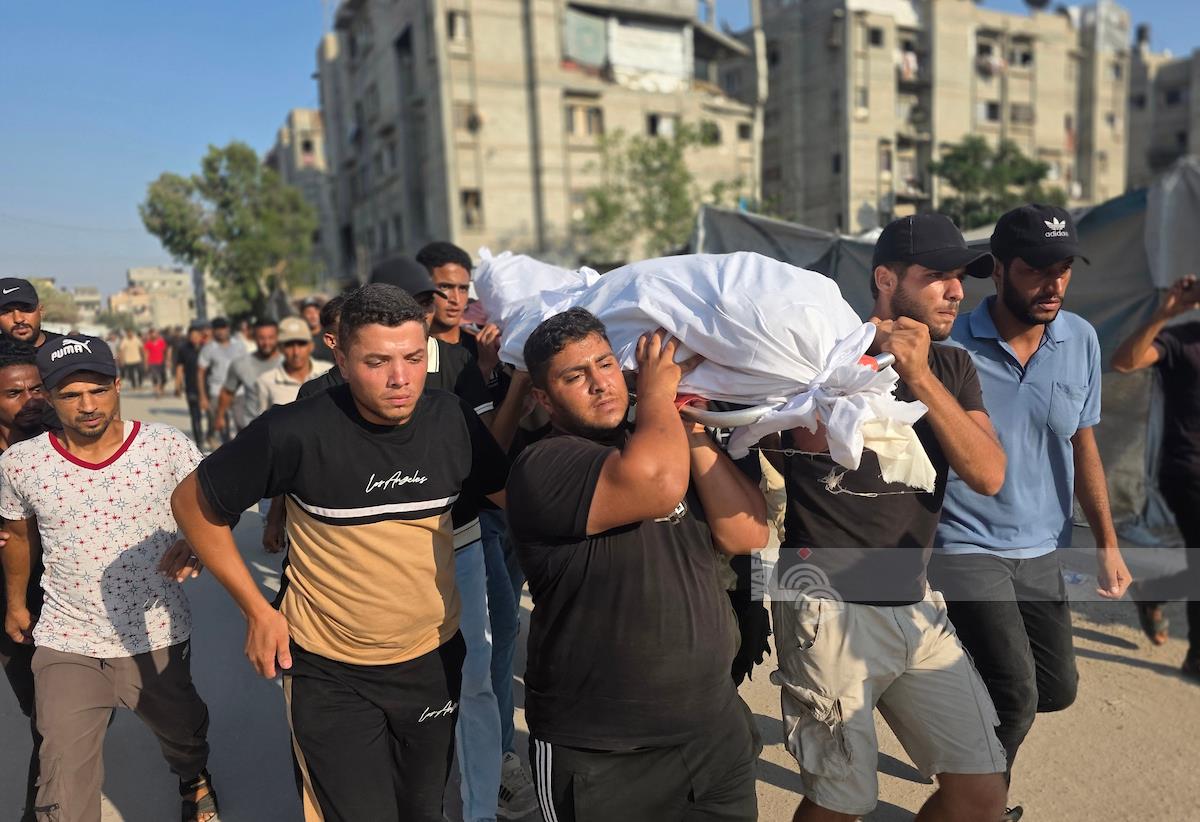
The Gaza Ministry of Health recorded 199 Palestinian deaths last May alone. It stated this is “highest number of martyrs recorded since the beginning of this year,” and made through Israeli gunfire.
Data from the Ministry shows that women, children, and the elderly constitute 30% of the total number of deaths that continue to be indiscriminately made.
The number of children killed reached 19 (16%), while 10 women lost their lives (8.5%) in that aforementioned month.
Read also: “Gaza Live”… 3 Martyrs and Wounded in 8 New Israeli Violations of the Truce
According to official health statistics, the total number of those killed since the ceasefire on October 11, 2025, has risen to 933 with 2,868 injuries. This is while the number of bodies recovered from under the rubble reached 781.
Since the beginning of the Israeli aggression on October 7, 2023, the total number of those martyred reached 72,942, while the number of injuries spiked to 172,967.
Since October 2025, following the signing of the ceasefire agreement under US auscpices, the Israeli occupying forces continued to commit serious violations of the truce, including gunfire, shelling, and the destruction of civilian infrastructure. This has resulted in further deaths and injuries of ordinary civilians.
 Saleem Ayoub Quna
The fourth round of negotiations between representatives of the Lebanese Government, in the person of the Lebanese Ambassador to Washington, and representatives of the Israeli government, under the cuddling attitude of the State Department, to reach some kind of agreement between the two odd neighbors in the Middle East, look like a friendly, yet an absurd endeavor of witch-hunting, that can only render the caterers and planners of the event, happy! For each team are supposed to ask their counterparts to agree to things that are beyond their jurisdiction or authority, to say yes or no, under the current circumstances!
Israel wants the government of Lebanon to agree to a peace accord with it like the ones concluded, long time ago, with Egypt, PLO and Jordan, just to give a finger to Iran and its Shia active and militarily strong allies in Lebanon. For their part, the Lebanese delegation would be shyly telling the Israeli negotiators that before any other item is considered, Israeli forces have to be out of Lebanese territories first.
Official Israel and Lebanon are fully aware that such meetings will lead to nowhere, as long as back home and on the ground, where the real cooking is taking place, ‘chefs’ are having good time doing their best to burn the food further!
But as hopeful amateurs, certain individuals in Washington DC who are probably not educated enough or familiar with Middle Eastern zig-zags, or just pretending to be up to something, seem to be rehearsing for
future similar events!
A special tailored ceasefire in Lebanon now will be absolutely not useful for the Israelis. But it could be arranged with American urging and blessing, just to give the impression that something can be done. It will be a message to the Iranians and the world that, yes we can have a ceasefire in Lebanon now, it is your turn to be flexible on the Hormuz entanglement! While the original story was a complete reverse, meaning we can have a ceasefire around Hormuz, only if we had one in south Lebanon! But here is the real picture on the ground.
Israel is holding the whole area of south Lebanon and its nearly 400 villages as a hostage, thanks to its ability to hit any spot in Lebanon and in Beirut in particular. It is a bargaining chip to pressure the Lebanese government to submit to an official deal that would by-pass Hezbollah and the Shia component in the Lebanese Parliament. While Hezbollah and their local allies refuse to concede their arms to the central government in Beirut, claiming that such a move would be interpreted as a concession to Israel.
So, if I were to advice the Israelis on how to outsmart their opponents in Lebanon, I would tell them, you can stop your absurd war in Lebanon immediately, and start withdrawing your soldiers from areas they entered after the last ceasefire announced between Iran and the US and Israel, and wait for their reaction to that!
And if I were to advice Hezbollah, I would tell them do not target villages or civilians within Israel international borders and make clear that you only target Israeli military presence within Lebanese international borders, and wait for a reaction!
And finally, if I were to advice the Americans on this particular issue, which looks actually like a replicate of their other similar moves and initiatives in the region, since June 2025, when President Trump, willingly swallowed the pill prescribed to him by Dr. Netanyahu, to end the Iranian headache, I would say this: Might, like cash, is not the answer to all problems! It is only a temporary remedy, like the cash that cannot buy you happiness, but the delusion that you are experiencing
it!
The entanglement in south Lebanon will not be solved by apprentices in history and geography meeting in air-conditioned elegant rooms in Washington DC, but there on the grounds of south Lebanon, where valleys, trees, rivers, mountains, villages and people have long time ago, concluded among themselves, without external interference, an eternal verbal memorandum of understanding, that they were doomed to live or perish there in rotation, exactly like the four seasons of the
year!
It all worked out smoothly there since, without miracles!