 Glorious Yemen
 Say Cheese!
 Israel Vessels Fire at Three Fishermen in Gaza
 Palestine in the Olive Harvest
 Smiles and Embroidery


Glorious Yemen
Heba
- August 14, 2026
 Heba
Heba CrossFireArabia
 marwanCrossFireArabiamarwanHebaCrossFireArabiamarwanmarwanHebaCrossFireArabiamarwanmarwanCrossFireArabiamarwanHebaCrossFireArabiaCrossFireArabiaCrossFireArabiaHebamarwanCrossFireArabiamarwanHebaCrossFireArabiaHebamarwanmarwanCrossFireArabiamarwanmarwanmarwanmarwanmarwanmarwanmarwanmarwanmarwanCrossFireArabiaCrossFireArabiamarwanmarwanCrossFireArabiaCrossFireArabiamarwanCrossFireArabiamarwanHebaHebamarwanmarwanCrossFireArabiamarwanmarwanmarwanmarwanCrossFireArabiaCrossFireArabiamarwanmarwanmarwanCrossFireArabiamarwanmarwanmarwanmarwanmarwanCrossFireArabiamarwanmarwanmarwanmarwanCrossFireArabiamarwanmarwanmarwanmarwan
By Ismail Al Sharif
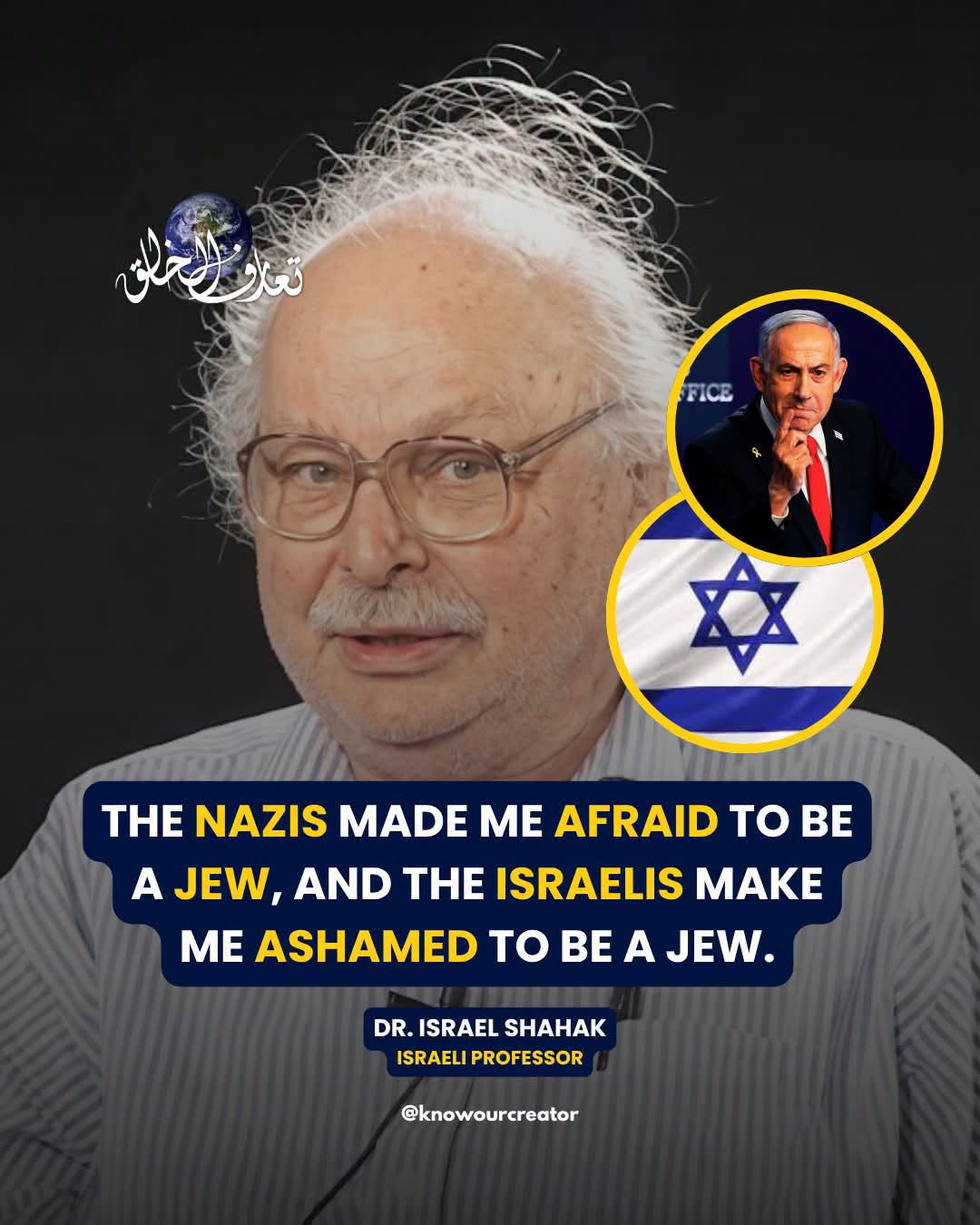
On 4 June, the Pew Research Center released a survey titled: “Most People in 36 Countries Have a Negative View of Israel and No Trust in Netanyahu.”
The study, which polled 44,657 people worldwide, revealed that negative views of Israel have become prevalent in most of the surveyed countries. On average, 67% of respondents hold a negative view of Israel, compared to only 25% who expressed a positive one.
Notably, the study found only a handful of countries—no more than a handful—where Israel enjoyed a positive view among the majority of their people.
Perhaps most importantly, this decline is no longer limited to Muslim-majority countries or societies historically known for their negative stance toward Israel. It now extends to Western countries whose people were traditionally considered supporters of Israel.
In Europe, North America, and Australia, negative views are growing, particularly among young people and those on the political left. The study indicates that young people in several countries hold more negative views of Israel than the older generations there, making the crisis far from a passing phenomenon and giving it a generational character that could have long-lasting effects.
The study also shows the division over Israel has become clearly ideological. In the United States, for example, liberals hold far more negative views than conservatives, and young Americans are more critical of Israel than the older generations. This pattern is repeated in other Western countries, where the left tends to hold even more anti-Israel positions than the right.
President Donald Trump was right when he told the war criminal [Benjamin] Netanyahu in a phone call that the world hates him; the world’s hatred for him even surpasses its hatred for Israel. The study found that a majority in most countries do not trust him. In the United States, 59% of respondents do not trust him, compared to only 27% who do. Even among American Jews, although the positive view of Israel remains relatively high, trust in Netanyahu appears to be significantly low.
The study also indicates that some countries register very high levels of negativity toward Israel, such as in Turkey, where the negative view reached 97%. In the West Bank and East Jerusalem, 85% expressed a negative opinion, compared to only 4% who expressed a positive one. It should be noted that the study did not include Gaza.
The few remaining points of support are mainly confined to some African countries, such as Kenya and Ghana, due to Zionist influence in them, but they do not amount to a clear majority in support of Israel. As for Netanyahu, he enjoys the trust of a majority of the population in only two countries: Kenya and the Philippines, where he is seen as a strong leader.
Unfortunately, this study did not include the opinion of Jordanians regarding Israel or the war criminal Netanyahu, an opinion that, in reality, does not require extensive polling. The Jordanian position on Israel and Netanyahu is well-known and consistent, and is confirmed by other studies.
A recent Arab Barometer survey revealed that Jordanians’ view of Western policies has sharply declined due to the Gaza war, with 81% believing that the United States defends Zionist interests. A 2023 Washington Institute poll found that 84% of Jordanians oppose establishing trade relations with Israel, even if they bring economic benefits to Jordan, and 76% refuse to accept humanitarian aid from Israel, even in times of disaster.
A 2025 survey of Jordanian university students showed that 92.6% consider Israel as the “main enemy” of Jordan and the Arab world.
Besides Jordan, the study omitted the countries surrounding Israel: Egypt, Syria, and Lebanon. This omission is perhaps questionable, as the populations of these countries hold a deeply negative view of Israel and its prime minister. Their figures would have provided conclusive evidence that Israel remains a foreign entity in the region, despite peace agreements and economic interests that have failed to alter public opinion.
These figures would have raised broader questions among the world’s populations about the very notion of Israel’s acceptance within its surrounding region. If this entity is indeed surrounded by such rejection and hatred, then the logic of history and geography dictates that the region will ultimately reject it.
This article was first published in the Arabic Addustour daily newspaper and reprinted in crossfirearabia.com
CrossFireArabia
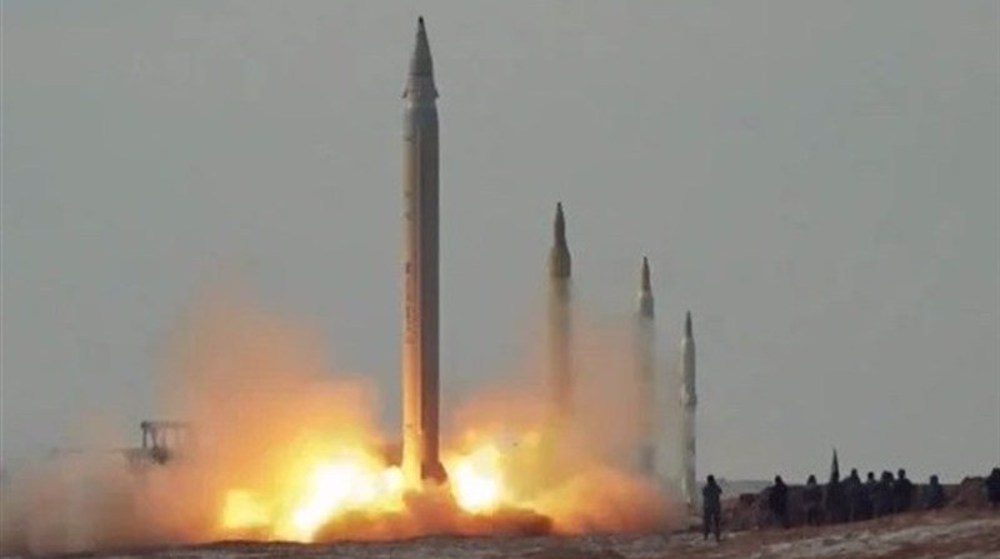
Military confrontations between Israel and Iran have resumed, with both sides exchanging missile and air strikes for the first time since a fragile ceasefire took effect last April.
The Israeli military announced on Monday that it had launched airstrikes targeting military sites in western and central Iran in response to Iranian missile launches. Iranian media confirmed explosions in several areas across the country.
On Sunday, Iran launched volleys of missiles toward Israel, marking its first direct attack since the April ceasefire. Iran stated that the strikes were in retaliation for an Israeli airstrike targeting the southern suburbs of Beirut. Sirens sounded in Haifa, northern Israel, the West Bank, and Jerusalem.
Israel and the United States launched a military strike against Iran on February 28, targeting facilities, ministries, and commanders in Tehran and several other Iranian provinces. Iran responded by launching ballistic missiles and drones into Israeli territory.
On April 8, US President Trump announced his agreement to suspend the Israeli-American war on Iran for two weeks, following peace talks between America and Iran hosted by Pakistan to reach an agreement to end the war. On the 22nd of the same month, Trump announced the extension of the ceasefire with Iran indefinitely, at the request of the mediators. WAFA
CrossFireArabia
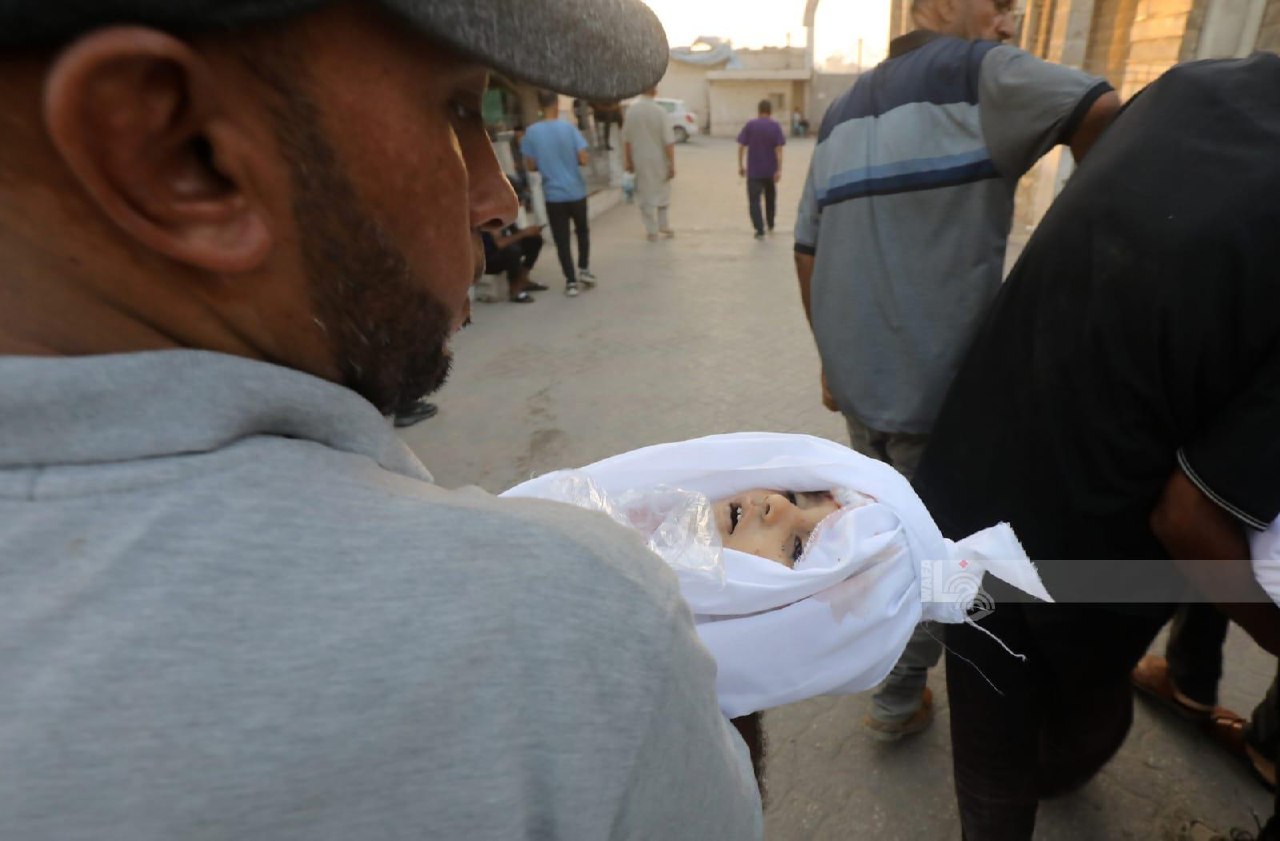
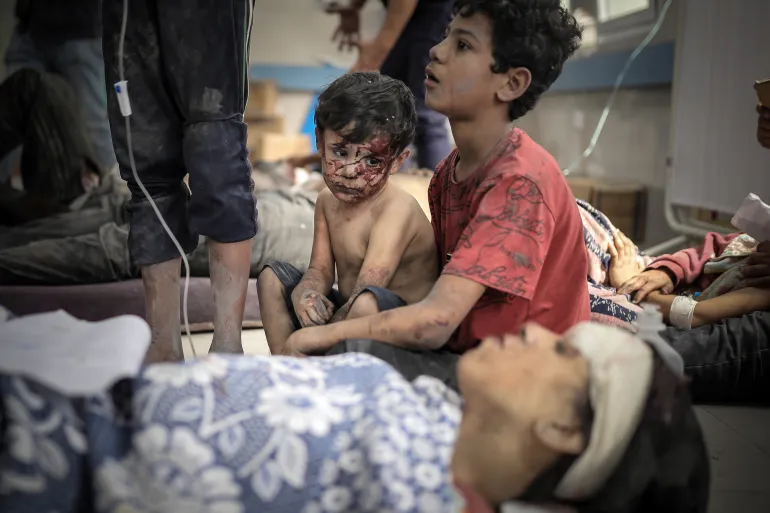
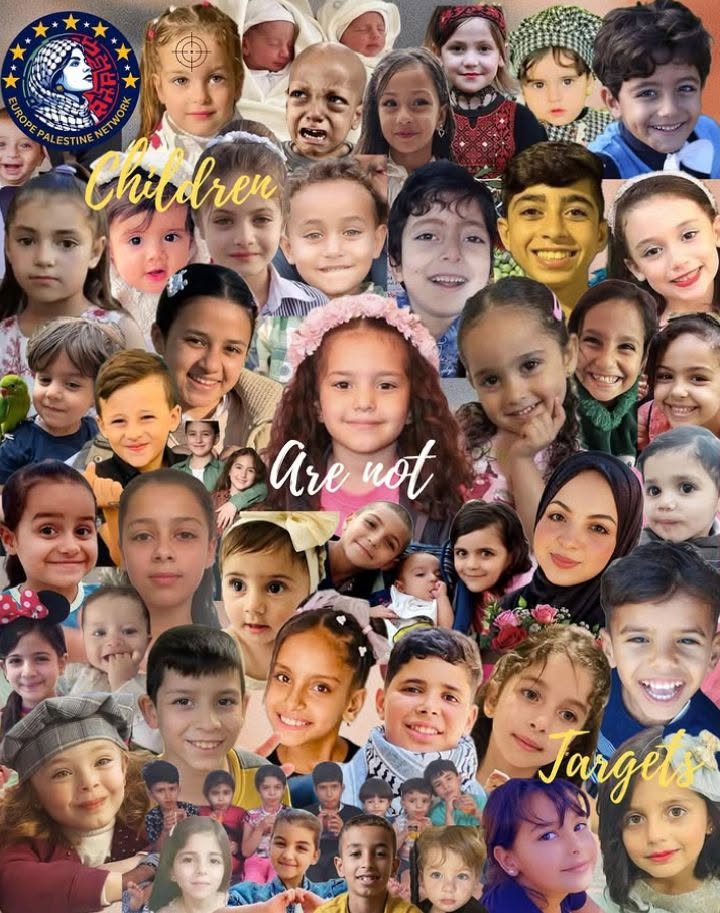
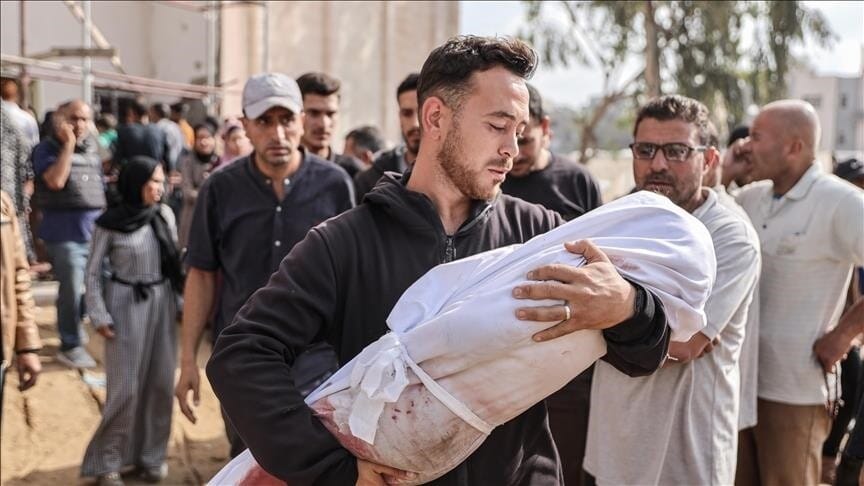
A meticulous investigative report by the Dutch newspaper De Volkskrant documenting what journalists describe as the deliberate targeting of children in Gaza has been awarded the European Press Prize 2026, one of the continent’s most prestigious journalism honors.
The award-winning piece, titled “What the Wounds Tell,” was authored by De Volkskrant journalists Maud Effting and Willem Feenstra, who documented 114 cases of children under the age of 15 who were each struck by a single bullet to the head or chest. Nearly all of them died or were left severely disabled according to Anadolu.
“This is exceptional journalism carried out under exceptional circumstances. While independent access to Gaza has been made almost impossible, @maudeffting and Feenstra built a rigorous investigation from the accounts and documentation of international medical professionals who had worked inside Gaza’s hospitals and clinics,” the European Press Prize said, praising the work on its official channels.
The journalists chose to focus specifically on children under 15 — many of them aged 3, 4 or 7 — because they can be immediately and unambiguously identified as minors.
“A single bullet in these parts of the body is a clear indication that these children were deliberately targeted,” Effting and Feenstra wrote in their report.
The newspaper spoke with 17 doctors and a nurse from the US, the UK, Australia, Canada and the Netherlands who worked at six hospitals and four clinics in Gaza since October 2023. Many had long experience in crisis zones, including Sudan, Afghanistan and Ukraine.
Fifteen of them told De Volkskrant that they treated at least 114 children aged 15 or younger with a single gunshot wound to the head or chest. The cases were documented between late 2023 and mid-2025 at 10 medical facilities.
One of the doctors, US trauma surgeon Feroze Sidhwa, recalled his first day at the European Hospital in Gaza in March 2024, where he found four boys under 10 with identical head wounds within 48 hours, according to the report.
“How is it possible that here in this small hospital, within 48 hours, four children have come in who were shot in the head?” he told the paper.
Over the following 13 days, he encountered nine more children with similar wounds.
Doctors interviewed stressed that such injuries were unlikely to be accidental. Forensic experts consulted by the newspaper said the uniform pattern suggested aimed fire, possibly by snipers or drones.
The European Press Prize is one of journalism’s most prestigious honors on the continent, recognizing outstanding reporting across Europe.
CrossFireArabia
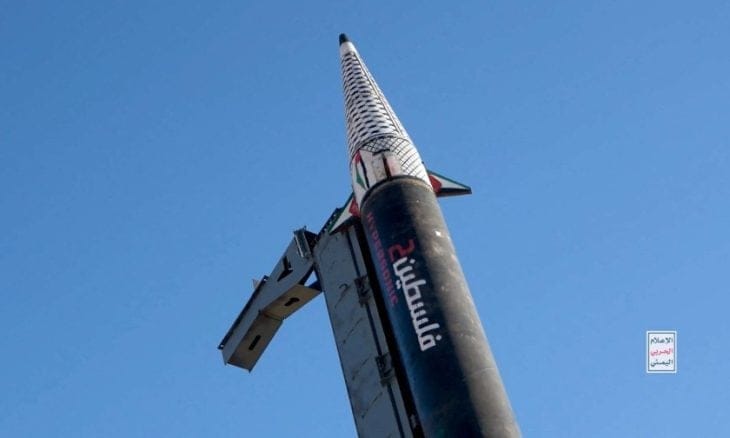
The Houthis fired a missile, Monday morning targeting Israel. Loud explosions were heard in the south and center of the country as anti-missile batteries sought to bring the Yemeni missile down.
The Israeli army said sirens went off in different parts of the country as the Houthi missile approached.
The Yemeni missile may point to the Houthi intention to join the war in support of Iran against Israel that lay dormant since 8 April when a shaky ceasefire was reached between Tehran, Washington and Tel Aviv.
This ceasefire was broken on 7 June when Tehran fired a volley of missiles on Israeli as a warning to the latter which attacked Beirut’s south neigborhood on that same day.
marwan
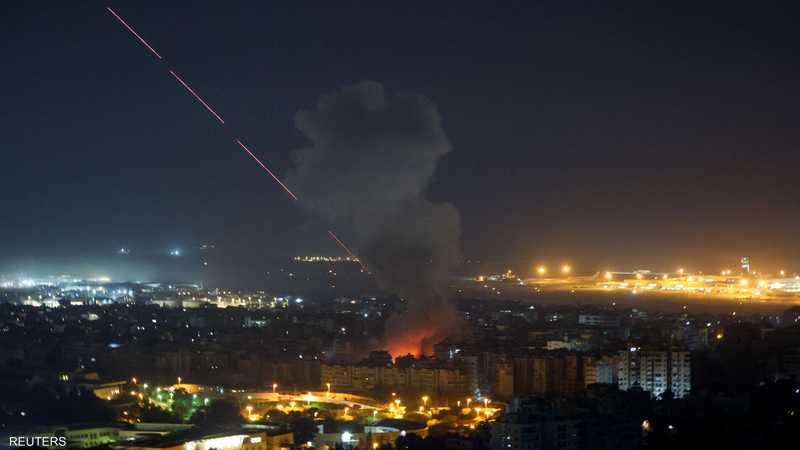
Iran launched a missile attack on Israel on Sunday evening. This is its first time since the ceasefire between the two countries was made two months ago. The Iranian strikes came in response to Israel’s escalation of its aggression against Lebanon by targeting Beirut’s southern suburbs.
Sirens sounded in Haifa and across large areas of northern Israel after missile launches from Iran were detected. Initial reports indicated a direct hit on a building in Tiberias.
Media reports state that Iran launched 10 ballistic missiles in four slavos.