Bint Jbeil: Town of Heroic Resistance

By Mohammad Jaradat

Weaker than a spider’s web. This is a slogan used by the late martyr Sayyed Hassan Nasrallah, from here in Bint Jbeil that represents the crucible of southern Lebanese geography intertwined with a history of resistance from the last century against the French occupation, and the crown jewel of northern Palestine in the face of the British occupation. Here, some of Sheikh Izz ad-Din al-Qassam’s men received their training and ammunition for the battlefield.

The Litani River, with its proud craned neck, peering from its geographical depression into the nearby hills, eastward towards Ainata and southward opposite Maroun al-Ras and Ain Ebel peers in fervor. Here, the Israeli occupation army finally declared its encirclement after 50 days of war and nearly a month of intermittent ground incursions by their two fully equipped divisions.

The 98th Division, with over 15,000 soldiers, advanced from the east, and the 162nd Division, with a similar strength, advanced from the west. The spokesperson of this “army” boasted that the sports stadium had been captured. It was here that the complex of “weaker than a spider’s web” took root in the Israeli psyche, beginning in 2000 with the victory speech by Nasrallah, then general secretary of Hezbollah, delivered in this very stadium. This complex solidified in 2006, becoming deeply ingrained in the Israeli psychological and political landscape and surfacing.

Today Bint Jbeil, a southern town with a population of 25,000 and an area exceeding 10 square kilometers, is besieged. The encirclement is now complete, and the Israeli army intends to storm it, as they did in 2006 for four weeks. Then, Brigadier General Gal Hirsch repeatedly announced its capture in three consecutive false claims. Israeli soldiers attempted a takeover 2024, but Bint Jbeil remained defiant against the invaders, even under the cover of the world’s most powerful air force and accompanied by the most advanced and sophisticated tanks.

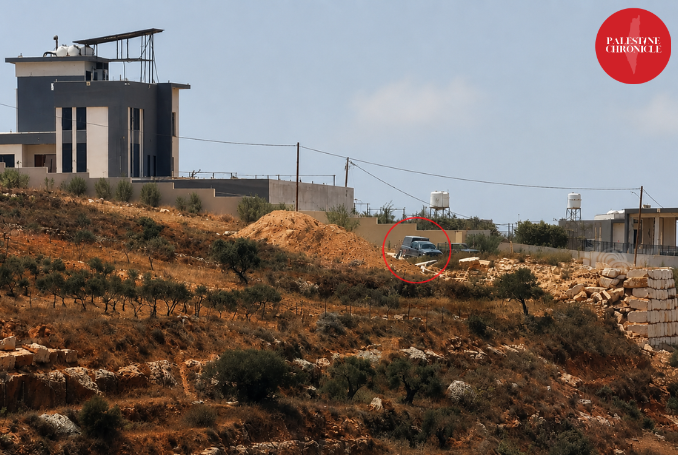
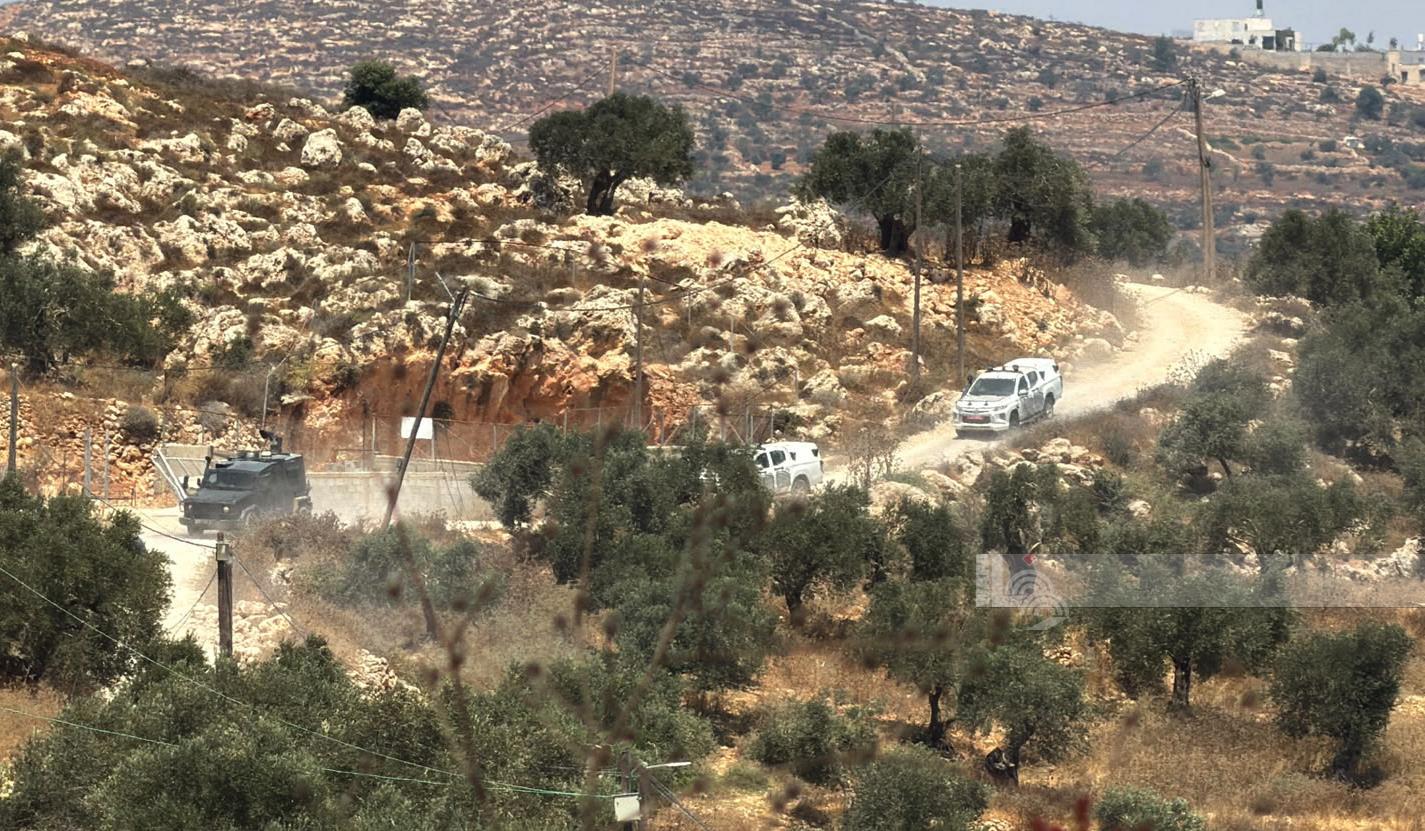
Bint Jbeil sits peacefully in its low-lying geographical area, just 3 kilometers from the northern Palestinian border. Only Mount Maroun al-Ras separates it from this border, being fraught with tension and pride. This time the Israeli occupation army traversed its roads, advancing towards the outskirts of Bint Jbeil. Channel 14 of the Israeli entity, albeit through circuitous means, circumvented the military censor’s scissors to reveal the hell of war in Bint Jbeil, where the tank of the commander of Battalion 52 had just been blown up by an anti-tank missile.

The Israeli occupation army is pushing towards Bint Jbeil, fully aware of the symbolic and strategic importance of this town. It is the geographical neck that separates the eastern and western branches of the Litani River. Israel cannot claim to have complete control over the southern Litani without Bint Jbeil. However, its past experiences with the town have been bitter. While it may have studied its reality and learned from those experiences, its people and their resistance have surpassed even the lessons learned and the harshness of the confrontation.

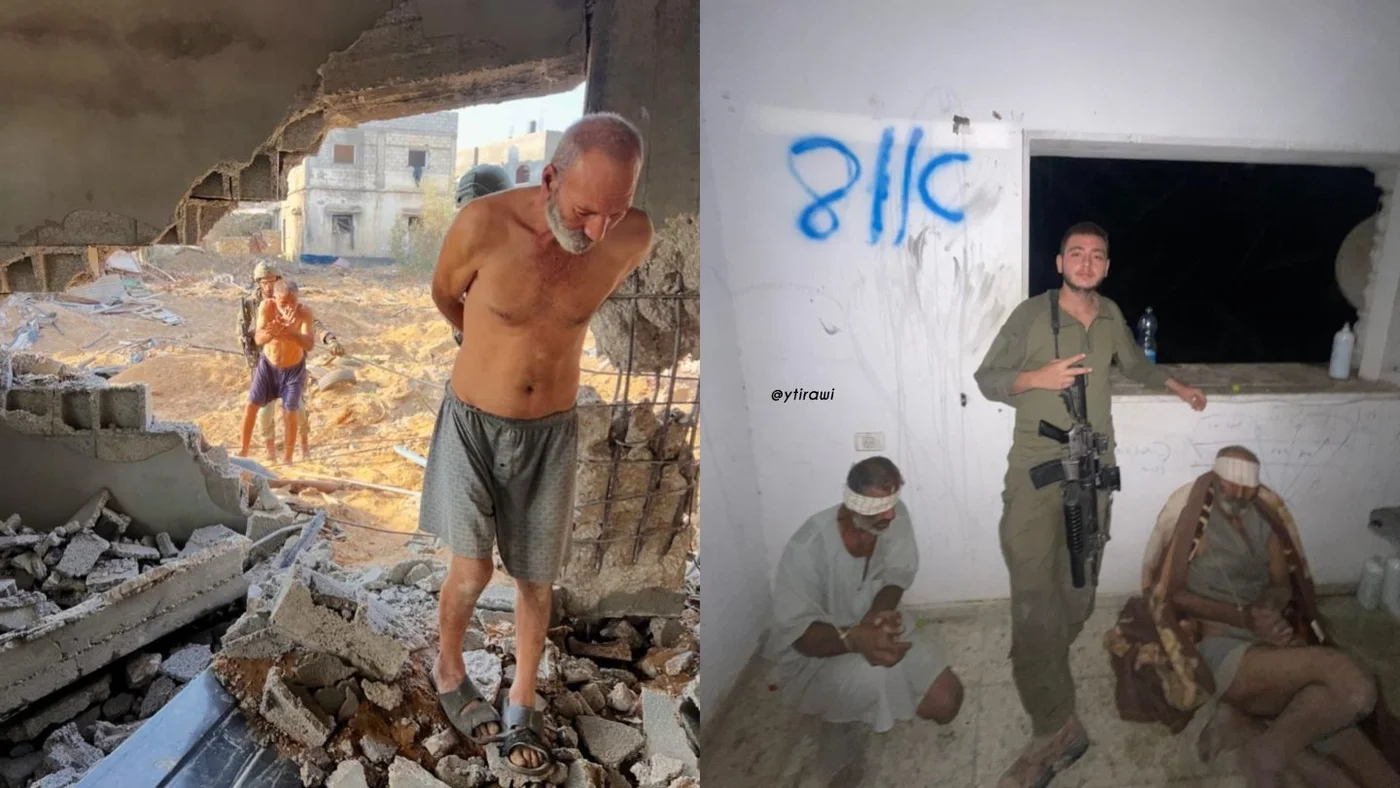
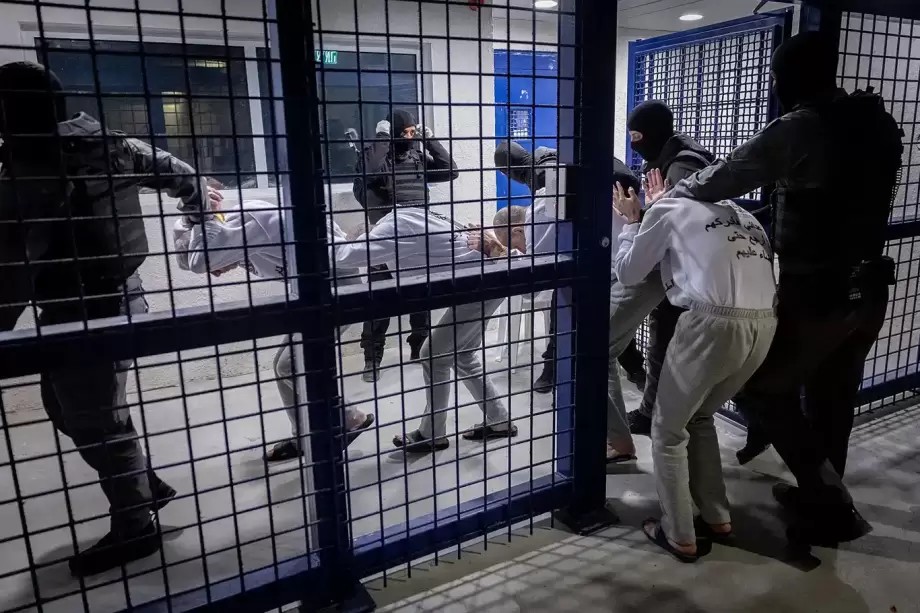
The alleys and lanes of Bint Jbeil bear witness to the footsteps of dozens of resistance fighters and commanders who have fallen within its walls in previous battles. Dozens of Israeli soldiers and commanders have also fallen there. Today, in the Battle of Asif al-Ma’kul (Operation Protective Edge), Bint Jbeil opens its arms not to welcome invaders, but to shelter some of them as prisoners, after the promise made by today’s Secretary-General of the Resistance, Sheikh Naim Qassem. He, a man of action rather than oratory, and he would not have made such a vow unless the men of God, under his guidance, had prepared themselves for the present fight. There are resistance prisoners whom the November 2024 agreement left unfulfilled, and the resistance does not abandon its prisoners in prisons.

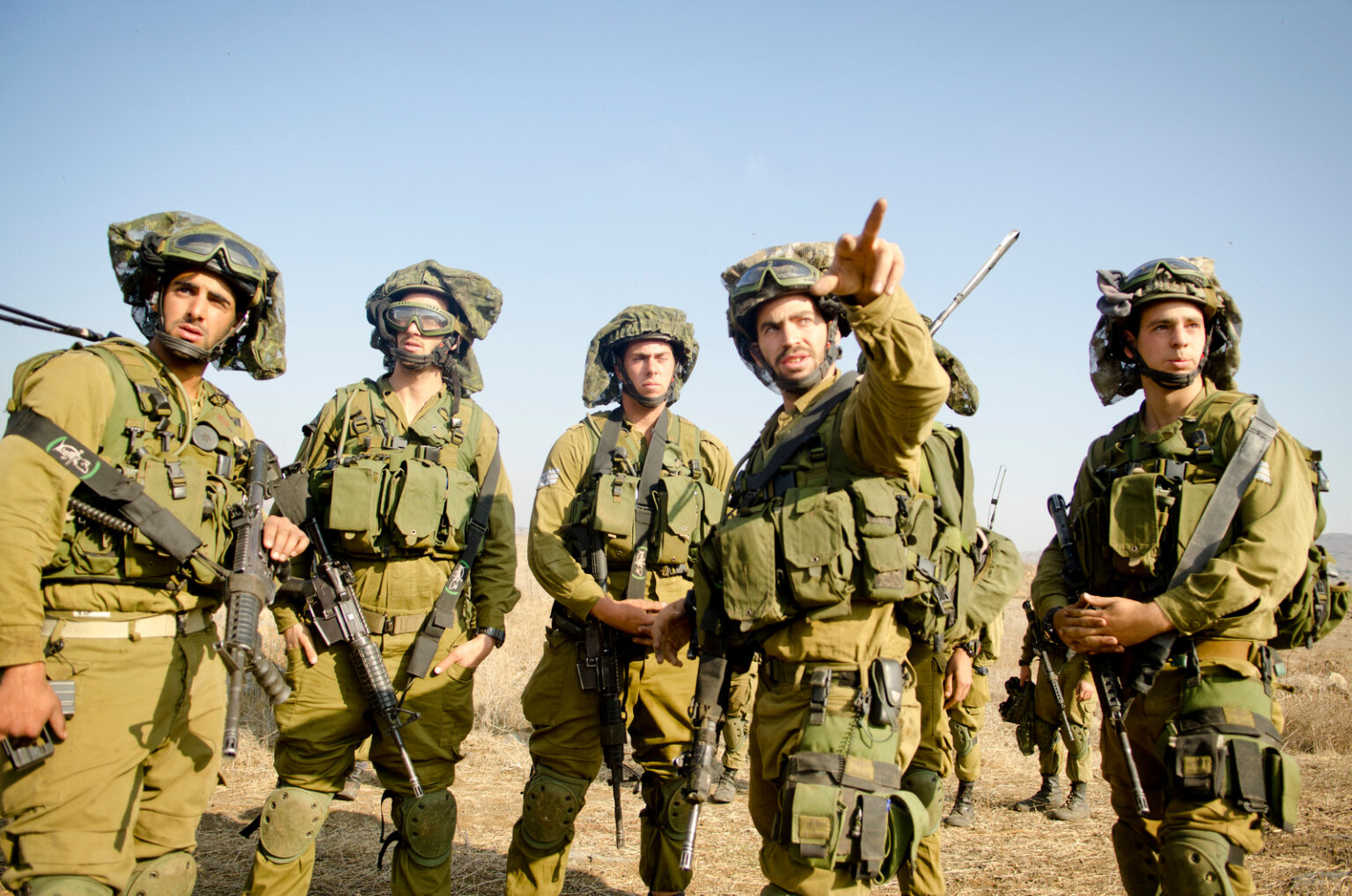
A picture of victory.

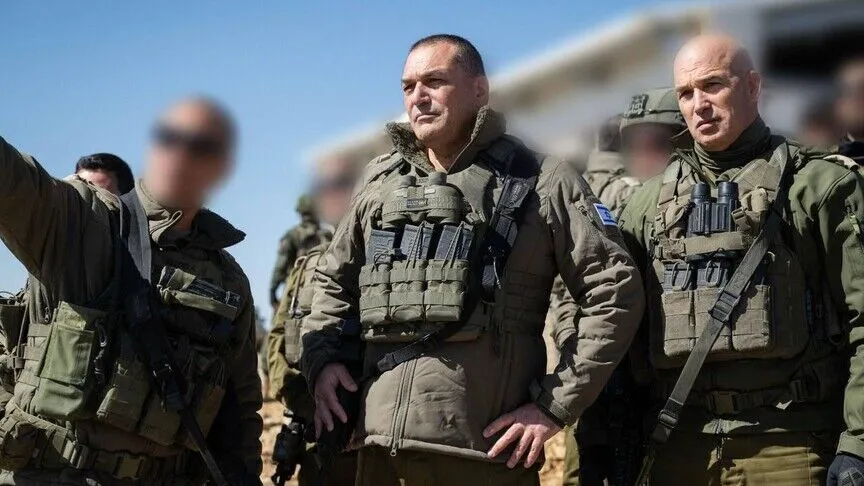
Through this, Benjamin Netanyahu seeks to market his empty slogans here, even at the cost of dozens of the lives of his soldiers. What he failed to achieve in his aggression against Iran, he now aims to accomplish here in Lebanon, even through direct negotiations with a government that represents only a small minority of subservient individuals. He arrogantly insists on negotiations under fire, hence his insistence that his Chief of Staff, Eyal Zamir, rush to Bint Jbeil, just as Ehud Olmert did previously when he insisted on his Chief of Staff, Dan Halutz, and persisted until some officers, according to Olmert’s later admissions, disobeyed orders and withdrew without permission from some of the areas they had seized in Bint Jbeil, leaving in a worse state than when they had entered.

The concentrated targeting of Bint Jbeil, amidst the rush to resolve the battle, even if only by attempting to stage a photo opportunity in some of its neighborhoods, points to several important aspects, most notably:

First: The quagmire of the Israeli army in southern Lebanon is becoming increasingly entrenched, especially as Israeli political ambitions have begun to outweigh its military achievements on the ground. This is due to the composure of the resistance leadership, its effective management, and its mobile control over key areas in southern Lebanon. It is also due to the pressure of Iranian steadfastness and the interconnectedness of the various fronts, which has driven Netanyahu to seek a preemptive escape by jumping into direct negotiations with the Lebanese government lead by Nawaf Salam in Washington.

Second: This serves to cover up the Israeli-American failure on the Iranian front. This failure, on the one hand, is what prompted the Israeli army to commit Wednesday’s massacres against hundreds of civilians. On the other hand, it indicates the frenzied behavior that gripped Netanyahu after the US agreed to the Iranian condition of halting the aggression against Lebanon, just as it halted the aggression against Iran—a condition that remains a thorn in Israel’s side.

Third: Exploiting the official Lebanese rush towards Israel through direct negotiations—negotiations devoid of any real possibility of agreement. The Lebanese government lacks the necessary realities and is negotiating to secure a ceasefire agreement, separate from any Iranian gains, in exchange for Israel’s insistence on disarming Hezbollah. Hezbollah’s weapons are used to bombard Israeli settlements in northern Palestine day and night, and to destroy invading tanks and vehicles with alarming regularity.

Fourth: Attempting to resolve the stalemate on all fronts south of the Litani River through a decisive battle in Bint Jbeil. This battle is seen as capable of dismantling the entire stalemate. Herein lies the Israeli spirit of adventurism, which might sometimes suit the resistance forces. Israel would not lose much if its gamble failed. However, in the approach of conventional armies, such reckless actions break their backs and cause them to lose their overall balance. This is precisely the situation the occupation army might find itself in if its adventurism backfires on it at the gates of Bint Jbeil or within its shadowy environs.

It is no exaggeration to say that the state of enticement that the Israeli occupation army is pursuing in Bint Jbeil may decide the fate of the aggression against Lebanon as a whole, especially with the insistence of Netanyahu and his war minister Israel Katz and their exertions on the army commanders in the field, at which point continuing to run away since October 7, 2023 will not be of any use.

Mohammad Jaradat is a Palestinian researcher who contributed this article to Al Mayadeen and this article is presented in translation form and reprinted in crossfirearabia.com

Continue reading
11 Palestinians in Israeli Jails For Over 30 Years

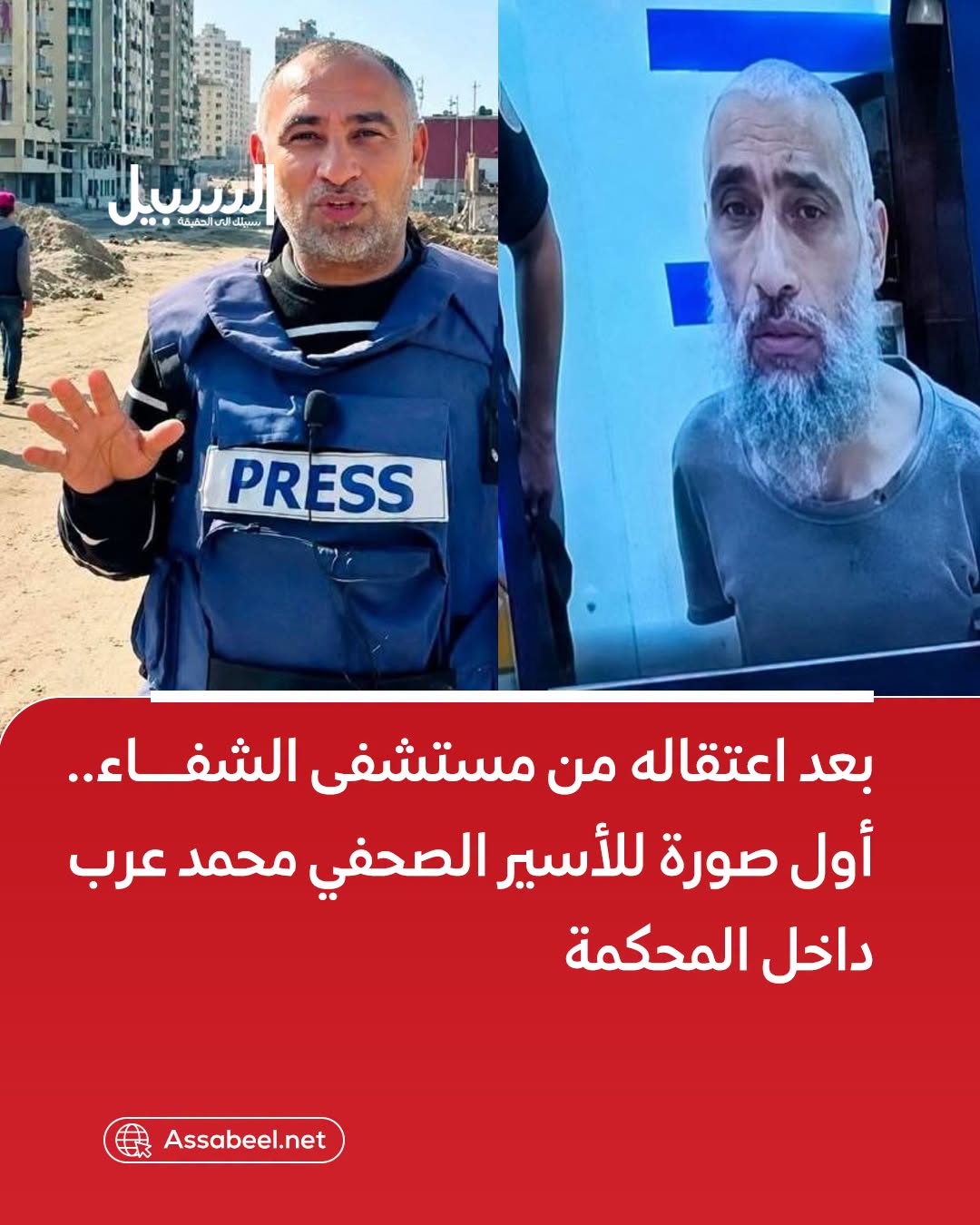
The Palestinian Center for Prisoner Studies (a research NGO) have stated 11 Palestinian prisoners have been incarcerated in Israeli prisons for more than three consecutive decades. It said this is a situation that reflects the international system’s failure to achieve justice and protect human rights.

Center’s director Riyad al-Ashqar says the world stands idly by as the lives of these prisoners slip away behind bars, under harsh conditions, threatened with illness and perpetual suffering, without any effective intervention to guarantee their freedom or improve their conditions within the prisons.

He points out Ibrahim Abdel-Razzaq Bayadsa and Ahmed Ali Abu Jaber, both from within the 1948 borders, are among the longest-serving Palestinian prisoners, having spent nearly 40 years in detention since 1986. Mahmoud Salem Abu Kharbish from Jericho and Jumaa Ibrahim Adam from Ramallah have each spent approximately 38 years in captivity since 1988.

Four prisoners from within the 1948 borders—Ibrahim Hassan Aghbaria, Muhammad Saeed Aghbaria, Yahya Mustafa Aghbaria, and Muhammad Tawfiq Jabariyeh—have spent more than 34 years in prison since 1992. Abdel-Halim Sakib Al-Balbisi from Jabalia has spent 31 years in captivity since 1995, while Akram Al-Qawasmi from Jerusalem and Hassan Abdel-Rahman Salameh from Khan Younis have each spent approximately 30 years in detention since 1996.

Al-Ashqar emphasizes that these prisoners are not mere numbers; each has a story of long suffering, and many of them have lost loved ones. First-degree relatives were separated from their loved ones during their years of detention, without being able to bid them farewell. JO24

He explained that the majority of prisoners suffer from various illnesses as a result of the harsh detention conditions and the policy of medical neglect. He pointed out that some of them are over seventy years old and require urgent medical care, given the restrictions on treatment and their denial of surgeries or assistive devices.

He also noted the deterioration of the prisoners’ conditions over the past two years, due to the tightening of prison procedures and the escalation of violations against them.

Al-Ashqar reiterated his call for the international community to assume its responsibilities and intervene to secure the release of the long-serving prisoners, emphasizing that they have spent the majority of their lives behind bars and have been subjected to various forms of torture and deprivation.

Continue reading
NRC: ‘Gaza Ceasefire in Name Only’

Statement by Jan Egeland, Secretary General of the Norwegian Refugee Council (NRC), on six months of ceasefire in Gaza

“Six months into the ceasefire, civilians in Gaza remain trapped amid attacks on civilians, restricted aid, and an uncertain political process that is now shaping whether recovery will begin or collapse. While the ceasefire has formally held, Israeli strikes have continued to kill and injure civilians, destroy homes, and erode any sense of safety.

“Humanitarian access remains severely constrained. Aid deliveries continue to fall far below agreed levels, with far too few trucks entering to meet basic needs. At the same time, the entry of goods and the restoration of infrastructure are not treated as operational questions, but increasingly tied to political negotiations over Gaza’s future.

“Ongoing talks led by the Board of Peace have introduced new conditions that link reconstruction, the lifting of restrictions, and the withdrawal of Israeli forces to the disarmament of Hamas. Failure of these negotiations could trigger renewed large-scale hostilities. Civilians are already paying the price of this uncertainty.

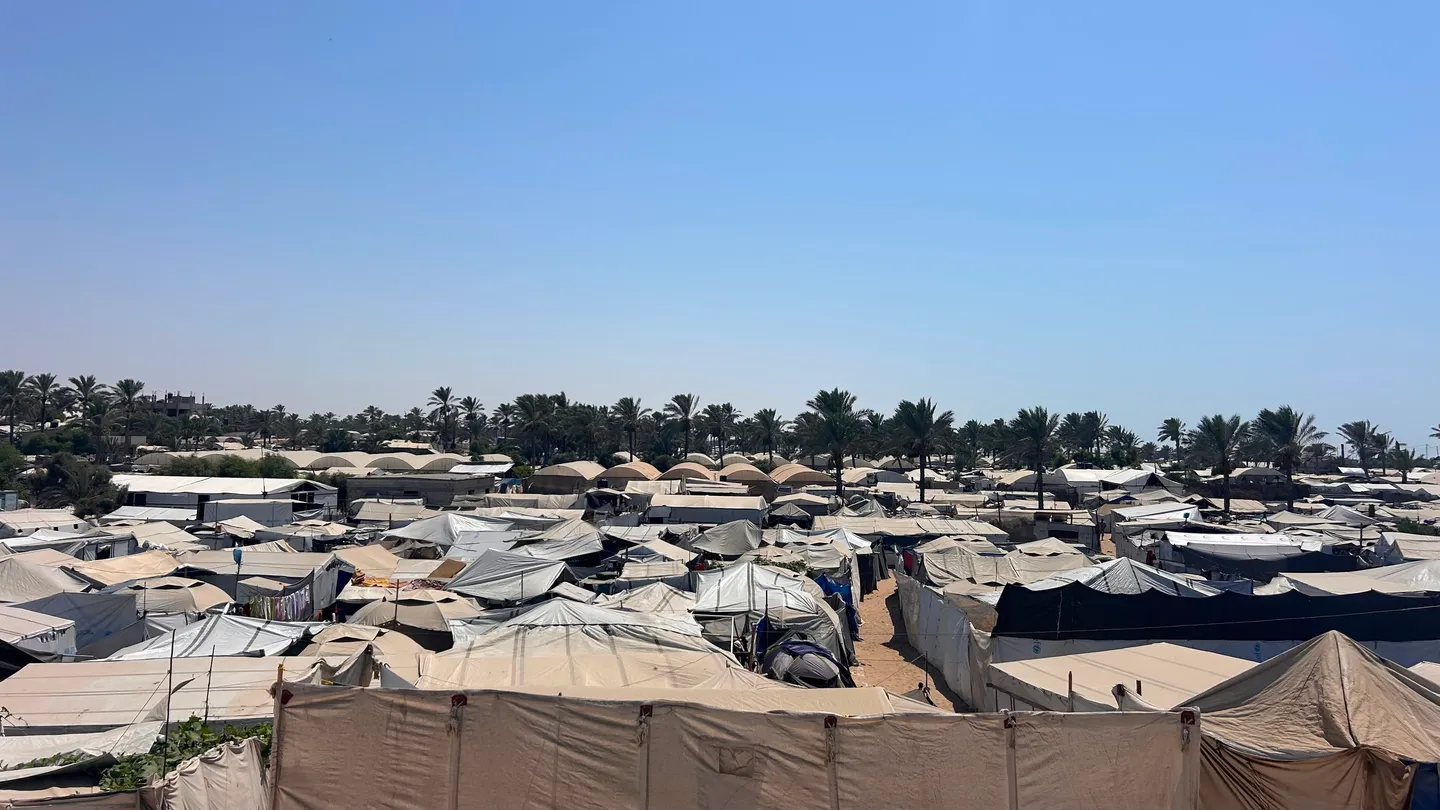
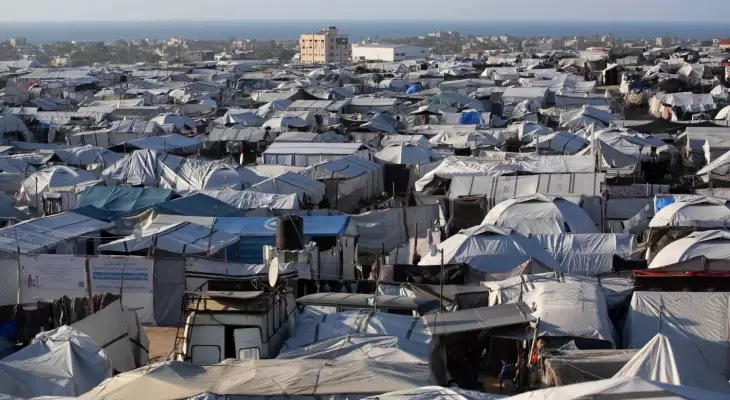
“Our teams continue to operate under extreme conditions, reaching close to one million people with shelter, legal assistance, water, and other essential services. Yet the situation on the ground is deteriorating. Families remain in makeshift shelters, exposed to hazards, with limited access to basic goods and rising prices driven by restricted supply.

“A ceasefire must be more than a reduction in violence. It must ensure sustained humanitarian access, enable immediate reconstruction, and protect humanitarian actors from administrative or legal barriers that undermine our work. Civilian recovery cannot remain conditional on political or military outcomes.

“The people of Gaza and Israel need more than a fragile pause. They need a credible path to safety, dignity, and recovery.”

Notes

  • Photos from Gaza can be downloaded for free use here.
  • Despite the ceasefire, which went into effect on 10 October 2025, Israeli strikes have continued in Gaza, with 713 people reported killed and 1,940 injured (OCHA).

  • Israeli forces have continued to raze areas inside the so-called yellow line, while attacks have also occurred in areas from which forces had withdrawn (OHCHR).
  • Over the past six months, the Norwegian Refugee Council has supported 920,276 people in Gaza through water and sanitation, shelter, legal, protection, education, food and cash services.

Norweigan Refugee Council

Continue reading
Israel’s Mass Lebanese Massacre Must be Investigated – Euro NGO

Editor’s Note: The final death toll of the mass Israeli massacre stands at 303 people killed and 1,150 injured as per the Lebanese Health Ministry, Thursday

The large-scale Israeli attack on Lebanon, which caused heavy civilian casualties and extensive damage to civilian objects, warrants investigation for war crimes and crimes against humanity, given their apparently indiscriminate or disproportionate nature and indications of a systematic attack on the civilian population.

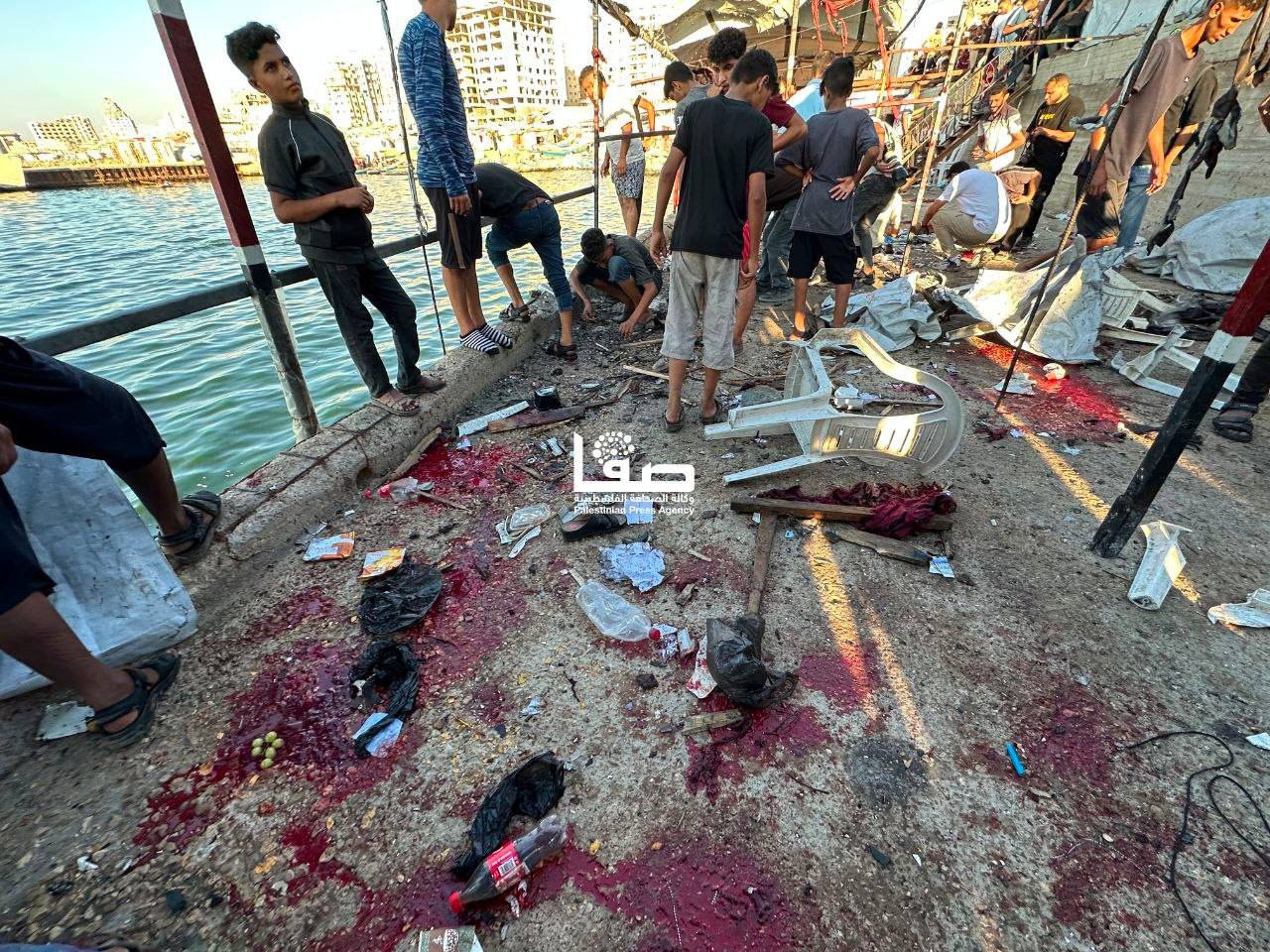
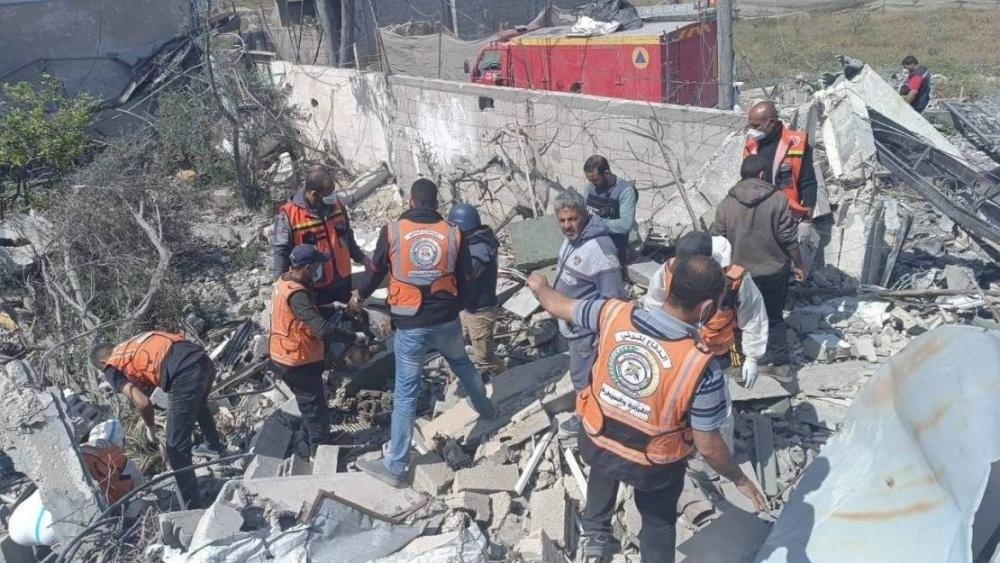
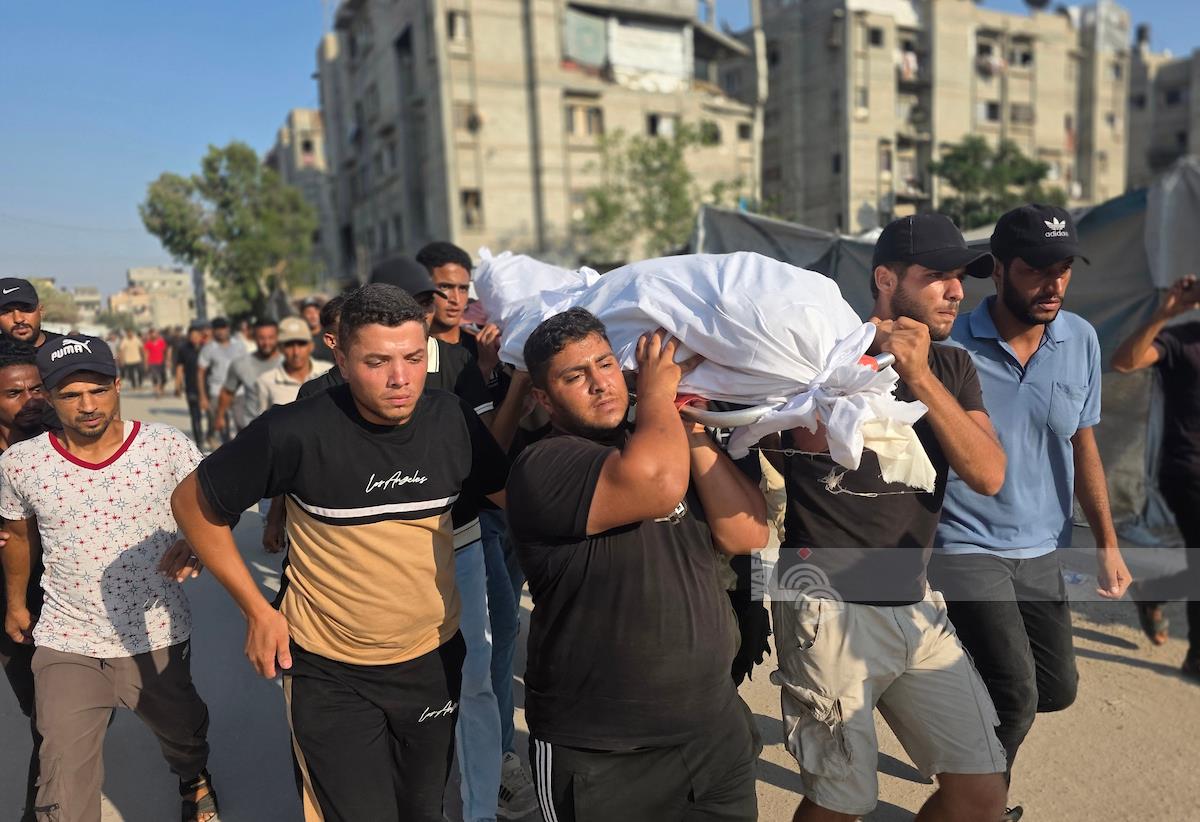
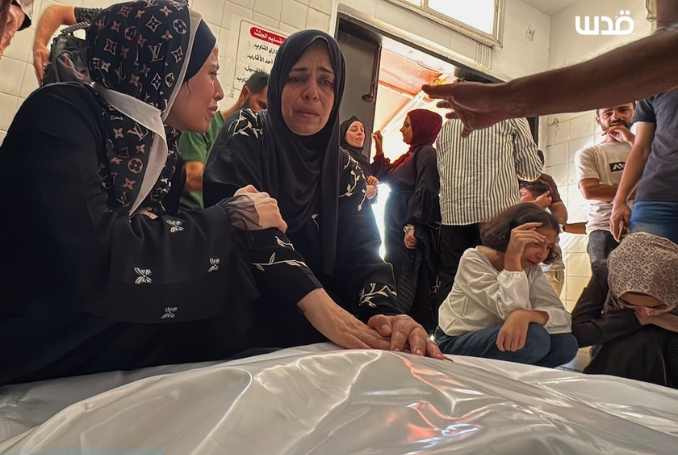
Preliminary field data on Israel’s intensive airstrikes on Beirut and other areas on Wednesday, 8 April, indicate that more than 1,300 people were killed or injured, with dozens still trapped or missing under the rubble. The attacks reflect a pattern of using highly destructive, indiscriminate force in densely populated civilian areas, in violation of international humanitarian law.

Israeli airstrikes hit densely populated residential areas in Beirut and its southern suburbs, as well as parts of the Beqaa Valley and southern Lebanon, killing and injuring civilians in their homes and other civilian settings. The attacks caused widespread destruction of residential buildings and civilian infrastructure. Civilian gatherings and social events were also struck, indicating indiscriminate and excessive use of force in violation of the principles of distinction, proportionality, and precaution.

This escalation came shortly after the announcement of a ceasefire agreement between the United States and Iran, suggesting a pre-emptive attempt to derail meaningful de-escalation and impose facts on the ground through force. It also undermines political and diplomatic efforts and increases the risk of wider escalation and violence in the region.

The Israeli attacks may give rise to criminal responsibility for war crimes, given the strikes on densely populated residential areas and civilian gatherings, the high number of civilian casualties, and the extensive damage to civilian objects and infrastructure.

Moreover, the use of highly destructive weapons in densely populated civilian areas, combined with the apparent failure to distinguish effectively between military targets and civilians, the inability to limit the attacks’ effects as required by international humanitarian law, and civilian harm that appears excessive in relation to any anticipated direct military advantage, provides serious grounds to conclude that direct attacks on civilians or indiscriminate or disproportionate attacks may have occurred. It also suggests a failure to take required precautions in attacks. These acts may constitute grave breaches of international humanitarian law and war crimes, warranting investigation and accountability.

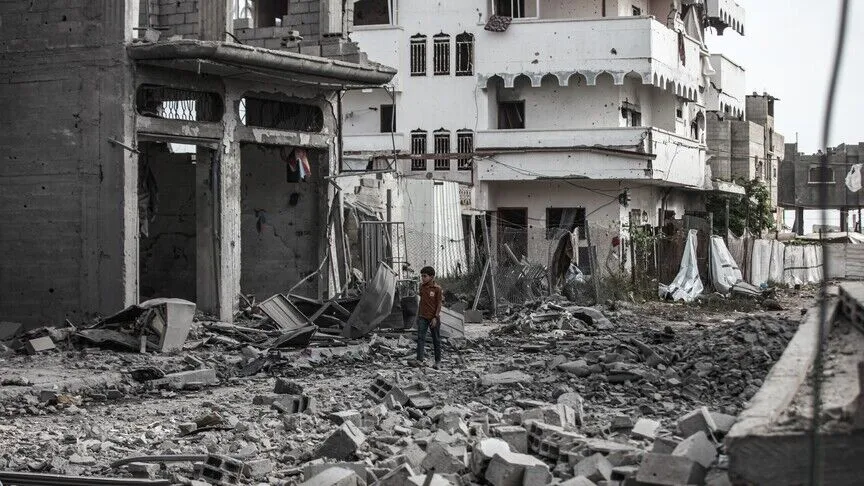
The recent Israeli attacks must be viewed in their broader context as part of an ongoing pattern of strikes on civilian areas that have caused death, injury, destruction, and forced displacement, placing Lebanon’s civilian population under coercive conditions that threaten their lives, safety, and stability.

The scale and repetition of these attacks across a wide geographic area, including strikes on infrastructure and hospitals, the killing of journalists and medical personnel, and the use of white phosphorus, indicate that these are not isolated incidents but may form part of a widespread or systematic attack directed against civilians. Accordingly, these practices, including killing, forced displacement, and other inhumane acts, warrant investigation as crimes against humanity.

The continued commission of such attacks without accountability entrenches a long-standing pattern in the international response to Israeli violations, marked by the absence of effective deterrence despite the gravity and scale of harm to civilians. This fuels impunity and encourages further violations by keeping political and legal costs low. It also weakens international protection frameworks, threatens world peace and security, and underscores the need for urgent, decisive action to halt the attacks, ensure effective civilian protection, and hold those responsible accountable.

The international community must act immediately and effectively to stop Israeli military attacks that target civilians or expose them to grave danger, and adopt concrete, practical measures to protect civilians and civilian objects, rather than limiting its response to political condemnations or calls for de-escalation.

Independent, impartial, and effective international investigations are needed into all alleged Israeli violations, including attacks on residential areas, civilian gatherings, and civilian infrastructure, to establish individual responsibility and ensure accountability for anyone who ordered, carried out, facilitated, or concealed these crimes, and to prevent impunity.

It is essential to adopt tangible punitive measures against Israeli officials implicated in serious violations, including targeted diplomatic and economic sanctions, asset freezes, and travel bans, and to halt any cooperation or support that could directly or indirectly enable these violations or provide political or practical cover for them.

Euro-Med Human Rights Monitor calls for an immediate halt to the export and transfer of weapons, ammunition, and military equipment to Israel, where there is a clear indication they may be used to commit serious violations of international humanitarian law or other international crimes against civilians. Continuing to supply such materiel, or to engage militarily, despite a documented record of violations, increases the legal exposure of the states concerned and risks making them complicit in facilitating or sustaining these crimes.

Additionally, Euro-Med Monitor stresses the need to activate all available international and national accountability mechanisms, including supporting domestic jurisdiction over international crimes and backing investigations and prosecutions before relevant courts and mechanisms, to ensure accountability for all those responsible for these violations.

Unimpeded access must be ensured for rescue teams and humanitarian and medical aid to affected areas, along with the protection of health and humanitarian workers. Necessary measures should also be taken to evacuate the wounded and recover those trapped or missing under the rubble. Euro-Med Monitor urges the establishment of international mechanisms to monitor violations, document them, and preserve evidence in line with international standards, thereby safeguarding victims’ rights and supporting future justice processes.

Euro-Med Human Rights Monitor

Continue reading
3000 Morning Pray at Al Aqsa After a 40-day Forced Closure

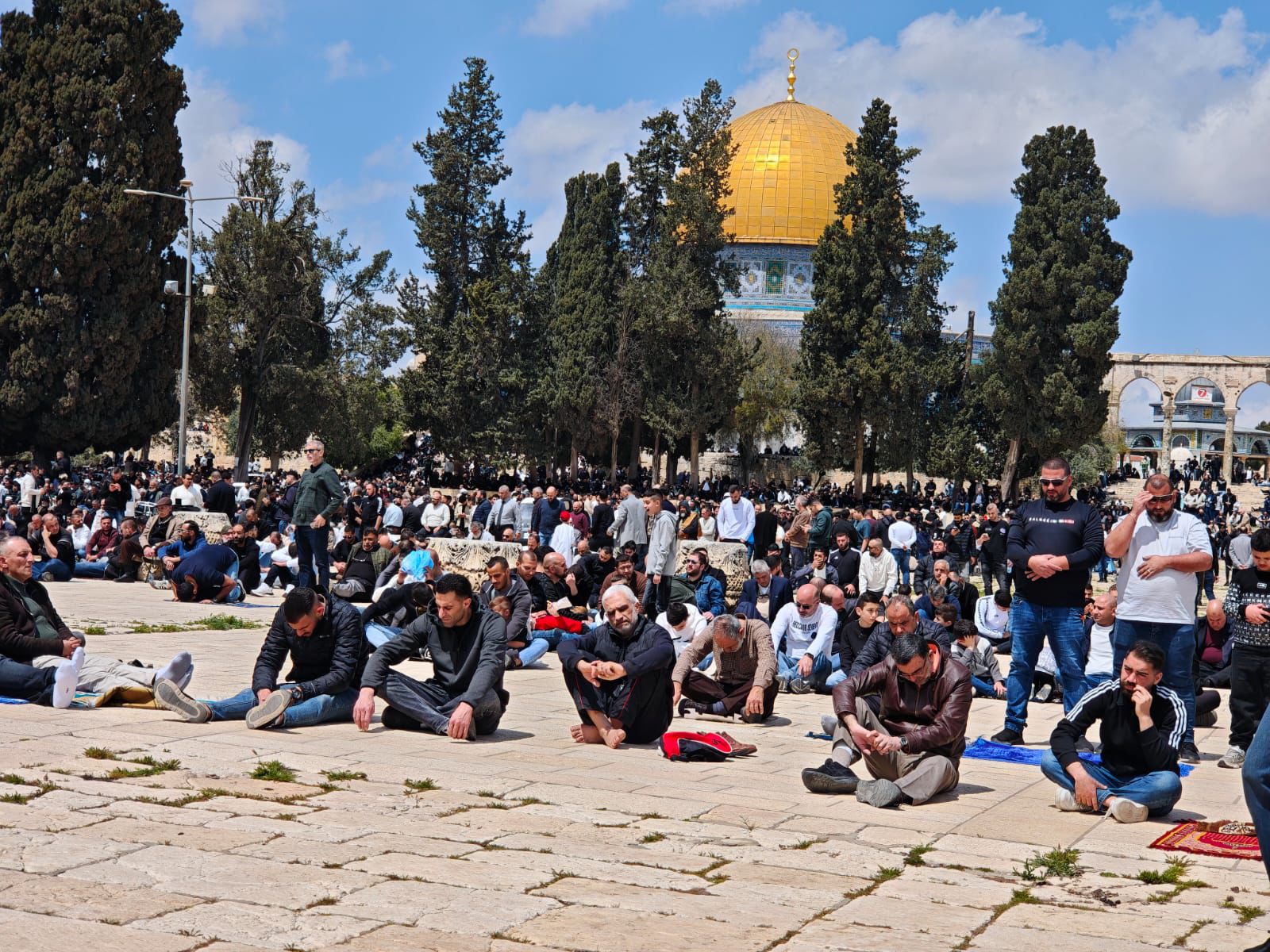
Israel has reopened Jerusalem’s Al-Aqsa Mosque to Palestinians after a 40-day closure, as large crowds flocked to the holy site to pray, expressing joy following the unjustified closure.

More than 3,000 Palestinian worshippers performed the dawn (Fajr) prayer at the holy site for the first time since the start of the US-Israeli assault on Iran on 28 February.

Videos circulating on social media show the reopening of the mosque’s gates, with large crowds entering its courtyards.

Videos also showed volunteers and mosque custodians cleaning and preparing the site to receive worshipers.

https://x.com/EyeonPalestine/status/2040924466176315576?ref_src=twsrc%5Etfw%7Ctwcamp%5Etweetembed%7Ctwterm%5E2040924466176315576%7Ctwgr%5E4a344521cf0e4edb17fc98d10781a4cc143288f9%7Ctwcon%5Es1_c10&ref_url=https%3A%2F%2Fqudsnen.co%2F

Israel has barred Muslim worshipers from accessing Jerusalem’s Al-Aqsa Mosque since the start of the ongoing Israeli-US assault on Iran, marking a total closure of one of Islam’s holiest sites not seen since the start of the occupation in 1967 and raising concerns over Israeli plans to impose further restrictions and tighten control over the compound.

No exceptions have been made for Muslims, even during Ramadan, Islam’s holiest month, or the Eid al-Fitr holiday.

Meanwhile, it allowed settler incursions into Islam’s third-holiest site on Sunday. Up to 50 settlers were permitted to visit the Al-Buraq Wall, which is part of the walls of the Al-Aqsa Mosque complex and known to Jews as the Western Wall. The settlers attended traditional prayers as part of the Passover holiday, held in a covered space by the Western Wall plaza. 

https://platform.twitter.com/embed/Tweet.html?dnt=false&embedId=twitter-widget-

Israeli occupation authorities have also resumed near-daily incursions by Israeli settlers into Al-Aqsa following its reopening, while extending their duration.

Dozens raided the site from 6:30am local time, shortly after Muslim worshipers were cleared from the site following dawn prayers.

They were seen performing Tamudic rituals, praying, singing and dancing while backed by forces. 

https://x.com/AlQastalps/status/2042230636283384277?ref_src=twsrc%5Etfw%7Ctwcamp%5Etweetembed%7Ctwterm%5E2042230636283384277%7Ctwgr%5E4a344521cf0e4edb17fc98d10781a4cc143288f9%7Ctwcon%5Es1_c10&ref_url=https%3A%2F%2Fqudsnen.co%2F

Before the war, such incursions took place in two shifts on weekdays: from 7am to 11am and from 1:30pm to 2:30pm. Under a new schedule approved before the war on Iran, raids now run from 6:30am to 11:30am and from 1:30pm to 3pm, totalling six and a half hours daily.

The Jerusalem Governorate described the extension as a “dangerous escalation” that further undermines the status quo.

“The extension reflects an acceleration in efforts to impose new realities at Al-Aqsa Mosque and entrench time-based division, particularly following its reopening after a 40-day closure,” it said.

Tomorrow will be the first Friday since the closure, during which the holy site was shut for five Fridays according to the Quds News Network.

Continue reading