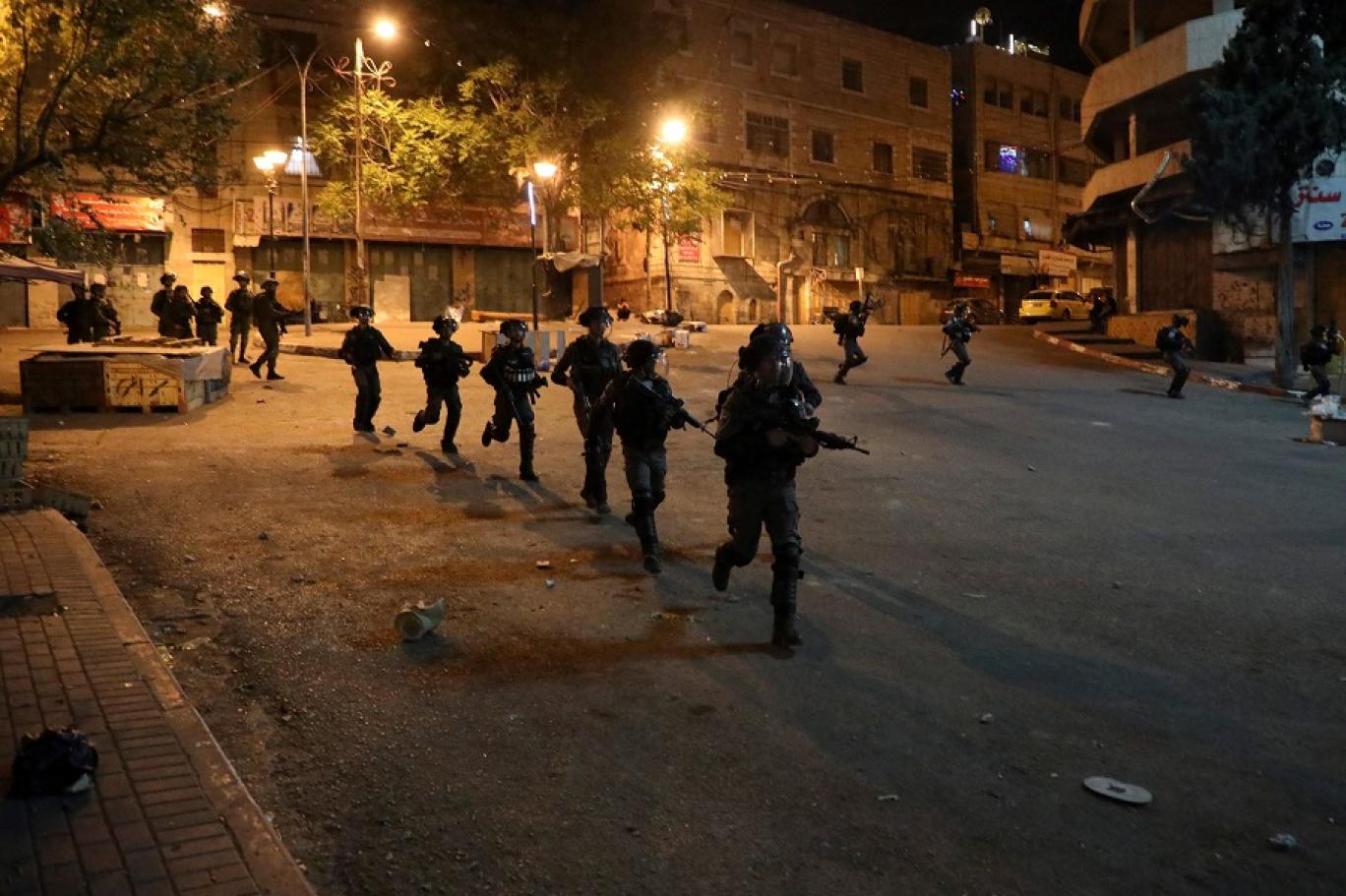
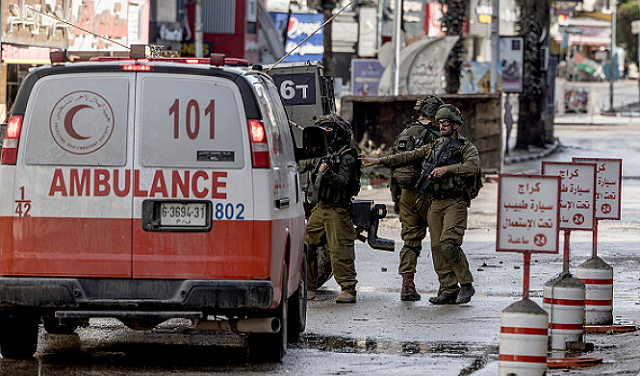
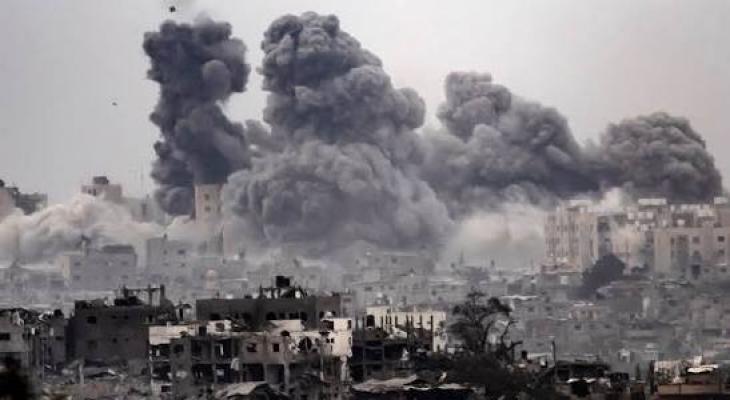
 UN: Humanitarian Access Blocked by 900 Israeli Checkpoints
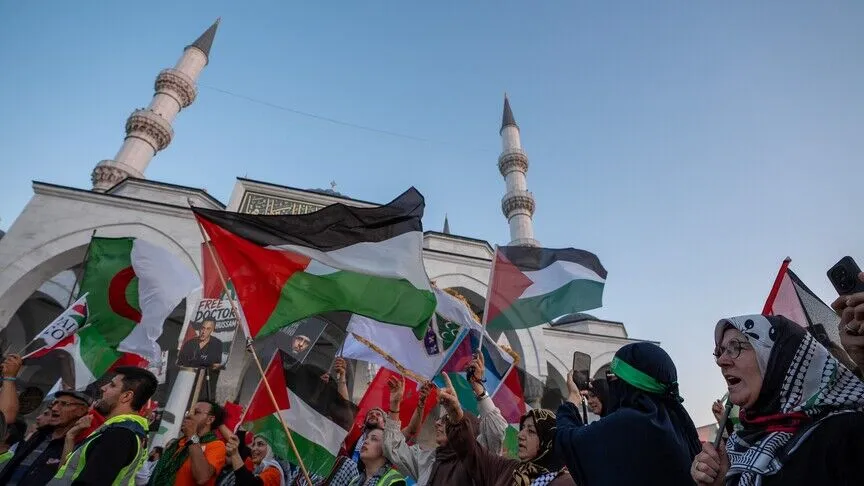
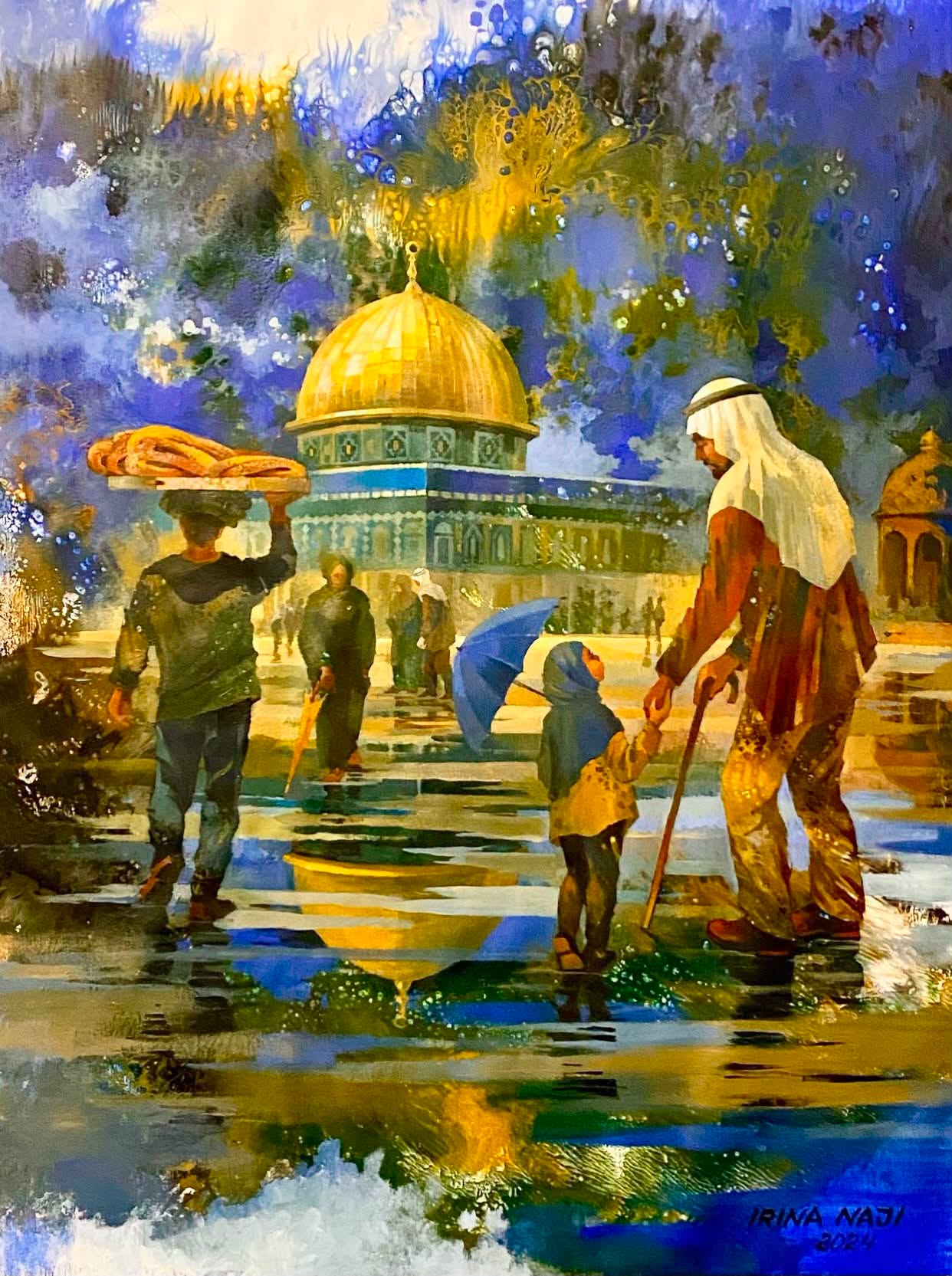
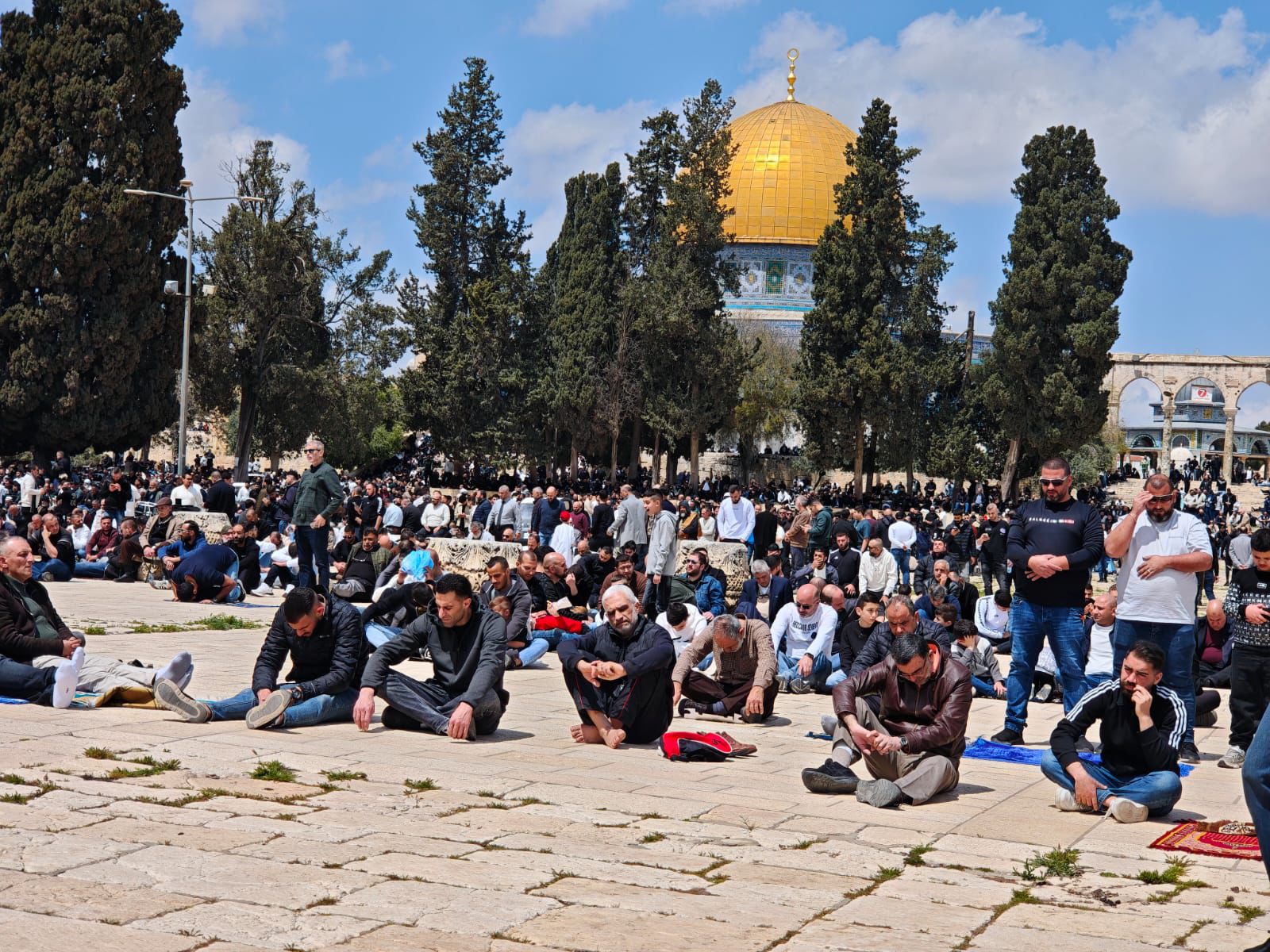 70,000 Perform The Friday Prayers in Al Aqsa
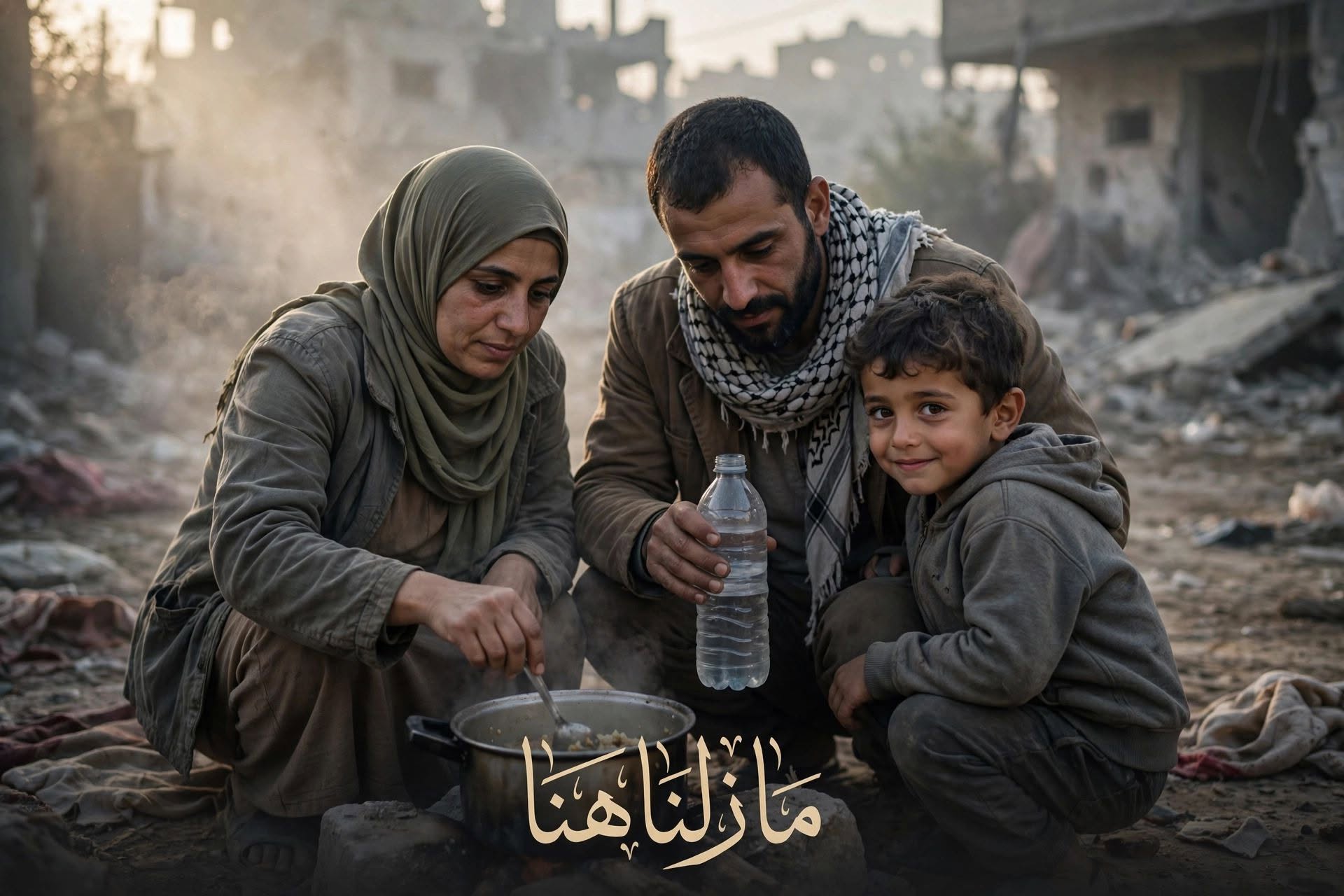
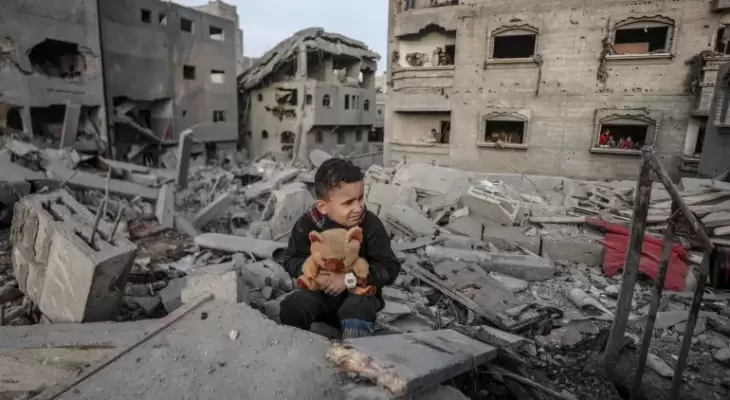
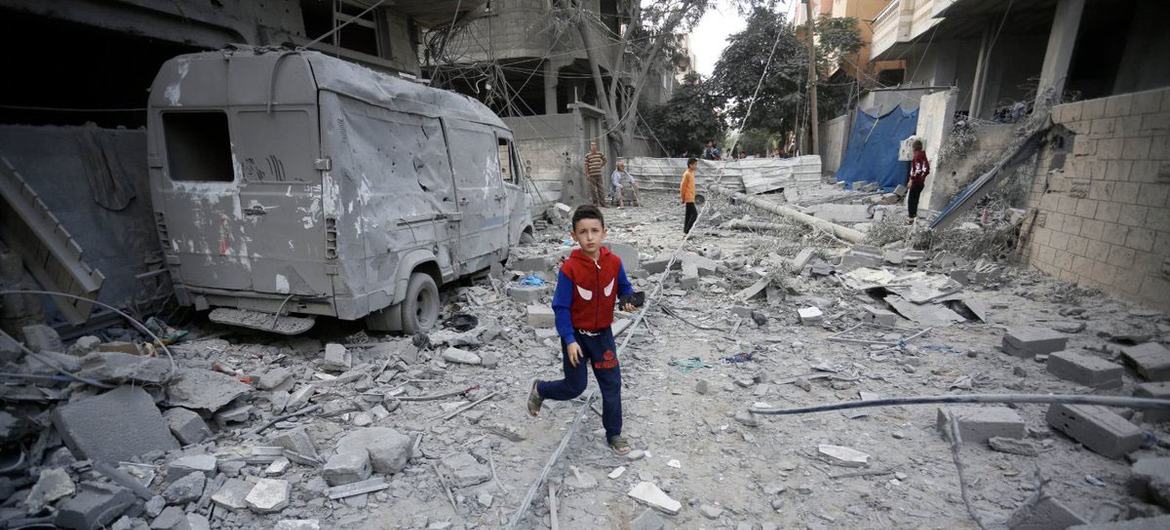
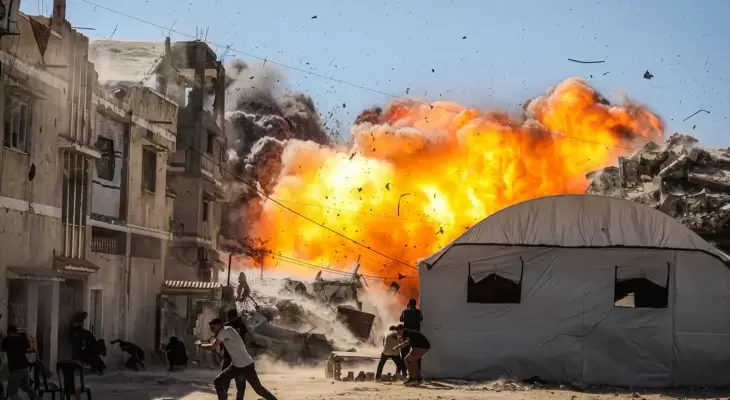
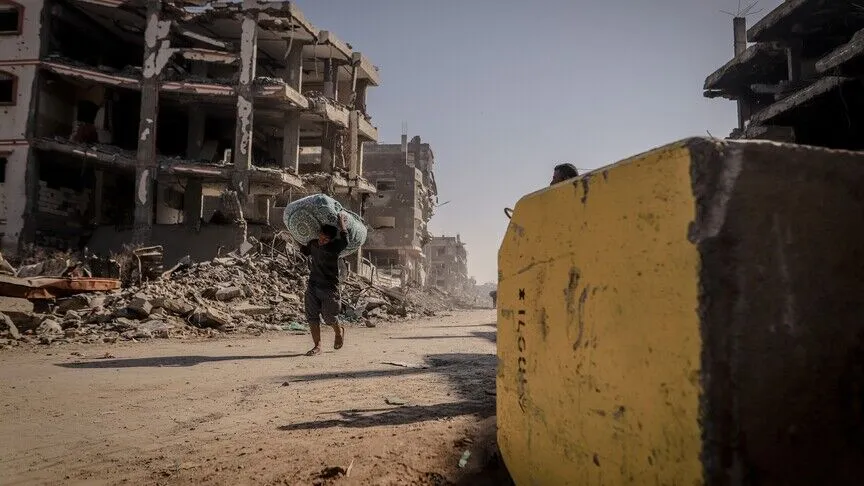
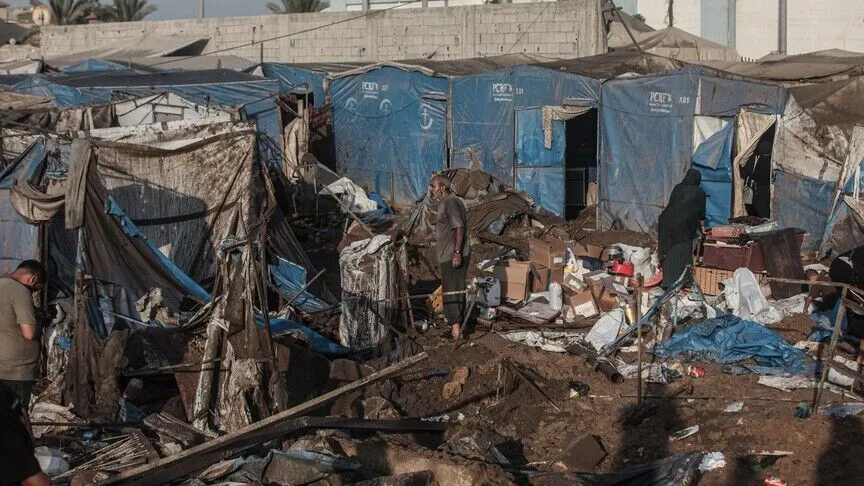
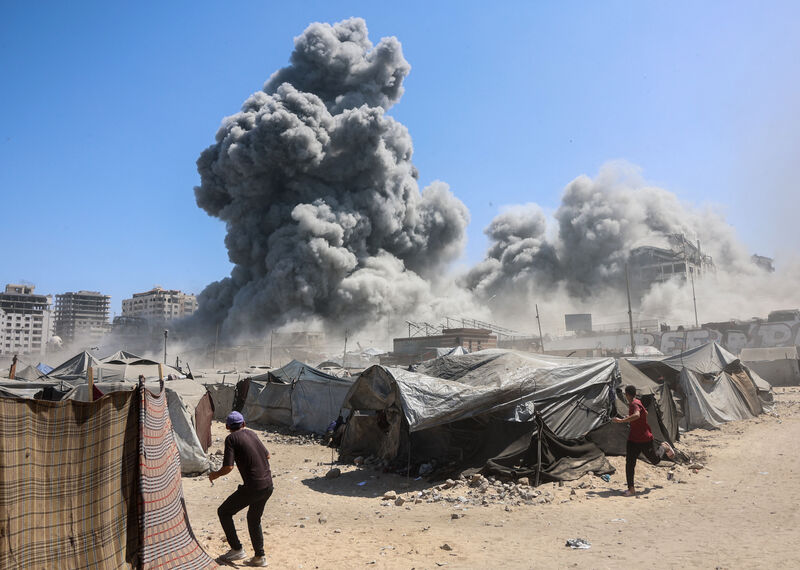
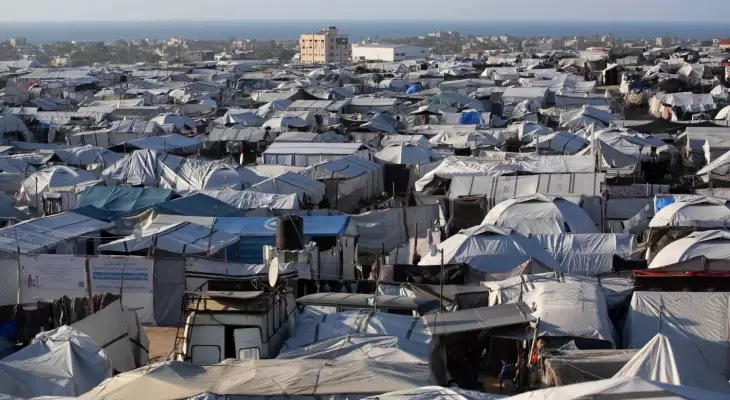 90% of Gazans Displaced in Tattered Tents, Living on Rubble
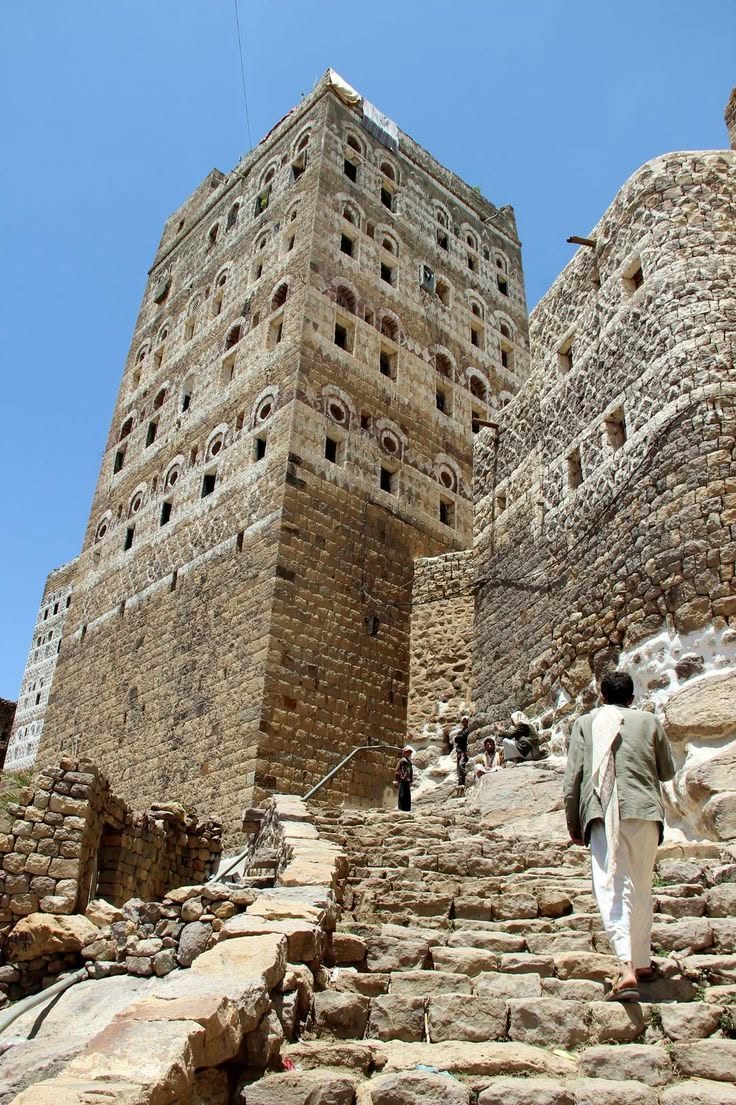 Glorious Yemen
 Say Cheese!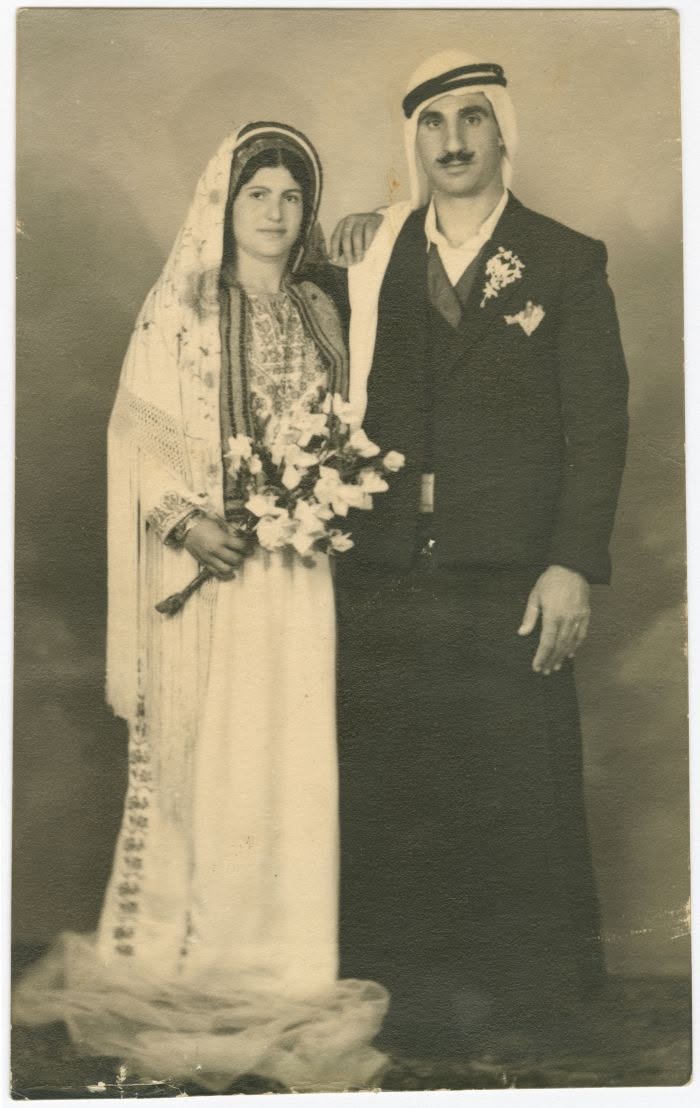
 Heba
Heba
 marwan




















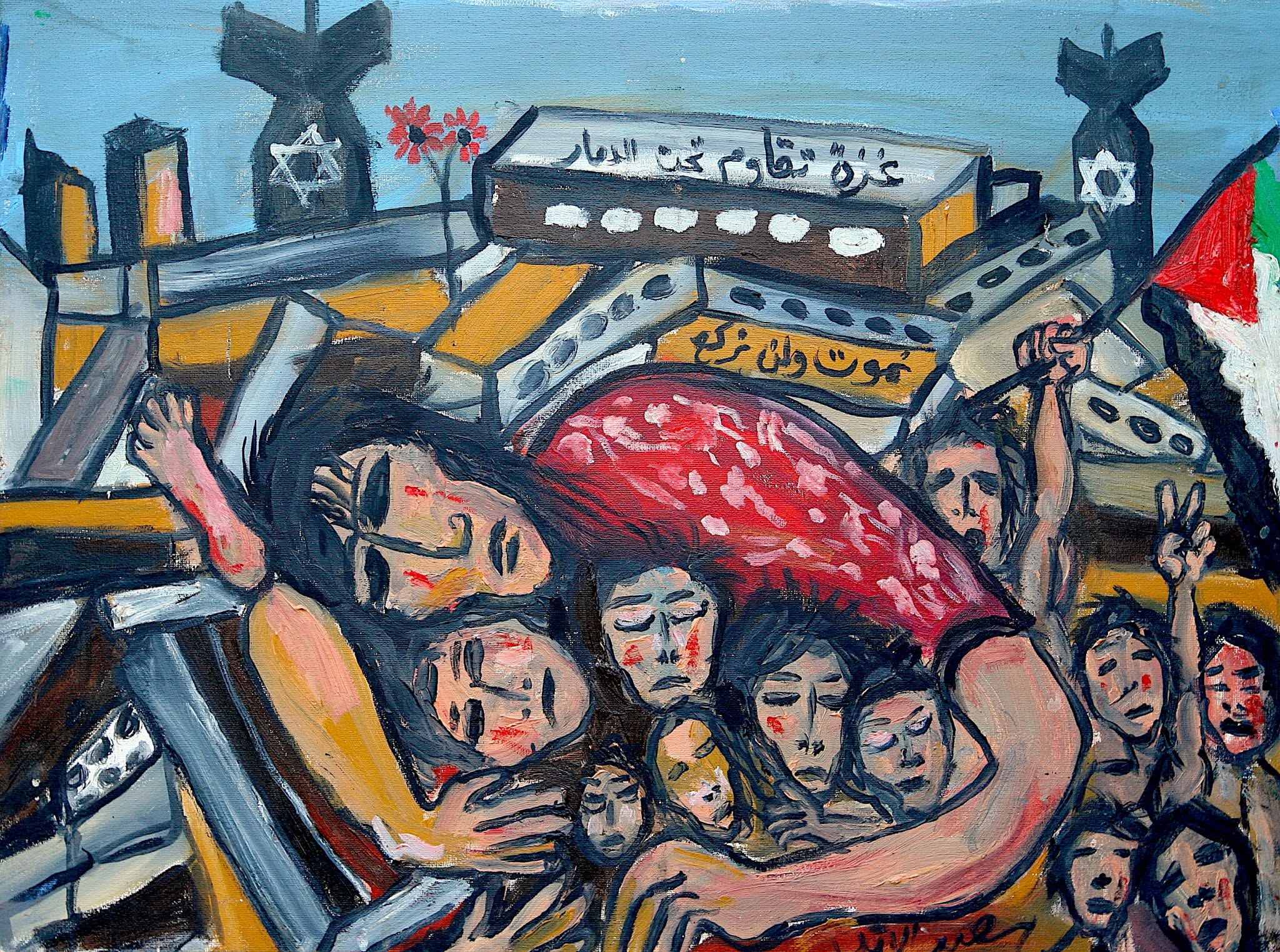
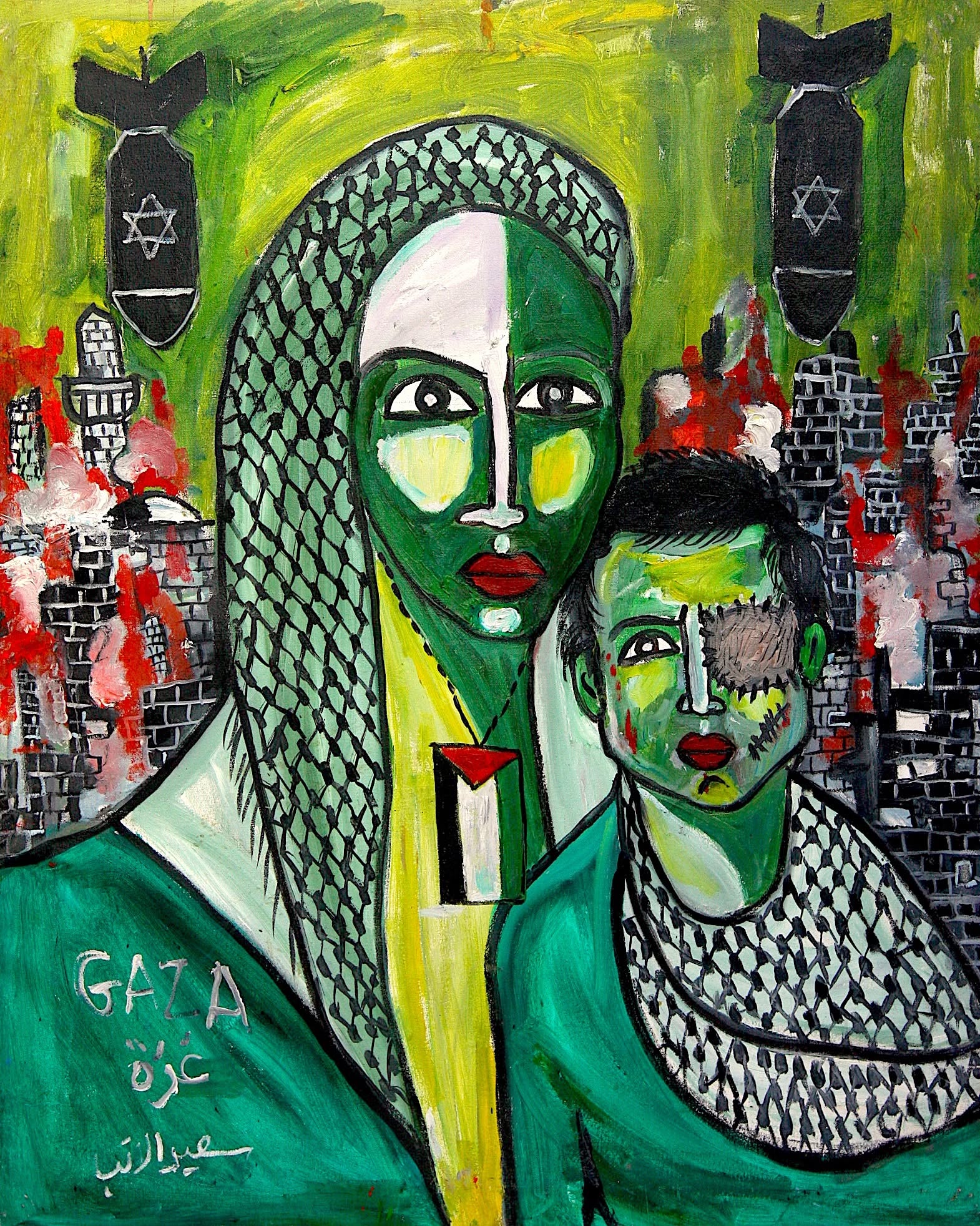








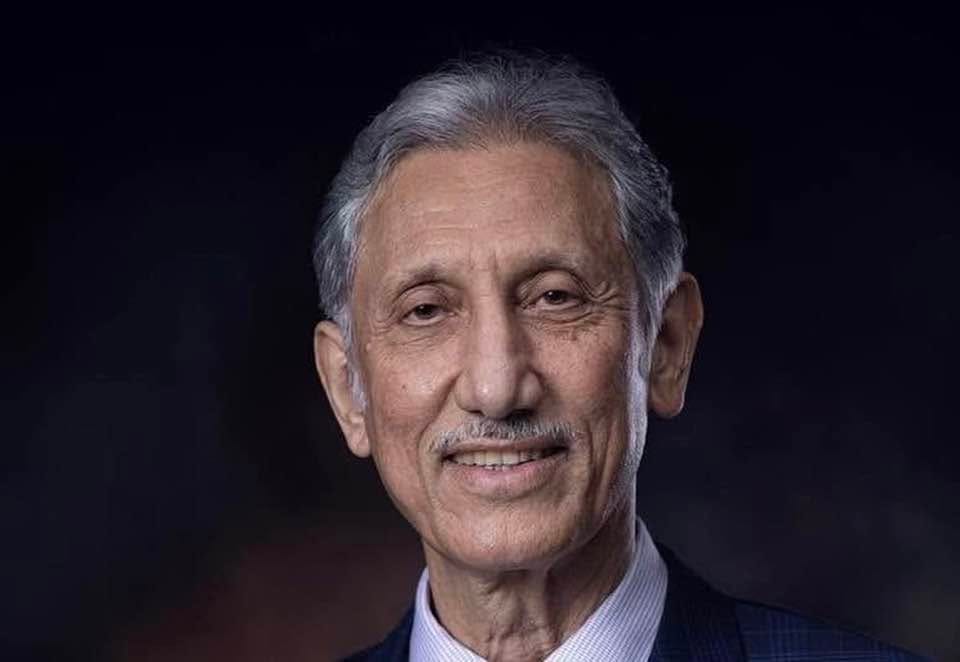
Taleb Al-Rifai No Longer a Kuwaiti
 CrossFireArabia
- June 15, 2026
Fakhri Saleh wrote:
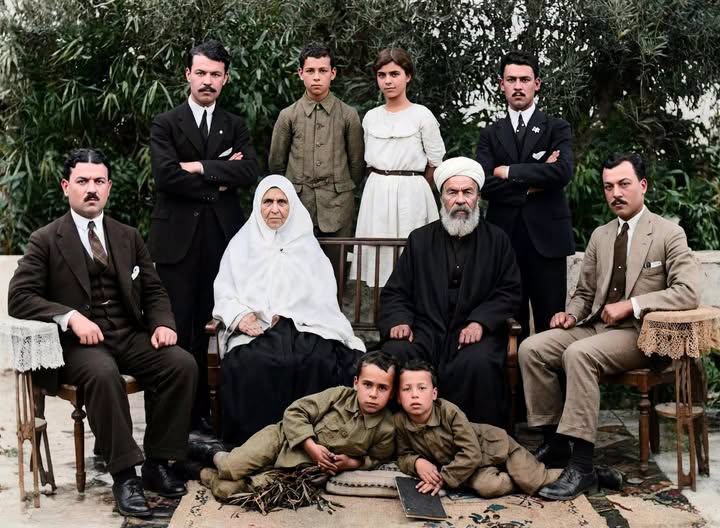
The Kuwaiti novelist and short story writer, Taleb Al-Rifai, has been stripped of his citizenship. He and his family are now stateless, despite being one of Kuwait’s most prominent cultural figures, if not the most prominent. This is shocking, shameful, disgraceful, and infuriating. It demonstrates shortsightedness, a lack of understanding of the meaning of citizenship, and a narrow-mindedness on the part of those who revoked Taleb’s citizenship, and that of thousands of other Kuwaitis, driven by petty calculations and a flawed social engineering strategy.
The problem with this afflicted part of the world—I mean our Arab world—is its refusal to understand that citizenship is not the exclusive domain of any one group, and that establishing citizenship and its associated rights is the fundamental solution to many of the political, social, economic, and cultural problems that weigh heavily on the Arab world.
We are saddened by what Kuwait has done to Taleb Al-Rifai, but his problem is Kuwait’s problem as a whole, and this is the dark tunnel it is entering. What is happening is regrettable and shows that superficial appearances do not indicate that we have entered the modern age. This is an illusion we must reconsider, so that we may escape a dark fate.
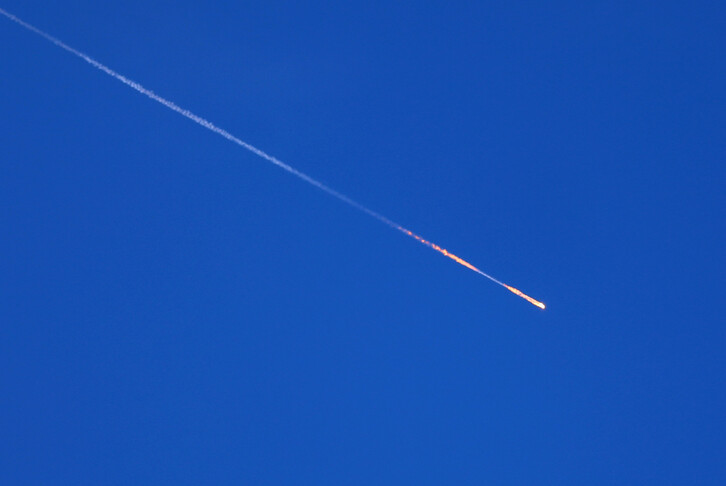
Ceasefire And Defeat: Iran Won The War
- CrossFireArabia
- June 15, 2026
By Abdel Bari Atwan
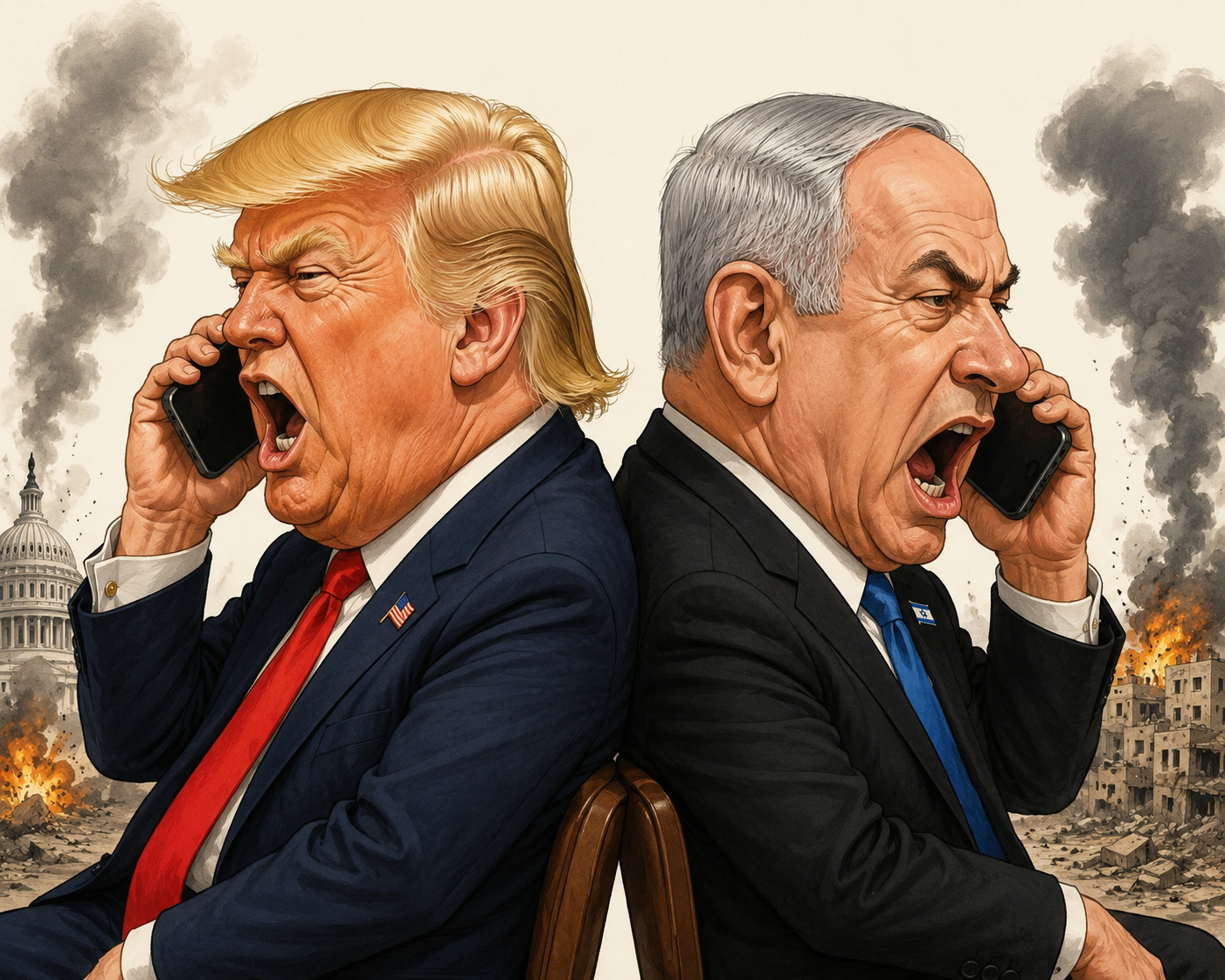
Finally, after 100 days of aggression into which Benjamin Netanyahu dragged the US president into, Donald Trump realized he couldn’t not win the war against Iran, and the chances of defeat were far greater than the chances of victory. Therefore, he decided to surrender and raise the white flag, seeking a way out to minimize losses and save face.
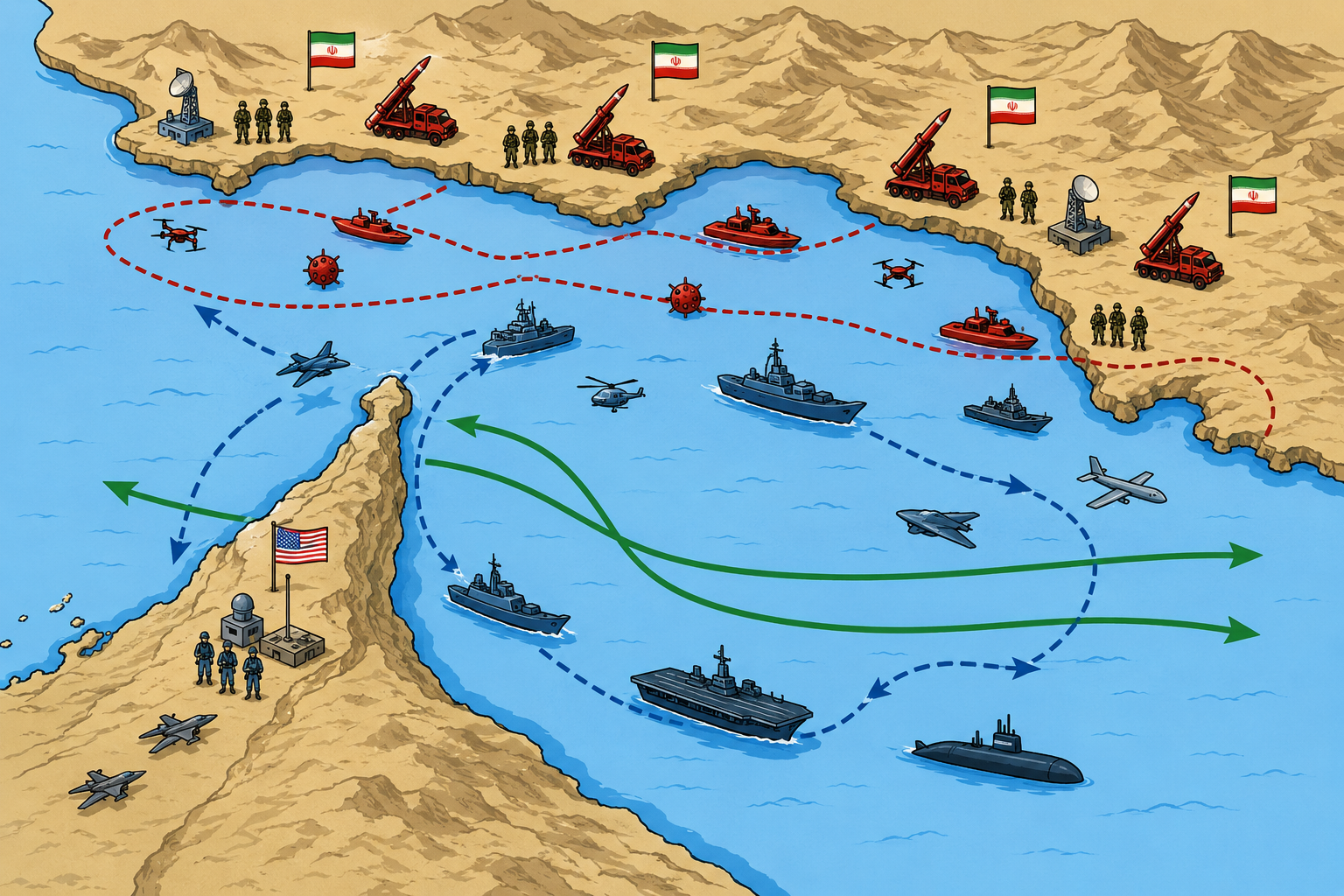
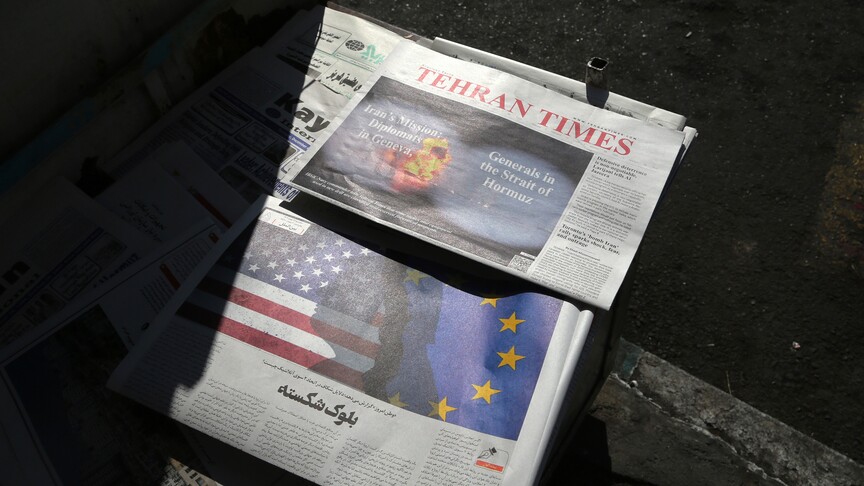
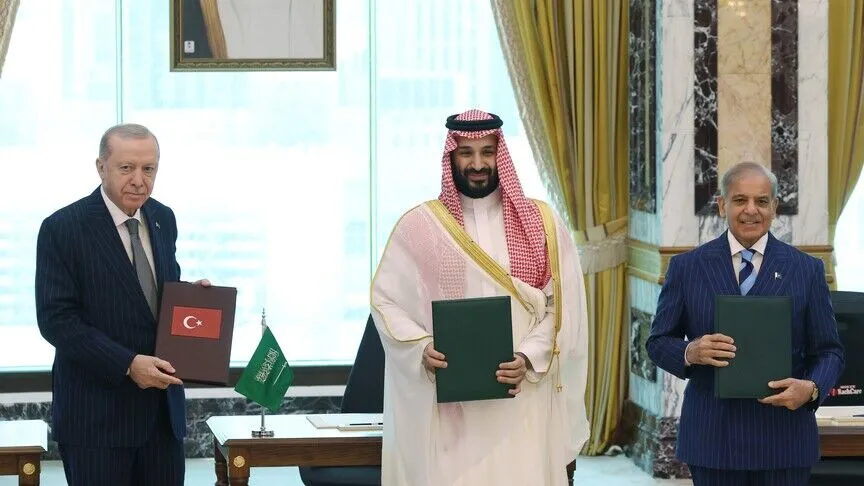
He found what he was looking for in the hands of his Pakistani allies, who offered him a lifeline in the form of a “Memorandum of Understanding” leading to a ceasefire, preventing a regional war of attrition, and forcing him to reluctantly acknowledge Iranian-Omani sovereignty over the Strait of Hormuz.
Trump then turned his arrows toward those who had deceived him—the Israeli occupation state—after beginning to awaken from his stupor and the great deception he had suffered.
Trump might sign this “memorandum” with the leaders of the country whose current Islamic regime he waged war to overthrow, replacing it with a puppet regime, stripping Iran of its nuclear ambitions and more than 460 kilograms of highly enriched uranium—enough to produce 10 nuclear bombs—and, most importantly, acknowledging the unity of the battlefields, thus yielding to Iranian demands the ceasefire encompass all fronts, especially the Lebanese front.
Now the decisions on contentious issues are being postponed, particularly the Iranian nuclear file, and referring them to negotiations that will begin immediately after the ceasefire, along with the gradual lifting of sanctions on Iran for a period of two months, and the unfreezing of tens of billions of dollars of its assets.
These are all concessions reflecting the first fruits of the success of the astute Iranian administration, coupled with a swift military deterrent against any American or Israeli strikes in or around the Strait of Hormuz, and ignoring all of Trump’s empty threats to destroy Iran, wipe it off the face of the earth, and unleash hell upon it.
***
For over two years, Iran negotiated with the United States and European countries regarding its nuclear program and the sensitive issue of uranium enrichment in several capitals, from Vienna to Muscat, Oman, and finally Geneva. It made no concessions whatsoever. Ironically, the head of its negotiating team was Abbas Araqchi, who adhered to the leadership’s ‘yes, but’ approach, which is based on another principle: “We welcome and study” any proposals presented at the negotiating table. As a reward, he was promoted to lead Iranian diplomacy as Foreign Minister in both the previous and current governments.
The Iranian regime possessed many cards, which it used intelligently to counter this Israeli-American aggression. These included the nuclear card and military preparedness based on self-sufficiency in the production of missiles and highly advanced drones. However, one of the most important cards was the unity of the battlefields, support for resistance factions, and the expansion of the conflict into a regional war of attrition.
All these cards yielded results, forcing Trump to resort to the current agreement in a humiliating manner to end the war as quickly as possible. Regardless of whether this memorandum of understanding holds or not, the biggest loser is the Israeli occupation state. This isn’t because it wasn’t consulted or involved, even though it is the true architect and instigator of this war.
Netanyahu, who was reprimanded and labeled insane by his former protégé and “rebellious” servant, Trump, was completely oblivious, searching for information in newspaper reports, television broadcasts, and social media. How things change!
The unity of the battlefields, which embodies one of Iran’s most prominent strategic achievements, and the leadership’s insistence on a complete ceasefire in Lebanon, were the most significant blow to the occupation state.
The American recognition of this unity in the proposed memorandum legitimizes Hezbollah’s existence as a resistance movement, just as it criminalizes the Israeli occupation and its destructive raids. Netanyahu’s acceptance, or rather his acquiescence, to this agreement is a major defeat, while his rejection of it means a direct confrontation with America and its president, and the possibility of being left to act alone in aggression, which would signify an even greater existential defeat.
Netanyahu deceived Trump, leading him into this war like a sheep, convincing him that Iran would collapse as soon as it was bombarded with the first salvo of joint American and Israeli missiles. He led him to believe that tens of millions of Iranians would take to the streets, dancing in celebration of this aggression and demanding the overthrow of the regime.
Yet, the war has dragged on for 100 days, and the results are the opposite. The Iranian Islamic regime is growing stronger and more resilient, reinforcing both territorial and popular unity, and embodying both nuclear and regional sovereignty.
***
We say it without hesitation, with complete frankness and clarity: Trump has been defeated, and the Israeli occupation state is rapidly heading towards collapse, becoming increasingly isolated and hated, especially by its strategic American ally—both the American people and government—who have fallen into the trap of its lies, fabricated information, and blackmail.
This serves Israel’s interests and its racist, terrorist schemes at the expense of America’s own interests, its people, its standing as a superpower claiming leadership of the free world, and the values of justice, democracy, human rights, and global security and stability.
Trump has led America to defeat, whether this agreement holds or not, and this defeat will be clearly confirmed in the American midterm elections next November. We do not rule out that he and his deceiver, Benjamin Netanyahu, will end up behind bars, as prominent symbols of stupidity, criminality, and failure… Time will tell.
Abdul Bari Atwan is the Chief Editor of the Arabic Al Rai Al Youm and his latest article has appeared in the English crossfirearabia.com English website.

Breaking: Trump Announces Reopening of Hormuz Strait
- CrossFireArabia
- June 15, 2026
US President Donald Trump announced Sunday that an agreement with Iran had been finalized and said he was authorizing the reopening of the Strait of Hormuz and the removal of a US naval blockade.
“The Deal with the Islamic Republic of Iran is now complete. Congratulations to all!,” Trump declared in a post on his Truth Social platform.
“I hereby fully authorize the toll free opening of the Strait of Hormuz, and, simultaneously herewith, authorize the immediate removal of the United States Naval blockade,” he added. Anadolu