 Sea of Tragedy and Life
 UN: Humanitarian Access Blocked by 900 Israeli Checkpoints
 70,000 Perform The Friday Prayers in Al Aqsa
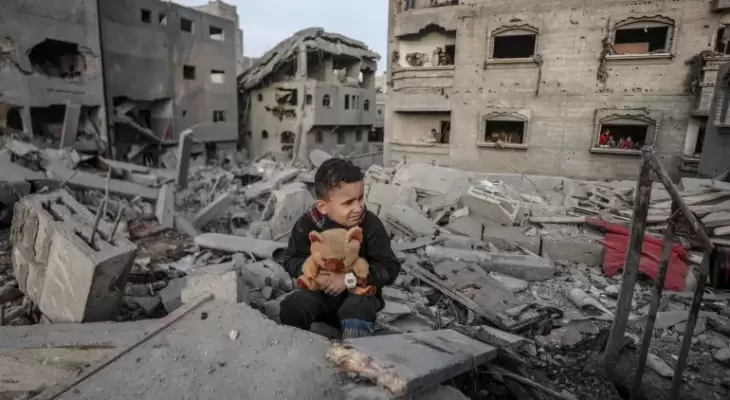
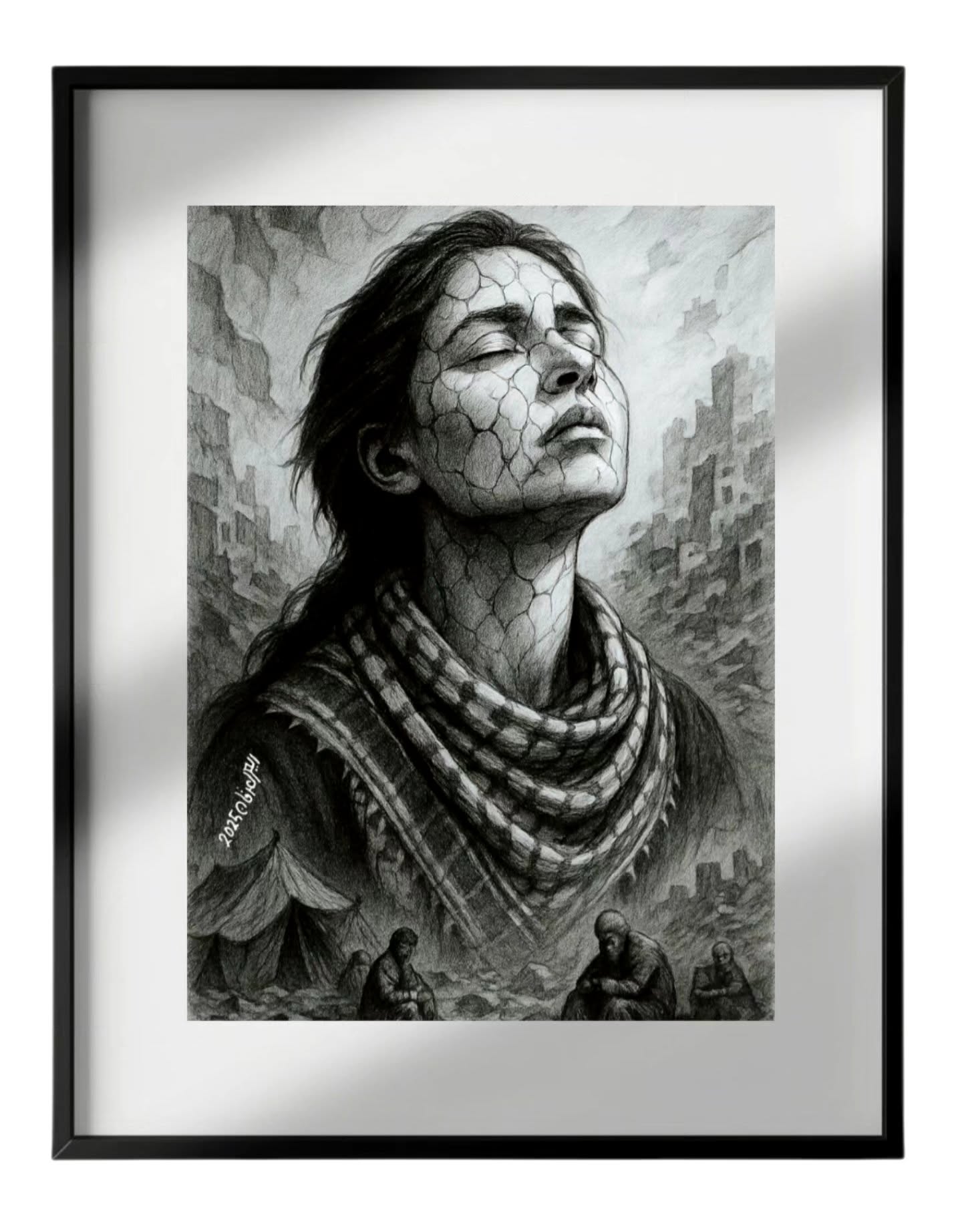
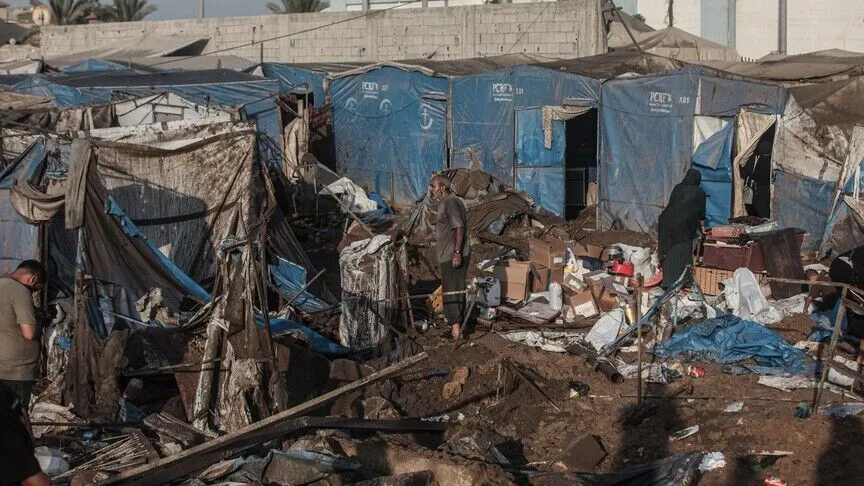
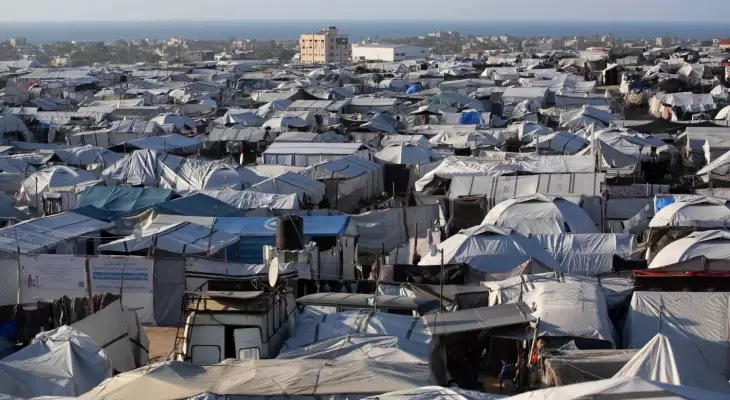 90% of Gazans Displaced in Tattered Tents, Living on Rubble
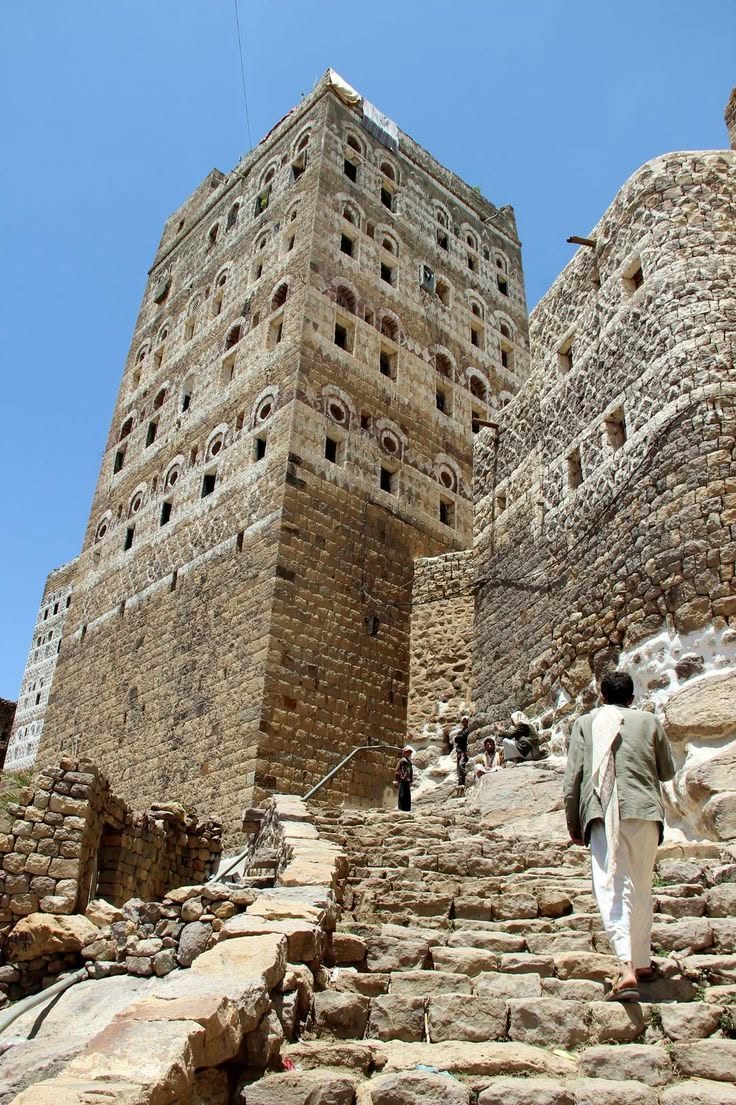 Glorious Yemen
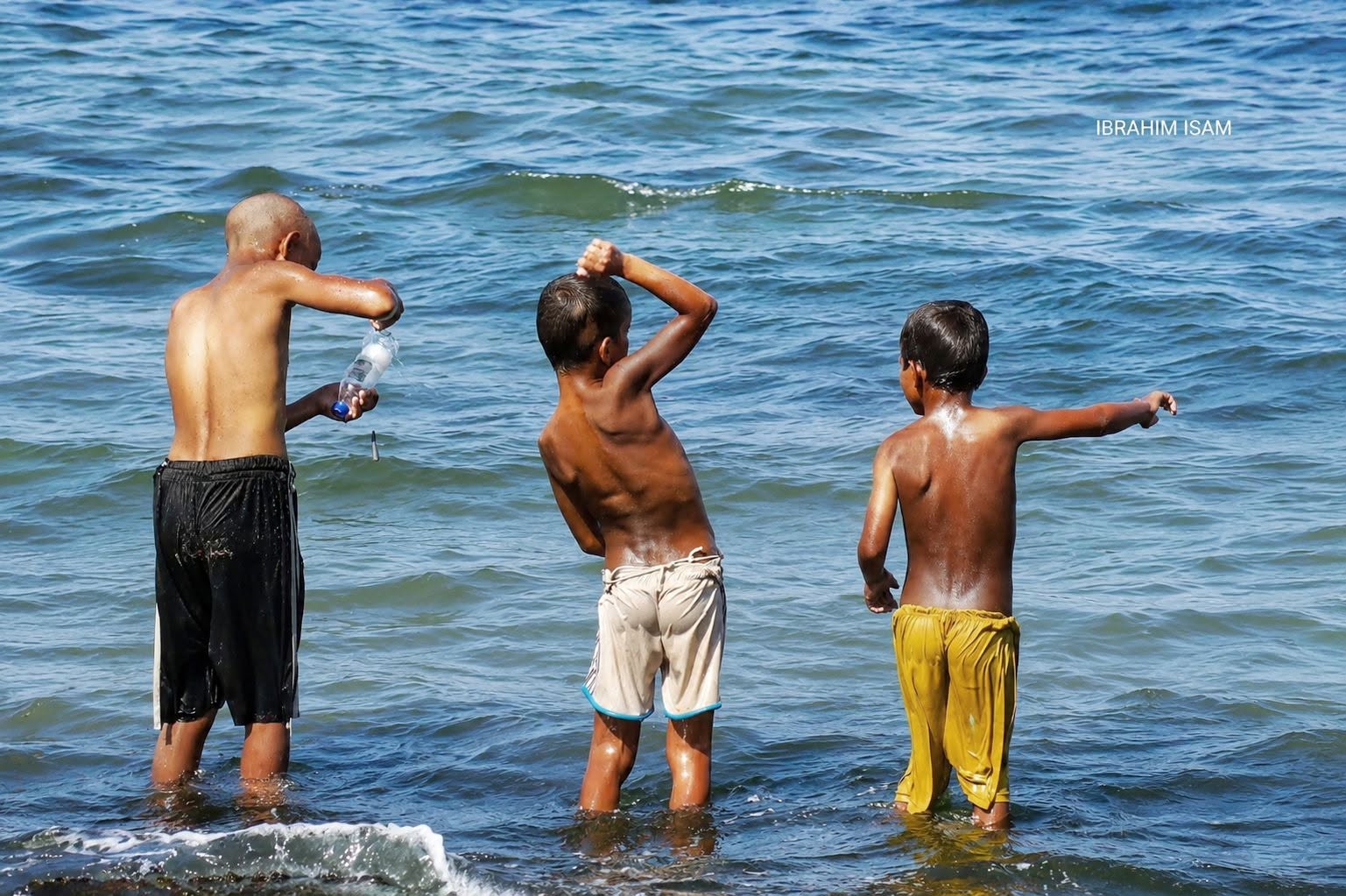
Sea of Tragedy and Life
marwan
- August 15, 2026
 marwan
 CrossFireArabia
 HebaCrossFireArabiamarwanCrossFireArabiamarwanHebaCrossFireArabiamarwanmarwanHebaCrossFireArabiamarwanmarwanCrossFireArabiamarwanHebaCrossFireArabiaCrossFireArabiaCrossFireArabiaHebamarwanCrossFireArabiamarwanHebaCrossFireArabiaHebamarwanmarwanCrossFireArabiamarwanmarwanmarwanmarwanmarwanmarwanmarwanmarwanmarwanCrossFireArabiaCrossFireArabiamarwanmarwanCrossFireArabiaCrossFireArabiamarwanCrossFireArabiamarwanHebaHebamarwanmarwanCrossFireArabiamarwanmarwanmarwanmarwanCrossFireArabiaCrossFireArabiamarwanmarwanmarwanCrossFireArabiamarwanmarwanmarwanmarwanmarwanCrossFireArabiamarwanmarwanmarwanmarwanCrossFireArabiaCrossFireArabia
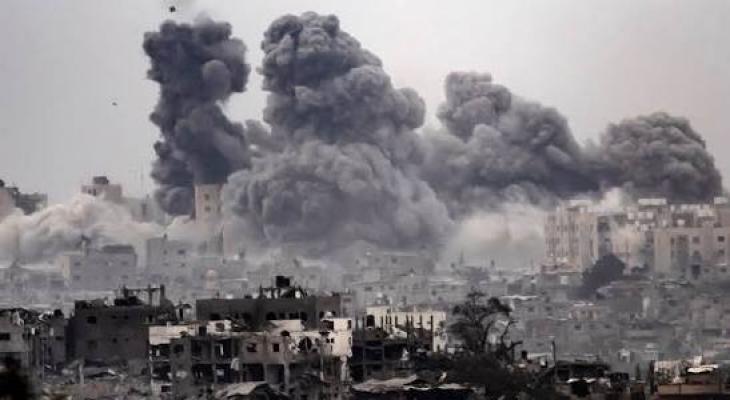
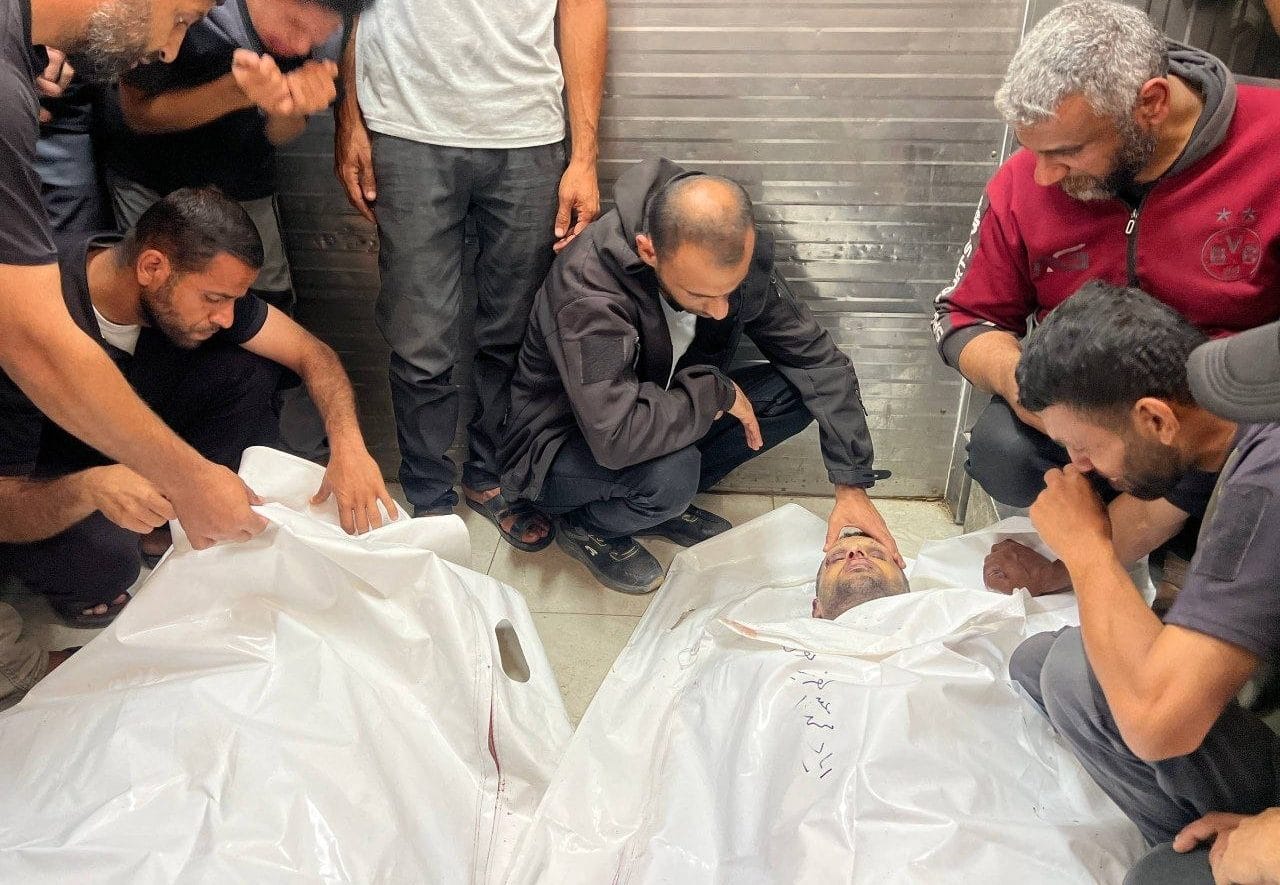
Medical sources in the Gaza Strip announced, Tuesday, the death toll from the Israeli offensive on the besieged enclave rose to 73,008, with 172,260 wounded. This has been since the start of the bloody war on 7 October, 2023. The sources reported that Gaza Strip hospitals received five more bodies and eight wounded in the past 24 hours.
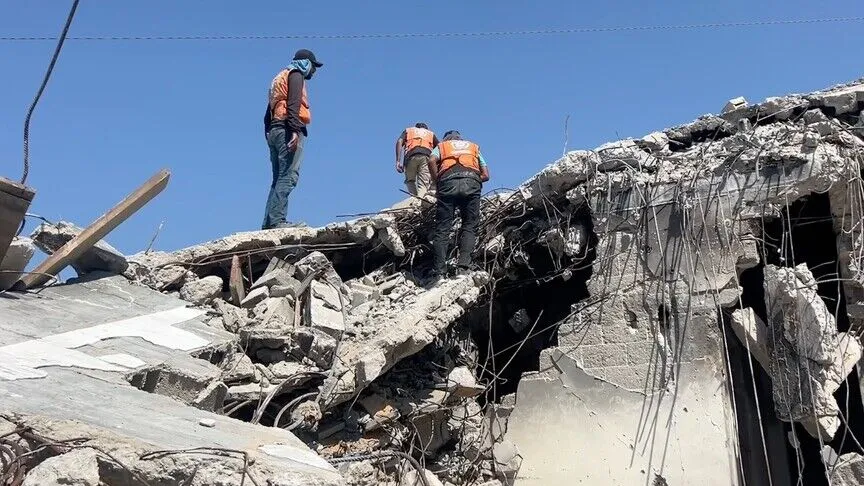
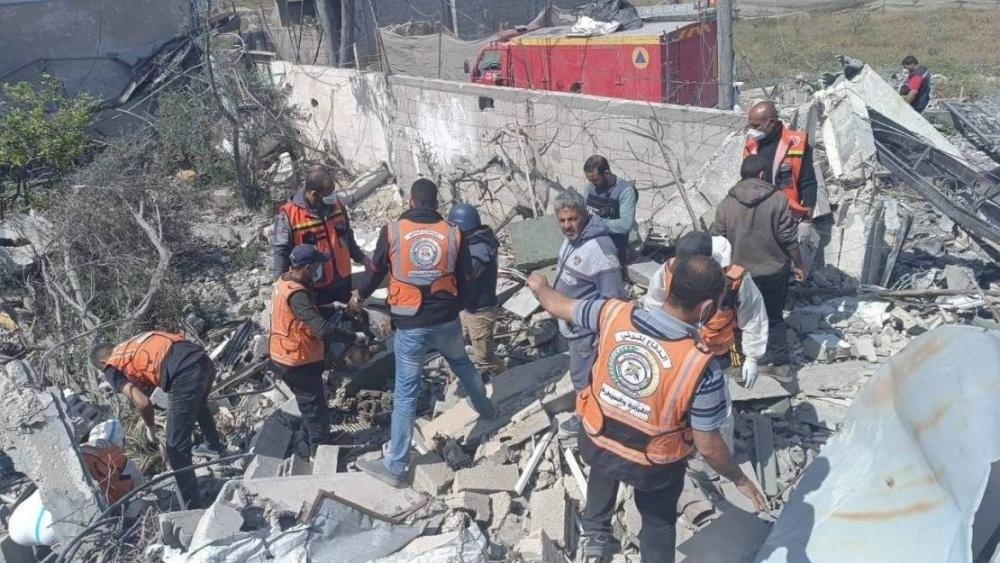
They explained that the total number of martyrs since the ceasefire on 11 October, 2025 has risen to 997, and the total number of wounded to 3,152, while 784 bodies have been recovered. They indicated that a large number of victims remain under the rubble and in the streets, as ambulance and rescue teams have been unable to reach them yet.
CrossFireArabia
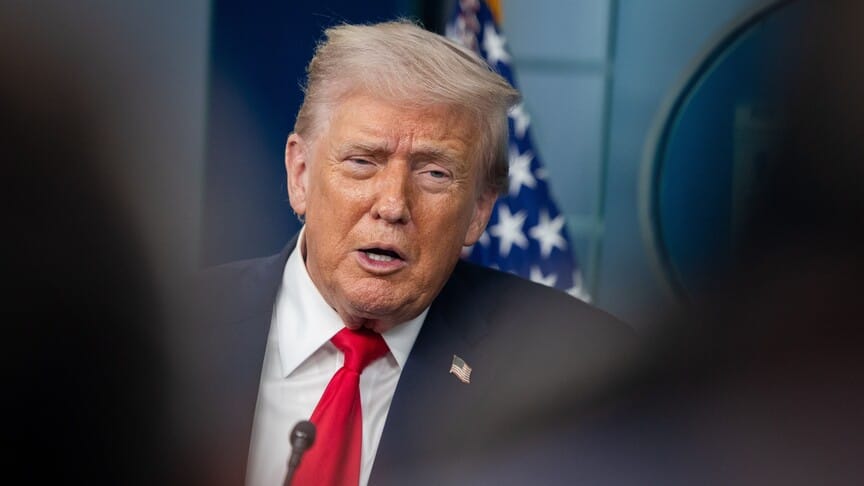
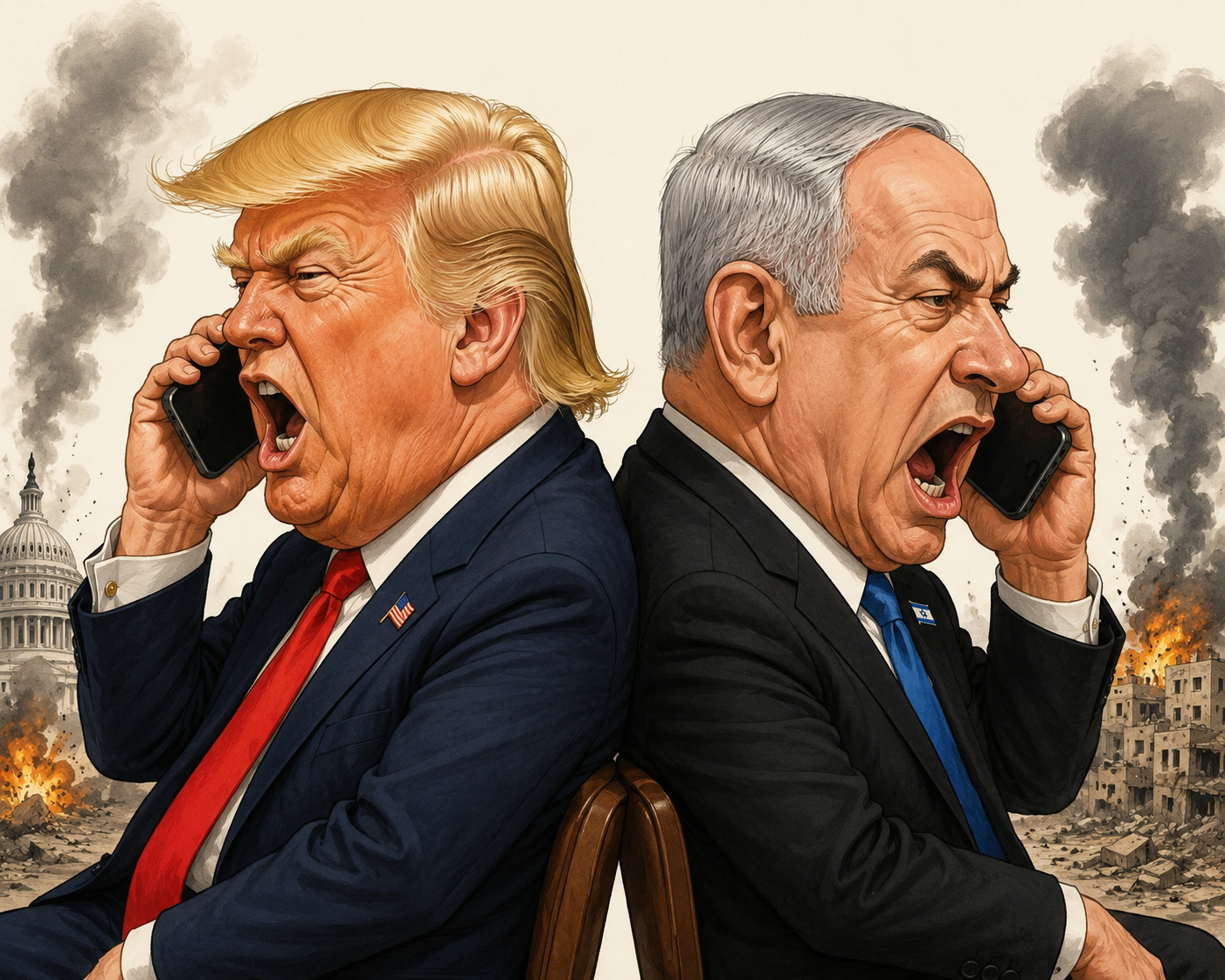
US President Donald Trump, Tuesday, issued a rare rebuke of Israel, rejecting the destruction of entire residential buildings in Lebanon in the search for a single Hezbollah member. He noted that many of the residents of those buildings are not affiliated with the group.
This came in remarks he made to reporters after meeting with Emir of Qatar Sheikh Tamim bin Hamad on the sidelines of the G7 summit in France. It comes two days after the announcement of a US-Iranian agreement.
In response to a reporter’s question, Trump said: “I’m not happy with the way Israel has dealt with Lebanon and with Hezbollah. They should have been able to get the job done much faster.”
He added: “You don’t have to destroy an entire apartment building every time looking for one Hezbollah member; there are many people living in those buildings, and not all of them are Hezbollah members.”
Trump said he had suggested to Israel that Syria be left to deal with the Lebanese Hezbollah group.
He pointed out: “The person running Syria (Ahmed al-Sharaa) is someone that I, Turkish President Recep Tayyip Erdoğan, and other figures supported, and we helped him come to power. He has done an exceptional job in restructuring the country.” He continued: “I suggested to Israel that Syria take care of Hezbollah, because frankly I think they would do a better job.”
He added: “If Israel can’t get the job done against Hezbollah without killing everyone, then (Syria) will take over. Syria will do the job.”
Trump also criticized the Israeli attack on Beirut just before the signing of the US-Iran agreement, saying: “I didn’t think it was right for Israel to attack Lebanon and Beirut hours before the agreement was signed. I didn’t like it at all, and I told him (Israeli Prime Minister Benjamin Netanyahu) that very clearly.”
Trump said that without the United States, “Israel wouldn’t exist and would have been destroyed,” calling on Netanyahu to act more responsibly toward Lebanon.
On Sunday, the Israeli army launched an airstrike targeting an apartment building in Beirut’s southern suburbs, claiming to be targeting “Hezbollah targets,” while the world awaited the imminent signing of a memorandum of understanding between Washington and Tehran to end the war.
The airstrike killed three people, including two women, and wounded 16 others, including four women. Iran vowed an “imminent response” to the Israeli attack in Beirut’s southern suburbs.
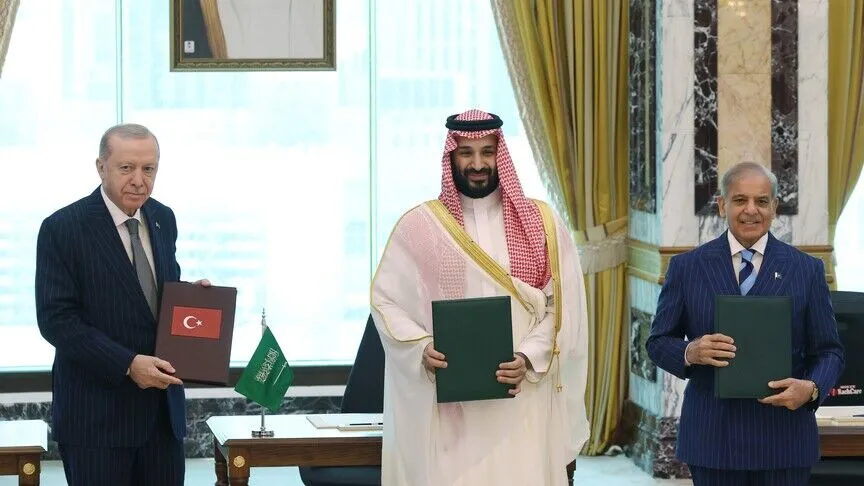
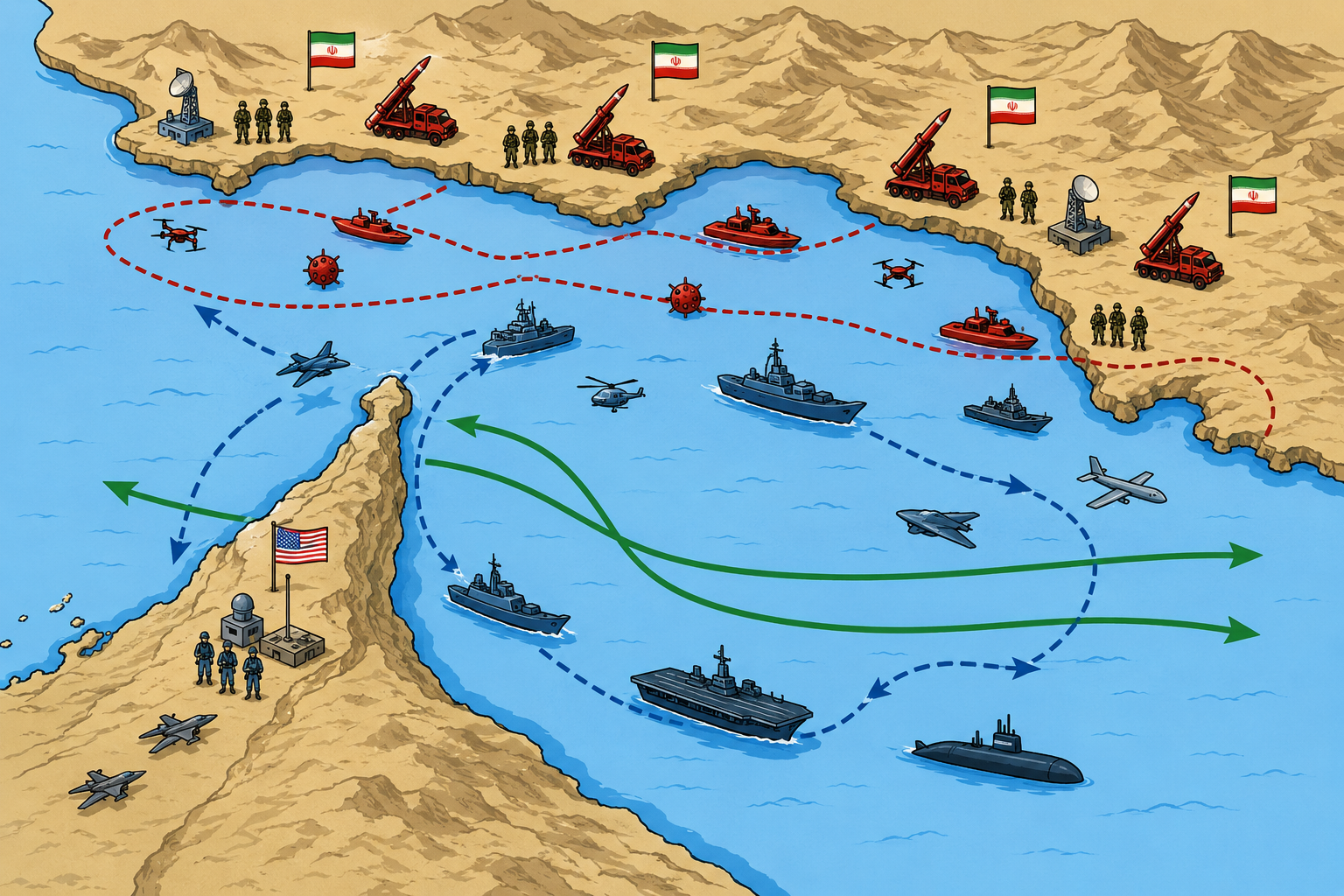
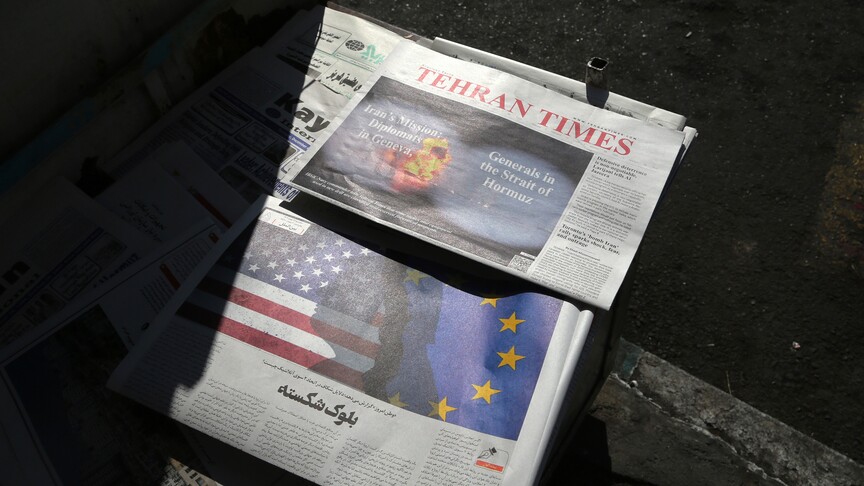
On Sunday evening, Washington and Tehran announced an agreement, brokered by Pakistan, to end military operations on all fronts, including Lebanon, reopen the Strait of Hormuz, and lift the naval blockade on Iran. The agreement is scheduled to be signed in Switzerland next Friday.
Since 2 March, 2026, Israel escalated its aggression against Lebanon as part of the ongoing conflict it has waged, alongside the United States, against Iran.
These attacks have resulted in the deaths of 3,826 people and injuries to 11,851 others in Lebanon, according to the latest figures released by the Lebanese Ministry of Health.
Israel continues to occupy areas in southern Lebanon, some for decades, and others since the previous war between 2023 and 2024, while during the current aggression it has expanded the scope of its incursion to a distance of more than 10 kilometers inside Lebanese territory according to Anadolu.
CrossFireArabia
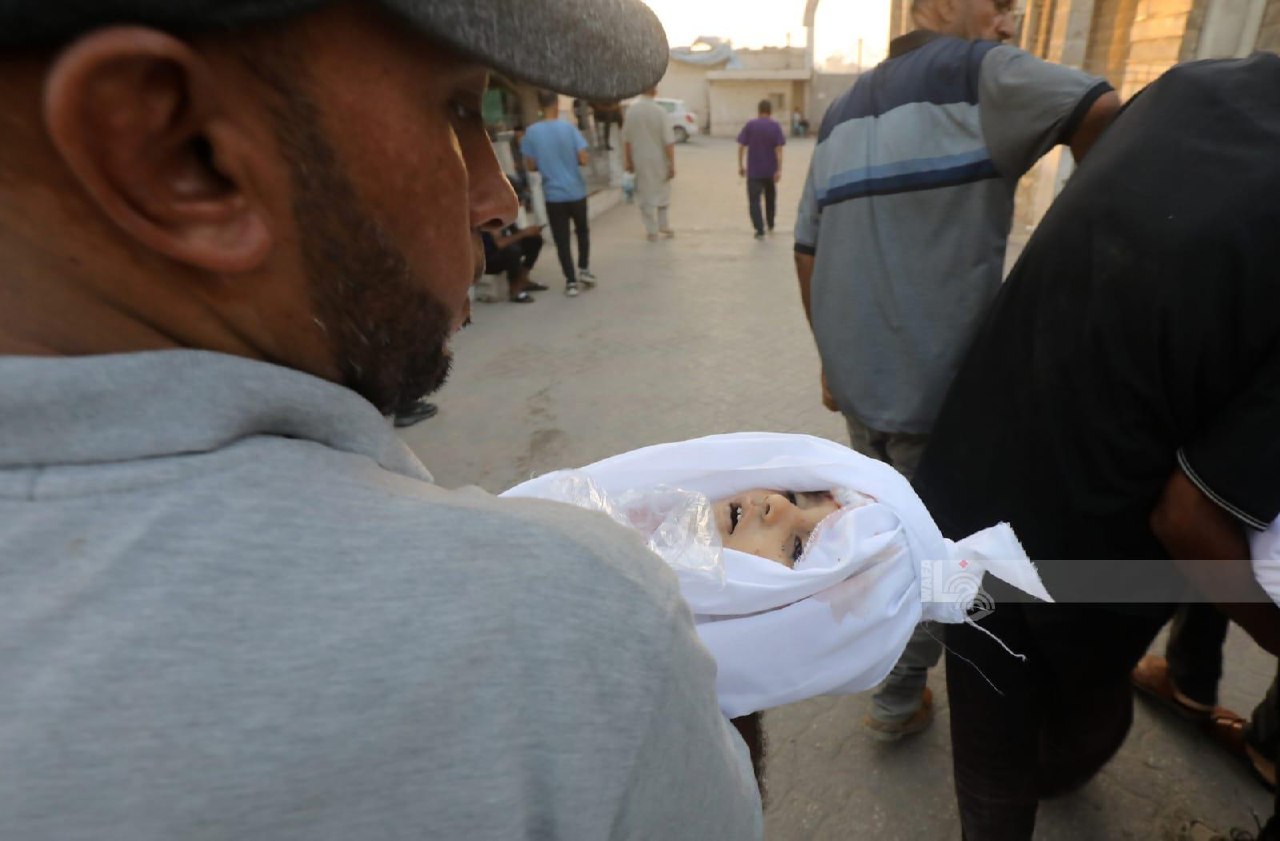
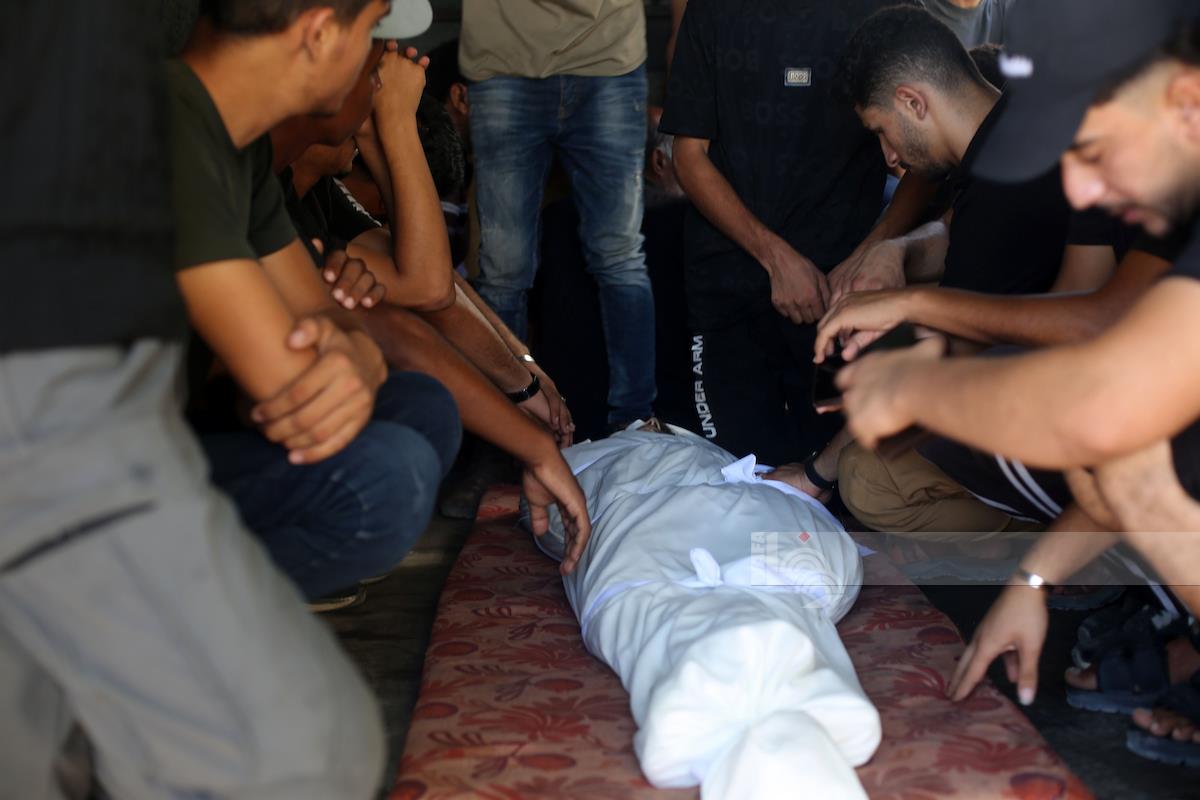
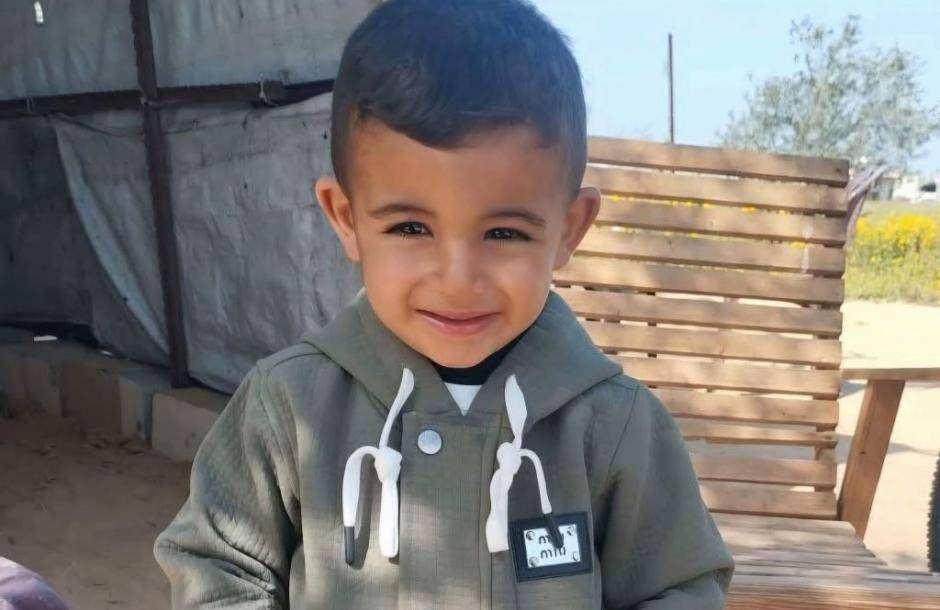
Three-year-old Rayan Bahaa Abu Al-Ajeen had no idea that returning home with his father from a family visit in east of Deir al-Balah would be his last journey.
On Sunday evening, the road home became the scene of another crime. A young child was shot in the head by Israeli forces while in the arms of his father. The wounded father was also detained by Israeli soldiers for hours before dumping next to his son’s body on a main road in the central Gaza Strip.
Journey Ending in Tragedy
According to his family, the father, 32-year-old Bahaa al-Din Jaber Abu Al-Ajeen was returning Sunday afternoon from visiting relatives in the Wadi al-Salqa area east of Deir al-Balah, accompanied by his son Rayan and his father-in-law Khaled Hassan Abu Gharaba; they were on their way to the Abu Al-Ajeen area east of the city.
Family relative Nawaf Abu al-Ajeen, said that Israeli soldiers stationed inside a house overlooking the road of their neighborhood suddenly emerged and opened fire directly at civilians without any warning or attempt to stop them.
Fatal bullet
The gunfire resulted in the shooting of little Rayan in the head while in his fathers’ arms. He sustained critical injuries that later proved fatal.
In a press statement, the family relative explained the bullet caused a severe head injury to the little boy, while his father sustained a wound to his right leg.
The family confirmed the father at the time was holding the toddler when bullets struck them both, turning the scene into a human tragedy in seconds.
Injured Father and Child Arrested
The incident did not end with the shooting. The family reported the occupation forces arrested the father and his injured child, (both in critical condition) with the grandfather, and transferred them to a military site near the area.
According to the same account, the father and son were detained for many hours despite their injuries, without receiving the necessary medical care. The child was bleeding profusely, while his father limping with a severe wound.
Dumped on the road after midnight
The family relative added that the Israeli occupation forces released the father after approximately six hours of detention, dumping him and his son on the Salah al-Din Street near the Abu Holi intersection after midnight, without bothering to notify the Red Cross or any other of the relevant authorities.
He added the soldiers merely bandaged the father’s injured leg before leaving him and his child on the side of the road. The father-in-law however remained in Israeli custody.
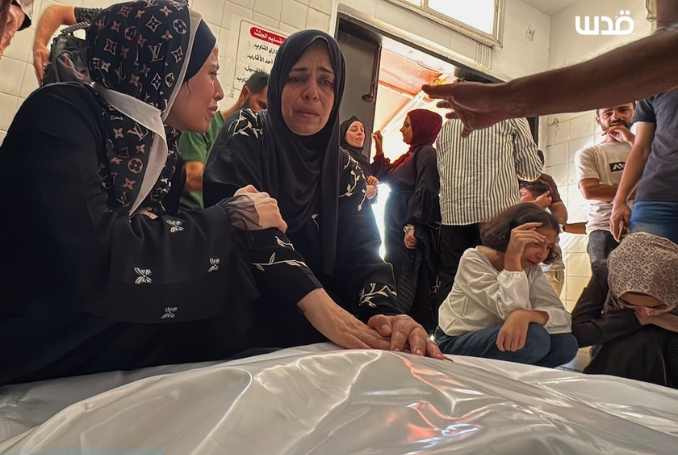
After hours of searching, residents found the father and son and transported them to Al-Aqsa Martyrs Hospital in Deir al-Balah. There, little Rayan, was pronounced dead from his injuries, while his father received treatment for his wounds.
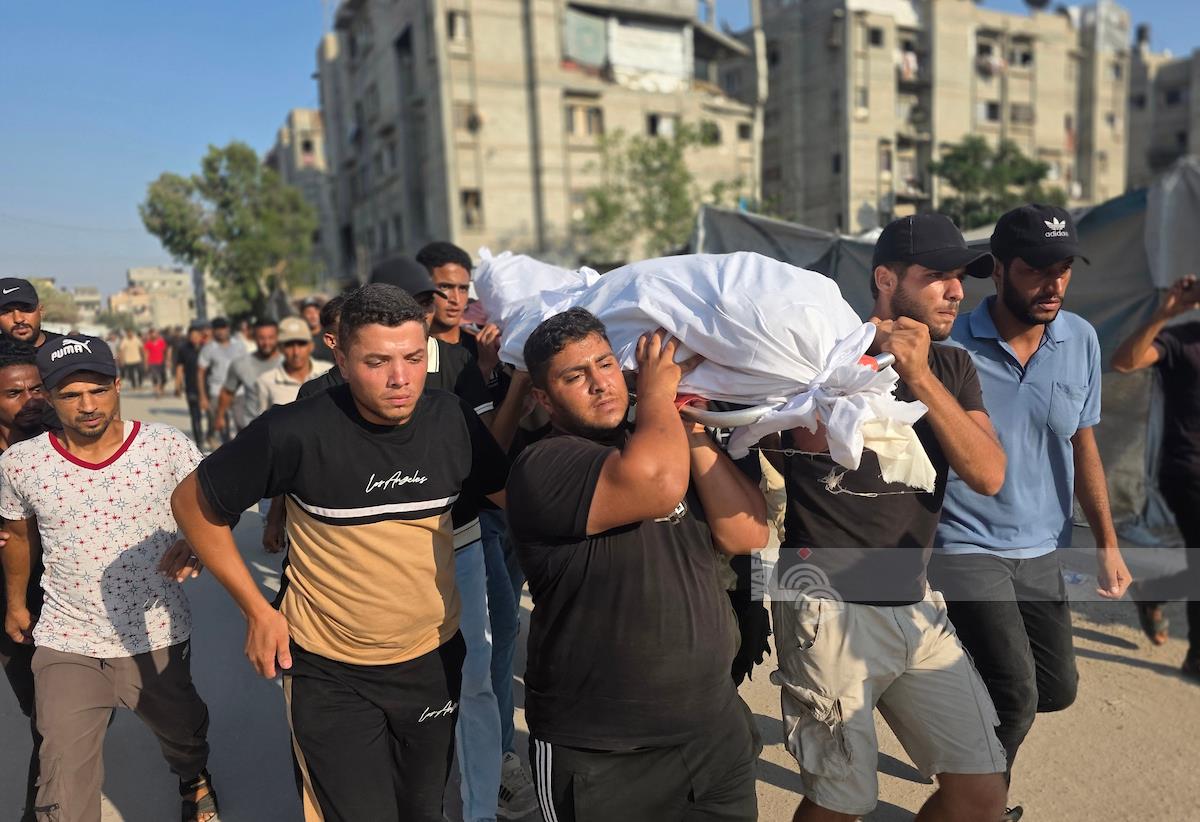
Later, the family held a funeral procession for the child and buried him in the local cemetery amidst widespread grief and anger among the residents.
Contradictory Israeli Narrative
Following the incident, Israeli media outlets, including Channel 14, put a completely different spin on what happened. They claimed Israeli soldiers stopped a “resistance ambush” in the central Gaza Strip, alleging the killing of one Palestinian, the arrest of another, and the wounding of a third during the operation.
However, the facts surrounding the incident and the family testimonies reveal those shot were civilians: Father, child, and father-in-law. This is just one example of how the narrative is twisted time-and-again by the Israelis.
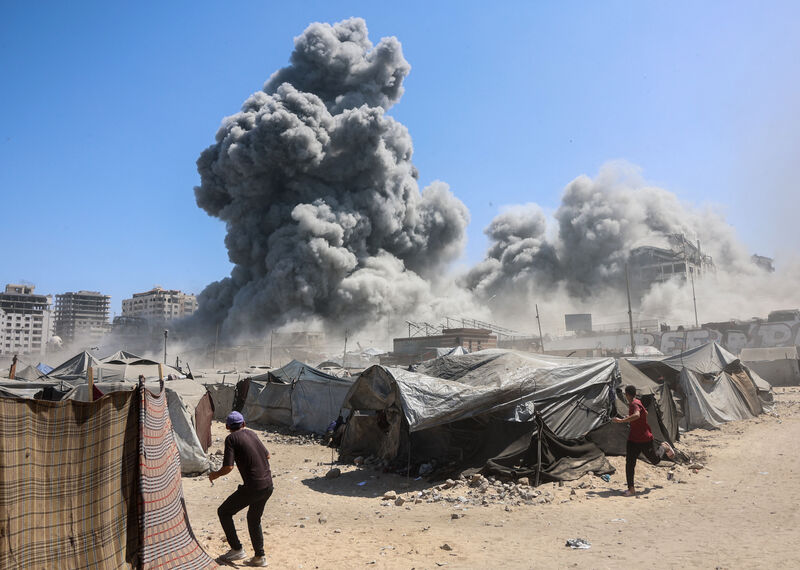
This crime comes amidst the ongoing Israeli attacks in the Gaza Strip, despite the so-called ceasefire agreement that is really ink-on-paper. According to data from the Gaza Ministry of Health, the violations recorded since the agreement came into effect have resulted in the deaths of nearly 1000 Palestinians and with the injuries of thousands more, amidst continuous warnings of the deteriorating humanitarian and security situation in the Strip.
The story of the child, Rayan Abu al-Ajeen, remains one of the most tragic incidents: A short outing with his father ended with his death from a bullet that struck him in the head while he was in his father’s arms.
This news story by Dr Marwan Asmar is based on a report from the Palestine Information Center and reprinted in crossfirearabia.com, and countercurrents.org
CrossFireArabia
Despite the heavy burden of war, displacement, loss, and deprivation they have endured for nearly three years, many Gazans, especially the youth, have not relinquished their passion for football and following the World Cup matches. They have become a temporary escape from the harsh reality of war.
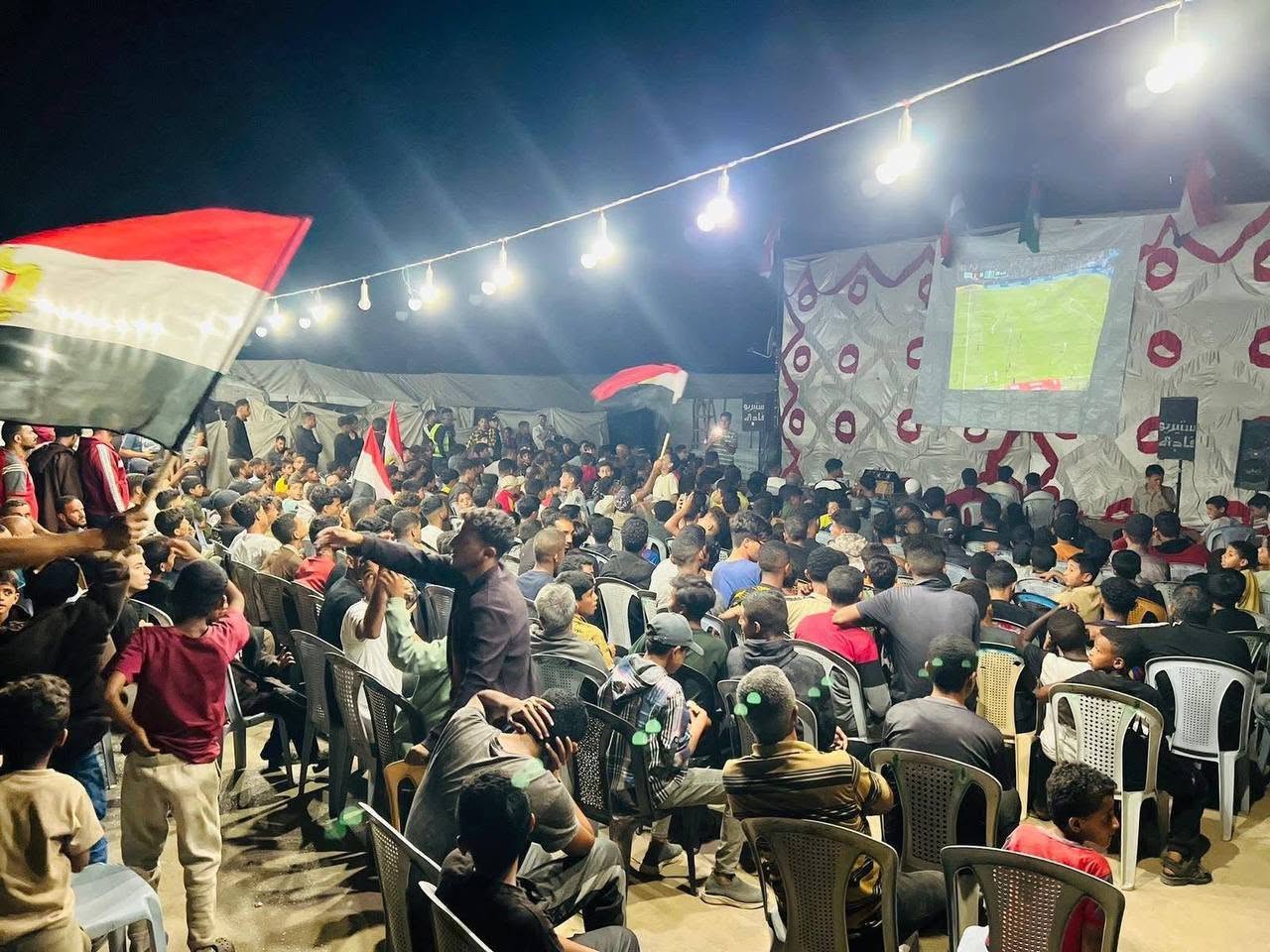
With the start of the Arab teams’ matches in the world’s most important football tournament, displacement camps in the Gaza Strip have been transformed into something resembling “popular caravans” or open-air cafes, where hundreds of displaced people gather in front of large screens or televisions to watch the matches and cheer on their favorite teams.
In the Nuseirat camp in the central Gaza Strip, hundreds of Gazans gathered in the main square of the Nuseirat market in front of a giant screen to watch the match between the Egyptian national team and their Belgian counterparts, which ended in a 1-1 draw. Cheers and popular songs filled the air during the match, a scene that brought a measure of vitality back to faces worn down by war.
In the Khan Younis area of southern Gaza, some of the tents housing displaced people have been transformed into makeshift cafes. Young men sit on wooden benches in front of televisions to watch matches of the Arab teams participating in the tournament. Some tents are decorated with Egyptian flags, and several young men drape the flags over their shoulders while watching the games.
During major sporting events, Gazans typically make a point of showing their support for the Arab teams, expressing the cultural and social ties that bind them to the Arab world and emphasizing their shared sense of solidarity and belonging.
For many residents of the Gaza Strip, these gatherings represent a rare opportunity for recreation and a break from the pressures of daily life. They also offer a temporary space for joy and engagement with a global event, away from the constant bombardment, displacement, and suffering.
However, watching the World Cup in Gaza is not as easy as it is in other parts of the world. In addition to the dire humanitarian situation and economic collapse, residents face financial, technological, and security challenges that make watching the matches a difficult task.
High Subscription Costs
The high subscription cost of beIN SPORTS channels, the exclusive broadcaster of the tournament, stands out as one of the most significant obstacles, in addition to the large time difference, as most matches are held in the early morning hours due to the United States, Canada, and Mexico co-hosting the tournament.
In an attempt to alleviate this crisis, the sports channels’ agent in Gaza managed to obtain a special exemption from the network’s headquarters in Qatar, allowing the reactivation of older equipment within the Gaza Strip, taking into account the exceptional circumstances faced by the residents. This exemption was granted for monthly subscriptions ranging between 350 and 420 shekels (US$120-150), providing some cafes and fans with a limited opportunity to watch the matches.
Alternatives, but Not Enough
Other alternatives are no more readily available. Free Turkish or Iranian channels may broadcast some matches, but they lack the Arabic commentary that has become a cherished part of the Arab public’s experience with major tournaments.
On the other hand, IPTV services rely on a stable internet connection, which has become virtually impossible given the extensive damage inflicted on the telecommunications infrastructure during the war.
Security Concerns Over Renewed Israeli Bombing
The suffering of Gazans is not limited to material and technical aspects; it also extends to security concerns. Gathering in cafes or public squares to watch matches has become fraught with danger due to the ongoing Israeli bombardment, prompting many to avoid going out at night. Despite this, some cafes continue to broadcast matches at night, even with the possibility of renewed Israeli attacks.
Despite all these challenges, football remains a rare outlet for many Gazans and a way to cling to life, a temporary attempt to postpone the pain of war and engage, even for a few hours, in a collective joy that restores some semblance of normalcy.
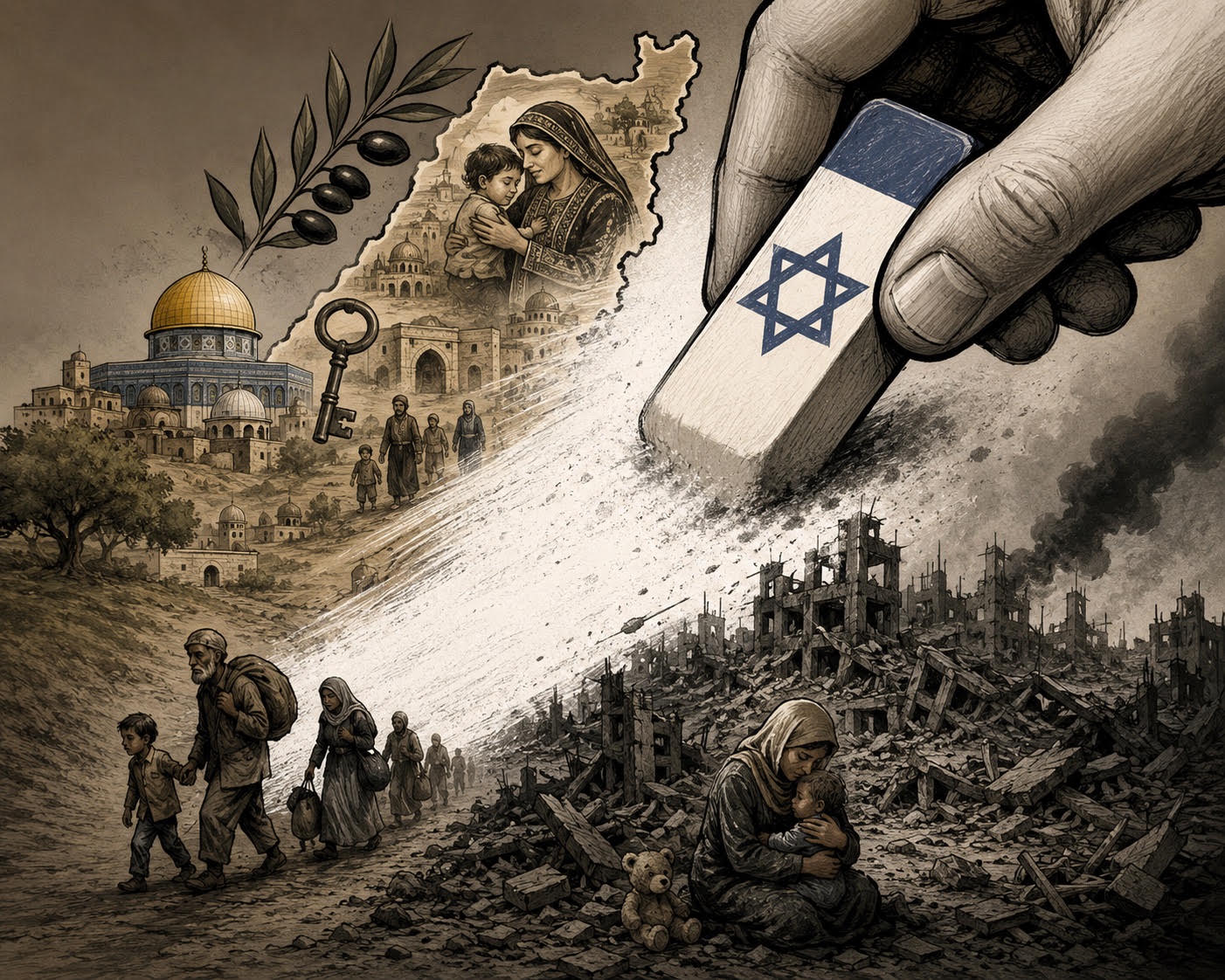
Since October 8, 2013, Israel, with American and European support, has committed genocide in the Gaza Strip, including killing, starvation, destruction, displacement, and arrests, ignoring international appeals and orders from the International Court of Justice to cease its actions.
The genocide has left more than 246,000 Palestinians dead and/or wounded, most of them children and women, and more than 11,000 missing, in addition to hundreds of thousands of displaced people and with a famine that claimed the lives of many, most of them children, as well as widespread destruction and the erasure of most of the cities and areas of the Gaza Strip from the map. Quds Press
CrossFireArabia
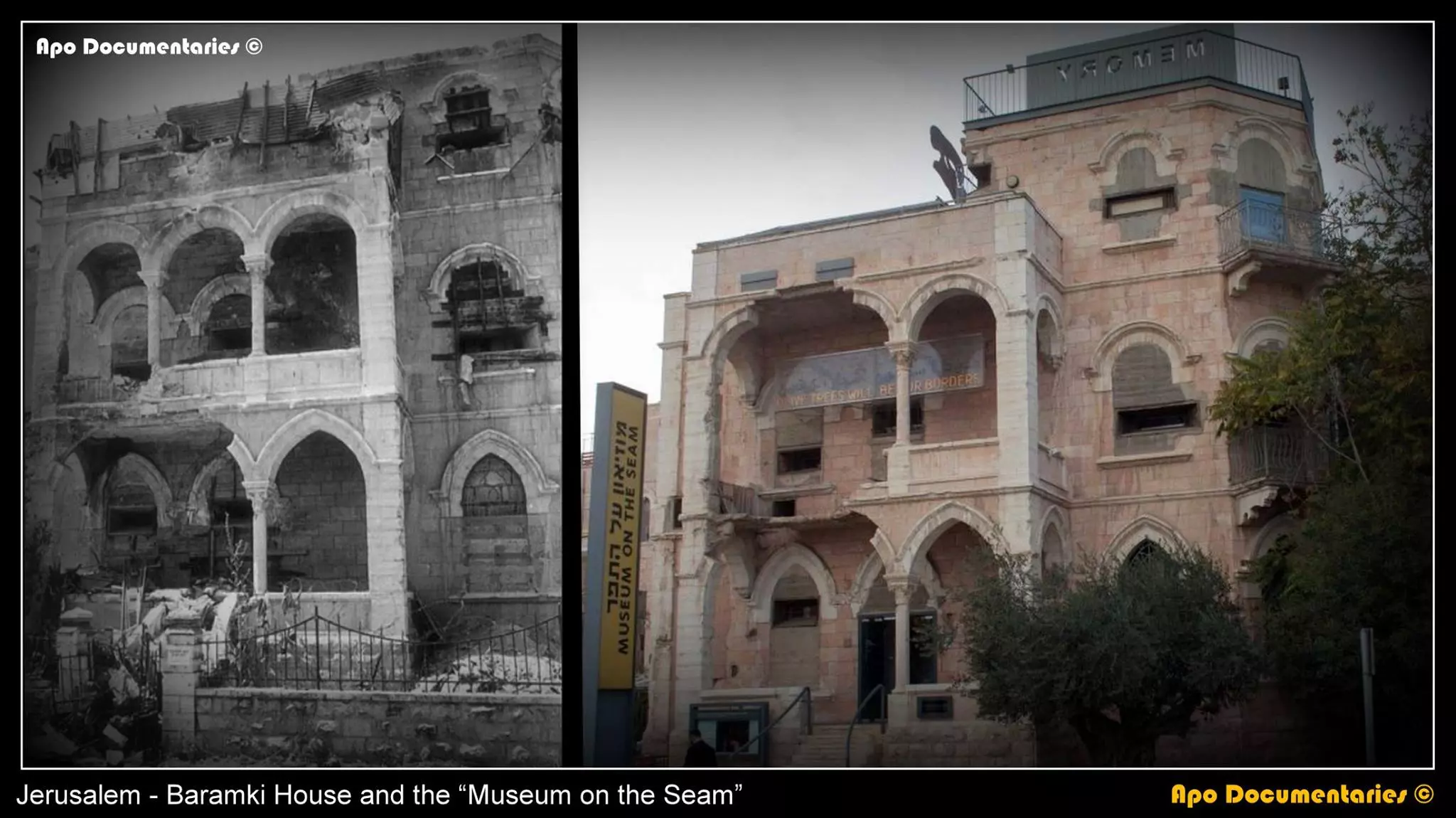
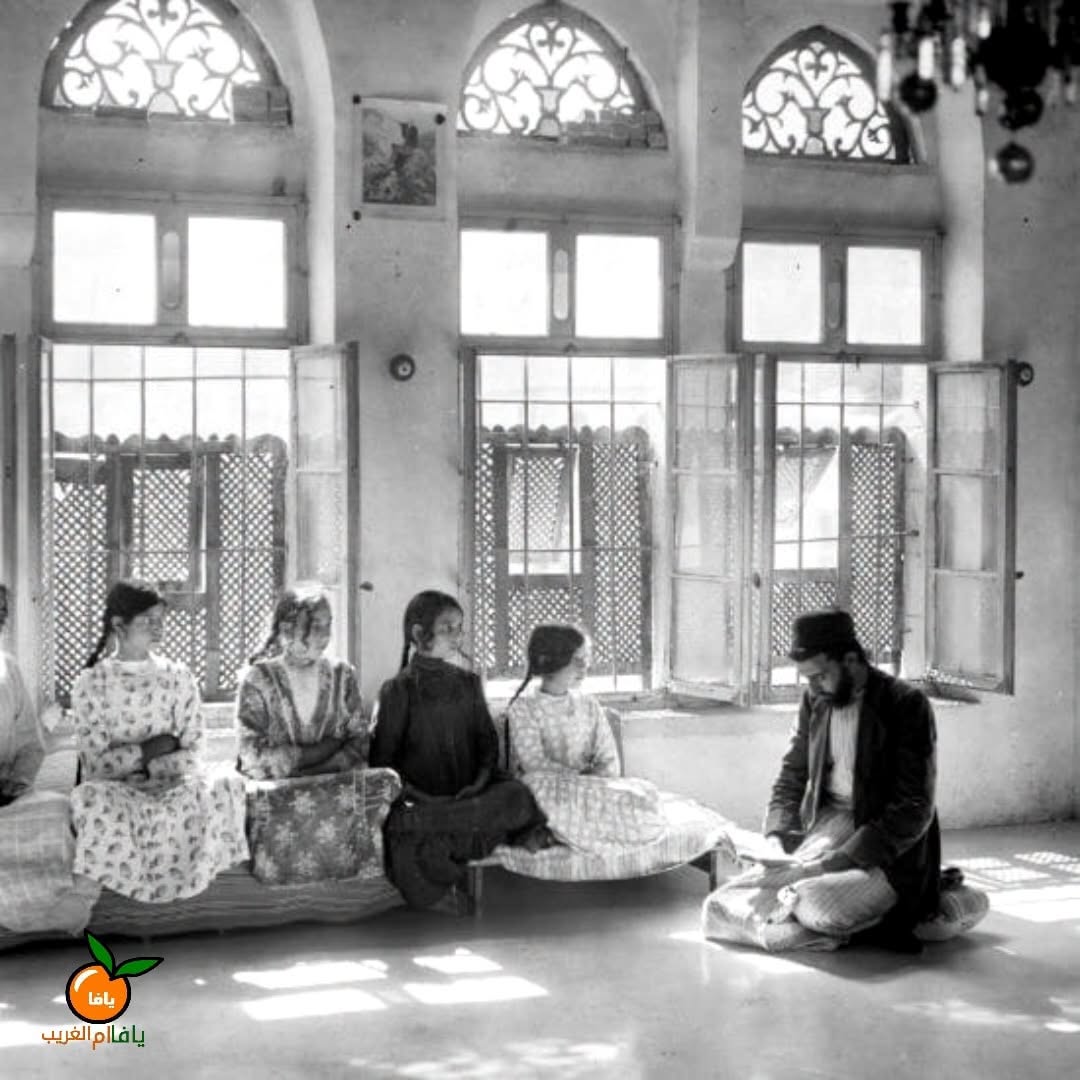
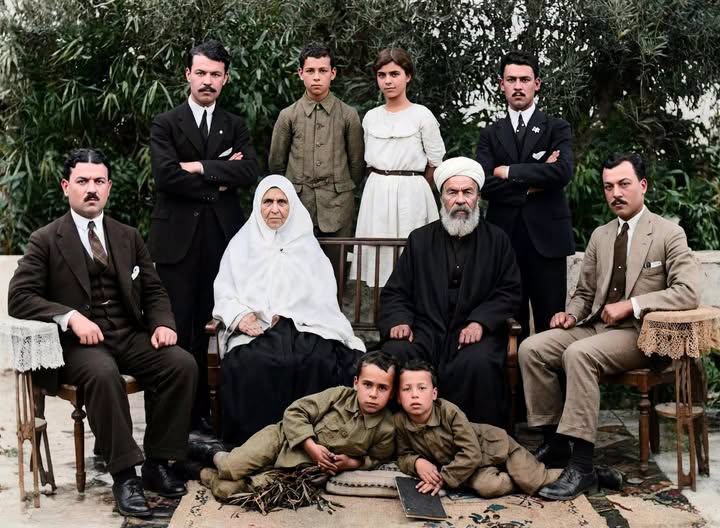
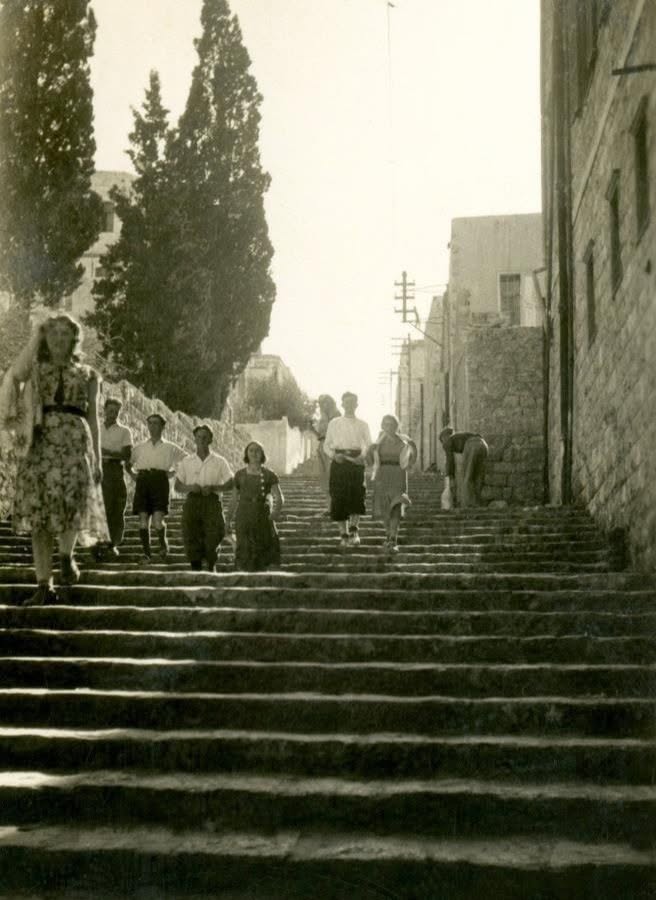
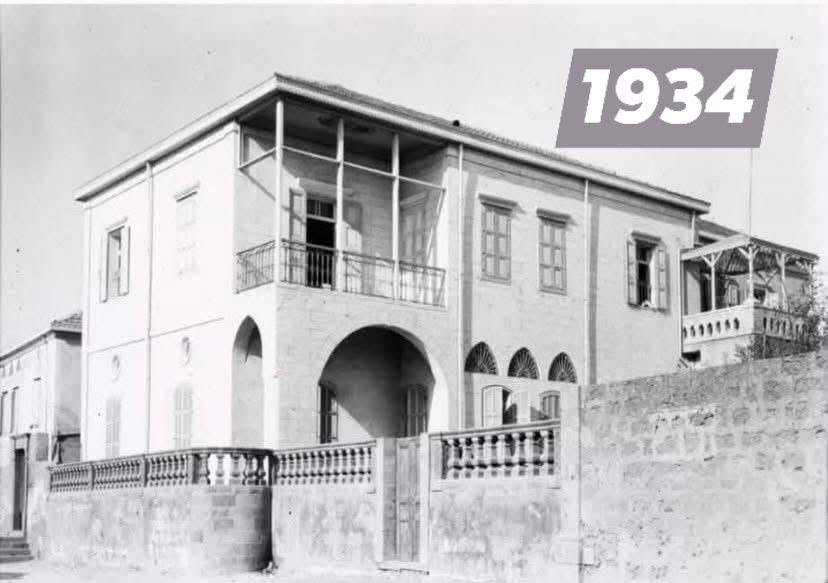
A house belonging to the Al Afghani family in the Almanshieh neighborhood in Yafa. The house still exists today.