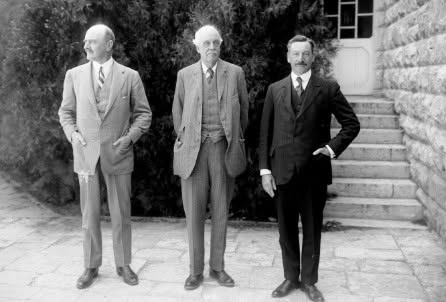
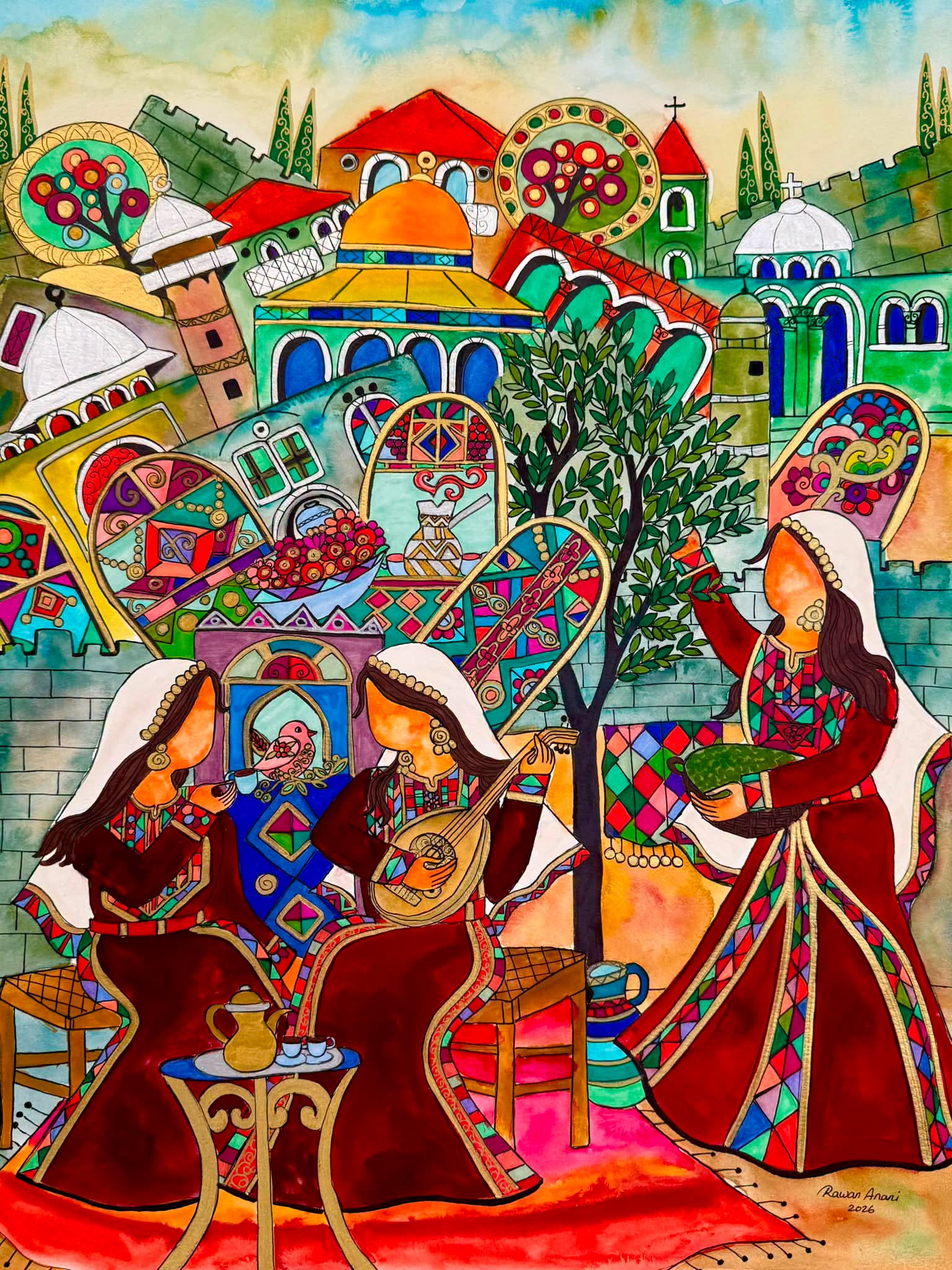
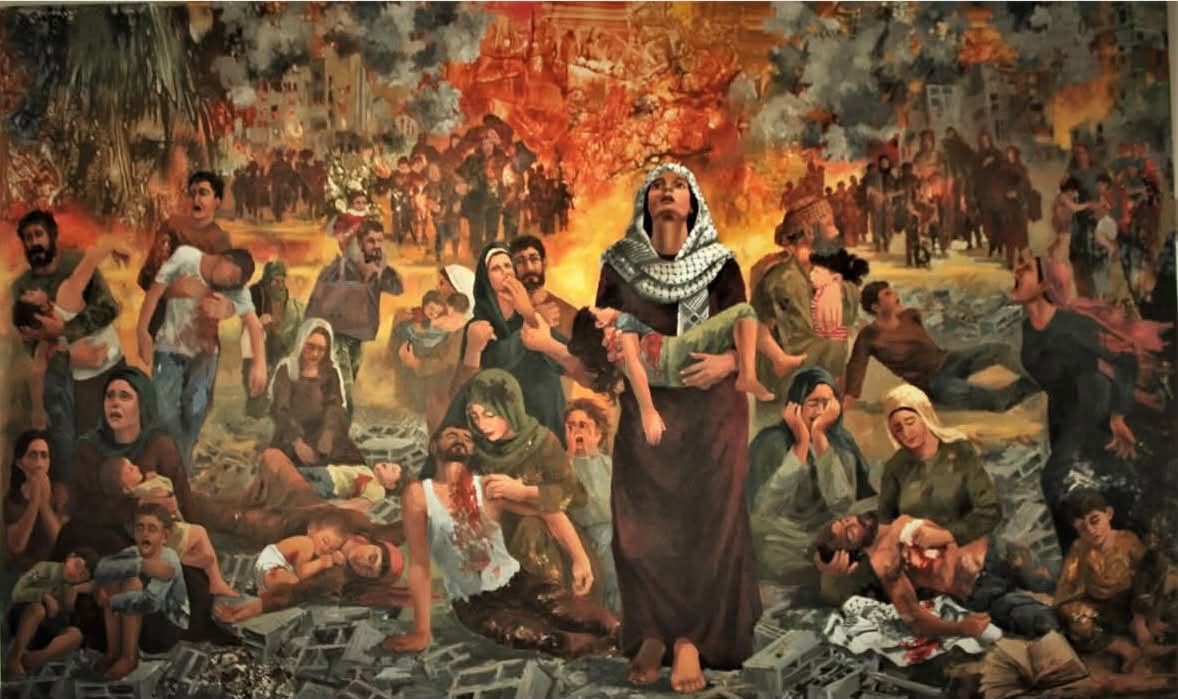
 Herman Melville, Palestine, 1857
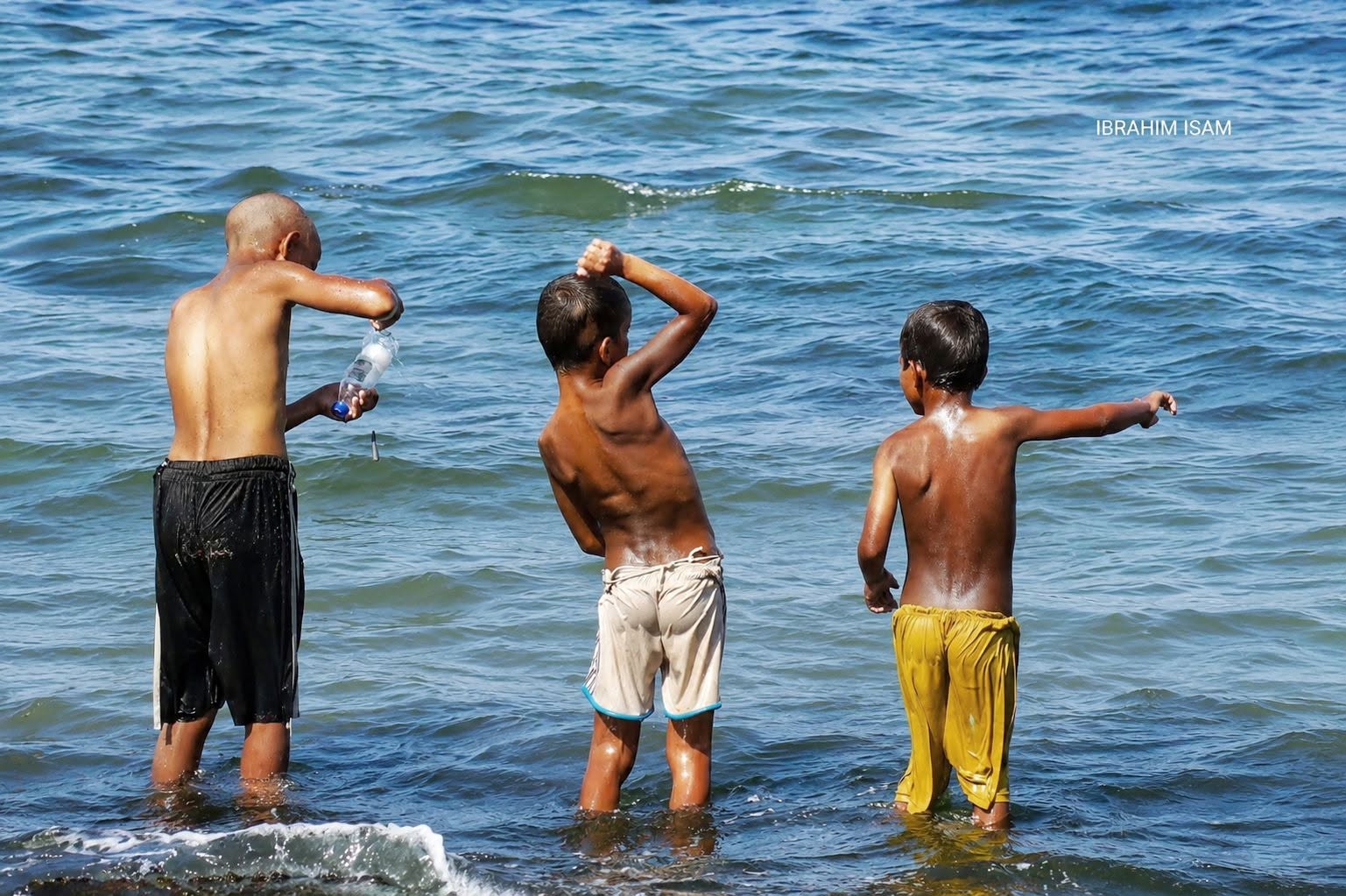
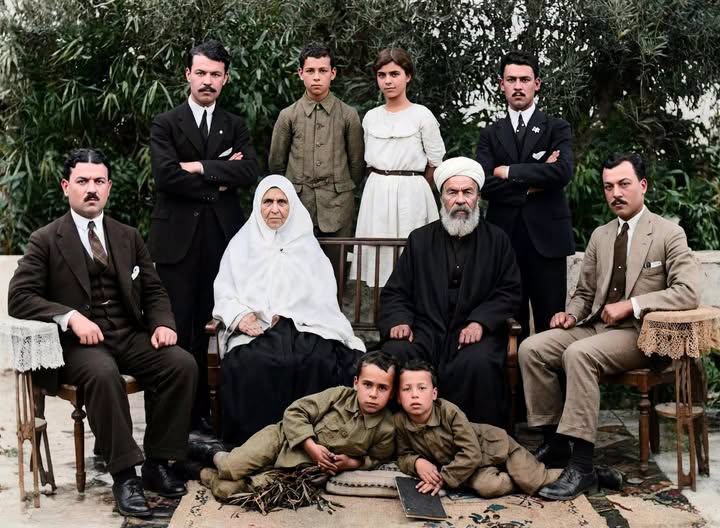
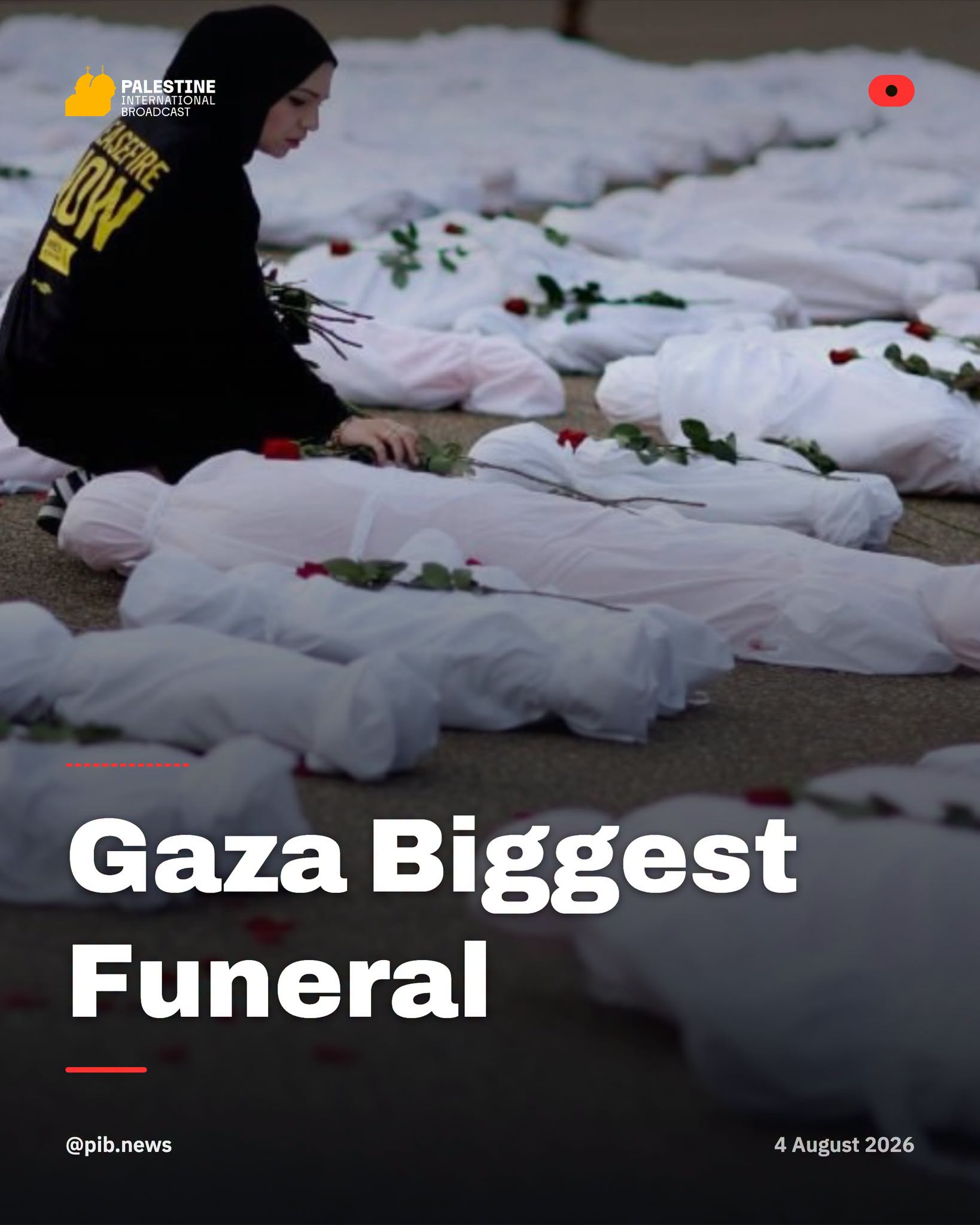
 Sea of Tragedy and Life
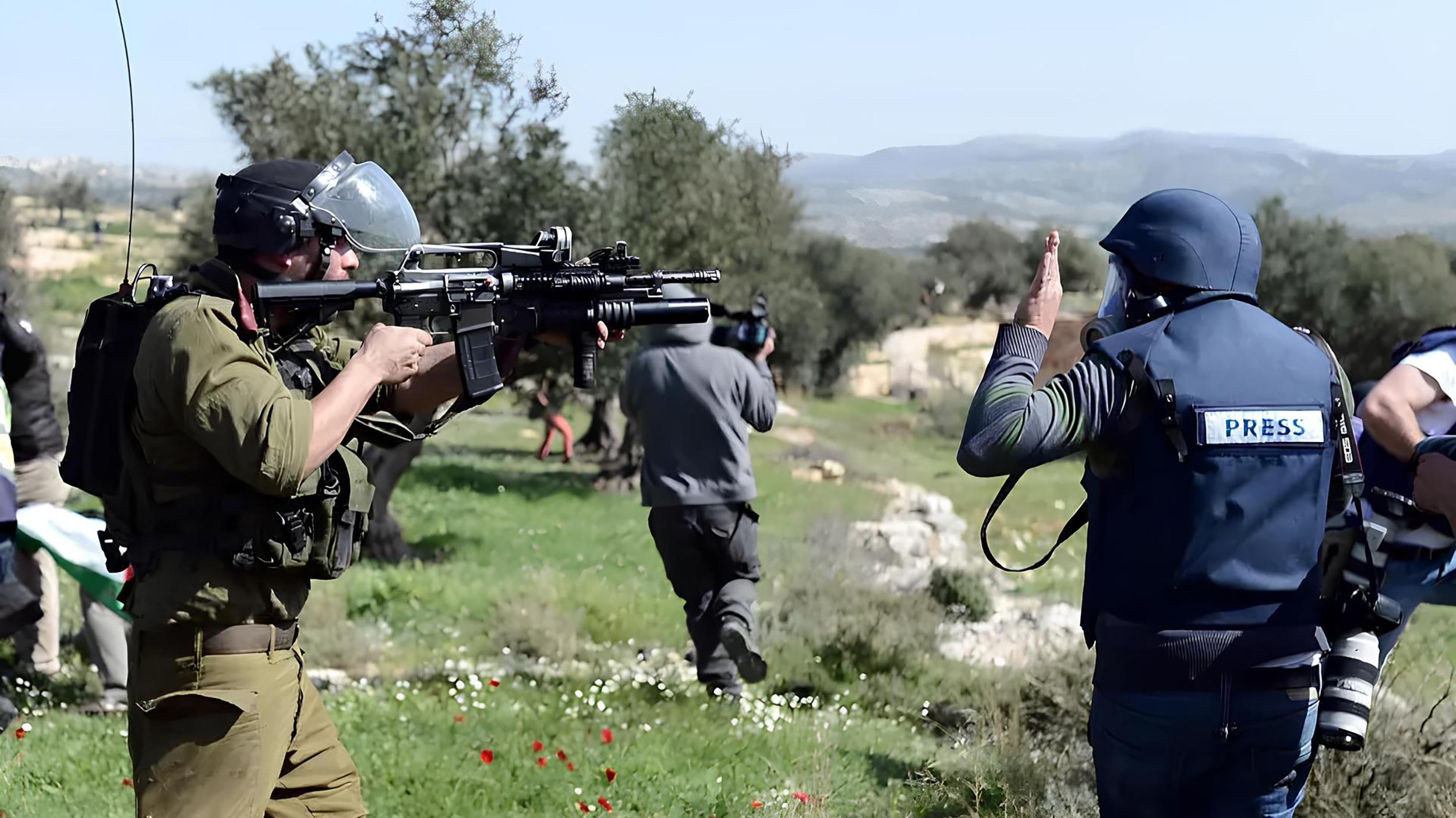
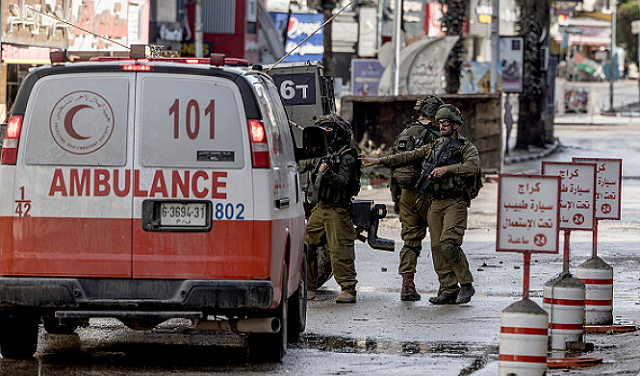
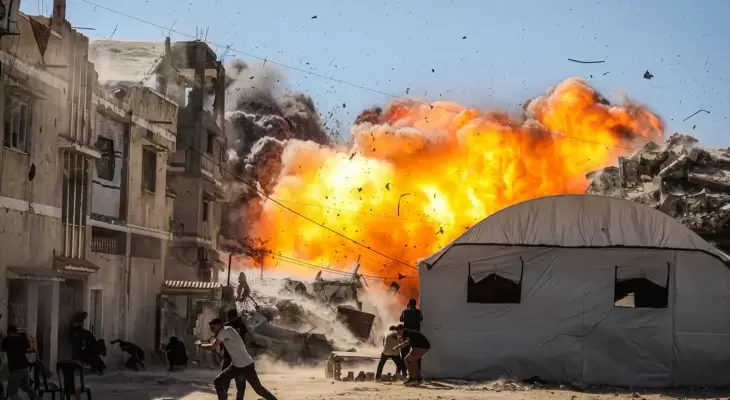
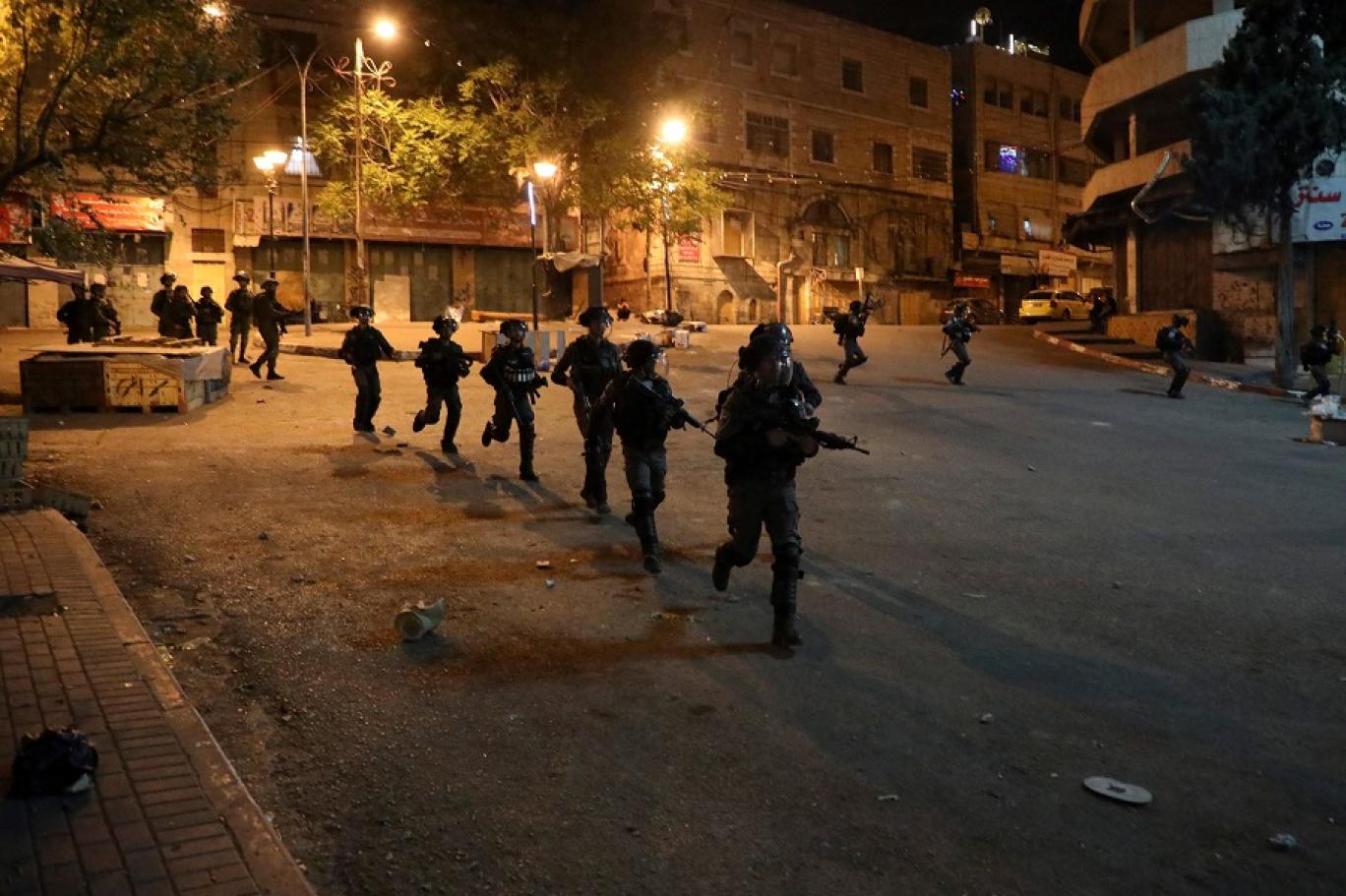 UN: Humanitarian Access Blocked by 900 Israeli Checkpoints
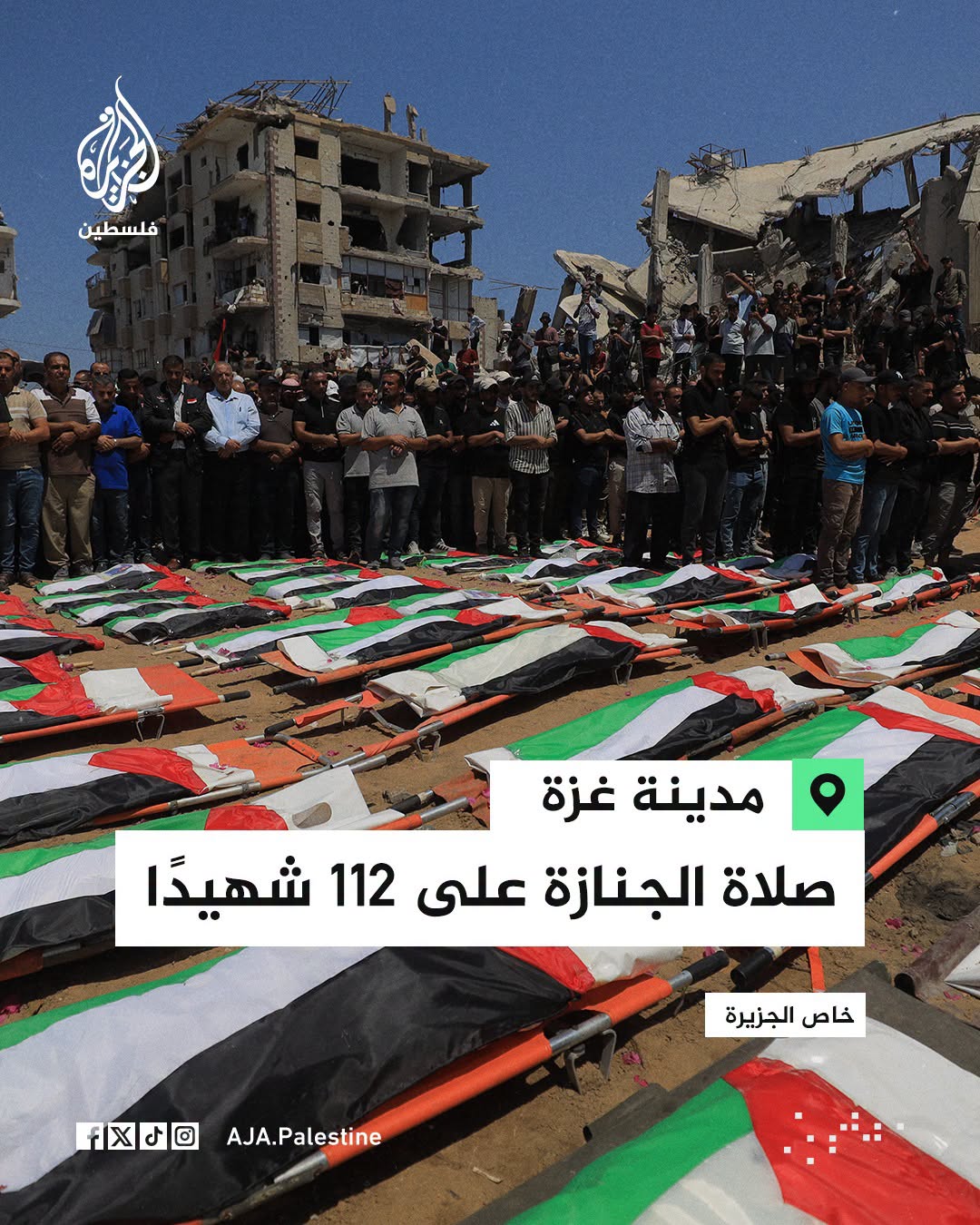
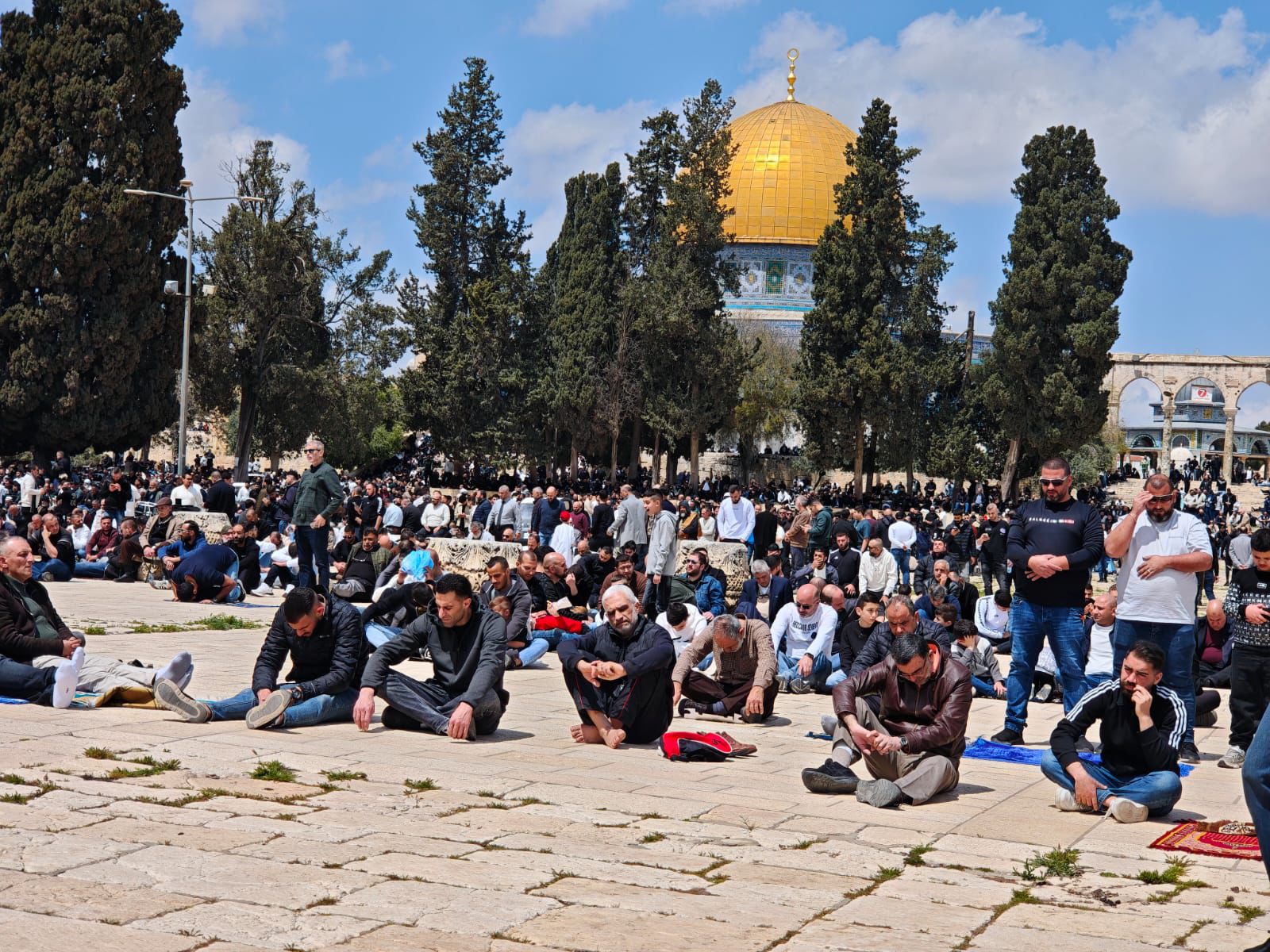 70,000 Perform The Friday Prayers in Al Aqsa
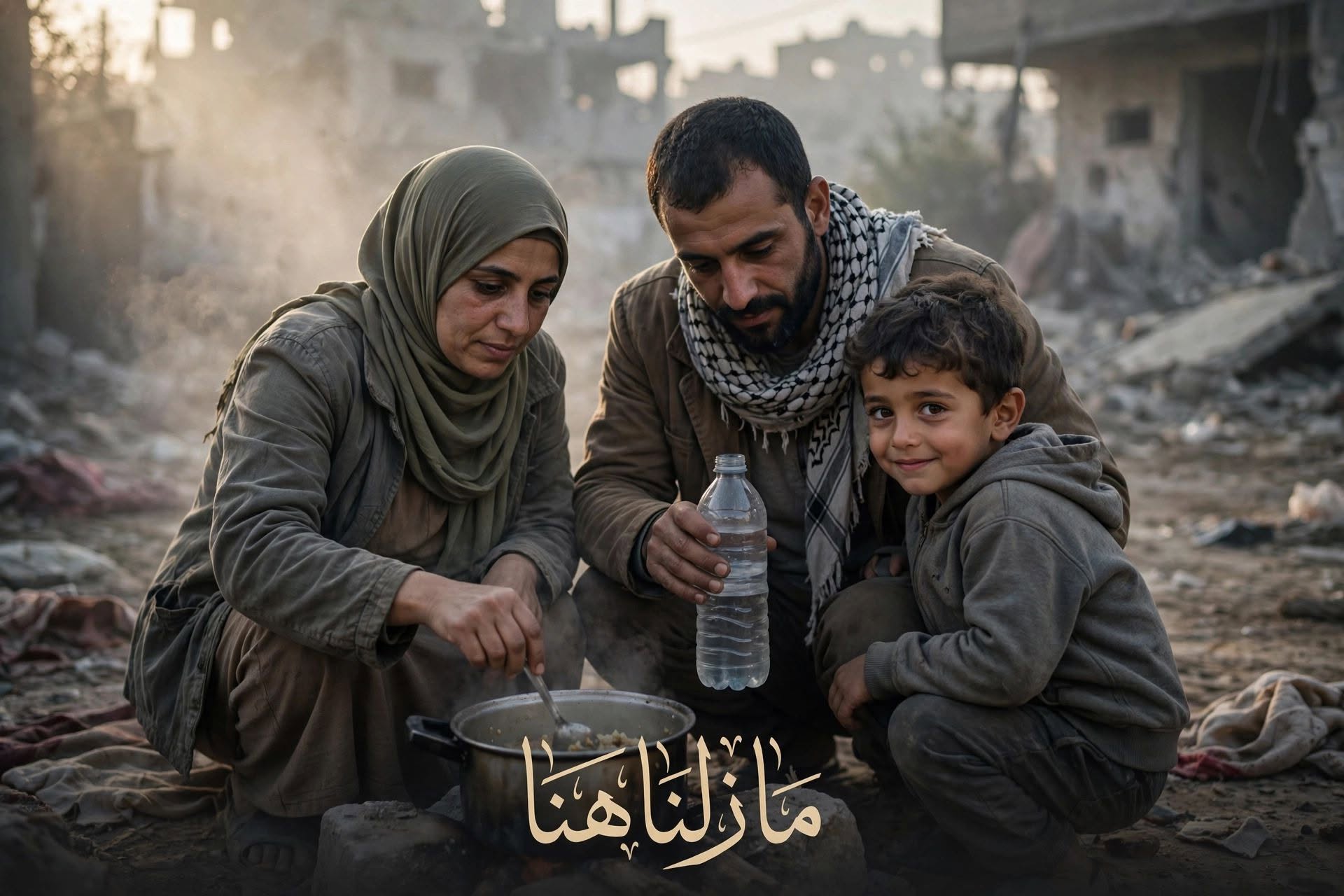
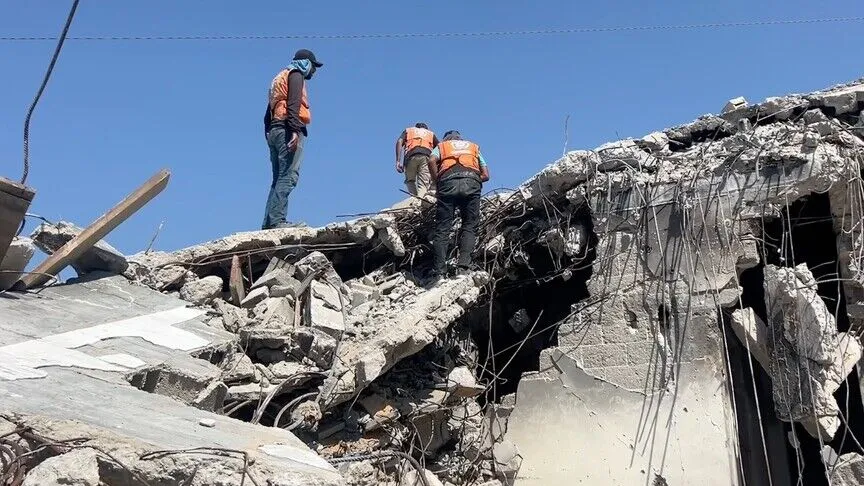
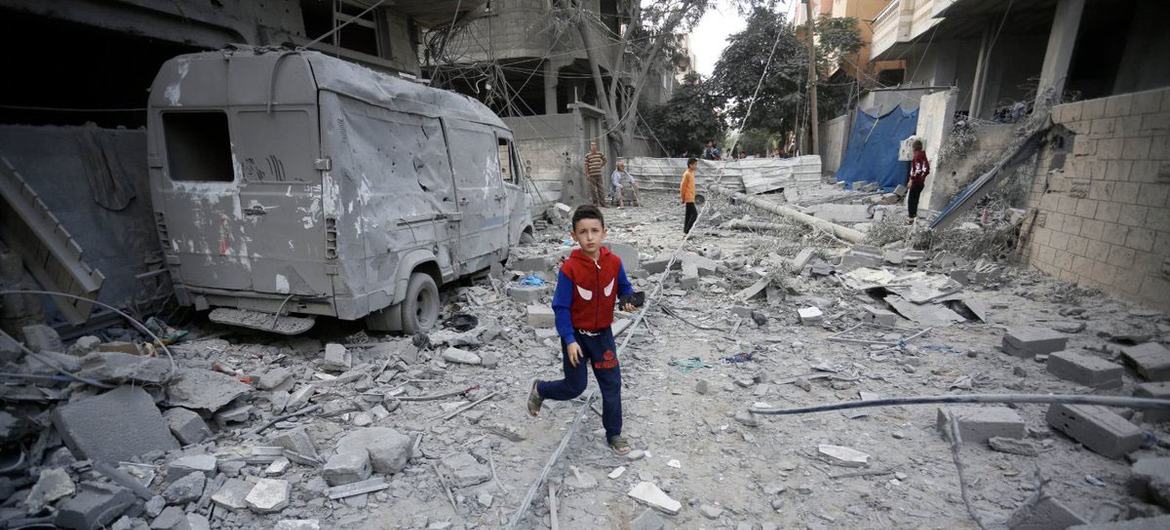
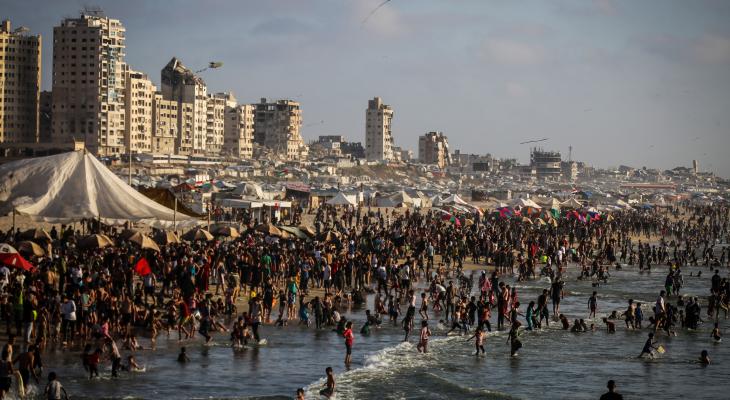
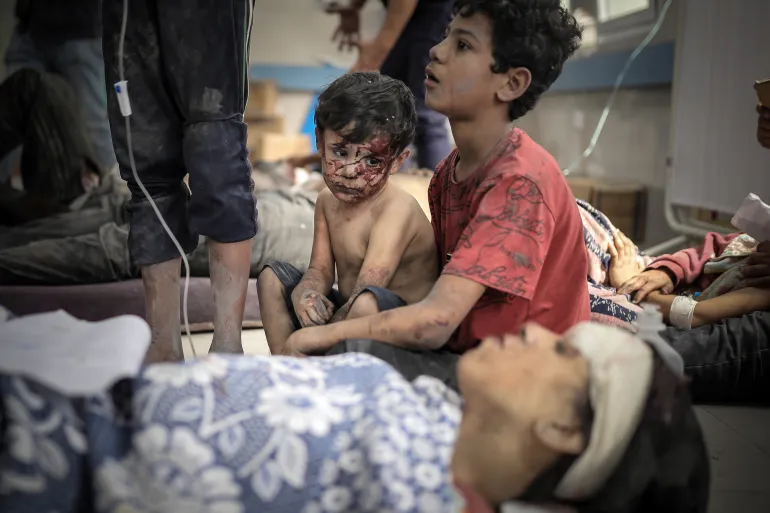
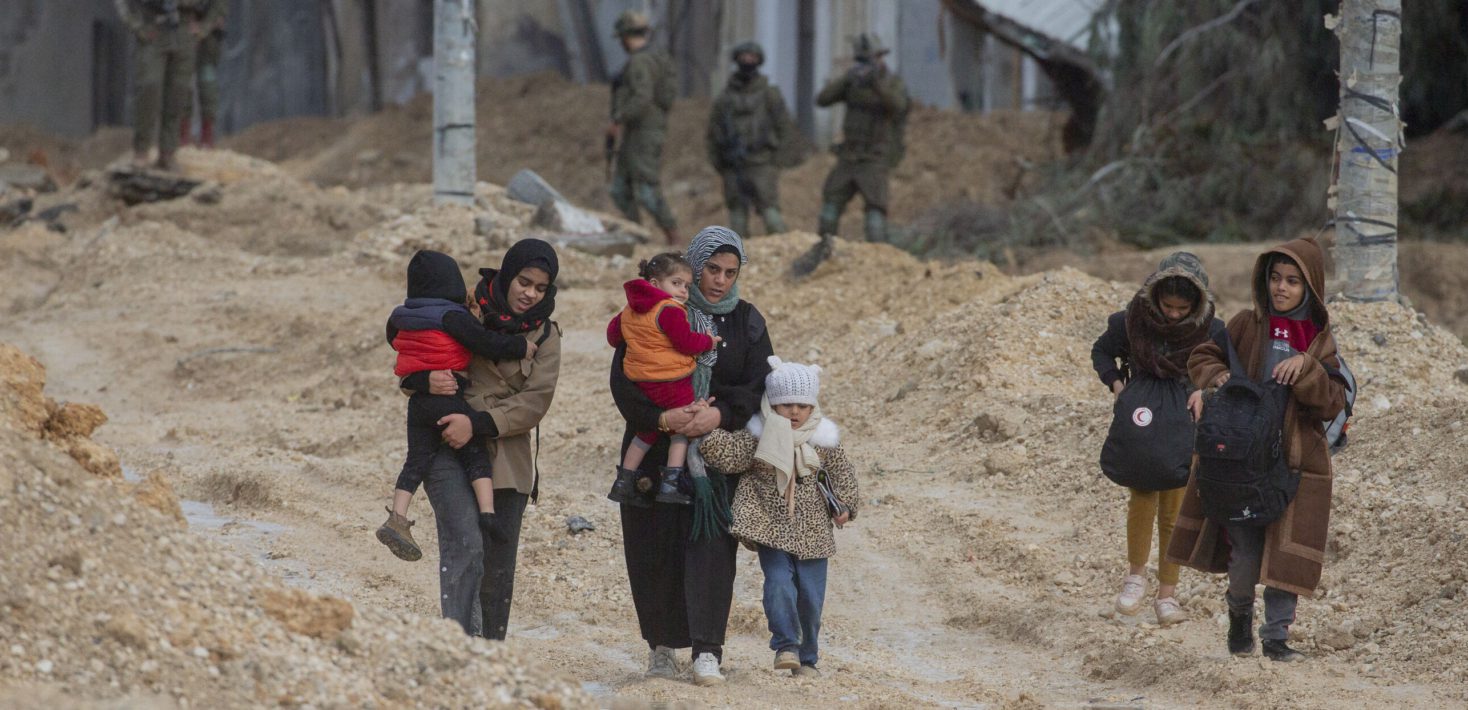
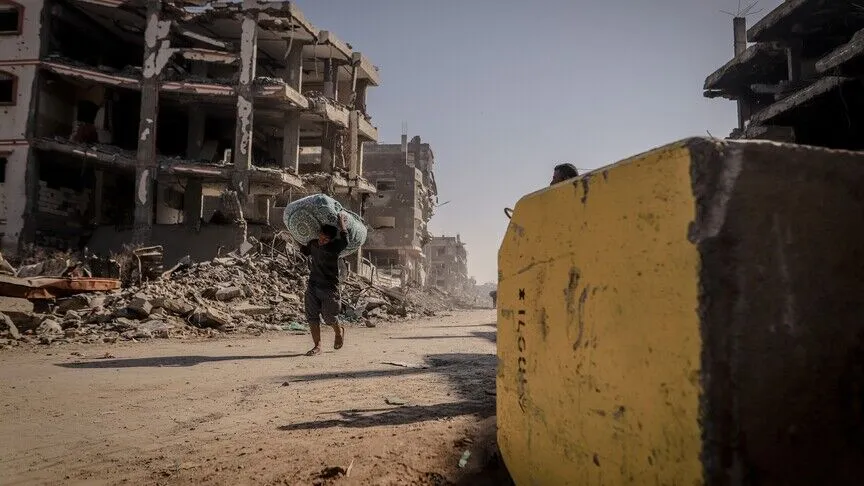
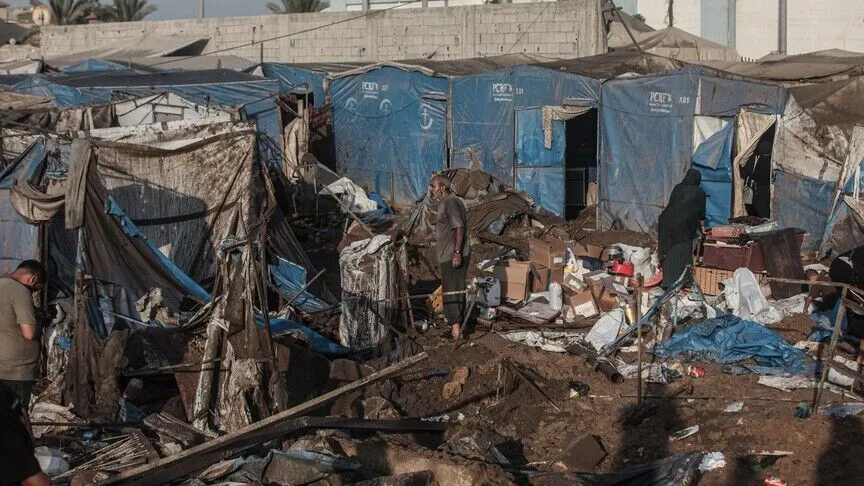
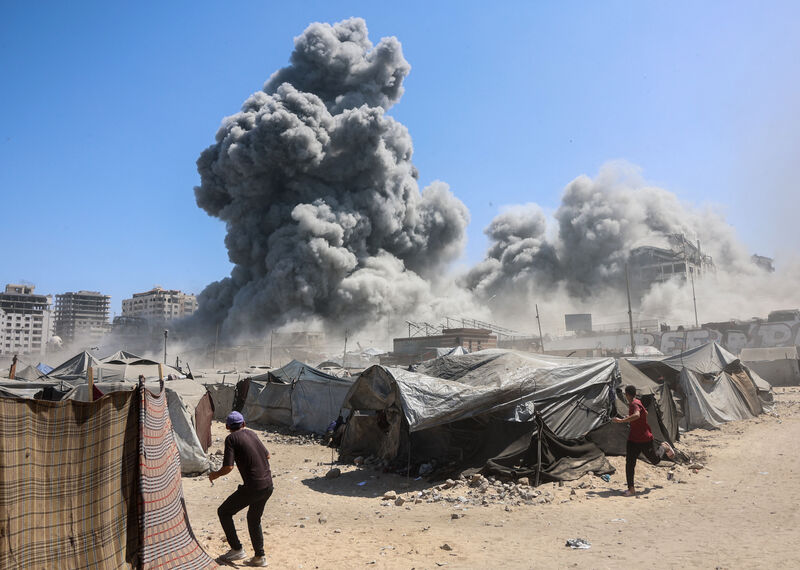
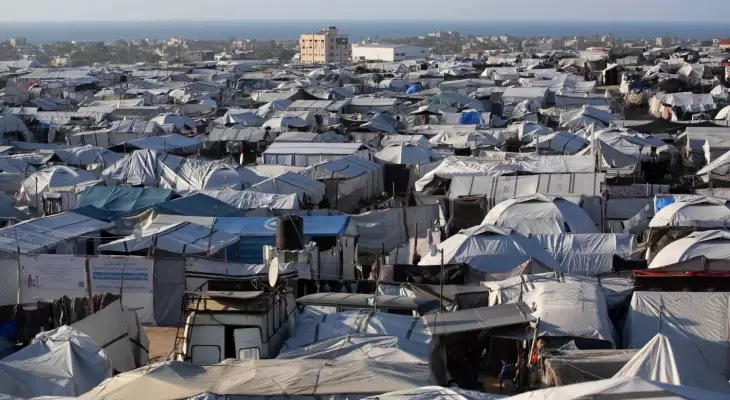 90% of Gazans Displaced in Tattered Tents, Living on Rubble



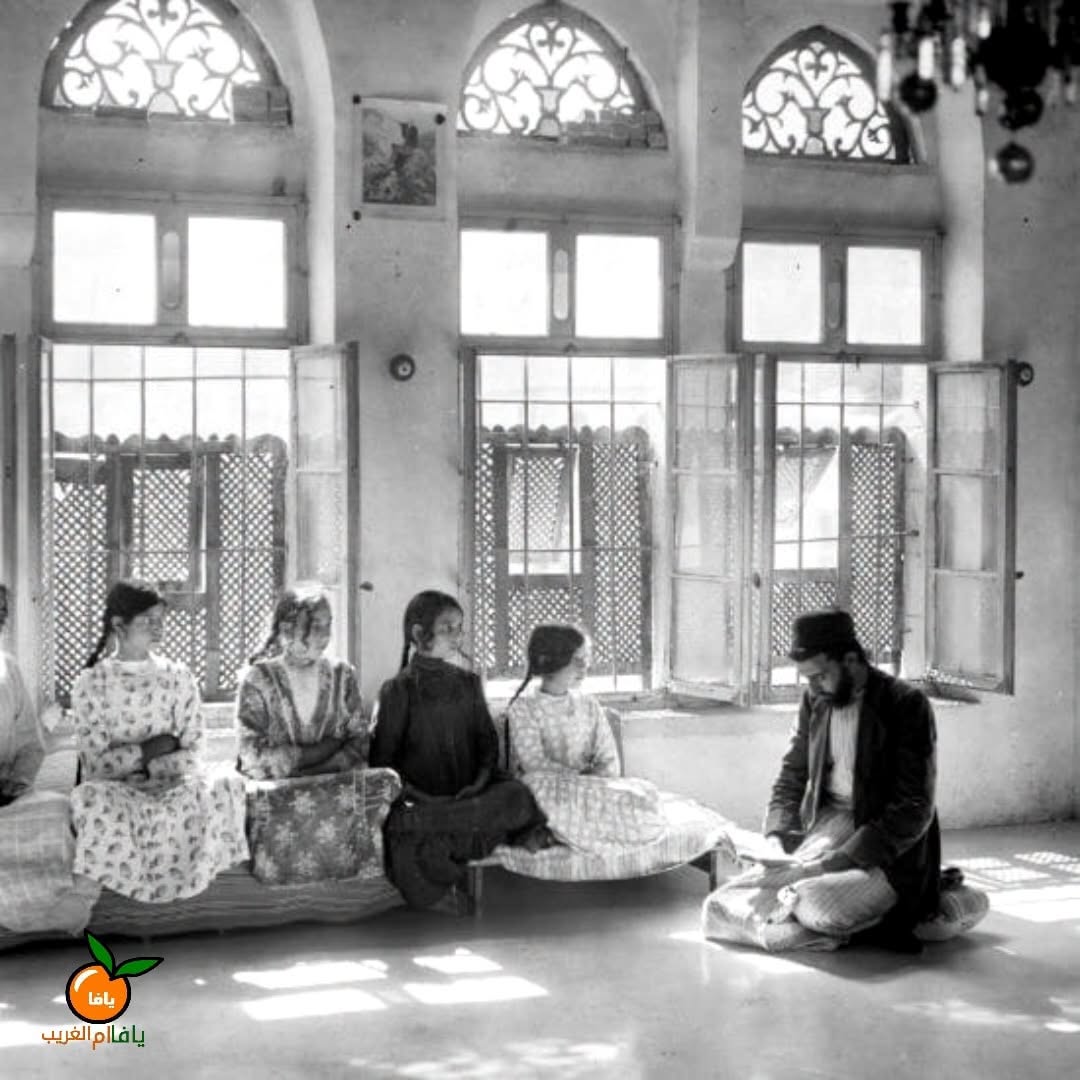
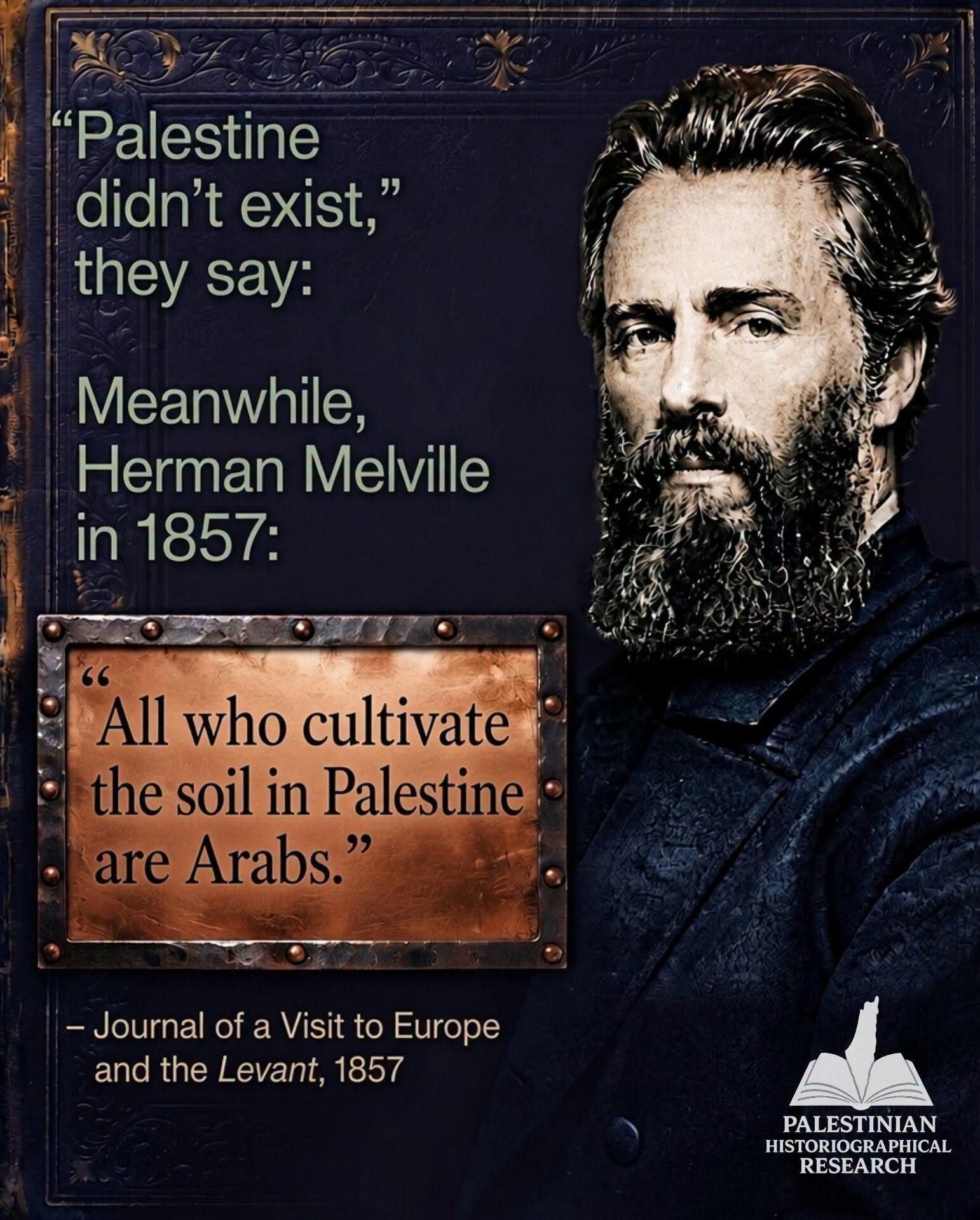
Herman Melville, Palestine, 1857
 CrossFireArabia
- August 15, 2026
 CrossFireArabia
 marwanCrossFireArabia
 HebaCrossFireArabiamarwanCrossFireArabiamarwanHebaCrossFireArabiamarwanmarwanHebaCrossFireArabiamarwanmarwanCrossFireArabiamarwanHebaCrossFireArabiaCrossFireArabiaCrossFireArabiaHebamarwanCrossFireArabiamarwanHebaCrossFireArabiaHebamarwanmarwanCrossFireArabiamarwanmarwanmarwanmarwanmarwanmarwanmarwanmarwanmarwanCrossFireArabiaCrossFireArabiamarwanmarwanCrossFireArabiaCrossFireArabiamarwanCrossFireArabiamarwanHebaHebamarwanmarwanCrossFireArabiamarwanmarwanmarwanmarwanCrossFireArabiaCrossFireArabiamarwanmarwanmarwanCrossFireArabiamarwanmarwanmarwanmarwanmarwanCrossFireArabiamarwanmarwanmarwanmarwanCrossFireArabiaCrossFireArabia
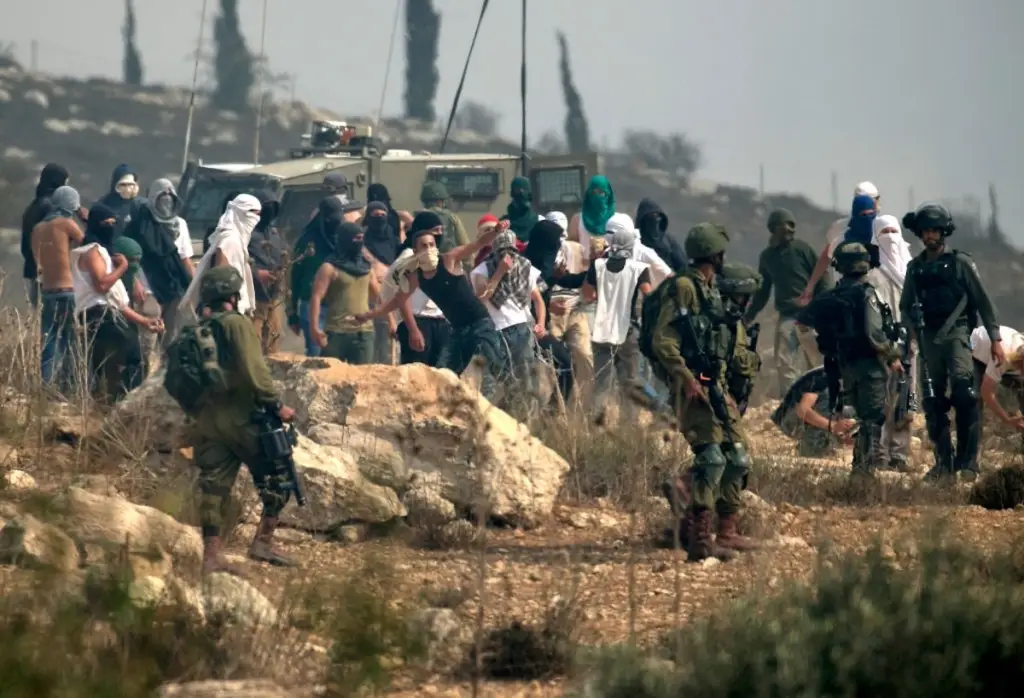
Afshin Amin commented: In a notable piece in the Israeli newspaper, Haaretz, yesterday, former Prime Minister of Israel Ehud Olmert accused the Netanyahu government of overseeing a “systematic campaign of ethnic cleansing and crimes against humanity” in the West Bank through settler violence, which he described as “daily terrorism” encouraged and managed by the state (including officials, police, and military). He rejected downplaying it as isolated incidents. This follows the harshest criticism yet from Trump and Vance. Perhaps Israel’s reign of terror is finally drawing to a conclusion? Let’s hope so
CrossFireArabia
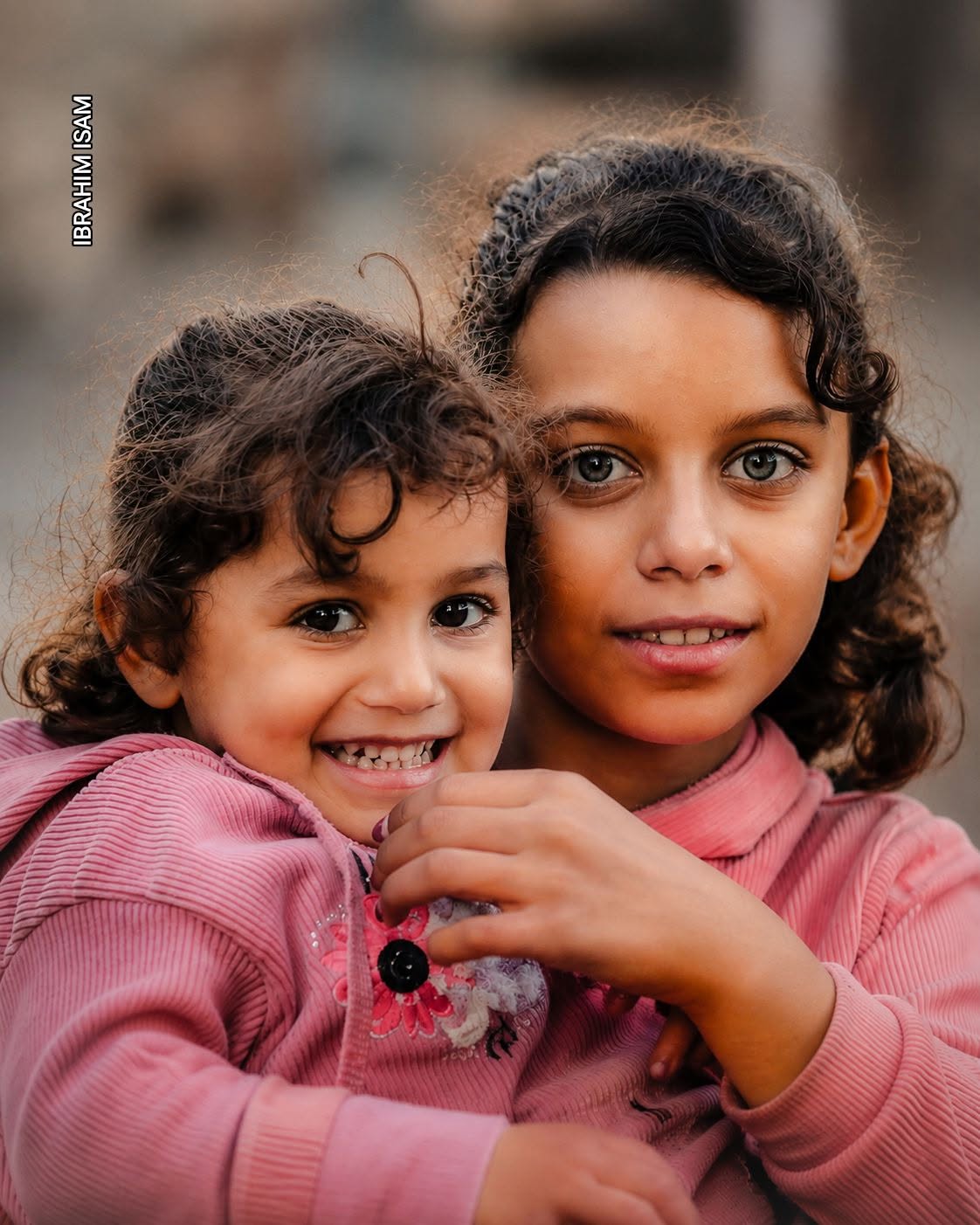
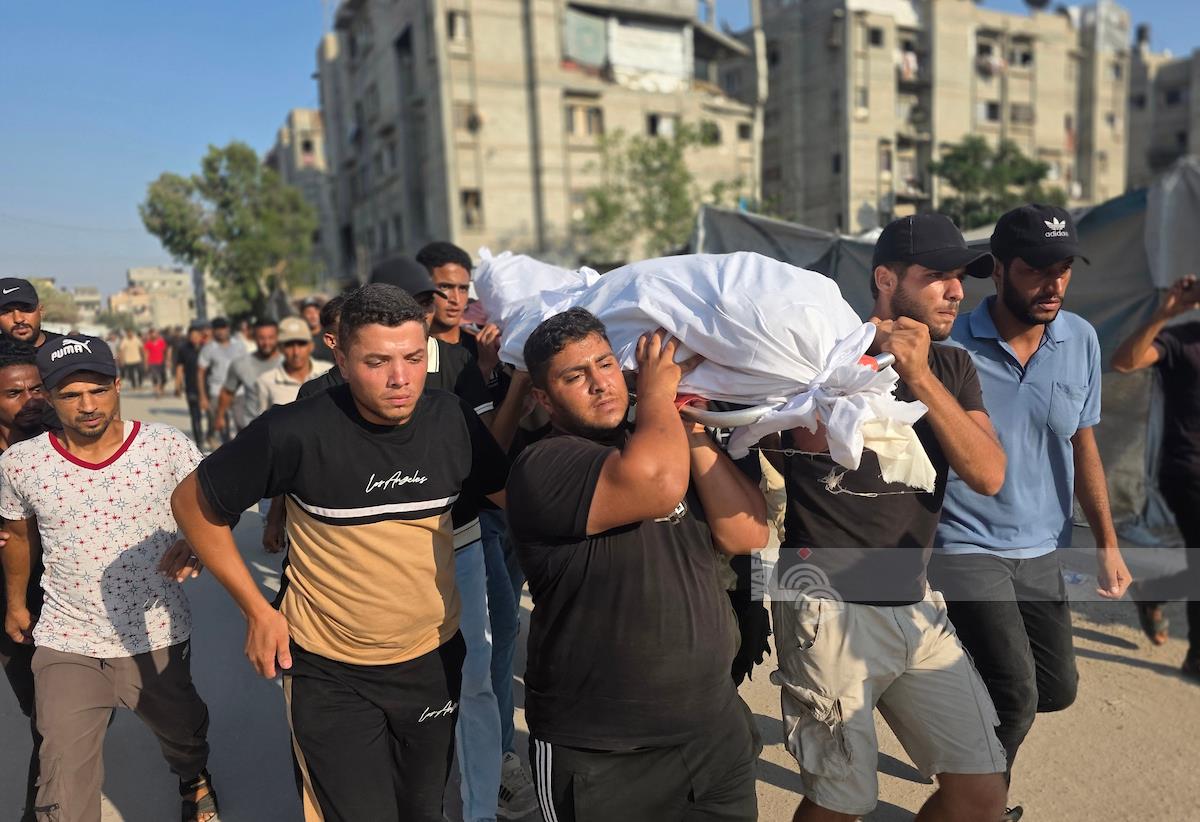
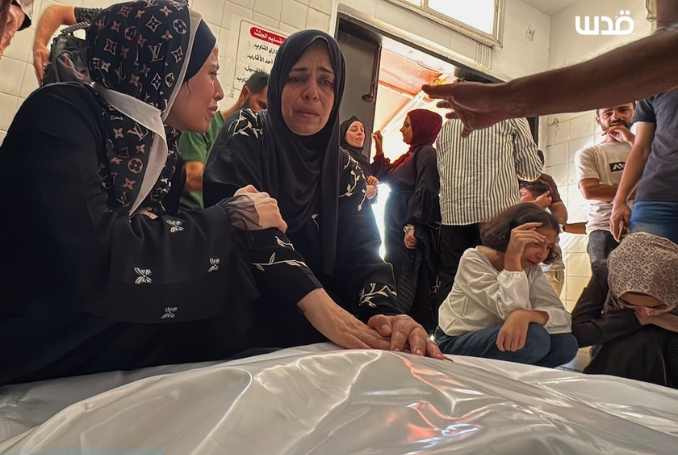
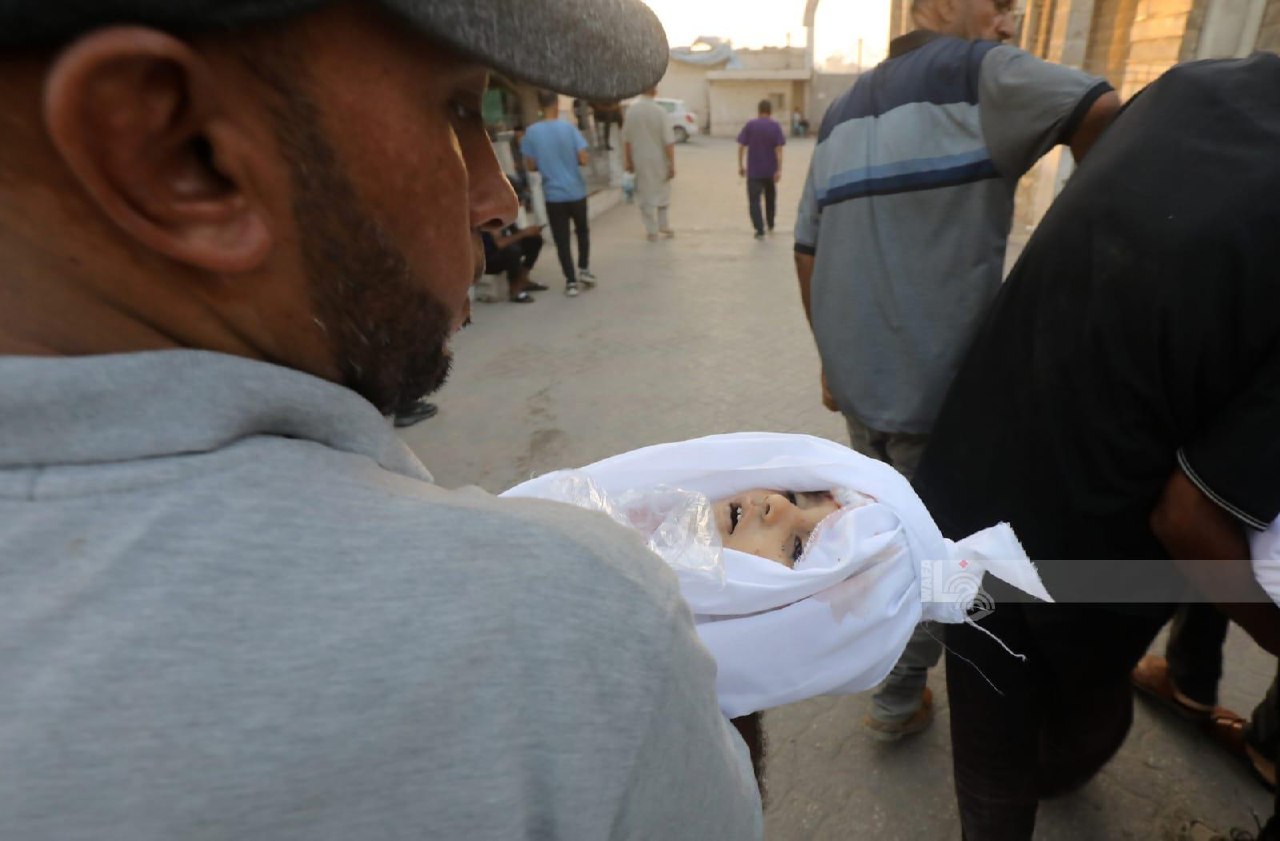
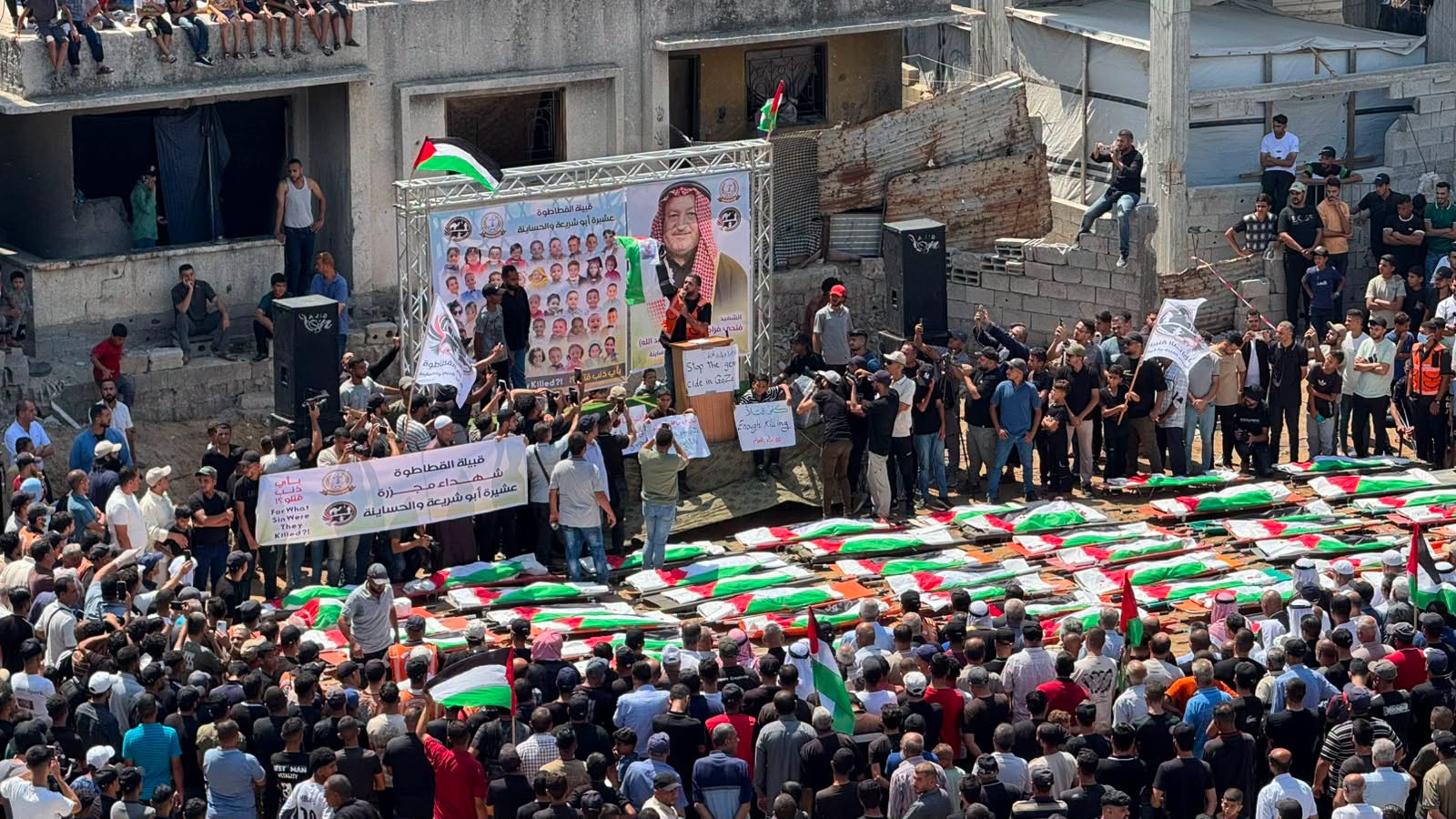
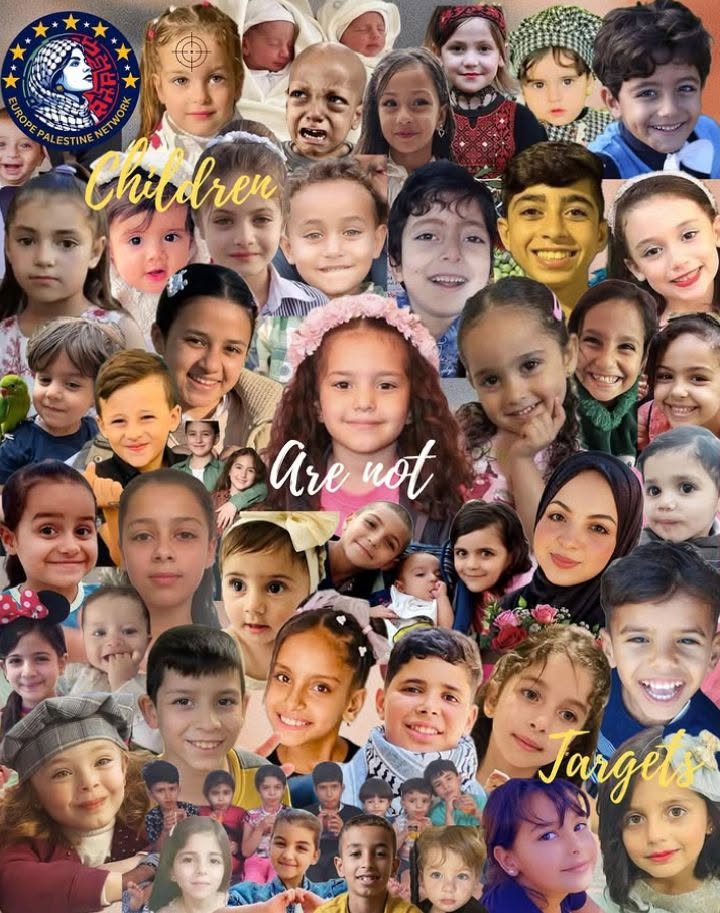
After another deadly night of clashes in Lebanon, aid agencies issued a new alert for Gaza, where 265 Palestinian children have been killed since a ceasefire was announced in October 2025.
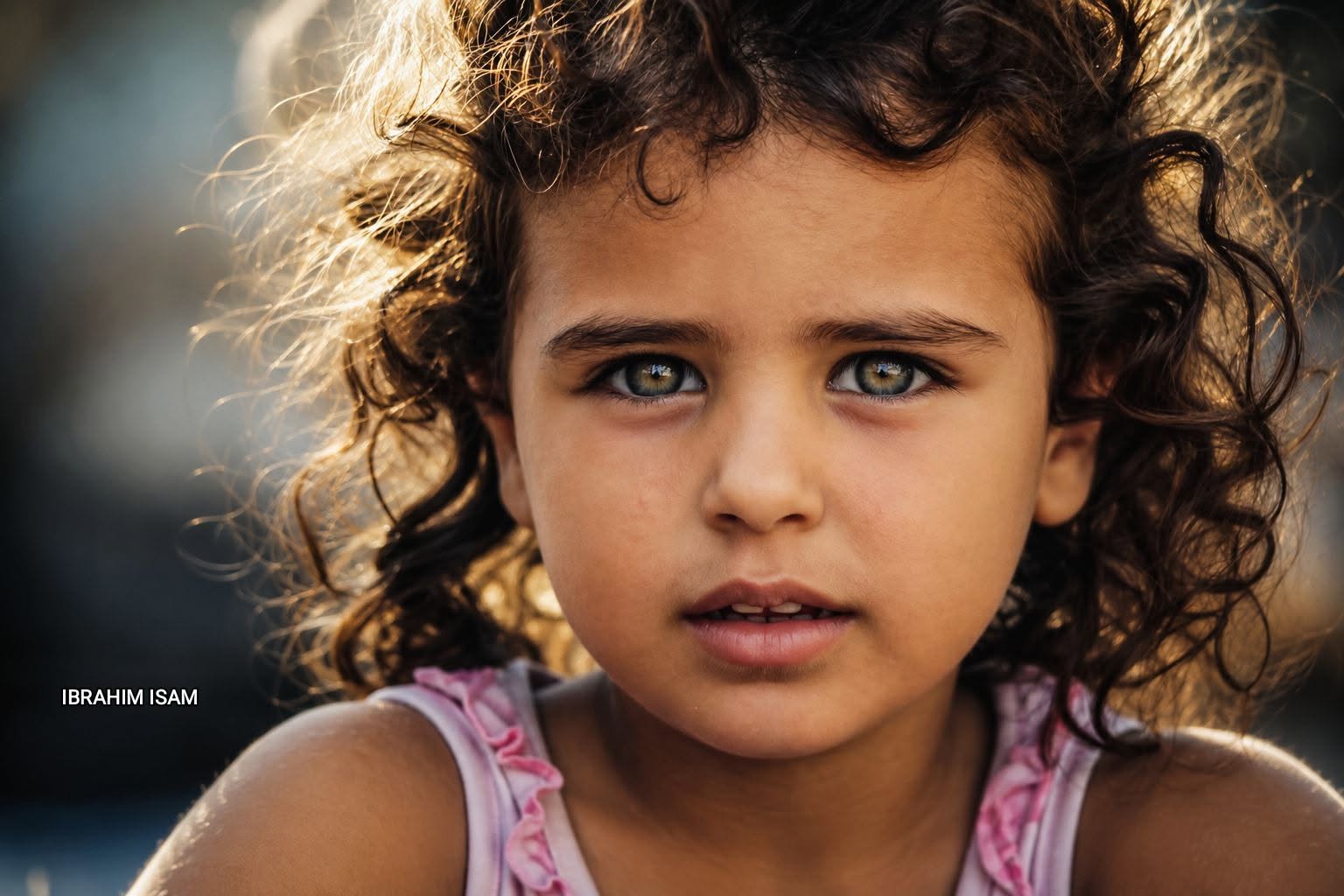
“During a period supposedly defined by restraint and protection, a child has been killed, on average, every single day for more than eight months,” said UN Children’s Fund (UNICEF) spokesperson James Elder. “That is an absurd and devastating figure.”
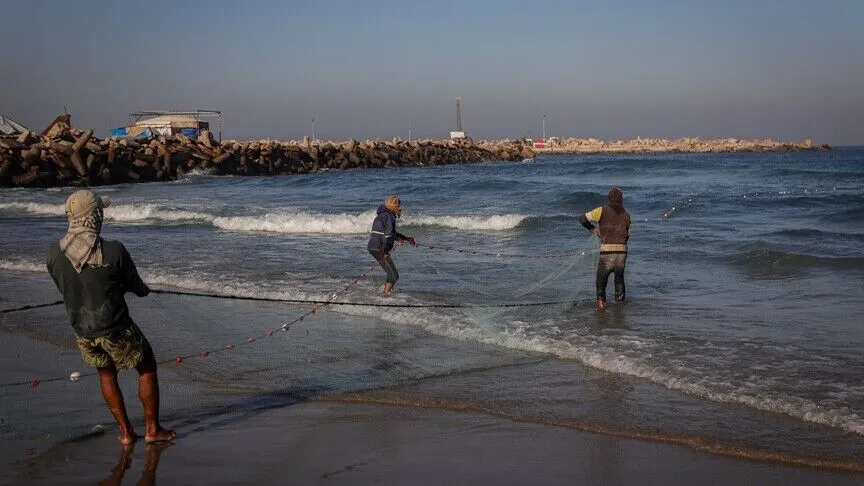
Briefing journalists in Geneva via video from Amman, the UNICEF aid veteran noted that the children “were not killed in a warzone” but rather in their homes, schools while playing football or fishing.
“They were shot, they were bombed, they were struck by quadcopters” operated by the Israeli military, Mr. Elder continued.
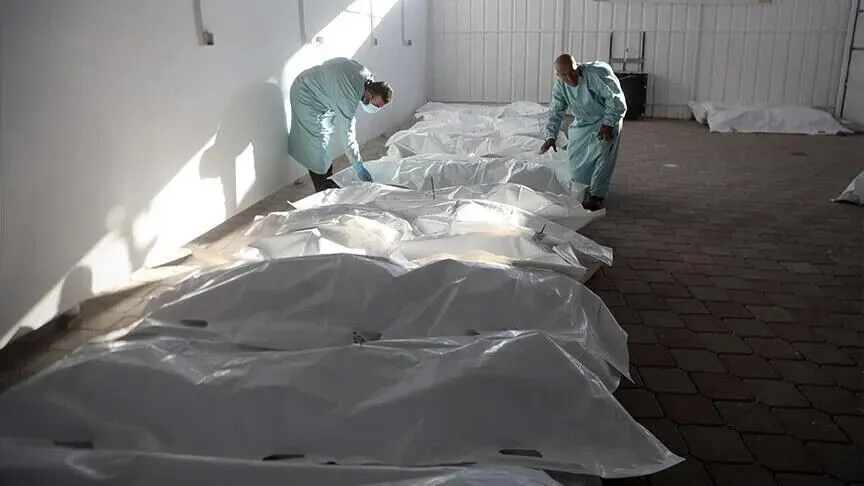
The child fatalities are included among the nearly 1,000 Palestinians killed in Gaza and more than 3,100 injured since the ceasefire began, according to the enclave’s health authorities.
“You sneeze near the Orange Line and you may well get shot,” Mr. Elder maintained, referring to the “continual creeping” of Israel’s so-called “Yellow Line” and “Orange Line” boundaries of occupation.
The uncertainty of these moving boundaries and “an utter lack of accountability” are the reason for such a high number of killings, with the Israeli forces responsible for “the vast, vast majority – 90 per cent plus”, the UNICEF spokesperson said.
The UN and partners have repeatedly warned that the conflict has had a catastrophic humanitarian impact since war erupted in October 2023, in response to Hamas-led terror attacks on Israel.
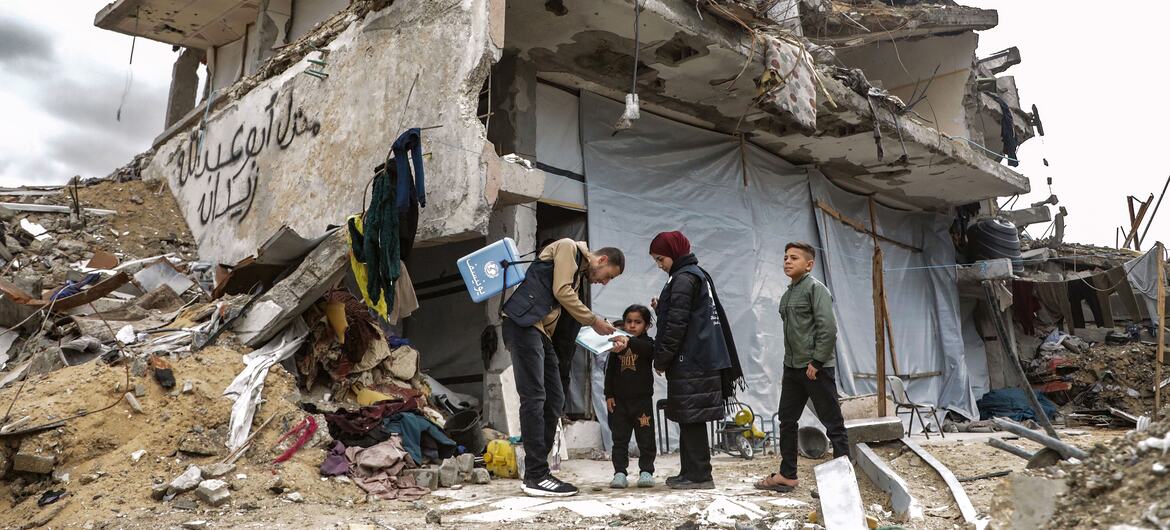
According to the UN World Health Organization (WHO), no hospital is fully operational in Gaza, while UNICEF warns that water remains a daily uncertainty for 1.1 million children.
“I talk to mothers who have children screaming because they don’t have the clean water to wash [their skin]. Imagine a parent unable to fix that night after night,” Mr. Elder said. “The scale of human suffering in Gaza being inflicted upon Gaza and enabled by others on Palestinian children, it’s almost beyond comparison in our lifetime.”
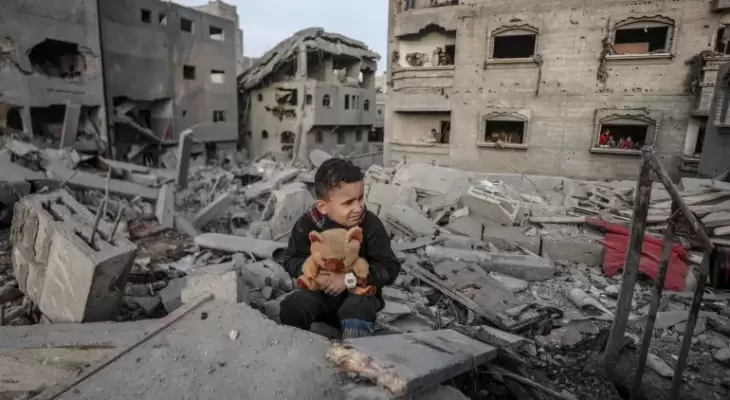
Today, nearly 1.9 million people have been displaced in Gaza, many repeatedly, while more than 1.2 million have lost their homes.
In an update to the Security Council on Thursday, UN emergency relief chief Tom Fletcher reported that Israeli denial rates for aid missions into Gaza had dropped from 31 per cent before the ceasefire to 11 per cent today.
Nonetheless, Palestinians in Gaza remain “deprived of the basics that you would all demand for your own families: safety, shelter, clean water, healthcare, education”, he stressed.
Mr. Elder echoed that dire assessment, explaining that although some fuel is reaching generators still in working order, the Israeli authorities are not allowing spare parts into the enclave to fix broken machines, nor the oil needed to keep engines running smoothly.
“This is the environment my colleagues on the ground work in, keeping children breathing without a semblance of dignity,” he said.
Other major problems continue to go unresolved in Gaza caused by delays and denials of aid deliveries, not least the massive amount of solid waste still piling up, said Jens Laerke, spokesperson for the UN aid coordination office, OCHA.
“We’ve all heard the stories about the rats, the insects, and so on and so forth, that this causes. So, there is an opportunity, there is a possibility to get rid of all that, but we are not getting the access to it,” he told journalists in Geneva.
The OCHA spokesperson also condemned the continuing flare-up in Lebanon overnight, with reports of at least 18 people killed in Israeli airstrikes in the south targeting Hezbollah fighters.
“We are seeing the same reports overnight, of course, with enormous concern, frankly…more fighting is not going to help anyone,” Mr. Laerke said, highlighting the high level of humanitarian needs across Lebanon and particularly in the south.
“It is infinitely easier and faster to hurt people and inflict damage than it is to restore people’s livelihoods, get them back to their homes, feed them and so on and so forth. There’s just one or two days of this kind of warfare that translate into months, sometimes years, of humanitarian operations on the ground.”
According to UNICEF, more than 770,000 children are experiencing heightened distress after repeated exposure to violence, loss and displacement. UN News
CrossFireArabia
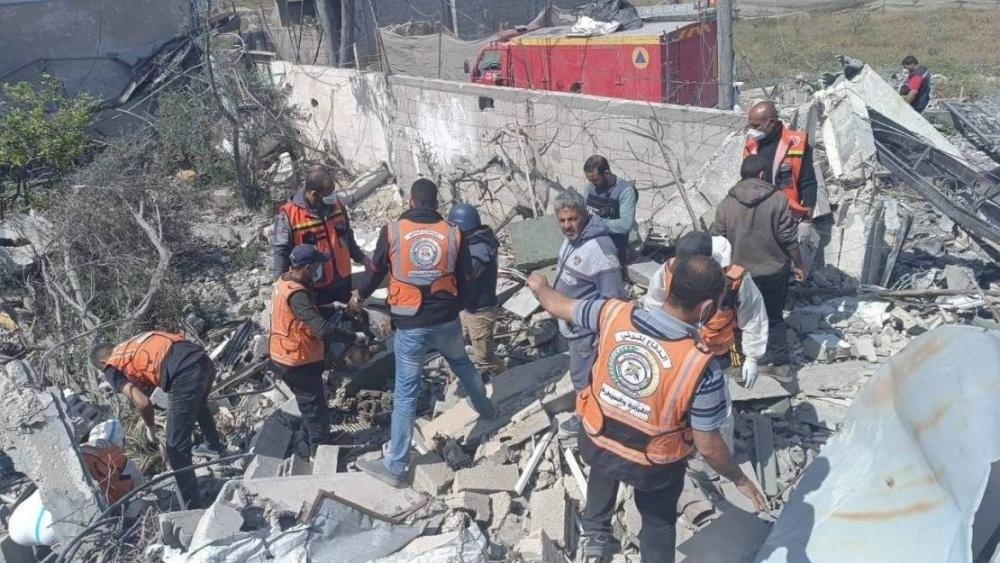
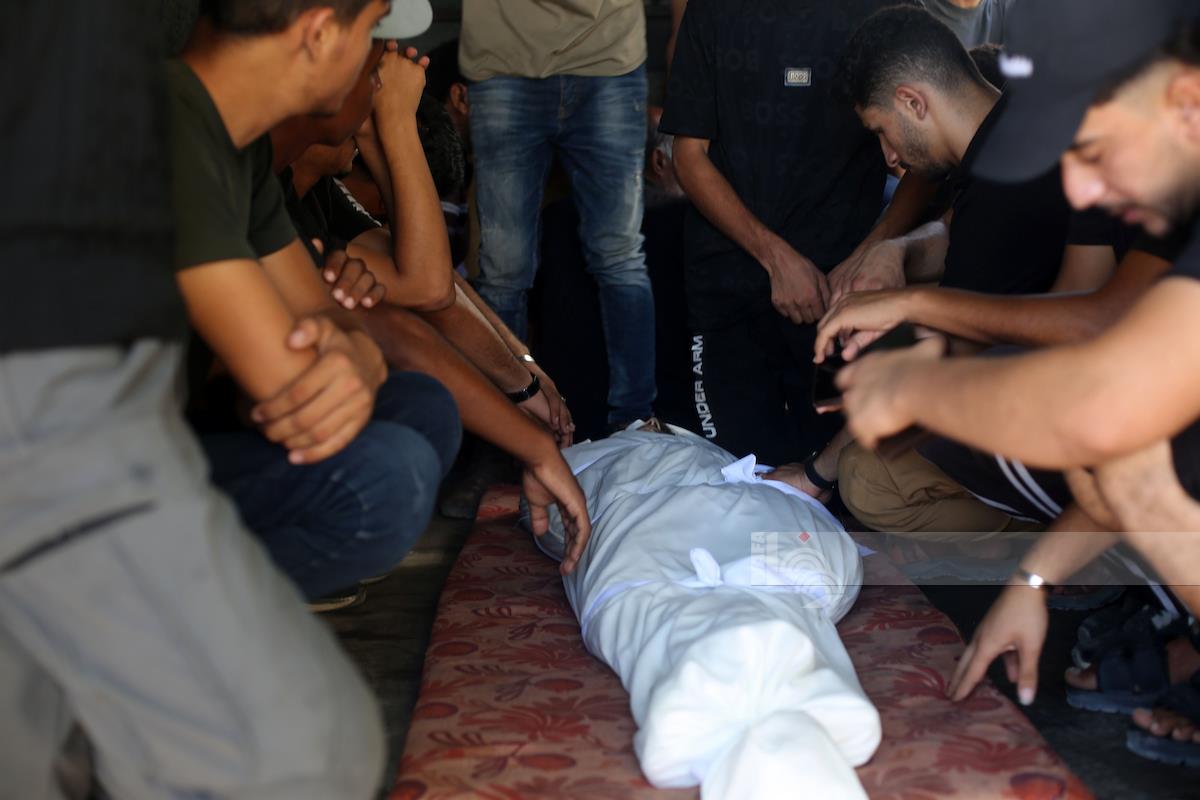
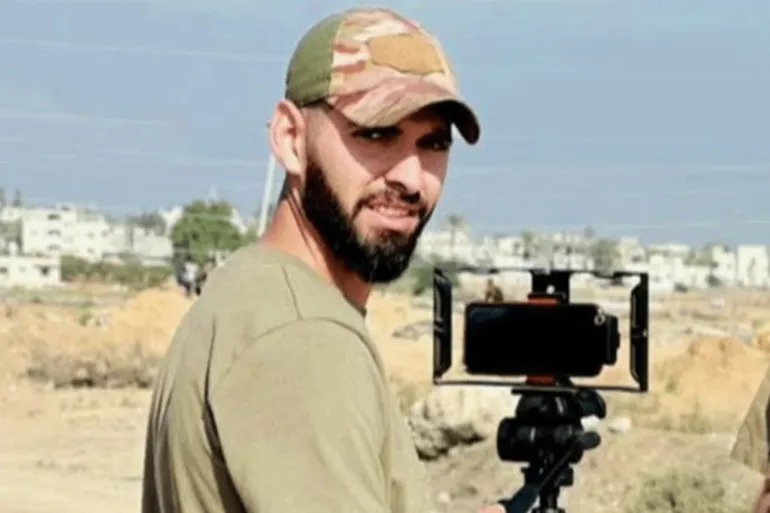
Ten Palestinians, including Al Jazeera cameraman Ahmad Washah and four members of a family, were killed and scores of others were injured in Israeli attacks on the Gaza Strip since early Saturday in the latest violations of a ceasefire agreement in effect since Oct. 2025, according to medical sources and witnesses.
Two Palestinians were killed, including Al Jazeera Mubasher (Live) cameraman Ahmad Washah, and a third was injured in an Israeli drone strike targeting a house in Al-Bureij Camp in the central Gaza Strip.
Al Jazeera’s Mubasher section confirmed that its cameraman Washah was killed in the Israeli strike that targeted the house.
With Washah’s death, the number of Al Jazeera staffers and journalists killed in the Gaza Strip since Oct. 2023 has risen to 12.
Ahmad was the brother of Mohammed Washah, who was killed in an Israeli airstrike targeting his car on Al-Rashid coastal road, southwest of Gaza City, in April according to Anadolu
Meanwhile, in Gaza City, four Palestinians of a family, including a man, his wife, and their two daughters, were killed in an Israeli drone strike targeting their home near Al-Tayaran Junction in central Gaza City.
An elderly Palestinian was also killed by Israeli naval fire that targeted tents sheltering displaced people on Al-Bahr Street in the Al-Amadi area west of the city.
Another Palestinian was killed, and a woman was slightly injured in an Israeli drone strike targeting pedestrians near Al-Saftawi roundabout in the northern part of the city.
Five Palestinians were also injured in an Israeli drone strike targeting a gathering of civilians in the Sheikh Radwan neighborhood in northern Gaza City.
In Beit Lahia, a woman was killed by Israeli gunfire.
In Khan Younis in southern Gaza, one Palestinian was killed, and seven others were injured in an Israeli drone strike targeting a gathering west of the city.
Two Palestinian boys were also moderately injured by Israeli army gunfire near the Abu Hamid roundabout east of Khan Younis.
According to the Health Ministry, Israeli violations of the ceasefire agreement have resulted in the killing of 1,007 Palestinians and the injury of 3,165 others.
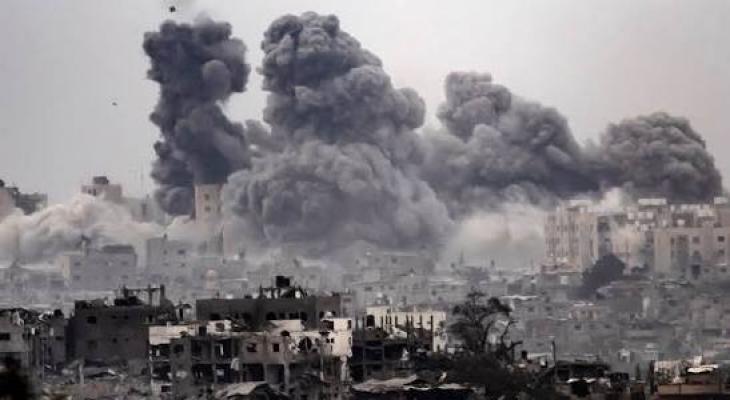
The ceasefire agreement followed Israel’s two years of genocidal war on Gaza, which killed more than 73,000 Palestinians, injured over 173,000 others, and caused widespread destruction to around 90% of civilian infrastructure.
CrossFireArabia
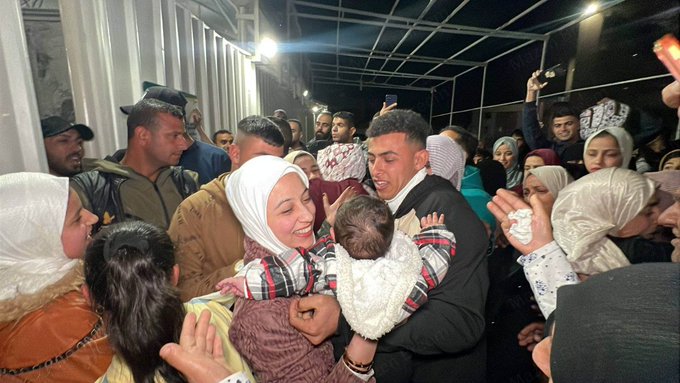
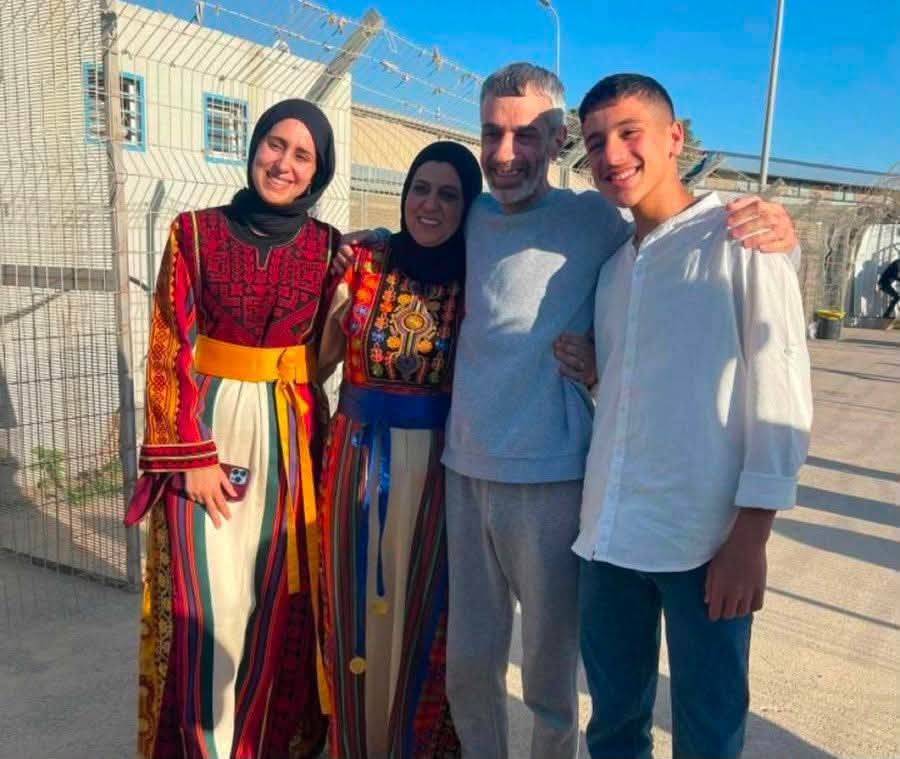
After 25 years in Israeli prisons, Abdel Kareem Al Rimawi is finally set free. After quarter of a century, his wife, daughter and his son waited for him at the Al Thaheria Checkpoint, south Hebron. His son Majd was born 14 years ago, when his father’s semen was smuggled out of prison. As to the daughter Rand, she was still a toddler when Abdel Kareem was jailed. She is now a 26-year-old woman with an MA degree in media studies. He was due to be released a year-and-a-half ago, but he refused to be exiled to Egypt, then, a condition made by the Israeli authorities. After his release he visited the tomb of the late Palestinian leader Yasser Arafat, and made his way to Biet Rima, north-west of Ramallah.
CrossFireArabia
By Dr Marwan Asmar
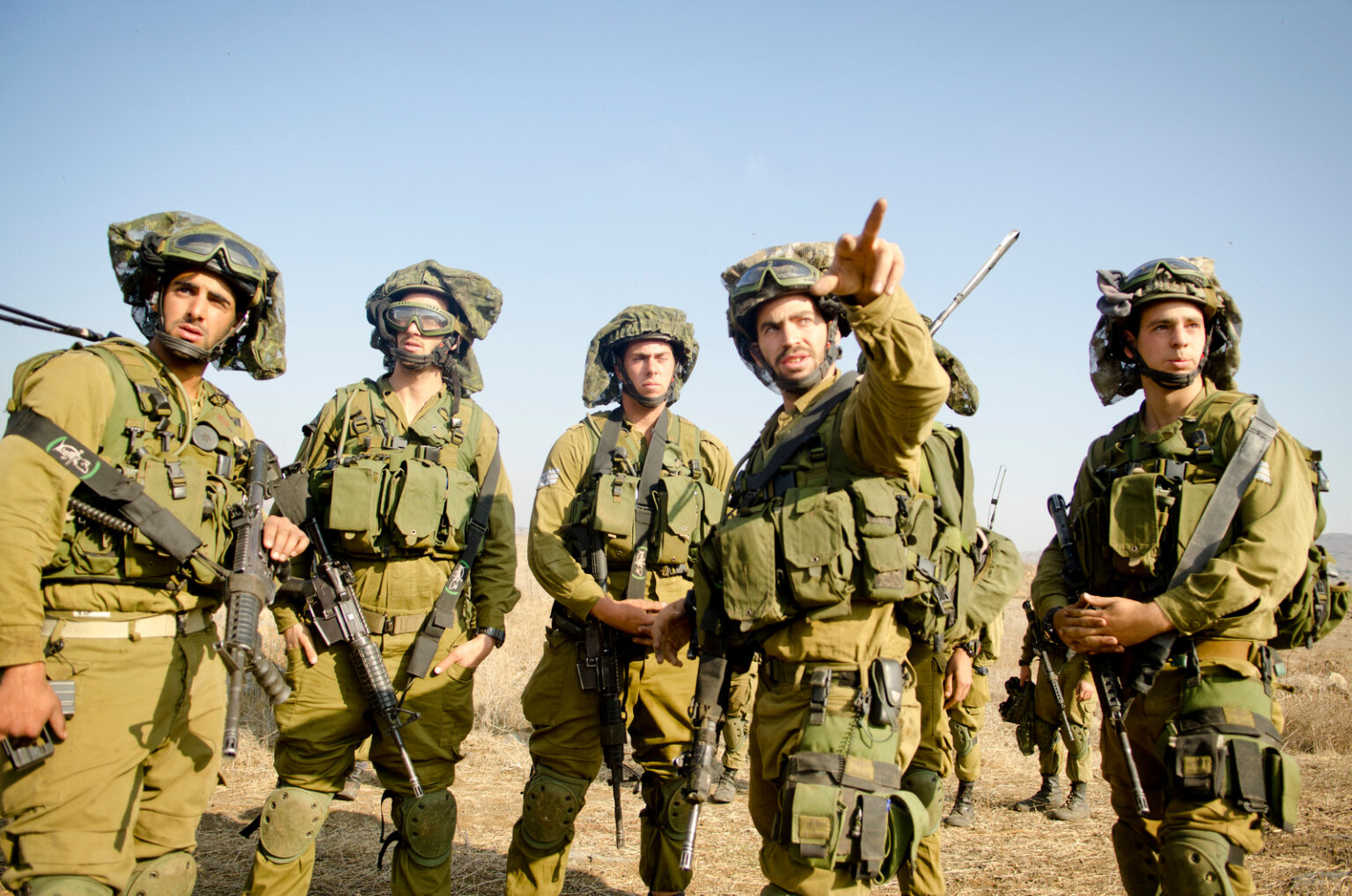
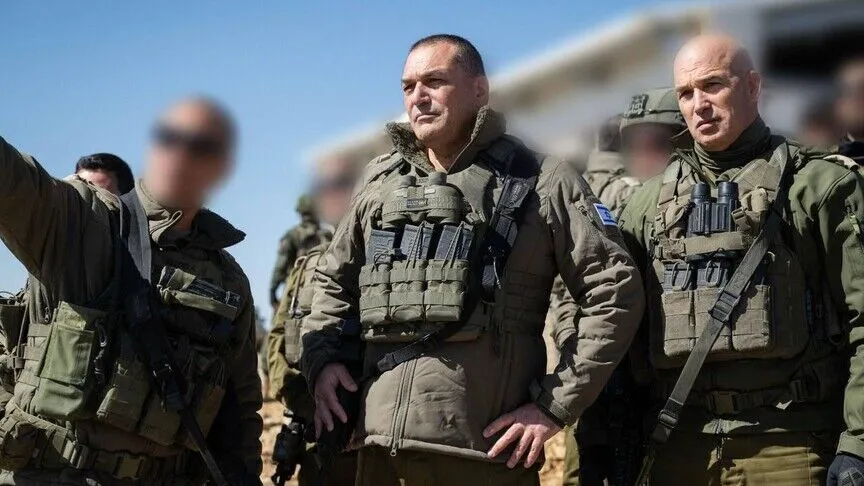
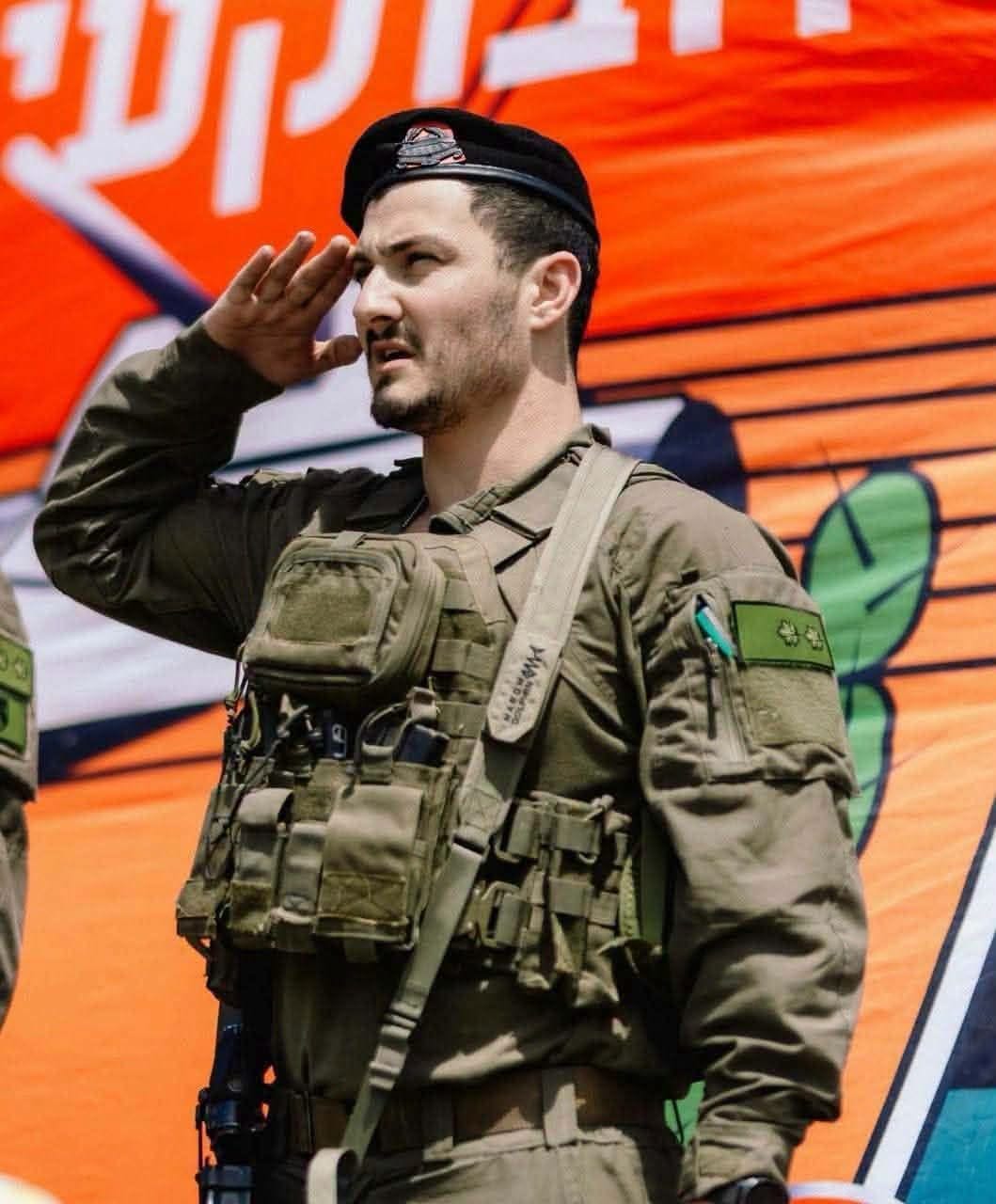
CROSSFIREARABIA – Commander of the contentious 52nd Battalion which was involved in the killing of a six-year-old girl in Gaza was torched in his tank in southern Lebanon.
Lieutenant Colonel Dor Gadalia Ben-Simhon, 32 years old was one of the four Israeli soldiers killed in Lebanon, Friday morning, as their tank was targeted during clashes with Hezbollah forces in southern Lebanon an Israeli army statement announced.
The tank was set alight as a result of a rocket where the soldiers inside perished. The battalion that belonged to the Israeli 401st Armored Brigade has always been involved in controversy as Ben-Simhon is the fourth commander of this battalion to be killed and/or wounded, according to The Times of Israel.
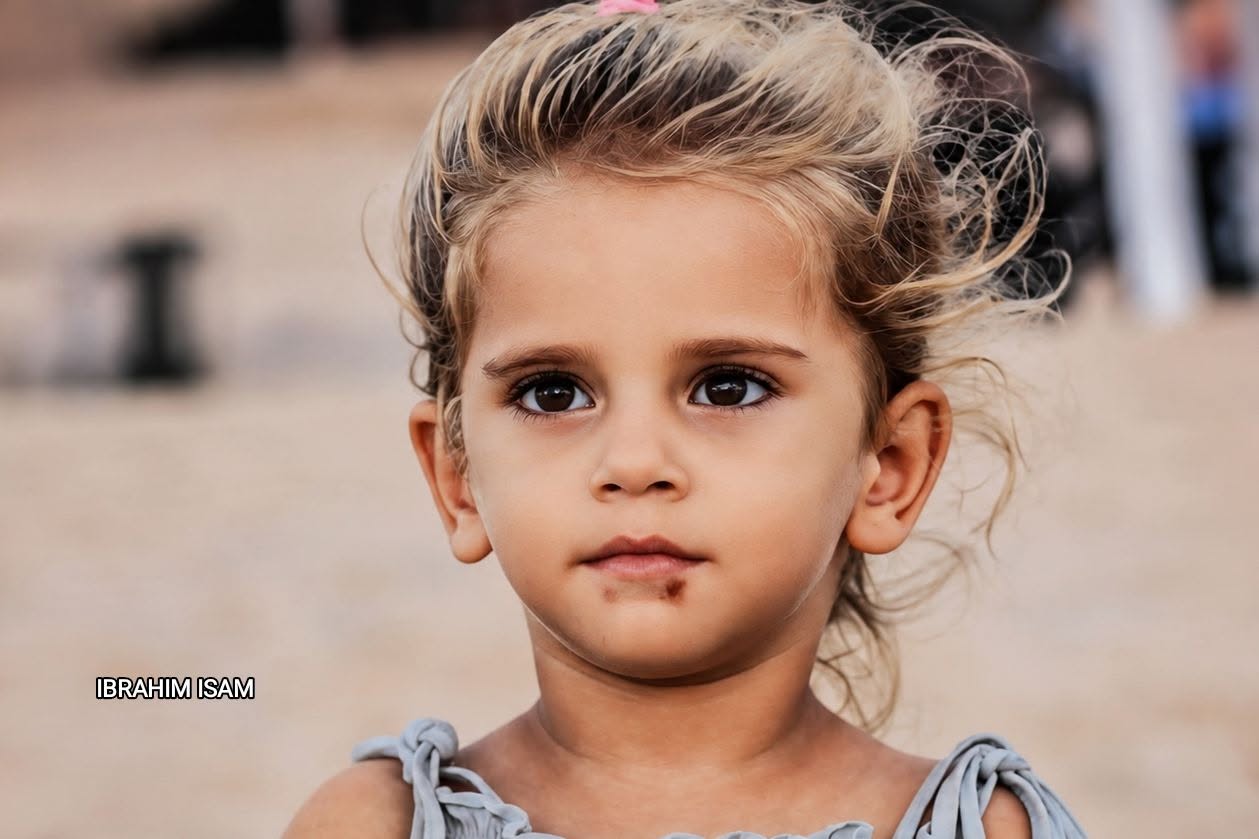
But the curse started on 29 January 2024 when officers of the battalion were responsible for the killing of six-year-old Palestinian girl Hind Rajab in the Gaza Strip that was witnessing one of the worst genocides against it since living memory.
In April 2026, Daniel Ella, the previous commander of the 52nd Battalion, was called up to assume temporary duties during the offensive in southern Lebanon after the previous commander was also wounded through intense fighting with Hezbollah forces.
The reappearance of Ella brought to mind one of the most horrific war crimes committed by Israel in its two-year genocide in Gaza, which began soon after 7 October 2023.
The story of the killing of little Hind will indeed serve as a stain on the notion of professional soldiering in Israel for she and her relatives were killed in cold blood as they hastily travelled on 29 January 2024, from the Tel al-Hawa neighborhood, south of Gaza City as the Israeli army targeted a car they were in.
She remained trapped inside the vehicle amidst the five bodies of her aunt, uncle and four nieces. They were all killed instantly except for one 15-year-old niece called Layan, though she died later whilst talking to an officer from the Palestine Red Crescent Society (PRCS) on an attempt to rescue them.
In those hours a two-man Palestinian team finally persuaded the Israelis to be allowed to rescue Hind and Layan but in the end didn’t succeed and were killed. The ambulance that was standing bye was also blown up by one of the tanks that were near and the men inside it also killed.

The child was found dead in the car 12 days later with the vehicle riddled with 335 bullets from Israeli tanks and armoured vehicles. After her cousin was killed, also by a direct bullet, the six-year-old picked up the phone and started pleading to one of the officers. The conversation lasted for three hours until the line went dead. That is when she and the two officers – Yousef Zeino and Ahmad Al Madhoun – were fired upon again and killed. Despite military coordination an Israeli tank fired on the ambulance and went up in flames.
In May 2025, the Hind Rajab Foundation announced it filed a complaint with the International Criminal Court against Ella and the commander of the 401st Armored Brigade, Colonel Benny Aharon, accusing them of war crimes and holding them responsible for the death of Hind who was killed alone in the car surrounded by the limp bodies of family relatives.
According to The Times of Israel, Ella was wounded in Gaza in July 2024 while commanding the same 52nd battalion. He was replaced by Lieutenant Colonel Yehuda Shalev, who was seriously wounded in October of the same year. The battalion’s commander was later wounded in Lebanon. The Israeli Channel 14 referred to him only as “A” last April.
Since October 2023, Ella commanded the 52 Battalion three times following the wounding of its previous commander during the offensives on Gaza and later in Lebanon, as per Channel 14.
An investigation by Al Jazeera last October 2025 revealed the names of the Israeli soldiers, including Ella and Aharon, involved in the killing of Hind, her family, and the paramedics who tried to save her.
The killing of Hind is one of thousands of crimes committed by the Israeli army in its genocidal war on Gaza. This is a war that has been openly and blatantly supported by the United States, which left more than 73,000 Palestinians dead and over 173,000 wounded, most of them children and women, and destroyed 90 percent of the infrastructure.
Despite the ceasefire agreement that took effect since 10 October, 2025, Israel continues its vicious campaign through a persistent siege and daily bombardment that killed 1,007 Palestinians and injured 3,165. These are mostly children and women, in addition to causing widespread destruction.
Israel also prevents the entry of agreed-upon quantities of food, medicine, medical supplies, shelter materials, and prefabricated housing into Gaza, where some 2.4 million Palestinians, including 1.9 million displaced persons, are living in catastrophic conditions.
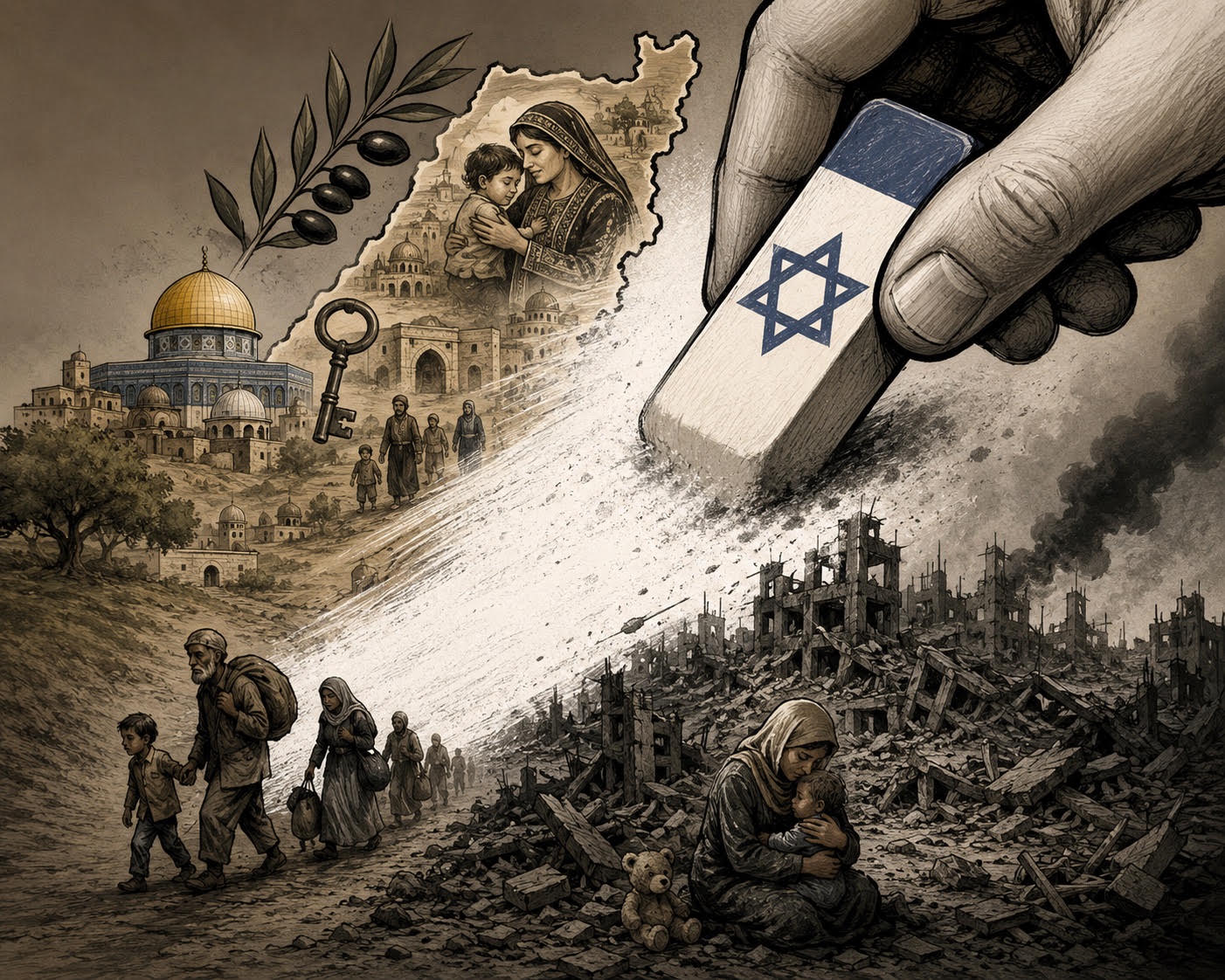
In 1948, Israel was established on land occupied by armed Zionist militias who committed massacres and displaced at least 750,000 Palestinians. Tel Aviv then occupied the remaining Palestinian territories and refused to withdraw or allow the establishment of a Palestinian state.
Parts of this feature is based on an Anadolu news agency report in Arabic posted in crossfirearabia.com