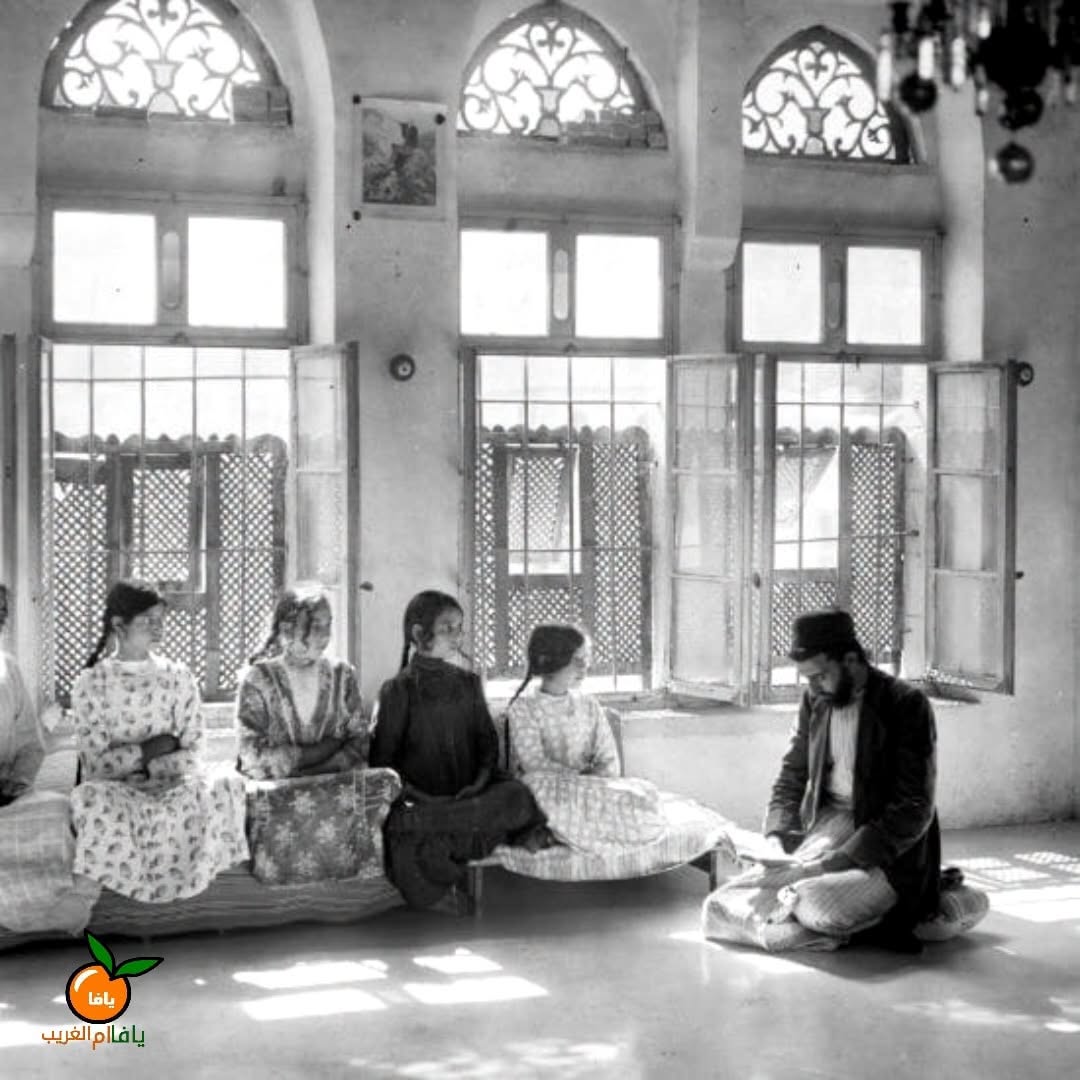
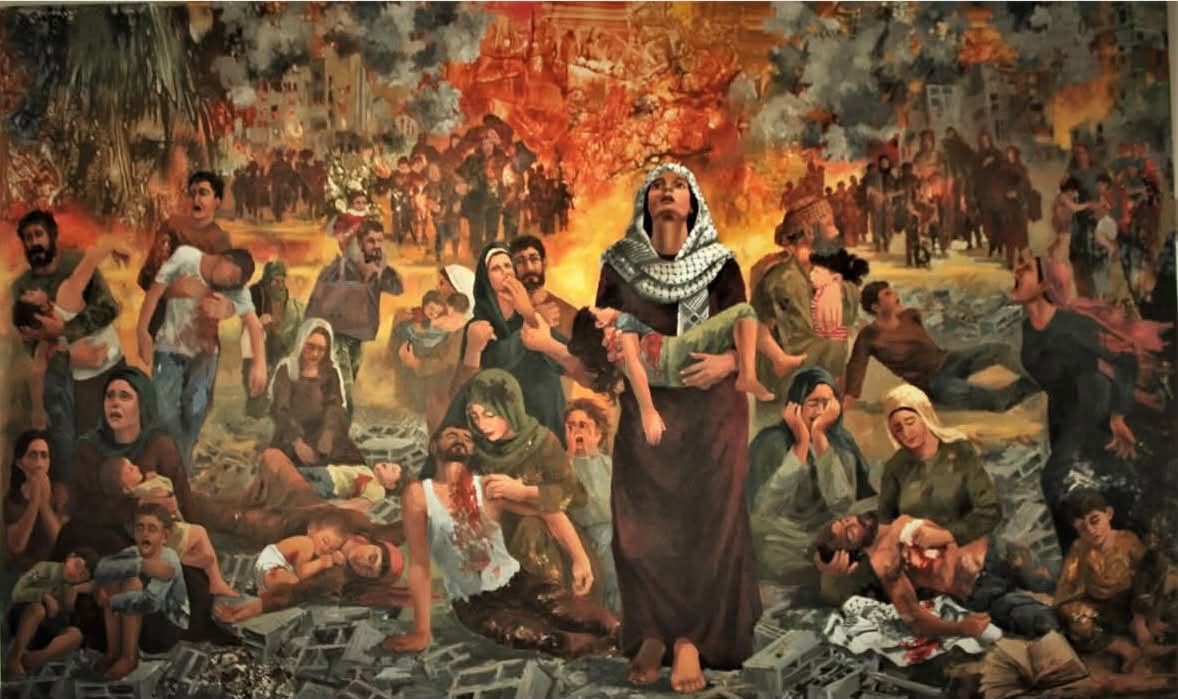
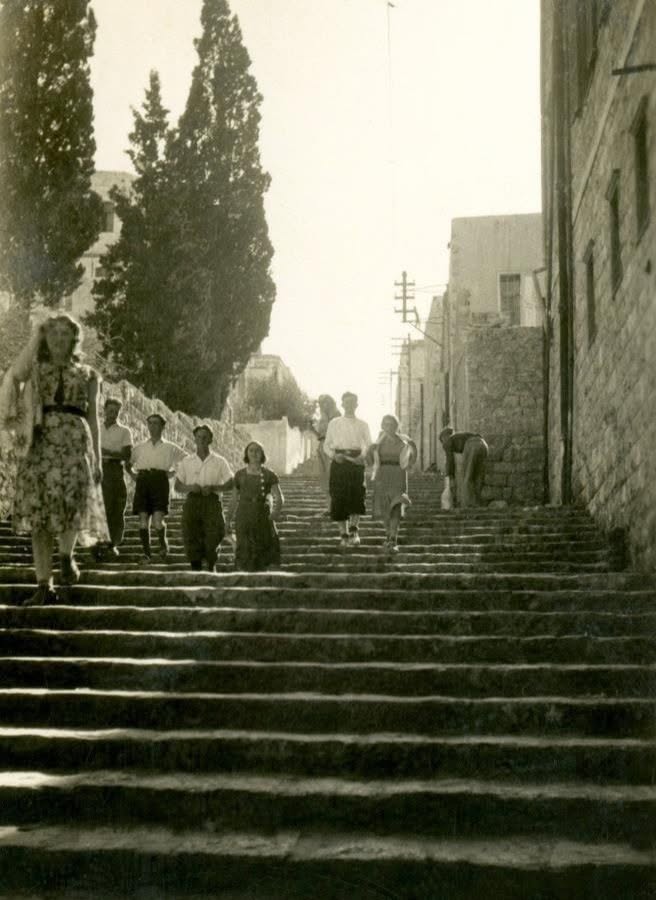
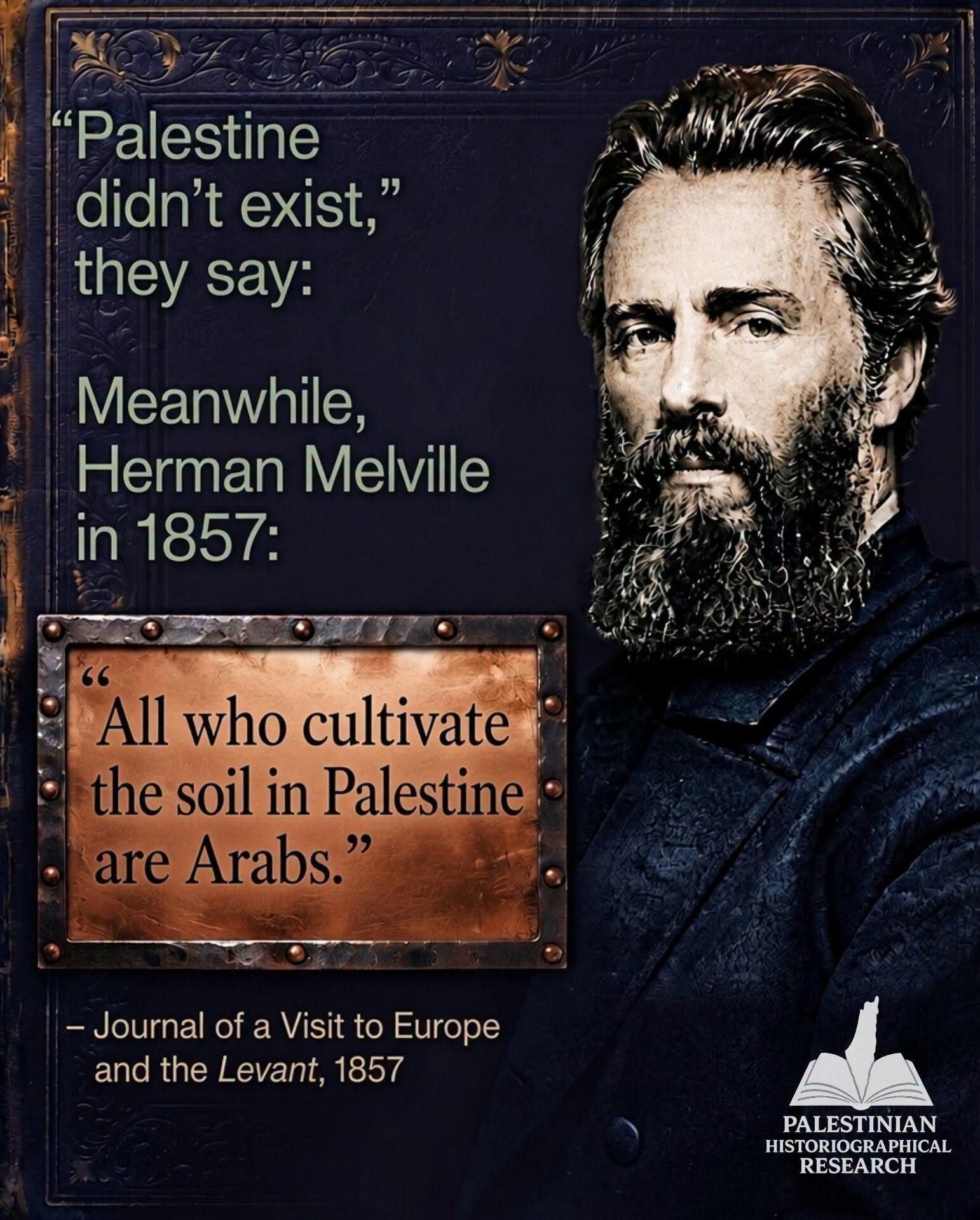
 Herman Melville, Palestine, 1857
 Sea of Tragedy and Life
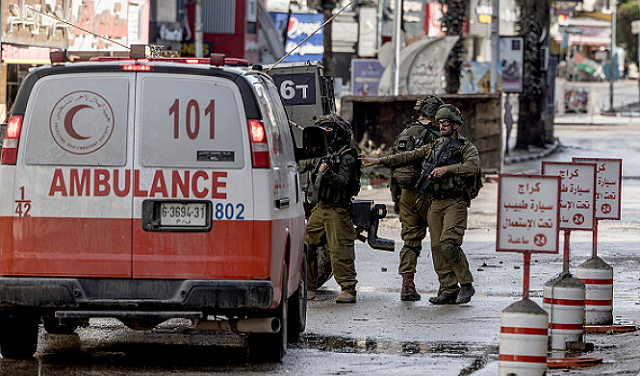
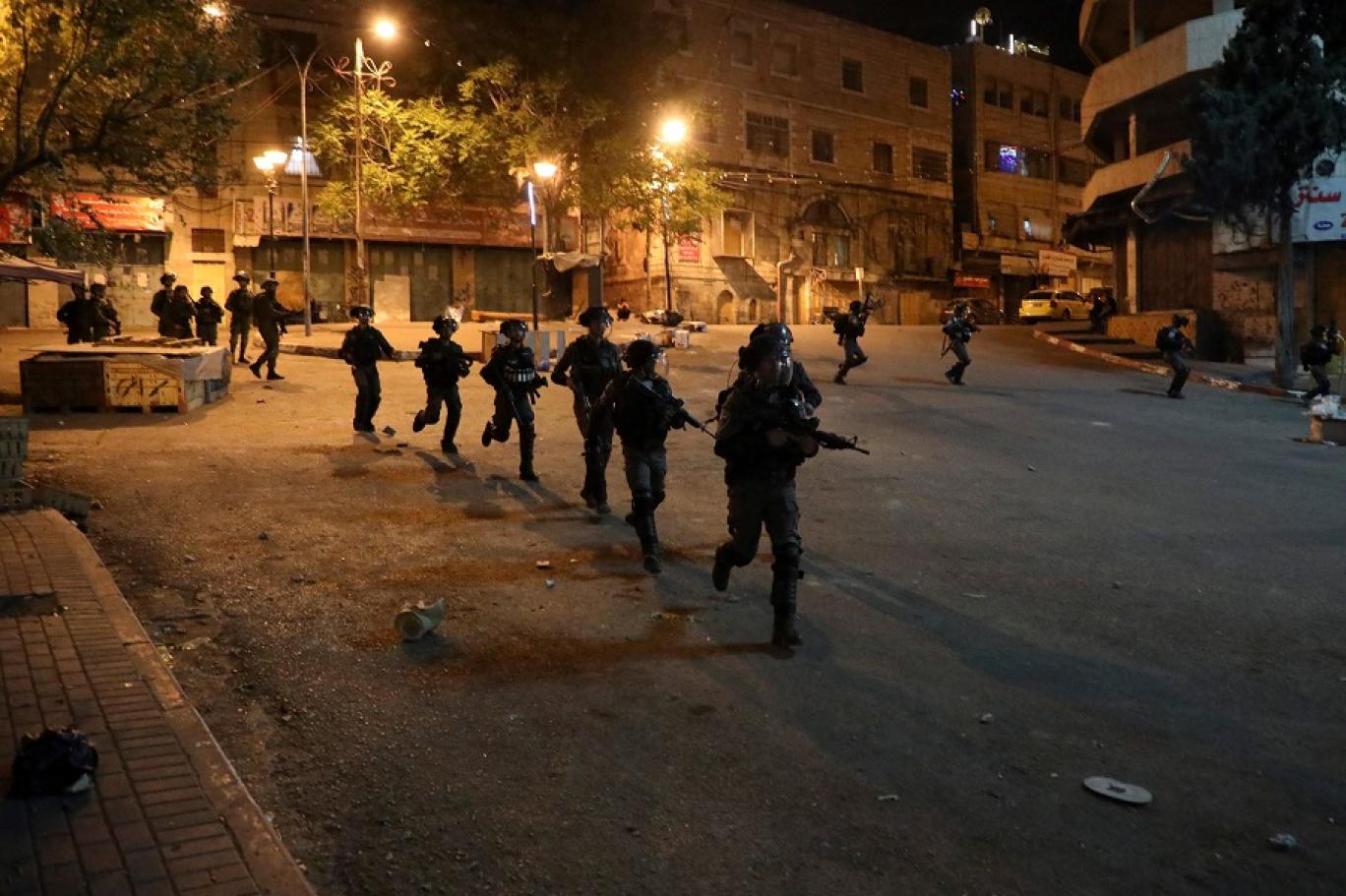 UN: Humanitarian Access Blocked by 900 Israeli Checkpoints
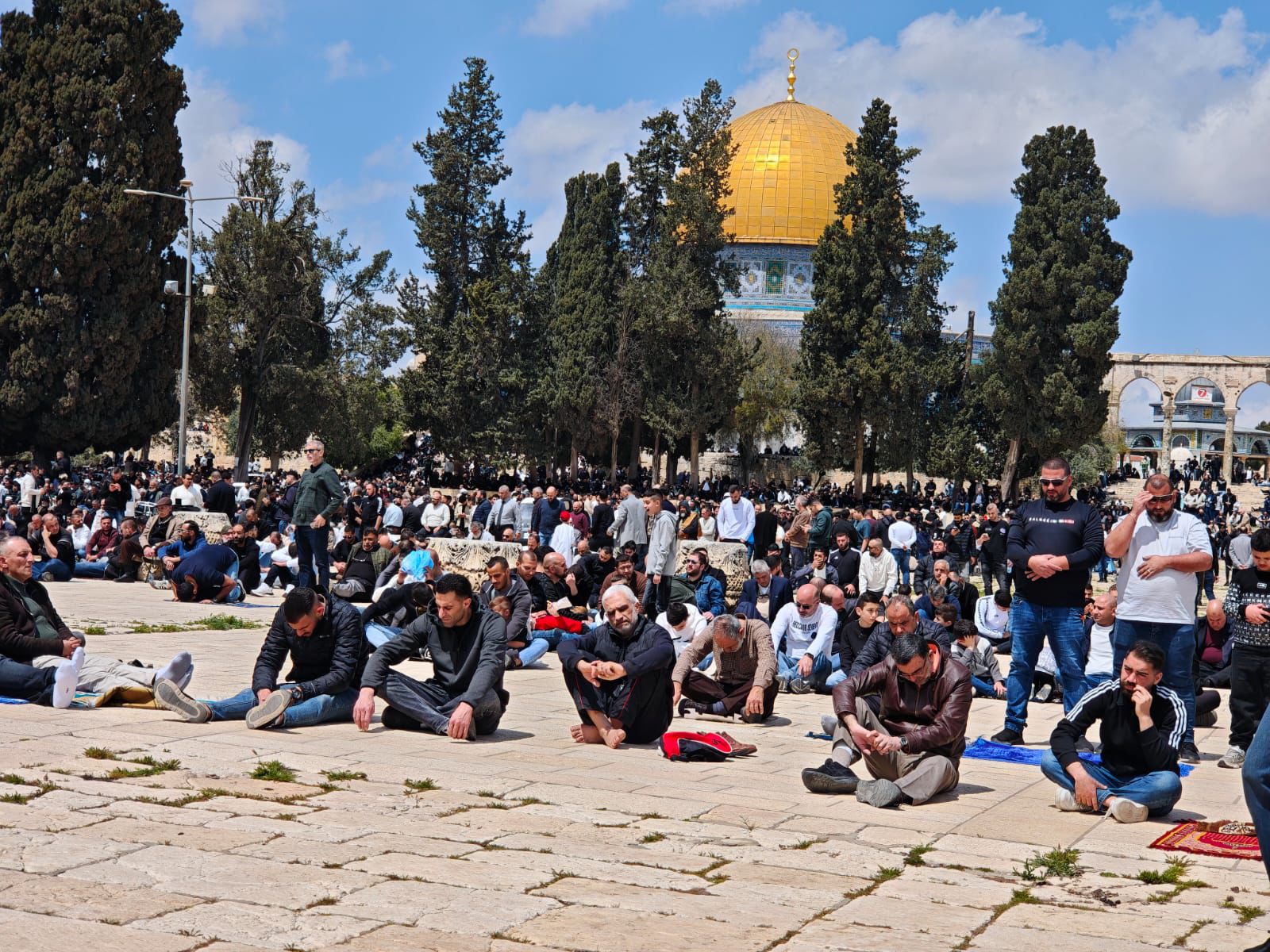 70,000 Perform The Friday Prayers in Al Aqsa
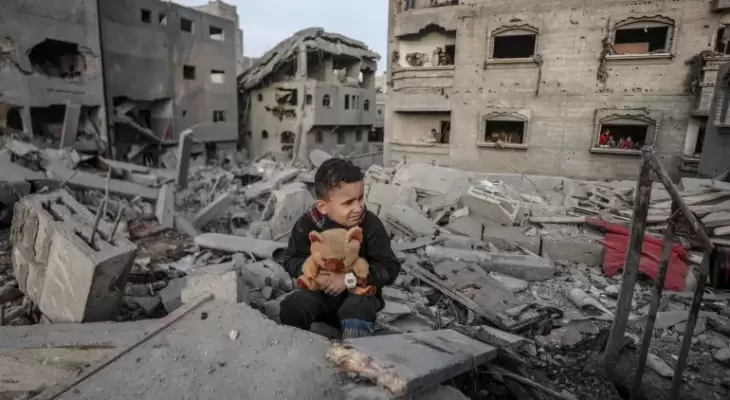
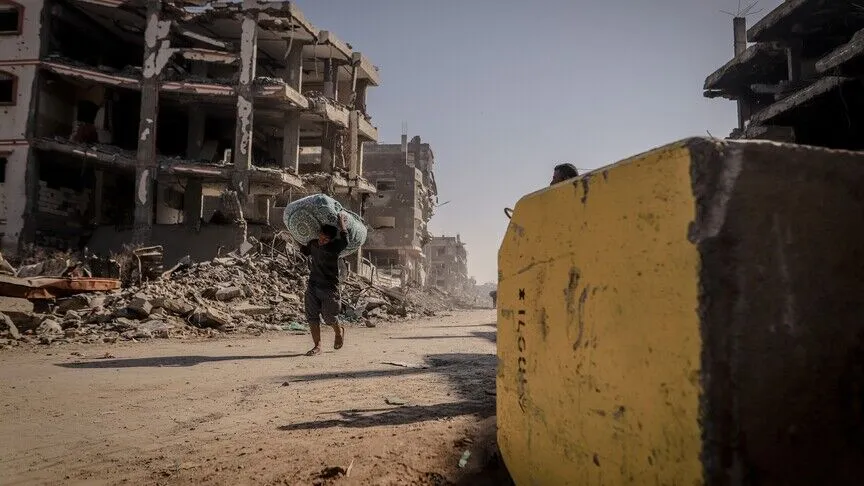
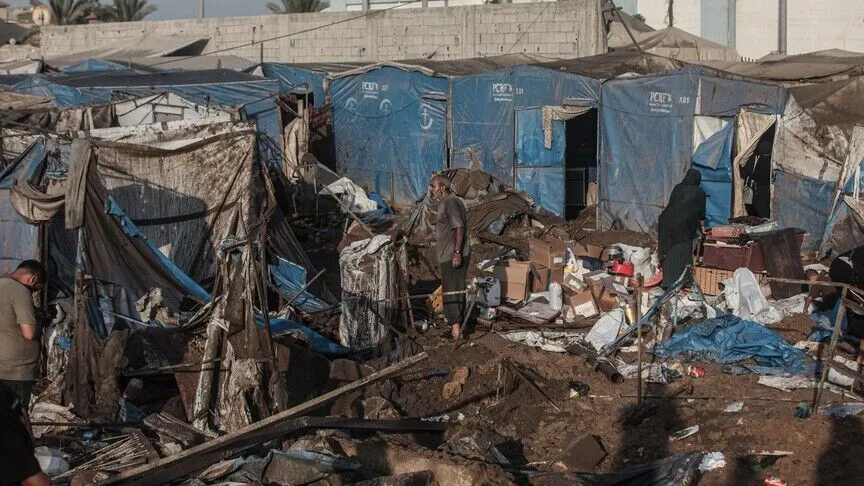
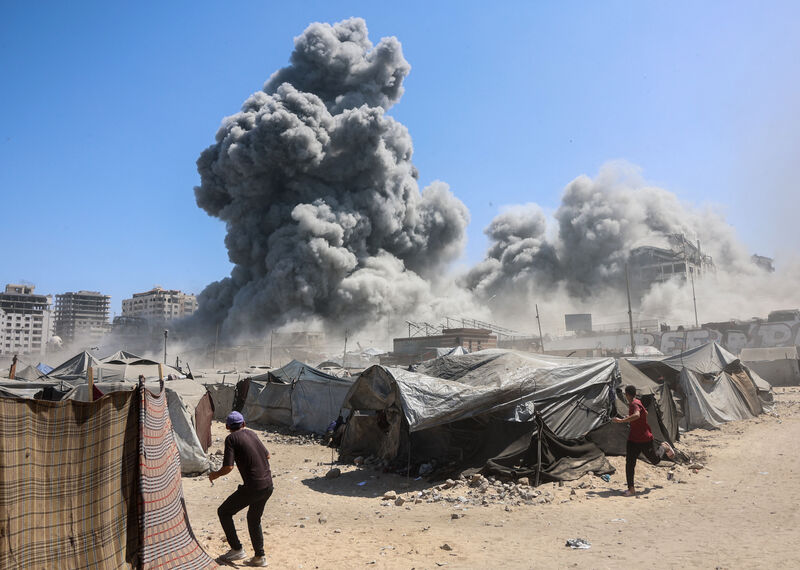
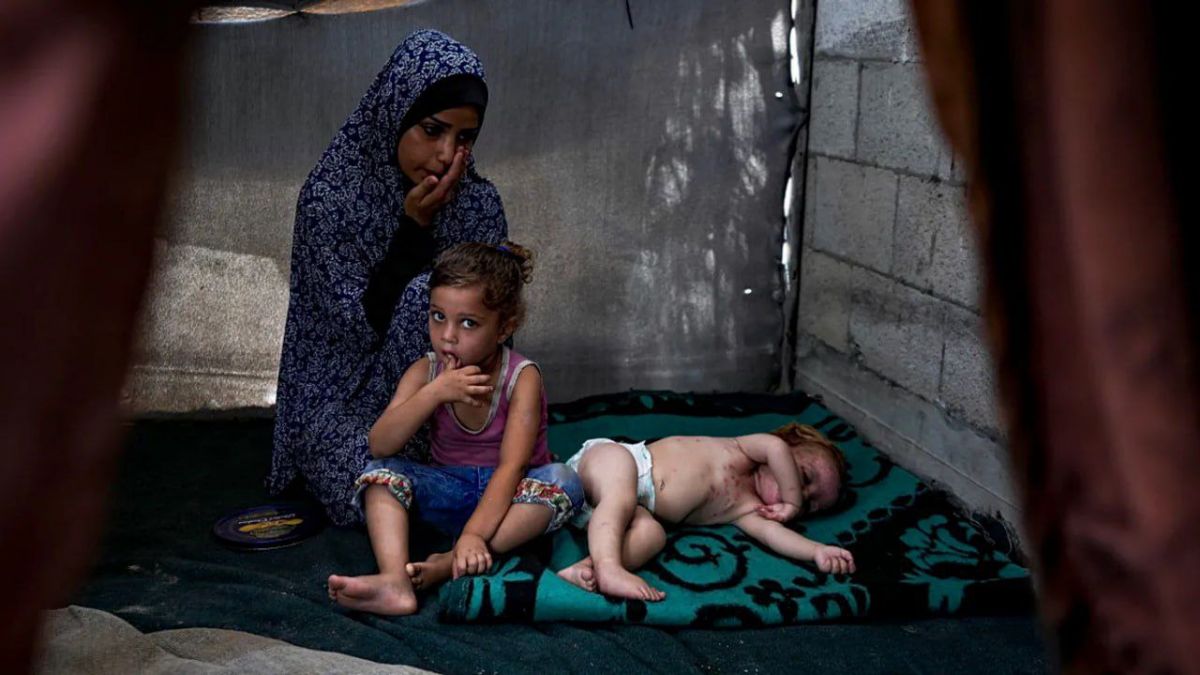
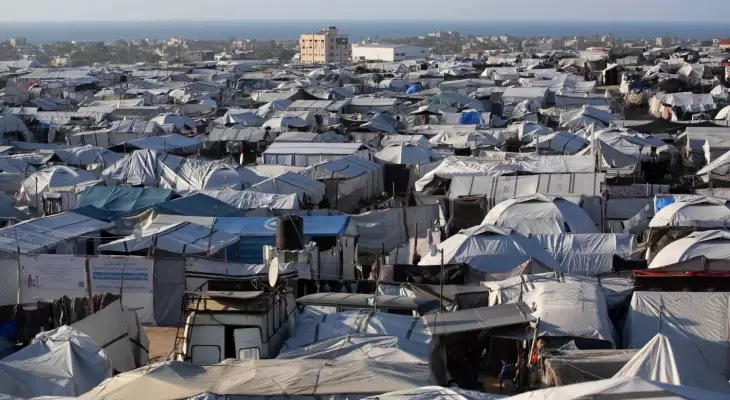 90% of Gazans Displaced in Tattered Tents, Living on Rubble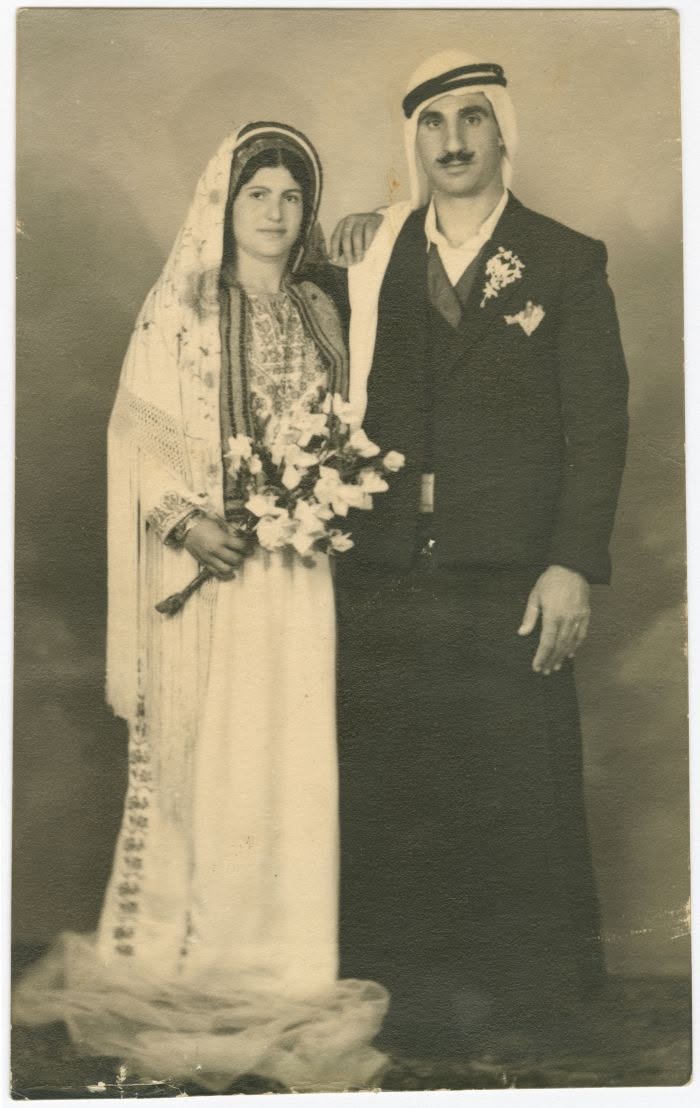
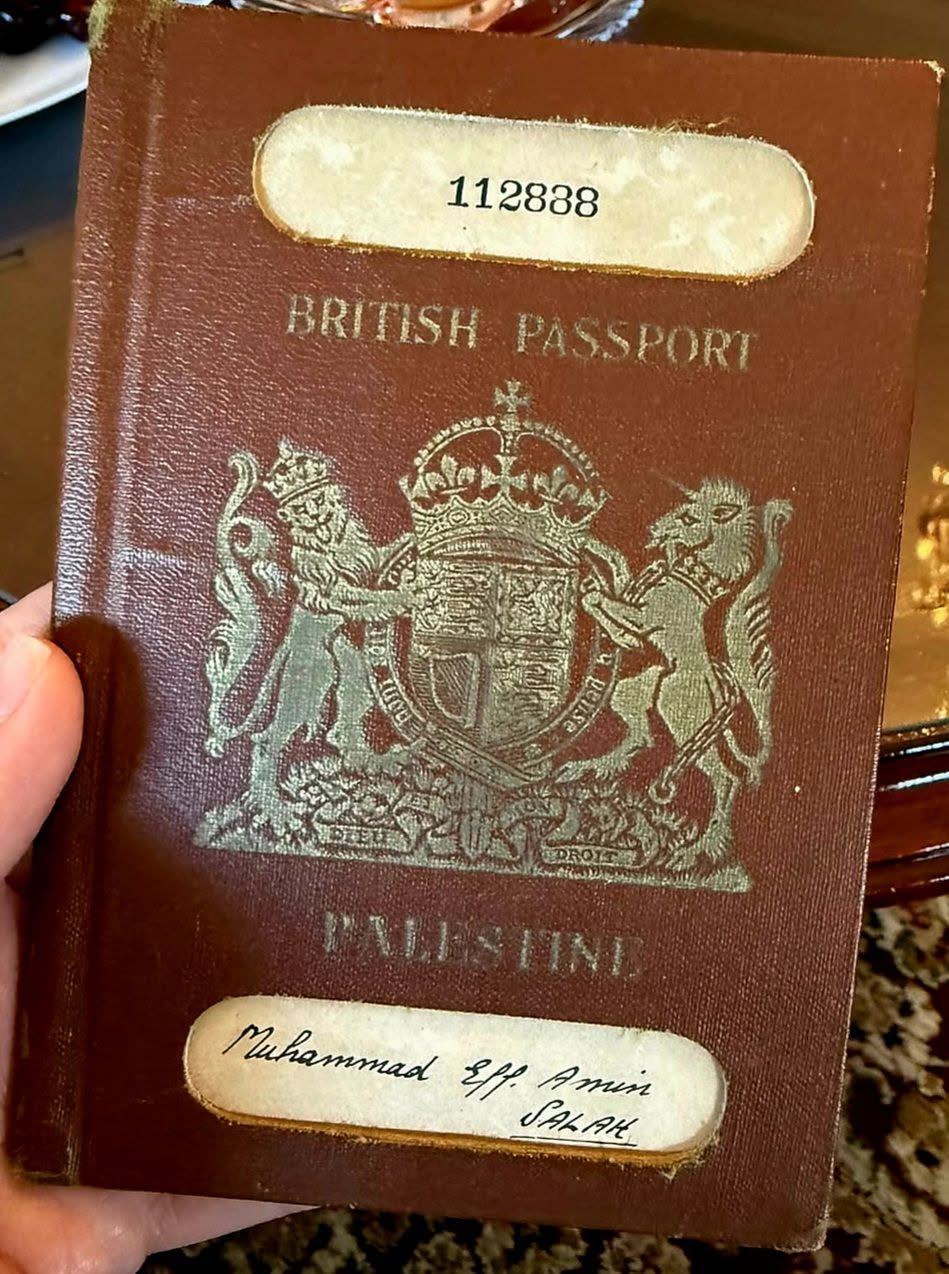


Herman Melville, Palestine, 1857
 CrossFireArabia
- August 15, 2026
 CrossFireArabia
 marwanCrossFireArabia
 HebaCrossFireArabiamarwanCrossFireArabiamarwanHebaCrossFireArabiamarwanmarwanHebaCrossFireArabiamarwanmarwanCrossFireArabiamarwanHebaCrossFireArabiaCrossFireArabiaCrossFireArabiaHebamarwanCrossFireArabiamarwanHebaCrossFireArabiaHebamarwanmarwanCrossFireArabiamarwanmarwanmarwanmarwanmarwanmarwanmarwanmarwanmarwanCrossFireArabiaCrossFireArabiamarwanmarwanCrossFireArabiaCrossFireArabiamarwanCrossFireArabiamarwanHebaHebamarwanmarwanCrossFireArabiamarwanmarwanmarwanmarwanCrossFireArabiaCrossFireArabiamarwanmarwanmarwanCrossFireArabiamarwanmarwanmarwanmarwanmarwanCrossFireArabiamarwanmarwanmarwanmarwanCrossFireArabiaCrossFireArabia
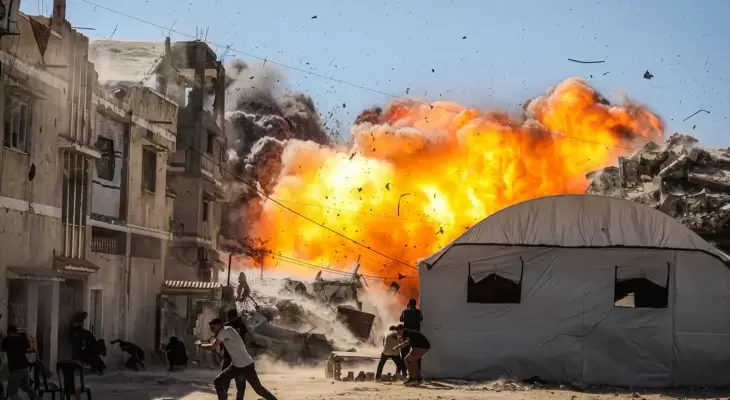
CROSSFIREARABIA – The Israeli occupation has violated the ceasefire in Gaza a mind-boggling 3338 times since it was announced on 10 October 2025 when US president Donald Trump boasted he has stopped the Israeli war on strip.
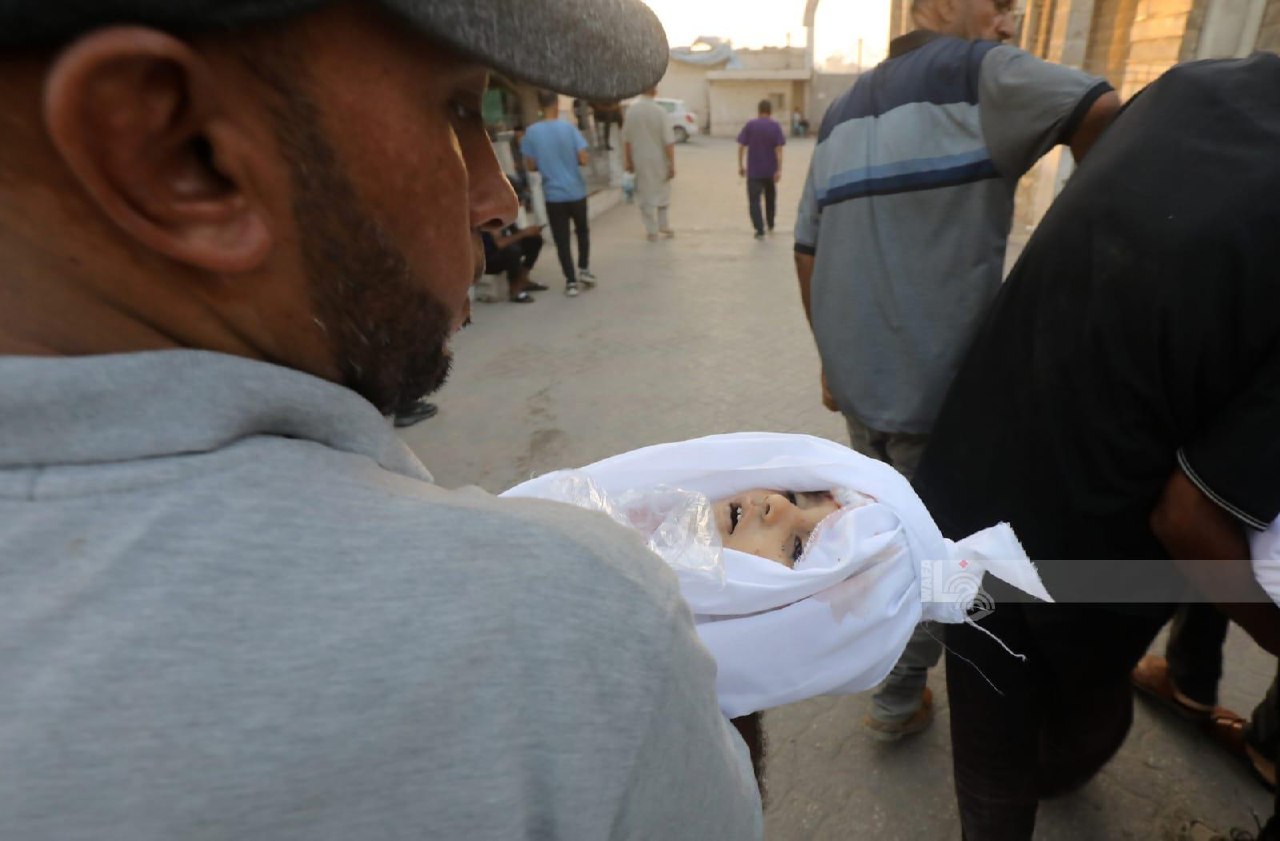
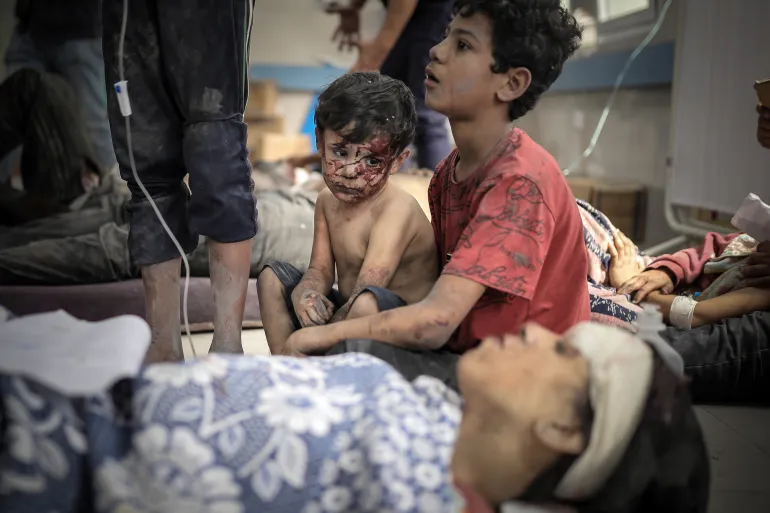
Since that time as well, Israel has killed 1027 civilians in the strip. And this is not to mention that over 3200 people have been injured. And these figures may well go up by the time this article is published. The ceasefire has given the Israeli army a carte blanche momentum to dominate the skies of Gaza and shoot at anything that moves; these are of course mostly civilians, mostly women and children.
Regardless of whether we like it or not, the Israeli army controls the major portions of the Gaza Strip. It started at 53 percent on the day of the ceasefire then slowly crept up to 55, 57, 60 percent and now it wants to move to 70 percent while squeezing the population there into smaller and smaller areas. Prime Minister Benjamin Netanyahu has been proud to announce this fact recently!
One effect of this is to establish even wider control of the Gaza Strip under the euphemism of yellow zones where it’s prohibited for people to live in and are declared security zones for the Israeli army to roam in as they please. Another insidious aspect of this is to take ‘potshots’ at the civilian population whenever they feel like it and which is on a daily rota of albeit controlled killing and injury. The Israeli army can’t get at the Hamas operatives because they are not embedded in the population. They are of course nowhere near finished but lie in wait for the appropriate time to continue their war against Israel.
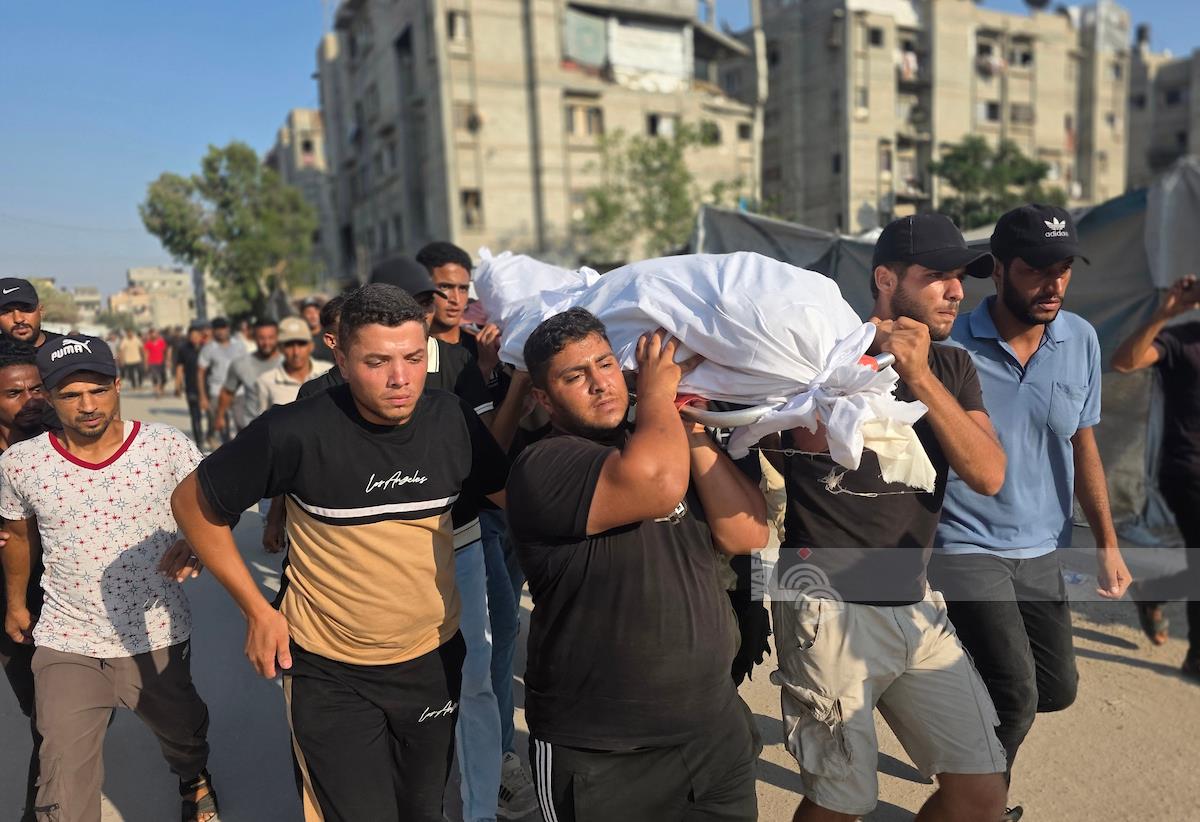
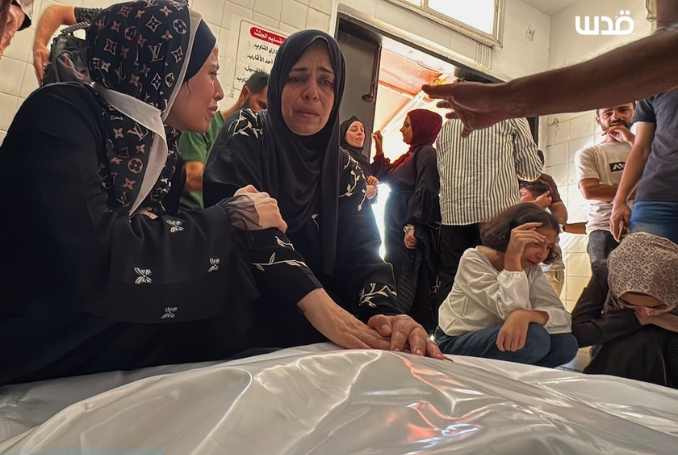
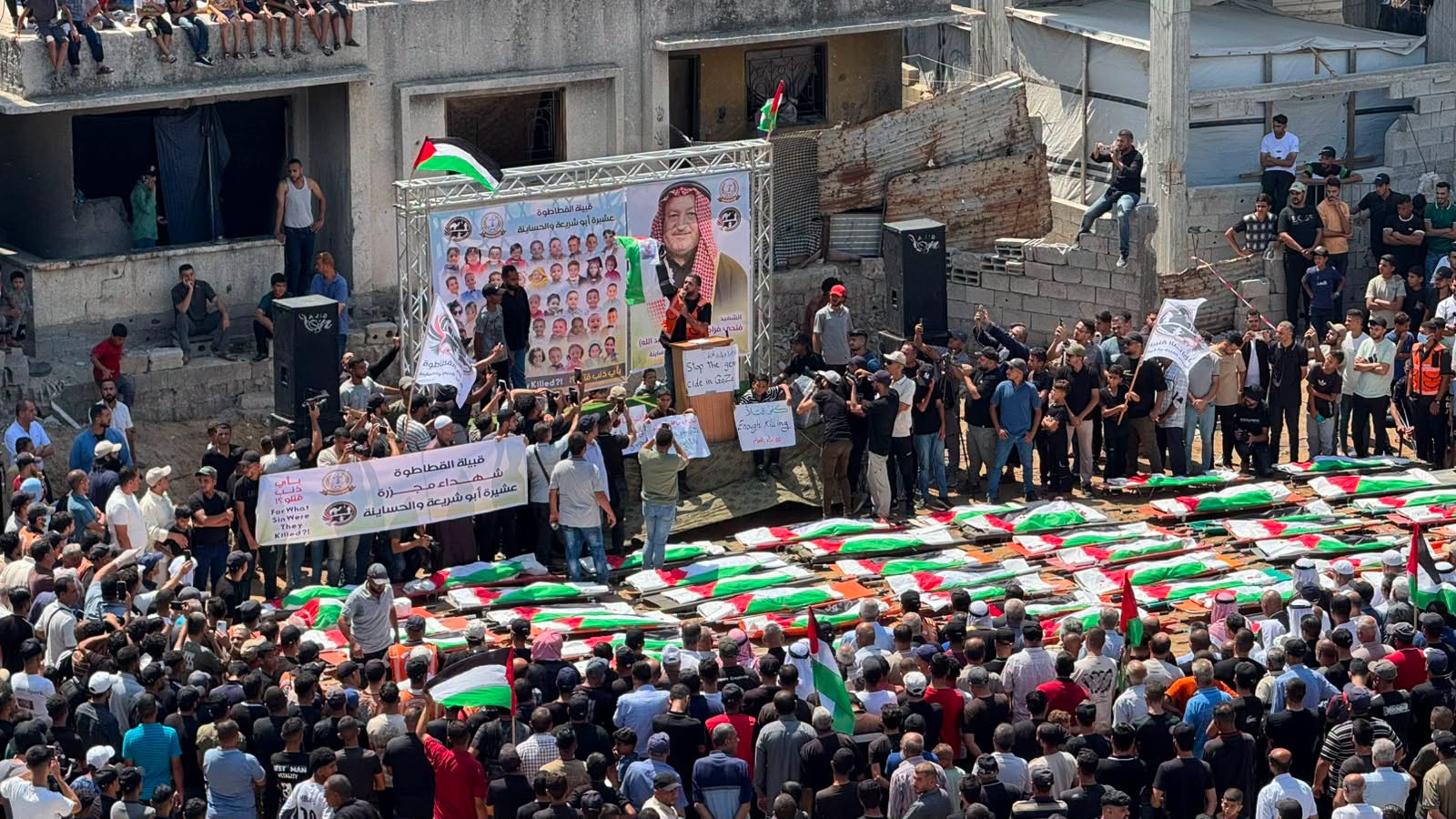
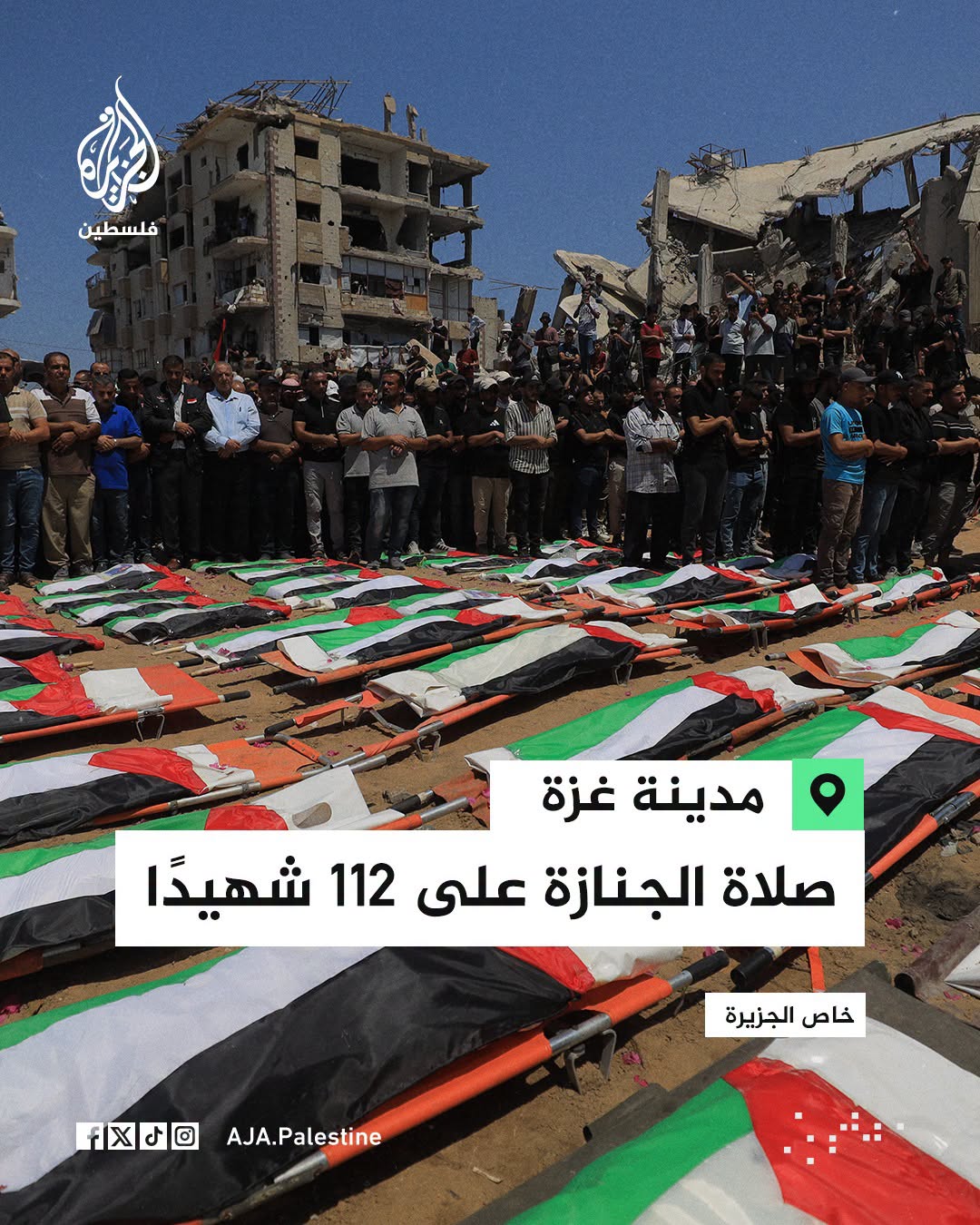
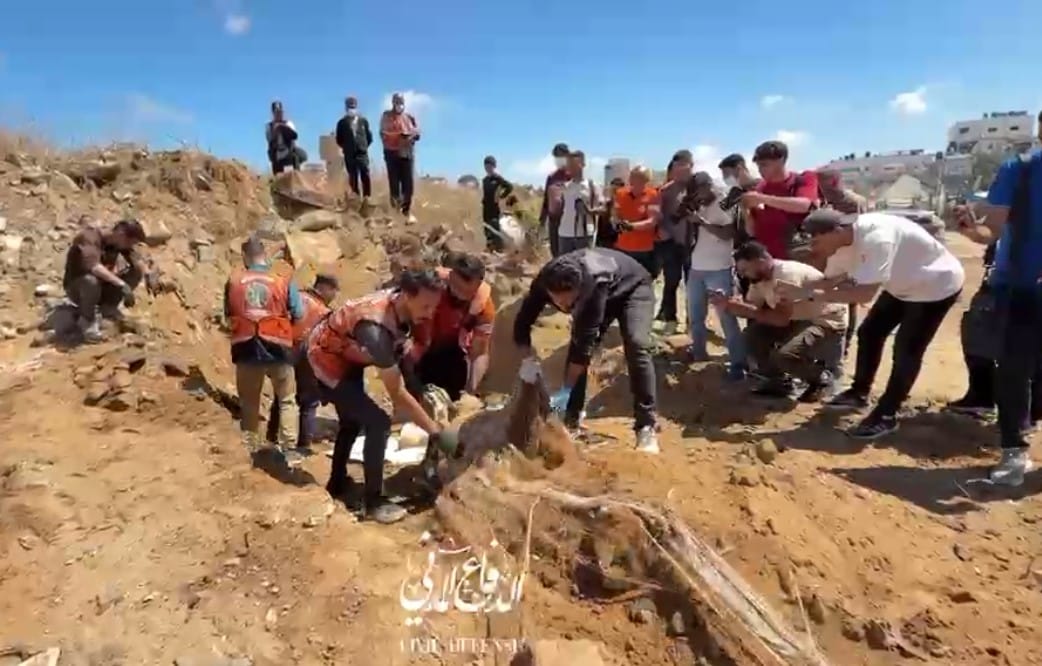
And in between all this, Gazan life – in between destruction, torn-down buildings and mayhem – continues. A case in point is the recent recovery of the remains of the 40 martyrs killed by the Israelis during their genocidal campaign on Gaza in the post-7 October, 2023 butchery. These remains were found by the Gaza civil defense teams after much searching of the grounds of the Sheikh Al Radwan Cemetery in Gaza City.
The cemetery, or to be fair to the Israeli soldiers, they bulldozed and desecrated the cemetery multiple times in the past two years going on a rampage of willful destruction, as if bodies are going to get up from the graves and attack them. The effect of the bulldozing and mutilation of the graves was horrific, mixing the remains of the bodies of the Palestinian killed with the earth and other remains, creating a gory story of unbelievable horrors. In this war, Israeli soldiers made the digging up cemeteries their favorite past-time, a macaber practice made all over Gaza – and this was done for no known, sane, reasonable reason anybody could think of.
In the latest recovery however, Palestinian civil defense officials say the remains are now being transported to local forensic scientists with the hope they would be identified for their families and relatives who would at least know what happened to them.
This is going to be a complex task because of the fact that nearly all of the health system in Gaza stands decimated, not to mention there is very little equipment and medicines in the down-torn hospitals today. And the fact that Israel still tightly controls what goes into Gaza through a blanket embargo it imposed on the enclave since 2006. So the fate of the remains of the bodies will remain in doubt at least for the time-being. Israel will stand accused for its abomination.
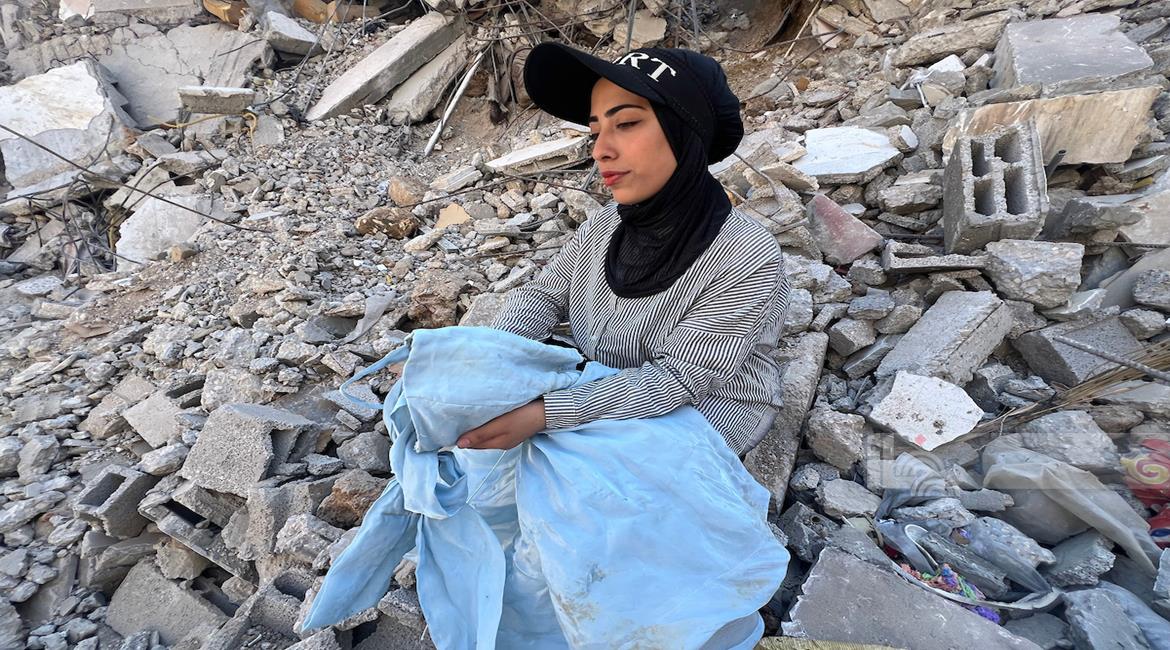
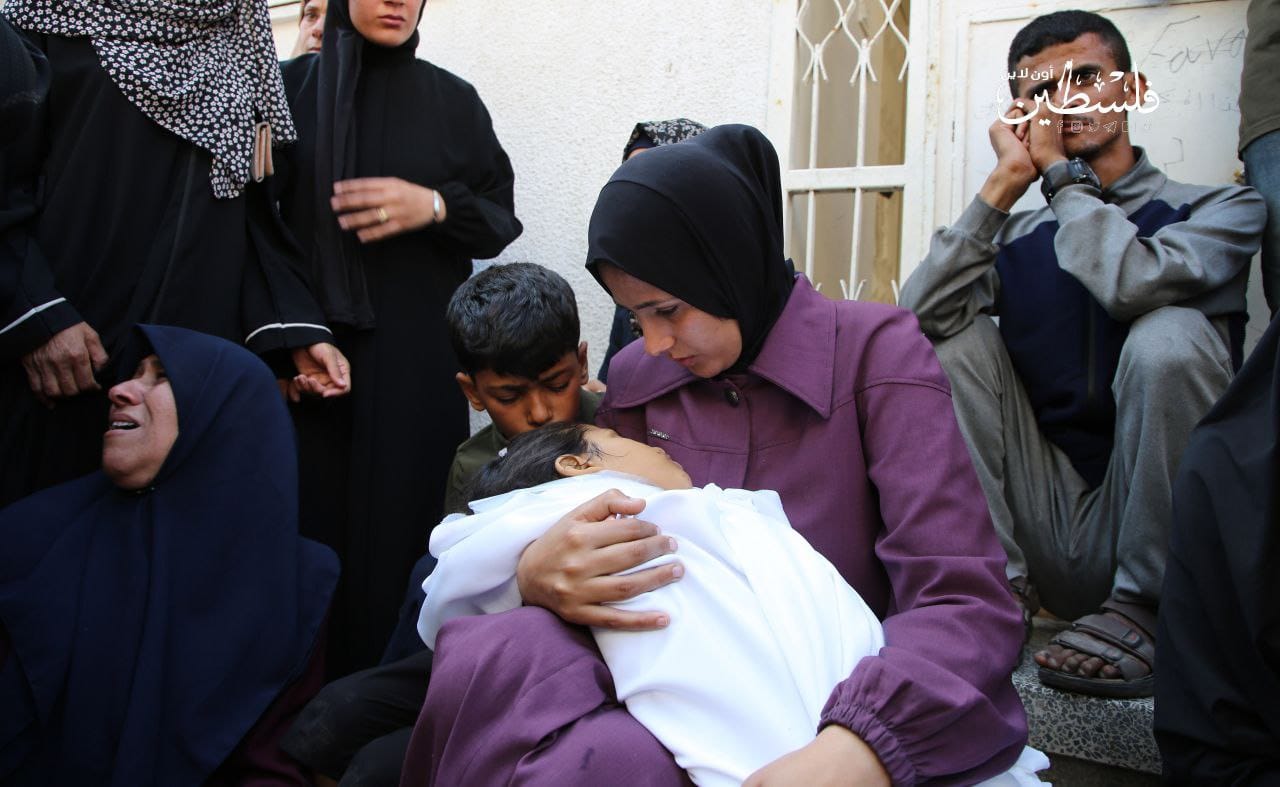
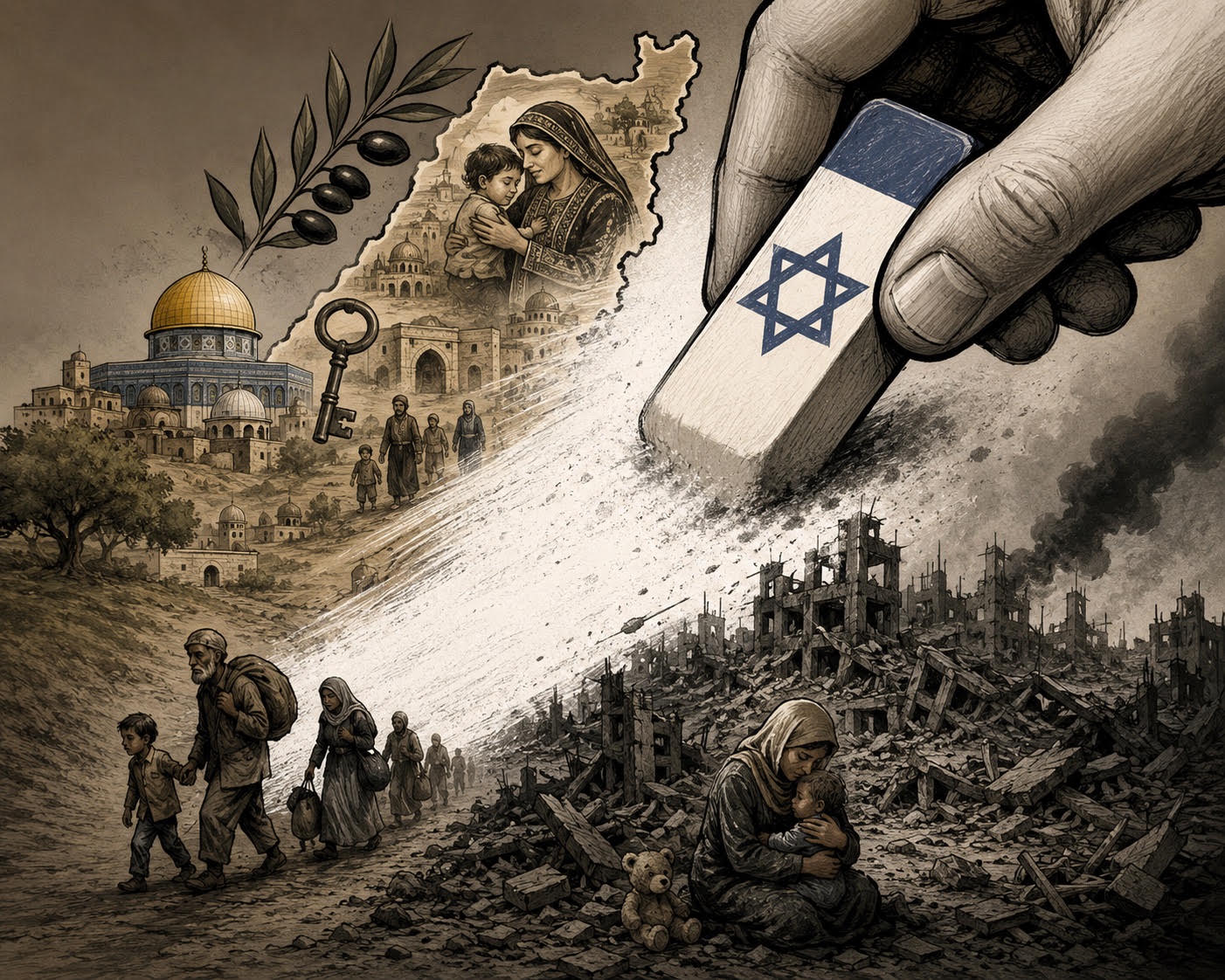
The Israeli genocide with people like Netanyahu gleefully watching, and indeed ordering for more blood to be shed, ripped Gazan society apart while dehumanizing its social formation. Latest statistics show today that mass Israeli bombs thrown on the Strip created at least 28,000 Palestinian widows.
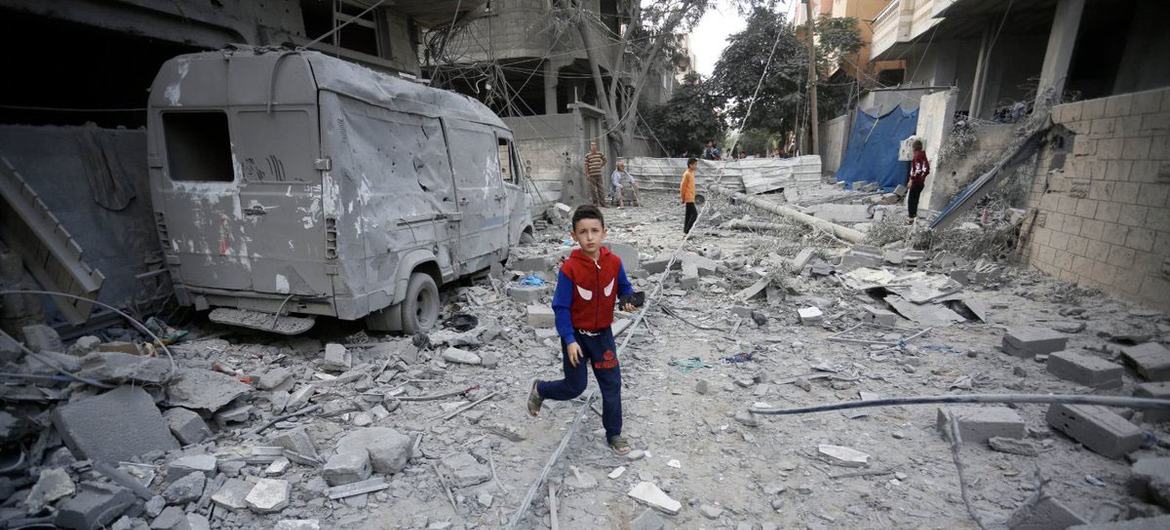
Over the past two and a half years, they lost their husbands, their fathers, mothers, uncles and cousins reducing Gaza into hollowed gorges of ruined concrete. These widows become overnight breadwinners for their young children and babies regardless of the fact that Gaza today is in a starvation-mode with no jobs available.
These are just a few of the social changes Gazan are trying to grapple with inbetween the daily Israeli onslaughts of rising deaths and a too unwilling international community to tell Israel to stop and afraid of the black sheep.
Dr. Marwan Asmar who is currently the editor of crossfirearabia.com holds a PhD from Leeds University and is a freelance writer specializing on the Middle East. He has worked as a journalist since the early 1990s in Jordan and the Gulf countries, and been widely published, including at Albawaba, Gulf News, Al Ghad, World Press Review and others.
CrossFireArabia
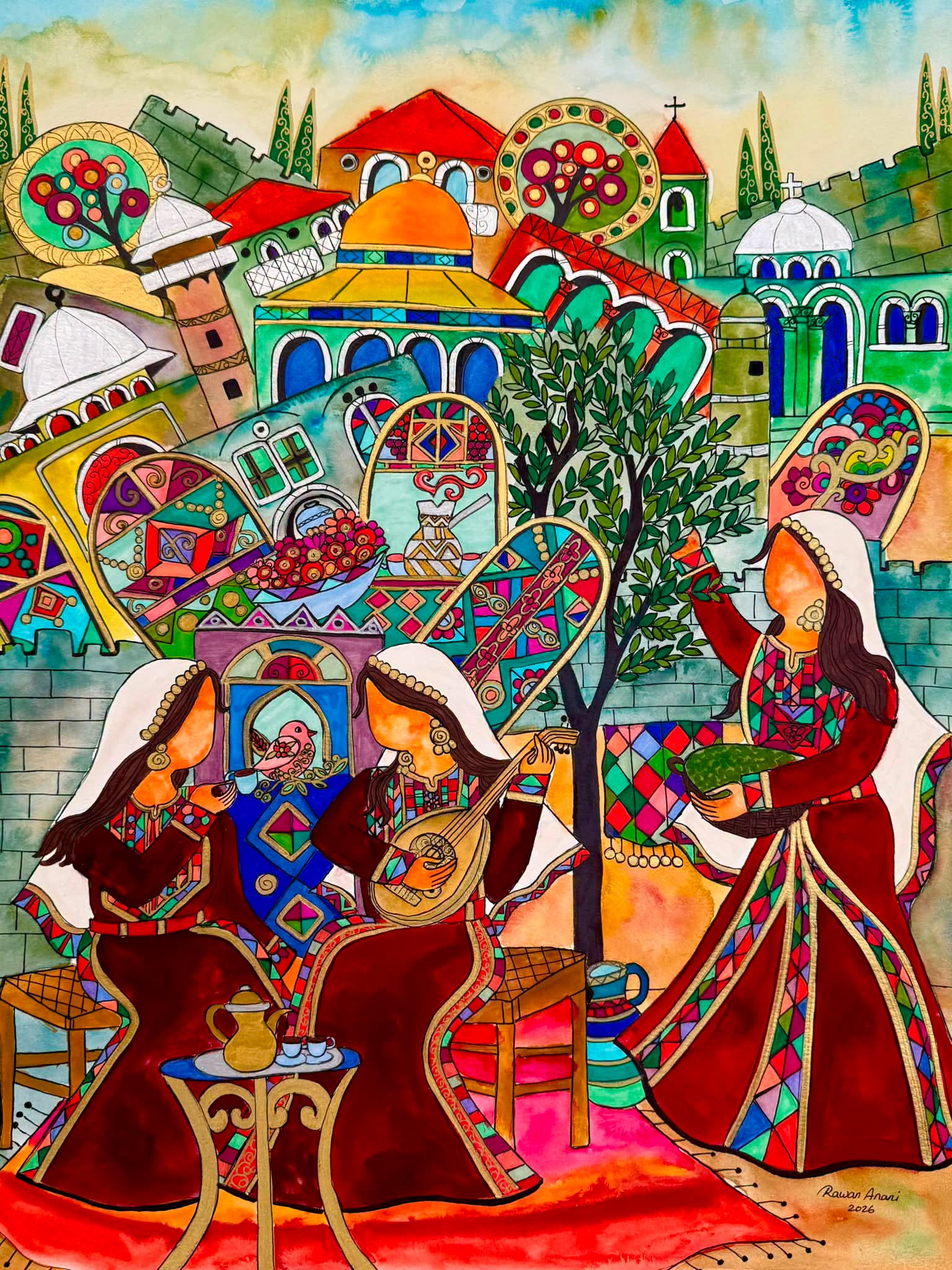
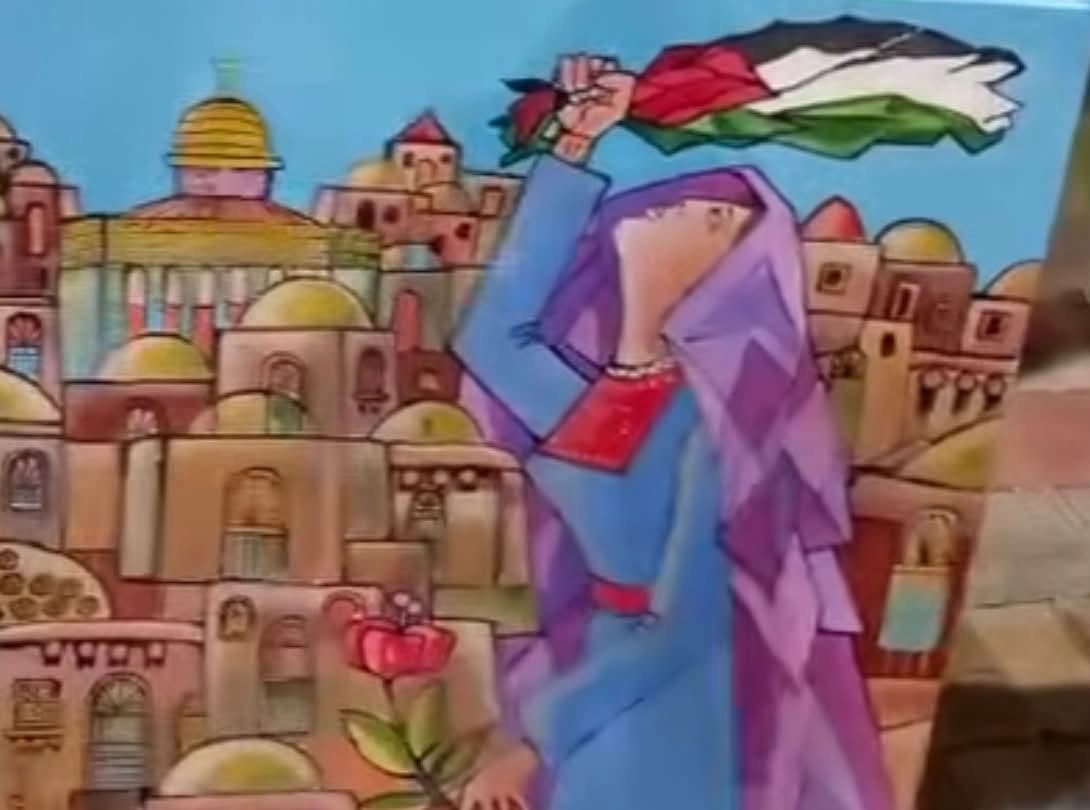
Reem Arkan writes: This is my new painting, titled “This Orange Is Mine.” It depicts a woman who holds Jaffa in her eyes; she plays music so that the homeland will not fade from memory; her features reflect the weariness of the Palestinians, and the oranges hold the warmth of homes that have vanished. The oud is not merely a musical instrument, but the voice of the land as it strives to remain alive. This painting does not simply depict a woman, but a homeland struggling to be remembered
CrossFireArabia
Today, there are more than 28,000 widows in Gaza according to the Ministry of Social Development. These widows are living through one of the most severe humanitarian crises in modern history, amidst the ongoing conflict that has led to a surge in the number of women solely bearing the responsibility of supporting their families under exceptionally difficult circumstances.
In a press release, Wednesday, the Ministry revealed a sharp increase in the number of widows during the current war, reaching 28,224, compared to 22,596 before the war began.
Gaza City has recorded the highest percentage of widows at 40.8%, followed by North Gaza at 22.5% with the two northern governorates accounting for more than 70% of the urgent interventions needed to support the families of martyrs, according to the Ministry.
According to official statistics, approximately 64% of widows, or about 16,877 women, are of working age (18-45 years old), necessitating the launch of urgent economic empowerment programs.
The Ministry indicated that elderly widows aged 60 and over constitute 14.9%, while widows under the age of 18 represent about 0.4%.
Last May, the Palestinian Center for Policy and Survey Research reported in a research paper the war on Gaza led to an unprecedented increase in the phenomenon of women breadwinners, with the number of widows exceeding 22,000 according to Quds Press.
The center emphasized that addressing this phenomenon requires a comprehensive vision that integrates women breadwinners into the production and reconstruction process, recognizing them as essential elements in social and economic recovery, not merely recipients of aid.
The 23rd of June marks International Widows’ Day, established by the United Nations to highlight the economic and social challenges facing widows, most notably poverty, deprivation of inheritance, and the absence of social protection.
Since October 8, 2023, Israel, with American and European support, has committed genocide in the Gaza Strip, including killing, starvation, destruction, displacement, and arrests, ignoring international appeals and orders from the International Court of Justice to cease its actions.
The genocide left more than 246,000 Palestinians dead or wounded, most of them children and women, and more than 11,000 missing, in addition to the hundreds of thousands of displaced people and a famine that claimed the lives of many, most of them children, as well as widespread destruction and the erasure of most of the cities and areas of the Gaza Strip from the map.
CrossFireArabia
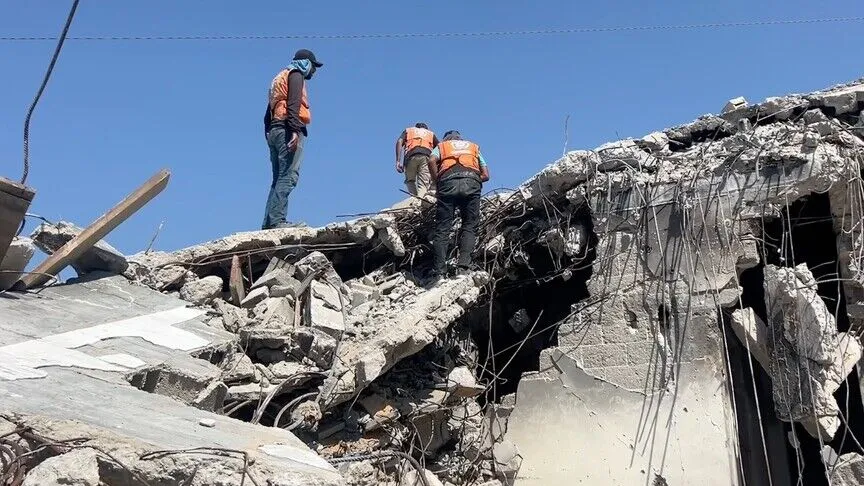
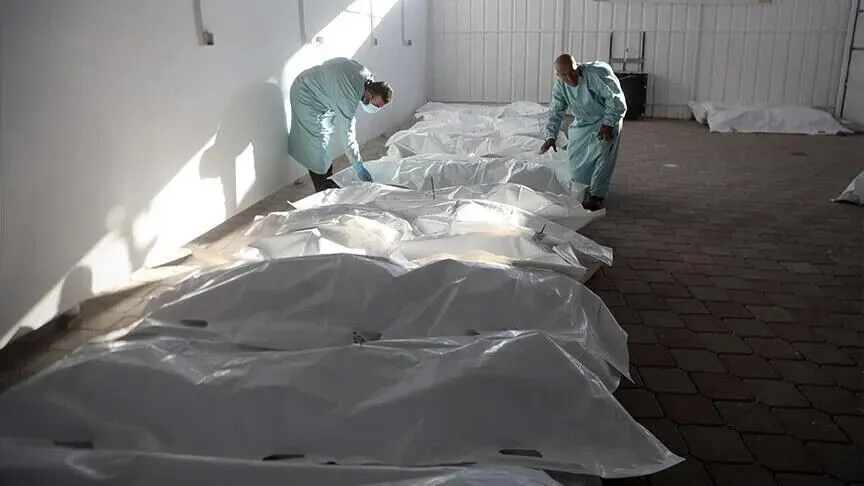
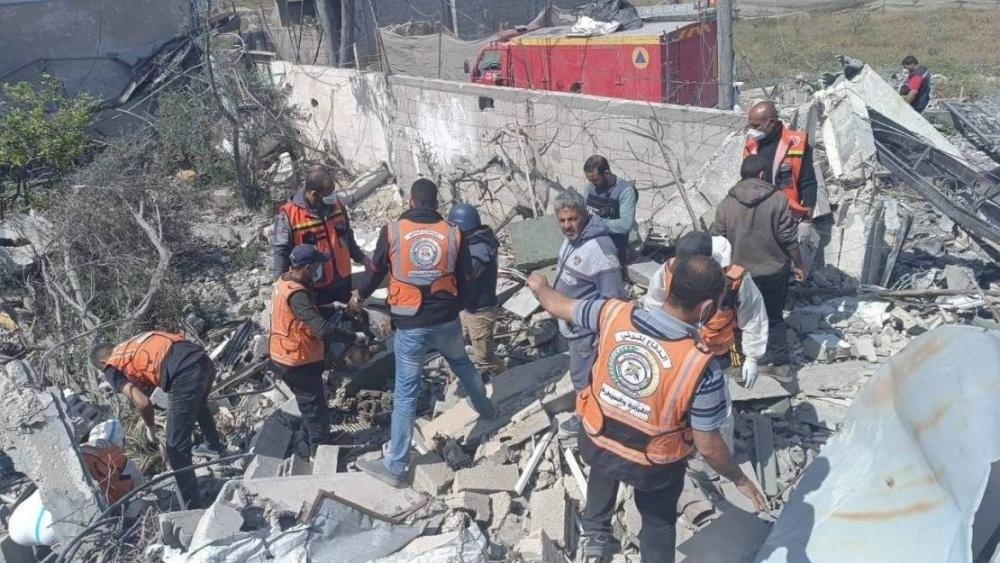
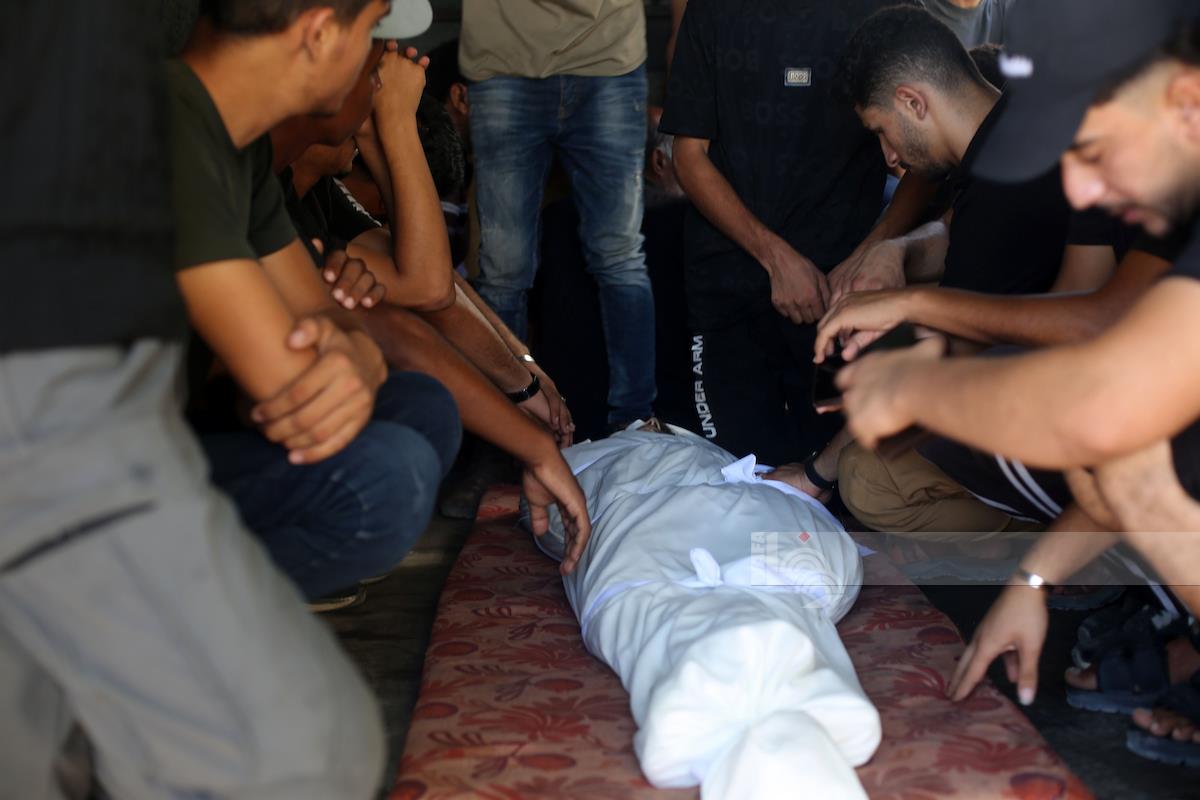
The Palestinian Civil Defense teams recovered the remains of 40 martyrs from the Sheikh Radwan Cemetery in Gaza City on Tuesday. Parts of the cemetery were bulldozed and desecrated by Israeli occupation forces during their ground incursions into the area over the last two years.
Civil Defense personnel pointed out the remains of the martyrs were then transferred from the cemetery’s eastern side to forensic teams, in preparation for completing a full medical examination to identify the victims, a long procedure by itself. Representatives from the Ministry of Religious Endowments and Affairs were also present in the recovery of the 40 martyrs.
A Civil Defense statement explained the bulldozing of the cemetery resulted in the remains being unearthed and mixed together which necessitated in their transfer to the relevant authorities for examination and identification.
Director of Public Relations of Civil Defense Abdullah al-Majdalawi, confirmed the teams now face significant challenges to identify the recovered remains. He explained most of what was found consisted of decomposed body parts and skeletons of martyrs, including children and the elderly.
Al-Majdalawi pointed out the excavation and bulldozing operations by the Israelis obliterated the features of many graves and mixed the body remains, meaning great heartache for the families seeking to learn the fate of their loved ones and document their identities. “How can names be reduced to numbers” he wondered while highlighting the scale of the human tragedy caused by these practices.
These developments come at a time when the burial crisis in the Gaza Strip is worsening. Since the outbreak of the war, residents have been forced to establish mass graves and makeshift cemeteries in public squares, roads, and around hospitals, including in Al-Shifa, Kamal Adwan, and the Baptist Hospital, due to the siege and the difficulty of accessing the main cemeteries.
Gaza City also suffers from a severe shortage of burial space. The only functioning cemeteries are the Sheikh Radwan Cemetery and the Baptist Cemetery in the eastern part of the city. This has led many families to reopen old graves and bury multiple martyrs in a single grave, while simultaneously increasing the costs of preparing graves.
Human rights organizations and media outlets documented the bulldozing and desecration operations targeting a number of cemeteries in the Gaza Strip during Israeli ground operations. This resulted in the exhumation and mixing of the remains of the dead and martyrs, practices that constitute a violation of international humanitarian law and the sanctity of the dead.
CrossFireArabia
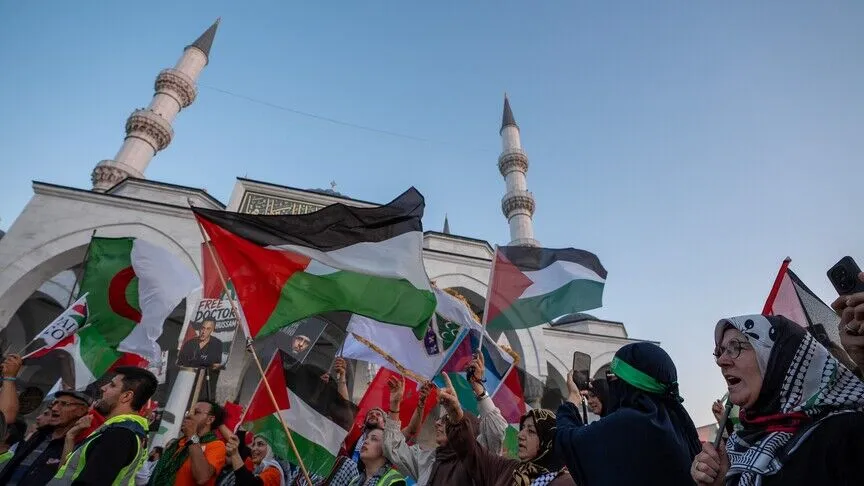
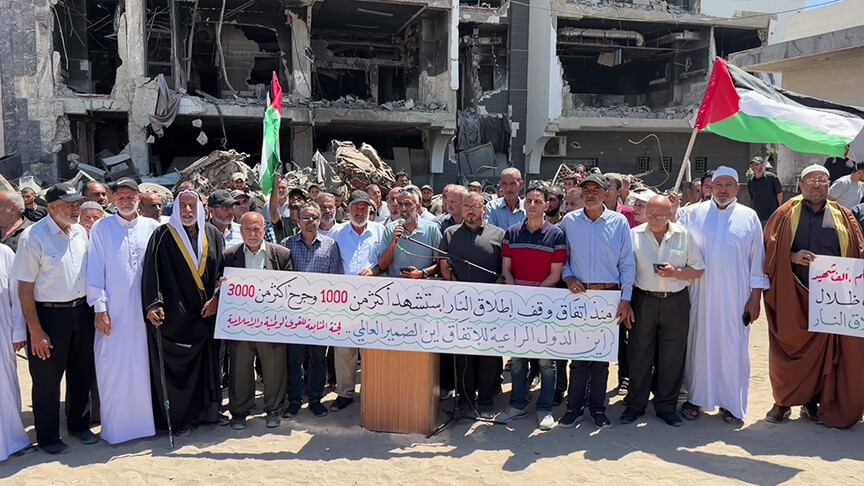
CROSSFIREARABIA – Palestinians in Gaza City hold a protest, Monday, against the continual Israeli violations of the ceasefire that was signed on 10 October, 2025. Since that time, Israel chose to violate the skies of Gaza thousands of times and the killing of over a 1000 Palestinian and the injury of over 3000. Through different banners, the protesters called on the international community to pressure the Israeli occupation to desist from violating the ceasefire and respect international law.