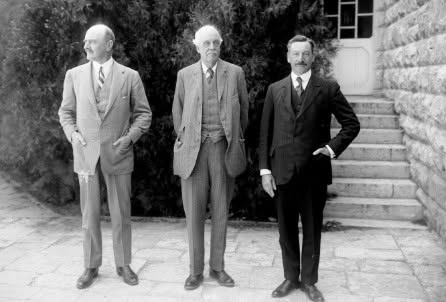
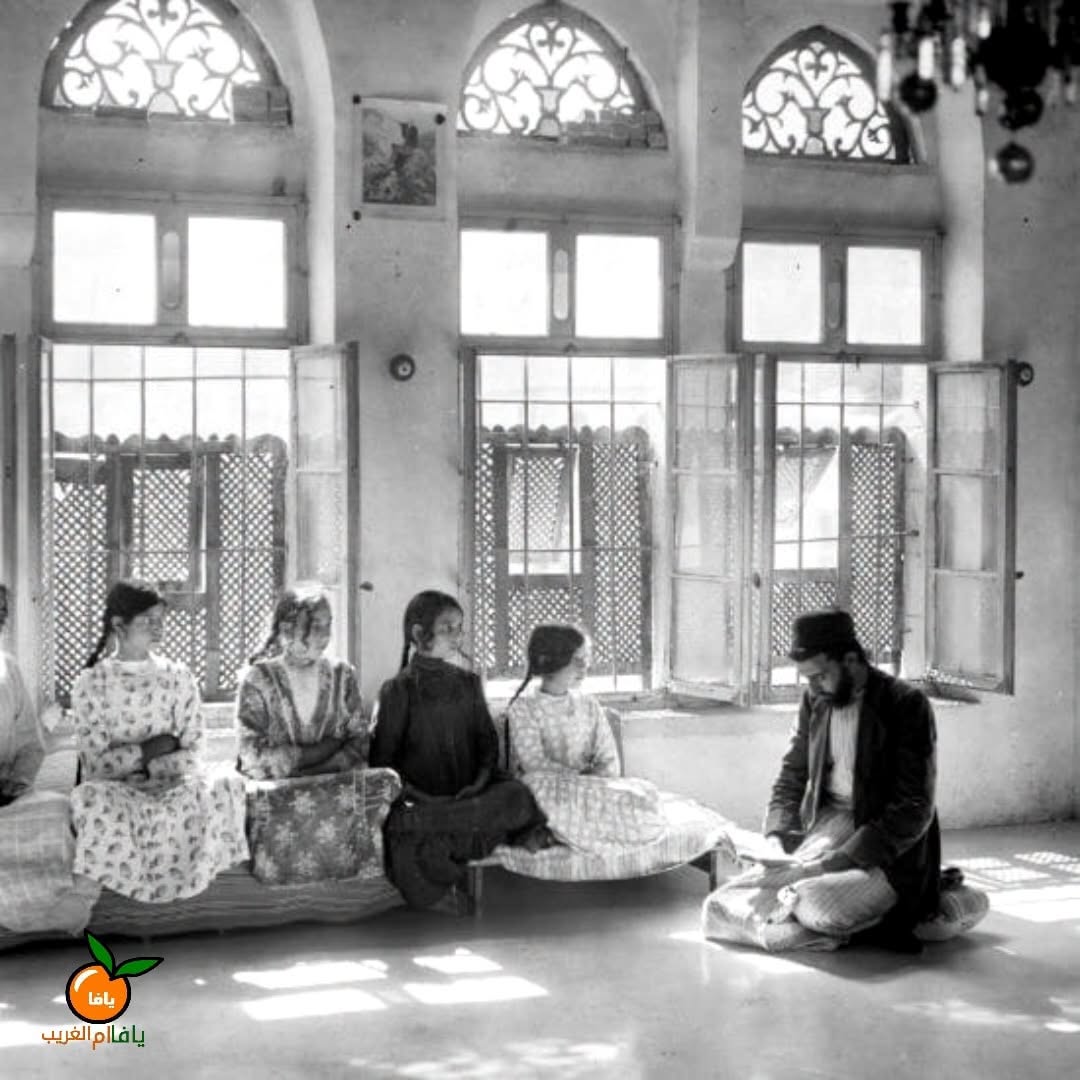
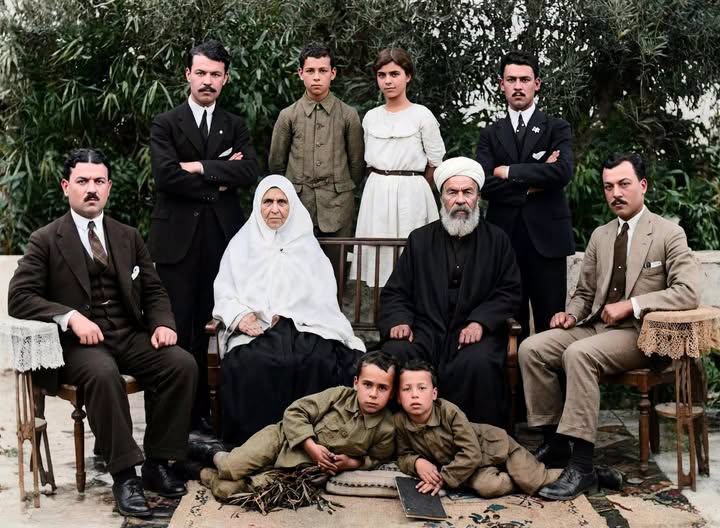
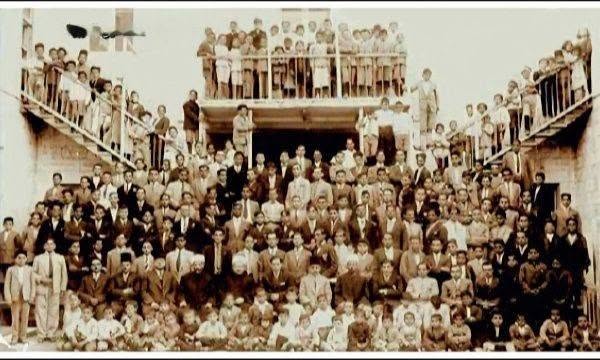
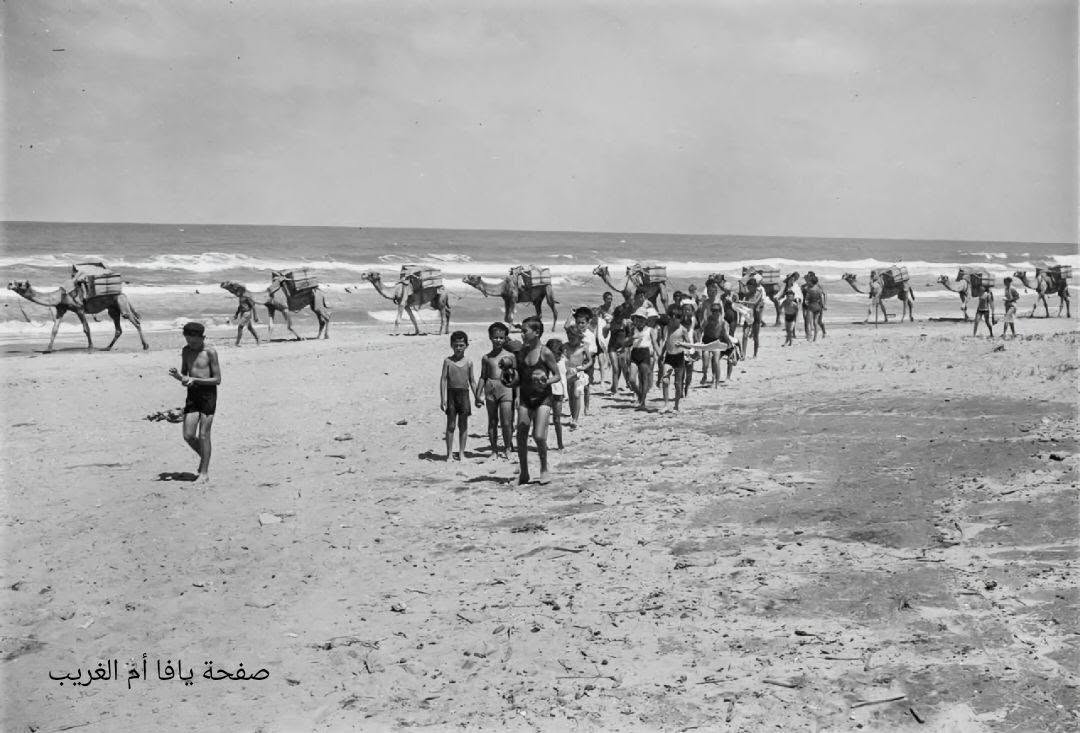
 Jaffa Oranges in Jerusalem, 1937
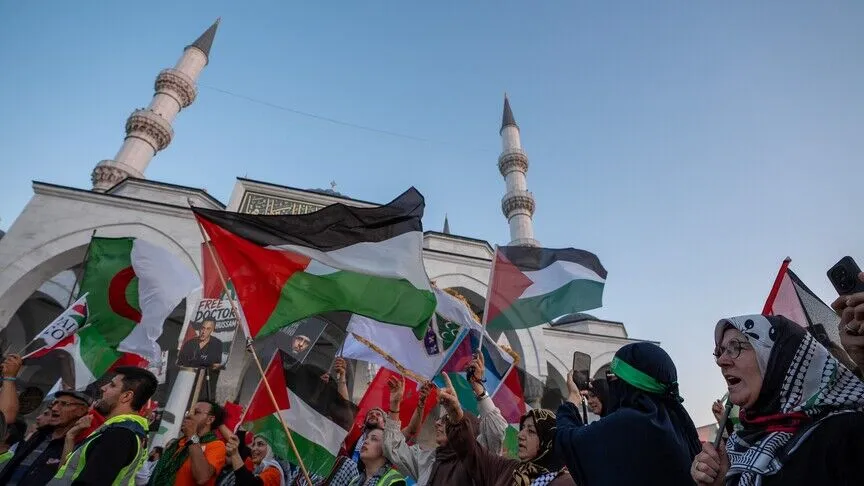
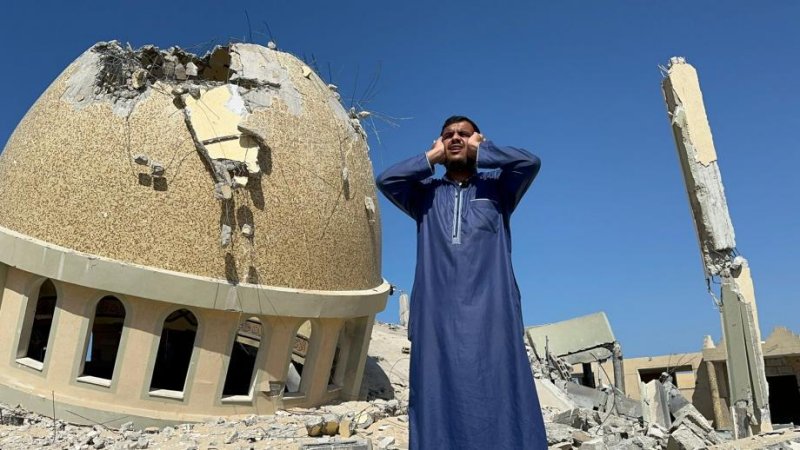 Gaza Begins to Restore Its Mosques
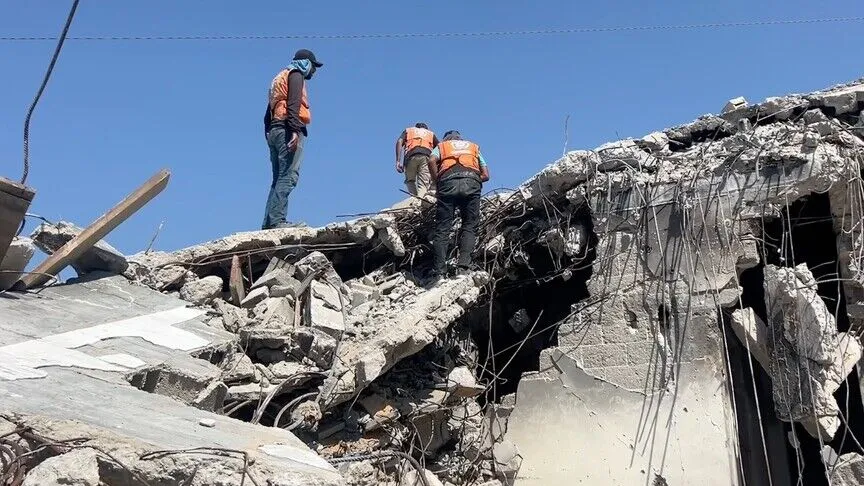
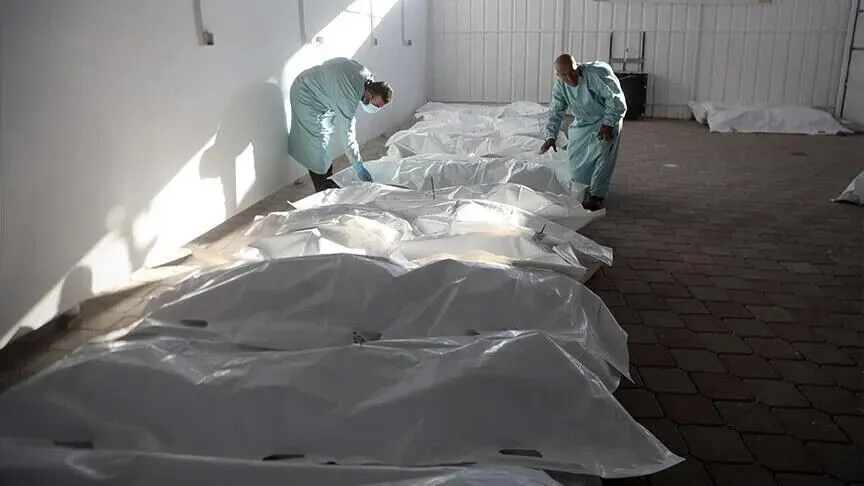
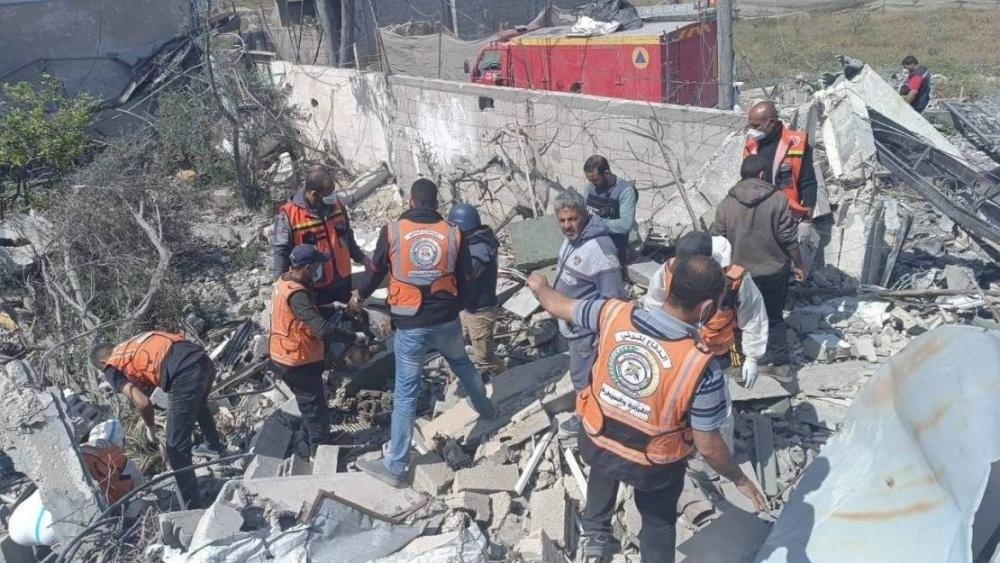
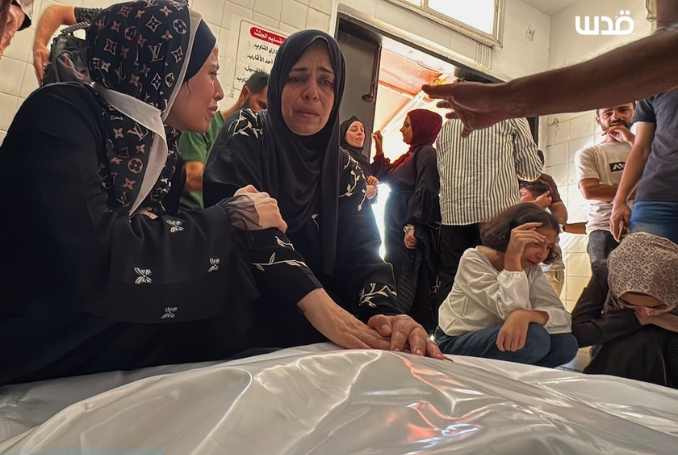
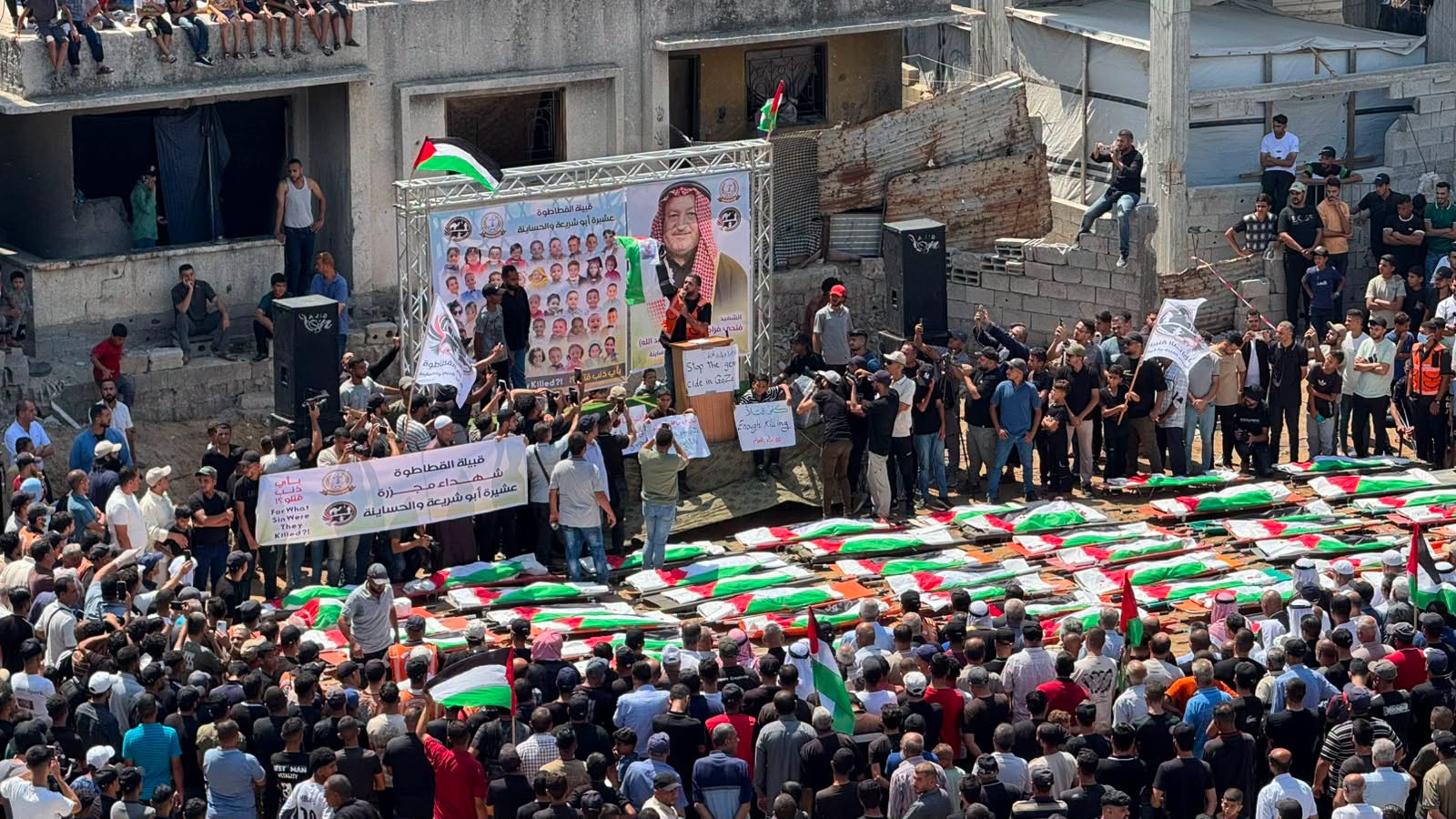
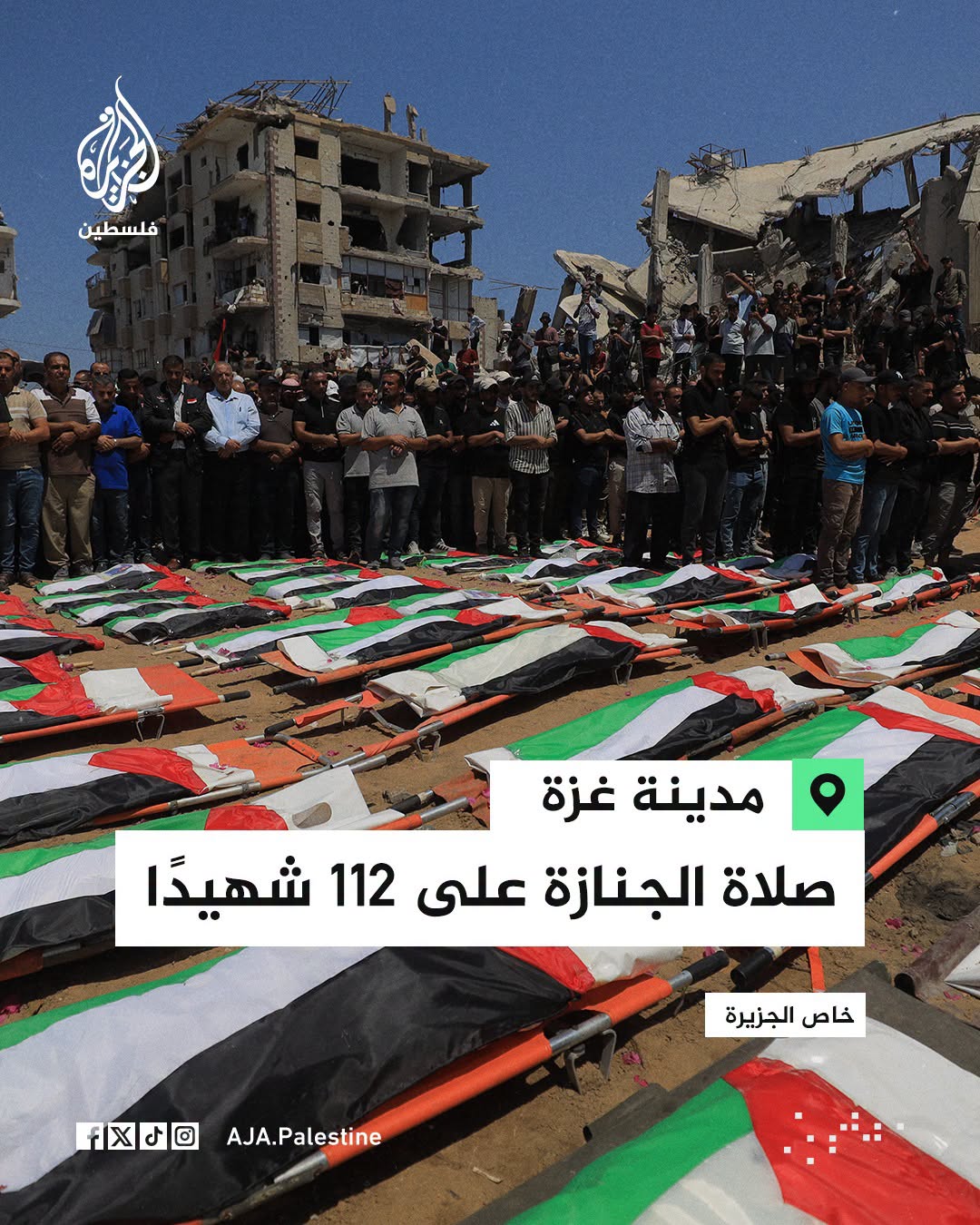
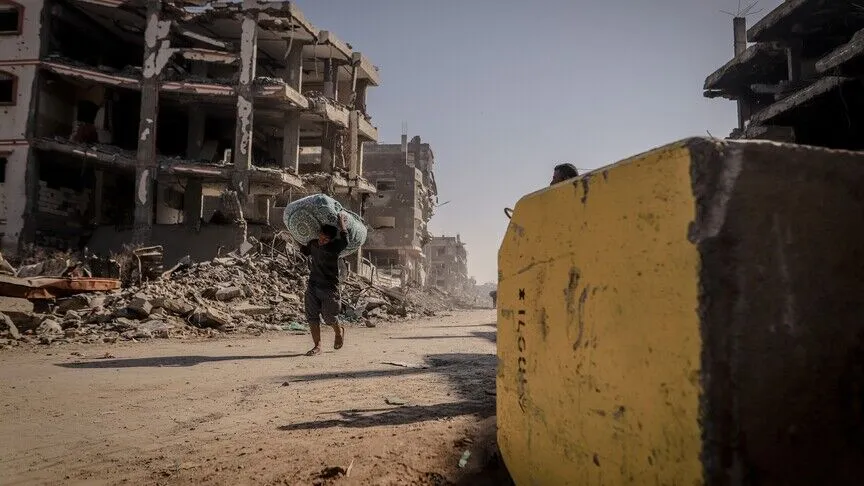
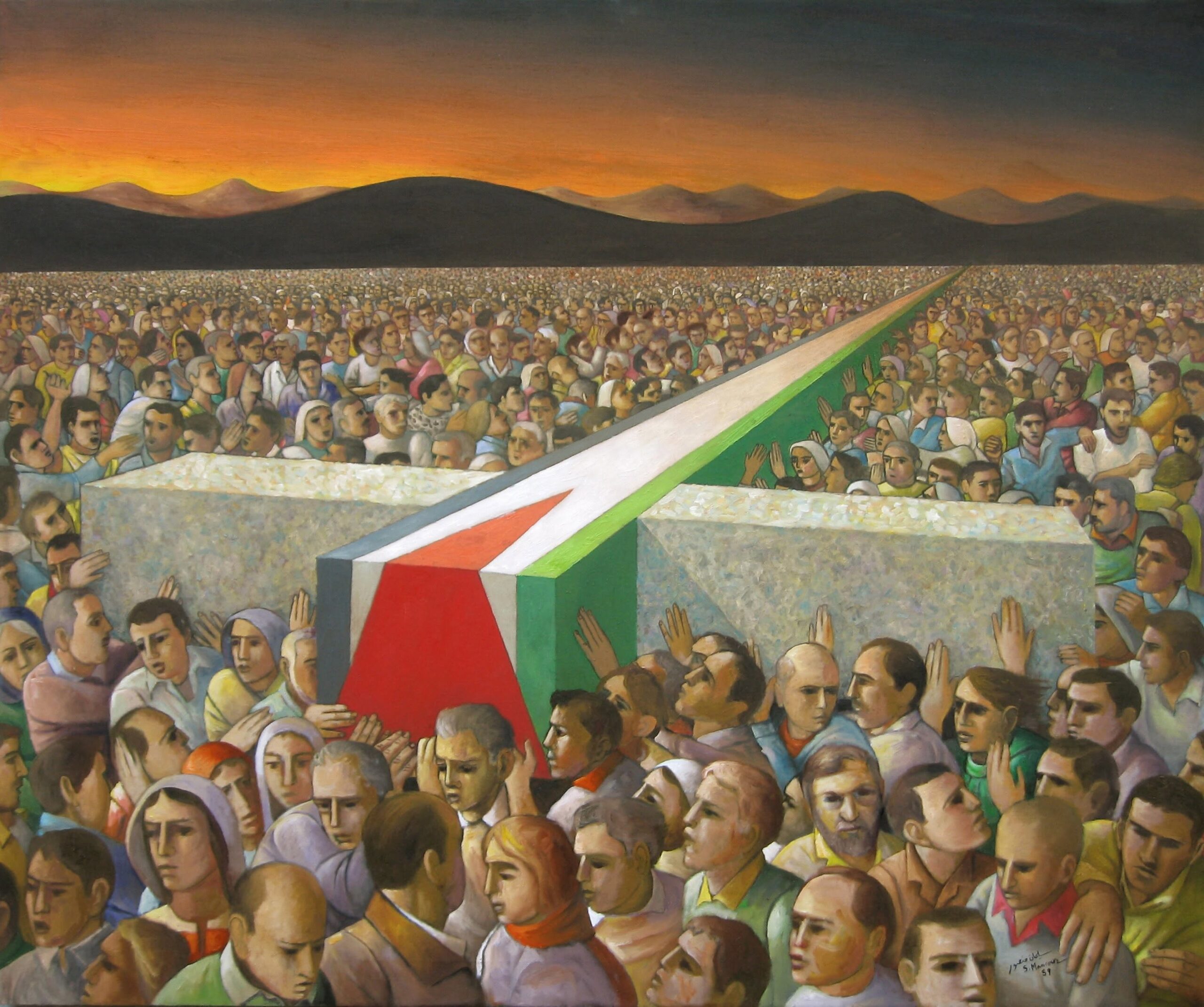 12 Bodies Uncovered in Gaza City
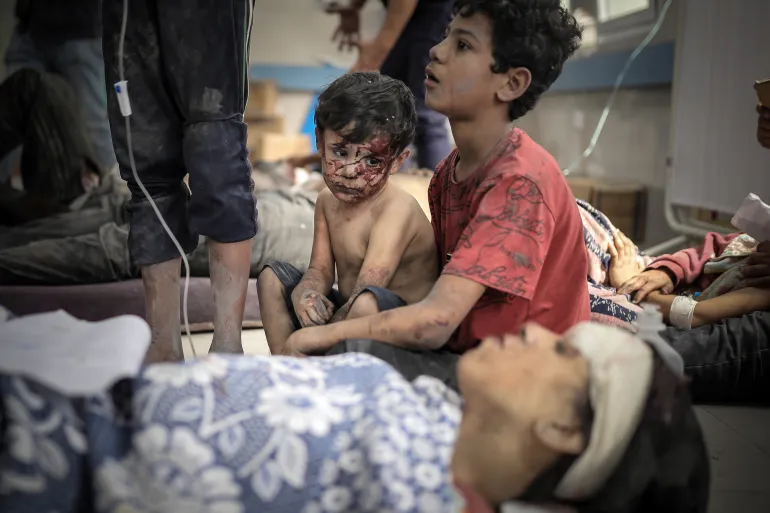
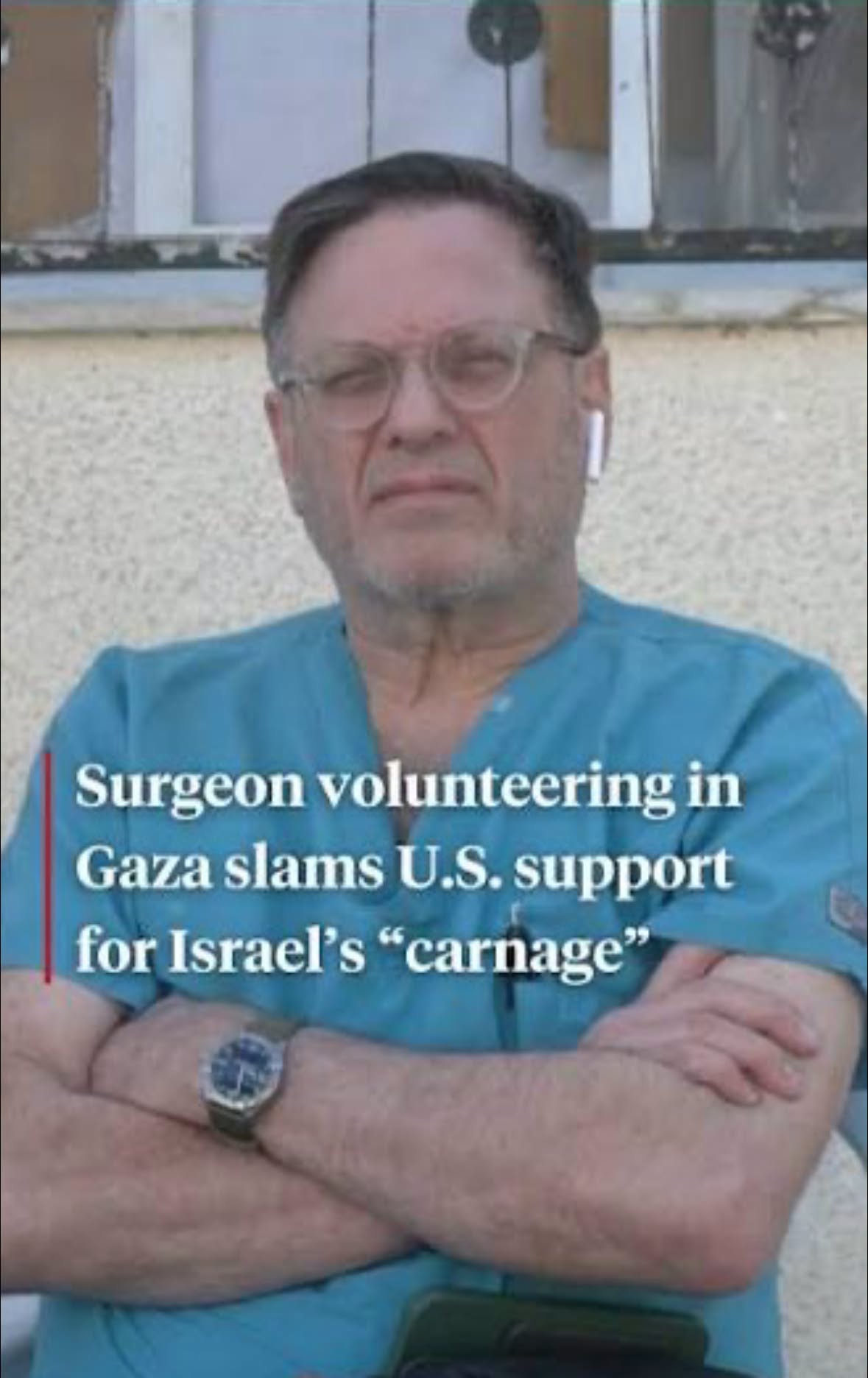 Dr. Mark Perlmutter recounts amputating the leg of a five-year-old girl in Gaza with no anesthesia available beyond an anesthesiologist singing to her.
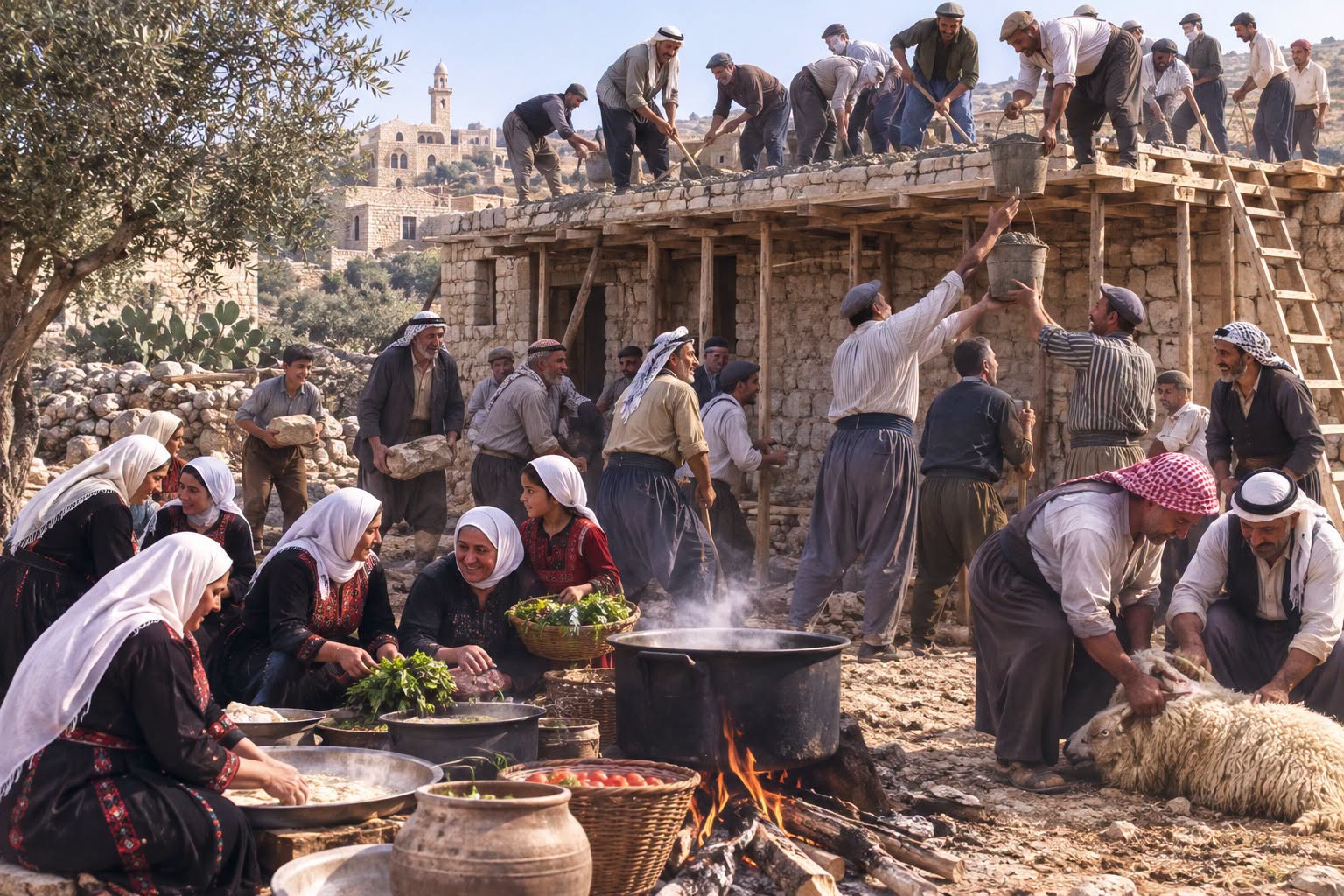
 Herman Melville, Palestine, 1857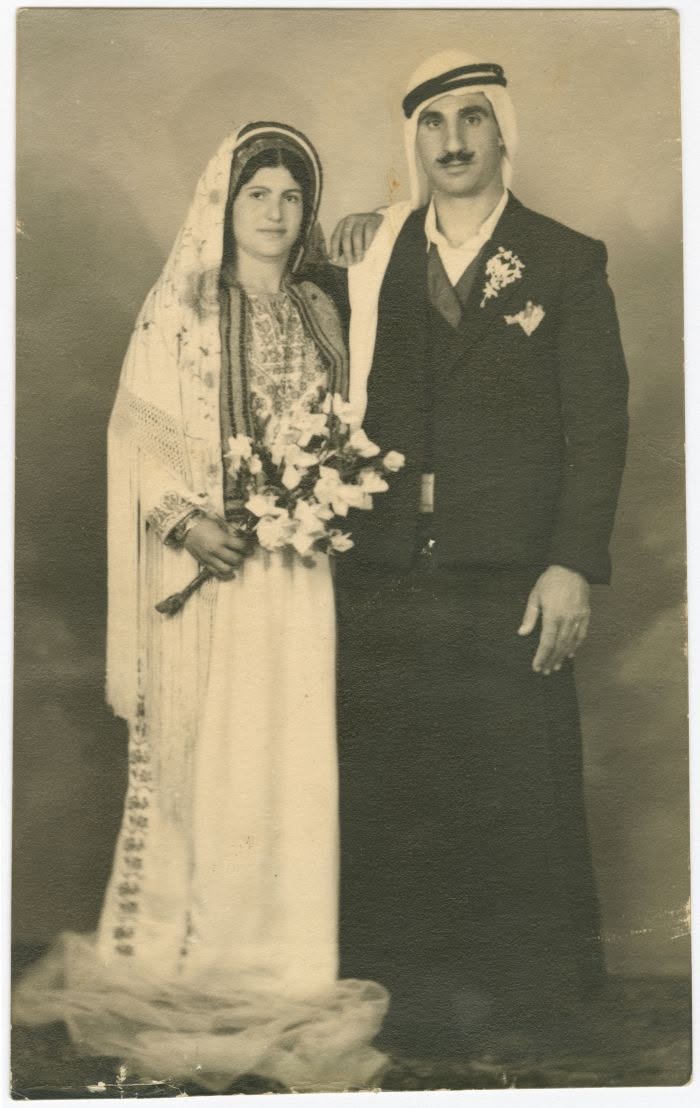
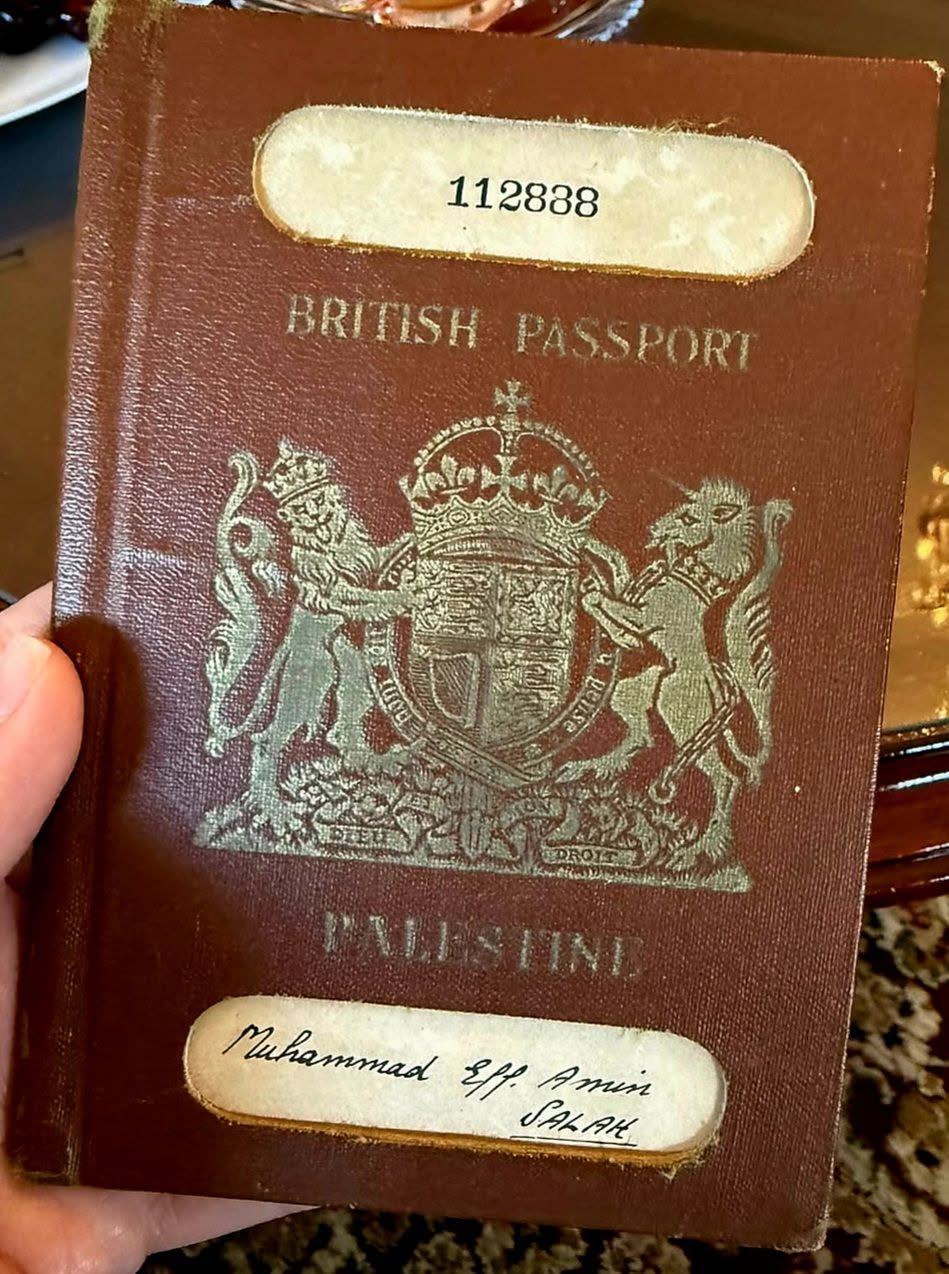



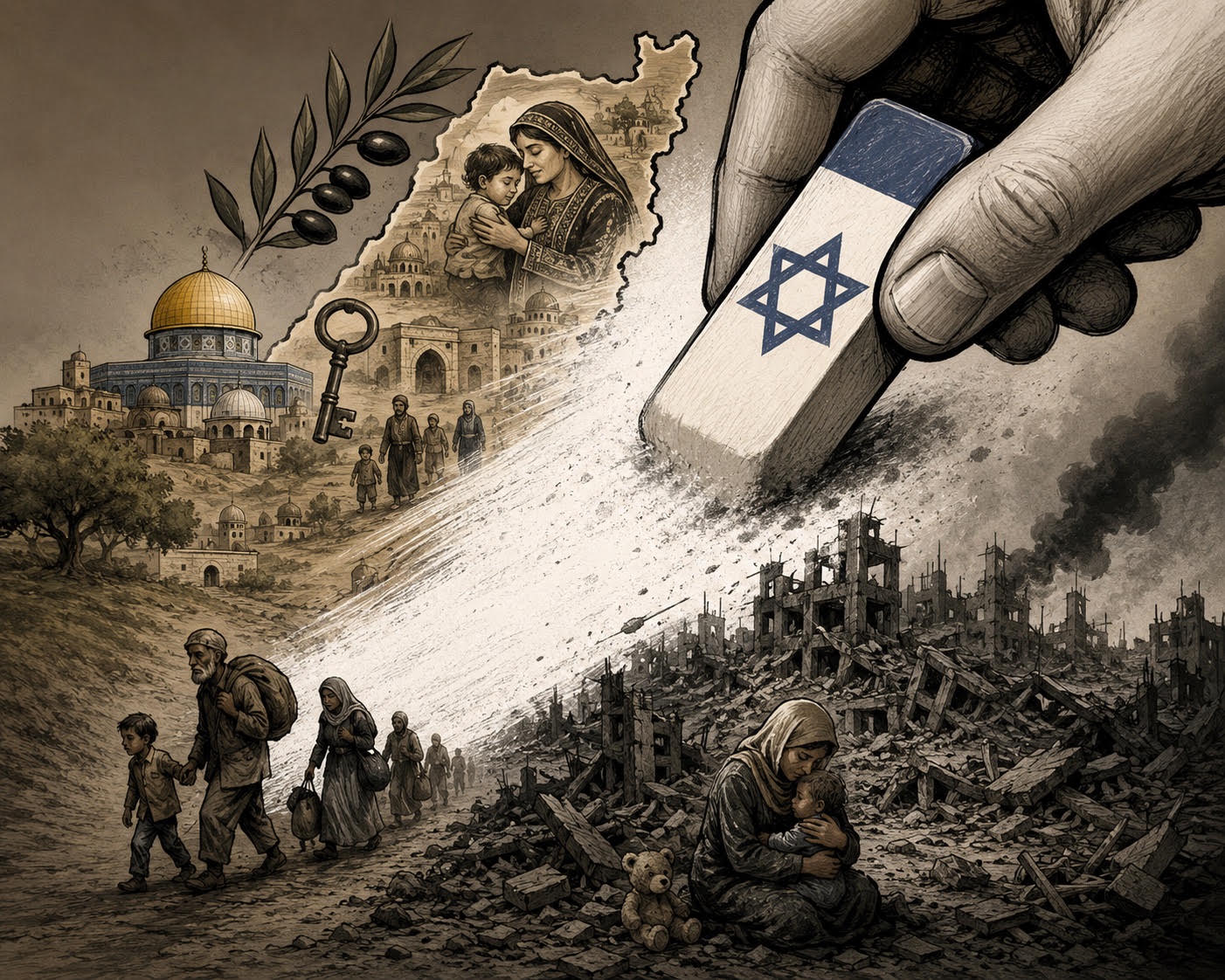

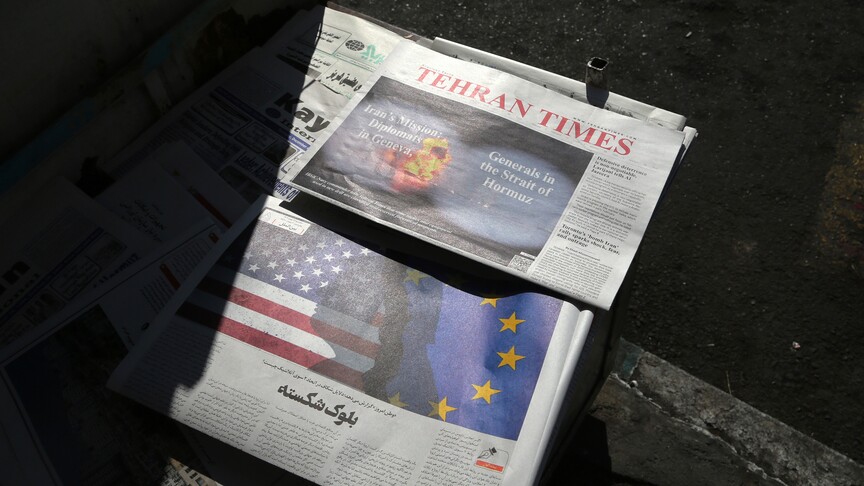
Jaffa Oranges in Jerusalem, 1937
 CrossFireArabia
- August 15, 2026
 CrossFireArabia
 marwanCrossFireArabiaCrossFireArabiamarwanCrossFireArabia
 HebaCrossFireArabiamarwanCrossFireArabiamarwanHebaCrossFireArabiamarwanmarwanHebaCrossFireArabiamarwanmarwanCrossFireArabiamarwanHebaCrossFireArabiaCrossFireArabiaCrossFireArabiaHebamarwanCrossFireArabiamarwanHebaCrossFireArabiaHebamarwanmarwanCrossFireArabiamarwanmarwanmarwanmarwanmarwanmarwanmarwanmarwanmarwanCrossFireArabiaCrossFireArabiamarwanmarwanCrossFireArabiaCrossFireArabiamarwanCrossFireArabiamarwanHebaHebamarwanmarwanCrossFireArabiamarwanmarwanmarwanmarwanCrossFireArabiaCrossFireArabiamarwanmarwanmarwanCrossFireArabiamarwanmarwanmarwanmarwanmarwanCrossFireArabiamarwanmarwanmarwanCrossFireArabia
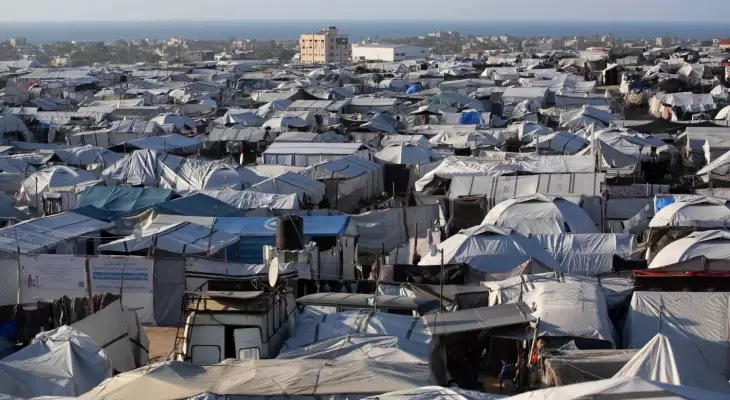
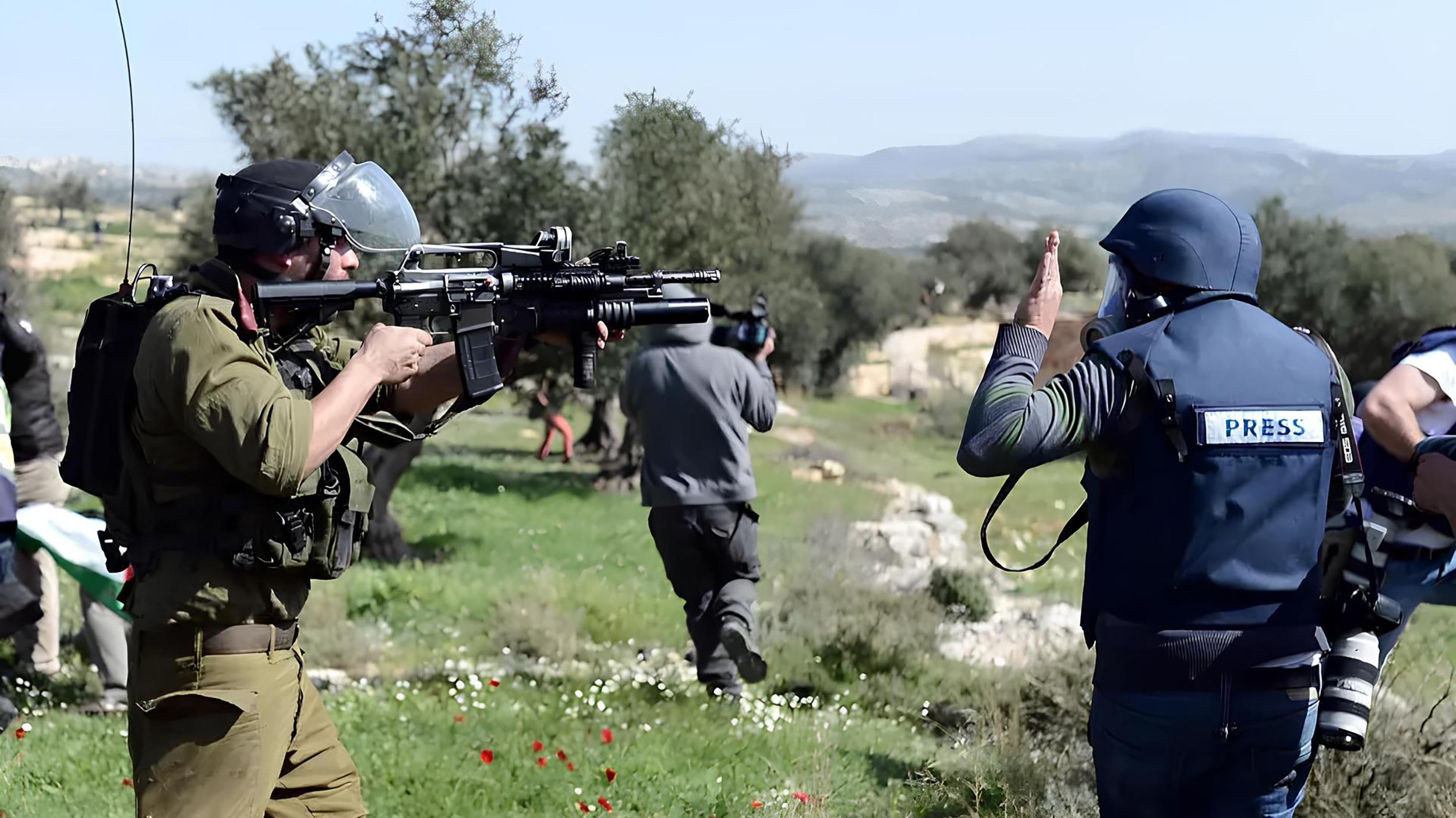
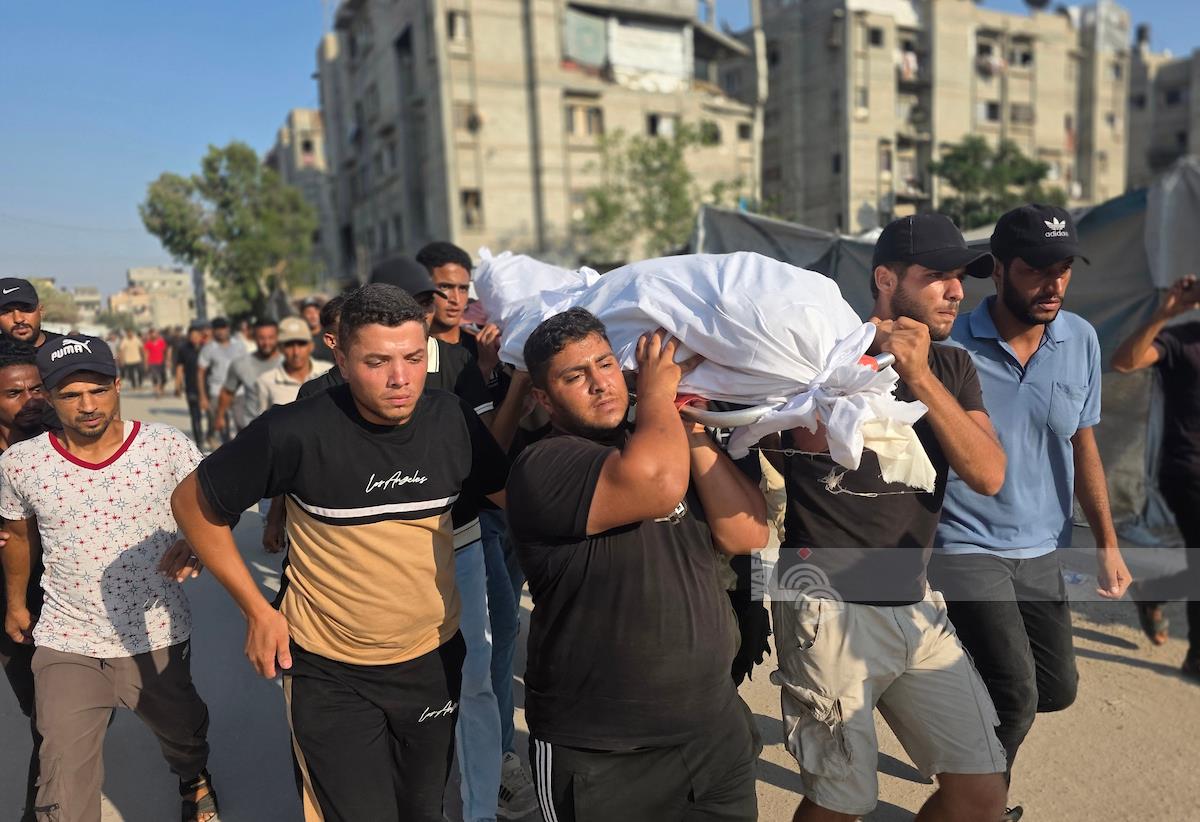
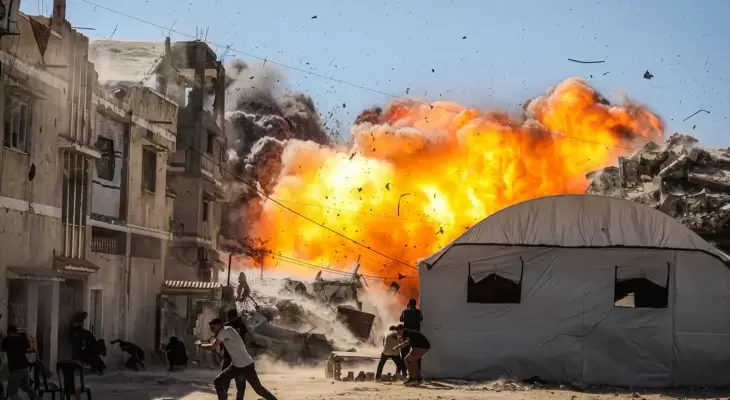
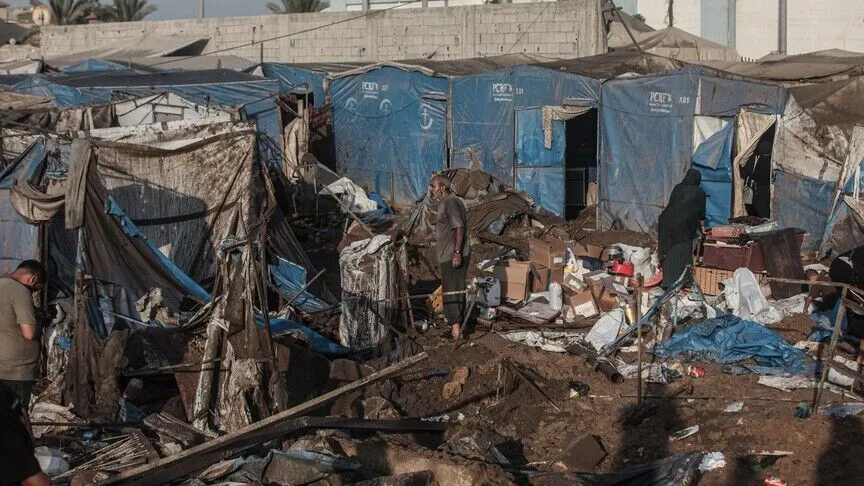
Two Palestinians, including a woman, were killed and seven others injured on Saturday in an Israeli drone strike targeting two displacement tents west of Khan Younis in the southern Gaza Strip, in the latest reported violation of a ceasefire in place since October 2025. Islam Hassan Abu Shamala, a Palestinian woman, was among those killed in the strike, while seven others were injured, medical sources told Anadolu. Witnesses said an Israeli drone struck two adjacent tents on Al-Rashid Street near the entrance to Roni Street in the Al-Mawasi area west of Khan Younis. They added that the strike destroyed both tents, damaged nearby shelters, and caused multiple casualties in the area.
CrossFireArabia
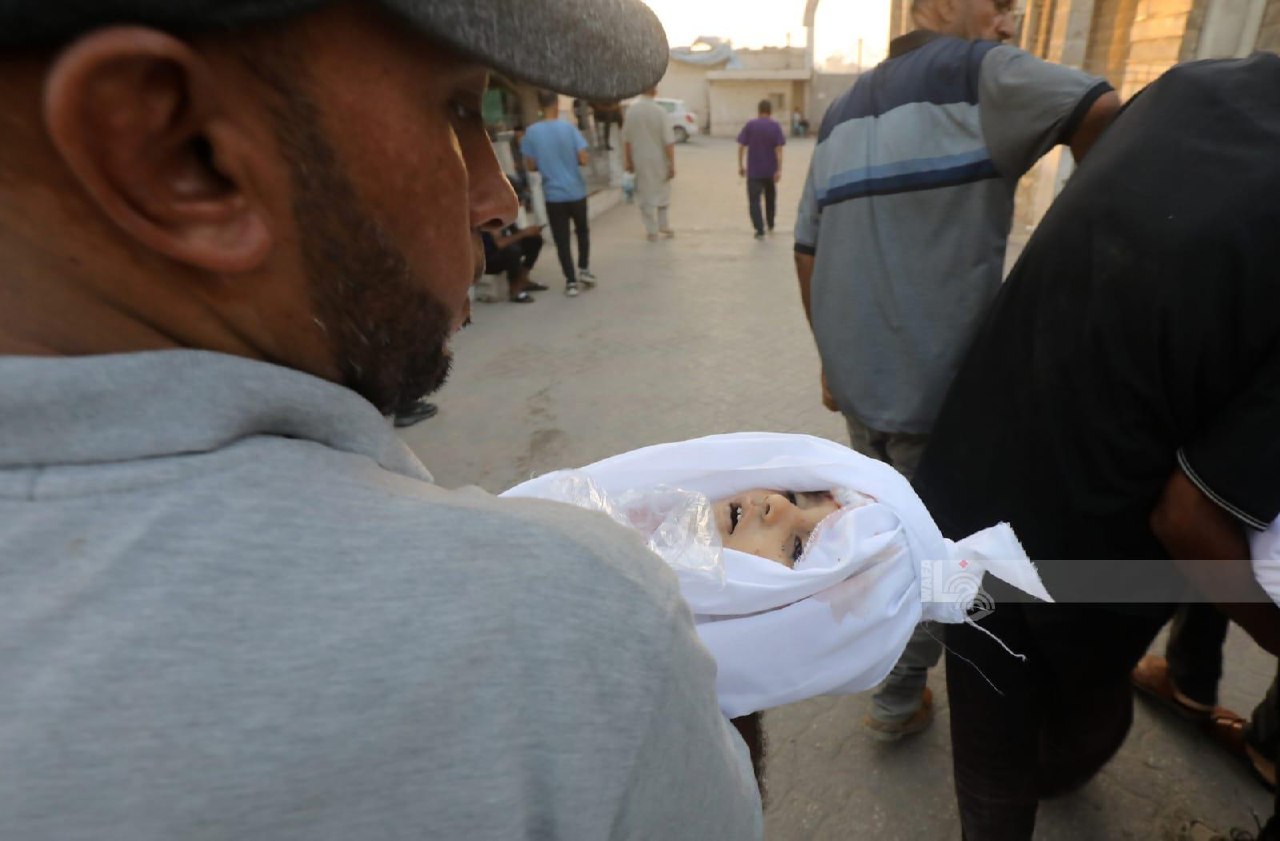
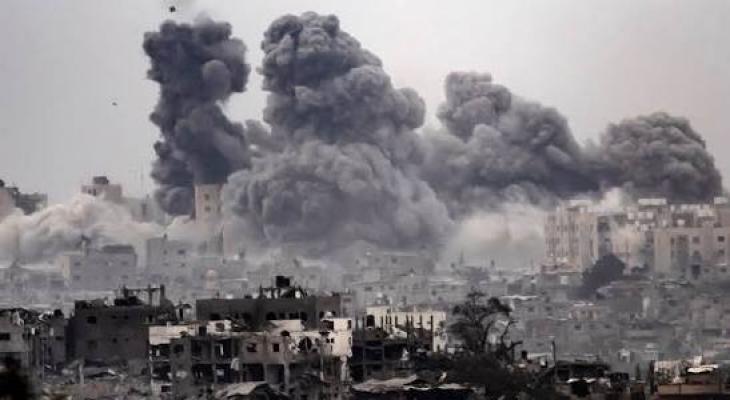
The Ministry of Health in the Gaza Strip announced, Saturday, eight Palestinians were killed and 20 wounded in the past 24 hours as a result of the ongoing Israeli aggression.
The Ministry explained that the deceased included six new fatalities, one person who succumbed to previous wounds, and one whose body was recovered.
The Ministry confirmed that the cumulative death toll from the Israeli aggression, which began on October 7, 2023, rose to 73,051, with 173,437 wounded.
The Ministry added since the ceasefire came into effect on October 11, 2023, 1,038 Palestinians have been killed and 3,329 wounded, while medical teams recovered 786 bodies in the same period.
CrossFireArabia
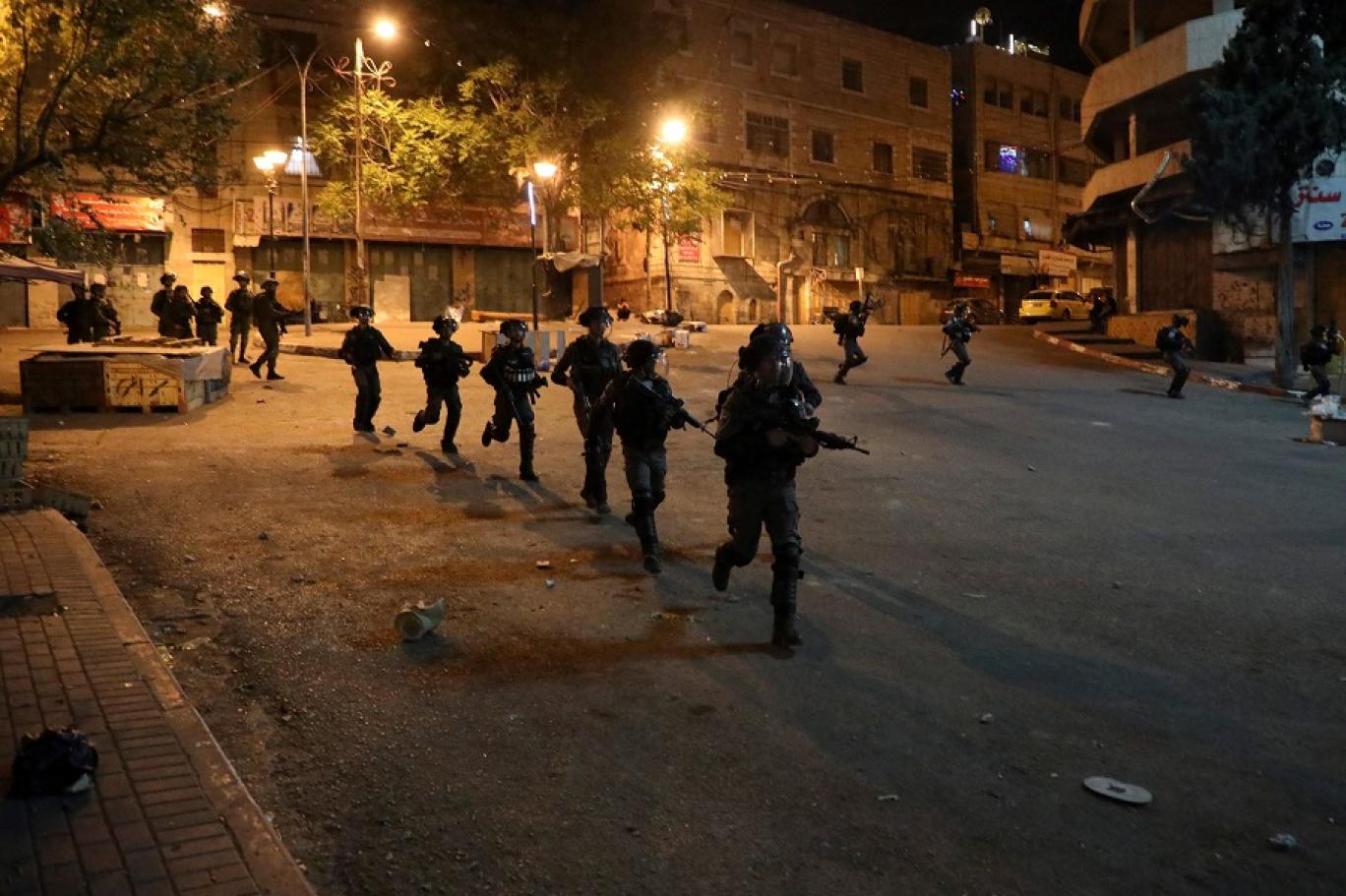
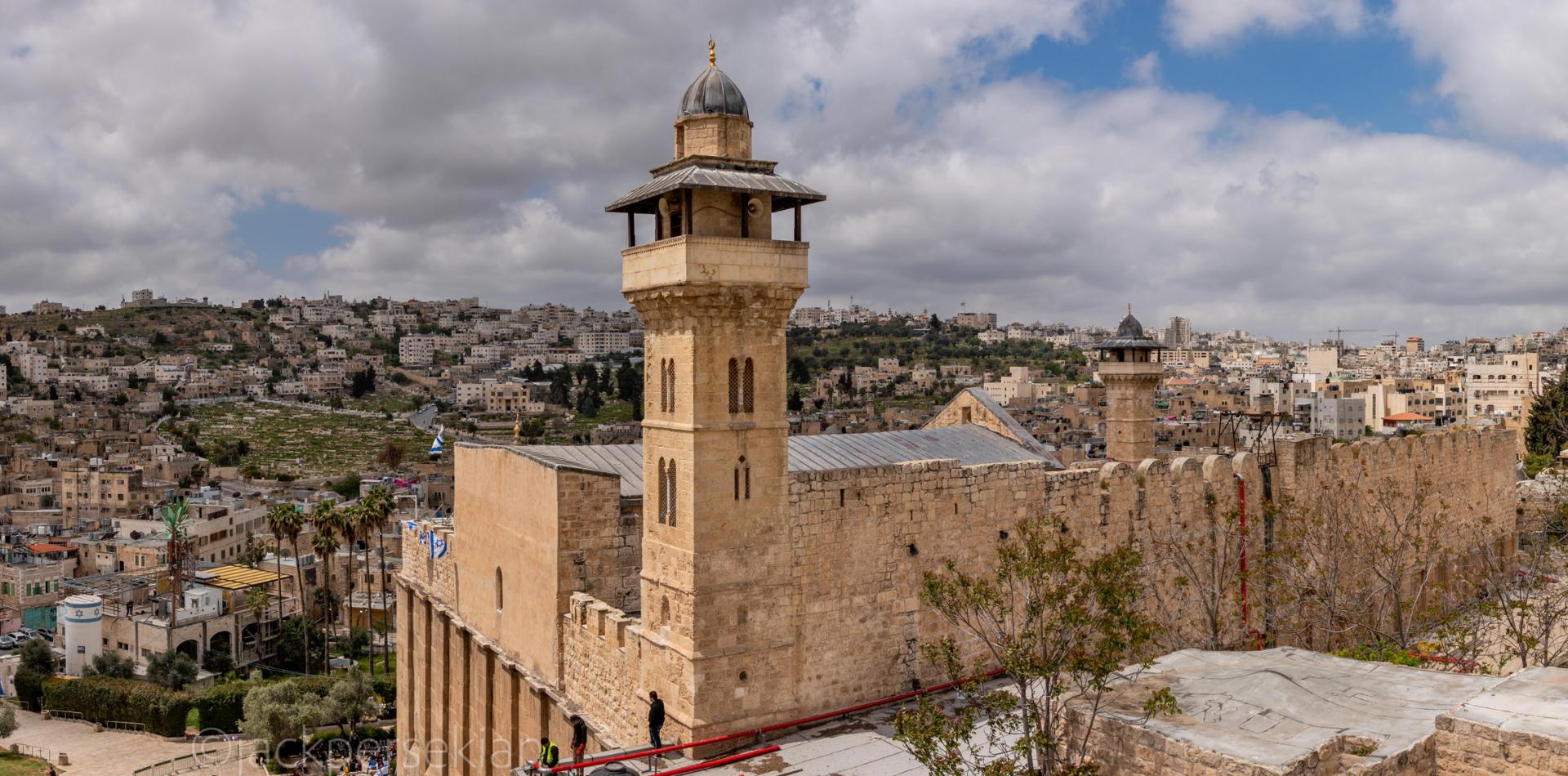
CROSSFIREARABIA – The Israeli occupation has banned the Muslim call of prayer (Athan) in the Al Ibrahimi Mosque in Hebron now for the last eight days according to Hafthi Abu Sneini, former director of the compound. He said this measure is part of a policy of restrictions the Israeli occupation is imposing on the mosque and those who go and pray there. Abu Sneini added the Israelis impose total control since the keys to the mosque are their hands and they control the Athan room. He pointed out the Israelis are preventing the director and the “caretakers” of the mosque from entering the mosque for 12 days to prevent what they are documenting they “Judization” process they are imposing on the Islamic compound.