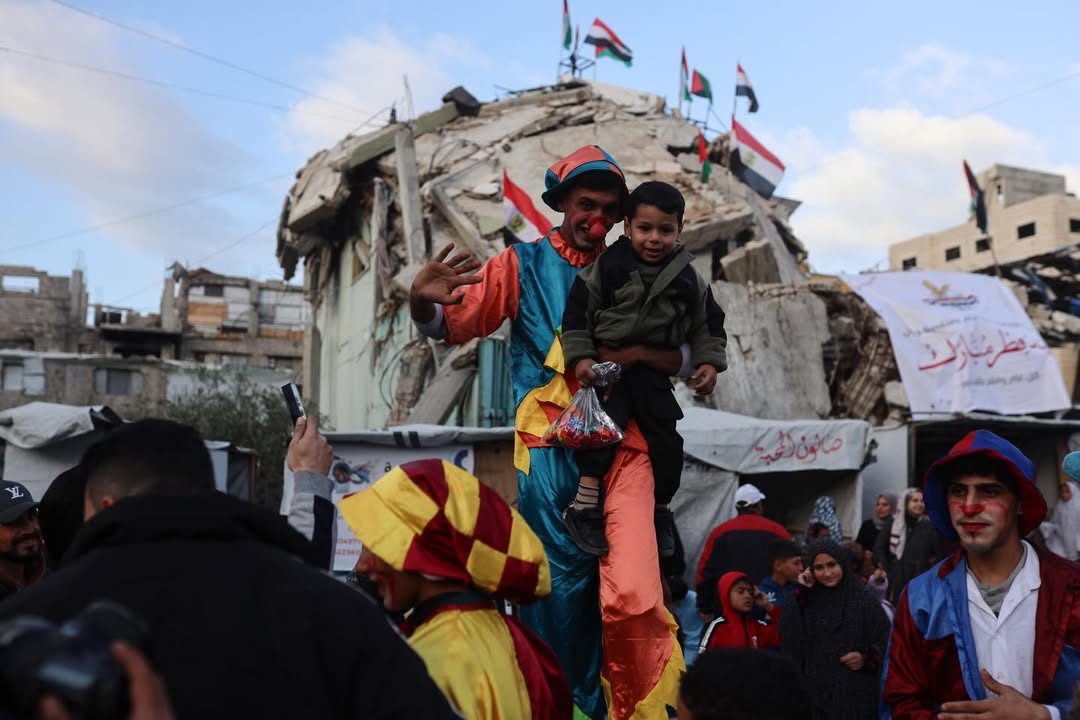
 Eid Mubarak Gaza
 US-Israel Drags The World Into a Global Crisis
 Eid Mubarak
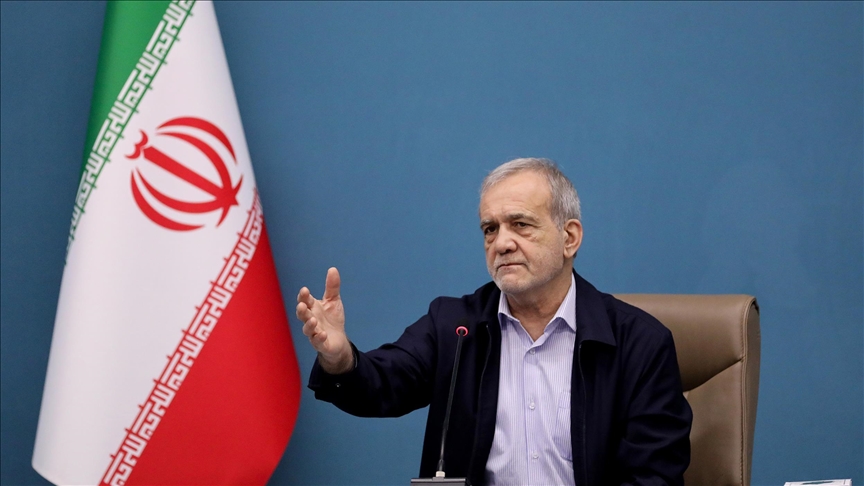
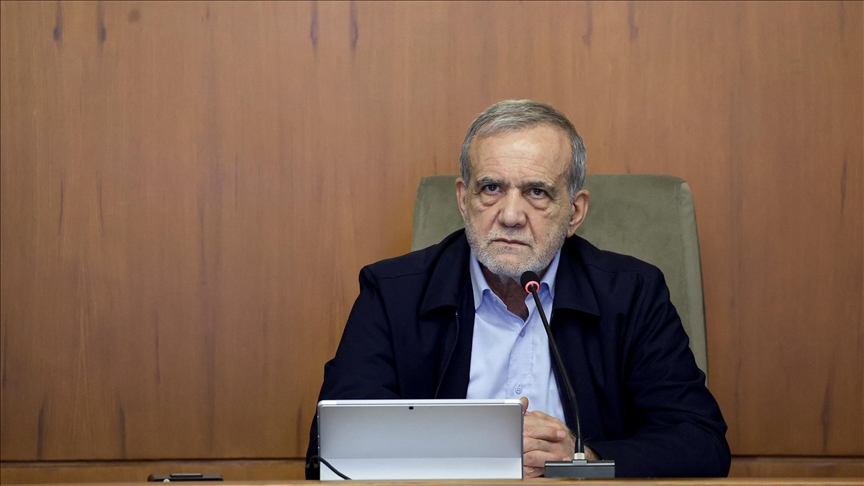 Pezeshkian: ‘Iran Will Not Surrender to Bullies’

Eid Mubarak Gaza
 CrossFireArabia
- March 20, 2026
 CrossFireArabiaCrossFireArabiaCrossFireArabiaCrossFireArabiaCrossFireArabiaCrossFireArabiaCrossFireArabiaCrossFireArabiaCrossFireArabiaCrossFireArabiaCrossFireArabiaCrossFireArabiaCrossFireArabiaCrossFireArabiaCrossFireArabiaCrossFireArabiaCrossFireArabiaCrossFireArabiaCrossFireArabiaCrossFireArabiaCrossFireArabiaCrossFireArabiaCrossFireArabiaCrossFireArabiaCrossFireArabiaCrossFireArabiaCrossFireArabiaCrossFireArabiaCrossFireArabiaCrossFireArabiaCrossFireArabiaCrossFireArabiaCrossFireArabiaCrossFireArabia
 Saleem Ayoub QunaCrossFireArabiaCrossFireArabiaCrossFireArabiaCrossFireArabiaCrossFireArabiaCrossFireArabiaCrossFireArabiaCrossFireArabiaCrossFireArabiaCrossFireArabiaCrossFireArabiaCrossFireArabiaCrossFireArabiaCrossFireArabiaCrossFireArabiaCrossFireArabia
Turkish President Recep Tayyip Erdogan lambasted Israeli Prime Minister Benjamin Netanyahu on Tuesday for Israel’s attack on the Hamas negotiation team in Qatar last week, saying, “Ideologically, Netanyahu is like a relative of Hitler.”
“Just as Hitler could not foresee the defeat that awaited him, Netanyahu will face the same ultimate fate,” he added while returning from Doha, where he attended an emergency Arab-Islamic summit following the Israeli airstrike according to Anadolu.
Erdogan called the attack on the Hamas negotiation team “a blatant challenge to international order and international law” and said Israel’s leadership has “turned their radical mindset into nothing more than a murderous network built on fascist ideology.”
The Turkish president also addressed Western countries’ recognition of Palestine, saying it would put further pressure on Israel and pledging to raise the issue again at the United Nations.
He expressed hope that “the front of humanity will gain broader support” at the upcoming UN General Assembly.
Lastly, Erdogan also addressed Türkiye’s diplomacy in Libya, emphasizing the protection of the country’s sovereignty and unity. “We are committed to safeguarding Libya’s sovereignty, territorial integrity, and political unity, and all our actions are guided by these objectives,” he said.
He noted that Türkiye has supported the legitimate Tripoli government from the outset, while recent policies have also sought to open diplomatic channels with eastern Libya. “This reflects Türkiye’s multidimensional diplomatic efforts, regional vision, and commitment to achieving peace,” Erdogan said.
He added that the Benghazi administration’s approval of the maritime jurisdiction agreement signed between Türkiye and Tripoli would be a “significant gain under international law.”
CrossFireArabia
By Mohammad Abu Rumman
“This is not a geopolitical battle; it is a spiritual battle. A battle of the ages. It is not horizontal. It is not left or right, liberal or conservative. It is a vertical battle… a battle of heaven against hell, good against evil. People must see it in this context, or they will completely fail to understand it.”
With these words, Mike Huckabee, the U.S. ambassador to Israel, described the ongoing war of extermination in Gaza during an interview with NBC. He criticized the move by several European states to recognize Palestine at the United Nations this month, adding: “You do not stand with Israel merely because you agree with its government… but because it defends the traditions of Abraham, Isaac, and Jacob.”
This rhetoric aligns seamlessly with statements made by members of Netanyahu’s government. Finance Minister Bezalel Smotrich, for example, openly called for the “complete destruction of Gaza” and the forced displacement of its residents to other countries, invoking biblical injunctions about “erasing the memory of Israel’s enemies.” What is striking is that such discourse is no longer viewed as fringe or shocking in Western and global media and political circles. It has become commonplace—voiced by ministers, politicians, and even Netanyahu himself—steeped in extremism and religious absolutism toward “the other.” In this case, the “other” is the Palestinians as a whole, along with anyone who dares oppose the Israeli far right.

Here, the urgent question arises: how should terrorism and extremism be redefined today? Who is the true terrorist? And what form of terrorism most threatens regional security and societal peace?
Following the September 11 attacks in 2001, the United States declared its “war on terror,” rallying dozens of states against al-Qaeda and later ISIS. ISIS was undeniably a brutal extremist group that committed massacres, established a so-called caliphate, and tore down borders between Syria and Iraq. Yet it remained an isolated, besieged organization—globally reviled, stripped of legitimacy, and unsupported by institutions or states. What we witness today, by contrast, is state terrorism practiced openly, backed by major powers, and legitimized through religious rhetoric presented as divine will. The irony is palpable: Israel engages in territorial expansion, rejects recognized borders, launches cross-border military strikes, and has a prime minister who frames his mission in explicitly spiritual and historic terms—the realization of Greater Israel.

Skeptics may argue that labeling Israel a terrorist state changes nothing; it clashes with power dynamics and U.S. strategic interests. Perhaps. Yet it remains essential to reshape Arab, Islamic—and indeed universal—awareness of these realities, and to recalibrate the very language and definitions we use. These should form part of today’s Arab political, media, and diplomatic discourse. If an international coalition against terrorism is to exist, the actor most deserving of that designation is Israel’s government—not transient groups like ISIS or al-Qaeda. Huckabee’s words and the declarations of Netanyahu’s ministers are not aberrations; they are clear manifestations of this reality: state terrorism, sanctified by religion and legitimized internationally. If there is a rogue state whose leaders should stand before the International Criminal Court for genocide and mass killings, it is Israel.
This framing is of enormous significance for international, regional, and even domestic debates. Otherwise, Arab political and intellectual circles will continue to be dragged along by narratives that consistently place the blame on extremist movements emerging here or there—movements that are, in truth, the predictable outcomes of political dysfunction. Whether born of Israeli aggression or Arab authoritarianism, such groups are less causes than consequences. To blame them alone is to misread the sequence of cause and effect.
Today, amid the genocidal war on Gaza, a new political generation is coming of age. It witnesses, daily and directly, the starvation, slaughter, and devastation visited upon children, women, and civilians. It also sees the deafening global silence, alongside Arab paralysis and strategic impotence. What reactions can we reasonably expect from such a generation? This is not an attempt at justification, but rather an explanation of what is taking shape: a coming wave of anger among youth, or a wave that others may channel into particular political or religious agendas. That wave is already being born—out of the crucible of Gaza.
The writer is a columnist in The Jordan Times
CrossFireArabia
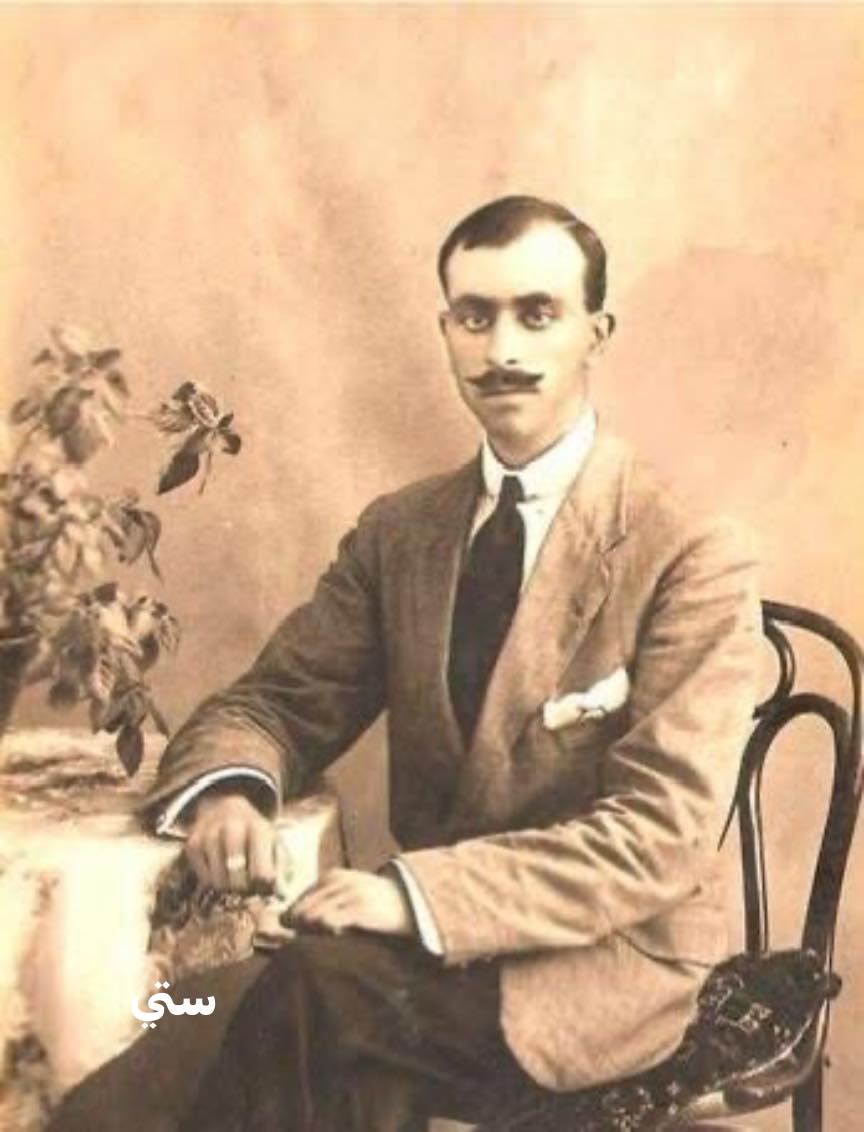
Image shows a young Palestinian girl in Ramallah, Palestine. The photo was taken in 1917
CrossFireArabia
The United Nations has condemned the deadly Israeli military offensive in Gaza City that occurred this past weekend, Spokesperson Stéphane Dujarric said on Monday.
The situation “is having an appalling impact on civilians enduring suffering and starvation,” he told journalists in New York.
“The United Nations condemns the deadly escalation of the Israeli military offensive which took place over the weekend across Gaza City, with scores of people reportedly killed or injured,” he said.
“We reiterate our call for the protection of civilians and humanitarian personnel and full respect for international law.”
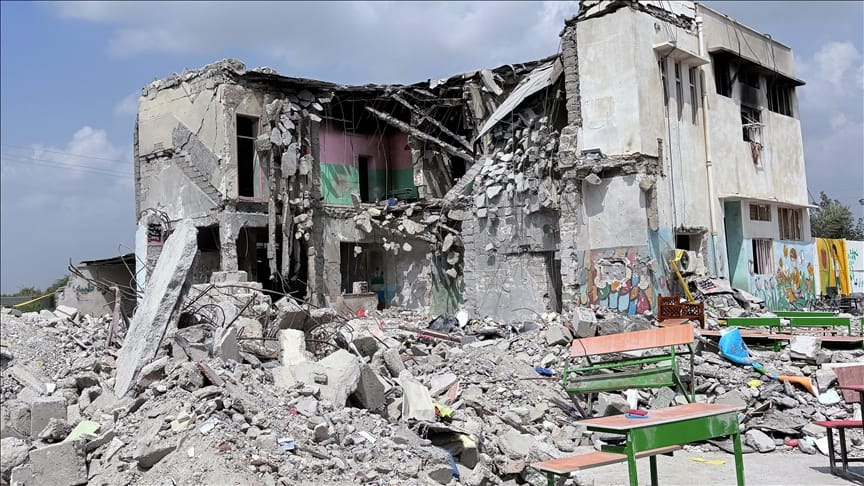
In a post on X on Sunday, the head of the UN agency for Palestine refugees, UNRWA, said that 10 of its buildings in Gaza City had been hit in the past four days alone, including seven schools and two clinics which were being used as shelters.
Almost 70,000 displaced people have headed south in the past few days, while UN partners counted 150,000 movements from north to south this past month.
Partners further reported that one third of malnutrition treatment facilities in Gaza City have shut down due to forced displacement orders, while the Ministry of Health today reported 425 deaths overall due to malnutrition and starvation in Gaza, about a third of which were children.
Over the past few days, UN partners have managed to distribute 40,000 additional meals each day. As of Saturday, 558,000 daily meals were prepared and distributed by 20 UN partners to 116 kitchens.
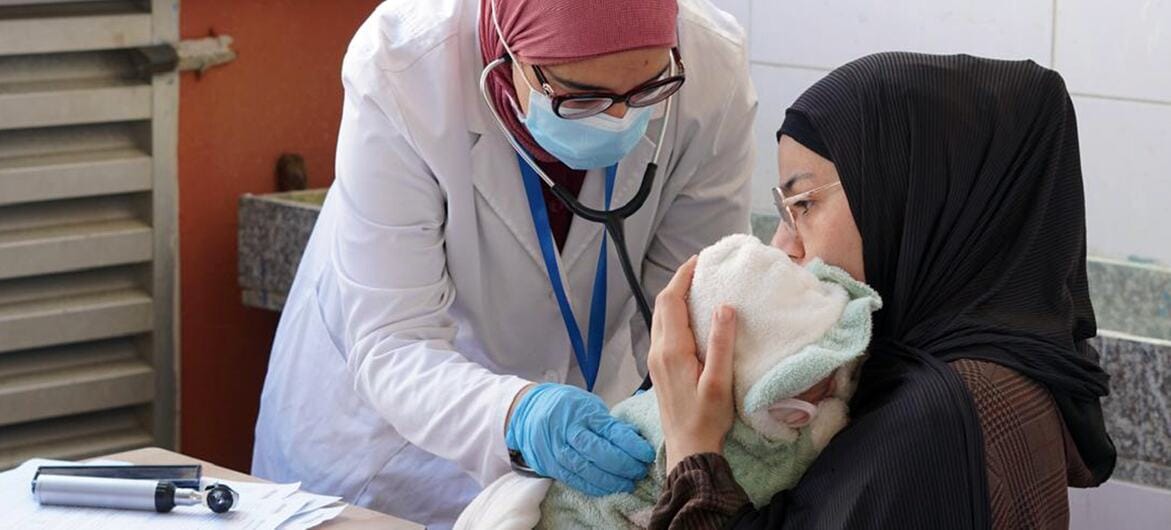
“However, health services continue to be heavily constrained, since clinics have suspended their services due to insecurity and displacement orders,” warned Mr. Dujarric, adding that in Deir Al-Balah, only a few ambulances remain in order and are able to serve the thousands of people in need.
Additionally, 77 per cent of the road networks in Gaza have been damaged and according to UN aid coordination office OCHA, humanitarian aid continues to be obstructed.
On Sunday, only four of the 17 missions that the UN coordinated with the Israeli authorities were facilitated. Seven missions were denied, one of which was meant to deliver water tanks to the north, while another four were impeded in the field, and two were cancelled by the organisers.
Nevertheless, three humanitarian missions were accomplished, including the collection of fuel and food cargo from the Kerem Shalom/Karem Abu Salem crossing.
“Our humanitarian colleagues continue to call for unimpeded humanitarian access,” stressed Mr. Dujarric. “Aid should flow at scale through multiple crossings into and within Gaza, including the north,” accoeding to UN News.