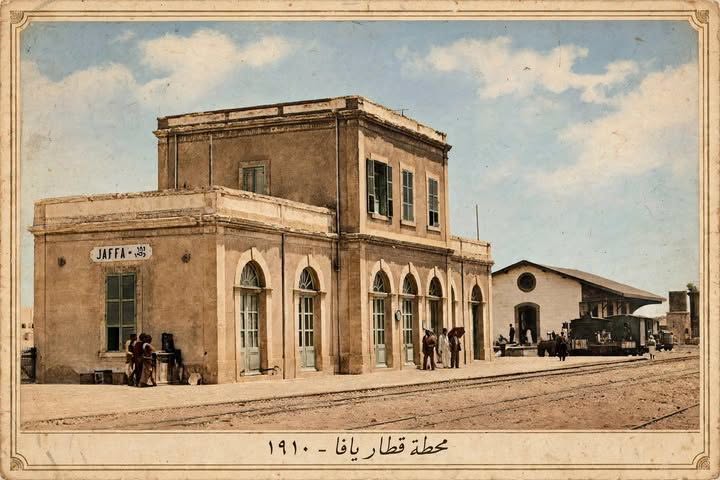
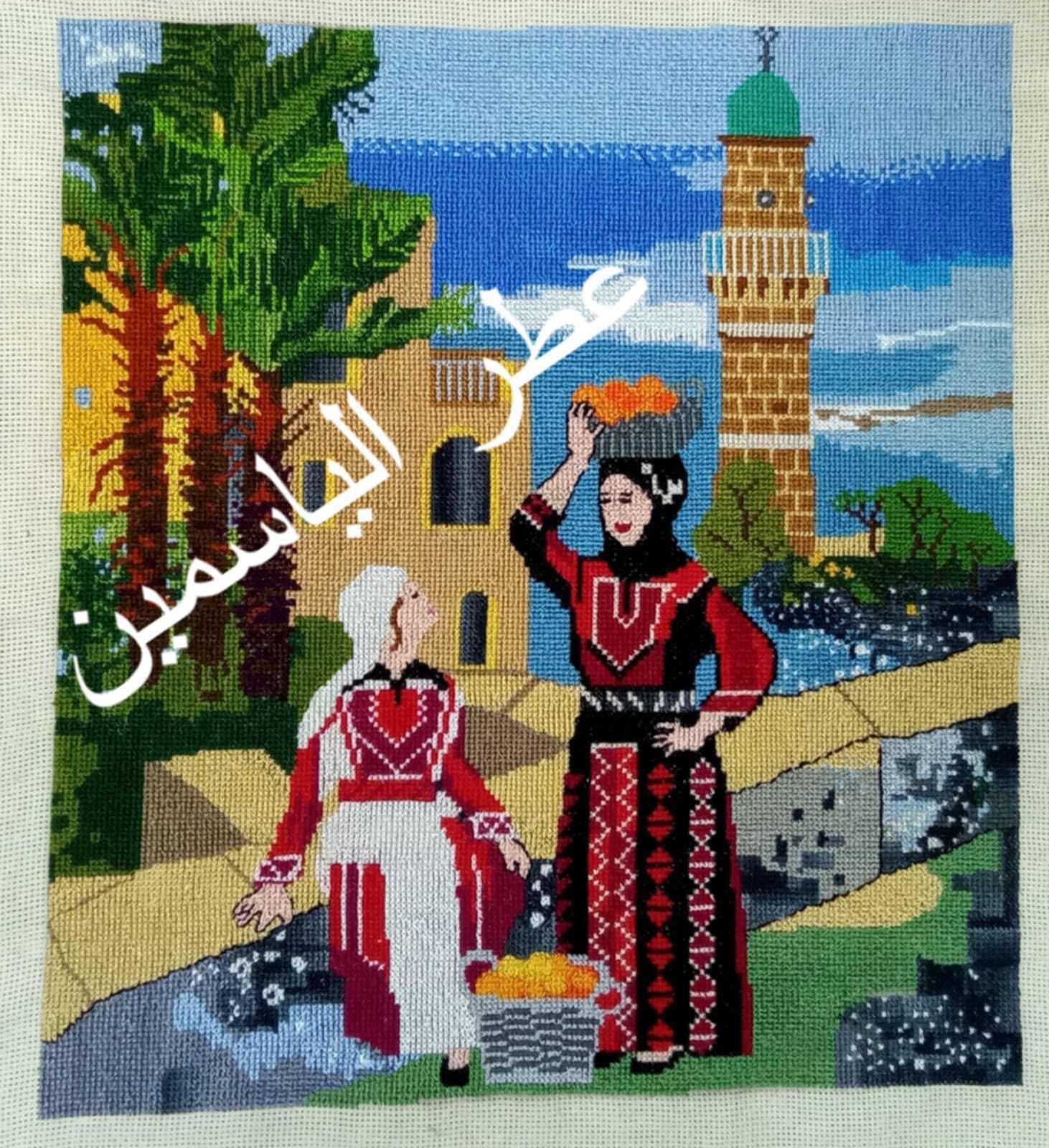
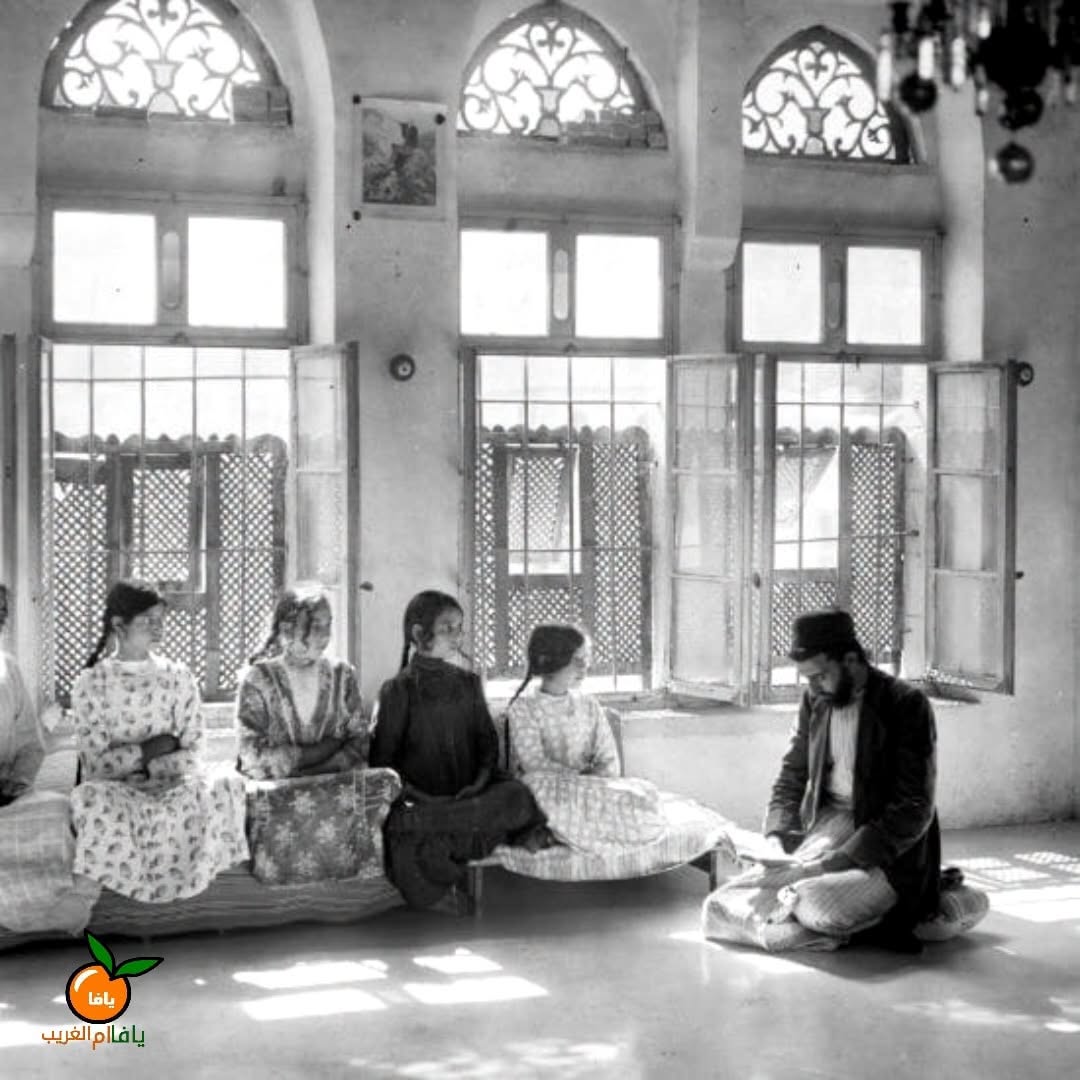
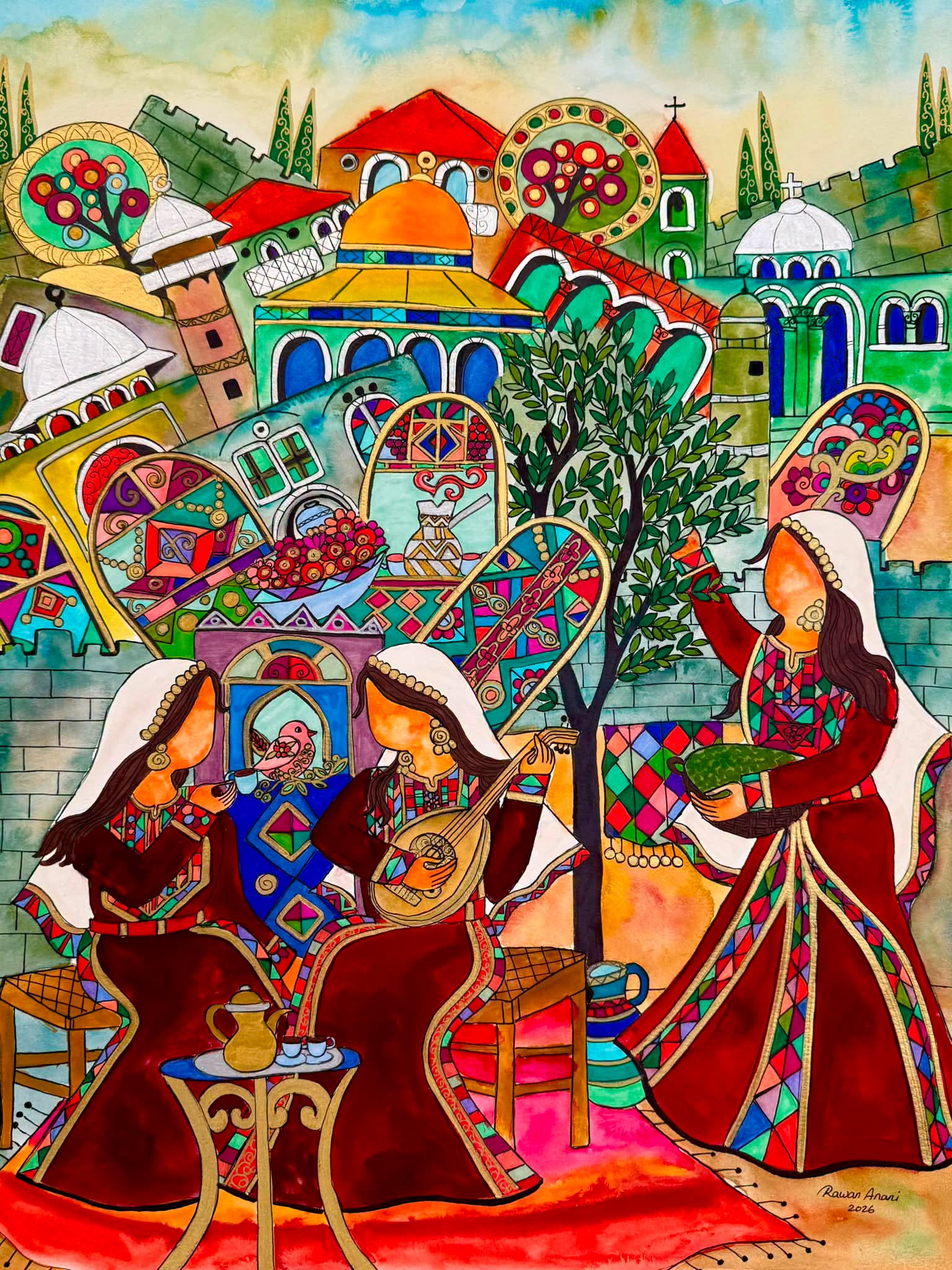
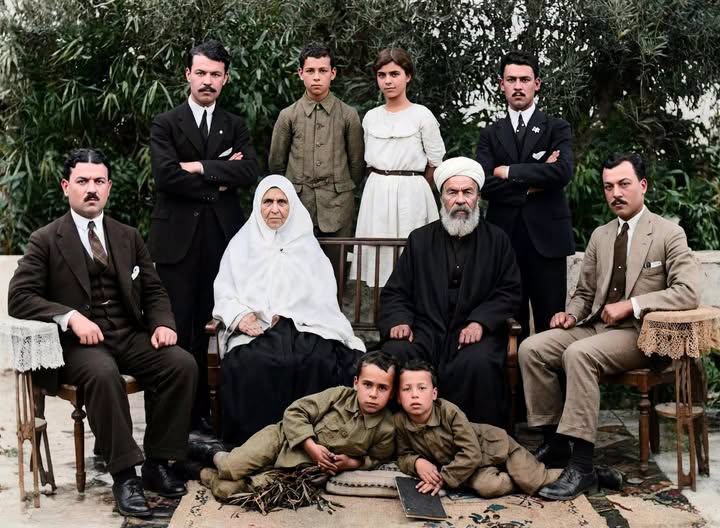
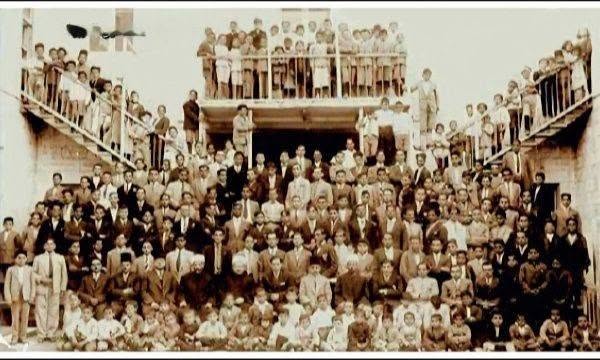
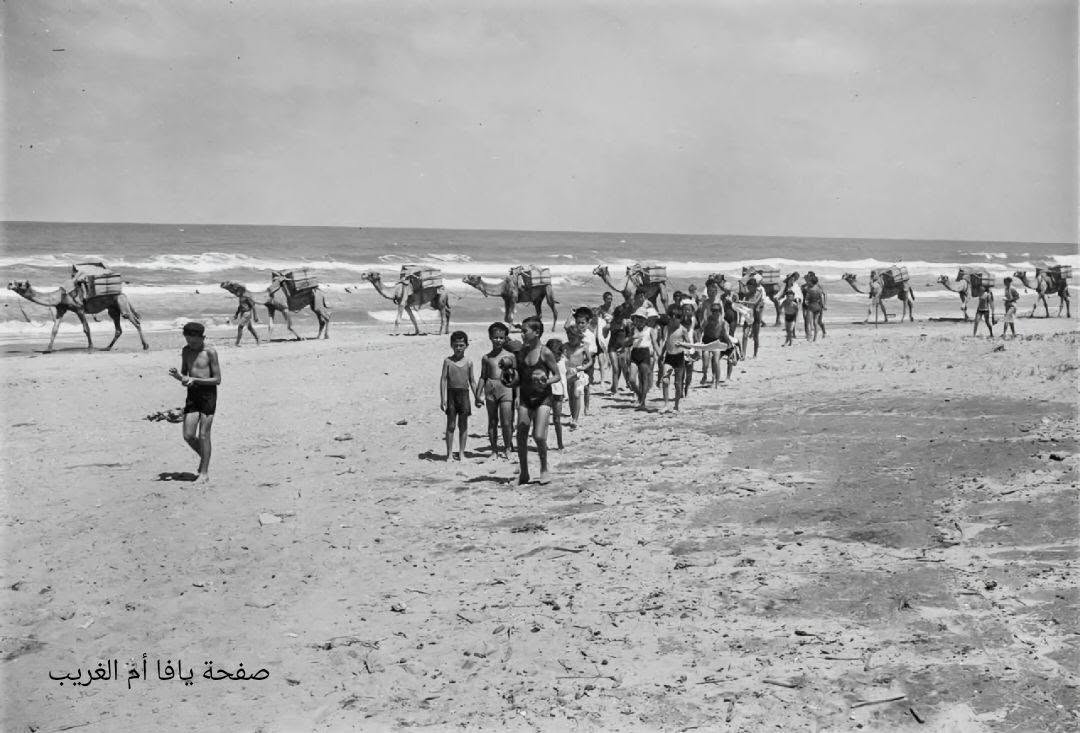
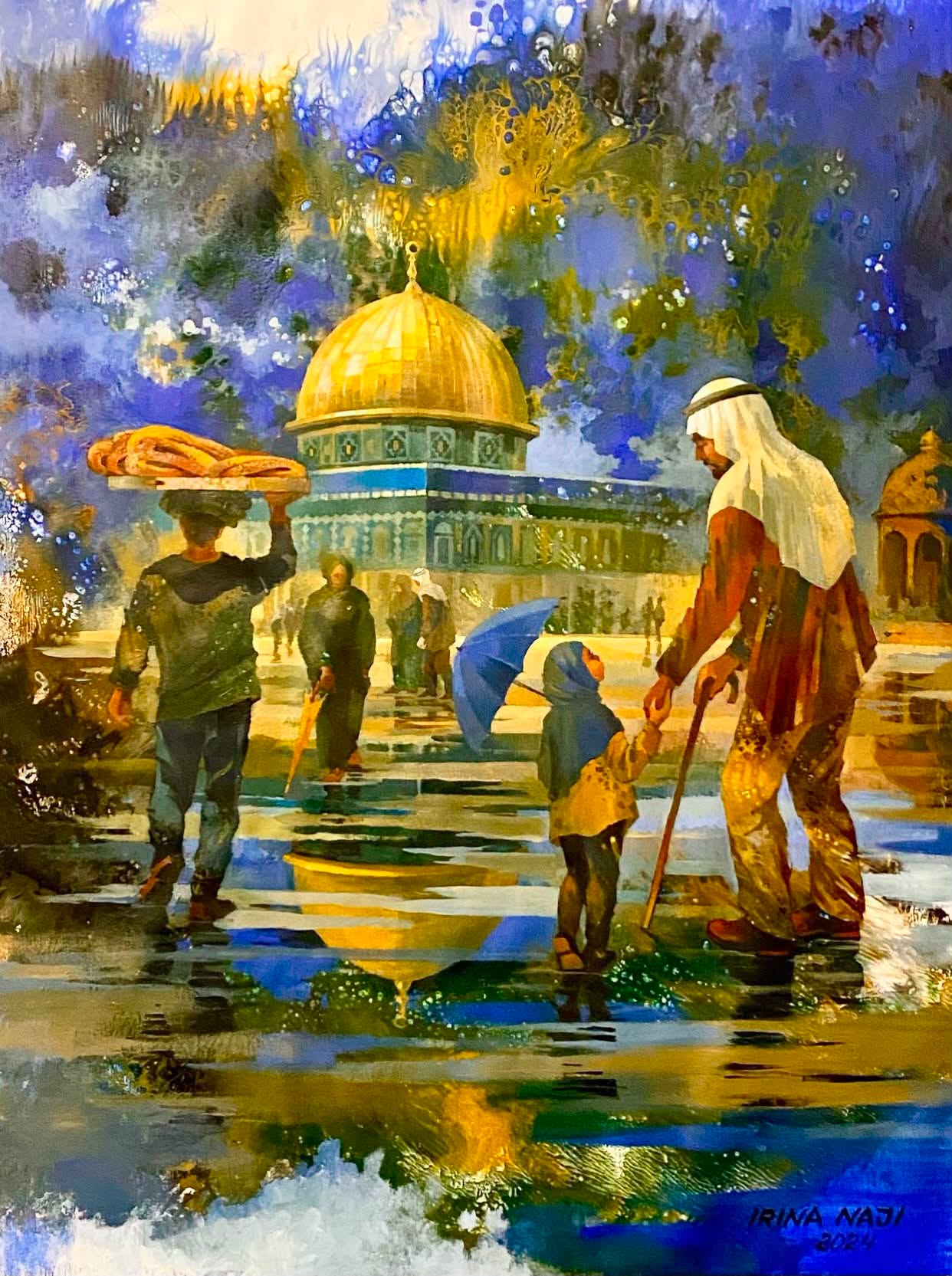
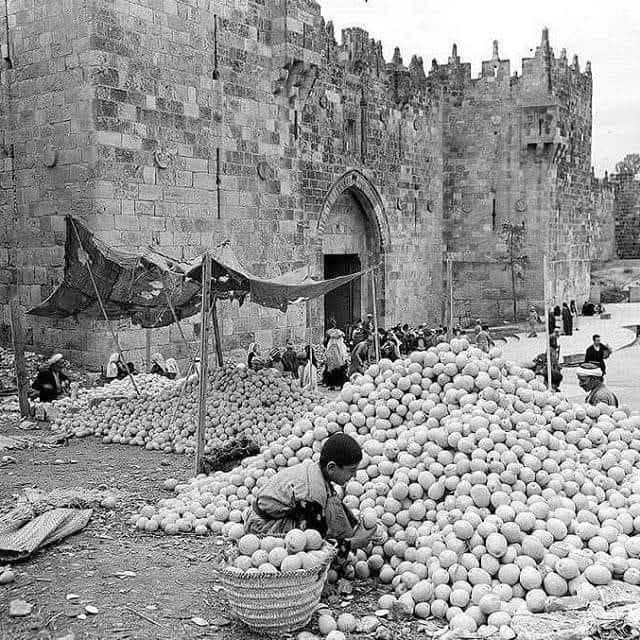
 Jaffa Oranges in Jerusalem, 1937
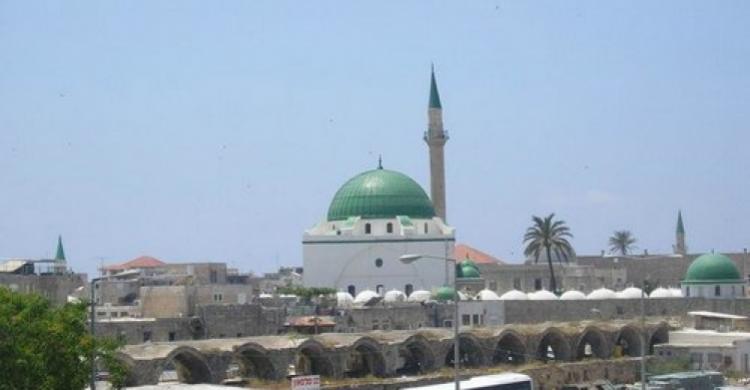
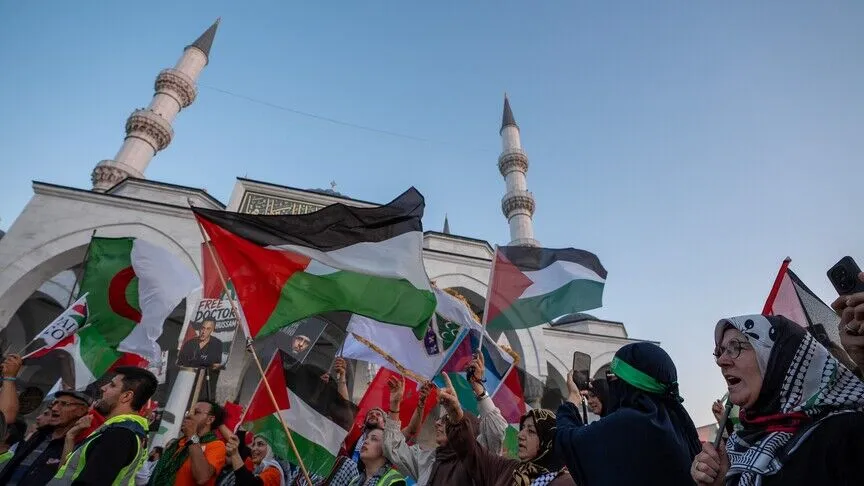
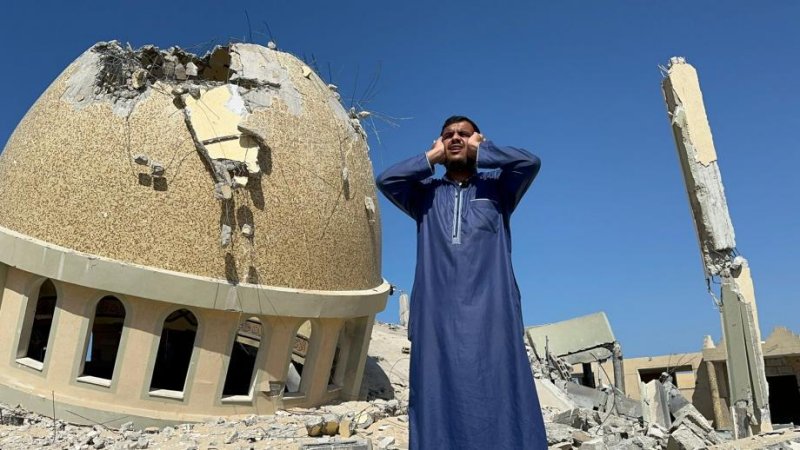 Gaza Begins to Restore Its Mosques
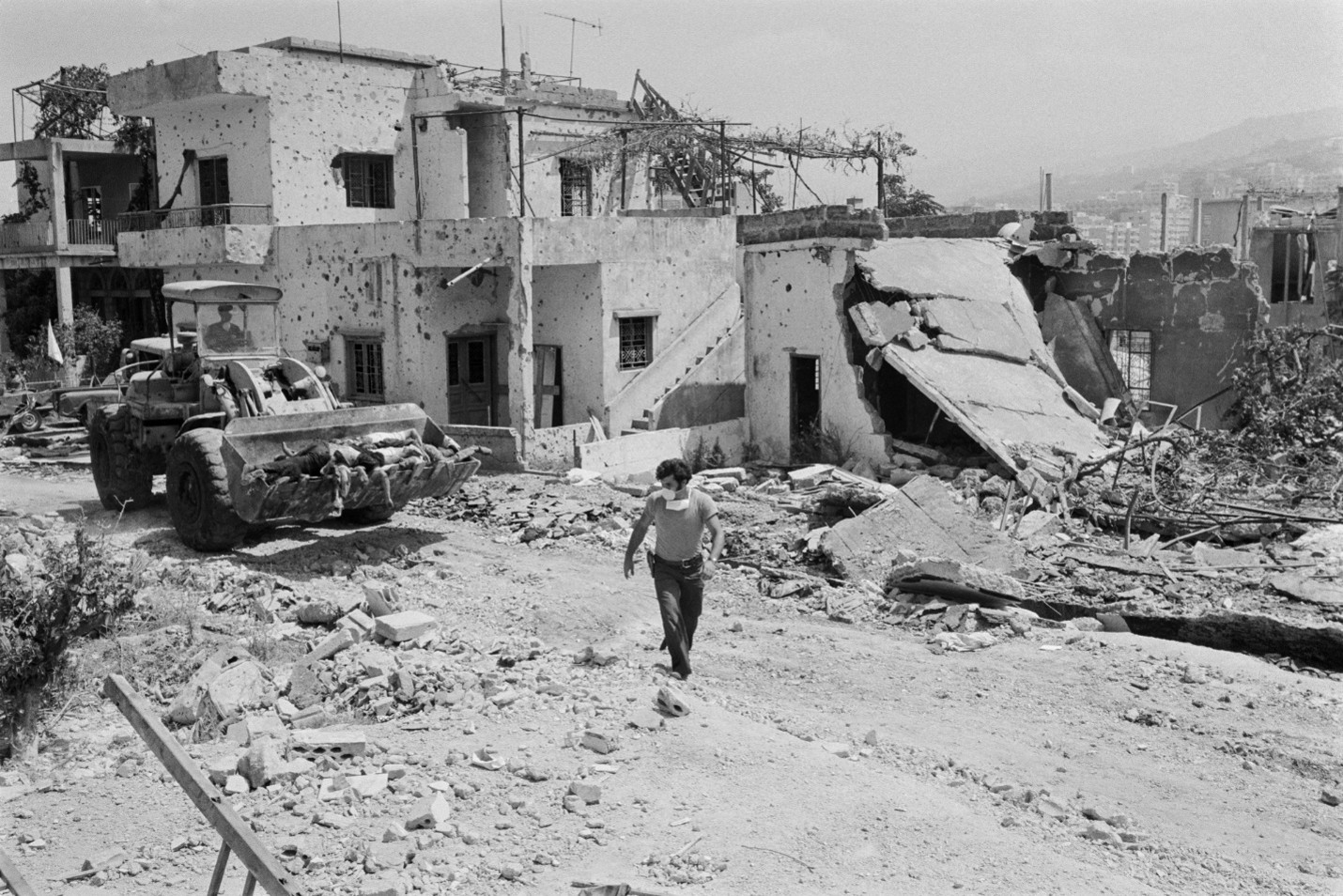
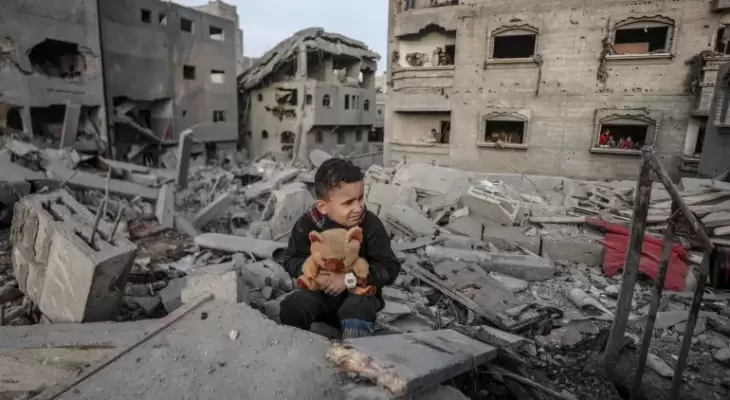
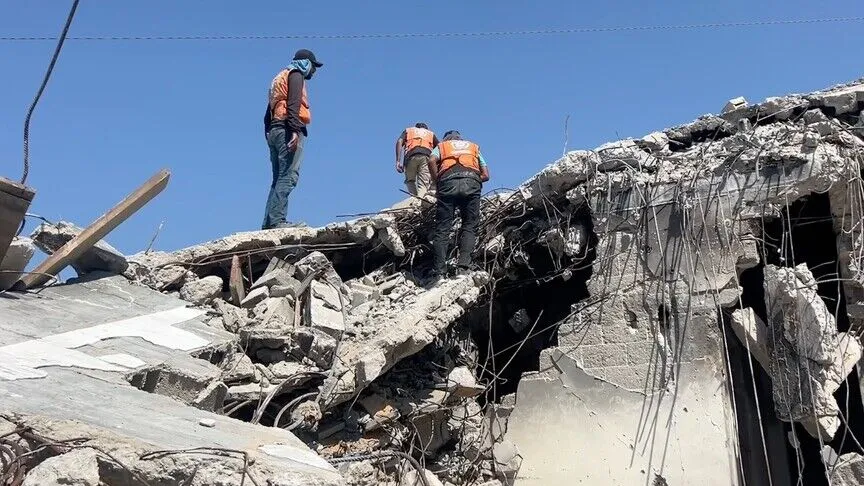
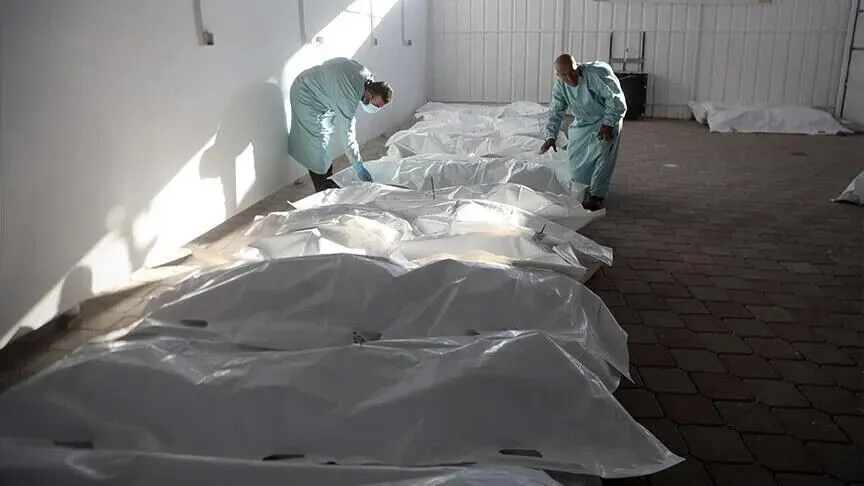
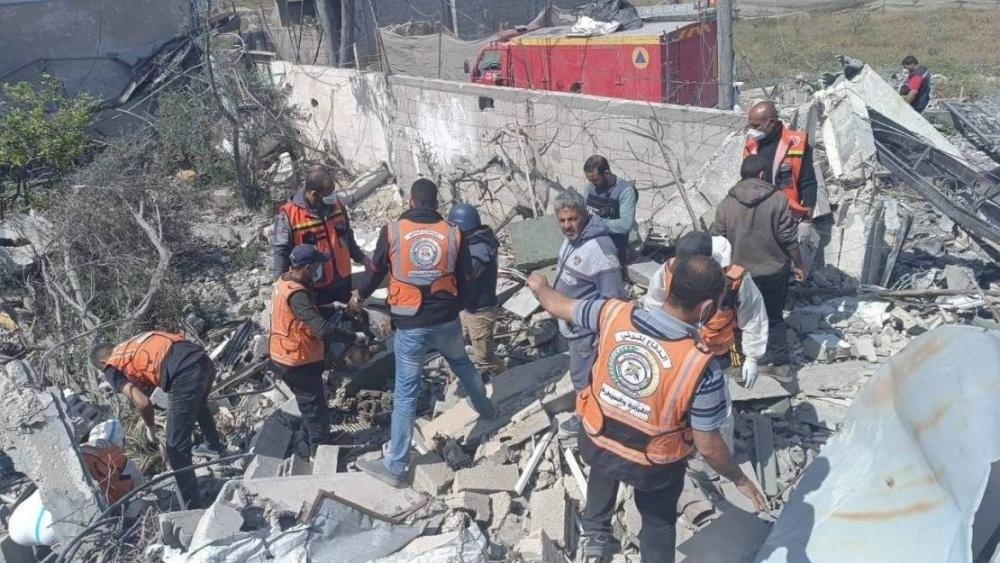
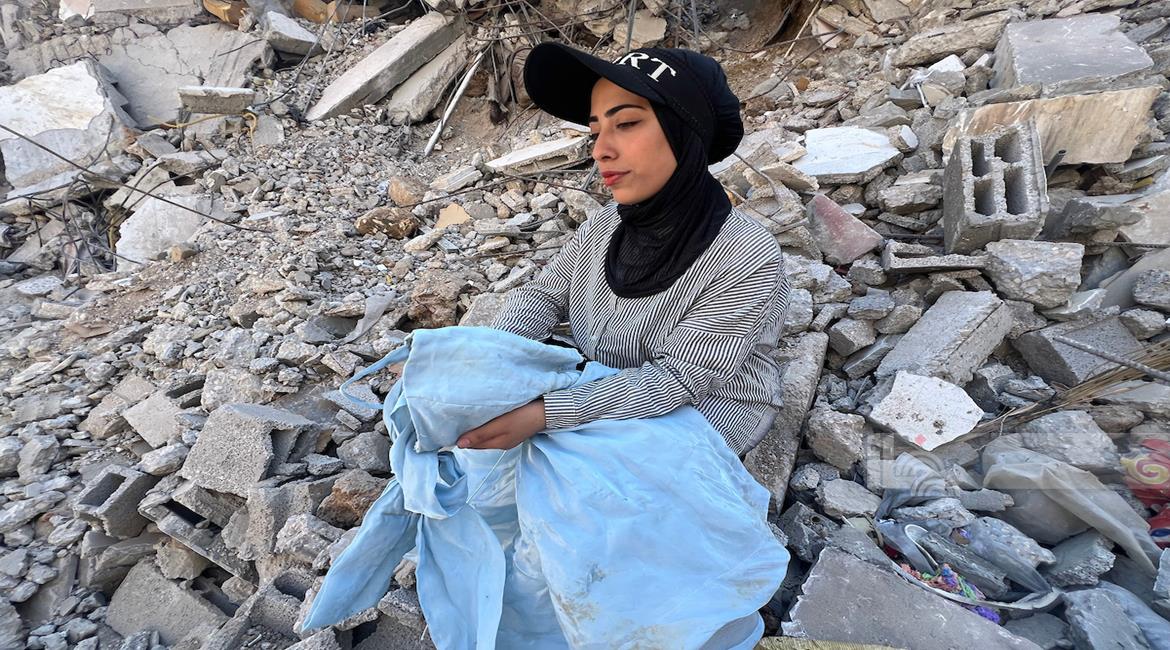
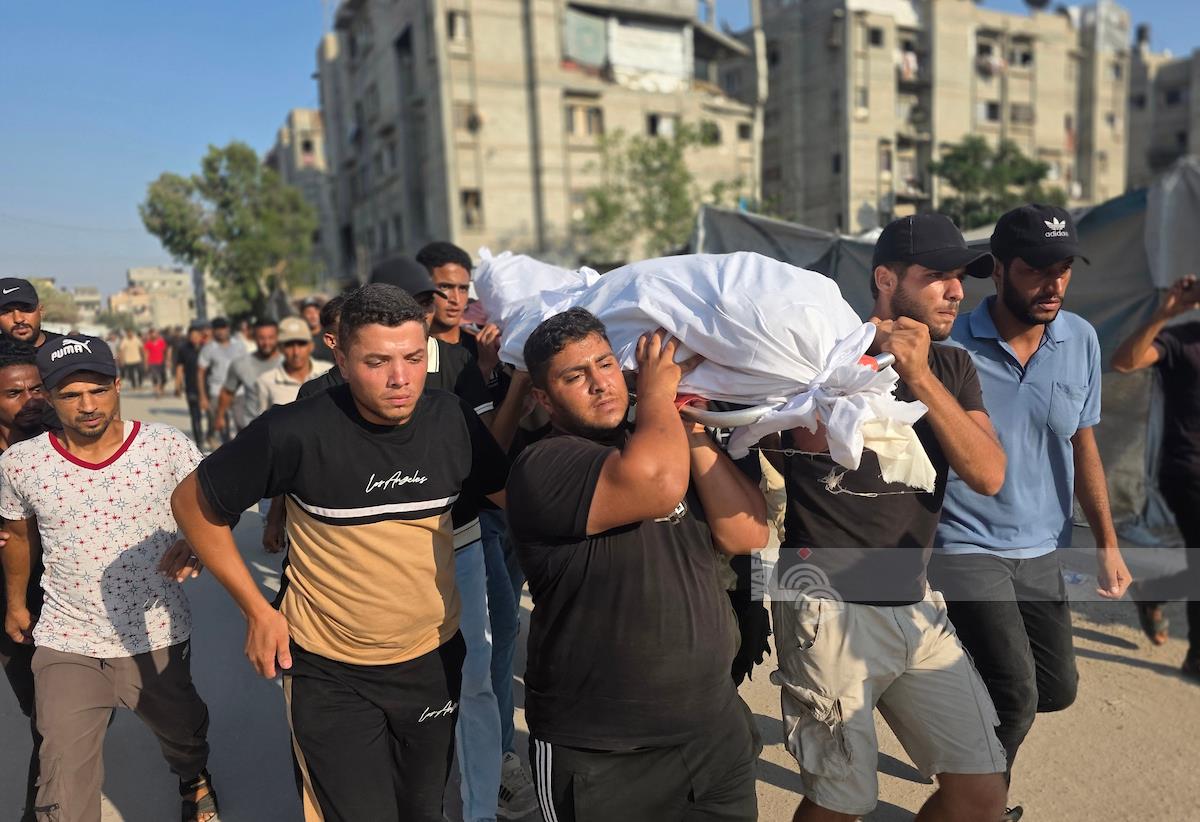
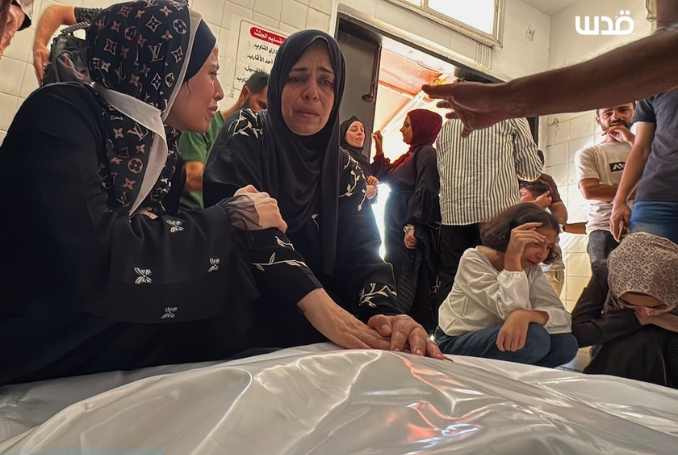
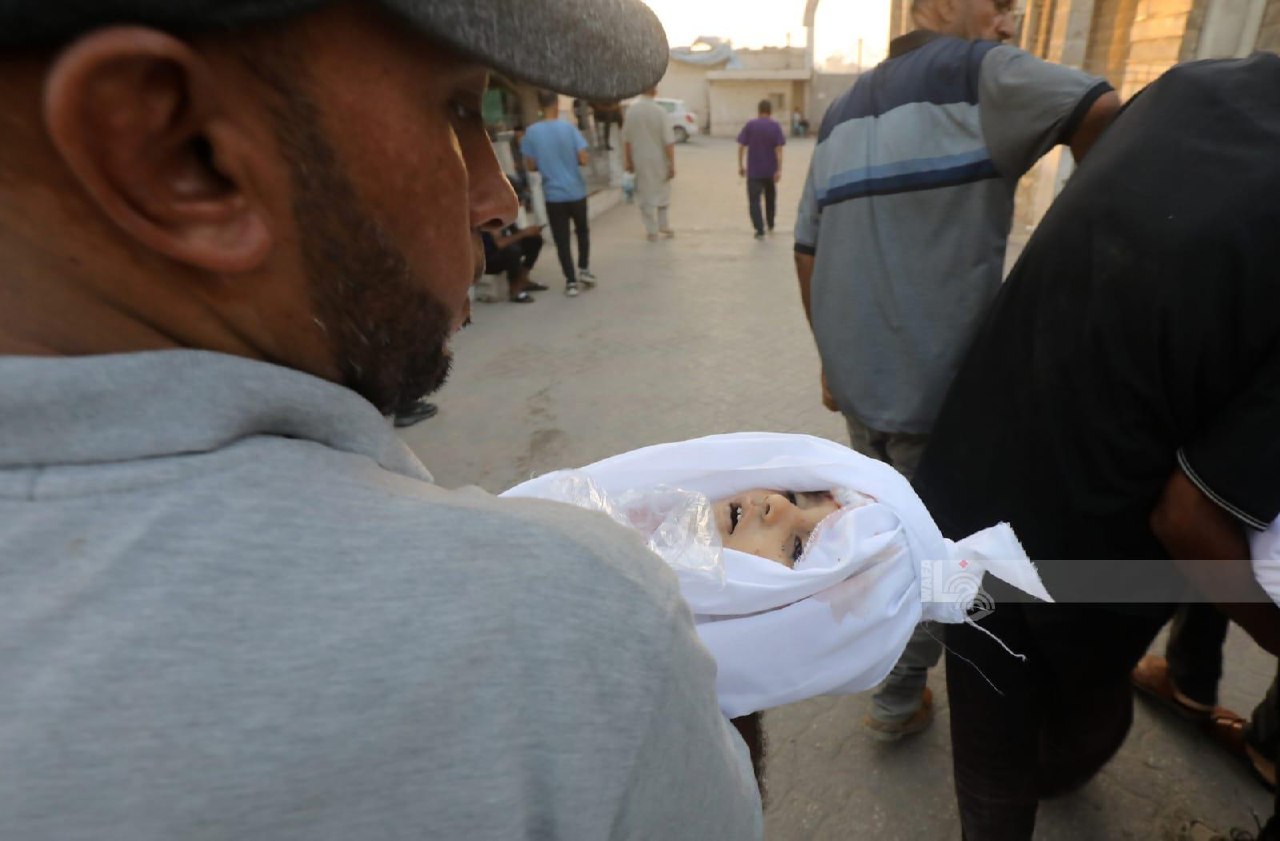
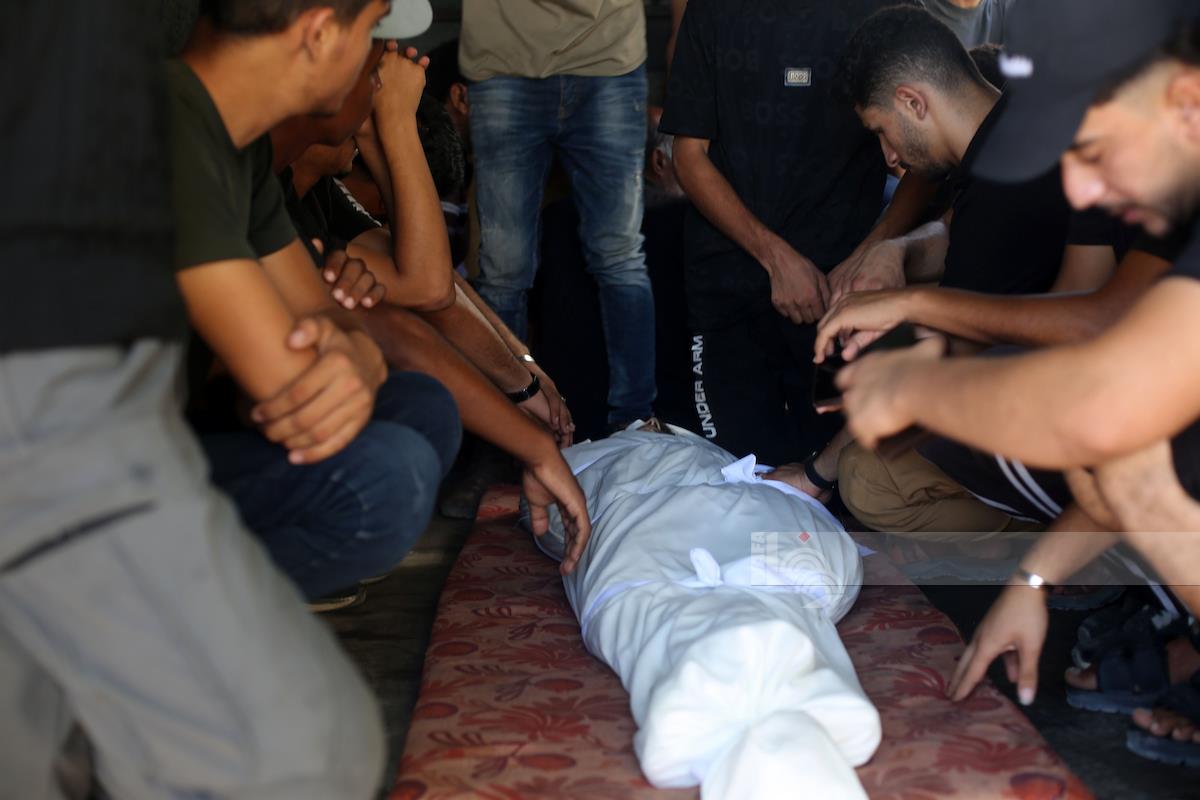
 12 Bodies Uncovered in Gaza City
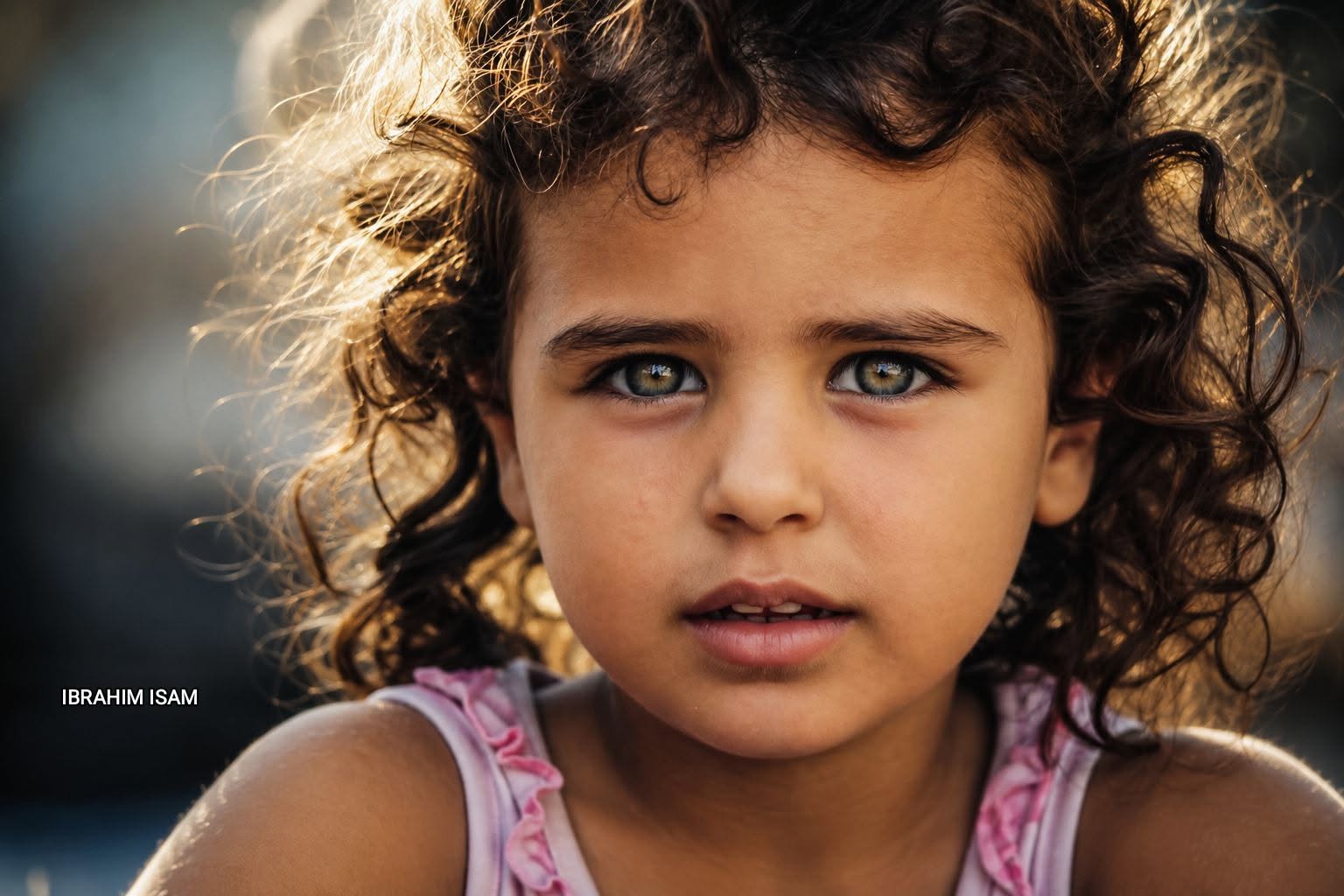
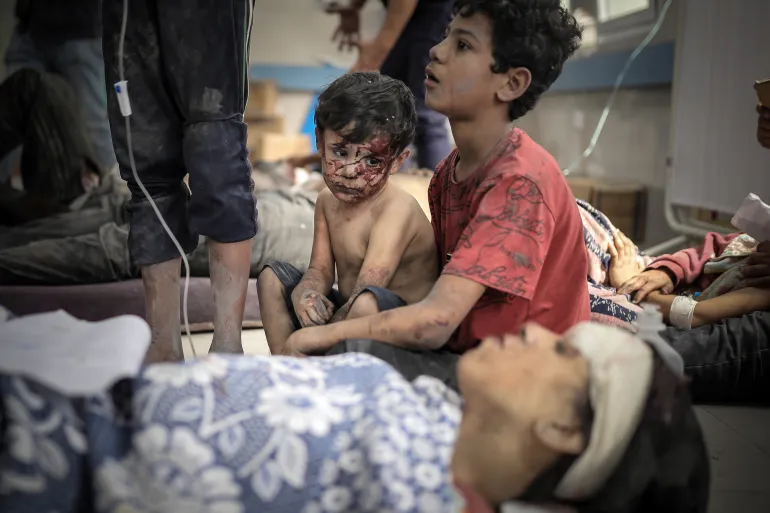
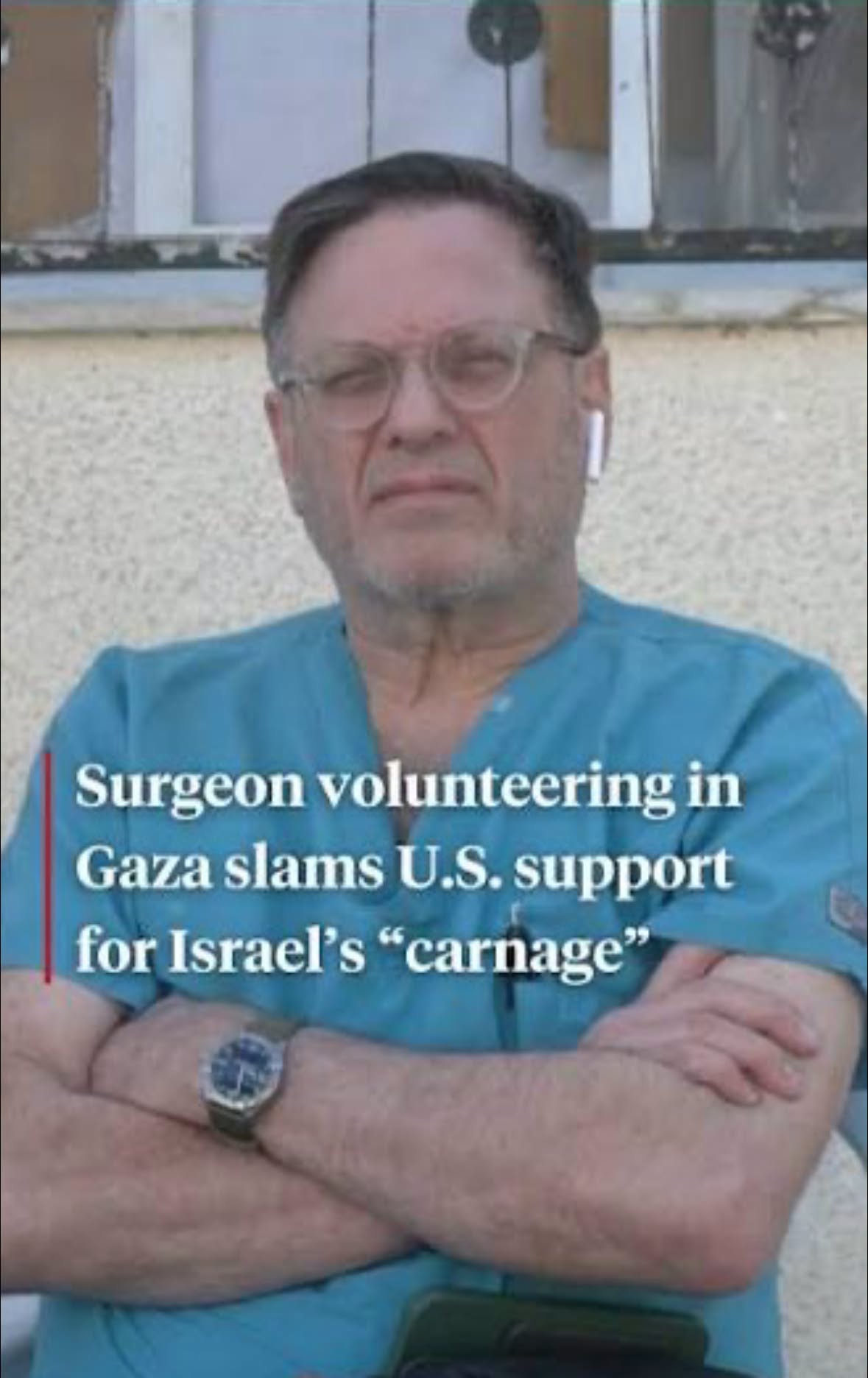 Dr. Mark Perlmutter recounts amputating the leg of a five-year-old girl in Gaza with no anesthesia available beyond an anesthesiologist singing to her.
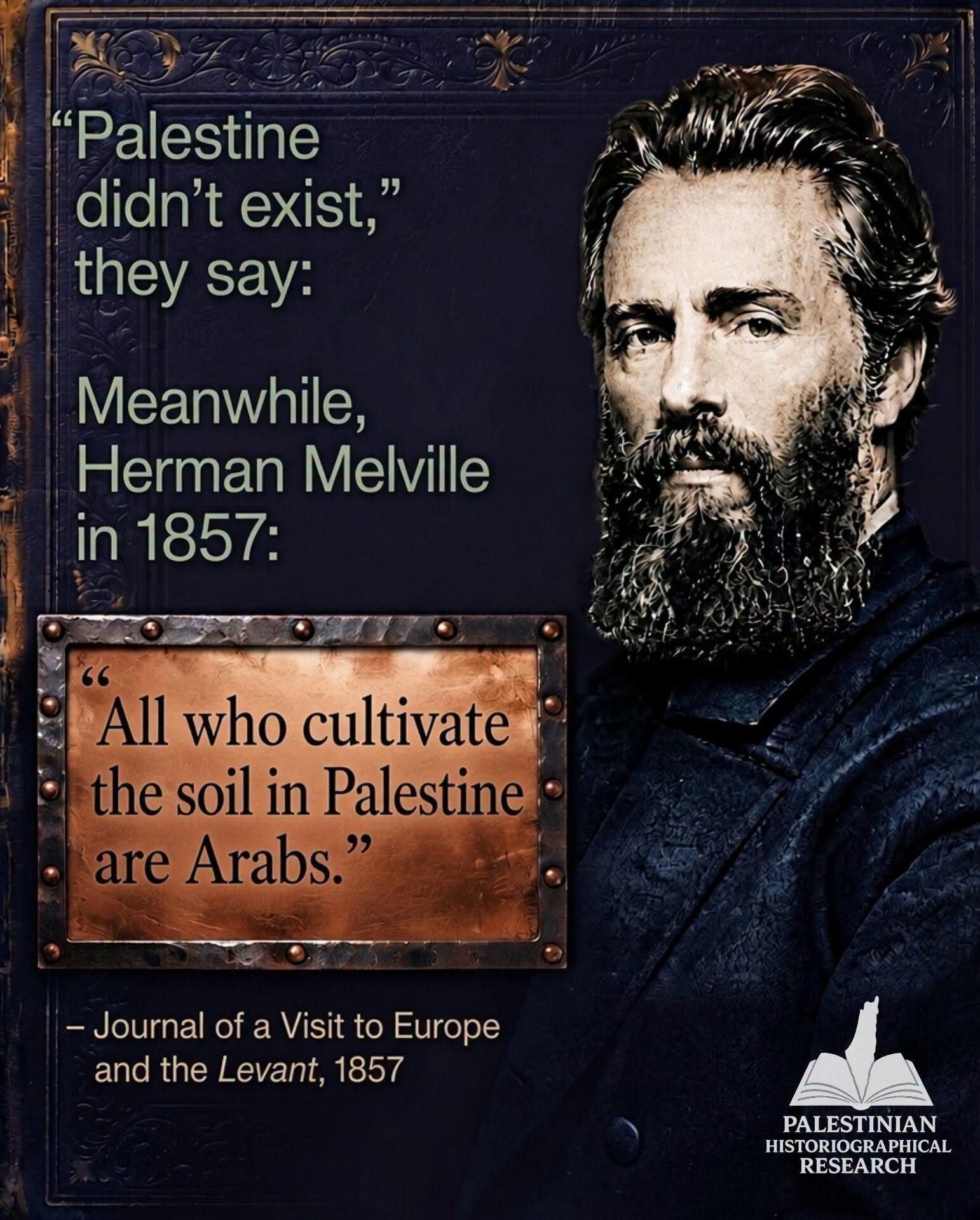 Herman Melville, Palestine, 1857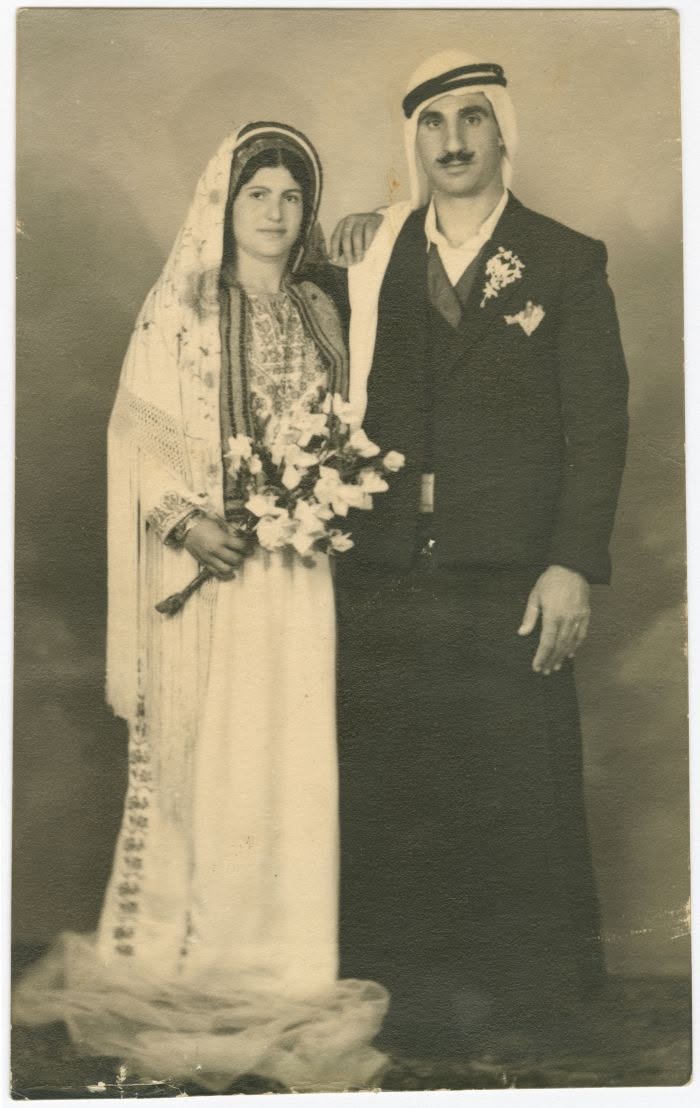
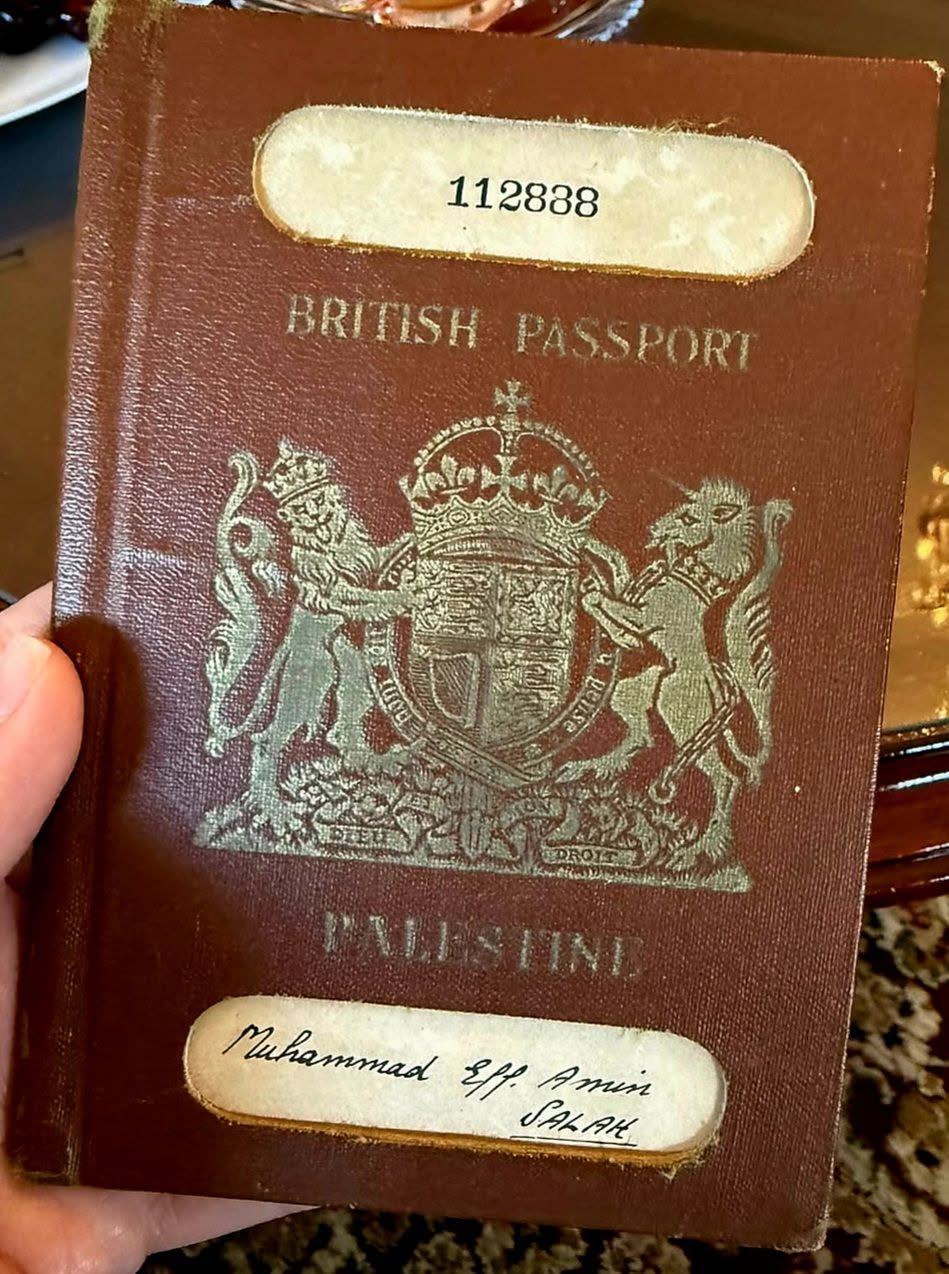
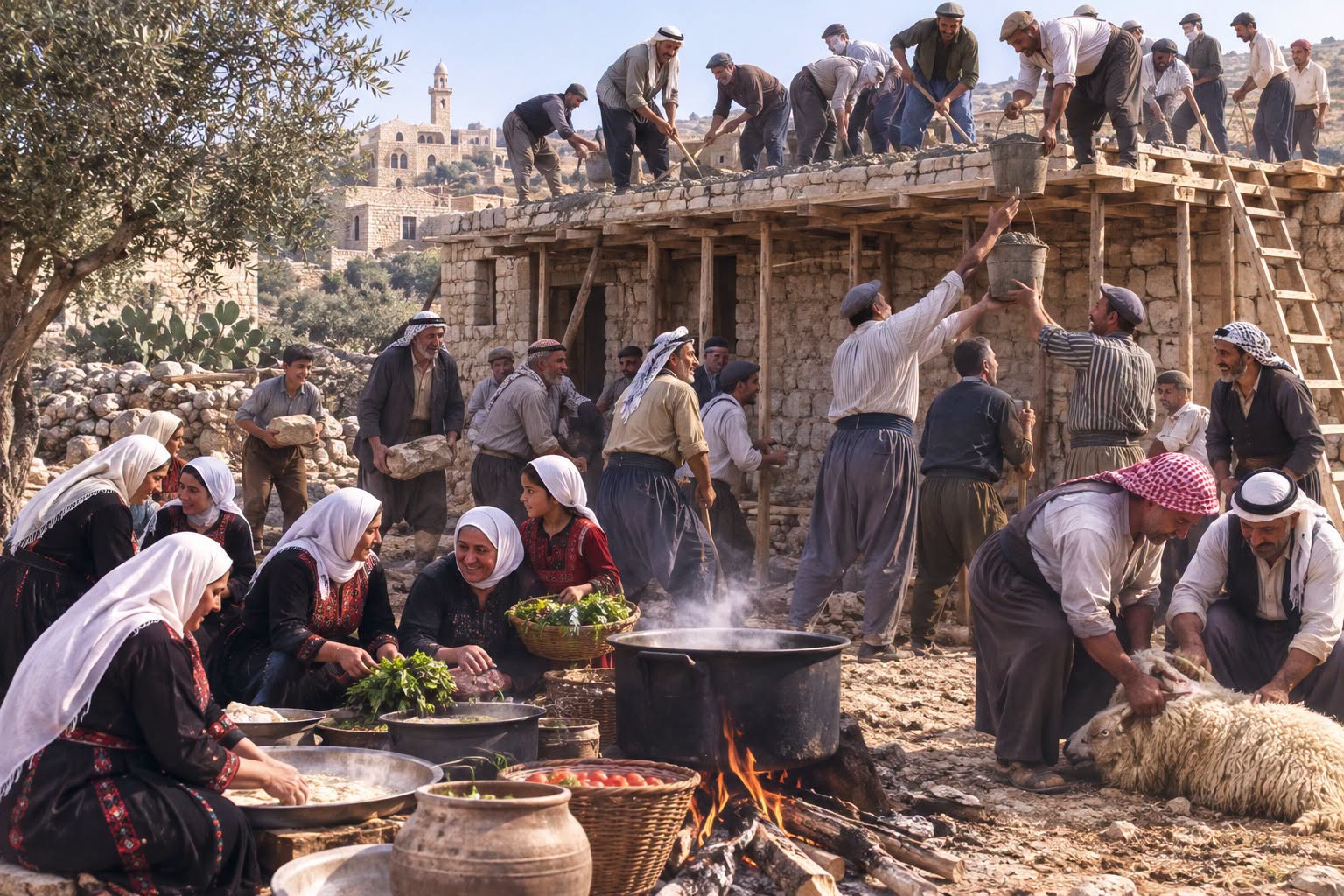
Jaffa Oranges in Jerusalem, 1937
 CrossFireArabia
- August 15, 2026
 CrossFireArabia
 marwanCrossFireArabiaCrossFireArabiamarwanCrossFireArabia
 HebaCrossFireArabiamarwanCrossFireArabiamarwanHebaCrossFireArabiamarwanmarwanHebaCrossFireArabiamarwanmarwanCrossFireArabiamarwanHebaCrossFireArabiaCrossFireArabiaCrossFireArabiaHebamarwanCrossFireArabiamarwanHebaCrossFireArabiaHebamarwanmarwanCrossFireArabiamarwanmarwanmarwanmarwanmarwanmarwanmarwanmarwanmarwanCrossFireArabiaCrossFireArabiamarwanmarwanCrossFireArabiaCrossFireArabiamarwanCrossFireArabiamarwanHebaHebamarwanmarwanCrossFireArabiamarwanmarwanmarwanmarwanCrossFireArabiaCrossFireArabiamarwanmarwanmarwanCrossFireArabiamarwanmarwanmarwanmarwanmarwanCrossFireArabiamarwanmarwanmarwanCrossFireArabia
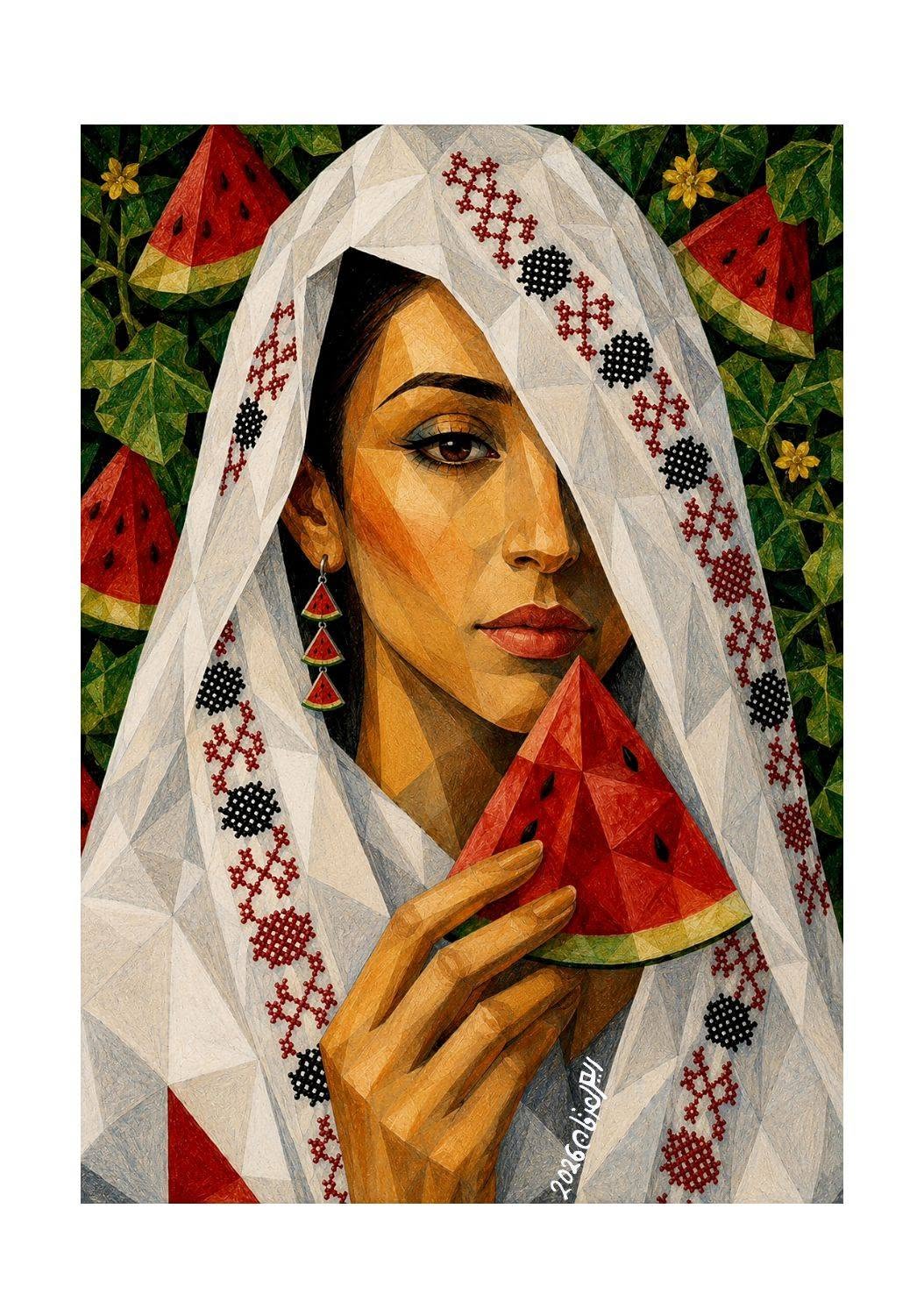
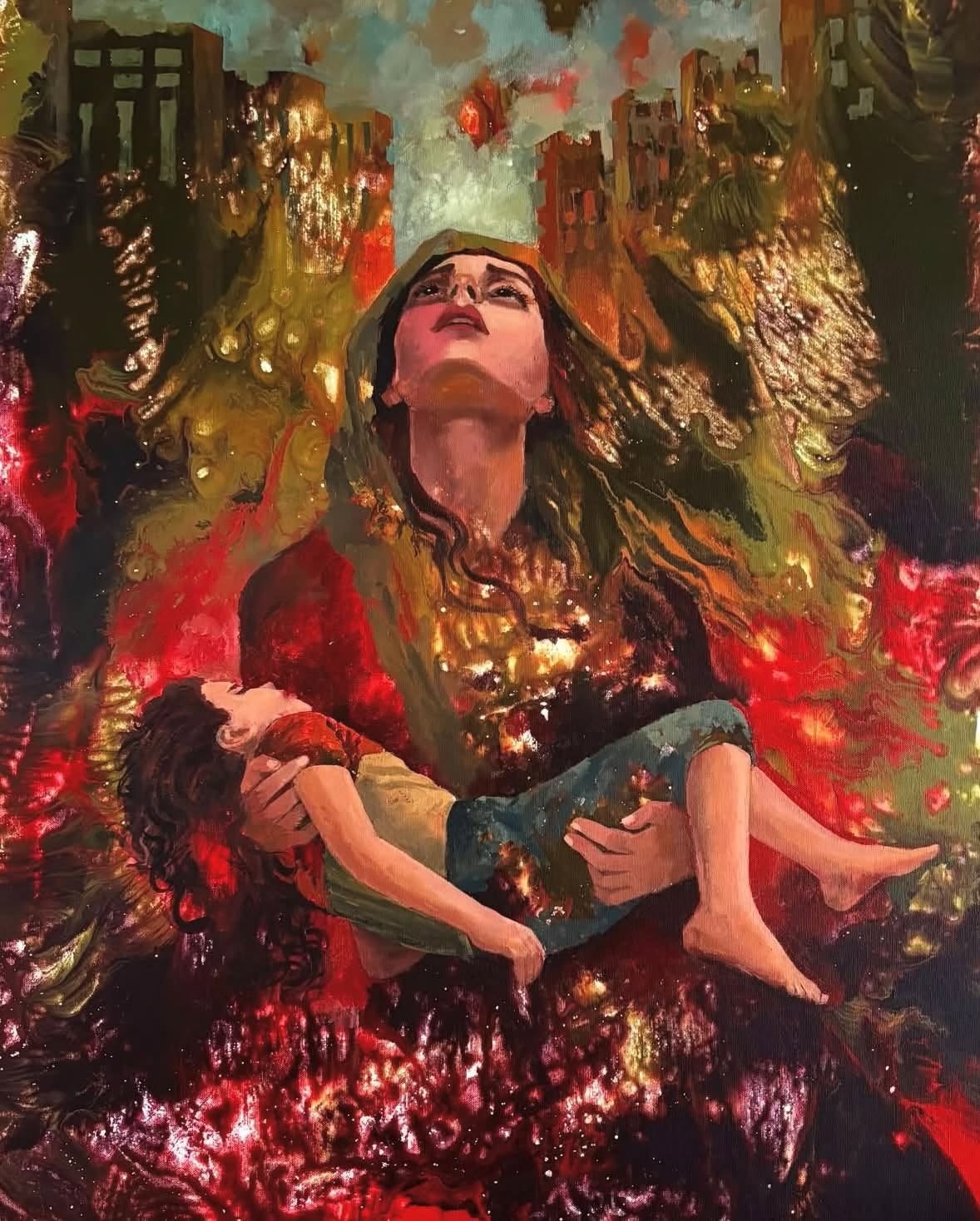
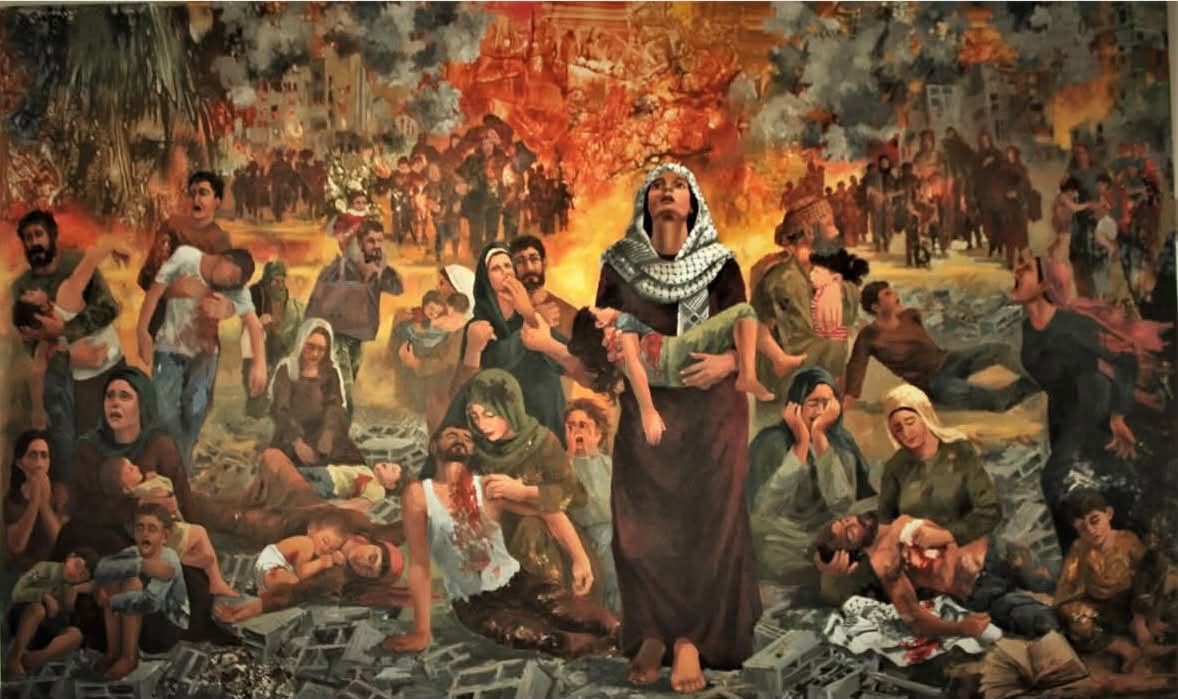
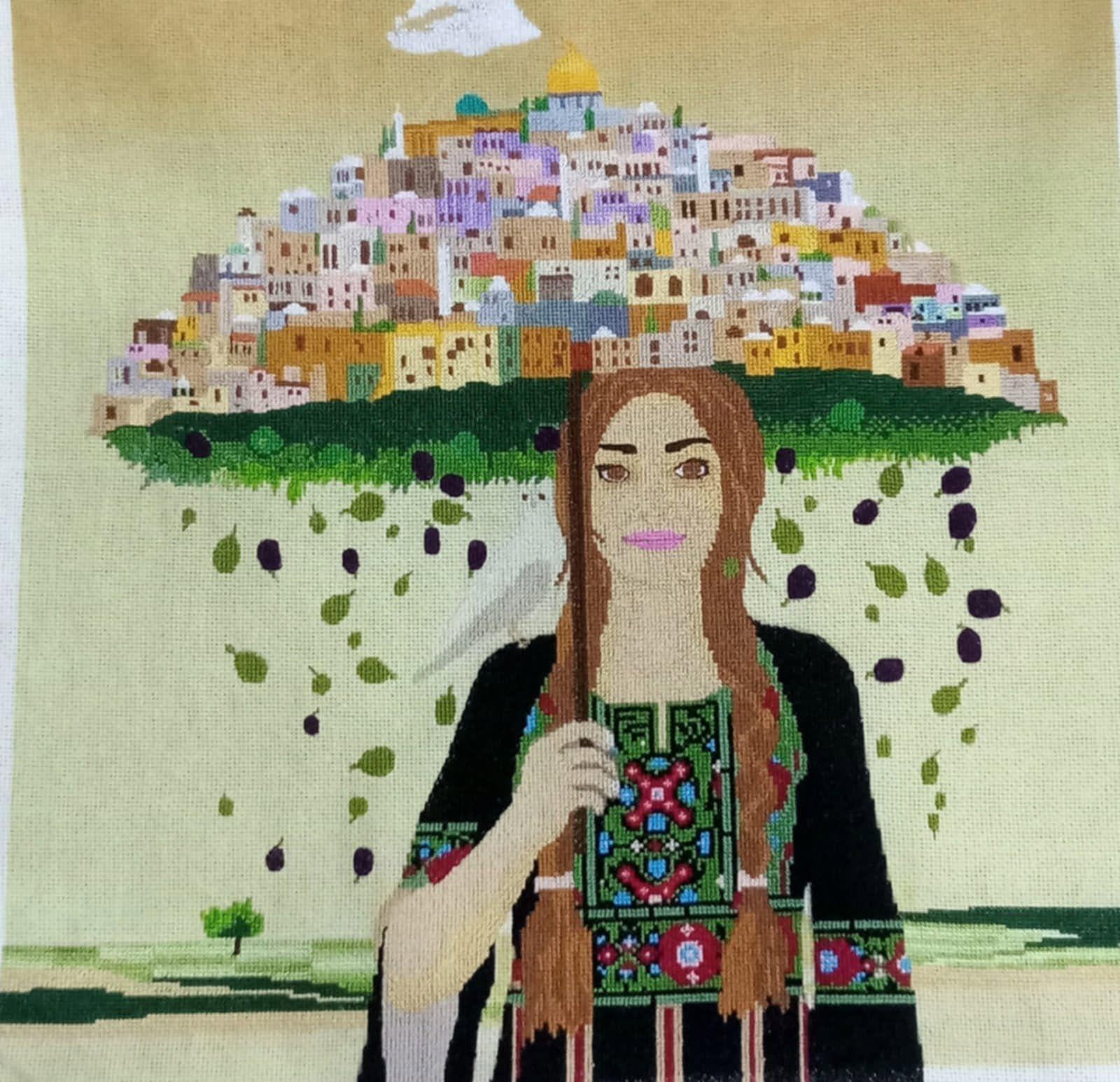
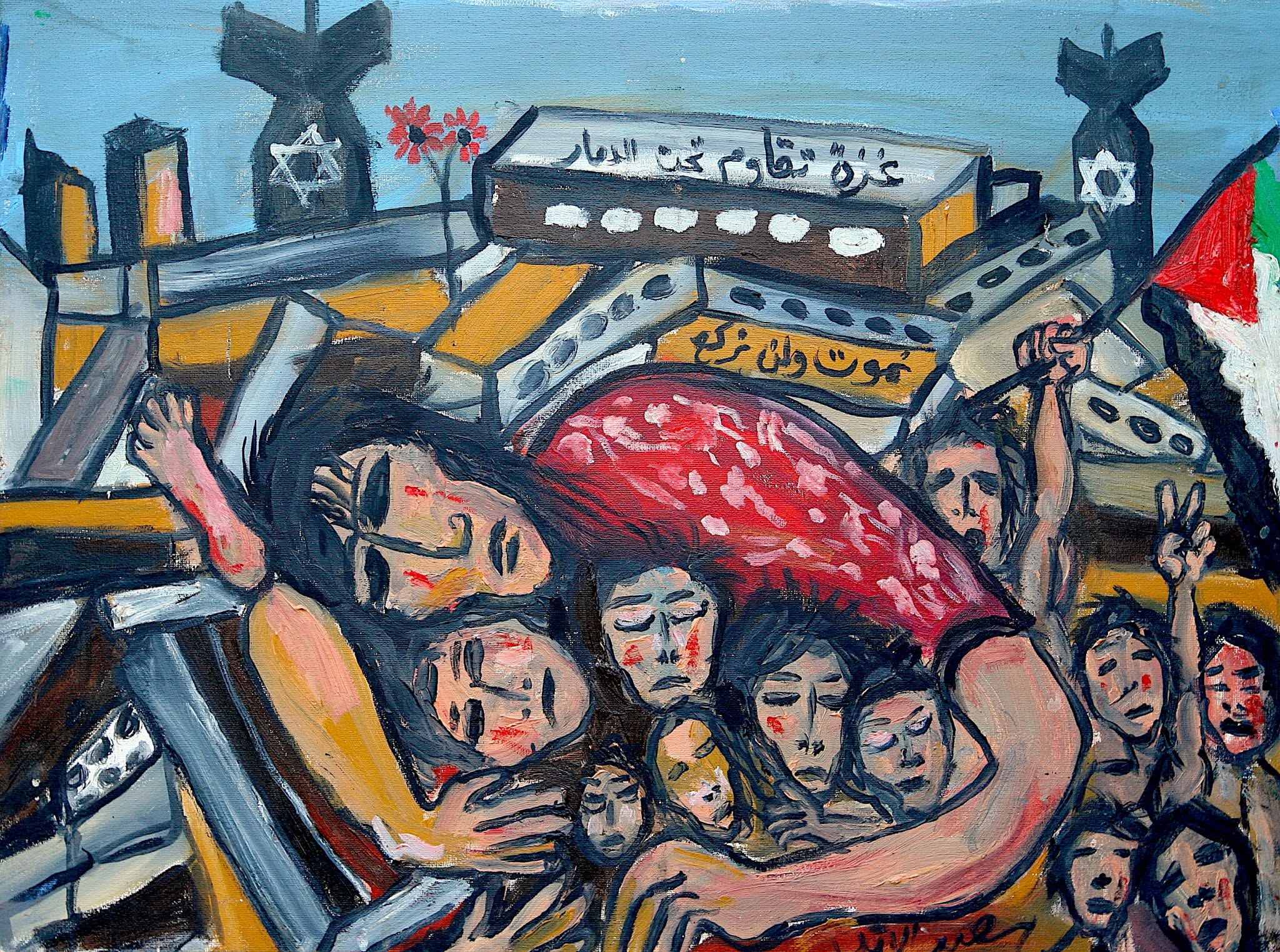
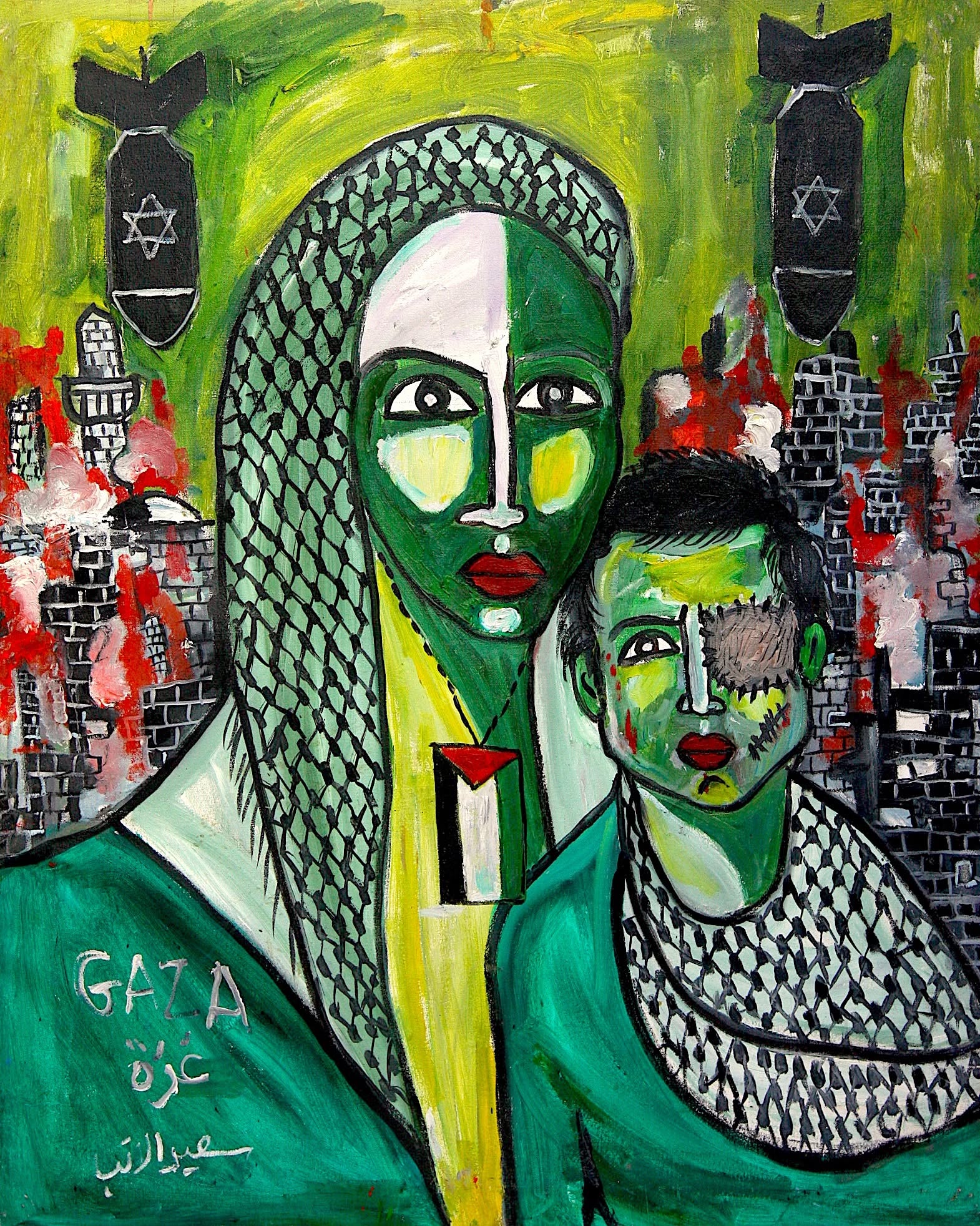
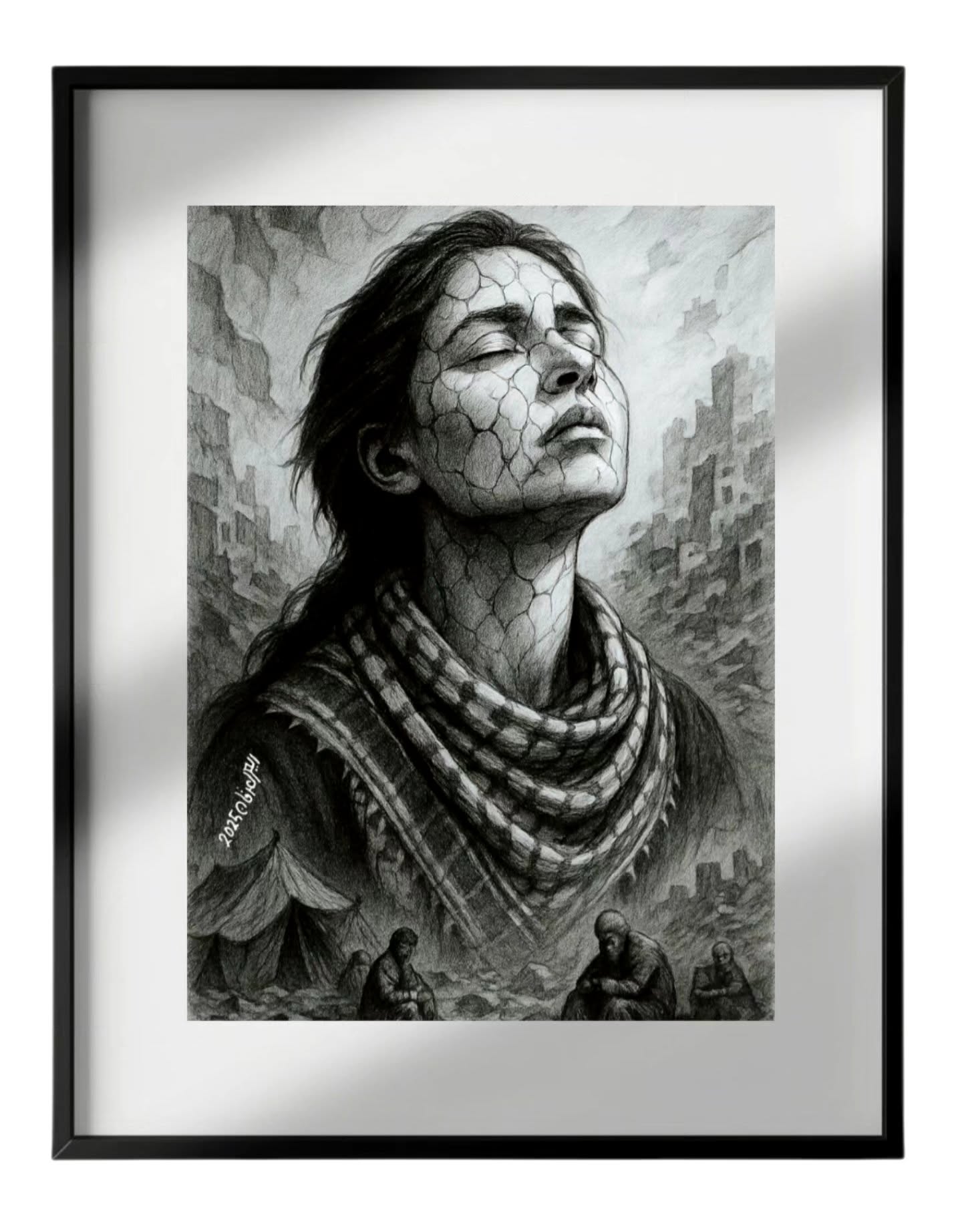
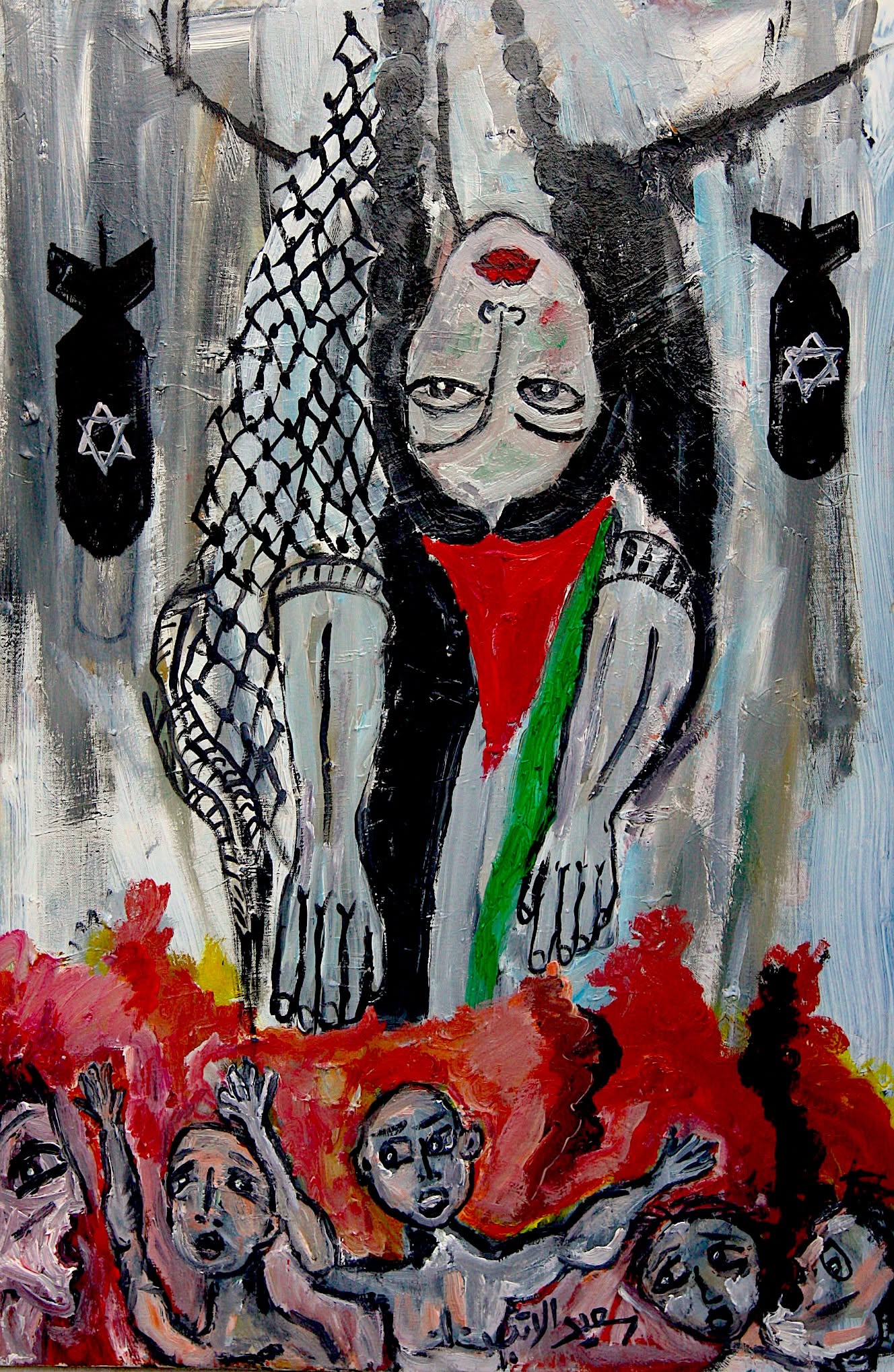
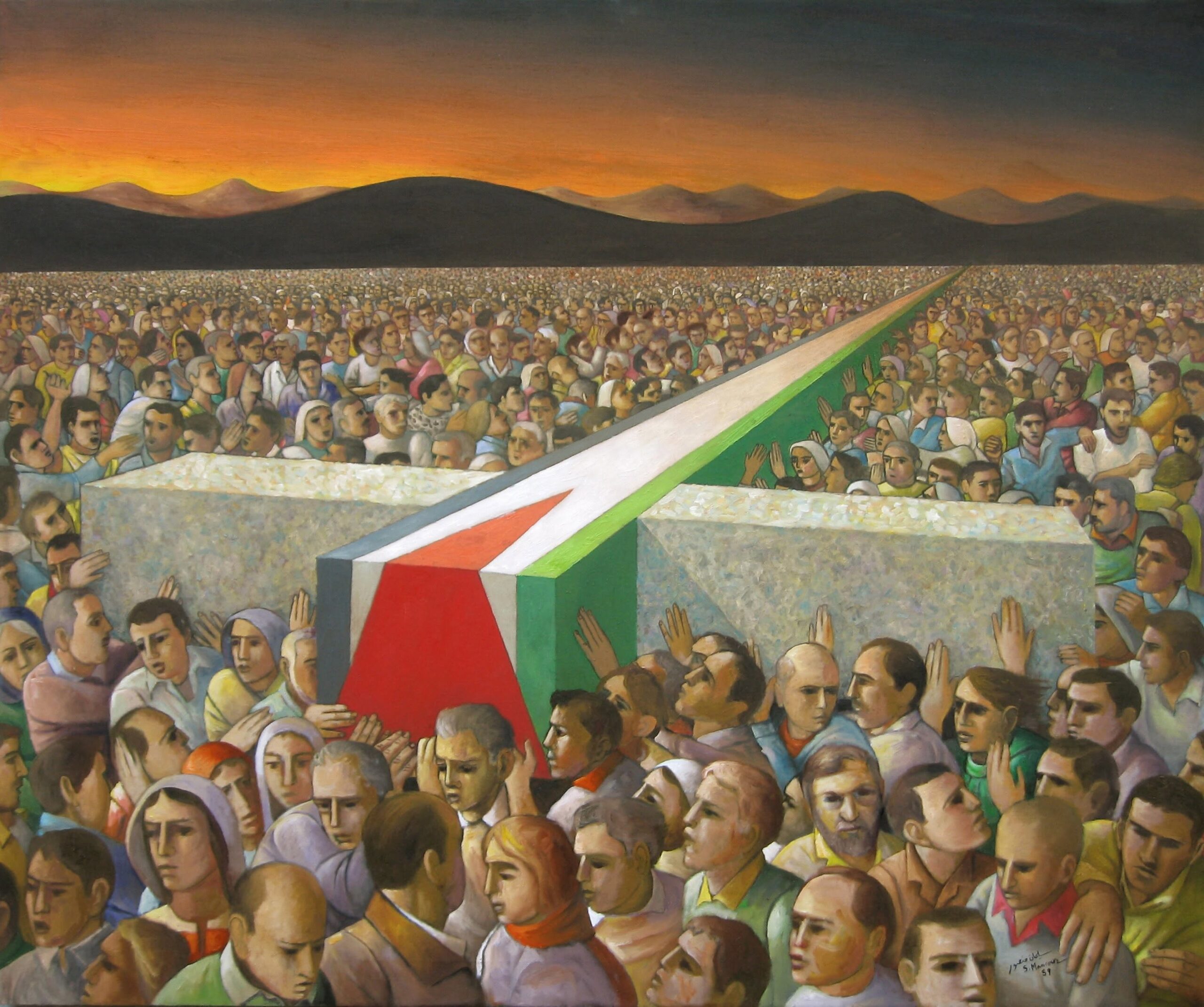
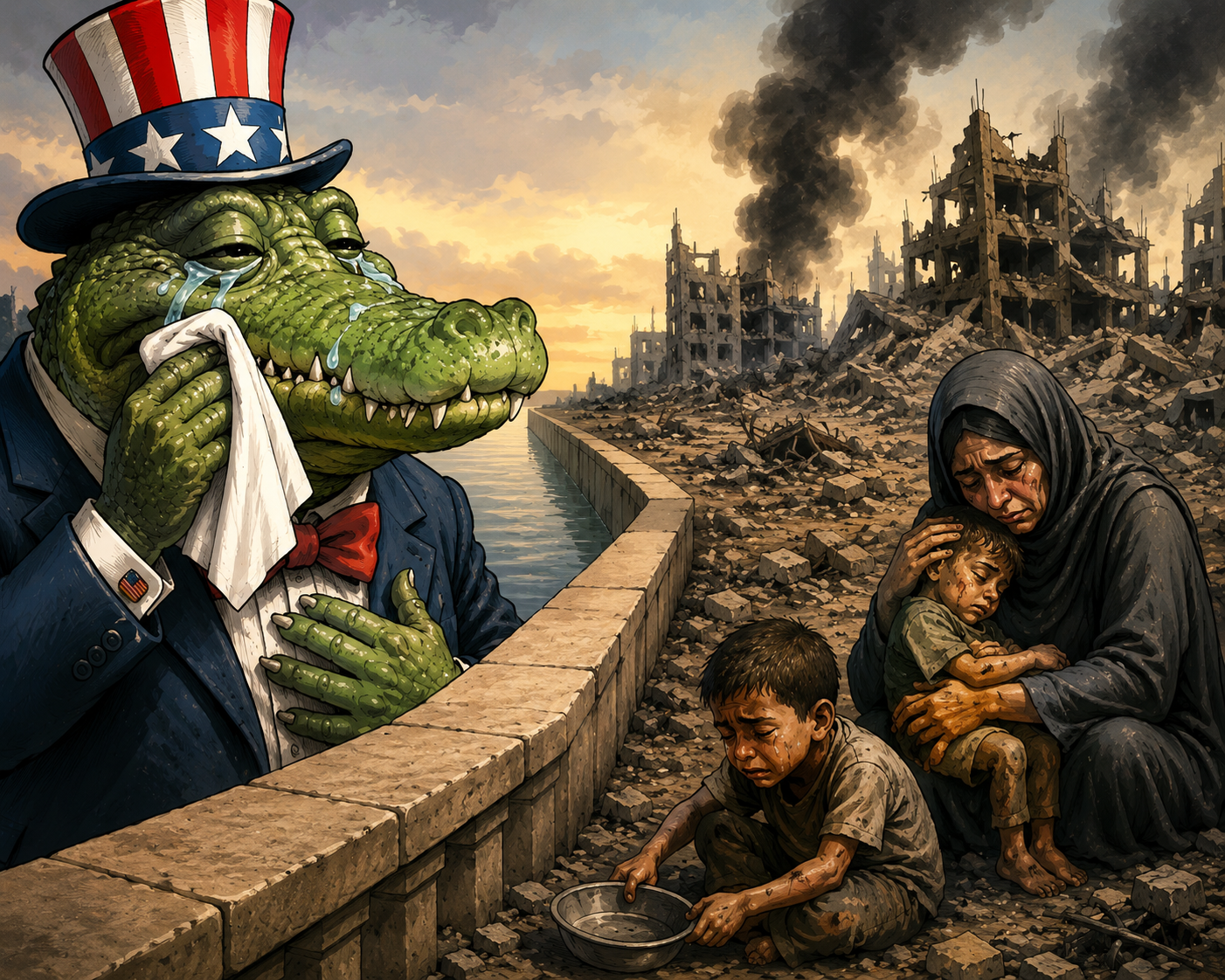
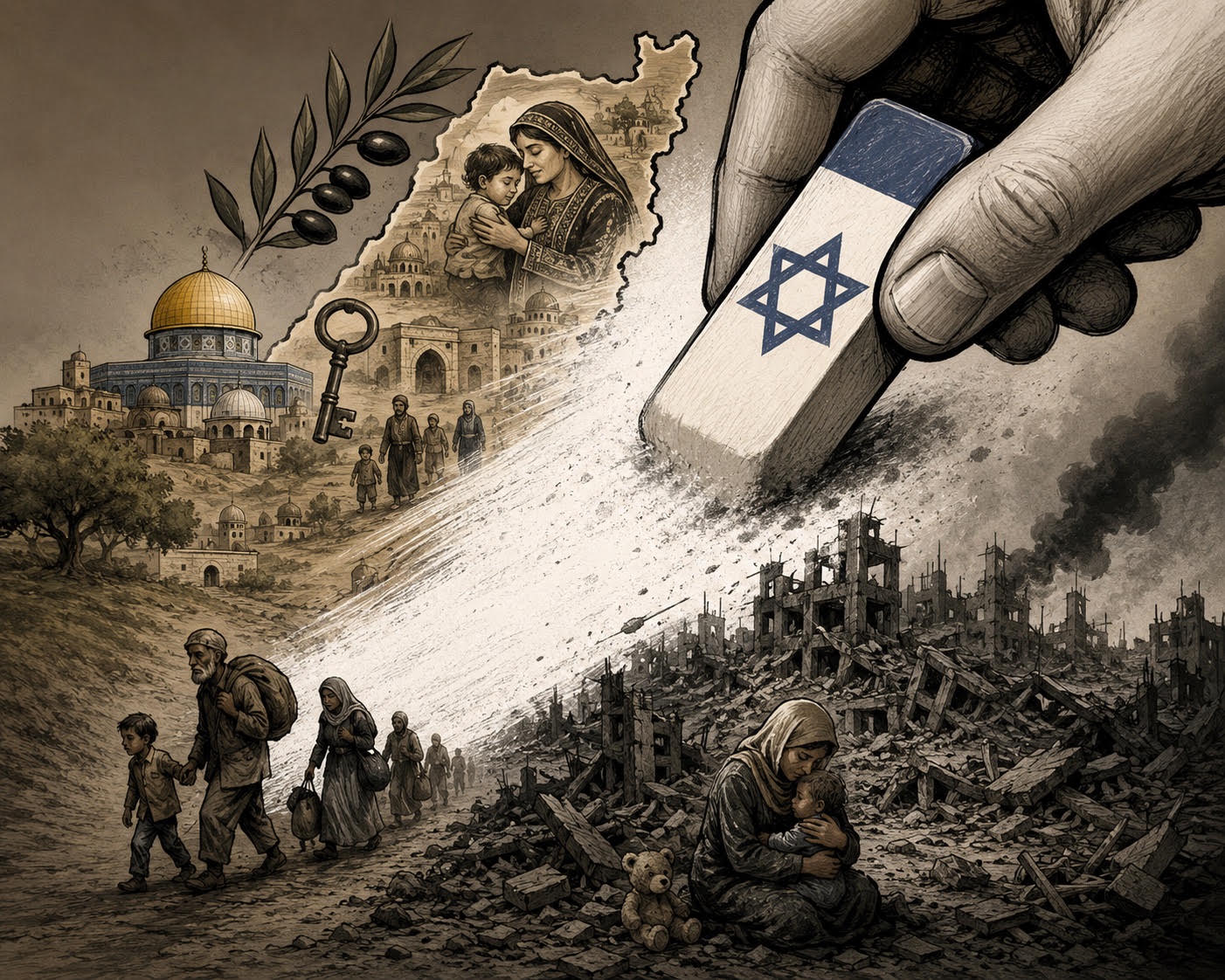
Artist Said Elatab Art: The Art of Genocide. He says this is my new painting called “Genocide in Gaza”. Genocide continue in Gaza by evil power
CrossFireArabia
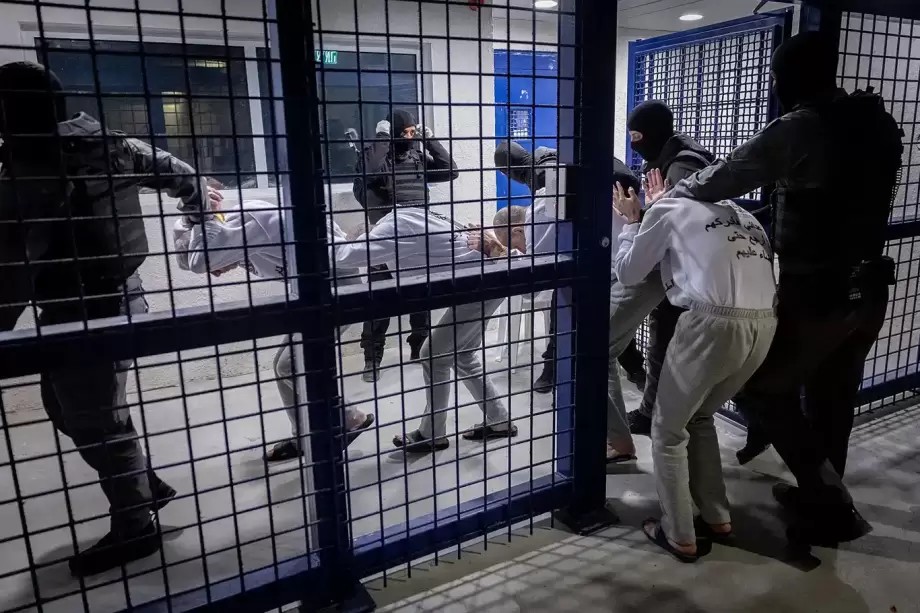
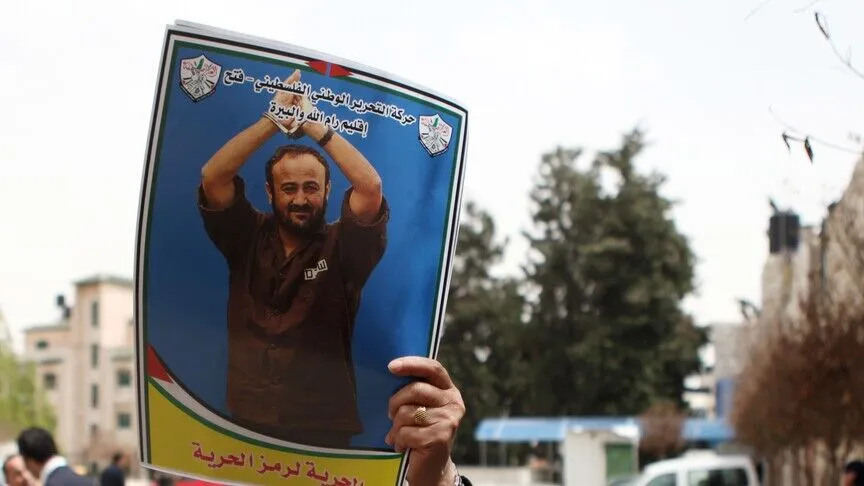
Israeli prison authorities recently tightened the solitary confinement conditions of jailed Palestinian leader Marwan Barghouti at Ganot Prison, where he has been held in isolation since November 2023, his office said Thursday. Barghouti has been held in Israeli prisons since 2002 after years of pursuit, and has spent long periods in solitary confinement alongside other prominent Palestinian prisoners. His office said Israeli authorities have repeatedly transferred Barghouti between solitary confinement wings in several prisons, describing the measures as “systematic arbitrary practices” against the Fatah leader since the start of Israel’s war on Gaza in October 2023.
CrossFireArabia
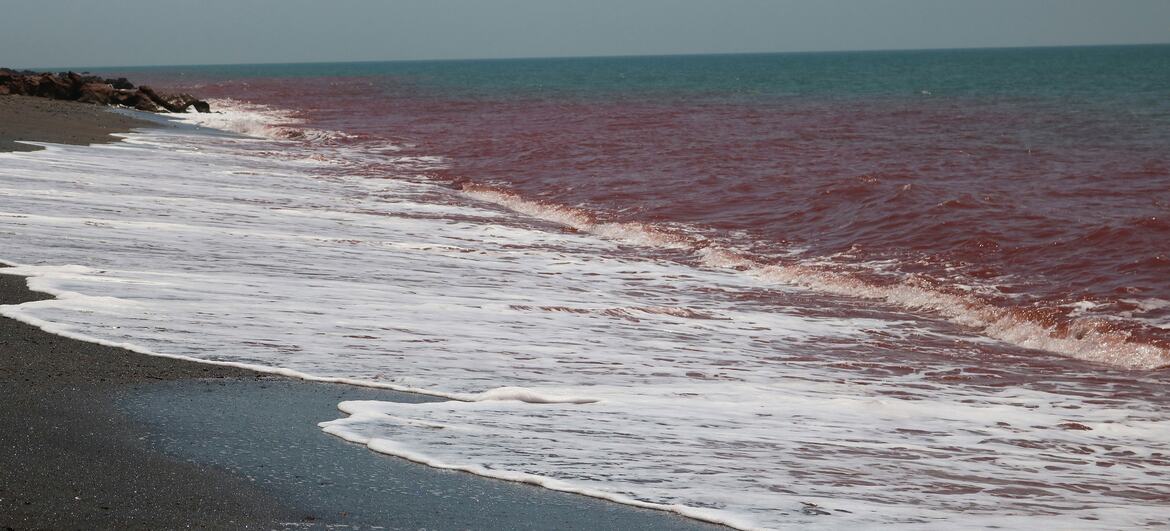
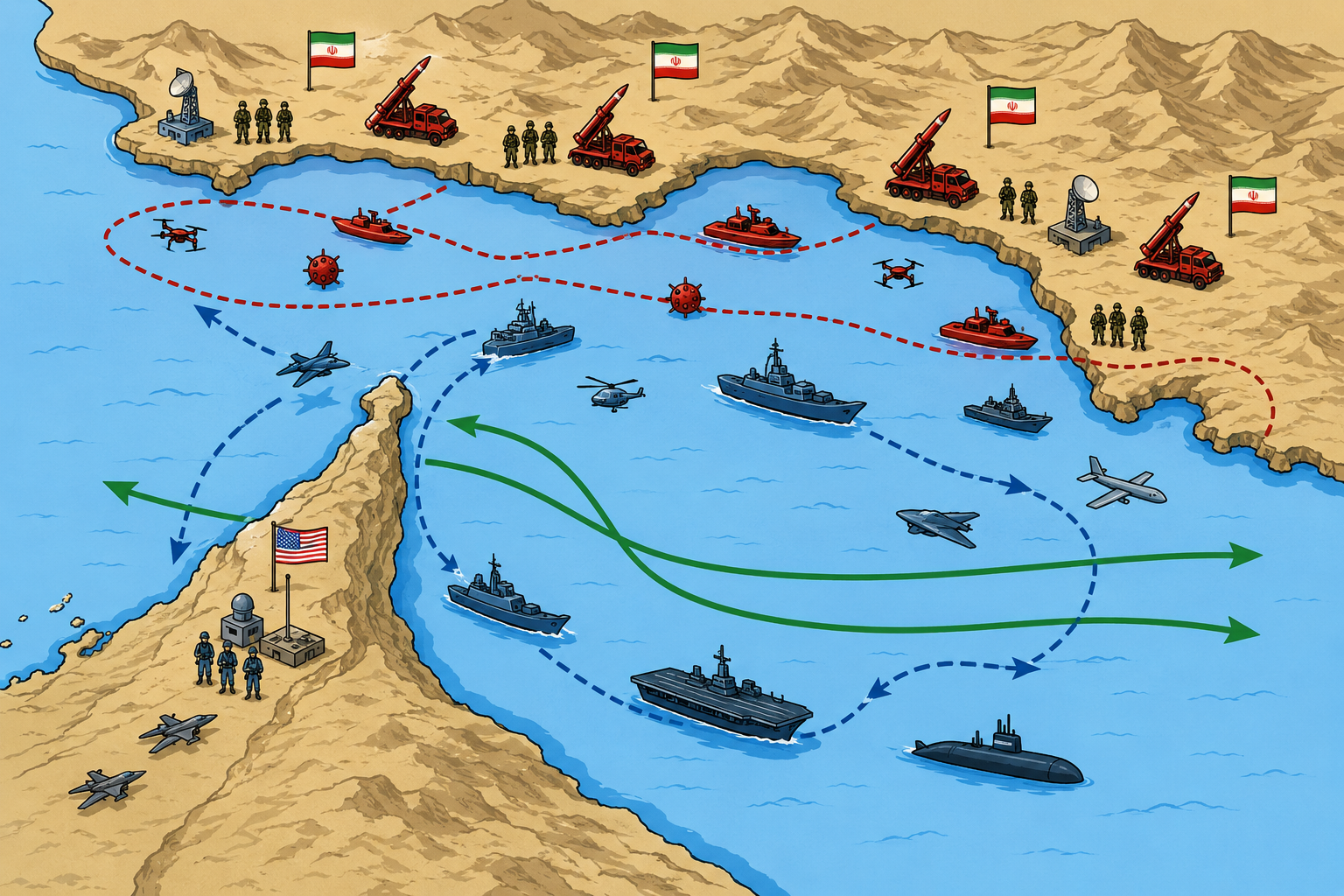
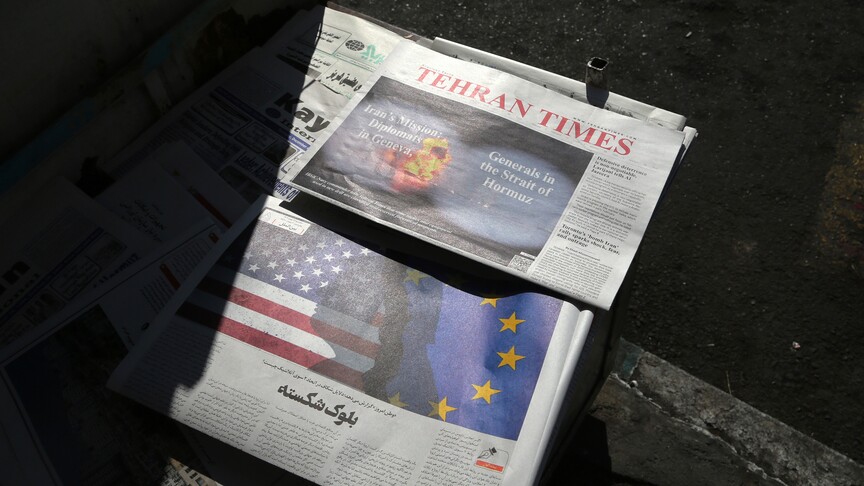
Re-opening the Strait of Hormuz would bring vital relief for many economies, but developing countries will continue to grapple with increased food and fuel costs, according to a new UN report released on Tuesday.
Following the shaky ceasefire in the US and Israeli war with Iran, commercial shipping through the strait quickly began to rebound in mid-June, but has slowed in recent days as Washington and Tehran have exchanged strikes in the region.
Iran has reportedly rejected an effort by France and Oman to remove mines from the strait and safeguard international trade as well as a suggestion by the UN’s International Maritime Organization (IMO) to open a new shipping lane off the coast of Oman.
While the report from the UN Trade and Development agency (UNCTAD) expects oil shipments to recover, it warns that freight contracts, supply chains and food systems would take longer to adjust and that high food costs could contribute to acute malnutrition in developing countries.
Higher energy prices fuel higher transport costs, agricultural costs and inflation, which increases food prices long after the initial shock, UNCTAD noted.
Small island countries like Cabo Verde and Micronesia depend heavily on food and oil imports, which creates a “dual exposure” to shocks, making them especially vulnerable to price increases, UNCTAD said.
The agency estimated that 61 vulnerable economies are exposed to both oil and cereal import shocks.
Developing countries and small island States also tend to have tighter public finances and therefore less ability to absorb shocks, according to UNCTAD.
If these countries face difficulties mobilising resources, a heavy debt servicing burden, a drop in remittances or a decline in international aid, trade shocks could affect small nations even more.
Beyond economic impacts, UNCTAD warned that although it is necessary to fully re-open the strait, food production risks remain.
Even short periods of unaffordable food in import-dependent countries can have lasting consequences for child wasting, meaning that a child has a low weight-for-height.
As real food prices increase by five per cent, the risk of child wasting increases by 15 per cent for poor children and 26 per cent for children of rural, landless poor households.
The report called for greater international support to help countries manage higher import costs, cushion food and fuel price shocks and strengthen their ability to cope with future trade disruptions.
“These shocks will be felt for many months, with developing countries bearing the heaviest impacts. I call on all parties to honour the ceasefire and redouble efforts,” UN Secretary-General António Guterres said. UN News
CrossFireArabia
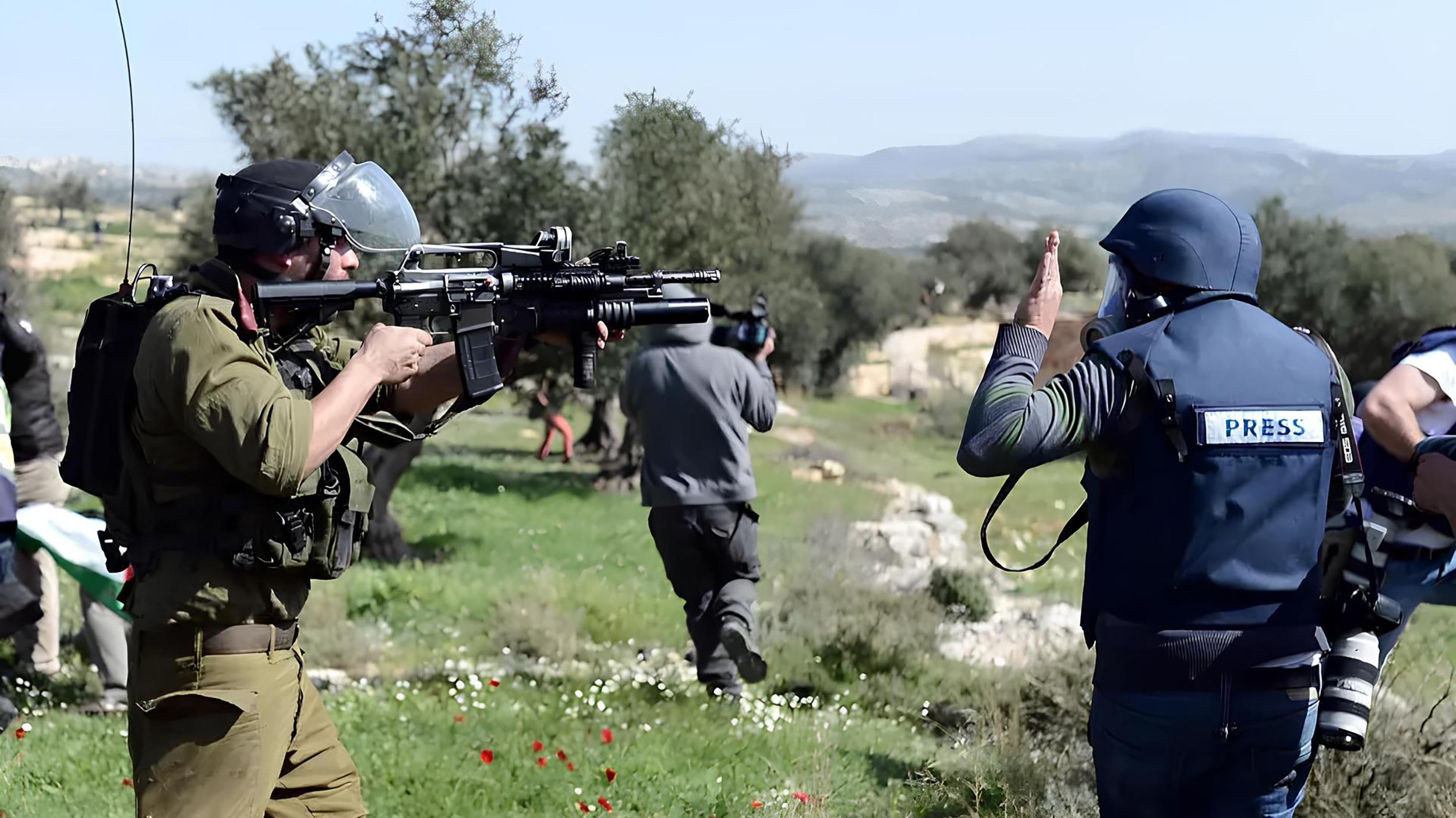
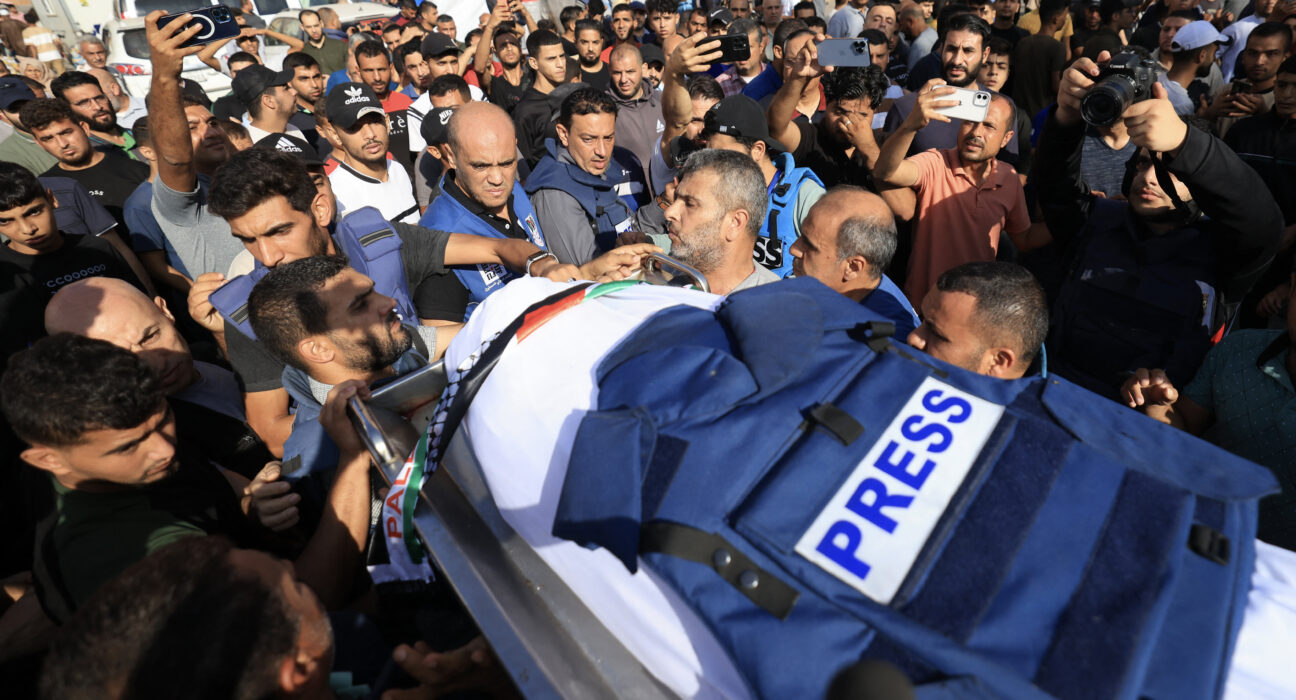
The ‘Palestinian Journalists Bloc’ states that it is condemning with anger the decision by the Committee to Protect Journalists (CBJ) to amend its definition of who qualifies as a journalist, and which resulted in the removal of martyred Palestinian journalists from its records. Journalists say this decision is a dangerous precedent and a professional and ethical violation, providing the Israeli occupation with further cover to justify its crimes against Palestinian journalists.
In a statement received by Quds Press, Wednesday evening, the Bloc added that the Committee based its decision on Israeli allegations claiming that some Palestinian journalists are affiliated with military entities, despite the absence of any legal or professional evidence to substantiate these claims. It pointed out the CBJ, in contrast, ignored its own established standards for dealing with journalists in other countries who accompany their militaries or work for media outlets affiliated with their governments, without revoking their journalistic status. This, according to the statement, is a double standard and a targeting of Palestinian journalists.
The Palestinian journalists note the committee’s announcement of removing 20 names from the list of martyred Palestinian journalists, while offering explanations for only eight of them, raises serious questions about the basis for its decision and undermines its credibility as a body that is supposed to defend press freedom and protect journalists, not adopt the narrative of the occupying power.
The bloc emphasized that the martyred Palestinian journalists were performing their professional duty of reporting the truth and documenting the genocide committed against the Palestinian people. It stressed that the removal of their names from the committee’s records does not negate their journalistic status, erase the truth, or absolve the Israeli occupation of its responsibility for deliberately targeting and killing them.
The bloc warned that this step constitutes a dangerous precedent that could open the door to justifying the targeting of journalists in conflict zones based on political claims, thus undermining the principle of international protection for journalists and weakening efforts to combat impunity.
And hence, the Palestinian bloc is demanding that the CBJ’s board of directors immediately reverse its decision and reinstate all Palestinian journalists killed in action on its official lists, and issues an apology for this bias, which is damaging the credibility and mission of the committee.
It is calling on the international press and human rights organizations and media unions to reject the latest decision, adhere to unified professional standards in dealing with journalists, and work to hold the Israeli occupation accountable for its crimes against Palestinian journalists, instead of adopting its narrative.
The bloc concluded its statement by affirming that the blood of Palestinian journalists will remain a testament to the truth, and that all attempts to erase their sacrifices or strip them of their professional status will fail.
This statement was translated from a report translated from Quds Press and appeared in crossfirearabia.com
CrossFireArabia
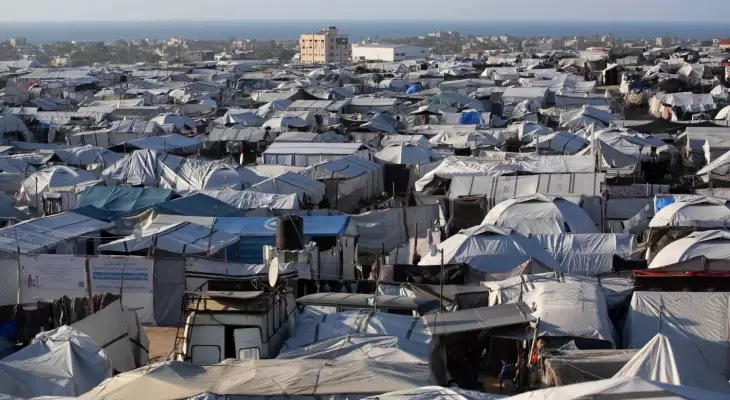
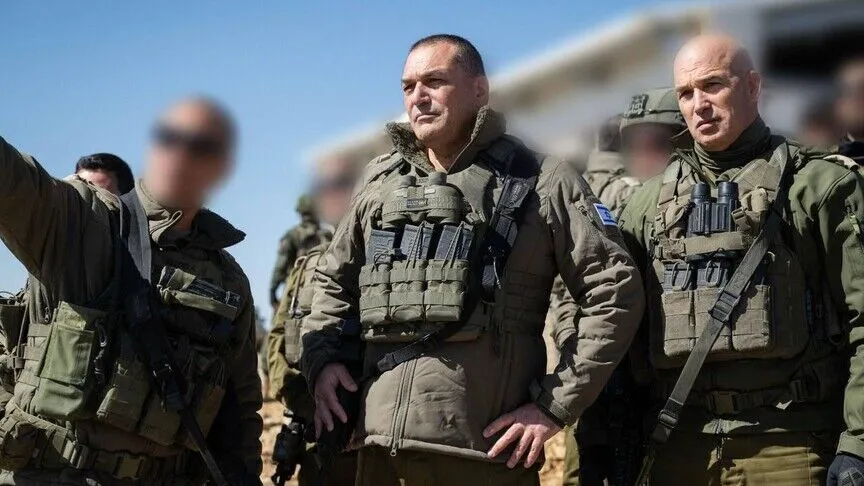
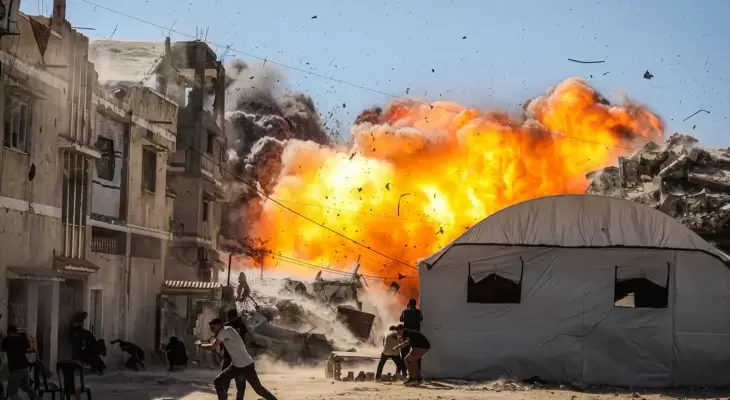
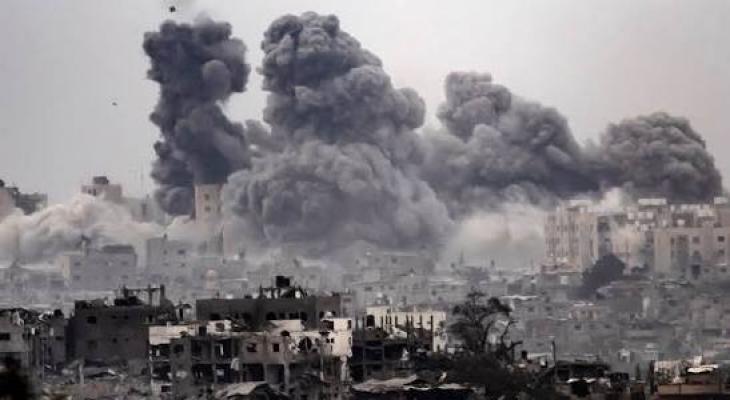
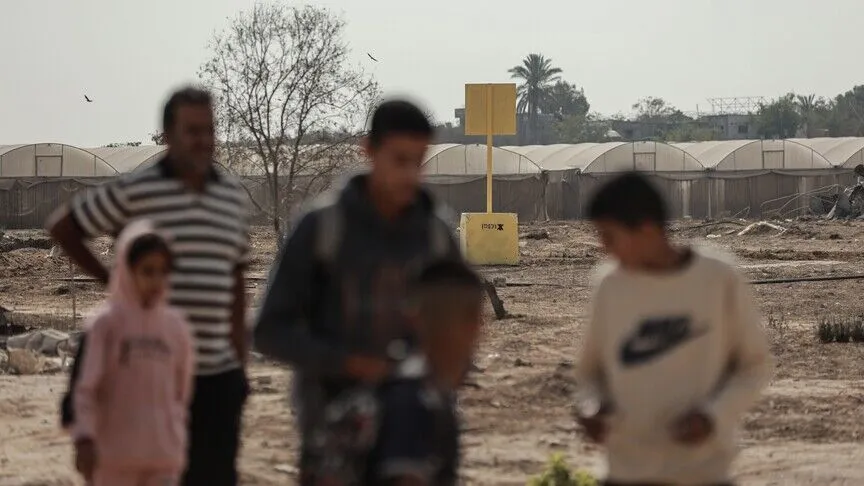
The UN warned on Wednesday that Israel’s continued expansion of controlled areas in Gaza is increasing risks to civilians and limiting humanitarian operations.
At a daily briefing, UN spokesperson Stephane Dujarric said humanitarian partners urged protection for civilians, including along the so-called “yellow line.”
He said the Humanitarian Country Team, which includes UN agencies and NGOs operating in the occupied Palestinian territory, reported that Israel’s territorial expansion since the October ceasefire has heightened civilian risks and further restricted aid delivery.
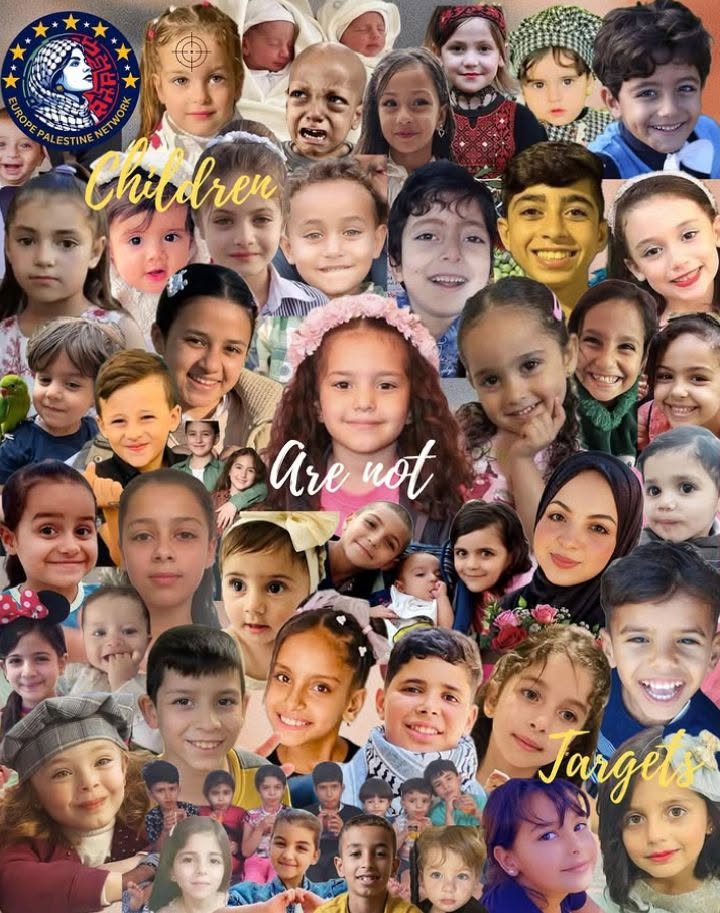
Dujarric said the UN human rights office verified the deaths of 196 Palestinians, including 18 women and 43 children, in Israeli attacks near areas where Israeli forces were deployed between Oct. 10 and April.
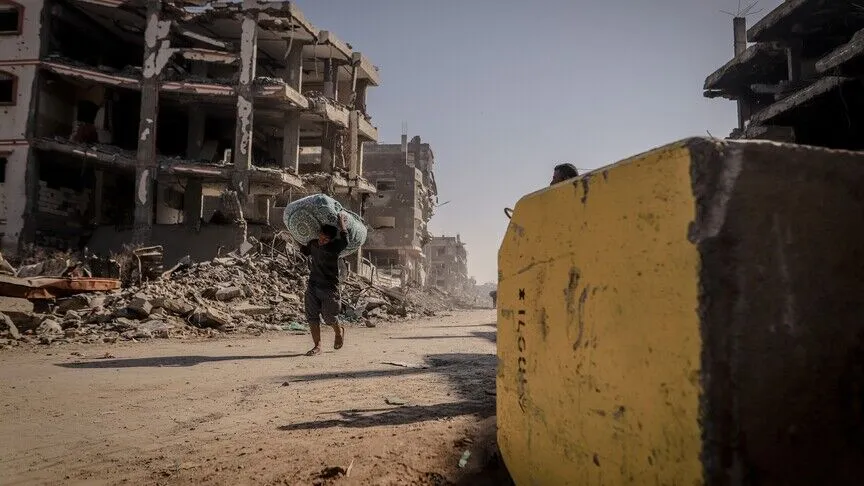
“Many people were reportedly killed while moving through areas lacking clear demarcation on the ground,” he said, adding that Palestinians are increasingly confined to smaller areas with insecurity, violence and limited access to basic services.
Dujarric added that about 360 Palestinians have been displaced and more than 150 structures demolished in East Jerusalem since the start of 2026. Anadolu