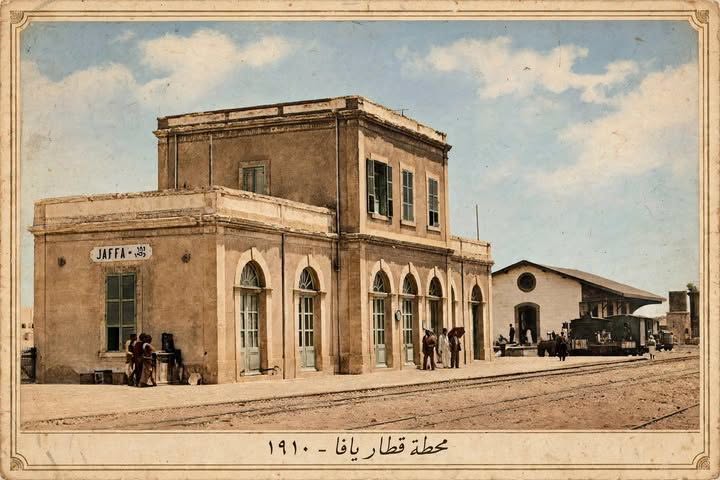
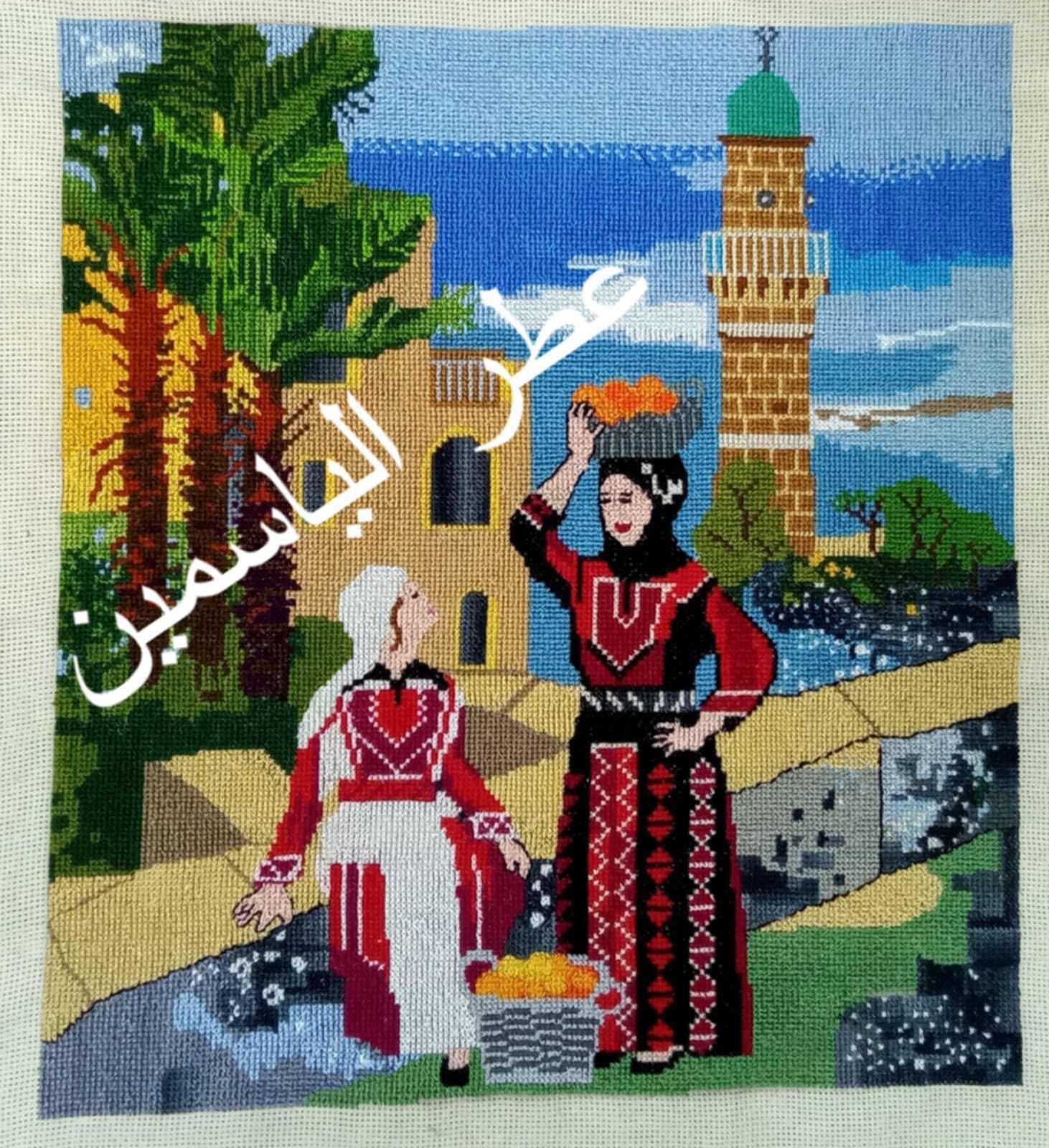
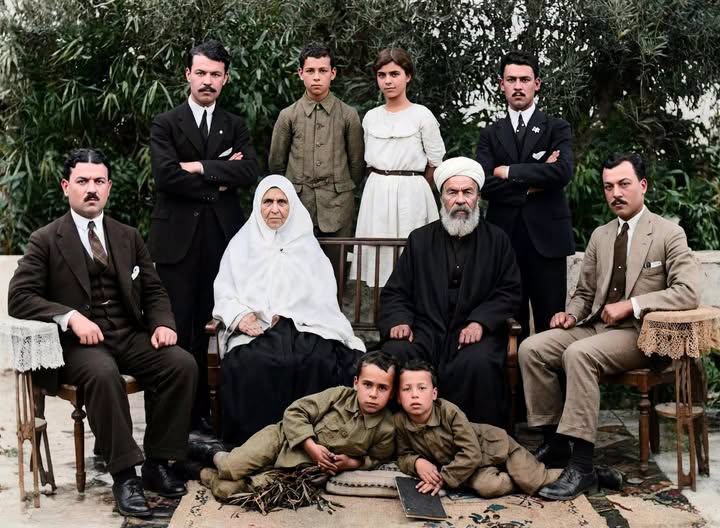
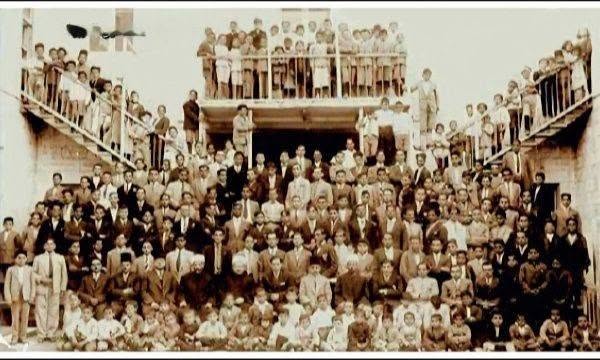
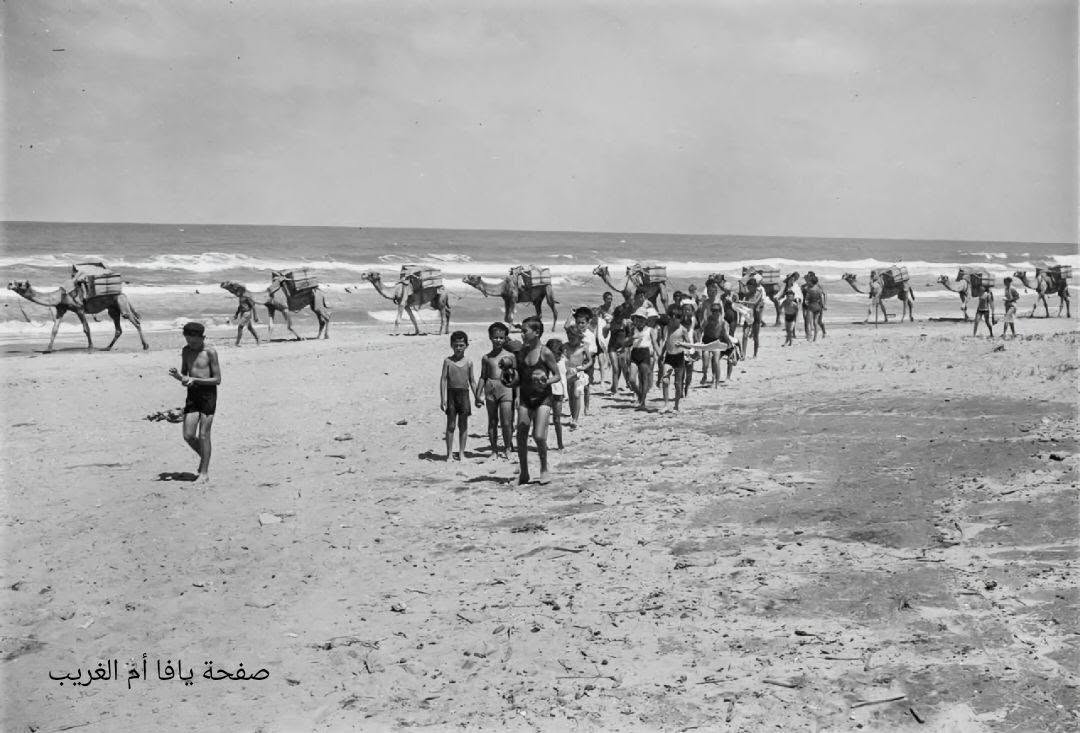
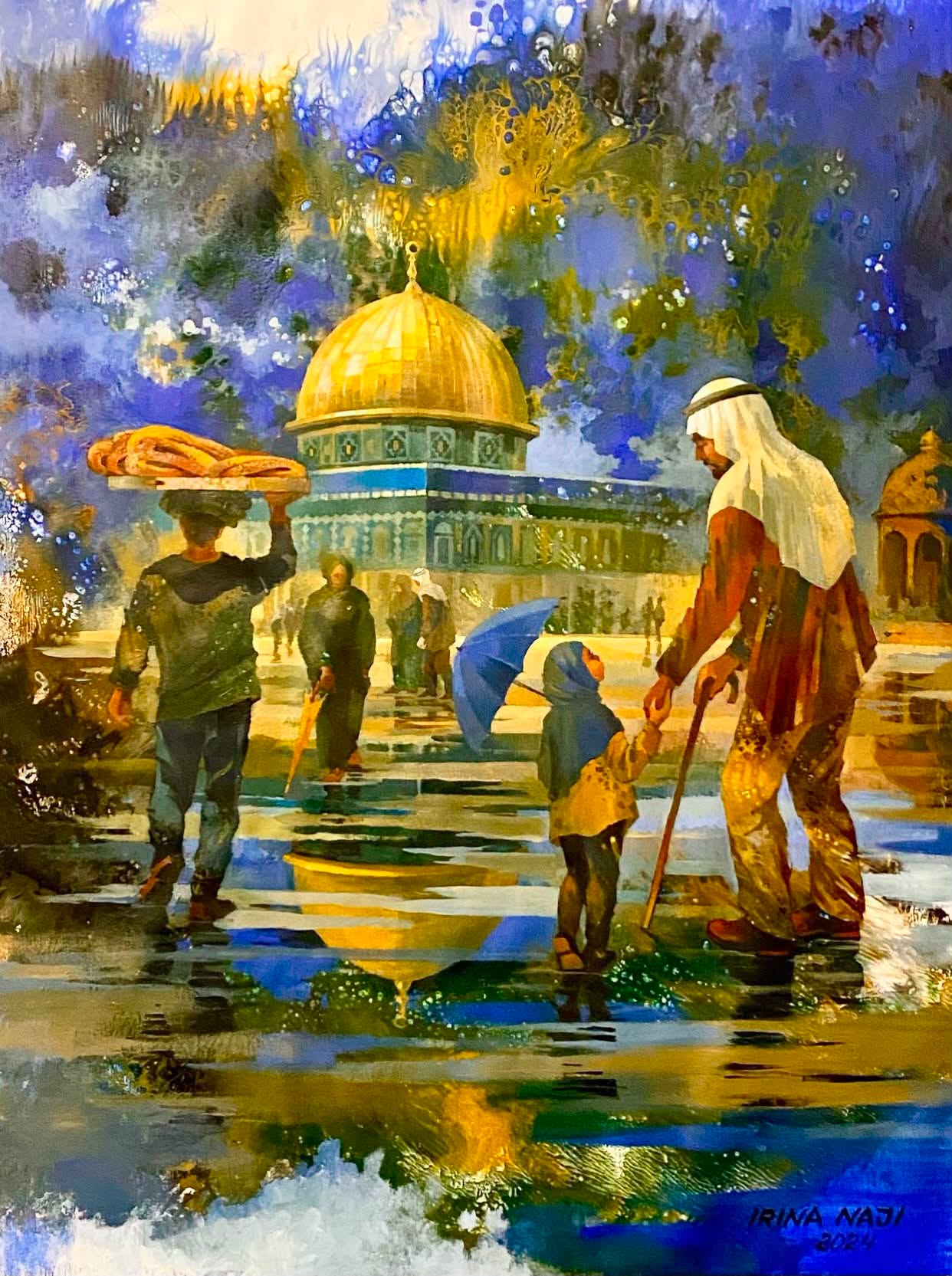
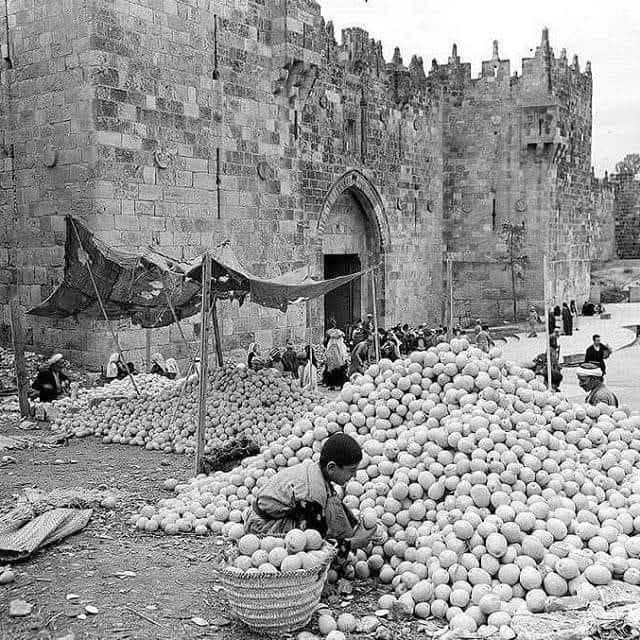
 Jaffa Oranges in Jerusalem, 1937
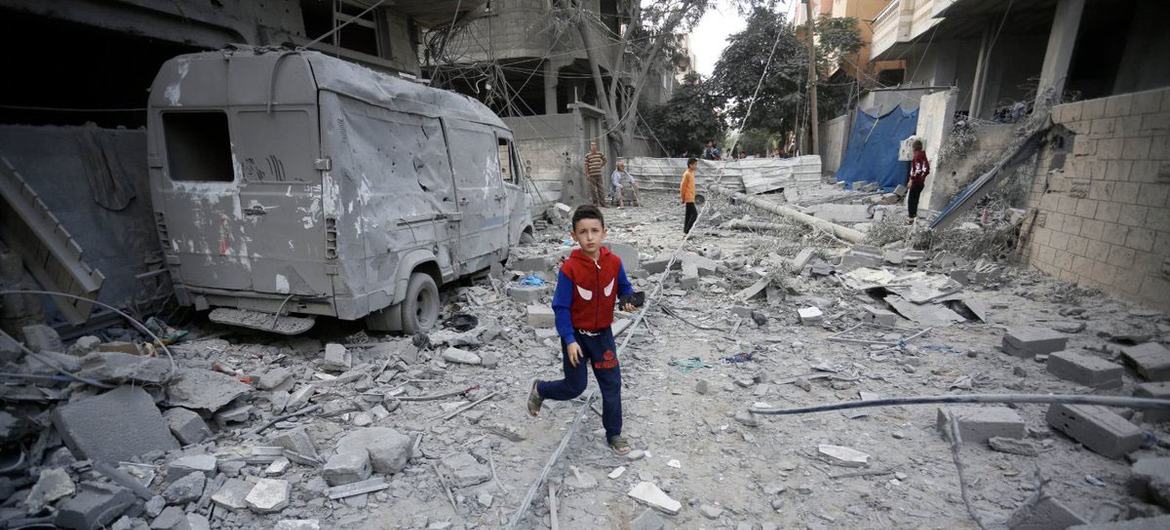
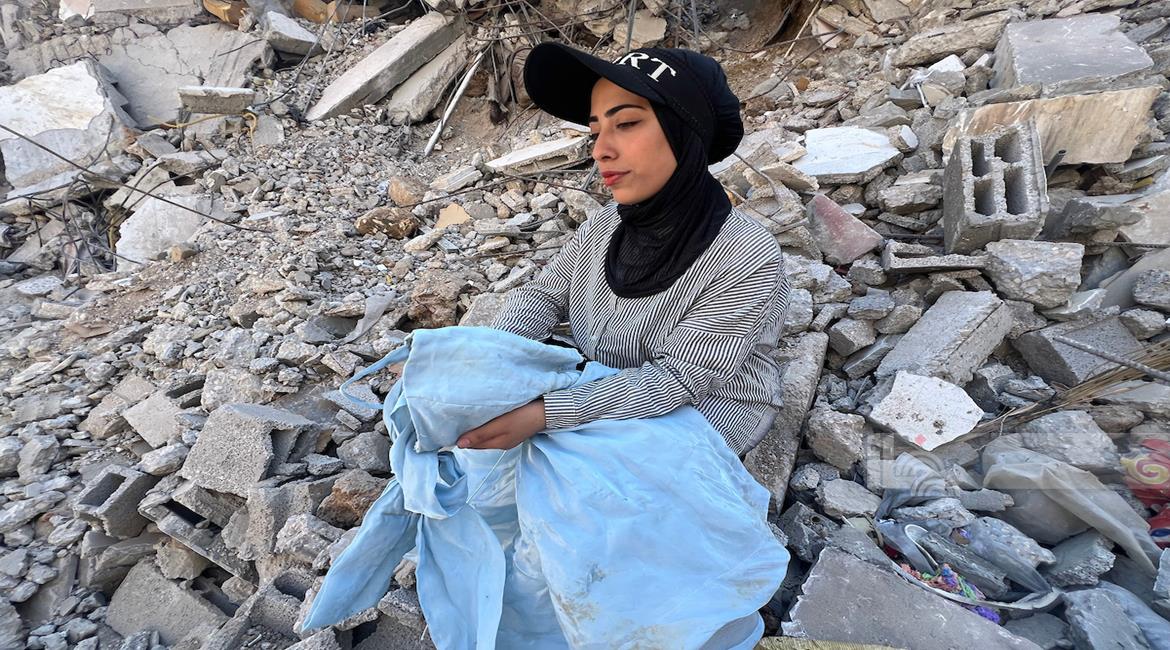
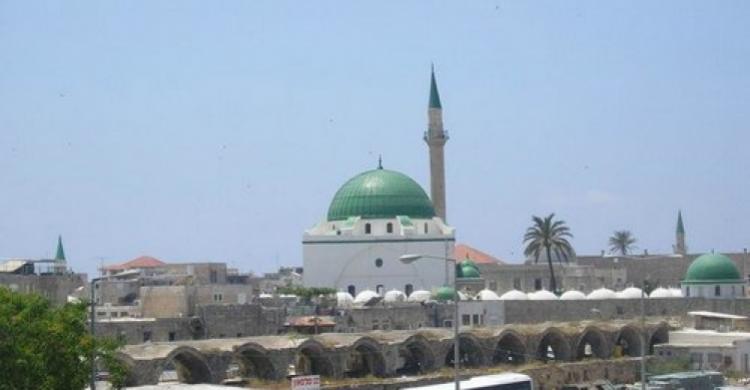
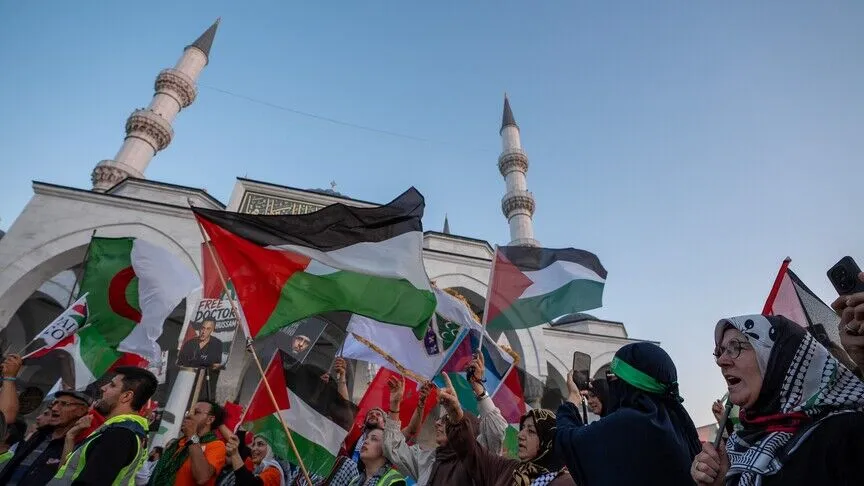
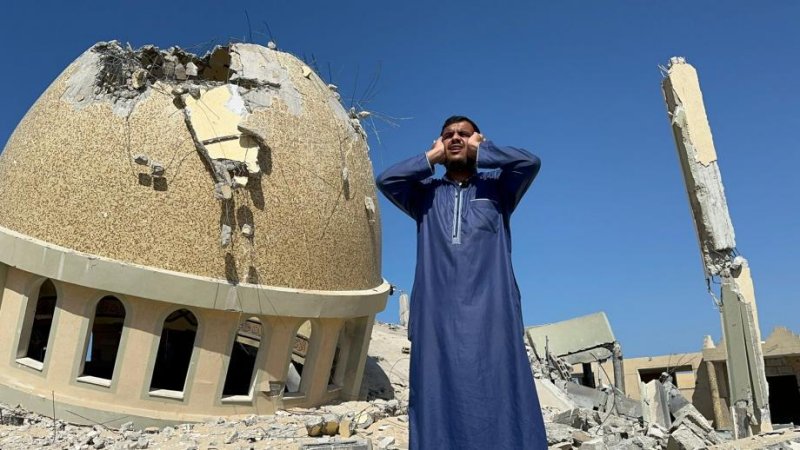 Gaza Begins to Restore Its Mosques
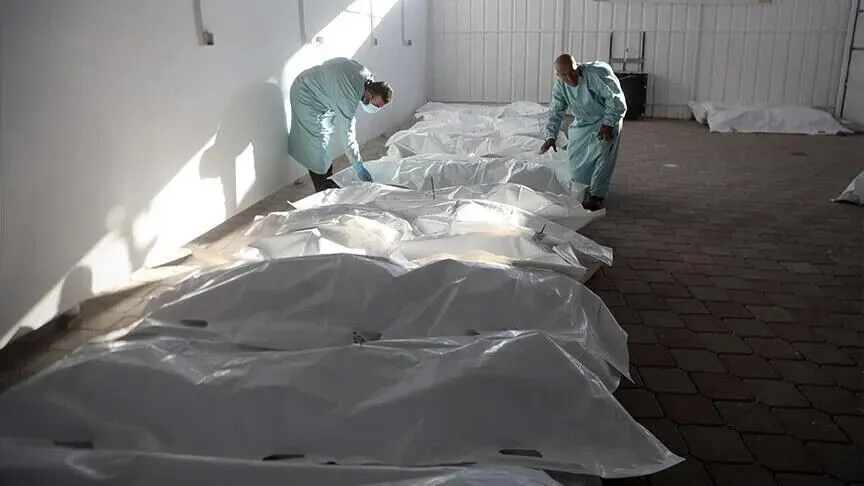
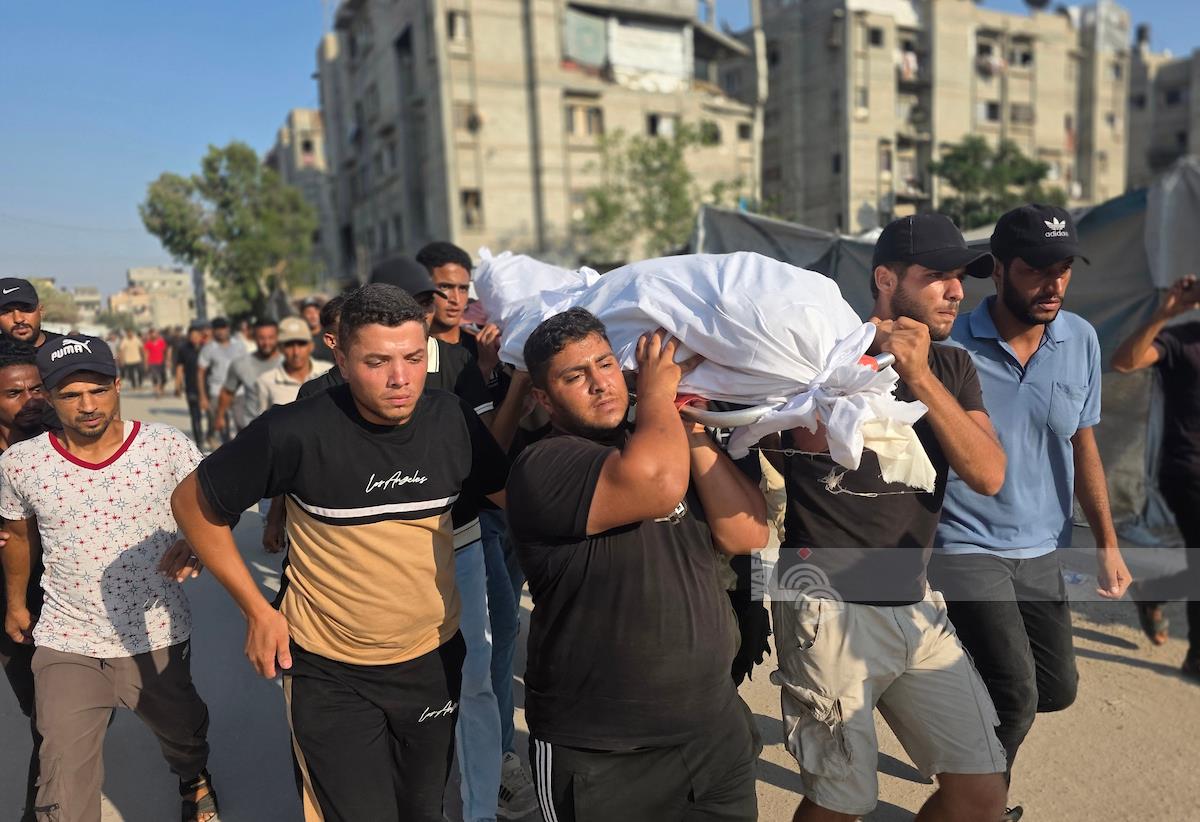
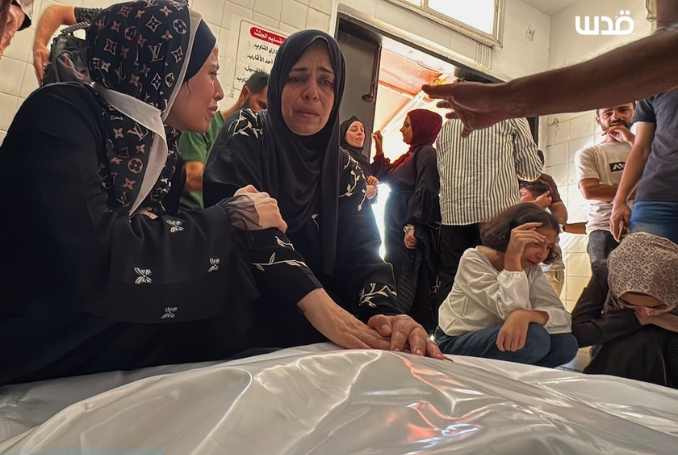
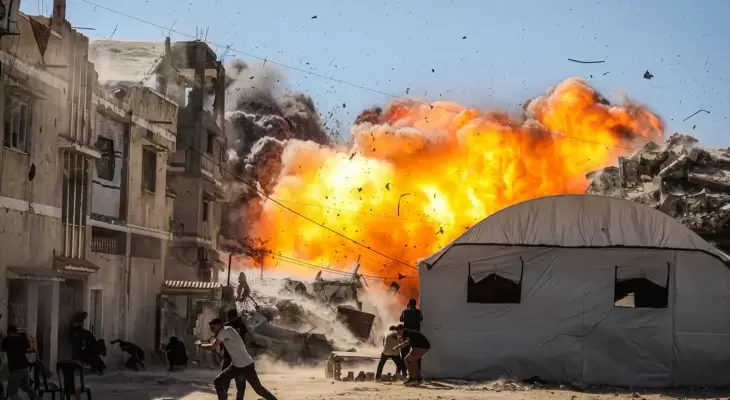
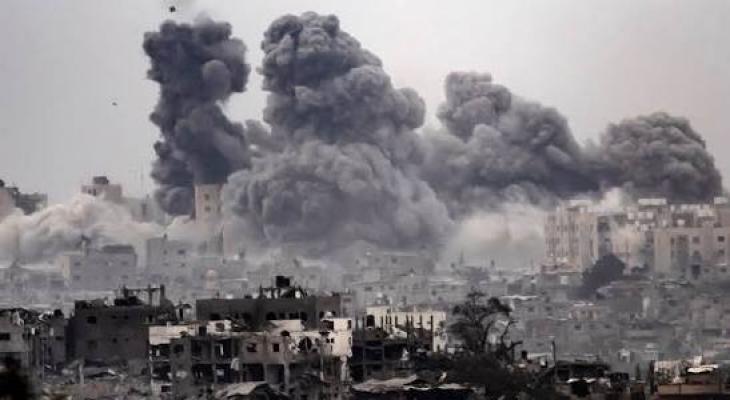
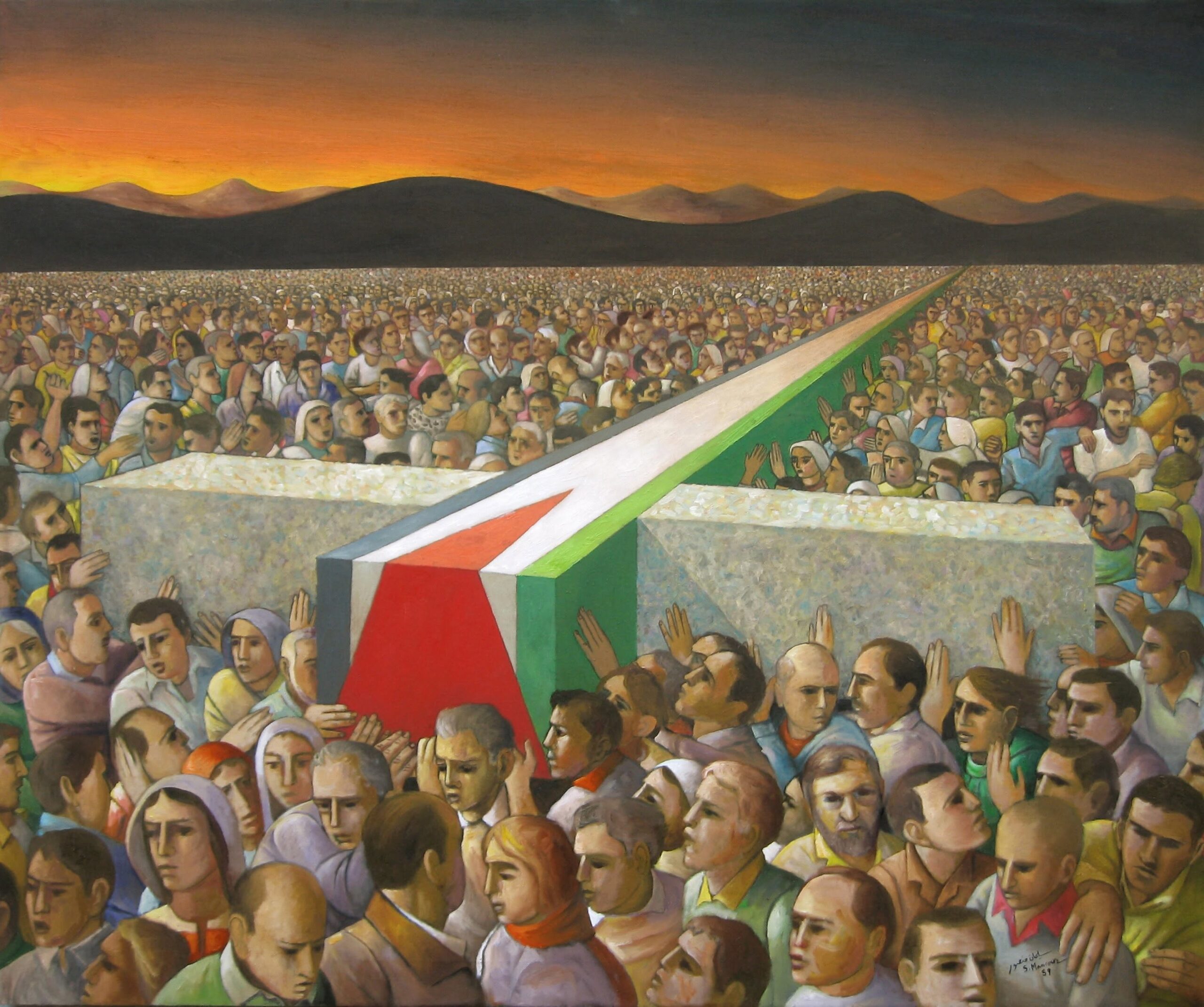 12 Bodies Uncovered in Gaza City
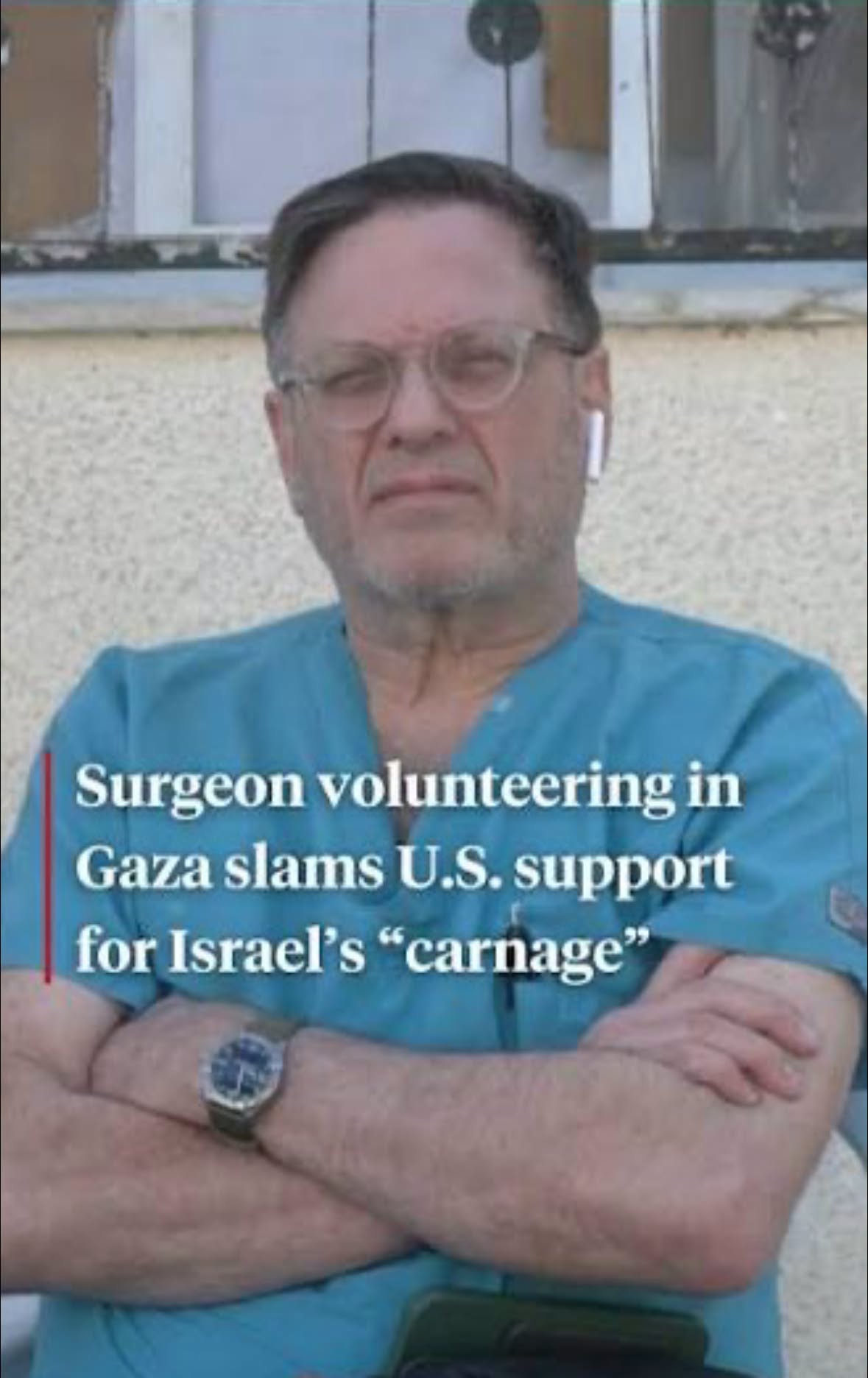 Dr. Mark Perlmutter recounts amputating the leg of a five-year-old girl in Gaza with no anesthesia available beyond an anesthesiologist singing to her.
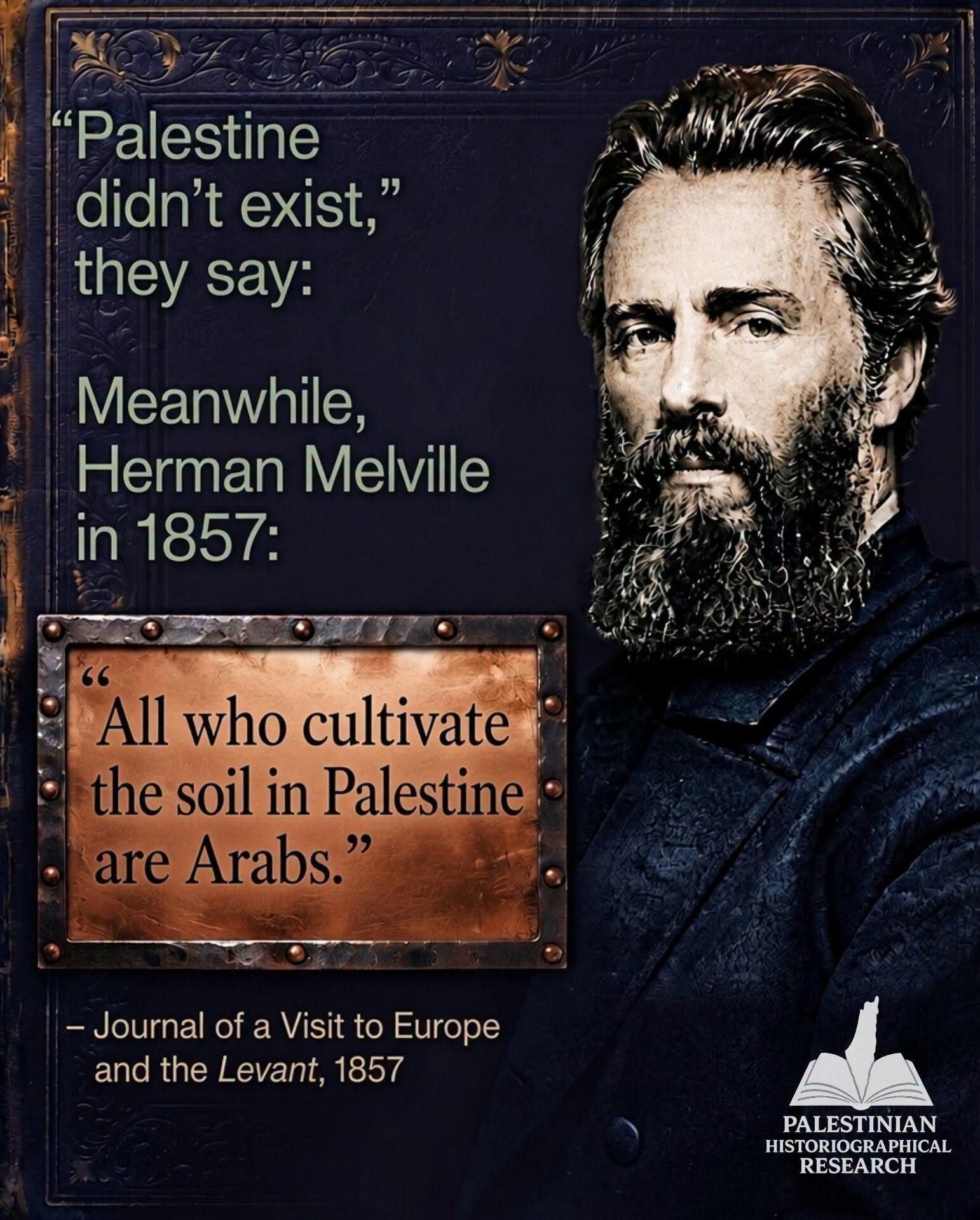 Herman Melville, Palestine, 1857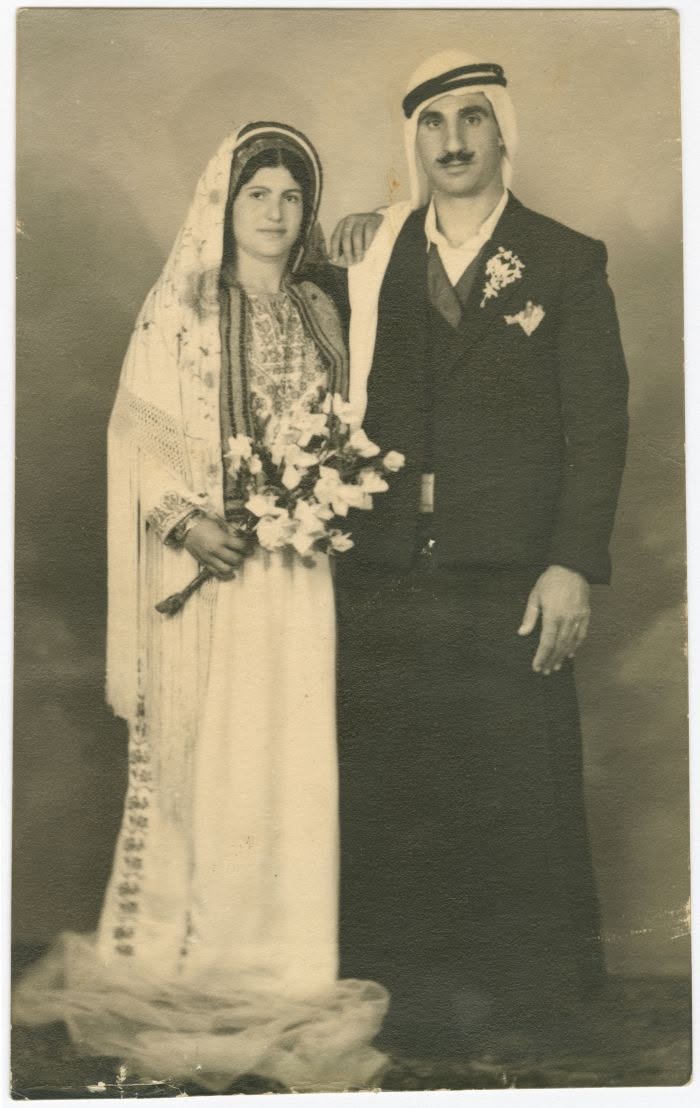

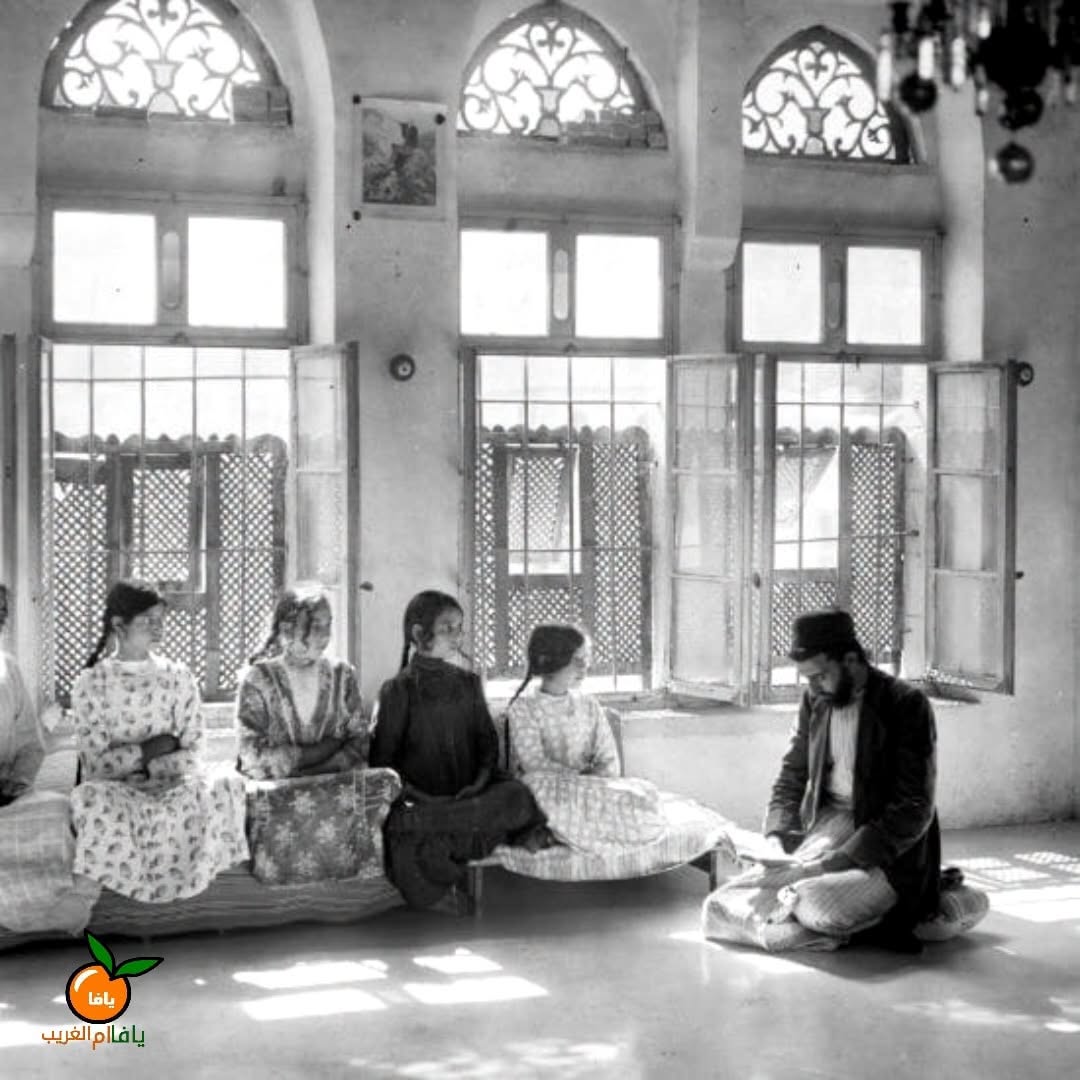
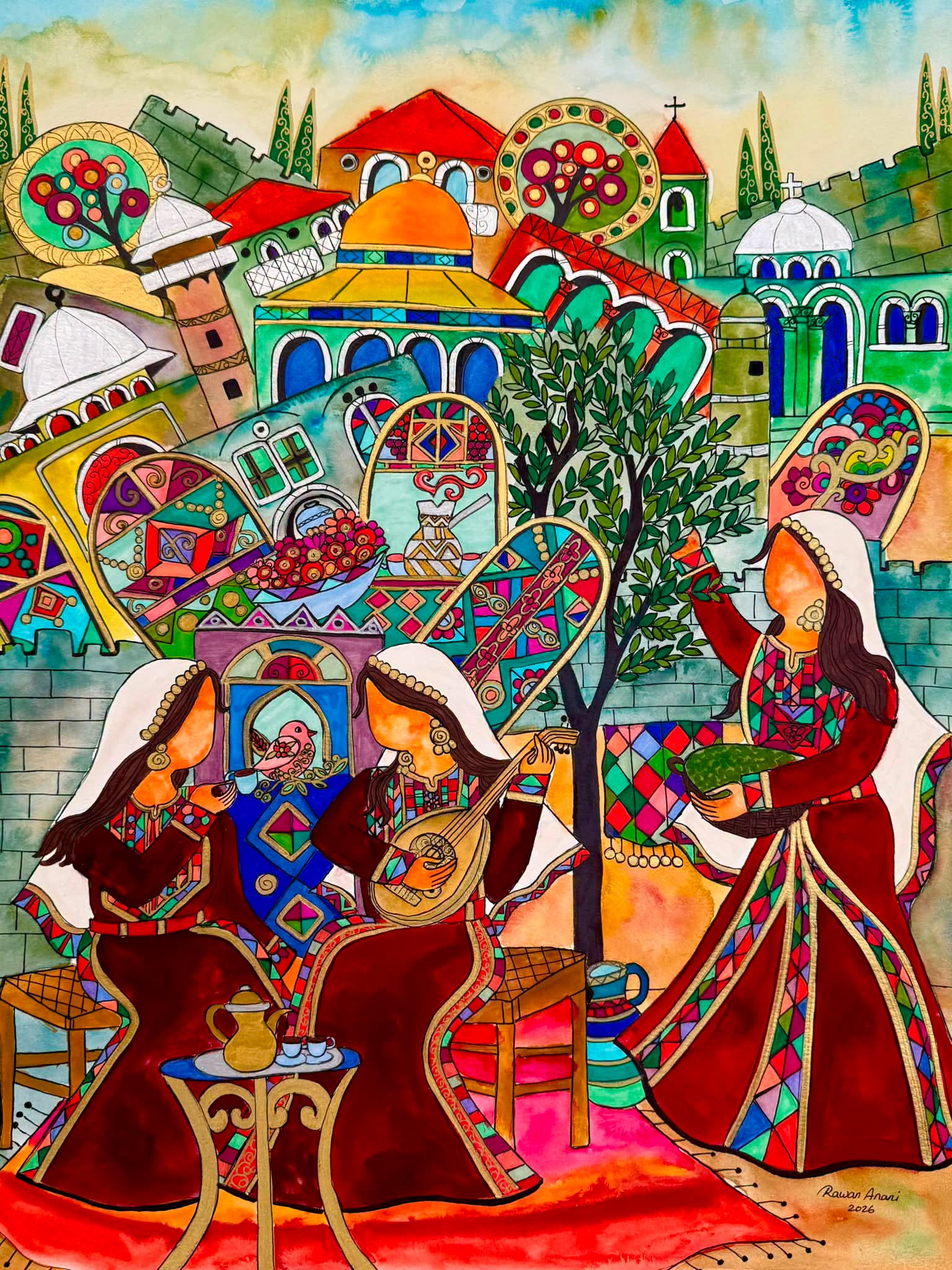
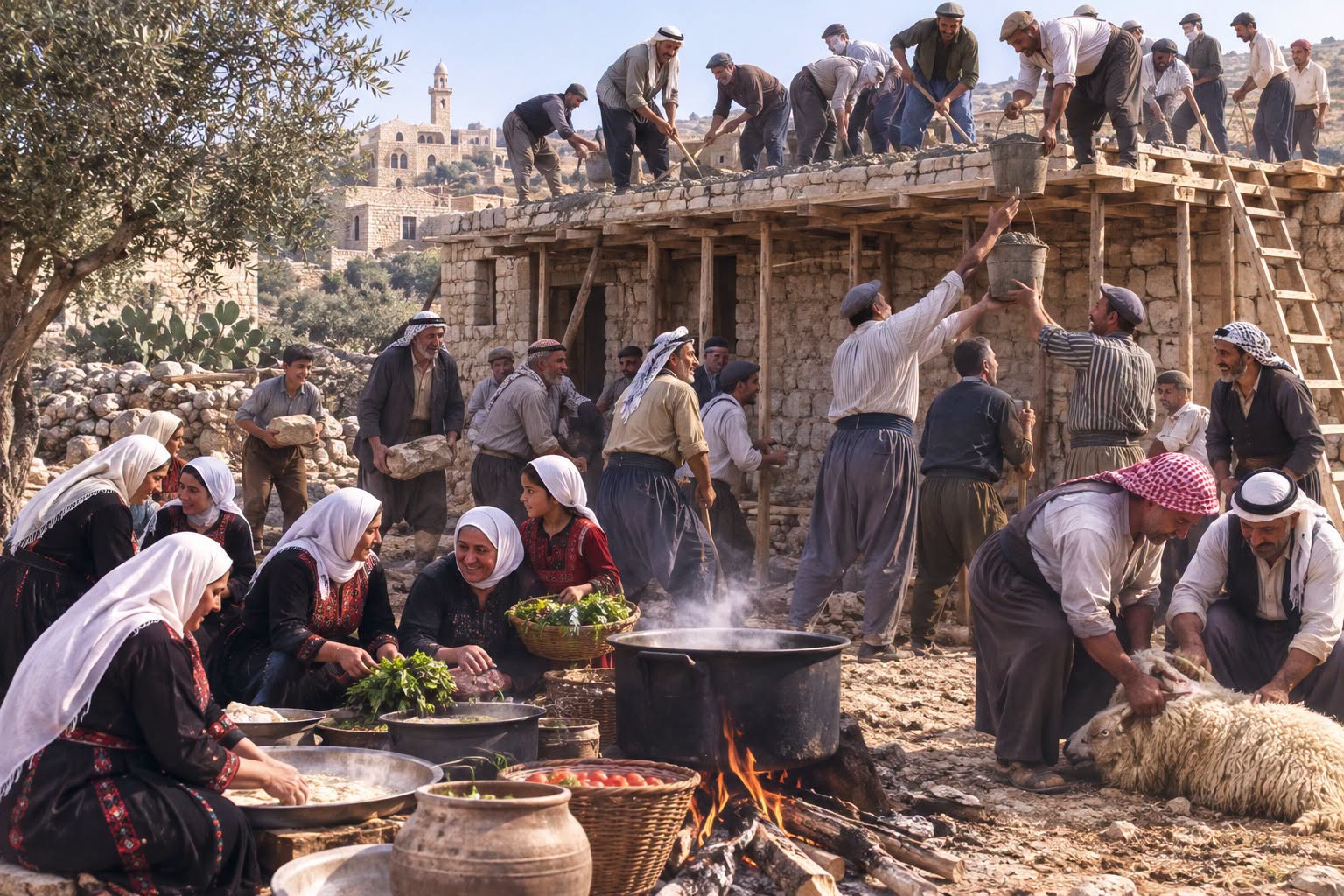
Jaffa Oranges in Jerusalem, 1937
 CrossFireArabia
- August 15, 2026
 CrossFireArabia
 marwanCrossFireArabiaCrossFireArabiamarwanCrossFireArabia
 HebaCrossFireArabiamarwanCrossFireArabiamarwanHebaCrossFireArabiamarwanmarwanHebaCrossFireArabiamarwanmarwanCrossFireArabiamarwanHebaCrossFireArabiaCrossFireArabiaCrossFireArabiaHebamarwanCrossFireArabiamarwanHebaCrossFireArabiaHebamarwanmarwanCrossFireArabiamarwanmarwanmarwanmarwanmarwanmarwanmarwanmarwanmarwanCrossFireArabiaCrossFireArabiamarwanmarwanCrossFireArabiaCrossFireArabiamarwanCrossFireArabiamarwanHebaHebamarwanmarwanCrossFireArabiamarwanmarwanmarwanmarwanCrossFireArabiaCrossFireArabiamarwanmarwanmarwanCrossFireArabiamarwanmarwanmarwanmarwanmarwanCrossFireArabiamarwanmarwanmarwanCrossFireArabia
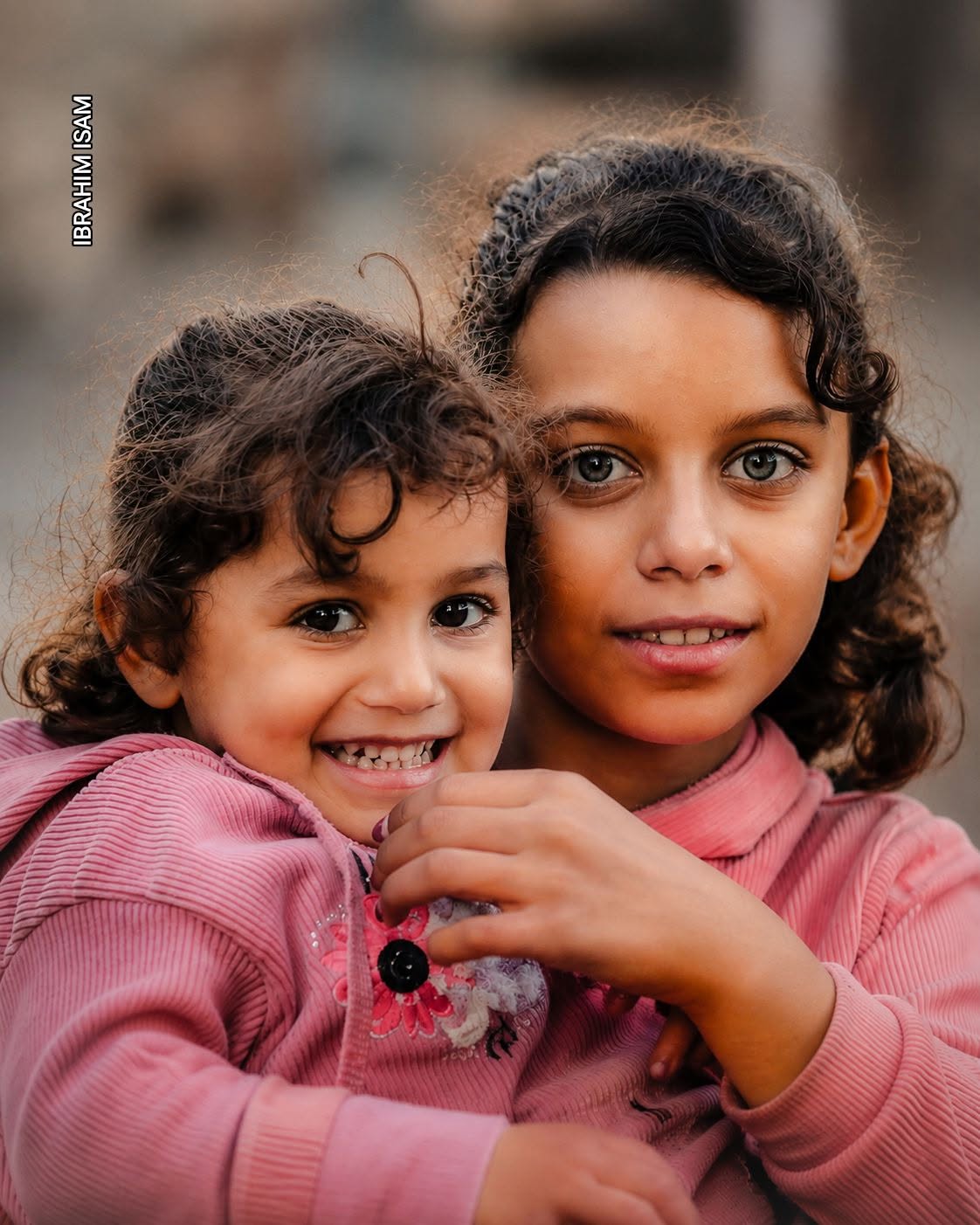
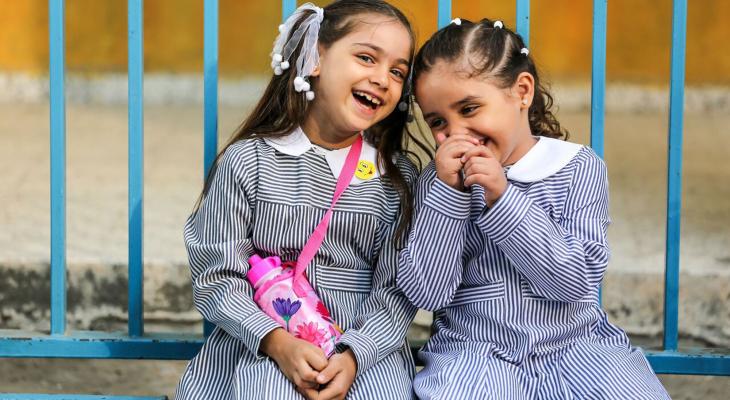
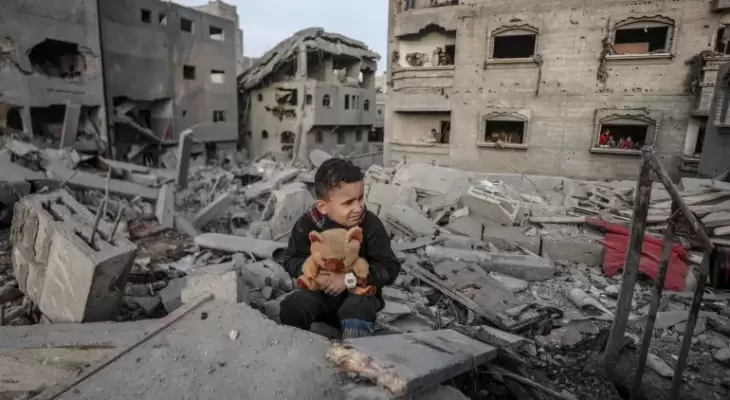
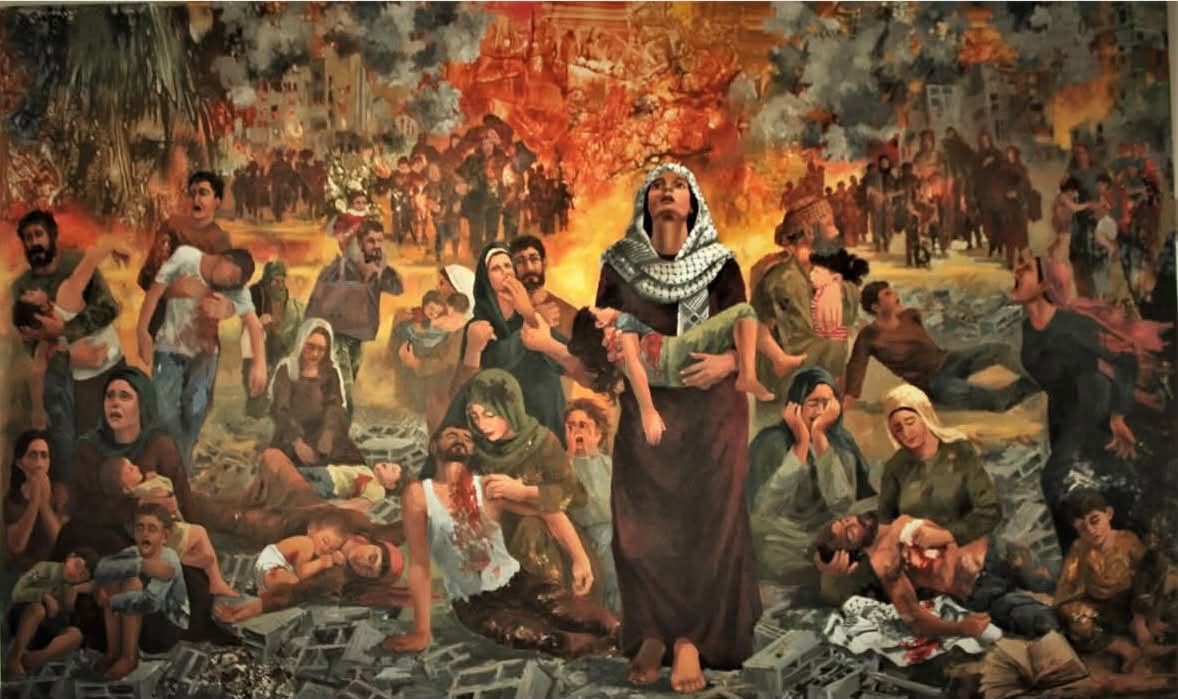
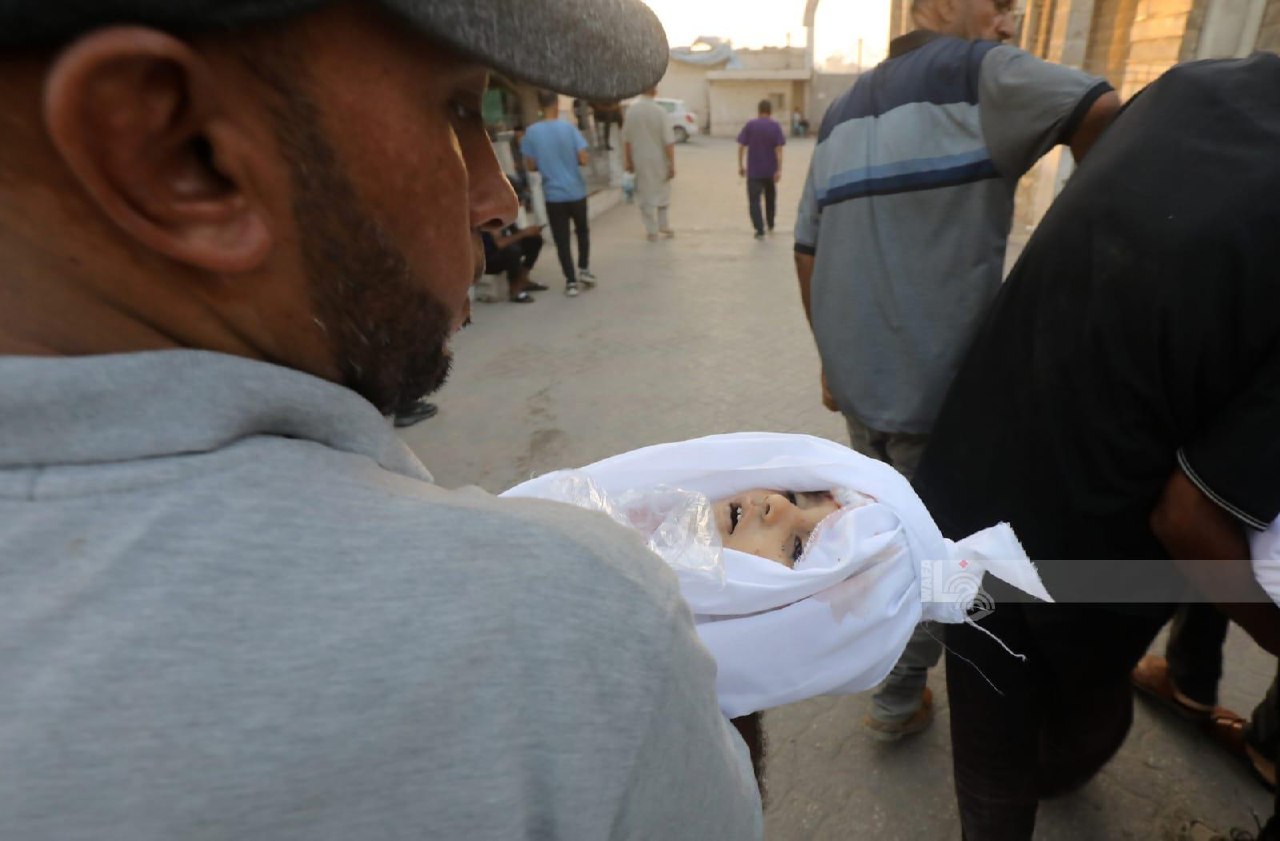
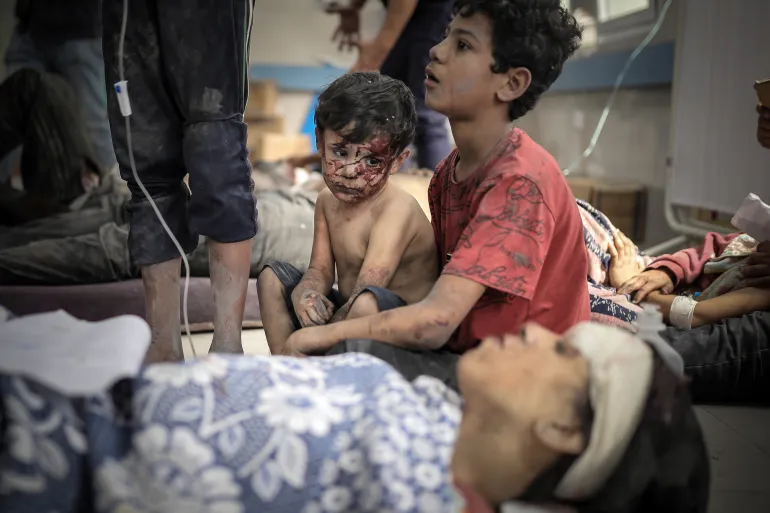
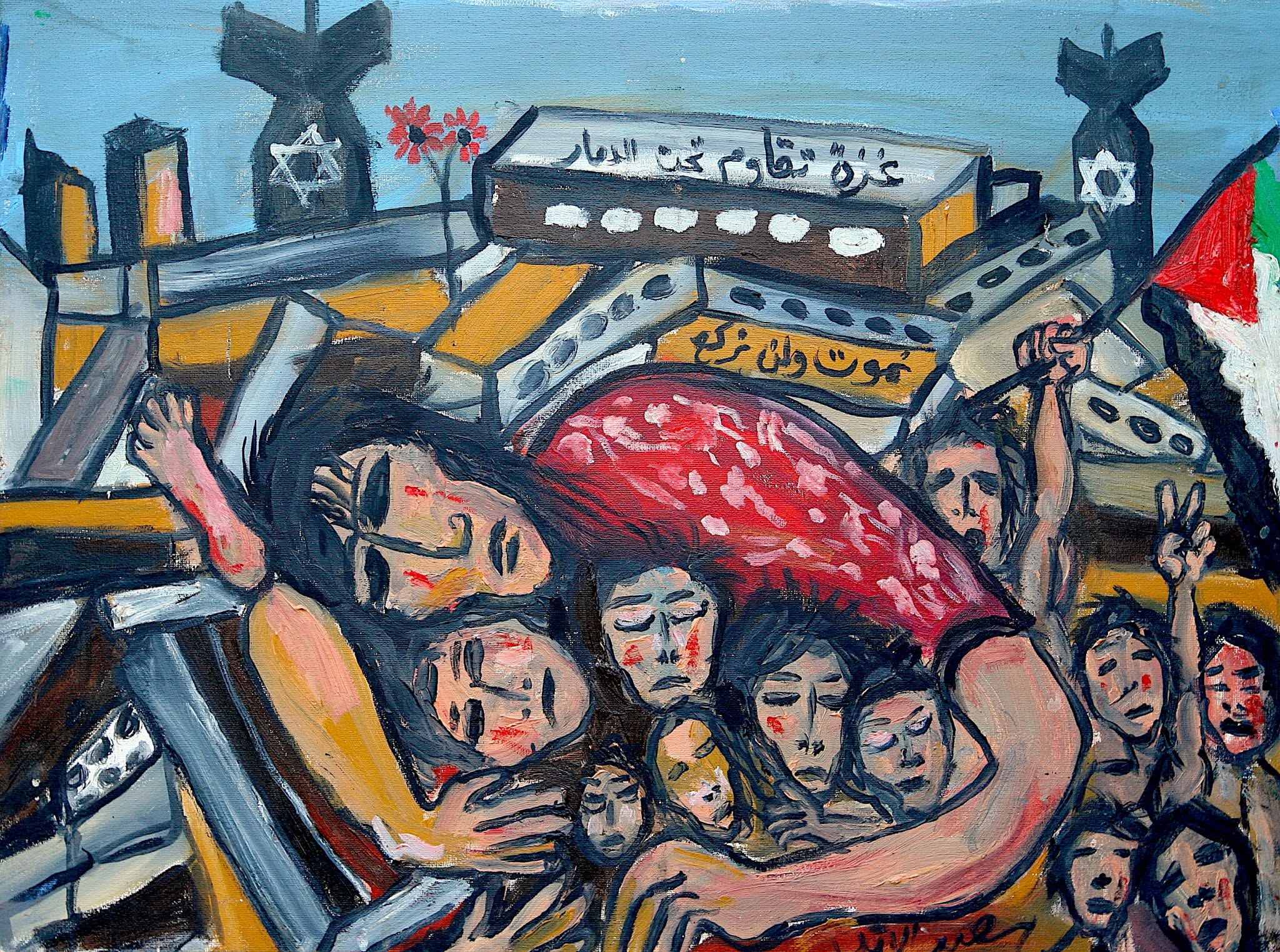
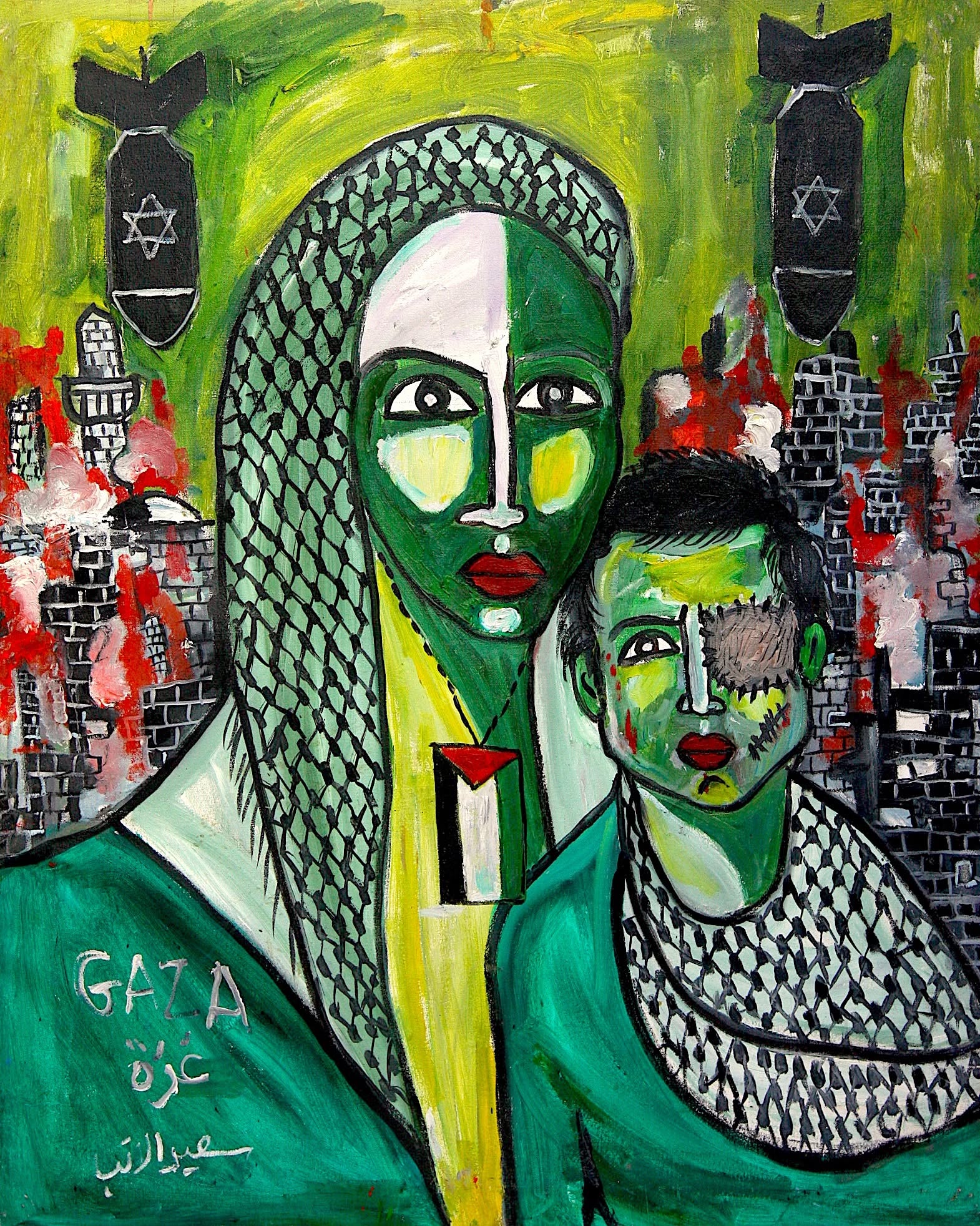
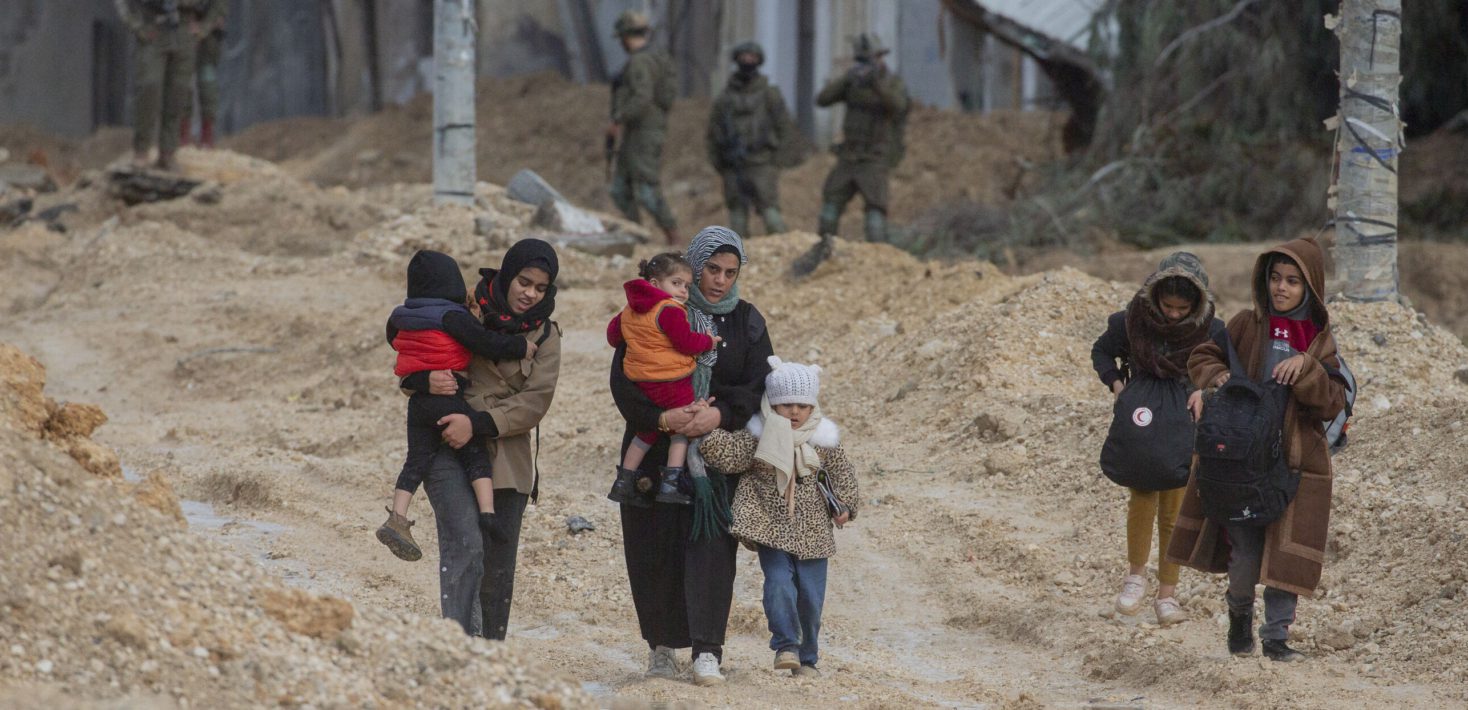
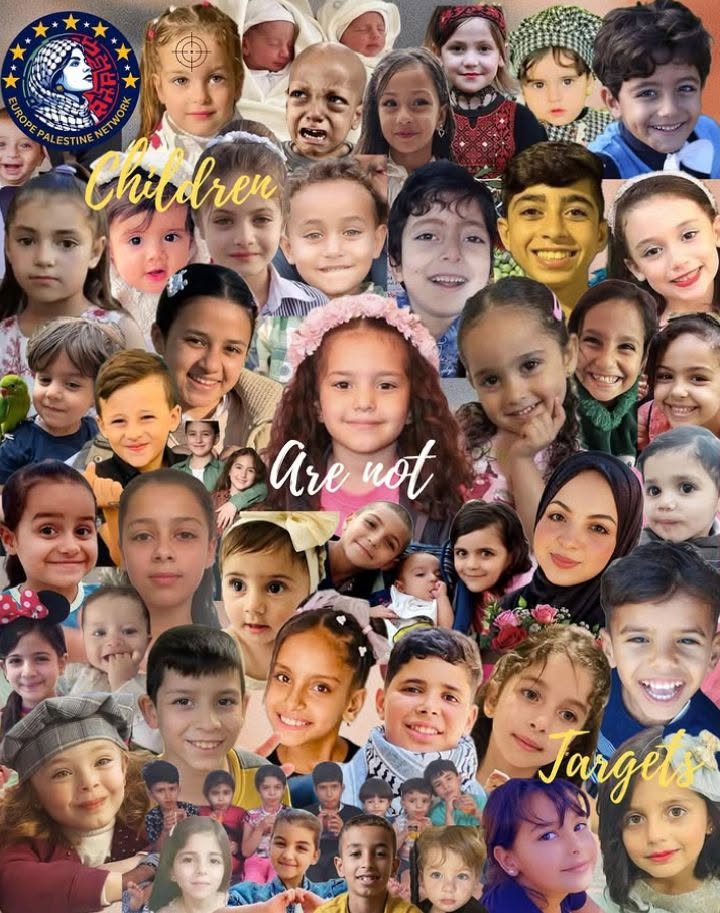
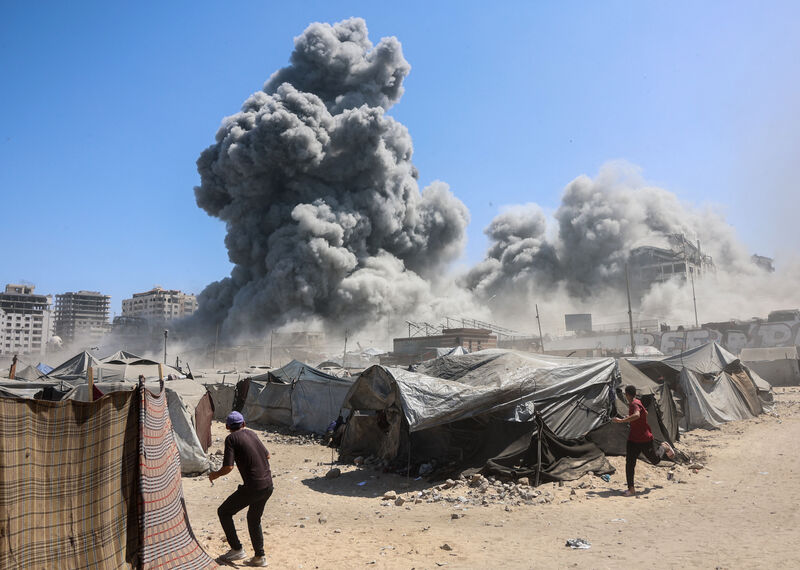
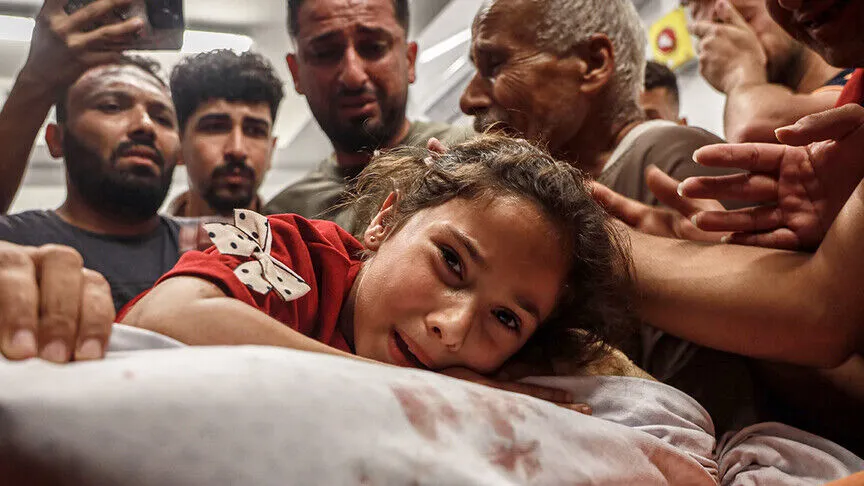
After 1000 days of the Israeli offensive on the Gaza Strip, children face death, injury, hunger, orphanhood, and displacement, amidst a decline in protection, healthcare, and education services.
On June 19, 2026, UNICEF stated that the ceasefire declared in October 2025 had become, for the children of Gaza, a “cruel and deadly illusion,” given the continued killing and injuries, and the restrictions on medical and food supplies.
According to statistics from the Government Media Office in Gaza, Israel has killed 21,500 children since October 8, 2023, up to July of this year.
Among the dead are more than 520 infants born during the Israeli offensive who were killed in it, according to the same source.
Additionally, 1,022 children under the age of one have been killed.
A Generation’s Toll
A report by the Palestinian Central Bureau of Statistics showed that children constituted approximately 30 percent of those killed and 26 percent of those injured up to the end of 2025.
Additionally, 10,500 children suffered life-altering injuries, and more than 1,000 children underwent amputations.
Nearly 4,000 children face the risk of death unless they receive urgent medical evacuation for treatment outside the Gaza Strip, given the shortage of medicines and medical supplies.
Truce Without Protection
The killing of children did not stop with the implementation of the ceasefire agreement on October 10, 2025.
UNICEF stated that on June 19, 265 Palestinian children were killed in the Gaza Strip since the ceasefire was declared, an average of almost one child per day for more than eight months.
The UN organization added that more than 400 children were injured during the same period, many with life-altering injuries, noting that some were killed inside their homes, tents, schools, and/or while playing.
UNICEF warned against normalizing the levels of child killings and injuries during the ceasefire.
Memory of the Bombing
Among the stories of Gaza’s children:
– Premature Infants: On November 10, 2023, the Israeli army stormed Al-Nasr Children’s Hospital in western Gaza City, forcing medical staff to leave under fire and refusing to evacuate premature babies. This resulted in the deaths of five infants, according to the Gaza Ministry of Health.
After the Israeli army withdrew from the Al-Nasr neighborhood, the bodies of the five infants were found decomposing inside incubators and on hospital beds, having been denied treatment.
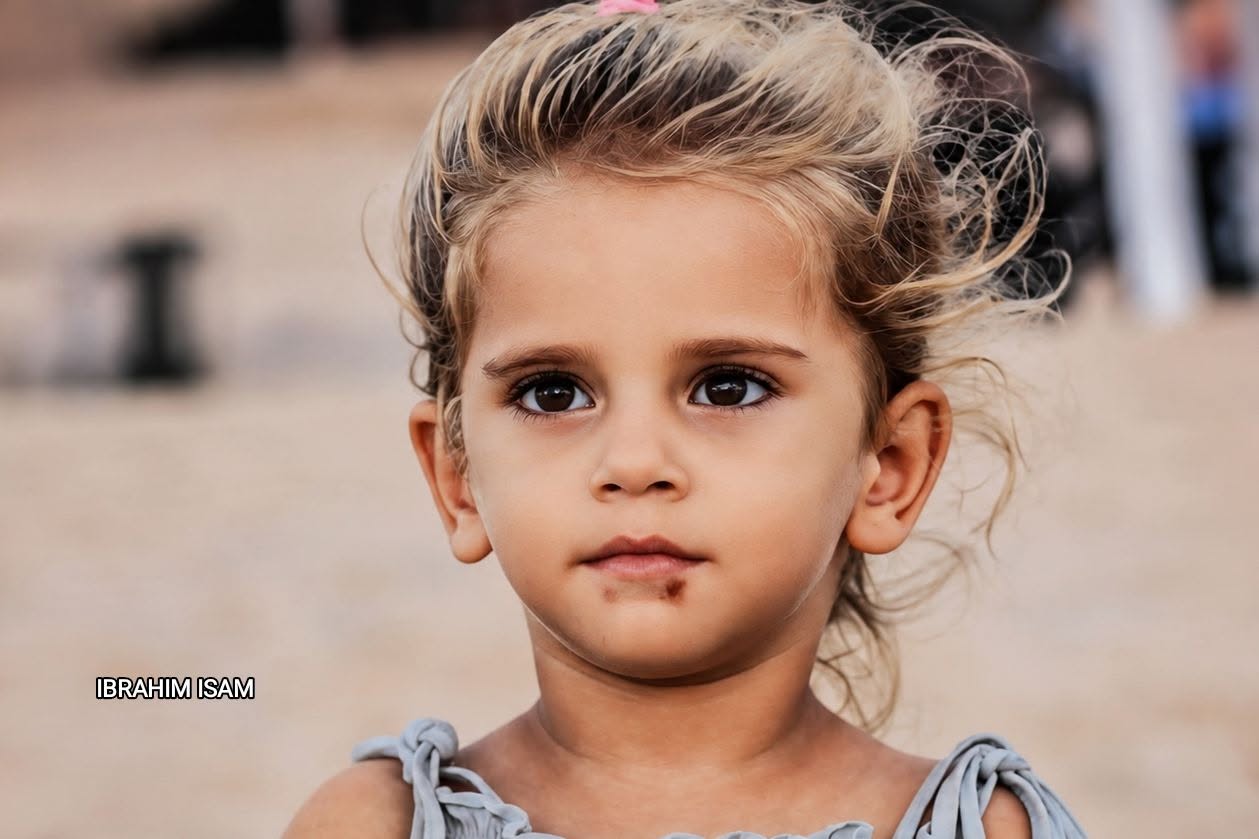
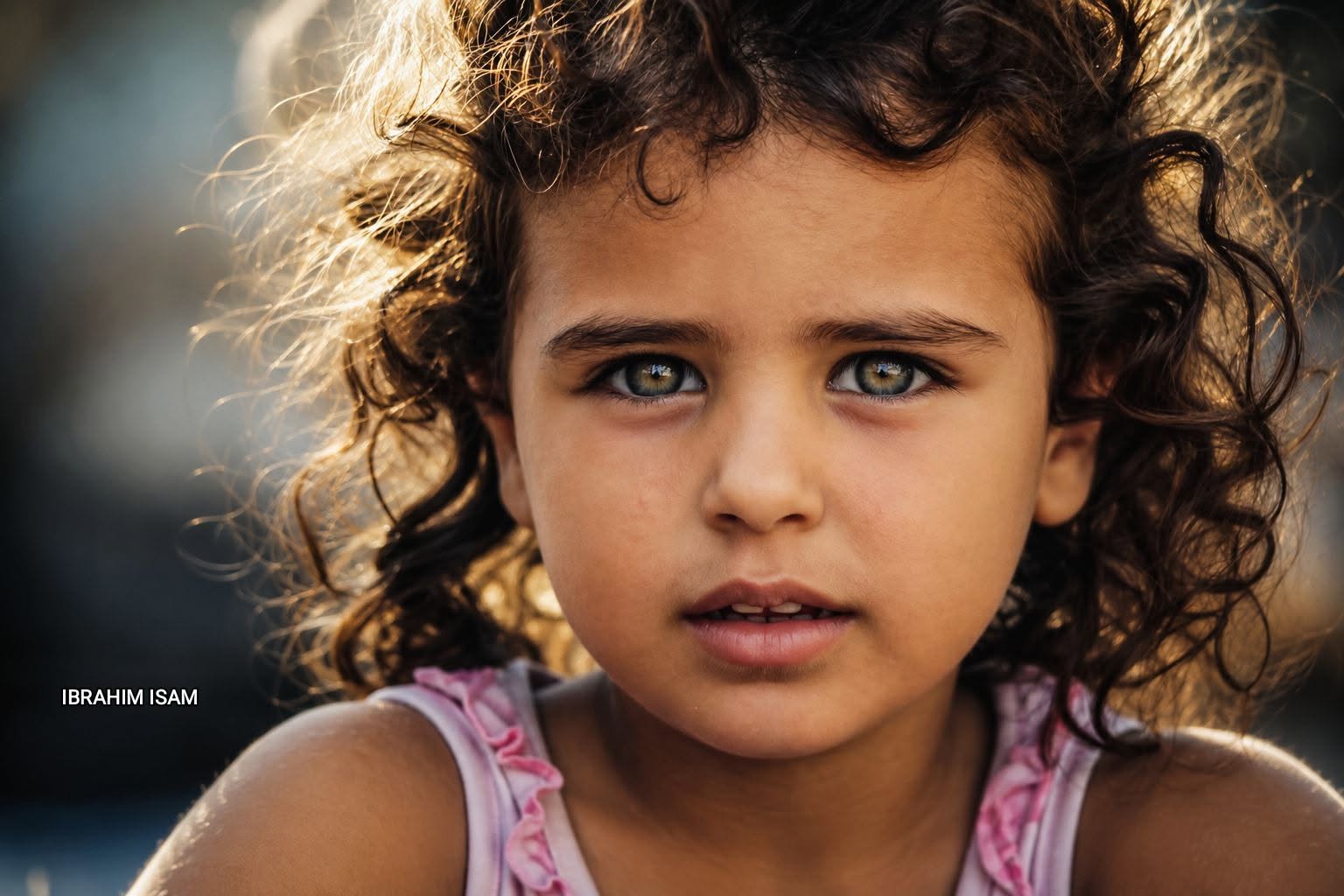
– Youssef… “His hair was curly and fair”: On October 21, 2023, Youssef’s mother, whose son was 7 years old, searched for him among the wounded in a Gaza hospital, saying: “His hair was curly and fair, and he was sweet.”
Hours later, she found him dead inside a morgue refrigerator after an Israeli bombing.
– Reem… “The Soul of My Soul”: In November 2023, an Israeli airstrike killed three-year-old Reem and her brother, Tariq. Her grandfather, Khaled Nabhan, famously said, “The soul of my soul,” as he bid her farewell.
– “Is this a dream or reality?”: In December 2023, a child pulled from the rubble asked her doctor, weeping, “Is what’s happening a dream or reality?”
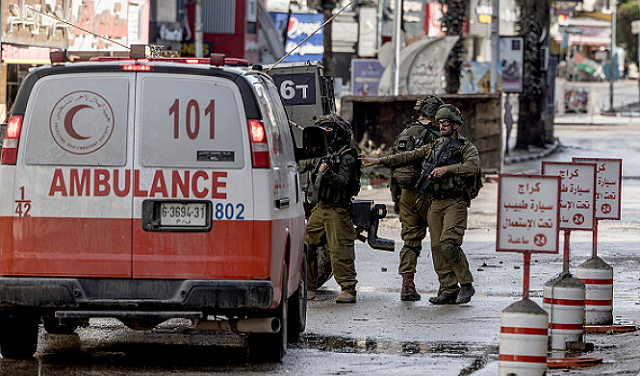
– Hind Rajab… “Please come and get me”: In January 2024, six-year-old Hind Rajab pleaded with the Palestinian Red Crescent to rescue her from a car surrounded by Israeli tanks after her relatives were killed. Twelve days later, her body and the bodies of the two paramedics who went to rescue her were found.
Sidra… A Torn Body Hanging from the Wall: In February 2024, Sidra Hassouna, 7, was killed along with her twin sister, her parents, and several relatives in an Israeli airstrike in Rafah. Her torn body was found hanging from the wall of her home.
Hunger Kills Children
Since the start of the conflict, 157 children have died from hunger and malnutrition, and another 25 have died from the cold and frost inside displacement camps.
The Palestinian Central Bureau of Statistics (PCBS) cited a report by the United Nations Office for the Coordination of Humanitarian Affairs (OCHA), issued on March 18, stating that more than 3,700 children aged between 6 and 59 months were admitted to malnutrition treatment programs during February 2026.
Among them, more than 600 children suffered from severe acute malnutrition, a condition requiring urgent medical and nutritional treatment.
Although the figures were lower than in January, when the number of children admitted for treatment exceeded 4,600, including 890 severe cases, the numbers still indicate the continuation of the food crisis, according to the PCBS.
The data shows that 64 percent of children consume only two or fewer food groups daily, while more than 90 percent do not receive the minimum required dietary diversity.
More than 60 percent of children suffer from acute food insecurity, which threatens their physical and mental development.
Among the children who died due to malnutrition and lack of treatment:
2024:
– February: Two infants died from dehydration and malnutrition; their names were not released.
– March: Yazan al-Kafarna, 10 years old, died.
– May: Fayez Abu Aita, 7 months old, died at Al-Aqsa Martyrs Hospital in the central Gaza Strip.
– July: Hikmat Raad Badir, 6 years old, died at Al-Aqsa Martyrs Hospital, and Ali Anas al-Tatar, 6 years old, died at the Baptist Hospital in Gaza City.
2025:
– May: Jinan al-Sakafi, 4 months old, died at al-Rantisi Hospital, and Muhammad Mustafa Yassin, 4 years old, died.
August: Infant Rania Ghabban died at Al-Rantisi Hospital in Gaza City, along with infants Rasel Abu Masoud (2 months old), Ghadeer Breika (5 months old), Mohammed Zakaria Asfour (1 year and 4 months old), and Roua Mashi (2 years old) at Nasser Hospital in the southern Gaza Strip.
58,000 children lost their parents
The Palestinian Central Bureau of Statistics (PCBS) quoted UNICEF as saying that more than 58,000 children in the Gaza Strip lost one or both parents as a result of the war.
These children face… A thousand days after the Israeli offensive on the Gaza Strip, children face death, injury, hunger, orphanhood, and displacement, amidst a decline in protection, healthcare, and education services. Anadolu
CrossFireArabia
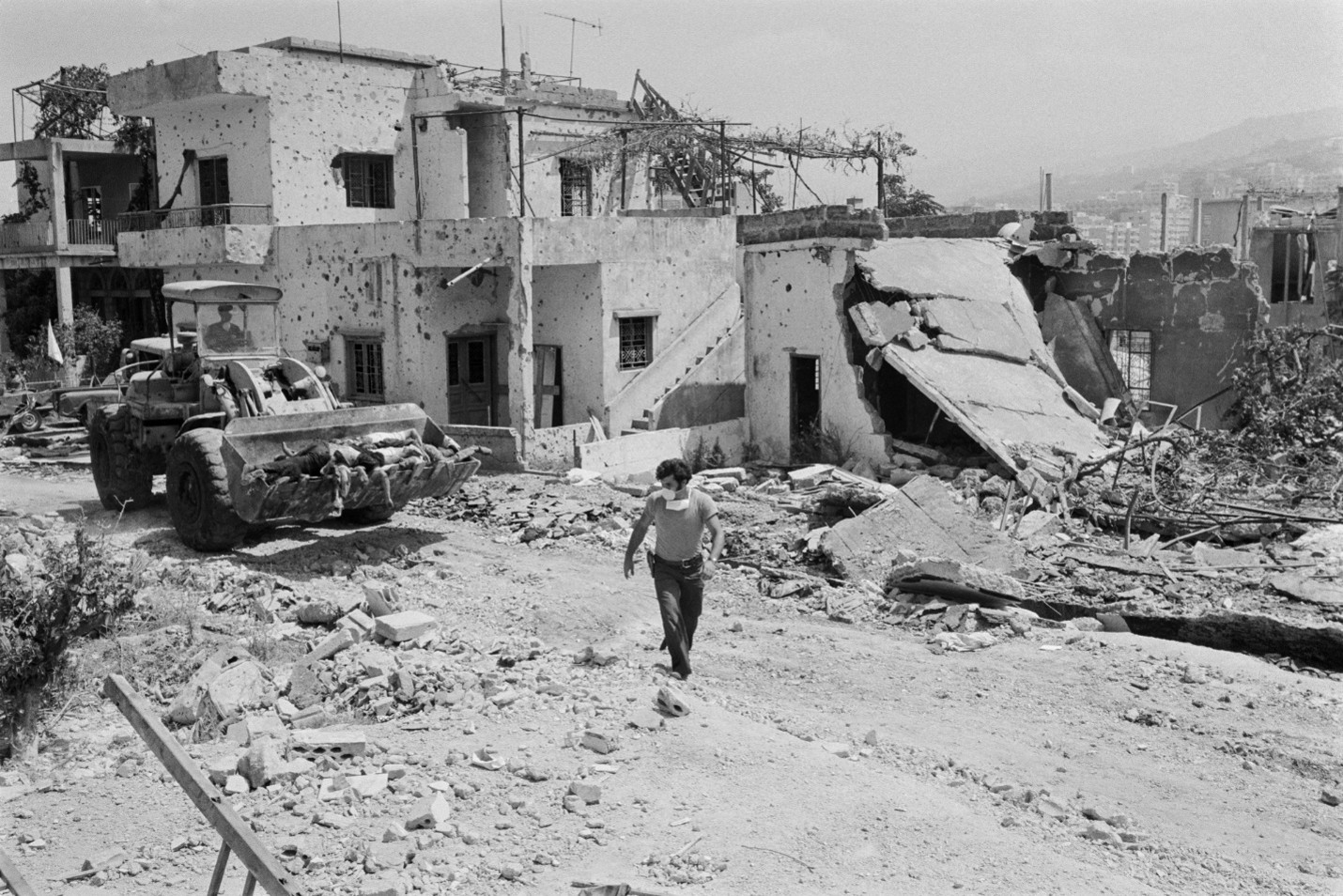
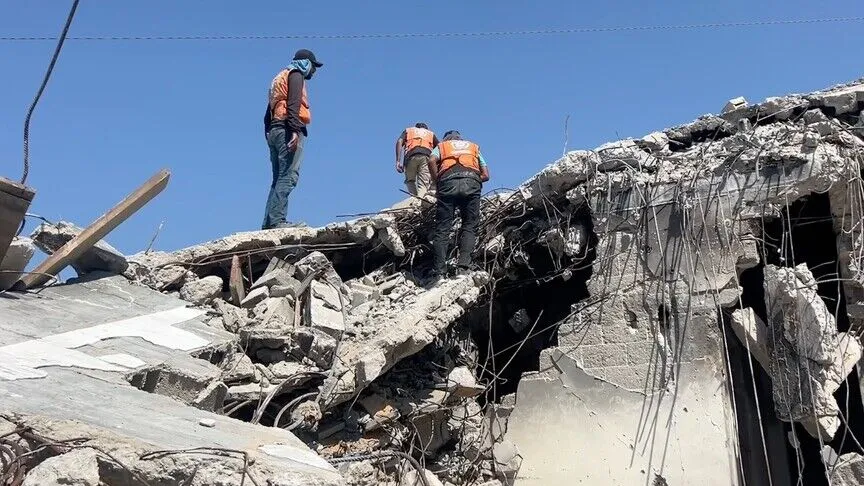
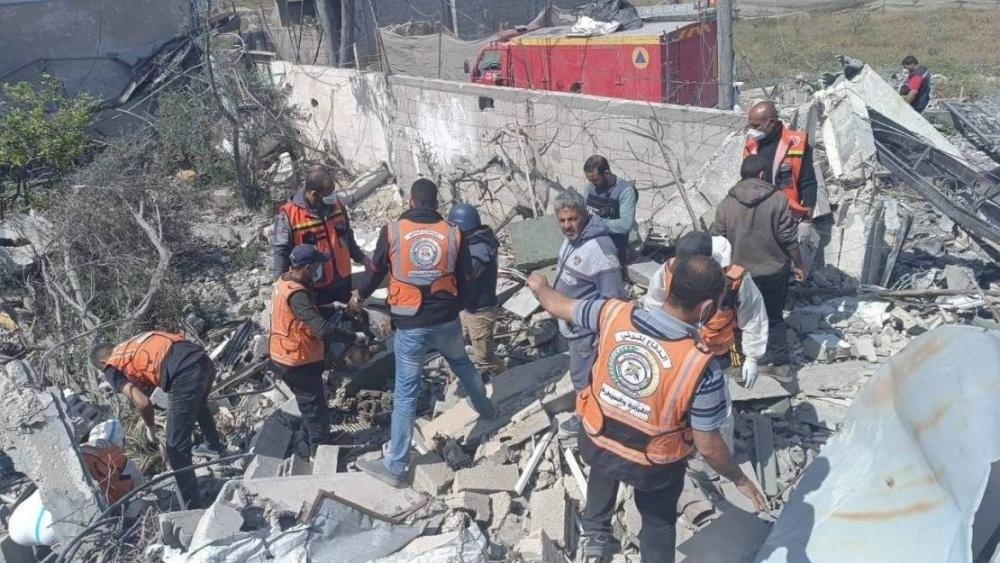
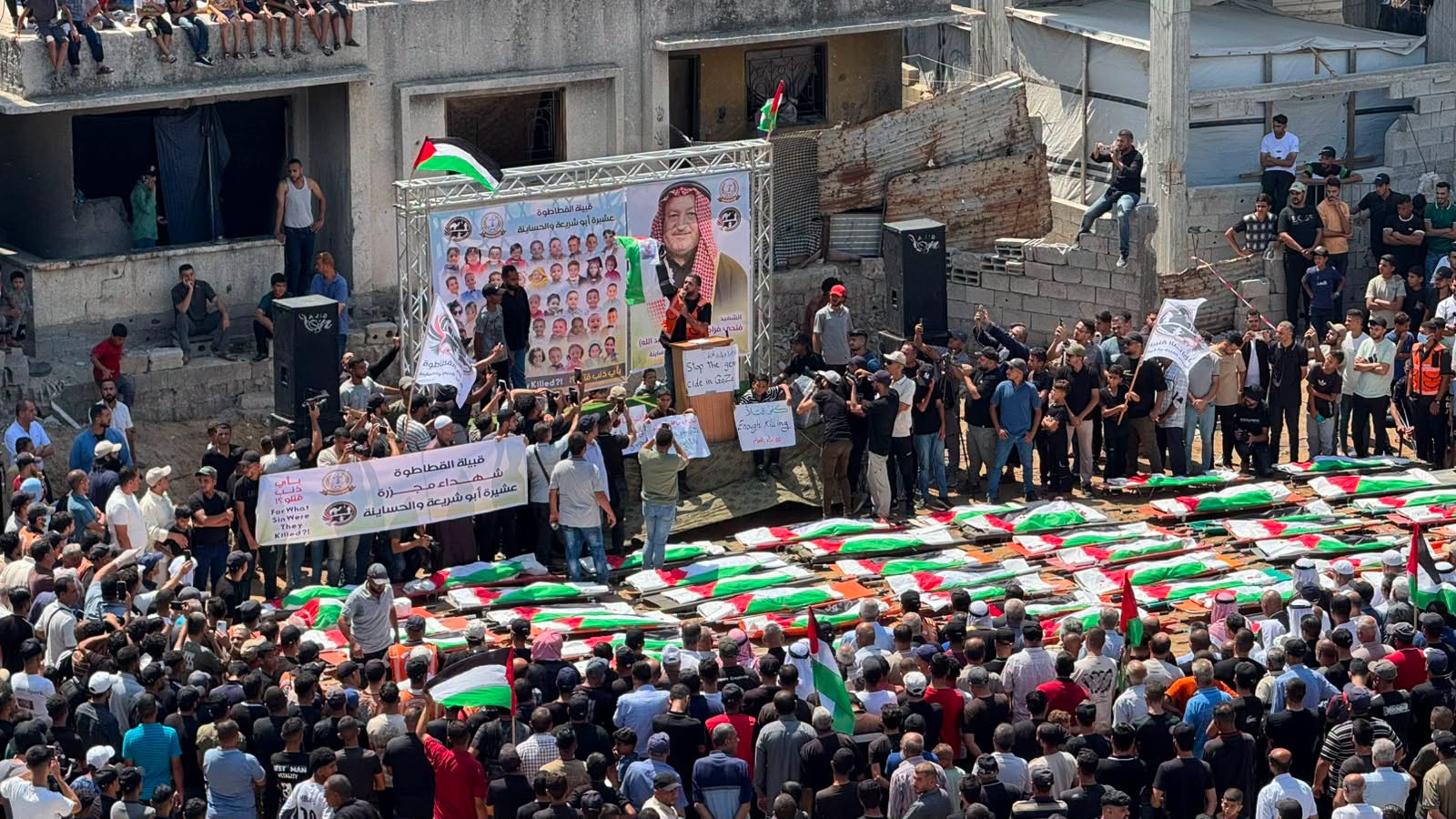
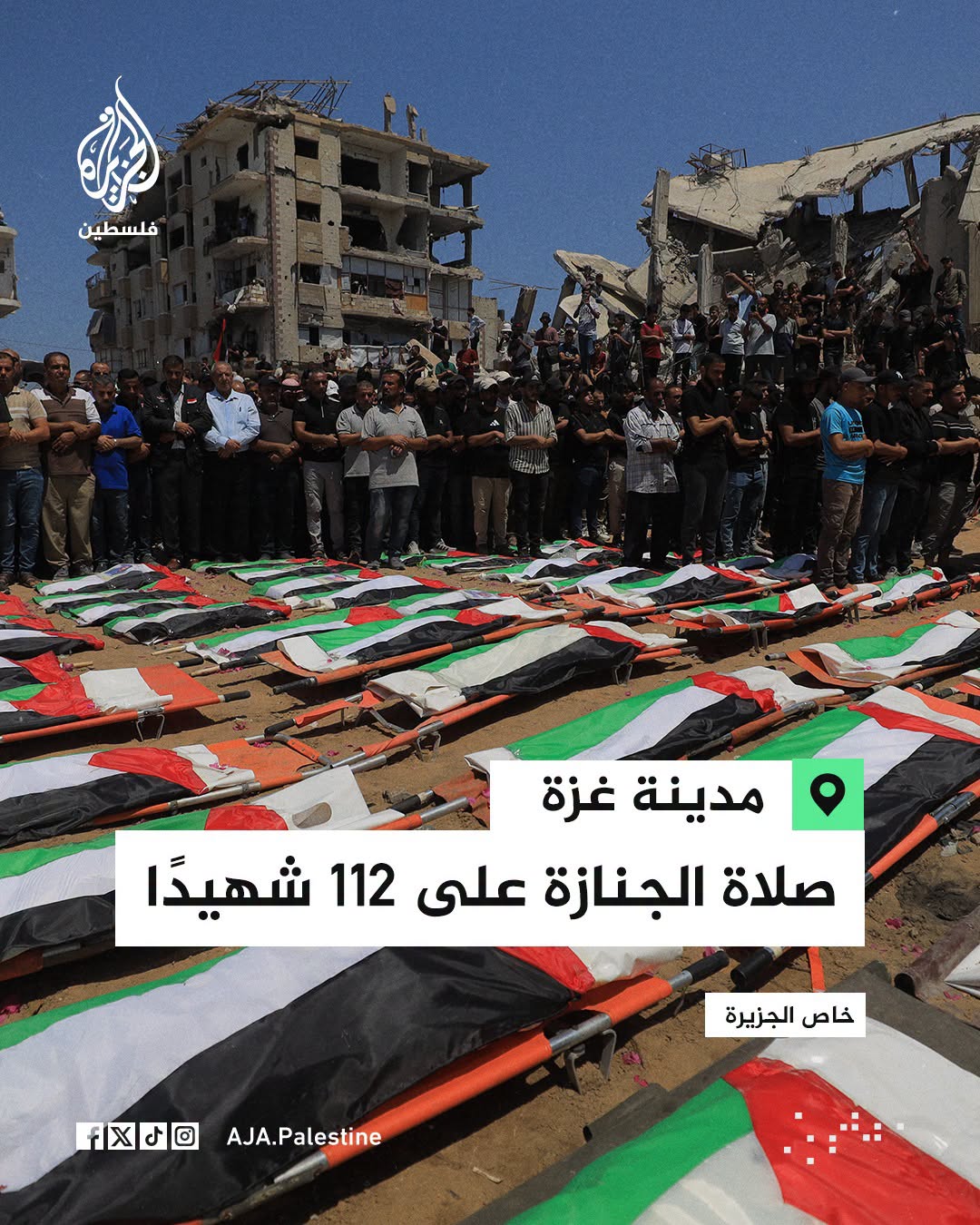
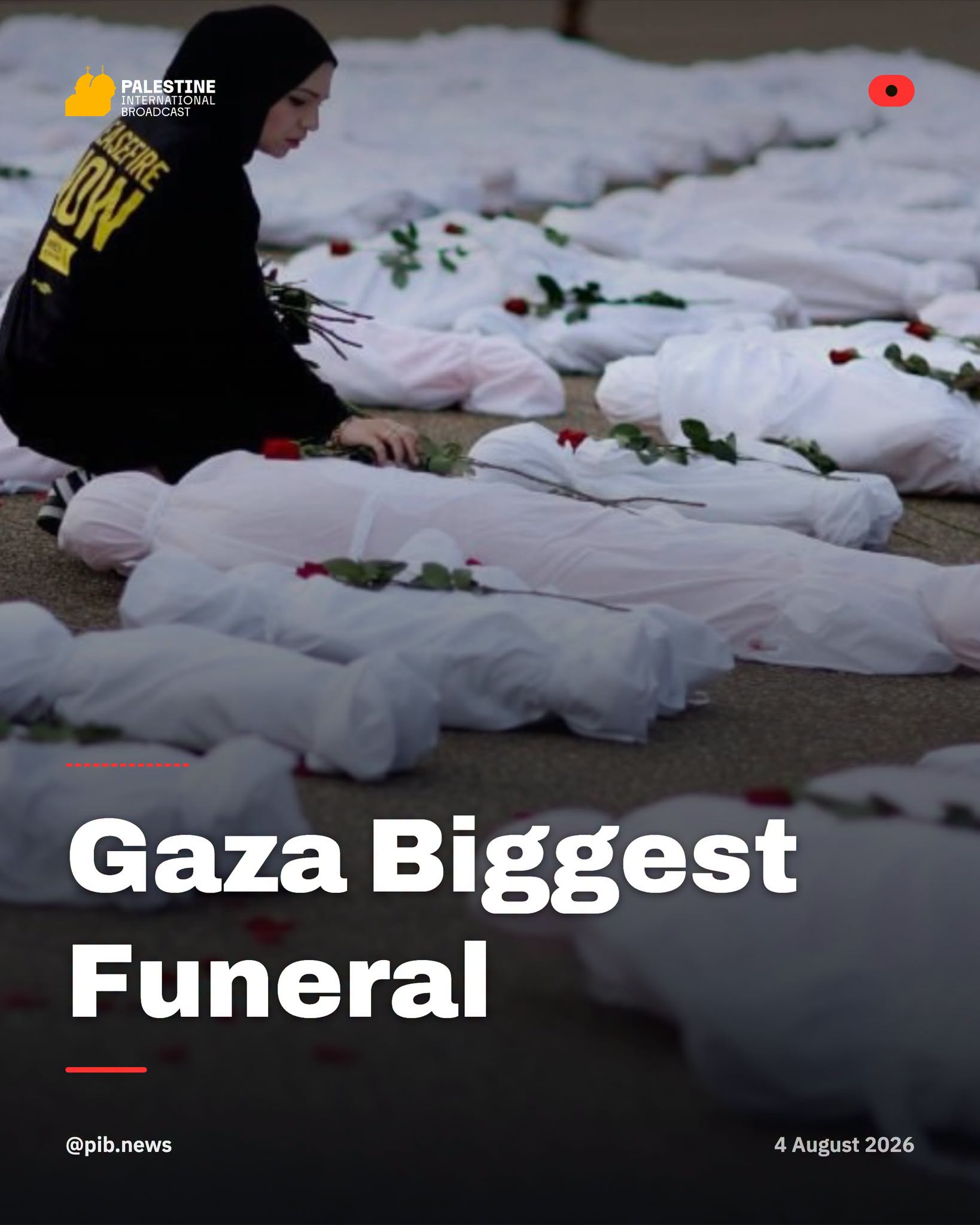
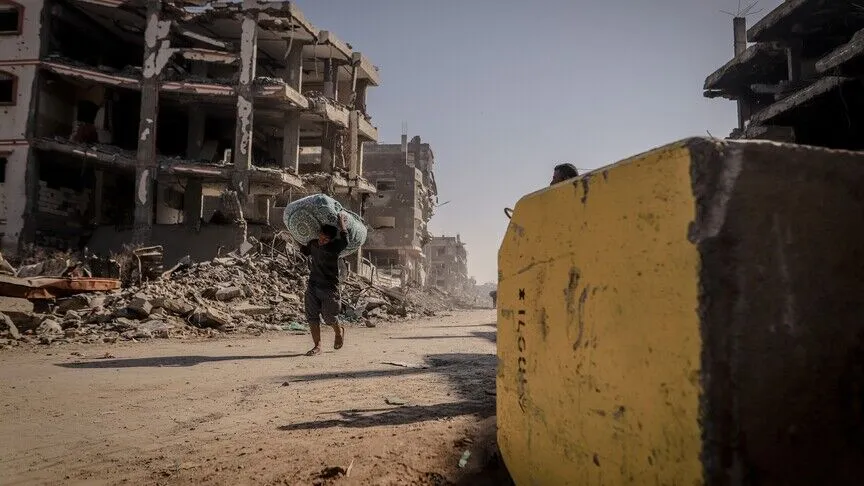
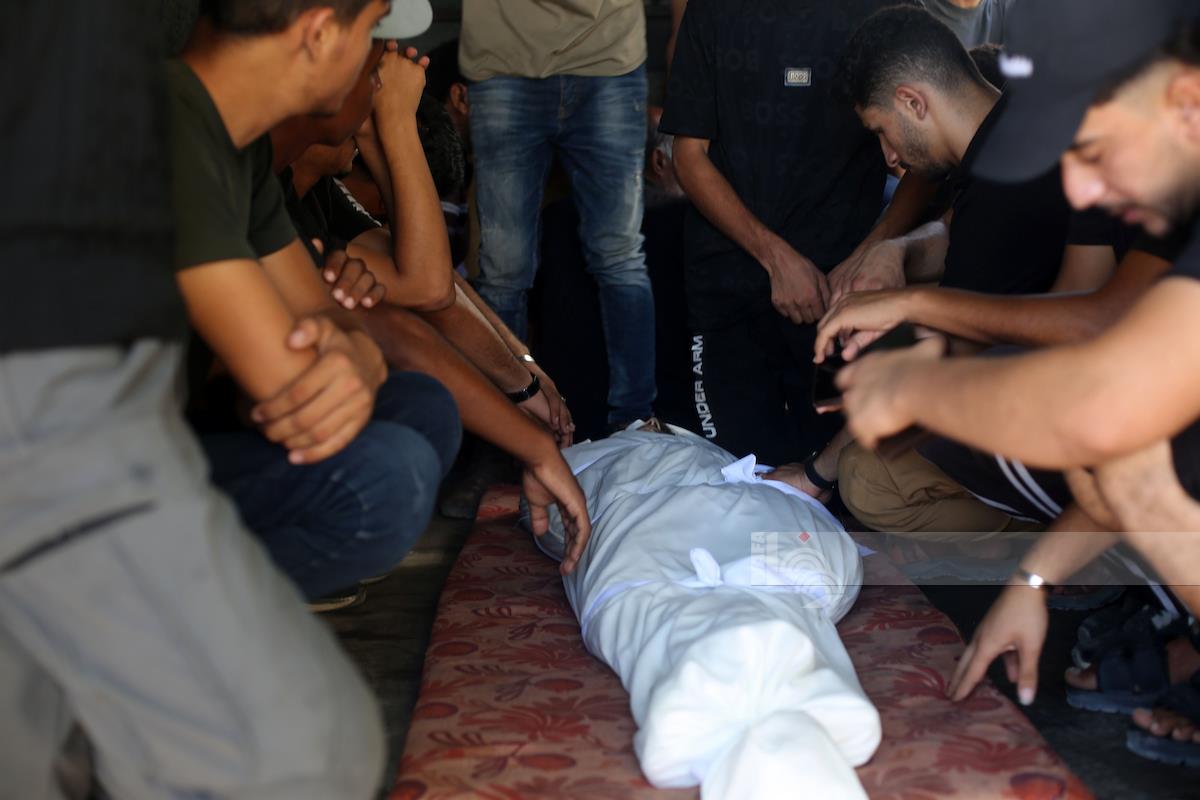
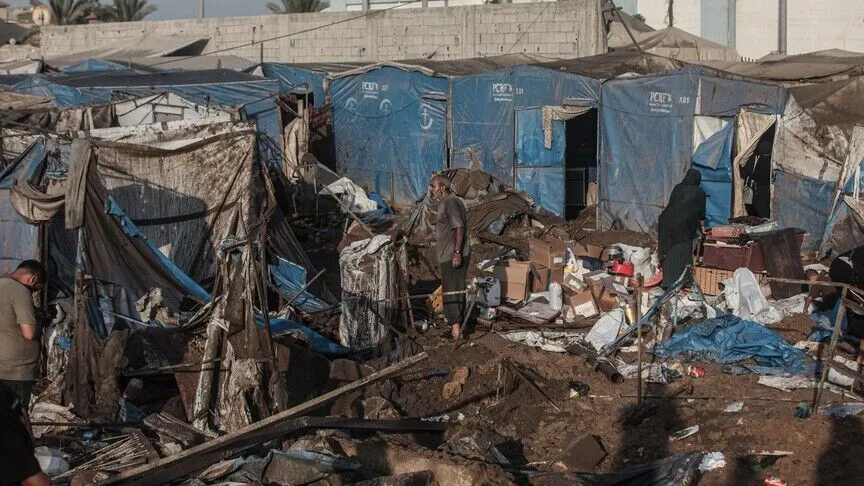
Civil defense and forensic teams in the Gaza Strip continue to recover and bury the remains of martyrs more than two years after Israel started its genocidal war on the Gaza Strip.
On 1 July, the rescue teams were able to locate and recover the remains of a young woman named Orieb Al-Rayes after more than two and a half years of lying under the rubble. An Israeli airstrike destroyed her home, killing her and her family instantly. Only her identity card was recovered from her body, a scene that reflects the scale of the destruction caused by the bombing.

Forensic teams also recovered 88 bodies and remains, while documenting cases of Palestinians sifting through rubble with sieves in search of the remains of their family members. According to the Palestinian Ministry of Health, the death toll from the Israeli occupation’s aggression on the Gaza Strip has reached 72,993 martyrs and 173,230 wounded, including children, women, and entire families, while the process of recovering the bodies of martyrs from under the rubble of destroyed homes and residential buildings in various areas of the Strip continues, two years after the aggression.
CrossFireArabia
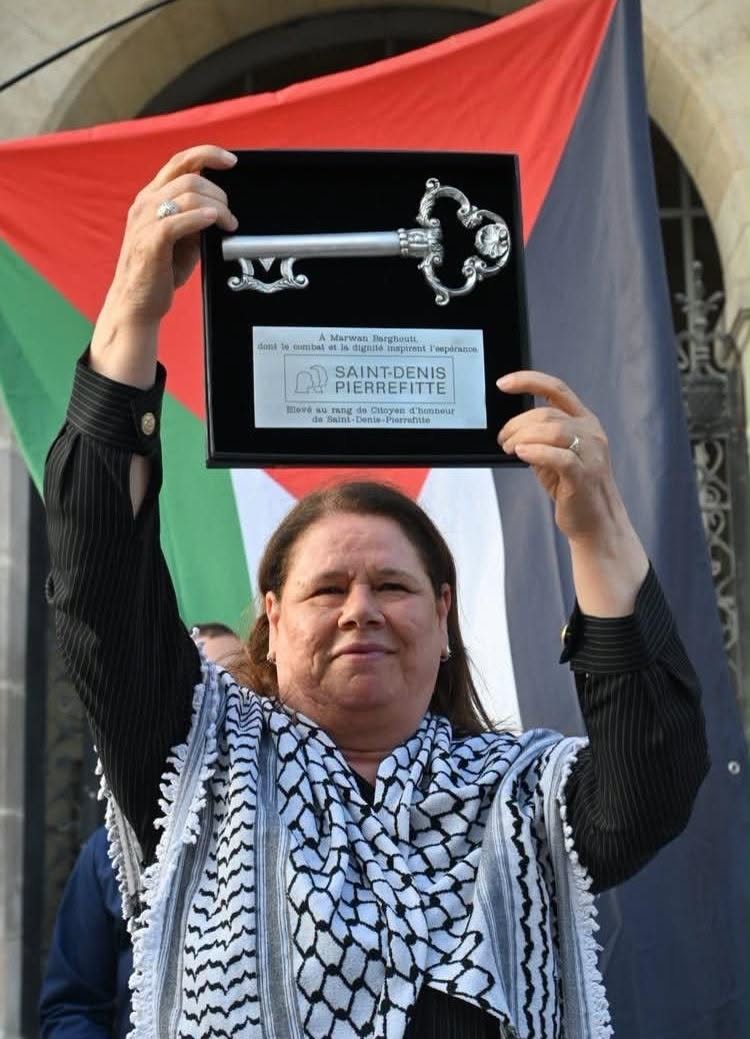
The French city of Saint-Denis granted honorary citizenship to leader Marwan Barghouti, recognizing him as a symbol of freedom worldwide. The ceremony was attended by the city council, a large gathering of city residents and French supporters, and was accepted by lawyer Fadwa Barghouti, head of the international campaign.
CrossFireArabia
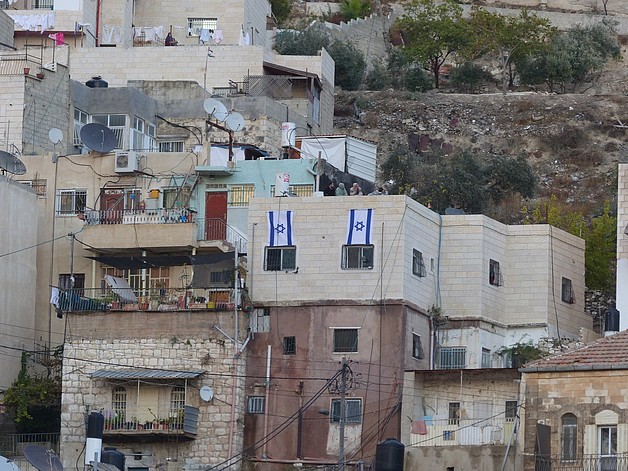
OCCUPIED JERUSALEM – At daybreak on March 25, 2026, the “Eyes” mural overlooking the narrow streets of Batn al-Hawa in Silwan neighborhood, occupied Jerusalem, silently witnessed another chapter in Jerusalem’s long struggle over land and identity.
Just 300 meters from Al-Aqsa Mosque, Israeli forces sealed off the neighborhood, preventing journalists and residents from entering. Within hours, municipal workers emptied Palestinian homes of furniture and personal belongings, leaving possessions scattered across the streets as families watched their lives dismantled.
For the families forced from their homes that morning, the evictions were not simply the outcome of an isolated property dispute. They marked the culmination of years of legal battles in Israeli courts—ending with the loss of homes where generations had lived.
The scene in Batn al-Hawa has become one of the clearest illustrations of a broader transformation unfolding across occupied East Jerusalem. Evictions, home demolitions, restrictive planning policies, land registration procedures, settlement expansion, and mounting economic pressures are increasingly intersecting to reshape the city’s demographic landscape.
According to researchers and rights organizations, these policies collectively narrow the space available for Palestinians while expanding Israeli settlement presence, producing what many describe as a gradual process of demographic re-engineering.
Between January and the end of April 2026, Israeli authorities evicted 15 Palestinian families from Batn al-Hawa after Israel’s Supreme Court rejected appeals filed by 20 families, including the Rajabi and Basbous families.
Final eviction orders now cover 22 housing units, while another 33 homes remain entangled in legal proceedings that could lead to similar outcomes. Altogether, 55 housing units in the neighborhood face the threat of eviction.
The pressures extend well beyond Batn al-Hawa. In Silwan alone, approximately 2,200 Palestinians are considered at risk of displacement—around 1,500 in Al-Bustan neighborhood and another 700 in Batn al-Hawa.
For residents, the legal battles have lasted years.
Yaqub Rajabi, a member of the Batn al-Hawa Defense Committee and one of the homeowners facing eviction, says families exhausted every legal avenue, presenting ownership documents and evidence before Israeli courts.
“What is happening cannot be understood as an ordinary property dispute,” he says. “It is part of a policy aimed at emptying the neighborhood of its Palestinian residents and replacing them with settlers through historical claims dating back more than 150 years.”
Rajabi says many families only gradually realized the complexity of the legal cases after settler organizations began relying on Ottoman-era property records to reopen ownership claims that had long appeared settled.
“The pace of court rulings has accelerated significantly,” he adds. “Cases that once took years are now being decided much more quickly.”
Another homeowner, Nidal Rajabi, argues that legal ownership has become secondary.
“We have official documents proving our rights,” he says. “But the balance inside the courts clearly favors settler organizations.”
He recalls that Israeli forces entered the family’s home before they had sufficient time to remove their belongings. Furniture was transported away, some of it damaged, and the family later had to pay additional fees to recover what remained from municipal storage facilities.
For Zuhair Rajabi, another displaced resident, the process amounts to “theft under legal cover.”
He says courts increasingly dismissed Palestinian ownership documents while accepting historical claims advanced by settler organizations, particularly after 2023, when eviction decisions appeared to accelerate dramatically.
Raed Basbous sees painful historical echoes. His family was displaced from West Jerusalem during the 1948 Nakba before purchasing land in Silwan under Jordanian administration. Today, they face displacement once again.
“Our family includes children and university students,” he says. “After the eviction, we were forced to split up among relatives because no realistic housing alternative exists.”
He says the consequences extend far beyond losing a house, leaving deep psychological and social scars that may last for years.
Jerusalem affairs researcher Fakhri Abu Diab says Batn al-Hawa cannot be separated from wider settlement plans across Silwan.
The neighborhood forms part of what Israeli planning documents often refer to as the “Holy Basin” surrounding Jerusalem’s Old City, where settlement projects seek to establish territorial continuity around the historic center.
According to Abu Diab, direct evictions represent only one component of a broader strategy that also includes home demolitions, restrictive building permits, financial penalties, economic pressures, and rising property prices that make remaining in Jerusalem increasingly difficult for Palestinian residents.
Neighboring Al-Bustan also faces plans that could displace hundreds of families while converting large sections of the area into projects serving Israeli settlers.
The European Union has repeatedly expressed opposition to Israeli settlement policies in occupied East Jerusalem, stating that forced evictions, demolitions, and property seizures violate international law while worsening humanitarian conditions and increasing tensions.
While evictions remove residents, demolitions alter the city’s physical landscape.
Data collected over recent years point to Silwan as one of the hardest-hit areas in East Jerusalem.
In 2024, Israeli occupation authorities demolished 68 structures there, including 50 residential homes. In 2025, another 66 buildings were demolished, among them 56 homes—the highest annual figure recorded in the neighborhood.
Al-Bustan alone witnessed the demolition of 46 structures between 2023 and 2025, including 37 residential buildings.
Elsewhere, Jabal al-Mukabber has become known for the growing phenomenon of self-demolition, where homeowners are compelled to destroy their own houses to avoid heavy municipal fines.
Residents demolished 54 structures themselves in 2020—the highest annual figure recorded in any Jerusalem neighborhood—followed by 29 self-demolitions in 2023, 25 in 2024, and 18 in 2025.
In Beit Hanina, 31 structures were demolished in 2023, 38 in 2024, and 15 in 2025. Particularly notable was the demolition of dozens of buildings still under construction, suggesting a focus on preventing future Palestinian urban expansion.
Issawiya and Shu’fat have experienced similar patterns, while recent years have seen demolitions expand into neighborhoods previously considered less exposed, including Bir Ayoub, Wadi al-Rababa, Karm al-Sheikh, and Batn al-Hawa itself.
If evictions target residents and demolitions target homes, land registration raises a broader question: Who will own Jerusalem in the future?
Large portions of East Jerusalem remained outside Israel’s final land registration system for decades due to historical complexities dating back to Ottoman and Jordanian rule before Israel occupied the eastern part of the city in 1967.
Recent efforts to accelerate land registration have become highly controversial among Palestinian legal experts.
Academic researcher Khaled Odetallah argues that the renewed registration process is closely tied to broader efforts to reshape the city.
Although presented by Israeli authorities as an administrative measure, he says the process reopens ownership questions concerning lands where Palestinian families have lived for generations.
“The issue is not registration itself,” he explains. “The problem lies in the legal environment surrounding it.”
Many Jerusalem families rely on old deeds, inheritance records, and historical sales contracts that may not satisfy modern registration requirements, leaving thousands of dunums potentially vulnerable to legal challenges.
Officials from the Jerusalem Governorate say developments during the first half of 2026 reflect an unprecedented escalation.
According to the governorate’s adviser, Marouf Al-Rifai, Israeli authorities carried out 288 demolition and land-leveling operations during the first six months of the year, including 198 direct demolitions and 66 forced self-demolitions.
The governorate also documented 762 expulsion orders, 31 house-arrest orders, 10 travel bans, and 89 settlement plans involving thousands of new settlement units.
Al-Rifai argues these measures should not be viewed separately.
“Demolitions coincide with settlement expansion,” he says. “Restrictions on residency and construction operate alongside economic pressures such as municipal taxes, fines, and licensing policies, while legal disputes over property often become mechanisms facilitating eviction.”
The governorate also recorded the confiscation of more than 1,398 dunams of land between early 2025 and mid-2026, alongside the approval of seven new settlement plans.
Among the largest is the E1 settlement project, which Palestinian officials say threatens approximately 7,000 Palestinians in 22 Bedouin communities east of Jerusalem with displacement.
Additional plans inside the Old City’s Bab al-Silsila area target approximately 50 residential and commercial buildings.
According to Al-Rifai, these developments indicate that Israeli authorities are increasingly combining legal, administrative, planning, economic, and security measures simultaneously, producing new realities on the ground that directly affect Jerusalem’s demographic balance.
From the emptied homes of Batn al-Hawa to the crowded apartment blocks of Kafr Aqab, where many displaced Jerusalemites have relocated beyond the separation barrier while retaining their Jerusalem residency, the city’s geography is being reshaped neighborhood by neighborhood.
For many Palestinian families, the struggle is no longer only about protecting individual homes, but about preserving their place in Jerusalem itself.
This article was written by Bilal Ghaith Kiswani for the Palestinian news agency, WAFA and is reprinted in Crossfirearabia.com