Cold Weather Kills Palestinian Baby

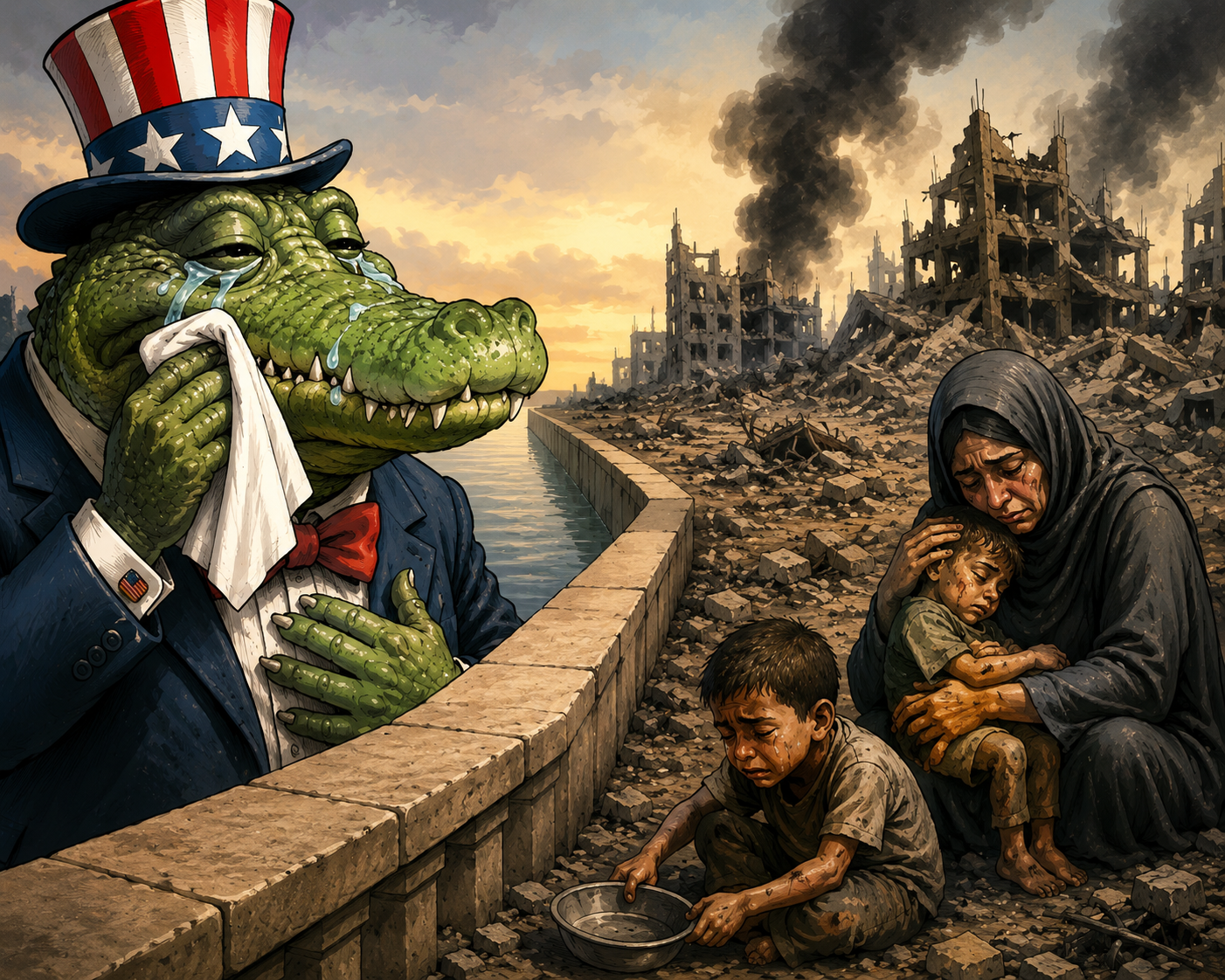
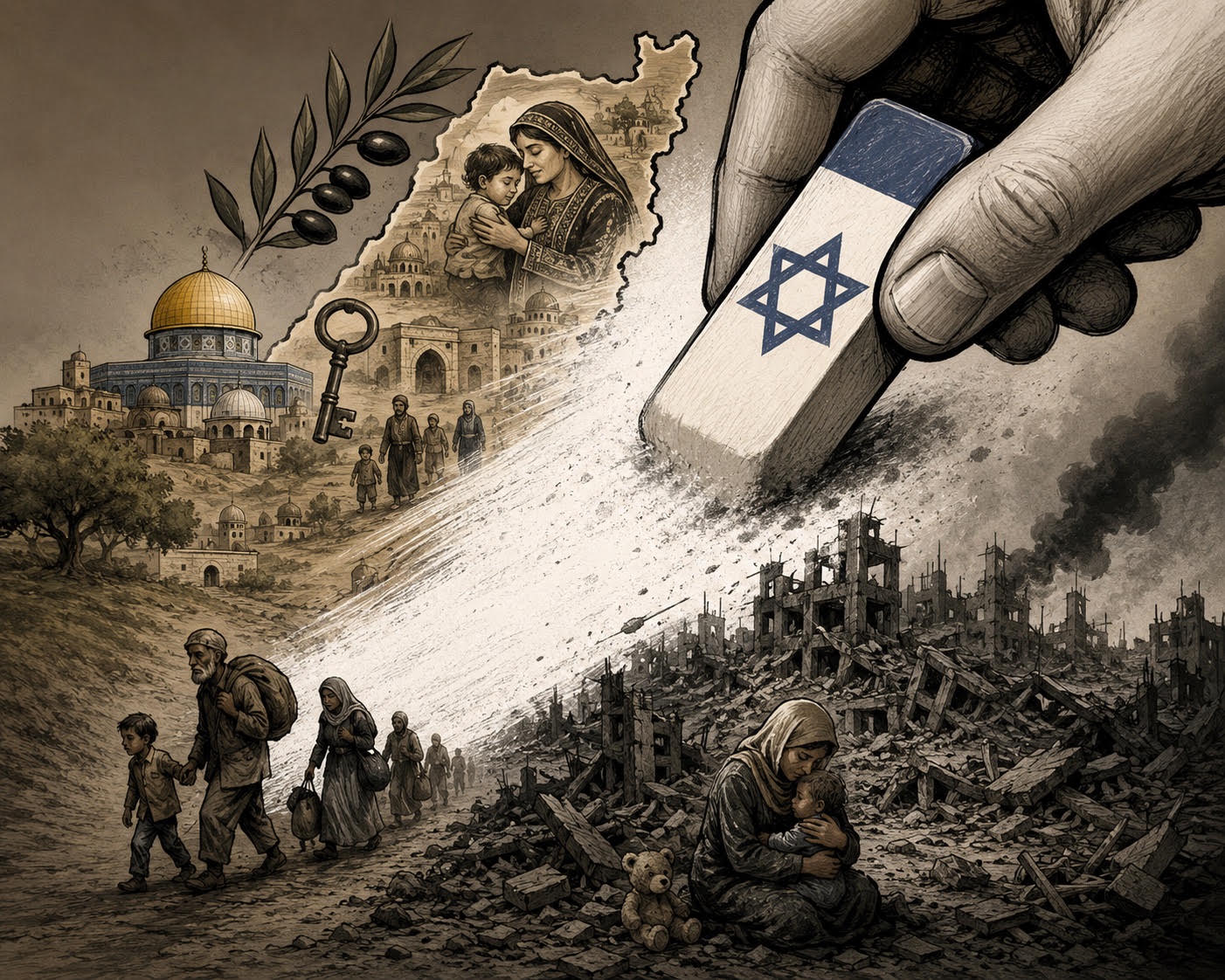
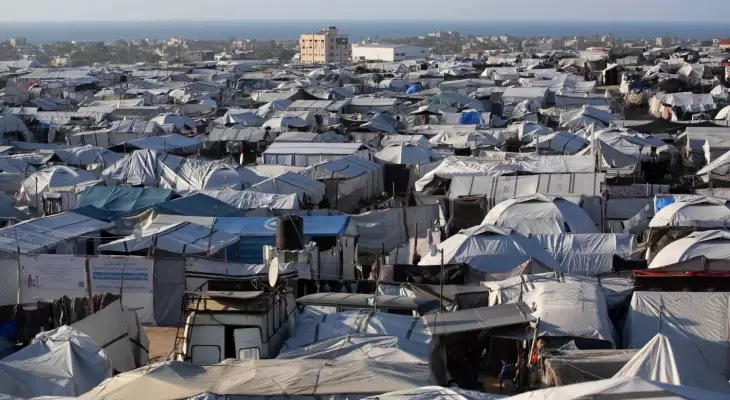
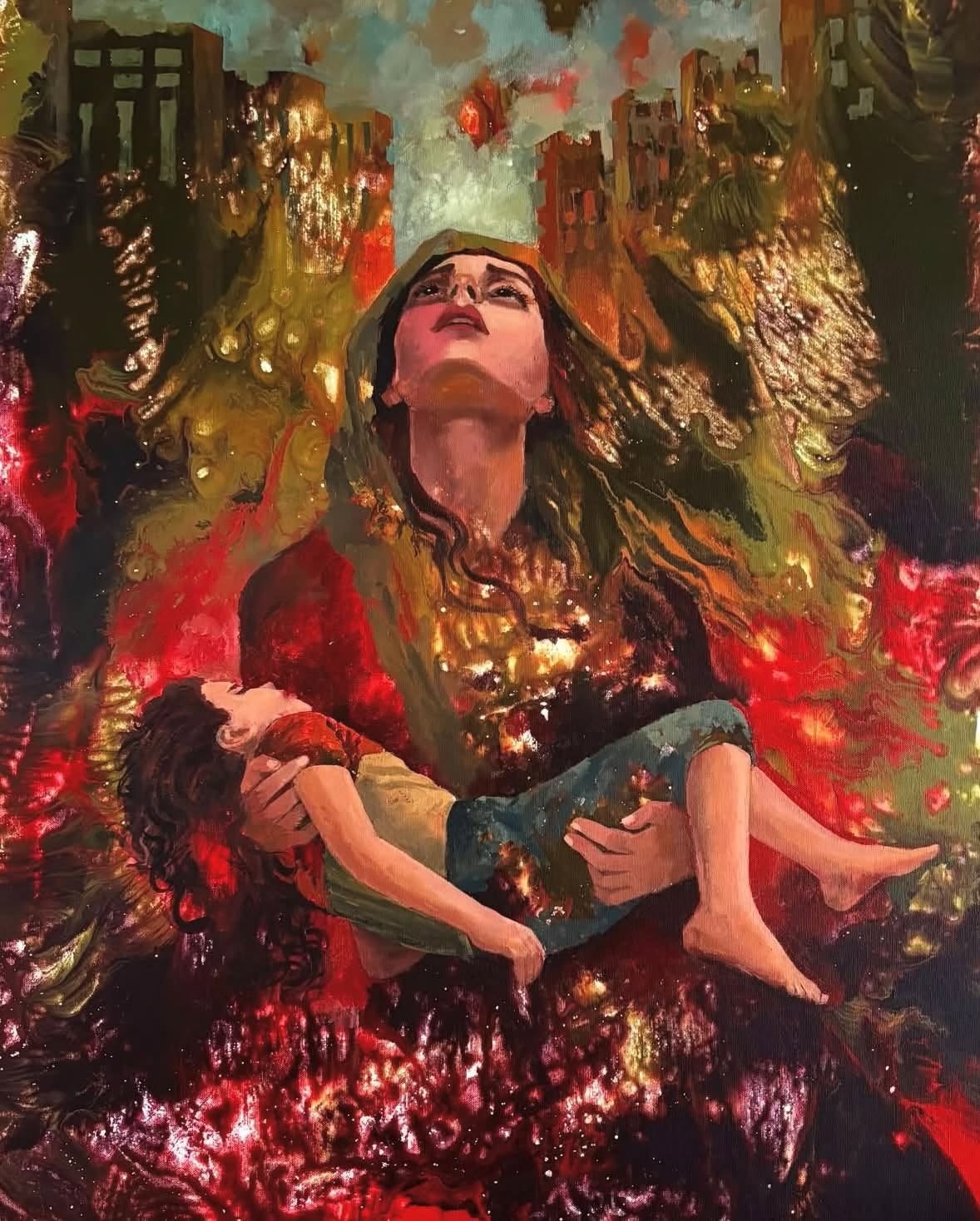
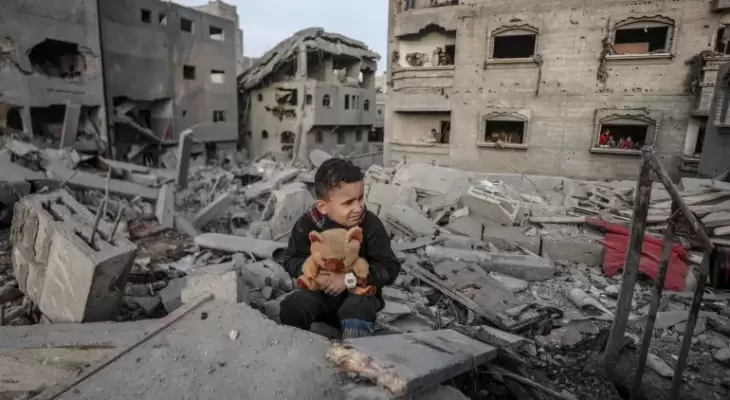
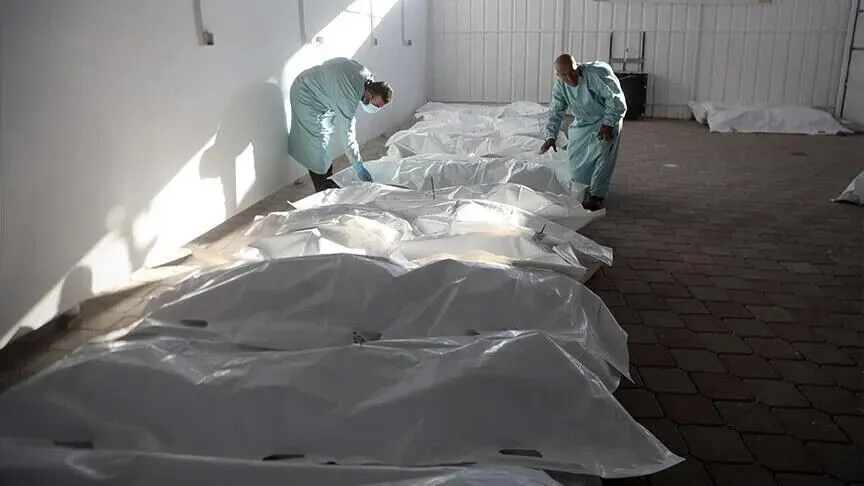
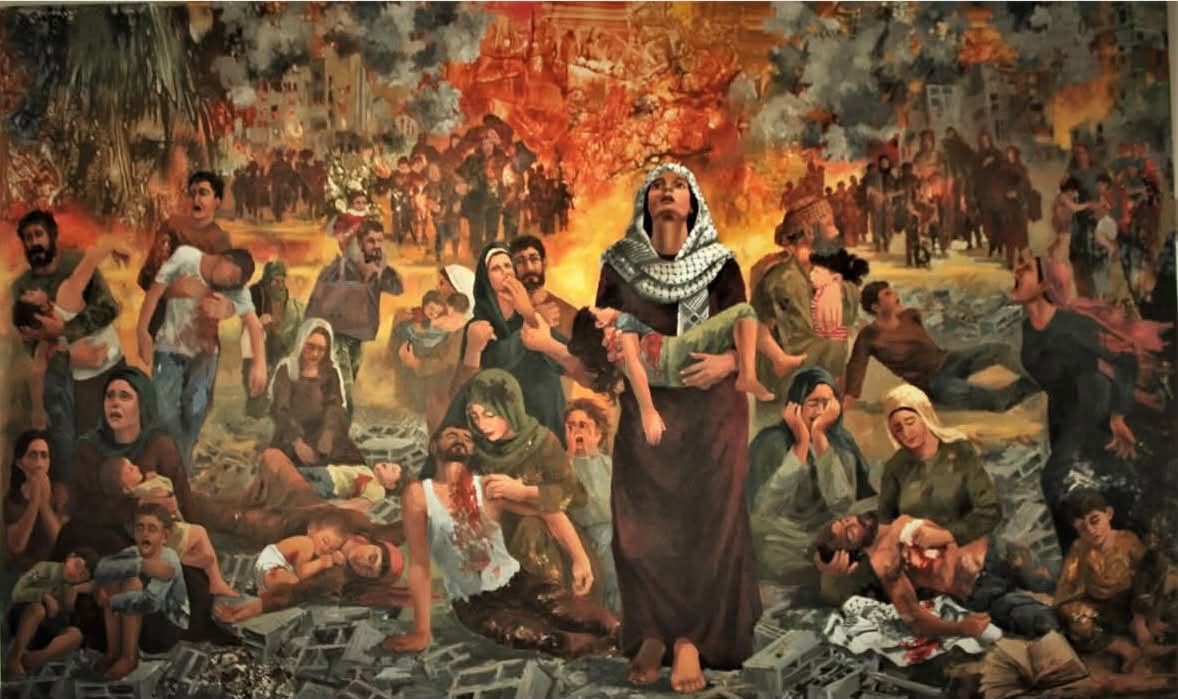
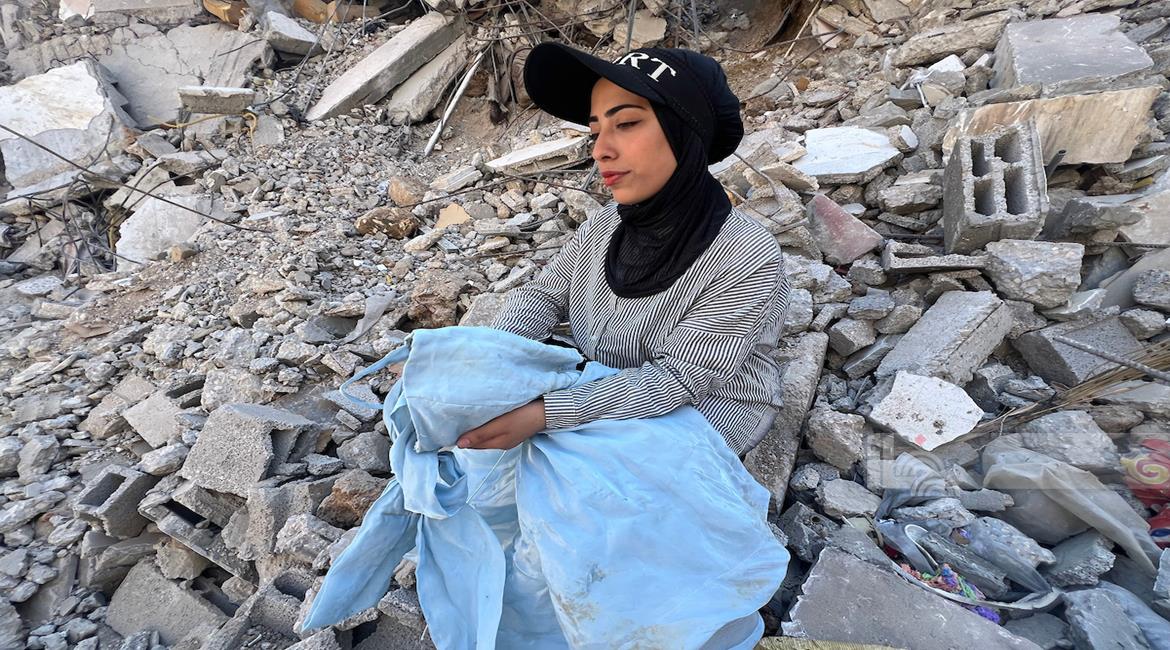
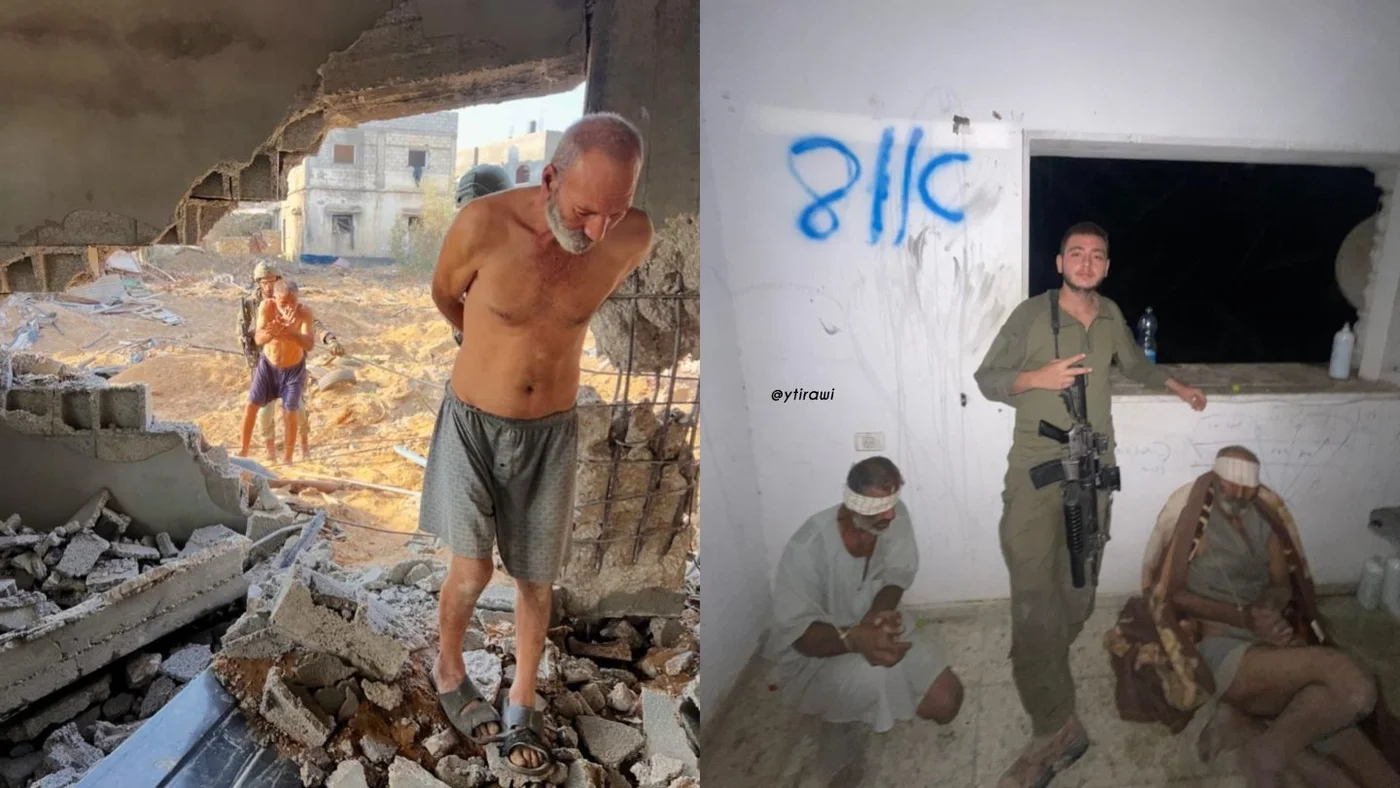
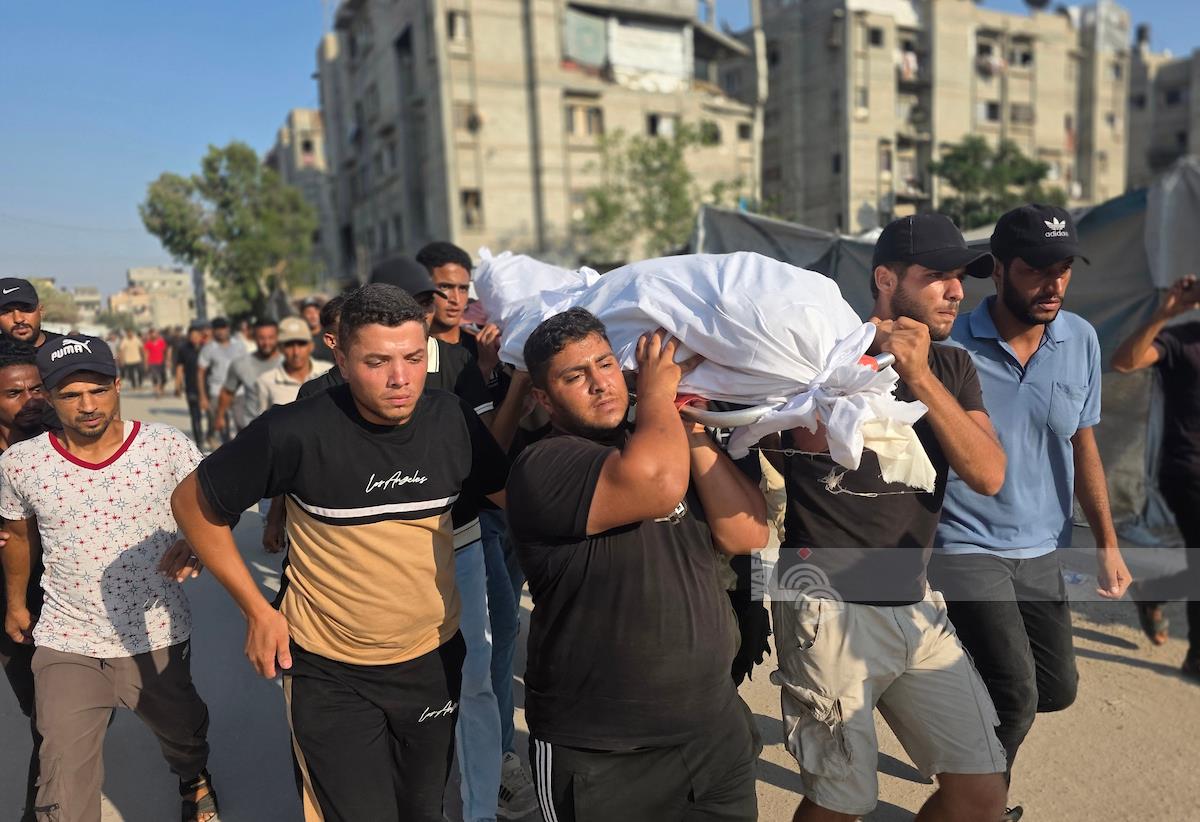
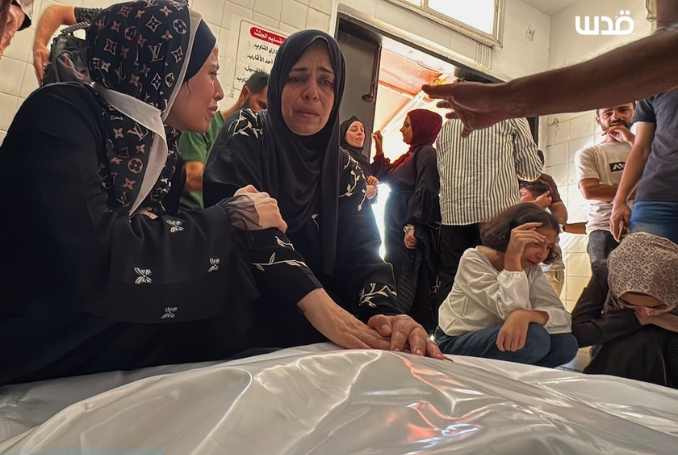
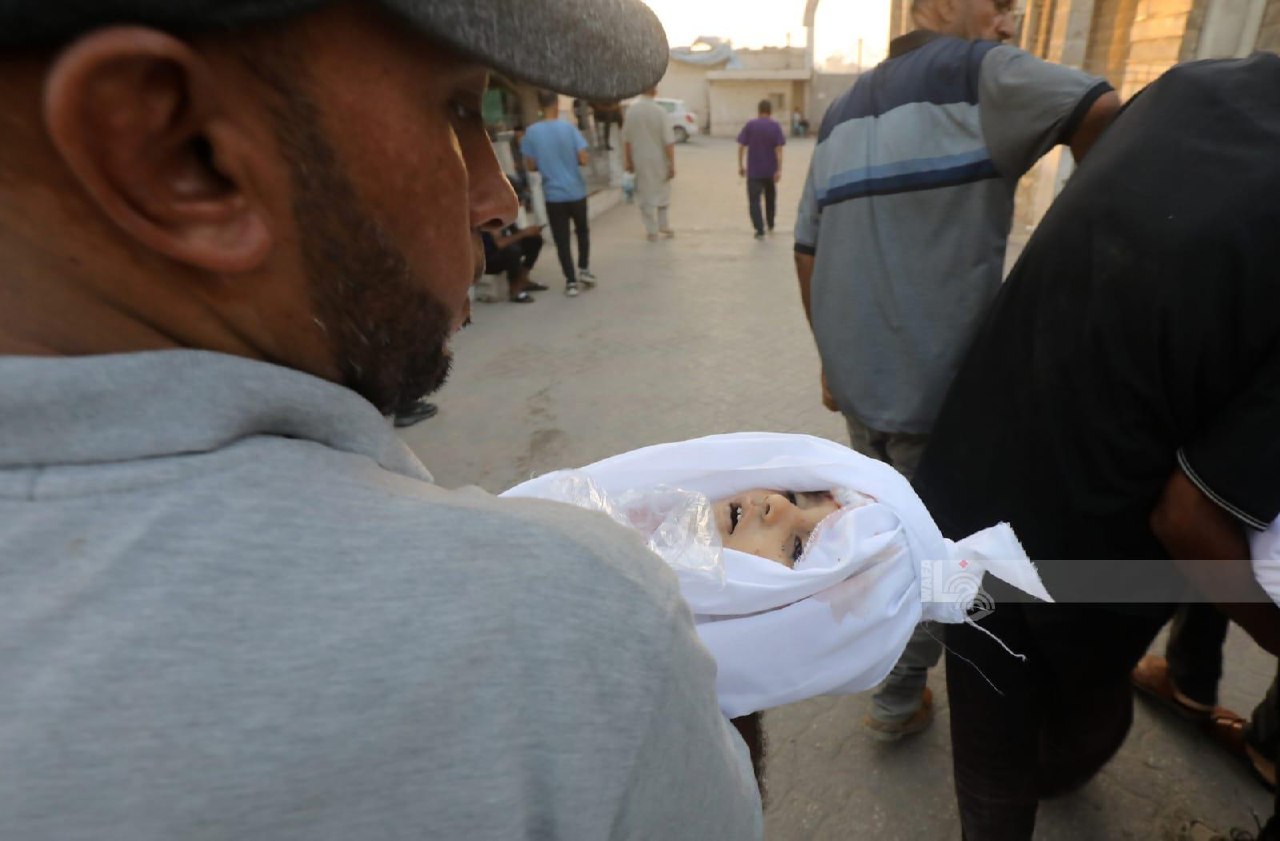
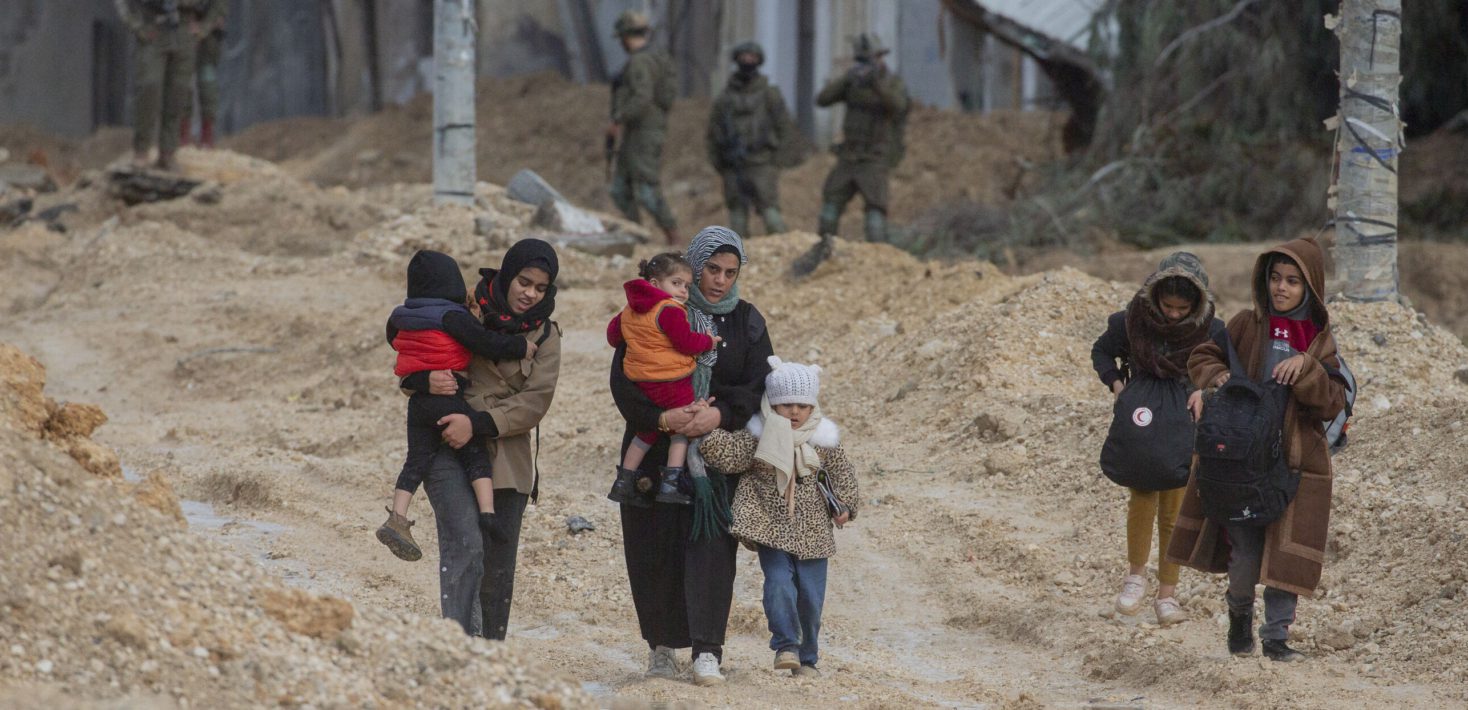
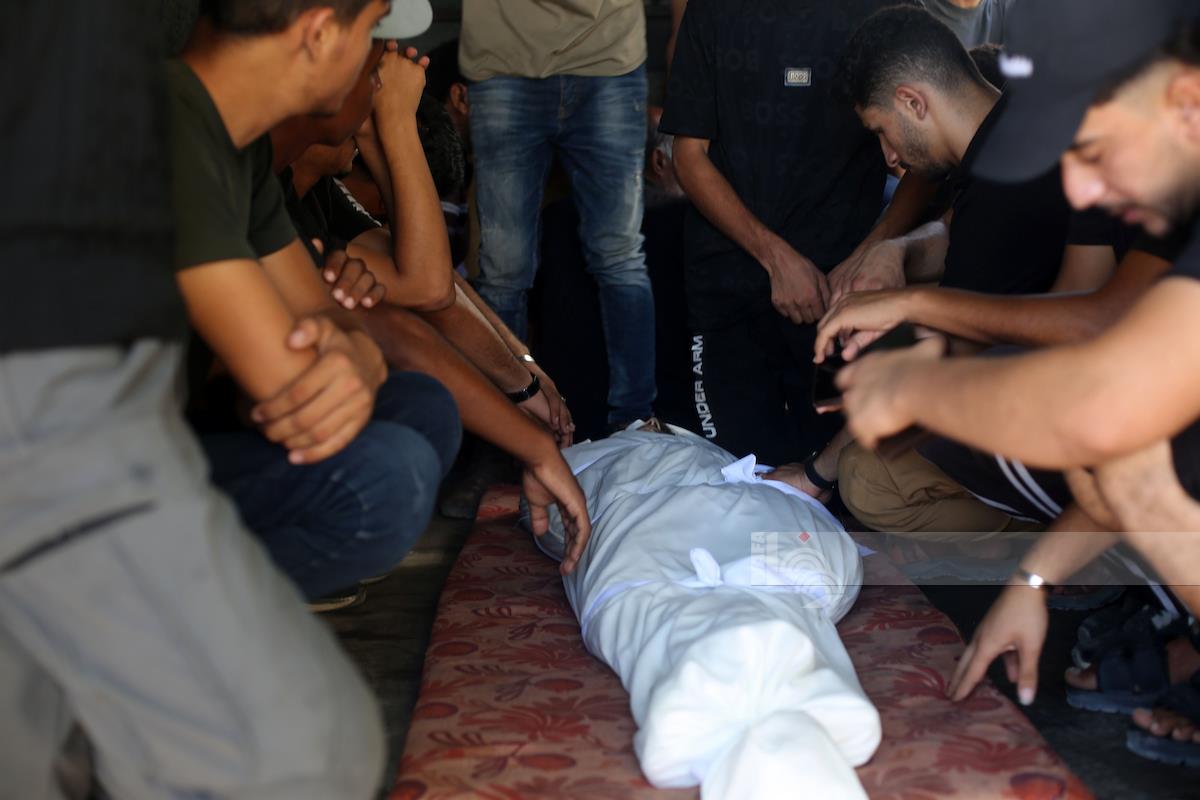
Another Palestinian baby lost his life in the Gaza Strip due to severe cold amid a widespread scarcity of shelters, the Health Ministry said on Monday.

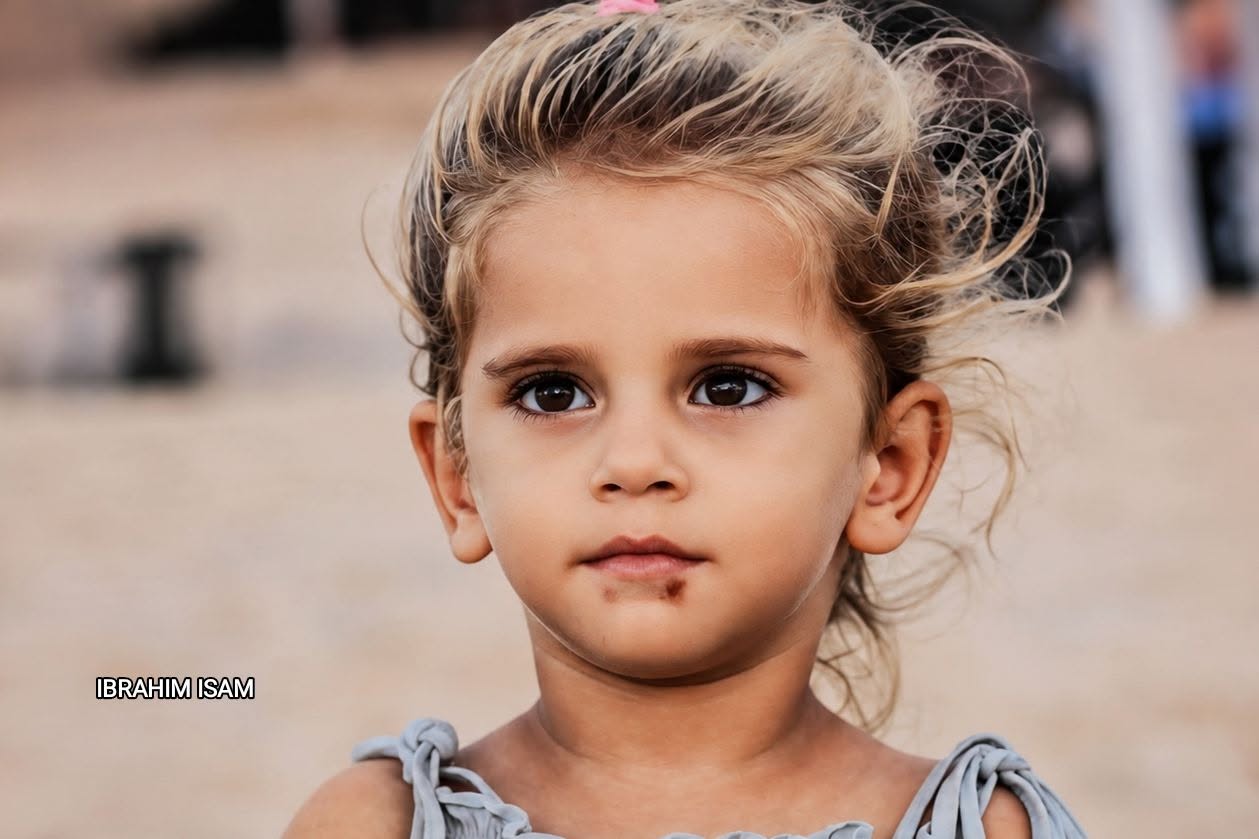
A ministry statement said two-month-old Arkan Firas Musleh died as a result of harsh weather conditions, bringing the death toll of toddlers from cold to three since early December.

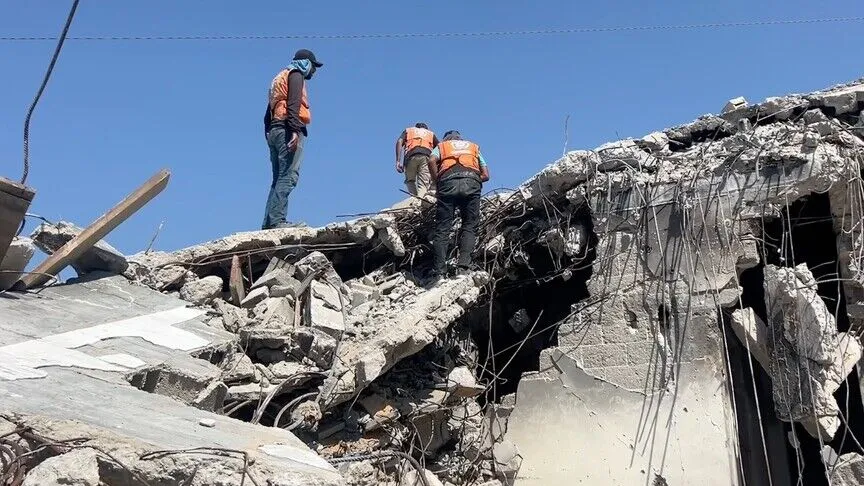
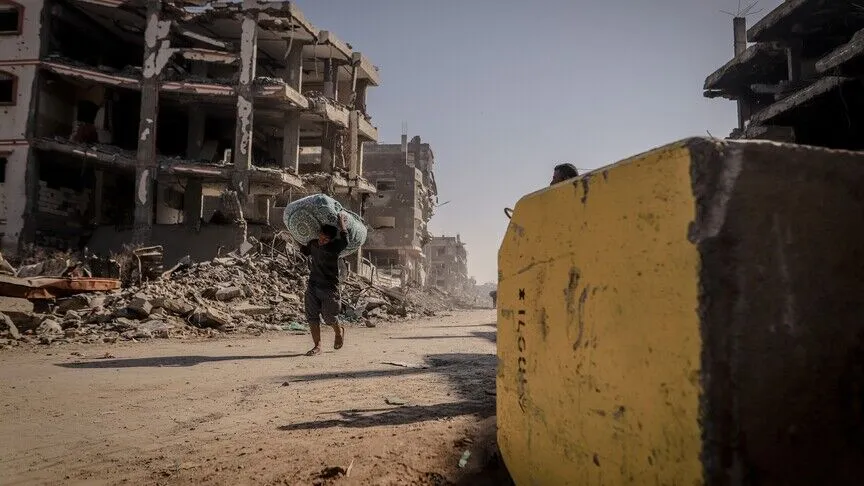
According to the Gaza Civil Defense, 25 people, including six children, have died from cold and the collapse of damaged buildings in Gaza amid freezing weather conditions in the war-torn enclave.

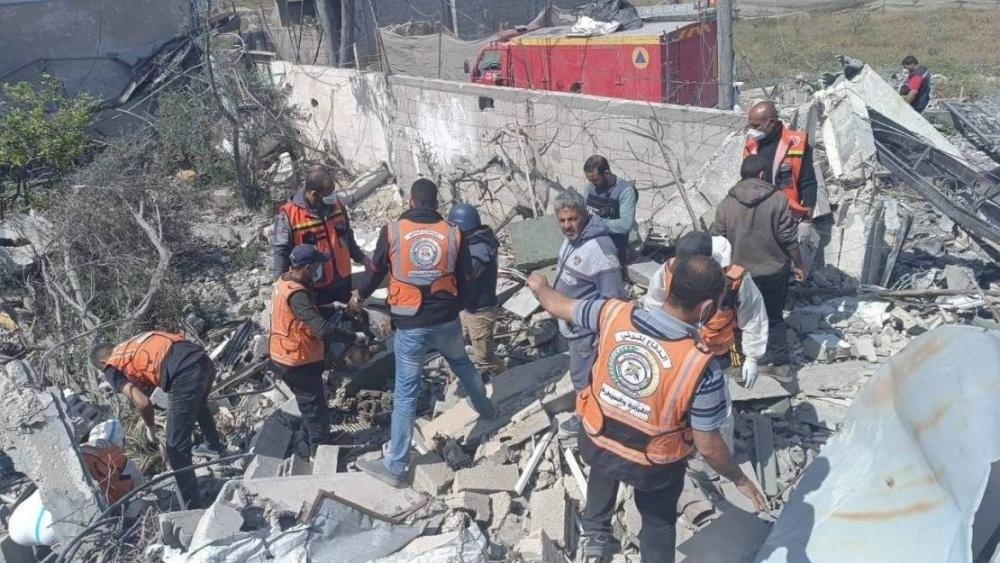
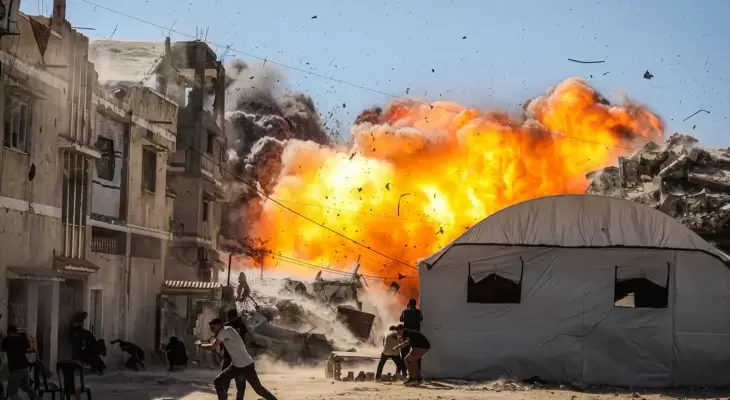
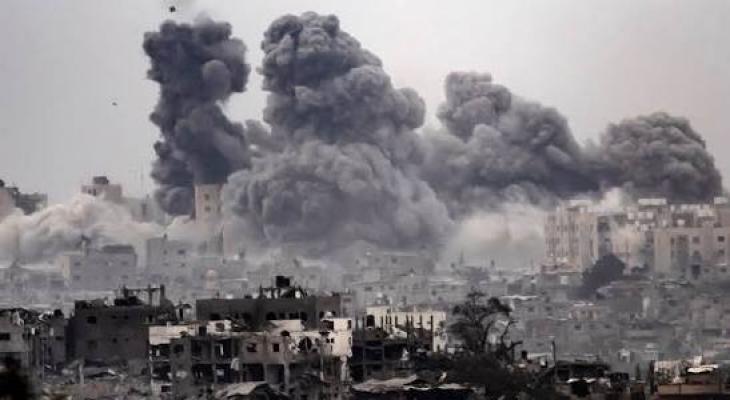
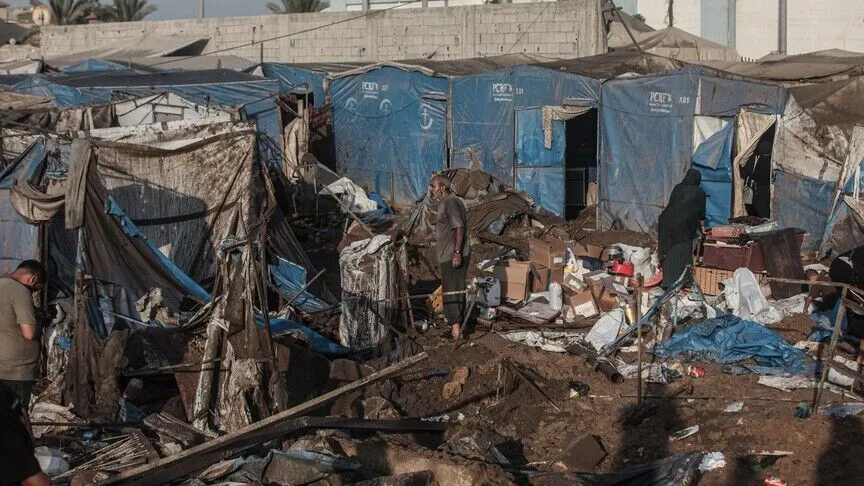
Spokesperson Mahmoud Basal said that 18 buildings that had been damaged in previous Israeli strikes had fully collapsed, and more than 110 others recorded partial collapse in the current low-pressure weather system, threatening the lives of thousands of displaced people sheltering in these buildings.

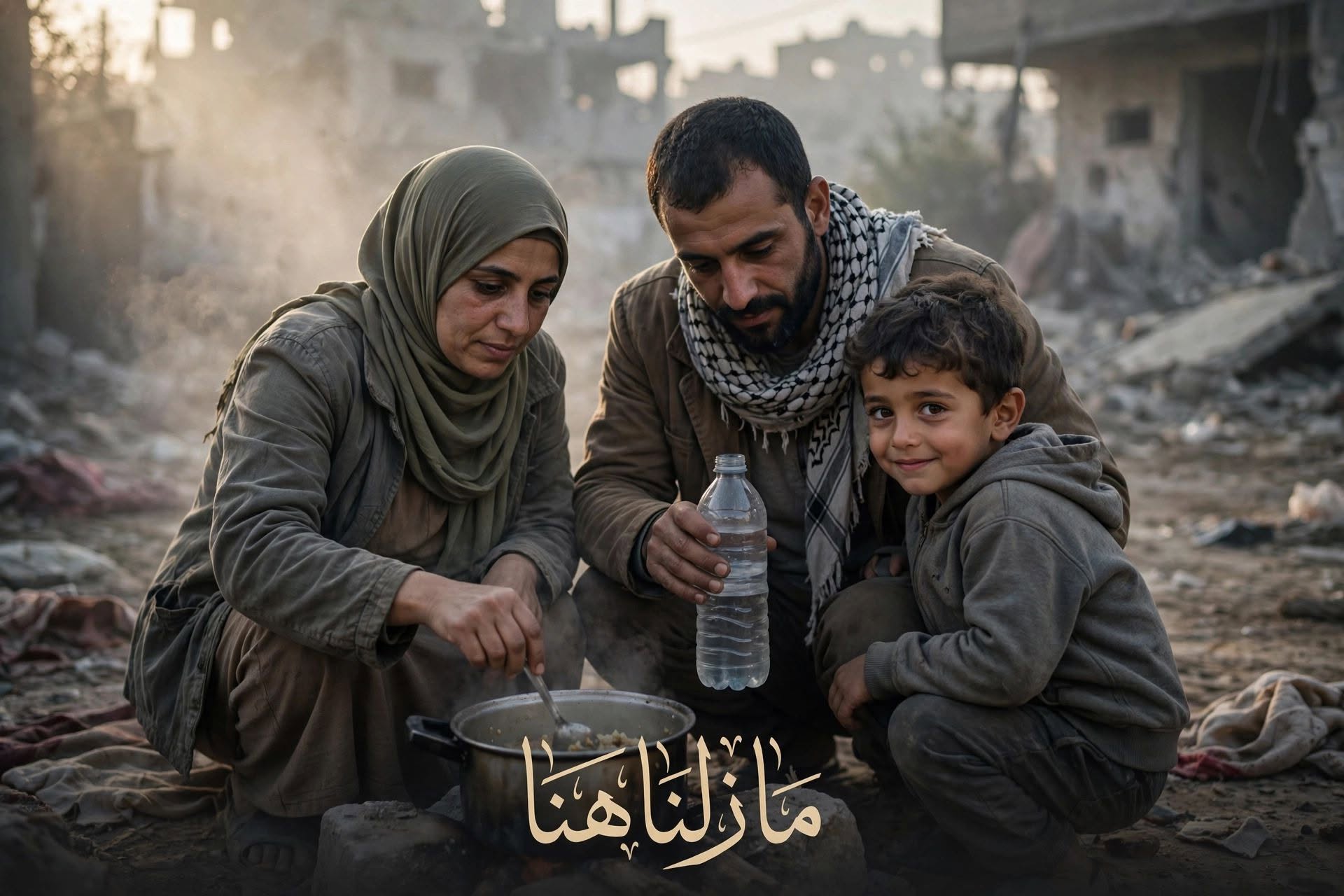
The spokesman added that 90% of tents sheltering displaced civilians were uprooted or flooded in heavy rains and strong winds across Gaza, with thousands of families left without any shelters or any clothes that could have protected them from the harsh weather according to Anadolu.

He called for urgently starting the reconstruction of Gaza and providing mobile homes that would protect the lives and dignity of Palestinians.

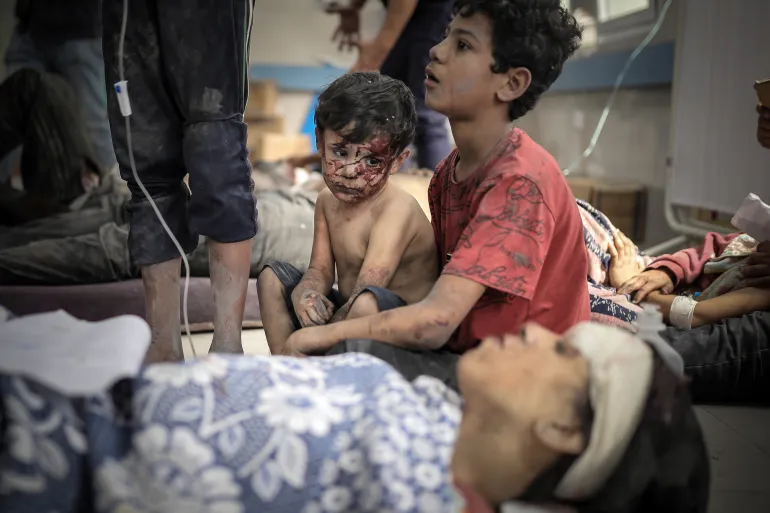
The Israeli army has killed more than 71,200 people, mostly women and children, and injured over 171,200 others since October 2023 in Gaza in a brutal assault that also left the enclave in ruins.

Despite a ceasefire that took effect in Gaza on Oct. 10, Israel still closes the territory’s crossings and prevents the entry of mobile homes and reconstruction materials, worsening the plight of nearly 2.4 million people in the enclave.

Continue reading
Israel Versus Turkey in Africa

By Prof. Dr. Yahya Amir Hagi Ibrahim 

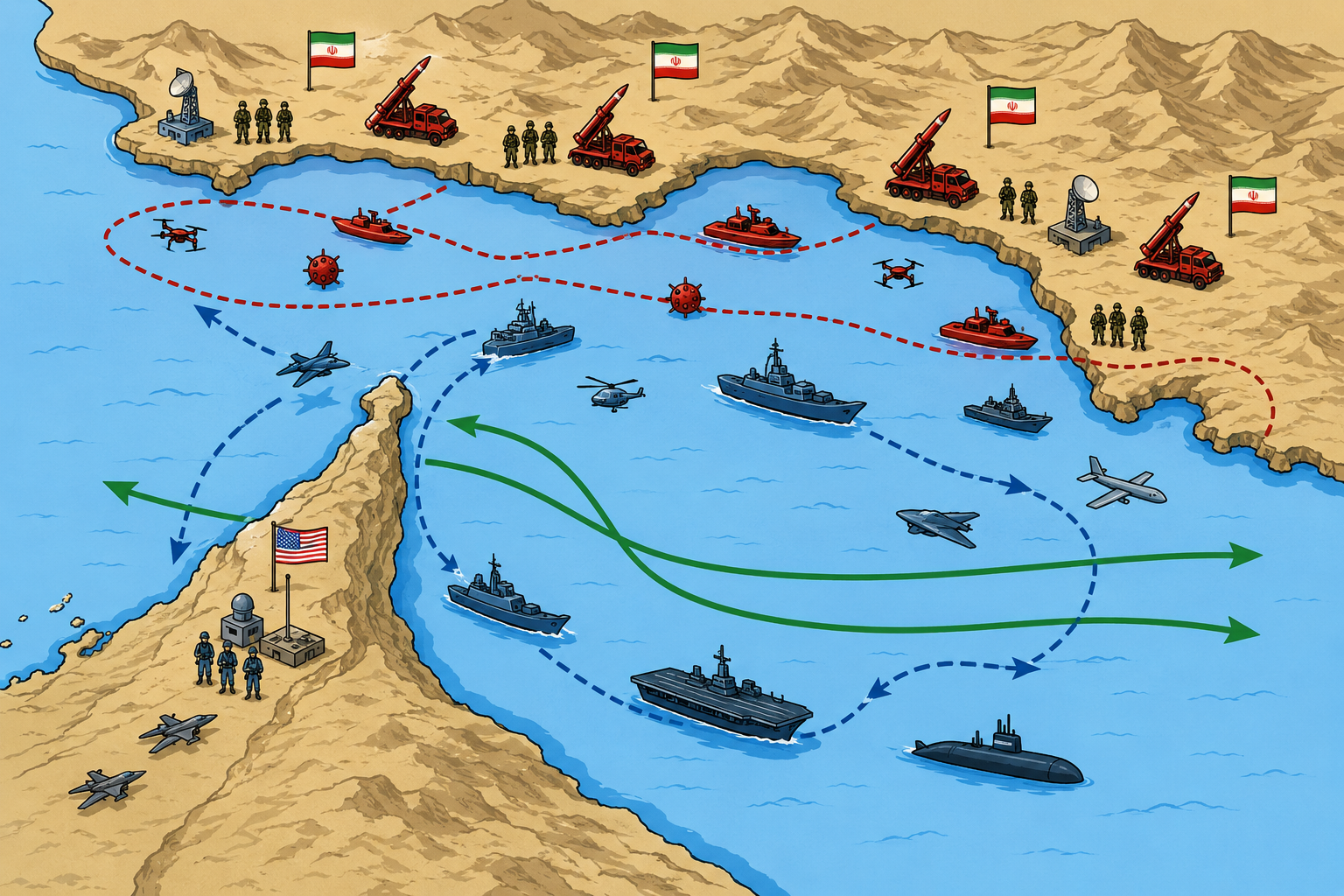
The strategic waters of the Red Sea and Gulf of Aden have once again become a flashpoint, with recent actions suggesting a dangerous escalation that threatens to unravel fragile stability and deliberately target international investments. Israel has shifted toward a posture that uses access to the Red Sea and Gulf of Aden as part of its broader regional strategy. At the same time, Türkiye is deepening its footprint in Somalia with long-term development projects spanning energy, infrastructure, and space technology. After Israel’s decision to recognize Somalia’s breakaway region, Somaliland, Somalian President Hassan Sheikh Mohamud pays a critical visit to Türkiye.

Houthis and Bab al-Mandab Strait

In response to Israel’s genocide on Gaza, Yemen’s Houthi rebels have launched drones, missiles, and maritime attacks targeting Israel and commercial shipping (toward Israel or flying the flag of Israel-supporting countries) in the Red Sea, Gulf of Aden and nearby waters. In response, Israel has conducted multiple airstrikes in Yemen.

More recently, Israel’s recognition of Somalia’s breakaway region, Somaliland, as an independent state in December 2025 marked a dramatic diplomatic shift. Israel became the first UN member state to formally recognize the breakaway region (situated near the strategic Bab al-Mandab Strait), drawing strong objections from Somalia, Türkiye, Egypt, and others who view the move as a threat to regional stability.

Alarmingly, these actions appear to deliberately focus on areas where Türkiye has made significant investments in stability and capacity-building, signaling steps aimed not just at military objectives but at broader stabilization. This calculated targeting strikes at the heart of a pivotal and transformative partnership between Türkiye and Somalia. Over recent years, this alliance has moved far beyond diplomacy into tangible, nation-building projects designed to foster economic growth and regional security. To see them threatened is to see a blueprint for progress put at risk.

Over the past decade, Türkiye has built a deep, multi-layered partnership with Somalia, positioning itself as a key security and economic partner. Ankara’s long-term involvement began in earnest with high-level visits in 2011 and expanded through defense, economic, and development agreements.

Central to this is hydrocarbon exploration: under agreements granting rights across some 15,000 square kilometers of Somali offshore blocks, the Turkish Petroleum Corporation (TPAO) has conducted seismic surveys and plans to begin oil drilling by 2026, potentially harnessing significant reserves.

Beyond energy, Türkiye desires to include cutting-edge technological infrastructure. Ankara is planning a space launch facility in Somalia, leveraging the country’s equatorial advantage for satellite launches and potentially missile testing. The project (part of broader cooperation agreements signed in 2024) is expected to strengthen Türkiye’s aerospace capabilities and deepen strategic ties.

Turkish capacity-building

Türkiye’s footprint also extends to security and capacity-building. The Turkish military operates Camp TURKSOM, its largest overseas base, which trains Somali forces and enhances naval and coastguard capabilities. Joint agreements signed in recent years include maritime security cooperation to patrol Somali waters for a decade, protecting both regional stability and economic activities. Additionally, Turkish infrastructure investments include modernization of airports, hospitals, fishery programs, and diplomatic compounds.

Türkiye’s strategy is structural, aimed at building Somali capabilities and mutual economic stakes. Whether through oil, space technology, or infrastructure, Ankara’s footprint in the Horn of Africa is designed for sustained impact.

The author who has contributed this piece to Anadolu, is the deputy chairman of RAAD Peace Research Institute, a Somaville University Mogadishu board member and lecturer on economic development.

Continue reading
Iran Condemns Israeli Recognition of Somali Region

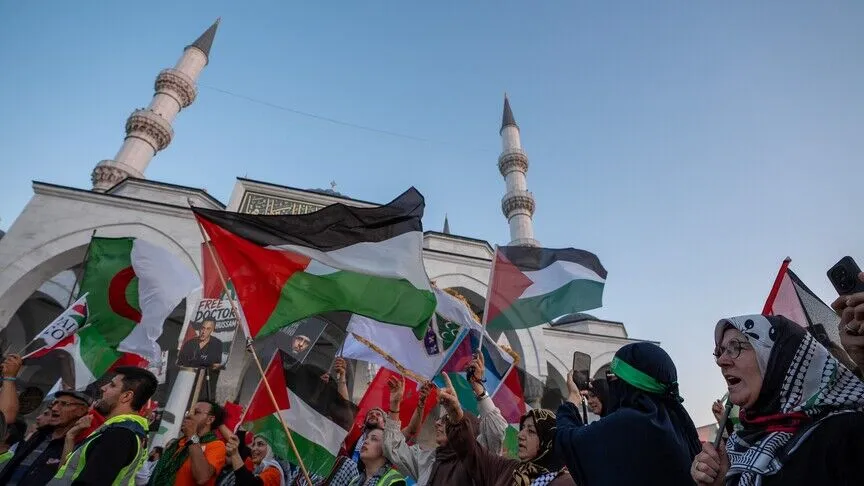
Iran strongly condemned on Saturday Israel’s recognition of the breakaway region of Somaliland as a “flagrant violation of Somalia’s sovereignty and territorial integrity.”

Criticizing the Israeli move as “malicious,” Foreign Ministry spokesperson Esmail Baghaei emphasized the importance of “preserving the national sovereignty, unity, and territorial integrity” of Somalia.

Baghaei asserted that the recognition aligns with Israel’s broader policy “to destabilize countries in the region and exacerbate insecurity in the Red Sea and the Horn of Africa.”

Expressing support for the firm condemnation by the Organization of Islamic Cooperation (OIC) and the African Union (AU), Baghaei called on the international community to take “decisive action” to “neutralize this expansionist and threat-creating move by the occupying regime.”

On Friday, Israel became the first country to officially recognize Somaliland, with Prime Minister Benjamin Netanyahu announcing that the two sides had signed a joint declaration establishing full diplomatic relations “in the spirit of the Abraham Accords.”

In response, Somalia’s government denounced the move as an “attack” on its sovereignty and an “unlawful action,” reaffirming Somaliland as an “inseparable” part of its territory.

The Israeli move has been widely condemned by several countries, including Türkiye, Saudi Arabia, Egypt, and Qatar according to Anadolu.

Notably, Somalia was among the countries that severed diplomatic ties with Iran in January 2016 following a mob attack on the Saudi embassy in Tehran.

In March 2024, a year after Iran and Saudi Arabia restored diplomatic relations through a China-brokered deal, Somalia announced its readiness to mend ties with Iran.

In August of the same year, the top diplomats of Somalia and Iran met on the sidelines of the OIC summit in Jeddah and agreed to revive and deepen diplomatic relations.

Continue reading
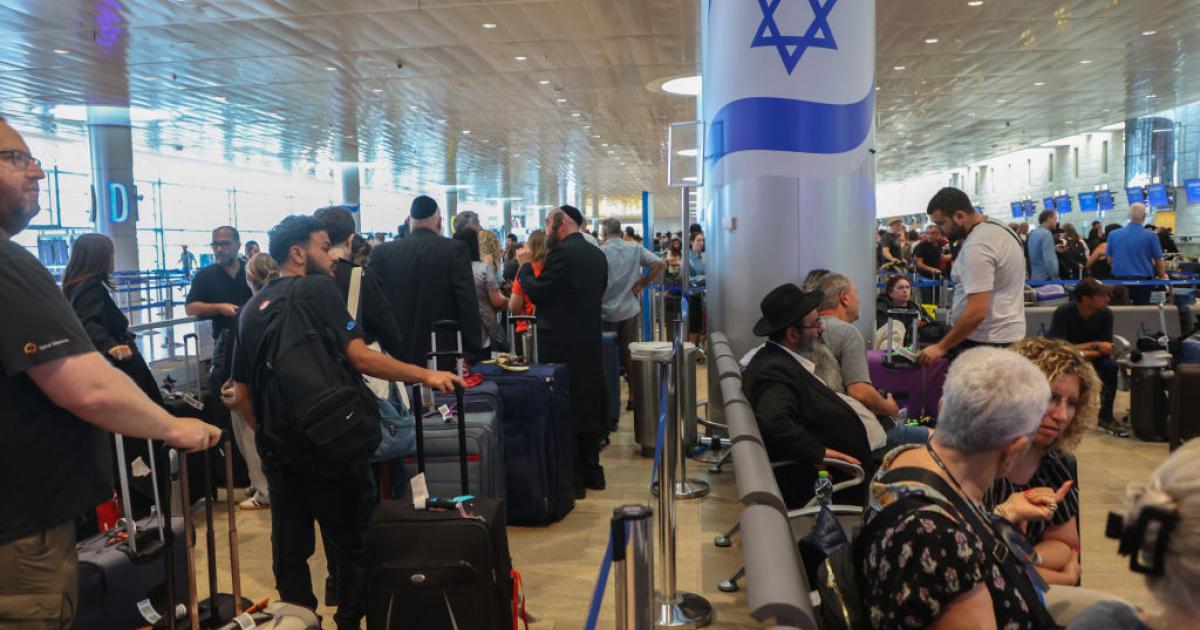
500,000 Palestinians Lose Jobs Due To Israeli Shutdown

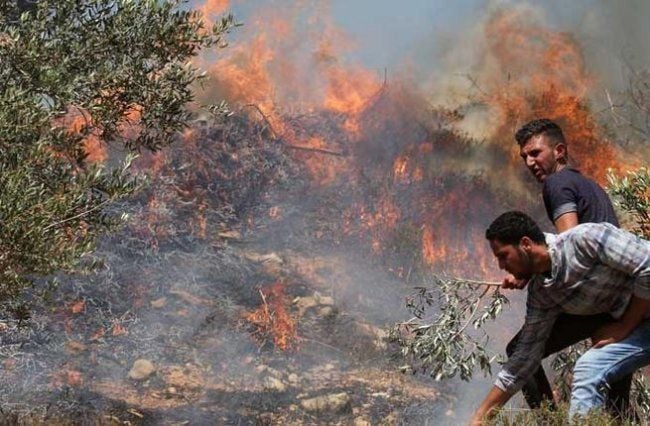
More than half a million Palestinians have lost their source of livelihood in the West Bank and Gaza since the start of the Israeli war in October 2023, a trade union said Saturday.

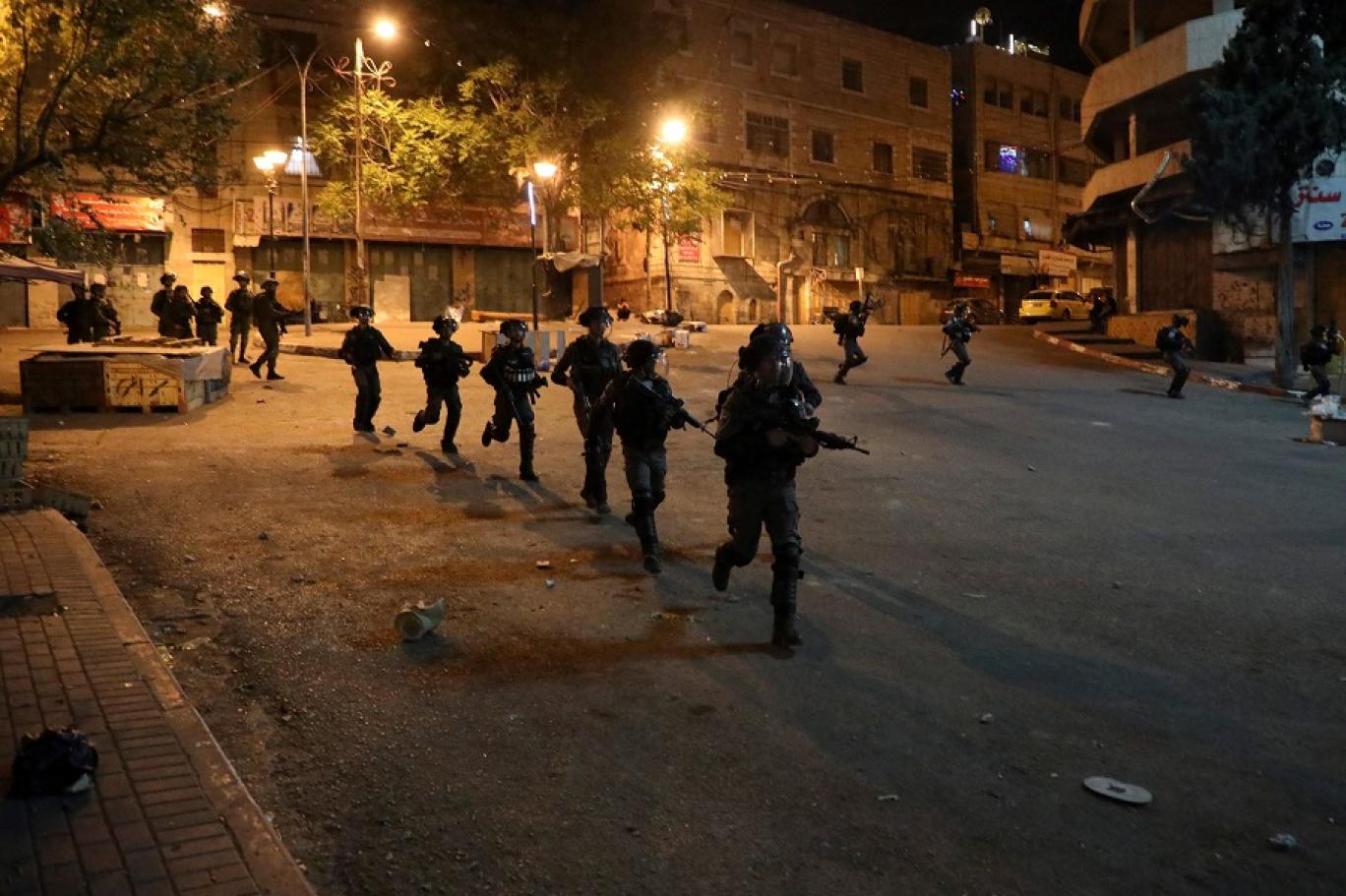
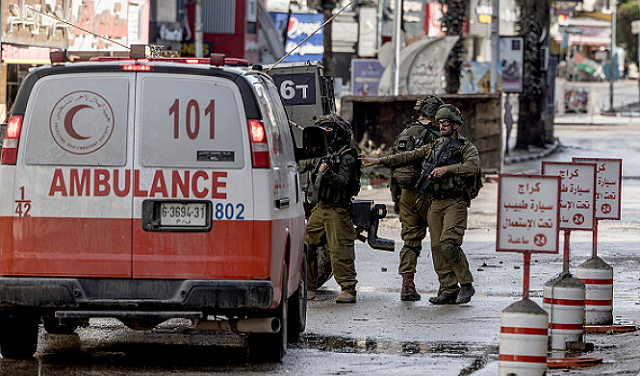
In a statement, the Palestinian General Federation of Trade Unions said that workers face systematic blockade, closure, and daily raids by the Israeli army.

The Israeli policies “constitute a compounded crime” against Palestinian workers and undermine their natural right to work and live in dignity, it added.

“Israeli occupation policies over more than two years of continuous aggression have led to more than 500,000 Palestinian workers losing their livelihood, with unemployment rates rising to unprecedented levels exceeding 50% in the West Bank and more than 84% in the Gaza Strip,” the statement said.

It explained that Palestinian workers incurred losses of over $9 billion due to being prevented from reaching their workplaces, in addition to the destruction of local productive sectors, primarily agriculture, construction, and services according to Anadolu.

According to the statement, 44 workers have been killed, hundreds injured, and over 34,000 others detained by the Israeli army since October 2023.

The federation held the Israeli government “fully responsible for these massive financial losses and for the killing of dozens of Palestinian workers at military checkpoints or due to settler attacks while they were trying to secure a livelihood for their families, in a blatant violation of international labor conventions and the Geneva Conventions.”

The Israeli army has killed more than 70,700 Palestinians and injured over 170,000 others in Gaza since October 2023. Attacks by the Israeli army and illegal settlers have also killed at least 1,097 Palestinians and injured nearly 11,000 others in the occupied West Bank during the same period.

Continue reading
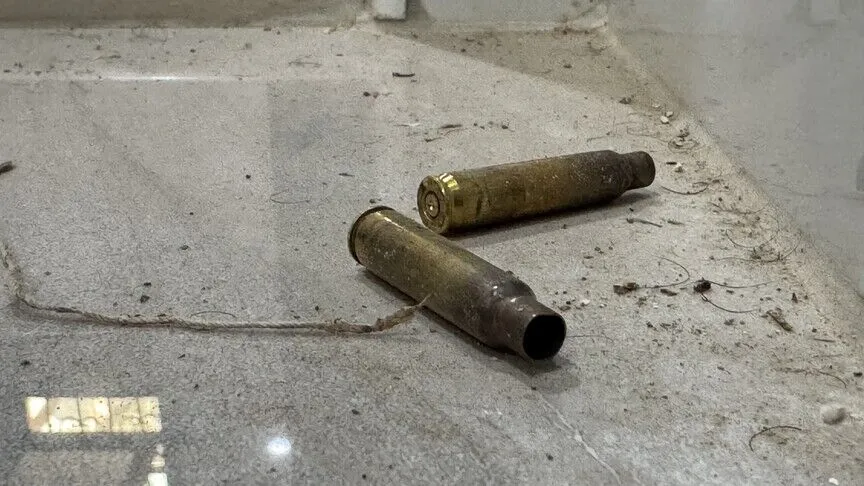
Soldiers Take A Gun To Their Heads and Shoot!

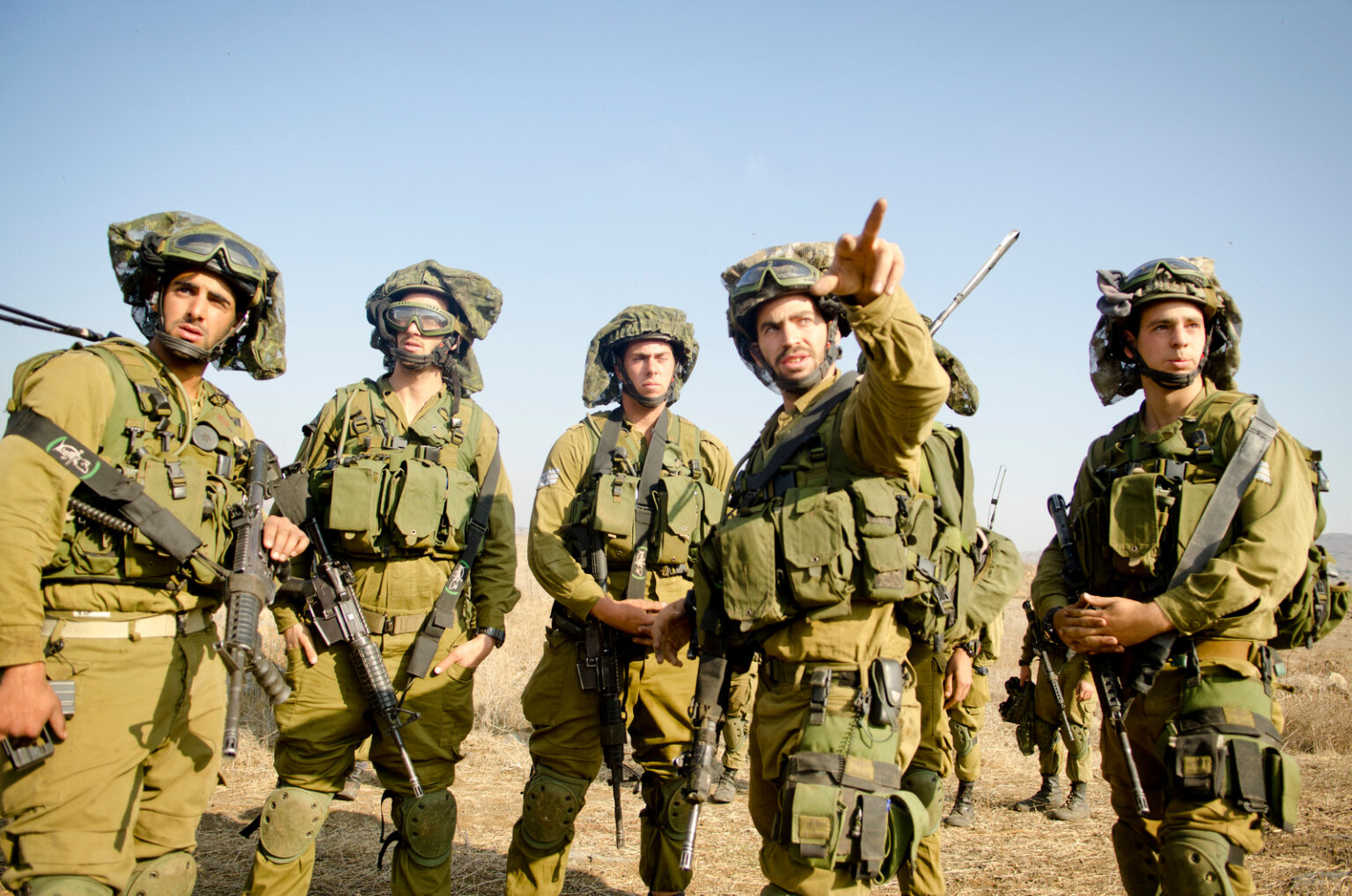
More Israeli soldiers are committing suicide than ever before. Today, the number of soldiers who have taken away their lives stands at 61 since the Israeli war on Gaza that began on 7 October, 2023. 

These are official figures put out by the Israeli army with the figure likely to be much higher than that.  As proof, the number of those soldiers who attempted suicide but failed is put at 279. 

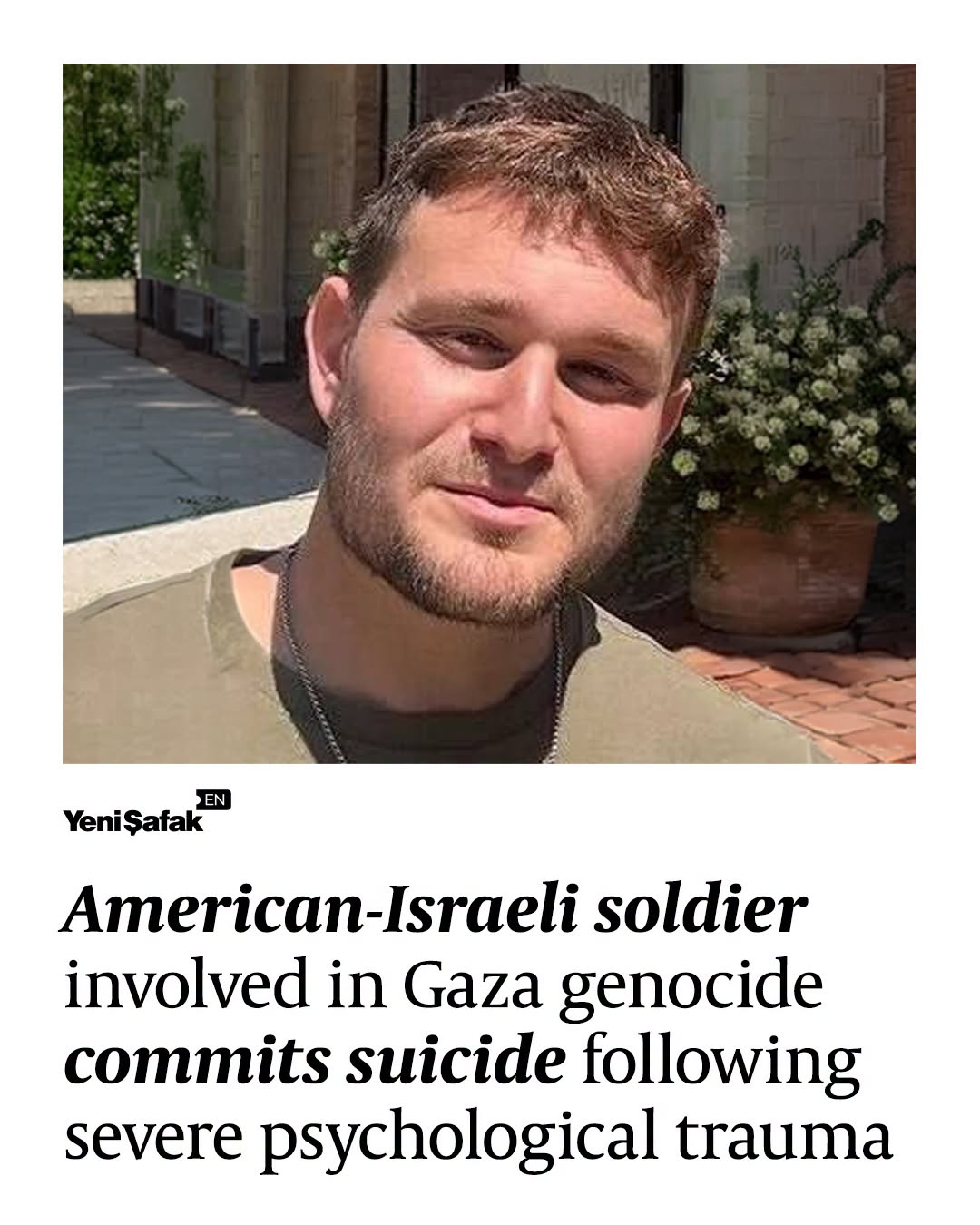
Israeli soldiers, long actively serving in the excecution of the Gaza genocide, have resorted to desperate and extreme measures. So far, 20 soldiers took their lives in 2025 because of the atrocities they seen and committed in Gaza.

The trend has been raising since October 2023 when at least seven soldiers committed suicide in the last three months of that year and with the total number standing at 17. In 2024, and at the heights of the Israeli war and when at least 43,000 Palestinians were killed, including 17,000 children, the suicide figure amongst Israeli soldiers stood to at least 21. 

The trend has become increasingly disturbing for the Israeli authorities because in previous years the suicide rates were 14 in 2022, 11 in 2021, 9 in 2020, 12 in 2019, 9 in 2018 and 16 soldiers took their lives in 2017.  These numbers were considered ‘normal’ in an Israel army that had a  manpower force of around 170,000 but increased by 350,000 soon after the war started.

However, the disturbing suicidal trends become more glaring during the Israeli genocidal war on Gaza. The situation was becoming so bad that the Knesset Research and Information Committee (KRIC) produced a full report on 28 October, 2025. It focused on the period between January 2024 till July 2025 and found that one in seven of those who attempted suicide succeeded in killing themselves. 

The KRIC, mainly a data collection committee, found that combat ground soldiers serving in the different areas of Gaza accounted for 78 percent of all suicides in 2024 and which is about 45 percent more of the suicidals from 2017 till 2022. 

The committee also found that only 17 percent of those that committed suicide had met with a mental health officer in the previous two months. Because of the extent of violence, horror of the Israeli war, and probably the extent of the stiff resistance to the Israeli soldiers which resulted in their death and injuries, many had required psychiatric treatment. 

Since October 2023 up till today 85,000 required psychological treatment in the rehabilitation unit of the Israeli Ministry of Defense. Today, over 10,000 soldiers are undergoing intensive medical health treatment that include mental health problems.

One of the major health mental problems suffered by Israeli soldiers in Gaza is Post-Traumatic  Stress Disorder (PTSD) which includes flashbacks of reliving violent events, nightmares, feeling on edge, avoidance of places, constant fear, detachment, emotional numbness, memory problems and constant stress.

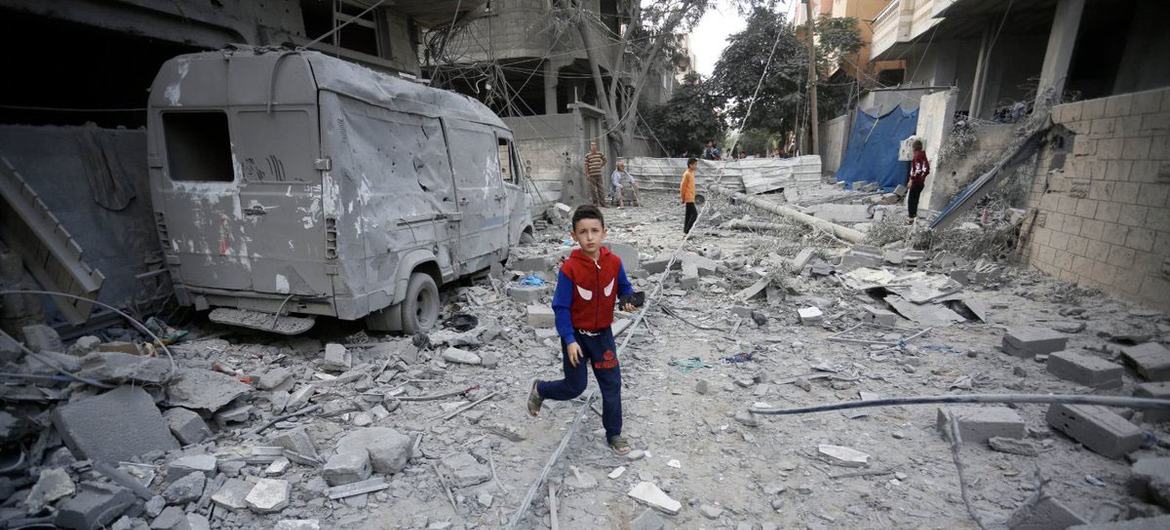
Most of these soldiers were in places in Gaza were mass bombs we’re being dropped, houses decimated, blood everywhere. As UN statistics show Gaza was being razed to the ground with more than 60 millions tons of debris and rubble and in many cases soldiers going through these with the constant fear of Palestinian fighters watching them, shooting at them or booby-trapping their tanks that was a major characteristic of this war.

Why Did They Commit Suicide?

Official figures estimate there are under 4000 who are diagnosed with PTSD and another 9000 who are yet to be diagnosed with the mental disease that is ripping Israeli society apart with soldiers taking their lives in different locations at military bases, in parks, near a beach, in their homes, and in one case, outside a Jewish settlement in Safad where a soldier, named Daniel Edri, sat in his car and set fire to it and burning himself alive.

His previous job was to carry the bodies of dead Israeli soldiers killed in Gaza. In a note to his mother, he wrote he continued to be haunted by the “smell and vision” of corpses he carried after being killed in combat with Palestinian resistance fighters.

And then in many cases there was the issue of deep guilt and which psychologists prefer to call “moral injury” carried by Israeli soldiers. There was the case of Eliran Mizrahi, a 40-year-old engineer who committed suicide on 7 June 2024, two days before he was called up to go back to Rafah, the southern-most city in the Gaza Strip. He was a D9 armored bulldozer operator and had previously spent 186 days in Gaza. 

His co-operator Guy Zaken later told the Knesset committee that they were ordered on many occasions “to run over terrorists, dead or alive in the hundreds.” Zaken used a graphic description to describe what he was doing, saying ‘everything squirts out” in reference to the crushed bodies under his bulldozer. 

He told the committee he can no longer eat meat because the sight and smell of it reminded him of what he did on the battlefield field of Gaza, scars which will likely haunt him for the rest of his life.

And then there was the case of Lithuanian Jew Tomas Adzgauskas who killed himself in a public park outside northern Gaza on 4 December, 2025. He was a reserve officer and a sniper in the Givati Brigade.

Although he was discharged from the Israeli army in April, 2024, the psycholgical stress eventually led him to suicide.

In a final note on Facebook, he wrote “…I am ruin and devastation…I did things that can’t be forgiven, and I can’t live with it anymore…there is a demon inside me that has been chasing me since 7.11…”

These were just two names among the many like Norwegian-born Dan Phillipson and Roi Wasserstein. The last took a gun to his head after 300 days of active duty in war-devastated Gaza while Ariel Meir Taman was found dead in his home in July 2025.

They died because of what they saw and did in Gaza, couldn’t believe their eyes and eventually decided to end their lives because of the scale of devastation and killing as 200,000 tons of explosives were dropped on the 364-kilometer Gaza Strip that is equivalent to 13 or 14 Hiroshima atomic bombs.  

Continue reading