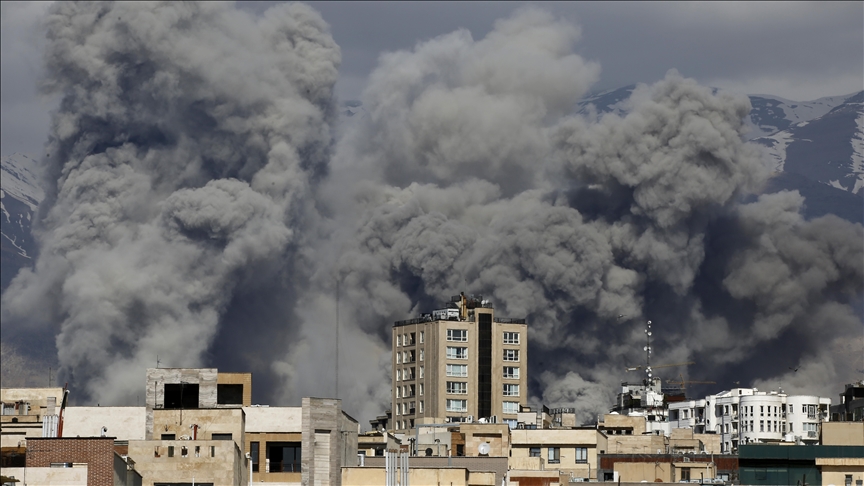
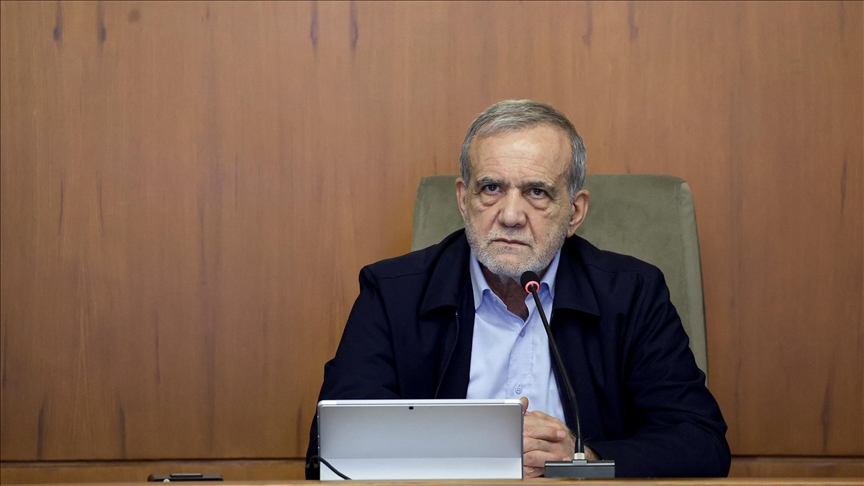
 Pezeshkian: ‘Iran Will Not Surrender to Bullies’
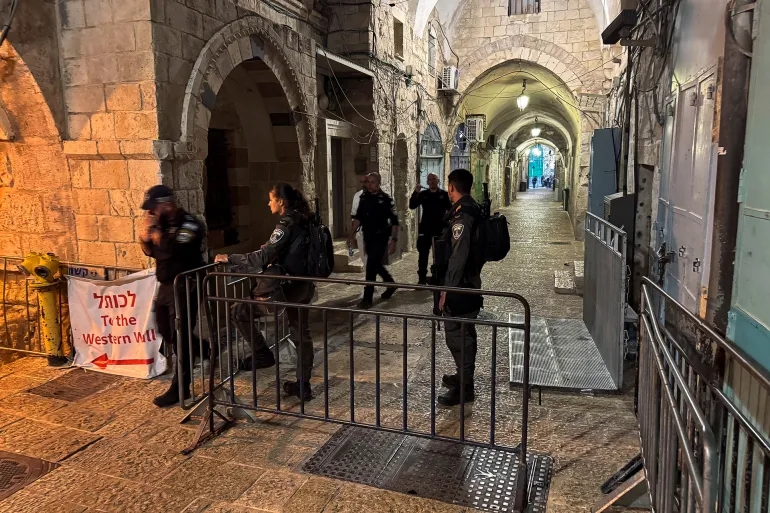 Israeli Soldiers Enforce Closure of Al Aqsa
 1 in 7 Displaced in Lebanon – NRC
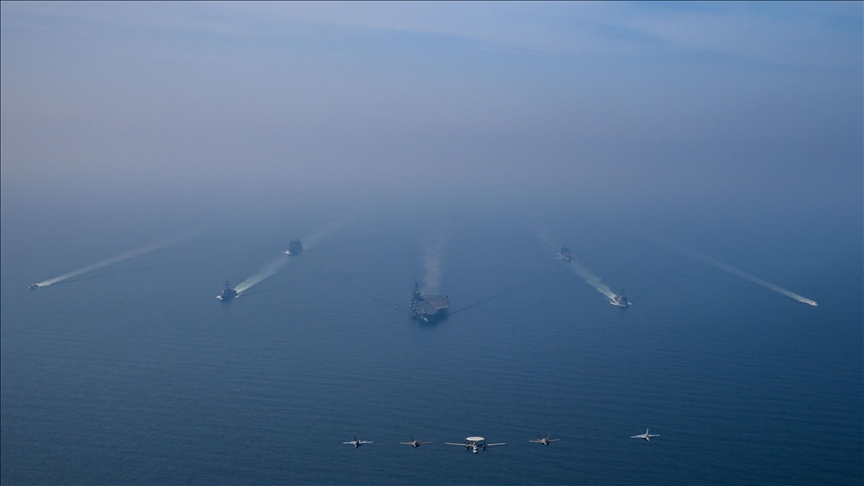 Hormuz: End of an Era of Martime Dominance
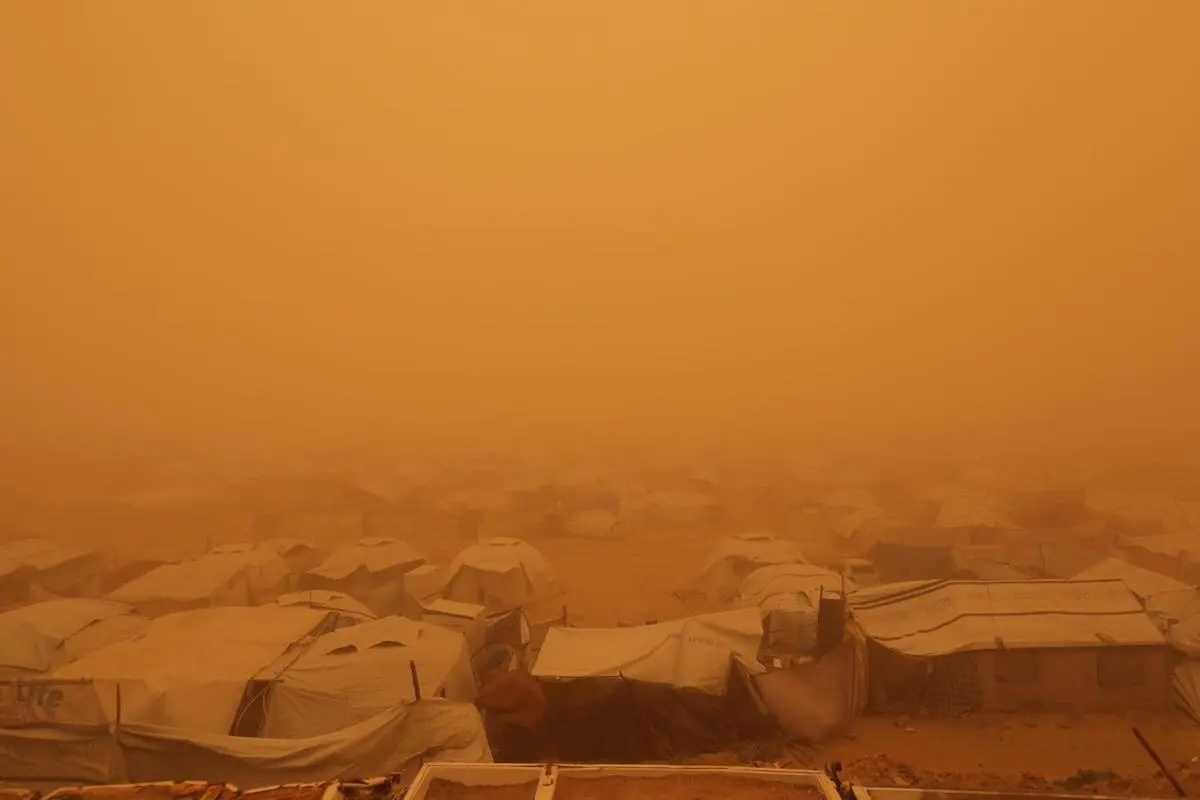 Gaza Faces Massive Dust Storm


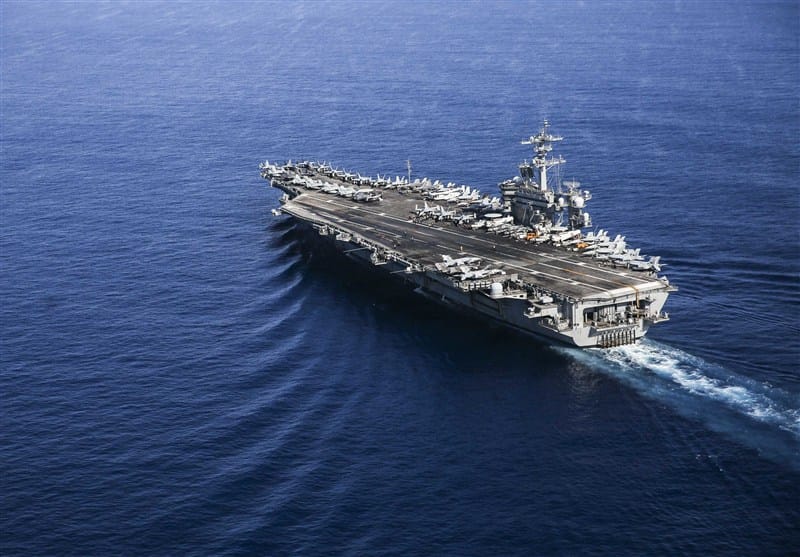
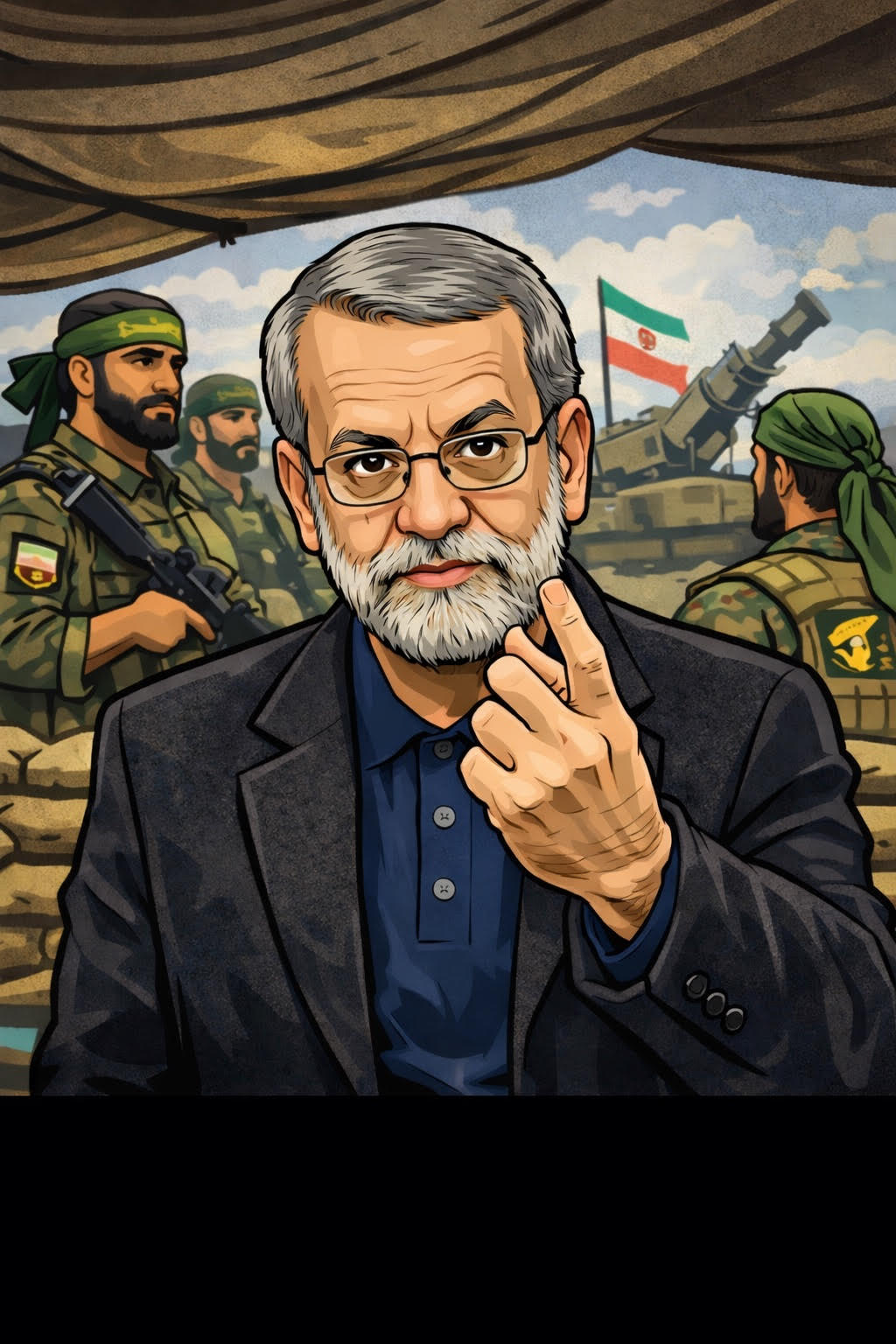
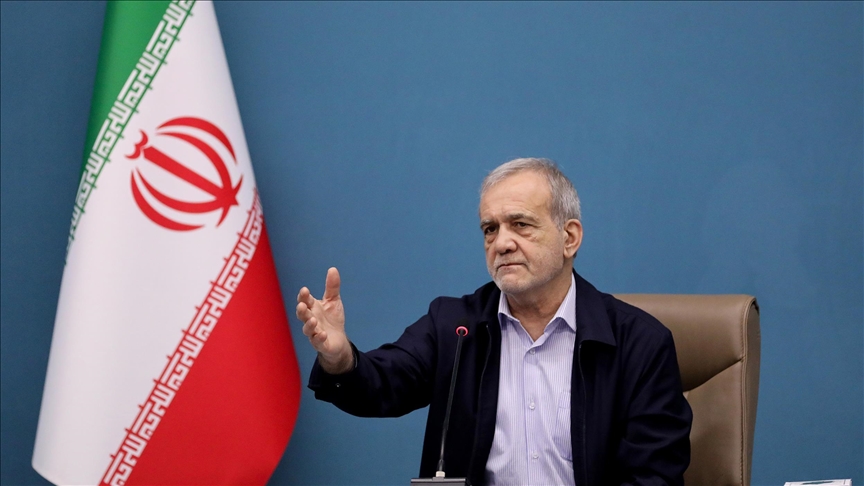
Pezeshkian: ‘Iran Will Not Surrender to Bullies’
 CrossFireArabia
- March 16, 2026
 CrossFireArabiaCrossFireArabiaCrossFireArabiaCrossFireArabiaCrossFireArabiaCrossFireArabiaCrossFireArabiaCrossFireArabiaCrossFireArabiaCrossFireArabiaCrossFireArabiaCrossFireArabiaCrossFireArabiaCrossFireArabiaCrossFireArabiaCrossFireArabiaCrossFireArabiaCrossFireArabiaCrossFireArabiaCrossFireArabiaCrossFireArabiaCrossFireArabiaCrossFireArabiaCrossFireArabiaCrossFireArabiaCrossFireArabiaCrossFireArabiaCrossFireArabiaCrossFireArabiaCrossFireArabiaCrossFireArabia
 Saleem Ayoub QunaCrossFireArabiaCrossFireArabiaCrossFireArabiaCrossFireArabiaCrossFireArabiaCrossFireArabiaCrossFireArabiaCrossFireArabiaCrossFireArabiaCrossFireArabiaCrossFireArabiaCrossFireArabiaCrossFireArabiaCrossFireArabiaCrossFireArabiaCrossFireArabiaCrossFireArabiaCrossFireArabiaCrossFireArabia
By Ismail Al Sharif
“I don’t admit that a wrong was done to the Native Americans in America or the Blacks in Australia. Rather, stronger peoples of a higher standard than the rest of the world came and took their place… That’s the way of life” – Churchill.
Last 26 August, US ambassador to Turkey—and President Trump’s special envoy to Lebanon—went up to the press conference podium following the US delegation’s meeting with Lebanese President Michel Aoun. In a familiar scene repeated in world capitals, journalists in the crowded room rushed to ask their questions simultaneously, all seeking direct answers from the ambassador.
This time, however, the ambassador confronted the Arab journalists addressing them with a tone of arrogance filled with contempt. He said: “The moment things turn into chaos, as if you were behaving like animals, we will leave immediately. Behave in a civilized manner; this is the essence of the problem in this region.” He then reiterated: “Please remain calm… The moment things devolve into animal-like chaos, we will withdraw immediately.”
His remarks sparked a wave of anger and condemnation. The Lebanese Journalists Syndicate demanded an official apology, while the Lebanese presidency issued a statement expressing its rejection of these offensive remarks. Ambassador Tom Barrack was later forced to backtrack, acknowledging his use of the term “animal” was inappropriate.
But Barrack is merely a recurring example of a colonialism that has not changed. He reminds us of Leopold II, King of Belgium, who displayed Africans as exhibits in humiliating human zoos. He is no different from the ex-Israeli Defense Minister Yoav Galant, the war criminal who called Palestinians “human animals.”
He is a natural extension of a deeply-rooted colonial mentality, embodied in the Sykes-Picot Agreement, which divided the Ottoman Empire’s legacy as spoils of war, or the Berlin Conference, when Bismarck distributed the African continent as gifts among the European colonial powers. The bitter truth is that colonialism’s view of us has never changed.
In the past, they labeled us as barbarians and savages and described our peoples as backward and our races as inferior. These old colonial terms evolved, cloaked in glittering and attractive slogans such as sustainable development, good governance, spreading democracy, protecting human rights, promoting reform, fighting terrorism, and establishing peace. But the essence and ultimate goal remained the same: Plundering our wealth and tightening control over our peoples.
In the Belgian Congo under Leopold II, in the late 19th and early 20th centuries, rubber-mining companies imposed mandatory production quotas on African villages, and anyone who failed to meet the required quota had their hands amputated as punishment. Today, the same scene is being repeated in different forms: A million Iraqi children being killed to control oil under the false pretext of “weapons of mass destruction.”
In Gaza, the most heinous crimes of modern genocide are being committed to plunder gas resources, simply because Hamas dares to challenge Western hegemony and refuses to submit to it.
Barrack represents the naked face of colonialism, without embellishment or falsification; he is the blunt and frank expression of the Western view of us. In an interview with National News on 22 September, he stated with shocking clarity: “We don’t trust any of you; our interests are incompatible. The term ‘ally’ is inaccurate in describing our relationship with you, but our relationship with Israel is completely different; it is an exceptional and emotional relationship. As for peace, it is just an illusion that will never be achieved. Might makes right, and I personally oppose the establishment of a Palestinian state.”
In a subsequent statement to Al Jazeera, Barrack went further, saying with disdain: “There is no such thing as the Middle East; it is just a collection of scattered tribes and villages.” As for the countries you claim exist, they were created by the British and the French.”
Barrack’s statements may have been intentional and deliberate, aiming to reveal the true face of the colonial project, as part of an American strategy to pressure the Arabs in the context of redrawing the map of the region. Perhaps the deeper goal behind this rhetoric is to implant concepts of backwardness, impotence, and division deep within our collective consciousness, so that we internalize and believe in them, and thus act accordingly, making it easier for colonial powers to subjugate us and impose their control over us.
The late intellectual Edward Said expressed this truth profoundly when he said: “The most dangerous form of domination is not direct military occupation, but rather internalizing and believing the stereotype that the colonizer paints about us.” From this perspective, every word Barrack utters is not merely a passing blunder or a spontaneous slip of the tongue, but rather a clear embodiment of a deeply rooted colonial mentality that views Arabs, Muslims, and all other oppressed peoples of the earth as inferior and worthless to Westerners.
Similarly, the late intellectual, thinker and activist Frantz Fanon, and one of the prominent pioneers of anti-colonial thought, emphasized that true and most dangerous colonialism begins when we view ourselves through the eyes of the colonizer. Therefore, the first and fundamental step on the path to true liberation is to reject these imposed terms, which seek to define our inferior status and portray us as nations of lesser value and civilization than others.
We are not merely the “Middle East,” the “Third World,” or the “developing countries,” as they like to classify us. We are an ancient nation with deep roots in history. We are the bearers of one of the greatest and oldest human civilizations, the Arab-Islamic civilization, with our authentic and deeply-rooted identity, our immortal Arabic language, our deeply-rooted culture, and our history spanning thousands of years. We have made sublime civilizational contributions to the progress of humanity as a whole, and we are a beacon that has illuminated the paths of science, thought, knowledge, and enlightenment for the world.
This article by Ismail Al Sharif was originally written in Arabic for the Addustour daily.
CrossFireArabia
A Yemeni-Jewish freelance journalist based in Paris has joined the 2025 Freedom Flotilla to Gaza, saying that “determination to do the right thing overrides fear” as she and fellow activists set sail to challenge Israel’s blockade of the enclave.
Noa Avishag Schnall said she identifies herself as “an anti-Zionist Arab Jew” and renounced the citizenship of “the European colony known as Israel, or ’48 Palestine.”
“I joined the 2025 Freedom Flotilla, both out of a sense of deep-rooted responsibility to my Palestinian siblings, currently enduring a genocide and ethnic cleansing at the hands of Israel, and as an escalation of decisive action to break Israel’s illegal siege of Gaza,” she told Anadolu.
Schnall criticized what she called the “neglect” of international obligations under the Geneva Conventions and the Universal Declaration of Human Rights, arguing that civilians are stepping in where governments have failed according to Anadolu.
“The real question is not why I joined, but rather why it’s left to civilians to act on the duties of nation-states,” she said. “Nation-states that are neglecting their clearly outlined obligations under the Geneva Conventions and the Universal Declaration of Human Rights.”
She accused governments of offering only “lip service to Palestinian sovereignty” and said that their “strongly worded statements” have failed to stop the ongoing violence in Gaza.
“In the past 24 to 48 hours, our comrades in the Sumud Flotilla have been illegally intercepted in international waters and subsequently kidnapped and taken to Israel or ’48 Palestine,” she said, referring to another humanitarian convoy stopped by Israeli forces.
Asked whether she feared for her safety, Schnall said: “Fear and worry are human responses, but determination to do the right thing overrides all of those things. What we might go through is nothing compared to what Palestinians go through every day.”
She described Israel as “an ethnostate with a racial and cultural hierarchy” and said Palestinians have faced “genocide and ethnic cleansing” for nearly eight decades.
“For people who are uncomfortable with the word genocide, I encourage them to read the key tenets of the definition,” she said, citing the Genocide Convention’s clauses on intent, bodily harm, and conditions of destruction.
She argued that the international community has a legal and moral responsibility to intervene before atrocities occur.
“States are obligated to act to prevent genocide before it actually happens, when there’s a plausibility that it’s apparent, which clearly there has been,” she said.
“So if people are uncomfortable with the term, I really ask them to reckon with what’s actually going on.”
‘Mainstream media blackout’
Schnall said the flotilla also seeks to challenge what she described as a “mainstream media blackout” and amplify the voices of Palestinian journalists documenting the situation on the ground.
“We wish to break not only the legal Israeli siege on Gaza, but the mainstream media blackout on coverage,” she said. “Palestinian journalists are reporting on their own genocide.”
She concluded by calling on governments to enforce international law, halt arms deliveries to Israel, and end cooperation with what she described as “Israeli apartheid.”
“We want to stop arms deliveries to Israel by all countries that are themselves complicit,” she said.
“And we want to stop cooperation and support of any kind for Israeli apartheid and their genocide of the Palestinian people.”
 Dr Khairi Janbek
By Dr Khairi Janbek
One can only have a distant view of the current developments regarding the war on Gaza, and consequently in all honesty, a bird’s eye view of the situation. For all intense and purposes, one assumes the Hamas acceptance of plan presented by US president Donald Trump would represent extremely high-stakes gamble for them.
On the one hand it offers a pathway to end the bloodshed and set the road for reconstruction of the bludgeoned Gaza Strip. On the other hand, the plan demands existential concessions, loss of armaments, leverage, and an an end to the movement’s future. If Hamas accepts with sincerity, and the plan is implemented faithfully, it could mark a turning point towards stabilization, but also with risks of breakdown, backlash, internal splits, and which carry the warnings of a precarious road ahead.
It is important in the meantime to advise against the search for victors and/or the vanquished, because in this time and age, wars do not seem to be launched in order to be decisive, and the view of the Gaza war is no different. Essentially it is to be believed and cardinal to the Trump administration, the issue of arms pertaining to Hamas and Hezbullah are seen as obstacles to peace and to Israel’s normalization with the Arab world. Therefore, the objective, one imagines, is to eliminate those arms to the American administration which has wider objectives in this crucial region of the world.
Here, as well, one has to be careful with words. Is Hamas supposed to surrender all of its weapons, or will there be an accommodating plan for the Islamic movement to keep some of its weapons, so long as it is not seen to constitute any future threat?
On the other side of the equation, are we really at the juncture of seeing the total end of Hamas as an organisation? In other words, are we about to see an amnesty for the Hamas fighters, especially those who surrender their weapons and are willing to partake in the future plans for Gaza away from those who wish to leave and to be provided with a safe passage outside the Gaza enclave?
Or is there a plan within the plan. if indeed, the Trump plan is not in essence a diktat, will there be long and tedious negotiations that will accept a form of political participation for a future-transformed Hamas into less than a political organization and more than an NGO?
Then what about the role of the Arab and Islamic countries, whose leaders met with Trump during the last UN General Assembly and who subsequently welcomed Hamas acceptance of the Trump plan? After all, there is the supposition that Arab and Islamic countries will provide, if not brain, then money and brawn. Essentially, without Arab and to a lesser extent Islamic involvement, no plan will have a leg to stand on. But to what extent the Arabs are willing to get involved still remains to be seen.
Dr Janbek is a Jordanian writer based in Paris.