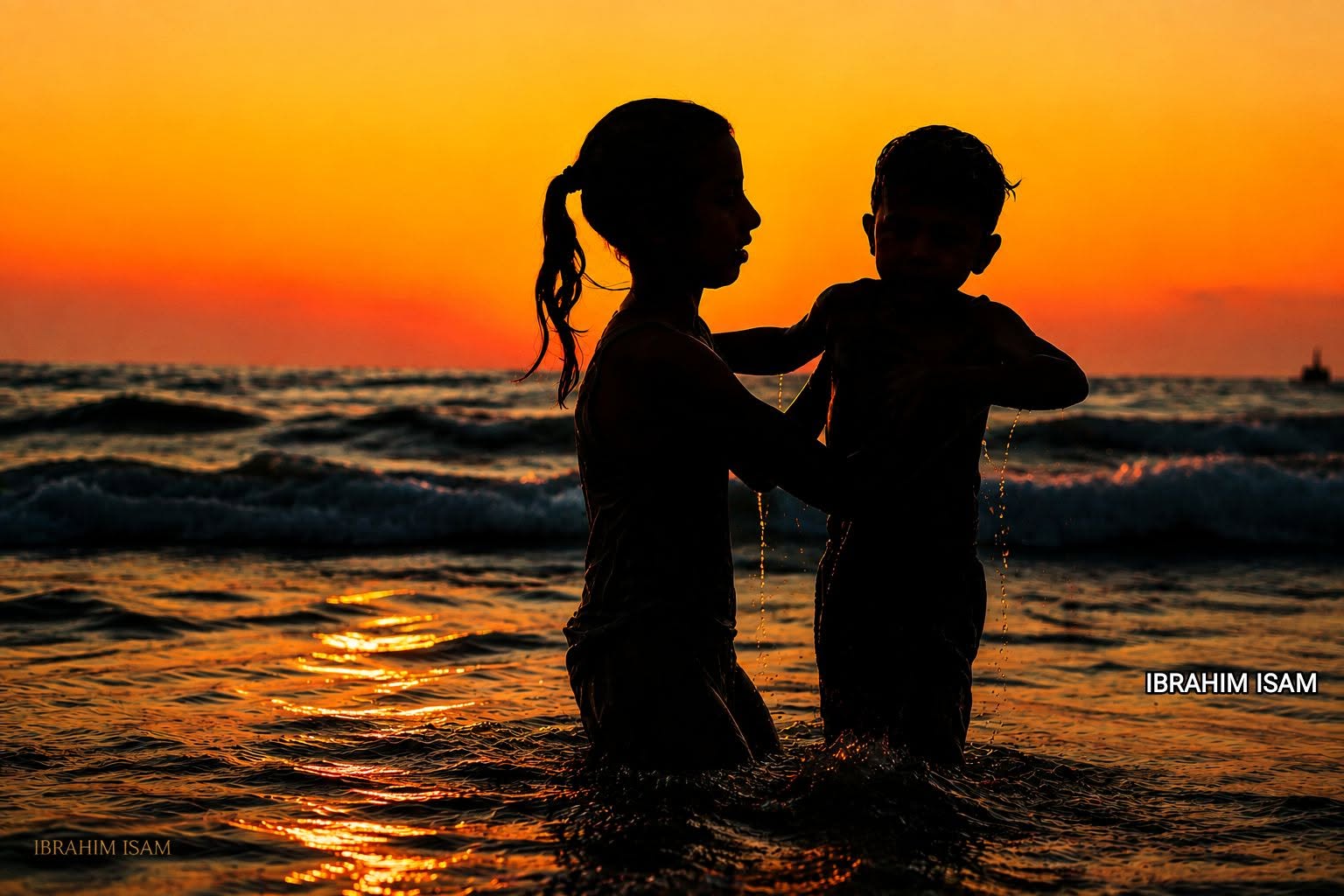
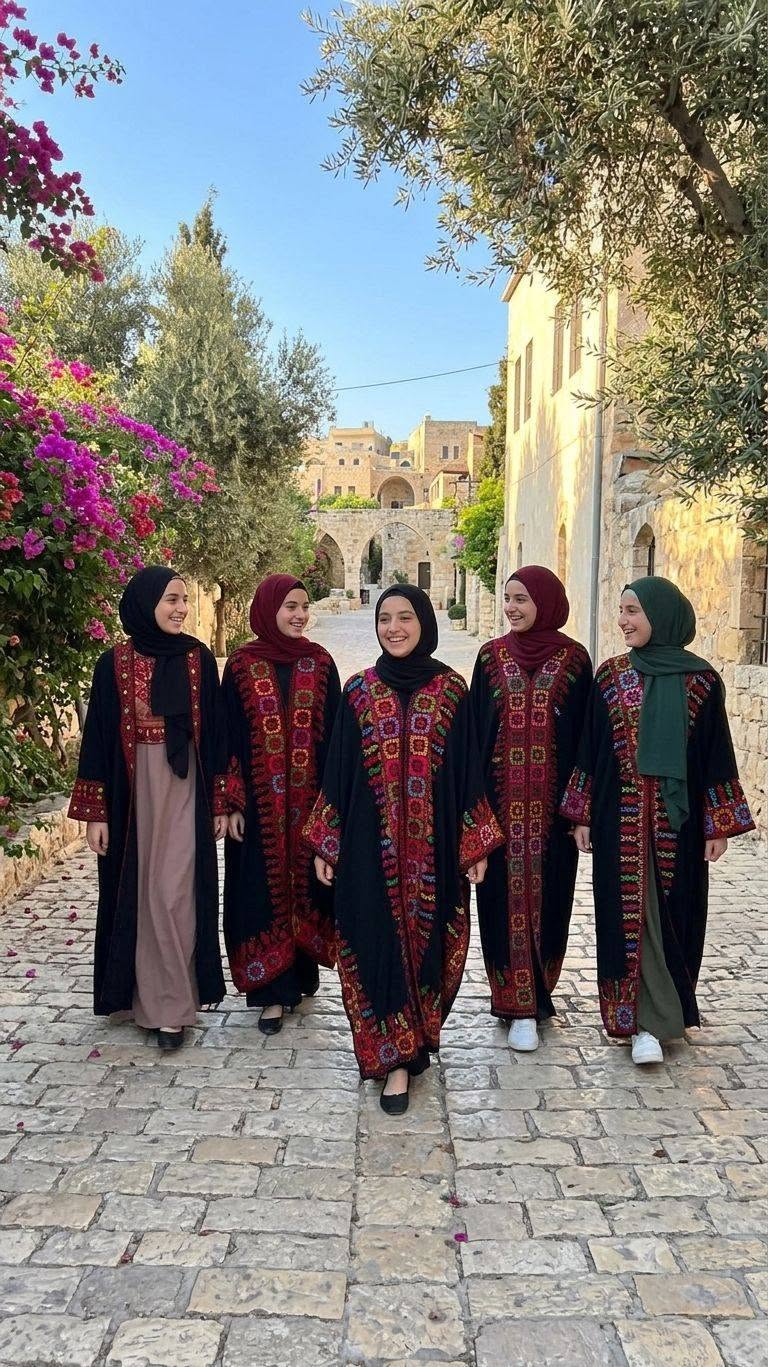
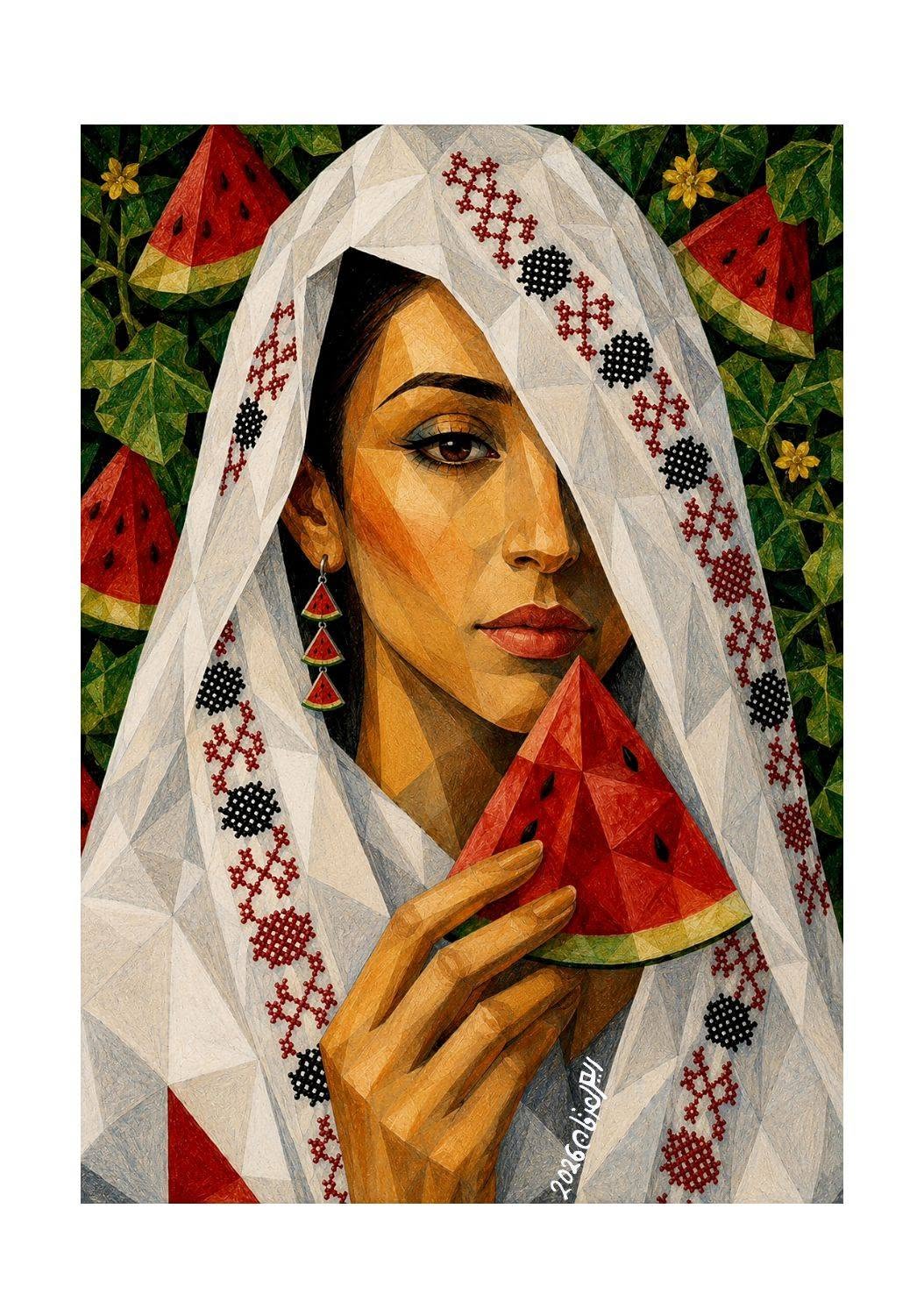
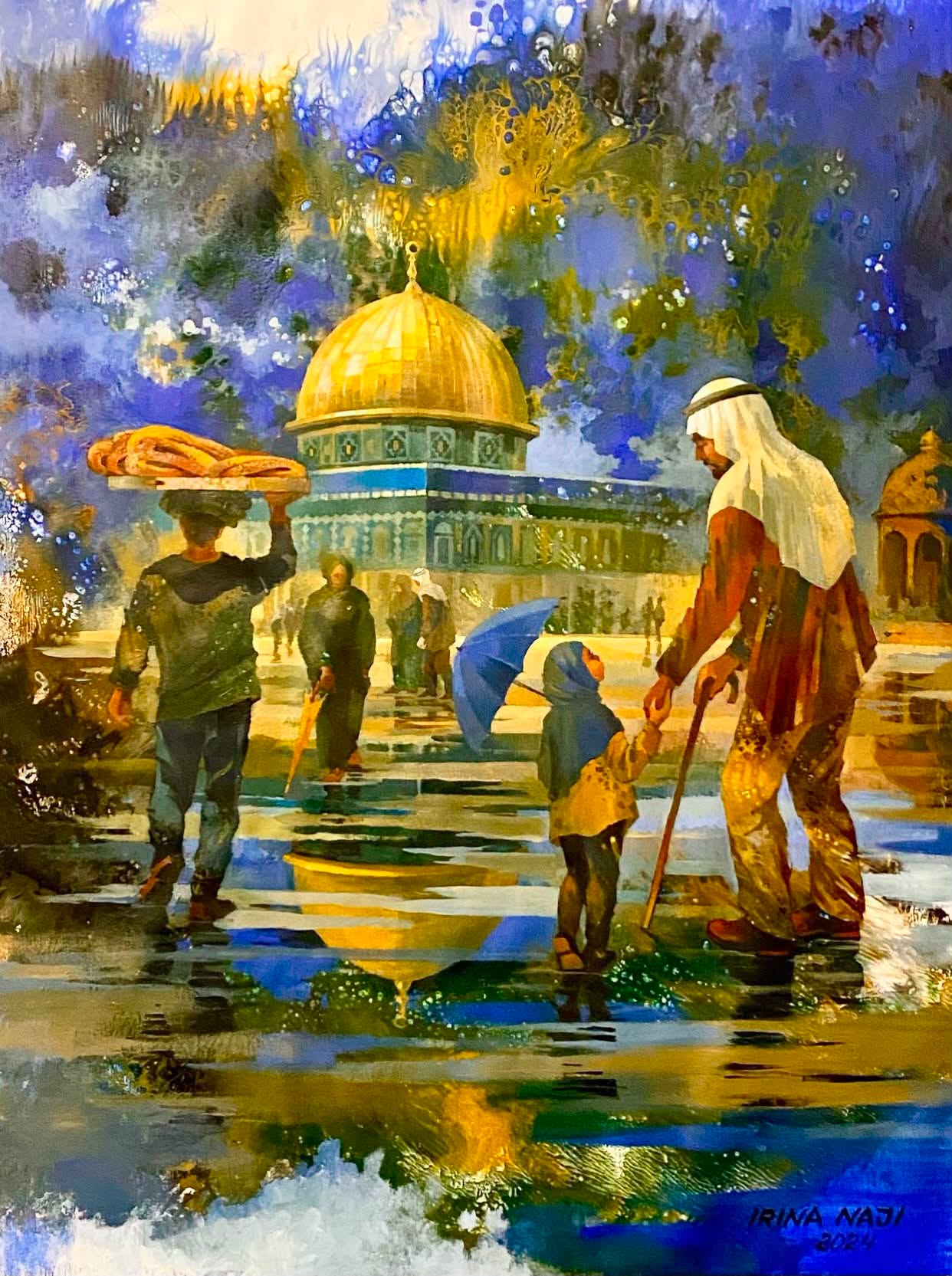
 Jabal Al-Weibdeh: An AI Art Story
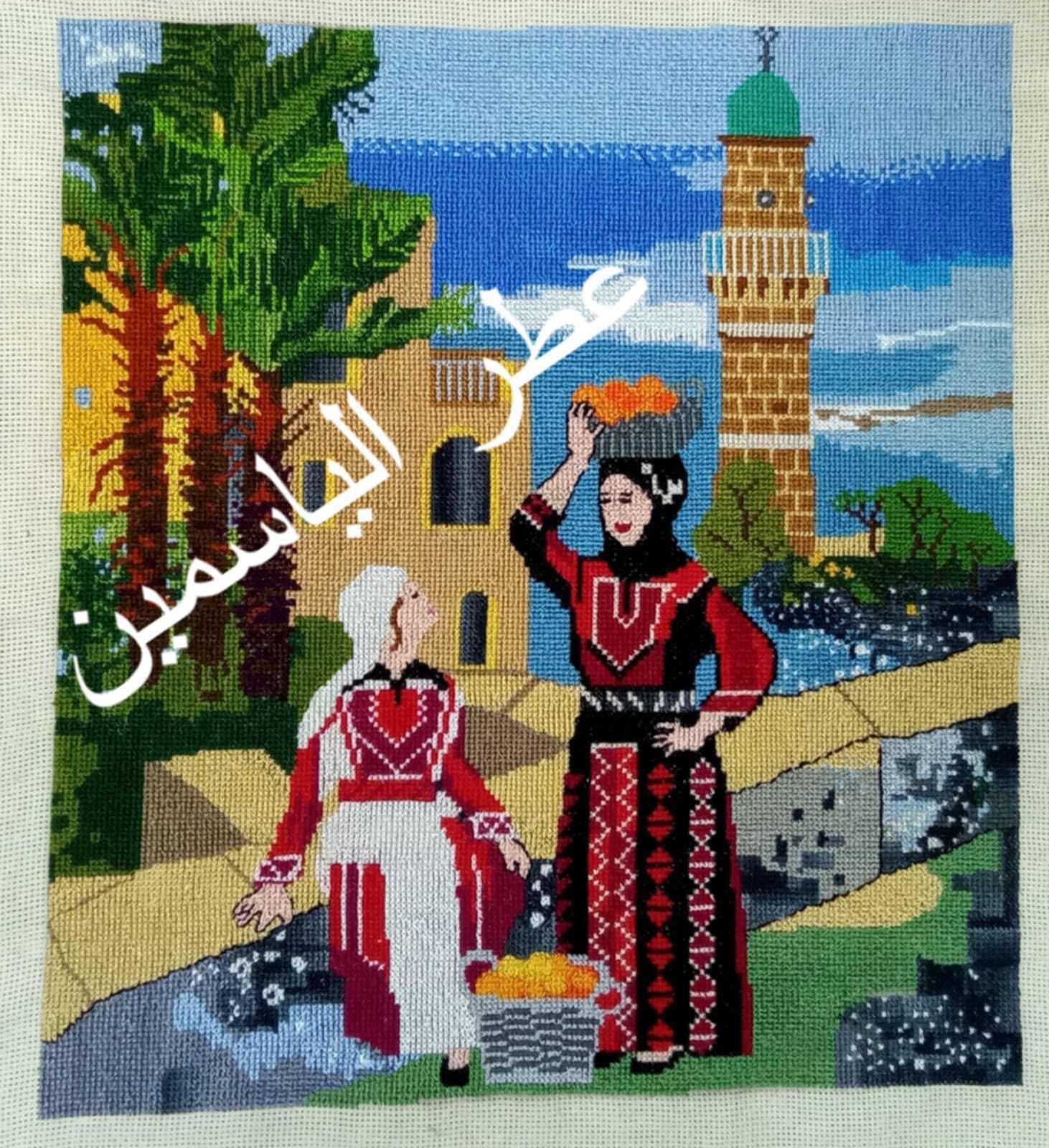
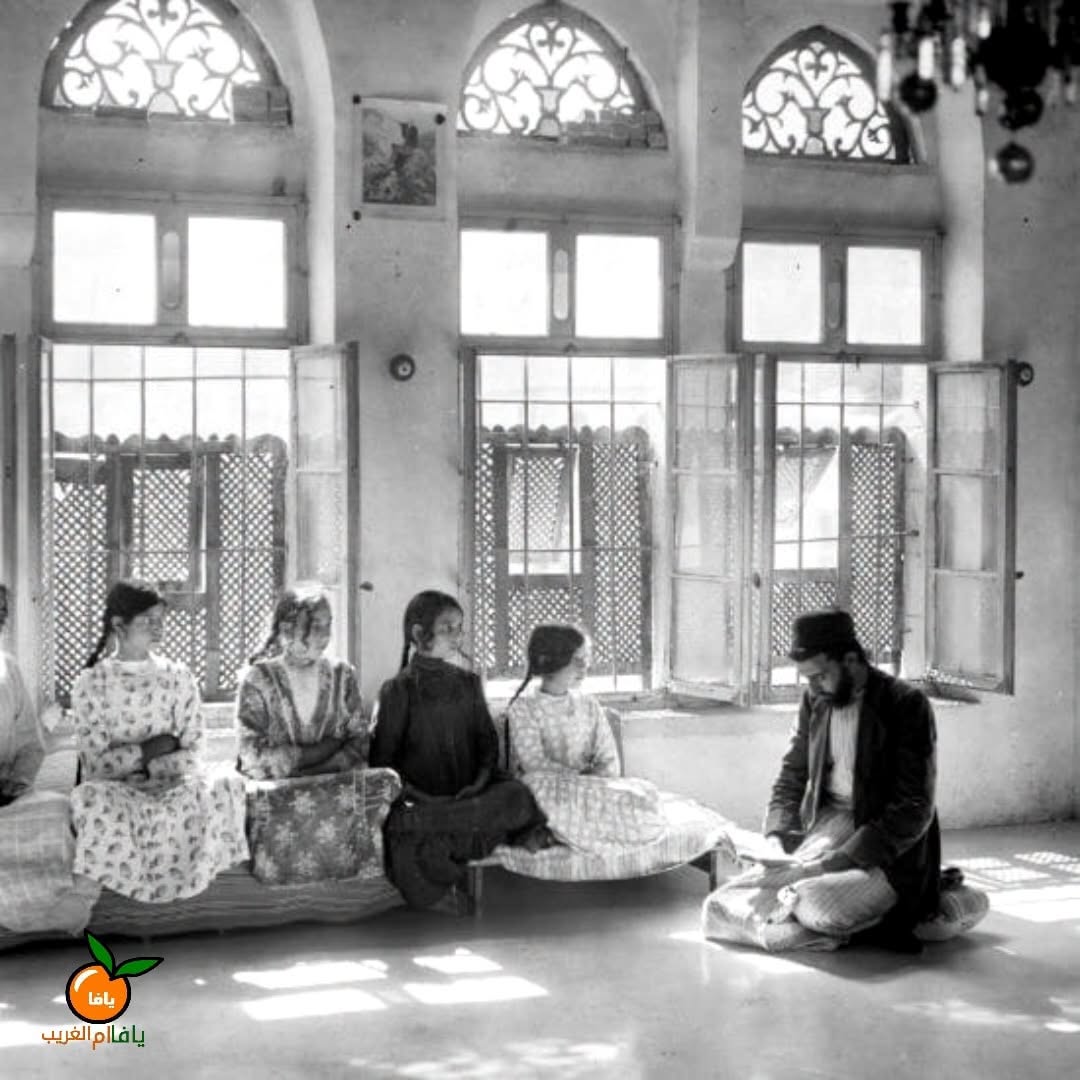
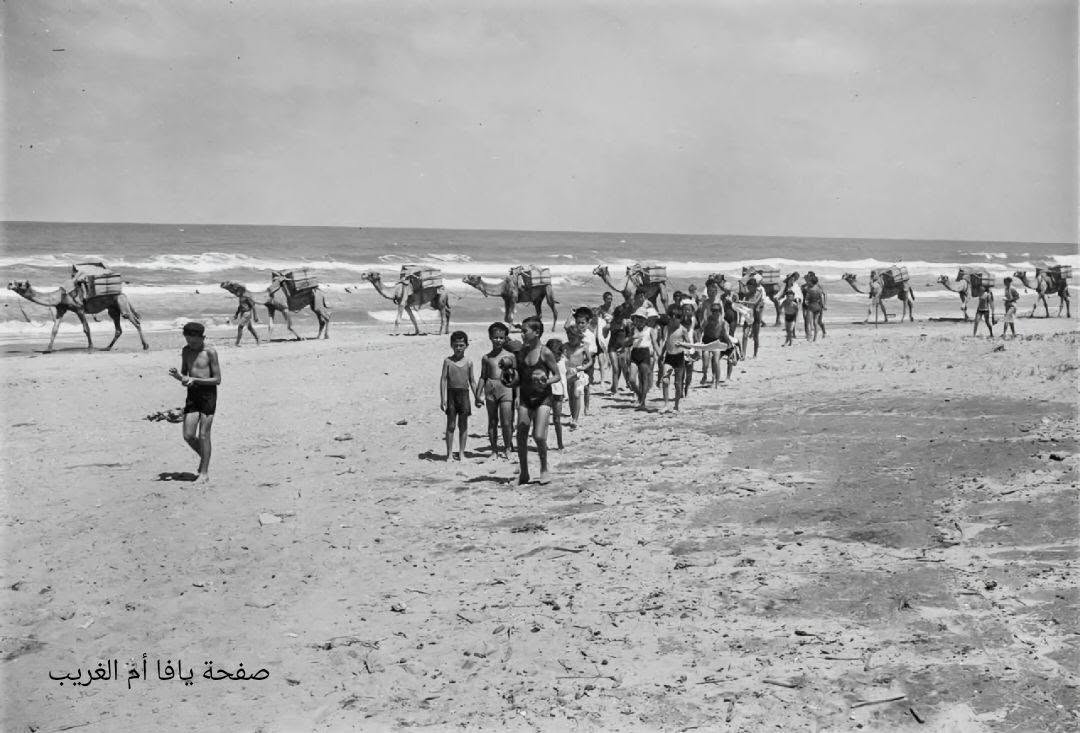
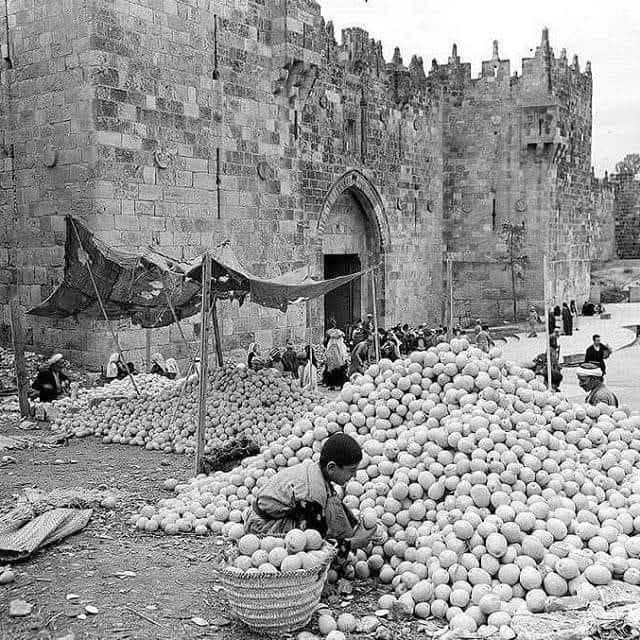 Jaffa Oranges in Jerusalem, 1937
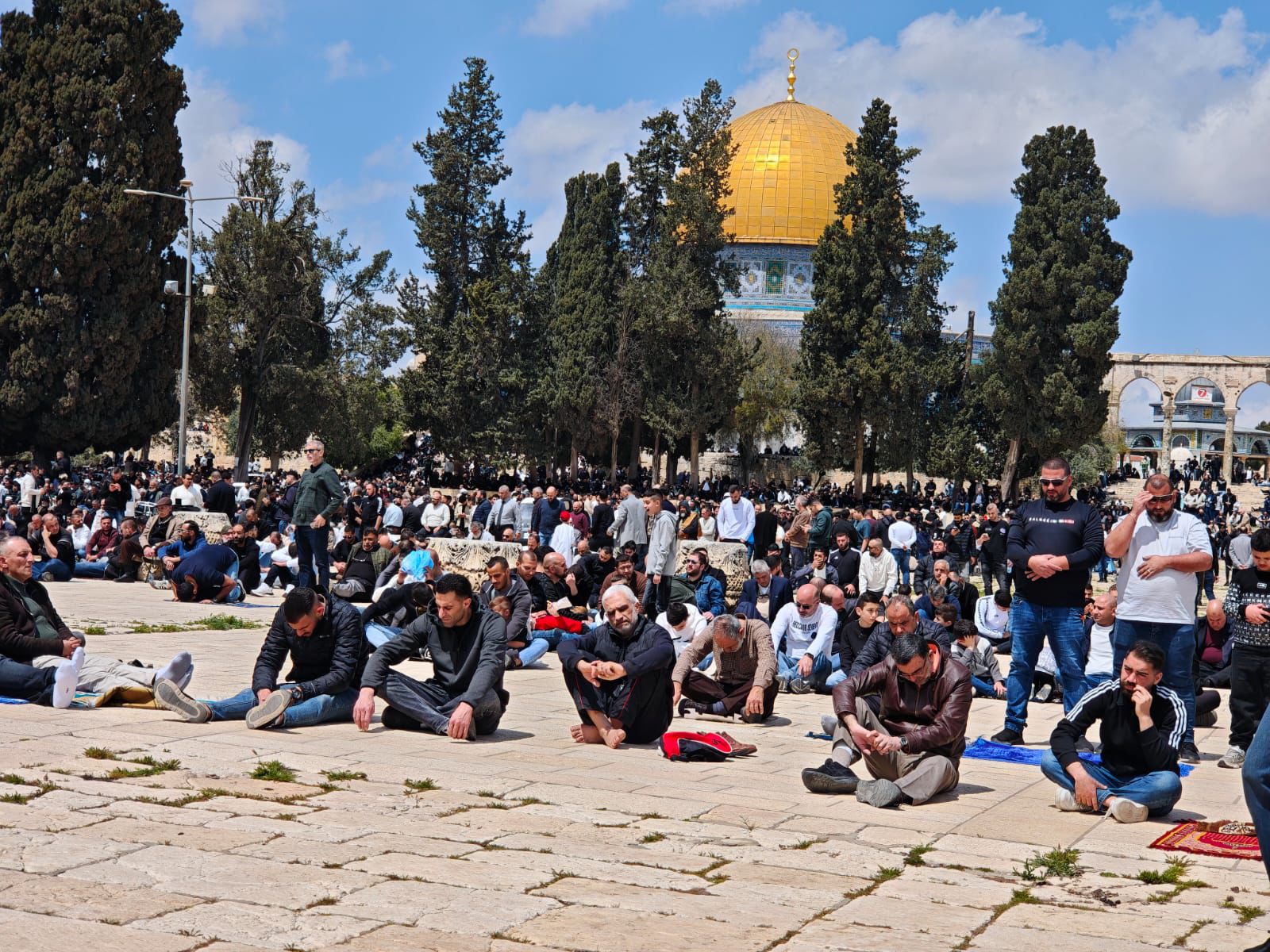
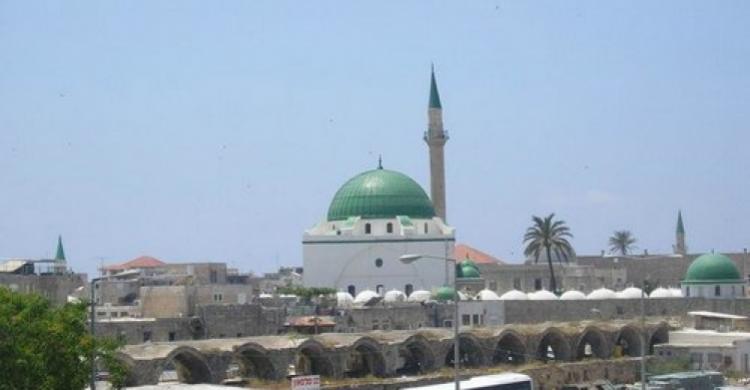
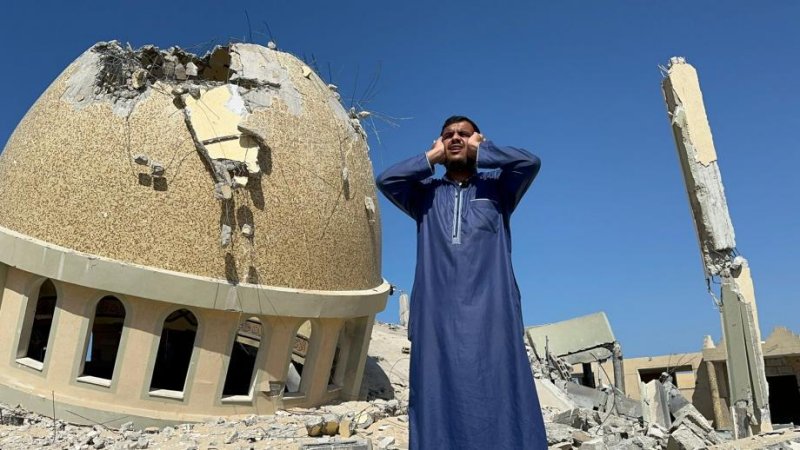 Gaza Begins to Restore Its Mosques
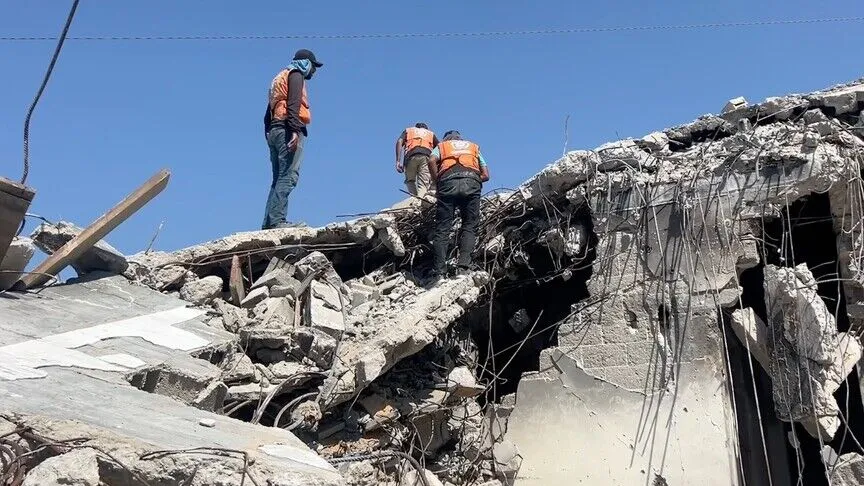
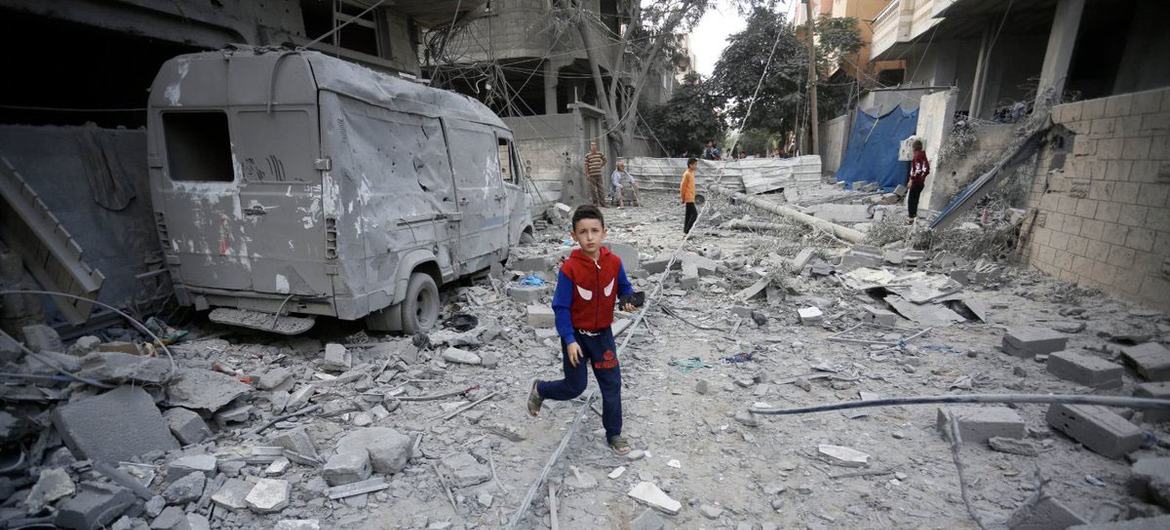
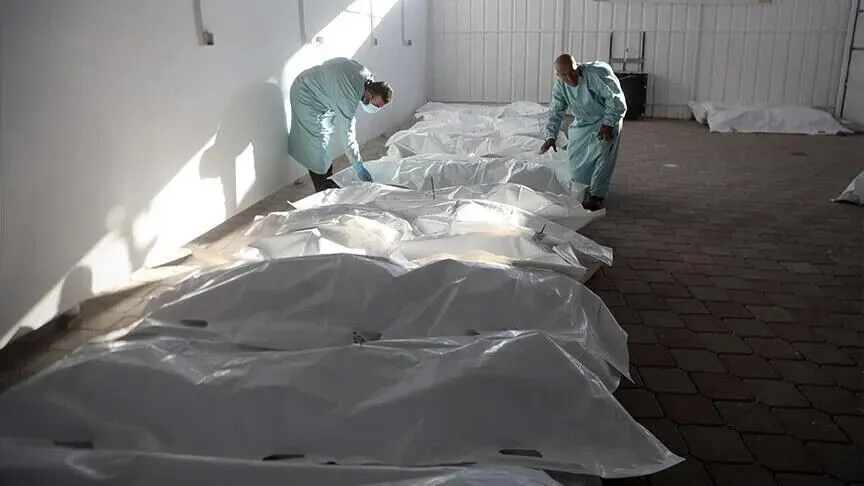
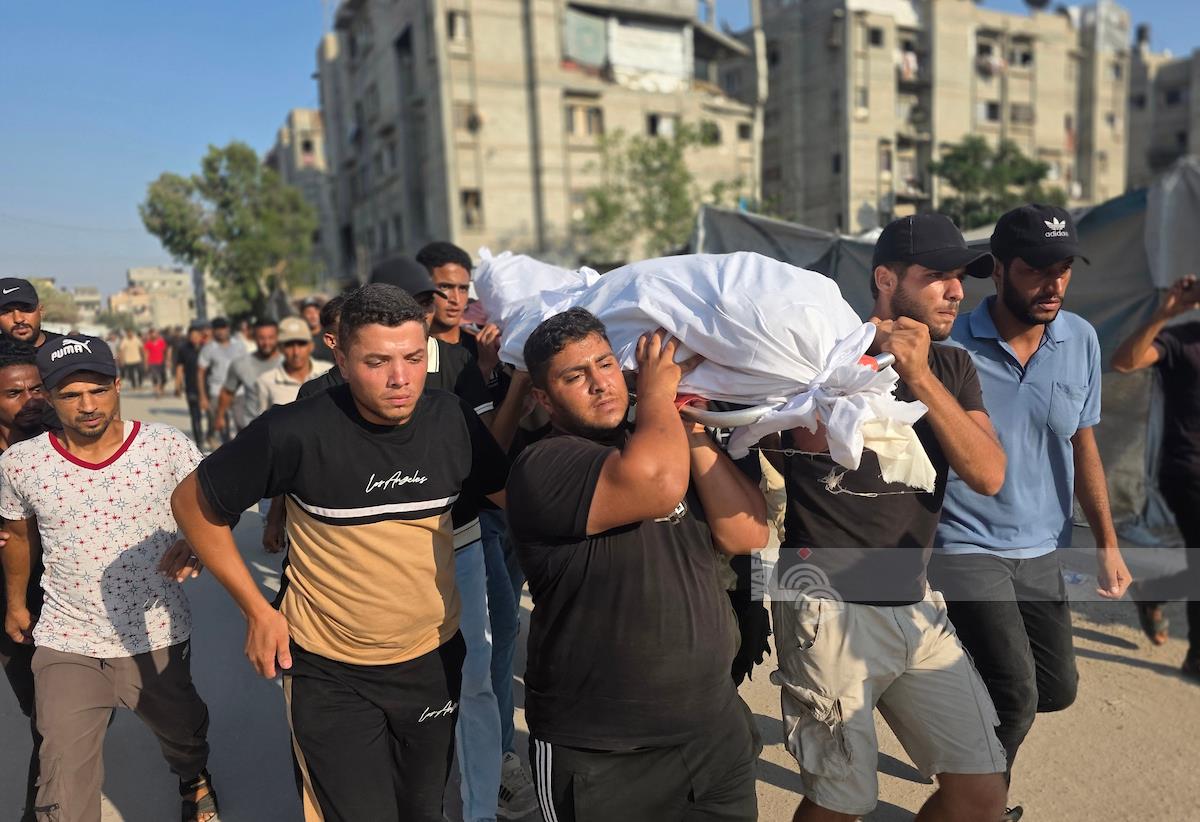
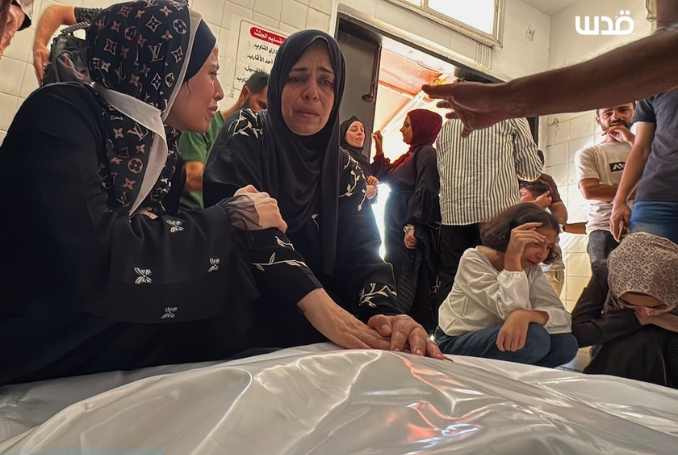
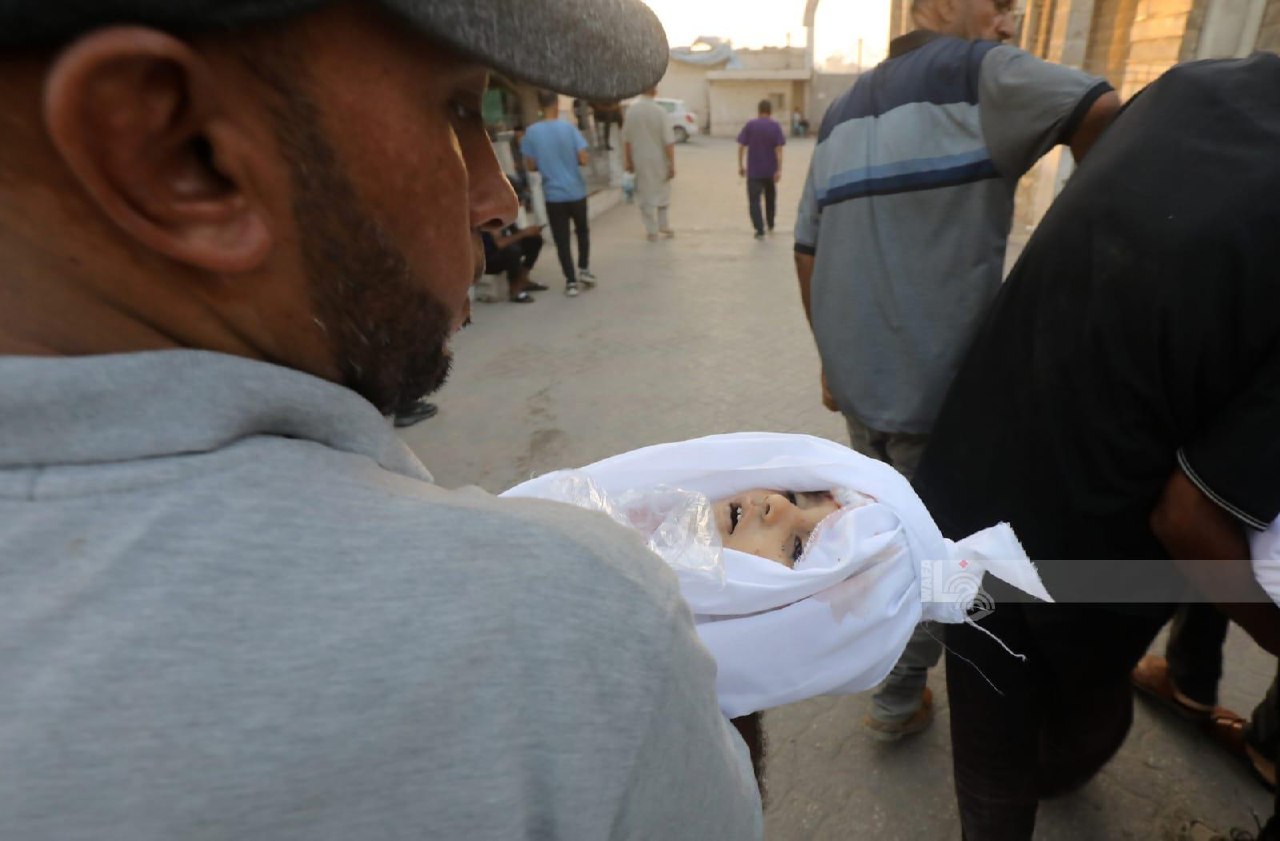
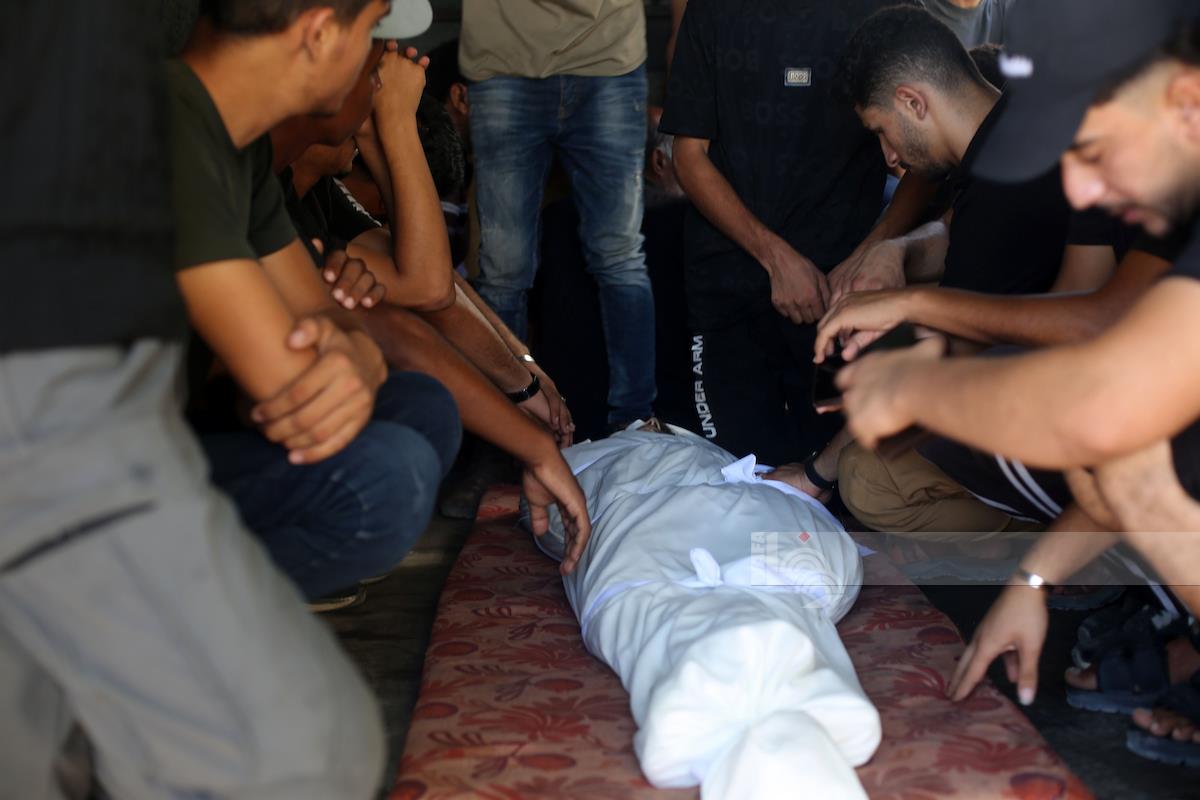
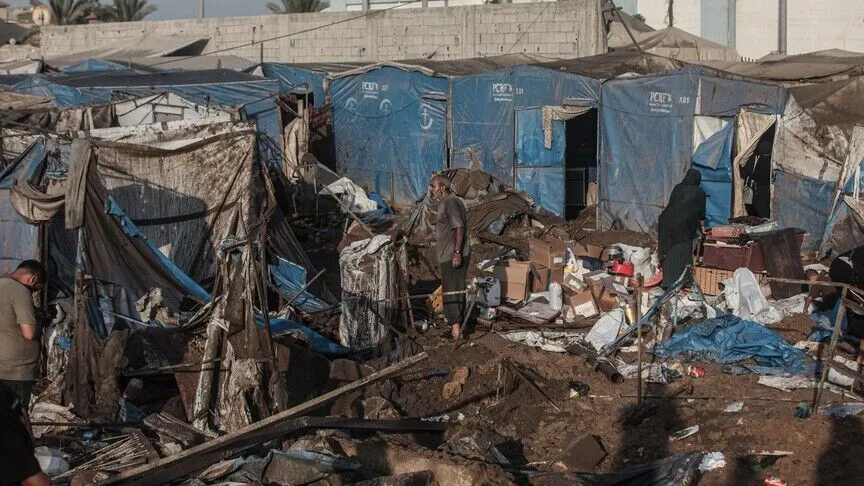
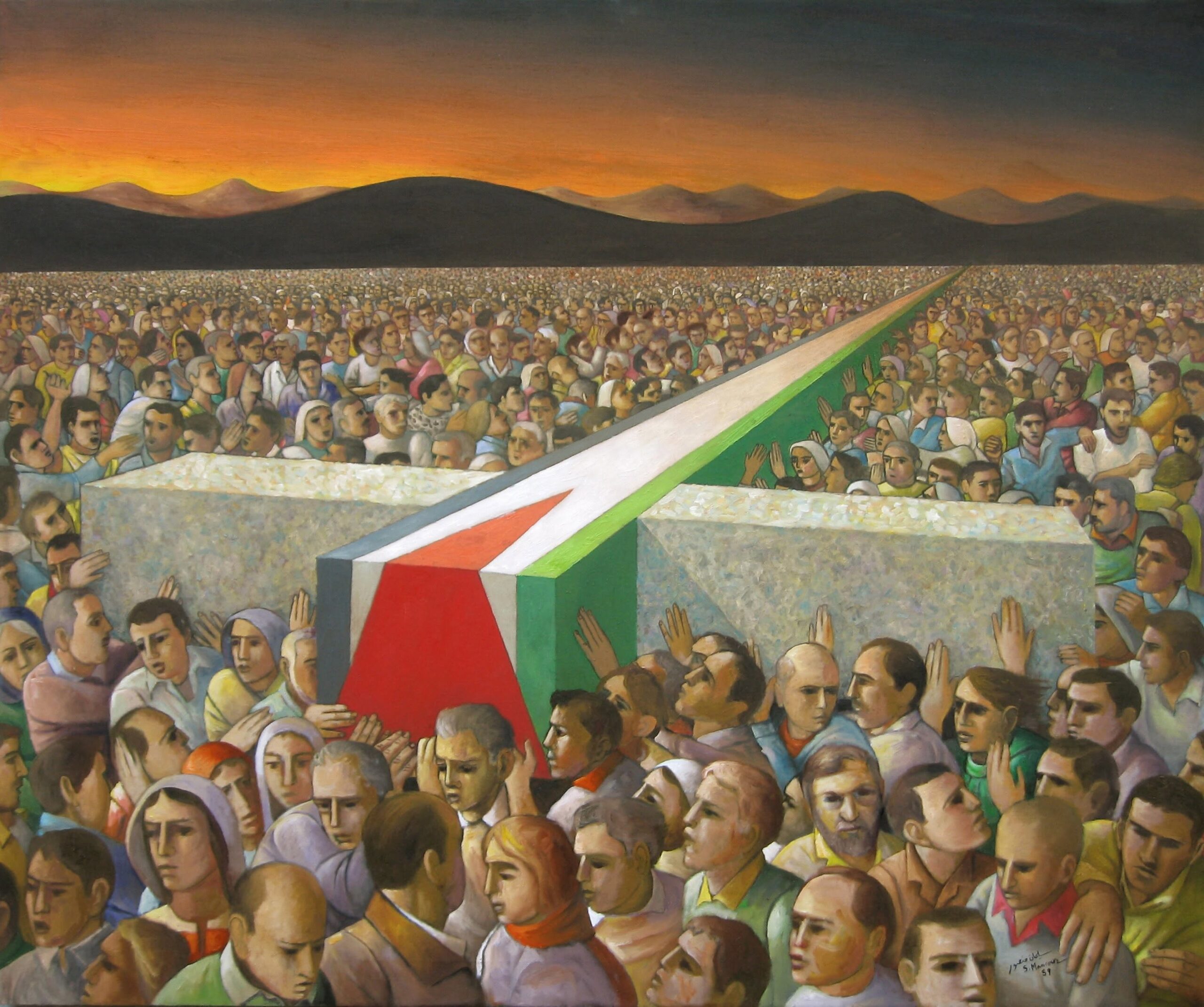 12 Bodies Uncovered in Gaza City
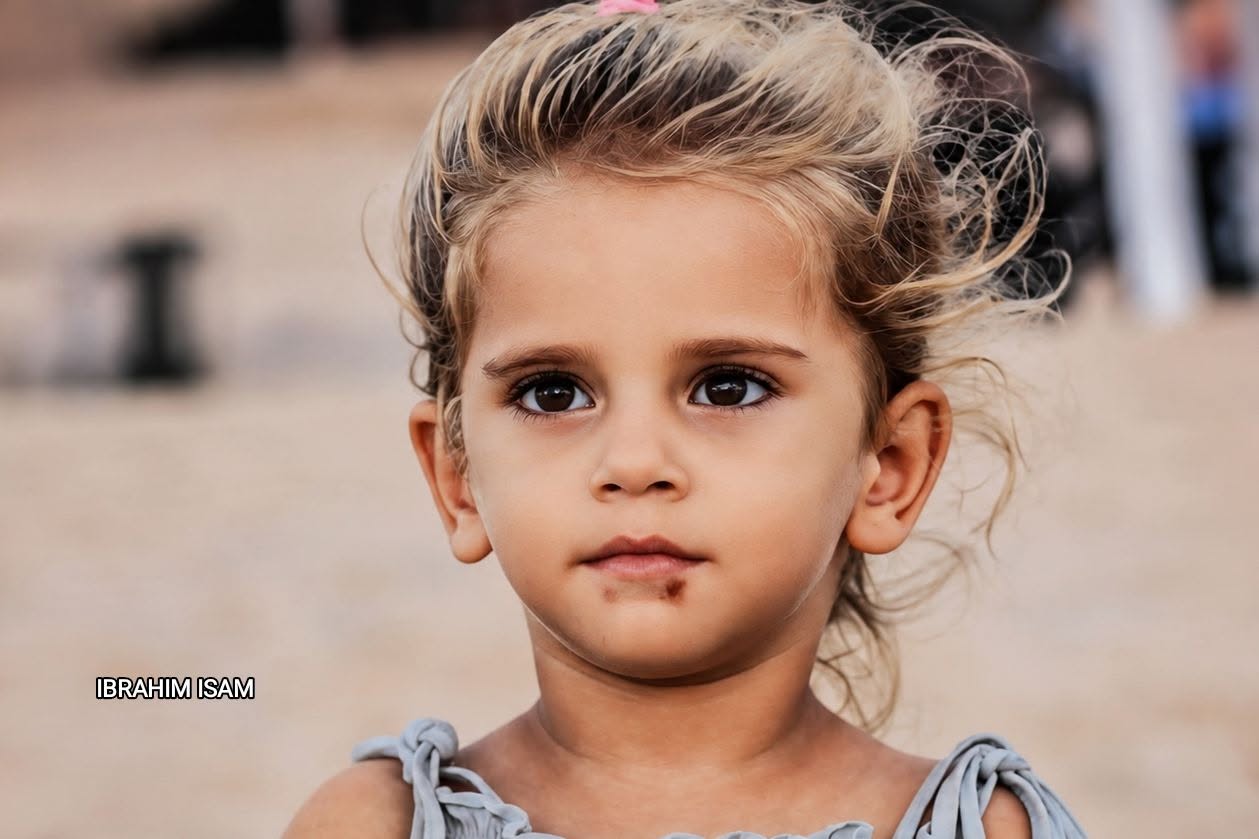
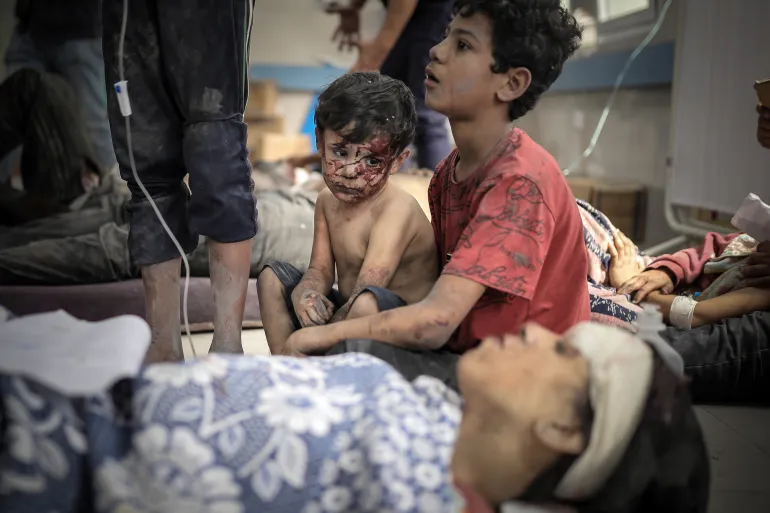
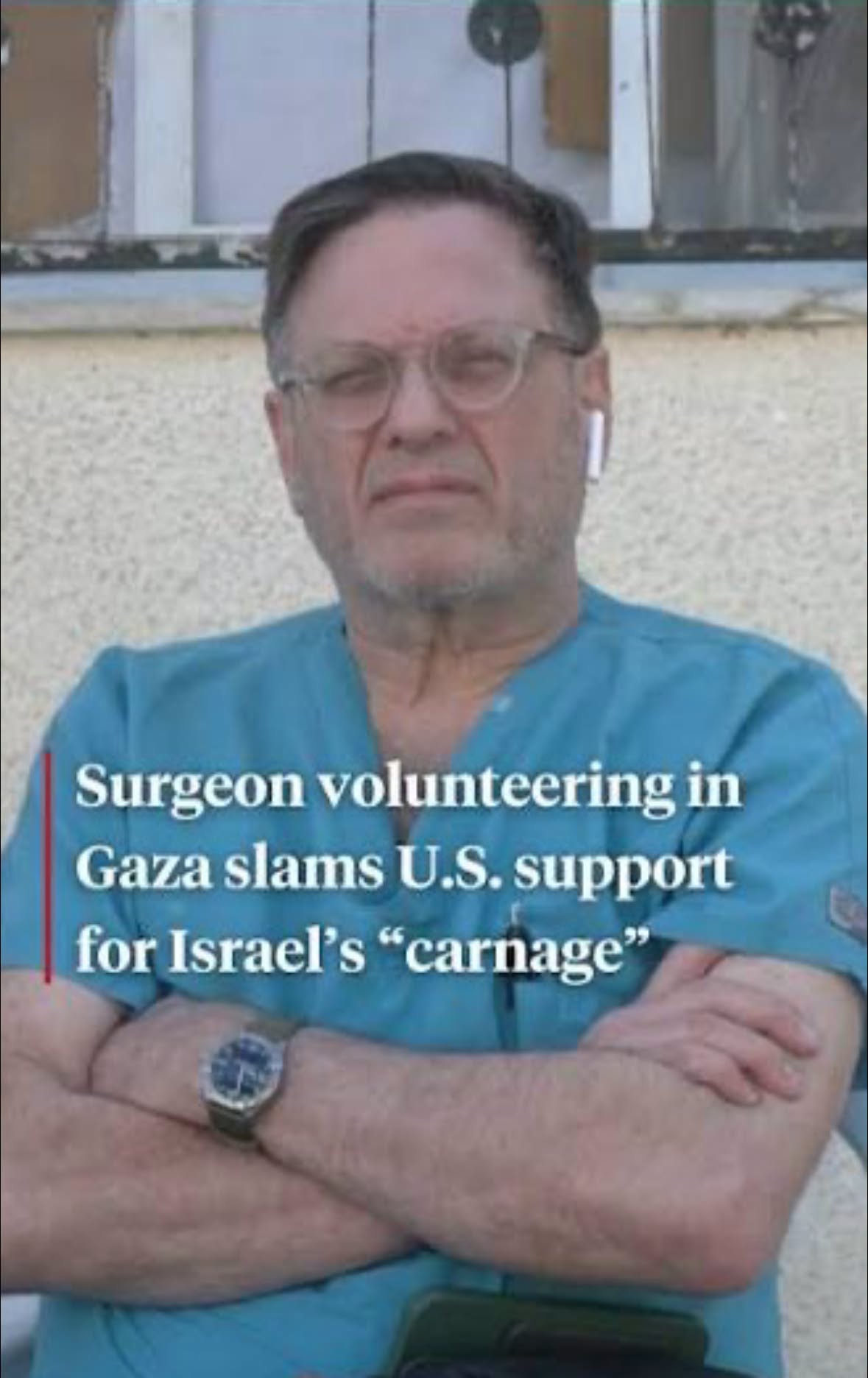 Dr. Mark Perlmutter recounts amputating the leg of a five-year-old girl in Gaza with no anesthesia available beyond an anesthesiologist singing to her.
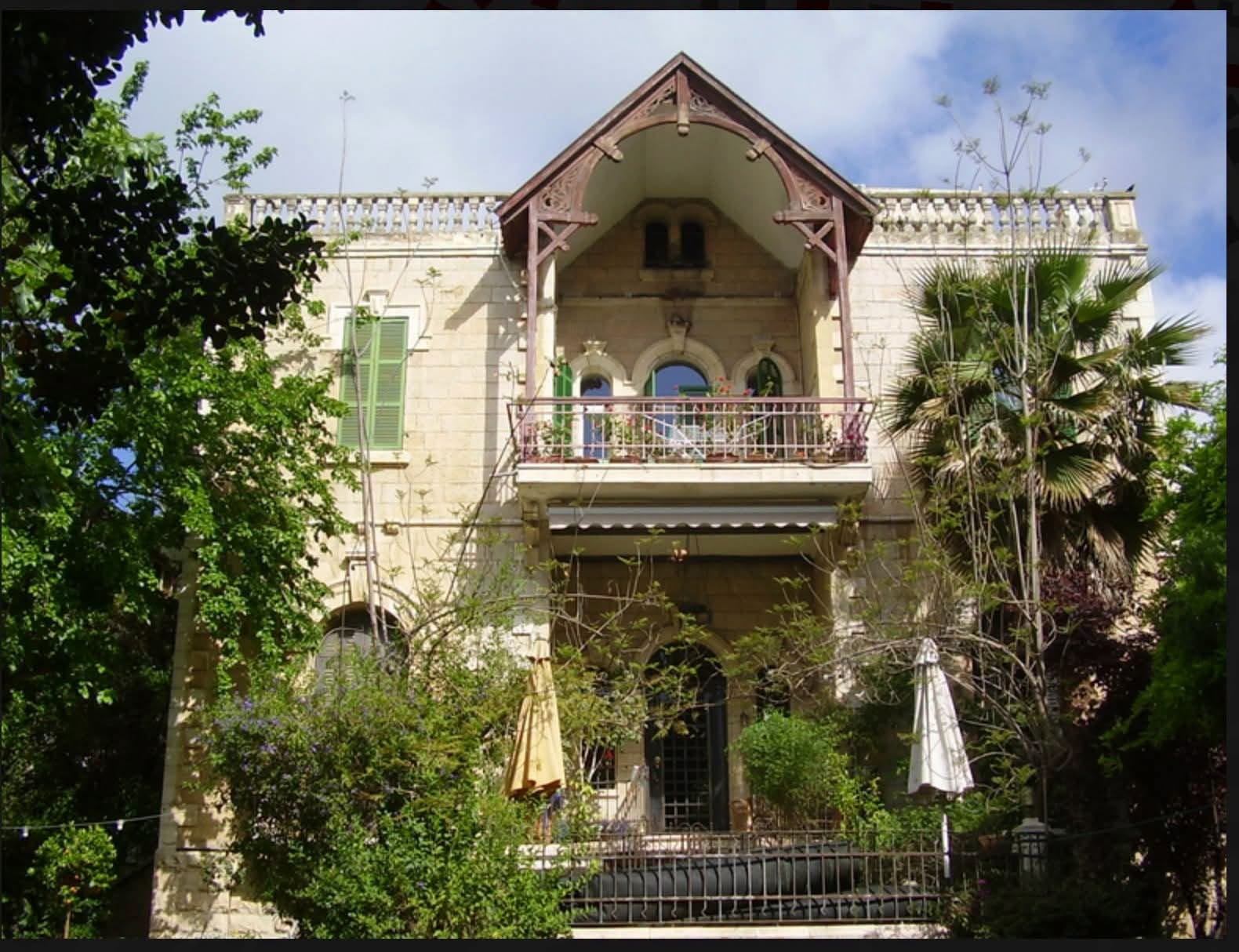
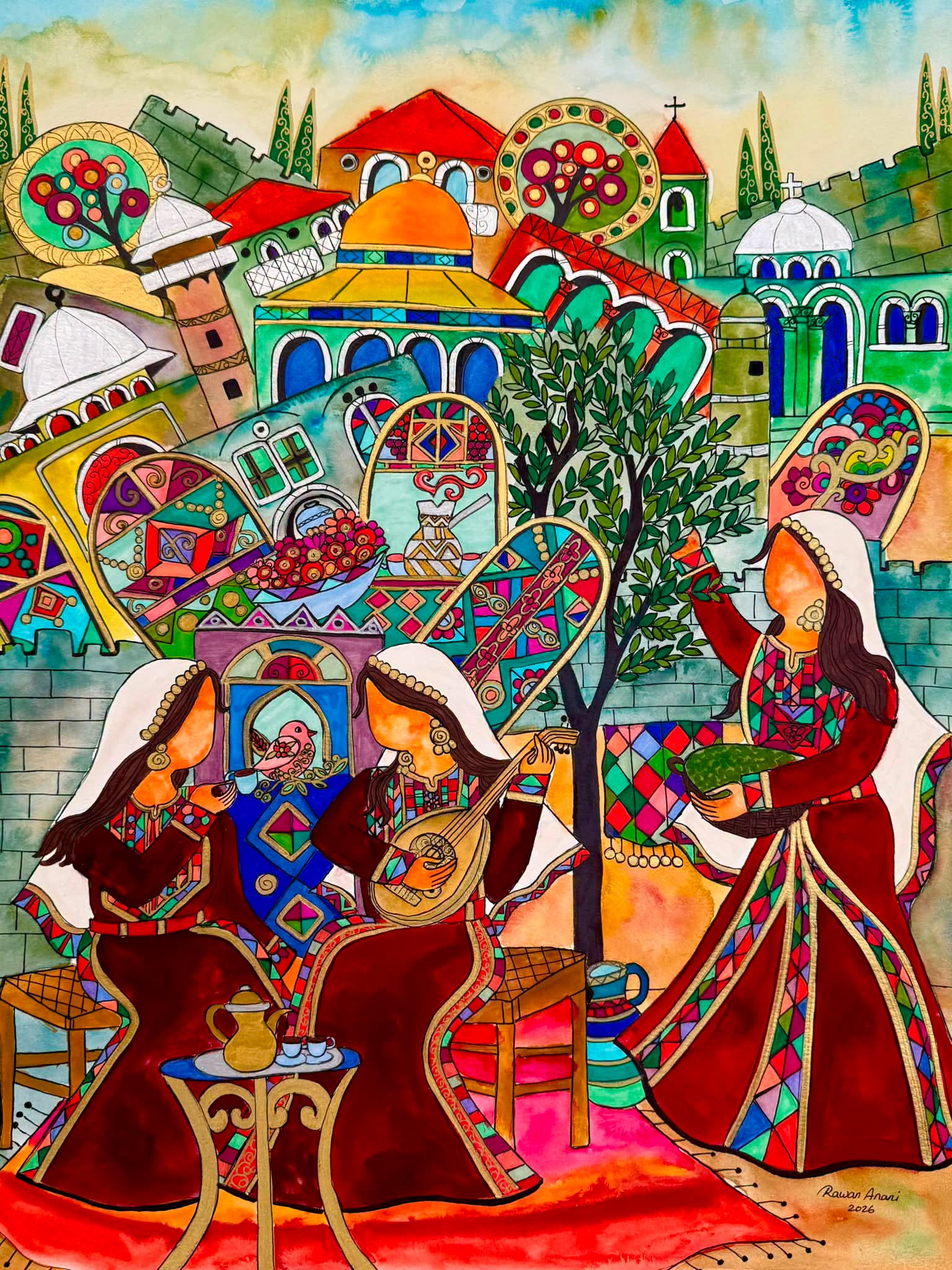
Jabal Al-Weibdeh: An AI Art Story
 CrossFireArabia
- August 16, 2026
 CrossFireArabiaCrossFireArabia
 marwanCrossFireArabiaCrossFireArabiamarwanCrossFireArabia
 HebaCrossFireArabiamarwanCrossFireArabiamarwanHebaCrossFireArabiamarwanmarwanHebaCrossFireArabiamarwanmarwanCrossFireArabiamarwanHebaCrossFireArabiaCrossFireArabiaCrossFireArabiaHebamarwanCrossFireArabiamarwanHebaCrossFireArabiaHebamarwanmarwanCrossFireArabiamarwanmarwanmarwanmarwanmarwanmarwanmarwanmarwanmarwanCrossFireArabiaCrossFireArabiamarwanmarwanCrossFireArabiaCrossFireArabiamarwanCrossFireArabiamarwanHebaHebamarwanmarwanCrossFireArabiamarwanmarwanmarwanmarwanCrossFireArabiaCrossFireArabiamarwanmarwanmarwanCrossFireArabiamarwanmarwanmarwanmarwanmarwanCrossFireArabiamarwanmarwanCrossFireArabia
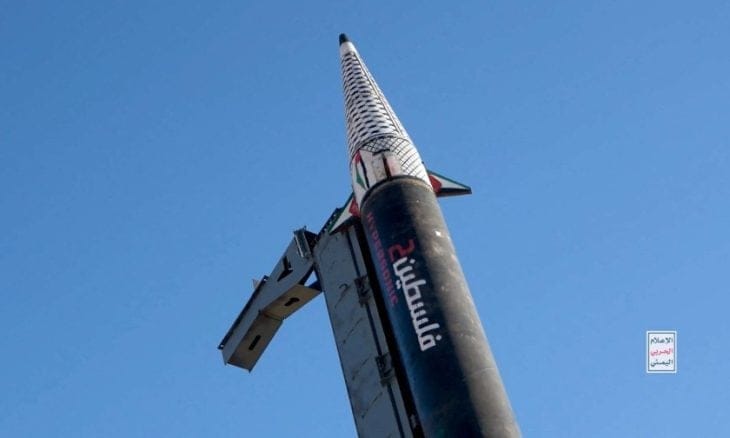
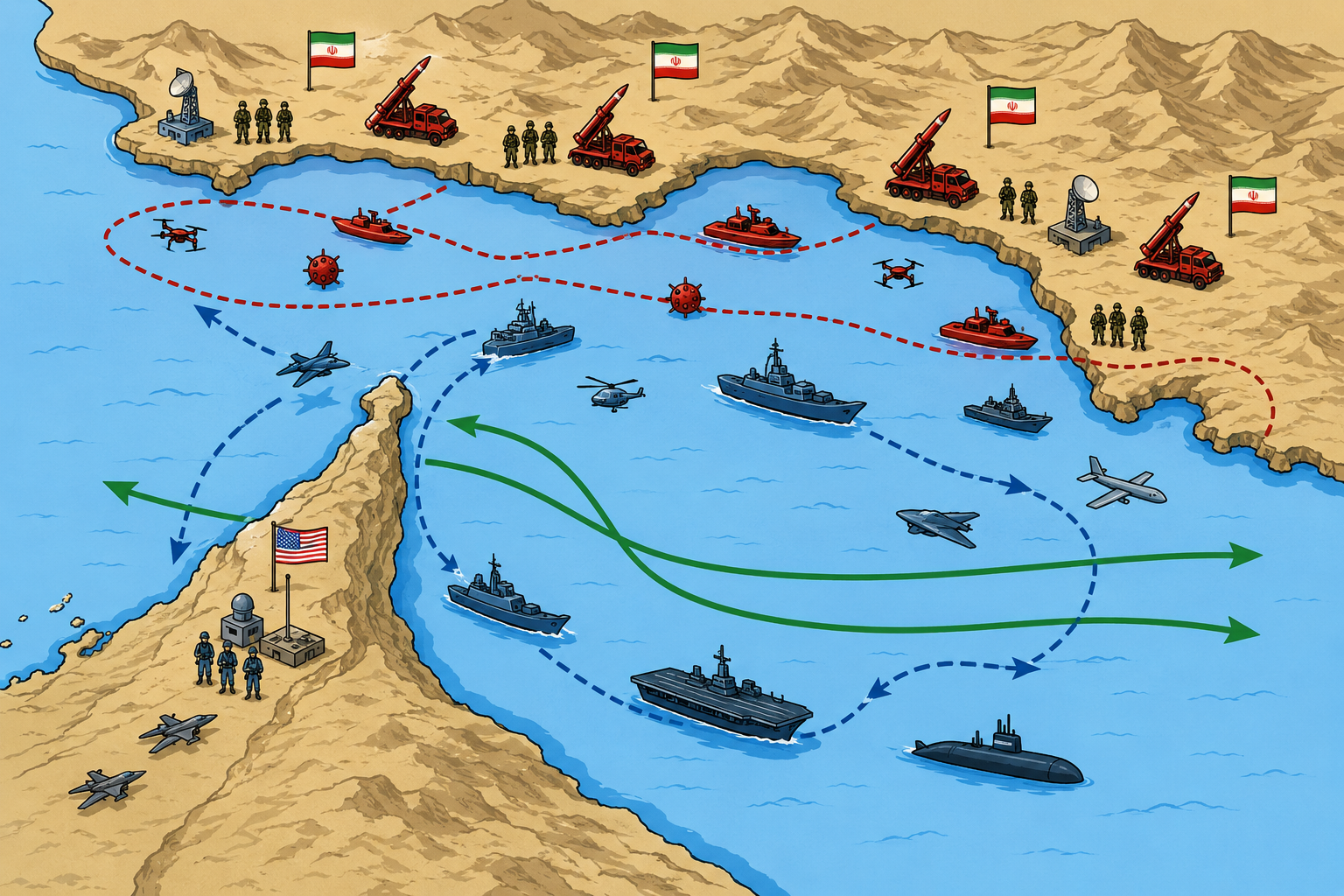
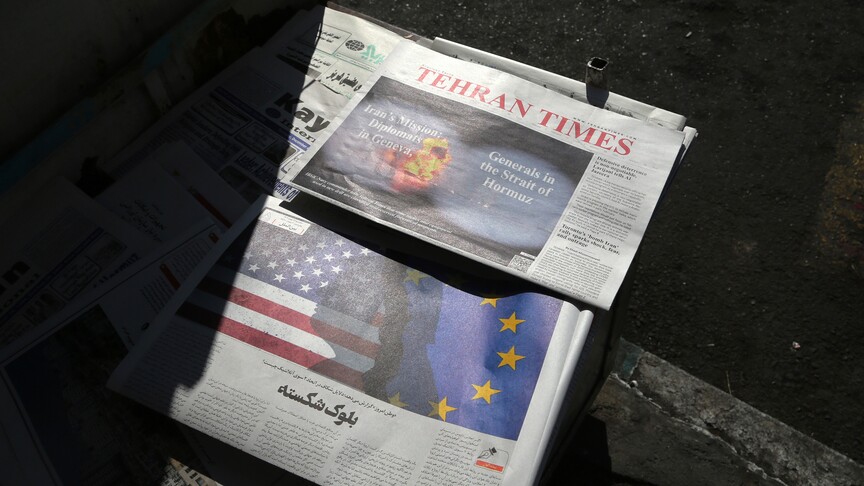
Iran is escalating its war potentials: For the first time since the start of this war since 28 February, it fired its Sejjil supersonic ballistic missile towards Israel according to Iranian State TV.
Sejjil is a long-range, solid-fueled ballistic missile. It takes off within minutes and reaches its targets at speed exceeding Mach 12, at a blink of an eye.
The launch of the Sejjil is significant. Its launch Sunday was part of Iran’s 54th wave of Operation True Promise. The missile carries a heavy warhead weighing approximately 1,000 kg of high explosives and is designed to destroy strategic and fortified targets.
CrossFireArabia
By Abdel Bari Atwan
Benjamin Netanyahu must have been the most ardent observer, from a position of frustration, defeat, and helplessness—indeed, a sense of utter defeat—of the largest, longest, and most organized funeral procession for the martyred Imam Ali Khamenei. The assassination he had boasted about completely backfired.
Most notably, the Iranian regime emerged from the Israeli-American war of aggression stronger and more resilient, retaining its missiles, its nuclear program, and its stockpile. Even more importantly, more than one 100 international delegations participated in the funeral procession, in addition to tens of millions of Iranian citizens. Israel, along with the deceived and misled United States, had gambled on these millions joining a massive popular uprising in most Iranian cities to overthrow the ruling regime and install one subservient and loyal to the American-Israeli camp.
The fact that leading Iranian figures were at the forefront of the mourners on the first day, in an open space, with no aircraft in the sky and no tanks, armored vehicles, or missile launchers on the ground, confirms the falsehood claim of US President Donald Trump that he pledged to protect this funeral procession and prevent the Israeli occupation state from carrying out any assassination attempts against these figures, especially the two key negotiators, Parliament Speaker Mohammad Bagher Ghalibaf, and Foreign Minister Dr. Abbas Araqchi.
The appearance of General Ahmad Vahidi, commander of the Revolutionary Guard, at the forefront of the mourning procession for the first time, perhaps confirms that the decision was purely Iranian. The Iranian leadership has repeatedly affirmed, through numerous high-ranking officials, its complete distrust of its American adversary, and it is justified in this assessment. It possesses a long list of practical and on-the-ground evidence to support this, because the consequences of any attack on the funeral procession by Israel and the United States would be extremely costly—politically, militarily, and economically—and would drag the world and its security into a third world war, the course and end of which no one can predict.
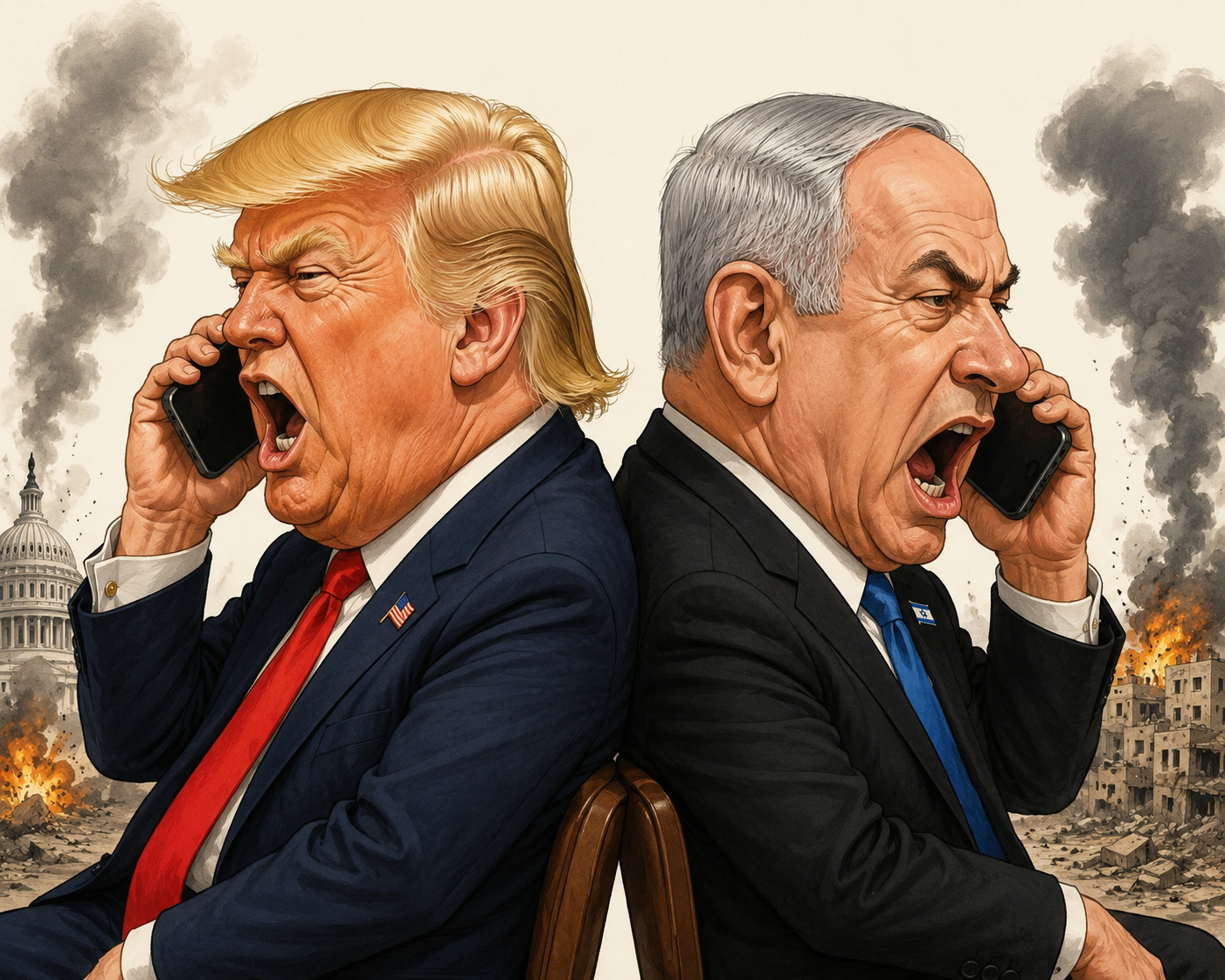
Based on this logic, I am inclined to believe the denial issued by the office of Israeli Prime Minister Benjamin Netanyahu regarding a report published by The New York Times. The report stated that President Trump feared Israel might assassinate the Iranian negotiators Qalibaf and Araqchi, and therefore warned against such an action due to its repercussions on relations between the two countries.
The Israeli terrorist government, which specializes in assassinating Arab and Islamic political and military leaders—from the martyred Imam Ali Khamenei, through the martyred Sayyed Hassan Nasrallah, leader of Hezbollah, to the third Sayyed, Iranian President Ebrahim Raisi, and dozens of Iranian, Lebanese, and Palestinian military leaders—cannot be transformed overnight into a docile lamb.
The undeniable truth is that Israel today is not the Israel of yesterday. Today’s Israel is terrified and defeated. All its plans have failed against the rock of Iranian steadfastness and resistance. Most, if not all, of its strategies have been exposed, its falsehoods revealed, the latest being its bet on dragging America, the superpower, into a war against Iran to completely destroy it and its missile and future nuclear capabilities.
Israel, for whom the incursion into Lebanese territory and the direct aggression against Iran with hundreds of aircraft and seen as a walk in the park, cannot these days bomb the southern suburbs of the capital Beirut with a single missile, because it knows full well that the direct response with hundreds of precision missiles and highly advanced drones to destroy Tel Aviv, Haifa, and Dimona would be immediate.
This process of change, currently taking shape in the region, reveals and confirms a radical shift in the balance of power in the “West Asia” region—not the Middle East, the odious colonial term—and it is thanks to two key leaders and a group of brilliant minds surrounding them:
First: The martyred Imam Sayyid Ali Khamenei, the late Supreme Leader of Iran, who assumed leadership of the Iranian Revolution after the death of its founder, Ayatollah Khomeini. He combined the two best qualities: Political, military, and executive leadership, serving as president for many years, and spiritual leadership as the Supreme Leader and Ayatollah of the Islamic “Imamate.” He developed Iran’s nuclear capabilities, transforming it into a nuclear threshold power with a stockpile of 460 kg of highly enriched uranium.
He also established a missile power with hundreds of highly advanced missiles and drones. He was one of the most ardent supporters of the Palestinian cause, providing it and its resistance fighters with all the necessary weapons and equipment, and fostering unity among the various fronts. He firmly believed that America and Israel are the primary source of danger to the Islamic nation and must be confronted and defeated.
Second: The martyr Yahya Sinwar and his comrades, those geniuses who planned, engineered, and executed the 7 October, 2023, attack, or the “Al-Aqsa Flood,” which shattered the sanctity of Israeli cities and settlements. They breached the heavily fortified borders, equipped with cameras and electrified fences, in the largest military intelligence penetration operation in the region’s history, rivaled only by the Egyptian army’s storming of the Bar-Lev Line in Ramadan of October 1973.
***
Of course, I am not comparing the two men, nor of equating them. Rather, they are the sons of a single, integrated path, deeply-rooted in the faith and history of Islamic resistance and honor. This path leads to dignity and victory, and the second, deeper, and greater phase of resistance against colonialism. With it has begun the process of radical change that will redraw the maps of West Asia and Africa according to the Islamic and Arab vision.
As for Netanyahu, who was merely a figurehead when he threatened to undertake this task and vowed to establish Greater Israel just a few months ago, will be the first victim of this change and so will his entity, and he is currently searching for an “honorable” withdrawal without appearing defeated, but his fate is inevitably prison, if he survives… And time will tell.
Abdel Bari Atwan is the Chief Editor of the Arabic Al Rai Al Youm Arabic website. He is a prolific writer and commentator on the Middle East political scene and has several books to his name including The Islamic State: The Digital Caliphate (2015).
CrossFireArabia
Israel’s Channel 12 reported, Saturday, the total number of Israeli soldiers injured physically and psychologically since October 2023 has reached 90,000, including 26,000 who have received psychological treatment, amid a funding crisis affecting the provision of treatment for wounded soldiers.
The channel quoted the Israeli Ministry of Defense as warning that the massive increase in the number of wounded makes any delay in their rehabilitation a potential cause for the collapse of the army’s rehabilitation system.
The channel also quoted the Ministry of Defense’s Rehabilitation Department, which is responsible for treating wounded Israeli soldiers, as saying that it is “on the verge of collapse” due to the Ministry of Finance’s refusal to fund it because of budget shortfalls.
It explained that a committee formed to address the issue recommended allocating two billion shekels annually to the department, but the Ministry of Finance announced, shortly before the scheduled signing of the decision, that no budget had been allocated for it.
The Ministry of Finance placed the responsibility on the Ministry of Defense, stating it should cover the budget by “rationalizing” its spending. The Ministry of Defense responded that the Ministry of Finance was obstructing the implementation of the committee’s recommendations, refusing to fund them, and then blaming the Ministry, according to Channel 12.
This comes as the Israeli army continues to suffer casualties as its operations in southern Lebanon persist.
According to the latest figures released by the Israeli army, 964 officers and soldiers have been killed since the start of the war on the Gaza Strip.
Israel imposes strict military censorship on the publication of much information related to its human and material losses during military operations, leading observers to question whether the published figures reflect the full extent of the losses. Al Jazeera
CrossFireArabia
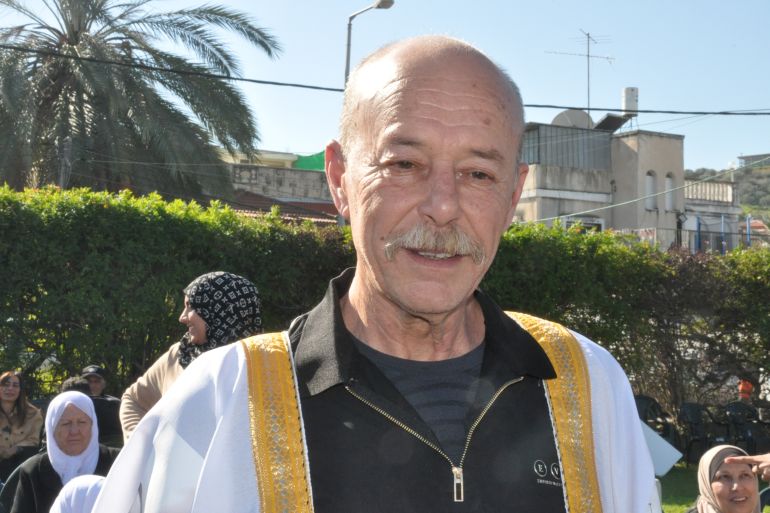
He had served 40 years in Israel prisons. Maher Abdel Latif Younis died early Sunday morning following a severe health crisis, nearly three years after his release. His funeral took place after noon prayers at the Al-Dhahrat Mosque in the village of Ar’ara in occupied Palestine.
Younis was released on 19 January, 2023, after spending four consecutive decades in Israeli prisons. He was arrested on 18 January, 1983, at the age of 25, for his resistance to the occupation and his membership of the Palestinian National Liberation Movement, Fatah.
After his arrest, he was harshly interrogated, and the Israeli court initially sentenced him to death. However, his sentence was later commuted to life imprisonment about a month later and then further reduced to 40 years in 2012 according to Quds Press.
Whilst in prison Younis lost his father in 2008 who was himself a former prisoner and spent eight years in Israeli jails. During his incarceration, Younis also managed to earn a BA degree in Political Science.
Maher Younis was born on 6 January, 1958, in the village of Ar’ara, within the 1948 borders. He leaves five sisters and one brother. He received his primary and secondary education in his village and then continued his studies at the industrial school in Hadera.
CrossFireArabia
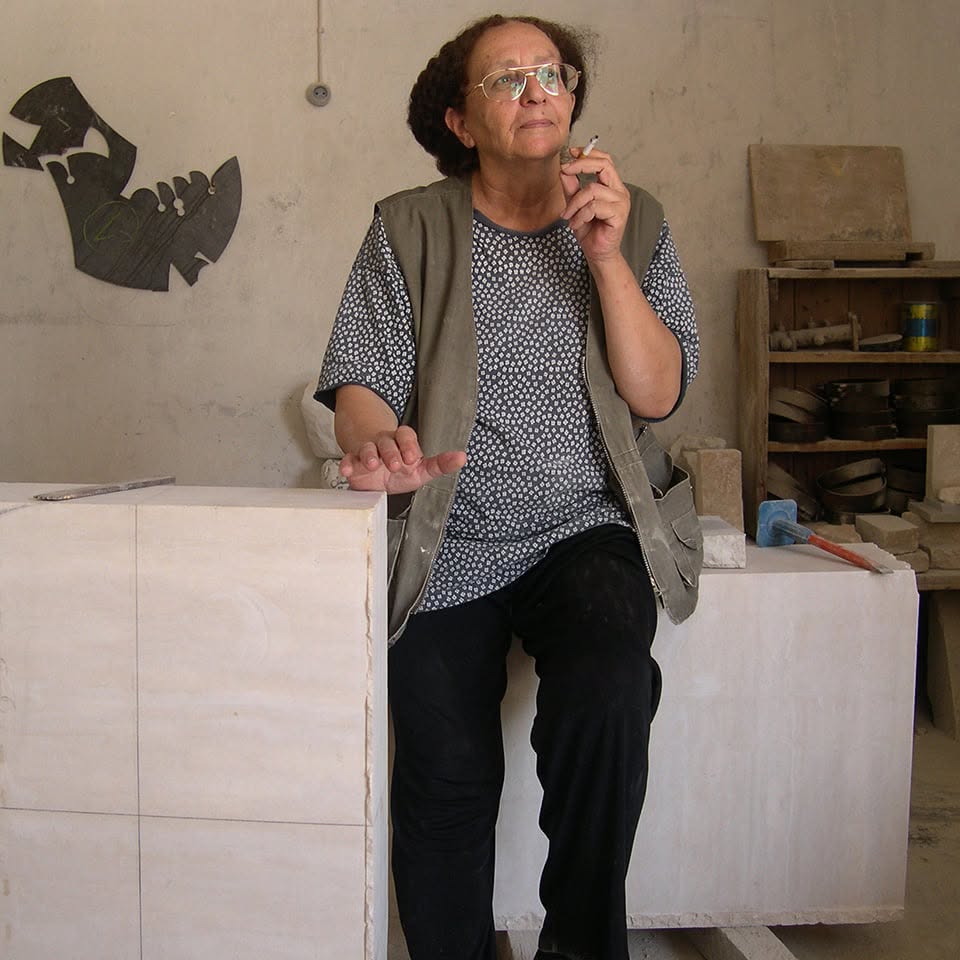
In 1969, the visual artist Mona Saudi was arrested in Copenhagen, Denmark, on charges of involvement in the attempted assassination of Israeli ex-Prime Minister David Ben-Gurion. The attempt occurred while Ben-Gurion was already out of office and on a European tour to seek support for Israel.
This accusation stopped the 24-year-old artist from holding her exhibition at the Copenhagen Public Library. However, it was eventually held at another location in the city, according to the Amman Evening newspaper, which also reported that the accusation halted Saudi’s planned tour to the Netherlands and Sweden.
However, the life story of this pioneering visual artist, who confronted the challenges with a feminine chisel of silk, patience, and tenacity, reveals an early genius. Despite this incident and not yet thirty years old, she went on to hold artistic exhibitions in most European countries.
Between the Nakba and Naksa!
Mona Saudi was born in Amman in 1945. She received her early education at Zein Al-Sharaf School in Amman, then obtained her secondary school certificate from Cairo in the early 1960s, before heading to Paris to enroll at the École Nationale Supérieure des Beaux-Arts, specializing in stone sculpture. She presented her first sculpture in 1965, its theme being motherhood. She held her first exhibitions in Amman in 1963, and in 1964, in Beirut, which was then a beacon of Arab culture. She held her first exhibition at the Capitol Hotel in Beirut.
Mona Al-Saudi’s connection to the Palestinian cause didn’t end with what happened to her in 1969. Her awareness of the Palestinian Nakba was awakened when her aunt and her family arrived in Amman as refugees from Majdal Gaza. After the June 1967 defeat, Mona Al-Saudi became active in Europe, collecting donations for Palestinian refugees who had joined their brethren displaced in 1948.
She also held an exhibition, selling all her paintings and donating the proceeds to the displaced people of her homeland after sending the funds through the International Red Cross. She then returned to Jordan and went to the camps to teach children to draw. Later, she held an exhibition in the Baqa’a camp that included her drawings alongside those of the camp’s children.
Skills, Talents
Mona Al-Saudi’s talents were not limited to painting and sculpture, she also forged her path to poetry. Living in Beirut at the time, she became acquainted with a select group of poets who shaped the modernist cultural climate of that era. She published poems in the “Shi’r” (Poetry) magazine that was founded by Yusuf Al-Khal, whose aim, it was said, was to liberate Arabic poetry from its meters, rhymes, and rigidity, and to embrace the prose style. In a poem published in 1968, titled “Peace Be Upon You, Traveling Birds,” she wrote:
Intoxicated by the air, the night, and the trees
Intoxicated, I traverse the seas of oblivion
I see the shores, then turn away from them with my sail
Towards the endless waters
I count the waves, one by one
I cry out to the sea: More distance… more distance on the weary shores!
Mona Saudi’s diverse talents formed a bridge between the arts. Her poetry and painting drew inspiration from the poems of Mahmoud Darwish, Unsi al-Hajj, Saint-Jean Perrès, and Adonis. She published two collections: “First Vision” in 1970 and “Ocean of the Dream” in 1993.
Her sculptures traveled the world.
Mona Saudi’s sculptures adorned several public squares in the Jordanian capital, Amman, since the 1960s, most notably the granite sculpture “Growth,” which has stood at the Sixth Circle in Amman since 1983. Other sculptures are located in several Arab and Gulf capitals. Her famous sculpture “The Architecture of the Soul” graces the courtyard of the Arab World Institute in Paris.
Throughout her career, spanning more than half a century in the visual arts, she held numerous exhibitions of her sculptures and paintings in the Arab world, Europe, the United States, and Asia. Her works are held in the collections of the British Museum, the National Gallery of Fine Arts in Jordan, the Guggenheim Museum and the Art Institute of Chicago, and the Art Institute of Detroit in Michigan.
Mona Saudi was once asked about the difference between painting and sculpture. With the eloquence of a seasoned artist and a sensitive poet, she replied: “There is speed in painting and a lightness of expression on paper, while sculpture is born from stone through a different process.
One might say that in painting, the artist chatters, while in sculpture one must follow the stone and its capacity to bear detail. This is why sculpture is reductionist to the extreme.” Indeed, Mona Saudi embodied this ultimate reduction in her sculptures, representing a woman who struggled for decades to make stones speak.
Mona Saudi (1945–2022) was a sculptor, writer, and poet. Born in Amman, she lived in Beirut until her death from cancer on February 16, 2022. She is considered one of the greatest sculptors in the Arab world.
Taken from Palestine Heritage