 Pezeshkian: ‘Iran Will Not Surrender to Bullies’
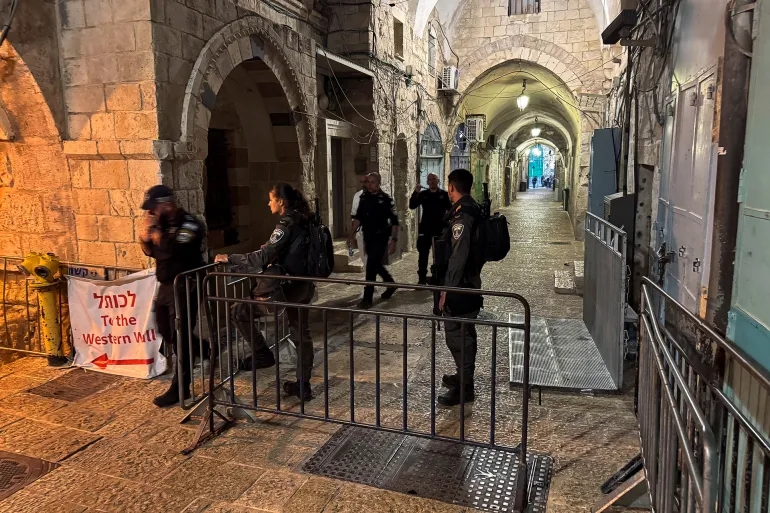 Israeli Soldiers Enforce Closure of Al Aqsa
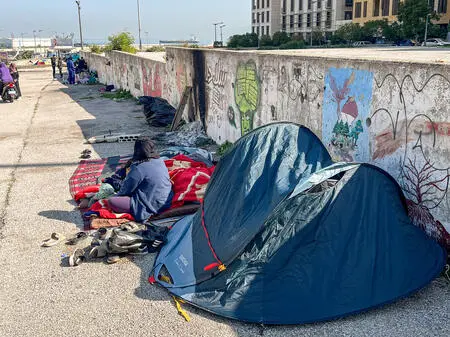 1 in 7 Displaced in Lebanon – NRC
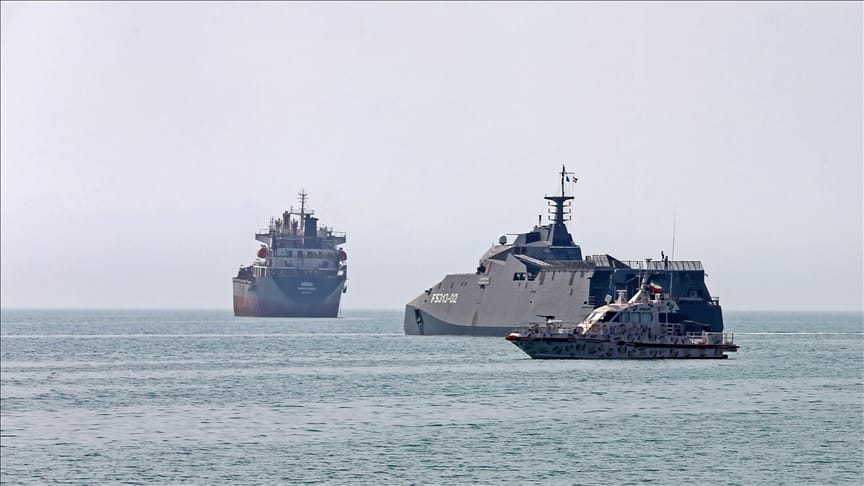
 Hormuz: End of an Era of Martime Dominance
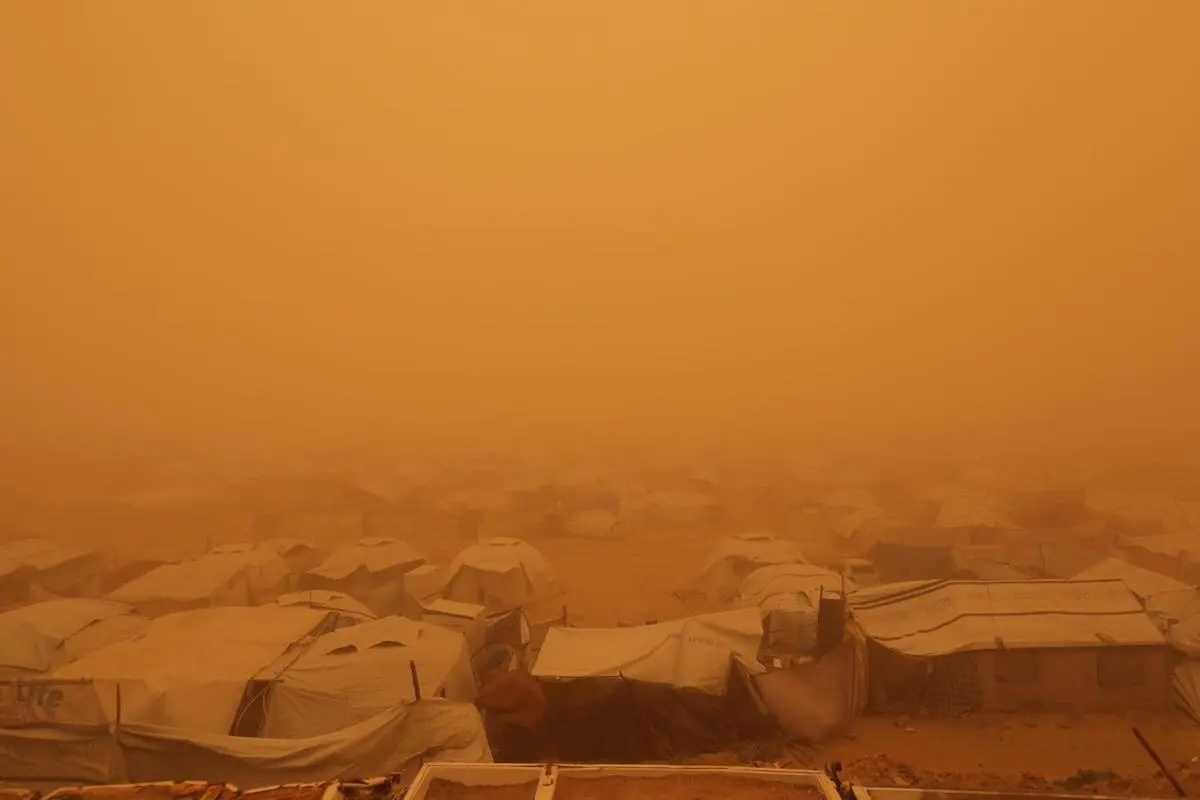 Gaza Faces Massive Dust Storm



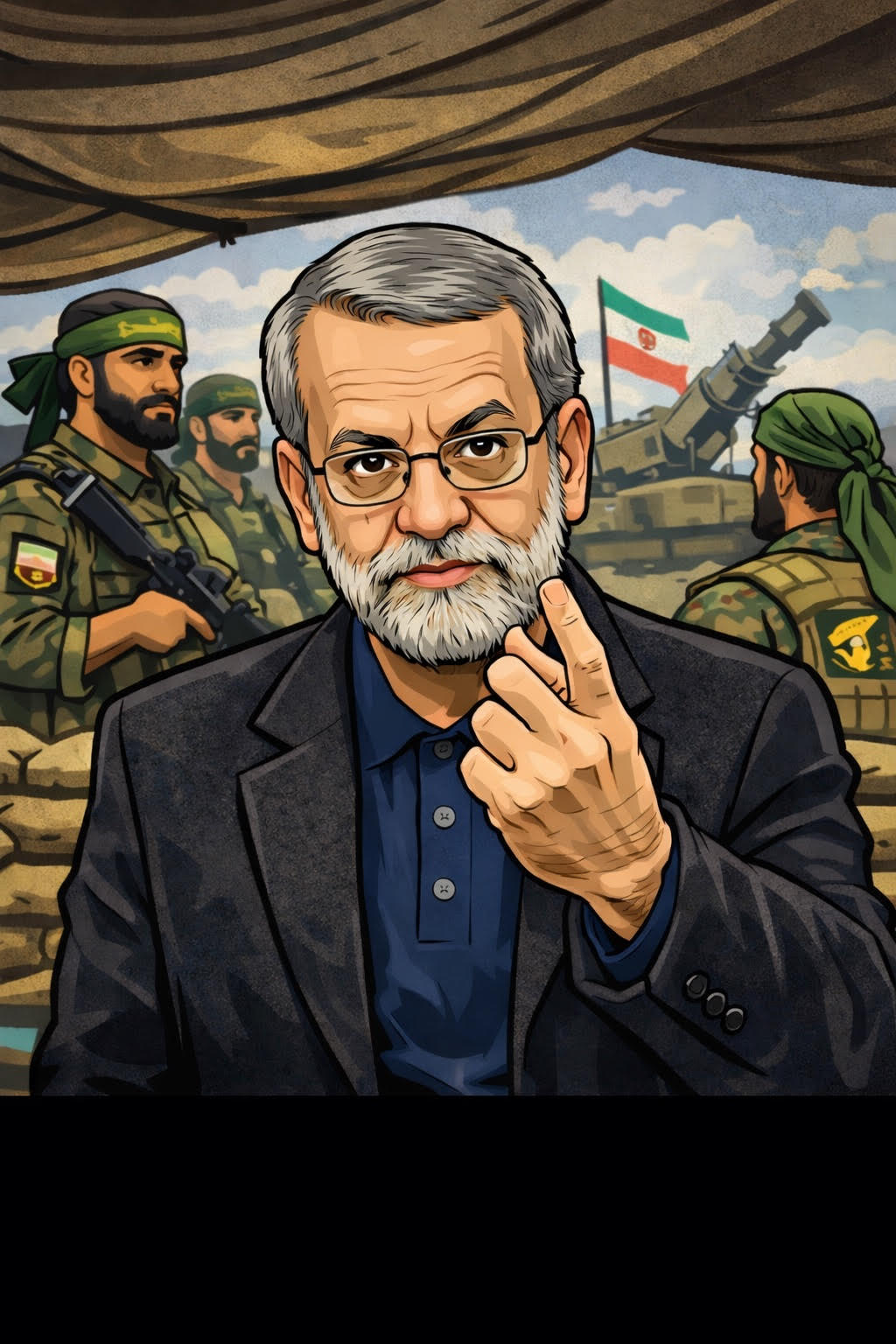
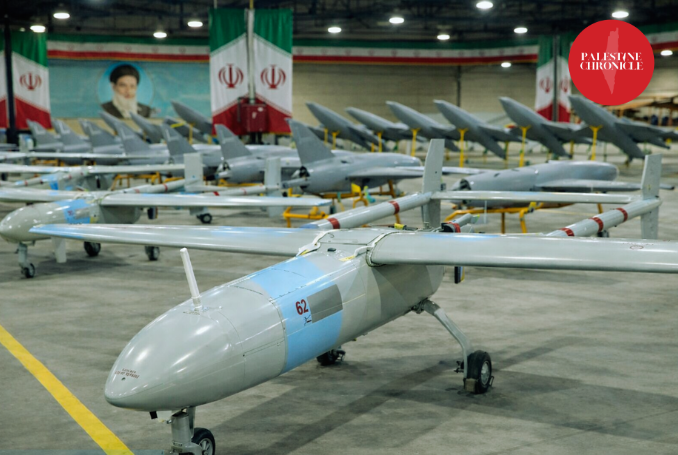
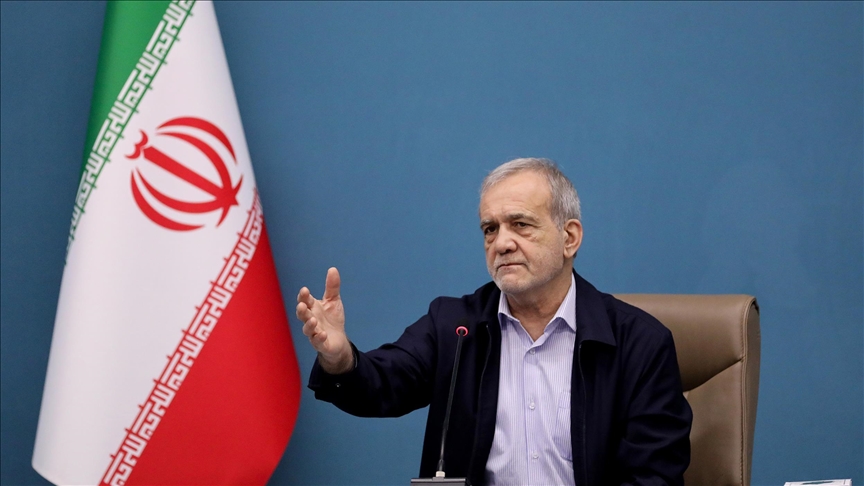
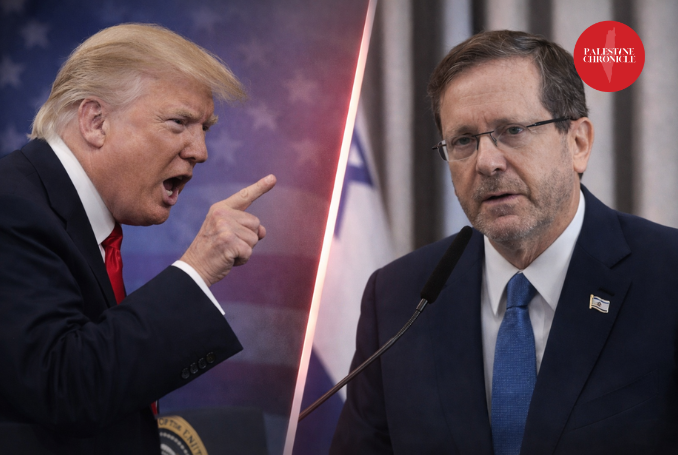
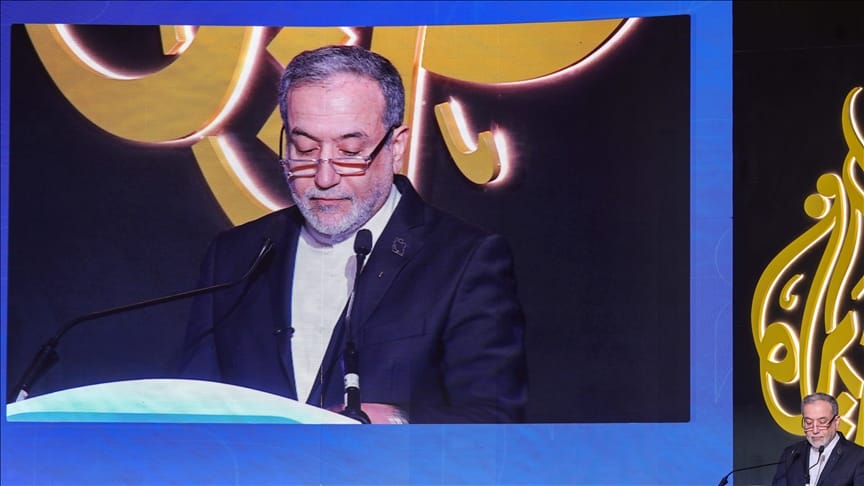
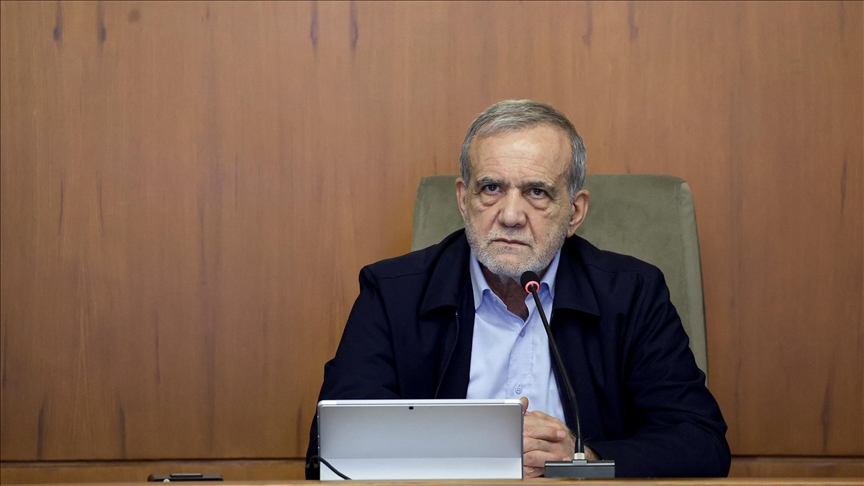
Pezeshkian: ‘Iran Will Not Surrender to Bullies’
 CrossFireArabia
- March 16, 2026
 CrossFireArabiaCrossFireArabiaCrossFireArabiaCrossFireArabiaCrossFireArabiaCrossFireArabiaCrossFireArabiaCrossFireArabiaCrossFireArabiaCrossFireArabiaCrossFireArabiaCrossFireArabiaCrossFireArabiaCrossFireArabiaCrossFireArabiaCrossFireArabiaCrossFireArabiaCrossFireArabiaCrossFireArabiaCrossFireArabiaCrossFireArabiaCrossFireArabiaCrossFireArabiaCrossFireArabiaCrossFireArabiaCrossFireArabiaCrossFireArabiaCrossFireArabiaCrossFireArabiaCrossFireArabiaCrossFireArabia
 Saleem Ayoub QunaCrossFireArabiaCrossFireArabiaCrossFireArabiaCrossFireArabiaCrossFireArabiaCrossFireArabiaCrossFireArabiaCrossFireArabiaCrossFireArabiaCrossFireArabiaCrossFireArabiaCrossFireArabiaCrossFireArabiaCrossFireArabiaCrossFireArabiaCrossFireArabiaCrossFireArabiaCrossFireArabiaCrossFireArabia
Israel would not have been able to sustain its wars across the Middle East, including the genocide in Gaza, without Washington’s financial support, which has exceeded $21 billion since October 2023, according to new reports.
The reports, released by the Costs of War Project at Brown University on Tuesday, found that without constant US weapons and money, Israel wouldn’t have been able to sustain its genocidal war on Gaza, start a war with Iran, or repeatedly bomb Yemen.
“Given the scale of current and future spending, it is clear the [Israeli army] could not have done the damage they have done in Gaza or escalated their military activities throughout the region without US financing, weapons, and political support,” read the report, US Military Aid and Arms Transfers to Israel, October 2023–September 2025, by William D Hartung, a senior research fellow at the Quincy Institute for Responsible Statecraft.
Hartung’s findings and a companion report by Linda J Bilmes, an expert on budgeting and public finance at the Harvard Kennedy School, found that the US spent “a total of $31.35 – $33.77 billion and counting” since October 7, 2023 in military aid to Israel and in “US military operations in the region”.
They show how US support for Israel has helped it continue to wage war on multiple fronts for two years, and analysts backed up the reports’ conclusions.
The US has long been Israel’s most fervent backer. When it comes to US foreign aid, Israel is the largest annual recipient (at around $3.3bn yearly) and the largest cumulative one (more than $150bn until 2022).
Hartung’s report specifically mentions that the administrations of both US President Joe Biden and his successor, Donald Trump, committed tens of billions of dollars in arms sales agreements, including services and weapons that will be paid for in the coming years.
A second report analyzing US spending on broader Middle East activities, such as strikes on Yemen’s Houthis and Iran, puts those costs at between $9.65 billion and $12 billion since Oct. 7, 2023, including between $2 billion and $2.25 billion for the attacks in Iran and associated costs in June according to the Quds News Network.
CrossFireArabia
Osama Silwadi writes:
Embroidery is present in many cultures around the world and in our region. It is not exclusive to Palestine.
However, Palestinian embroidery is distinguished by its richness in artistic and formative aspects, and its connection to the local landscape. Palestinian women imitated the diverse and rich nature surrounding them.
The economic and cultural situation, along with the cultural and civilizational depth in Palestine, also contributed to this artistic richness in Palestinian embroidery. The photo shows women from Birzeit in everyday dress. From my book in Arabic (Queens of Silk, 2010)
CrossFireArabia
Dr Fayez Abu Shammalah says the Israeli aggressor has up till now dropped 200,000 tons of explosives on Gaza.
He added this vast amount equals to 13 nuclear bombs dropped on Hiroshima in Japan.
The US bombing forced the hands of Japan and it surrendered. However Abu Shammalah says: Gaza, its people and resistance are still fighting and refuses to surrender.
Dr Abu Shammalah is a university professor, a freed prisoners after spending 10 years in Israel jails, is a member of the Palestine National Council, and previously a mayor of the Khan Younis Municipality.
CrossFireArabia
The Al-Aqsa Flood operation marked a turning point in the modern political history of the Middle East. Its repercussions have gone far beyond the Palestinian and regional arenas, extending to the international system and reshaping the foreign policies of global powers toward the region.
The timing of the operation was particularly significant: it came at a transitional moment in the regional order, in the absence of consensus among international and regional actors on the rules of the game. While a fragile balance of deterrence existed between the so-called “Axis of Resistance”—led by Iran (alongside the Syrian regime, Hezbollah, Shiite political forces in Iraq, the Houthis in Yemen, and Hamas and Islamic Jihad)—and Israel, the latter was in the midst of a new phase of regional integration through the Abraham Accords.
Several Arab capitals had already normalized relations, and others were on their way, creating an unprecedented political landscape. This shift coincided with the declining influence of traditional Arab powers such as Egypt, Iraq, and Syria, and the rising centrality of the Gulf states. Many analysts began describing this new configuration as a “New Middle East”: wealthy, economically driven, and detached from historical conflicts—unlike the “Old Middle East,” where entrenched crises defined politics.
Turkey, meanwhile, had entered its own phase of recalibration. Once a champion of the Arab Spring and regional Islamist movements, Ankara sought reconciliation with Arab states, even attempting to restore ties with Bashar al-Assad’s regime (though rebuffed by Damascus), while focusing more narrowly on national security and northern Syria.
On the Palestinian front, Israel had grown complacent toward Gaza, convinced Hamas had no incentive to disrupt the status quo. Tensions, however, were mounting in the West Bank, with small armed groups emerging in places like Nablus, Tulkarm, and Jenin. Within Israeli and Western policy circles, talk was spreading about the prospect of a “mini-state in Gaza” as a substitute for a Palestinian state.
At the international level, President Joe Biden’s administration lacked enthusiasm for either the Abraham Accords or Trump’s “Deal of the Century,” yet it effectively followed the same trajectory: pursuing “regional peace” by integrating Israel into a new economic order and reducing the Palestinian question to daily livelihood concerns—employment, services, and economic relief in Gaza and the West Bank—rather than a political resolution.
The Al-Aqsa Flood and the subsequent two-year genocidal war in Gaza shattered these calculations and fundamentally restructured strategic assumptions. Whether the outcome will ultimately benefit or harm the Palestinian cause remains too complex to assess in simple terms, but what is clear is that the pre-October 7 regional order no longer exists.
From a Palestinian perspective, the conflict has restored international attention to the cause, leading to a renewed recognition of its centrality. In the Gulf, the previously dominant security paradigm—which cast Iran as the chief threat while framing Israel as a potential partner—collapsed entirely. A new consensus has emerged: Gulf security is inseparable from the Palestinian issue, and the notion of Israel as a “strategic friend” has been critically reassessed.
Skeptics may argue that these shifts have not altered the balance of power on the ground, and they are partially correct. Yet the strategic narrative has changed. Before October 7, the trajectory was toward the erasure of the Palestinian cause (closing UNRWA, moving the U.S. embassy to Jerusalem, normalization, and de facto annexation of the West Bank). Today, there is growing recognition—regionally and internationally—that Israeli policies themselves are the root of instability, not Iran or other regional actors. As Emirati political scientist Abdulkhaleq Abdulla put it on X (September 25): “When weighing who poses a greater threat to Gulf security and regional stability—Iran or Israel—the evidence points clearly to Israel. Israel’s brutal behavior has made it more dangerous than an exhausted Iran. The Gulf needs a new defensive and geopolitical strategy for the Middle East beyond Iran.”
Israel, however, now perceives a surplus of power and is pressing for a new political and security order that extends beyond the occupied territories. With the partial unraveling of the Iranian alliance and the breakdown of the “Syrian corridor” that once linked Tehran to the Mediterranean, Israel has set its sights on even more ambitious goals, including the proposed “David Corridor” and establishing buffer zones around its borders in Syria, Lebanon, and Gaza.
In response, a tentative regional coalition has begun to take shape, bringing together Saudi Arabia, Egypt, Jordan, and Qatar, with notable support from Turkey and Pakistan. The latter signed a defense pact with Saudi Arabia following Israel’s strike on Qatar and has since become more engaged in regional diplomacy. While fragile and constrained, this alignment presents a rare historic opportunity to rebuild a regional balance of power and establish a new deterrence framework.
Another striking development is the shift in Europe’s stance toward Israel. For the first time, Israel has lost significant ground in Western public opinion and media narratives, particularly among younger generations and in universities. This has pushed Israel closer to isolation—a position from which former U.S. President Donald Trump had tried to rescue it through his proposed Gaza peace plan, which was largely about securing U.S. and Israeli interests, without offering real guarantees for Palestinian statehood or ending the occupation.
In conclusion, it is still too early to judge the full strategic consequences of the Al-Aqsa Flood and the war in Gaza. Scenarios remain open, and outcomes uncertain. Yet one thing is indisputable: the region today is no longer what it was before October 7.
Abu Rumman is an Academic Advisor of the Politics and Society Institute and Professor of Political Science in The University of Jordan and published this article in The Jordan Times.
CrossFireArabia
A long time ago when our mom wanted to send us to sleep she would always tell us the story of the ‘oil jar’.
She would start by saying: Should I tell you about the oil jar? We’d say in one voice: Yes, tell us. She would repeat: Should I tell you it or not…the story of the oil can and we would plead again: Yes. But every time, the affirmation would sink lower as we would yawn incessantly till we fell sleep.
https://www.addustour.com/articles/1521982
As we grew up we found there was no story to tell, she would repeat the oil jar tale so that we forget and go to sleep. I remember the story as I follow the news on the Trump’s mysterious 20-point plan on Gaza; there is no point among the 20 that are clear except the one on the handover of the hostages. The rest need astrologers and psychologists to decipher.
And there are others that say the plan is a “Trumpian trap” coordinated with Benjamin Netanyahu to free the hostages from the grip of Hamas while there there is no exact date for the Israeli withdrawal from Gaza, no time detail for the entry of aid to the enclave to help the starving people and most important there are no guarantees to the Palestinian side that everything would be ok.
The only guarantee is that of Trump; there is no UN, no Russia, no China, the biggest powers on the international scene. There is no Security Council whose Article 7 emphasizes the use of military force against the party that opposes the execution of the agreement.
Unfortunately, the US president is not a man of his word. He says something and says the exact opposite the same day and even in the same sentence. This what is the meaning of “peace through strength?” We understand that peace is derived through negotiations; And what about the meaning of “Hamas must agree are face the gates of hell”.
Gaza has experienced: Trump has not kept to his promises for when the US hostage Eidan Alexander was released last May Trump praised the Hamas step, regarding it as a goodwill gesture towards the US. He saw the release as a “historic day” on the way to end the barbaric war on Gaza.
But what happened to this historic day as described by the US president? The Netanyahu government become a wild beast with the Israeli army killing on average 100 Palestinians a day and with those injured double that number not to say anything about the starvation of tens of thousands.
The Israeli army increased its force on the enclave, invaded Gaza City and today it controls 80 percent of the enclave. We have no choice but to pretend that we believe in Trump and see what’s going to happen next and have to wait to see the outcome of his statements as the fairytale about the oil jar.
This opinion was written by originally written in Arabic.