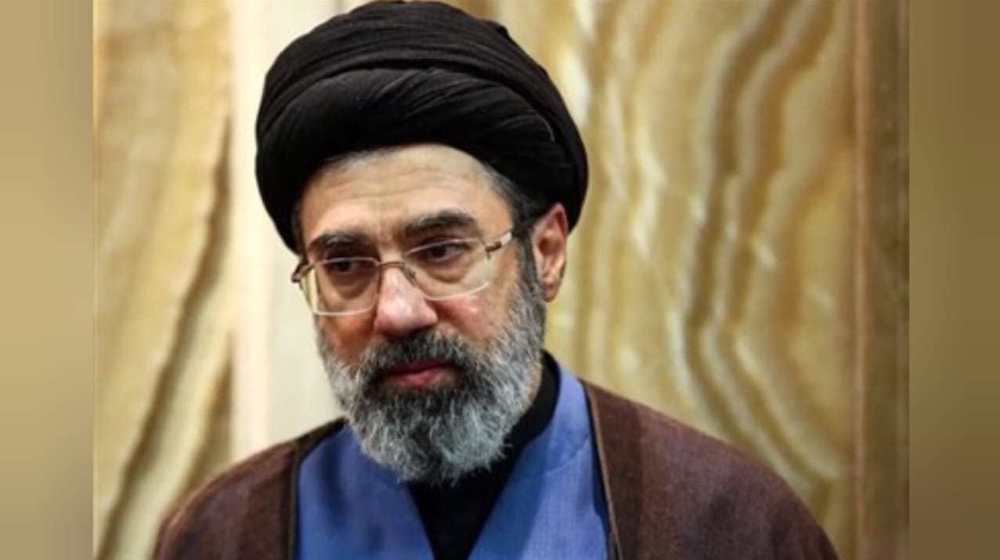
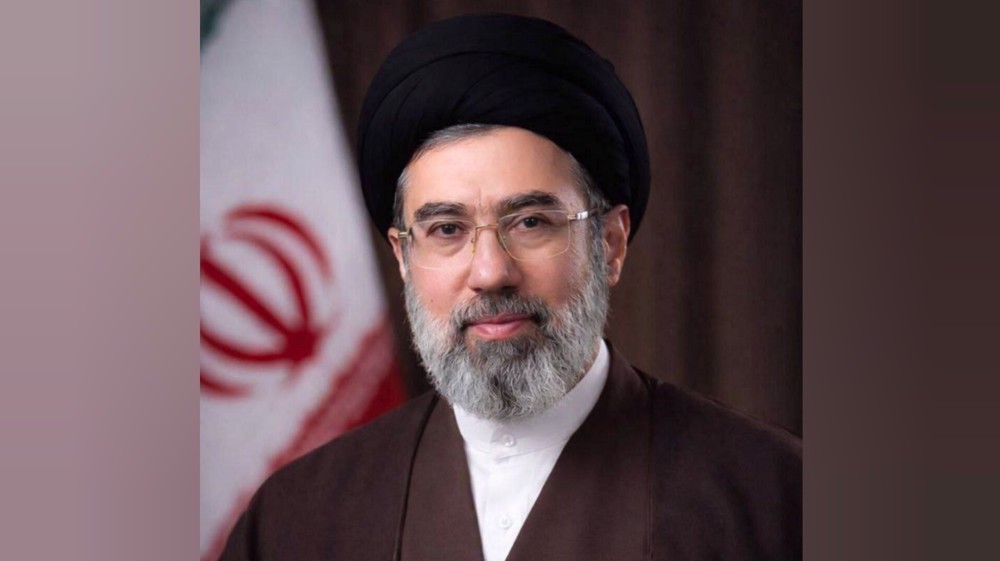
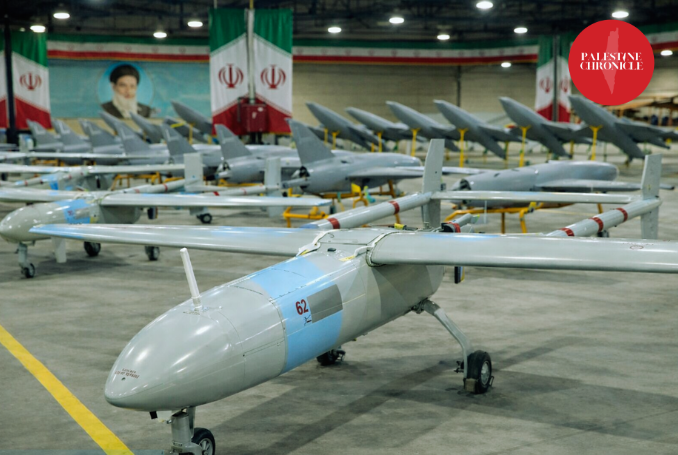
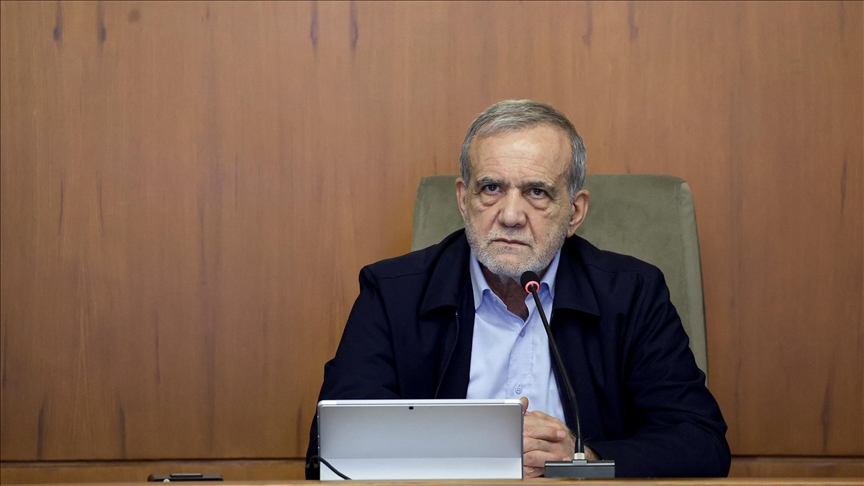
 Pezeshkian: ‘Iran Will Not Surrender to Bullies’
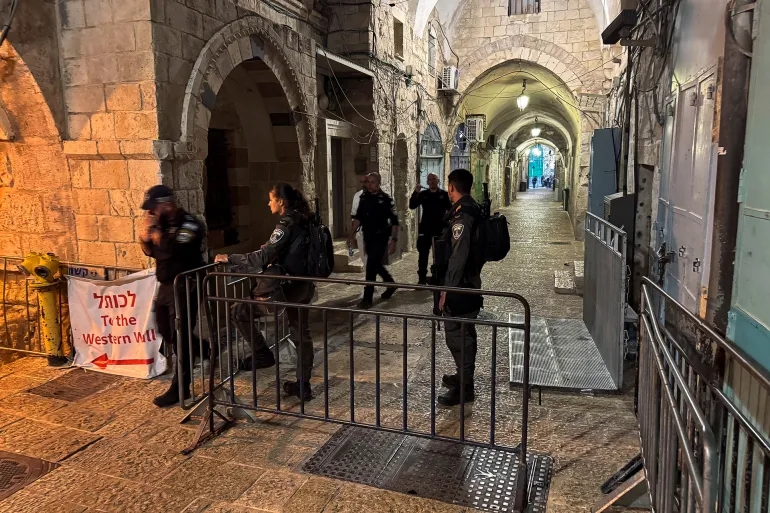 Israeli Soldiers Enforce Closure of Al Aqsa
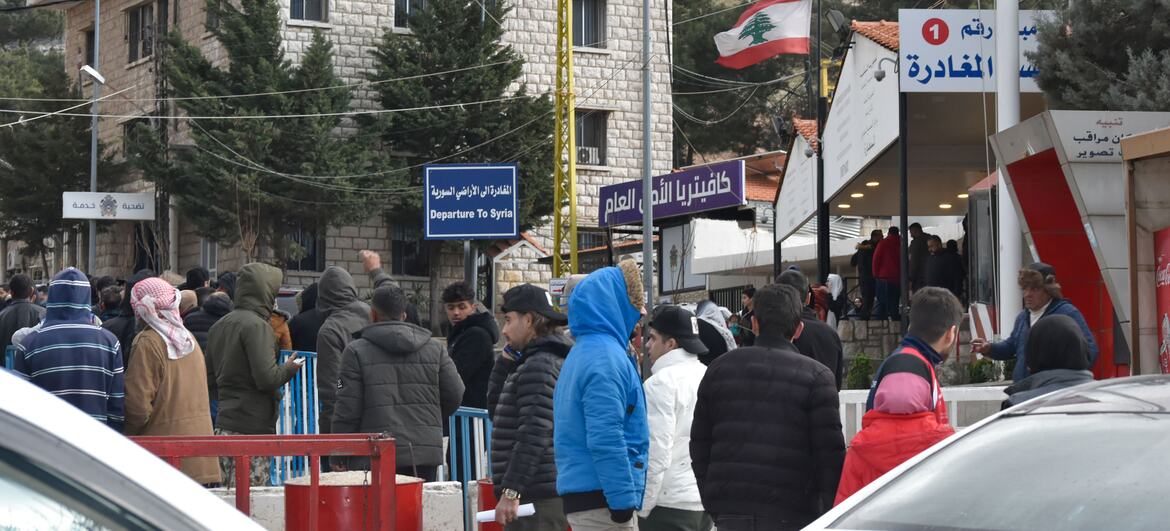
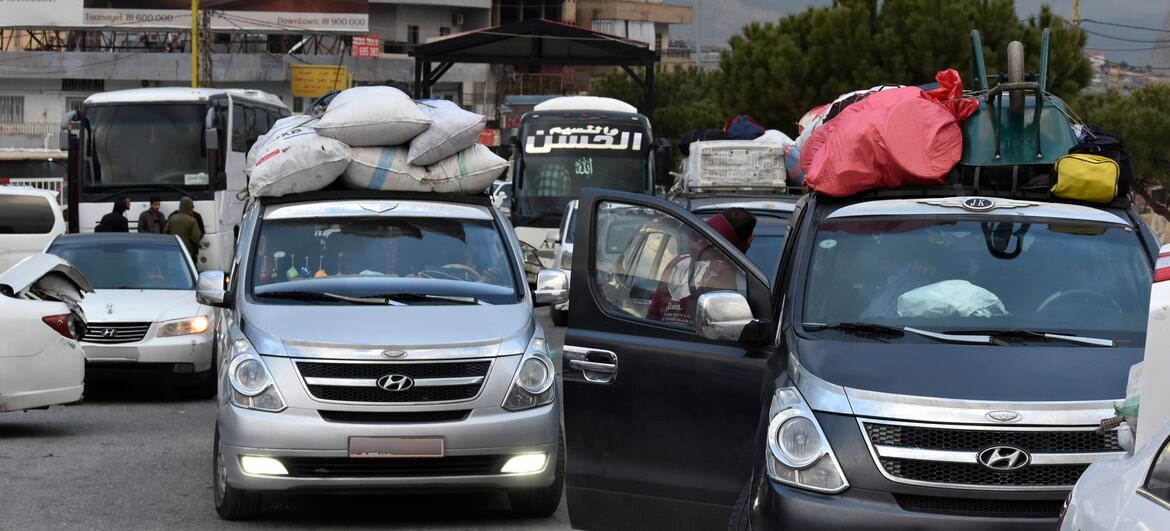
 1 in 7 Displaced in Lebanon – NRC
 Hormuz: End of an Era of Martime Dominance
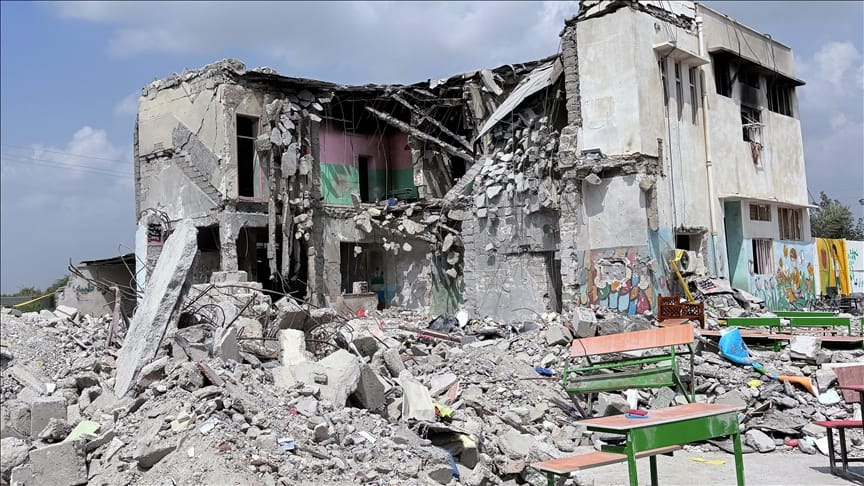
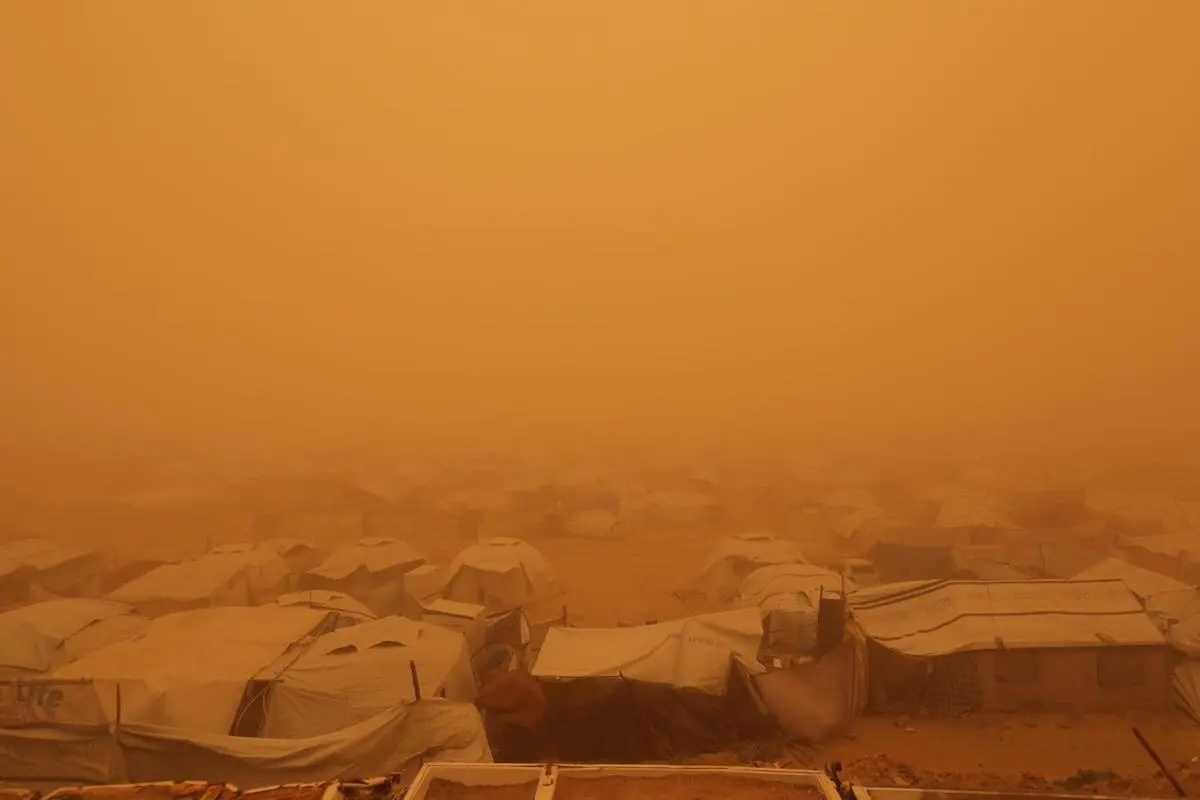 Gaza Faces Massive Dust Storm

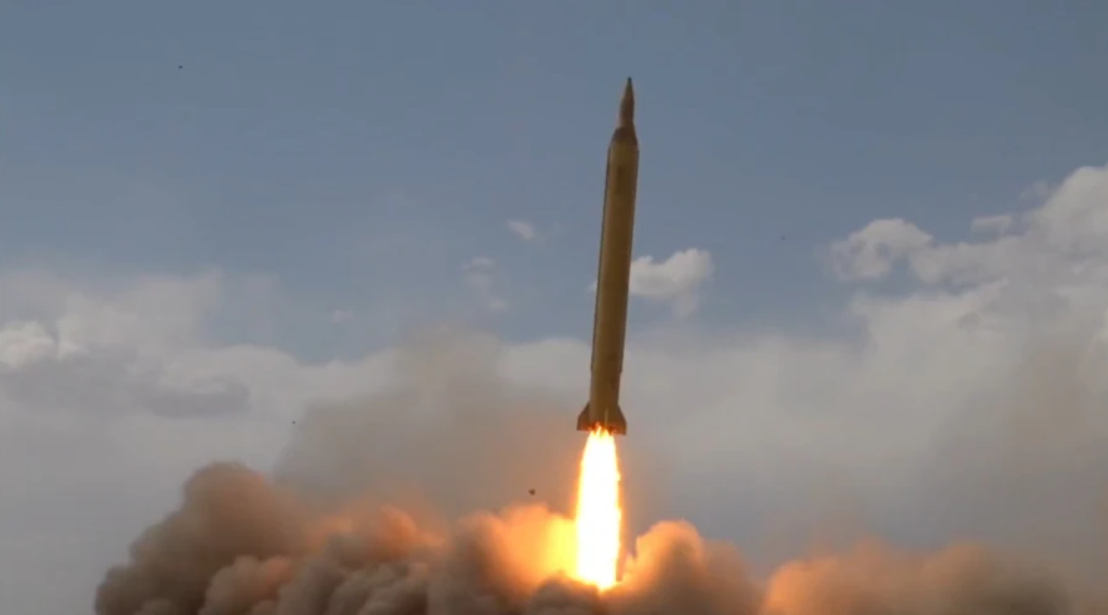
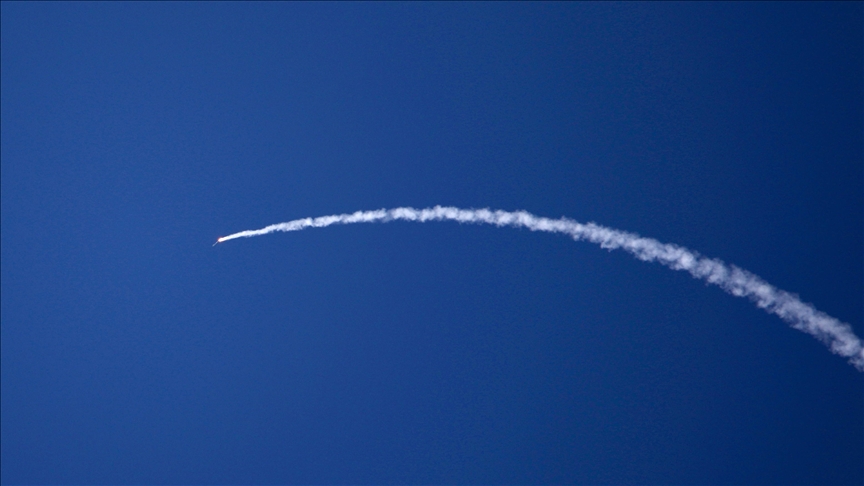

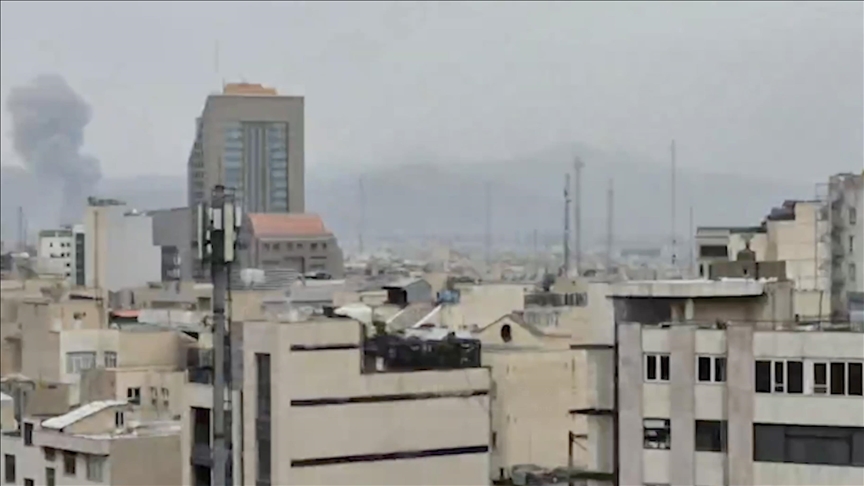
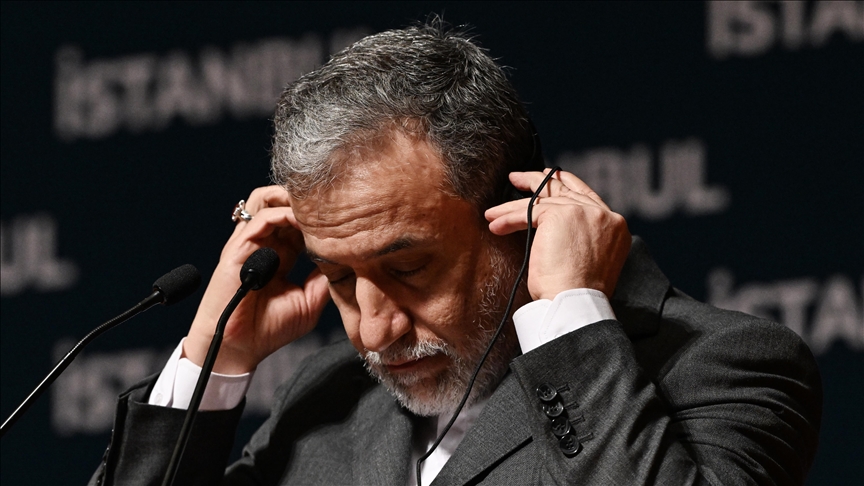
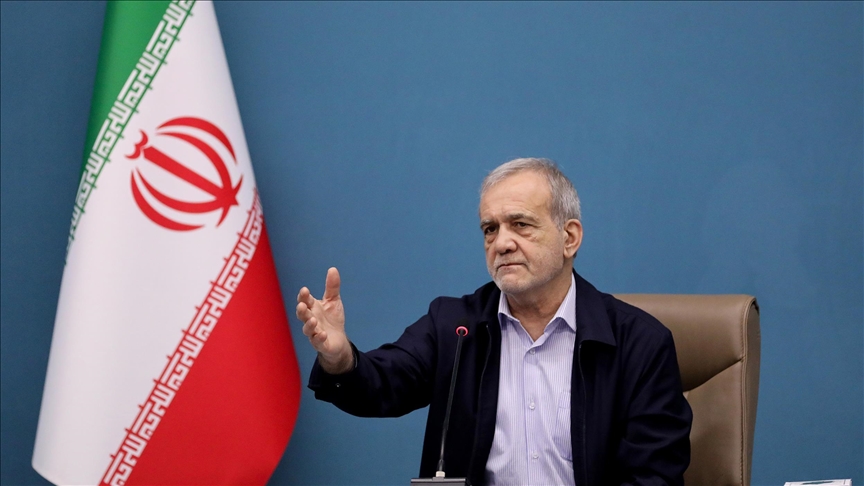
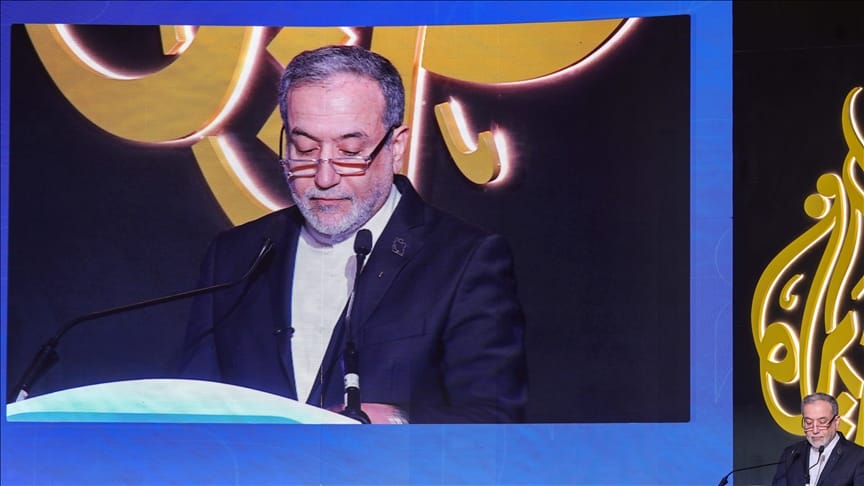
Pezeshkian: ‘Iran Will Not Surrender to Bullies’
 CrossFireArabia
- March 16, 2026
 CrossFireArabiaCrossFireArabiaCrossFireArabiaCrossFireArabiaCrossFireArabiaCrossFireArabiaCrossFireArabiaCrossFireArabiaCrossFireArabiaCrossFireArabiaCrossFireArabiaCrossFireArabiaCrossFireArabiaCrossFireArabiaCrossFireArabiaCrossFireArabiaCrossFireArabiaCrossFireArabiaCrossFireArabiaCrossFireArabiaCrossFireArabiaCrossFireArabiaCrossFireArabiaCrossFireArabiaCrossFireArabiaCrossFireArabiaCrossFireArabiaCrossFireArabiaCrossFireArabiaCrossFireArabiaCrossFireArabia
 Saleem Ayoub QunaCrossFireArabiaCrossFireArabiaCrossFireArabiaCrossFireArabiaCrossFireArabiaCrossFireArabiaCrossFireArabiaCrossFireArabiaCrossFireArabiaCrossFireArabiaCrossFireArabiaCrossFireArabiaCrossFireArabiaCrossFireArabiaCrossFireArabiaCrossFireArabiaCrossFireArabiaCrossFireArabiaCrossFireArabia
Muslim New Yorkers celebrated Tuesday night after Zohran Mamdani won the city’s mayoral race, becoming the first Muslim and South Asian to lead the Big Apple.
 ❮❯
❮❯
Mamdani, 34, a Democratic Socialist and state lawmaker from Queens, defeated independent former governor Andrew Cuomo and Republican Curtis Sliwa in what observers describe as one of the city’s biggest political upsets in years.
With more than 50% of the vote and a record-breaking turnout exceeding 2 million ballots, Mamdani’s victory sparked celebrations across neighborhoods like Astoria in Queens, where his grassroots campaign first began.
For many Muslim residents, the win carries deep emotional significance.
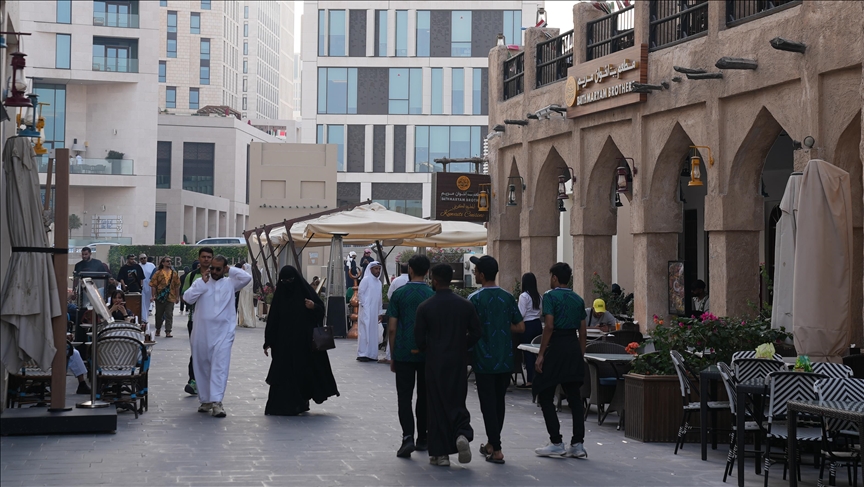
“I am very excited about this election,” Zamzam Ali, who lives in Brooklyn, told Anadolu during a celebration in front of a Yemeni cafe in Astoria. “Zohran Mamdani embodies the universal struggles that the general population of a city strive for — better living conditions, fair pay, affordable price and rent and equality for all.”
Ali said Mamdani’s victory also resonates on a personal level.
“Muslims have really struggled and been victims of discrimination in America since 9/11,” he said. “So, to see a Muslim become the mayor of the very city in which Muslims were blamed for all kinds of crimes and accused of terrorism — it’s phenomenal.”
Mamdani’s campaign centered on affordability and social justice, pledging rent freezes, free buses, universal childcare, and city-run grocery stores. He has also proposed raising the minimum wage to $30 per hour by 2030 and increasing taxes on corporations and millionaires to fund these programs.
Faizah, 31, who wanted to be identified only by her first name, said Mamdani’s proposals give her hope.
“As a teacher, I think that he has a lot of good policies with moving the funding so that teachers and parents can actually put more of their emphasis on to education,” she told Anadolu. “Rent is pretty insane in New York City, so freezing the rent is a big deal. I think he’s for the people.”
For others, the moment feels transformative.
“We’re very proud of him,” said Badger Shahbain, a Muslim New Yorker who has known Mamdani for years. “This is going to change history — the way he was able to win changes everything. I truly believe he’ll do a great job.”
During the victory party at Brooklyn’s Paramount Theater, Mamdani thanked supporters and called for unity. “We will build a City Hall that stands steadfast alongside Jewish New Yorkers … where the more than 1 million Muslims know that they belong,” he said to thunderous applause. “No more will New York be a city where you can traffic in Islamophobia and win an election.”
The Council on American-Islamic Relations (CAIR) hailed Mamdani’s win as a “historic turning point” for American Muslim political engagement. “Mamdani’s ability to win while openly advocating for Palestinian human rights and experiencing a barrage of anti-Muslim hate also marks a historic rebuke of both Islamophobia and anti-Palestinian racism in politics,” the group said.
CrossFireArabia
After years of anticipation, the Grand Egyptian Museum by the Pyramids opened on Saturday evening, marking the world’s largest archaeological complex dedicated to a single civilization.
The museum was opened in an official ceremony attended by President Abdel Fattah al-Sisi and delegations from 79 countries, including 39 led by kings, princes, and heads of state and government.
The launch featured musical performances in one of the museum’s courtyards, with the three pyramids visible in the background.
Performers appeared in distinctive pharaonic attire, resembling a grand procession according to Anadolu.
Egyptian Prime Minister Mostafa Madbouly described the museum as a “unique global edifice” and an “exceptional event in Egypt’s history.”
“This dream has lived in our imagination for years. This world-class monument is a gift from Egypt to humanity — a nation with more than 7,000 years of history,” he told a press conference before the opening.
Madbouly thanked everyone who contributed from the idea’s inception to the completion of the project, noting that most of the construction was carried out over the past seven years.
He explained that the concept dated back around 30 years, followed by preparatory work, design competitions, and architectural studies, before the construction began.
Board of Trustees member and businessman Mohamed Mansour predicted that the museum would attract over five million visitors annually.
‘Fourth pyramid’
The idea of the Grand Egyptian Museum originated in the 1990s under former Culture Minister Farouk Hosni, who envisioned an open museum encompassing the pyramids, the Sphinx, and surrounding temples.
Former President Hosni Mubarak laid the foundation stone for the museum in 2002, and site preparation began in May 2005, but the project stalled for years.
Work resumed in 2014 under President Sisi, who expanded the plan to make it the largest museum in human history.
Between 2017 and 2023, construction, digital infrastructure, display design, and service and investment facilities were completed. The museum began trial operations in October 2024, pending its official opening as the world’s largest archaeological complex dedicated to a single civilization — Ancient Egypt.
Located two kilometers from the Giza Pyramids, the museum covers 490,000 square meters. Visitors can view the pyramids through the five-story glass facade, designed to align with the Great Pyramid’s height, and take photos with the pyramids while exploring King Tutankhamun’s treasures.
The project cost around $1 billion, financed through two Japanese loans totaling $800 million, in addition to Egyptian government funding, donations, and partnerships.
The entrance hall features a colossal statue of Ramses II, and the museum houses over 57,000 artifacts chronicling Egypt’s history. The Grand Staircase spans 6,000 m² — the height of a six-story building — and the museum includes 12 main galleries, temporary exhibition halls, and the Tutankhamun collection with over 5,000 artifacts displayed together for the first time since the tomb’s 1922 discovery.
It also includes a children’s museum, artifacts from Queen Hetepheres, mother of King Khufu, the Khufu boat museum, and various pieces from the Greek and Roman eras.
The design represents sun rays converging from the three pyramids, forming a conical structure — the museum itself — appearing as a “fourth pyramid” when viewed from above.
The logo, unveiled on June 10, 2018, emerged from an international UNESCO-supervised design competition. It reflects the building’s architectural identity, inspired by the orange glow of sunset over the plateau and fluid Arabic calligraphy evoking desert dunes.
CrossFireArabia
The current olive harvest season in the occupied West Bank has seen the highest level of illegal settler attacks in five years, a UN agency said Saturday.
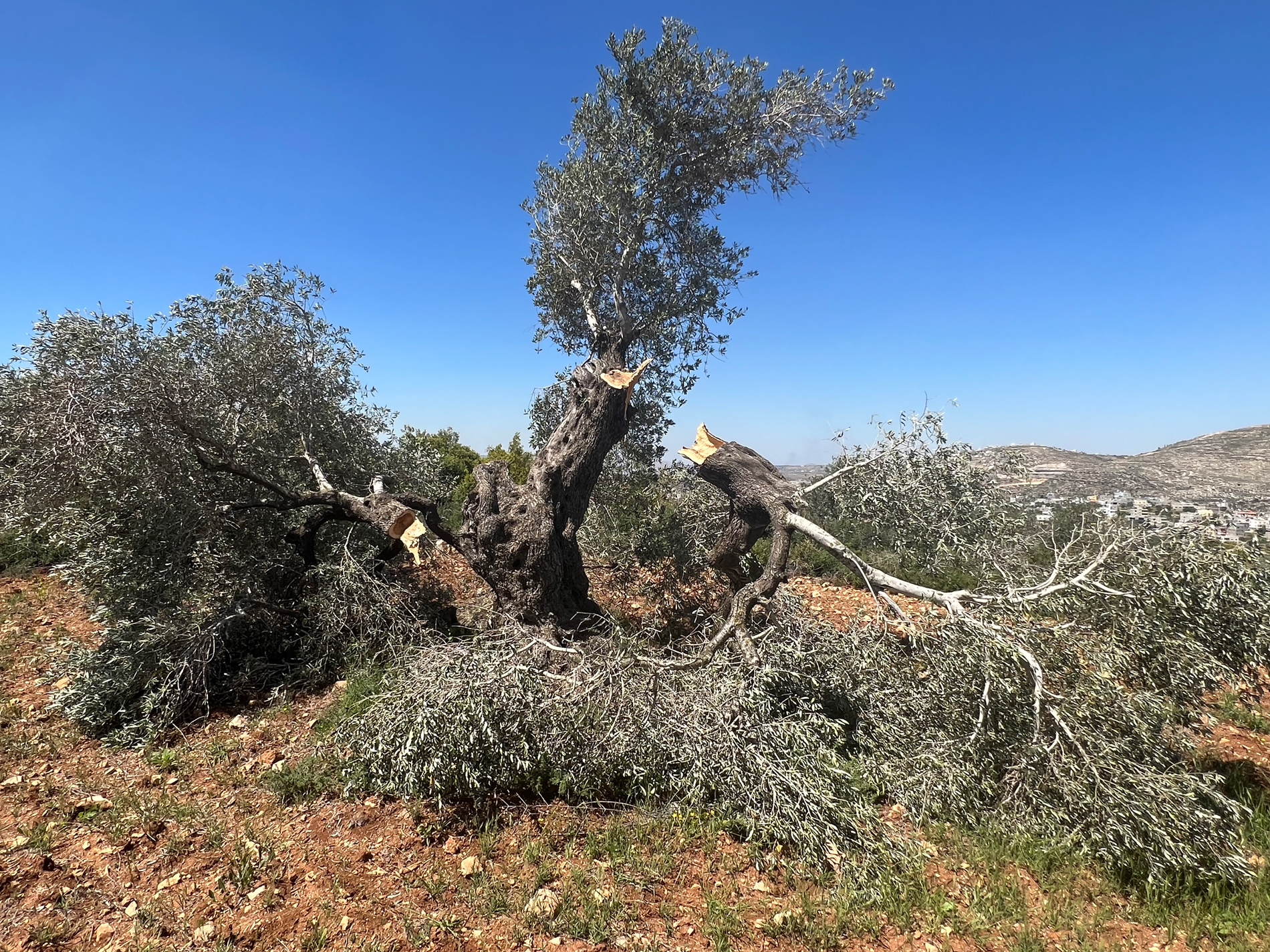
The UN Office for the Coordination of Humanitarian Affairs (OCHA) said in a statement that 126 attacks were recorded in 70 Palestinian towns and villages, while over 4,000 olive trees and saplings were vandalized.
“The 2025 olive harvest season has so far witnessed the highest level of damage and number of affected communities due to settler attacks since 2020,” it added.
OCHA noted that 60 of the documented attacks involved direct assaults on Palestinian civilians, with at least 17 people injured and 19 vehicles vandalized in the past week alone according to Anadolu.
The UN agency said illegal Israeli settlers from newly established outposts have also imposed access restrictions on Palestinian farmers in multiple locations, preventing them from reaching their groves during the harvest.
On Saturday, illegal Israeli settlers attacked Palestinian olive pickers in the village of Burin, south of Nablus, and assaulted several of them, the official news agency Wafa reported.
Illegal settlers stormed farmland between Burin and the nearby town of Huwara, beat multiple harvesters and forced them to leave the fields, the broadcaster said.
Wafa added that the attackers also scattered the olives the farmers had already collected, leaving them on the ground.
The attack came amid a sharp rise in settler violence against Palestinian farmers during the annual olive harvest, which typically begins in mid-October each year.
According to the official Colonization and Wall Resistance Commission, 259 attacks on Palestinians carried out by the Israeli army and illegal settlers during the olive harvest season.
Israeli attacks have escalated across the occupied West Bank since October 2023, killing more than 1,062 Palestinians and injuring 10,300 others, according to Palestinian figures.
In a landmark opinion last July, the International Court of Justice declared Israel’s occupation of Palestinian territory illegal and called for the evacuation of all settlements in the West Bank and East Jerusalem.
CrossFireArabia
Following the war, Gaza’s fishing sector has been left in a catastrophic state, with infrastructure largely destroyed, production severely reduced and fishermen facing an ongoing battle to resume their livelihood. Although a ceasefire now is in place, Israeli restrictions continue to hamper any recovery.
The conflict has brought Gaza’s once thriving fishing sector to collapse and the impact of the two- year escalation on the sector is devastating. Since October 7, Israel has systematically destroyed Gaza’s important source of food and livelihoods for residents of the Strip as its critical fishing sector has been almost completely obliterated.
Gaza’s average daily catch just between October 2023 and April 2024 dropped to 7.3 percent of 2022 levels, causing a $17.5 million production loss.
The main seaport in Gaza City and other landing sites has been destroyed and Gaza’s two main aquaculture farms along with the hatchery facility wiped out leaving the sector unable to produce alternative aquatic foods through aquaculture.

According to an assessment, before the conflict, over 6,000 residents in Gaza relied on the fishing industry for their primary source of income, of this total; approximately 4,500 were fishermen and boat owners.
The fishing sector supported approximately 110,000 people, according to the UN Food and Agriculture Organization (FA0), although Israel’s restrictions on the industry before the war thwarted its potential both in terms of local production to meet the needs of the population and as a source of export.
Over the years, Israel blocked access to the maritime area off the coast of the Gaza Strip, maintained a limited “fishing zone” and allowed fishermen to operate in an area only up to six nautical miles from the coast in the northern Gaza Strip and up to 15 nautical miles in certain areas, despite the Oslo Accords stipulating that should be allowed up to 20 nautical miles from the coast.
The Israeli navy enforced restrictions on the fishing zone through warning shots or live fire towards vessels and fishermen, killing or severely injuring people on multiple occasions.
In addition, Israel destroyed or confiscated boats and equipment as a matter of policy, arrested fishermen and restricted the entry of material necessary for the repair and rehabilitation of boats, such as fiberglass, engines and other items.
Over the course of the aggression, the coastal fishing infrastructure has sustained massive damage, including the main Gaza Seaport, several smaller ports, fishermen’s rooms, and vital fishing equipment.
As of late 2024 and mid – 2025, reports from NGO’s and human rights groups state that approximately 95 per cent of the fishing sector in Gaza has been destroyed.
The damage to Gaza’s fishing sector has exacerbated an already dire food security crisis as fish, once a vital source of protein and other essential nutrients for Gazans, is now nearly unavailable.
Today, in Gaza’s fishing areas lie broken boats, torn nets, and ruined infrastructure, standing in stark contrast to the once-vibrant industry that supported thousands of fishers for generations.
Fishermen have been killed, chased, and arrested, while most of their boats and equipment have been destroyed.
For Gazans, the sea was not just a source of food, but a source of livelihood and identity.
The Israeli military’s tactics in its horrific war have shown a focused effort to disrupt and destroy the civilian way of life, thereby crippling the very survival of the Gaza population.
The territory’s fishing sector stands among the hardest hit, its work force devastated and productivity nearly extinguished.
According to the Palestinian Fishermen’s Syndicate, Israel has pursued a systematic campaign to dismantle the industry that for centuries has played a significant part in the Palestinian economy, culture, and cuisine.
The fishing industry has been central to Gaza’s economy, providing employment for fishermen and others in subsidiary jobs related to packaging, marketing, and transportation as well as boat repair and maintenance.
Notably, the sector provided direct and indirect employment opportunities for youth and women, particularly through small and medium-sized enterprises (SMEs) in both formal and informal settings.
According to the Palestinian NGO Network (PNGO), before the war, there were more than 2,000 fishing vessels in Gaza, of which 1,100 had engines and about 900 were manually operated.
The fishing industry in Gaza was one of the few autonomous food production sectors in the Strip, and therefore had a direct and critical impact on the food security of the population. According to PNGO, the sector produced an average of 3,000-4,000 tons of fish per year, alongside an additional 300-500 tons from artificial fish farms in recent years.
The decimation of the fishing industry, together with the destruction of other means of food production, has contributed to the humanitarian catastrophe in Gaza and ensured continued dependence of the population on entry of aid.
According to the Integrated Food Security Phase Classification (IPC) report, from May 2025, the entire population of the Gaza Strip, approximately 2.1 million people, has been facing an imminent risk of famine.
Given the restrictions on the entry of humanitarian aid into the Strip since the beginning of the war, the fishing industry could have provided a source of protein to partially alleviate the crisis; instead, Israel’s destruction of the industry dramatically worsened the situation.
In addition, the Gaza fishing sector faces severe environmental challenges, including the depletion of fish stocks due to overfishing in a confined area, the destruction of fish farms, and the pollution from wastewater and damaged infrastructure.
Today, after Israel’s war halted, the situation underscores the urgent need for coordinated recovery efforts, including the restoration of fishing infrastructure, support for affected workers, and sustainable investment to rebuild the sector and protect the livelihoods it sustains.
After extensive damage, the reconstruction of Gaza’s fisheries sector requires a multi prolonged and long- term effort.
The plan involves emergency relief for fishers, restoring critical infrastructure, removing explosive ordnance, rebuilding the fish farming industry, and addressing environmental contamination.
Sufficient and sustained international funding is needed, as the estimated recovery cost of Gaza across all sectors is in the tens of billions of dollars.
A stable and sustained ceasefire is the most crucial precondition, as demonstrated by the failure of recovery efforts during renewed conflicts.
Significant international aid and a lasting peace are essential for the sector’s revival.
Najla M. Shahwan is a Palestinian author, researcher and freelance journalist and contributed the above article to the Jordan Times.
CrossFireArabia
Israel continues, in a deliberate and institutionalised manner, to implement a systematic policy aimed at erasing physical evidence of genocide, war crimes, and crimes against humanity committed over the past two years in the Gaza Strip. This policy is carried out through a series of field and administrative measures, including the prevention of international journalists and independent investigation committees from entering Gaza, in an attempt to obstruct any criminal investigation or field documentation that could establish the truth and confirm Israel’s legal responsibility.
The recent decision by the Israeli Supreme Court granting the government an additional delay regarding the entry of independent journalists into Gaza reflects the institutional complicity within the Israeli state apparatus in concealing crimes and protecting their perpetrators. The judiciary thus provides a legal cover for government policies designed to suppress transparency and erase field evidence of crimes committed in Gaza.
The continued prevention of international journalists and investigators from entering Gaza forms part of a consistent and coordinated policy exercised by Israeli authorities through their executive, security, and judicial arms to keep the crimes beyond international scrutiny and obstruct any independent accountability or investigation into the grave violations committed.
The ongoing ban on independent journalists entering Gaza represents a long-standing Israeli policy since the beginning of the military assault on the Strip. It aims to deprive the world of witnessing the reality on the ground by imposing a complete media blackout and preventing all documentation and international monitoring tools from accessing the crime scenes.
Despite the enforcement of the ceasefire agreement on 11 October, Israel continues to deny entry to international journalists, except for limited tours organised under the supervision and escort of the Israeli army. As a result, all scenes shown from the field remain under military censorship and devoid of the independent coverage guaranteed by international standards of press freedom.
The killing of 254 Palestinian journalists and the ban on the entry of international media workers exemplify an integrated Israeli policy aimed at concealing the truth and monopolising the narrative by maintaining tight control over the media scene and preventing any independent oversight or field documentation. This policy not only withholds information but also strips victims of their right to tell their story to the world, turning their tragedy into a one-sided account narrated by the very perpetrator of the crime.
Israel’s actions to erase evidence of genocide include continuing to prevent the entry of the UN-mandated Independent International Commission of Inquiry on the Occupied Palestinian Territory, the investigation team of the International Criminal Court, as well as fact-finding missions and other international mechanisms specialised in investigating grave crimes. This deliberate obstruction of international justice constitutes a violation of Israel’s obligations under international humanitarian law.
Israeli authorities also block the entry of forensic teams and forensic anthropology experts who should secure crime scenes, examine human remains, and document biological and physical evidence proving mass killings, genocide, and the use of prohibited weapons and projectiles. This obstruction undermines a fundamental pillar of international criminal investigation, aiming to destroy material evidence before examination, deny victims and their families the ability to identify their loved ones, and prevent the international community from verifying the nature and scale of the crimes committed.
Israel further refuses to allow the entry of essential equipment and materials needed for exhuming bodies and identifying victims, including laboratory tools, autopsy instruments, and DNA analysis kits. This has left hundreds of bodies unidentified and deprived families of their basic human right to know the fate of their loved ones and bid them farewell with dignity.
Among these are around 195 bodies that Israel handed over without any details about their identities or circumstances of death, many of which showed clear signs of torture and summary execution. These findings indicate extrajudicial killings and inhumane treatment of Palestinian detainees and prisoners, including those subjected to enforced disappearance.
The continued retention of bodies and prevention of independent investigations constitute an additional form of collective punishment against Palestinian families, denying victims their basic human right to be identified and buried with dignity.
Israel has also carried out the total erasure of several cities, towns, villages, camps, and residential blocks where horrific mass killings occurred. Satellite images and field testimonies documented show that Israeli forces removed the surface layers of the ground, levelled targeted areas, destroyed rubble, and transferred it to unknown locations, effectively erasing potential physical evidence such as munitions remnants, bodies, original patterns of destruction, and explosion traces.
Israel continues to exercise full, unlawful military control over roughly 50 per cent of the Gaza Strip, reshaping the geography entirely through demolitions, bombardments, and bulldozing, and establishing new military routes and bases atop the ruins of destroyed buildings and farmland. This goes beyond military occupation, amounting to an engineered redesign of the field landscape to erase material evidence and prevent future verification of the crimes committed.
Israeli military deployment in these areas, coupled with the targeting of anyone approaching what it calls the “yellow line”, effectively isolates half of the Strip and turns it into a no-go zone, blocking journalists, researchers, and humanitarian teams from entering and preventing any genuine field documentation of the mass killings and widespread destruction that took place there.
Such acts constitute a flagrant violation of fundamental principles of international humanitarian law, which obligate parties to a conflict to preserve crime scenes until independent investigations are completed and to ensure that evidence is not tampered with. They also contravene the International Court of Justice’s ruling obligating Israel to take all necessary measures to prevent genocide, including preserving evidence and preventing its destruction.
Israel continues to withhold hundreds, possibly thousands, of bodies, including those of Palestinian prisoners and detainees killed under unclear circumstances, preventing autopsies and forensic examinations that could verify causes of death. This is a blatant violation of Article 130 of the Third Geneva Convention, which obliges occupying powers to respect the remains of the deceased and return them to their families without delay.
Denying victims justice and preventing the world from knowing the truth are not merely additional violations but an extension of the crime of genocide itself. Through these actions, Israel seeks to erase the traces of its crimes, obliterate collective memory, and strip Palestinians of their right to narrate their story and existence, attempting to eliminate both the victim and the evidence of their existence.
The international community and relevant United Nations bodies must ensure the immediate entry of international journalists and correspondents into the Gaza Strip and enable them to work freely and independently, without military oversight or escort. This is essential to guarantee transparency, expose the truth about the crimes committed, and allow urgent international access for forensic experts and specialists in forensic anthropology and explosives to secure crime scenes and collect physical and biological evidence before it is lost or tampered with.
Reconstruction and debris removal in areas where massacres occurred must be carried out with full consideration of evidence preservation and documentation, as any reconstruction effort that fails to do so will effectively serve as a tool to erase the truth and destroy the forensic memory of the crimes committed.
The international community and UN agencies are urged to support the establishment of a specialised framework for managing Gaza’s debris that links reconstruction and dismantling processes to the preservation and documentation of evidence—making adherence to this framework a prerequisite for any construction or debris removal activity.
There is also an urgent need to disclose the lists of the forcibly disappeared, missing persons, and bodies, reveal burial locations, return remains to their families, and allow international and UN mechanisms to conduct independent investigations into the crimes committed. Perpetrators must be brought to justice before international courts to ensure accountability, compensation, and redress for victims and their families.
The UN Human Rights Council should act swiftly to activate and reinforce existing monitoring and investigation mechanisms, enabling them full access to the Gaza Strip to protect crime scenes and ensure that evidence is not destroyed or altered. These mechanisms must be provided with the necessary technical and logistical support to operate independently and effectively.
The International Criminal Court must expand its ongoing investigation into the situation in Palestine to include the ongoing genocide and the systematic erasure of evidence, and take practical measures to protect crime scenes and related evidence. This includes establishing a dedicated field office for Palestine, similar to the one created for Ukraine, to coordinate on-site investigations, collect forensic evidence, and ensure continuous international oversight over the investigation process.
Any delay in such intervention will grant Israel more time to complete the destruction of evidence and the physical traces of its crimes, undermining the international community’s duty to protect truth and uphold justice. Saving the truth in Gaza is no longer merely a moral obligation, but a legal and humanitarian imperative that cannot be delayed.