 The Firewood Gatherer
 The Gaza Curse? Israel’s Water Crisis and the Pollution That Refuses to Respect Borders
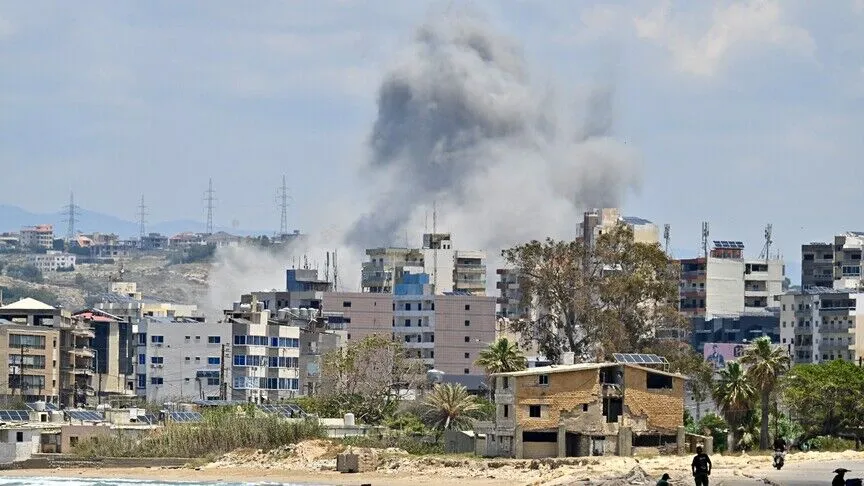
 Israeli Kills 5, Injures 24 in Strikes on Lebanon
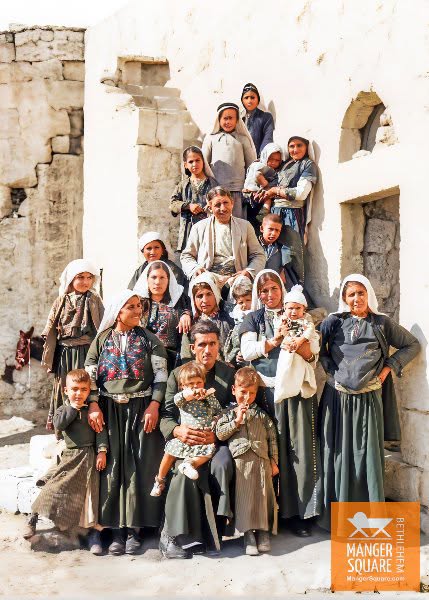
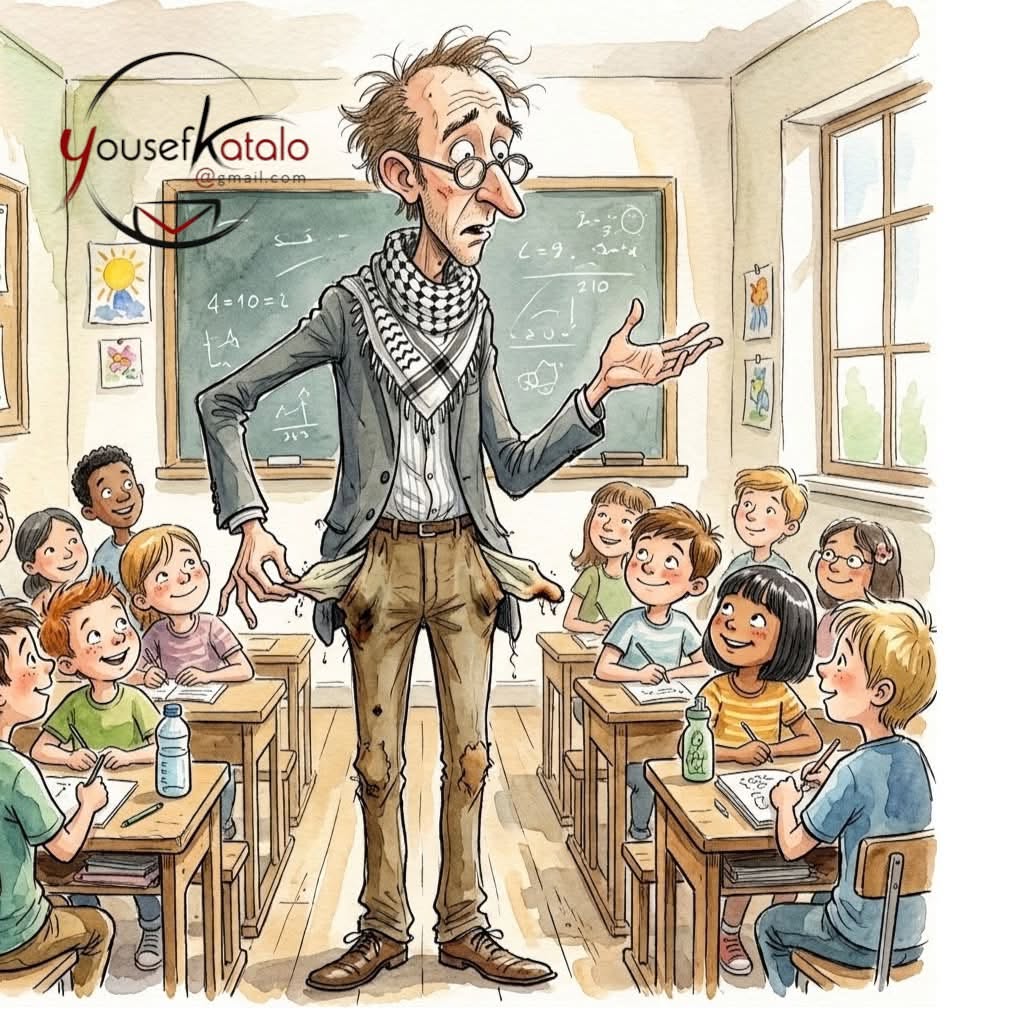
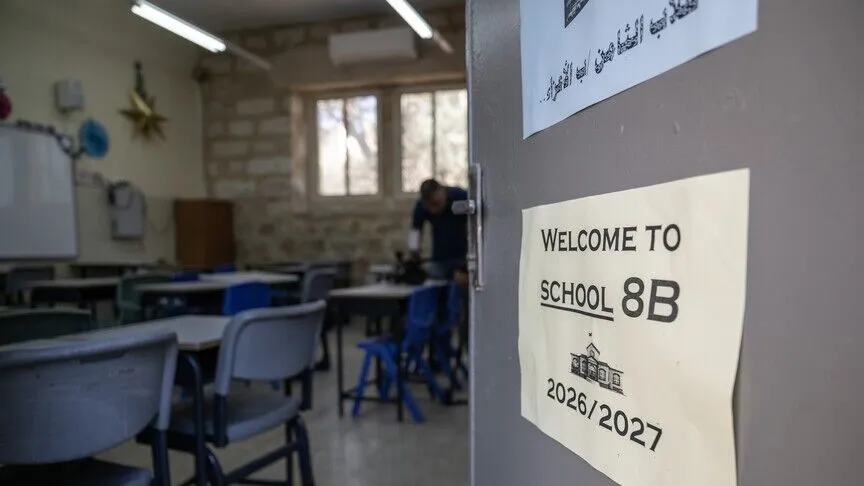
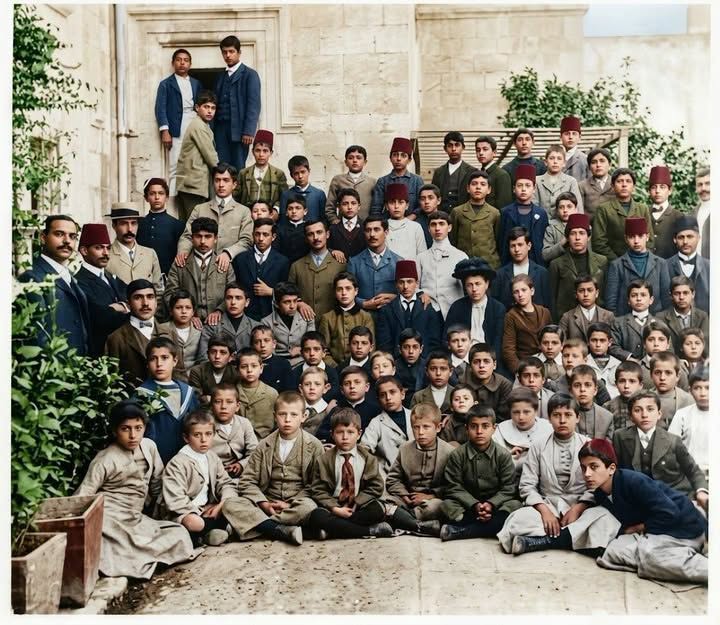
 Pupils in Safad, 1944
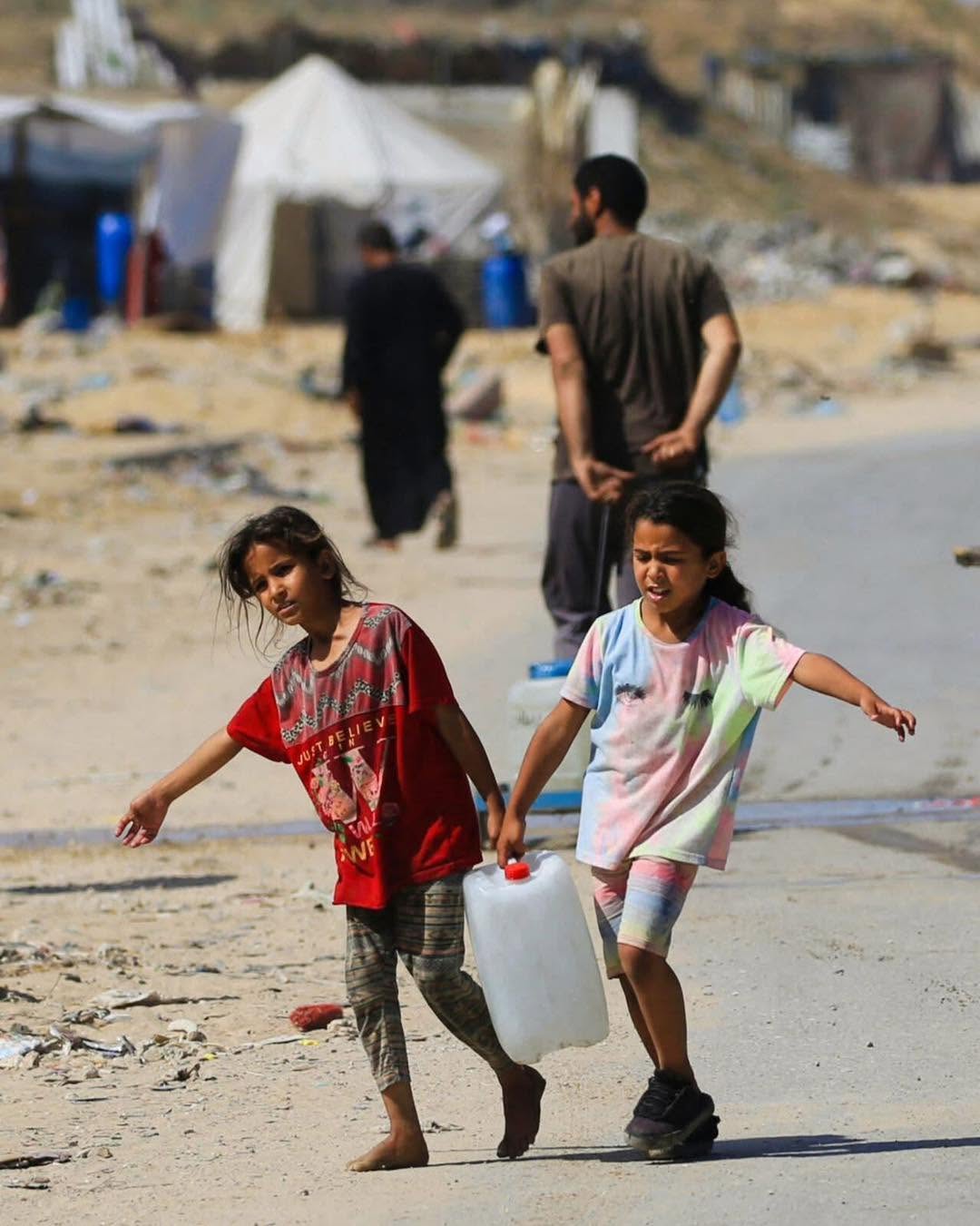
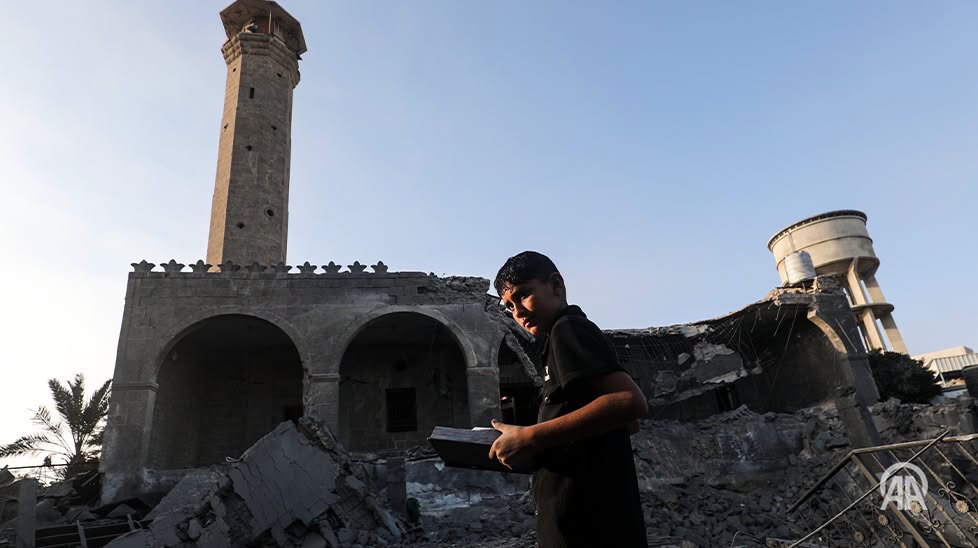
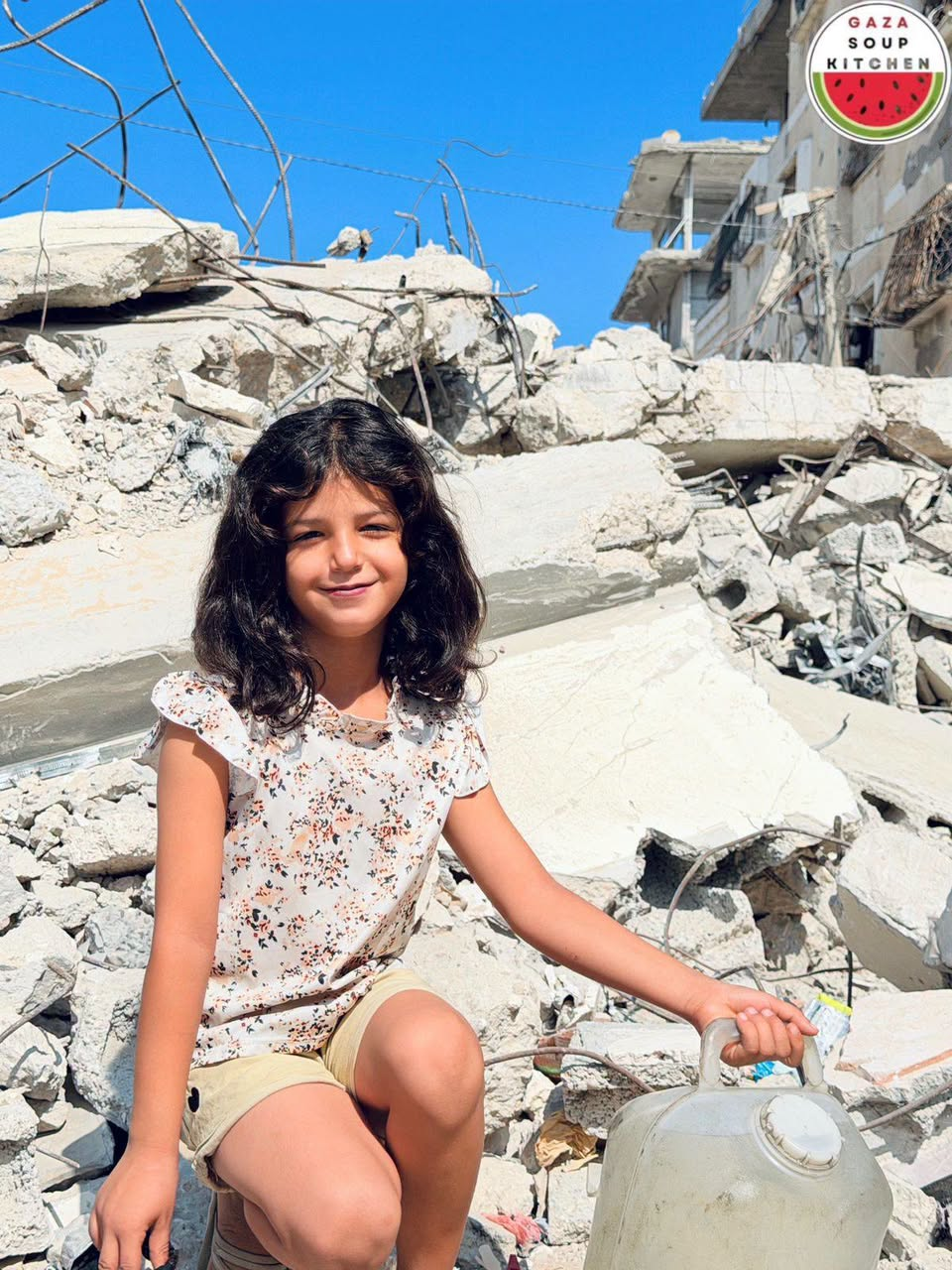 Searching For Water Amid The Rubble





The Firewood Gatherer
 CrossFireArabia
- September 5, 2026
 CrossFireArabia
 Heba
Heba marwanmarwanHebaCrossFireArabiaHebaCrossFireArabiaCrossFireArabiaCrossFireArabiamarwanCrossFireArabiaCrossFireArabiaCrossFireArabiaCrossFireArabiaCrossFireArabiaCrossFireArabiaCrossFireArabiaCrossFireArabiaCrossFireArabiaCrossFireArabiaCrossFireArabiaCrossFireArabiaHebaCrossFireArabiaCrossFireArabiaCrossFireArabiaCrossFireArabiaCrossFireArabiaHebaHebaCrossFireArabiaCrossFireArabiamarwanCrossFireArabiaCrossFireArabiaHebaHebaHebaCrossFireArabiaCrossFireArabiamarwanCrossFireArabiaCrossFireArabiaCrossFireArabiaCrossFireArabiaHebaHebaHebaHebaCrossFireArabiaCrossFireArabiaCrossFireArabiaCrossFireArabiaCrossFireArabiaCrossFireArabiaHebamarwanmarwanCrossFireArabiaCrossFireArabiaCrossFireArabiaCrossFireArabiaCrossFireArabiaCrossFireArabiaCrossFireArabiaCrossFireArabiaCrossFireArabiaCrossFireArabiaCrossFireArabiaHebaCrossFireArabiaCrossFireArabiamarwanmarwanCrossFireArabiaCrossFireArabiaCrossFireArabiamarwanCrossFireArabiaCrossFireArabiaCrossFireArabia
President of the Kuwaiti-based Reconnaissance Center for Research and Studies Abdul Aziz Al-Anjari, confirmed Donald Trump’s return to the White House next January will pave the way for the implementation of a pre-prepared plan to bring about radical changes in the Middle East.
Normalization
Al-Anjari, a member of the National Press Club in Washington, told Quds Press this plan seeks “to push towards almost complete normalization in the region, and to form a ‘new Middle East’ to strengthen Israeli hegemony, and establish the role of the United States as the main guarantor of this trend.”
Al-Anjari pointed out that “the plans are proceeding, despite the hopes of peoples demanding justice, and international human rights movements supporting Palestinian rights, but decisions are ultimately taken at the level of governments, most of which have shown a tendency towards greater rapprochement with Israel, and adopting a security vision that excludes all forms of armed resistance, which governments consider a threat to stability in the region.”
He added that “US-Israeli cooperation includes steps to enhance rapprochement with Israel by imposing laws that limit the boycott of Israeli products, measures that prevent some countries from rejecting Israeli travelers, or restricting the permission of Israeli aircraft to use airspace.
These policies aim to relieve some governments of the embarrassment they feel in front of their people, and to show that they find themselves forced to approach Israel under legal and diplomatic pressures, while the truth is that these plans are known in advance to some governments as part of broad normalization plans,” he said.
Two-state solution
Al-Anjari also touched on the issue of the “two-state solution,” considering it “a mere mechanism for managing the conflict, not resolving it, as this solution, as proposed today, seeks to grant the Palestinians an entity with diminished sovereignty and space, while consecrating the recognition of Israel as a fully sovereign state.”
The Kuwaiti analyst criticized what he described as “the contradiction in the positions of some parties calling for the two-state solution, which “support this solution, but refuse to recognize Palestine as a state,” considering that this “reflects a duality aimed at deceiving public opinion.”
The issue of Palestinian refugees and “two-state solution, if implemented, which is highly unlikely, will ignore the right of return; as Israel categorically rejects this right for fear of affecting its demographic balance, while granting the right of return to every Jew around the world, which leaves millions of Palestinian refugees without their basic rights.”
He added that “this makes the proposed Palestinian state lacking sovereignty, without real control over its borders, and unable to make its decisions freely.”
He pointed to “the possibility of future changes through elections in democratic countries, if their people are able to choose governments that support Palestinian rights.”
CrossFireArabia
Many state, government, and international organization leaders from around the world send congratulatory messages to Trump, who was elected as the 47th President of the United States.
CrossFireArabia
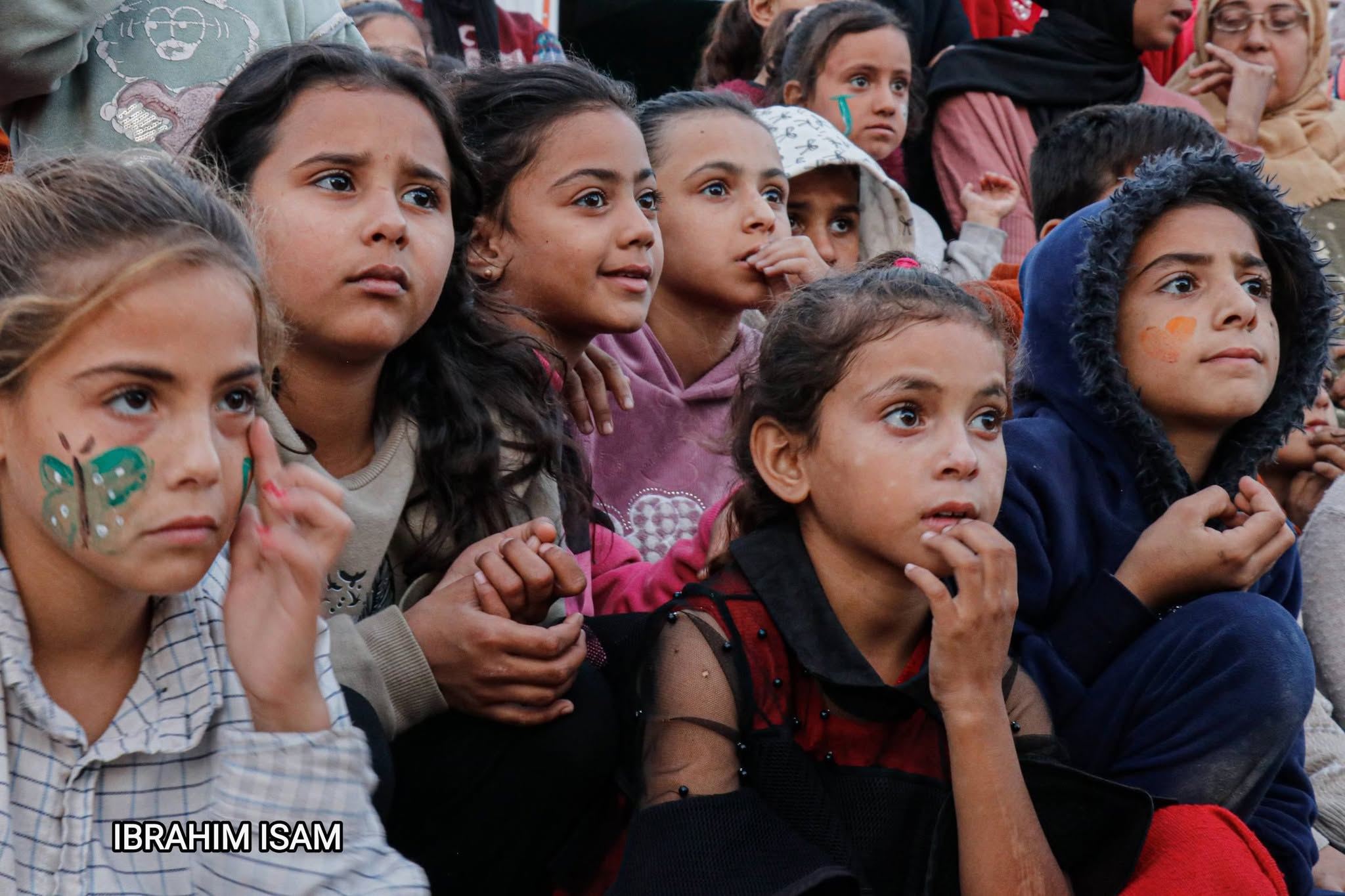
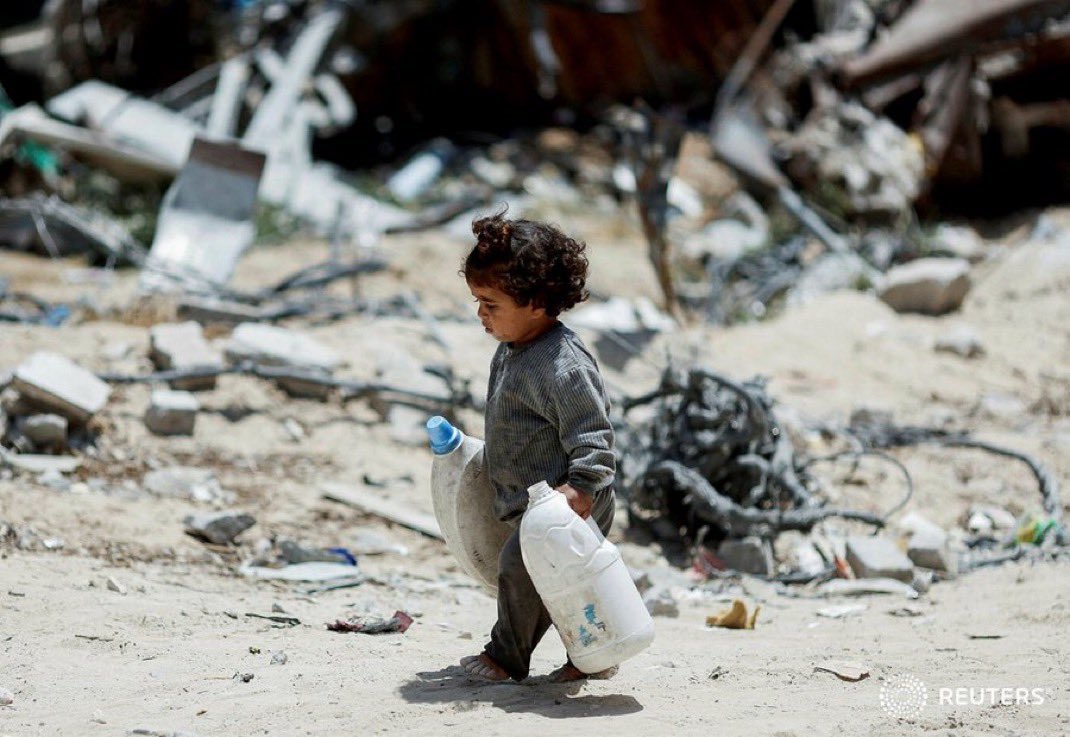
The Palestinian children who are aged between 5 and 9 represent the single biggest age category of those killed in Gaza since Israel started its deadly onslaught on the Strip soon after 7 October, 2023.
CrossFireArabia
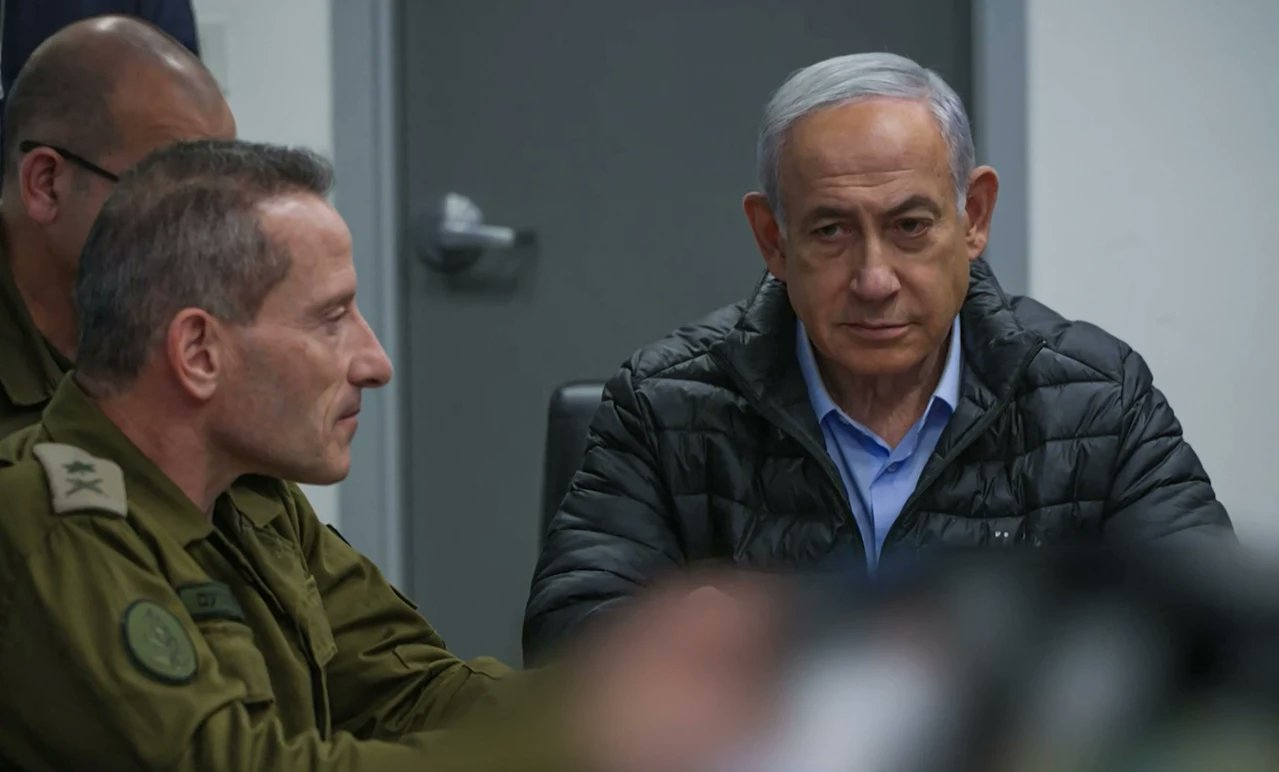
Israeli Prime Minister Benjamin Netanyahu’s office is at the center of a new scandal involving alleged orders to halt the recording of war cabinet meetings, which is a deviation from standard security protocols, local media reported on Saturday.
The controversy reportedly began on Oct. 7, the day Israel’s offensive on Gaza commenced, when war cabinet meetings took place at the Defense Ministry in Tel Aviv, according to the daily Yedioth Ahronoth.
While security officials initially recorded these meetings as required, Netanyahu’s office allegedly instructed the military to stop documenting the discussions, arguing that recording was unnecessary.
The war cabinet, formed by Netanyahu after Oct. 7, 2023, included Defense Minister Yoav Gallant, former Defense Minister Benny Gantz, ex-Chief of Staff Gadi Eisenkot, and Minister of Strategic Affairs Ron Dermer. Netanyahu later dissolved the council in June this year following the resignations of Gantz and Eisenkot according to the Anadolu news agency.
Further escalating the controversy, Israel’s Channel 12 revealed Friday that Netanyahu’s office is under investigation for allegedly blackmailing a military officer with a sensitive video to access and alter records from the Oct. 7 meetings.
According to Channel 12, Avi Gil, Netanyahu’s former military secretary, notified Israel’s Attorney General Gali Baharav-Miara of suspected protocol violations.
This investigation coincides with a separate probe by the Israeli Lahav 433 police unit into alleged document forgery within Netanyahu’s office, alongside an ongoing Shin Bet investigation into the leak of sensitive intelligence. Five individuals, including Netanyahu’s spokesperson Eli Feldstein and other senior officials, have been detained.
These cases have intensified public concern over the security practices and accountability of Netanyahu’s office amid accusations that officials sought to deflect responsibility for perceived failures leading up to the Oct. 7 Gaza war.
Israel has continued a devastating offensive on the Gaza Strip since Oct. 7, 2023, killing over 43,500 Palestinians and rendering the enclave almost uninhabitable.
Israel faces a genocide case at the International Court of Justice for its actions in the blockaded enclave.
CrossFireArabia
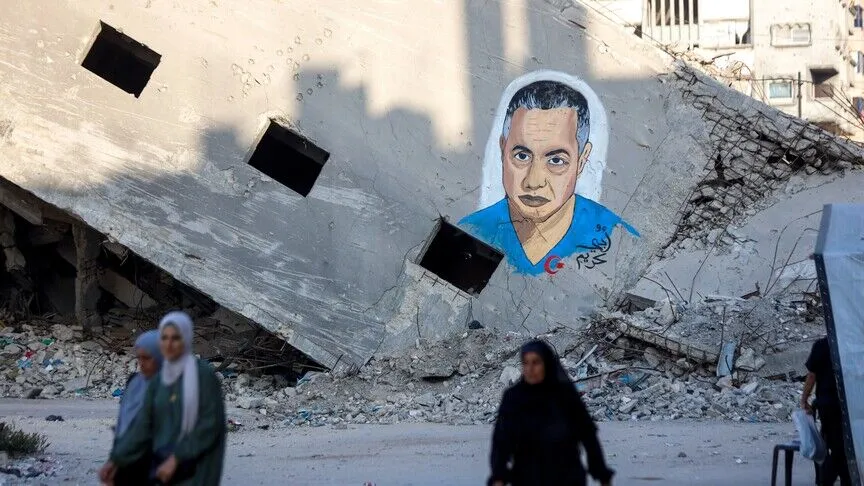
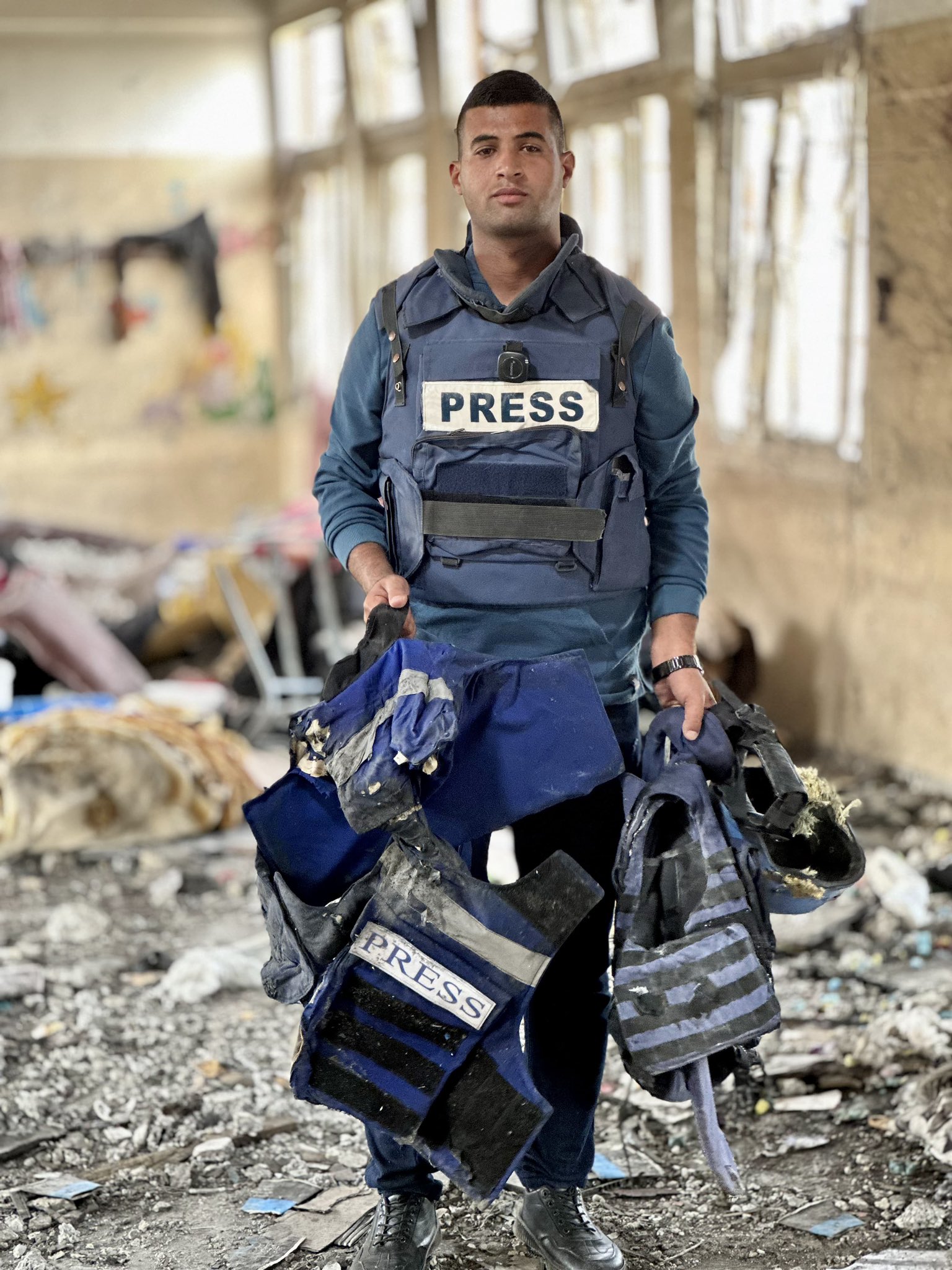
“I go out every day, camera in hand, pen in pocket, not knowing if I will return. I run away from the shells, hide from their planes, fight hunger and exhaustion. Food, safety, and sleep have become rare luxuries. We survive on little, and draw strength from the smallest acts of steadfastness – a piece of bread, we share or a word of condolence we exchange. My home, like the homes of many here, no longer exists; the occupation army destroyed it, and there is no place here that makes me feel safe.