Rafah Crossing Reopens Under Strict Conditions

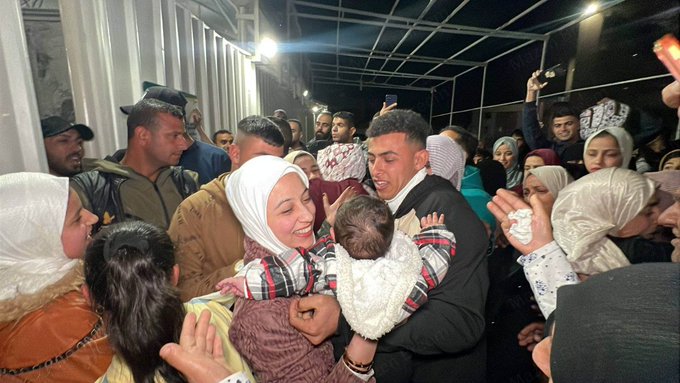
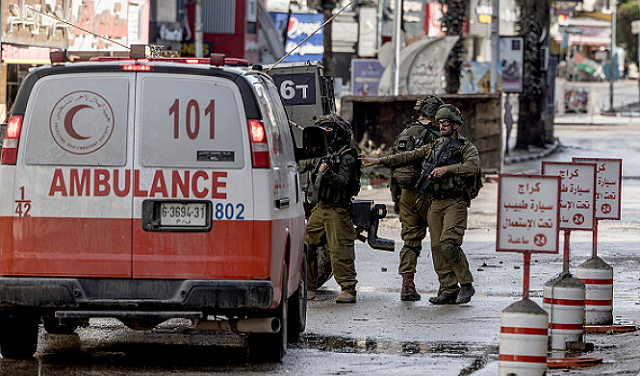
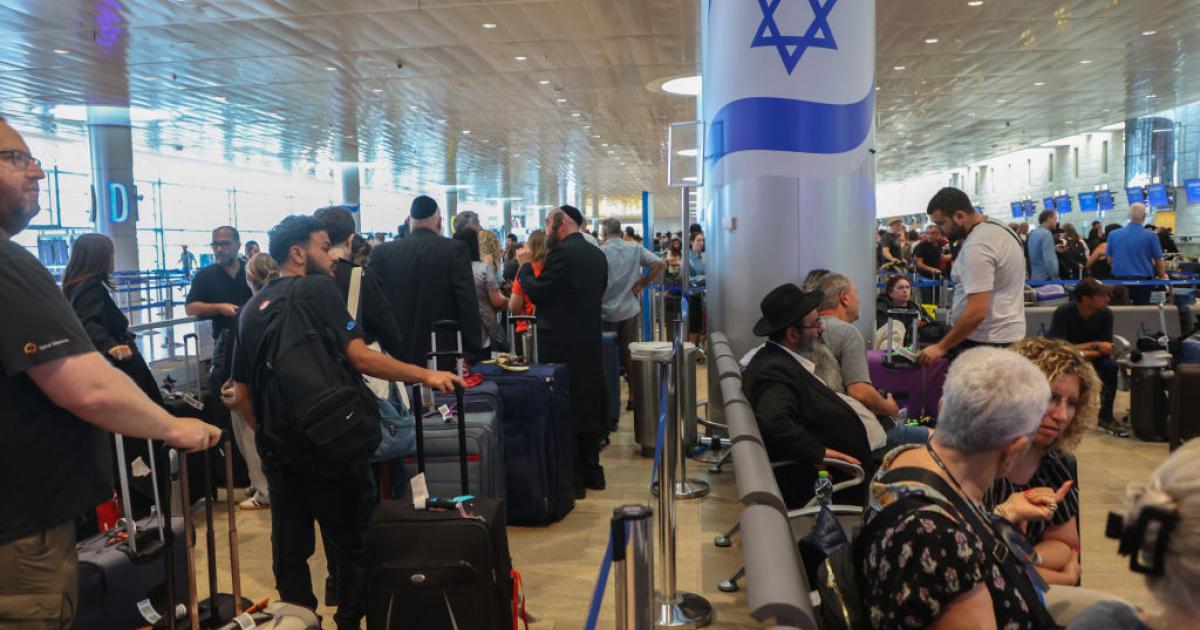
The Rafah crossing officially reopened on Monday, marking a partial resumption of movement between the Gaza Strip and Egypt after more than a year and a half of closure imposed under Israeli military control.
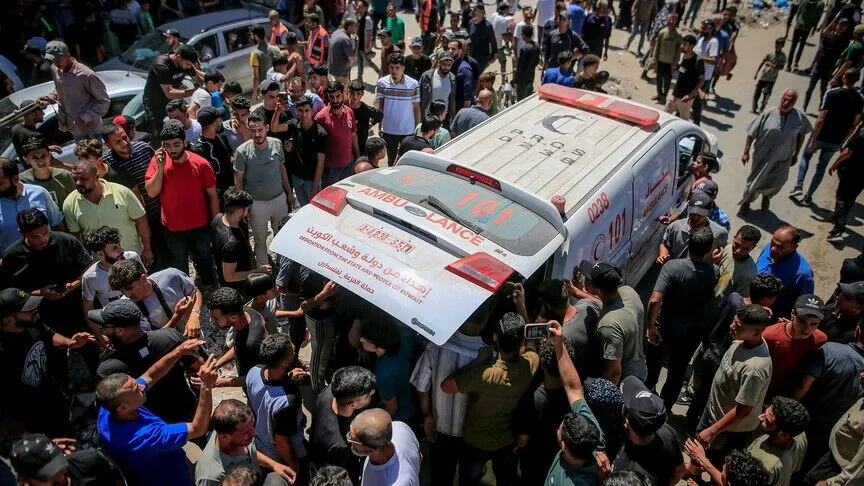
Egyptian official media confirmed that the crossing began operations with an initial exchange of travelers, allowing a limited number of Palestinians to leave Gaza and a smaller number to return. According to Egyptian and Israeli media reports, approximately 50 people were expected to cross in each direction on the first day, while around 150 patients and their companions were scheduled to exit Gaza for medical treatment in Egypt.

The Palestinian side of the crossing began operating on a trial basis on Sunday, following Israel’s completion of a new security corridor inside the terminal. Israel has controlled the Palestinian side of Rafah since May 2024, during its military campaign on Gaza that began in October 2023.

Strict Controls and Israeli Oversight

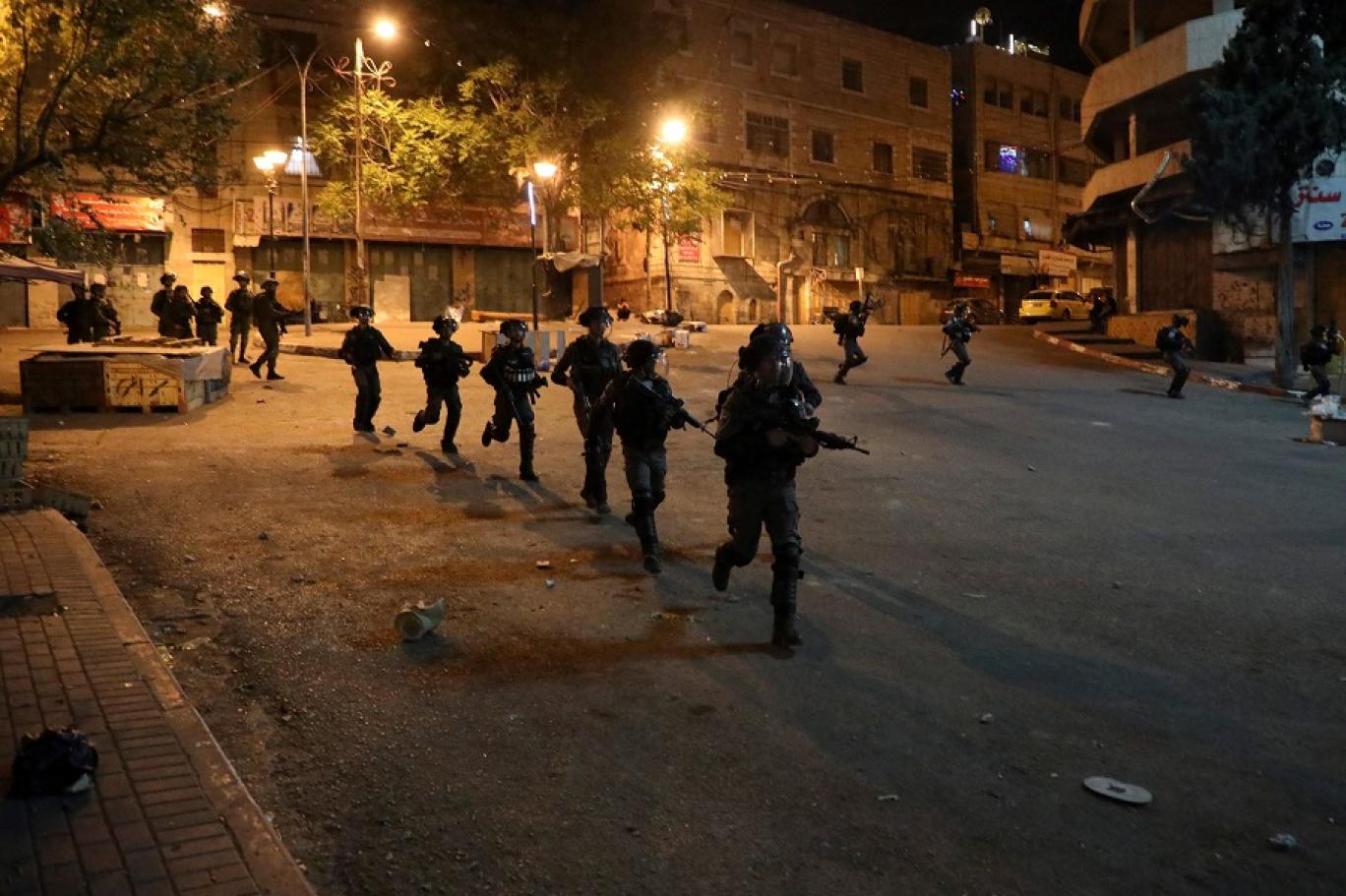
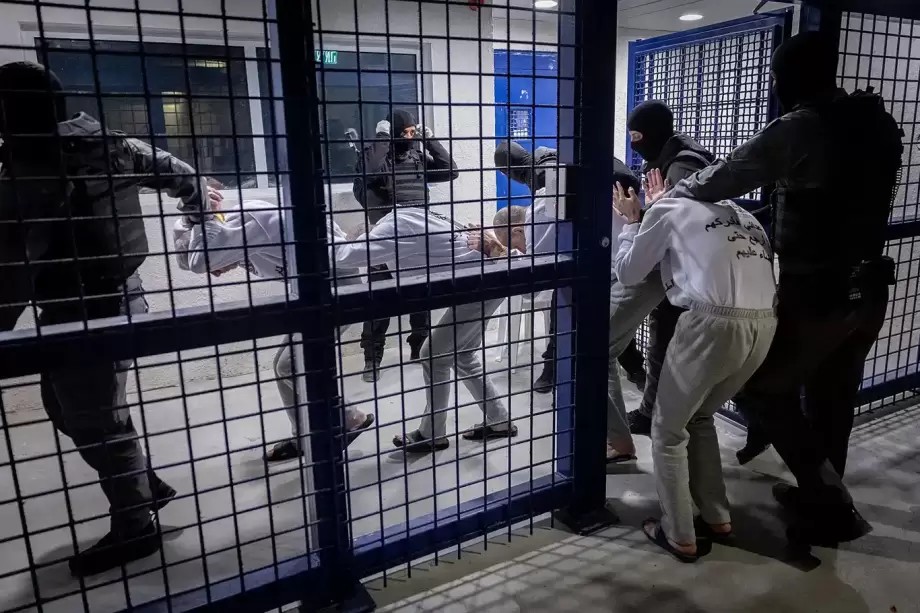
Under the current mechanism, all movement through Rafah is subject to prior Israeli approval. Israeli authorities have established a screening corridor—referred to by Israeli officials as “Regevim”—where identities are checked against pre-approved lists. Security procedures reportedly include physical searches and facial-recognition technology.

Palestinian personnel are operating the crossing under European Union supervision, while Israel maintains control over security approvals. The EU’s foreign policy chief described the reopening as a “positive step,” confirming that European monitors are present on the ground.

However, Palestinian officials say the process remains opaque and heavily restricted. Gaza’s government media office warned that the reopening risks becoming a “new form of siege” if Israel continues to impose unilateral conditions.

Medical Emergency

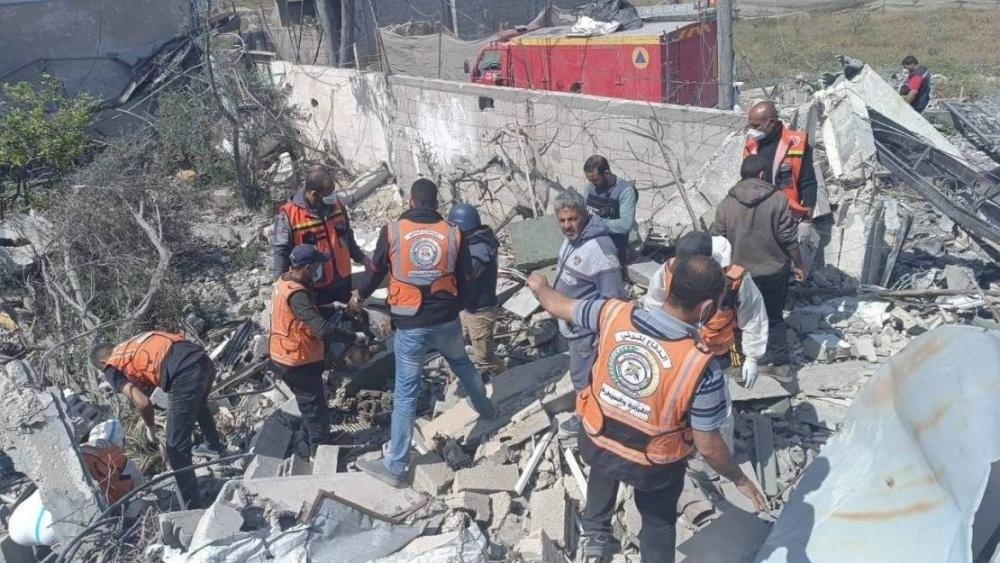
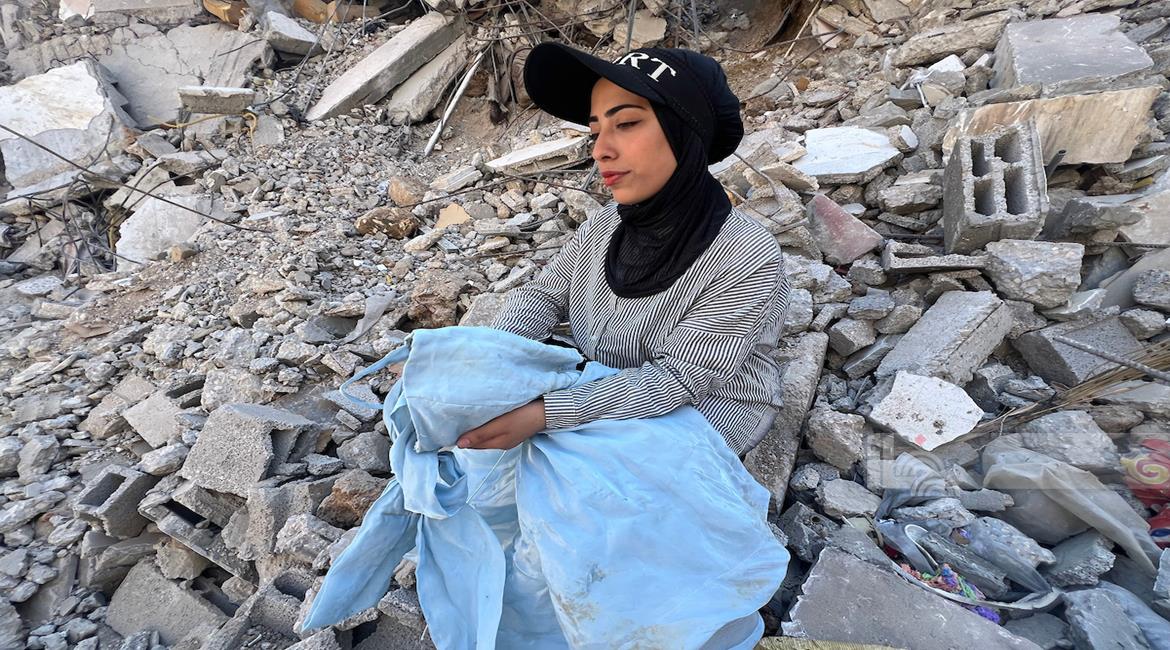
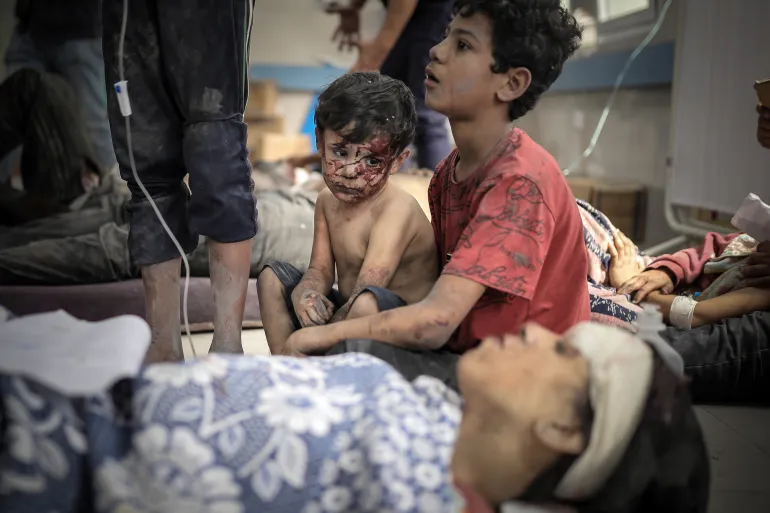
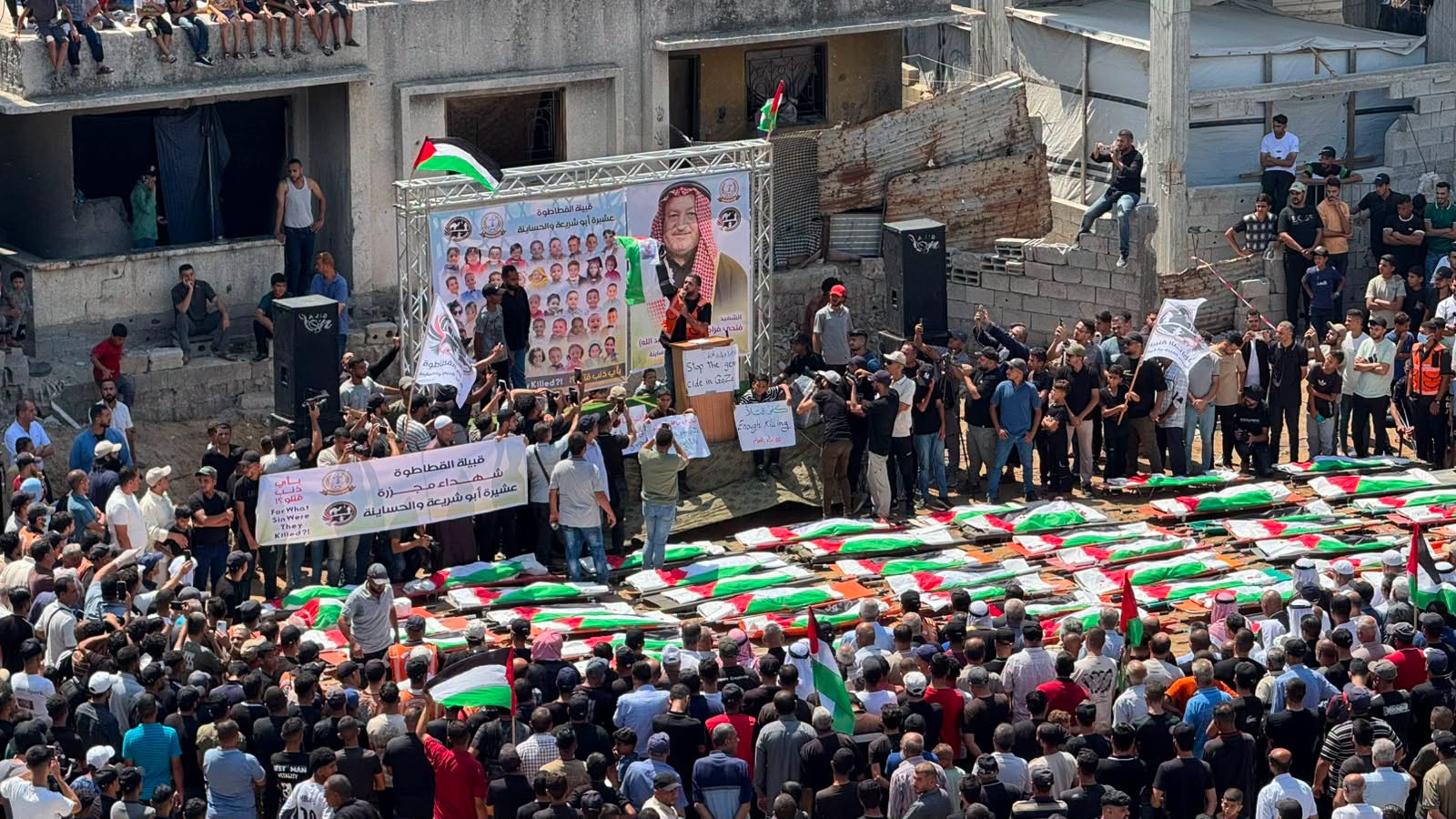
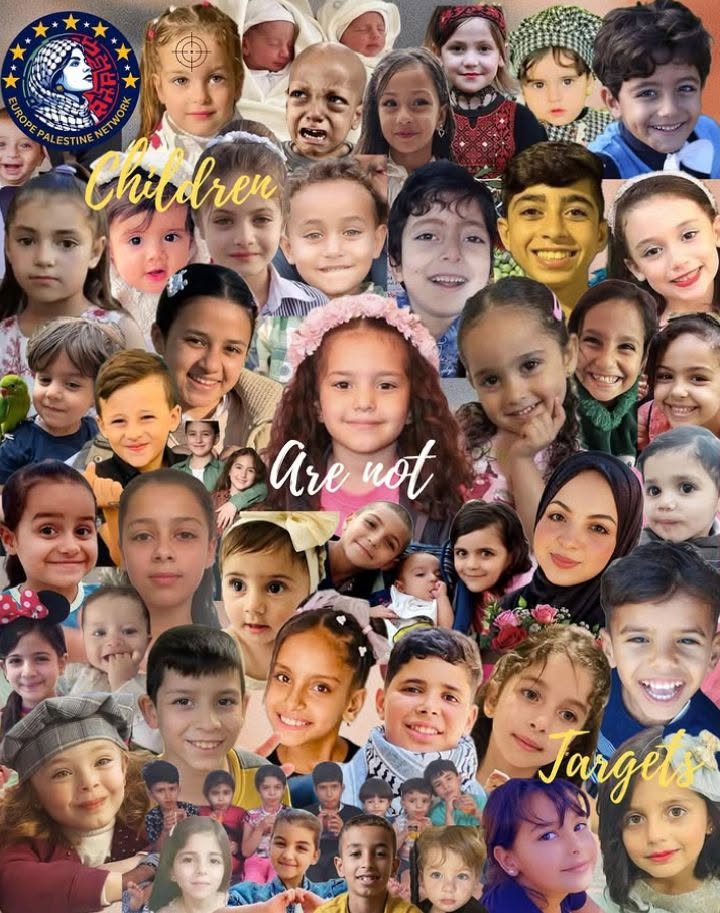
The limited reopening has underscored the scale of Gaza’s medical catastrophe. Gaza health officials estimate that at least 22,000 patients and wounded individuals urgently require treatment outside the enclave, including thousands of children and critically ill patients.

Dr. Mohammad Abu Salmiya, director of Al-Shifa Medical Complex, said Gaza hospitals were informed that only five critically ill patients would be allowed to leave on the first day, a figure he described as “catastrophically insufficient.”

Health authorities report that more than 1,200 patients have died over the past months while waiting for permission to leave Gaza for treatment.

Who Can Leave—and Who Cannot

According to Israeli and Egyptian officials, movement through Rafah is currently restricted to Gaza residents only. Israel approves exit lists in advance, while Egypt reviews entry requests. Palestinians who left Gaza during the war may return only after coordination with Egyptian authorities and Israeli security approval.

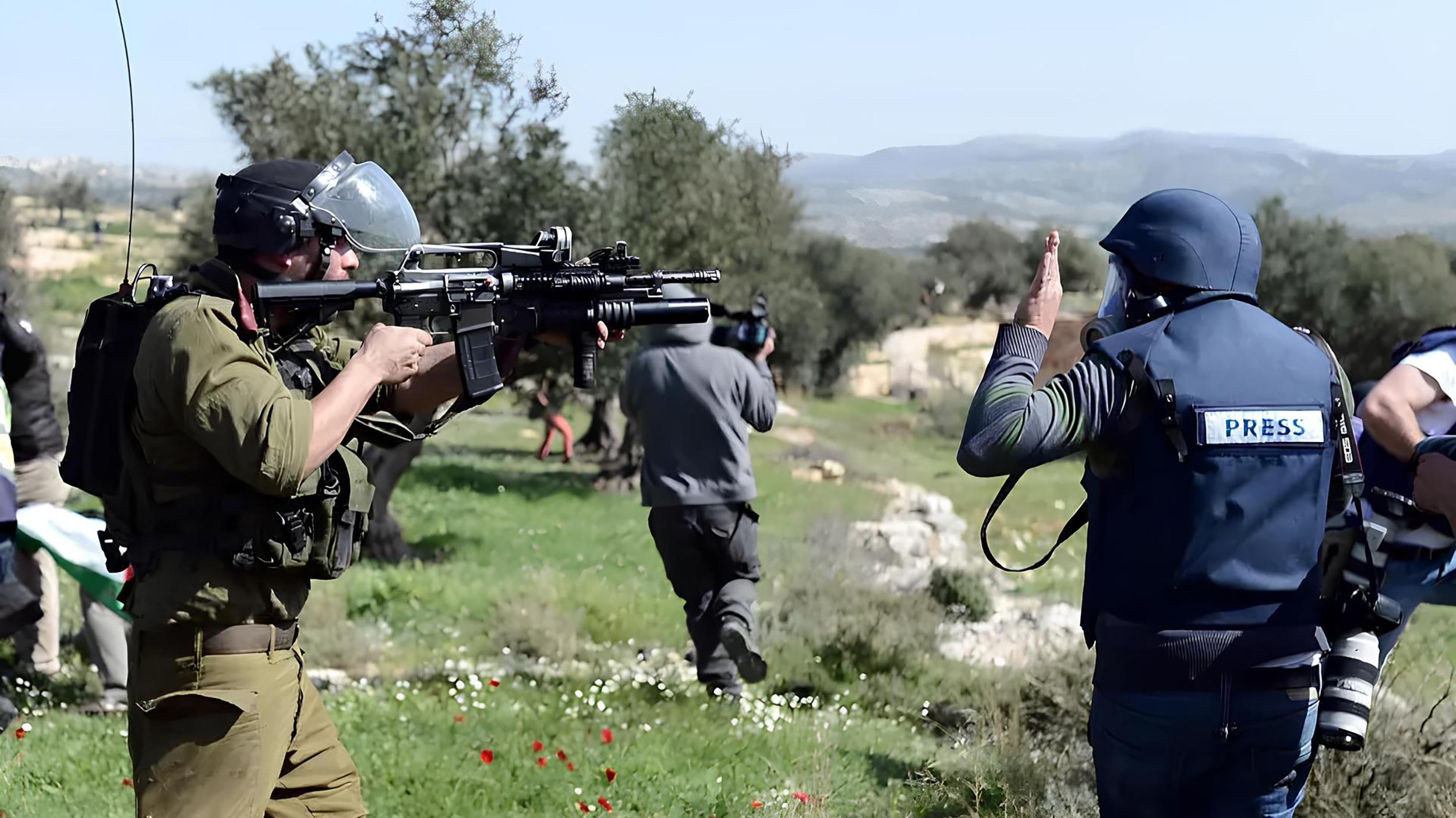
Foreign journalists are not permitted to enter Gaza through Rafah under the current arrangement.

Criticism and Political Reactions

Palestinian officials and rights groups say the reopening fails to address Gaza’s broader humanitarian needs. While movement of individuals has resumed on a limited scale, there has been no corresponding easing of restrictions on humanitarian aid, fuel, or essential goods.

Hamas warned that any Israeli obstruction at Rafah would constitute a violation of ceasefire understandings, urging mediators and guarantor states to closely monitor Israeli conduct at the crossing.

Critics argue that the gap between Gaza’s medical needs and Israel’s imposed movement quotas highlights the punitive nature of the current system. At the present rate, it would take months for critically ill patients to exit Gaza—assuming no further disruptions.

Siege Intact

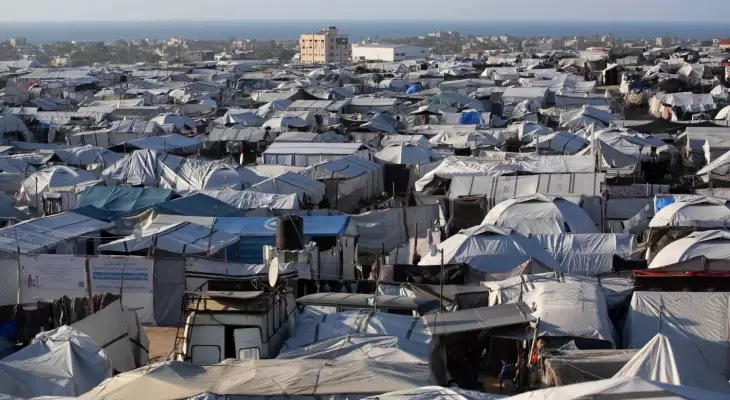
While the reopening of Rafah has been welcomed as a symbolic break in Gaza’s isolation, Palestinians stress that the crossing remains firmly under Israeli control. For thousands of patients, families, and displaced residents, Rafah’s reopening has so far offered limited relief—raising fears that the enclave’s humanitarian crisis will persist despite the appearance of movement – Palestine Chronicle

Continue reading
‘Iran Ready For Diplomacy’

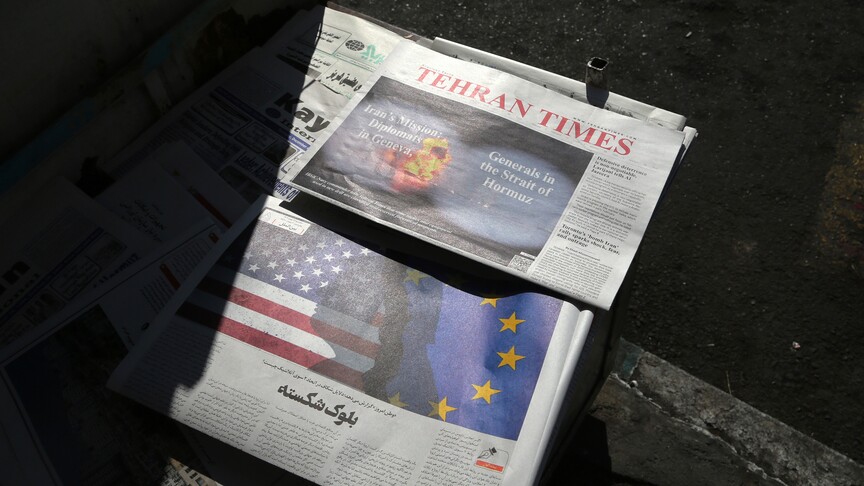
Iran is ready for diplomatic negotiations, the country’s foreign minister said Monday, as tension continues to rise between Tehran and Washington.

“We are ready for diplomacy, but diplomacy also has its own principles. I hope we will see results soon,” Abbas Araghchi said during a visit to the shrine of Ayatollah Ruhollah Khomeini, the architect of Iran’s 1979 Revolution according to Anadolu.

“Iran’s enemies, who failed to achieve their goals,” whether through last year’s 12-day war or recent protests “have now turned to diplomacy.”

“These same parties are talking about diplomacy today, even though Iran has always been ready for this option, provided there is mutual respect and consideration of interests,” he added.

In June 2025, Israel, backed by Washington, launched a 12-day attack on Iran that targeted military and nuclear sites as well as civilian infrastructure and killed senior commanders and scientists. Iran responded by striking Israeli military and intelligence facilities with missiles and drones before the US announced a ceasefire.

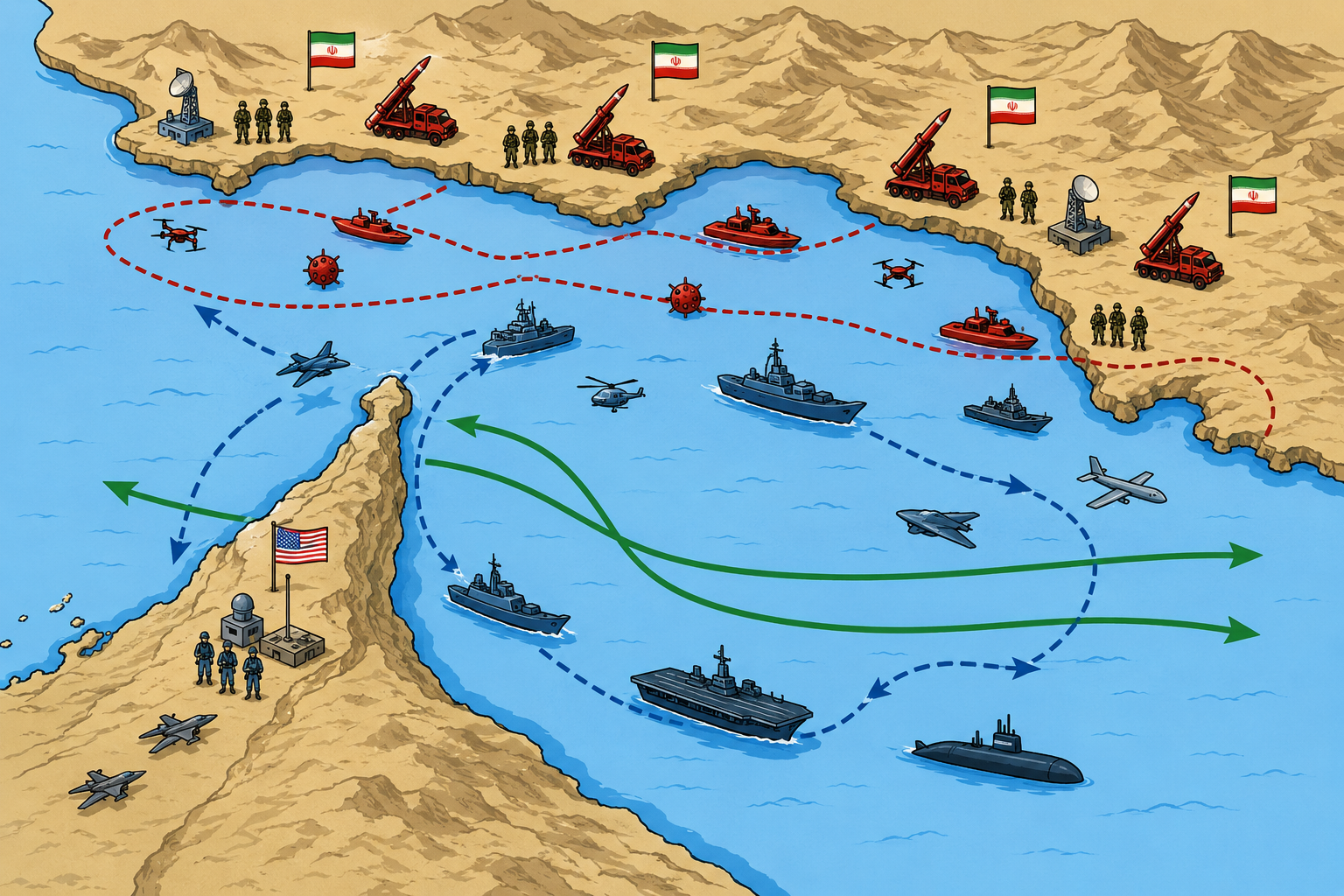
Araghchi’s remarks came amid heightened tensions between Iran and the US, with the American military fleet reportedly heading toward the region, as announced by President Donald Trump.

Trump confirmed that a large US “armada” was en route to the region, warning Iran to enter negotiations over its nuclear program or face potential military action.

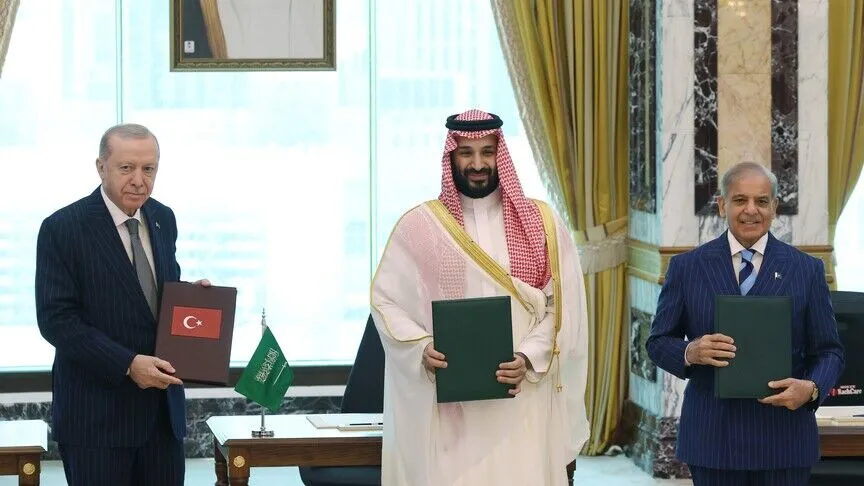
In recent days, there has been intense diplomatic activity, with several regional countries – including Turkiye – intervening to ease tensions between the two nations.

Continue reading
Trump’s War Drums ‘Dampen’

EDITOR’S NOTE: This editorial is written by Abdul Bari Atwan, chief editor of the Arabic Al Rai Al Youm website, on 2 February 2026, on the eve of increasing US military presence sorrounding Iran.

The fact that the Supreme Leader of the Islamic Revolution Ali Khamenei appeared three times in open and public meetings, chatting to ordinary Iranians recently, sends a shocking message to US President Donald Trump and Israeli Prime Minister Benjamin Netanyahu. It shows Khamenei still has the first and final word in Iran, and is not hiding in an underground bunker for fear of assassination; he has not relinquished his leadership and spiritual powers, as some Arab and Western media outlets have promoted in deliberate leaks part of the psychological warfare against Iran, coinciding with the US military buildup in the region.

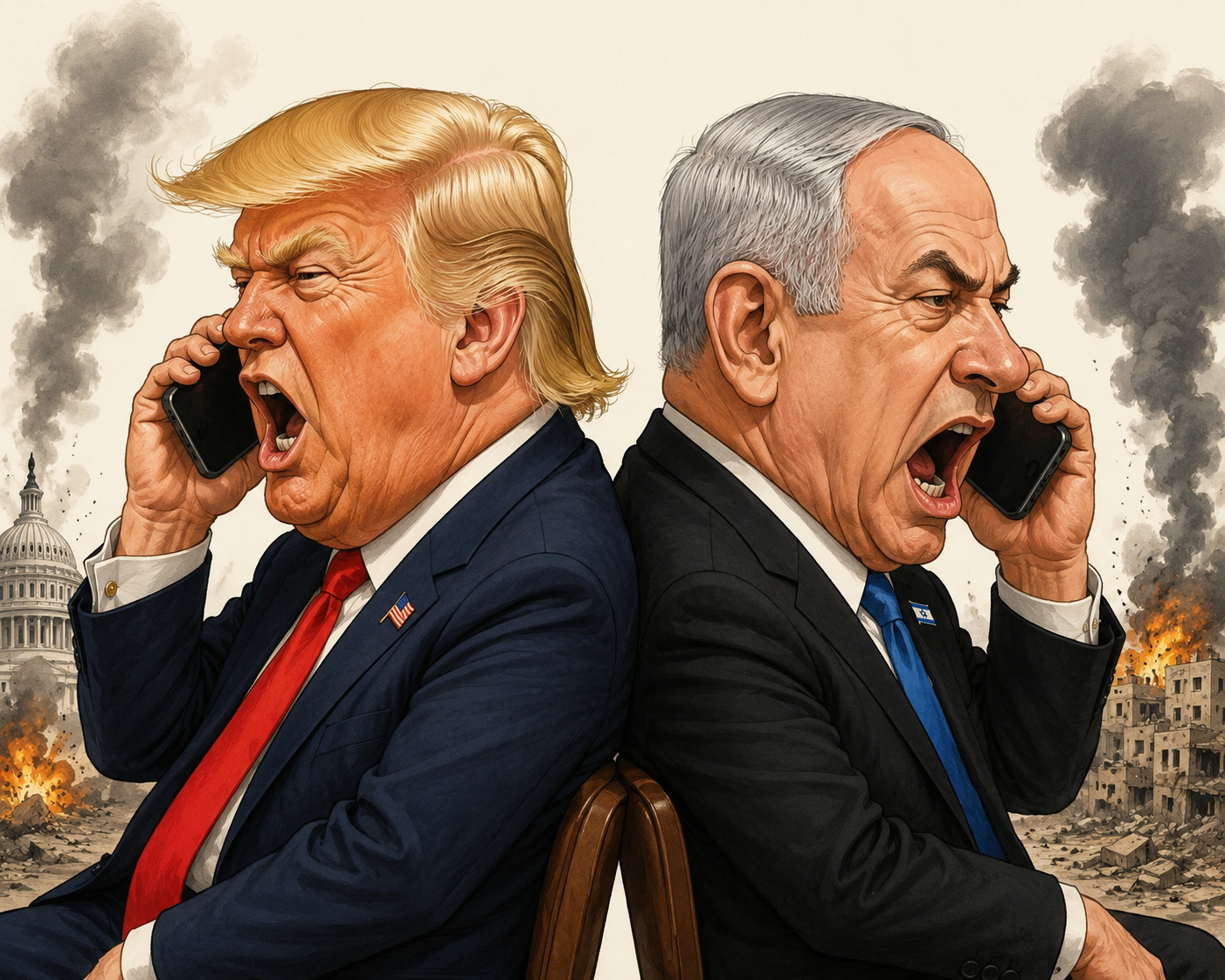
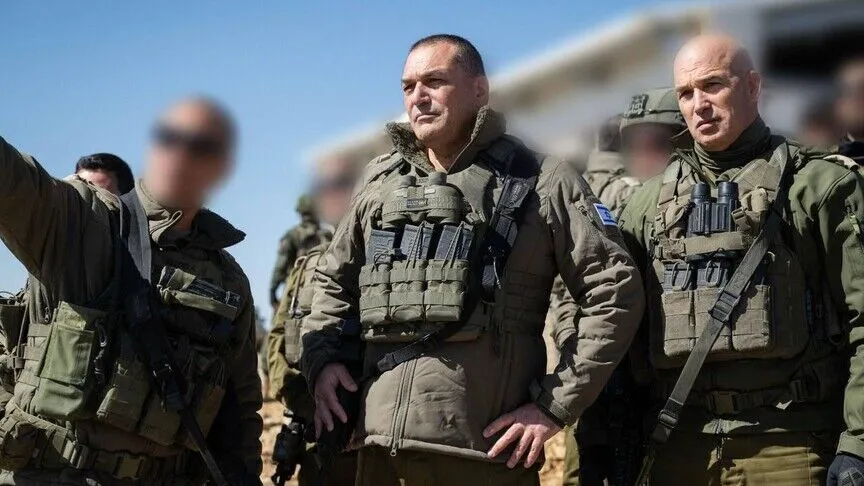
In contrast top Israeli politicians and military officials are rushing to Washington fearing that President Trump will back down from his aggression threats and replace the military option for a peaceful, negotiated one and reaching an accord that does not include Israeli demands and conditions. Israeli Chief of Staff General Eyal Zamir made a surprise visit to Washington recently and met with senior US military leaders, accompanied by his own top military commanders, including the Israeli Air Force Commander.

Frankly however Trump may have already lost this war, just as he lost face and credibility by failing to follow up on his threats and translate them into aggressive actions on Iranian soil as he has resorted to sending mediators, with the latest being his friend, Turkish President Recep Tayyip Erdogan, to reopen negotiations with Iran after realizing his naval buildup and aircraft carrier deployments is not yielding results, nor are they intimidating the Iranian leadership into surrendering. Thus, he may be defeated either way, whether he goes to war or resorts to a political and diplomatic solution to the cri

The key to understanding this confusion and perhaps American retreat, and the postponement of military strikes, lies in the threatening message sent by Ayatollah Ali Khamenei to Trump during his meetings with the numerous Iranians on the anniversary of the late Ayatollah Khomeini’s death. The most prominent point was his assertion that “Iran does not initiate wars, but if it is subjected to aggression, it will confront it with all its might and inflict devastating blows on the enemy.” More importantly, he stated “this war will be a broad regional conflict, it will not be swift, decisive, or short-lived,” nor “clean”— meaning, free of casualties.

A “regional war” means all countries, movements, and military factions aligned with the “axis of resistance” will participate, starting with Hezbollah in Lebanon, the Popular Mobilization Forces in Iraq, and Ansar Allah in Yemen. American bases in the region, particularly on the Arabian side of the Gulf, will be legitimate targets, as will all the American soldiers stationed there and whose numbers exceed 70,000.

What terrifies Israel most is not only Trump’s failure to proceed with his aggression against Iran, but also the possibility of reaching an agreement that contradicts all three of Israel’s objectives:

First: Preventing Iran from acquiring nuclear weapons, halting all Iranian uranium enrichment at high levels, and surrendering all its existing stockpile (480 kilograms) to a neutral country. Second: Halting the development and launch of Iranian missiles, and dismantling all long-range missiles, whether hypersonic or multiple-warhead, capable of reaching deep into Israeli territory, particularly Haifa and Tel Aviv, as demonstrated in the 12-day war last June.

Third: Completely ceasing all financial and missile support for resistance movements, especially Hezbollah in Lebanon and its Iraqi counterpart, factions within the Popular Mobilization Forces such as Harakat al-Nujaba, and Ansar Allah in Yemen.

A Reminder

Everyone should be reminded the return of 5,000 American soldiers in coffins to Washington, killed by the Iraqi resistance after the 2003 invasion, forced the then-President Barack Obama to acknowledge defeat and withdraw 160,000 American troops from Iraq in November 2011. This was made to minimize losses. Thus, it is no exaggeration to say that any aggression against Iran today would result in four times that number of American casualties, if not more, in the initial days of the attack. This is due to Iran’s resolve, advanced missiles and drones, and other secret weapons that might be the biggest surprises of this war, should it start.

Perhaps the decline in oil prices, the collapse of gold and silver prices, and the dollar’s shocking depreciation in global financial markets are among the most prominent indicators confirming what was stated above: The diminishing likelihood of war, Trump’s reluctant inclination towards diplomatic solutions and negotiations, and his initial admission of his failure to achieve a military victory to avoid losses and the protracted regional war threatened by the Iranian Supreme Leader, Ayatollah Ali Khamenei. Time will tell.

Continue reading
Donald’s War Bells

By Dr Khairi Janbek

When talking about the stand off between the US and Iran, in fact, anything can happen on the kaleidoscope of endless talks to an endless war. Usually it is possible to predict the reaction of one collective or another with some knowledge, but impossible to predict the reaction of an individual no matter what knowledge is available.

This is especially the case if this individual is Donald Trump. He makes it his business to be unpredictable and depending who tells him what and whether he likes it or not; but at least we can attempt to drive some inference from the situation, a situation which finds the current American president who heavily criticized his predecessors for dragging the United States into protracted wars with dubious results.

In this sense, the operative term is a short and decisive war, which is unclear in terms of what duration in order to be decisive about what? From the term, short and decisive, President Trump seems to know what he wants, which we can pontificate on in a myriad of possibilities, however, and for all intents and purposes, it can only mean a campaign of targeting the current leadership, civilian, military and security, coupled with targeting Iran’s missile and nuclear capabilities.

Alternatively, for a leader obsessed with reality show image, he wishes to drag Iran to the negotiations table, which is not supposed to appear as a negotiations table, rather a table which will show a supposedly humiliated Iran, accepting the terms of the Washington administration: Those terms being a peaceful nuclear programme under close international supervision, no missile development programme, and stopping its support to its current regional proxies.

But the snag in all those plans,seems to be based on the reports indicating that the president has been told, that in order for the war to be decisive, it’s not likely to be a short one, which puts Trump in the conundrum of dragging the US into a protracted war on many other fronts, ranging from Iran to Iraq to Yemen. One is not saying at all that the US military cannot handle it, rather how costly will be the confrontation with Iran and its proxies be to achieve a decisive objective, which Trump desires to achieve in a short war?

In effect, if he does go to war at this point the objective has to change, and the meaning of decisive has also to change, meaning it would have to be regime change, knowing only too well, that there is no viable political alternative to the Mullahs except the Shah of Iran, which Trump doesn’t seem to be too keen on, and no one else in the region; for they are not much qualified to deal with day of regime change in Iran.

Also from an economic point of view: How long can a standing navy fleet stay on alert for war. The matter is not only psychological, but rather financial, as the moving of such a sizable war machine costs millions of dollars, now, if there are sponsors for this big operation and whom are willing to pay the expenses, then the US navy, similar to its Venezuelan operations, can encircle Iran and confiscate its oil shipments in the high seas , but if the US is paying for this big operation, then it won’t be long before we hear about a war breaking out.

Continue reading