
Israeli Official: ‘Life in The North is Dead’
 CrossFireArabia
- March 15, 2026

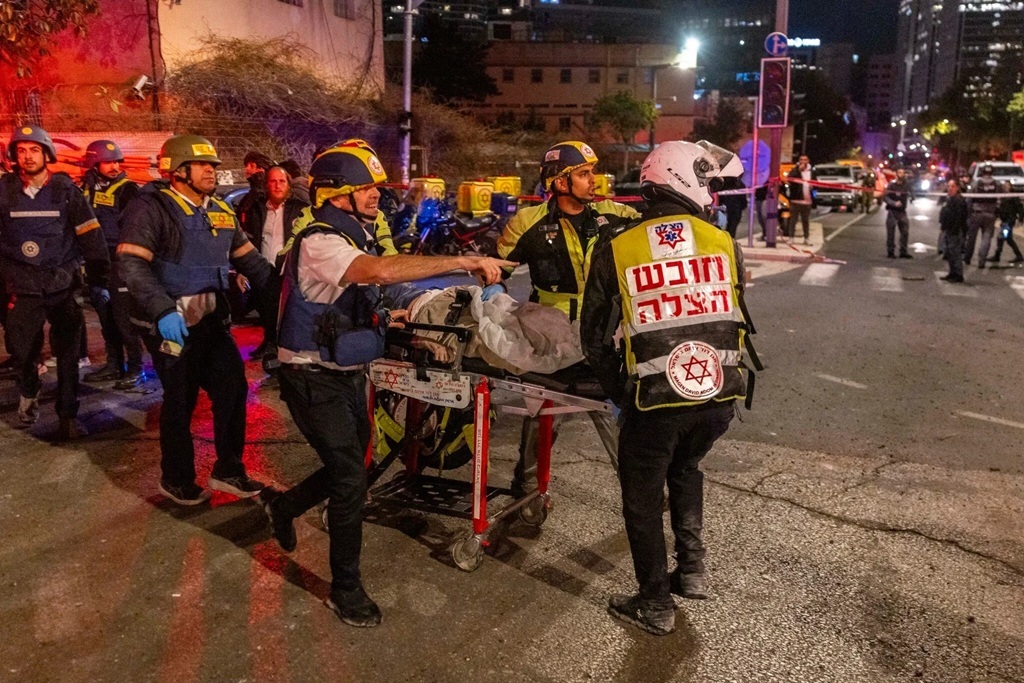
 Israeli Official: ‘Life in The North is Dead’
 White House Economic Council Head Says The Iran War May End in 6 Weeks, Wont Stay Months
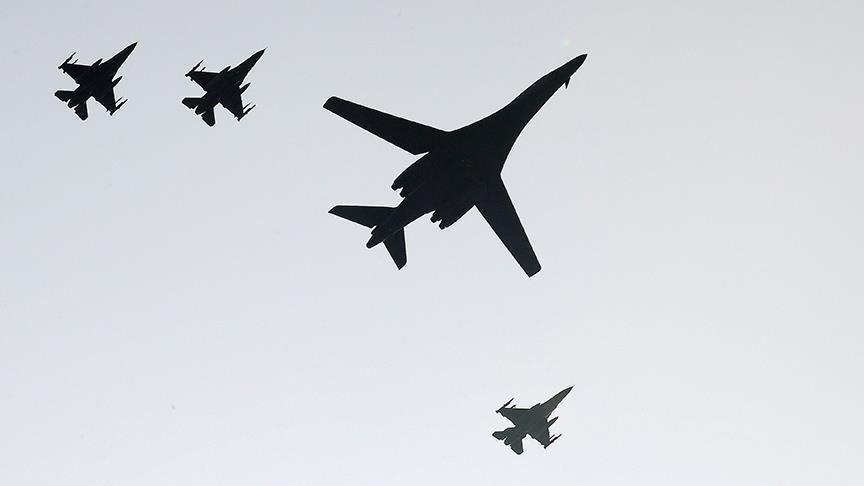
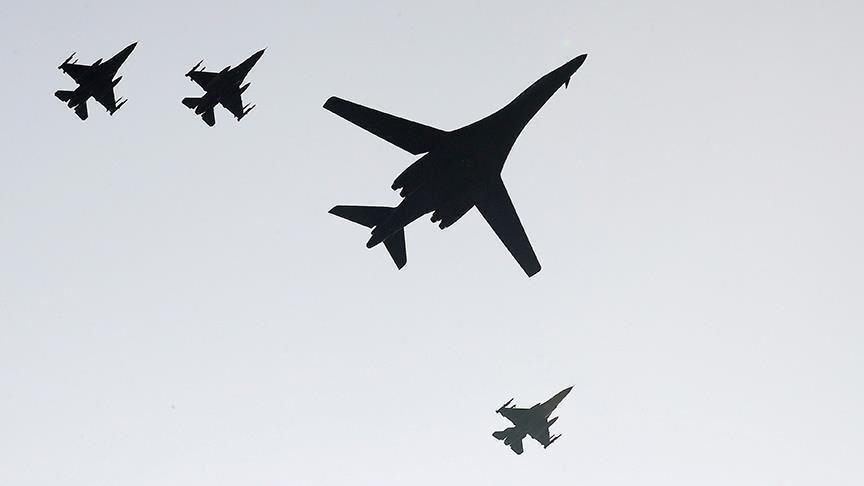
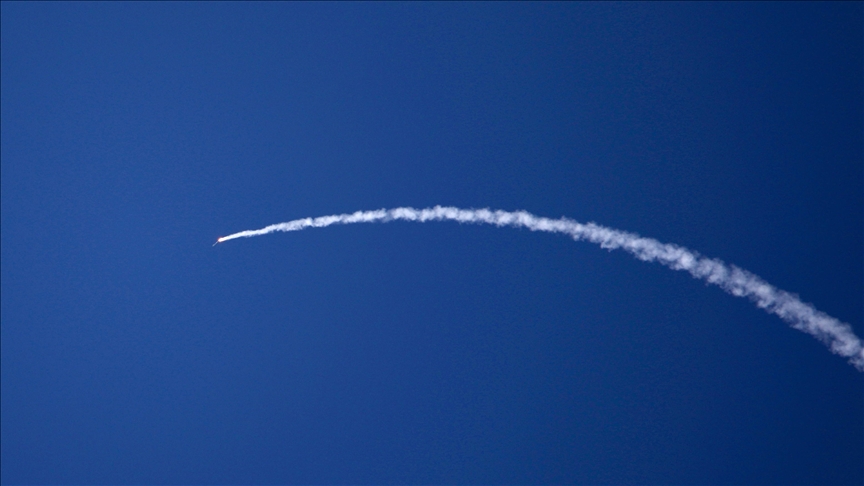 At Day 16 of The War The Israeli Air Force Say The Dropped 10,000 Bombs on Iran
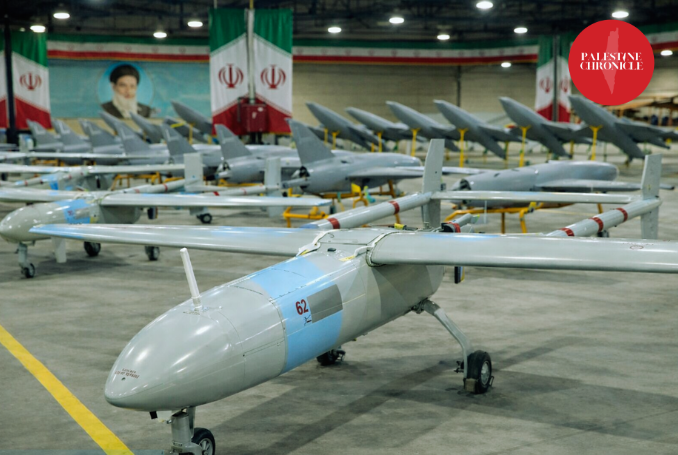
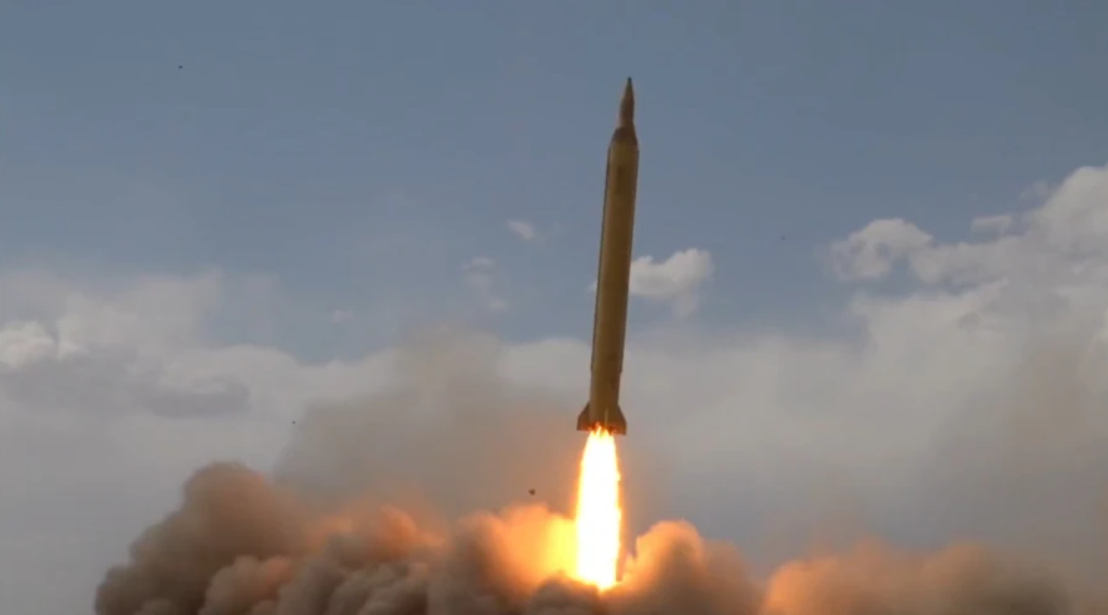 IRGC Spokesman: Most of The Missiles Produced After The 12-Day War Are Yet to be Used
 IRGC Spokesman: Most the Missiles Launched in This War Were Produced 10 Years AgoCrossFireArabiaCrossFireArabiaCrossFireArabiaCrossFireArabiaCrossFireArabiaCrossFireArabiaCrossFireArabiaCrossFireArabiaCrossFireArabiaCrossFireArabiaCrossFireArabiaCrossFireArabiaCrossFireArabiaCrossFireArabiaCrossFireArabiaCrossFireArabiaCrossFireArabiaCrossFireArabiaCrossFireArabiaCrossFireArabiaCrossFireArabiaCrossFireArabiaCrossFireArabiaCrossFireArabiaCrossFireArabiaCrossFireArabiaCrossFireArabia
 Saleem Ayoub QunaCrossFireArabiaCrossFireArabiaCrossFireArabiaCrossFireArabiaCrossFireArabiaCrossFireArabiaCrossFireArabiaCrossFireArabiaCrossFireArabiaCrossFireArabiaCrossFireArabiaCrossFireArabiaCrossFireArabiaCrossFireArabiaCrossFireArabiaCrossFireArabiaCrossFireArabiaCrossFireArabiaCrossFireArabiaCrossFireArabiaCrossFireArabiaCrossFireArabiaCrossFireArabiaCrossFireArabiaCrossFireArabiaCrossFireArabia
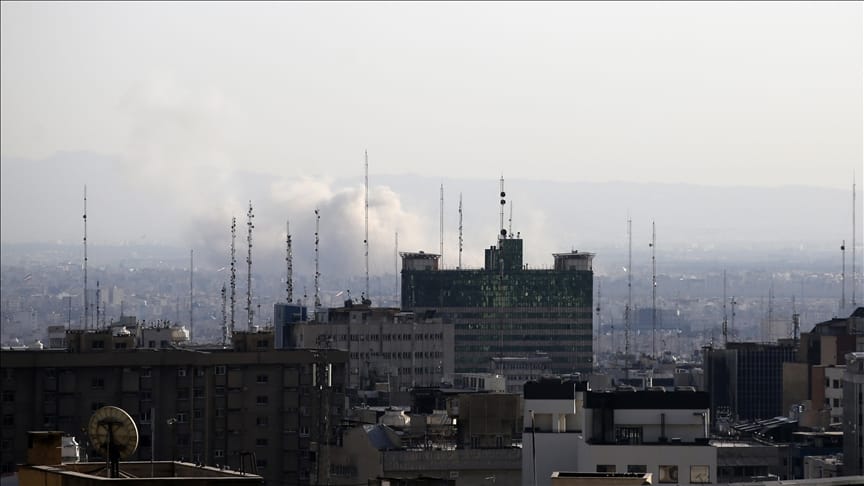
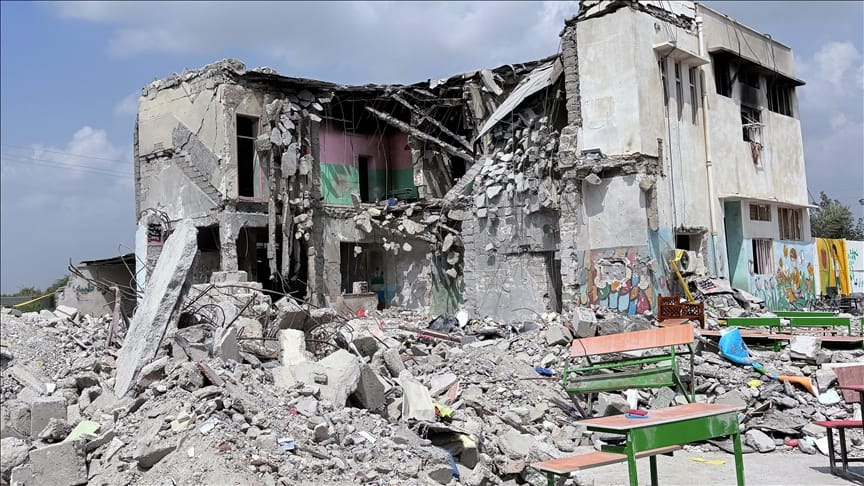
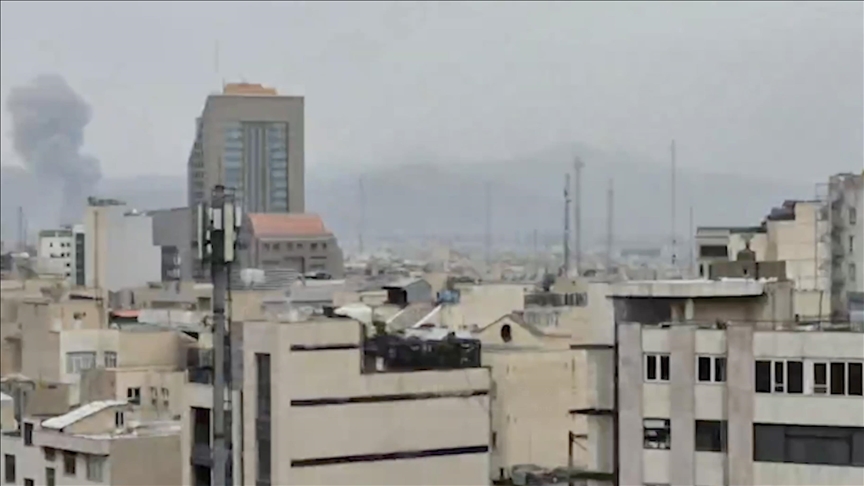
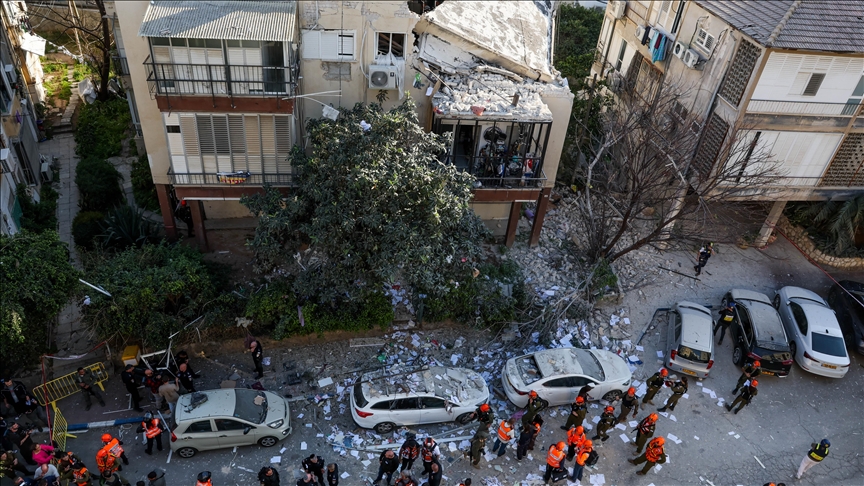
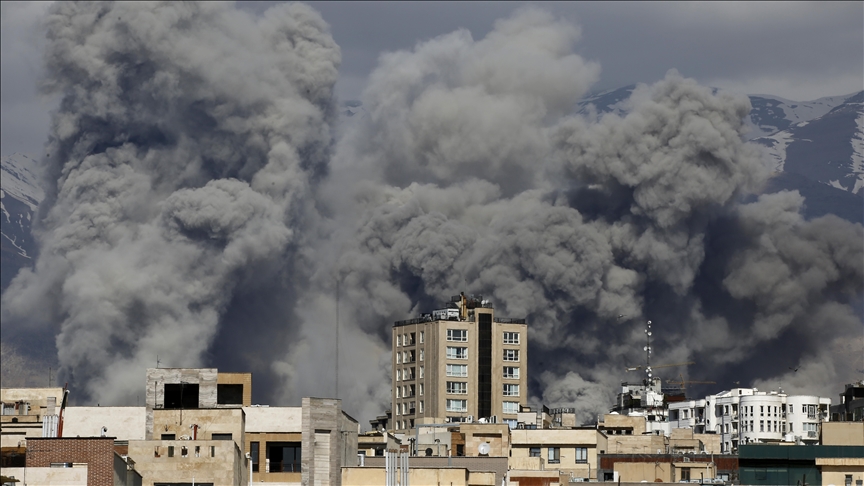
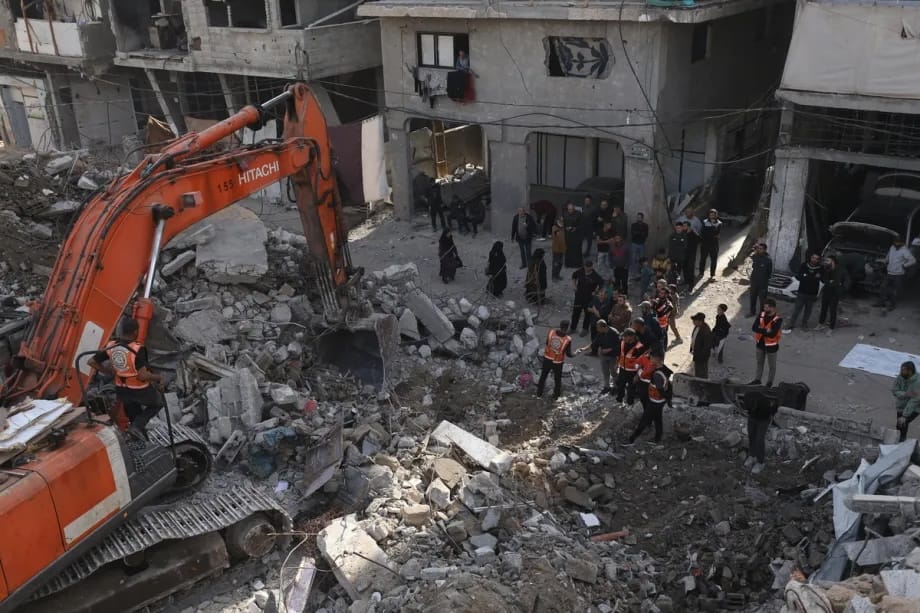
Some 21,720 buildings in Iran were hit by the ongoing US-Israeli strikes since Feb. 28, including 4,122 commercial establishments and 17,353 homes, as well as health centers, schools, and humanitarian infrastructure, the Iranian Red Crescent said on Wednesday.
According to the Iranian government’s Telegram channel on Wednesday, the Iranian Red Crescent said over 56,000 people contacted its hotline to receive psychological support during the same period.
Regional tensions escalated when the US and Israel launched joint strikes on Iran on Feb. 28, which have killed over 1,200 people, including then-Supreme Leader Ayatollah Ali Khamenei, as well as over 150 schoolgirls.
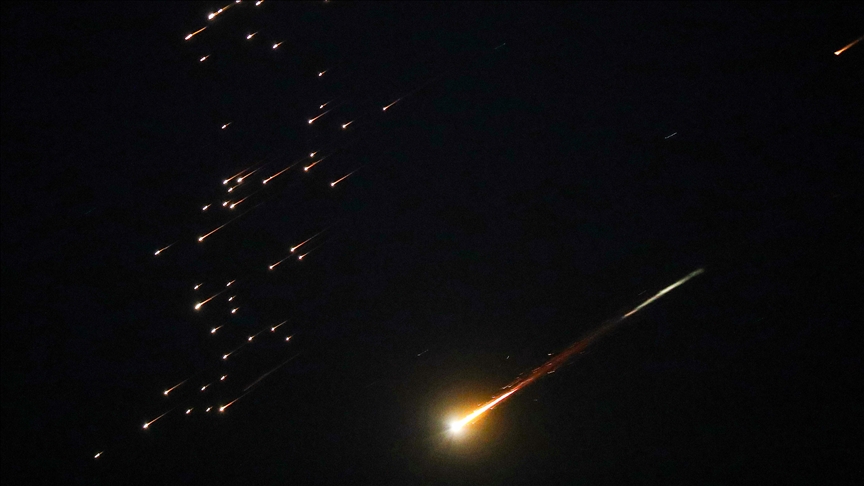
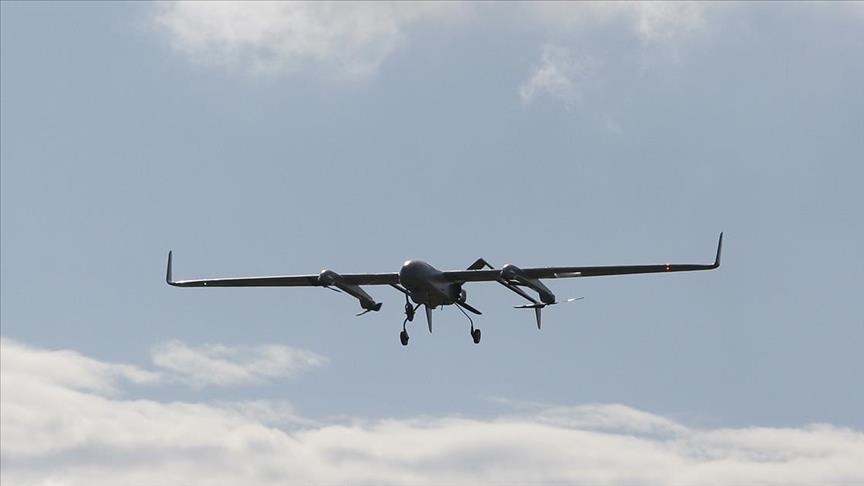
Tehran has retaliated with drone and missile strikes targeting Israel, Jordan, Iraq, and Gulf countries that are home to US military assets. – Anadolu
CrossFireArabia
Spain permanently withdrew its ambassador to Israel, Tuesday, amid escalating diplomatic tensions between the two countries over Madrid’s opposition to US and Israeli attacks on Iran.
The Spanish ambassador had been recalled to Madrid last September following a diplomatic row over Spain’s measures to bar the entry of aircraft and ships carrying weapons to Israel, in response to the Israeli war on Gaza.
Israeli Foreign Minister Gideon Sa’ar condemned these measures, describing them as “anti-Semitic.”
CrossFireArabia
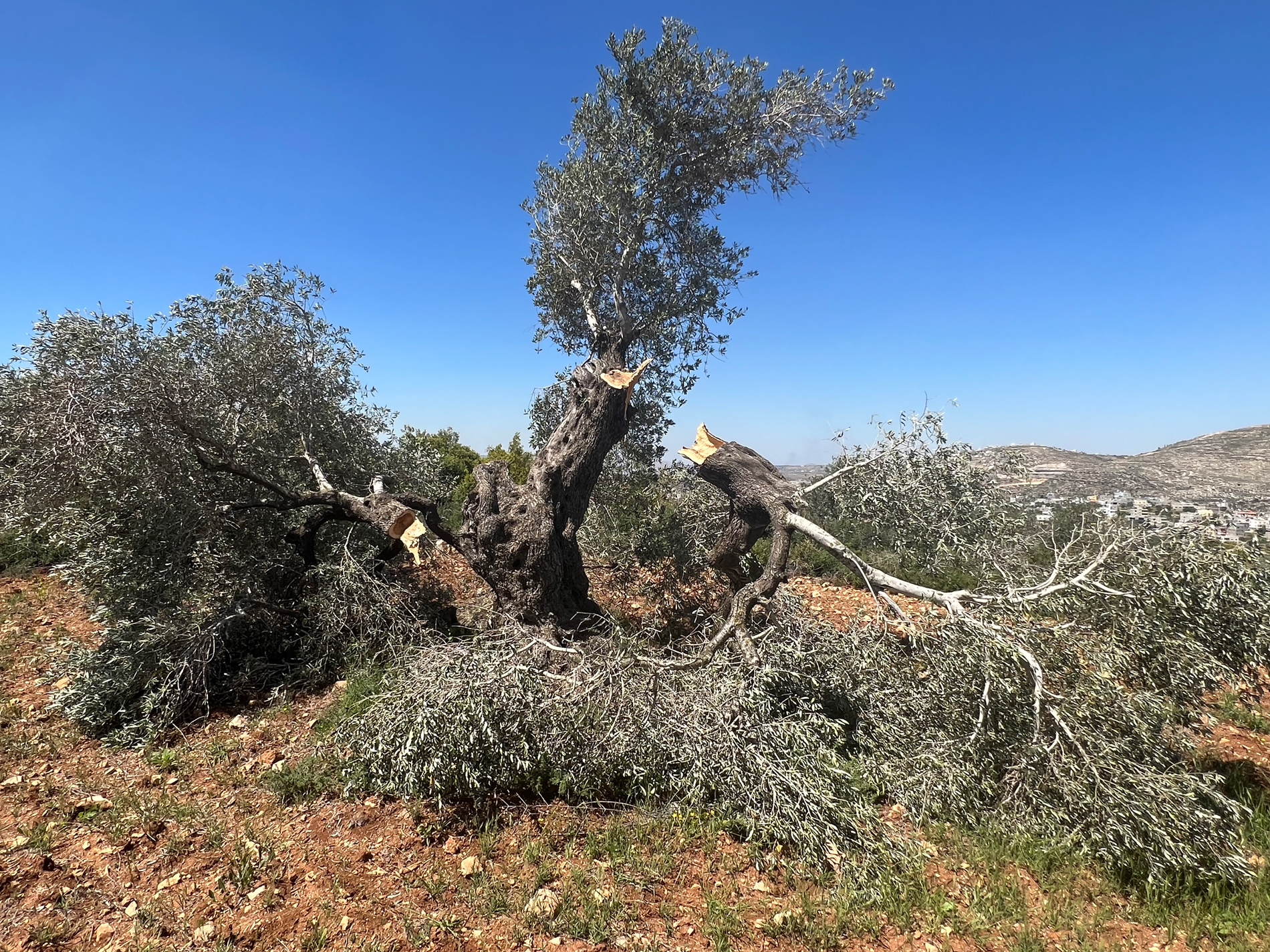
Israeli occupation forces uprooted hundreds of olive trees last Monday in the Wadi al-Hummus area near the town of Dar Salah and the village of al-Khas, east of Bethlehem, according to a local activist.
Activist Nidal Hazibi told WAFA that Israeli forces bulldozed nearly 50 dunums of land in the al-Buq‘a site of Wadi al-Hummus, uprooting hundreds of olive trees over 60 years old belonging to Palestinian residents of Bethlehem and the Sur Baher area, in addition to several forest trees.
Approximately a week ago, Israeli forces stormed the area and created an opening in the separation wall to facilitate upcoming land leveling.
According to the Colonization and Wall Resistance Commission, Israeli forces and colonists carried out a total of 1,965 attacks during February, in continuation of the ongoing series of terrorism by the occupying state against the Palestinian people and their property. Of these, the Israeli army carried out 1,454 attacks, while colonists carried out 511 attacks, primarily concentrated in the following governorates: Hebron (421 attacks), Nablus (340), Ramallah and al-Bireh (320), and Jerusalem (210).
The commission said that the attacks included direct physical assaults, the uprooting of trees, the burning of fields, the seizure of property, and the demolition of homes and agricultural structures. At the same time, vast tracts of Palestinian land remain inaccessible due to restrictions imposed by Israeli forces under the pretext of security, while colonists are allowed to expand into these areas.
CrossFireArabia
Events in the Middle East are accelerating, foreshadowing a comprehensive regional explosion. However, a deeper reading of the situation transcends the traditional narrative that attempts to portray the conflict as an “Arab-Iranian” or sectarian one that transcends borders. The reality emerging today from the rubble of burning military bases and oil facilities is clear: this war is not ours; it is a major strategic war led by Washington with direct Israeli planning, aimed at reshaping the region to serve absolute Western hegemony, even if the price is turning Arab capitals into arenas of destruction and settling scores in which we have no stake.
For years, the United States promoted the concept of “deterrence” and providing protection to allied countries in exchange for billions of dollars in arms deals and a massive military presence. However, Operation “True Promise 5” and the subsequent precise Iranian strikes have stripped away the fig leaf from these claims. Field reports indicate that US bases, once described as “impregnable fortresses,” have become vulnerable targets themselves, requiring protection. At Al Udeid Air Base in Qatar, damage to the AN/FPS-132 early warning radar and the AN/TPY-2 facility resulted in a near-total paralysis of surveillance capabilities.
In Bahrain, home to the Fifth Fleet, the destruction of satellite communications stations led to a loss of centralized control over naval vessels. In Kuwait and the UAE, the casualties and the destruction of F-15 fighter jets revealed that advanced US technology was incapable of countering waves of drones and missiles that disrupted even civilian air traffic and struck vital facilities at Jebel Ali Port, reducing military installations and oil depots to ashes.
This resounding failure raises a fundamental question about the viability of relying on a “security umbrella” that has failed to protect its own perimeter and has become a security burden, attracting attacks rather than repelling them. This is no longer mere political analysis; it has become a public admission emanating from the corridors of Washington. What Senator Lindsey Graham recently revealed represents the pinnacle of terrifying candor. He confirmed that the true agenda is not about spreading “democracy” or protecting allies, but rather about embroiling the Gulf States as the military front and human cannon fodder in a direct confrontation with Iran. This is a prelude to seizing oil wells and managing the region’s wealth for Washington’s benefit, thus paying the price for the American presence, while simultaneously imposing full normalization and strangling China’s energy lifeline.
The United States’ recent attempt to seek refuge in French bases in the UAE, such as Al Dhafra Air Base and Camp de la Paix, is nothing more than a desperate effort to spread losses and hide behind the European umbrella after the deterioration of the original American bases. However, even these shared bases have not been immune to attack.
The strikes have proven that any facility supporting Western operations is a legitimate target in this zero-sum confrontation. The effects of this war extend beyond the military arena, striking at the very heart of daily life. The threat to the Strait of Hormuz has triggered seismic repercussions in global markets. The price of a barrel of oil jumped to around $116, an increase of more than $38, while gas prices in Europe rose by more than €25, and oil shipping costs soared by over 90 per cent, foreshadowing an uncontrollable wave of global inflation.
The United States, which today expresses its “displeasure” at Israel exceeding expectations in striking Iranian fuel depots, is not acting out of a desire for peace, but rather out of fear that the economic game will backfire on it and on oil markets, which cannot withstand the loss of Gulf supplies, especially given the 11 per cent increase in gasoline prices in America and the 70 per cent increase in jet fuel prices. What is happening in Jebel Ali, Manama, Doha, and Kuwait is not a struggle to defend Arab sovereignty, but rather a settling of scores between major powers that want to use Arab land as a chessboard.
The American bases that are groaning today under the weight of the strikes have proven to be a “paper tiger” when it comes to protecting allies, and that their presence is nothing but a magnet for crises that drains Arab capabilities for the benefit of foreign agendas that do not take into account Arab national security.
Arab capitals must realize, before it’s too late, that the “illusion of protection” has completely evaporated under the weight of missiles and drones. To be drawn into Israel’s desire to destroy the region, and to accommodate American ambitions to seize energy resources to finance its expansionist policies, is strategic suicide by any measure.
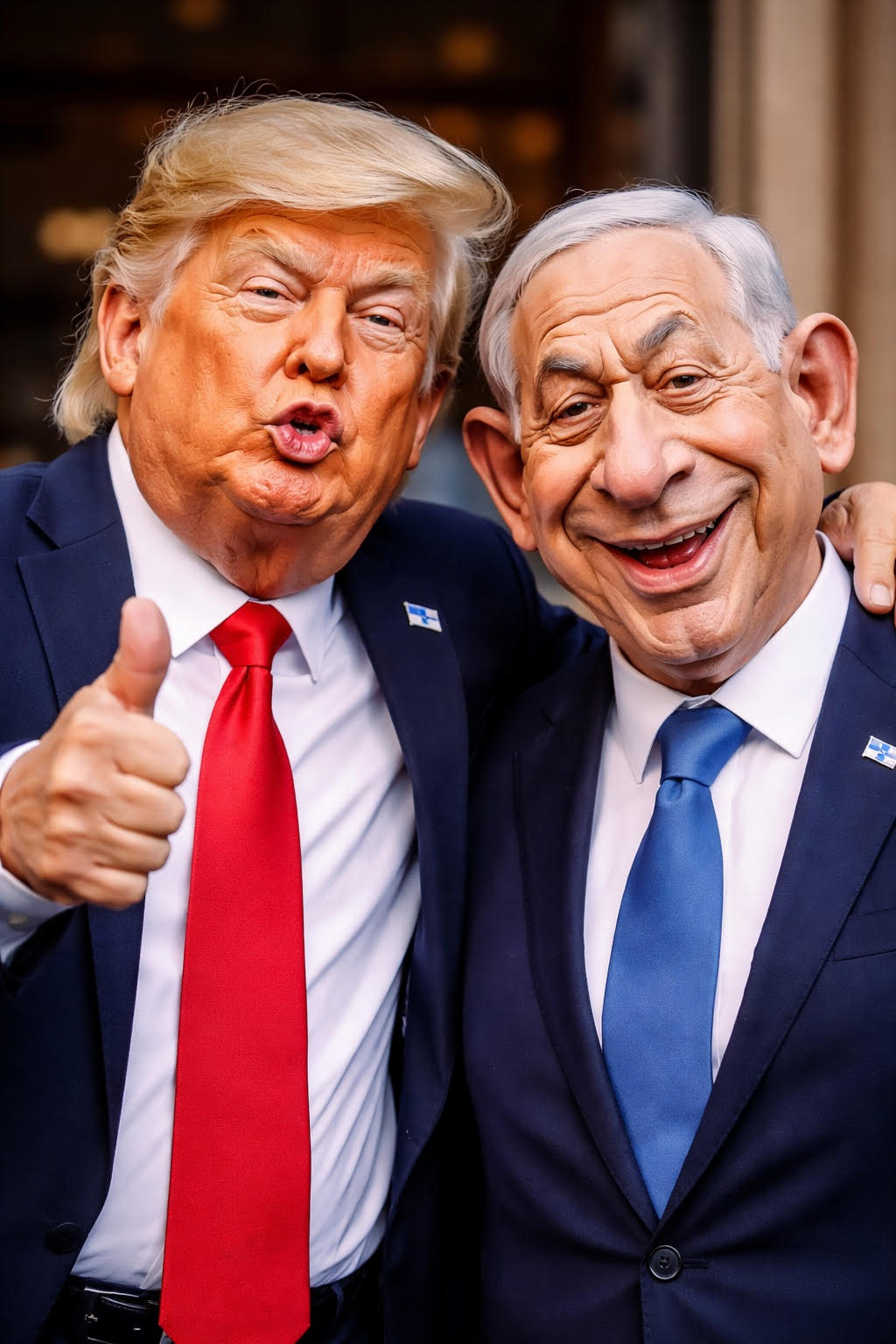
This raging war is not our war, and staying out of the inferno of this manufactured conflict is the only way to ensure that our wealth and the future of our generations do not become fuel for the schemes of Netanyahu, Trump, and the war profiteers behind them.
The time has come to seriously seek a self-reliant regional security system, one that originates from within the continent and is based on the shared interests of the region’s countries, far removed from foreign bases that today lack even the most basic military effectiveness and have become a strategic burden that itself needs protection after its defensive vulnerabilities have been exposed.
False American promises only increase our subservience and dependence on a modern colonial project that sees Arabs as nothing more than insignificant figures on its debt list, or mere cheap tools in its proxy wars. The true protection of homelands begins today with disengaging from these destructive agendas, and with the explicit acknowledgment that bases that have failed to protect their own walls and platforms will never be a shield for others.
Hasan Al-Dajah, a Professor of Strategic Studies at Al-Hussein Bin Talal University, is a columnist in the Jordan Times.
CrossFireArabia
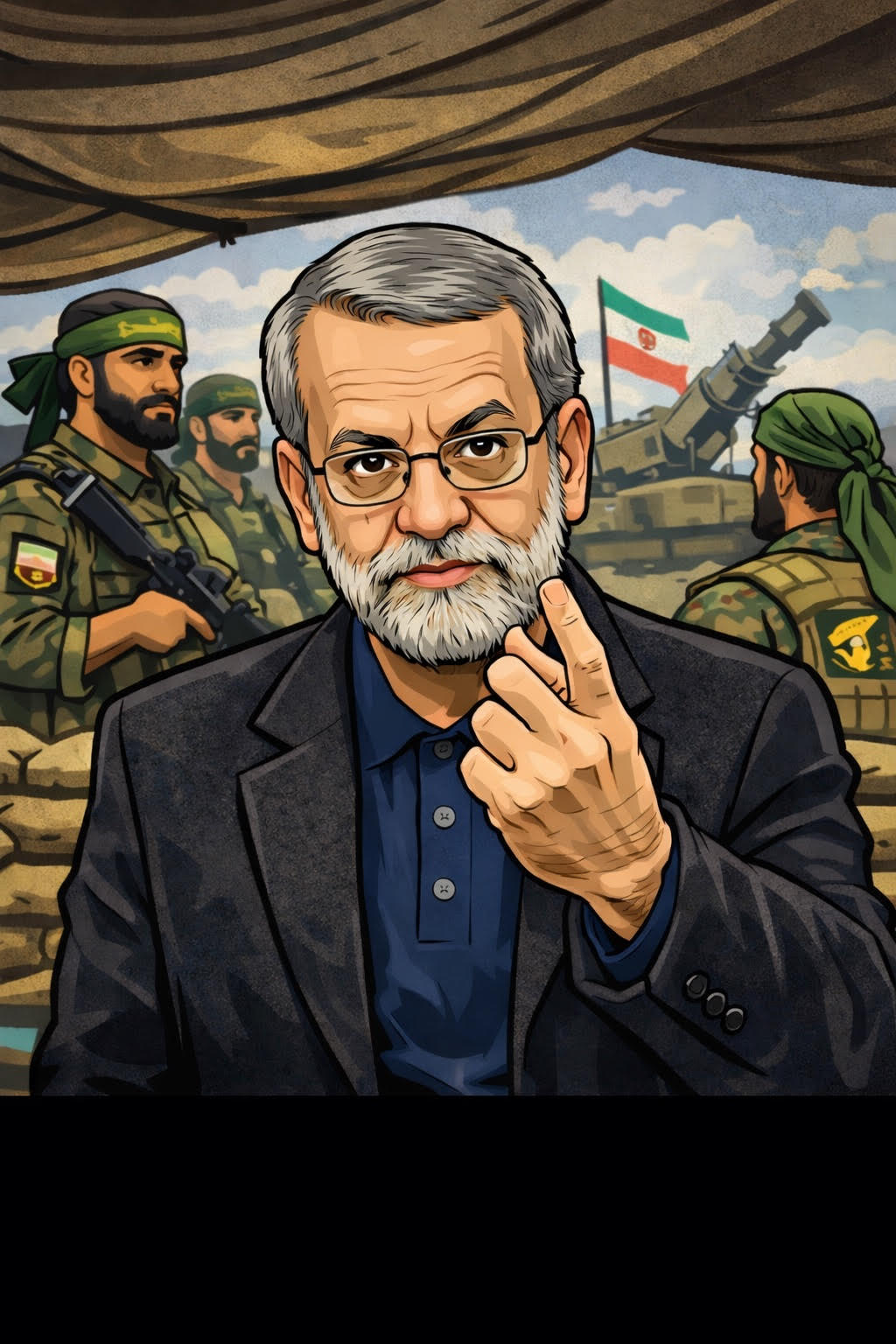
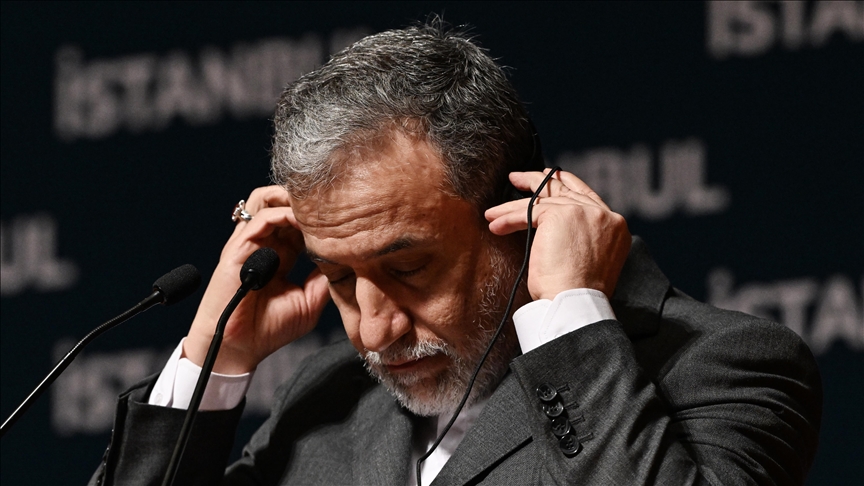
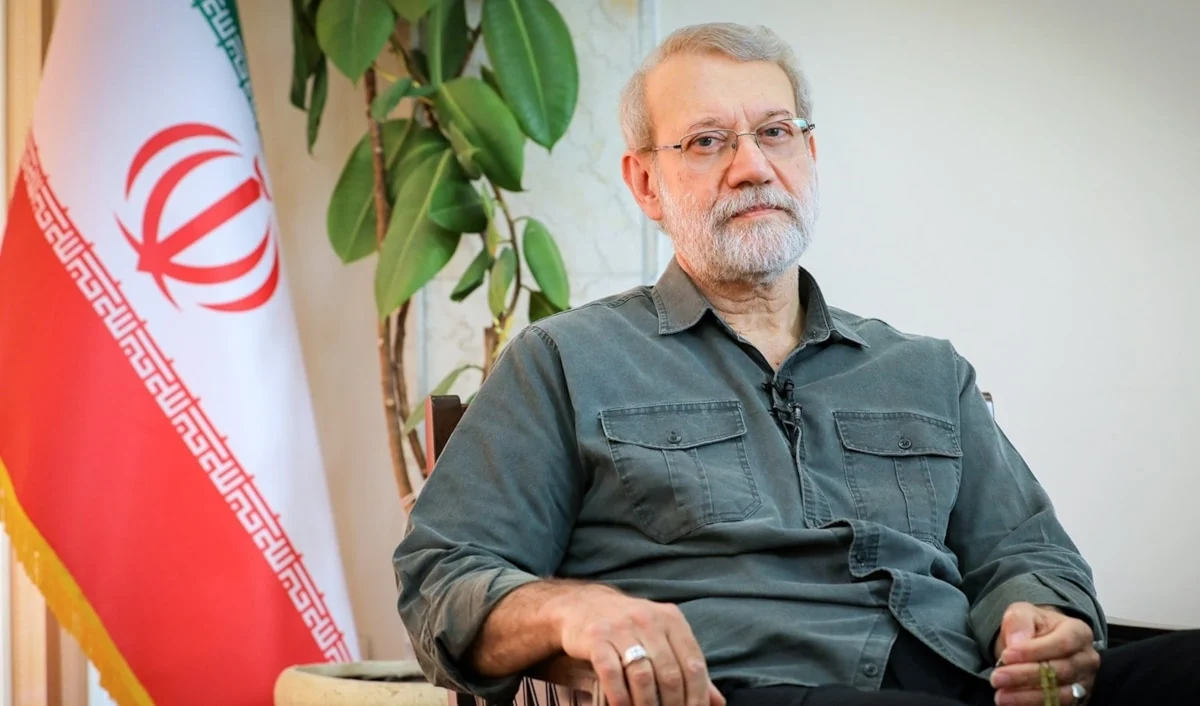
As war reshapes Iran’s leadership landscape, veteran power broker Ali Larijani has emerged as a central figure coordinating strategy and continuity.
Few figures embody the institutional continuity of the Islamic Republic as clearly as Ali Larijani, a veteran politician whose career spans Iran’s military, media, parliament, and national security establishment.
Born in Najaf, Iraq, in 1958, Larijani comes from one of Iran’s most influential clerical families. His father, Ayatollah Mirza Hashem Amoli, was a prominent religious scholar, and several members of the Larijani family have held senior positions within the Iranian state.
This combination of clerical pedigree and political experience would later position Larijani as one of the Islamic Republic’s most enduring insiders.
Larijani began his career in the early years following the 1979 Islamic Revolution, serving within the Islamic Revolutionary Guard Corps.
Over the following decades, he moved steadily through the ranks of Iran’s political and administrative institutions. He held a series of posts within government ministries before becoming head of Iran’s state broadcasting organization, Islamic Republic of Iran Broadcasting (IRIB), in 1994.
Larijani remained in that position for nearly a decade, overseeing the country’s powerful state media apparatus during a critical period in Iran’s political development.
In 2004, he was appointed security adviser to Supreme Leader Ayatollah Ali Khamenei, a move that placed him closer to the core of Iran’s decision-making structure.
Larijani’s national prominence expanded significantly in 2005 when he became secretary of the Supreme National Security Council, Iran’s top strategic policy body.
In that capacity, he also served as Iran’s chief nuclear negotiator, representing the country in early talks with Western powers over its nuclear program. Although he later stepped down from that role, Larijani remained central to Iran’s political landscape.
From 2008 to 2020, he served as speaker of Iran’s parliament, the Majles, one of the longest tenures in the history of the position.
During that period, he played an important role in shaping legislation related to Iran’s nuclear policy, economic governance, and relations with the outside world. He was also instrumental in helping shepherd the 2015 nuclear agreement with world powers through the Iranian political system.
Ideologically, Larijani is associated with Iran’s principlist conservative camp, which broadly supports the political framework of the Islamic Republic.
Yet analysts frequently describe him as a pragmatic figure capable of navigating Iran’s complex factional landscape. Larijani has often positioned himself as a bridge between competing political camps within the Iranian system.
His reputation for strategic thinking and bureaucratic competence has made him a trusted figure within the country’s governing institutions.
Today, Larijani once again stands near the center of Iran’s strategic apparatus.
Serving as secretary of the Supreme National Security Council, he plays a key role in coordinating Iran’s national security and defense policies during one of the most volatile periods in the country’s modern history.
The position places him at the intersection of Iran’s political leadership, security institutions, and military command structures.
As Iran navigates war and internal leadership transition, Larijani’s long experience across multiple branches of the state has made him one of the most influential figures guiding the country’s response.