Tribute to Wafa Aludaini: Defying Injustice

EDITOR’S NOTE: What follows is a tribute to Wafa Aludaini, a journalist who was killed together with her husband and two children by an Israeli military strike on her house in Deir Al Balah in central Gaza last week.  She follows the stream of Palestinians journalists targeted and killed – 174 at the time of writing – by Israeli warplanes since the war on the Strip begun after 7 October 2023. The tribute is by Romana Rubeo, managing editor of the Palestinian Chronicle, who writes of how Wafa came to report for the chronicle and how the relationship between the two developed over the years.

On July 29, 2018, I received an email from a young journalist from Gaza, Wafa Aludaini, with the subject line: “I was looking at the sniper when he shot me – The story of an injured mother during the Great March of Return.” 

It was the first time Wafa had reached out to us, but I was immediately struck by the power of her story, which she wanted to publish in the Palestine Chronicle. 

Her approach to journalism was exactly what we were seeking – centering the voices of ordinary Palestinians, whose struggle and resilience reflected the collective resilience of the Palestinian people. 

Her writing was a direct and raw narrative emanating from the heart of the Palestinian experience, told in the voice of the people, untainted by stereotypes or a lingering sense of victimization. 

Wafa’s writing captured the essence of why we do what we do on a daily basis for years: amplifying Palestinian voices, and not any voices, but those that reflect the spirit of the Palestinian people, their defiance of injustice, their quest for freedom, and their courage in word and action. 

Wafa seemed to exemplify all of this. 

Of course, we published the story, and soon after, Wafa and I developed a deep connection, a friendship. 

As I got to know her more, I discovered that Wafa was not just a storyteller – she was the story. 

“I am a journalist,” she told us in an interview I conducted with her along with our chief editor, Ramzy Baroud, “but I am also a Palestinian refugee.” That identity was critical to her relationship to the Palestinian struggle. 

Our bond grew over time, built on mutual respect, and shared insights into our professional and personal lives: our work, her children, and her weekly trips to the ‘frontline’ of the Great March of Return. 

Every Friday, wearing her press vest – a symbol of protection from violence almost everywhere in the world, but not in Gaza – she would head to the fence that separates besieged Gaza from Israel. There, she found the stories of her people, and communicated them daily with poise and courage. 

Wafa’s perspective as a woman was significant. Not only was she an empowered journalist, but she also empowered other women by giving them a platform to share their voices. 

She was the founder of the October 16th group and dedicated her time to mentoring young media professionals in Gaza, especially emphasizing the importance of truth in reporting. 

I, along with other editors of the Palestine Chronicle, had the privilege of working with her and her students and colleagues, where we conducted seminars for young women in Gaza. These women, inspired by Wafa, were determined to tell their own stories, in their own voice and language. Even when they spoke in weak English, somehow their narrative remained powerful.

One moment in particular stays with me. During the war in 2021, I invited Wafa to participate in an episode of an Italian podcast. 

Amid the ongoing Israeli airstrikes, Wafa spoke live from Gaza. The roar of Israeli fighter jets was relentless, and though the audience couldn’t see her, they could hear her children huddled close to her. 

She spoke calmly and firmly, her voice unwavering, exposing the reality of life under bombardment. Between pauses, she would turn to her children and quietly reassure them, saying, “Shhh, it’s just fireworks.”

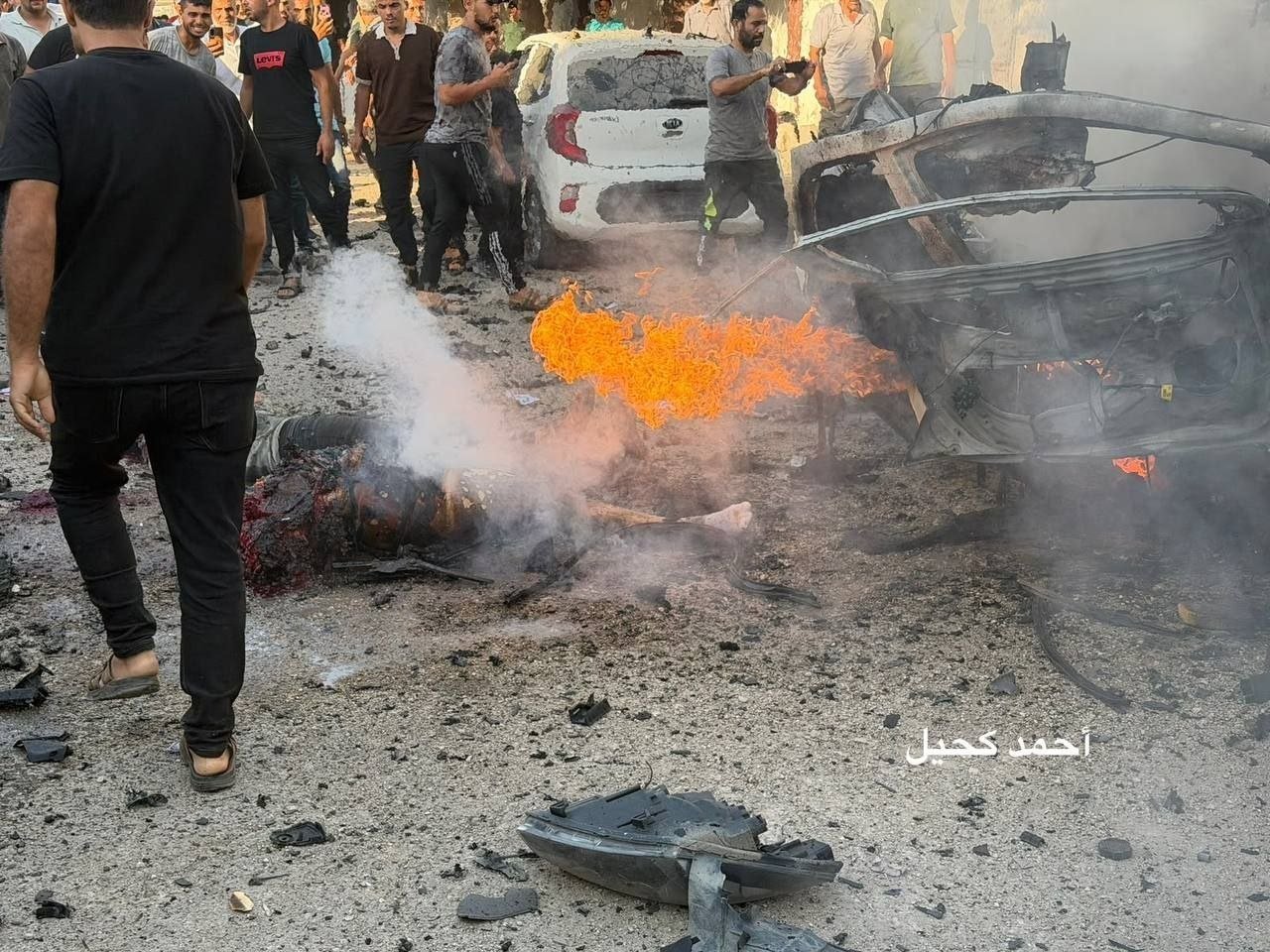
Tragically, at dawn on Monday, September 30, those same children, two of Wafa’s beloved, were killed alongside her and her husband in an Israeli airstrike on Deir Al-Balah, in the central Gaza Strip.

Wafa was more than a journalist; she was a symbol of resilience. As a woman, a mother, a journalist, and a voice for the Palestinian people, she embodied their struggle for justice and dignity. 

At the Palestine Chronicle, we are forever grateful for the opportunity to work with someone as courageous and inspiring as Wafa. 

We will continue to honor Wafa’s memory by upholding her commitment to truth and will strive to carry forward her legacy of empowering voices that deserve to be heard.

We also intend to carry on with her mission, of training young women in Gaza so that they, like Wafa, may tell the stories of their people, in their own voices.

It turned out that some angels don’t have wings. We will miss you, Wafa. I already do.

Continue reading
After Gaza: Israel’s Economy Collapsing  

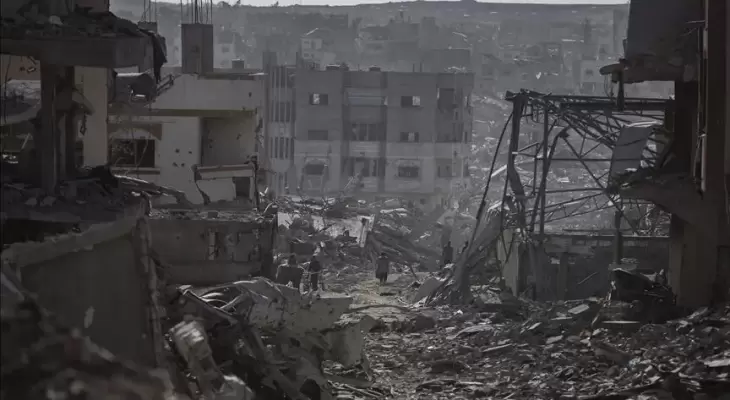
As Israel’s genocidal war casts a dark shadow over the region and world, experts warn the billions spent to decimate Gaza and Palestinians could prove a cost too high for its own economy.

There are little to no signs of recovery, according to an Israeli economic researcher, with weak indicators, declining foreign investments and tourism, along with an alarming exodus of citizens, painting a bleak picture for Israel’s future.

“The economic crisis will only get worse and worse. There is no prospective for recovery,” Israeli political economist Shir Hever warned in an interview with Anadolu.

His words echoed a recent assessment by Yoel Naveh, a former chief economist at the Israeli Finance Ministry, who said the government has to act “vigorously and with immediate action to … stave off the risk of a looming financial crisis.”

The current trajectory, he added, could “drag its war-battered economy into a recession and endanger the country’s national security.”

The economic cost of Israel’s deadly assault on Gaza, where it has killed and injured nearly 140,000 Palestinians since Hamas’ cross-border attack last October, is believed to be somewhere over $67 billion, according to an August estimate by Israeli economists.

The Bank of Israel said in May that the war costs would spike to about 250 billion shekels ($66 billion) through the end of next year.

The Israeli economy, on the other hand, grew by just 0.7% in the second quarter of 2024, significantly below the 3% forecast of Tel Aviv Stock Exchange analysts.

By August, the budget deficit to GDP ratio was at minus 8.3%, increasing from minus 7.6% in June, minus 6.2% in March, and minus 4.1% last December.

In August alone, the budget deficit was at 12.1 billion shekels ($3.22 billion).

“Prices are high. Standard of living is going down. There is inflation. There is a decline in the value of the Israeli currency,” said Hever.
Foreign investment has dried up, more than 85,000 people have dropped out from the workforce, and there are “a quarter million people who have been displaced internally and lost both their jobs and their houses,” he added.

“And, of course, the very large number of people who are just leaving … The number of people who are leaving is unprecedented, really, in the history of Israel,” he said.

“You see people just buying a one-way ticket to see what will happen. When you see so many people are doing this just to protect their families, the result is that those who stay are feeling that the state is in a process of collapse.”

Economic indicators are “not the full story,” he emphasized.

“The full story is what is the perspective of the population regarding the future. People who don’t believe that there is a future. People who don’t believe that the state of Israel will ever be able to recover from this crisis,” he said.

“They don’t invest. They don’t want to raise their children in Israel. They don’t want to look for a job or study. This means that the economic crisis will only get worse and worse. There is no prospective for recovery.”

Israelis are pulling out their savings to take them out of the country and the government has responded by threatening to take “your pension funds and investing them in the economy,” he said.

Constant state of emergency

Regarding the domestic financial situation, the economist said more than 46,000 businesses have gone bankrupt, while even larger entities are also feeling the financial heat.

“The port of Eilat has gone bankrupt as well, which is the only port that Israel has on the Red Sea,” said Hever.

“Tourism is at zero. There is no tourism … Overall, international investment in Israel has gone almost to nothing.”

A major concern, Hever said, is the Israeli high-tech sector, which used to be “the most important part of the Israeli economy.”

“These high-tech companies are using all of the resources to try to relocate. They’re very much concerned that they cannot function in Israel under the current conditions,” he said.

“They don’t trust that the workers will not be sent to fight in a war. They don’t trust that the areas are safe. They don’t trust that the economy is stable. They don’t trust the government not to intervene and confiscate their property.”

These firms are now “trying to get themselves to be sold outside,” he said, citing the example of Israeli cybersecurity company Wiz, which was aiming for a $23 billion Google acquisition that drew major media attention in the country.

“But, of course, Google cancelled this deal. They never bought … They don’t want to make such an investment.”

International law and sanctions

The Israeli economy, Hever said, is working in a constant state of emergency, which is the only thing preventing a complete collapse.

“People want to have elections. They want to have a process of investigating all of the corruption and the cases,” he said.

“But as long as the military and security situation are so difficult and so much in a moment of emergency, all of this is postponed.”

Another hit to the Israeli economy has been due to the global Boycott, Divestment and Sanctions (BDS) movement, which Hever views as never having been “so large, so powerful.”

Israel, he said, is around the third and last stage of sanctions.

“When governments say they cannot continue to trade with a state that is committing crimes against humanity … then you really know that that it’s the last stage,” he said.

“The Israeli economy is very dependent on international trade and on international agreements. Their biggest trading partner is the European Union.”

The concerns here, he explained, center around dual-use items that are “on the one hand necessary sometimes for the civilian economy to function, but they can also be made into weapons.”

The 19 July ruling of the International Court of Justice declared Israel’s occupation of Palestinian territories unlawful and “it is a war crime to assist occupation,” he said.

This means, he continued, Israel cannot import any materials for infrastructure unless they prove that they will not be used to make weapons or for any purpose to do with illegal Israeli settlements.

“There is an obligation on third states not to trade those items at all … If people think that it’s possible to have a functioning economic system in which dual-use items are banned … then this is an illusion,” said Hever.

“The Israeli economy will just collapse under the international sanctions until they recognize the demands of international law.”

Anadolu

Continue reading
‘Israel Will Not be Able to Defeat Hezbollah’ – Military Expert

Israel will not succeed in achieving the goals it set in Lebanon and will not be able to defeat Hezbollah said military expert Retired Maj-Gen Mamoun Abu Nawar.

He pointed out Israel is still unable to cross the border into southern Lebanon due to the heavy losses and after seven failed attempts to do so by its soldiers.

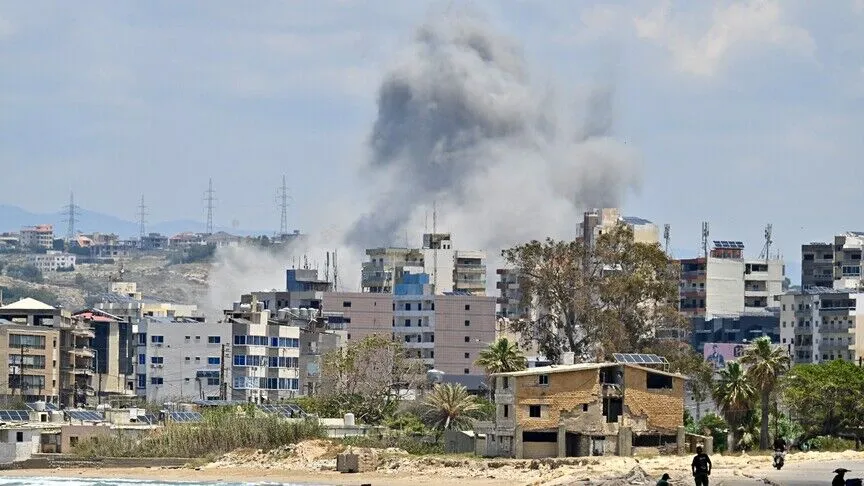
He stressed Israel does not have the ability to defeat Hezbollah despite the losses and assassinations it carried out through its air strikes on southern Lebanon and Beirut’s southern district in the last two weeks.

Abu Nawar added to Jordan 24 the Israeli occupation army is trying to get out of the Gaza impasse and its inability to achieve the goals it announced there by opening the Lebanese front and is trying to cross the border and establish a foothold there to start extensive military operations later.

But he pointed out it is failing to do so after the heavy losses inflicted on its invading soldiers.

Abu Nawar explained opening a third front with Iran will not be easy and Israel does not have the ability to confront the strikes and ballistic and hypersonic missiles, which are considered among Iran’s most powerful weapons.

Abu Nawar pointed out that the air strike on Iran requires the approval of four countries for the aircraft to cross, namely Jordan, Saudi Arabia, Iraq and Syria. He noted Jordan has already refused for its airspace to be used by both parties and the other countries will not allow the use of their airspace because they will be partners in the operation and this is not easy either.

Abu Nawar continued that there are also technical, technological and logistical reasons for Israel’s inability to strike Iran by air, including because the lack of aircrafts available to refuel after they were taken out of service; and in this case it needs the intervention of the USA to supply it with them or use its military bases in the Middle East, and this is not possible at the present time.

Continue reading
Don’t Forget The West Bank Slaughter!

By Imran Khalid

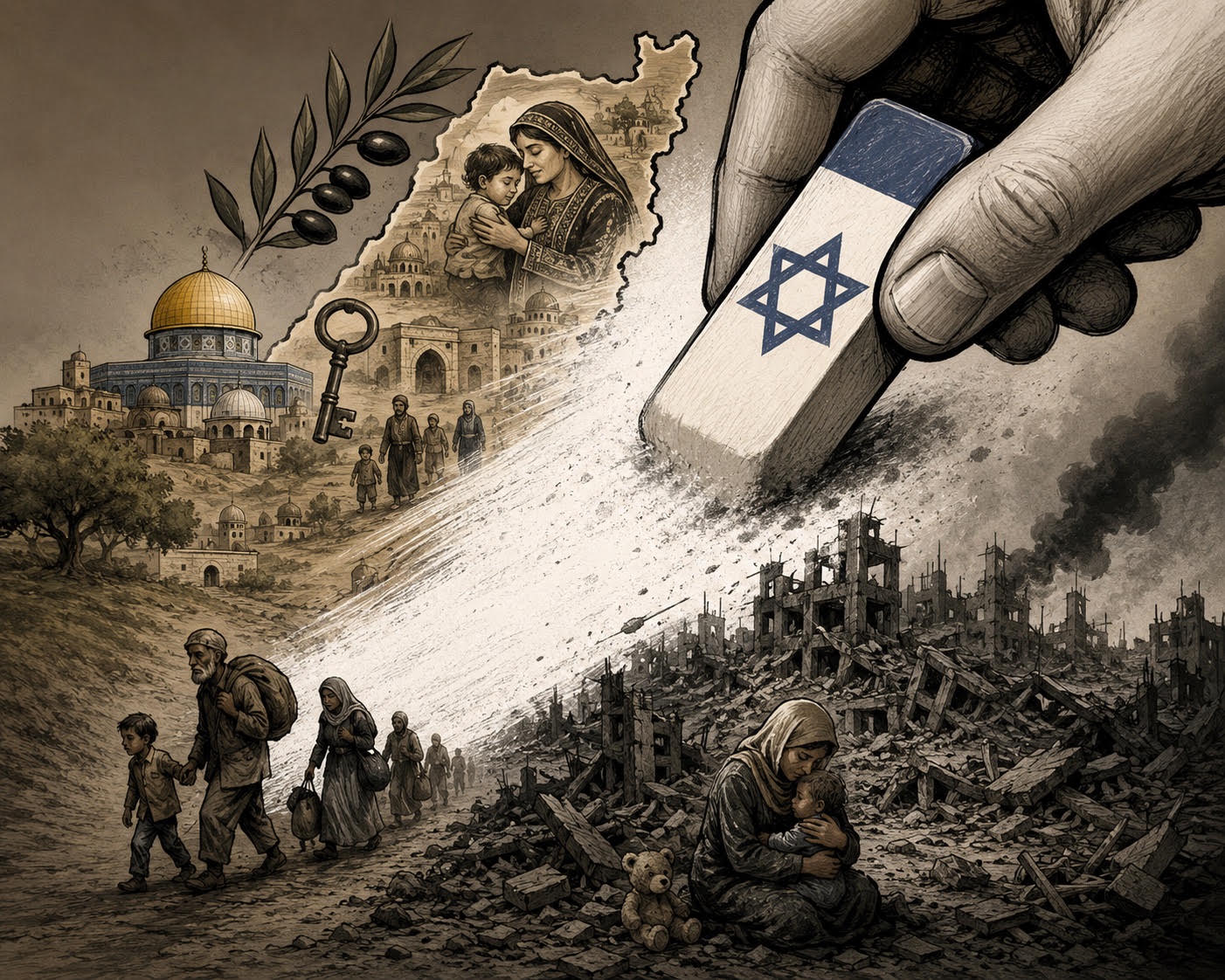
Amid the ongoing violence and devastation in Gaza, much of the world has turned a blind eye to the equally volatile but less overt conflict simmering in the West Bank. While not as brutally visible as Gaza’s plight, the situation in the West Bank is equally dangerous, threatening to ignite unrest that could destabilize the Palestinian Authority and fuel ethnic cleansing.

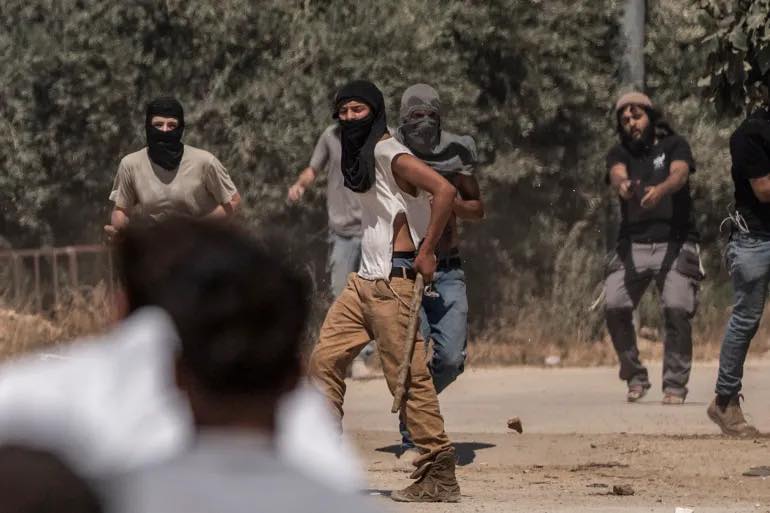
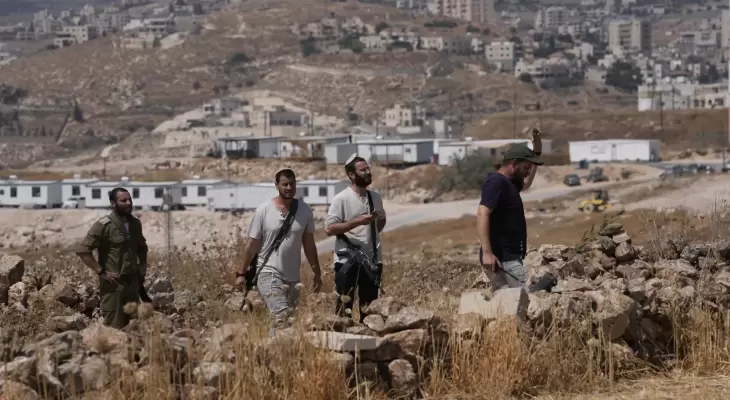
Israel has steadily expanded settlements, demolished homes, and seized large swaths of land, targeting civilians in the process. Yet, global attention remains fixated on Gaza and Israel’s escalating war with Hezbollah in Lebanon. It is as if the world has forgotten that just a year ago, many feared the West Bank, not Gaza, would become the primary battleground between Israelis and Palestinians. Over the past two decades, the nature of the Israeli-Palestinian conflict has diverged significantly between Gaza and the West Bank. After Israel’s 2005 unilateral disengagement from Gaza, the region was left without Jewish settlers, creating a different kind of friction compared to the West Bank. [1]


Settlements are expanding day by day

On March 22, Israel’s Finance Minister Bezalel Smotrich announced the largest West Bank land seizure since 1993, setting a new course for Israeli settlement policy [2]. The move by Smotrich to declare 800 hectares in the Jordan Valley as state land paves the way for further development of settlements in this area sharing some 50 kilometers with Jordan.

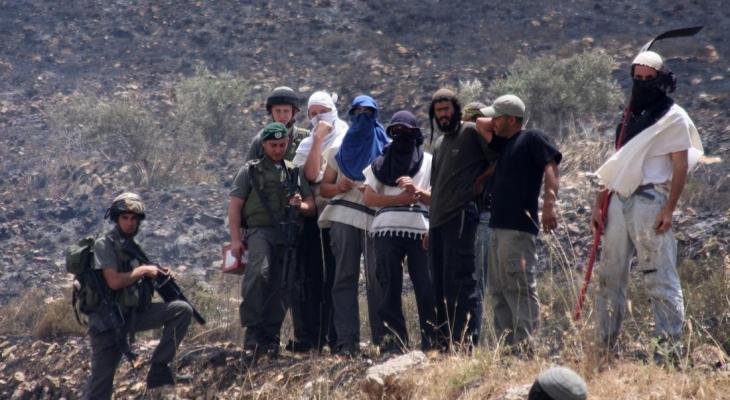
For the Palestinians, who distrust such moves, seeing them as serious threats to the creation of an independent Palestinian state — this feels like a knife in their back. It is the latest land grab that Palestinians see as a last step before creating an independent and contiguous state. Settlement expansion — which set a record last year, according to Israeli monitoring group Peace Now — has cast doubts over the feasibility of a two-state solution. The largest threat to the long term stability of the land is that, with each designation of land as state property, the probability of having peace shrinks. The ongoing expansion of settlements, land confiscation, and rising settler violence — often carried out with impunity — only compound the difficulties. In some cases, this is further exacerbated by the incident in which the Israeli army is providing either direct or tacit support.

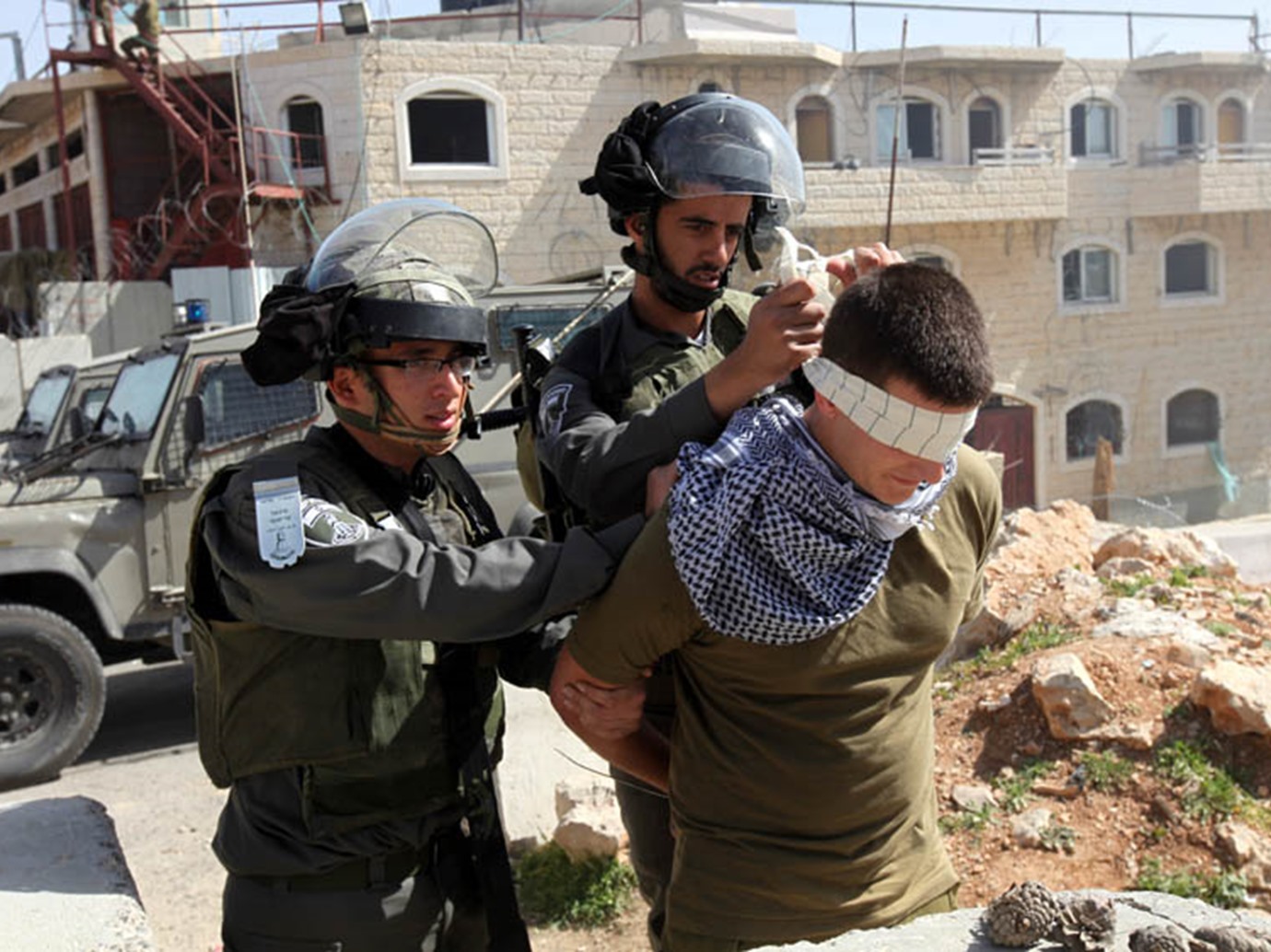
The Palestinian Authority’s Ministry of Health has stated that 716 Palestinians have died in the West Bank from Israeli military and settler violence since Oct. 7, including 160 children. Today, more than 5,750 have been wounded and over 10,000 detained in siege [3]. Nearly all arrests take place without going through a proper legal process, with the detainees imprisoned under Israel’s “administrative arrest” system – a method that bypasses international standards and in many cases denies those held the right to see either an attorney or even forthright details of the charges against them.

The two-state solution is being destroyed by Israel

The Israeli government is being accused more and more of implementing an annexation plan in the West Bank. The ramifications of this should alarm all nations that have historically supported a two-state solution, as verbal assurances and well wishes do little to mitigate the reality that Israeli security forces now operate at will in Area A — sovereign Palestinian Authority territory under the Oslo Accords [4].

Adding to this escalating tension are the inflammatory statements from Israeli officials. Israeli Foreign Minister Israel Katz over the weekend compared the military operations in Jenin and Tulkarm to those in Gaza, saying that we are at “war in every sense.” [5] His proposal of a similar evacuation process along the frontier where Palestinian civilians could be temporarily moved will only serve to add further fuel to the fire in an already volatile region.

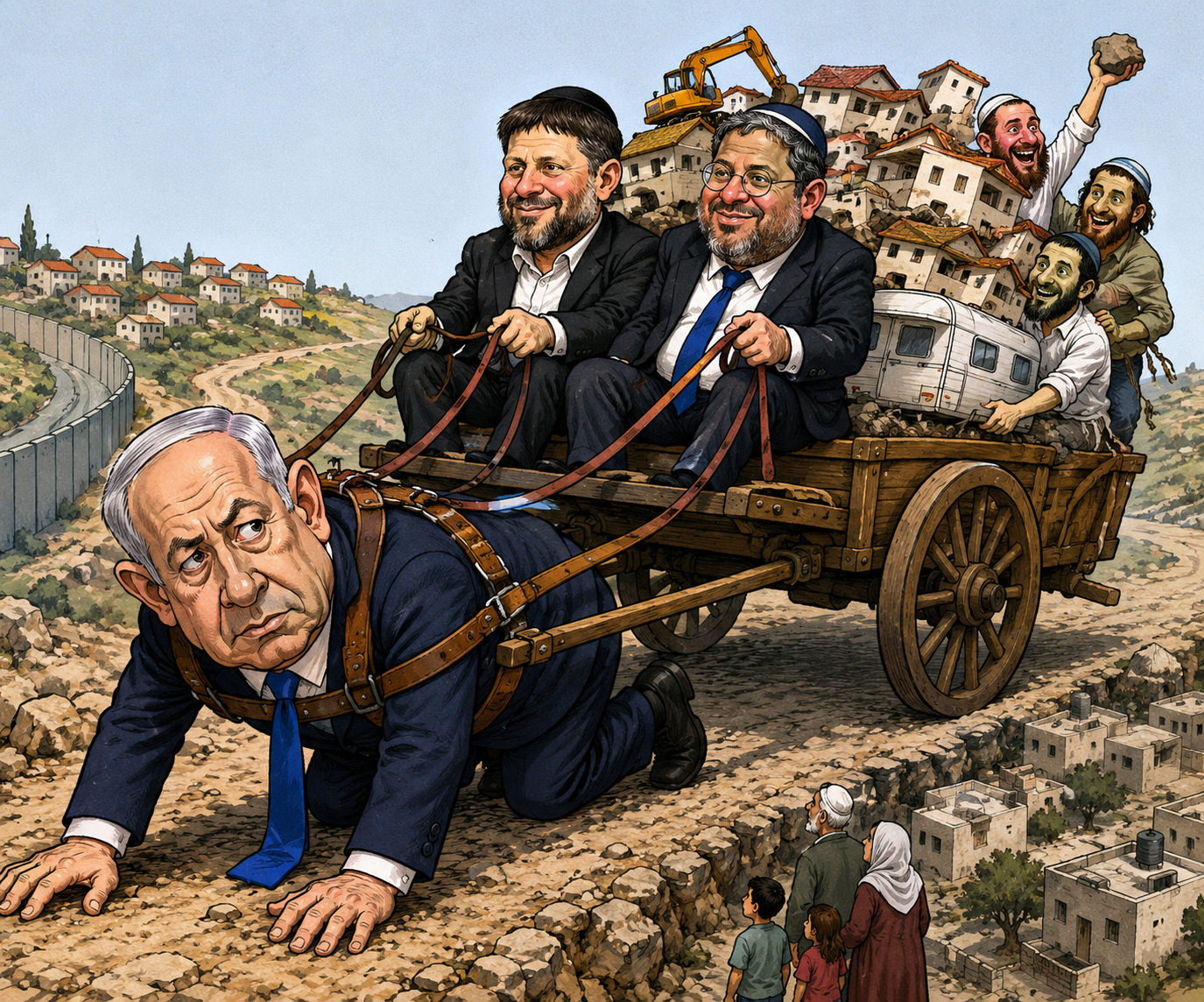
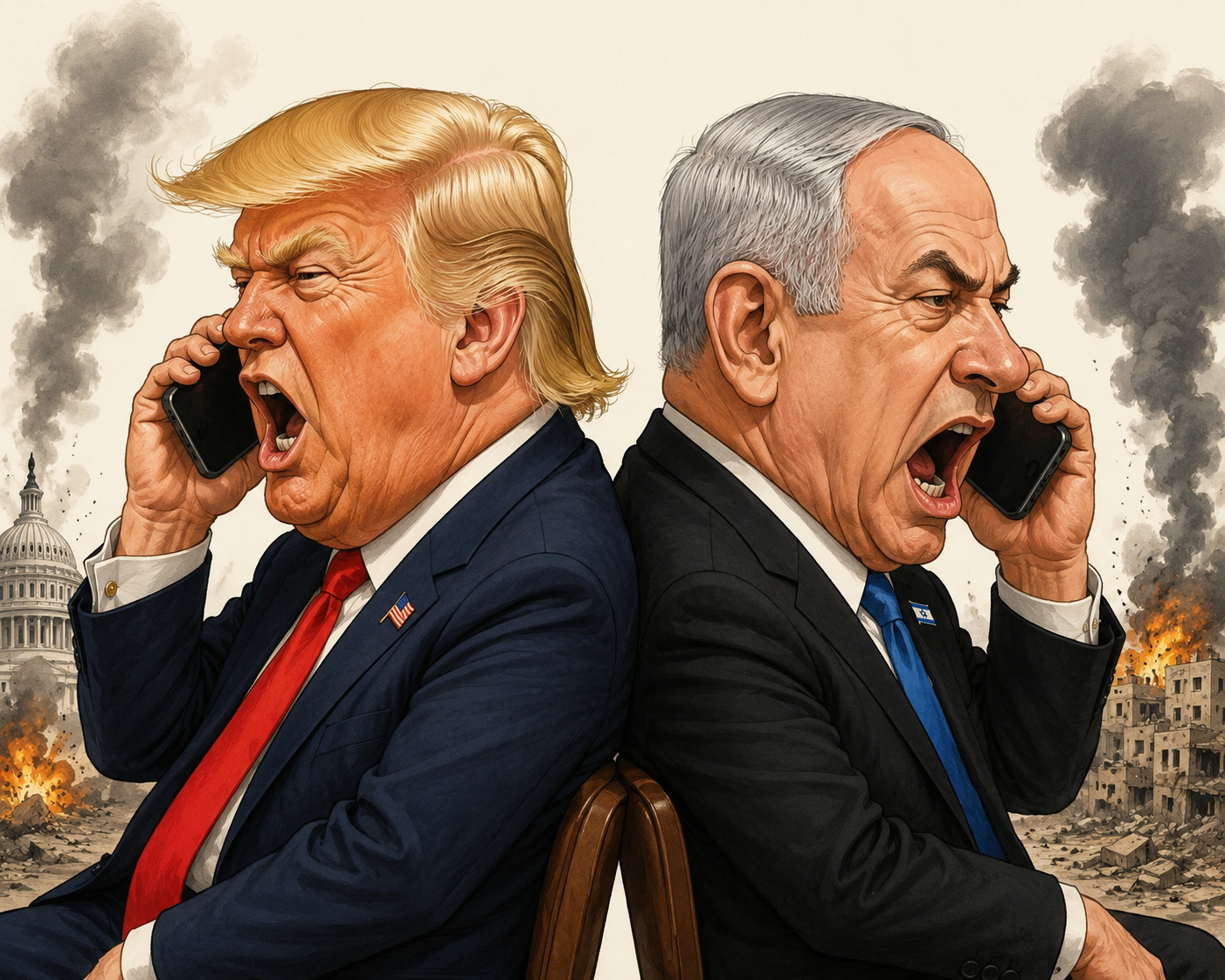
Despite domestic political turmoil, Israeli Prime Minister Benjamin Netanyahu has artfully dodged blame as violence in Gaza and the West Bank rumbles on. He has practically dismissed calls for a two-state solution and openly defied the International Court of Justice. Netanyahu refuses to yield, a position that has crippled the fragile peacekeeping efforts in Gaza and aggravated fears of renewed violence in the West Bank. Netanyahu has now many excuses that could provide convenient cover for changes aimed at further entrenching Israeli control over the region.

The fate of the major part of the West Bank is crucial; without it, any prospective two-state solution will be dashed. Within Netanyahu’s ruling coalition are elements who seem intent on this very outcome, exerting considerable influence over the prime minister. In this context, Israeli Foreign Minister Israel Katz’s inflammatory rhetoric about the West Bank is more than just careless language — it may be a deliberate signal of the government’s intentions. As Netanyahu’s administration edges closer to what appears to be a calculated annexation strategy, the international community should question whether this is not only a consequence of policy but its very purpose.

[1] https://www.ndtv.com/world-news/israel-palestine-gaza-hamas-explained-israels-2005-gaza-disengagement-plan-and-full-siege-order-4466132

[2] https://www.aljazeera.com/news/2024/3/22/israel-seizes-800-hectares-of-palestinian-land-in-occupied-west-bank

[3] https://www.unocha.org/publications/report/occupied-palestinian-territory/humanitarian-situation-update-204-west-bank

[4] https://www.france24.com/en/middle-east/20240326-israel-s-largest-land-seizure-since-oslo-accords-deals-fresh-blow-to-palestinian-statehood

[5] https://www.timesofisrael.com/katz-slams-borrell-for-saying-he-called-for-displacement-of-west-bank-palestinians/

This opinion is reprinted from the Anadolu news agency.

Continue reading