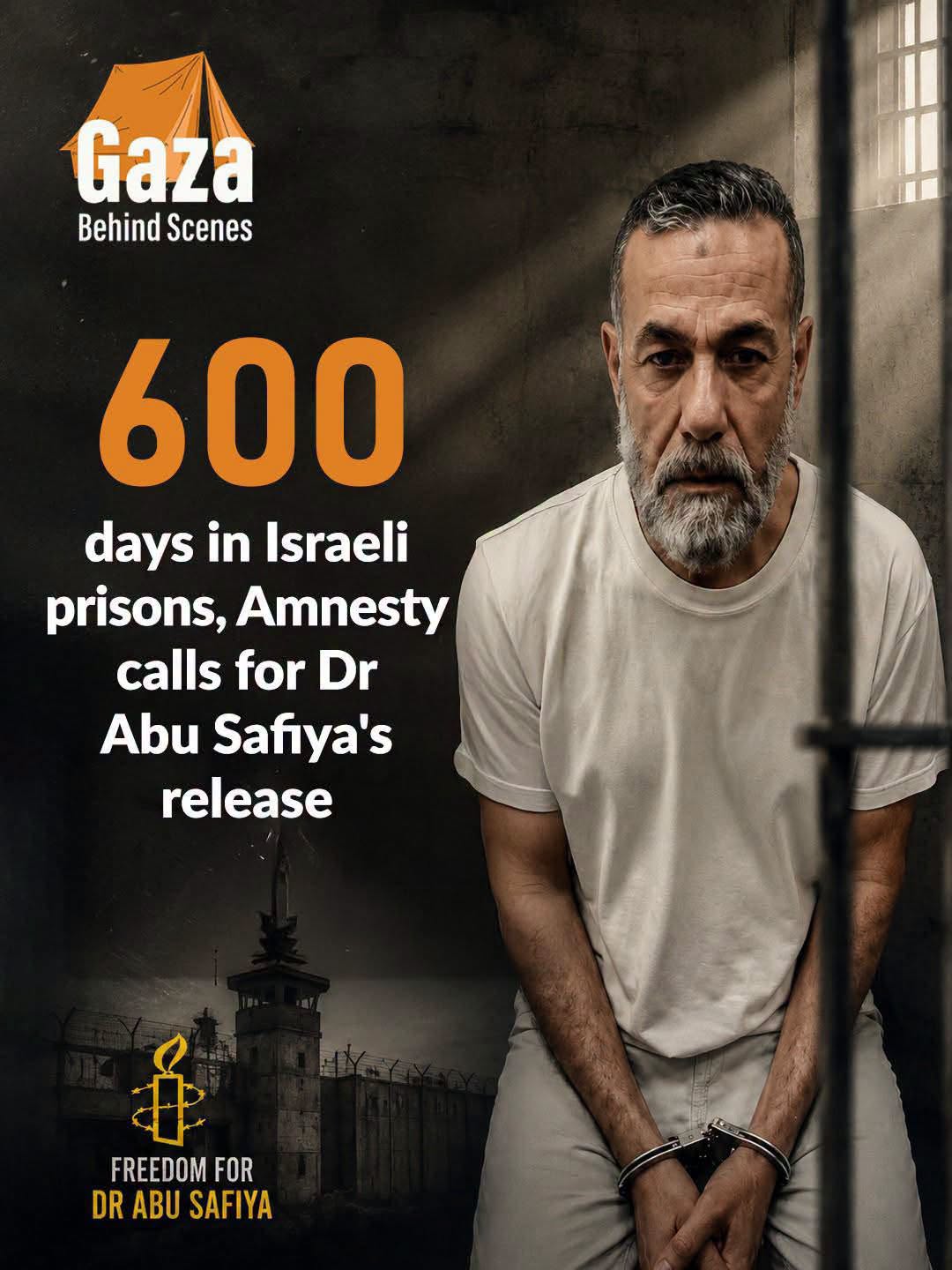
 Amnesty Calls For Release of Dr Abu Safiya
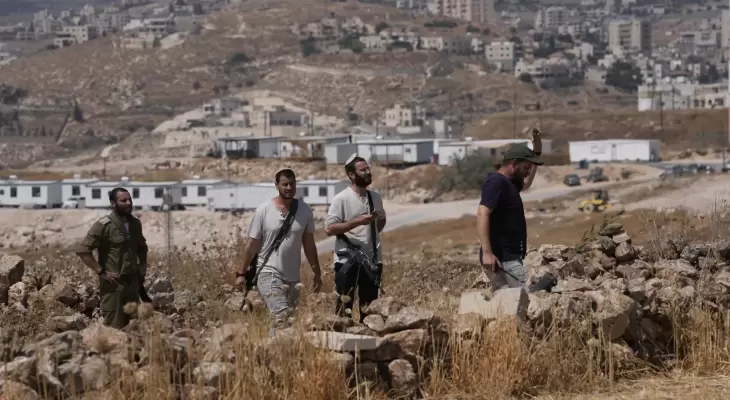
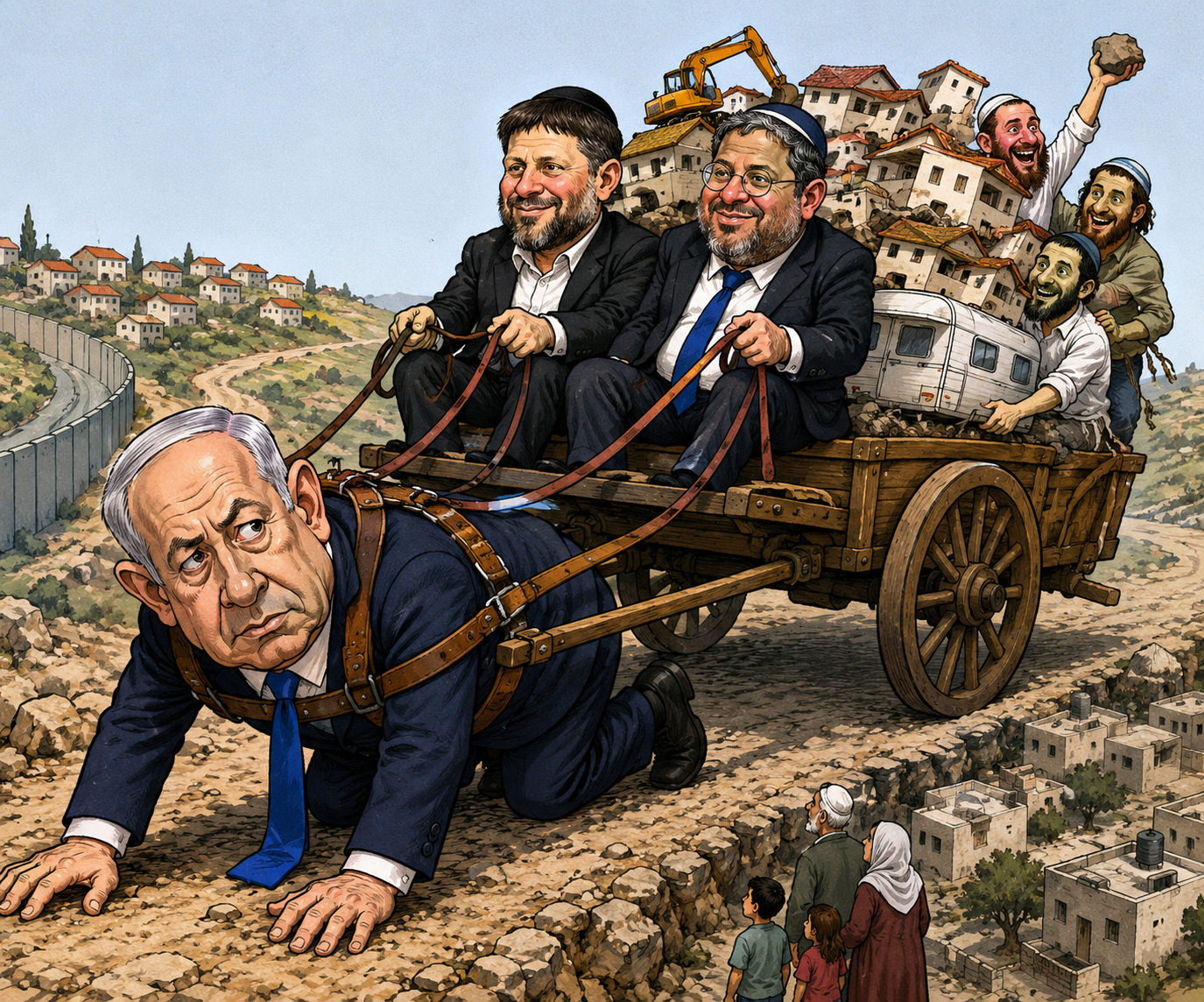
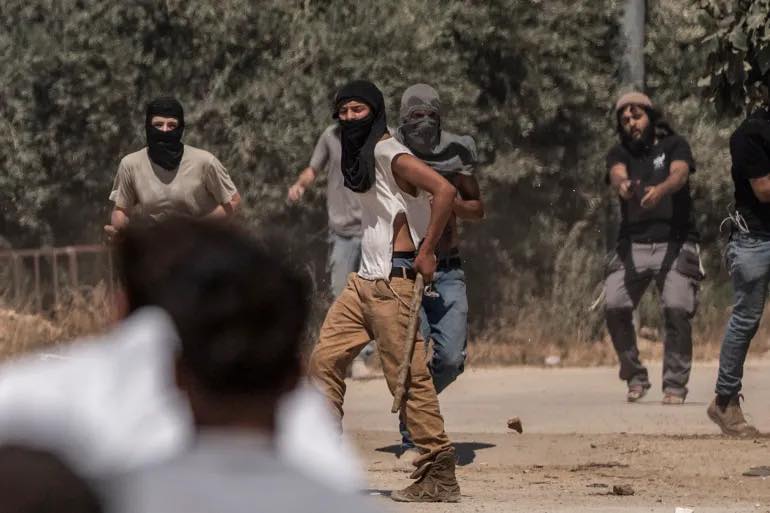 In August Alone: 2,030 Israeli Army, Settler Attacks on West Bank Palestinians
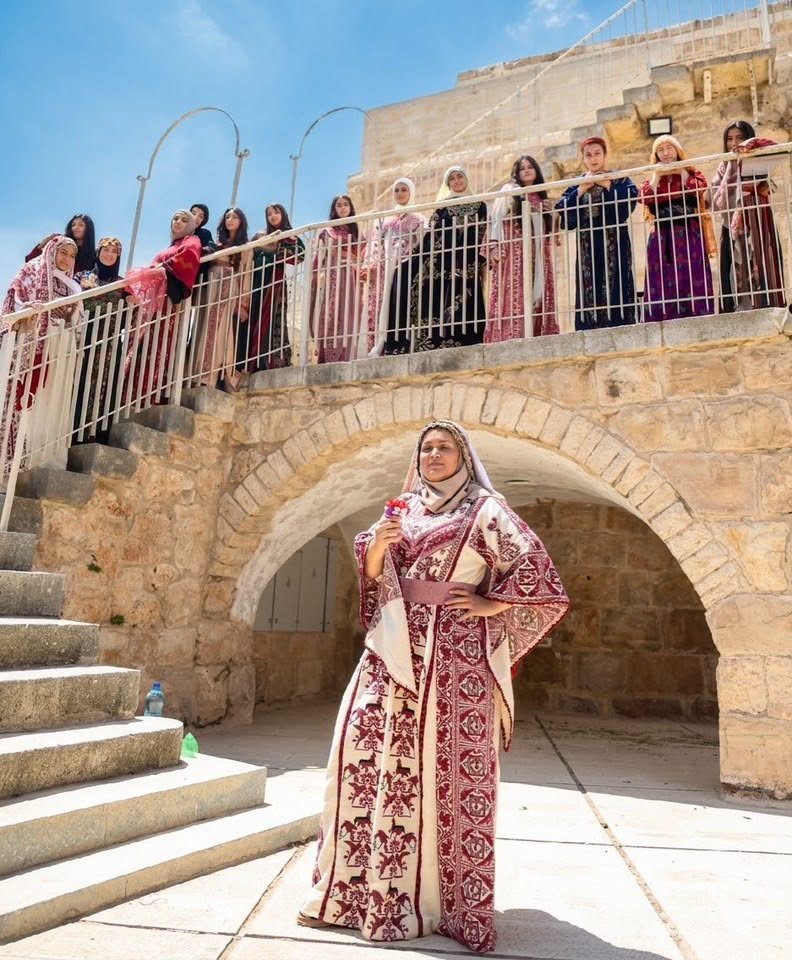
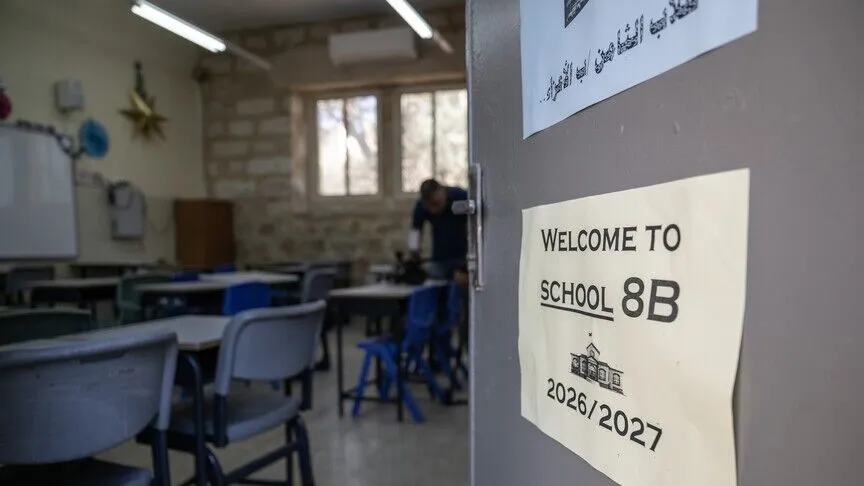 Israel Slammed For ‘Jewish Curriculum’ on East Jerusalem
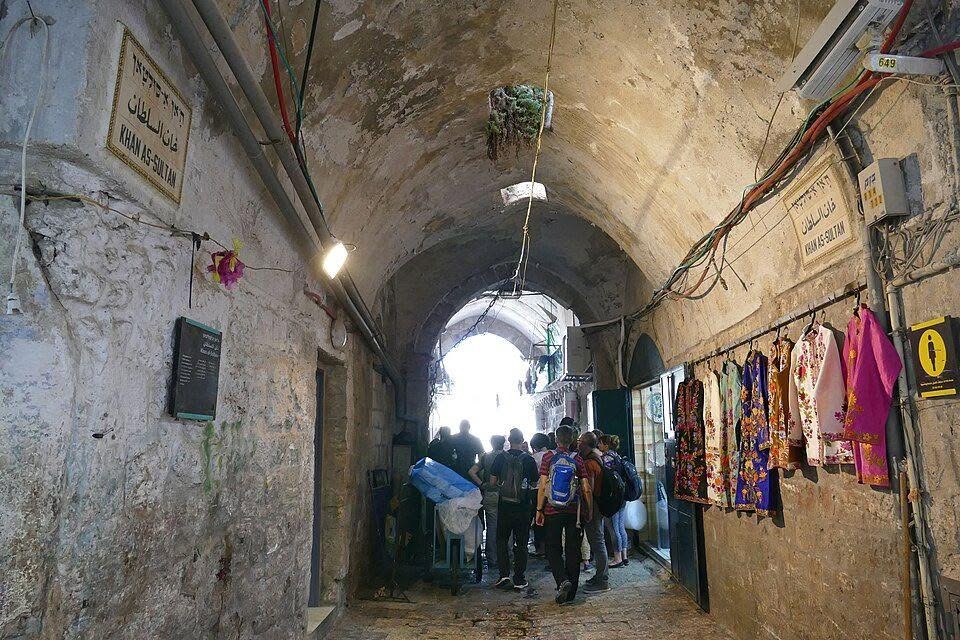
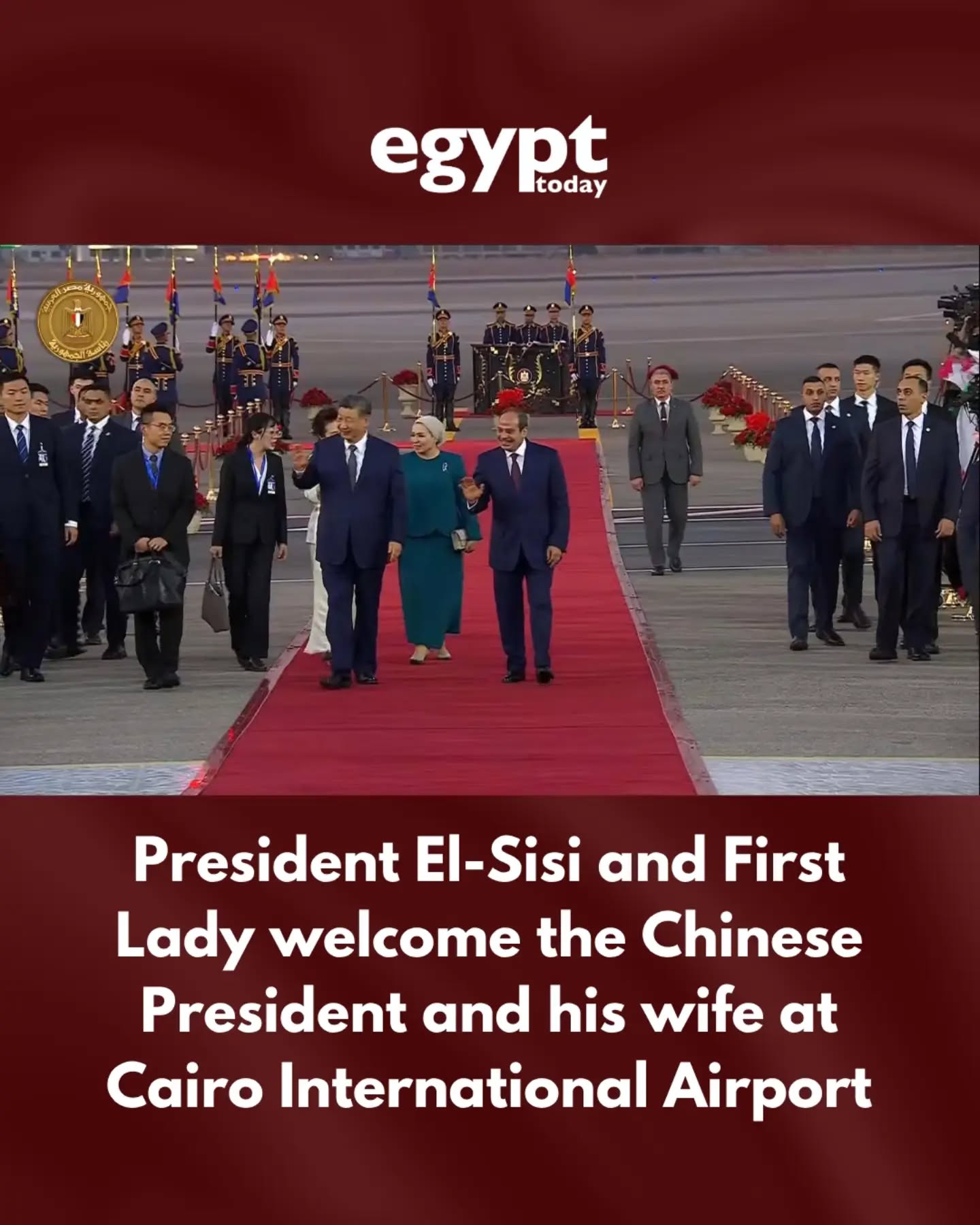 President Xi Visit to Cairo, 1st in 10 Years
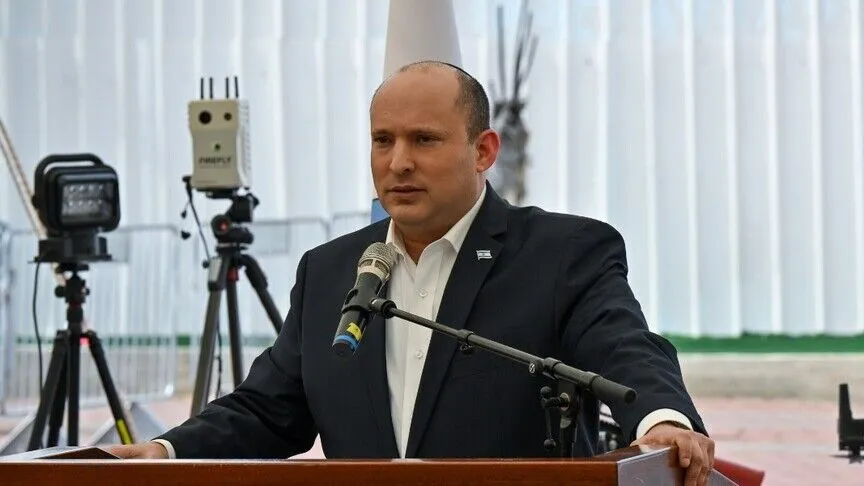
 British Row: Netanyahu’s Son Says Falklands Belong to Argentina
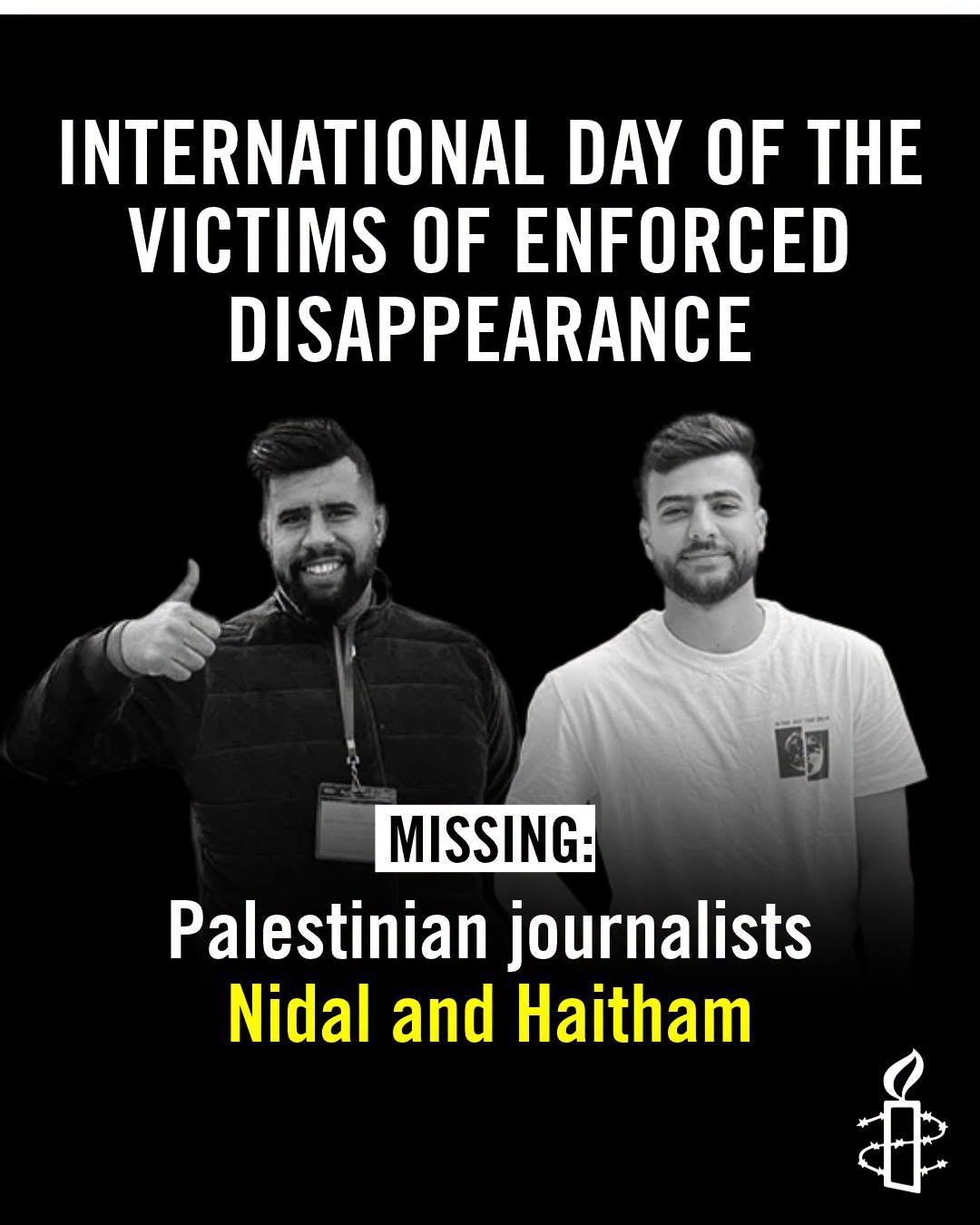
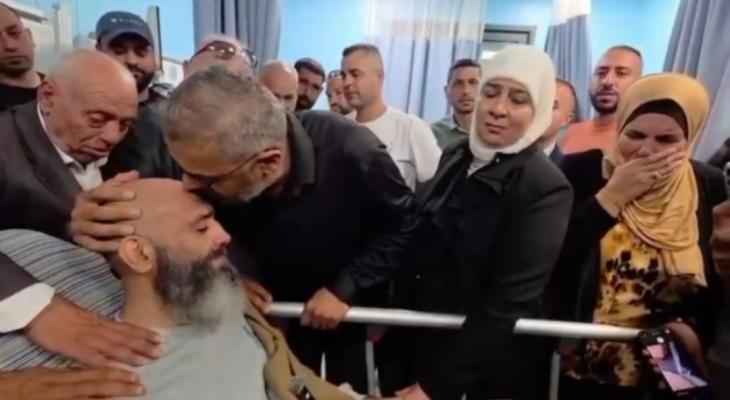
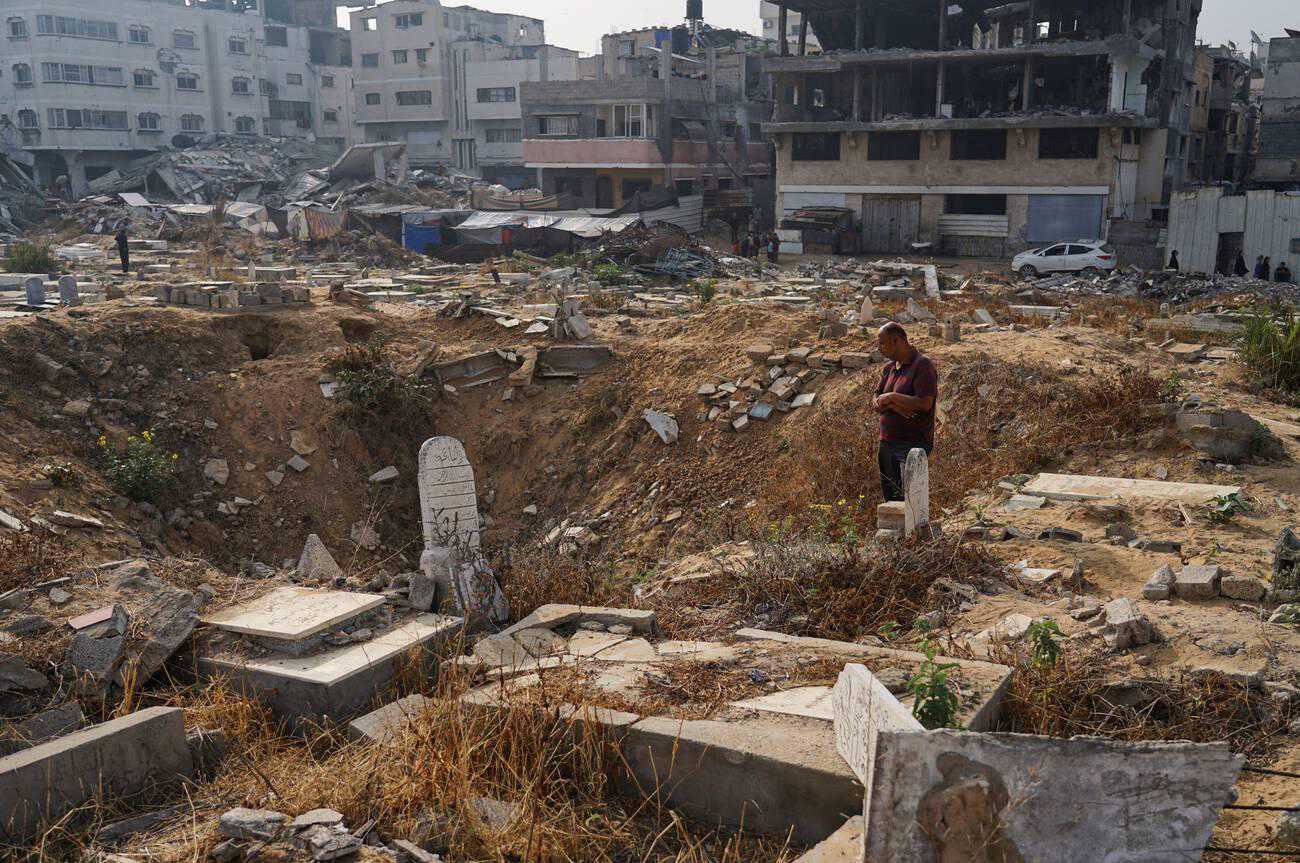
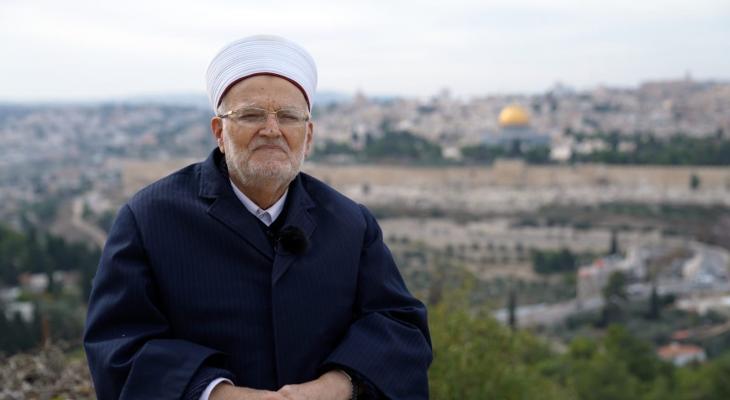
Amnesty Calls For Release of Dr Abu Safiya
 CrossFireArabia
- September 1, 2026
 CrossFireArabia
 marwanCrossFireArabiaCrossFireArabiaCrossFireArabiaCrossFireArabia
 HebaHebaHebaHebaCrossFireArabiaCrossFireArabiaCrossFireArabiaCrossFireArabiaCrossFireArabiaCrossFireArabiaHebamarwanmarwanCrossFireArabiaCrossFireArabiaCrossFireArabiaCrossFireArabiaCrossFireArabiaCrossFireArabiaCrossFireArabiaCrossFireArabiaCrossFireArabiaCrossFireArabiaCrossFireArabiaHebaCrossFireArabiaCrossFireArabiamarwanmarwanCrossFireArabiaCrossFireArabiaCrossFireArabiamarwanCrossFireArabiaCrossFireArabiamarwanHebaCrossFireArabiaHebaHebamarwanCrossFireArabiaCrossFireArabiaCrossFireArabiaCrossFireArabiaHebamarwanHebaCrossFireArabiaCrossFireArabiaCrossFireArabiaCrossFireArabiaCrossFireArabiamarwanHebaCrossFireArabiaCrossFireArabiaCrossFireArabiaCrossFireArabiaCrossFireArabiaCrossFireArabiaCrossFireArabiaCrossFireArabiaHebaCrossFireArabia
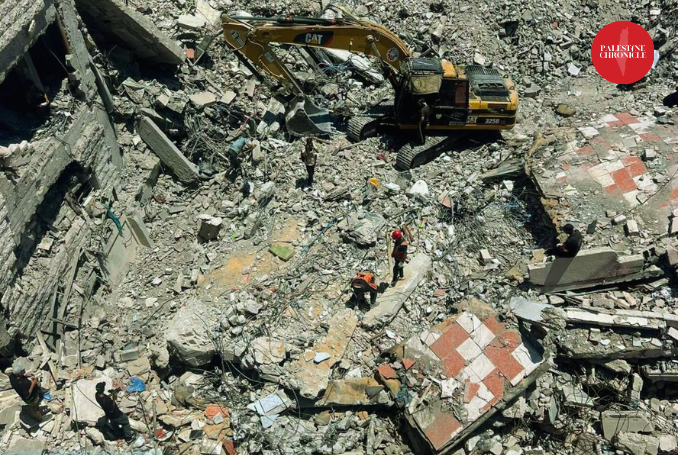
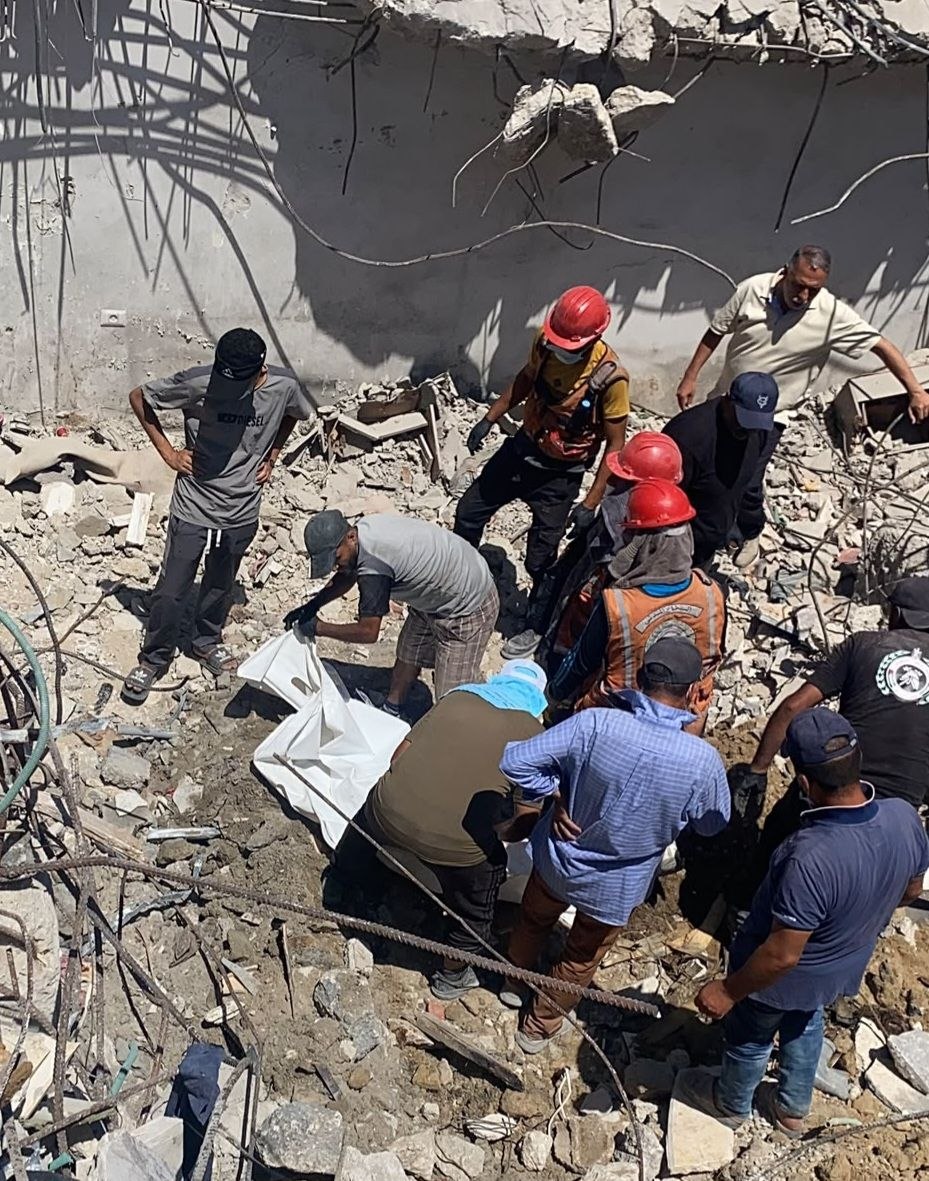
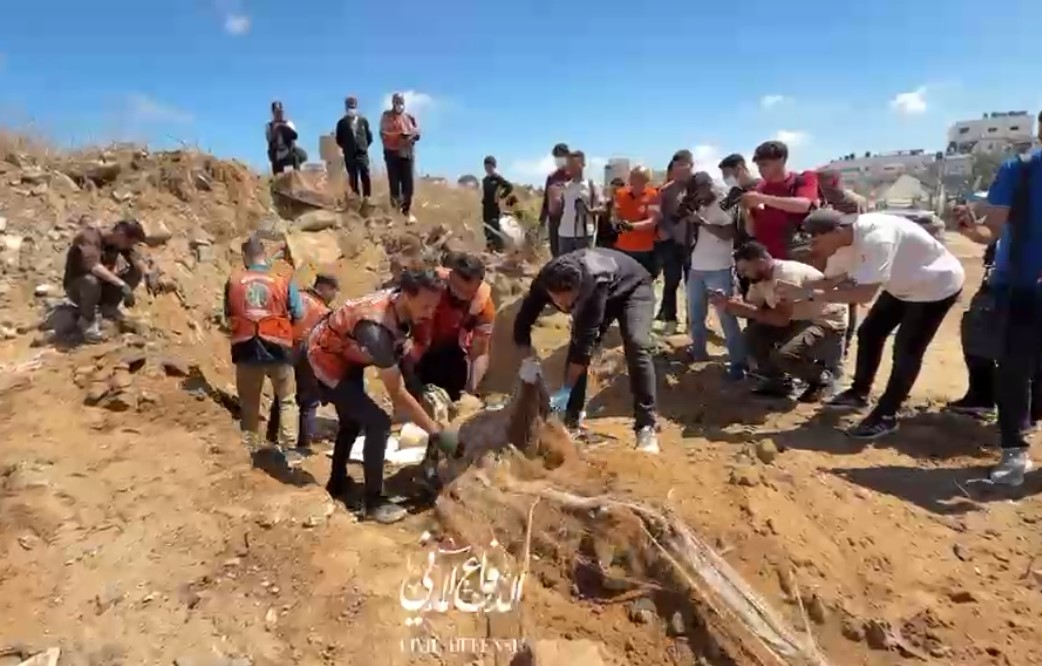
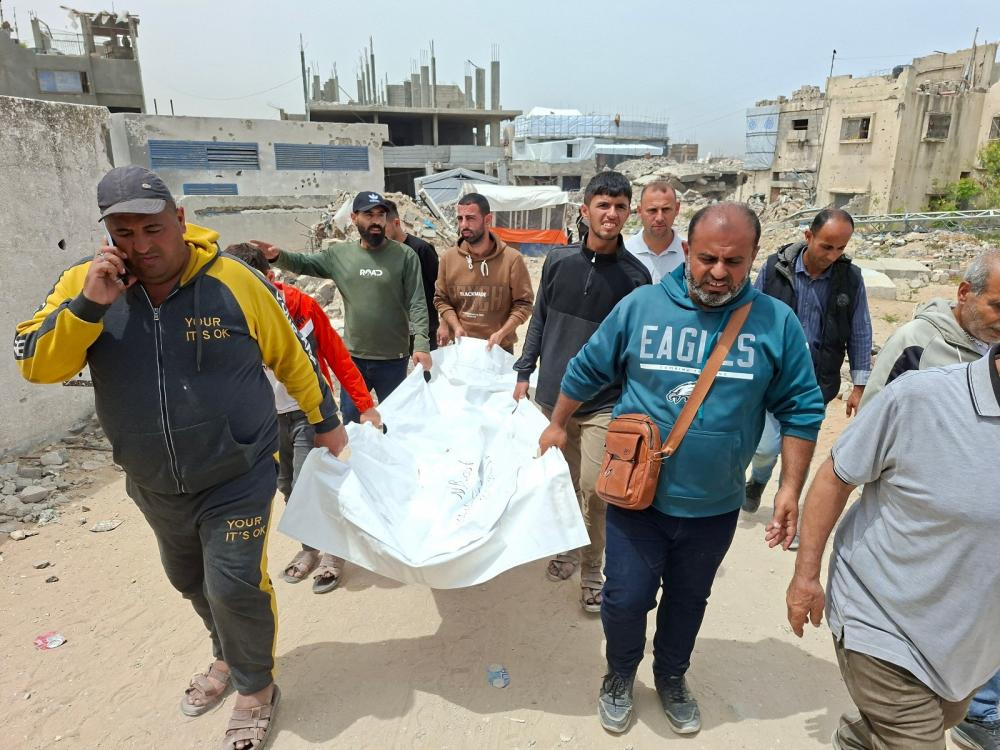
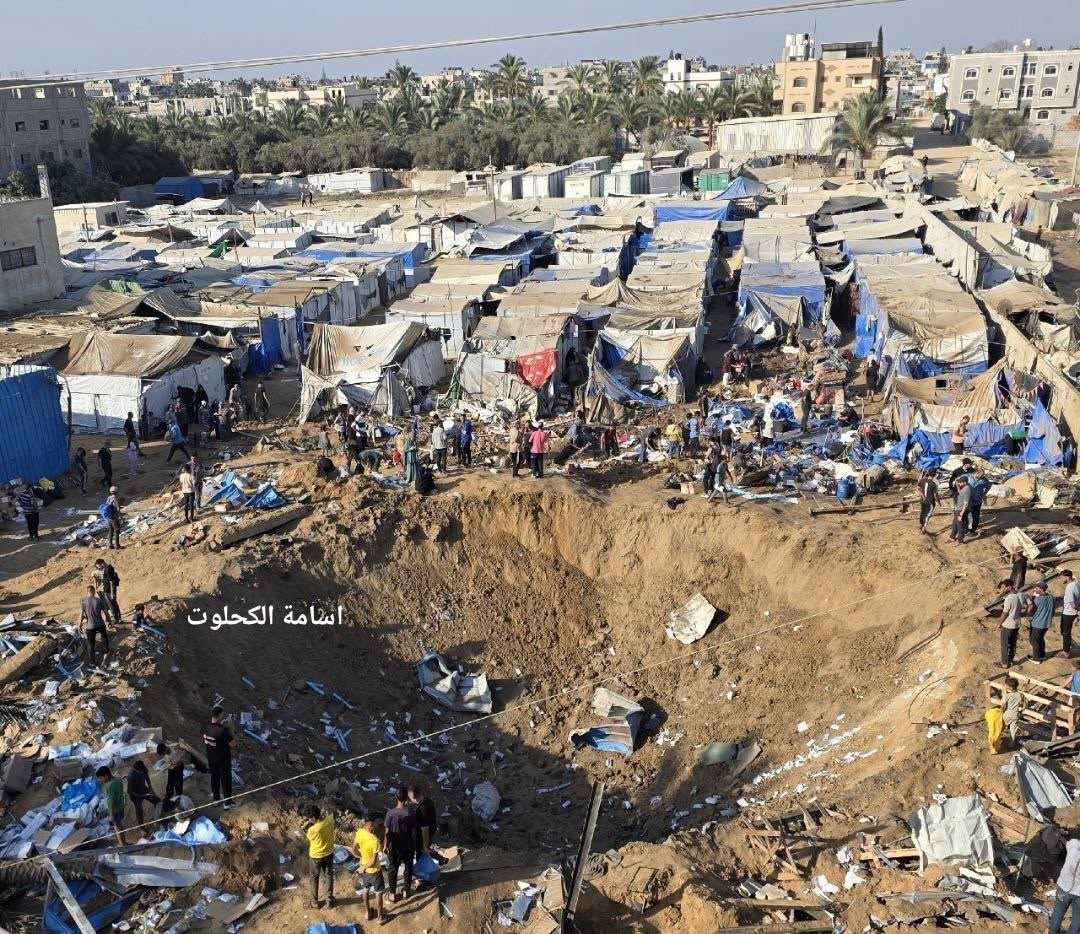
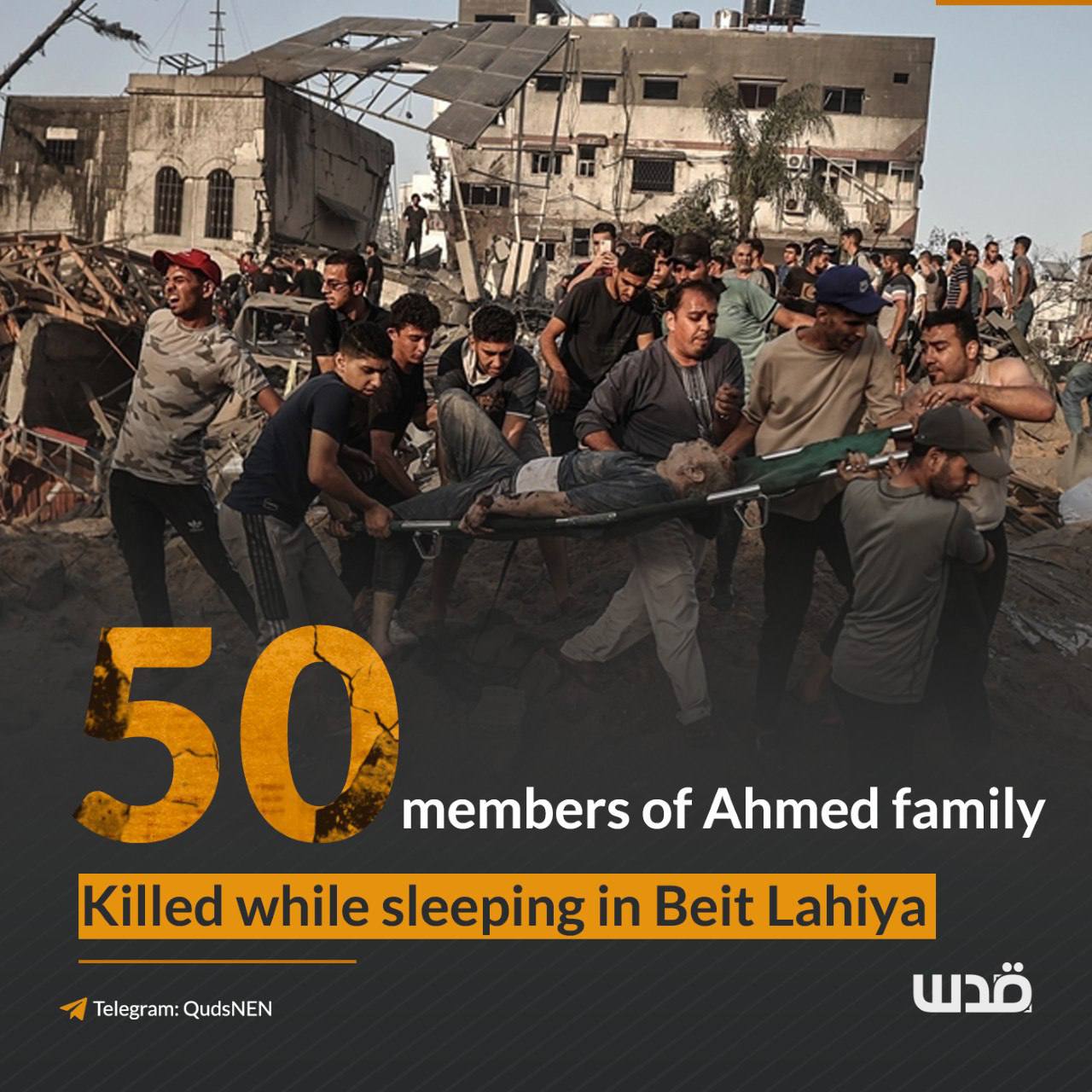
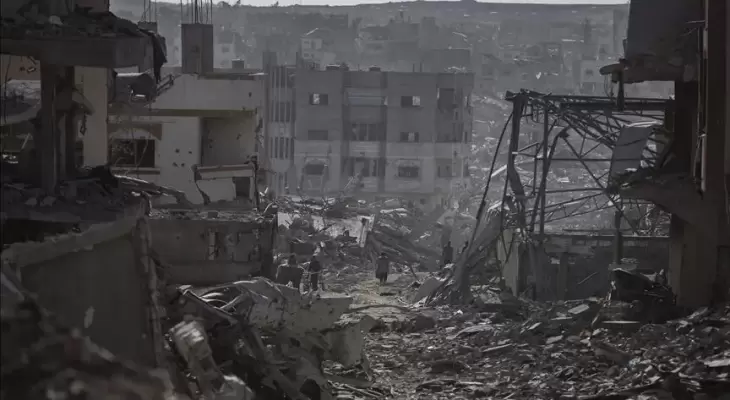
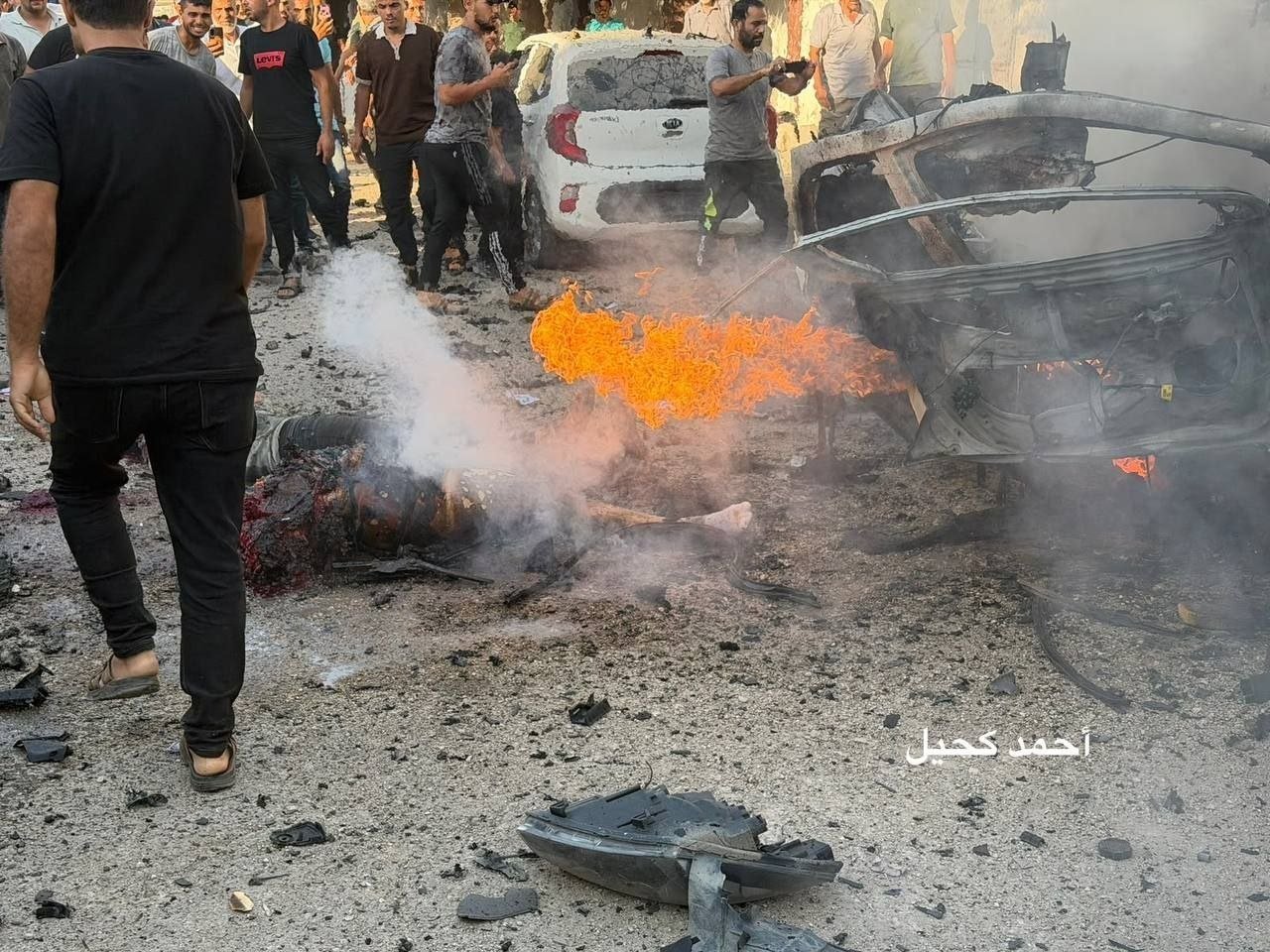
Last night, Israeli occupation aircraft committed a massacre when an airstrike targeted a residential building sheltering dozens of displaced Palestinians while they were sleeping in Beit Lahia, northern Gaza Strip. Local sources reported that more than 50 Palestinians were killed, and many others are trapped under the rubble, as Israeli drones intensively fired and dropped grenades on civil defense teams, preventing them from reaching the site and rescuing the casualties.
CrossFireArabia
Dr. Tanya Haj Hassan, a pediatric intensive care doctor with Medical Aid for Palestinians (MAP), shared a harrowing account of her experiences working in Gaza, where she bore witness to the devastating humanitarian crisis.
She talked to the UN Palestine Human Committee on 26 November in New York describing the systematic targeting of civilians, healthcare workers, and infrastructure, emphasizing the unimaginable toll on Palestinian lives. Through poignant stories of patients and colleagues, she highlighted the loss of entire families, the suffering of children, and the resilience of healthcare workers who continue to serve despite constant threats and personal losses.
Dr. Haj Hassan detailed how hospitals have become targets of military strikes and described the horrors of forced displacement, deprivation, and the relentless psychological and physical toll on Gaza’s population. She called for urgent global action, stating that silence in the face of such atrocities perpetuates impunity and signals the erosion of humanitarian law.
Dr. Haj Hassan urged the international community to move beyond pity and praise, offering meaningful solidarity and tangible support for Palestinians. Citing the courage of healthcare workers in Gaza as an inspiring model, she asked the audience to reflect on their responsibility to act and to consider what they are willing to risk to prevent further atrocities.
Her testimony is provided here in full:
My name is Tanya Haj-Hassan, I am a paediatric intensive care doctor and have worked in Gaza many times over the past decade, and most recently as part of an emergency medical team working in a hospital in Gaza’s middle area during the ongoing genocide.
https://x.com/OnePathNetwork/status/1862646611270365627
I am here in the moral company of every other health professional I know who has volunteered in Gaza over the past 14 months – some of whom are here today with me – in solidarity with our Palestinian healthcare colleagues, and with the Palestinian people.
https://www.youtube.com/watch?v=xmDnpV4eFik
You cannot witness what is happening in Gaza and not emerge enraged and determined to stop it. We don’t want to be here, or on the news, repeatedly providing moral witness to ongoing atrocities. But by design, international journalists and independent human rights and forensic investigators have been prohibited by Israel from bearing witness. At the same time, incredible Palestinian journalists covering the genocide of their own people have been repeatedly targeted by Israel and discredited, while both their reporting and their murders have been largely ignored by mainstream western media.
As one of the few international observers allowed into Gaza I can tell you: spend just 5 minutes in a hospital there and it will become painfully clear that Palestinians are being intentionally massacred, starved, and stripped of everything needed to sustain life.
Collectively, for the past 14 months, we have treated people subjected to civilian massacre after civilian massacre at the few remaining, partially-functioning, hospitals in Gaza. Entire families have been eliminated, wiped off the civil registry. Our healthcare and humanitarian colleagues are being killed in record numbers.
We have treated countless children who lost their entire families, a phenomenon so frequent in Gaza that they have been given a specific name: Wounded Child No Surviving Family. We held the hands of children as they took their last breaths with no one but a stranger to comfort them. Those who recovered enough to leave hospital continued to face the obvious risk of death, be it through another bombing, starvation, dehydration, or disease.
History has clearly shown us that doctors cannot stop genocide. This is why it’s called the “Convention on the Prevention and Punishment of the Crime of Genocide”. And why I am here today.
Before I share what I bore witness to, I want to share a quote from my colleague Dr Mohammed Ghanim, a young ER doctor who was killed one month ago by a quadcopter drone, after steadfastly caring for his patients for over 400 days while the hospitals in which he was working were repeatedly besieged.
Dr Ghanim said – “As much as I could, I stayed away from sharing the tragic stories for two reasons. The first reason is that I know it’s of no use, for those who couldn’t be moved by pictures of dismembered and charred corpses will not be moved by some words, and the second reason is that I can’t find words to describe the stories.”
I share Dr Ghanim’s sentiment. What is left to say that might move people to action? How can we even begin to articulate what we have seen?
I remember the silence of the woman brought into the hospital injured, staring blankly and unable to speak. She had given birth one week earlier and couldn’t find her seven-day-old baby. Both her baby and her toddler were trapped under the rubble. There are no words that adequately convey the pain and the depravity of this aggression.
I remember 6-year-old Sewar who was intubated in the ICU with a severe traumatic brain injury, her little brother still missing. I recall her mother sitting next to her, tears streaming down her face, asking “what was her crime?” I didn’t have the heart to tell her that Sewar, with her beautiful long dark lashes and curls, would likely never talk or interact fully—if she were to survive. “I can’t find words to describe the stories.”
Or 5-year-old Mohammed with an in and out penetrating injury to the head, likely a gunshot, who died in the ER as there were no beds in the ICU. He had no known surviving family to retrieve his body and was taken to the morgue by the medical team. His hands and feet were so small, and the last expression on his face was one of pain. “I can’t find words to describe the stories.”
Or the elderly woman whose age I did not learn, shot multiple times by the Israeli military while she was on the beach. She died while her elderly husband held her hand, tearfully telling me “we only have God.”
Or 13-year-old Amer who sustained severe neck trauma after his home was bombed, and kept calling for his sister. He didn’t recognize that she was the girl in the bed next to him, because she had been burned beyond recognition. When she died Amer was left as the only surviving member of his family. I recall his vacant stare and his soft voice whispering into my ear “I wish I died with them. Everyone I love is in heaven. I don’t want to be here anymore.” How do you find the words to describe Amer’s story.
Or toddler cousins Mohammad and Massa who we resuscitated on the same bed after their residential building was bombed. I recall undoing their diapers desperately looking for blood vessels to give them intravenous fluids. Mohammad bled to death. Massa suffered a severe brain injury. She was still in a coma when I left Gaza. Both her parents were injured in the same attack, and I don’t know if they survived.
Or Shurooq, a 15-year-old girl with head and chest injuries, whose eyes were severely burned. She kept calling out for her mother, who she couldn’t see was right next to her and also severely injured. Her mother gasped desperately for air until she died. We, the medical team, knew before Shurooq did, that she was left as the only surviving member of her family. Shurooq, whose name means sunrise. “I can’t find words to describe the stories.”
Or the father frantically searching for his children in the ER, who found us resuscitating them on the floor—all of his children except Abdullah, who he never found. “I can’t find words to describe the stories.”
Or the lovely older gentleman who helped carry the injured into the emergency department, comforting them in any way he could, cleaning the pools of blood after every mass casualty. I saw him daily and had assumed he was a hospital employee, only to later learn that he had started volunteering at the hospital after his entire family had been killed at the beginning of the genocide. He had found that the only way he could cope with having survived was by helping other families. How does one begin to find words to describe his story.
These are not exceptional stories. Every single person I met in Gaza had family, friends, colleagues, neighbours violently taken from them.
I speak of the patients with traumatic injuries who I cared for, but this is only one dimension of this apocalyptic situation. Everything needed to sustain human life is under attack in Gaza, and has been for a very long time: water, food, shelter, education, healthcare, energy, sewage and sanitation. A child who was living in an apartment and going to school in Gaza 14 months ago, if alive, is now attempting to survive Israeli airstrikes, warships and gunfire, hunger and starvation, a lack of clean water, the spread of diseases that threaten their already immunocompromised bodies, no safe shelter, and no prospects of education today or in the future. Every university in Gaza has been destroyed, including the only two medical schools at which I used to teach.
Every child in Gaza is living through this horror. I constantly think of the children I met and hope they are alive, surrounded by parents who are alive, that they are not maimed, not hungry, not thirsty, not sick, not cold as winter encroaches on their tents, and not scared.
At the same time, I know that this is an impossibility for any child in Gaza right now. On the eve of World Children’s Day last week, the United States vetoed for the fifth time a UN Security Council resolution calling for a ceasefire in Gaza. In the words of the Palestinian ambassador to the UN Majed Bamya “There is no justification for vetoing a resolution trying to stop atrocities.” There is NO justification.
Attacks on Healthcare
Imagine these children, mothers, fathers, desperately seeking medical care and searching for hope in one of the few remaining hospitals in Gaza. Then the electricity goes out. The entrance to the hospital is struck by a missile. The hospital is threatened with forced displacement orders. It’s apocalyptic. That same hospital – where I witnessed each of these horrific tragedies – has been targeted multiple times over the past 14 months, as has virtually every other hospital in Gaza. Hospitals and healthcare workers have been systematically targeted by the Israeli military from the very first day. Our colleagues and friends have been killed, maimed, unlawfully detained, and tortured. I have personally met healthcare workers who described physical, psychological, and sexual torture by the Israeli military and Israeli prison guards.
One of my most dedicated nursing colleagues, Saeed, had been abducted while evacuating a patient from Al Shifa Hospital after an Israeli forced displacement order. He was detained for 53 days and described the most horrific forms of torture. After his release in January, he suffered from severe insomnia, and yet still he attended the ER every single day to care for patients. He fell asleep one day while holding the small body of a fatally injured infant who had died during an attempted resuscitation.
Dr Ghanim, whom I quoted before, wrote in April – 6 months before he was killed – “Al-Shifa Hospital was under siege while I was inside it three times, and I was forcefully removed from it twice. This time it was the most severe, both in terms of the siege, the incursion, and the amount of destruction. We were 13 doctors in the emergency department, all of us were tortured to different degrees and 6 doctors were injured or arrested. I am only talking about the department I was in charge of and I am not talking about the doctors who were executed directly from other departments after they were arrested or the doctors whose fate is still unknown.”
Over one thousand healthcare workers have been killed in Gaza. Hundreds of healthcare workers have been held in Israeli captivity. At least four have been killed while in detention.
Every single healthcare worker I met in Gaza has lost family, has lost friends, has lost colleagues. Every single healthcare worker I met has been displaced multiple times, has been forced out of the hospitals where they work.
In Gaza, many healthcare workers have been killed while trying to rescue the wounded in what are infamously known as Israel’s double and triple strike attacks – a location is struck, then struck again a second and a third time once rescue workers have arrived to retrieve the casualties. Other healthcare workers have been killed while working in the hospitals.
Hospitals and healthcare workers represent life and the will to keep people alive. The systematic and egregious targeting of healthcare is a line that should never have been crossed, like so many other red lines. What happens now that these lines have been crossed? What sort of world have we stepped into?
It’s a world we’ve allowed to persist for decades. These profound injustices did not start 14 months ago. Palestinians have attempted every possible means, including diplomacy and peaceful protest, appealing to the very reason this establishment was created. Their efforts have been met with the complete disregard of UN Resolutions and the deepening violation of their rights.
I remember one Friday in 2019 at Al Shifa Hospital during the Great March of Return, the peaceful protests that lasted for two years at the border wall, in which 223 Palestinians were shot and killed by Israeli forces. Al Shifa Hospital is the same hospital that has now been almost entirely destroyed, where doctors have dug mass graves to bury the dead, where the brilliant doctor Adnan Al Bursh led the orthopaedic department before he was abducted, tortured, and likely raped to death in Israeli prisons.
I vividly recall an adolescent boy who was just brought in from the protest after being shot in the neck by Israeli soldiers from one of the towers. He was awake and gagging on his breathing tube but unable to move any of his body below his neck. His spinal cord had been severed by the bullet. He would never be able to move his arms, his legs, or likely even to breathe on his own. His father pleaded with the medical team and kept asking “what did we do, other than peacefully demand our rights?”
In the words of our dear friend Dr Khamis El Essi, a pain and rehabilitation doctor who is to this day besieged in Gaza, “We have been abandoned. We have been sacrificed for a cause that we wanted to protect for everyone, but we are the only people who are paying the price unfortunately.” By ‘everyone’ he means each and every one of us in this room, and the world over.
Messages from Healthcare Workers in Gaza
Knowing I would be here today, I asked some colleagues in Gaza if they had messages they
wanted me to convey. I would like to share some of their messages:
“Tell them that we are tired.. We are without homes…on the street…Our loved ones are gone and we are all stories.” This was a message sent to me by an ER nurse.
An intensive care doctor, besieged in Gaza and separated from his family, told me, “Tell them everything you came and saw with your eyes.” “Tell them that I want to see my wife and son, because I really miss them.”
Saed, the nurse I spoke of earlier who was detained and tortured, says to you – “We are being buried, every minute we are being buried, every minute we disappear, every minute we are abducted, we are experiencing things that the mind cannot even comprehend. We die and don’t find anyone to bury us. I am asking you to share my story, my whole story, with my name. I want the whole world to know that I am a human being. At the end I am not pen on a paper, I am not anonymous, I am a human being created by God.”
He then asks a question I’m posing to you: “Why aren’t Palestinians the ones speaking for our cause. Why are we not there and able to speak? The Palestinian people, the people in Gaza? Why not me, why not my neighbour, why not my colleague?”
Our Palestinian colleagues are not here because the systems we currently exist in don’t recognize the value of Palestinian life.
I am speaking to you today both as a member of civil society and as a healthcare worker who has witnessed firsthand the death and destruction inflicted upon the Palestinian people. We have spent the past 14 months watching as the most live-streamed and documented genocide in history has been met with silence and widespread propaganda campaigns justifying the unjustifiable, silencing, and discrediting those who have exposed it.
The eye witnesses that have made it out alive consistently reported crimes that in any other context would have led to sanctions. But here after 14 months of the most grave breaches of humanitarian law, gross violations of human rights, barbaric war crimes, it is met with impotence by individuals, countries, and the institution represented by this very building.
The precedent that has been set in Gaza will spread everywhere throughout the world. It signals the demise of the rule of law. We have already seen it spread to Lebanon. As one volunteer surgeon said “When I was in Gaza I felt like it was a prelude to the end of humanity.” If solidarity with your fellow humans is not enough of a reason to act, think about how this will spill over to you. This should be frightening for everyone.
I recognize that the words I shared with you today are heavy. These words pale in comparison to the reality experienced by Palestinians for over 400 days and 76 years before that. Palestinians do not need our pity or our praise. They need our meaningful solidarity.
And there is no time for despair. In the 24 hours I will spend in this city, approximately 60 children will be injured or killed. We cannot afford to wait one more day. I recognize that many of you, by virtue of being here today, are already convinced of the need to act. It takes courage to fight a corrupted system, a system that gives disproportionate power to countries with terrible records of global violence.
One day someone will dig up the records of our testimonies, pleading for 14 months. They will dig up the records of Palestinians covering their own genocide when international journalists were unprecedently banned from entering. Palestinian children setting up press conferences to tell the world that their lives mattered. we will have to reckon with this history.
The courage and action by Palestinian healthcare workers in the face of this genocide presents an exemplary model for all of us. The question I leave you with is what are we risking?
CrossFireArabia
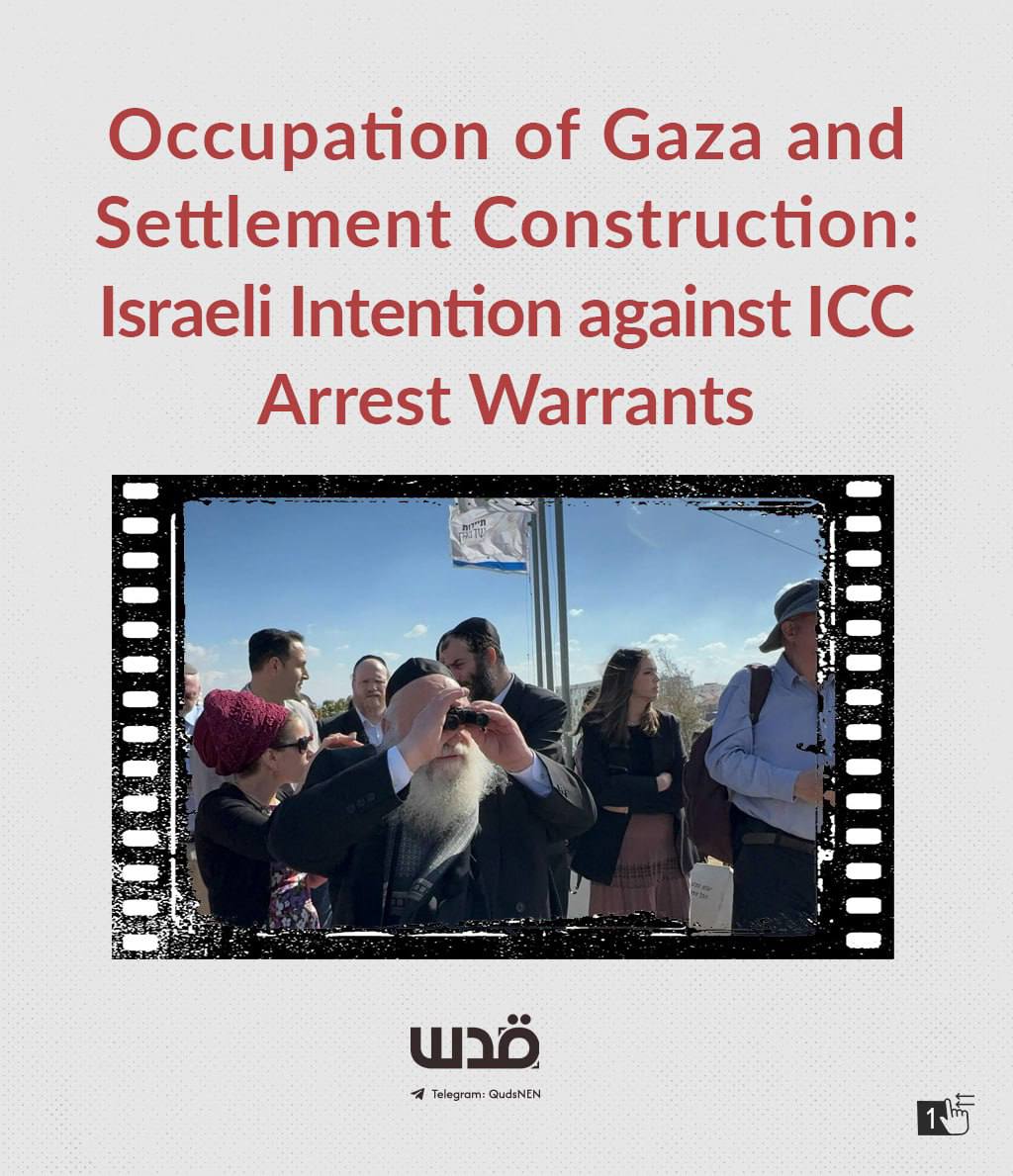
Israeli Minister of Housing, Yitzhak Goldknopf, stated that “Jewish settlement” in Gaza is a fitting response to the ICC arrest warrants for Netanyahu and Gallant, after touring the Gaza Strip settlements with Daniella Weiss, head of the Nachala Settlement Movement.