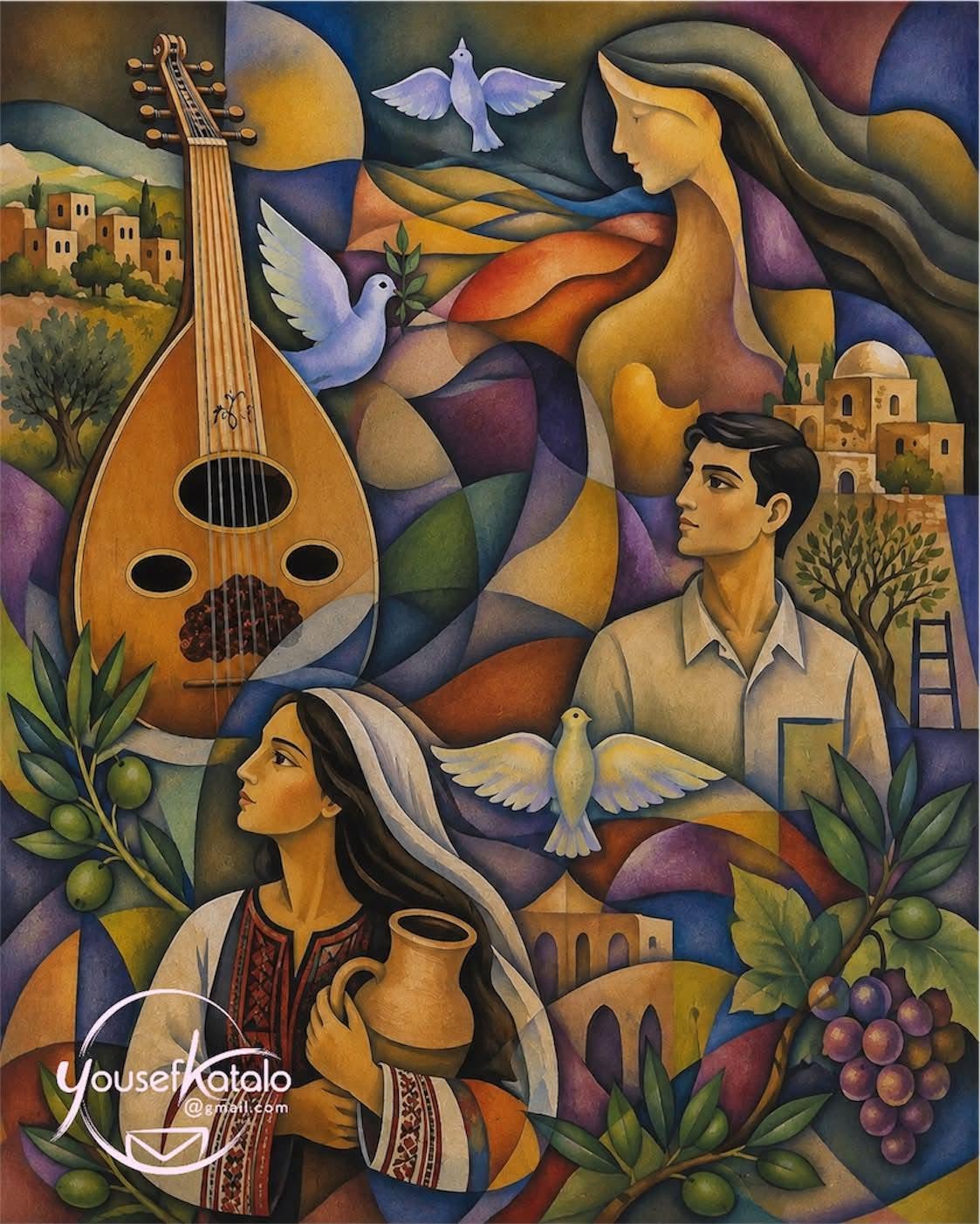
 Starry Night Over Bethlehem
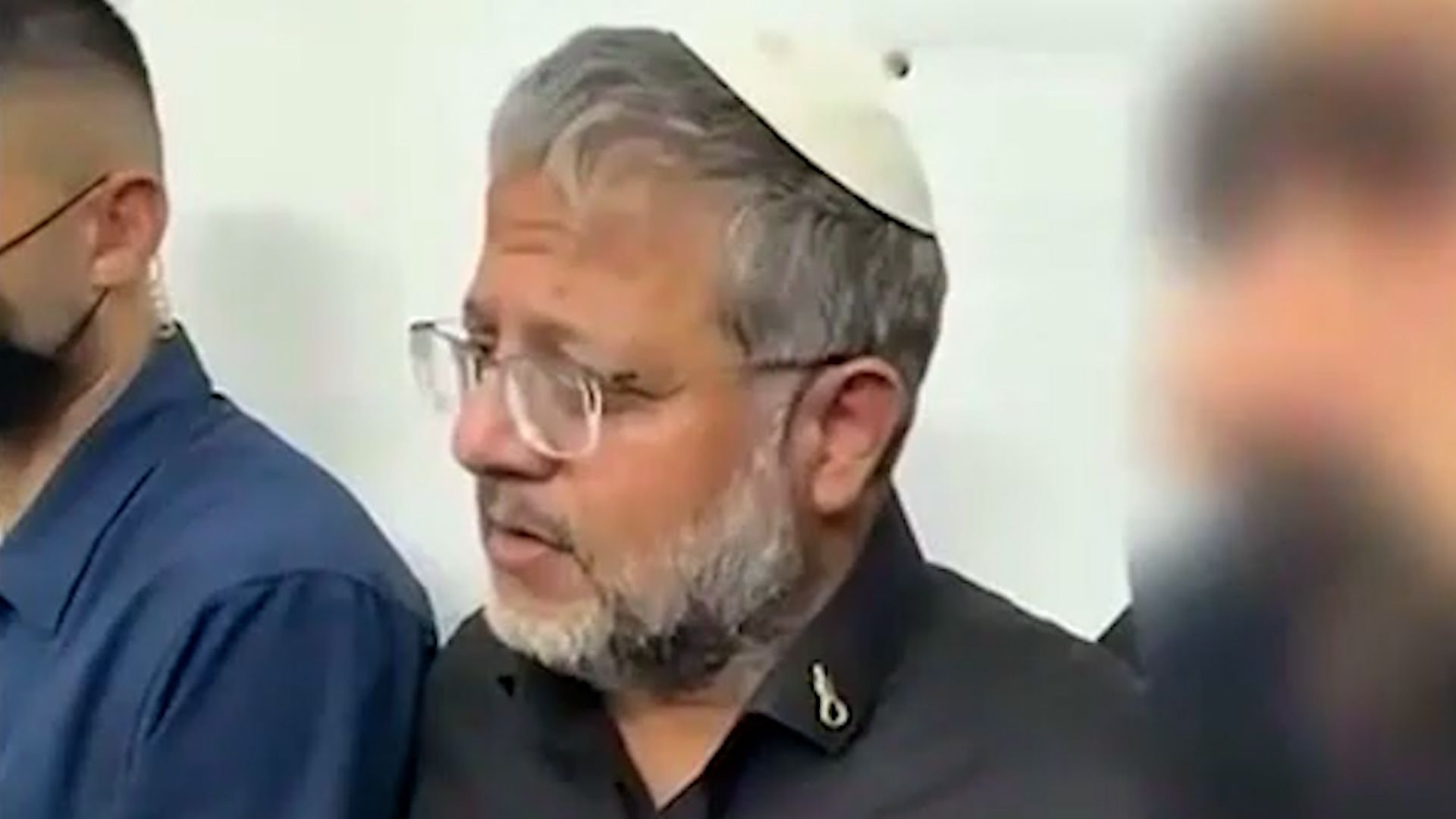
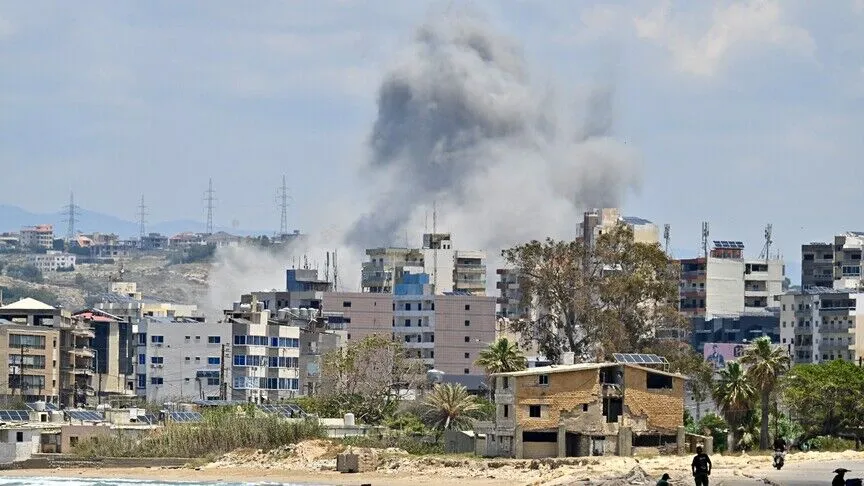
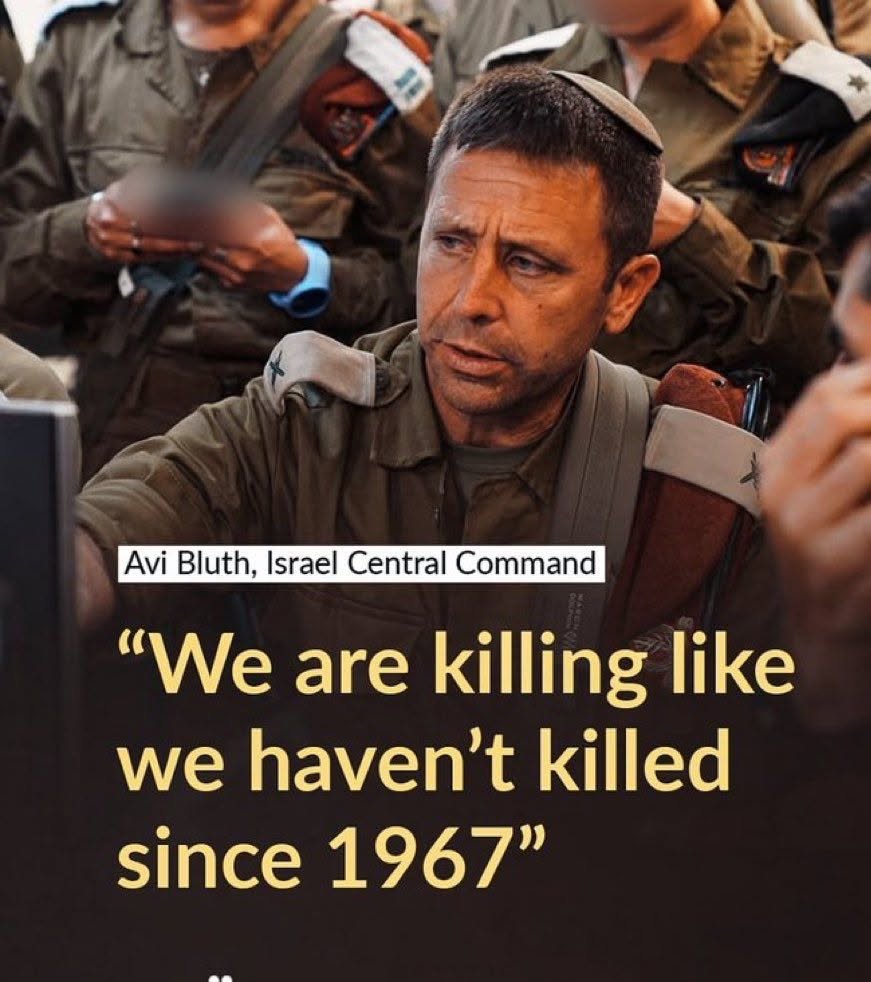 ‘We Are Killing Like We Haven’t Killed Since 1967’
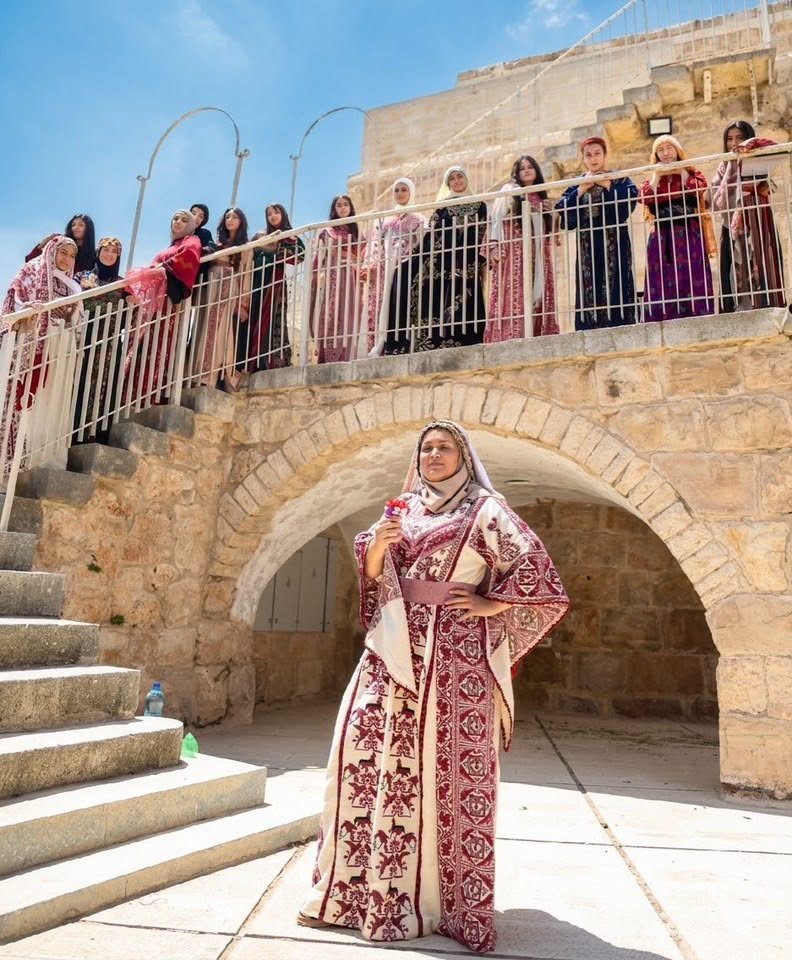
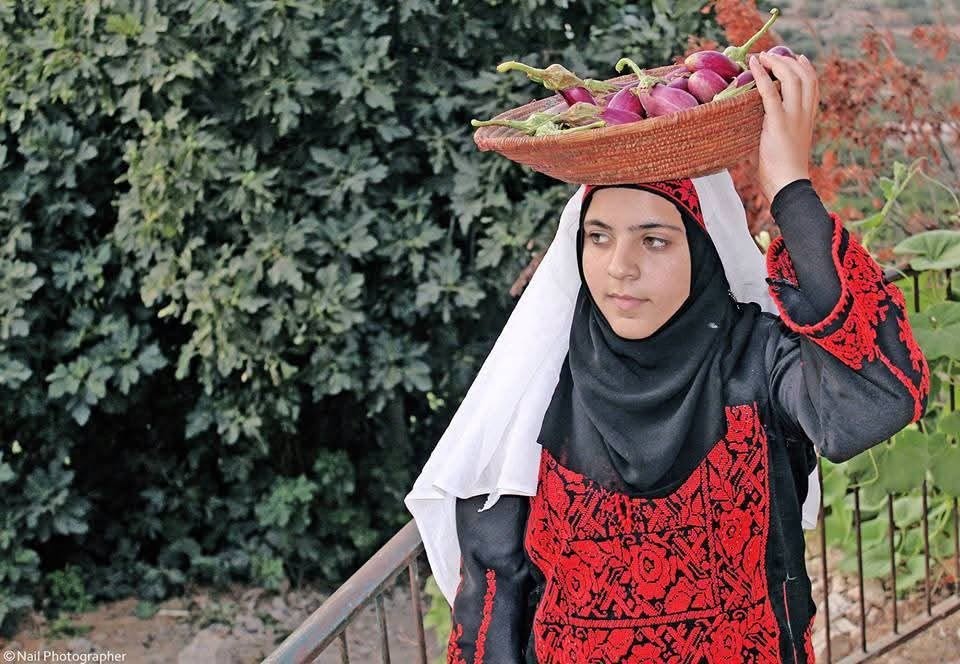
 Thobe: Identity, Thread and Needle
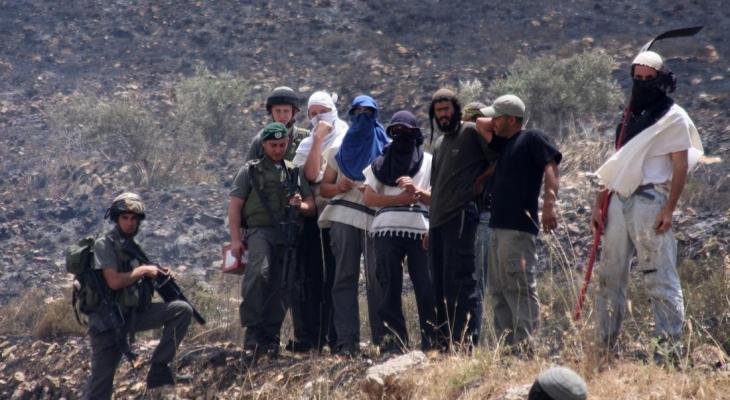
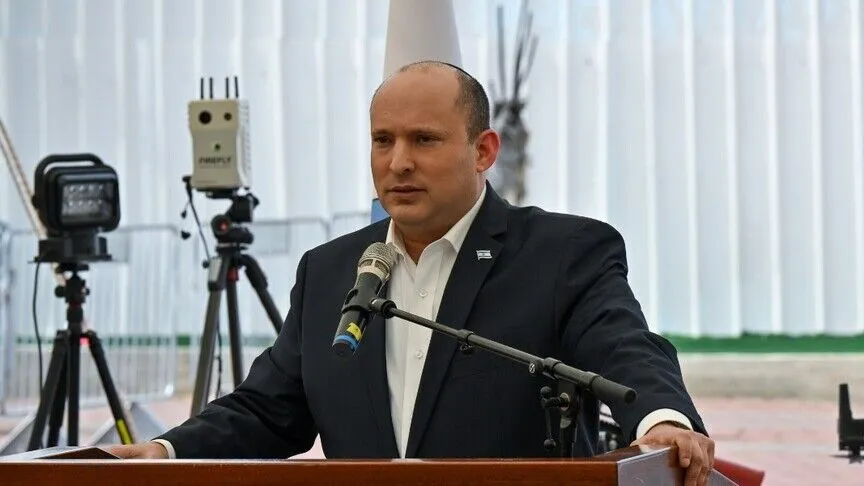
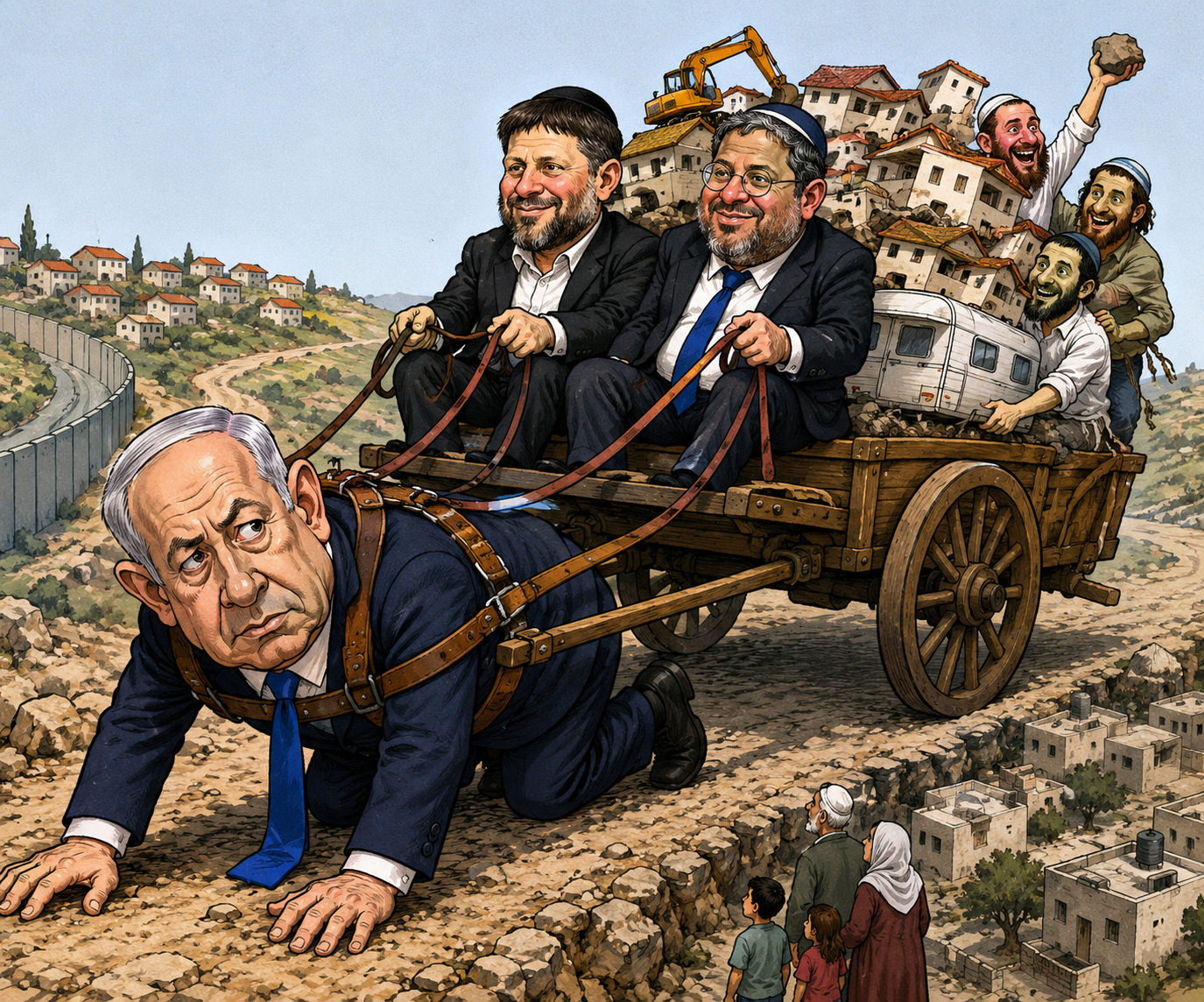 Netanyahu and The Settlers: Cart and Horse in Action
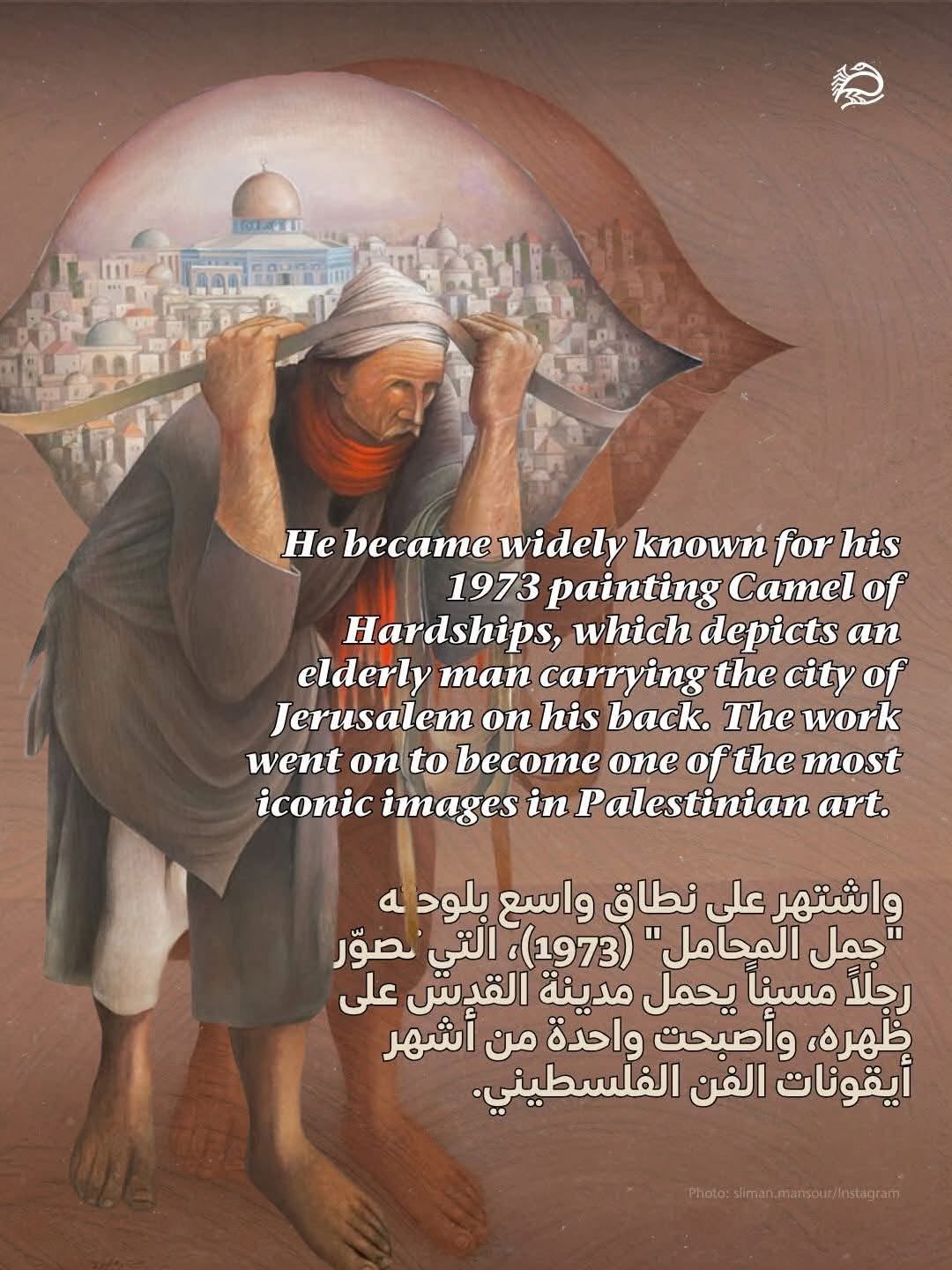
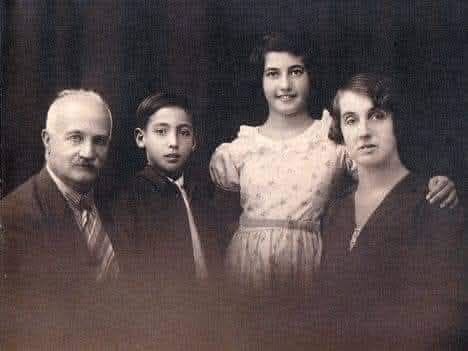
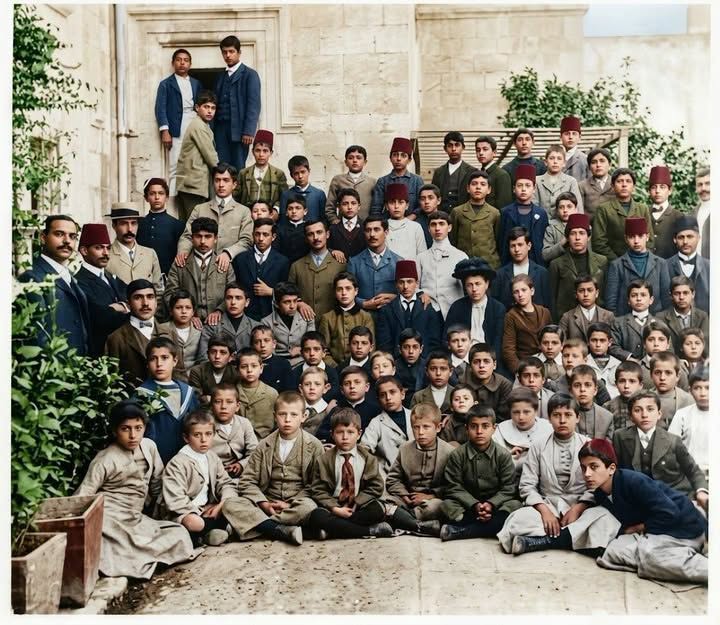 Pupils From The Bishop’s School, Jerusalem
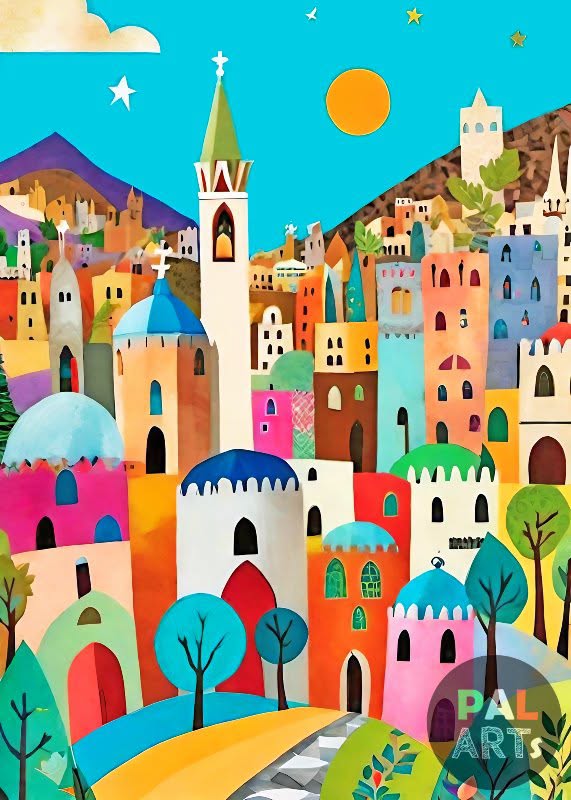
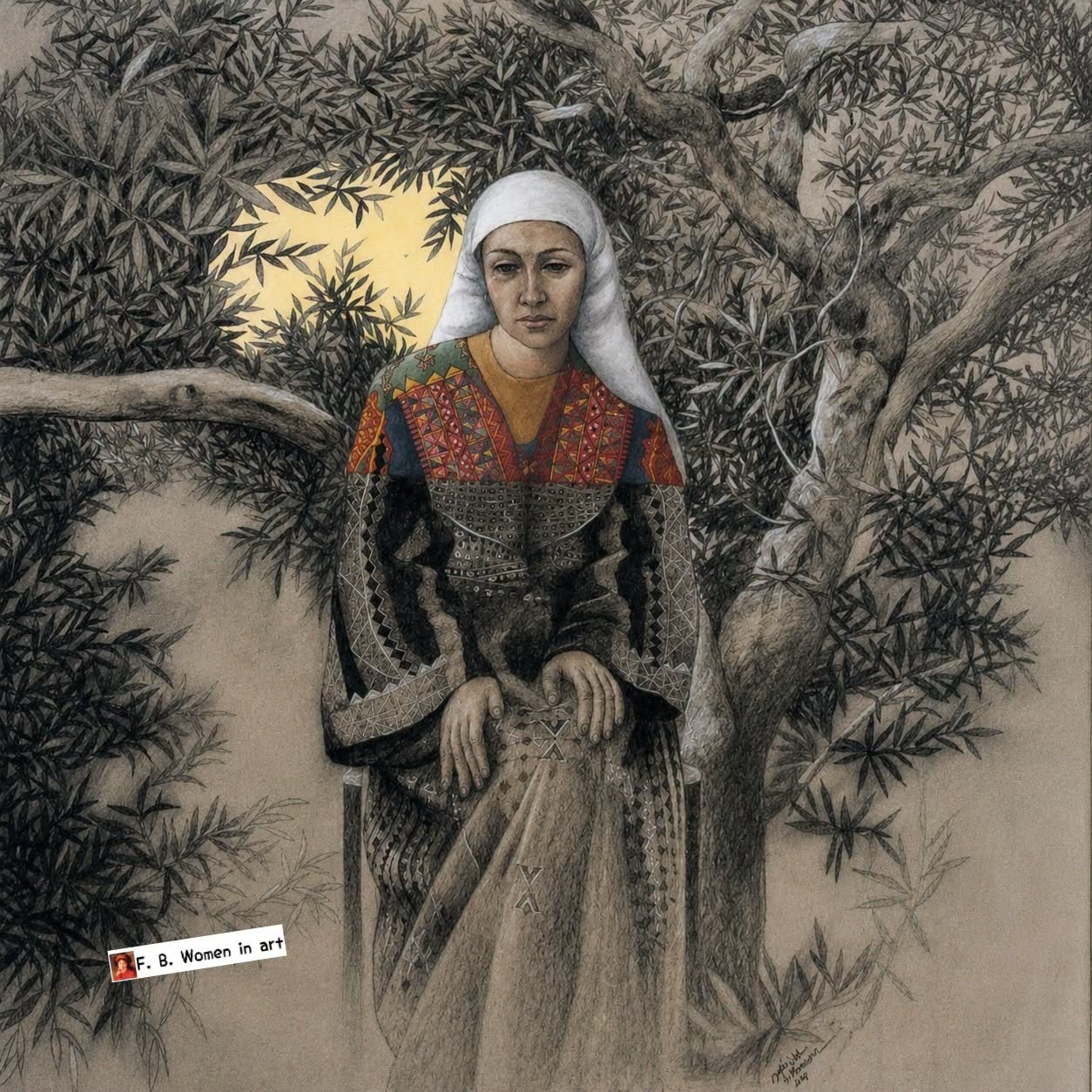
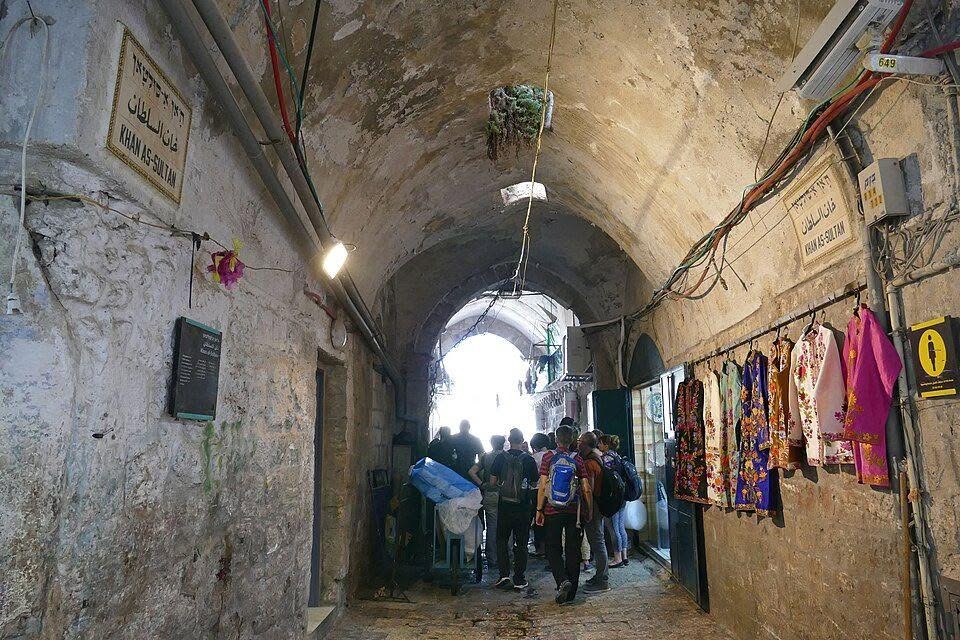
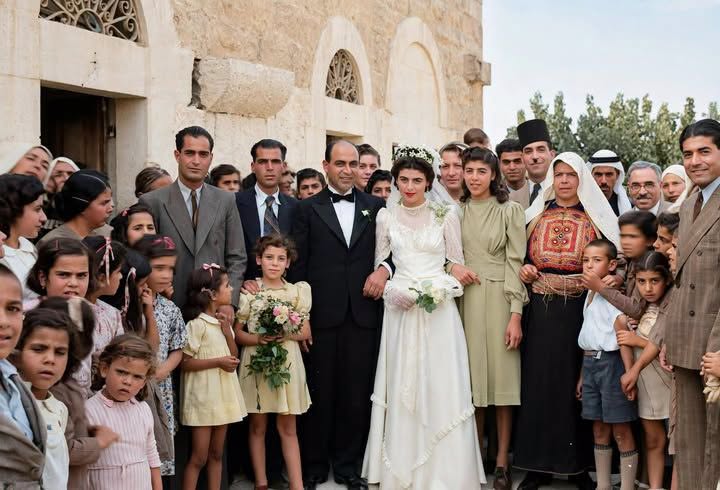
Starry Night Over Bethlehem
 CrossFireArabia
- August 31, 2026
 CrossFireArabiaCrossFireArabiaCrossFireArabia
 Heba
Heba marwanmarwanCrossFireArabiaCrossFireArabiaCrossFireArabiaCrossFireArabiaCrossFireArabiaCrossFireArabiaCrossFireArabiaCrossFireArabiaCrossFireArabiaCrossFireArabiaCrossFireArabiaHebaCrossFireArabiaCrossFireArabiamarwanmarwanCrossFireArabiaCrossFireArabiaCrossFireArabiamarwanCrossFireArabiaCrossFireArabiamarwanHebaCrossFireArabiaHebaHebamarwanCrossFireArabiaCrossFireArabiaCrossFireArabiaCrossFireArabiaHebamarwanHebaCrossFireArabiaCrossFireArabiaCrossFireArabiaCrossFireArabiaCrossFireArabiamarwanHebaCrossFireArabiaCrossFireArabiaCrossFireArabiaCrossFireArabiaCrossFireArabiaCrossFireArabiaCrossFireArabiaCrossFireArabiaHebaCrossFireArabiaCrossFireArabiaHebamarwanmarwanmarwanmarwanmarwanmarwanCrossFireArabiamarwanmarwan
 Saleem Ayoub QunamarwanCrossFireArabia
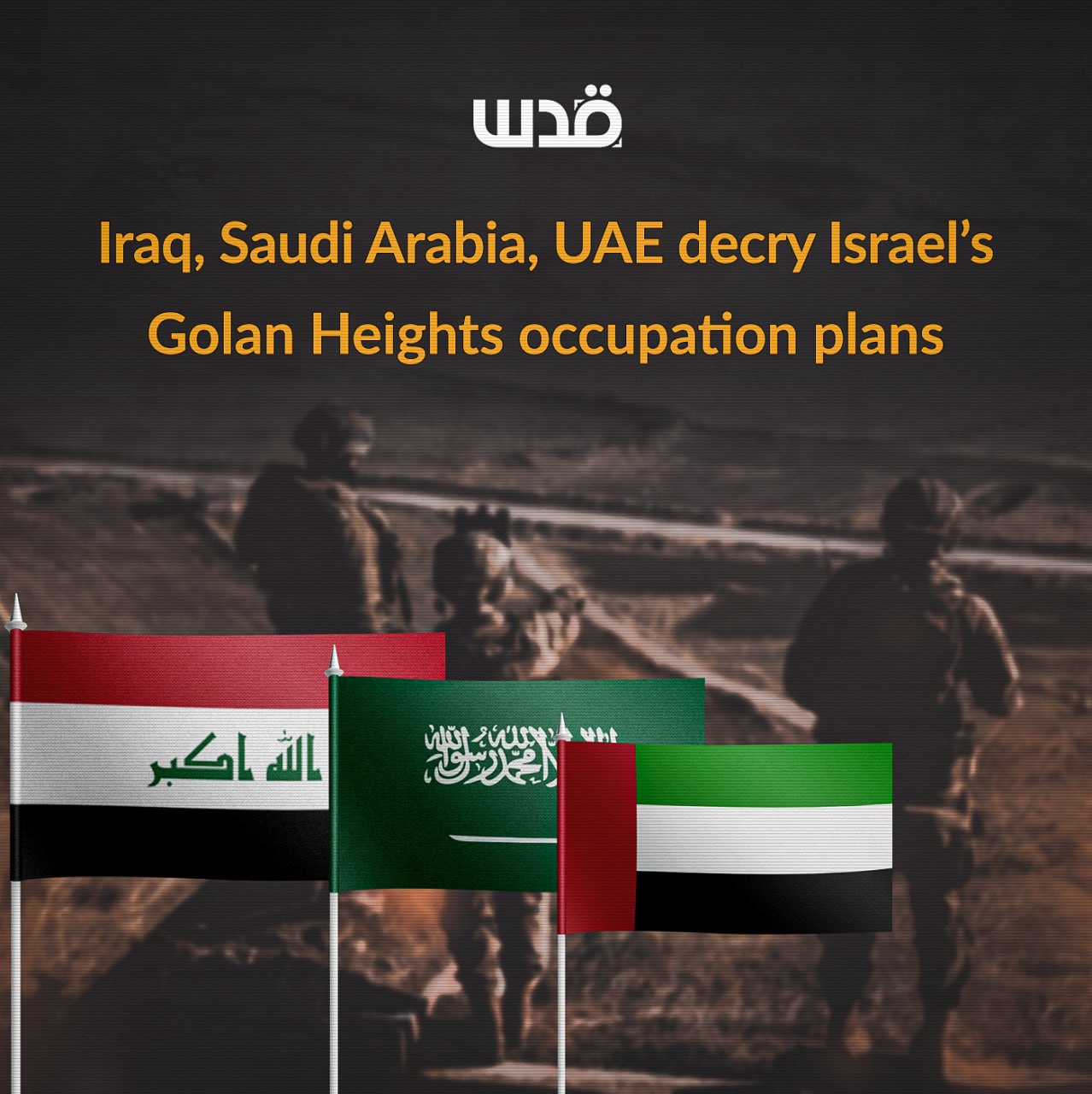
The Iraqi Foreign Ministry “strongly condemned” the Israeli decision to expand settlements in the occupied Golan Heights and called for Syria to “regain full sovereignty over its territories”.
The UAE also slammed the move, describing it as a “continuation of the occupation and a violation of international laws”.
Saudi Arabia denounced the Israeli plan, saying it was aimed at sabotaging “Syria’s chances of restoring its security and stability”.
CrossFireArabia
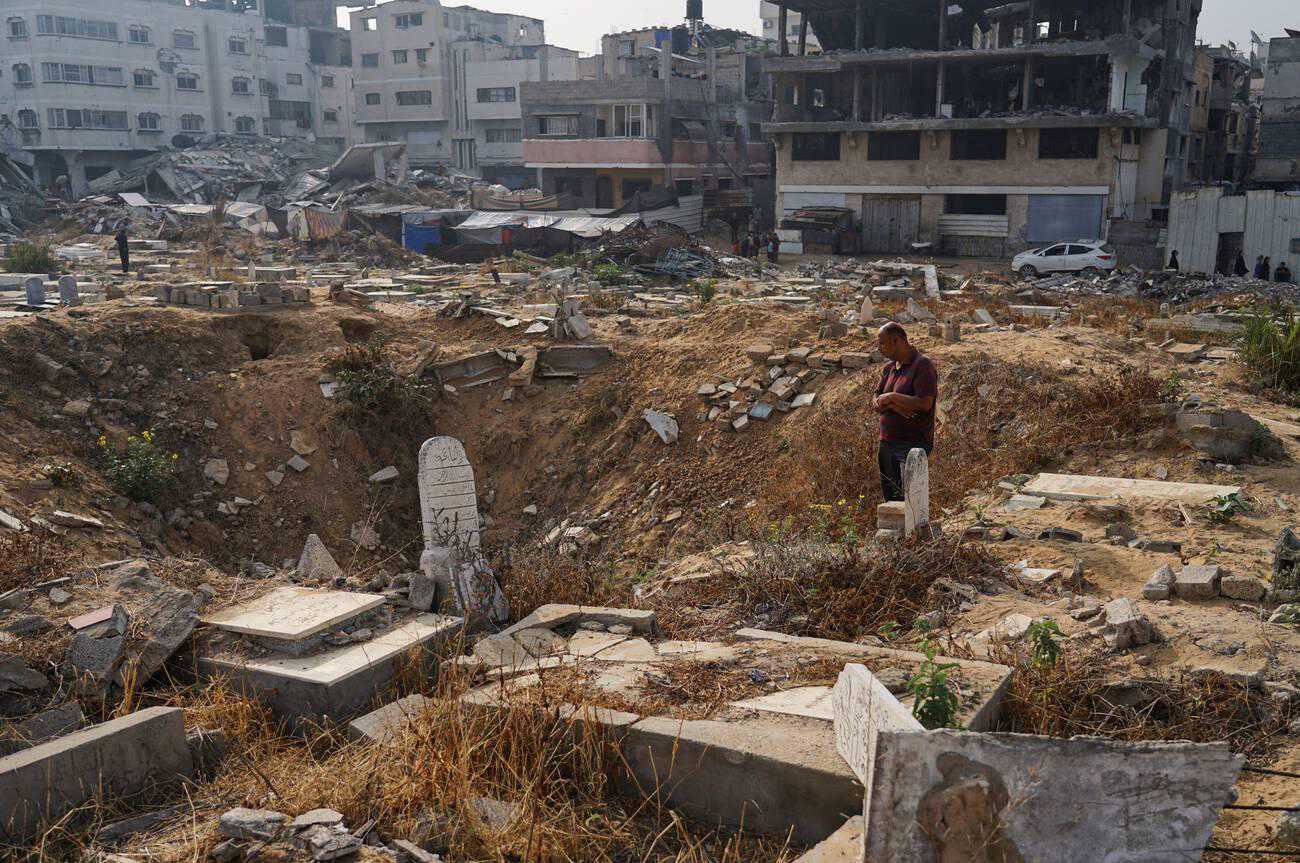
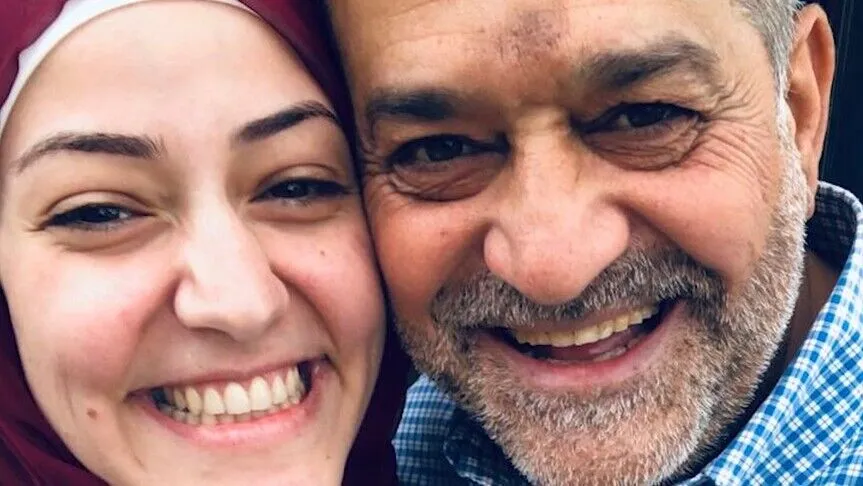
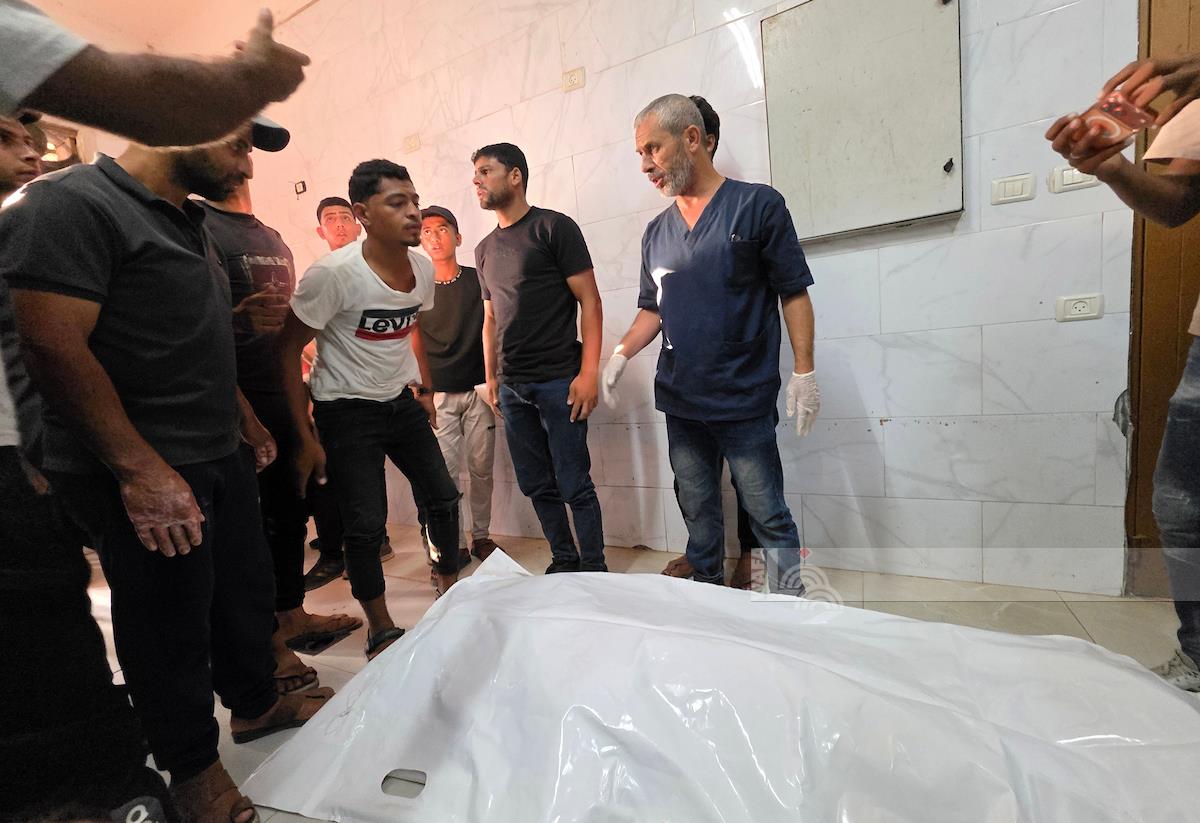
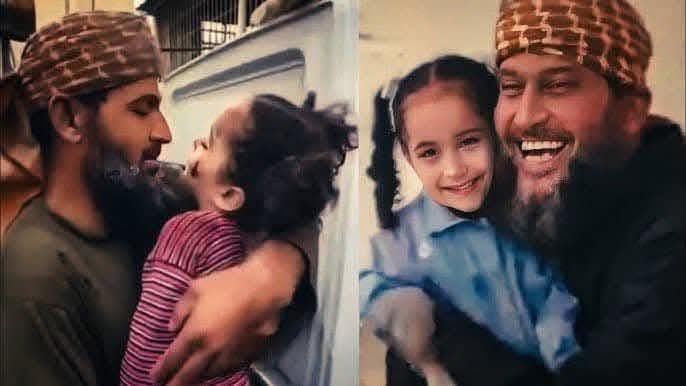
Sheikh Khaled Nabhan, the grieving Palestinian grandfather who touched the hearts of millions worldwide as he bid farewell to his granddaughter Reem, was killed on Monday morning in an Israeli attack in the Nuseirat refugee camp in central Gaza.
He was killed in an Israeli artillery attack on a place near a cemetery in the refugee camp, where two others were also killed.
A video of Khaled emerged of him kissing the lifeless body of his three-year-old granddaughter Reem, calling her ‘the soul of my soul!’
Reem and her five-year-old brother Tariq were both killed when an Israeli airstrike hit their home in southern Gaza.
“I found myself under the rubble of the house,” Khaled was quoted saying. “I suffered bruises and my daughter was injured, while we lost my two grandchildren, Reem and Tariq. My other son and daughter were wounded.”
He added: “Reem was a part of my life. Before she passed away, I dreamed of her growing up and achieving her goal of going to university and consulting with me about choosing her major,” as reported in the Quds News Network.
CrossFireArabia
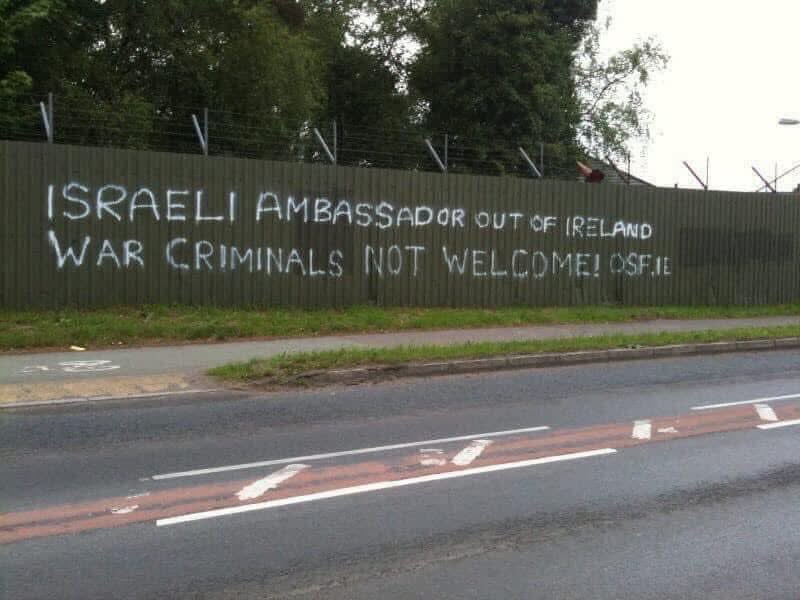
Relations between Ireland and Israel over Palestine and Gaza reached an all-time low that Tel Aviv announced, Sunday, it will close down its Embassy in Dublin.
Israeli Foreign Minister Gideon Sa’ar said Israel is closing its embassy in Ireland in light of what he calls “the extreme anti-Israel policies pursued by the Irish government.”
Sa’ar implied the Israeli decision was expected because a few months ago Israel recalled its ambassador to Dublin Dana Erlich after Ireland’s unilateral decision to recognize a Palestinian state.
Recently Ireland announced its support for South Africa’s legal action in the International Court of Justice, accusing Israel of committing genocide.
Irish Prime Minister Simon Harris said Israel’s decision to close its embassy in Dublin was “deeply regrettable.”
On 28 May, Ireland announced its official recognition of the Palestinian state, and the Dublin government agreed to establish full diplomatic relations, in defiance of Israel, which denounced the plan.
As well last November, Harris said that Dublin would be prepared to arrest Israeli Prime Minister Benjamin Netanyahu if he set foot in Ireland following an arrest warrant issued by the International Criminal Court.
The diplomatic row has been escalating between the two countries but Ireland has not recalled its ambassador from Tel Aviv.
CrossFireArabia
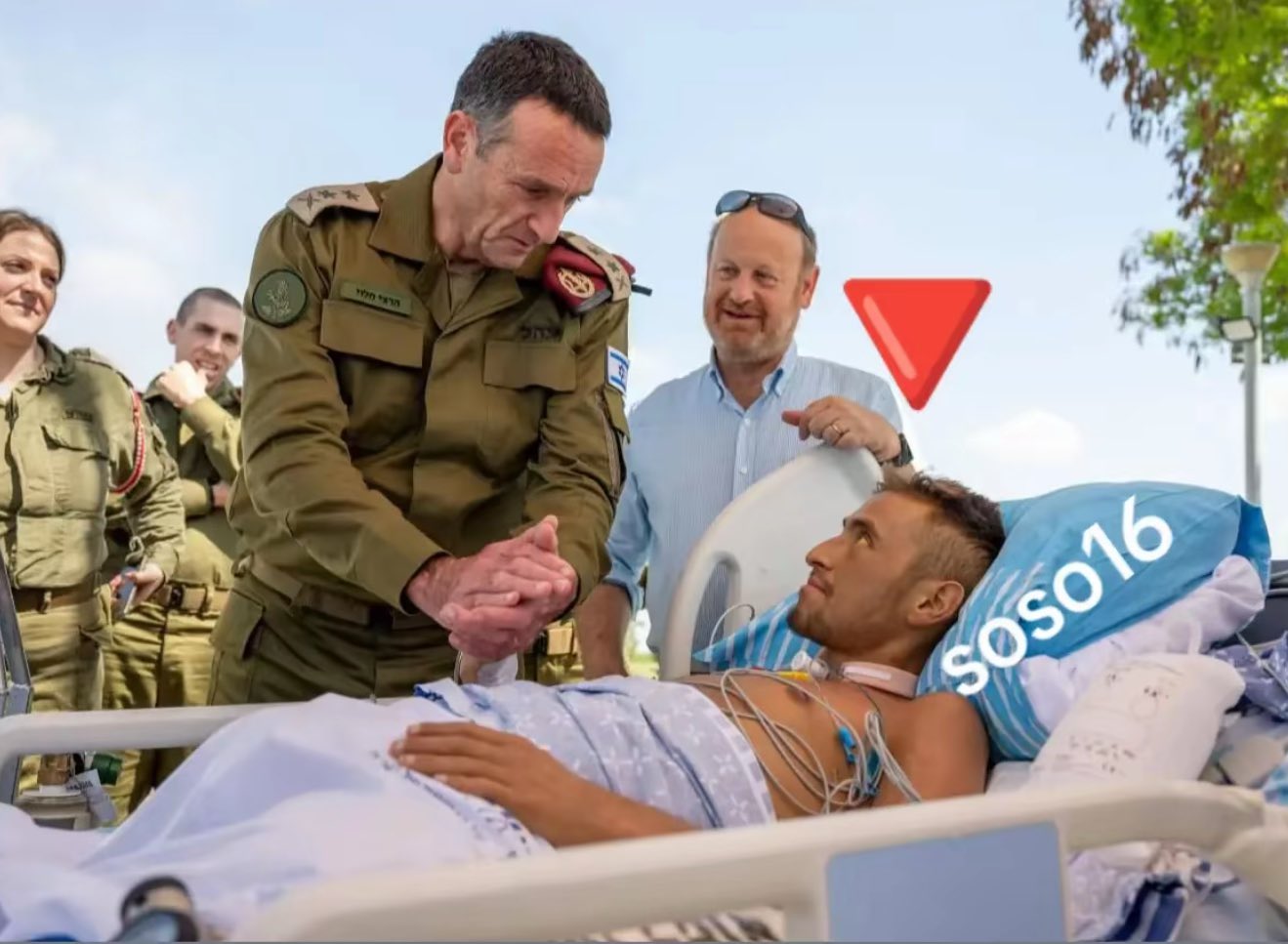
The UK government granted a “special mission certificate” to the Israeli Army Chief of Staff Herzi Halevi affording him “temporary diplomatic immunity” for the duration of his visit to Britain last month, Declassified UK has revealed.
In response to a parliamentary question from Labor MP Brian Leishman, the Foreign Office confirmed on Wednesday that it “gave consent for special mission status for the visit to the UK on 24-25 November of Lieutenant General Herzl Halevi, Chief of the General Staff of the Israel Defense Forces, and delegation.”
Halevi met with senior UK officials from the Defense Ministry and Foreign Office to discuss “the ongoing conflicts in Lebanon and Gaza,” in addition to meeting with Britain’s attorney general, Richard Hermer, the report said.
His visit came just three days after the International Criminal Court (ICC) issued arrest warrants for Israeli Prime Minister Benjamin Netanyahu and former Defense Minister Yoav Gallant for “crimes against humanity and war crimes,” compelling the ICC’s 124 member states to arrest them should they enter their territory.
According to Declassified UK, Halevi was “initially reported to have been included in the ICC’s arrest applications for the crime of having ‘deliberately starved Palestinians in Gaza’.”
Although he was ultimately not named in the arrest warrants, the news organization said it was “possible to issue private arrest applications in Britain under universal jurisdiction legislation.” Such an application “allows for the most serious crimes to be prosecuted regardless of where they are committed.”
By issuing Halevi with the “special mission certificate,” the UK government effectively “blocked this avenue for redress,” said the report, “granting him temporary diplomatic immunity for the duration of the visit.”
The move was criticized by the International Centre of Justice for Palestinians (ICJP) spokesman Jonathan Purcell as undermining the UK’s global position “by associating so closely with a pariah state.”
“It seems beyond belief that the UK attorney general could meet with the head of the IDF, mere days after arrest warrants were issued for Netanyahu and Gallant,” he told Declassified UK.
“Halevi may not yet have an arrest warrant himself, but regardless, the International Criminal Court Act 2001 obliges the UK to investigate, arrest and prosecute suspected war criminals,” Purcell said, adding that the attorney general’s meeting with Halevi was “utterly reckless.”
In 2011, the UK government passed new legislation “requiring the consent of the director of public prosecutions (DPP) before universal jurisdiction arrest warrants could be issued.”
The amended law followed a 2005 incident in which a private arrest application was issued “for retired Israeli general Doron Almog over alleged war crimes committed in Gaza.” Almog was tipped off and remained on his plane before returning to Israel. This led to a “years-long campaign” by the Israeli government to prevent such possible incidents.
The shift in UK policy was precisely “what the Israeli government had lobbied for,” said the report, as the reforms meant that it would “no longer be possible to issue a private jurisdiction arrest application directly to a British court.”
Indicating how the changes were implemented with Israeli officials in mind, the report added, the country’s then-foreign secretary William Haque had said “We cannot have a position where Israeli politicians feel they cannot visit this country.”
Since the amended law, the UK government has issued over 50 special mission certificates to officials from various countries including Israel, Egypt, Saudi Arabia and Rwanda.
Of those, 16 were issued to Israeli officials including Netanyahu, former Israeli foreign minister Tzipi Livni, and the former Israeli military intelligence directorate chief Amos Yadlin, said the report.
Since the onset of Israel’s genocidal assault on Gaza last October, two special mission certificates have been granted to Israeli officials. These included Israeli politician Benny Gantz who received immunity to visit the UK in March this year and Halevi for his visit last month, the report stated.
According to Gaza’s Ministry of Health, 44,875 Palestinians have been killed, and 106,454 wounded in Israel’s ongoing genocide in Gaza starting on October 7, 2023.
Moreover, at least 11,000 people are unaccounted for, presumed dead under the rubble of their homes throughout the Strip.
CrossFireArabia
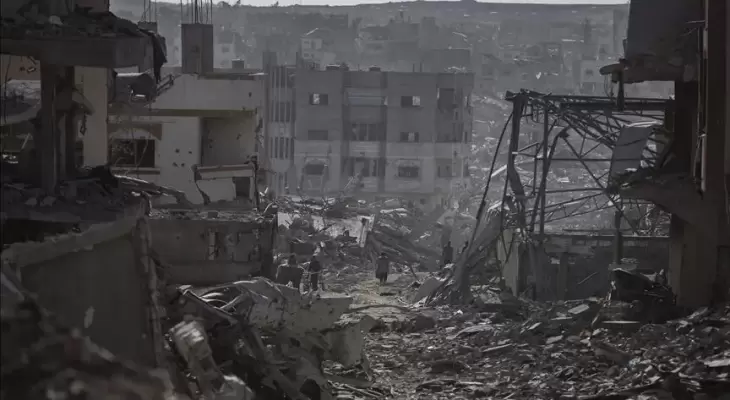
It is unthinkable for “culture” to be destroyed by wars, yet in Gaza it is. Culture, its monuments and symbols have long become military targets crushed in a sadistic and criminal context where the aggressor targets the human and civilizational components of the subjugated party. This is what the Israeli occupation wants from its war on the Gaza Strip, brutal images committed for more than 14 months.
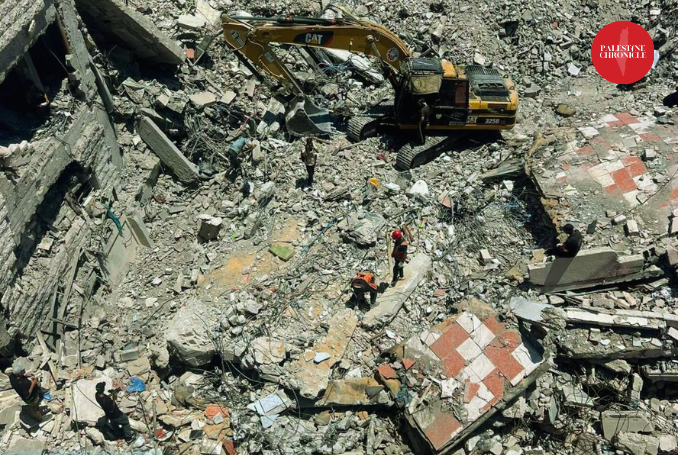
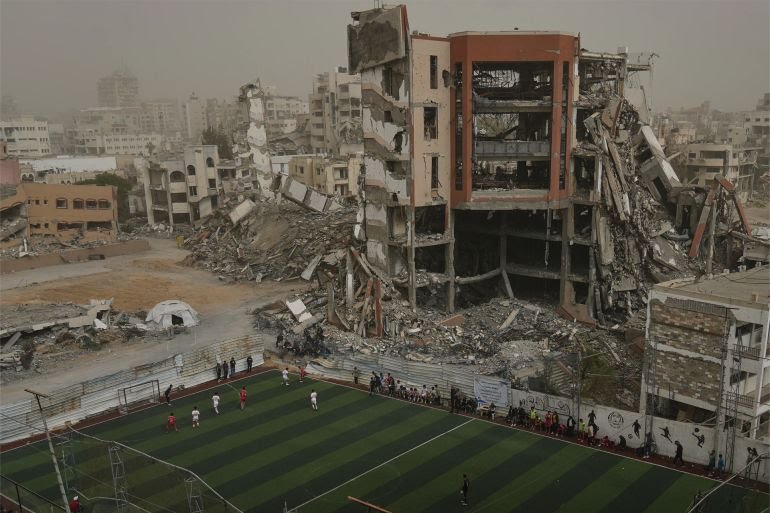
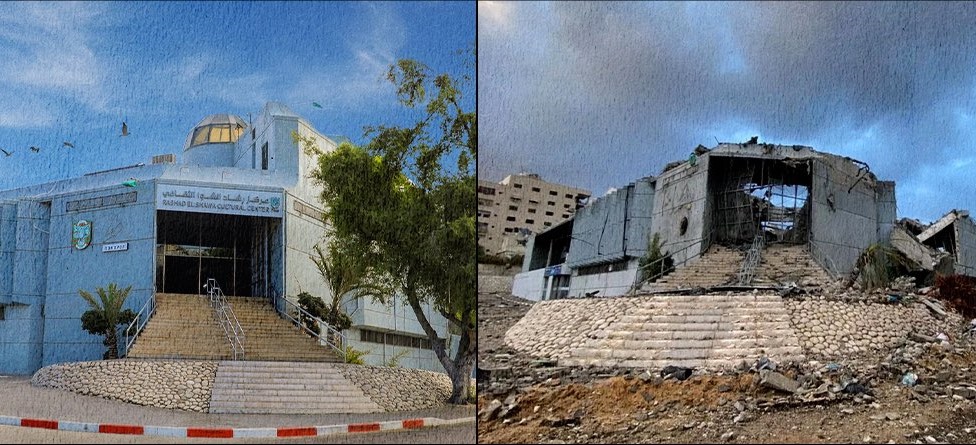
The Rashad Shawa Cultural Center (RSCC) is evidence of the Israeli “scorched-earth” policy on the Gaza Strip. The center was transformed from a cultural symbol receiving hundreds of people daily as part of its intellectual, cultural, and artistic activities, exhibitions, and communicating with the world in seminars addressing all local and global issues, into a destroyed, desolate place now for displaced people who seek shelter from the Israeli Nazi Holocaust the occupation is waging across the Strip.
Following 7 October, 2023, the Israeli aggression began targeting all cities and regions of the Strip, especially the northern governorates, and spreading death everywhere with the residents of Gaza finding themselves forced to move from one place to another, seeking nothing more than escape from the Israeli cauldrons of death.
Weeks passed after the start of that aggression while temporary truces only lasted for a few days, allowing the people of the Al-Rimal neighborhood in Gaza City to return to their wrecked homes, only to be shocked by the the gutted Center that had become a thing of the past, after the Israeli army and occupation bombed it.
The residents had long been accustomed to seeing this great cultural edifice. Inside were chants, competitions, and humming of readers in the library that held more than 100,000 books in the sciences, knowledge, and arts, and a source of pride for the residents of Gaza becoming a destination for visitors from all over the world; a beaconed intellectual window that expresses Palestinian civilization with its diverse spectrums and openness to the world, in addition to what it represented of dear memories, now turned upside down by the brutality of the occupation into a pile of dirt.
The Gaza Municipality condemned the Israeli destruction of the Center, as part of its barbaric aggression on the Gaza Strip, killing thousands of civilians, destroying the city’s main landmarks, and erasing the cultural memory of the Palestinian people according to the Palestine Information Center.
The municipality called on UNESCO to intervene and condemn the occupation’s crimes against cultural centers, libraries, and historical and archaeological landmarks of the city.
The RSCC was the first of its kind to be built in Palestine, and named after Rashad Shawa, who served as the mayor of Gaza between 1972 and 1975, and built this center to become a Palestinian cultural beacon.
The architectural and engineering plans for establishing and designing the center began in 1978 and it first opened its doors in 1985 and its printing press began the following year with the center slowly expanding its activities reaching a peak in the 1990s and especially after 1994 when the Palestinian Authority took its seat there.
The RSCC center had a distinctive design that give it a modernistic outlook spread over two floors with a spiral stairway and an impressive triangular roof. In 1992, it was nominated for the Aga Khan Award for Creativity in Architecture. Before its destruction, those in charge took care of it and restored it periodically to preserve its distinctive architectural appearance.
The building witnessed important events in the history of the Palestinian cause, including: Hosting sessions of the National and Legislative Councils, and visits by heads of state, including former US President Bill Clinton in 1998 met by the late Palestinian President Yasser Arafat, and many world figures.
Cultural isolation
Before its destruction, the center worked to end the cultural and civilizational isolation the Palestinians suffered from as a result of the Israeli occupation, and its attempt to erase the Palestinian identity and steal its heritage.
Even before its destruction, the center faced global isolation because of the continued Israeli siege that was imposed on Gaza since 2007 and the worsening economic situation that was created and which was reflected in the social and cultural aspects of life in the Strip.
As with all aspects of life in Gaza, nothing has remained the same, the buildings no longer stand, the patterned landmarks destroyed, families scattered while institutions reduced to brick and mortar if not plotted out.
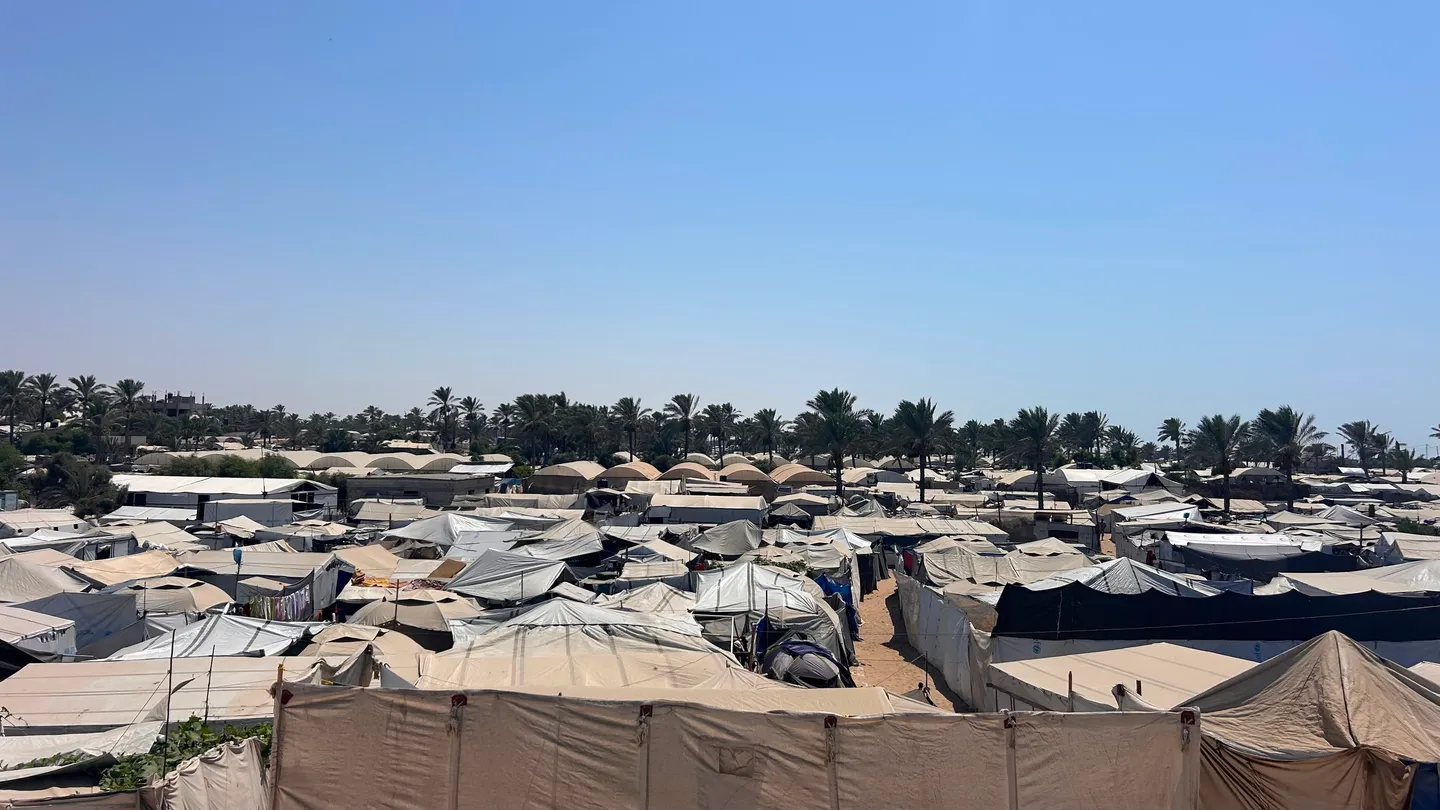
Culture usually plays its role in awareness and enlightenment but here and over the past months, it has become a witness to the tragedies of massacres, separation of family and friends, and the endless journeys of people forced to move with the center reduced to housing refugees who place plastic bags on its walls to protect themselves, and light fires to try and keep warm from the harsh winter.
In its ongoing aggression on the Gaza Strip, the Israeli occupation targeted the cultural and scientific centers of Gaza, its universities, and all outlets expressing the identity, civilization and heritage of the Palestinian people to obliterate their cultural landmarks so that the barbarism of occupation is entrenched in their public memory and the identity of the right of the owners to the land and holy places erased.
Israel Will Not Succeed
The RSCC was not the only architectural and cultural victim of the Israeli aggression as the destruction machine flattened universities and other cultural centers, including Al-Saqa Palace in Gaza City’s Shuja’iyya built at the end of the Ottoman period during the reign of Sultan Muhammad IV.
In November 2023, Abaher Al-Saqa, professor in the Department of Social and Behavioral Sciences at Birzeit University, wrote: “Beit Al-Saqa, or as people call it, Qasr Al-Saqa, was built by my late grandfather’s cousin, Ahmad Al-Saqa, one of the city’s major merchants. Its walls are studded with sandstone and the ceilings are Roman marble. It is 350 years old and was designated by the family to be turned into a cultural center after it was restored by the Islamic University. It was bombed as part of the brutal colonial bombing. The colonial authorities are exterminating the city’s urban and architectural history, in parallel with the genocide.”
Riwaq, the Palestinian Center for Popular Architecture, based in the West Bank city of Al-Bireh (which participated in the restoration of Beit Al-Saqa with the Iwan Center of the Islamic University of Gaza), noted in a recent post the house was completely bombed on 9 November, according to Aser Al-Saqa, a member of the family that owns the historic building in Shuja’iyya.