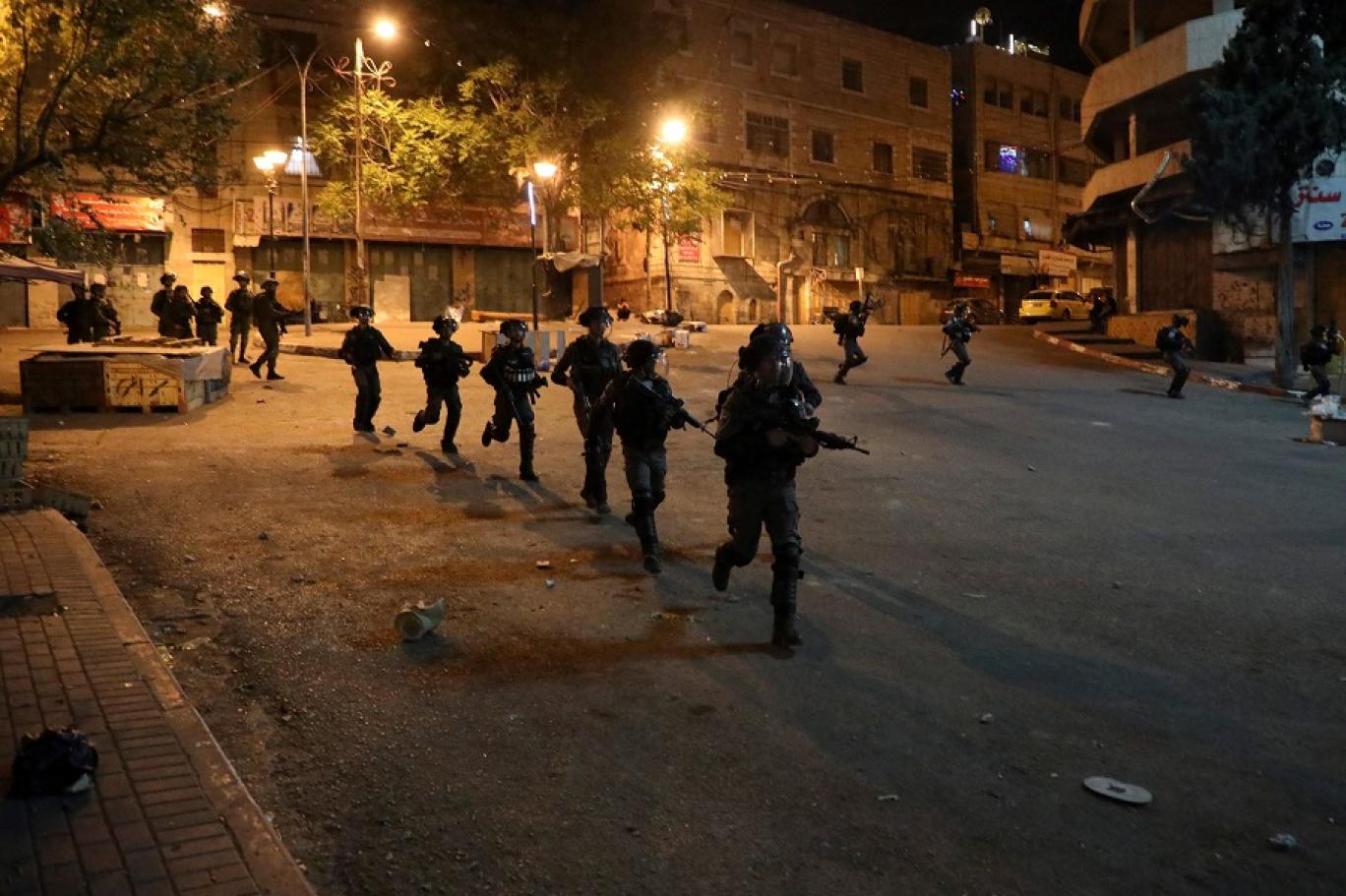
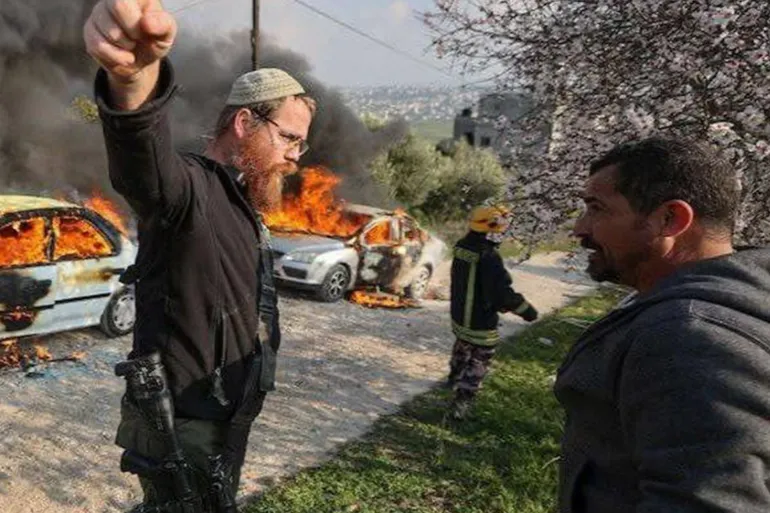
 900 Fires Caused by Israeli Settlers in The West Bank
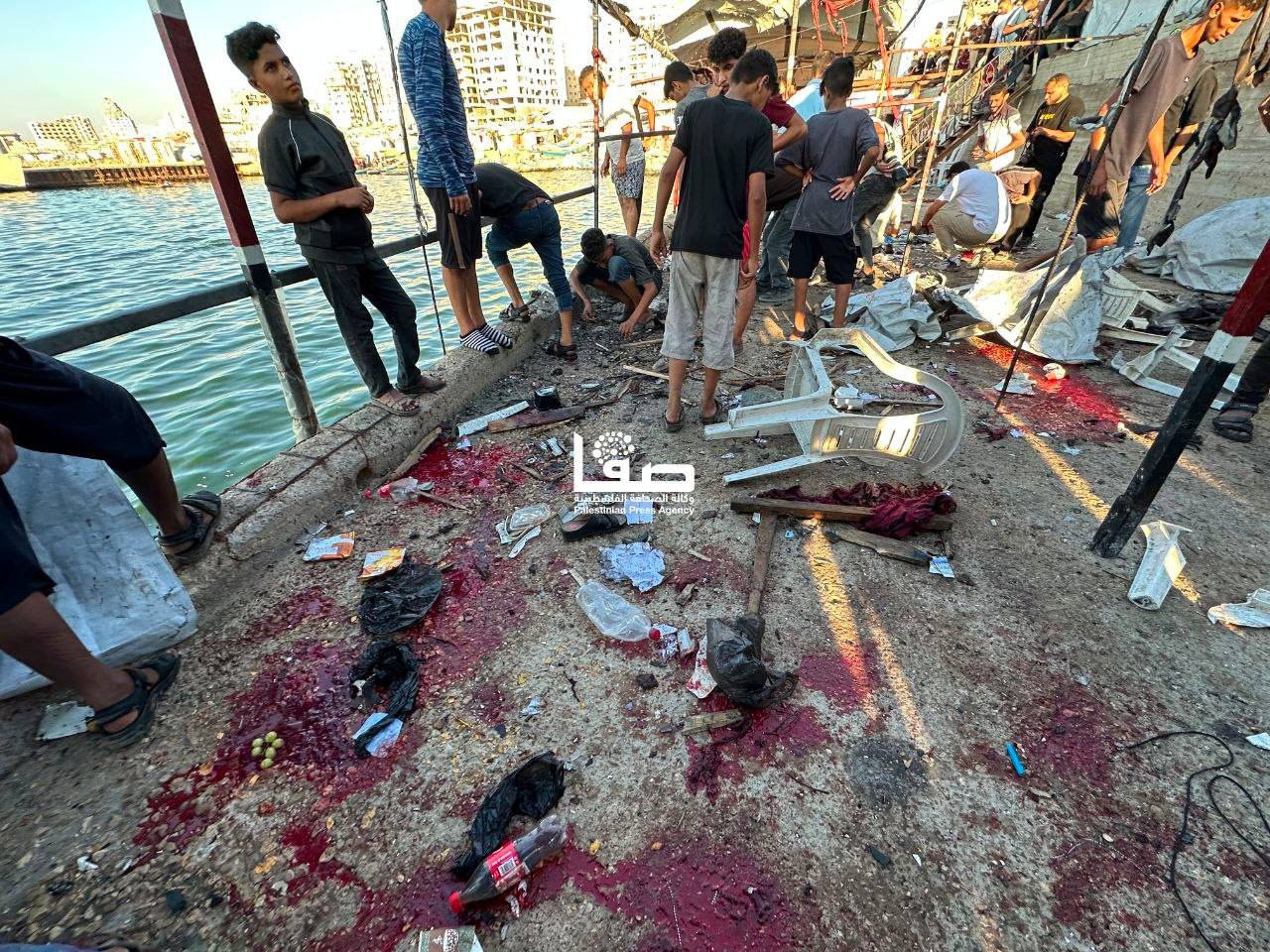
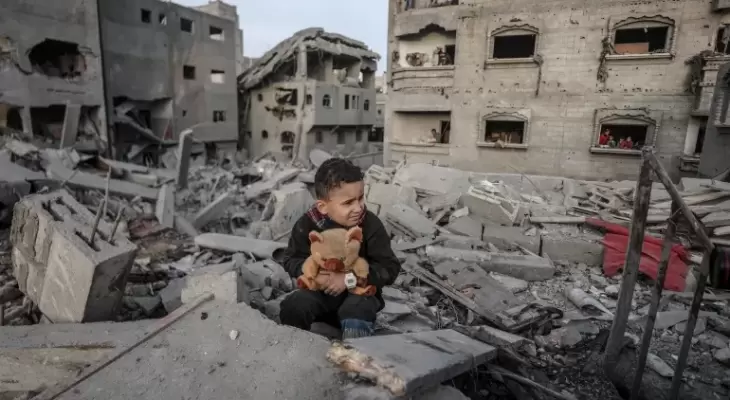
 Gazans Protest The Bombing of Their Water Plant
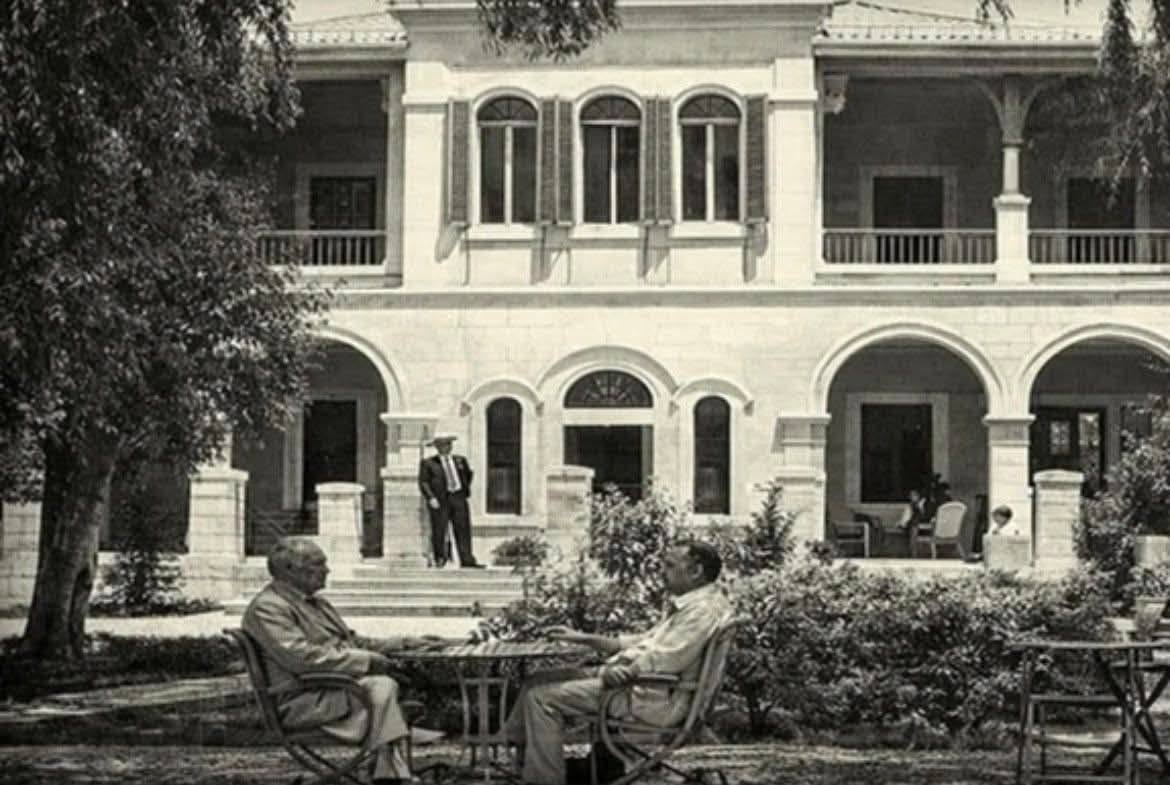
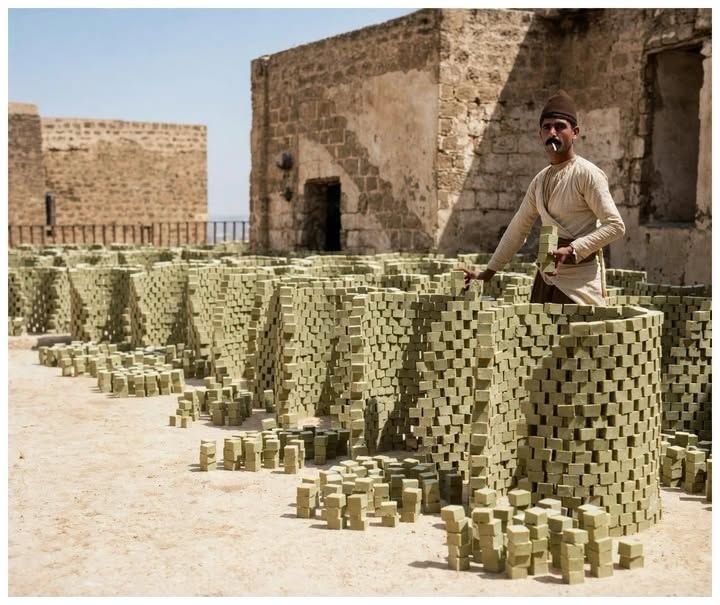 Soap-making in Yafa – Early 1920s
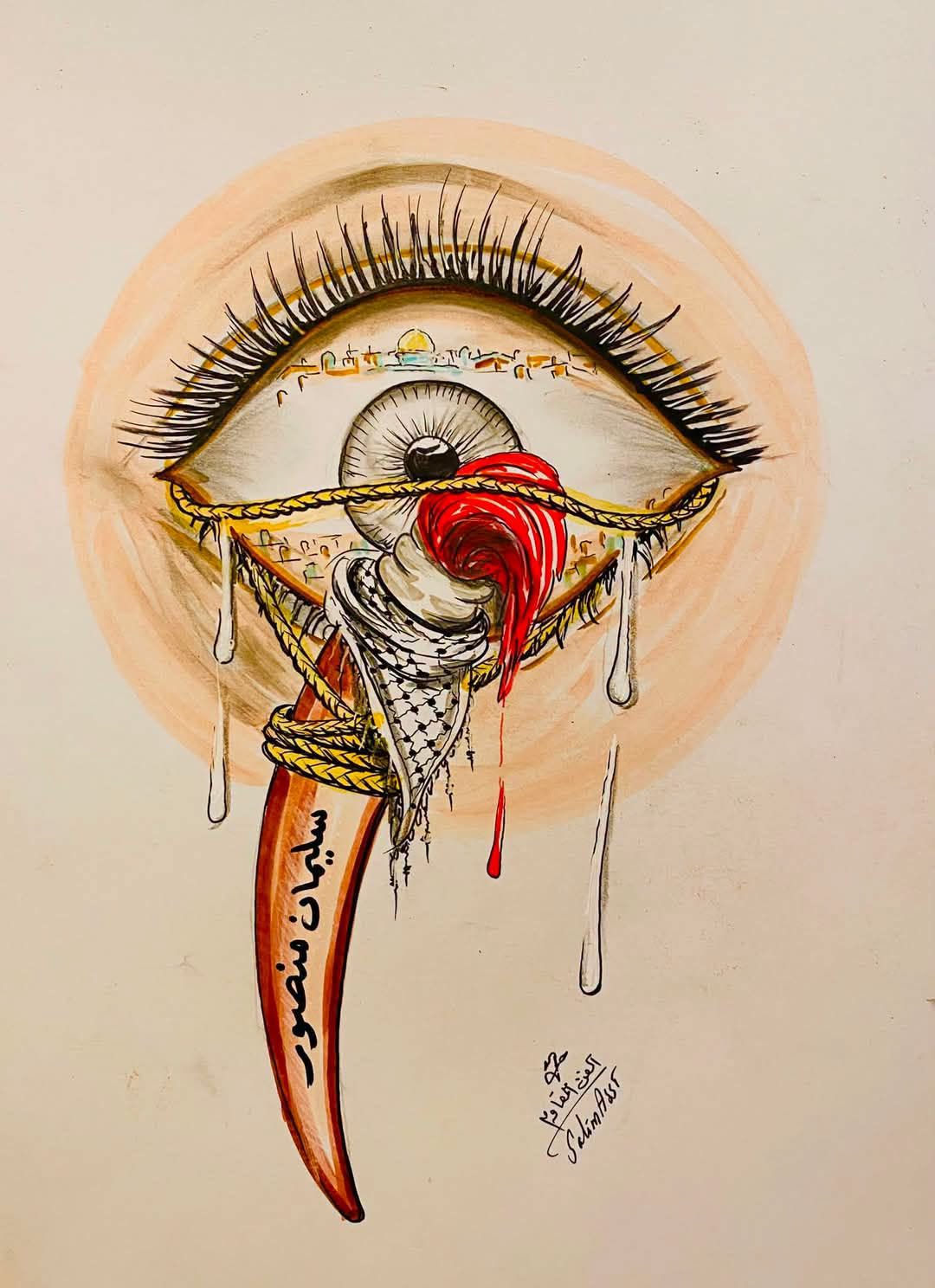
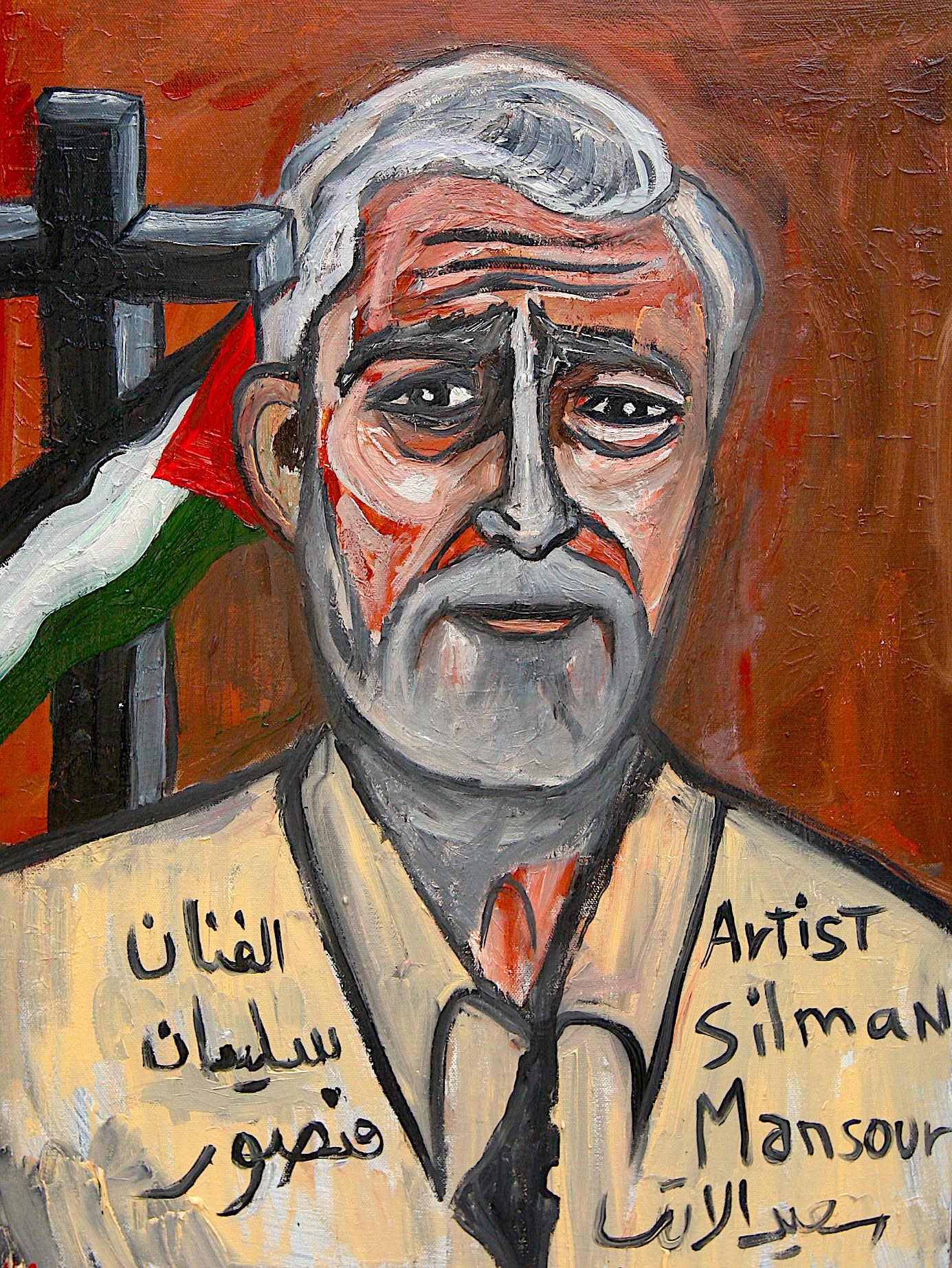 Sliman Mansour: ‘Artist of The Intifada’
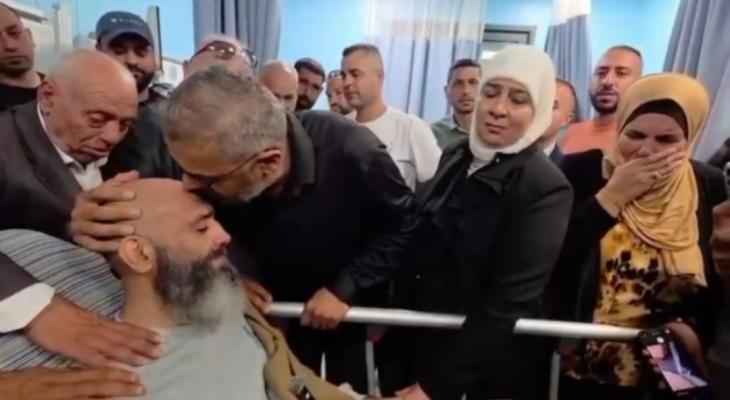 Palestinian Hassan Arar Freed After 22 Years in Jail



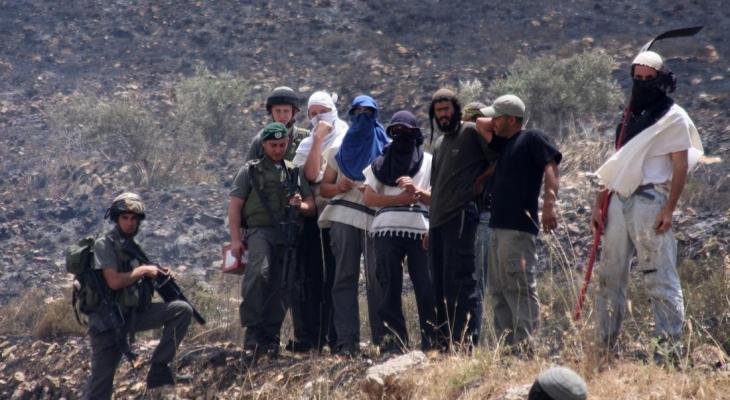
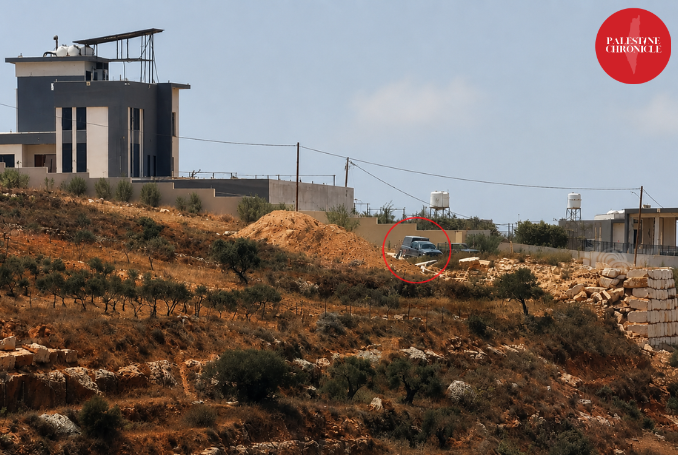
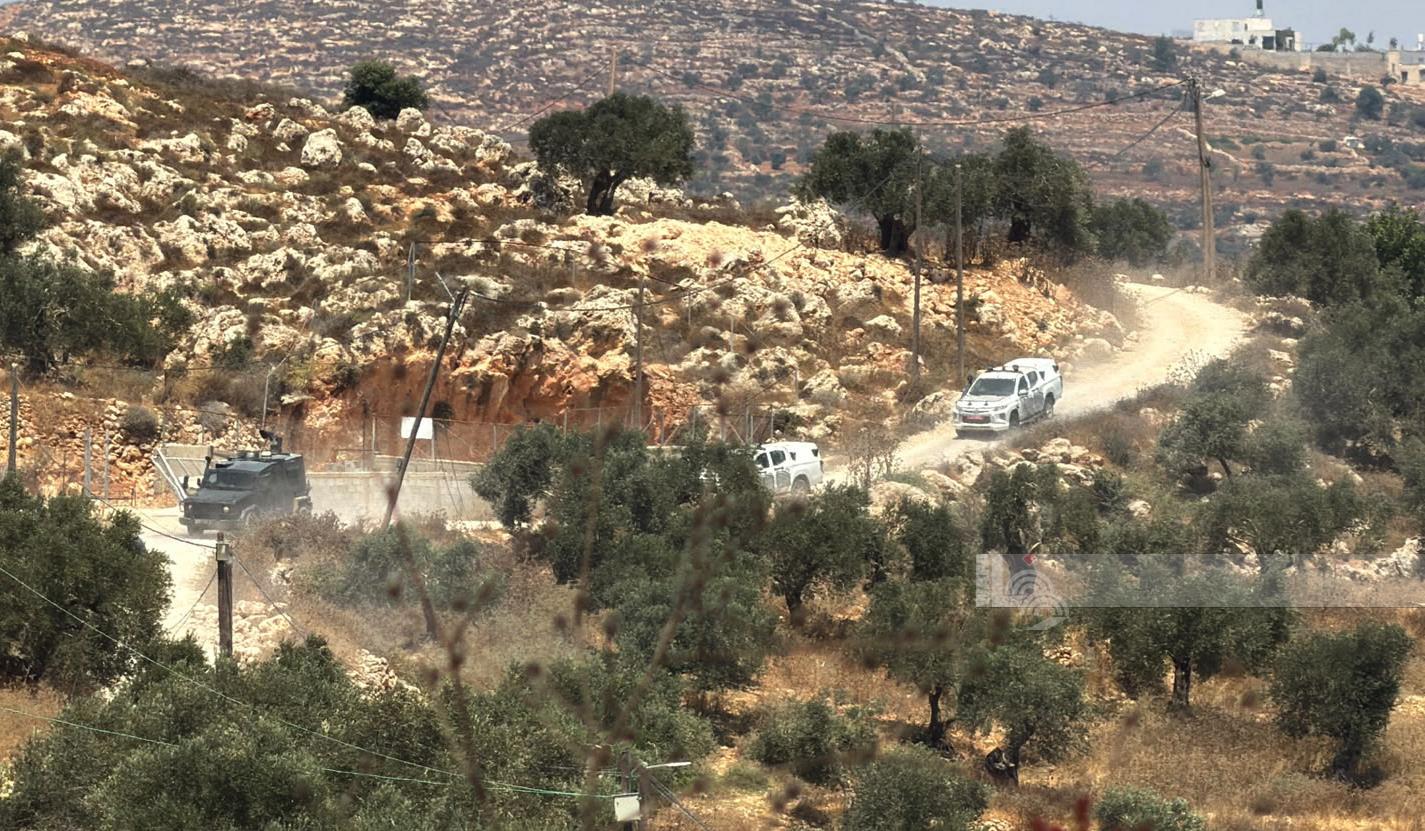
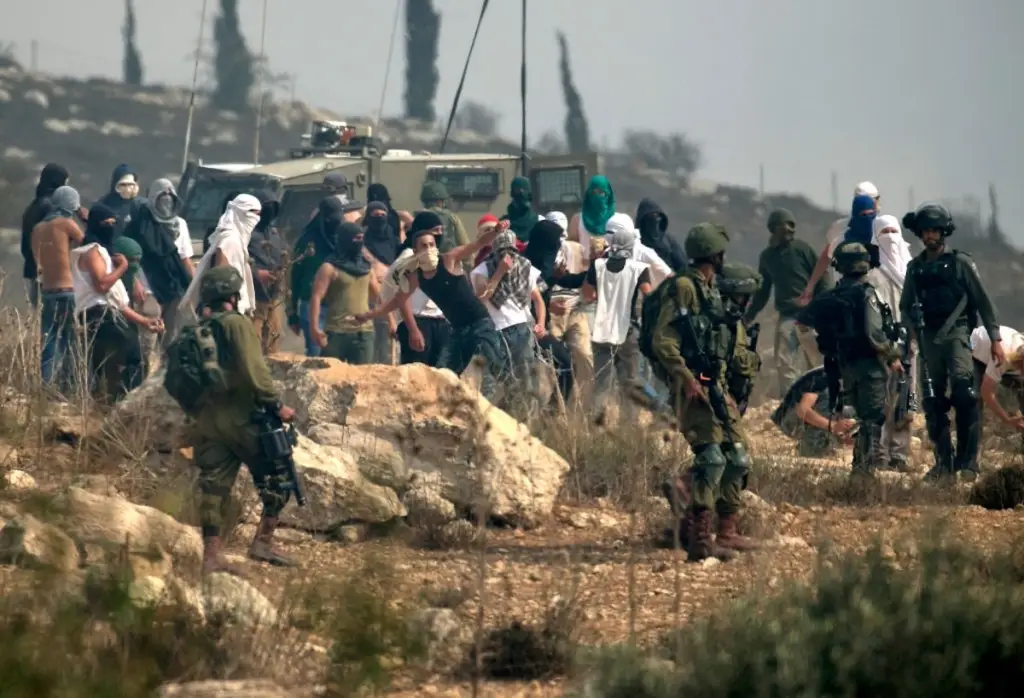
900 Fires Caused by Israeli Settlers in The West Bank
Heba
- August 28, 2026
 Heba
Heba CrossFireArabiaCrossFireArabia
 marwanmarwanCrossFireArabiaCrossFireArabiaCrossFireArabiamarwanCrossFireArabiaCrossFireArabiamarwanHebaCrossFireArabiaHebaHebamarwanCrossFireArabiaCrossFireArabiaCrossFireArabiaCrossFireArabiaHebamarwanHebaCrossFireArabiaCrossFireArabiaCrossFireArabiaCrossFireArabiaCrossFireArabiamarwanHebaCrossFireArabiaCrossFireArabiaCrossFireArabiaCrossFireArabiaCrossFireArabiaCrossFireArabiaCrossFireArabiaCrossFireArabiaHebaCrossFireArabiaCrossFireArabiaHebamarwanmarwanmarwanmarwanmarwanmarwanCrossFireArabiamarwanmarwan
 Saleem Ayoub QunamarwanCrossFireArabiaCrossFireArabiaCrossFireArabiaCrossFireArabiamarwanCrossFireArabiaCrossFireArabiamarwanCrossFireArabiaHebaCrossFireArabiamarwanCrossFireArabiamarwanHebaCrossFireArabiaCrossFireArabia
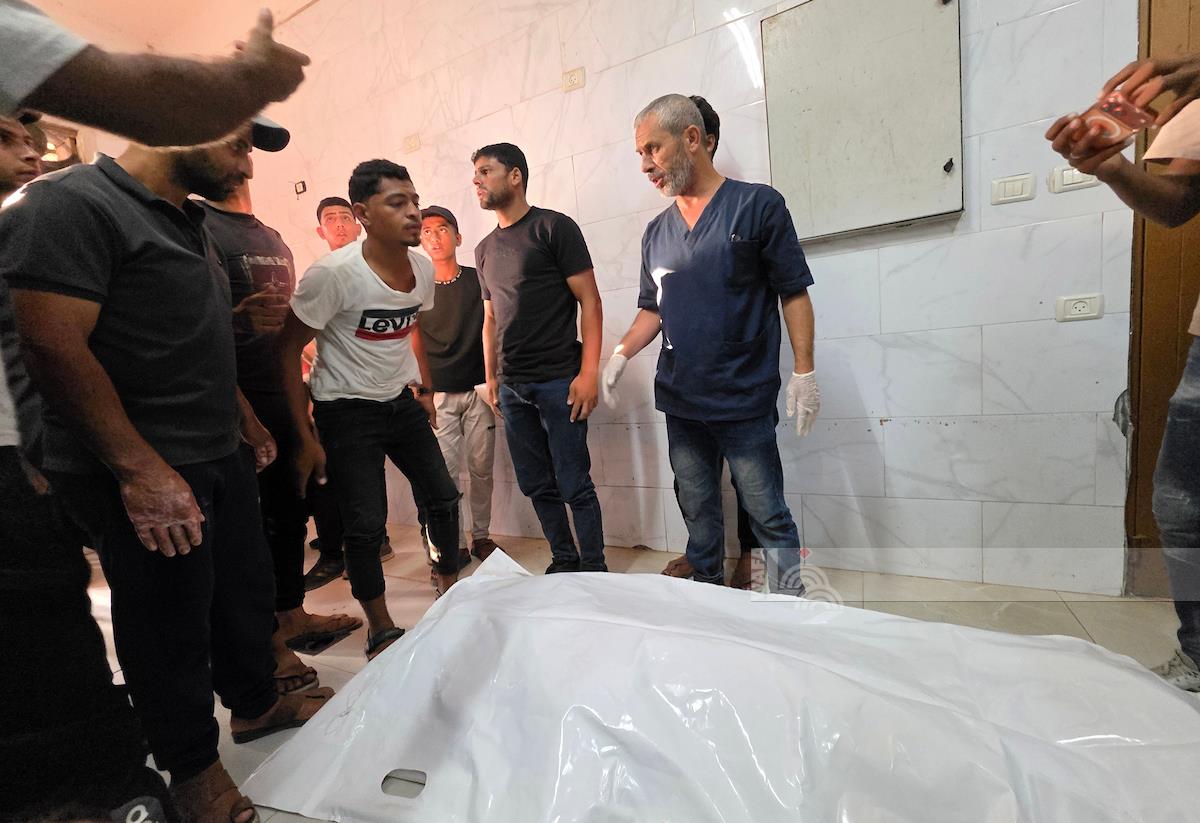
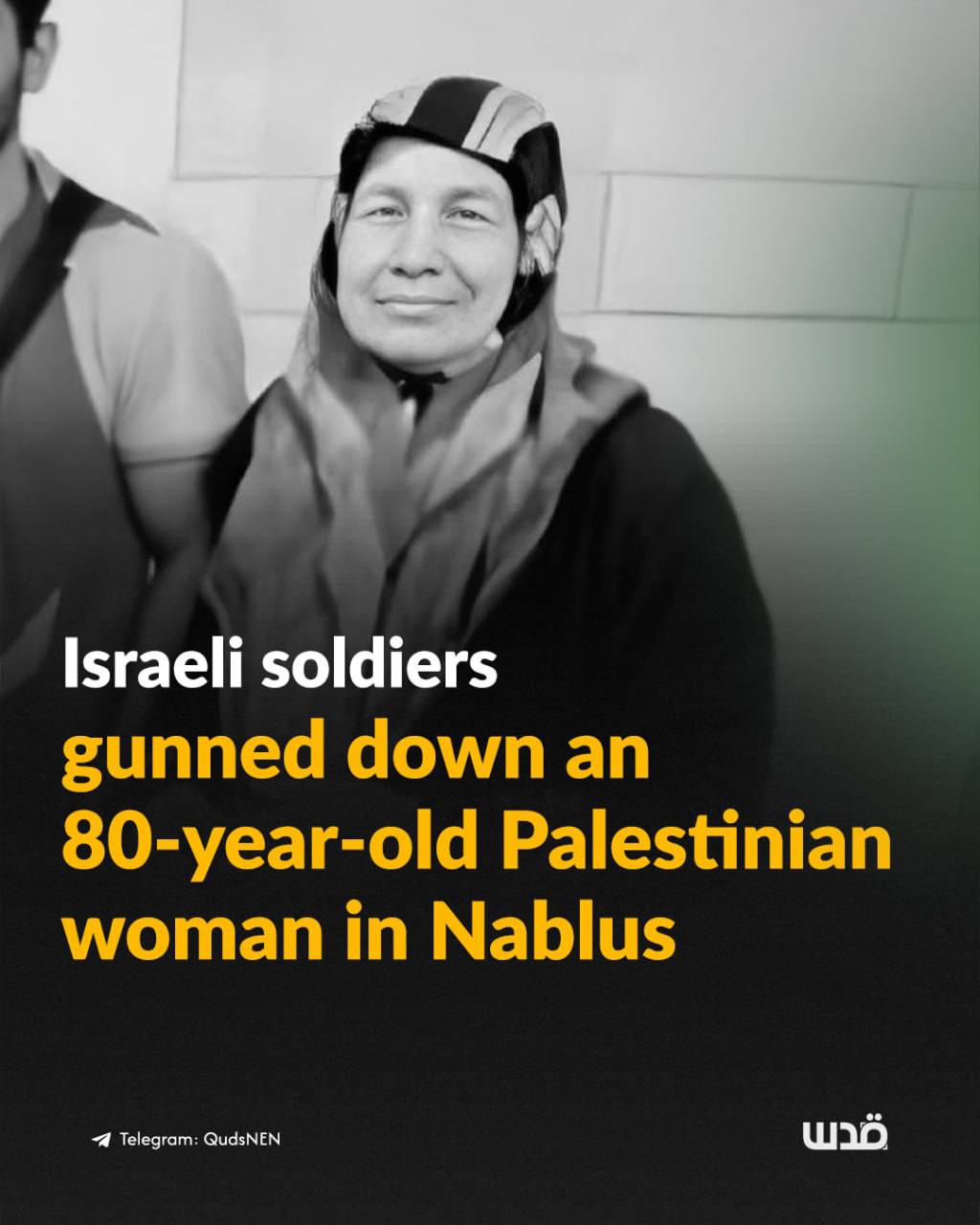
Israeli occupation forces directly shot and killed 80-year-old Palestinian woman Halima Abu Lail during their raid earlier Thursday on the Balata refugee camp in Nablus, occupied West Bank.
According to local sources, 208 Palestinians have been killed by Israeli occupation forces in the occupied West Bank since the start of the Israeli genocidal war against Gaza on October 7, 2023.
CrossFireArabia
According to Al Jazeera, thirteen staff members and freelancers at Germany’s international broadcaster Deutsche Welle have stated that the network is fostering a climate of fear among journalists covering Israeli occupation aggression in Gaza.
The network’s staff confirmed that they overheard colleagues making Islamophobic and dehumanizing remarks about Palestinians. They also pointed out that a separate style guide for reporting on Israel and the Palestinian territories prohibits the use of the term “Palestine,” claiming that “Palestine has not yet achieved statehood.”
Marking the first anniversary of Israel’s genocide in Gaza, the style guide directed staff: “The focus should be on the terrorist attack on Israel, but stories dealing with the war in Gaza can also be published on this day.”
CrossFireArabia
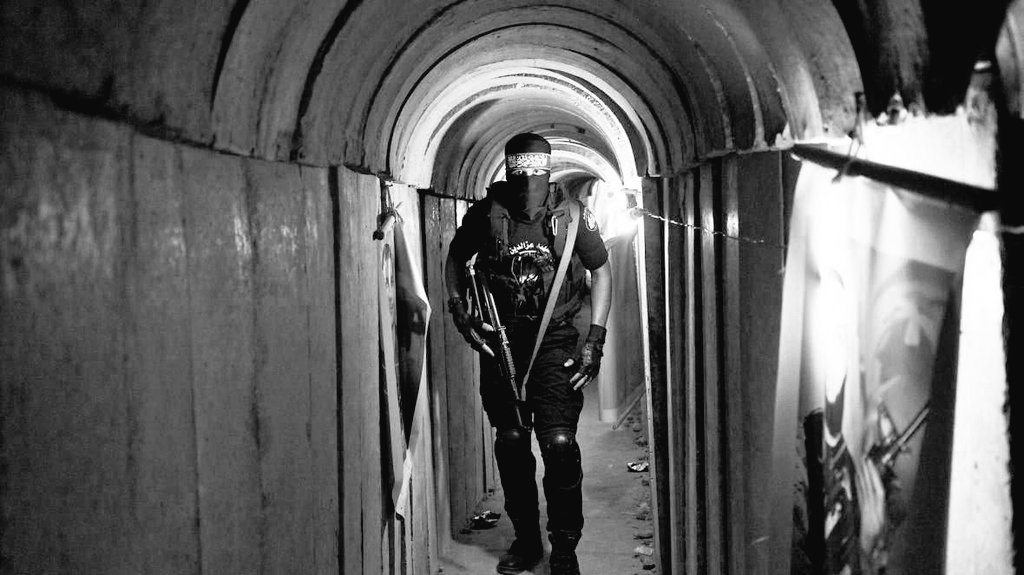
CROSSFIREARABIA – One Hamas fighter, killed an Israeli officer and three other soldiers on the streets of Jabalia, north Gaza in a turnaround posture in this bloody war on the Palestinian enclave.
The killing, Thursday morning, was a face-to-face operation as the lone Izz Al Din Al Qassam fighter first stabbed the Israeli soldiers, took away their weapons and armor and quickly vanished from the scene.
This is the first-time that a direct man-to-man fighting at zero-distance between Palestinian fighters and Israeli soldiers since the onslaught on Gaza that began soon after 7 October, 2023.
Observers see such a move as a major qualitative step of hand-to-hand combat. Up till now, and it has been 14 months of fighting, Hamas and Palestinian resistance operatives have been fighting the Israeli army from a distance – throwing grenades, missiles at their tanks, troop carriers and/or bulldozers. They were not operations as this latest one.
Through the Hamas’s operatives, the latest action was different, aiming for bodily contact which has never done before, on the Gaza Strip, nor at anywhere else in the world, one analyst pointed out for the latest “knifing” with a blunt instrument, showed the Palestinian resistance were now daring the Israeli soldiers to come and fight in open warfare.
It is seen as a major development in what has long been turned into a war of attrition on the streets of Gaza between Hamas fighters and the Israeli army.
It shows the spunk of the Palestinian fighters after Israeli militarily in-roaded north Gaza since 5 October 2024 and had been trying to end the presence of the Palestinian resistance there but to no avail. Of course, the Israeli army including Prime Minister Benjamin Netanyahu keeps boasting about the end of Hamas being near but what is happening on the ground doesn’t show that at all but the complete opposite.
Also on Thursday, a Hamas sniper killed an Israeli soldier in the Twam residential neighborhood, north of Gaza city to the west of Jabalia. He was part of a group of soldiers on top of a building, when he was sniped and instantly killed.
Brigadier-General Elias Hanna – a military analyst in Al Jazeera – say the latest military combat proves the Palestinian resistance have not been beaten but on the contrary, they are continually changing their military tactics and ways of fighting. He added it reflects the transition to a new qualitative phase of zero-distance targeting.
He added that from now on they could be aiming to fight man-to-man if indeed such operations as that happened in Jabalia continues to occur on a frequent basis from now on.
Israeli soldiers have been steadily falling over the past months because of the resistance despite the fact that there are currently three Israeli military divisions operating in the area as Hanna points out.