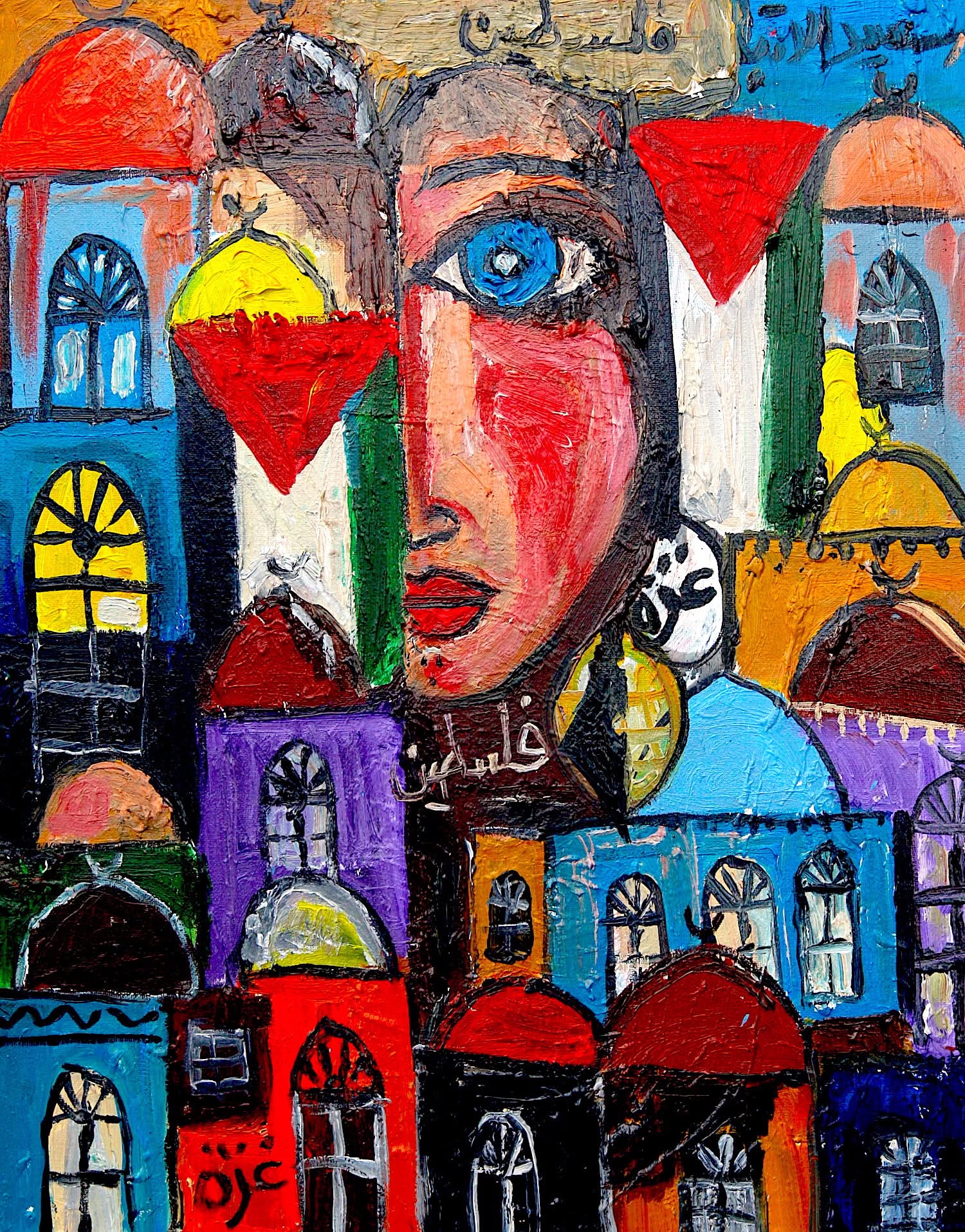
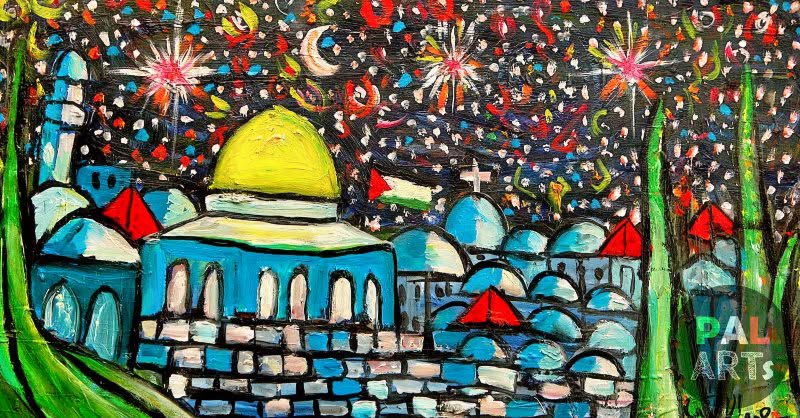
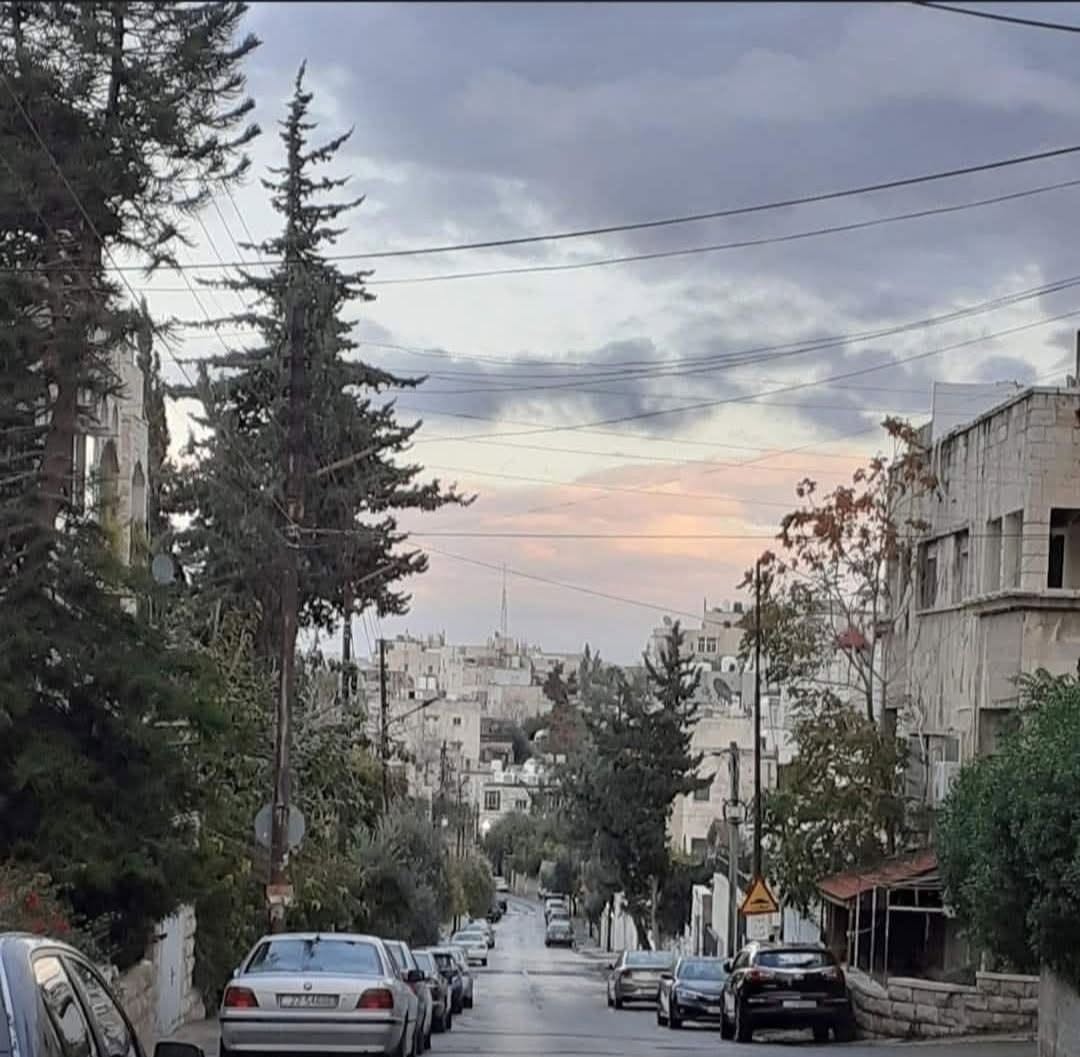
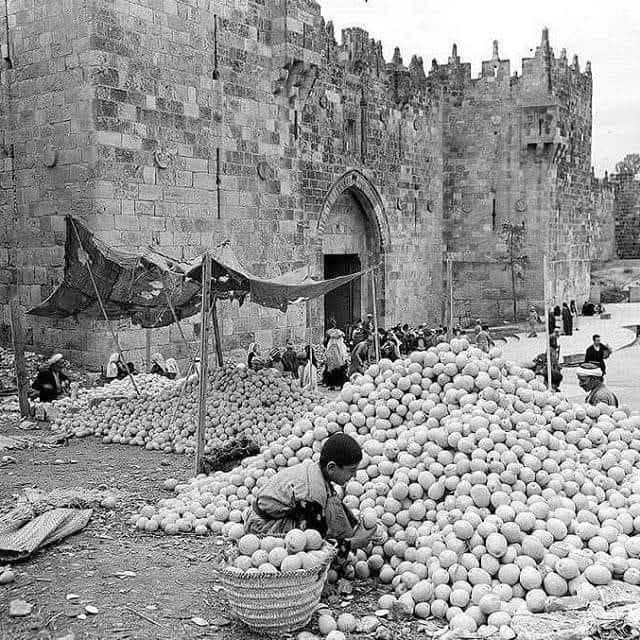
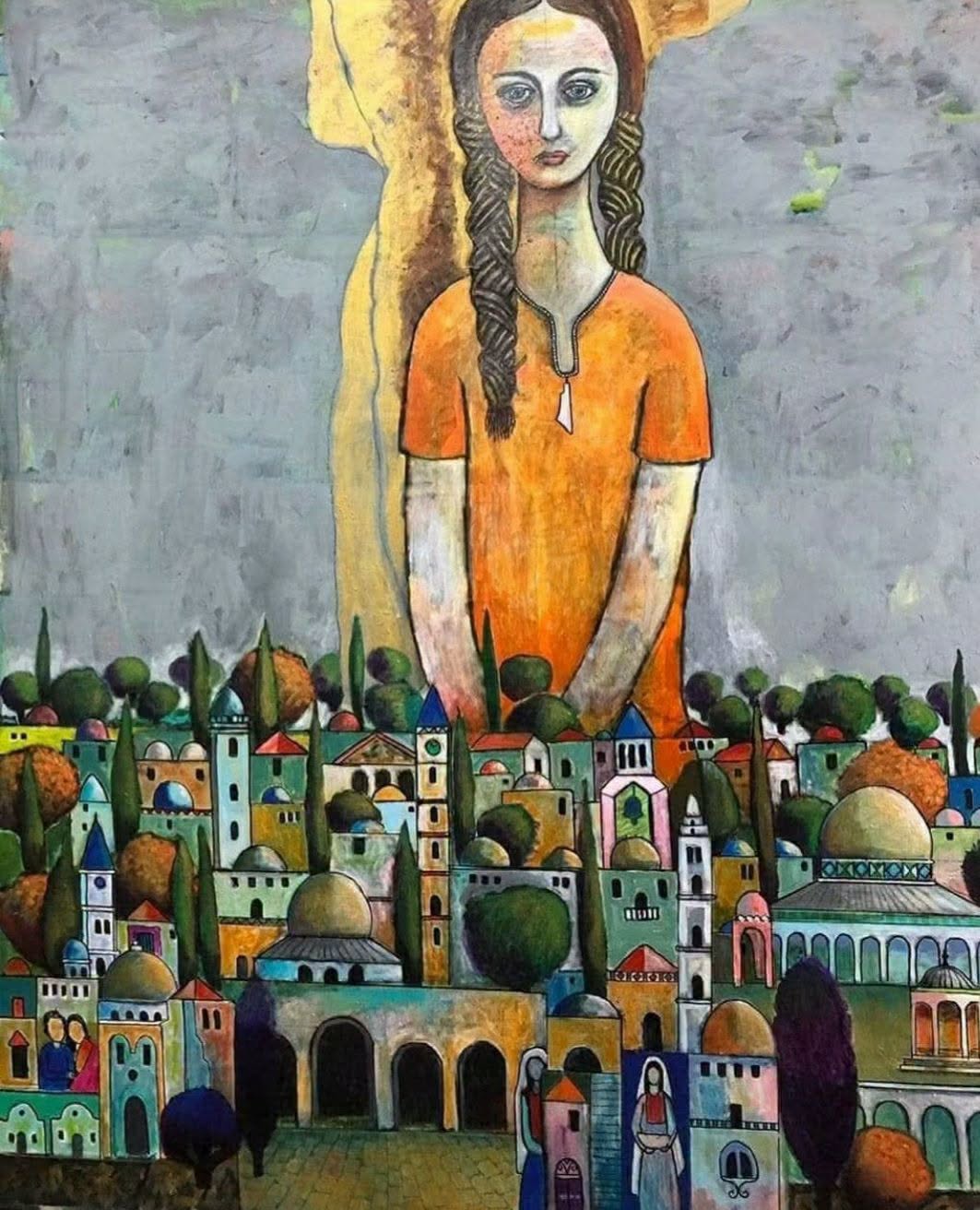
 My Homeland, My Palestine
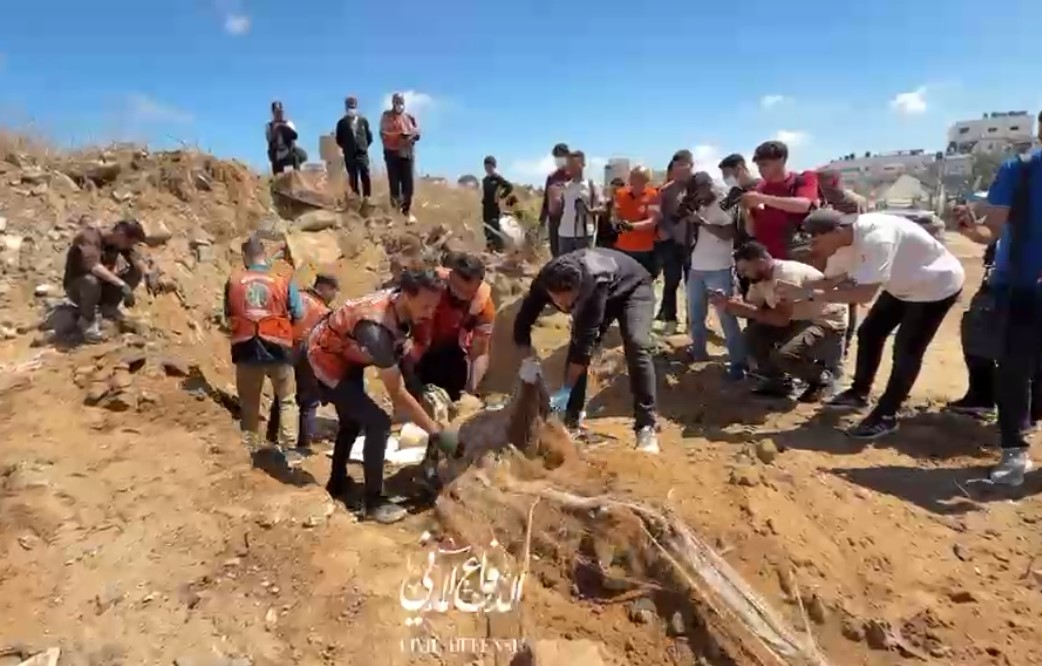
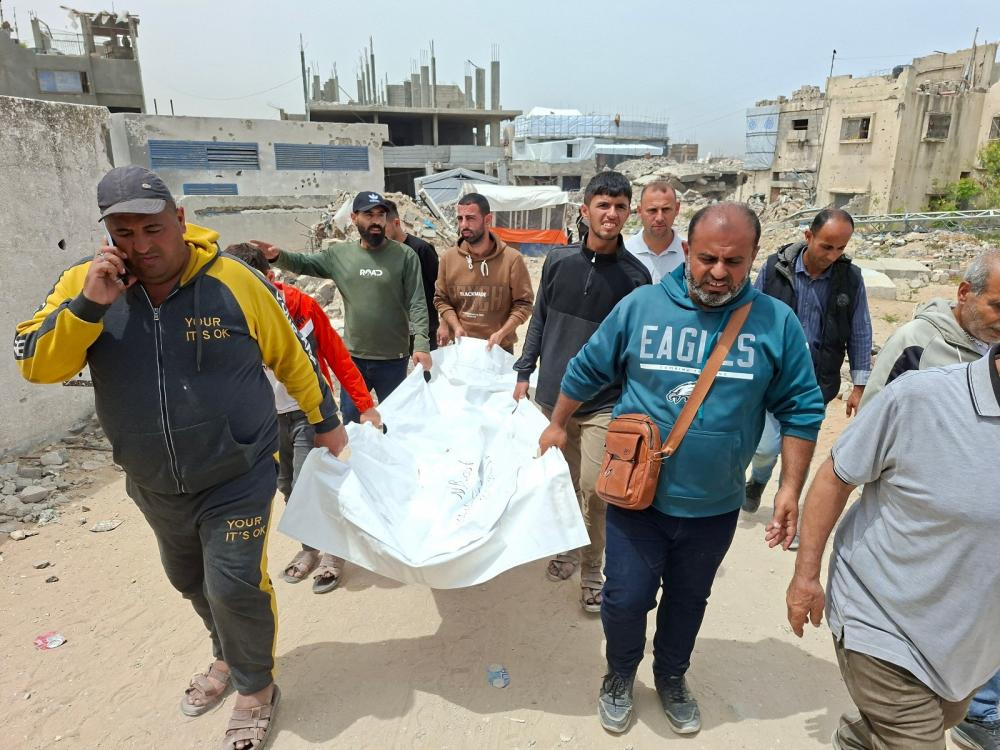
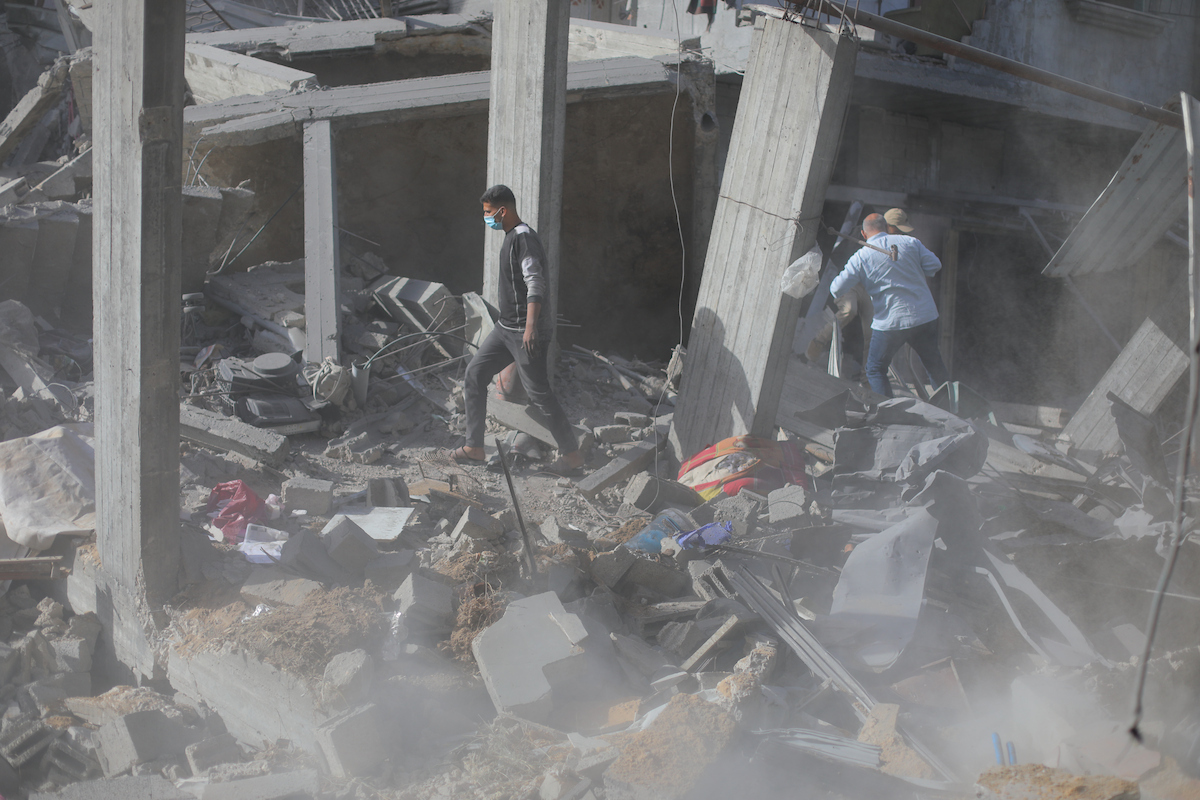
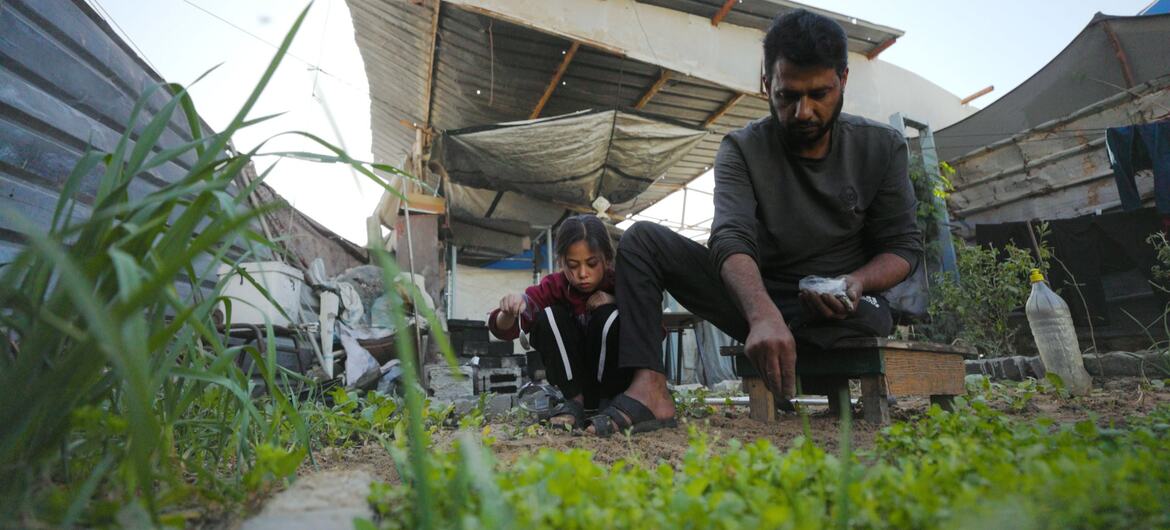
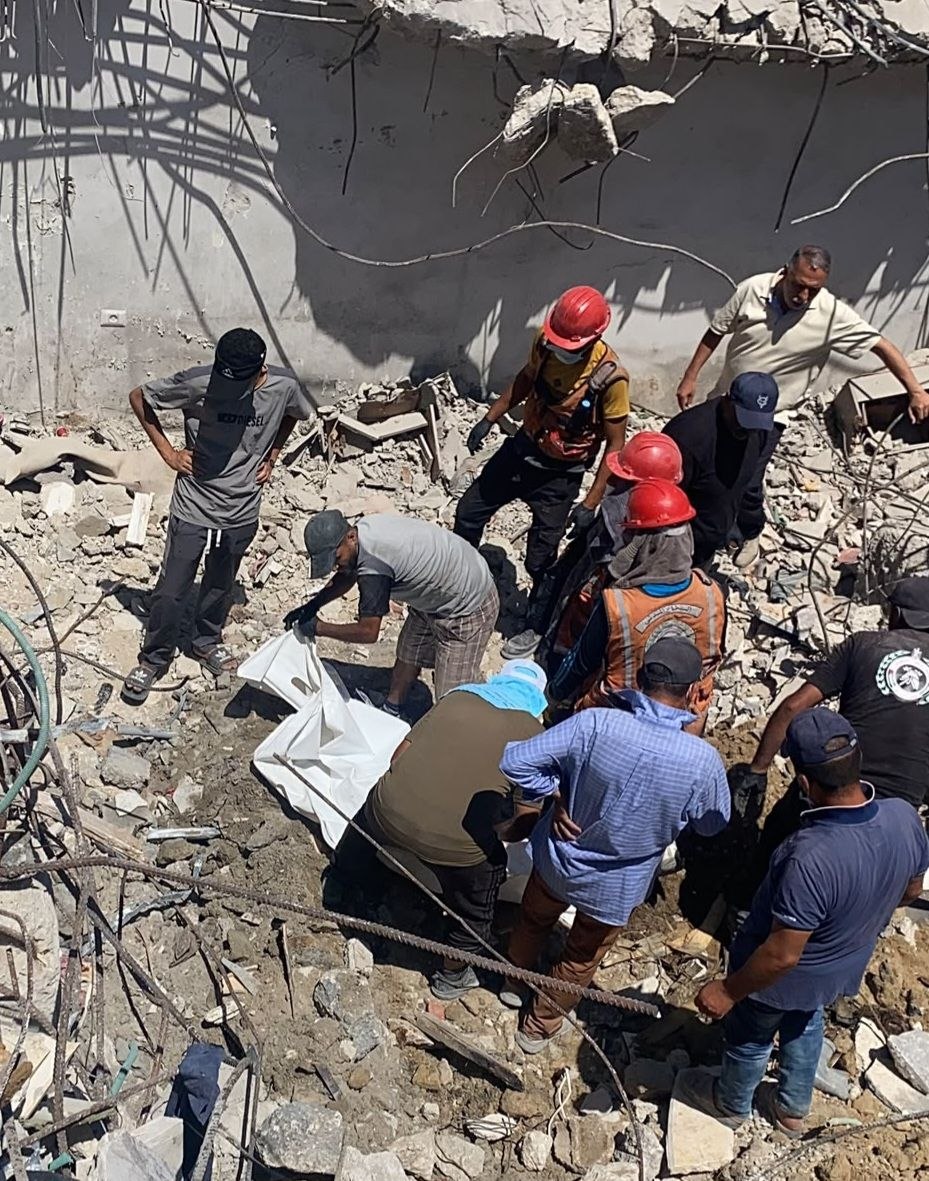 233 Bodies Recovered From Under The Gaza Wreckage, 174 Still Missing
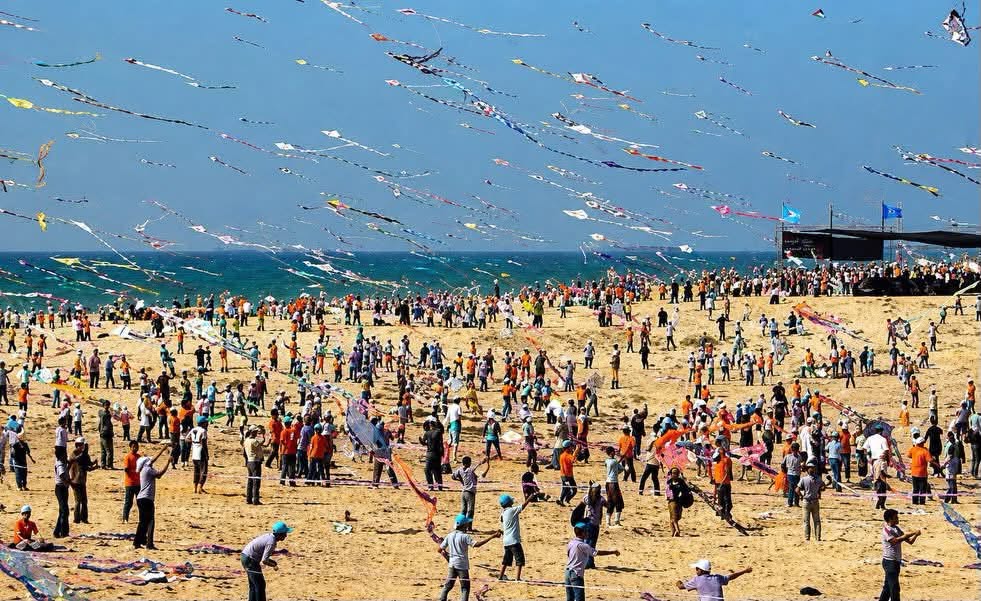
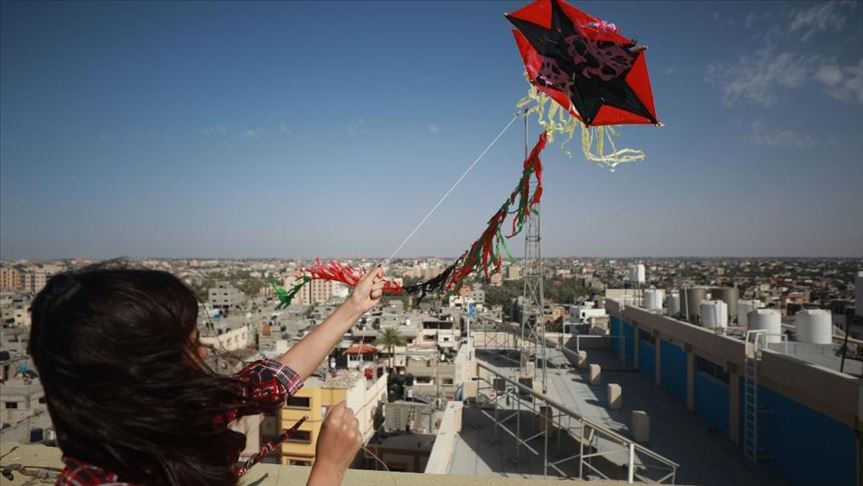
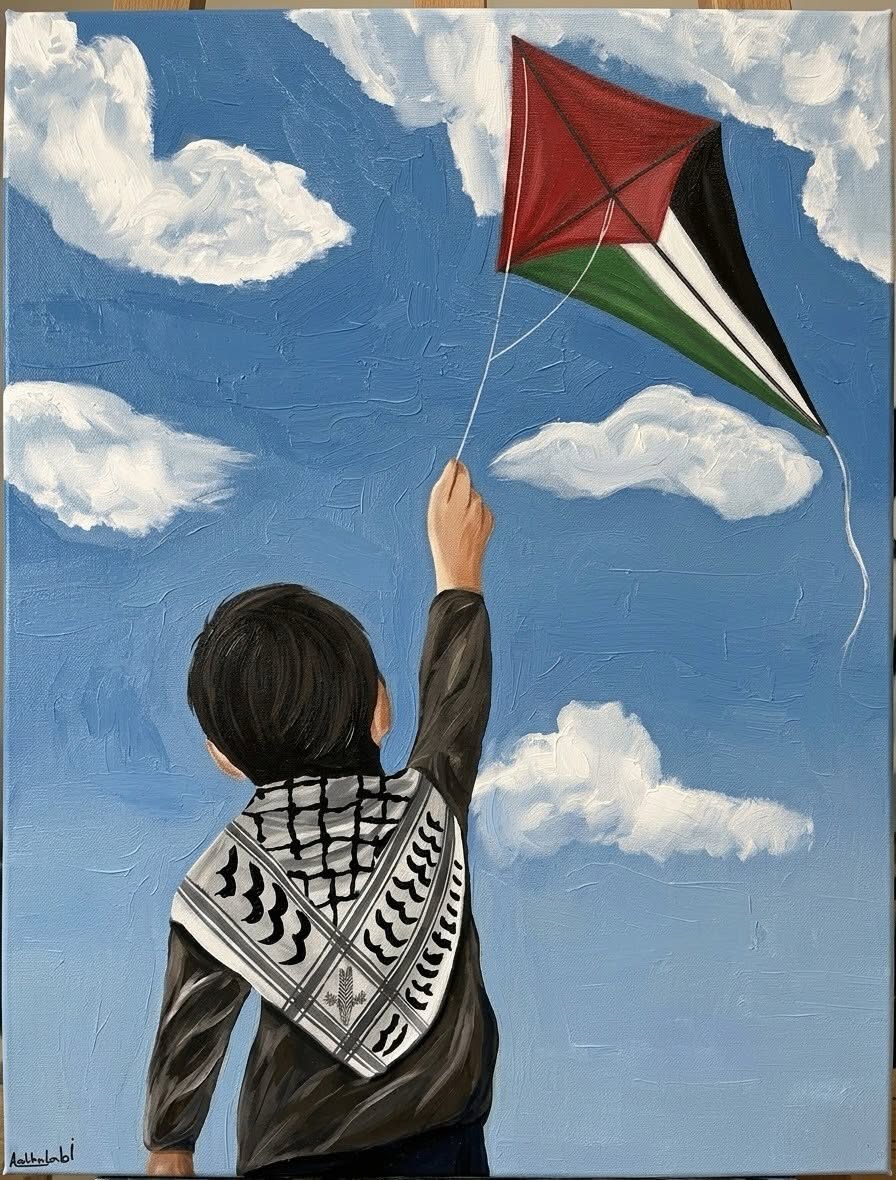 Flying Kites and The Politics of Fear
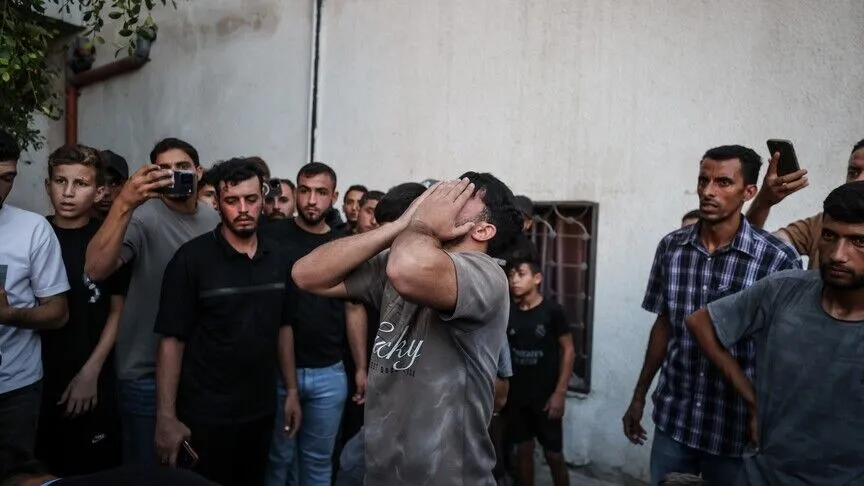
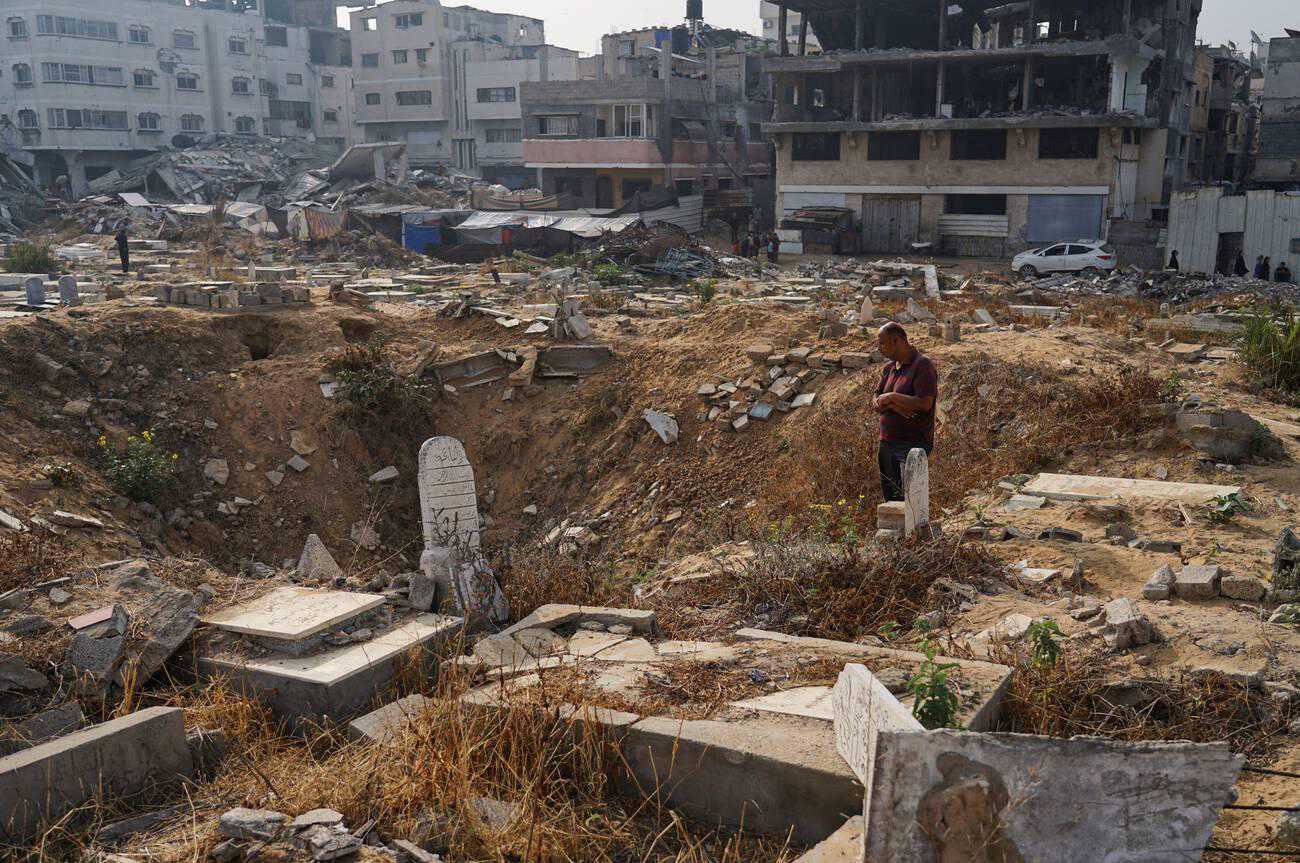
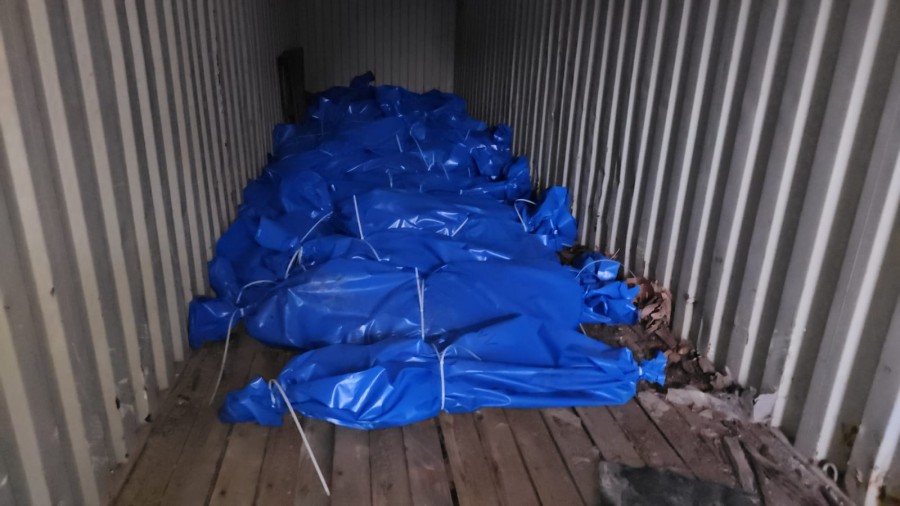 ‘No Rest Even in Death:’ Israel Holds on The Bodies of 1700 Palestinians
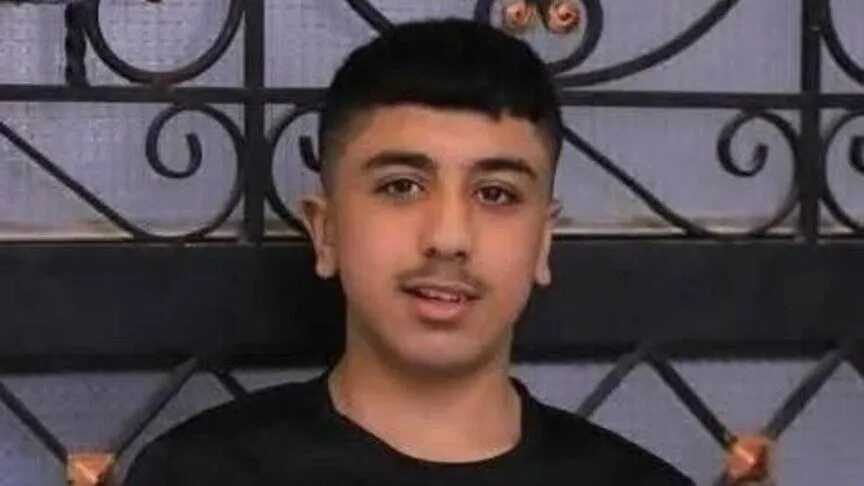 Israeli Army Forced to Release The Body of a 15-Year-Old it Kept For 9 Months
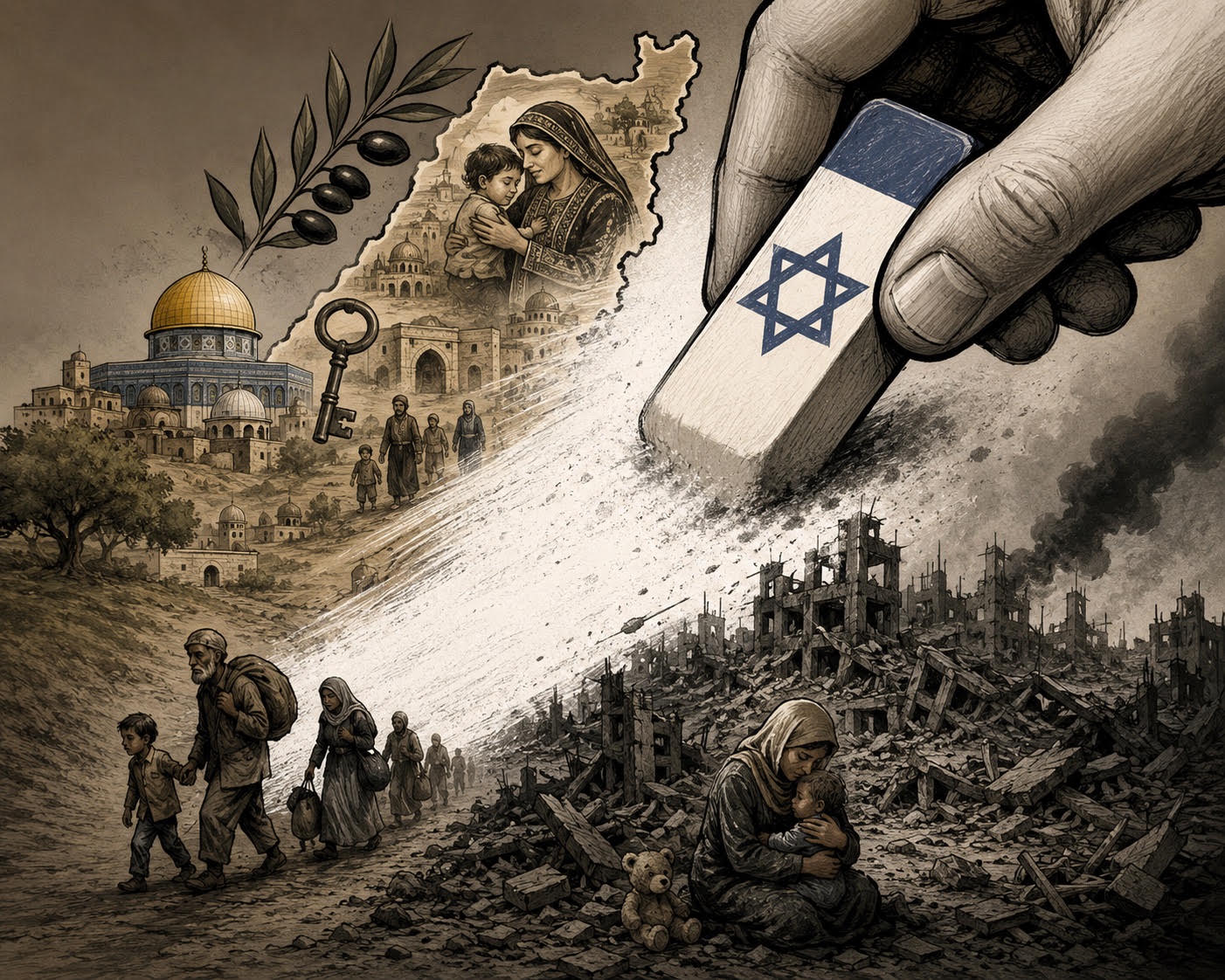

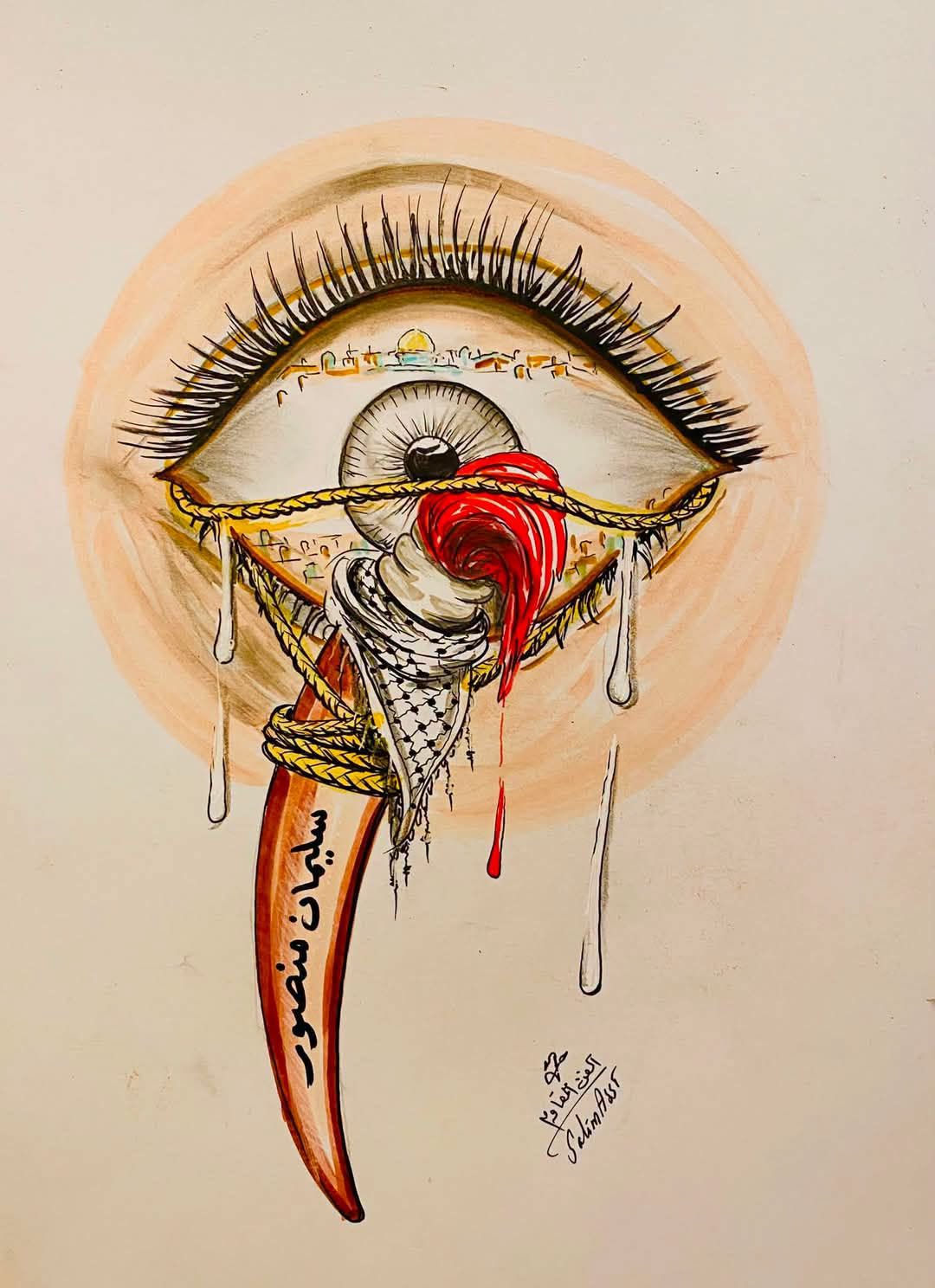
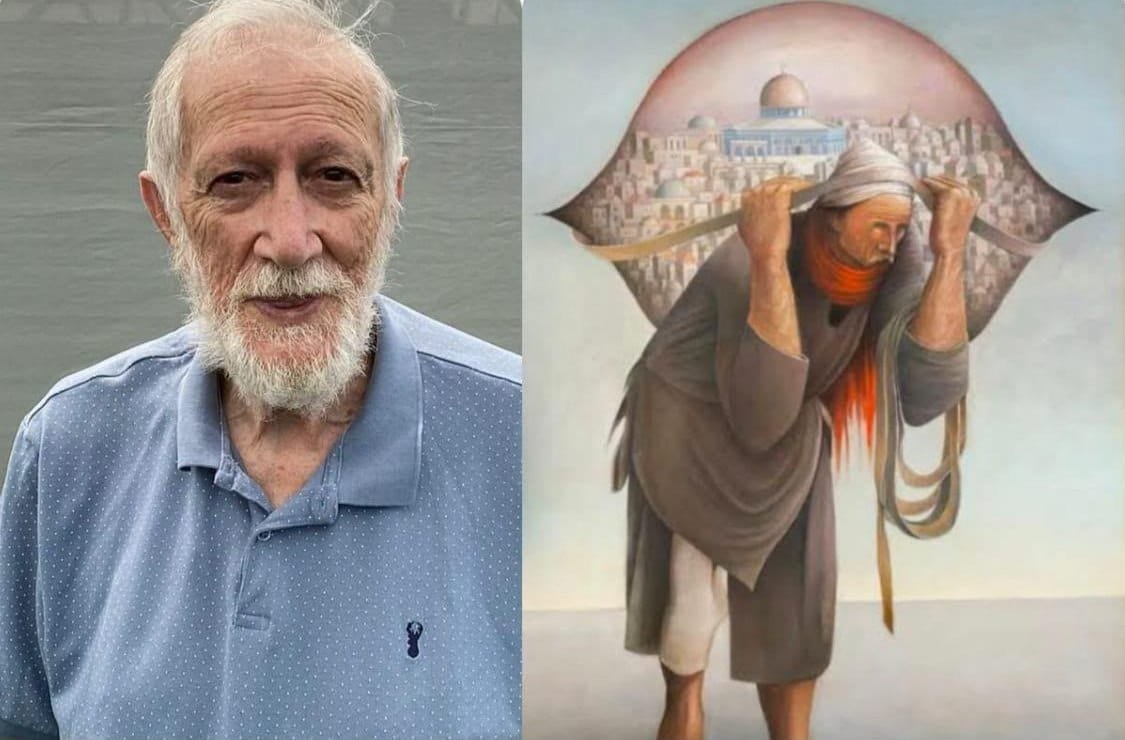
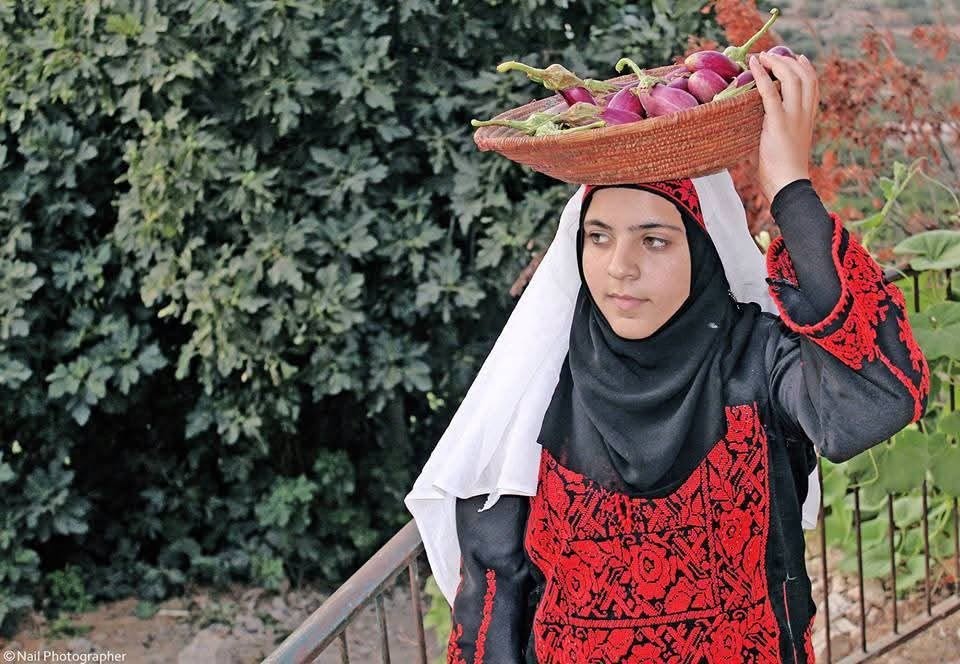
My Homeland, My Palestine
 CrossFireArabia
- August 27, 2026
 CrossFireArabia
 marwanCrossFireArabiaCrossFireArabiamarwan
 HebaCrossFireArabiaHebaHebamarwanCrossFireArabiaCrossFireArabiaCrossFireArabiaCrossFireArabiaHebamarwanHebaCrossFireArabiaCrossFireArabiaCrossFireArabiaCrossFireArabiaCrossFireArabiamarwanHebaCrossFireArabiaCrossFireArabiaCrossFireArabiaCrossFireArabiaCrossFireArabiaCrossFireArabiaCrossFireArabiaCrossFireArabiaHebaCrossFireArabiaCrossFireArabiaHebamarwanmarwanmarwanmarwanmarwanmarwanCrossFireArabiamarwanmarwan
 Saleem Ayoub QunamarwanCrossFireArabiaCrossFireArabiaCrossFireArabiaCrossFireArabiamarwanCrossFireArabiaCrossFireArabiamarwanCrossFireArabiaHebaCrossFireArabiamarwanCrossFireArabiamarwanHebaCrossFireArabiamarwanmarwanHebaCrossFireArabiamarwanmarwanCrossFireArabiaSaleem Ayoub Quna
By Saleem Ayoub Quna
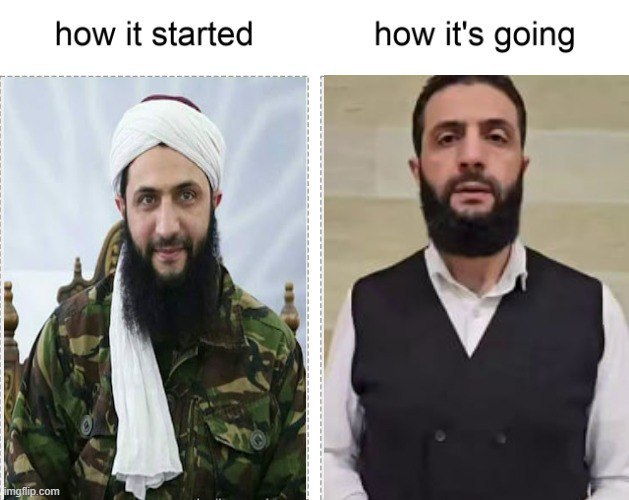
Syria has just turned a gloomy chapter of its long turbulent history that lasted for at least half-a-century. The question now is: Will this new era bring better or worse news for this beleaguered country and its people?
The new local stake holders on the ground and outside players are showing different and often conflicting signals of what lies ahead. A month ago, the totalitarian Assad dynasty regime collapsed, its
dictator fled the country, his strong men melted into the caves, his father’s imposing statues downed and his foreign supporters’ influence, Iran and Russia, evaporated. From this underdog dark side, the game
was over!
But it was not so on the other rising side of the game, where you have the local opposition of multiple groups and their new de facto foreign partners and friends, celebrating the defeat of the bygone oppressive regime.
All they see is a helpless, desperate and a lone prey for the cut! In real terms the country, so far, is being divided into different de facto regional enclaves or mini-states. Each is controlled by its own local
leaders. Members of each community share either the same faith, or speak the same language, or adhere to a host of old norms and traditions inherited from their ancestors.
Both leaders and their followers of each faction are finding themselves at a crucial turning point. Do they want to repeat what their previous leaders did when they, willy-nilly, allowed the central government under the Assad regime, run their daily life affaires, and then when it was too late, discovered that they were either deceived or coerced by the now defunct regime’s agents? Or are they saying no more of this stuff this time, and accordingly acting more independently to preserve their special identity and immune their rights?
The idea of partitioning Syria as we know it since its independence in 1946 is not new! It can be traced back to its pre-independence original format, conceived then by the French mandatory power in the early 1900s, when the Ottoman’s four centuries rule, of the whole of Arabia and North Africa, came to an end.
At that time, France, sanctioned by League of Nations, suggested to divide the country into five main enclaves or mini-states: An Alawite enclave on the eastern coast of the Mediterranean with Latakia as its capital, an Aleppo enclave in the north, a Jabal Druze enclave in the south, bordering Jordan, Alexandretta enclave which was taken by Turkey and renamed as the Hatay province, and finally the dominated Sunni region in the center with its capital Damascus.
Today, the US, with the consent of other good wishers, are openly pushing, by deeds and words, to create an additional enclave in the autonomous Kurdish oil-rich region in the north-eastern part of Syria.
On the Golan Heights, the new strong players are turning a blind eye to the serious Israeli military encroachments inside proper Syrian territories, previously recognized by the world community and UN resolutions. At the same time, the emerging clashes in the east and west of the country and other places in the center, between rivaling armed groups, leave little room for optimism.
The most important step Syrians need today is a constitution that can stand at the same distance from all components of the society. But surprisingly, the last statement attributed to the new top man in
Damascus saying such a constitution might take four to five years to come to life, can only send discouraging and negative signals to all the components of Syrian society and others!
A final question that must be asked: Is Syria nearing to lose its last chance to avoid falling back in the pre-independence fragmentation trap?
This opinion was especially written for Crossfire Arabia by Saleem Ayoub Quna who is a Jordanian author writing on local, regional and international affairs and has two books published. He has a BA in English Literature from Jordan University, a diploma from Paris and an MA from Johns Hopkins University in Washington. He also has working knowledge of French and German.
CrossFireArabia
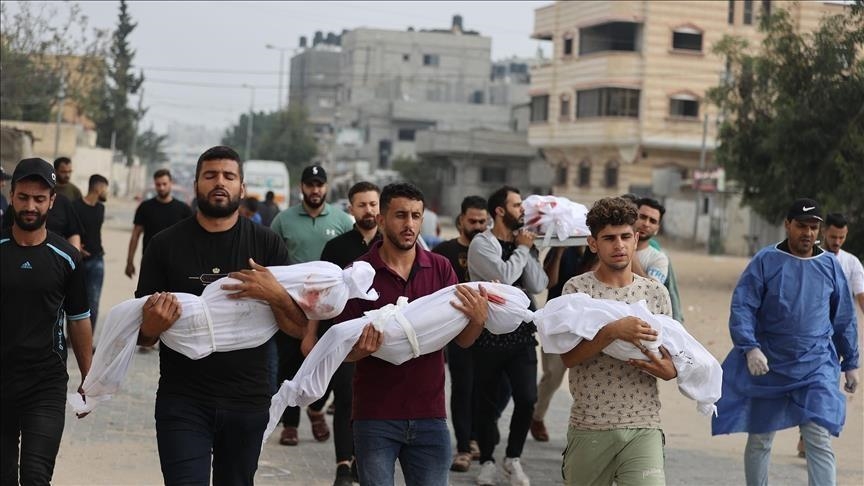
The Ministry of Health in the Gaza Strip announced, Monday, the death toll from the genocide committed by Israel against the Palestinians has risen to 45,541 dead and 108,338 wounded since October 7, 2023.
The ministry stated in its daily statistical statement the Israeli army “committed three massacres against families in the Gaza Strip, with 27 martyrs and 149 wounded arriving to hospitals in the past 24 hours.”
It reported “the death toll from the Israeli aggression has risen to 45,541 martyrs and 108,338 wounded since October 7, 2023.”
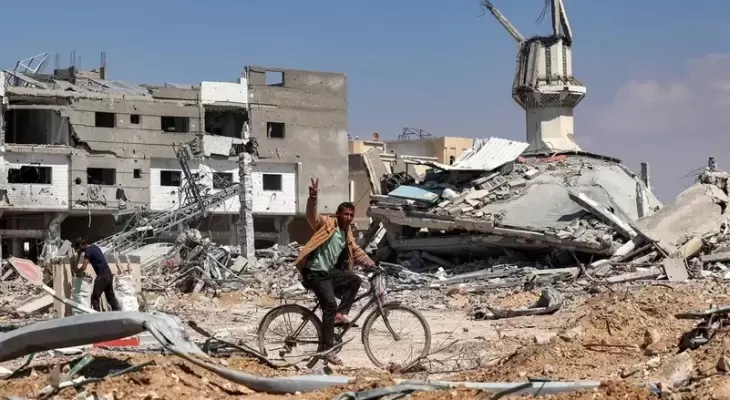
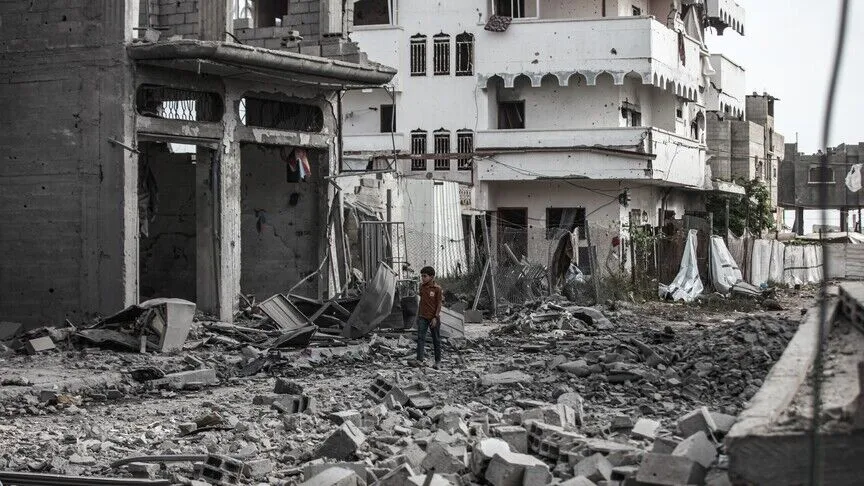
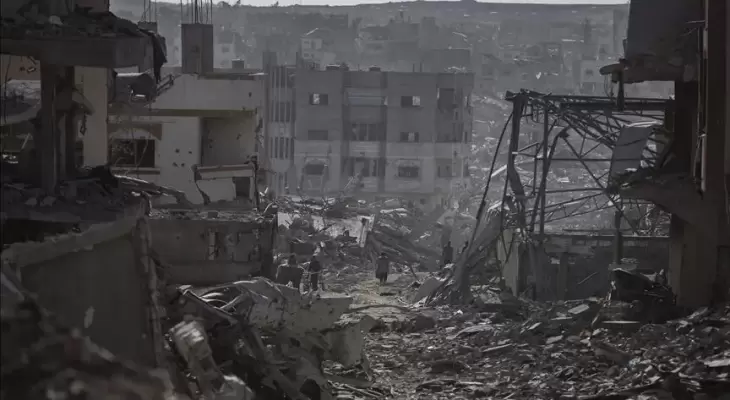
The ministry indicated there are victims under the rubble of destroyed homes and on the roads, but the civil defense and ambulance crews are unable to reach them due to the repeated Israeli targeting.
The Israeli genocide since 7 October, 2023 with American support has caused the loss of more than 11,000 Palestinians, amid massive destruction and famine that killed dozens of children and the elderly.
Israel continues its massacres, ignoring two arrest warrants issued by the International Criminal Court on 21 November against Prime Minister Benjamin Netanyahu and former Defense Minister Yoav Galant, for committing war crimes and crimes against humanity against Palestinians in Gaza.
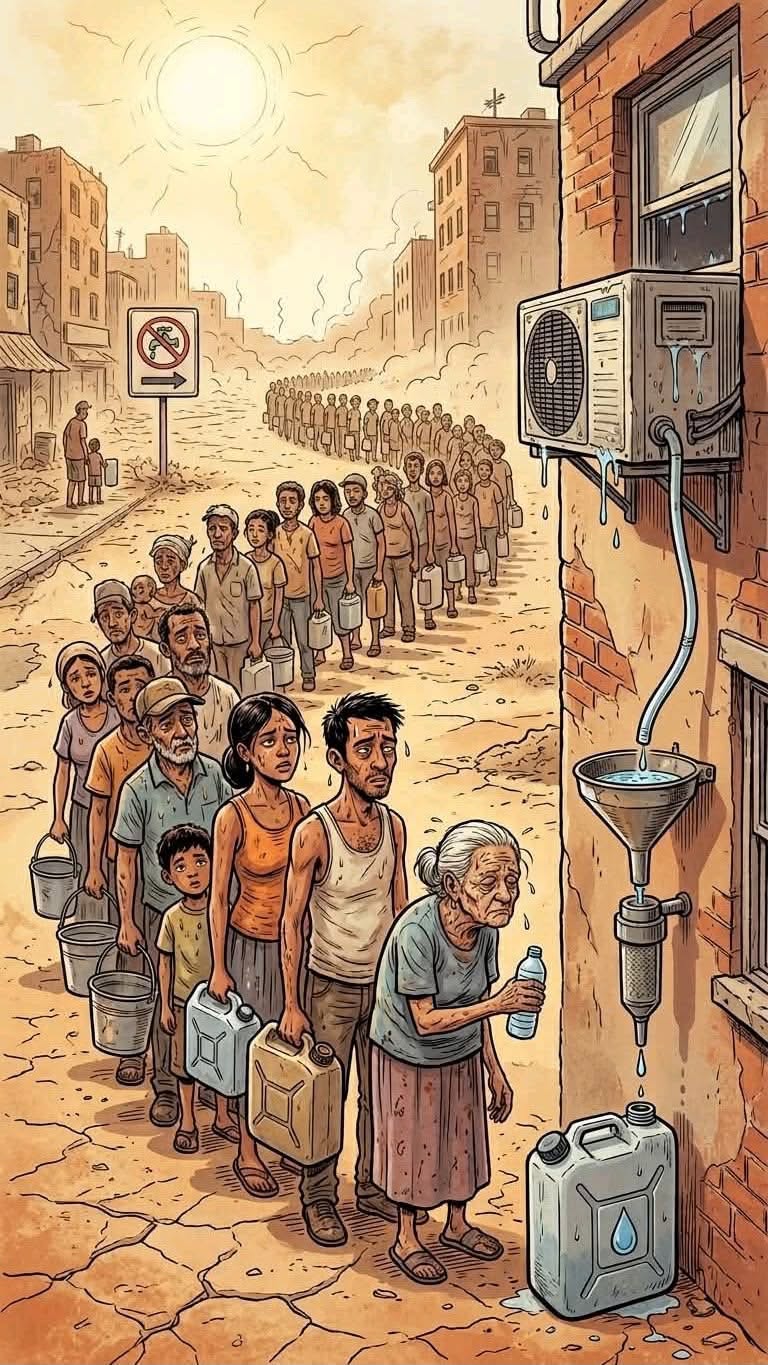
Tel Aviv has turned Gaza into the largest prison in the world, besieging it for the 18th year, and the war of extermination has forced about two million of its citizens, numbering about 2.3 million Palestinians, to flee in tragic conditions with a deliberate severe shortage of food, water and medicine.
For decades, Israel has occupied lands in Palestine, Syria and Lebanon, and refuses to withdraw from them and establish an independent Palestinian state, with East Jerusalem as its capital, on the borders before the 1967 war as reported in Anadolu.
CrossFireArabia
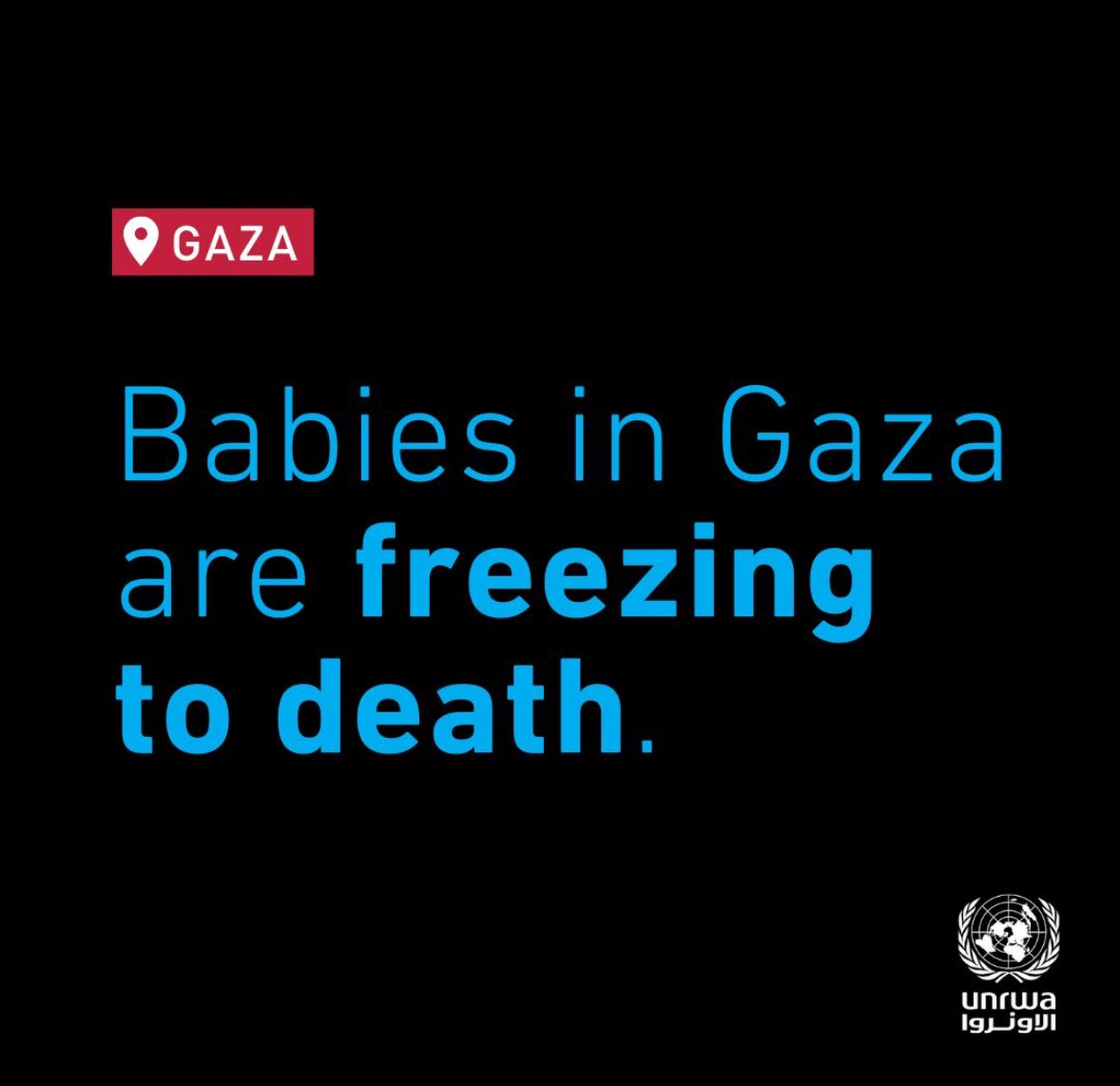
Seven Palestinians, including six babies and a nurse, have died from the extreme cold in war-torn Gaza Strip over the past few nights, according to the Government Media Office. The death toll is expected to rise due to the dire conditions faced by displaced people.
In a statement issued, Monday, the Office said, “The death toll from extreme cold and frost waves among the displaced in tents, whose homes were destroyed by the Israeli occupation, has risen to seven, and the number is expected to increase due to the dire conditions.”
“We have repeatedly warned of the dangers posed by the approaching weather fronts, the winter season, and the cold waves, which coincide with the tragic reality faced by our Palestinian people,” the Office added.
“They are enduring killing, genocide, and the destruction of homes and vital infrastructure and forced displacement.”
“It is expected that heavy rains will continue to fall, along with ongoing frost waves and cold weather in the coming days, posing a great risk and a real threat to the lives of the displaced who are enduring tragic suffering.”
The Office said the “Israeli occupation has forced them to flee to dilapidated tents that do not protect them from the winter cold or severe frost waves.”
Frozen to Death
Six Palestinian babies have frozen to death in Gaza over the past few nights, including three who died of hypothermia in the so-called “humanitarian zone” in al-Mawasi, and 20-day-old twins born one month prematurely.
Palestinian nurse Ahmed al-Zaharneh, who was among the crews working at the European Gaza Hospital, also died on Friday because of “extreme” weather conditions, according to the Health Ministry.
The Ministry said, “His body was found inside his tent in al-Mawasi area, west of the city of Khan Younis, southern Gaza.”
“This incident comes in light of the difficult humanitarian conditions that displaced citizens are experiencing, as the suffering of Gaza residents increases due to low temperatures and the lack of heating means in tents,” the Ministry added.
Dilapidated Tents
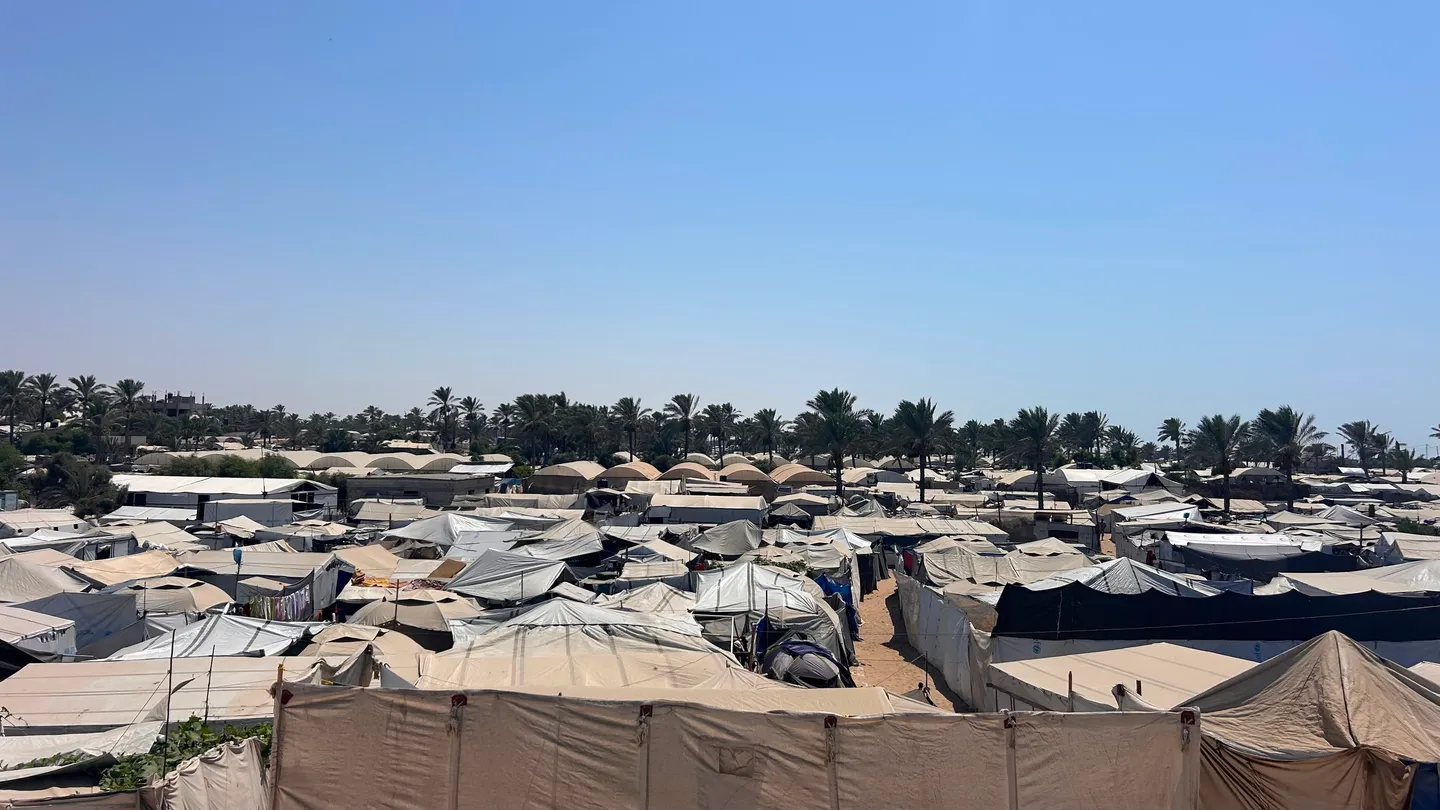
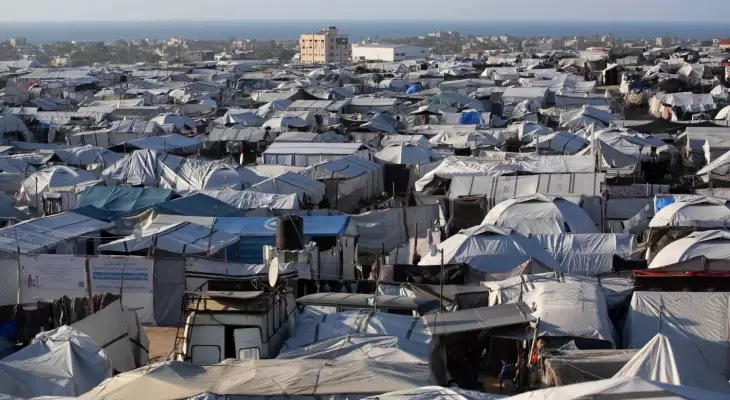
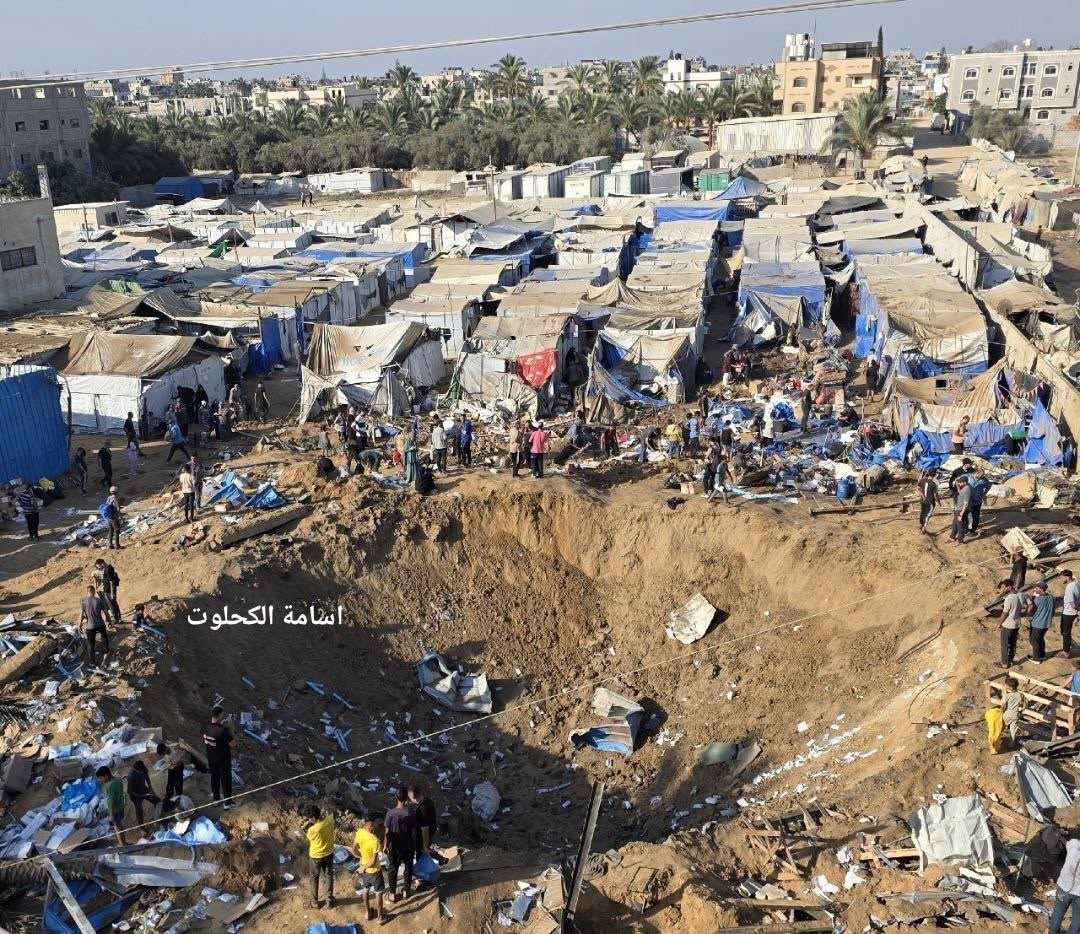
The deaths highlight the dire conditions in Gaza, where hundreds of thousands of displaced Palestinians are crammed into makeshift tents, fleeing Israeli shelling from various parts of the strip.
Gaza’s Government Media Office stated on Saturday that 110,000 out of 135,000 tents used by displaced Palestinians in the war-torn Gaza Strip are now out of service and have “completely deteriorated”.
The Office accused the Israeli military of “causing a tragic humanitarian crisis” that is once again putting the lives of thousands of civilians at risk as the freezing winter sets in.
“This catastrophic humanitarian situation is a direct result of the genocide committed by the ‘Israeli’ occupation army, which has completely destroyed hundreds of thousands of homes of these citizens, forcing them to resort to living in tents that lack the minimum requirements for a decent life,” the statement said according to the Quds News Network.
CrossFireArabia
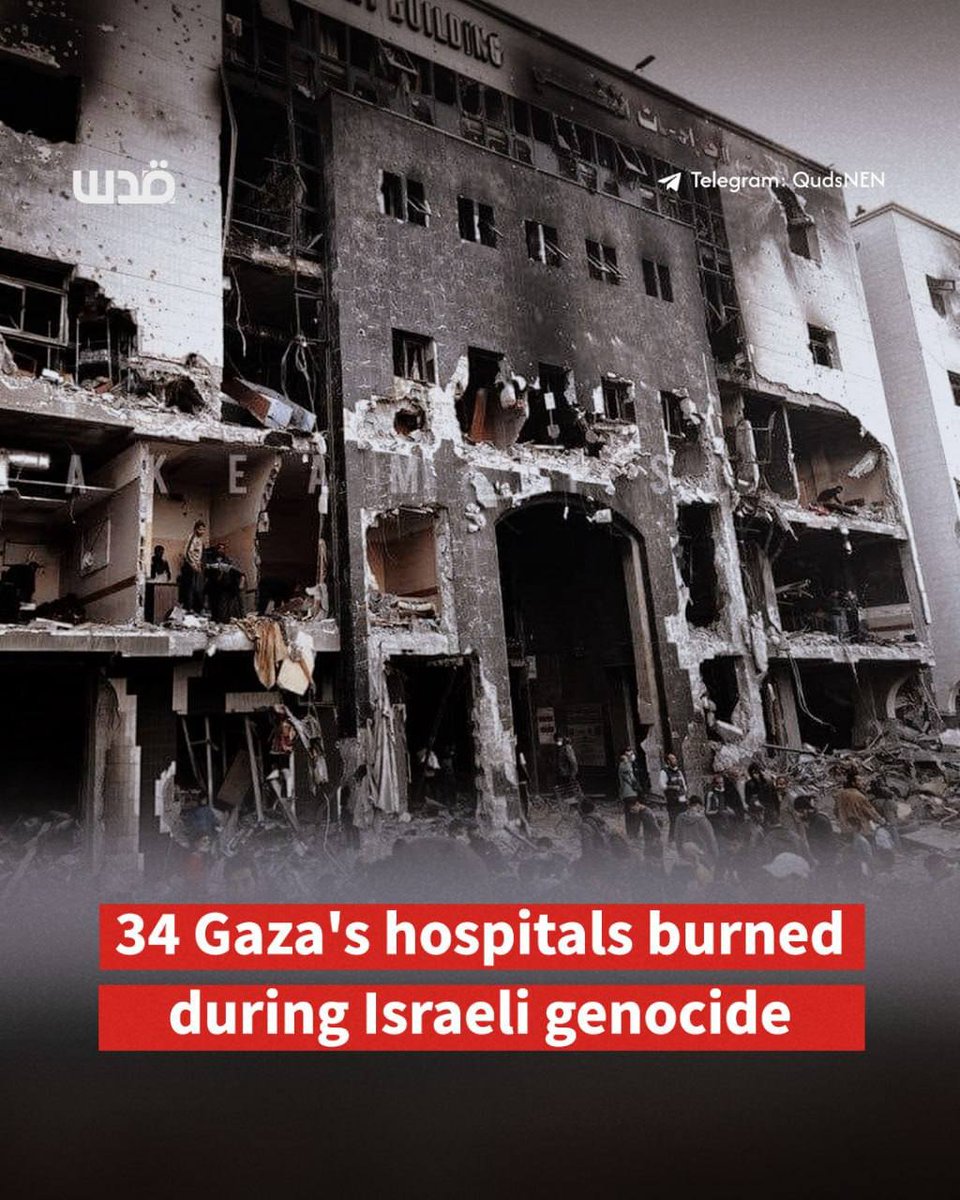
Israel destroys hospitals. The proof is Gaza. In the strip, the Israeli army destroyed 34 hospitals out of 36 and the two remaining are barely functional.
CrossFireArabia
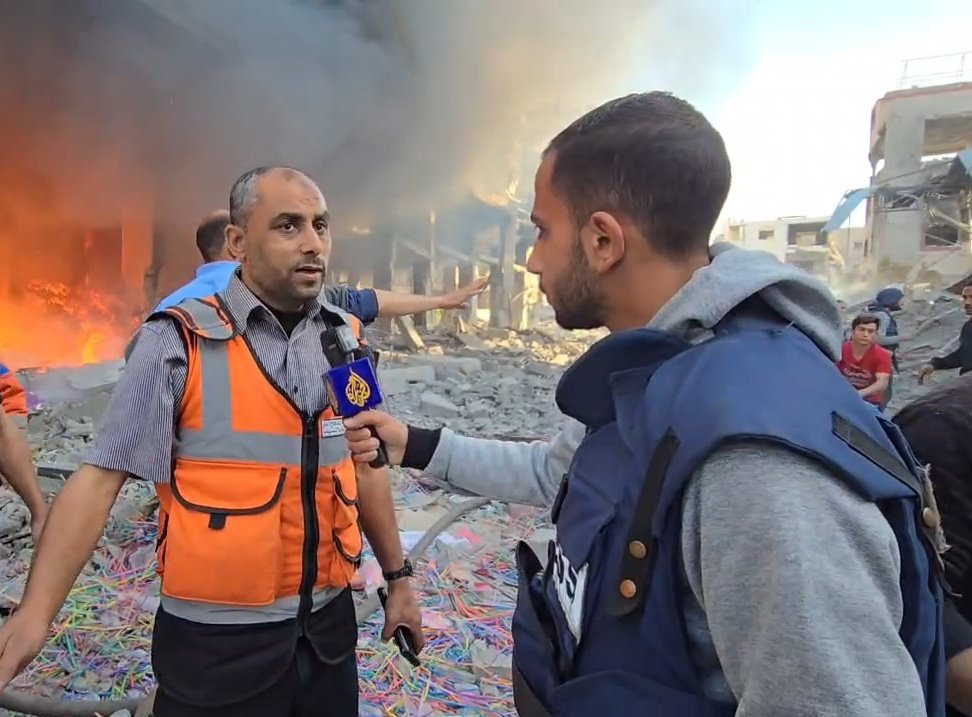
Israeli occupation forces arrest the director of civil defense in the northern Gaza Strip, Ahmed Al-Kahlout