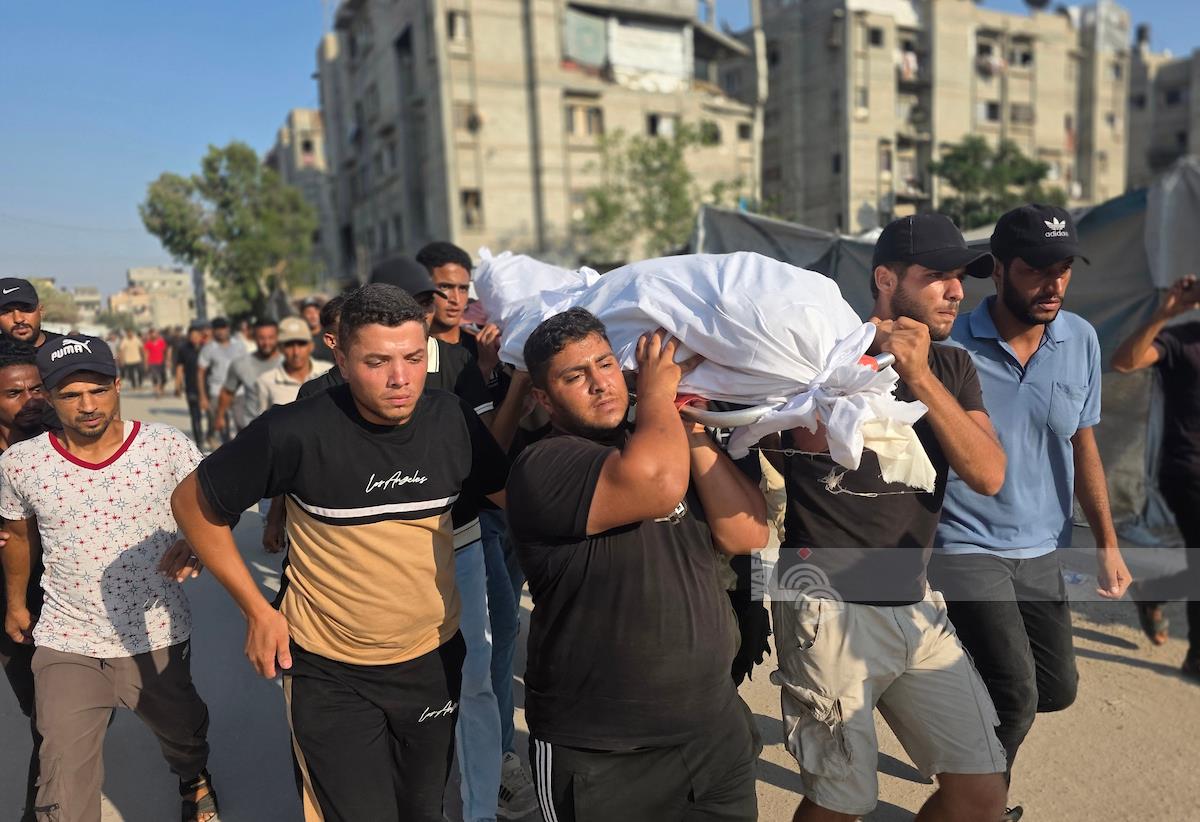
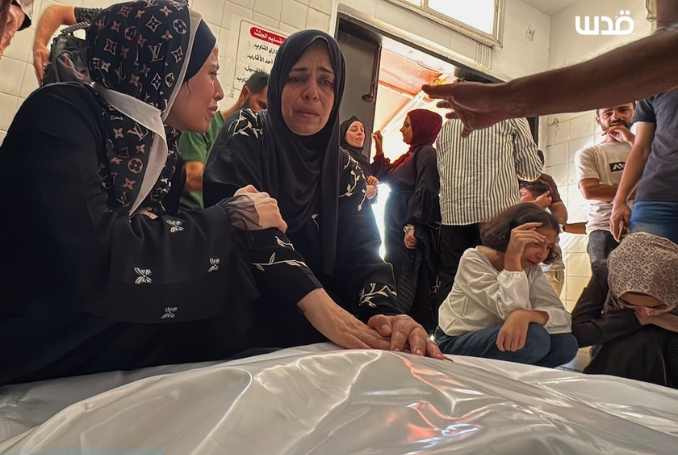
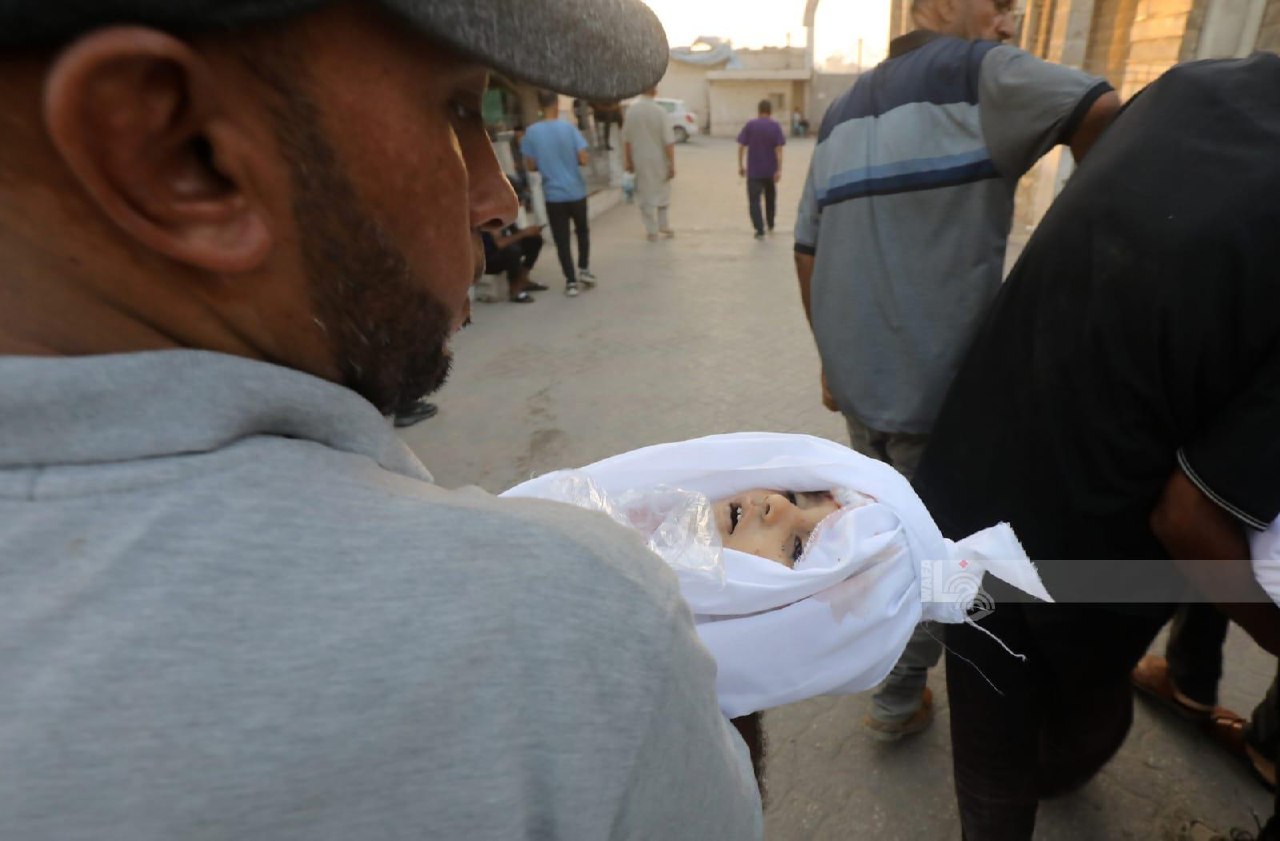
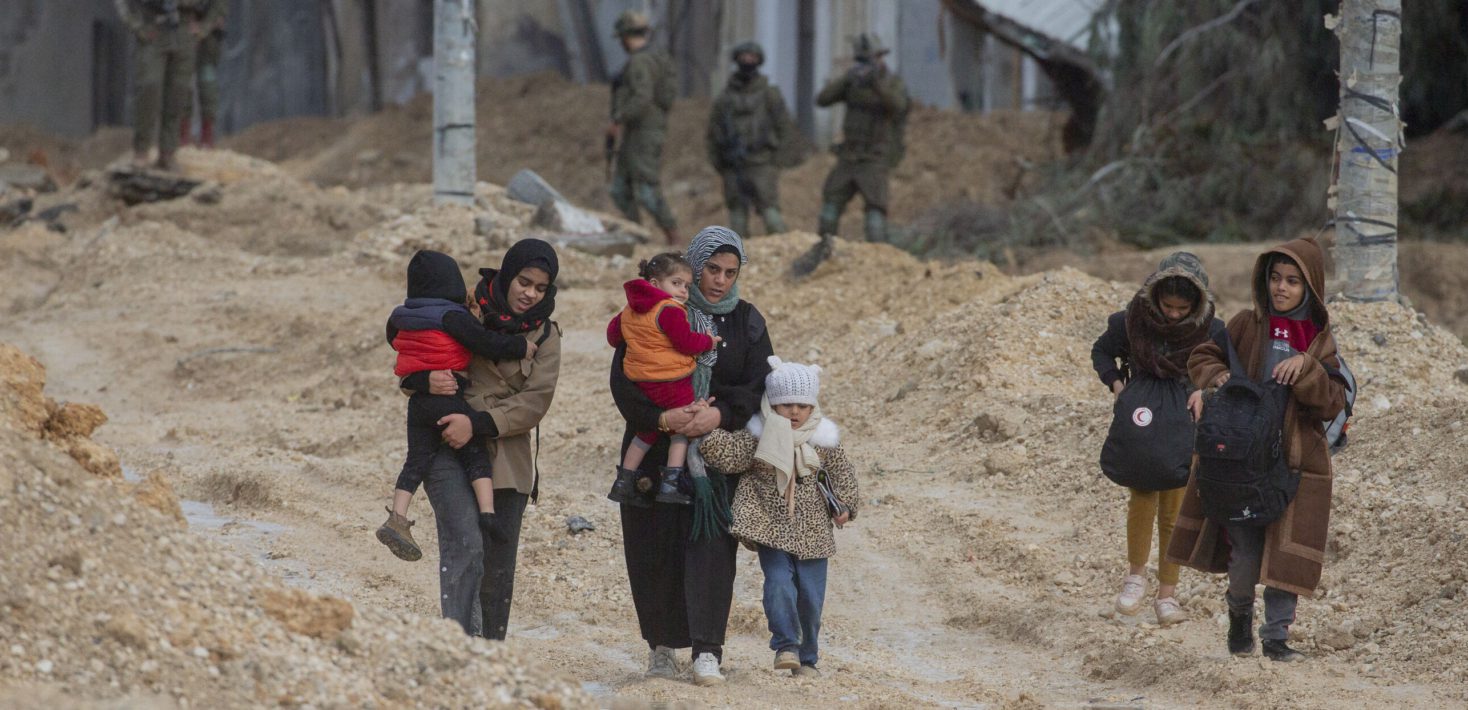
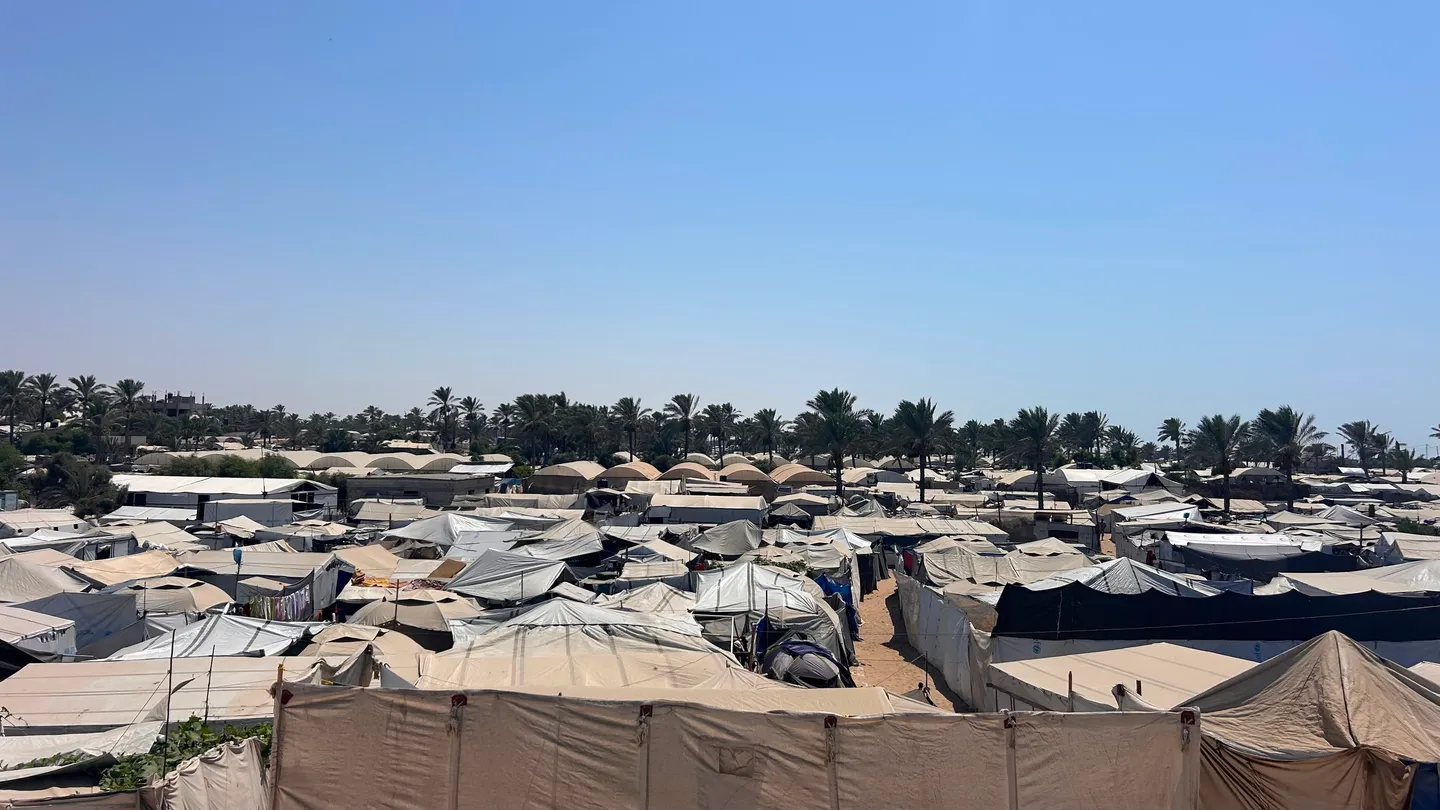
 In The Line of Fire: Gaza Families Fear The ‘Yellow Line’
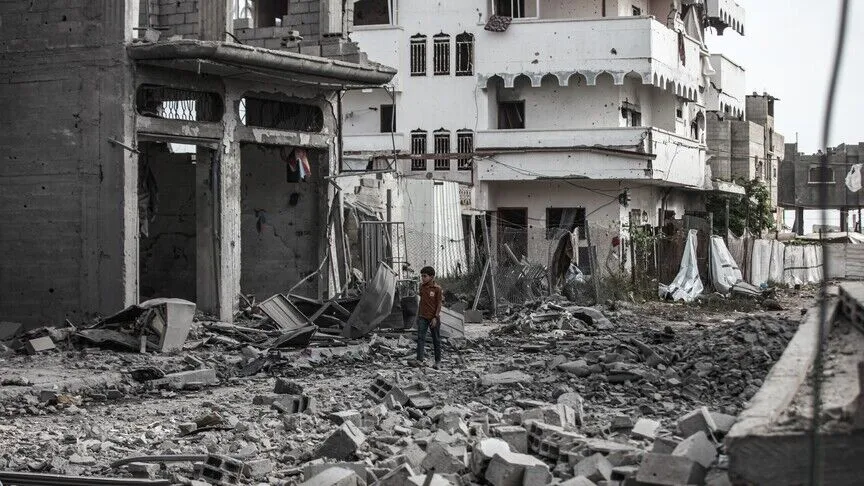 Kushner Tells Netanyahu Not to Move ‘Westwards’ in Gaza
 A Middle East Whirlpool! View From Amman
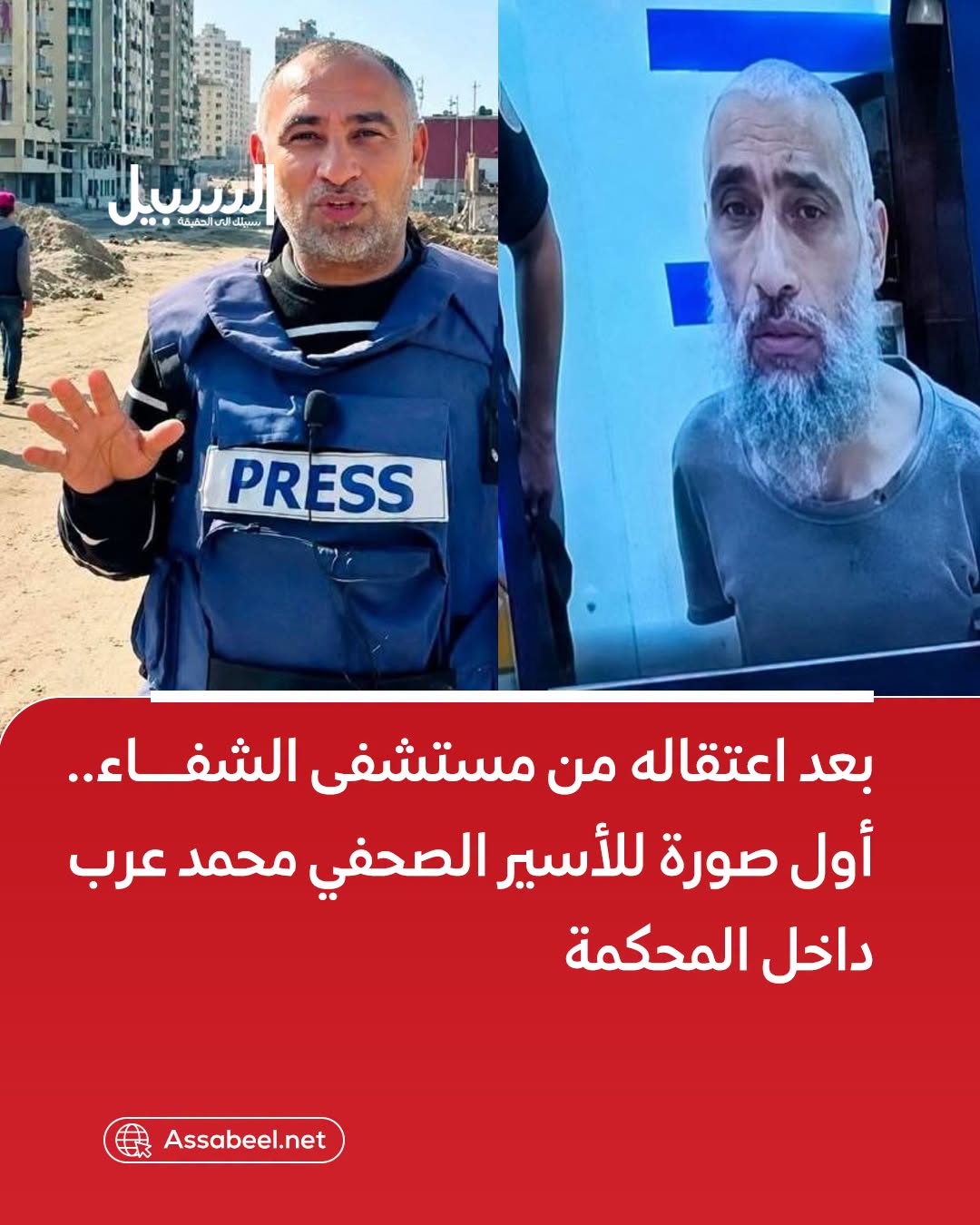 Prisoner Mohammad Arab Hadn’t Seen His Face in 2 Years!
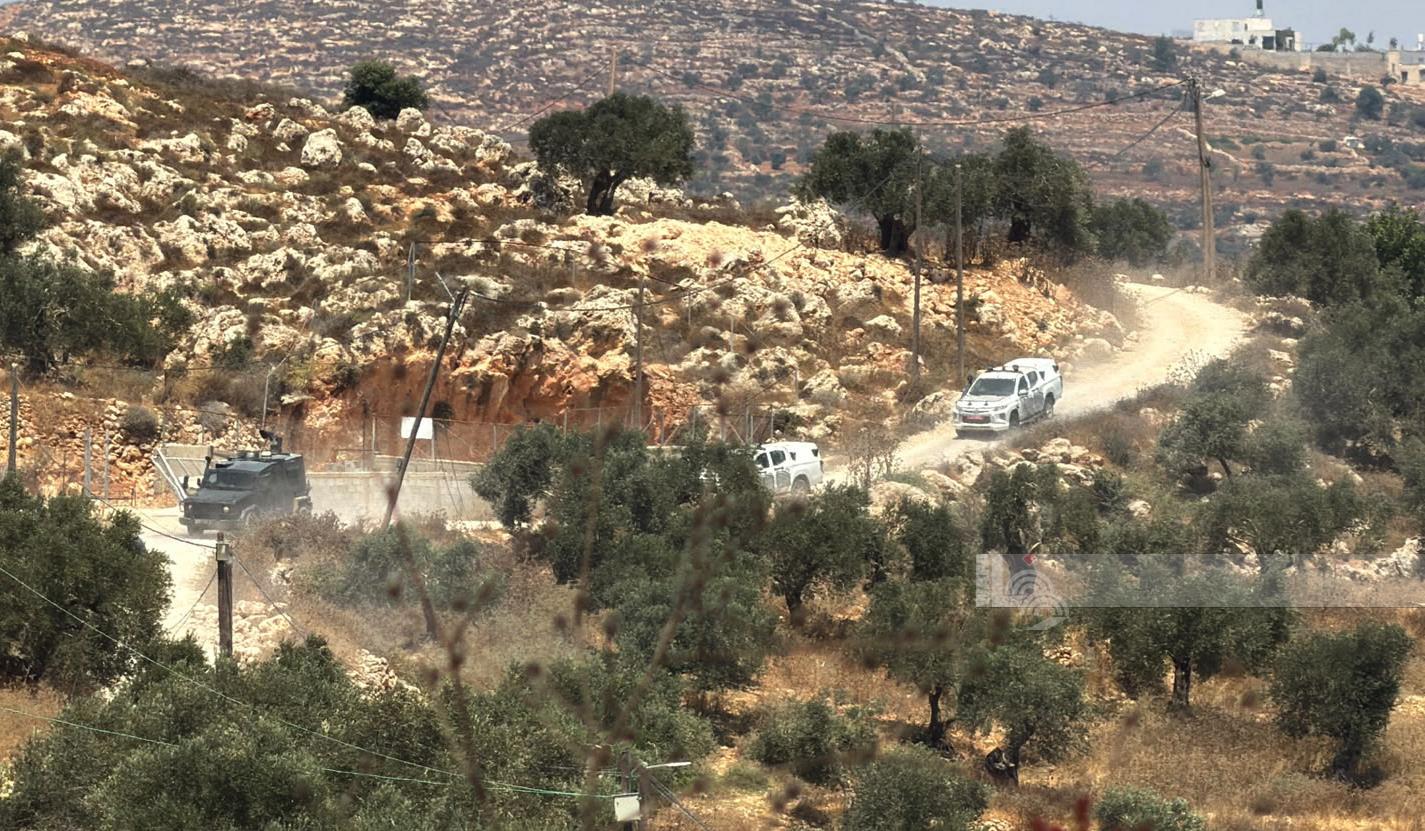 UN: 3000 Settler Attacks on West Bank Palestinians Since 2025



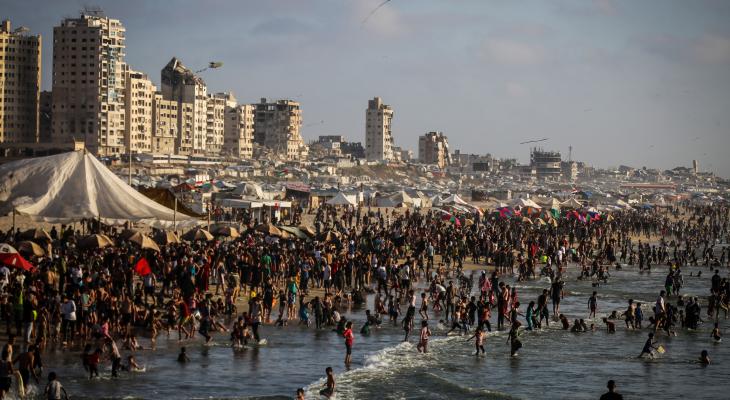
In The Line of Fire: Gaza Families Fear The ‘Yellow Line’
marwan
- August 17, 2026
 marwan
 Saleem Ayoub Qunamarwan
 CrossFireArabiaCrossFireArabiaCrossFireArabiaCrossFireArabiamarwanCrossFireArabiaCrossFireArabiamarwanCrossFireArabia
 HebaCrossFireArabiamarwanCrossFireArabiamarwanHebaCrossFireArabiamarwanmarwanHebaCrossFireArabiamarwanmarwanCrossFireArabiamarwanHebaCrossFireArabiaCrossFireArabiaCrossFireArabiaHebamarwanCrossFireArabiamarwanHebaCrossFireArabiaHebamarwanmarwanCrossFireArabiamarwanmarwanmarwanmarwanmarwanmarwanmarwanmarwanmarwanCrossFireArabiaCrossFireArabiamarwanmarwanCrossFireArabiaCrossFireArabiamarwanCrossFireArabiamarwanHebaHebamarwanmarwanCrossFireArabiamarwanmarwanmarwanmarwanCrossFireArabiaCrossFireArabiamarwanmarwanmarwanCrossFireArabiaCrossFireArabia
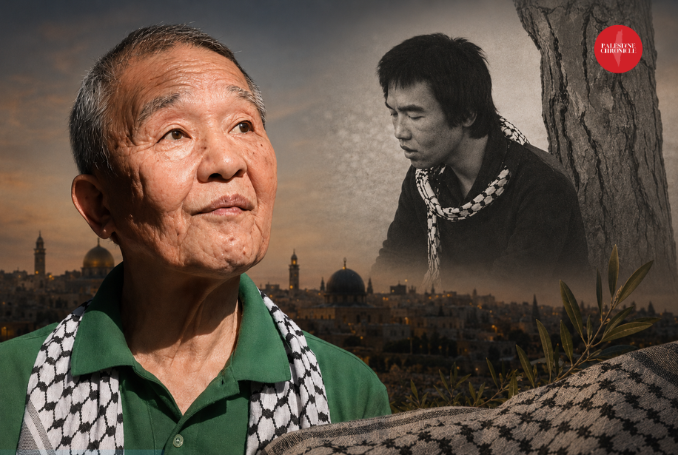
Kozo Okamoto, the Japanese fighter who devoted much of his life to the Palestinian liberation struggle and became known as Ahmad al-Yabani, died in Beirut on Thursday at the age of 78.
The Popular Front for the Liberation of Palestine (PFLP), which had supported and protected Okamoto during his decades in Lebanon, announced his death and said he had suffered from poor health for an extended period.
The Front praised a life marked by “immense sacrifices” alongside the Palestinian cause, saying Okamoto remained committed to his principles and never abandoned the struggle he had chosen.
The Palestinian resistance movement Hamas also mourned the Japanese fighter, describing his journey as an embodiment of humanitarian values and sincere, sustained support for the Palestinian people and their rights.
Known affectionately among Palestinians as “Ahmad the Japanese,” Okamoto adopted the name Ahmad after converting to Islam. The name reflected both his Japanese origins and his close association with the Palestinian Resistance.
Okamoto was born in Japan’s Kumamoto Prefecture in 1947 and studied botany before becoming politically active in his youth. He eventually joined the Japanese Red Army, a Marxist-Leninist organization whose members developed close ties with Palestinian and Lebanese factions, particularly the PFLP.
The Japanese organization operated internationally and viewed the Palestinian struggle as inseparable from the wider confrontation with imperialism, colonialism, and Western political domination.
Okamoto left Japan and joined Palestinian fighters in Lebanon, where he received training and became closely involved with the PFLP.
His background made him an unusual figure within the Palestinian movement and allowed him to operate in circumstances where Israeli security forces were primarily watching for Arab or Palestinian fighters.
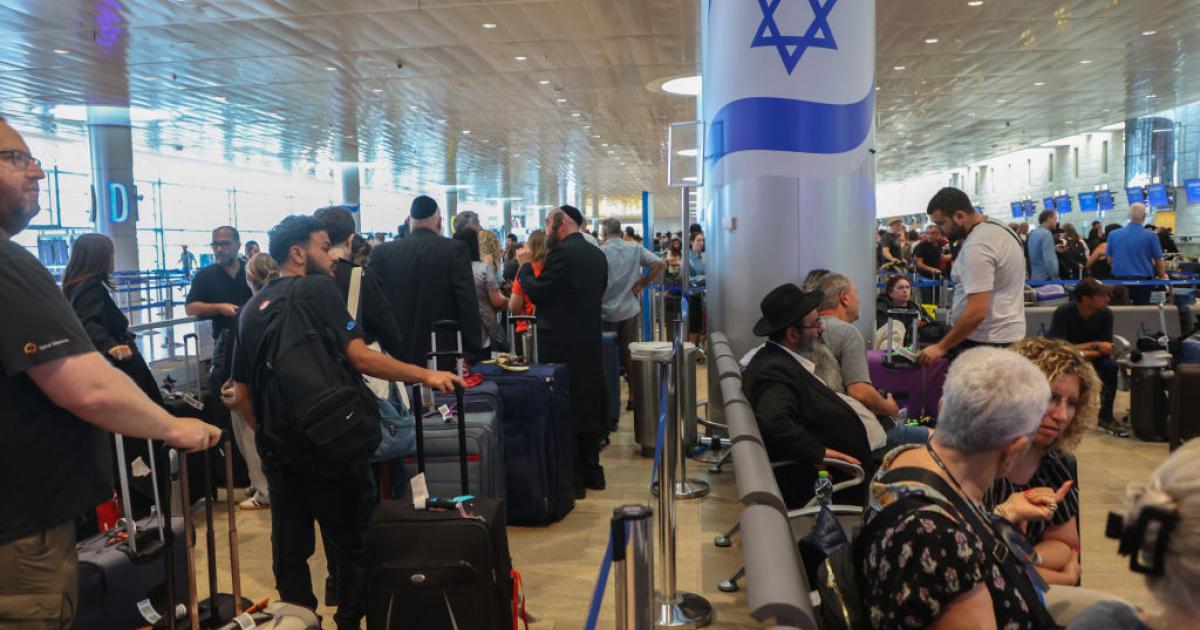
Okamoto became internationally known following the May 30, 1972 operation at Al-Lydd Airport, later renamed Ben Gurion Airport. He and two other Japanese Red Army fighters arrived on a flight from Rome carrying weapons concealed inside luggage and opened fire inside the airport terminal.
Twenty-six people were killed, and dozens were wounded during the operation. Contemporary reporting identified many of those killed as Christian pilgrims from Puerto Rico, alongside Israelis and other passengers.

The operation was organized jointly by the Japanese Red Army and the PFLP and was described by the Front as retaliation for Israel’s 1968 attack on Beirut International Airport, during which Israeli forces destroyed a large part of Lebanon’s civilian aircraft fleet.
Okamoto’s two companions were killed during the operation. He was wounded, captured, and brought before an Israeli military court.
Okamoto was sentenced to life imprisonment and spent approximately 13 years in Israeli prisons, much of that period reportedly in solitary confinement. According to accounts later cited by the PFLP, he endured severe abuse and was at times forced to eat from the ground with his hands restrained behind his back.
He was released in 1985 under the Jibril Agreement, a major prisoner exchange in which three captured Israeli soldiers were freed in return for approximately 1,150 Palestinian and Arab prisoners.
Among those released in the exchange were figures who later assumed leading roles in the Palestinian Resistance, including Hamas founder Sheikh Ahmed Yassin and Palestinian Islamic Jihad Secretary-General Ziyad al-Nakhalah.
Following his release, Okamoto traveled through Libya and Syria before eventually settling in Lebanon.
Lebanese authorities arrested Okamoto and four other Japanese Red Army members in 1997 on charges relating to forged documents and illegal residency.
After serving his sentence, four of the Japanese nationals were extradited to Japan. Okamoto, however, was permitted to remain in Lebanon and became the first person granted political asylum by the Lebanese state.
Japan repeatedly requested his extradition, but Lebanese authorities refused to surrender him. Okamoto lived quietly under the protection of Palestinian and Lebanese organizations, making only rare public appearances.
One of his final widely reported appearances came in Beirut in May 2022, during an event commemorating the 50th anniversary of the Al-Lydd Airport operation.
The PFLP remembered Okamoto as an international fighter who had crossed national, cultural, and linguistic boundaries to stand alongside the Palestinian people.
His life became closely associated with a period in which international revolutionary organizations viewed Palestine as a central arena in the global struggle against colonialism and imperialism.
Hamas said Okamoto would remain a symbol of freedom and resistance against injustice and tyranny, praising what it described as his tireless commitment to Palestinian rights.
Okamoto remained in Lebanon until his death on Thursday, July 23, more than five decades after the operation that made him one of the most recognized international figures associated with the Palestinian Resistance. Palestine Chronicle
marwan
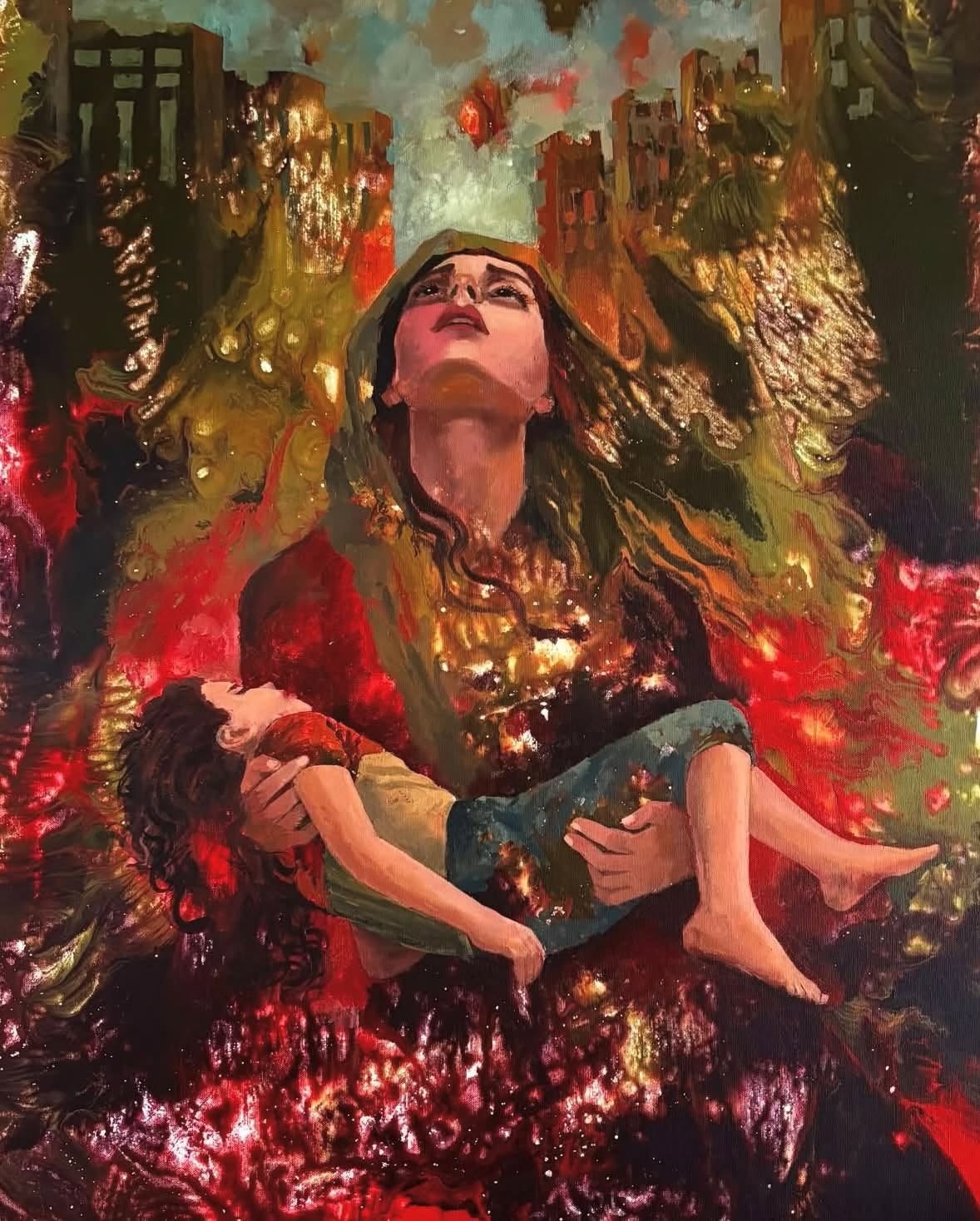
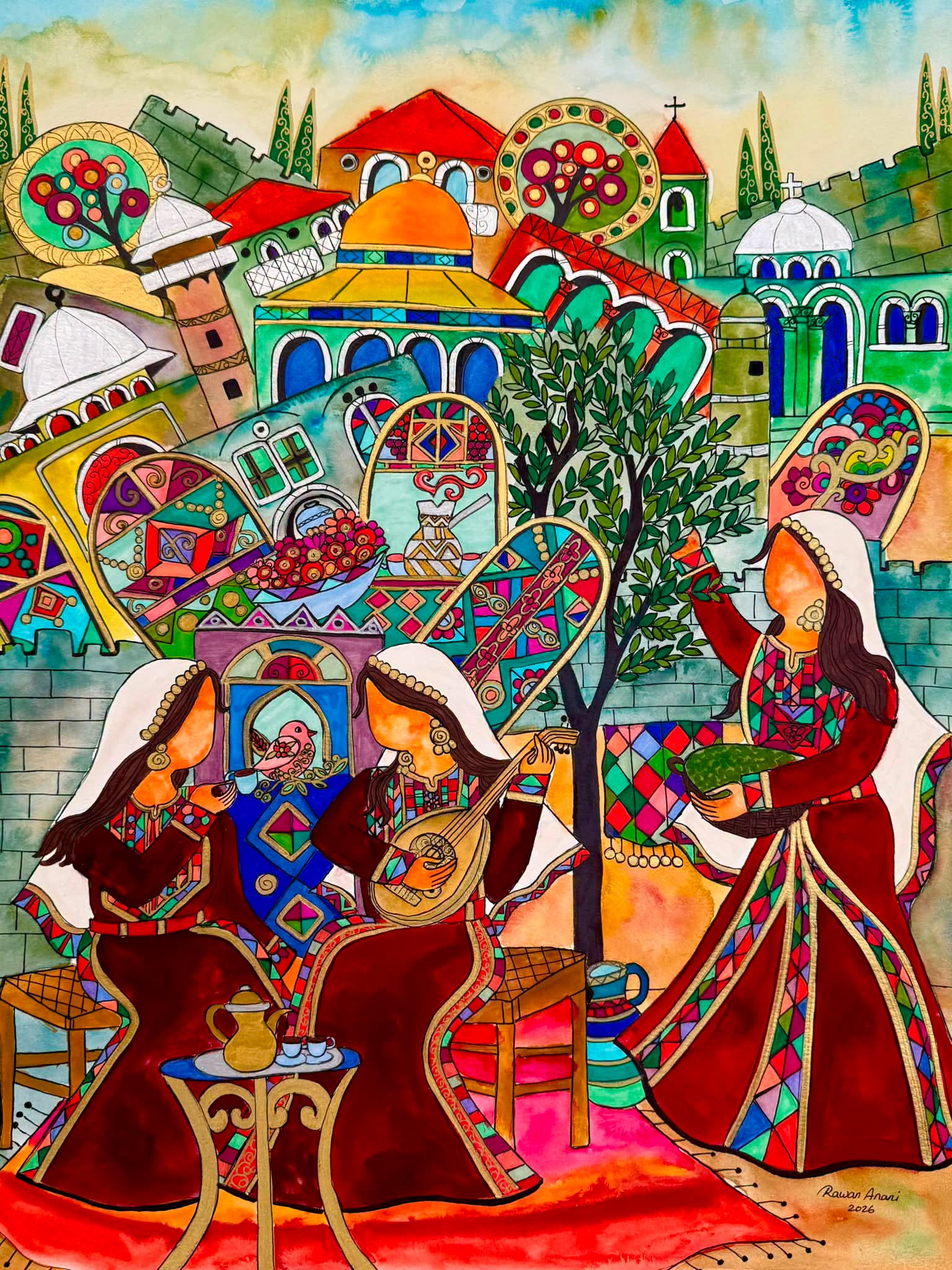
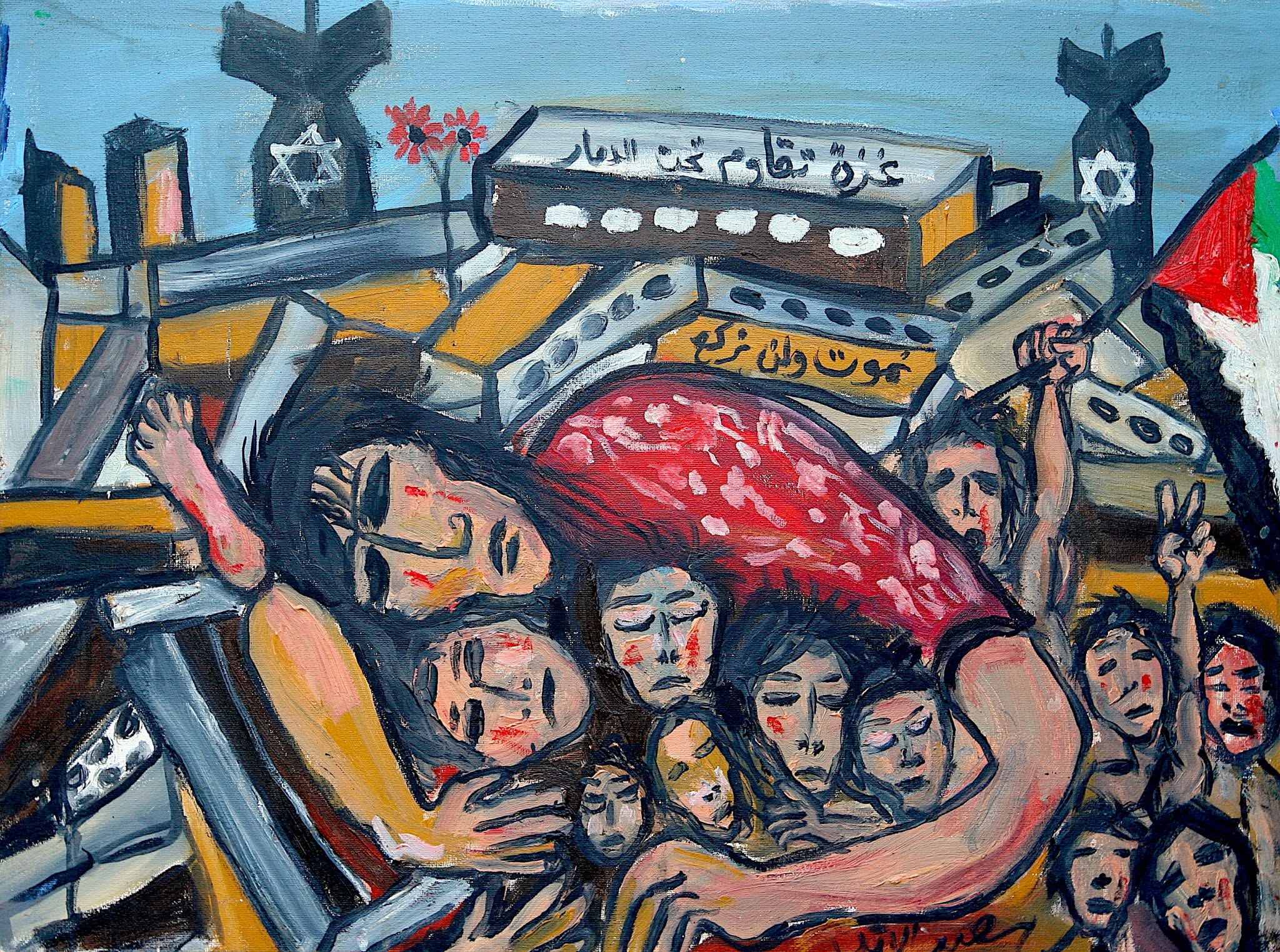
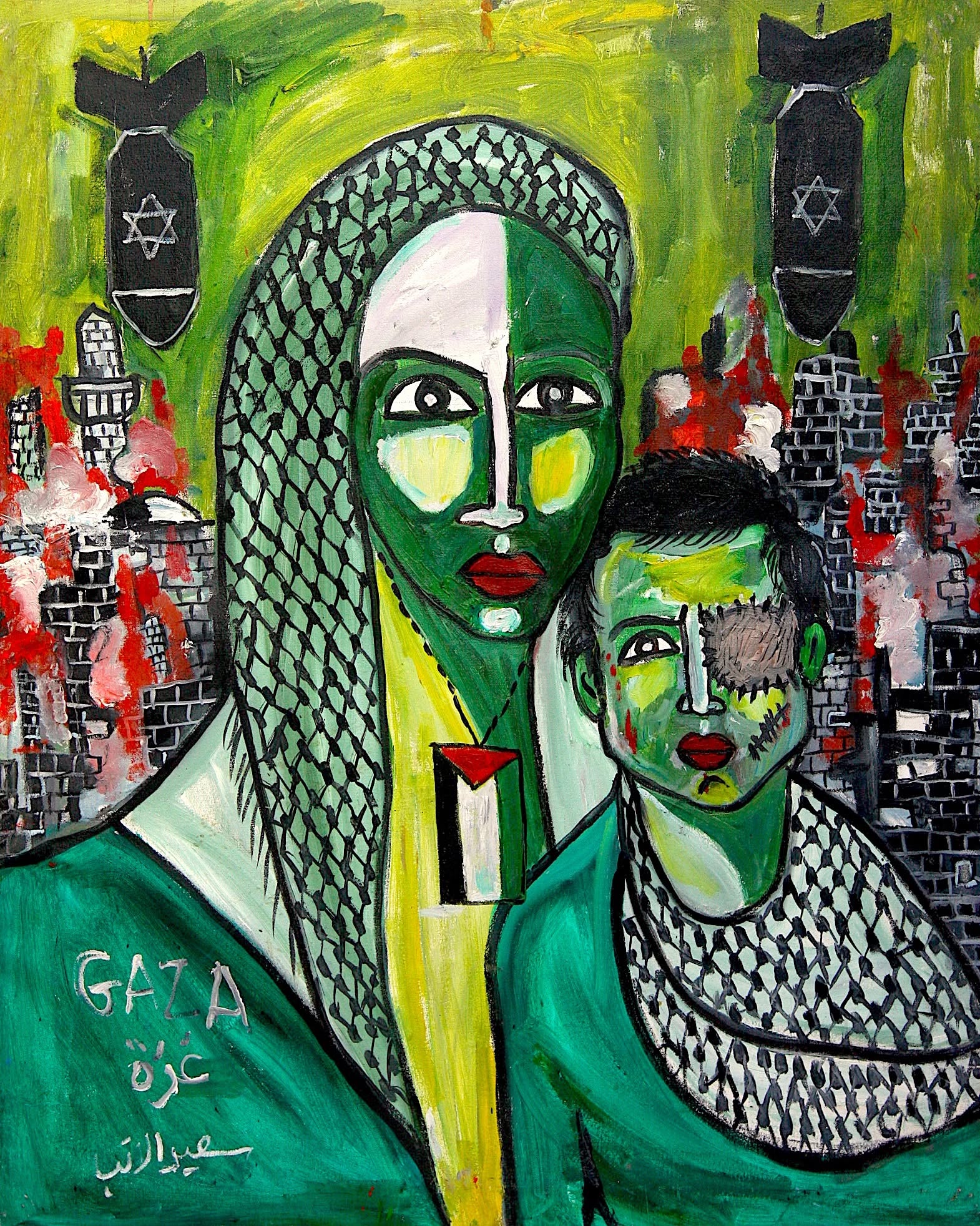
Painting by Imad Abu Shtayyah focusing on Palestinian folklore dresses
marwan
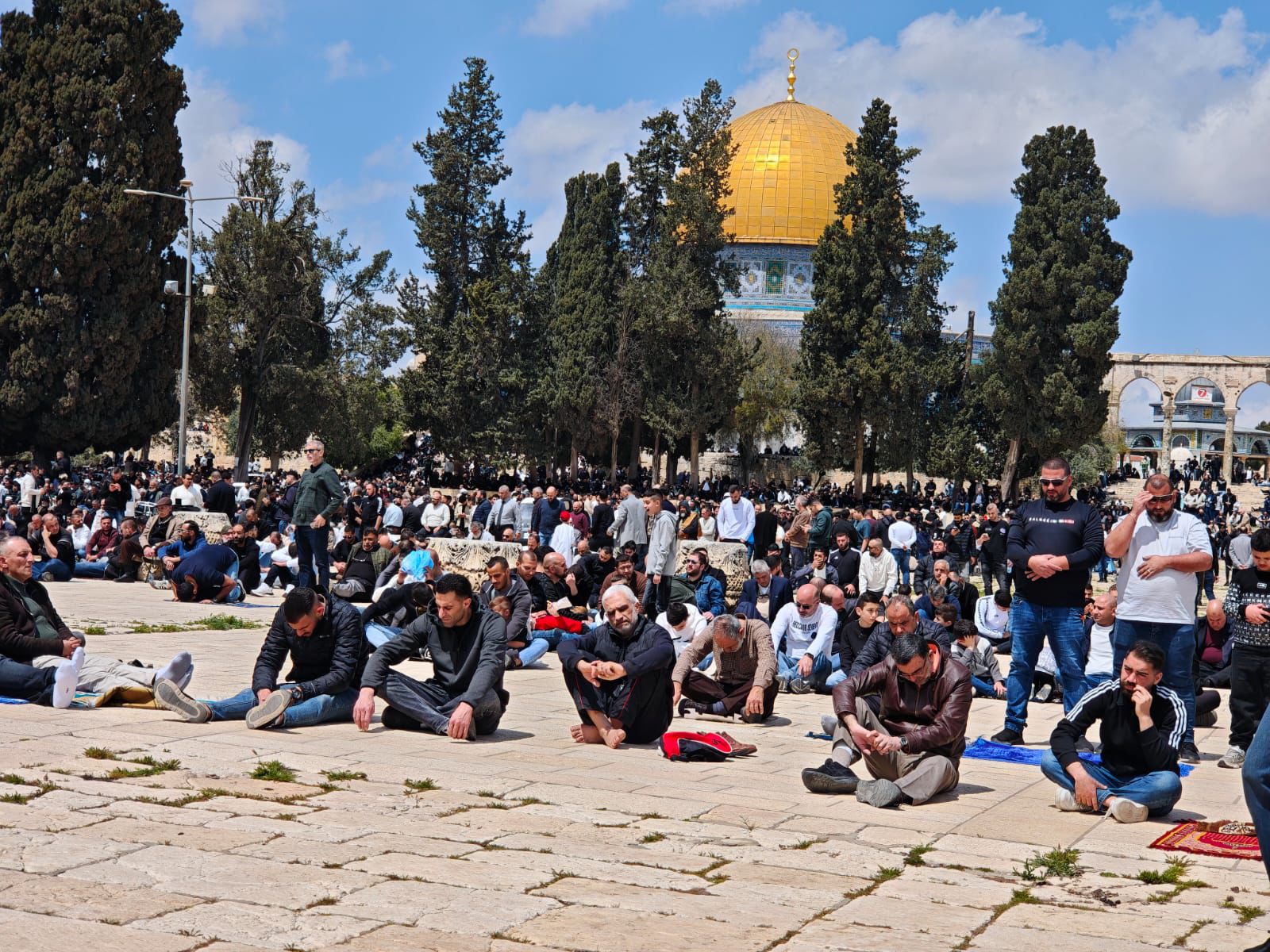
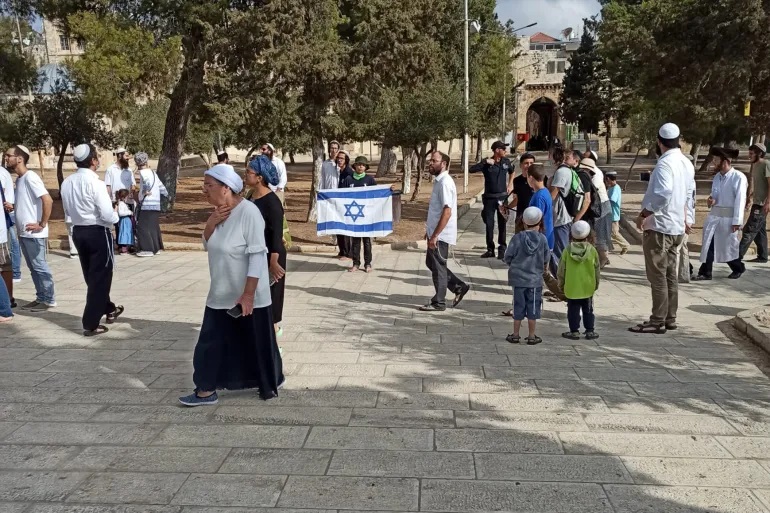
CROSSFIREARABIA – More than 5411 Israeli settlers (colonists) raided the Al Aqsa Mosque last week according to local sources. The settlers violated the grounds of the Muslim Holy places to commemorate Tisha B’Av, the destruction of both the First and Second Temples in Jerusalem. As they moved around the compound they were heavily protected by armed Israeli soldiers
marwan
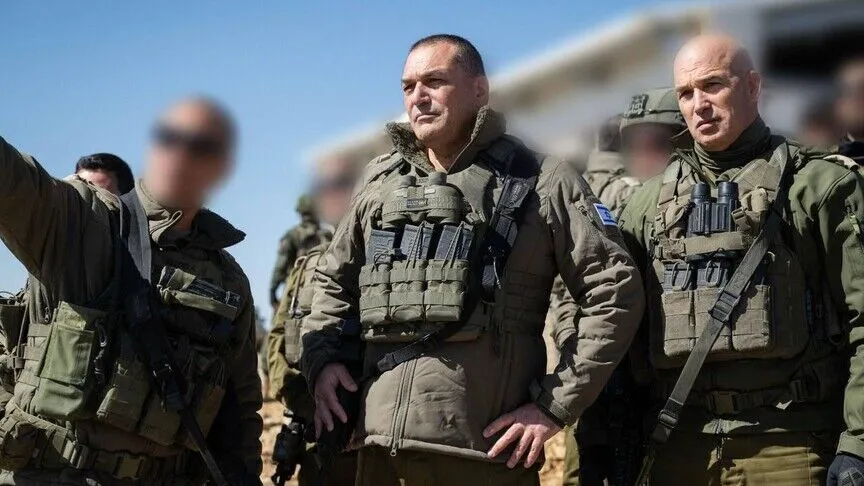
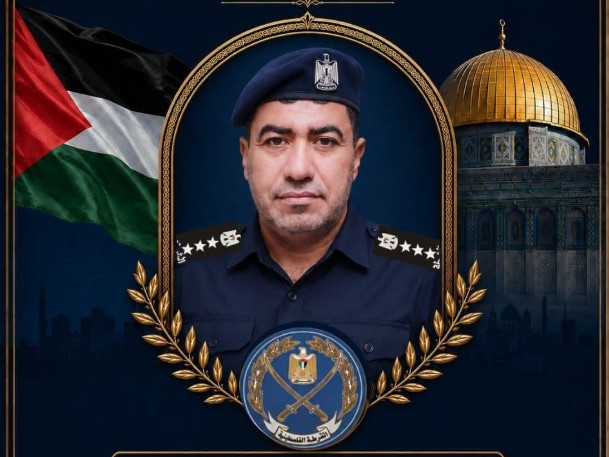
Gaza’s Interior Ministry on Saturday said Israel is deliberately targeting the Palestinian police force to spread chaos in the enclave after the killing of the police chief of North Gaza governorate.
In a statement, the ministry said the killing of Brig. Gen. Abdul Nasser Mohammed Al-Maqadma reflected Israel’s continued targeting of the police force “with the aim of spreading chaos in the Gaza Strip.”
It stated that 53 police commanders, officers and personnel have been killed in direct Israeli attacks on police headquarters, patrols, vehicles and personnel since the ceasefire agreement took effect in October last year.
The ministry called on the international community and mediating countries to intervene urgently and pressure Israel to stop targeting the police, describing the force as “a civilian institution protected under international law” that is responsible for maintaining public order and serving residents as reported by Anadolu.
It said Al-Maqadma’s killing came less than two weeks after an Israeli strike on the Jabalia refugee camp police station on July 14 that killed seven police officers, including the station chief and his deputy, Yamen Mohammed Obeid, who died of his wounds on Saturday.
The ministry vowed that the police would continue carrying out their duties despite repeated attacks.
Earlier Saturday, the ministry announced that Al-Maqadma, 54, was killed in an Israeli airstrike in the Sheikh Radwan neighborhood in northwestern Gaza City.
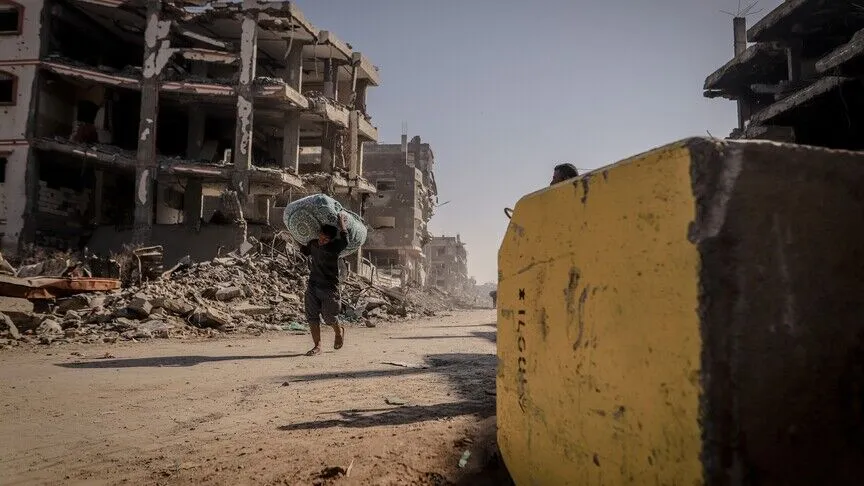
Separately, the Israeli army carried out massive demolitions of Palestinian homes and buildings in areas under its control east of Khan Younis in the southern Gaza Strip, according to an Anadolu correspondent.
According to Gaza’s Health Ministry, 1,191 Palestinians have been killed and 3,853 others injured in Israeli attacks since the ceasefire agreement took effect in October.
Israel has continued its military offensive on Gaza since Oct. 8, 2023. According to Palestinian authorities, the war has killed more than 73,000 people and wounded over 173,000, while causing widespread destruction to civilian infrastructure across the enclave.
marwan
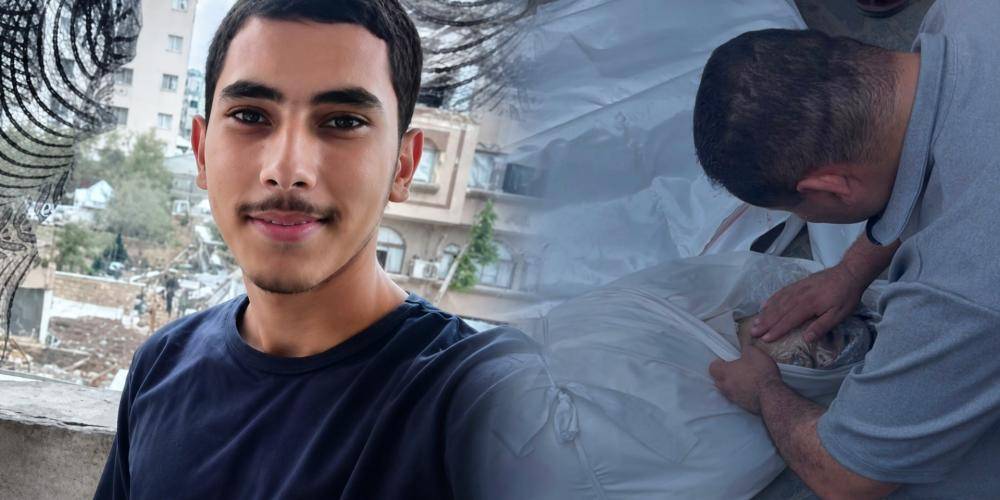
CROSSFIREARABIA – Yehia Nisman of Gaza received his Tawjihi (Secondary School Certificate) results posthumously. At 96.6 percent he got top grade but wasn’t able to receive the results in person, for days before, he and members of his family were killed by an Israeli strike. He was waiting to apply and get into university and was waiting for the results in anticipation but around a week before an Israeli raid ended his dreams. His friends ended up commiserating him on the social media and the congratulatory notes were turned into a book of condolences as reported in the Palestine Information Center.