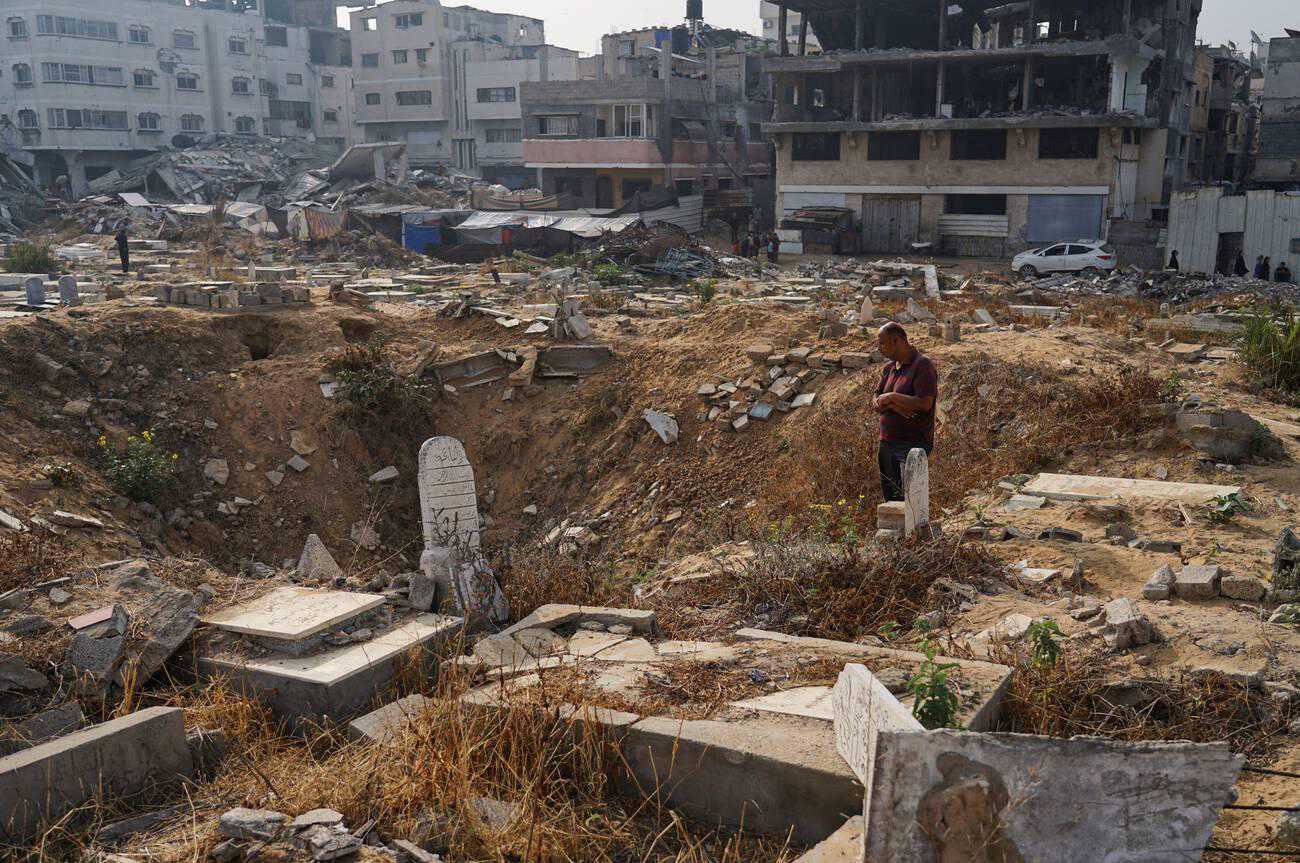
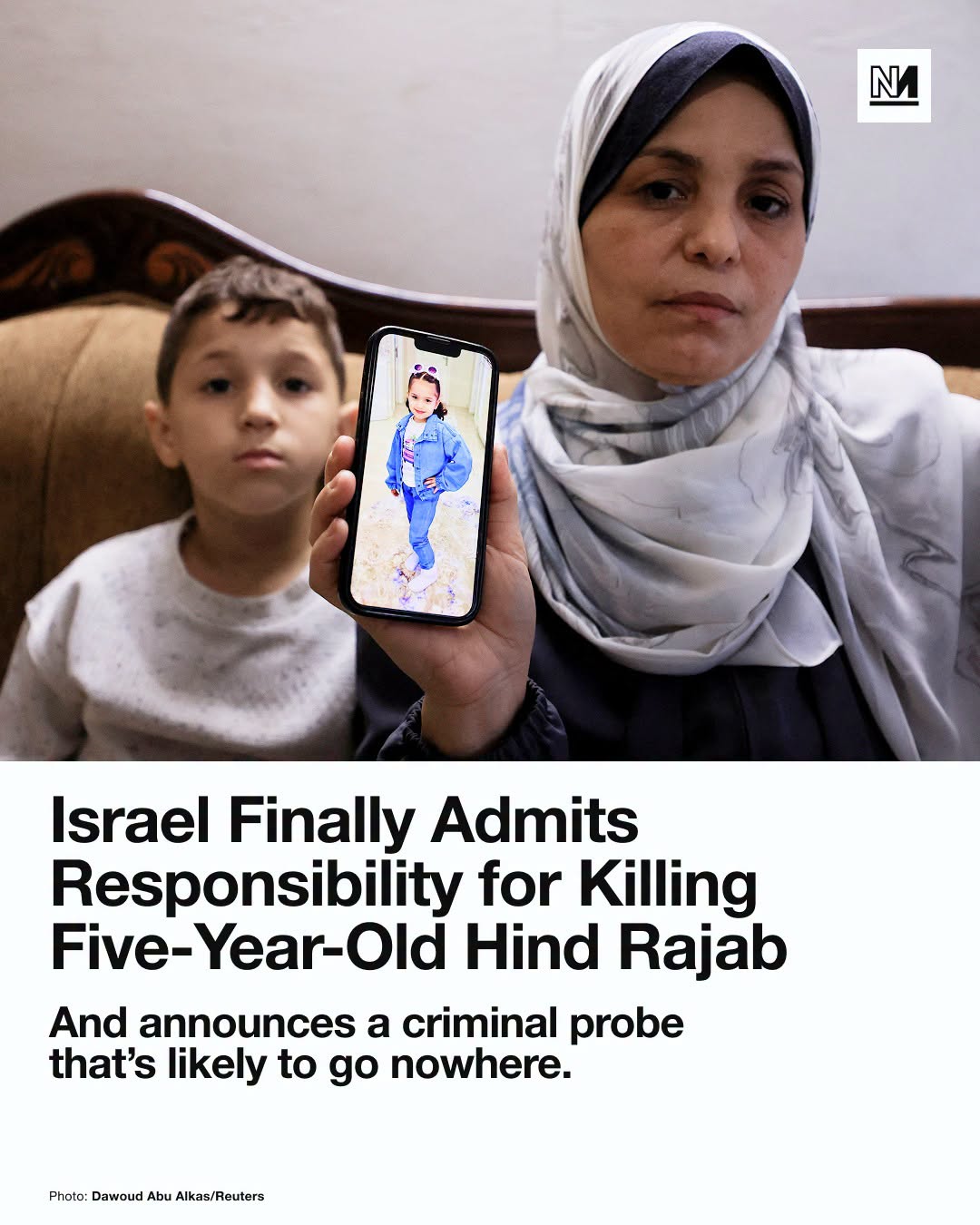
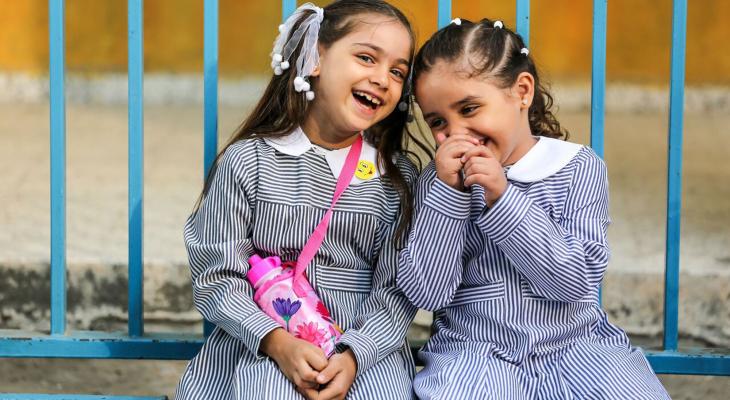
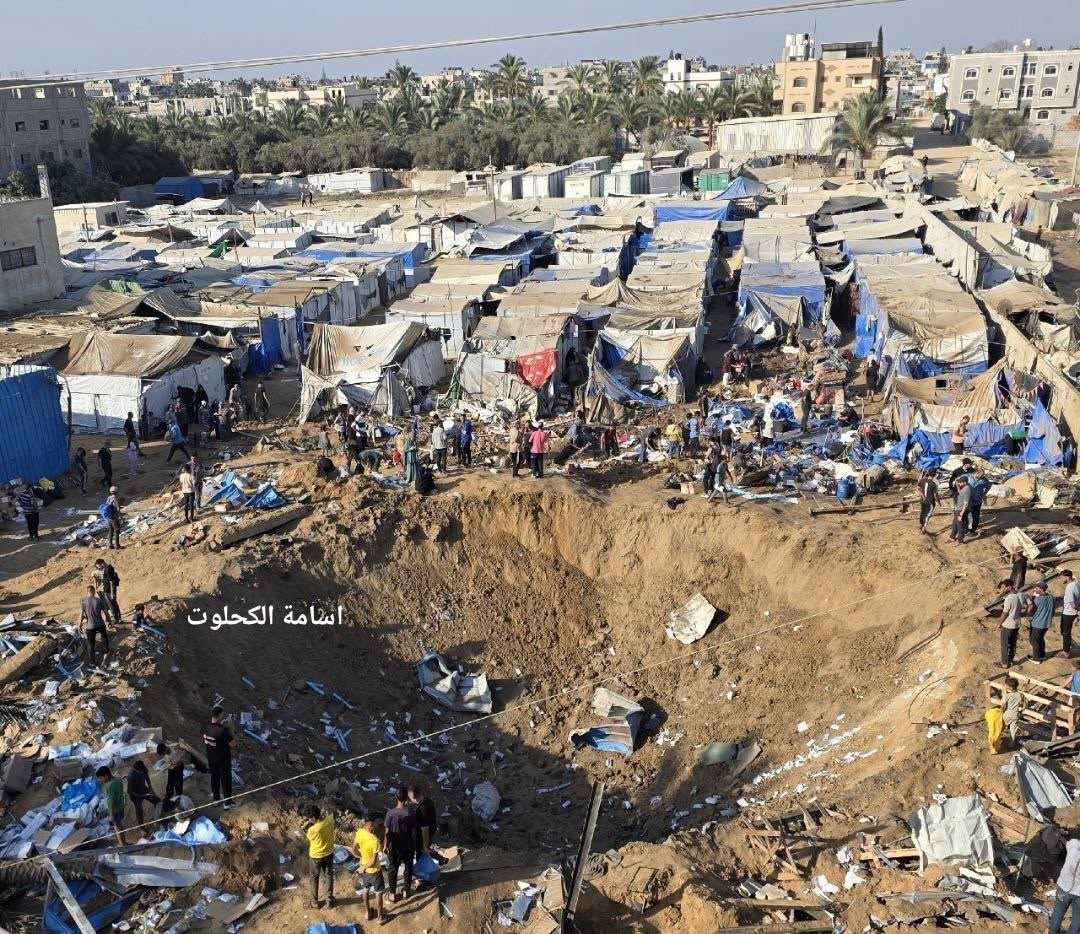
 Getting Ready For School in Gaza
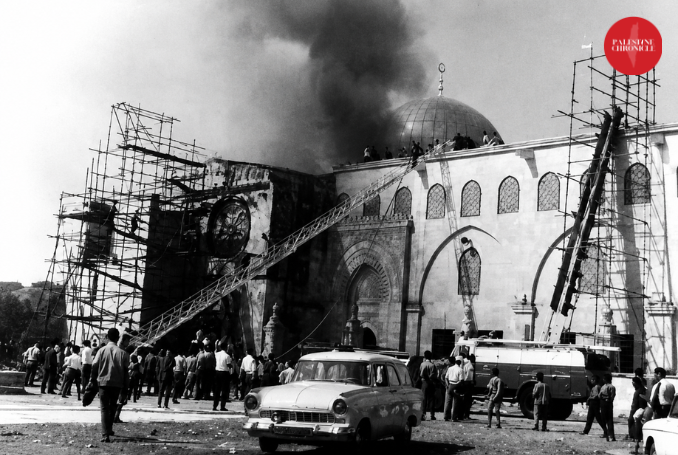
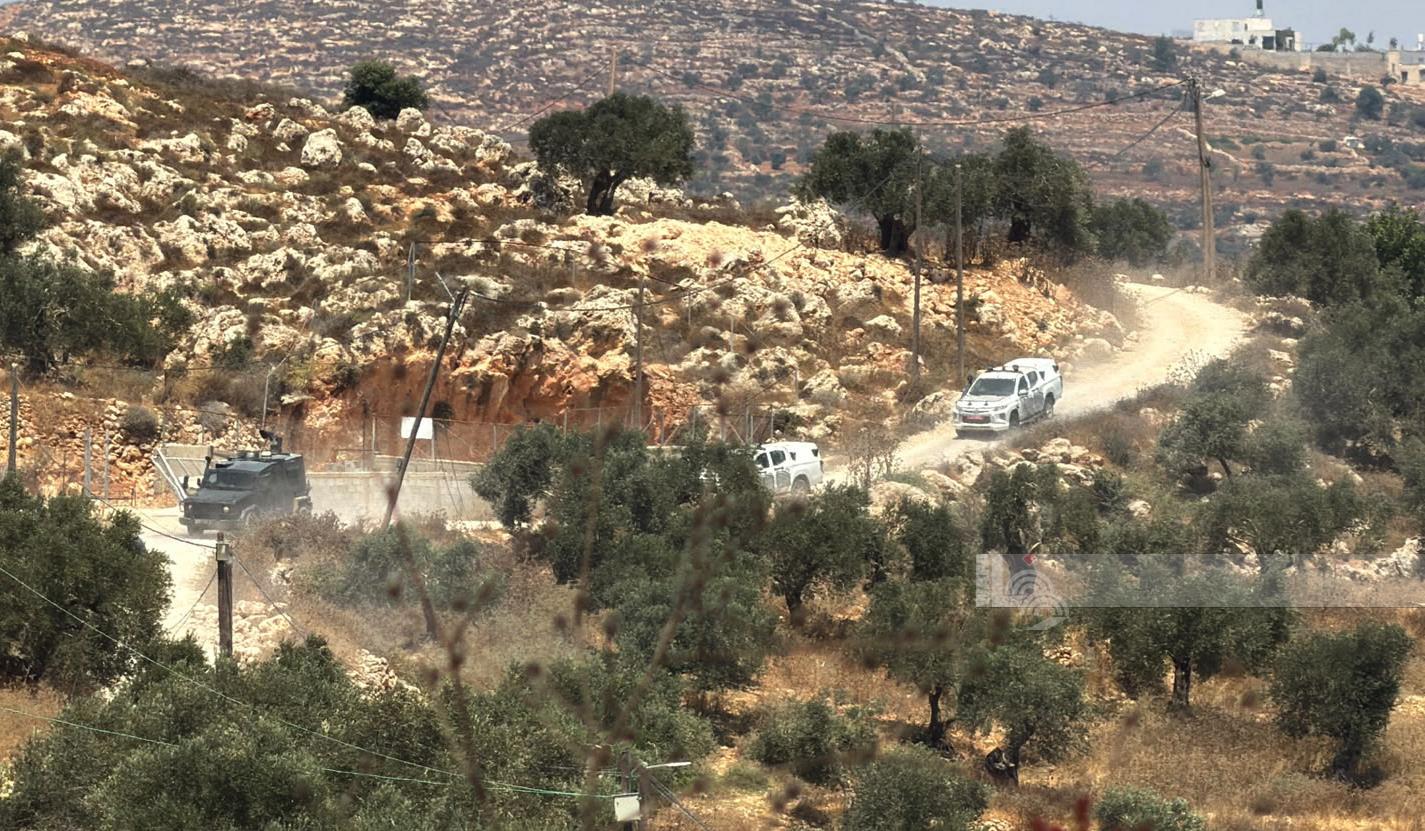
 Beware! Qusra and The Next Nakba
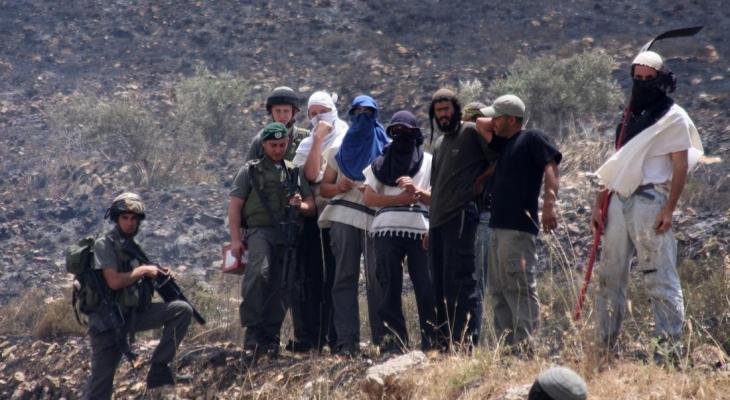 Israeli Settler Attacks Spiked by 63 percent in the Occupied West Bank
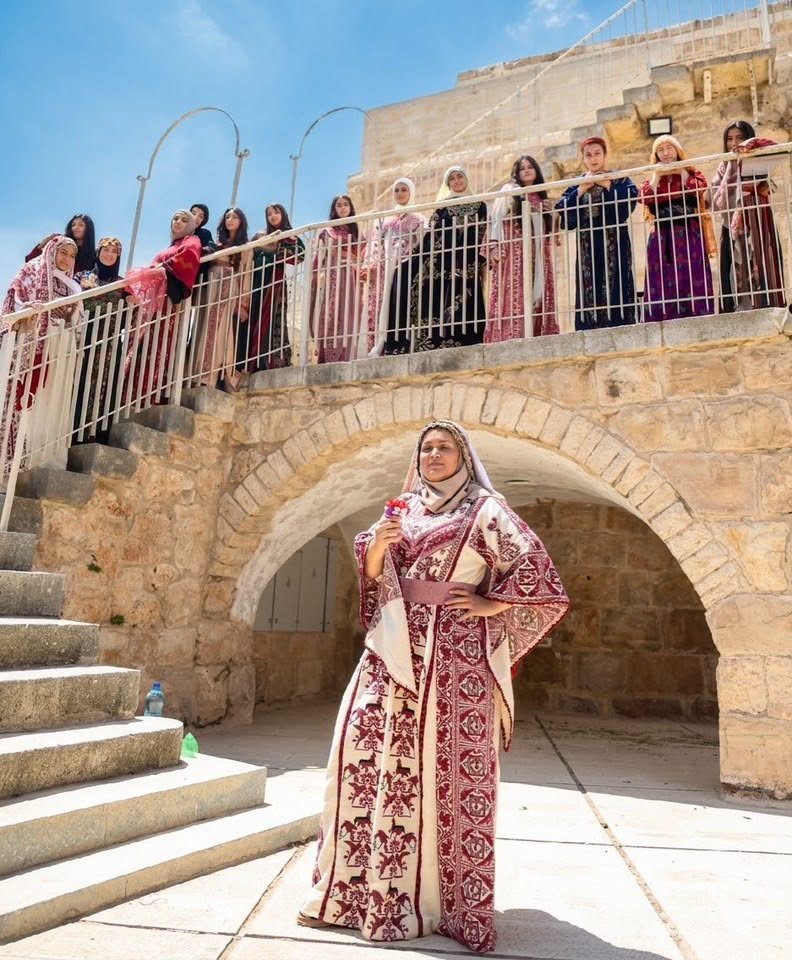
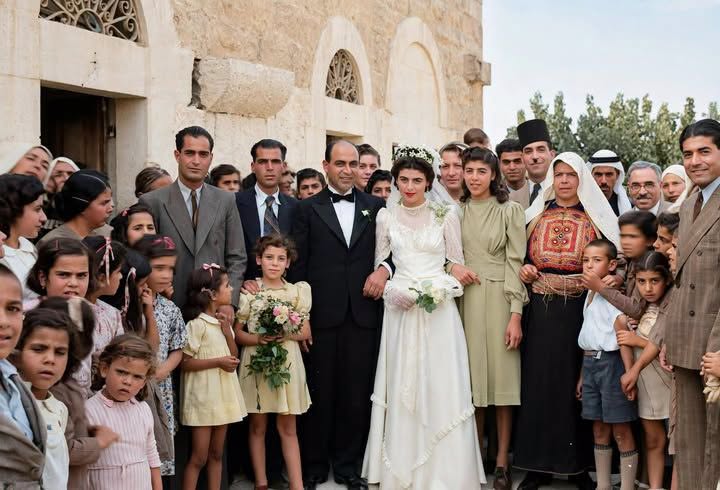
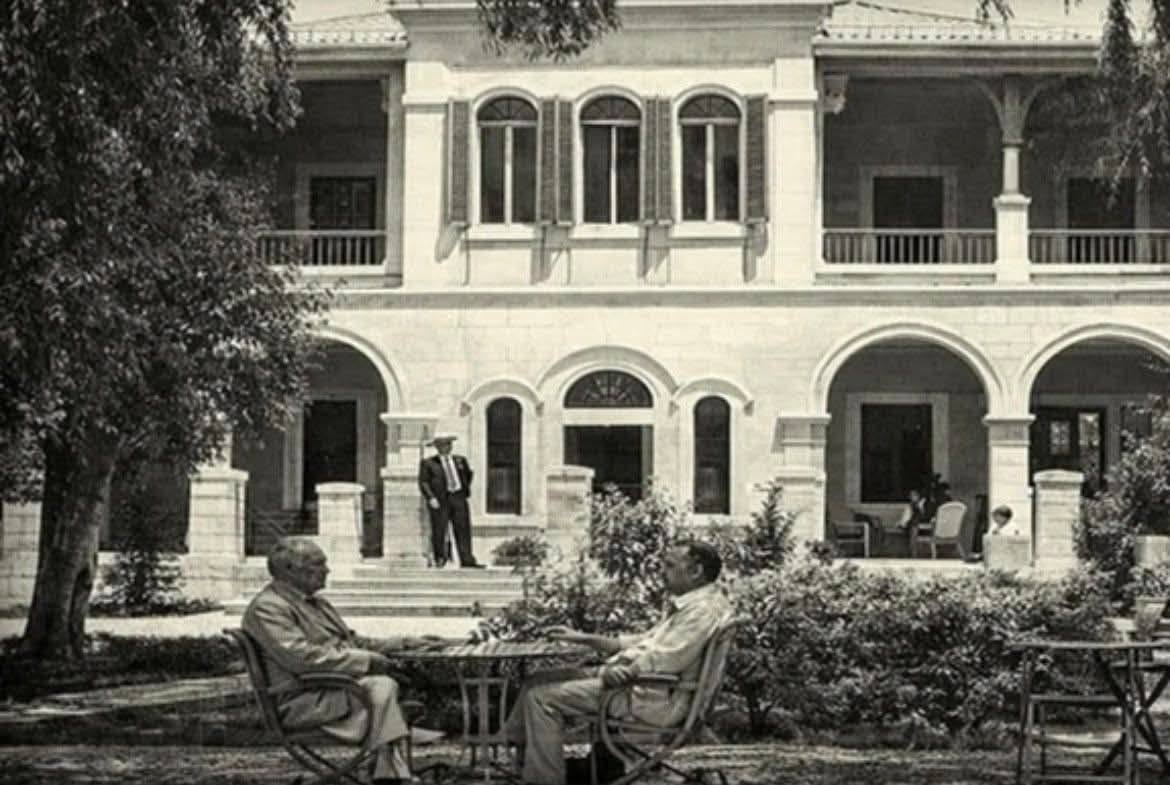
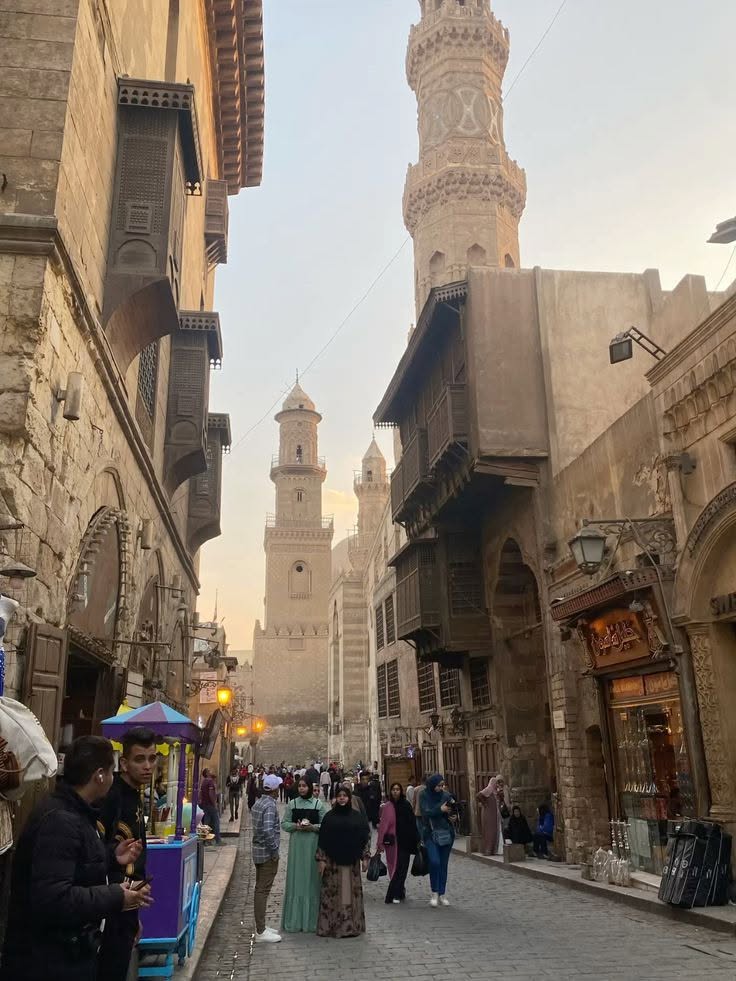
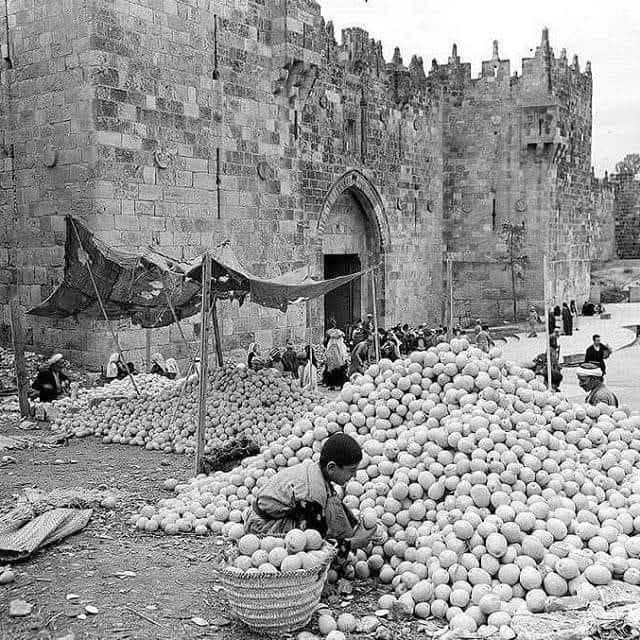
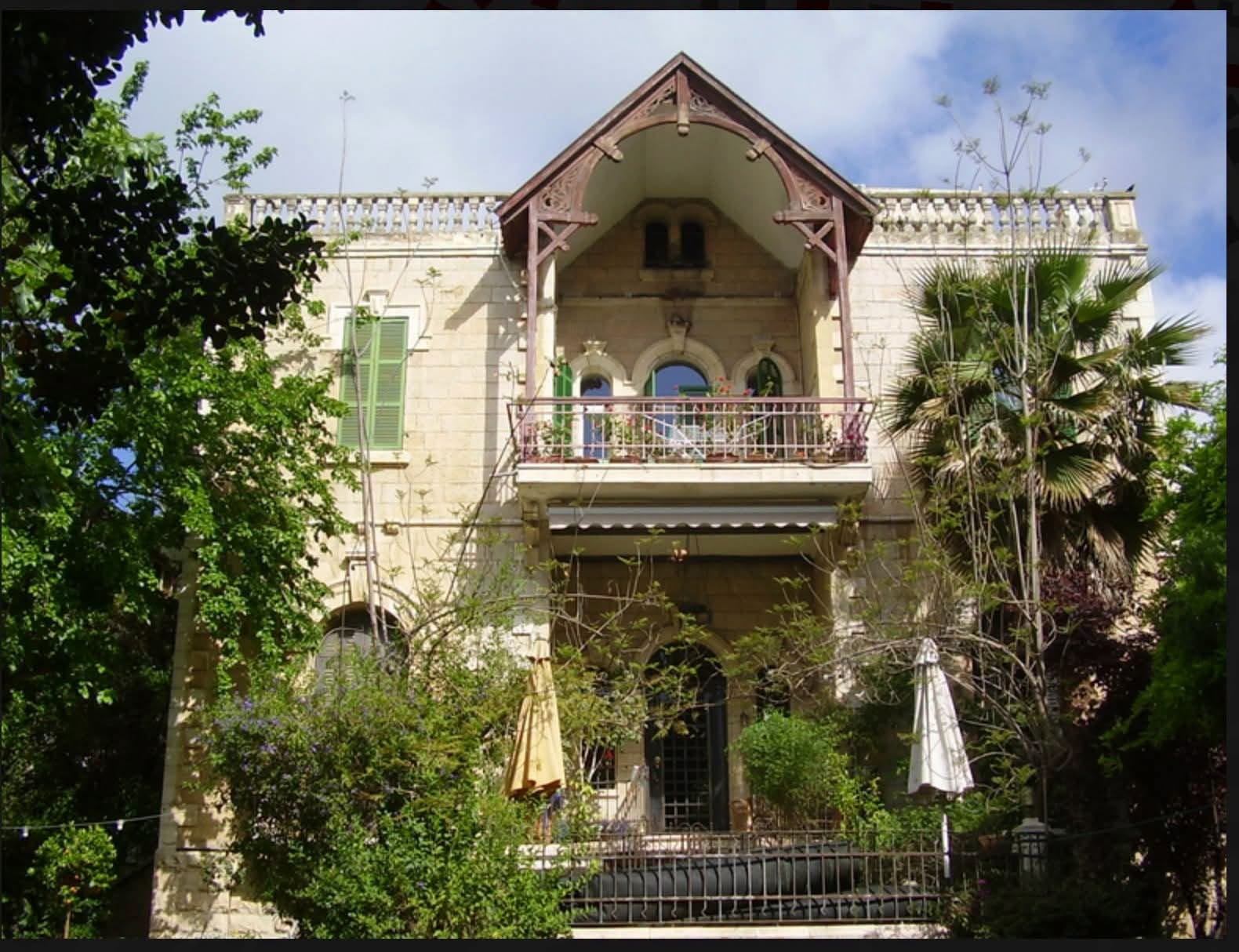
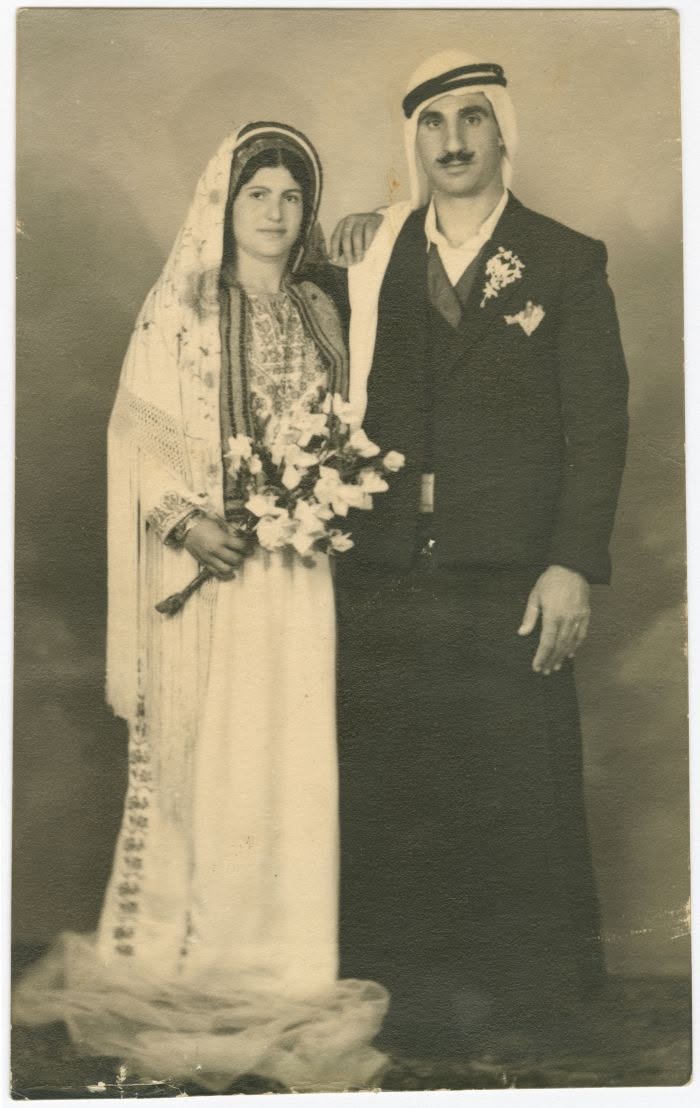
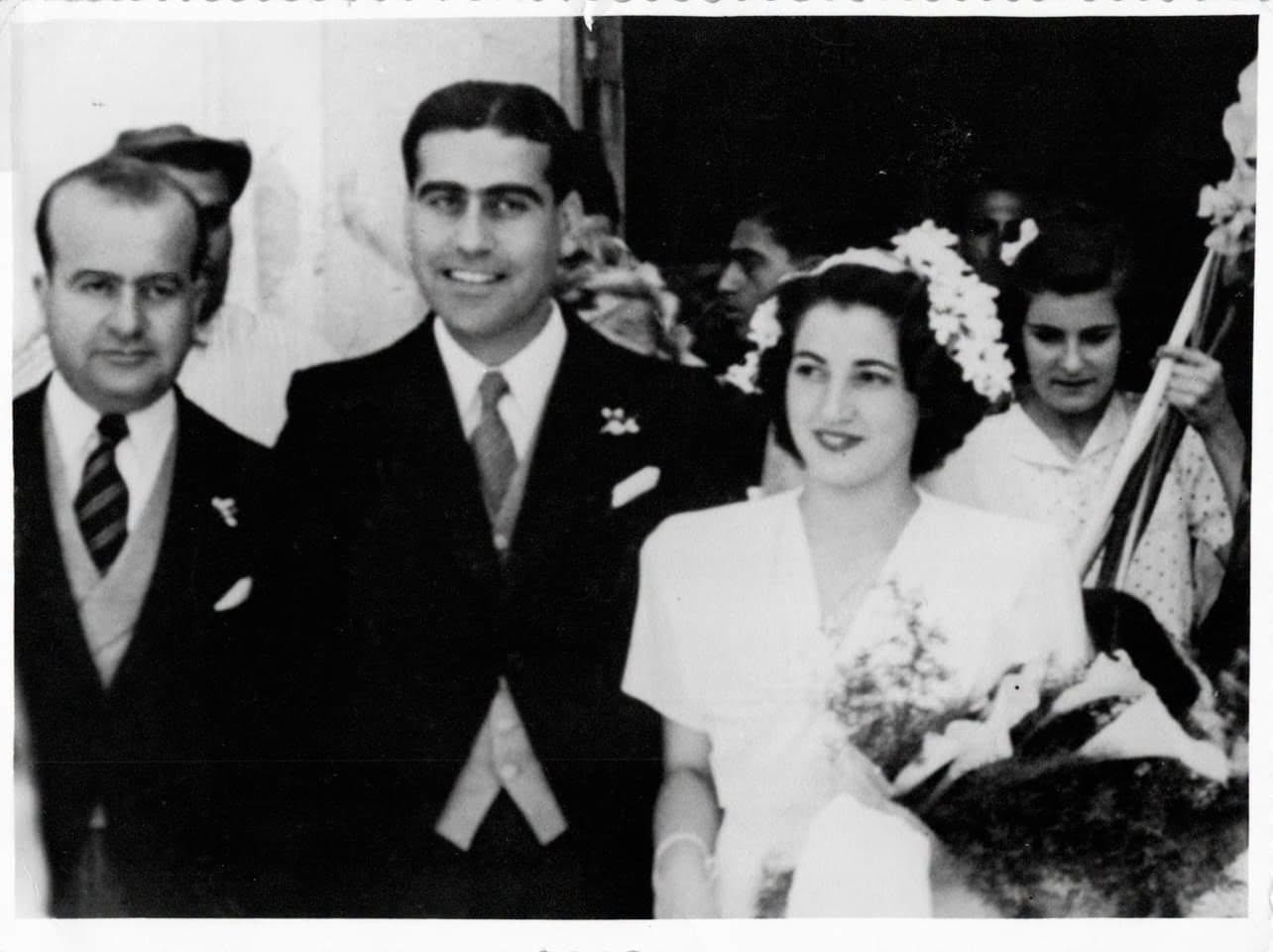 A Jerusalem Wedding, 1945
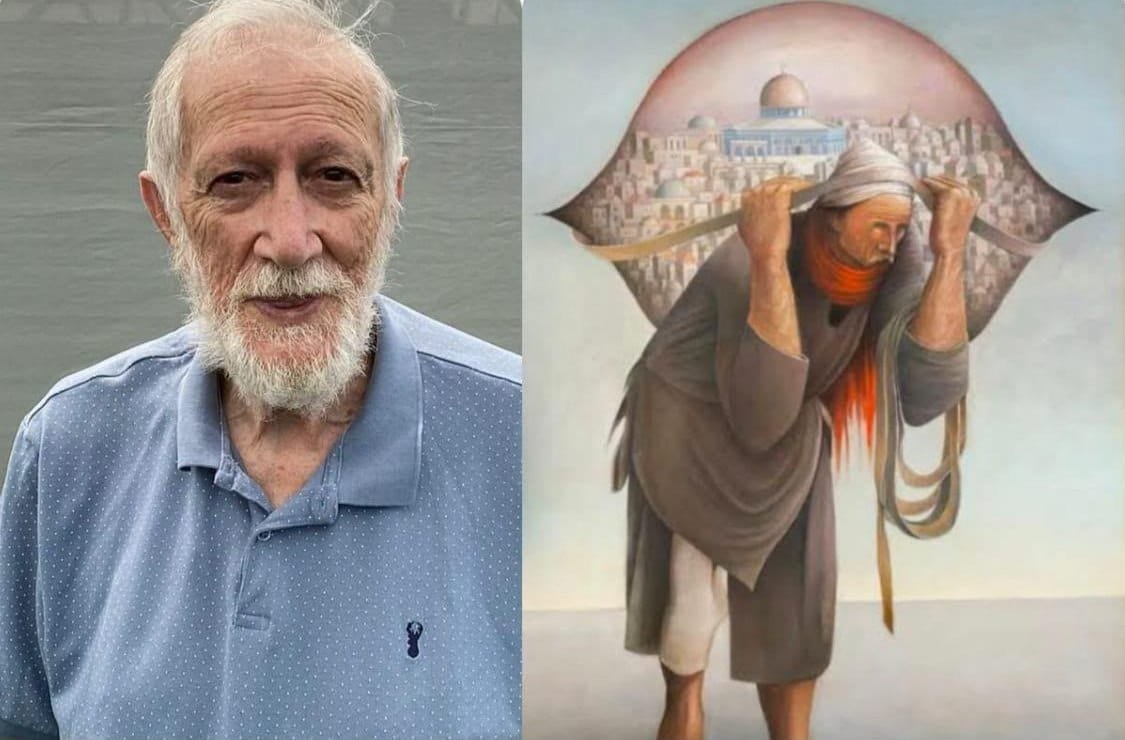
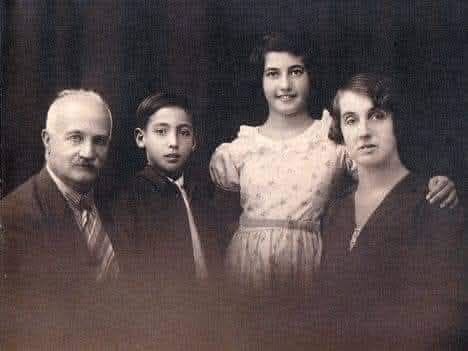
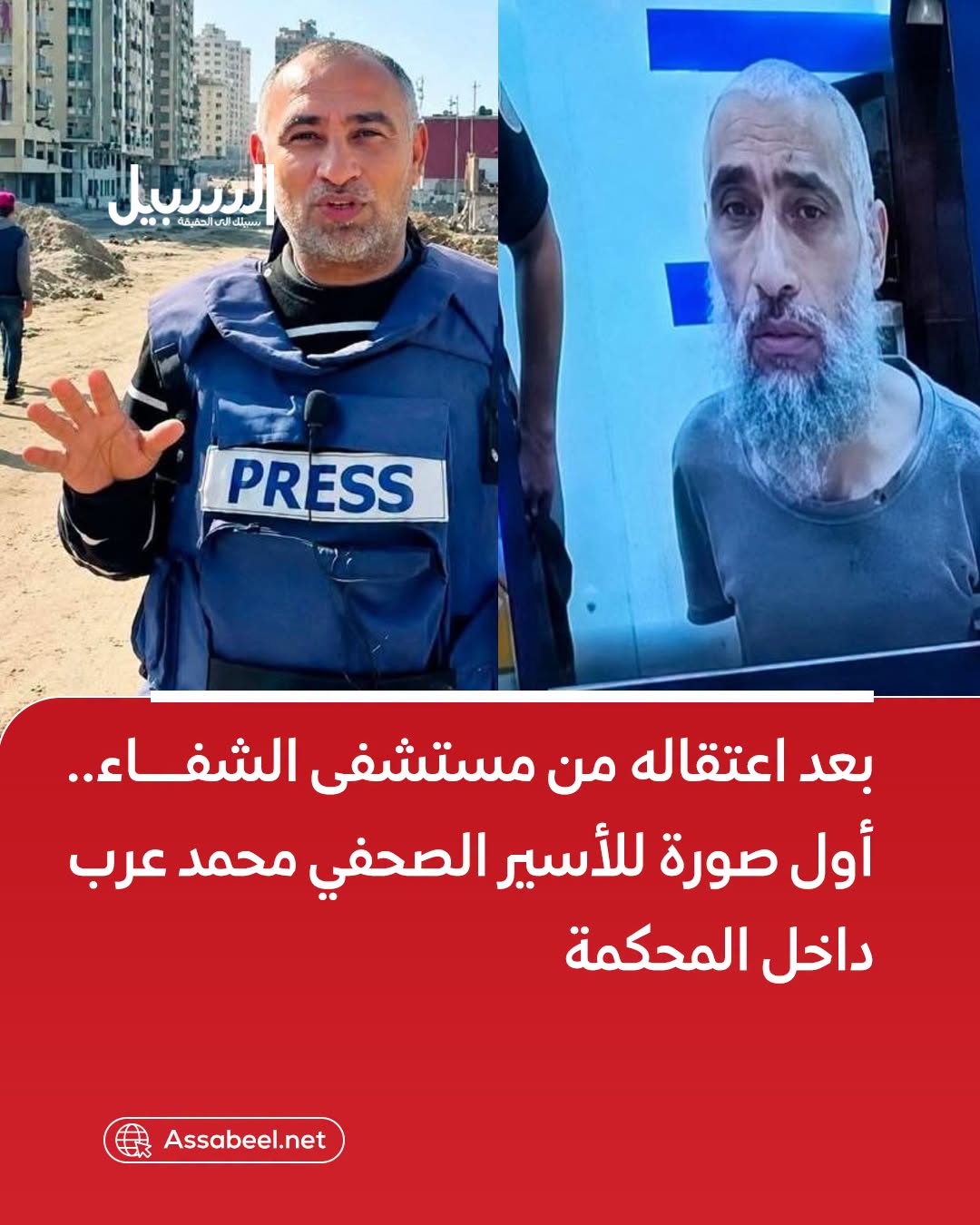
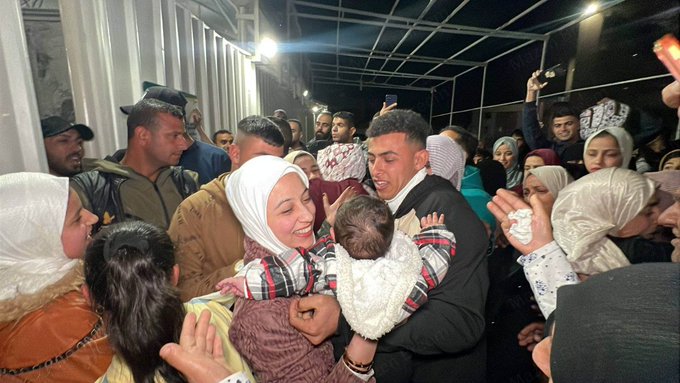
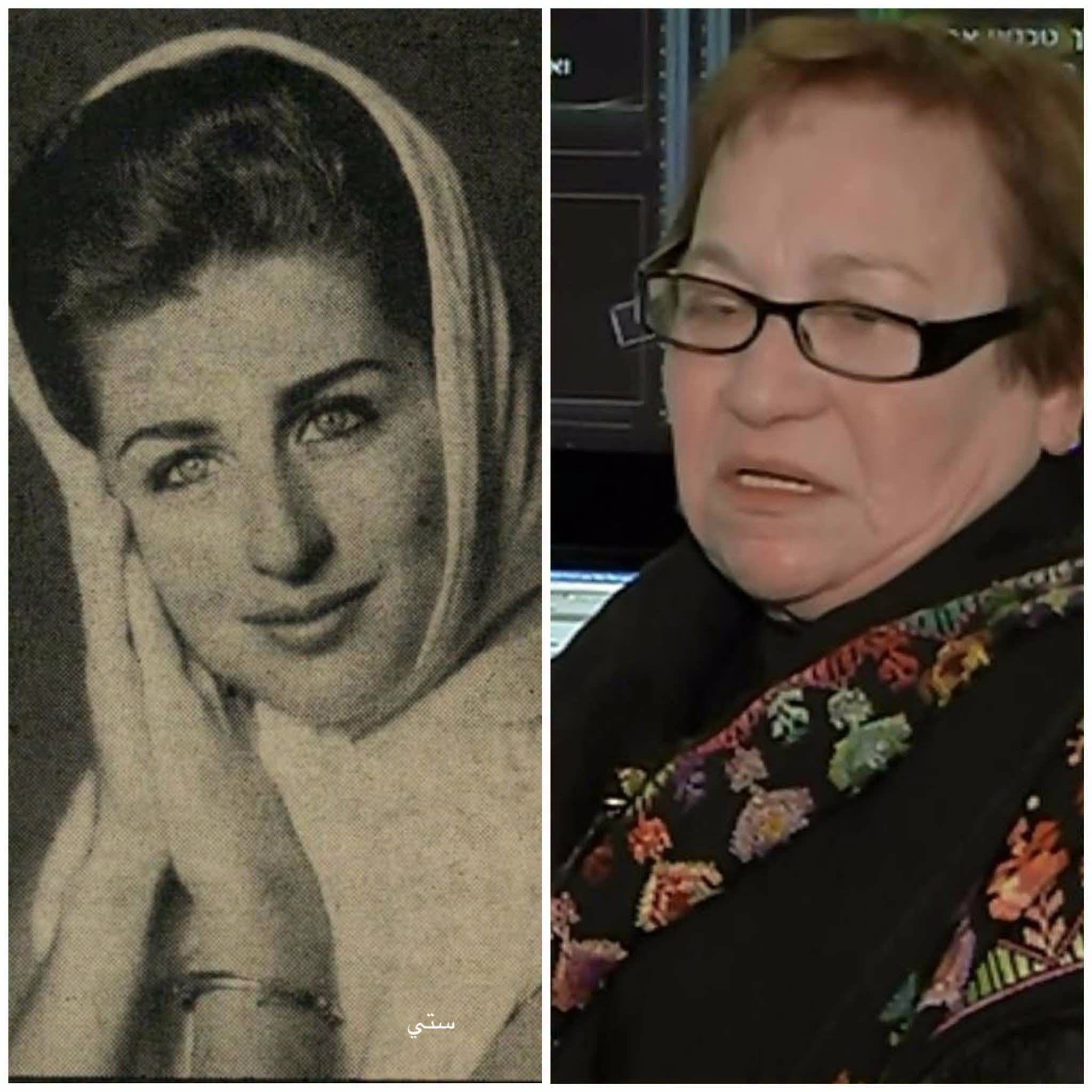 A Prisoner to Remember

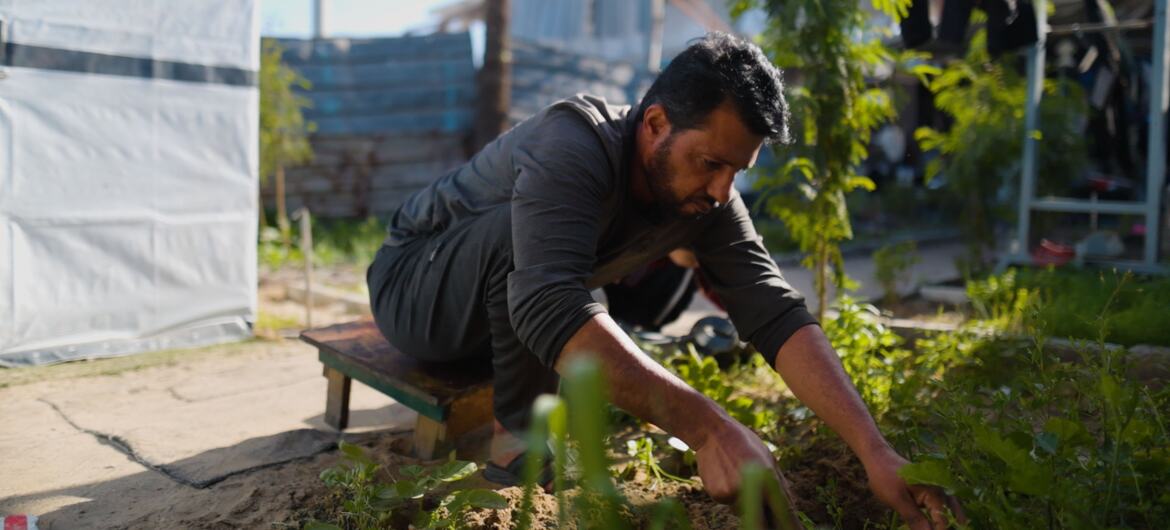
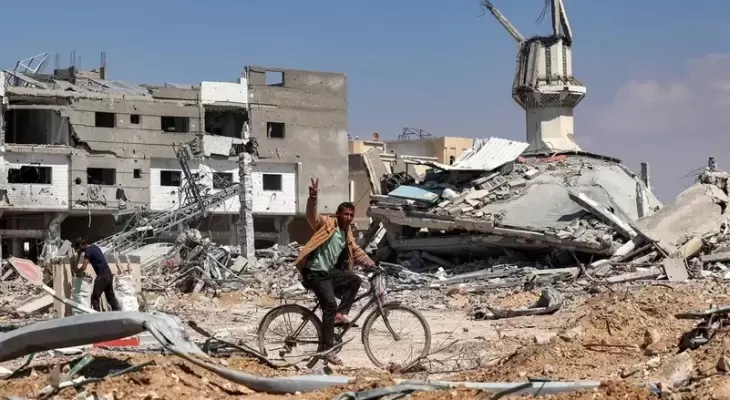
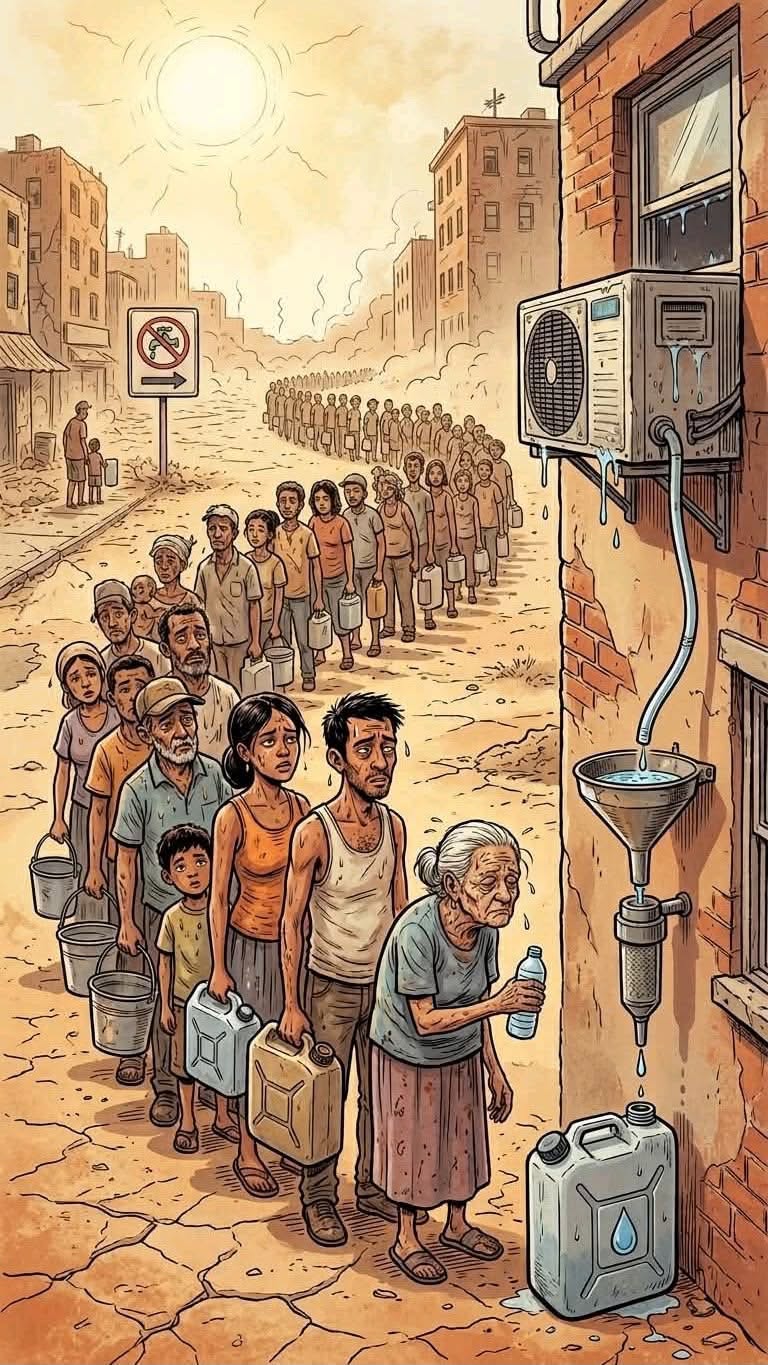
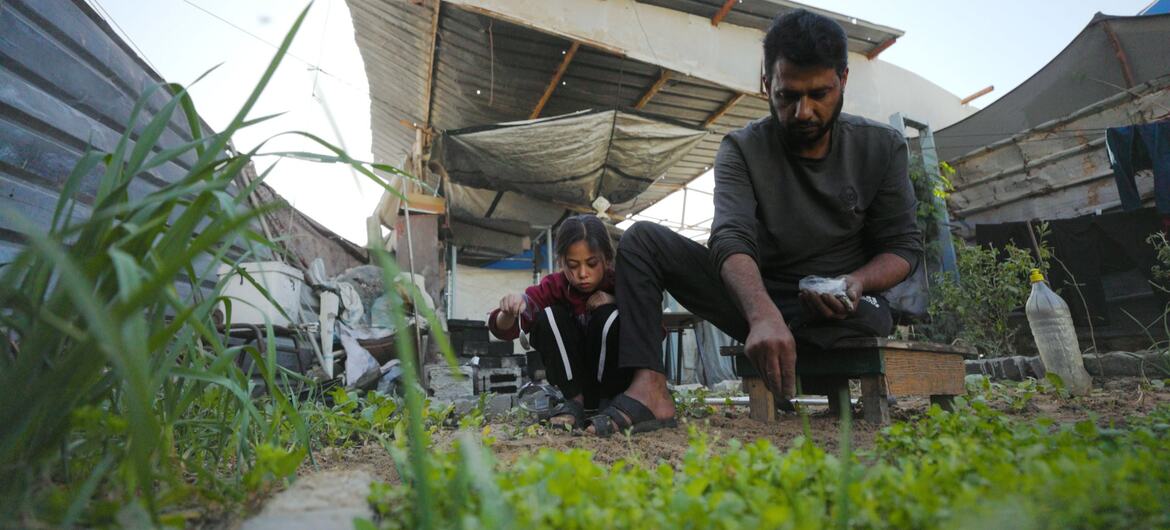
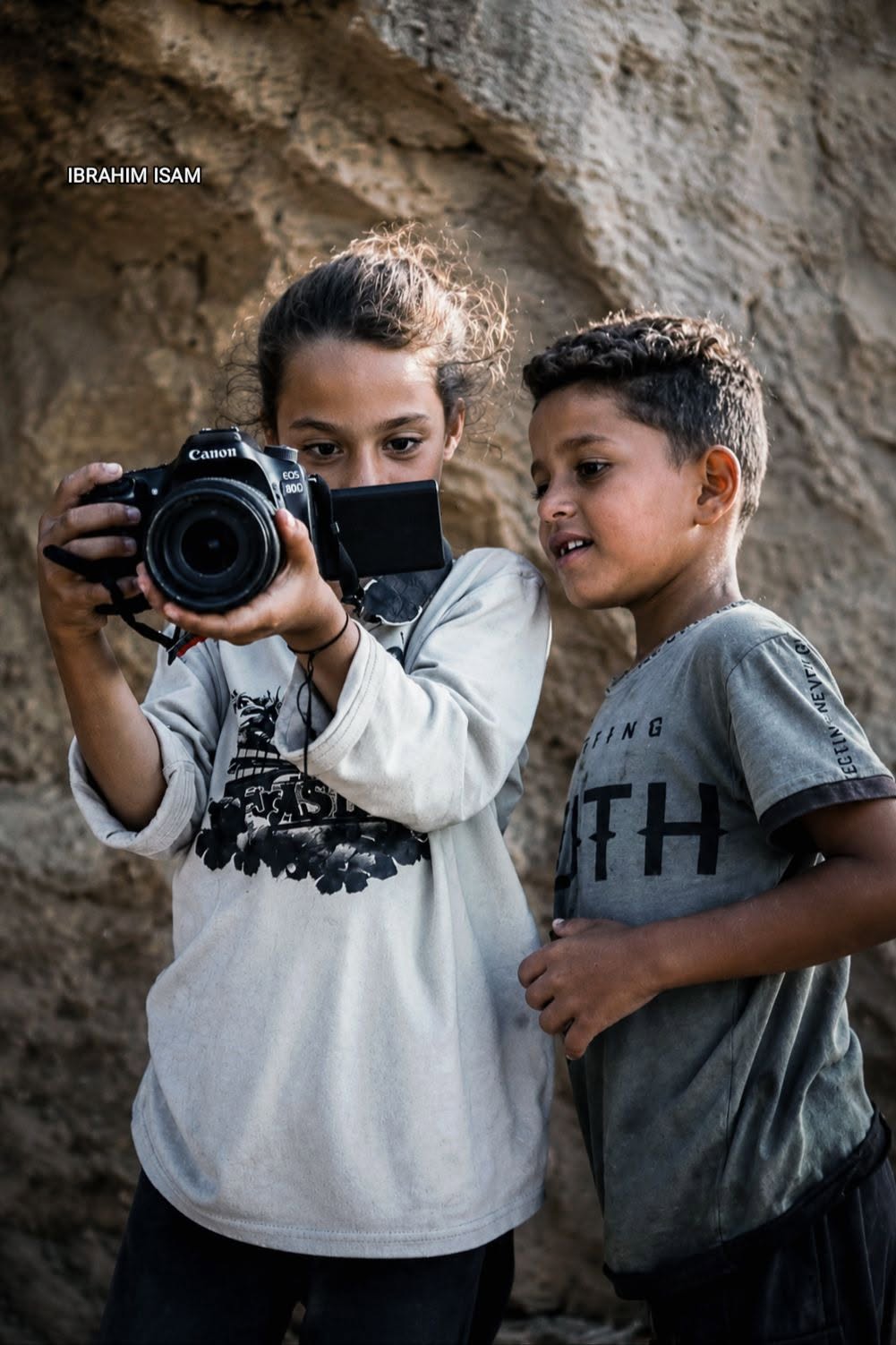
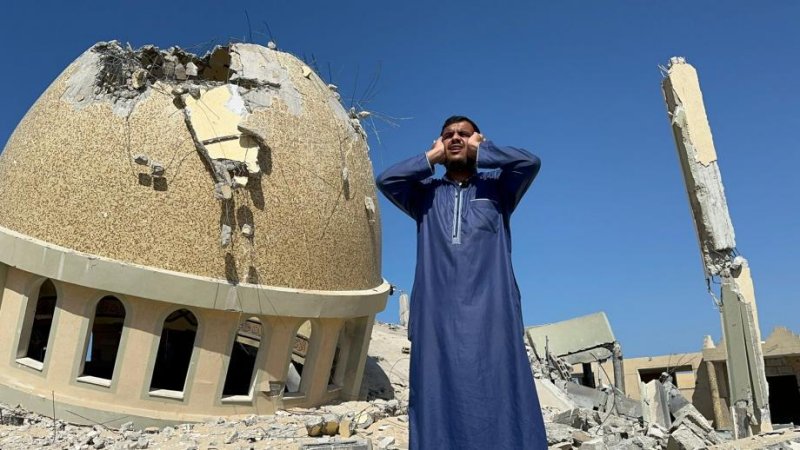
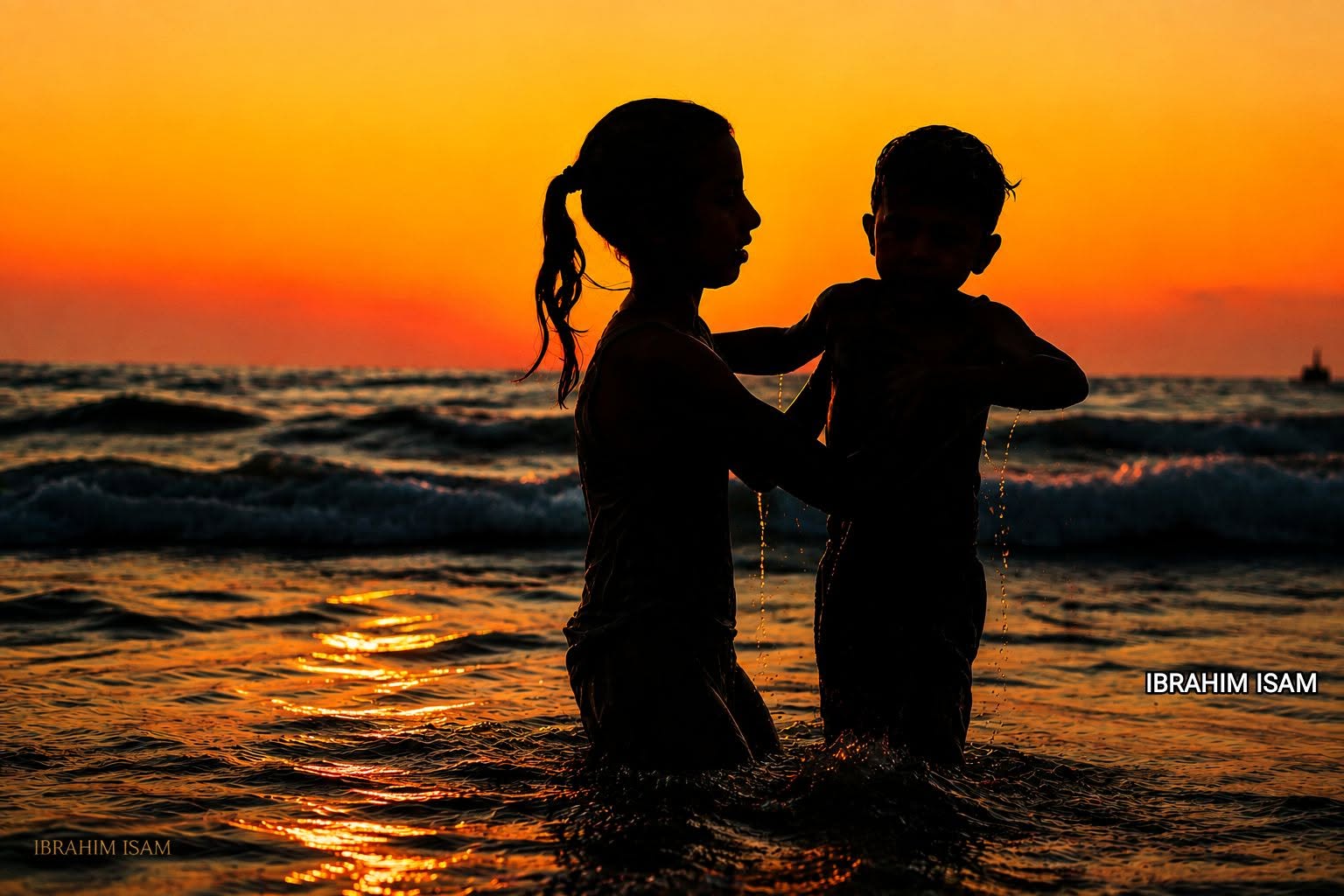
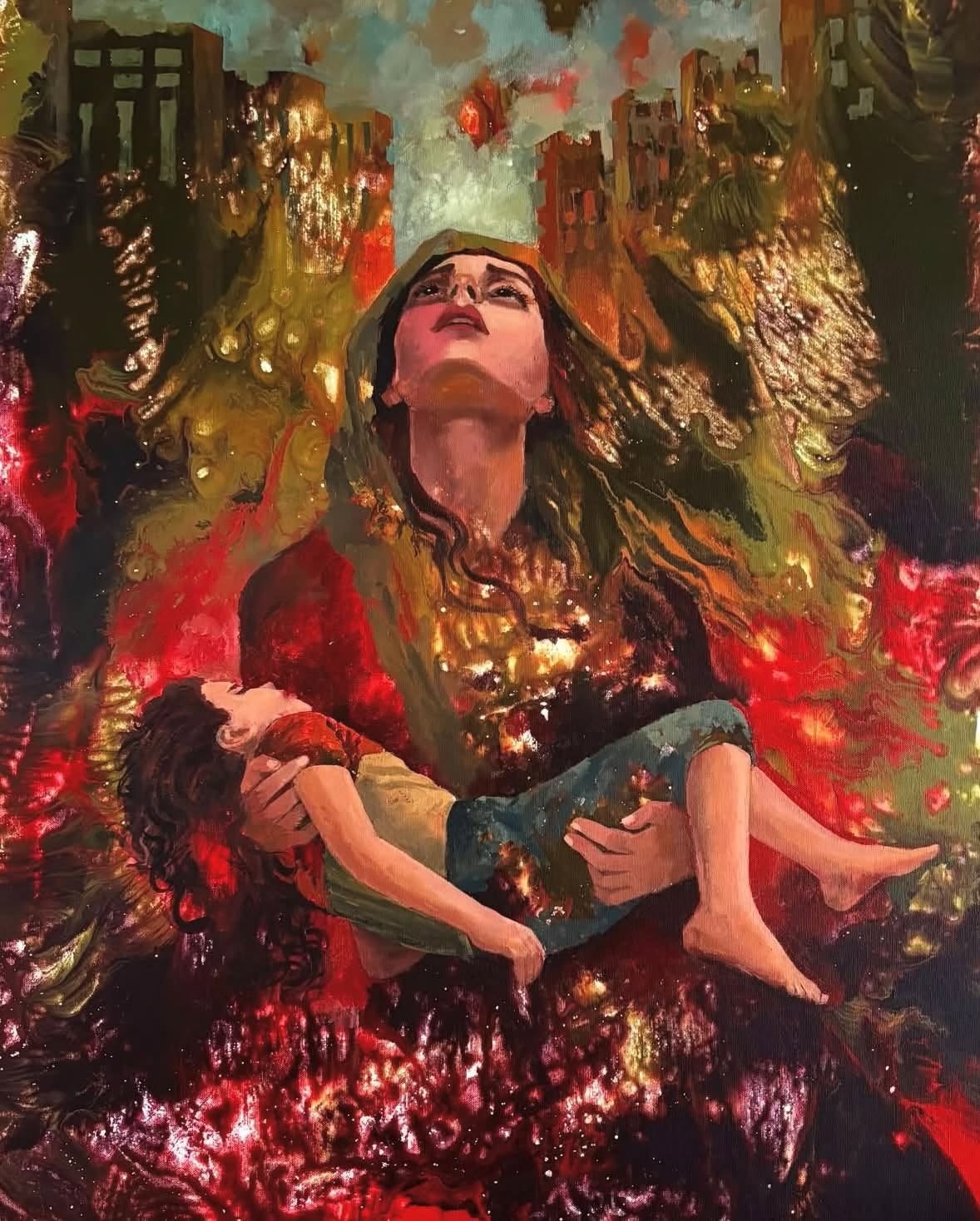
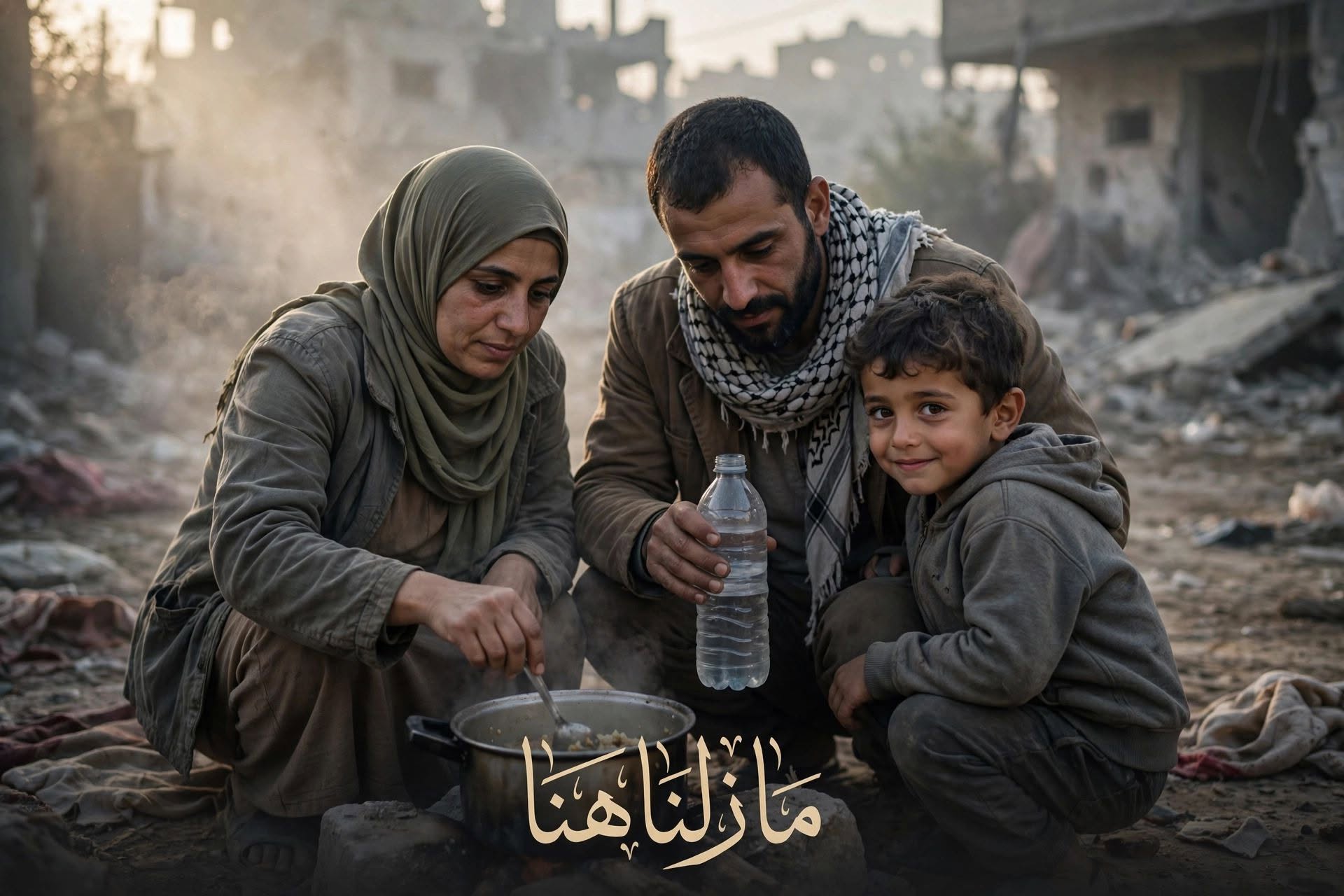
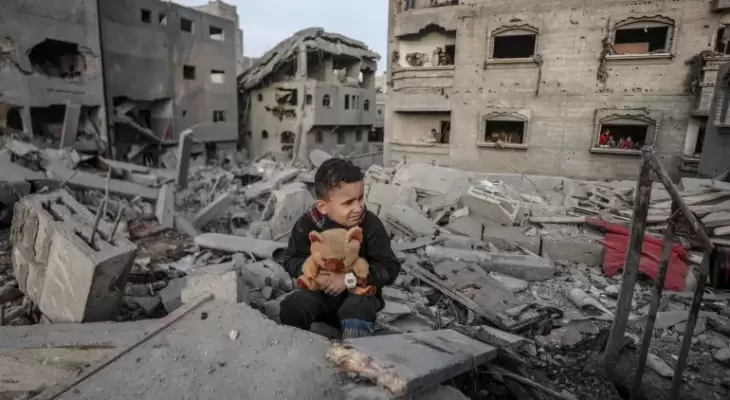
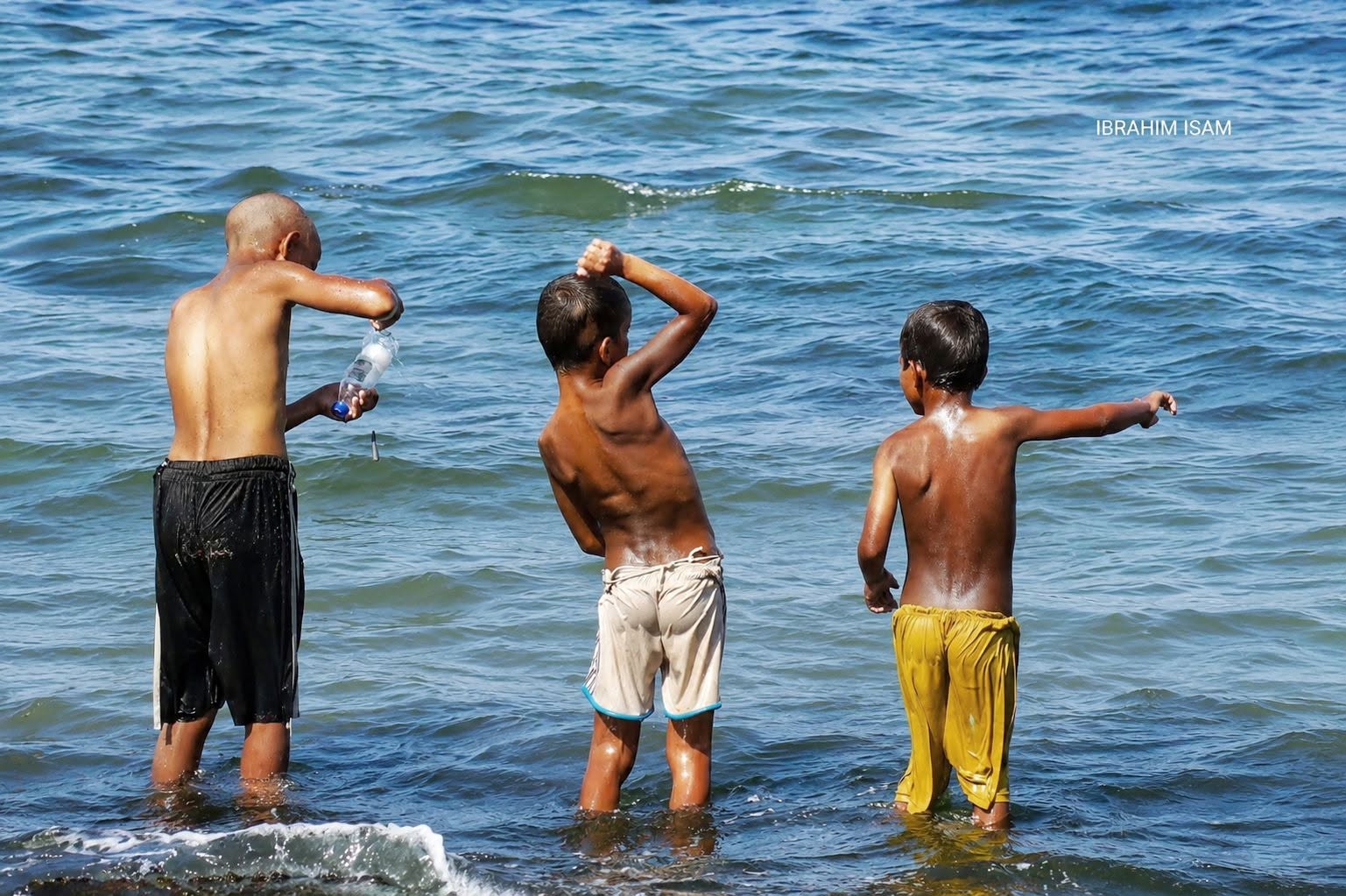
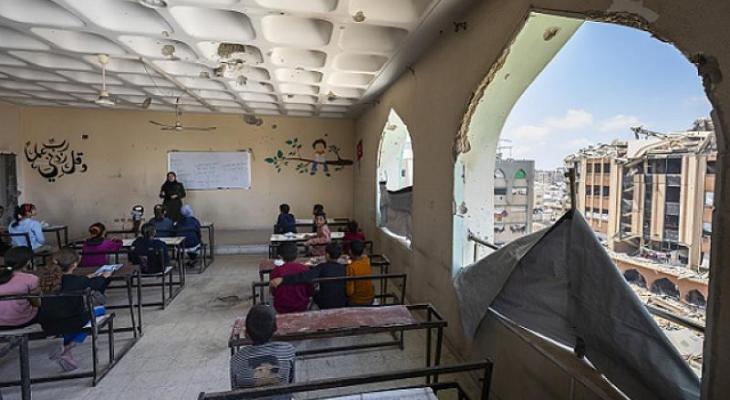
Getting Ready For School in Gaza
 CrossFireArabia
- August 26, 2026
 CrossFireArabia
 HebaHeba
 marwanCrossFireArabiaCrossFireArabiaCrossFireArabiaCrossFireArabiaHebamarwanHebaCrossFireArabiaCrossFireArabiaCrossFireArabiaCrossFireArabiaCrossFireArabiamarwanHebaCrossFireArabiaCrossFireArabiaCrossFireArabiaCrossFireArabiaCrossFireArabiaCrossFireArabiaCrossFireArabiaCrossFireArabiaHebaCrossFireArabiaCrossFireArabiaHebamarwanmarwanmarwanmarwanmarwanmarwanCrossFireArabiamarwanmarwan
 Saleem Ayoub QunamarwanCrossFireArabiaCrossFireArabiaCrossFireArabiaCrossFireArabiamarwanCrossFireArabiaCrossFireArabiamarwanCrossFireArabiaHebaCrossFireArabiamarwanCrossFireArabiamarwanHebaCrossFireArabiamarwanmarwanHebaCrossFireArabiamarwanmarwanCrossFireArabiamarwanHebaCrossFireArabiaCrossFireArabiaCrossFireArabiaHebamarwanCrossFireArabiamarwanHebaCrossFireArabiaCrossFireArabia
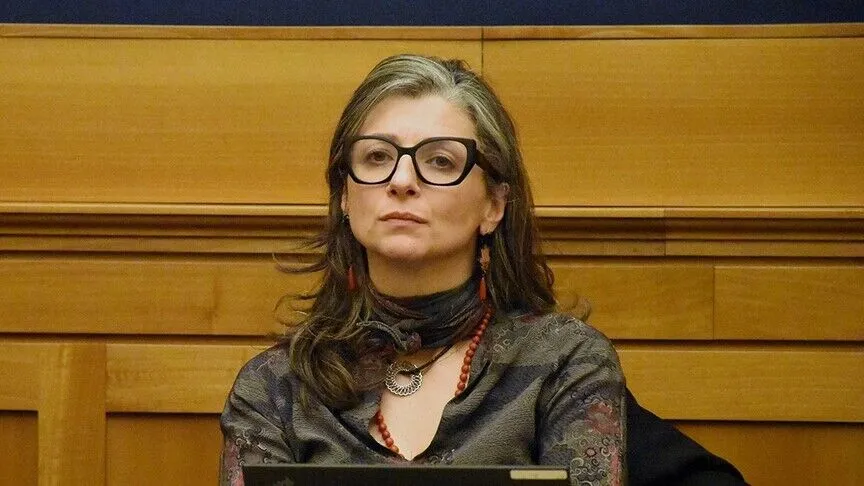
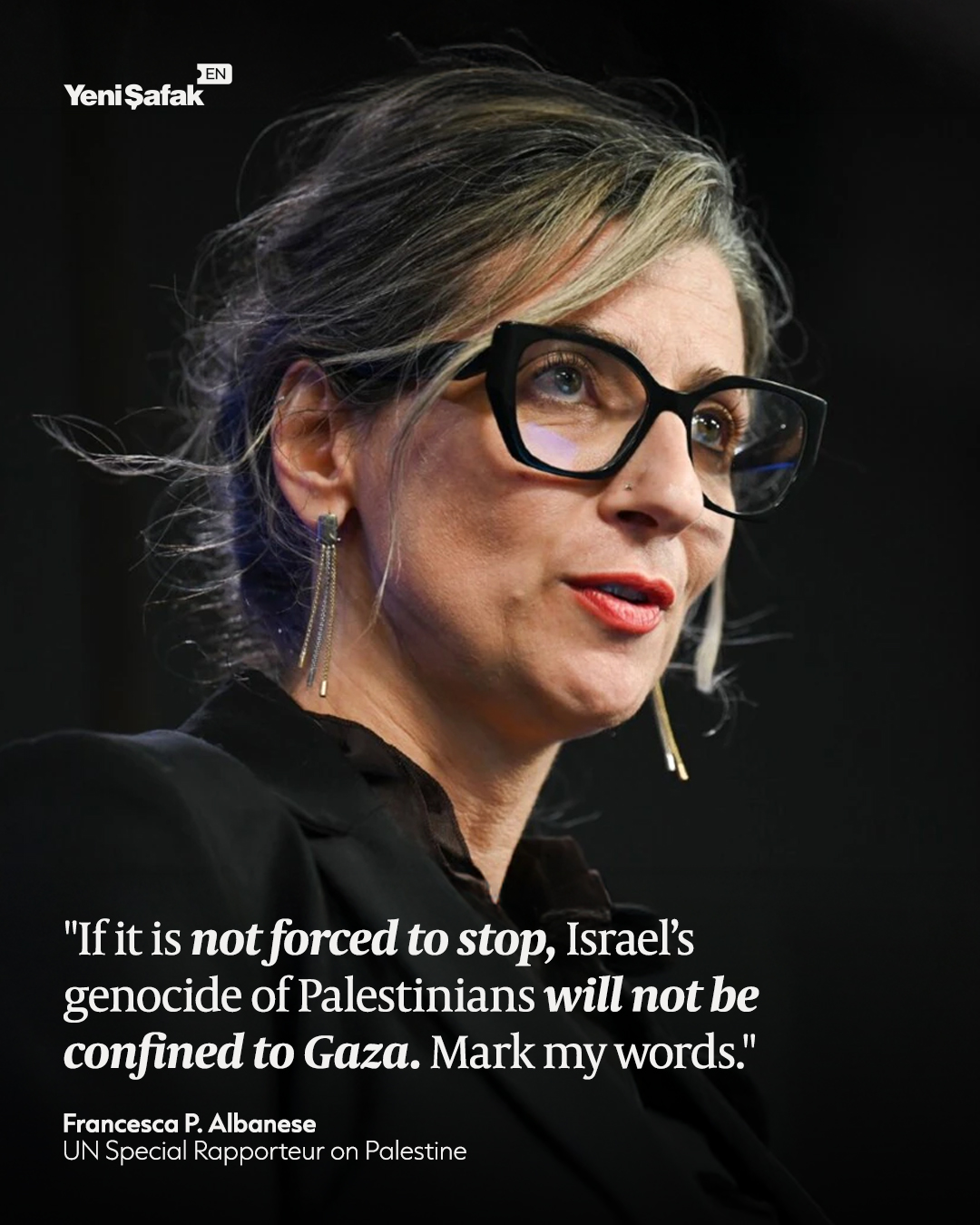
“If it is not forced to stop, Israel’s genocide of the Palestinians will not be confined to Gaza. Mark my words,” says Francesca P. Albanese, UN Special Rapporteur on Palestine
CrossFireArabia
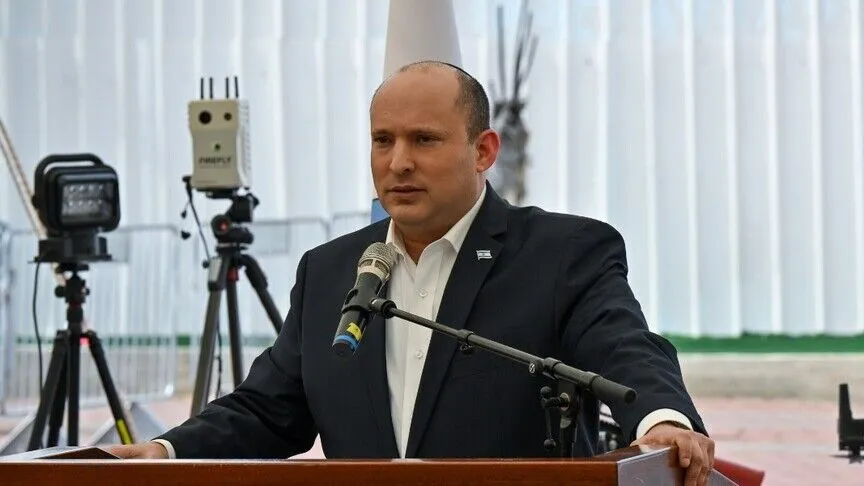
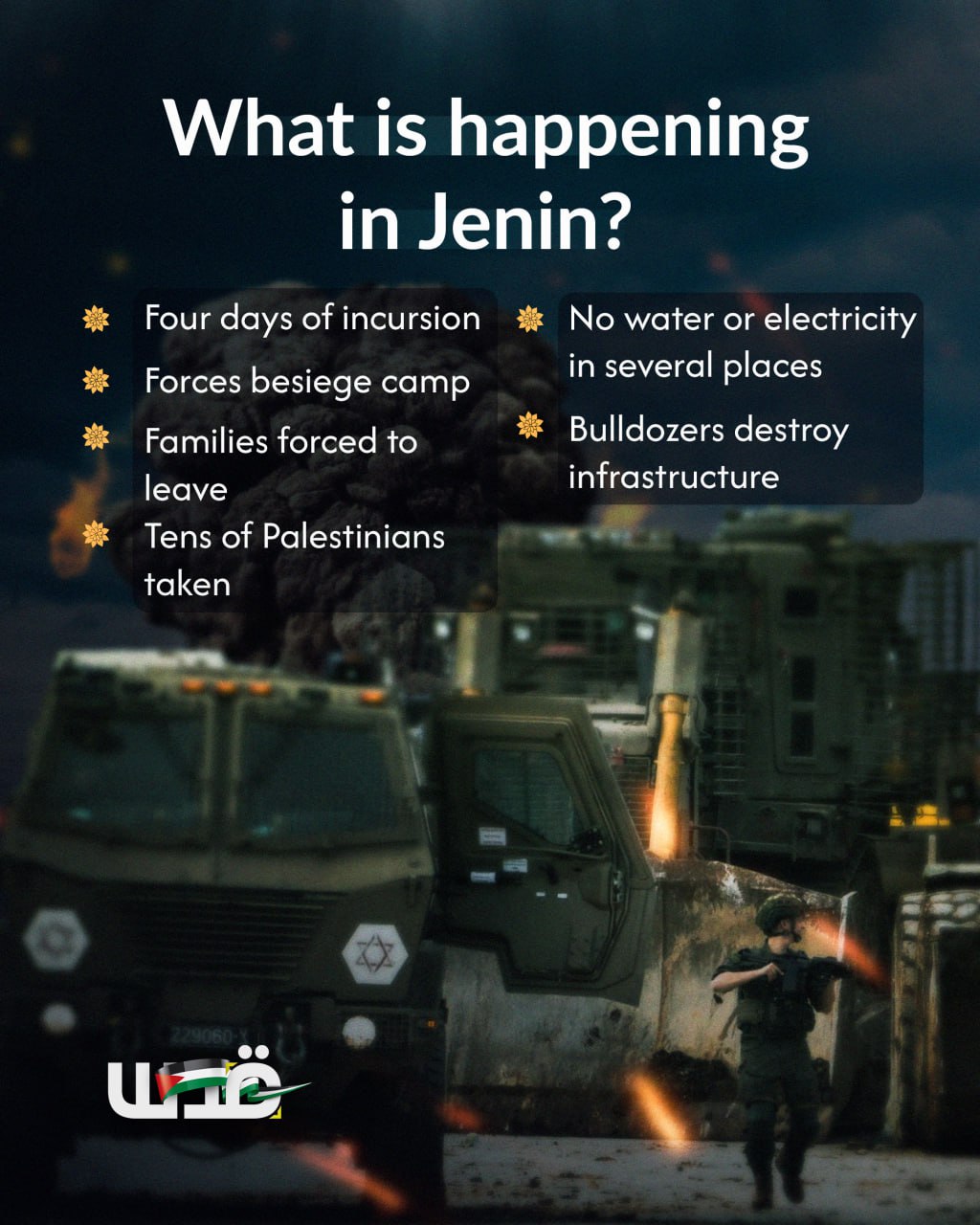
Secretary-General of the Palestinian National Initiative Movement Mustafa Barghouti accused Israel of ethnic cleansing in the Jenin camp in the northern occupied West Bank.
Barghouti confirmed, Friday, that “the [Israel] occupation is carrying out a dangerous ethnic cleansing operation in Jenin, forcing civilians and families to leave their homes on foot, after subjecting them to humiliating repression and strip searches.”
Barghouti explained what is happening in Jenin “reflects the statements of the Israeli Chief of Staff Herzi Halevi that the repressive goals and practices are similar between Gaza and the West Bank, as the latter is subjected to a campaign of collective punishment including checkpoints, arrests and abuse.”

Barghouti stressed the need to achieve Palestinian national unity to confront the ethnic cleansing and genocide committed by the Israeli occupation state against the Palestinians.
The Israeli occupation army continues for the fourth day to escalate its military operation against the Palestinians in the city of Jenin and its camp.
Over the past few days, the army has burned Palestinian homes, deployed heavy machinery to demolish more, and arrested dozens of Palestinians and transferred them to interrogation centers near the city.
Since Tuesday afternoon, the Israeli occupation army launched a large-scale military operation in Jenin under the name Iron Wall, which resulted in the killing of 12 Palestinians and the injury of 40 others until Thursday evening, according to official Palestinian sources as reported in Quds Press.
CrossFireArabia
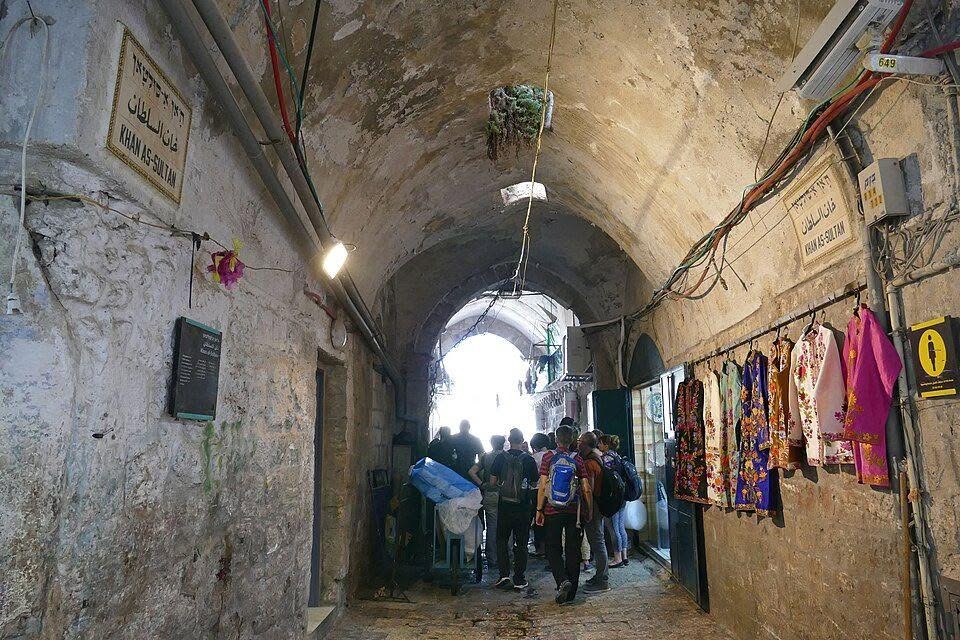
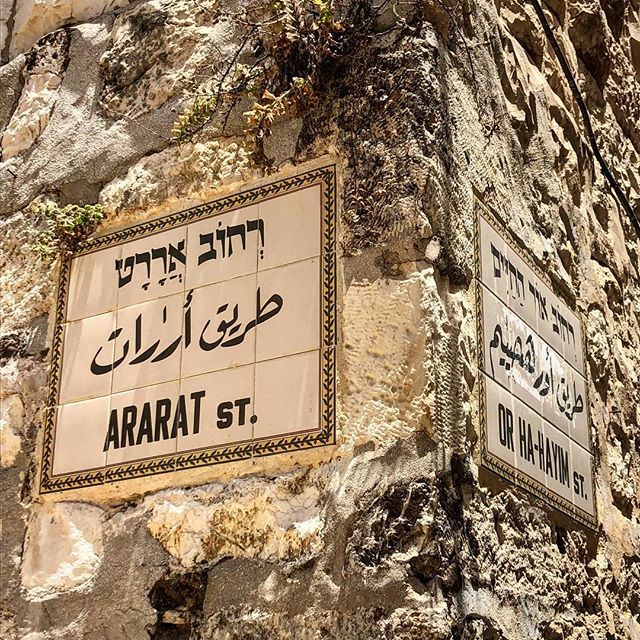
At a recent lecture hosted by the Council for British Research in the Levant (CBRL), Yasir Suleiman, professor of Modern Arabic Studies at the University of Cambridge guided the audience through the intricate linguistic landscape of Jerusalem. Exploring the Holy City’s street signs, Suleiman revealed how these seemingly mundane markers act as silent witnesses to history and power struggles, charting the evolution of identity and conflict in the region.
“Language is important, not because it gives you information, but because it stands for something that is beyond language,” Suleiman explained. “Road signs, anywhere in the world, do tell a story. They present you with a narrative, a cultural map, a linguistic map, and a political map.”
Language Layers of Jerusalem
Jerusalem’s street signs have long served as a battleground for identity and political power, reflecting the city’s historical transformations, from the Ottoman period through the British Mandate and into the present day. Suleiman traced this history, showing how language has shaped and been shaped by competing claims over the city’s public space.
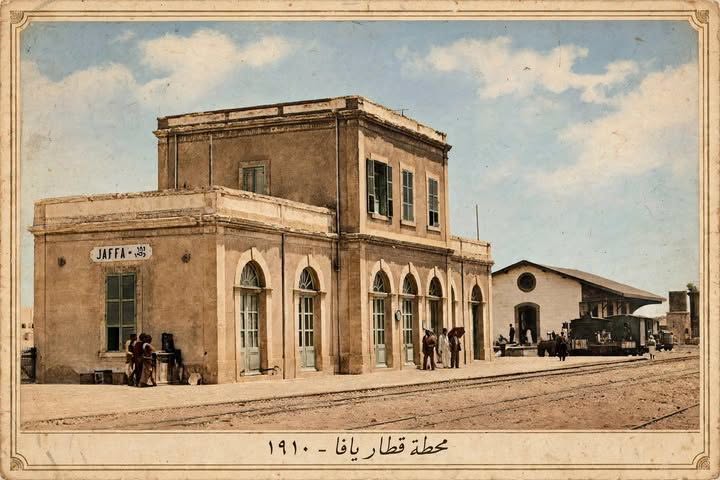
Before the fall of the Ottoman Empire in 1917, Jerusalem’s signs prominently featured Ottoman Turkish (written in Arabic script) alongside English and occasionally French. Hebrew was largely absent. For instance, an original 1892 sign at the Jerusalem-Jaffa train station displayed the name of “Jerusalem” in English and Ottoman Turkish, with Hebrew was only added post-1948.
This marked a time when Hebrew was largely absent from Jerusalem’s linguistic landscape, reflecting its limited presence in the population’s daily life, while Arabic script was present, but the Arabic language itself was absent.
However, the rise of the Zionist movement sought to change this, prioritising Hebrew revival as a cornerstone of its political and cultural agenda.
Three Languages, One Hierarchy
Under British Mandate, it was decided that English, Arabic and Hebrew were all required on street signs. Yet, their arrangement revealed the prevailing power dynamics: English appeared at the top, Arabic in the middle, and Hebrew at the bottom, as stipulated by British authorities.
This vertical hierarchy symbolised the ruling power, with English taking precedence and Arabic reflecting the majority population (around 90% of the people in Palestine were Arabic-speakers, including the Jews and Christians). Hebrew’s lower placement underscored its marginal status at the time.
The Zionist movement, unhappy with this arrangement, lobbied for horizontal signs, where all three languages appeared side-by-side. Even so, Arabic retained a visual advantage because its right-to-left orientation naturally positioned it above Hebrew in terms of linguistic flow, as any right-to-left script placed on the right takes visual precedence over one positioned on the left.
Three Languages, Three Names
Suleiman highlighted how different languages on street signs often tell different stories about the same location. For instance, the famous Damascus Gate is labelled in Arabic “Bab el-’Amoud,” referencing Roman pillars in the area, while in Hebrew, it is called “Bab Nablus,” acknowledging Nablus’s religious significance for Jews, and in English, it is “Damascus Gate,” reflecting the trade connexions to the Syrian capital. Each language offers a distinct historical or cultural claim to the place, underscoring the city’s layered identity.
Three languages, Two Boxes
The 1948-1967 Jordanian control of Jerusalem brought changes to Jerusalem’s signs. With almost no Jewish presence within the Old City’s walls, the Jordanian authorities only put street signs in Arabic and English.
Arabic was placed above English, with the English text mirroring the Arabic perfectly (e.g., “Al-Malak Road”). This reflected a shift in status: English was no longer the language of the ruling power but had become merely a lingua franca, while Arabic took precedence as the dominant language.
However, after the Israelis occupation of East Jerusalem in 1967, the linguistic order shifted again. New signs were introduced, with Hebrew taking the top position, symbolising Israeli sovereignty. Arabic and English were relegated below it, marking a significant reordering of visual and political priorities.
By 1980, when the Israeli Knesset declared Jerusalem the capital of Israel, the street signs further evolved to reflect political realities. A single box now contained all three languages, with Hebrew firmly at the top. Arabic began to diminish in influence, with English morphology increasingly aligning with Hebrew rather than Arabic conventions. For instance, “Ha-Malak Road” replaced “Al-Malak Road,” subtly asserting Hebrew’s dominance over Arabic.
Signs of Power
This dynamic became even more pronounced in 2018 when the Israeli Knesset stripped Arabic of its status as an official language. On modern street signs like “Nablus Road,” Hebrew now appears on top of the three languages and often in its fully pointed form, a form traditionally reserved for sacred texts, emphasising its elevated status in Israel’s narrative of Jerusalem.
Suleiman underscored how Jerusalem’s street signs are not just tools for navigation, they are symbols of power. “These signs are not about informing you where you are, they tell you who owns the place, who calls the shots.”
Street signs of Jerusalem have become a linguistic archaeology, with layers of history etched into their evolving forms. From the Ottoman period to the present day, they quietly tell the story of a city at the centre of competing claims over its identity.
This article was written by Sophie Constantin and appeared in the Jordan Times
CrossFireArabia
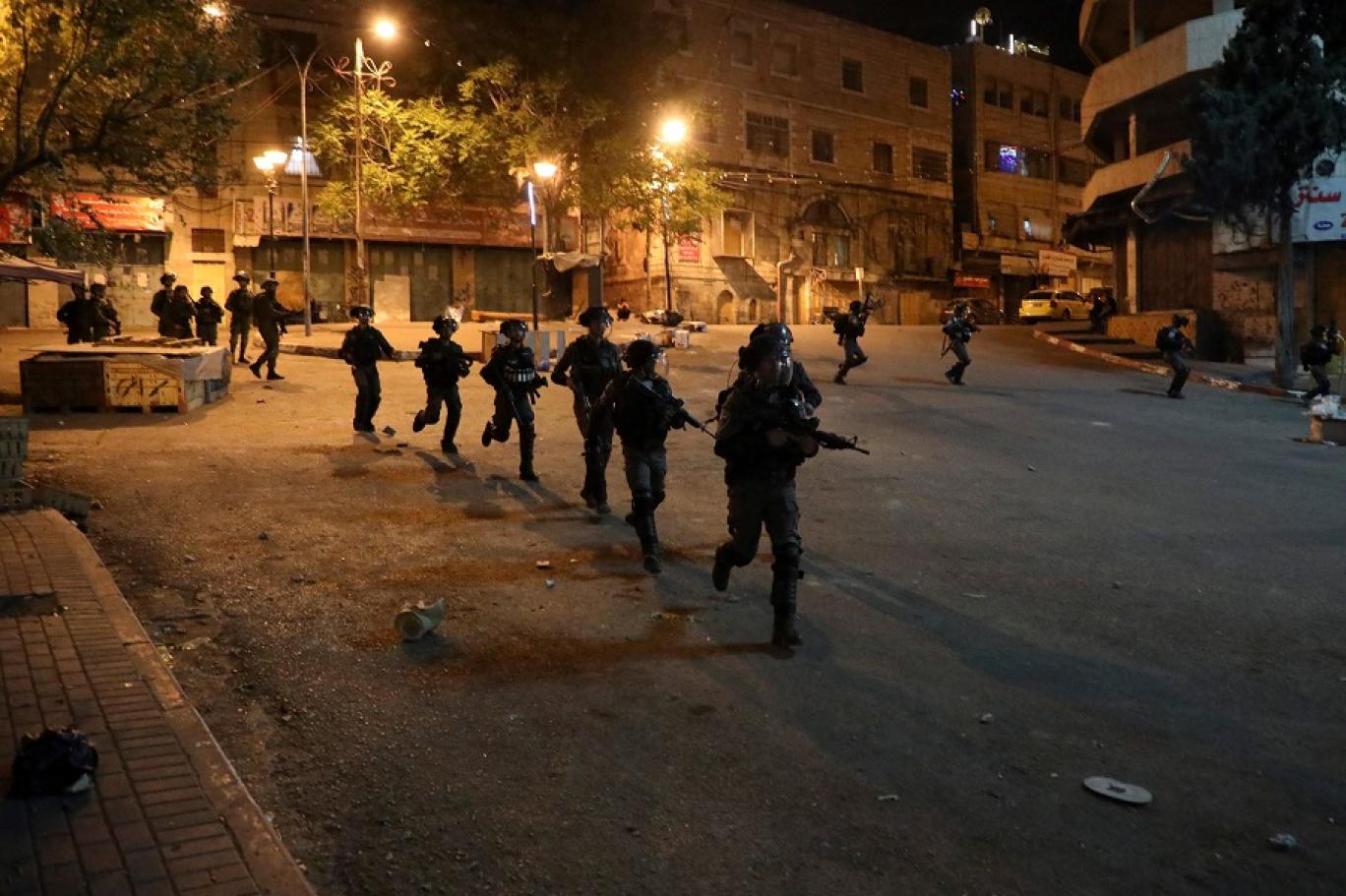
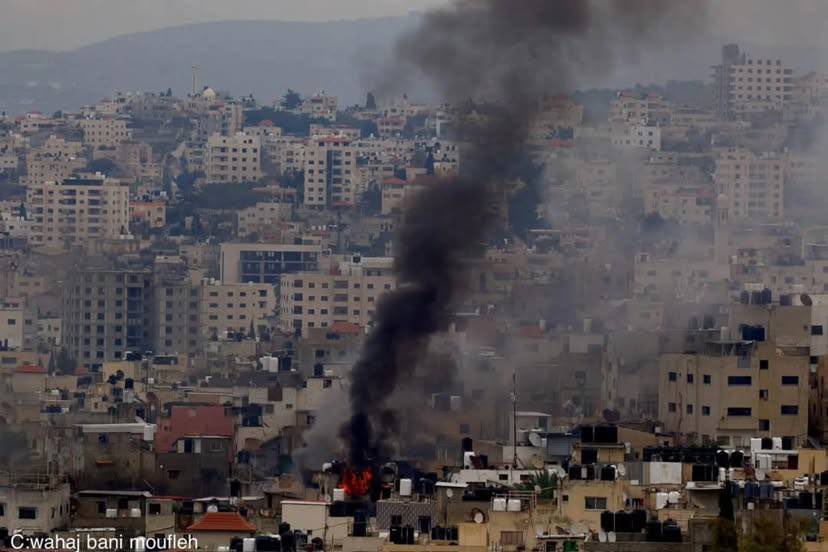
The Israeli occupation continues its offensive in Jenin and its refugee camp in the occupied West Bank for the fourth day, killing at least 12 people, injuring dozens of others, and arresting several men. The occupation bulldozers have caused significant damage to infrastructure and Palestinian property, forcing residents to leave their homes.
CrossFireArabia
Israeli prisoner Emily Damari who was recently released in a prisoner exchange deal was actually a soldier in the Israeli army at the time of her capture, and Israel tries to hide this. She was serving as a soldier in the city of Hebron.