

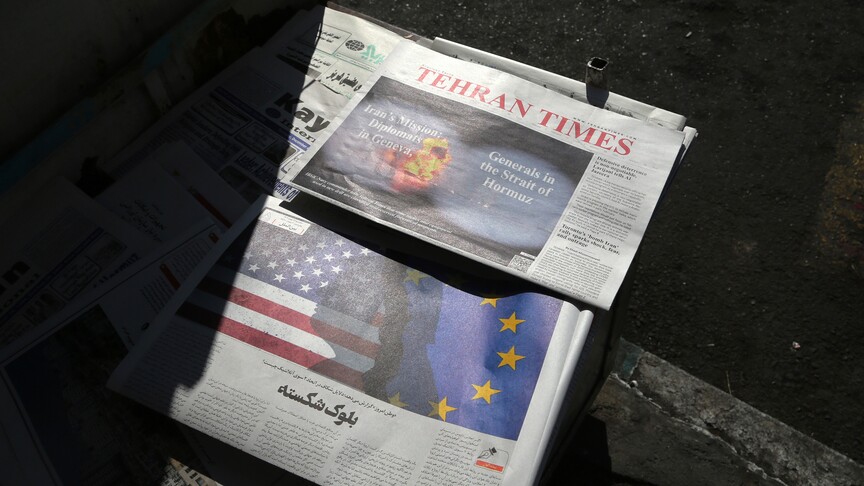
Gaza: Bringing the Dead Home From Beneath the Rubble
marwan
- August 25, 2026

 Gaza: Bringing the Dead Home From Beneath the Rubble
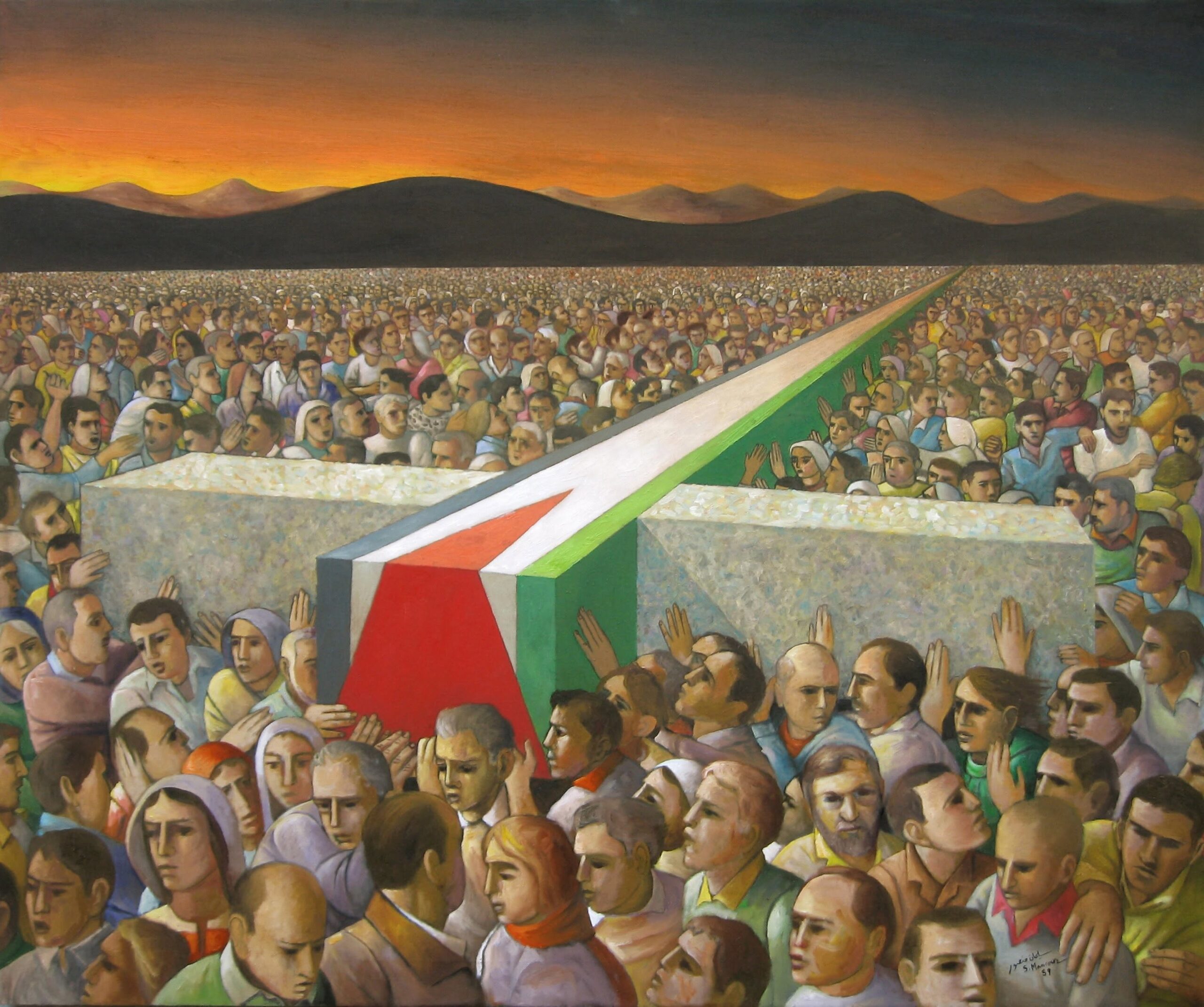
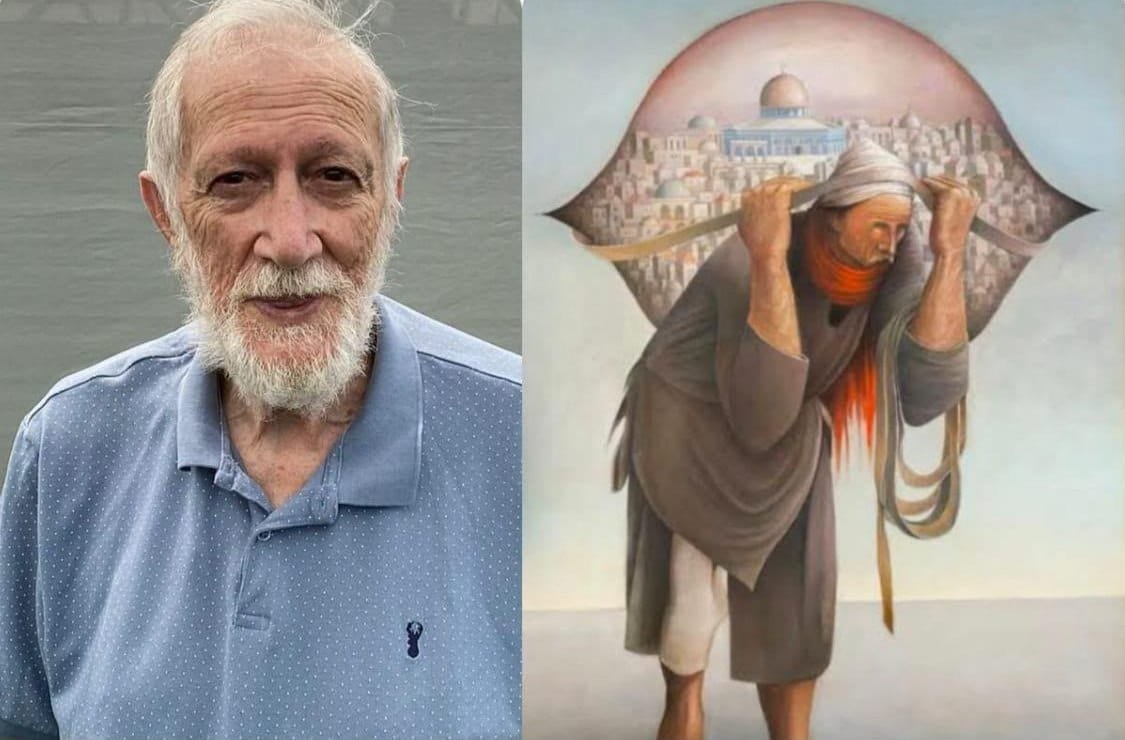 Sliman Mansour: The Artist Who Carried Palestine on His Canvas
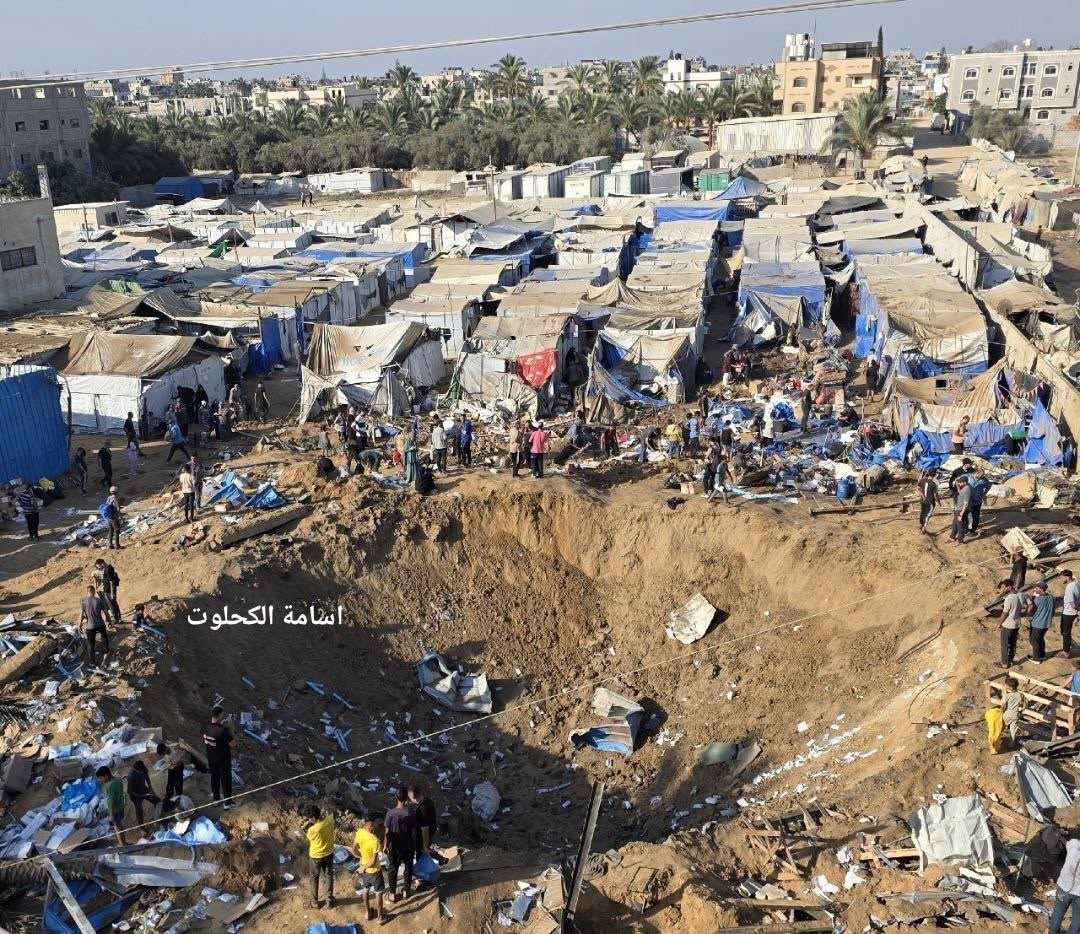 Morocco-Israel: Normalization Stops at The Top
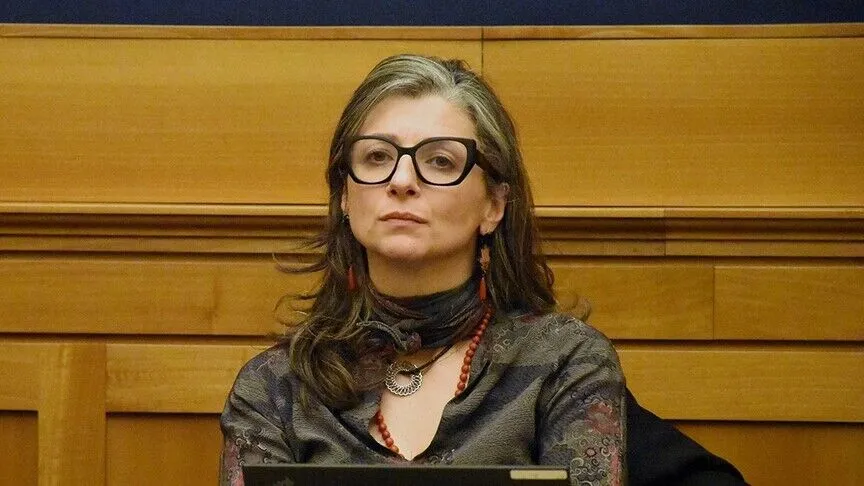 Albanese Calls For World Force to Protect Civilians in Gaza, West Bank
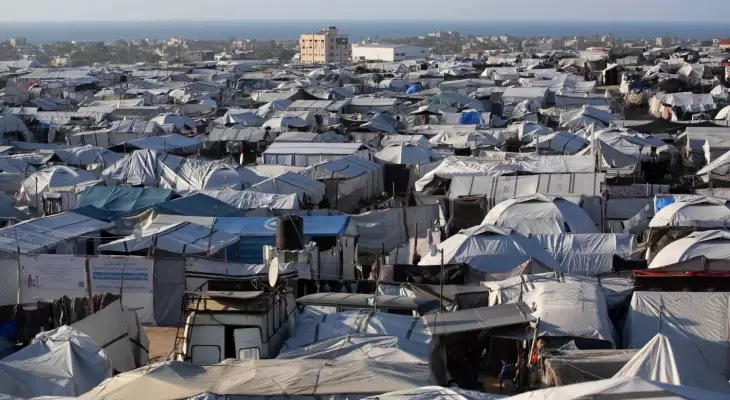
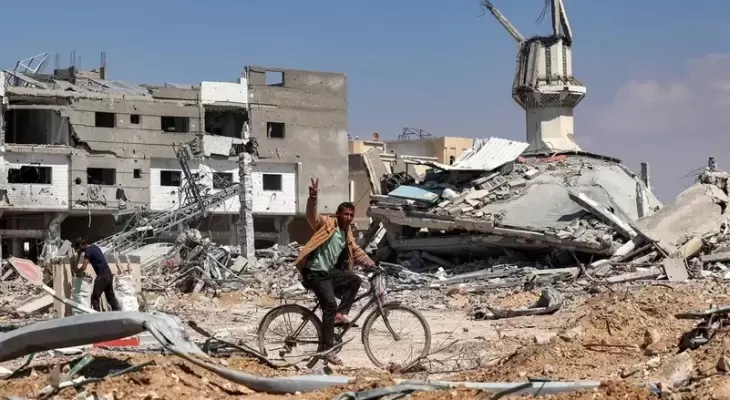 40 Million Tons of Rubble: Gaza Ministry Faces Challenges in Removing itmarwan
 Heba
Heba CrossFireArabiaCrossFireArabiaCrossFireArabiaCrossFireArabiaCrossFireArabiamarwanHebaCrossFireArabiaCrossFireArabiaCrossFireArabiaCrossFireArabiaCrossFireArabiaCrossFireArabiaCrossFireArabiaCrossFireArabiaHebaCrossFireArabiaCrossFireArabiaHebamarwanmarwanmarwanmarwanmarwanmarwanCrossFireArabiamarwanmarwan
 Saleem Ayoub QunamarwanCrossFireArabiaCrossFireArabiaCrossFireArabiaCrossFireArabiamarwanCrossFireArabiaCrossFireArabiamarwanCrossFireArabiaHebaCrossFireArabiamarwanCrossFireArabiamarwanHebaCrossFireArabiamarwanmarwanHebaCrossFireArabiamarwanmarwanCrossFireArabiamarwanHebaCrossFireArabiaCrossFireArabiaCrossFireArabiaHebamarwanCrossFireArabiamarwanHebaCrossFireArabiaHebamarwanmarwanCrossFireArabiamarwanmarwanmarwanmarwanmarwanCrossFireArabia
US President Donald Trump’s abrupt announcement proposing that the US take “ownership” of the Gaza Strip – battered by a 15-month Israeli offensive – has left senior officials, foreign counterparts, and political observers perplexed, press reports said on Wednesday.
While Trump presented the idea as a formal initiative, advisors and insiders described it as underdeveloped and lacking the necessary planning to make it a viable policy, according to The New York Times. During his first term, Trump was also known for presenting unvetted ideas as policy, leaving his aides scrambling to justify what the president unexpectedly said.
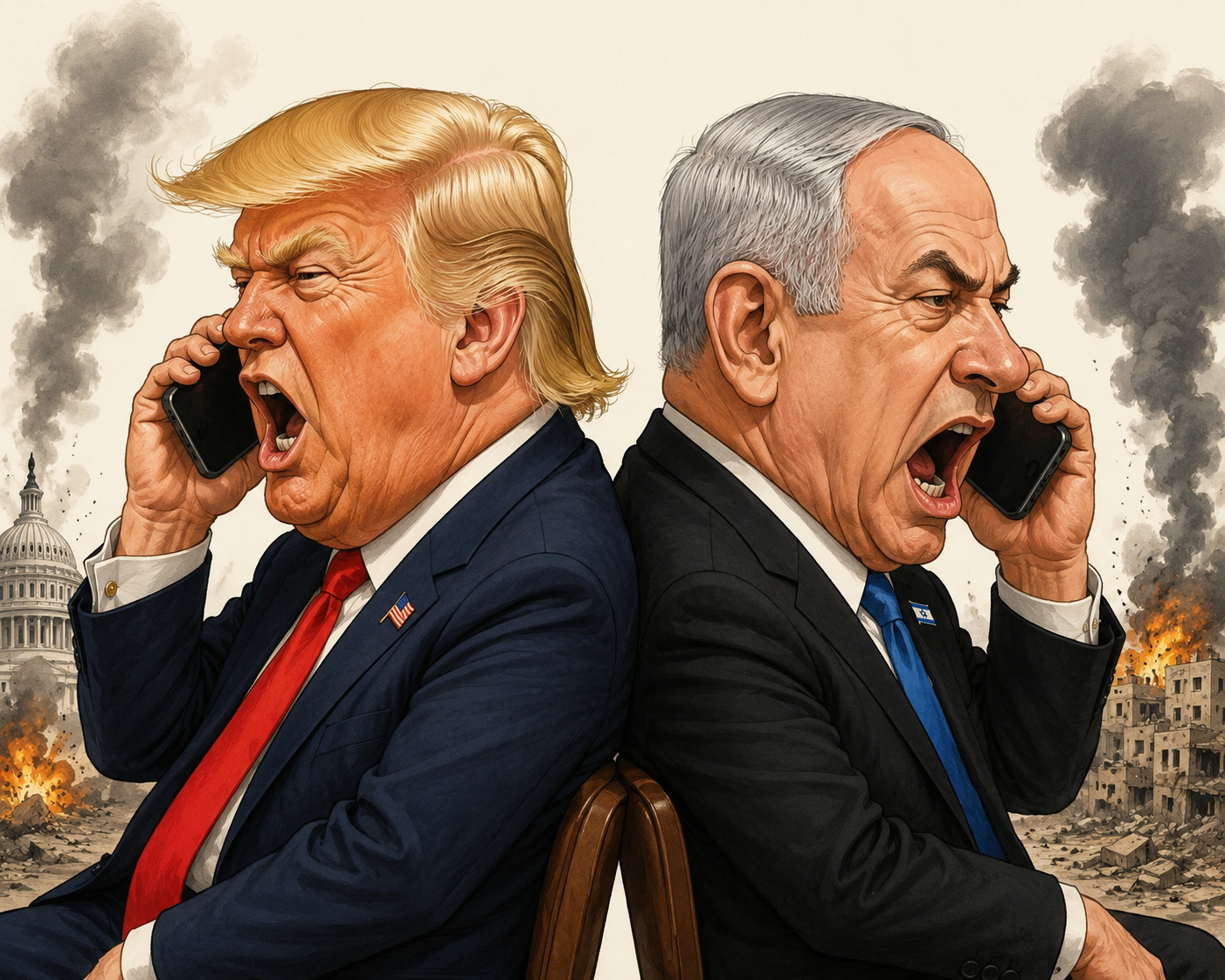
During a joint press conference with Israeli Prime Minister Benjamin Netanyahu, Trump read his proposal from a prepared statement, but sources within the administration said the plan had not been discussed in any formal capacity.
“There had been no meetings, no interagency consultations, no feasibility studies – nothing,” one senior official familiar with the matter was quoted by The New York Times as saying.
Idea without foundation
The lack of preparation behind the announcement was obvious, according to the Times.
Officials from the Pentagon and State Department – critical stakeholders in any foreign policy initiative of this magnitude – were not consulted.
There were no assessments of the military or financial requirements needed to implement such a plan, nor any evaluations of its legal or diplomatic implications.
The announcement also caught Netanyahu off guard.
According to individuals briefed on the matter, Trump told the Israeli leader of the proposal just minutes before their public appearance.
While Netanyahu appeared pleased during the press conference, the broader international response has been far cooler, and even hostile.
The announcement was met with immediate opposition from key US allies in the Arab world, including Saudi Arabia.
Critics highlighted several glaring questions left unanswered by Trump’s proposal.
These include the logistics of removing Palestinian group Hamas, clearing unexploded ordnance, rebuilding Gaza’s infrastructure, and justifying such an action under international law.
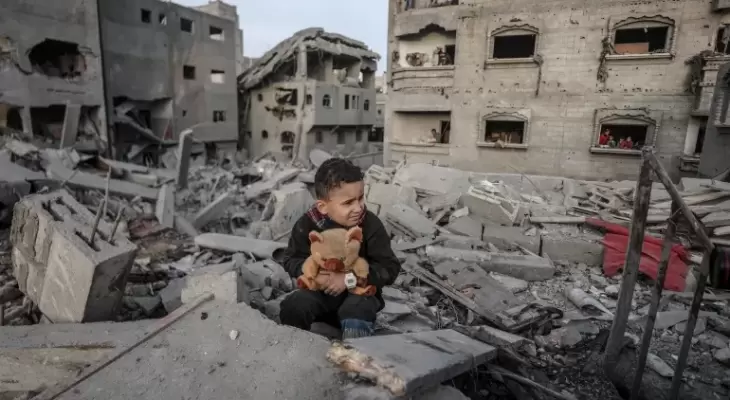
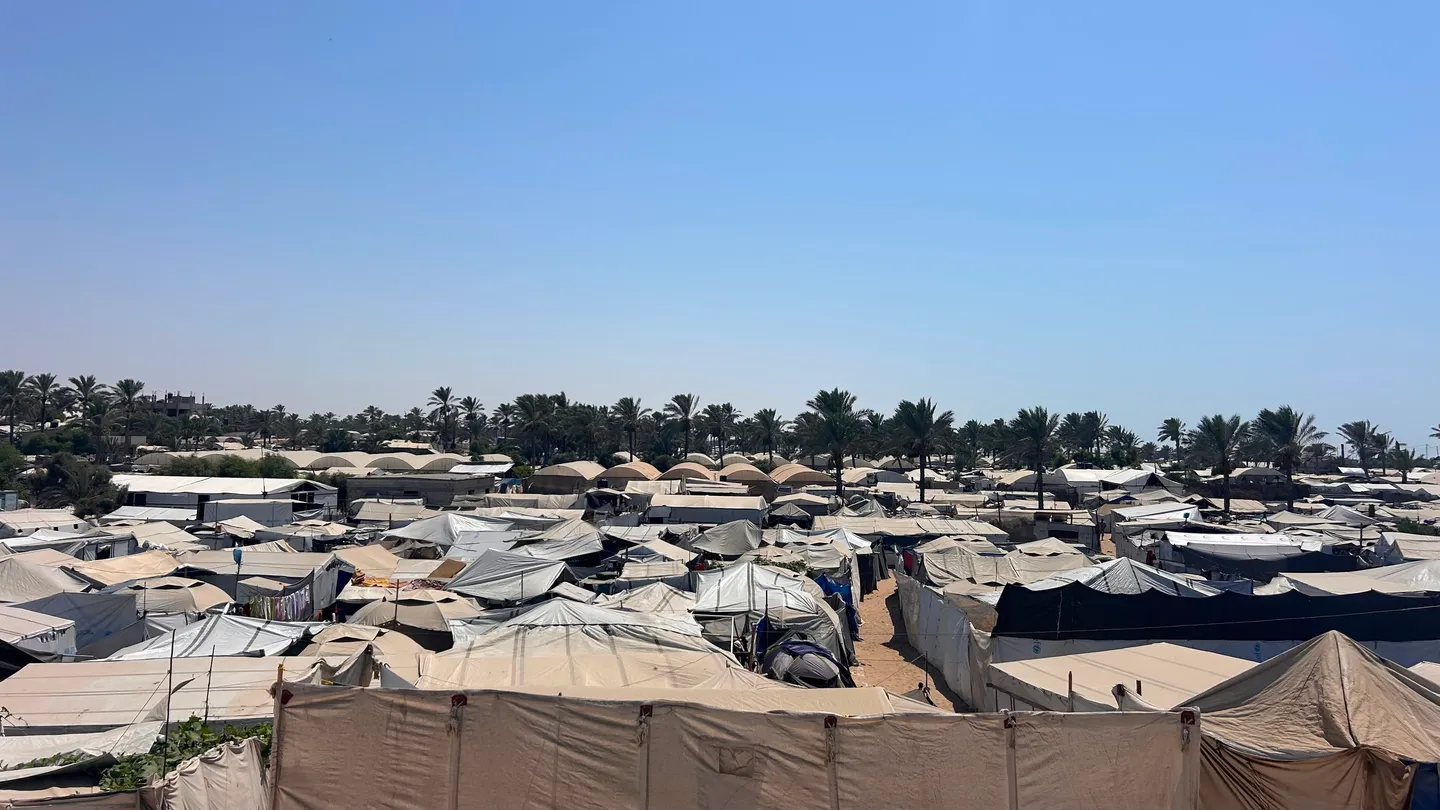
There are also concerns about the fate of the some 2 million Palestinians living in Gaza, their home.
Trump suggested that residents could be relocated temporarily to neighboring countries such as Jordan or Egypt, but both nations have already rejected the proposal.
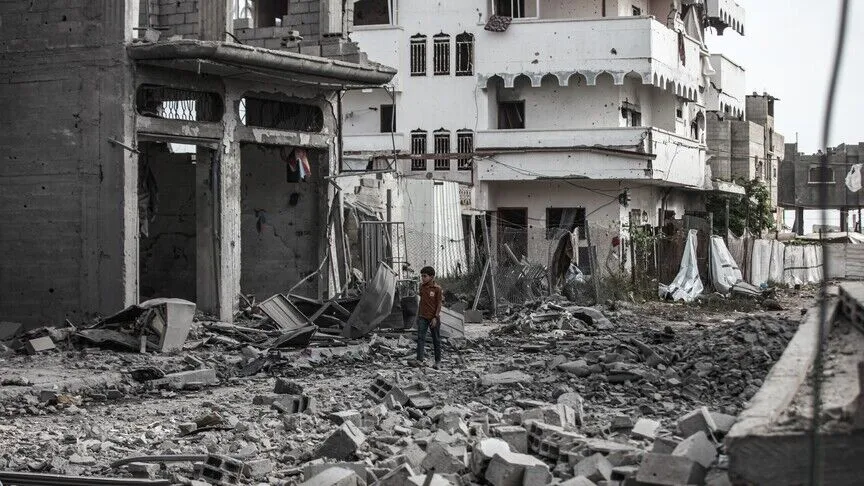
In his remarks, Trump claimed Palestinians would be eager to leave Gaza due to its uninhabitable conditions, a statement that drew further criticism for its tone and feasibility.
Trump is known for vaguely citing people said to hold certain opinions to justify a course of action he has decided upon.
Contradictions, mixed messaging
In a bid to clarify the president’s remarks, White House press secretary Karoline Leavitt downplayed the scope of the proposal, stating that Trump was merely seeking temporary solutions involving regional partners.
However, Trump’s comments during the announcement, including his willingness to put “boots on the ground” (soldiers) if necessary, signaled a far more ambitious and interventionist approach, according to The New York Times.
Senior administration officials have struggled to defend the proposal.
National Security Adviser Mike Waltz, speaking on CBS News, described the plan as a collection of “concepts” rather than a fully formed policy.
“The fact that nobody has a realistic solution, and he puts some very bold, fresh new ideas out on the table, I don’t think should be criticized in any way,” Waltz said.
He added that Trump’s announcement could spur other nations in the region to develop their own solutions if they find his proposal not to their liking.
Critics raise alarms
Many experts and former officials have dismissed the idea as implausible and dangerous.
Daniel B. Shapiro, a former US ambassador to Israel, described the proposal as “not serious” and warned it could worsen tensions in an already volatile region.
“The danger is that extremists within the Israeli government and terrorists of various stripes will take it literally and seriously, and start to act on it,” Shapiro said.
He also cautioned that the plan could jeopardize the ongoing release of hostages under the current ceasefire deal and undermine efforts toward normalization between Israel and Saudi Arabia.
Senior officials within the administration privately expressed similar reservations, calling the proposal a “fantastical event” born out of Trump’s ad hoc approach to foreign policy.
One advisor suggested that the plan would likely fade away as its practical challenges grow more and more apparent.
Trump’s approach to Gaza is consistent with his broader foreign policy style, which often frames international relations as transactional deals.
During his presidency, he has proposed similar ideas, including purchasing or otherwise acquiring Greenland, reclaiming the Panama Canal, and treating Canada as a potential 51st state.
His critics argue that such proposals lack serious consideration of geopolitical realities and international norms.
Trump’s vision for Gaza reflects his background as a real estate developer, viewing the region’s challenges as opportunities for reconstruction and investment.
His Middle East envoy, Steve Witkoff, also comes from a real estate background and reportedly influenced Trump’s thinking after visiting Gaza and witnessing the dire conditions in the war-battered enclave firsthand.
But David Friedman, who served as Trump’s ambassador to Israel, praised the proposal as “out of the box” thinking.
“It’s brilliant and creative,” Friedman said, while acknowledging the immense challenges involved.
“After 15 years of rebuilding, it could be a market-driven process,” he added, referencing Gaza’s potential as a waterfront destination according to Anadolu.
Broader implications, future steps
Despite the skepticism surrounding the plan, Trump’s announcement has already sparked debate among policymakers and international observers.
Supporters argue that it could serve as a catalyst for alternative solutions to the Gaza crisis, while critics warn of the risks associated with floating such half-baked idea.
The proposal’s timing also raises questions, given Trump’s ongoing efforts to reshape US foreign policy.
His administration has faced criticism for reducing the role of the US Agency for International Development (USAID) and other agencies responsible for humanitarian and development assistance.
Observers pointed to contradictions between his stated goals and his administration’s actions.
As the discussion around Gaza evolves, the lack of detailed planning behind Trump’s proposal underscores the challenges of addressing one of the world’s most complex conflicts.
Whether the idea gains traction or fades away quietly, its announcement highlights the unpredictable nature of Trump’s presidency and its impact on global diplomacy.
Proposal
At a news conference on Tuesday with Israeli Prime Minister Benjamin Netanyahu, Trump said the US “will take over the Gaza Strip, and we will do a job with it too,” and that if necessary, US troops would be sent in to turn it into “the Riviera of the Middle East.”
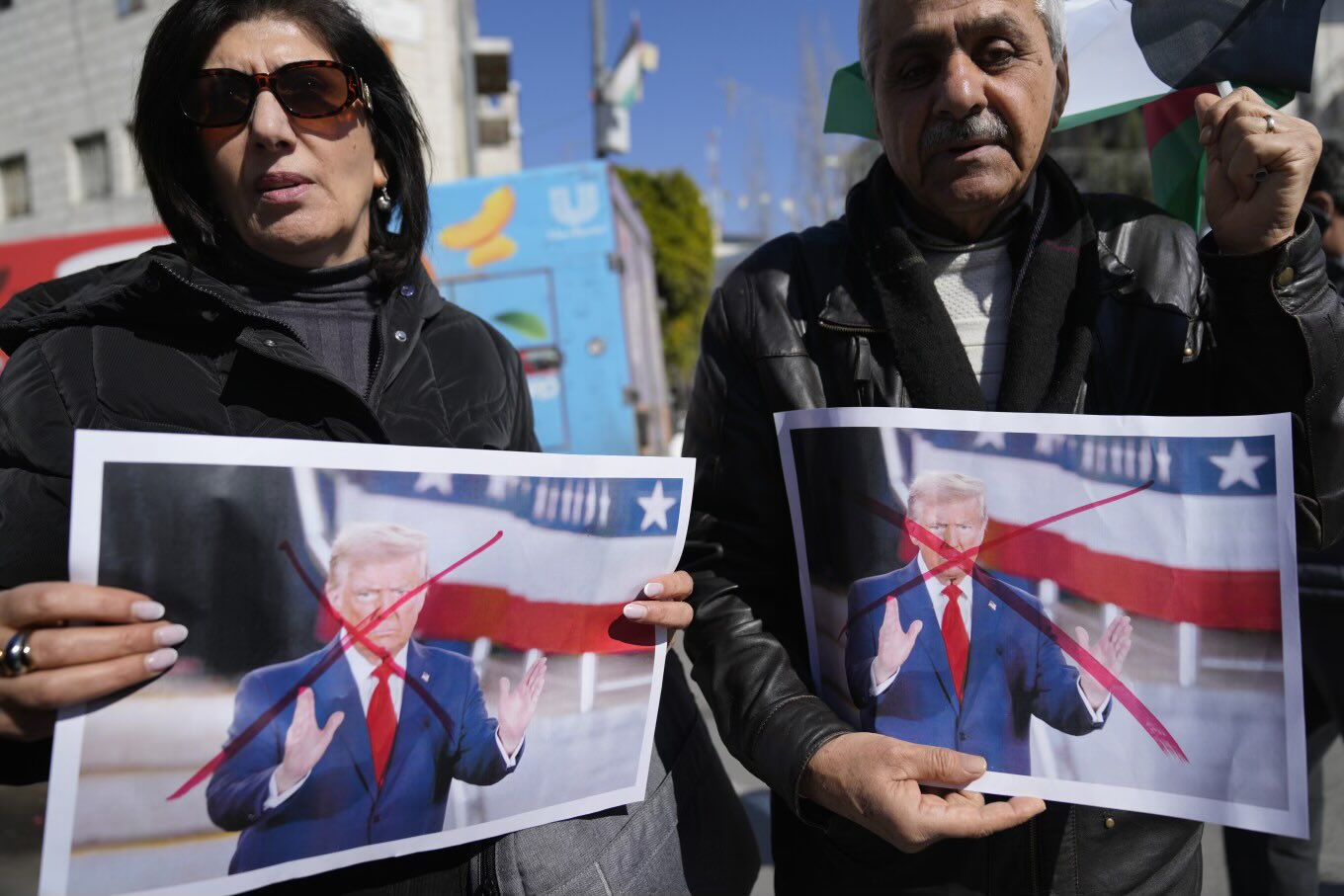
The controversial announcement sparked global outrage, with many Arab, European, and African countries, as well as the Organization of Islamic Cooperation, issuing statements condemning the proposal.
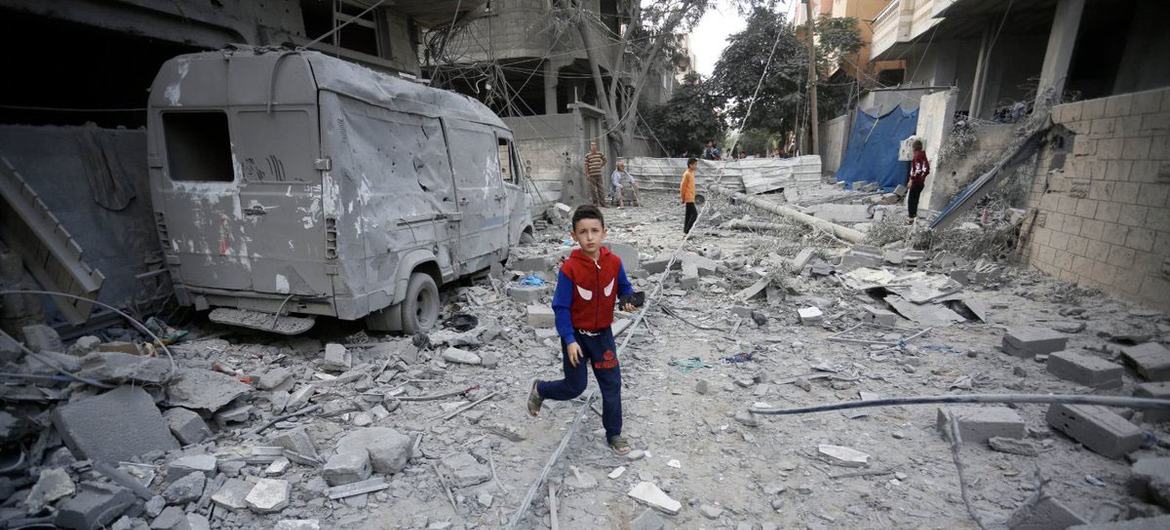
Trump first triggered an uproar last week by suggesting that Palestinians in Gaza should be relocated to Jordan and Egypt, calling the enclave a “demolition site” after Israel’s 15-month war that has claimed more than 47,500 lives. A ceasefire that took hold on Jan. 19 is currently in place.
The International Criminal Court (ICC) issued arrest warrants in November for Israeli Prime Minister Netanyahu and his former Defense Minister Yoav Gallant for war crimes and crimes against humanity in Gaza.
Israel also faces a genocide case at the International Court of Justice for its war on the enclave.
CrossFireArabia
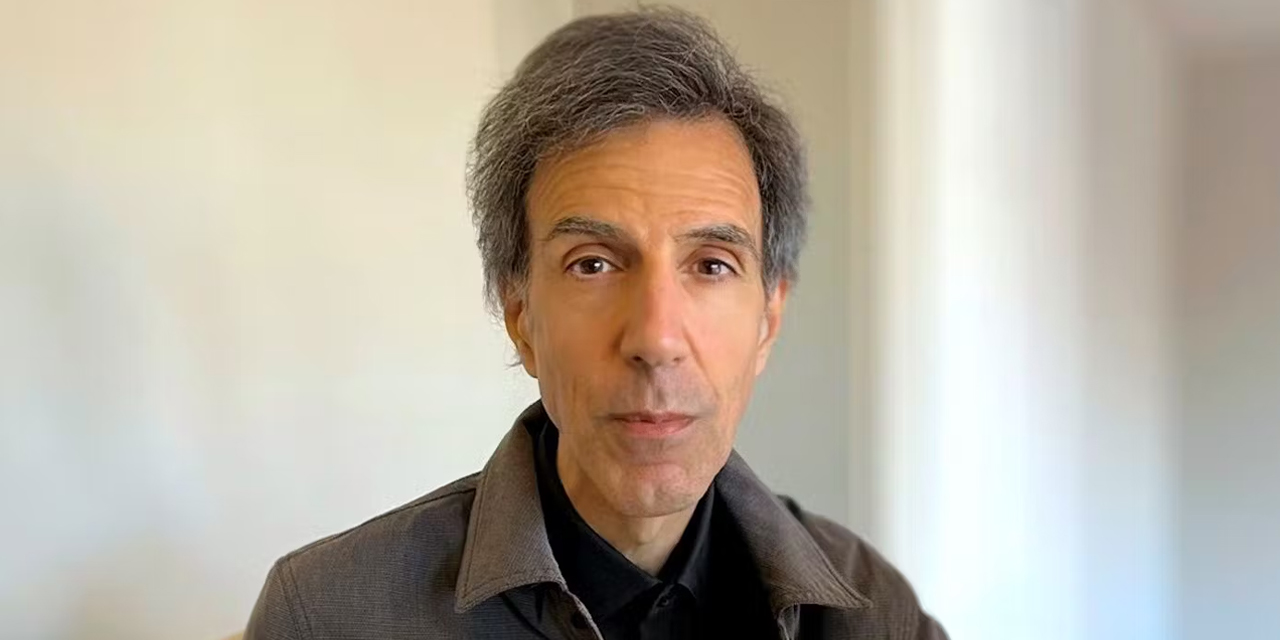
Arab-American artist and curator Fareed Armaly rejected a prestigious award by the Academy of Arts in Berlin to protest censorship and cancel culture targeting pro-Palestinian voices in Germany.
The Academy of Arts in Berlin released a statement on Thursday, acknowledging “with respect and deep regret” Armaly’s decision to decline the prestigious Kaethe Kollwitz Award.
In a letter to the institution, Armaly, born in the US, explained his reasons for declining the award, criticizing what he called a “disturbing trend of censorship in Germany” and “intolerable interference” aimed at silencing pro-Palestinian voices.
“For several years now, there has been a highly politicized, reactionary shift in official cultural policies, aimed at silencing advocates for Palestinian rights under international law,” he said in his letter.
“In such a context of intimidation, liberal cultural institutions appear to adopt complacency and self-censorship. All this, consciously or unconsciously, structurally performs the ongoing dehumanization of Palestinians by obscuring and body_abstracting their agency and voice,” he added.
Germany has been a staunch ally of Israel, and government officials have repeatedly said the country bears special responsibility for Israel due to the country’s Nazi past.
In recent months, German authorities have intensified restrictions on pro-Palestinian activities—banning hundreds of protests, canceling cultural events, and imposing travel bans on prominent international figures invited to speak at pro-Palestinian events in the country.
Critics accuse Berlin of giving a blanket support to the Israeli Prime Minister Benjamin Netanyahu’s controversial policies, and turning a blind eye to war crimes committed by the Israeli military in Gaza according to Anadolu.
Armaly has exhibited extensively in international institutions and distinguished platforms, including Documenta 11.
CrossFireArabia
Donald Trump has gone rogue during the first days of his second residence in the White House. His executive decrees have upset US global relations and threaten US short, medium and long-term interests.
Trumps’ actions have unsettled this already tense region. His call 2.3 million Palestinians to be expelled from Gaza to Egypt and Jordan and for the US to take-over and develop the Strip as a tourist destination has been rejected by Gazans, Hamas which rules Gaza, the West Bank-based Palestinian Authority, Egypt, Jordan, Saudi Arabia, Qatar, the United Arab Emirates and the Arab League. They have rejected any attempt to displace Palestinians from their land and called on Trump to support “a just and comprehensive peace in the Middle East based on the two-state solution.” This is, of course, rejected by Israel which has colonised the West Bank and annexed East Jerusalem to pre-empt the emergence of a Palestinian state in this territory illegally occupied by Israel since 1967.
Trump’s administration has backed Israel’s January 30th ban on UNRWA, the UN agency caring for Palestinian refugees, which is meant to end its operations in East Jerusalem, the West Bank and Gaza. The UN Palestinian Rights Committee condemned the ban as a “direct violation of the General Assembly mandate [resolution 302 of December 1949] and the resolution [supporting UNRWA’s mandate] recently adopted by the General Assembly by an overwhelming majority.” The ban has also been condemned by Britain, Belgium, Ireland, Luxembourg, Malta, Norway, Slovenia and Spain. Belgium’s foreign ministry said the Israeli action “sets a disastrous precedent that deeply undermines the multilateral system and the United Nations itself.”
As soon as he took office, Trump ordered a 90-day halt to US foreign and military aid except for Israel (of course) and Egypt. Secretary of State Marco Rubio subsequently issued a waver allowing for “life-saving humanitarian assistance” programmes.
The US gives Israel $3.8 billion a year in military aid and Israel has received an additional $17.9 billion during its genocidal and devastating war on Gaza, according to Brown University’s Costs of War Report. The US has given Egypt $1.2 billion in military aid since the 1978 negotiations which led to the 1979 peace treaty with Israel.
His ignorant and destructive decree has frozen $95 million allocated mainly for Lebanon’s military as the country’s troops deploy in the south to secure Israel’s withdrawal under the fragile ceasefire between Hizbollah and Israel. This sum had previously been earmarked for Israel and Egypt, the Associated Press reported.
The non-governmental organisation managing Syria’s Al-Hol camp has said it will have to end operations without US funding. Controlled by US-sponsored Syrian Democratic Forces. Al-Hol houses more than 40,000 wives and children of Daesh fighters.
The freeze could negatively impact Jordan ($770 million in 2023) and Yemen ($35.9 million) which receive economic aid through the $95 million provided by the US Agency for International Development. The lion’s share of $14.4 billion has been allocated for Ukraine which is fighting the US-led Western war against Russia.
UN and other humanitarian agencies promptly responded to the freeze by ordering reductions in programmes to cut spending. UN Secretary General Antonio Guterres called for exemptions to “ensure the continued delivery of critical development and humanitarian activities for the most vulnerable communities around the world.” Committed to his “America First” policy, Trump cares little for such communities.
Trump has paused for 30-day his imposition of 25 per cent tariffs on imports from Canada and Mexico which have threatened to launch a North American trade war. Canadian Prime Minister Justin Trudeau said he would impose tariffs on $106.6 billion worth of US imports to his country. These include beer, wine, fresh fruits and vegetables, processed food, seafood, vehicles, dairy, and spare parts, crude and refined petroleum.
Trump justified his tariffs on Mexico by accusing government of being in league with drug cartels which smuggle drugs into the US, an allegation hotly denied by President Claudia Sheinbaum. She charged the Trump administration of “slander” and told the US to cut the illegal southward flow of guns arming the cartels. She asked her trade minister to respond with 25 per cent tariffs and non-tariff measures. the main goods Mexico exports to the US are computers, cars and vehicles, spare parts and accessories.
Trump justified announced tariffs by saying, “This was done through the International Emergency Economic Powers Act because of the major threat of illegal aliens [crossing into the US] and deadly drugs killing our citizens, including [the addictive drug] fentanyl.”
During the pause, Trump can be expected to use tariff leverage to compel Canada and Mexico to capitulate to his demands on border security and other issues.
Beijing said it would lodge a complaint with the World Trade Organisation as Trump levied a blanket 10 per cent tariff on Chinese goods. Combined, China, Mexico and Canada accounted for more than 40 per cent of imports into the US last year.
He has also threatened tariffs on the European Union which he claims is taking advantage of the US. Trump stated, “They don’t take our cars, they don’t take our farm Products, they take almost nothing, everything from them.”
The Washington Post reported Trump’s tariffs could cost every US household $1,200 which could be ignored by the wealth and absorbed by the middle class while stressing the working class and driving the poor into debt.
Trump has not forgotten his determination to transform Canada into the 51st US state despite overwhelming Canadian rejection and to buy or occupy Greenland which belongs to Denmark. In Panama on his first trip abroad Secretary of State Marco Rubio said the US could take action to reassert control over the waterway if the Panamanian government does not exclude Chinese presence around the canal which connects the Caribbean Sea with the Pacific Ocean. The US considers the operations of canal, built by the US between 1904-1914 but ceded to Panama in 1999, a national security issue.
Trump’s ill considered transactional pronouncements and policies have rattled close allies and created global concern over the stability and reliability of the US as the world’s hyperpower.
Michael Jansen is a columnist in the Jordan Times.
CrossFireArabia
US President Donald Trump shocked his own advisers and thrilled and pleased Israeli officials by proposing that the US could “take over” Gaza, reported Axios. His remarks came after an Oval Office meeting with Israeli Prime Minister Benjamin Netanyahu.
A senior Israeli official called the visit “truly historic” and said it “exceeded all of our expectations and dreams.” Some members of Netanyahu’s delegation left the meeting in near-celebration. Trump, they said, had “genius solutions” to Israel’s long-standing problems.
Trump’s plan to expel two million Palestinians comes at a critical moment. The ceasefire in Gaza remains fragile, and the prisoner exchange negotiations are ongoing. His remarks could embolden Israel to resume its war.
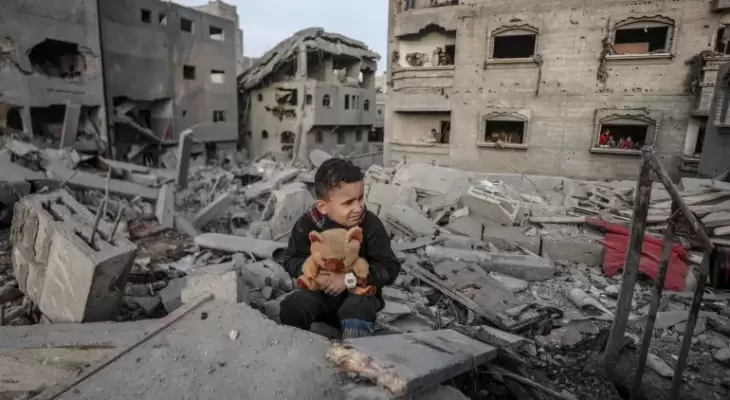
Speaking to journalists, Trump unveiled a vision to turn Gaza, devastated by Israeli attacks, into the “Riviera of the Middle East.” He suggested inviting “the world’s people” to move there, without mentioning native Palestinians.
The proposal stunned the 150 journalists in the room. Many in his own administration had not expected it.
It remains unclear how Trump developed his takeover plan. One source close to him said he had been considering it for at least two months. The idea appears to be entirely his own according to the Quds News Network.
CrossFireArabia
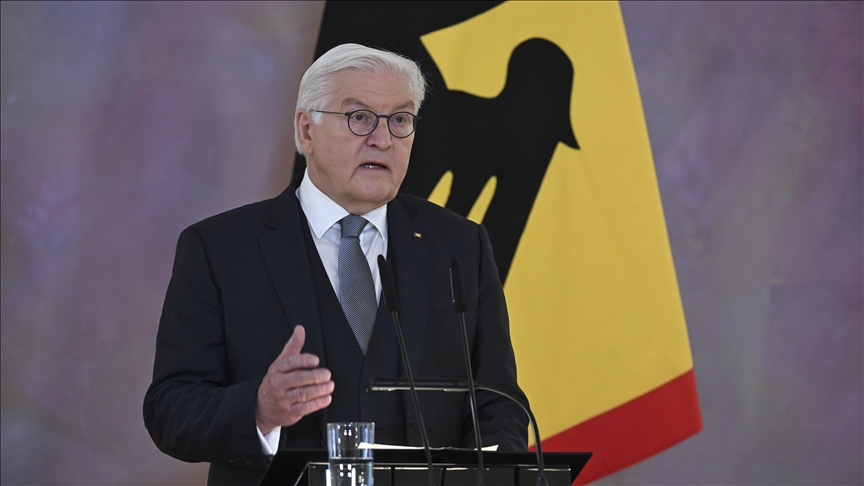
German President Frank-Walter Steinmeier strongly criticized US President Donald Trump on Wednesday over his plan to “take over” Gaza and permanently resettle its Palestinian population in other countries.
“A solution that disregards or even violates international law is unacceptable,” Steinmeier said during his visit to Ankara. He expressed his doubt about the potential success of such talks between Trump administration and Arab states.
Following high-level meetings in Saudi Arabia and Jordan, Steinmeier emphasized widespread regional opposition to the proposed plan. Speaking to German media before meeting Turkish President Recep Tayyip Erdogan, Steinmeier said he encountered “only disappointment, many concerns, and in some cases real outrage” about Trump’s plan.
The German president stressed that any viable solution to the Israel-Palestine conflict must ensure both “security for Israel and self-determination for Palestinians.”
“This is a difficult and possibly longer path,” Steinmeier acknowledged. “But I fear arbitrary shortcuts from this path — especially those disregarding international law and its rules — will not lead to the goal.”
His remarks follow Trump’s declaration that the “US will take over the Gaza Strip” during a news conference Tuesday evening alongside Israeli Prime Minister Benjamin Netanyahu.
Trump said the Gazan population should be moved to countries like Jordan and Egypt, with the US turning the land into the “Riviera of the Middle East.”
The proposal drew sharp condemnation from Palestine and was flatly rejected by numerous countries, including China, Russia, Türkiye, Spain, France, Saudi Arabia and Egypt according to Anadolu.