 Morocco-Israel: Normalization Stops at The Top
 Albanese Calls For World Force to Protect Civilians in Gaza, West Bank
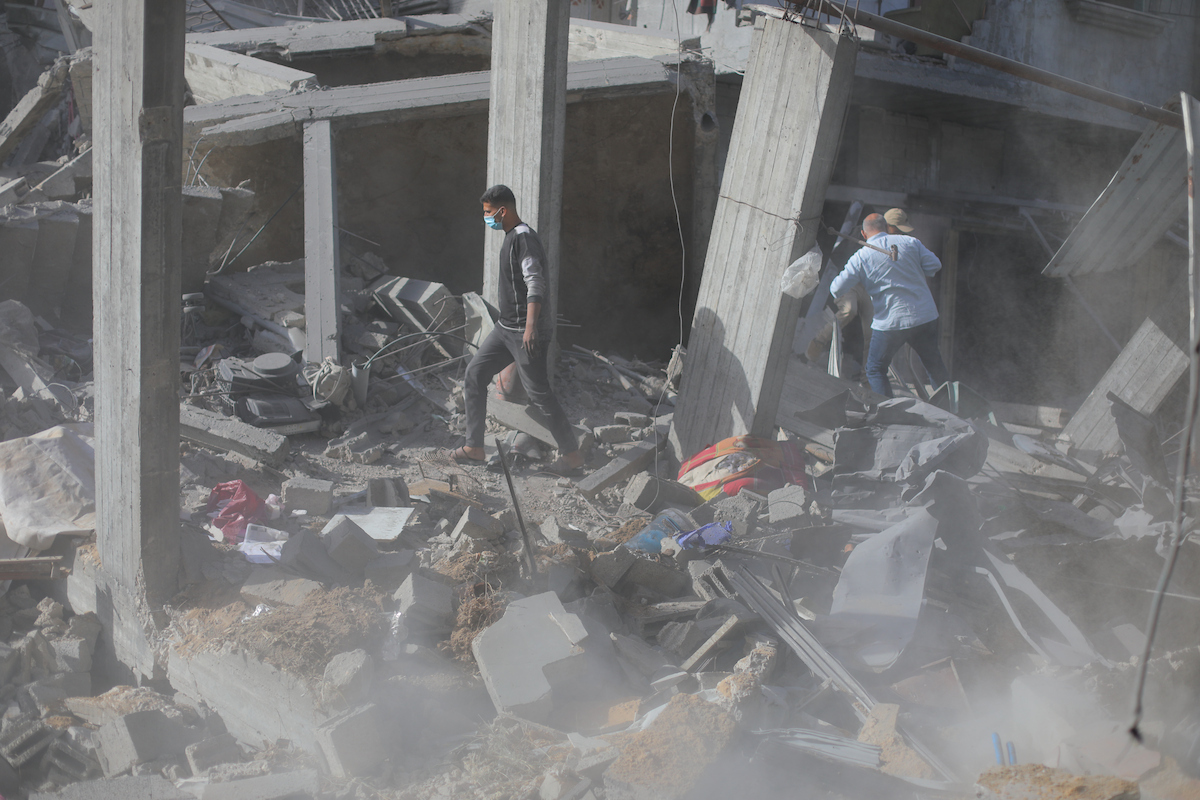
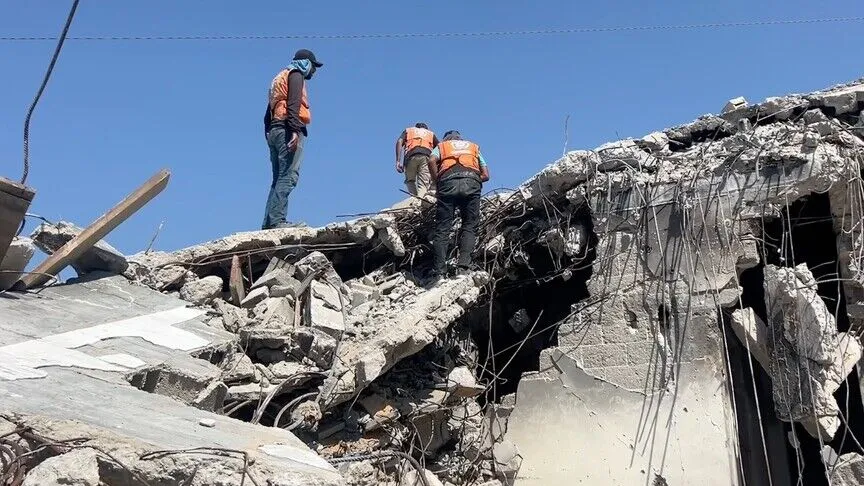
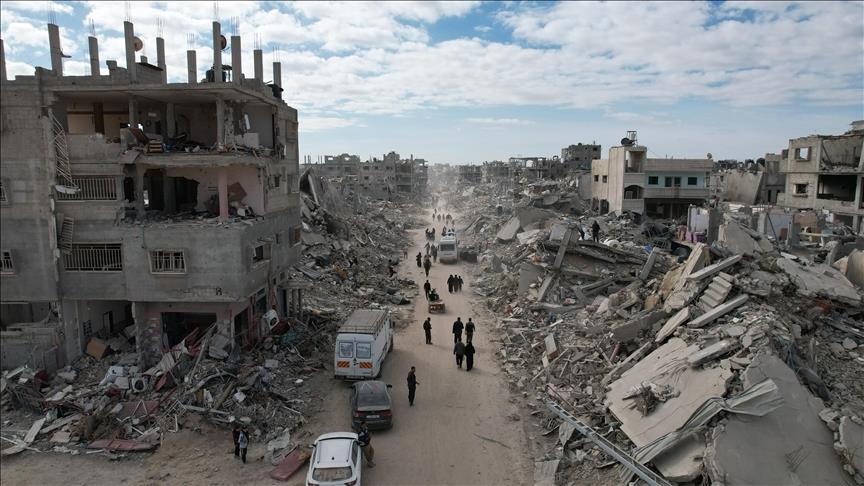
 40 Million Tons of Rubble: Gaza Ministry Faces Challenges in Removing it
 Join The Queue For The Drops
 ‘My Way Out of Insanity’


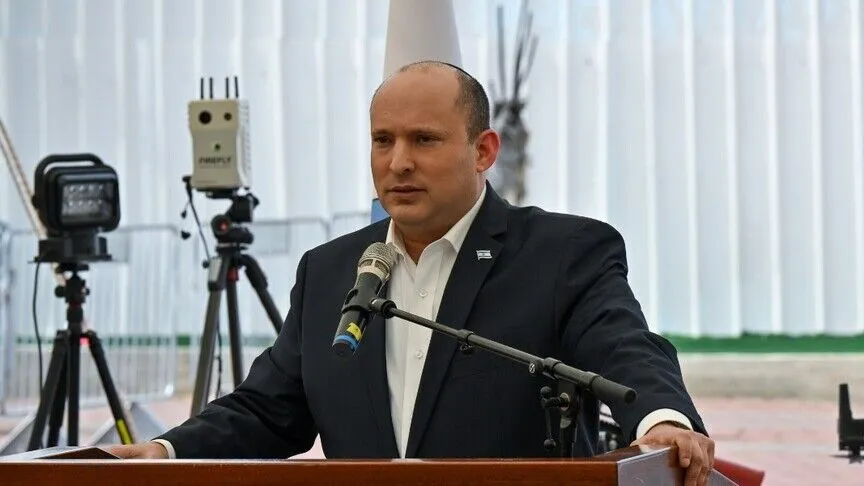
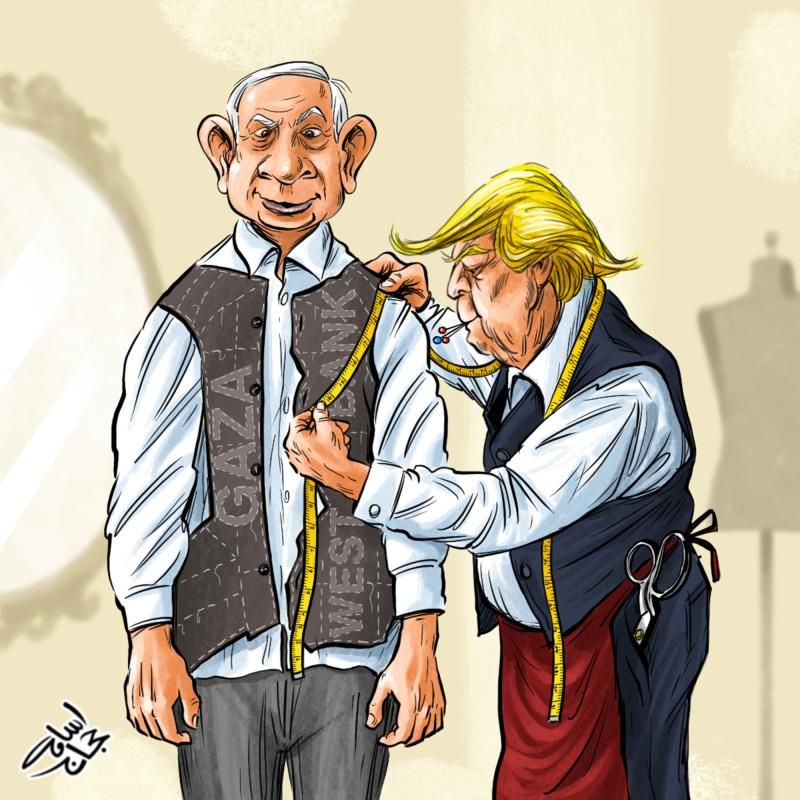
Morocco-Israel: Normalization Stops at The Top
Heba
- August 24, 2026
 Heba
Heba CrossFireArabiaCrossFireArabiaCrossFireArabiaCrossFireArabiaCrossFireArabia
 marwanHebaCrossFireArabiaCrossFireArabiaCrossFireArabiaCrossFireArabiaCrossFireArabiaCrossFireArabiaCrossFireArabiaCrossFireArabiaHebaCrossFireArabiaCrossFireArabiaHebamarwanmarwanmarwanmarwanmarwanmarwanCrossFireArabiamarwanmarwan
 Saleem Ayoub QunamarwanCrossFireArabiaCrossFireArabiaCrossFireArabiaCrossFireArabiamarwanCrossFireArabiaCrossFireArabiamarwanCrossFireArabiaHebaCrossFireArabiamarwanCrossFireArabiamarwanHebaCrossFireArabiamarwanmarwanHebaCrossFireArabiamarwanmarwanCrossFireArabiamarwanHebaCrossFireArabiaCrossFireArabiaCrossFireArabiaHebamarwanCrossFireArabiamarwanHebaCrossFireArabiaHebamarwanmarwanCrossFireArabiamarwanmarwanmarwanmarwanmarwanmarwanmarwanCrossFireArabia
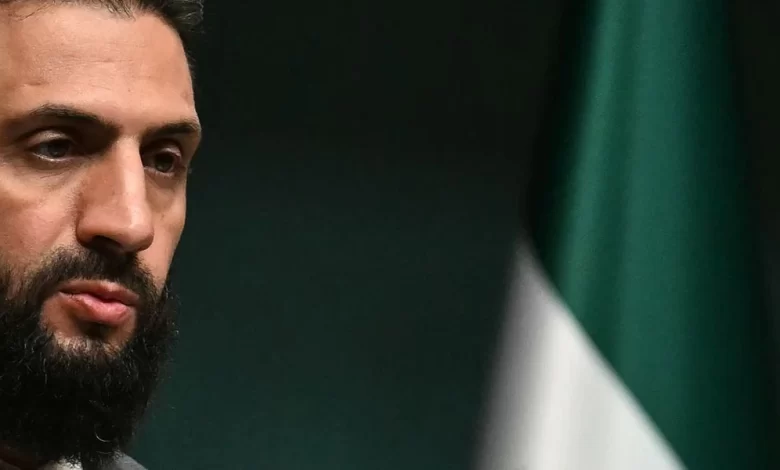
Syrian President Ahmed Al-Sharaa has issued his first public comment on US President Donald Trump’s plan to expel Palestinians from Gaza. Speaking to “The Rest is Politics” podcast, hosted by Alastair Campbell, Al-Sharaa firmly rejected the idea, stating that no force can uproot an entire people from their land.
“I believe there is no power that can uproot a people from their land. Many countries have tried to do so and have all failed, especially during the last war in Gaza. Over the past year and a half, people have endured pain, killing, and destruction, yet they refused to leave their land,” he said.
Al-Sharaa emphasized that for over 80 years, all attempts to displace Palestinians have failed. “Those who left regretted their decision. The lesson every Palestinian generation has learned is the importance of holding onto the land. It would be neither wise nor morally or politically right for Trump to lead an effort to force Palestinians out of their land, in my opinion,” he added.
Drawing a comparison to US policies on immigration, the Syrian President questioned Trump’s stance. “Why does he expel Mexicans from America? And now he is doing the same thing here. I believe this is a serious crime that will ultimately lead to disastrous consequences and will not succeed,” he warned.
Trump recently reiterated his plan to “own and buy” Gaza, dismissing Palestinian objections and framing the issue as a real estate matter. He also suggested reallocating parts of Gaza to neighboring countries, further fueling controversy over his proposal according to the Quds News Network.
CrossFireArabia
Official Saudi media launched a strong attack Monday on Israeli Prime Minister Benjamin Netanyahu over his statements against the kingdom and criticized US President Donald Trump’s plan to seize Gaza and forcibly displace Palestinians.
The ongoing criticism spanned various media formats, including news coverage and opinion articles published by the Saudi Press Agency (SPA), Al-Ekhbariya TV and newspapers such as Al-Riyadh, Okaz and Al-Madina.
‘Prime minister of the occupation’
On Monday, the Saudi Press Agency continued its second day of publishing condemnations from international organizations and Arab and Islamic countries regarding Netanyahu’s statements. Libya’s Foreign Ministry described them as “hostile and provocative,” while the Muslim World League called them “absurd.”
Through televised reports and posts on X, Al-Ekhbariya TV harshly criticized Netanyahu and rejected Trump’s plan to forcibly displace Palestinians.
The channel reiterated key positions of the kingdom as stated by the Foreign Ministry, including “Palestine is our foremost cause, and the Palestinian people’s rights are immutable,” “Extremist mindsets fail to grasp what Palestinian land means to its people” and “The Palestinian people’s rights remain steadfast.”
In a report, Al-Ekhbariya TV described Netanyahu as “the prime minister of the Israeli occupation,” “a descendant of an extremist Zionist family” and “a Zionist by birth who inherited extremism genetically.”
The report further said that “Netanyahu’s grandfather was an extremist, his father even more so. He does not believe in peace, seeing war as the only way to secure his future. His extremist mindset thrives on bloodshed.”
“He blindly marches toward an abyss of his own making, digging a fate from which he will never return,” it added.
On X, Al-Madina newspaper described the Foreign Ministry’s response to Netanyahu as “a Saudi statement that sets the record straight on the occupation,” asserting that “gangster-like mentalities do not foster coexistence or peace, and no statement can divert attention from ongoing crimes.”
Reaffirming Saudi Arabia’s rejection of Palestinian displacement, Al-Ekhbariya TV aired a report Sunday underscoring “the kingdom’s unwavering stance against the Israeli occupation.”
It included an historic speech by Saudi King Salman bin Abdulaziz al-Saud from many years ago when he was governor of Riyadh in which he declared that “Palestine is the kingdom’s foremost cause, no matter what other urgent issues arise.”
‘Middle East is not a playground for Israel’s ambitions and fantasies’
In its Monday edition, Al-Riyadh newspaper ran the headline: “The Kingdom’s Sovereignty Is a Red Line,” highlighting “an Arab-Islamic mobilization against Netanyahu’s statements and a reaffirmation of Palestinian rights.”
Under the title “The Firm Position,” the newspaper emphasized that Saudi Arabia’s unwavering support for the Palestinian cause dates back to King Abdulaziz Al Saud’s participation in the London Conference in the 1930s.
In an opinion piece published Monday, columnist Ali Al-Khashiban wrote under the headline “The Two-State Solution Has a High Cost…But Palestine Deserves It.”
“No matter how much Israel claims democratic purity and regional dominance, it must realize that the Middle East is not a playground for its ambitions and fantasies,” he said.
Columnist Khaled bin Ali Al-Mutrafi wrote in Al-Riyadh on Monday: “Since Trump spoke about his plan to displace Gaza’s residents, the Saudi response from the highest political levels was swift and decisive.”
“What distinguishes Riyadh’s political stance is its shift from conventional diplomatic language to a sharper, more assertive tone in confronting projects aimed at liquidating the Palestinian cause,” he added.
‘Colonial Mindset’
Under the headline “Netanyahu and Saudi Arabia…Statements That Reveal Israel’s Predicament,” Turki Al-Raj’aan wrote in Okaz on Monday: “Netanyahu’s statement is not merely a political miscalculation; it exposes a fundamental crisis in Israel’s strategic thinking.”
Describing Netanyahu’s comments as “an obvious attempt to divert attention from his internal crisis,” he added: “At its core, Netanyahu’s remarks reveal an outdated colonial mindset attempting to reassert itself in a modern context.”
On Thursday, Netanyahu suggested that Palestinians should establish their state in Saudi Arabia rather than in their own homeland, dismissing any notion of Palestinian sovereignty.
“The Saudis can create a Palestinian state in Saudi Arabia; they have a lot of land over there,” he said.
On Feb. 4, Trump said the US would “take over” Gaza and resettle Palestinians elsewhere under an extraordinary redevelopment plan that he claimed could turn the enclave into “the Riviera of the Middle East.”
His proposal was met with widespread condemnation from Palestinians, Arab countries and many other nations across the world, including Canada, France, Germany and the UK.
Trump had initially triggered an uproar last week by suggesting that Palestinians in Gaza should be relocated to Jordan and Egypt, calling the enclave a “demolition site” after Israel’s 15-month war, which has claimed more than 48,000 lives. A ceasefire that took hold on Jan. 19 is currently in place.
His proposal, however, was vehemently rejected by Amman and Cairo as reported in Anadolu.
CrossFireArabia
Israeli soldiers admitted to Haaretz that they shot and killed 8-months-pregnant Sundus Shalabi in Nour Shams camp because she “got out of the vehicle and looked at the ground suspiciously.” Haaretz cited accounts from the soldiers involved, who stated that Shalabi exited a vehicle and looked at the ground in a manner they deemed unusual before opening fire.
CrossFireArabia
As the hours passed after the White House bombshell in which President Donald Trump announced American control over Gaza and in which he said “it will be ours,” and reiterated that all Gazans would have to be removed and transferred to a “better” place; since then, the stock exchange of names of countries that could receive the Palestinians has been growing and flourishing.
In addition to Jordan and Egypt, which Trump mentioned, the names of countries such as Albania, Puntland, and Somaliland stand out. Why not? If you asked the Gazans themselves, some of them would laugh in Trump’s face, or say: “Come on, if it’s a resettlement, why not in Sweden, England, or Canada?”
In Israel, despite the harsh sound of the word transfer, no one opposes the idea of getting Gaza out of our lives once and for all, especially after 7 October. The Israelis believe the Palestinians will have to pay a heavy price, and they want the Palestinians of the West Bank to disappear as well.
But it seems that the big balloon Trump launched into the air is nothing more than a trial balloon; a big threat balloon in an attempt to end the resistance in Gaza without a fight. There is no real intention of a mass exodus of nearly two million people.
Trump has set a heavy price in the hope that Hamas will voluntarily leave Gaza, and it can be assumed that this is just a preliminary proposal, an introductory step, from the statements of the president’s advisers as well, and if the Arab countries do not like it, these countries are invited to present their solution to disarm Gaza.
For Israel, the intention to prevent Hamas from continuing to control Gaza is desirable, especially after Netanyahu failed in this mission, and Hamas remained in power at the end of 15 months of fighting. It seems that there are those who have to swallow the “absolute victory”.
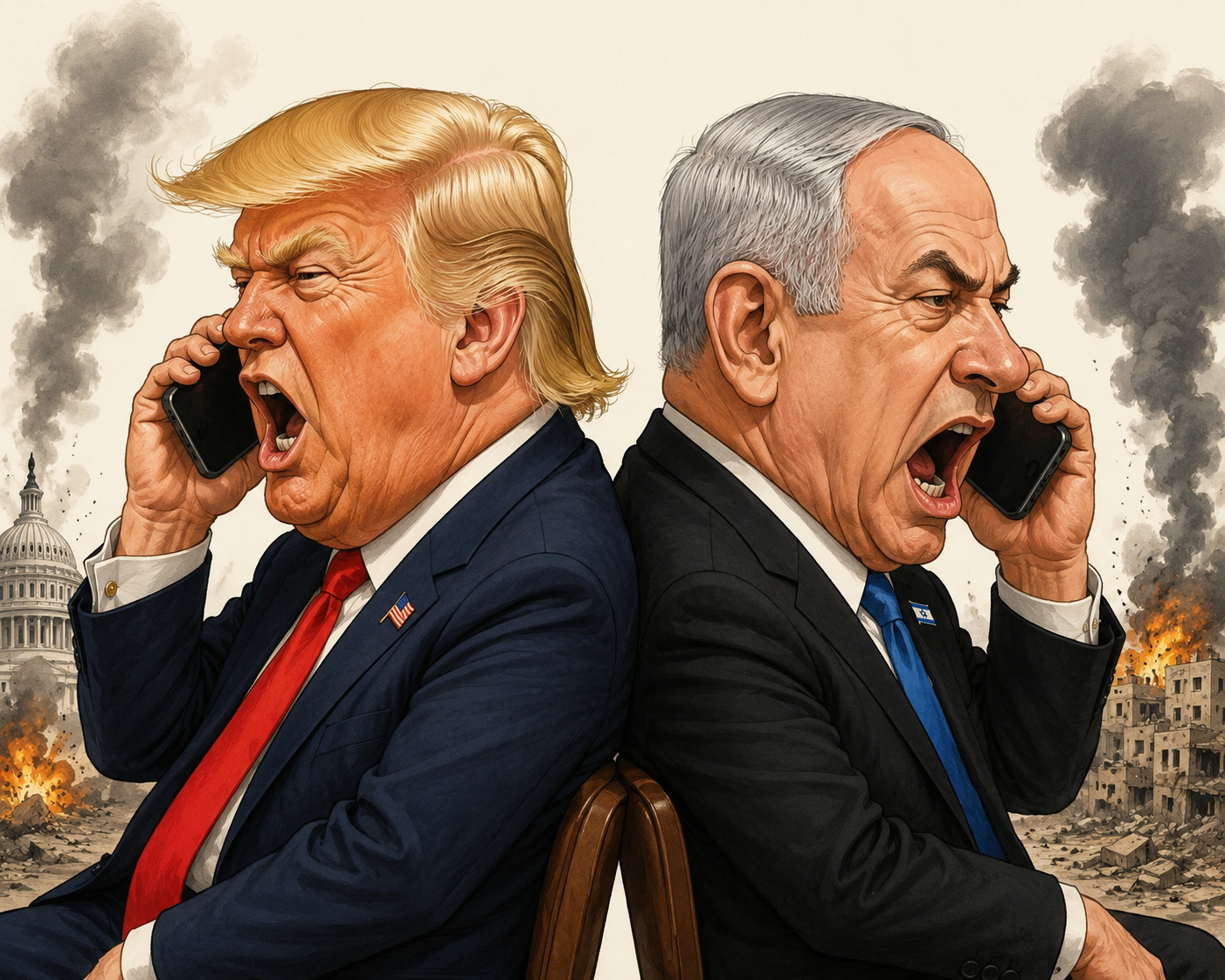
It is to be wondered: What was actually reached in the meeting between Trump and Prime Minister Netanyahu and what are its implications? In short, in the end, Trump imposed on Netanyahu not to renew the war, and to continue with the deal to release the kidnapped soldiers. On the sidelines, it is unreasonable for an American president to insist on an Israeli prime minister in order to release Israeli kidnapped soldiers.
Messianic Vision
Trump has categorically ruled out the establishment of Israeli settlements in Gaza based on the messianic vision of Smotrich and Ben-Gvir, hinted at his desire to move quickly on the Saudi issue, and made it clear that he still prefers a diplomatic solution with Iran over the use of force.
On the surface, this may seem disappointing to Netanyahu, but don’t worry; Trump has worked to create a welcoming atmosphere for the prime minister, and provided him with a far-reaching virtual achievement in order to preserve his coalition, which is a placebo for a government afflicted with the delusions of Smotrich and Ben-Gvir.
By resettling the Gazans, Netanyahu can sell the idea to his partners on the extreme right. These are dreams in the air, and the coalition is what is meant. And with the help of the grand plan of American control over Gaza and the transfer of all the residents of the Strip from there, a plan that has little chance of being realized, to say the least, Netanyahu can buy more time.
A person who cares only about his position, and whose top priority is his political survival, can strengthen the coalition, and in the meantime, Smotrich and Ben-Gvir will quickly accept the spoiled goods; the first will remain in the government, the second will return to its bosom, and the three will cling to this lie and pass it on to the base until the next crisis.
On top of all this political filth, there is the issue of releasing the hostages; Yesterday, we saw the horrific and horrific scenes of the return of Ohad Ben-Ami, Eli Sharaby and Or Levy as walking skeletons, which emphasized the importance of returning everyone as soon as possible. These people, who were abandoned twice, must be returned: once on 7 October, and then in the rigging of the deal to free them.
The outrageous images of Hamas controlling Gaza once again confirm, unfortunately, Netanyahu’s complete failure in managing the war, and now we hope that Trump and White House officials will force him to continue releasing the prisoners, and then the IDF will ensure that the “monsters” of Hamas are finally eliminated, down to the last one.
This column was written by By Yossi Hadar for the Israeli daily, Maariv and translated from Arabic and appeared in Jo24.
CrossFireArabia
According to a report by Israeli newspaper Haaretz, an internal investigation by the Israeli military has revealed details surrounding the murder of 19-year-old Palestinian girl Rahaf Al-Ashqar in the Nour Shams refugee camp.
The investigation found that Israeli forces had placed an explosive device at the entrance of a residential building to blow open the door for a raid.
However, the occupants of the building were not informed about the presence of the device or the impending detonation. As Al-Ashqar opened the door, the bomb exploded, killing her instantly.