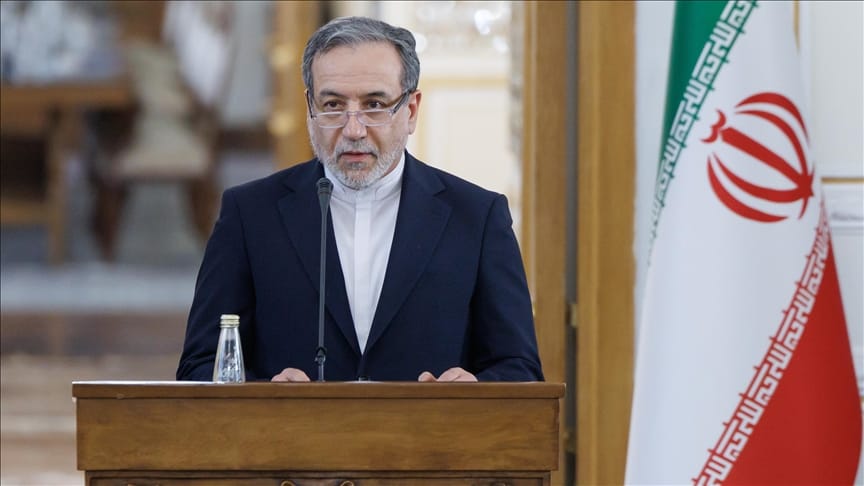
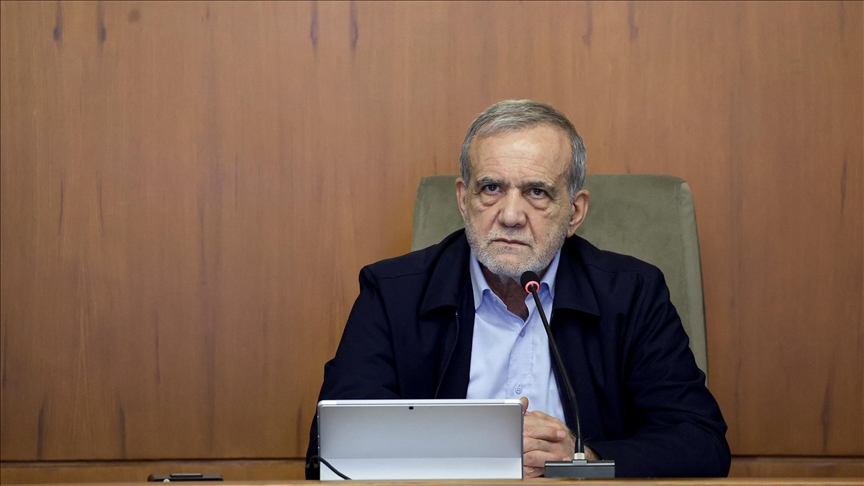
 Pezeshkian: ‘Iran Will Not Surrender to Bullies’
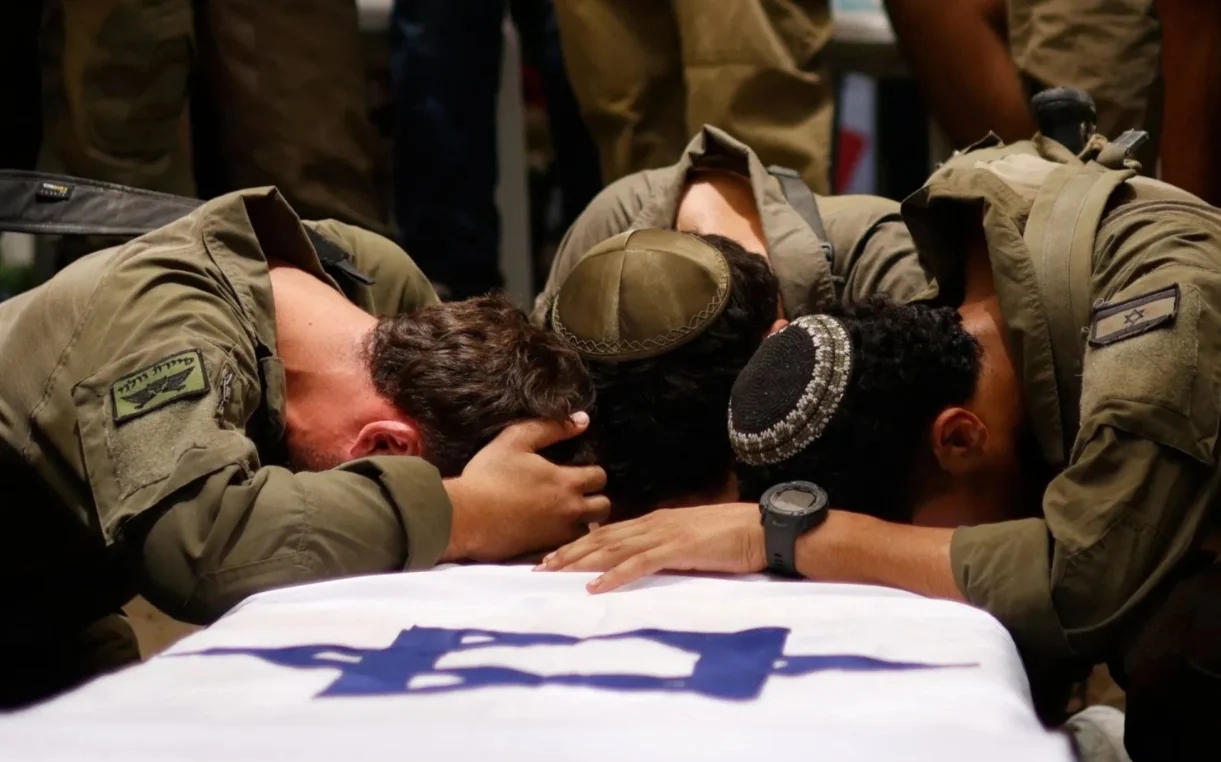
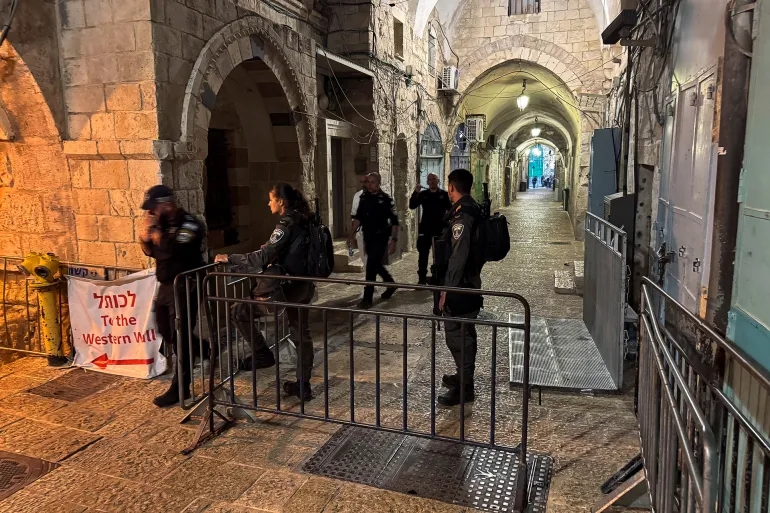 Israeli Soldiers Enforce Closure of Al Aqsa
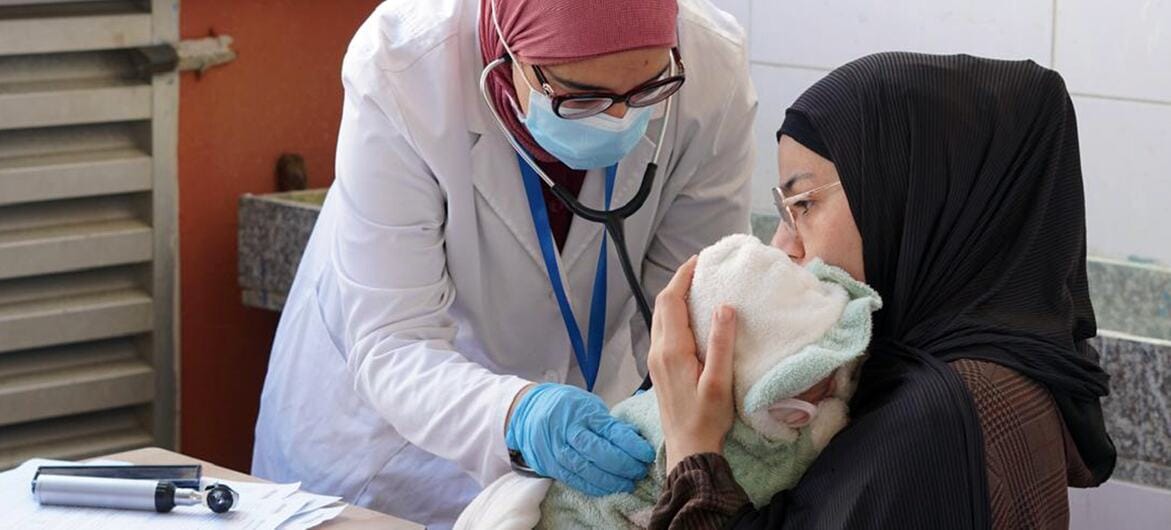
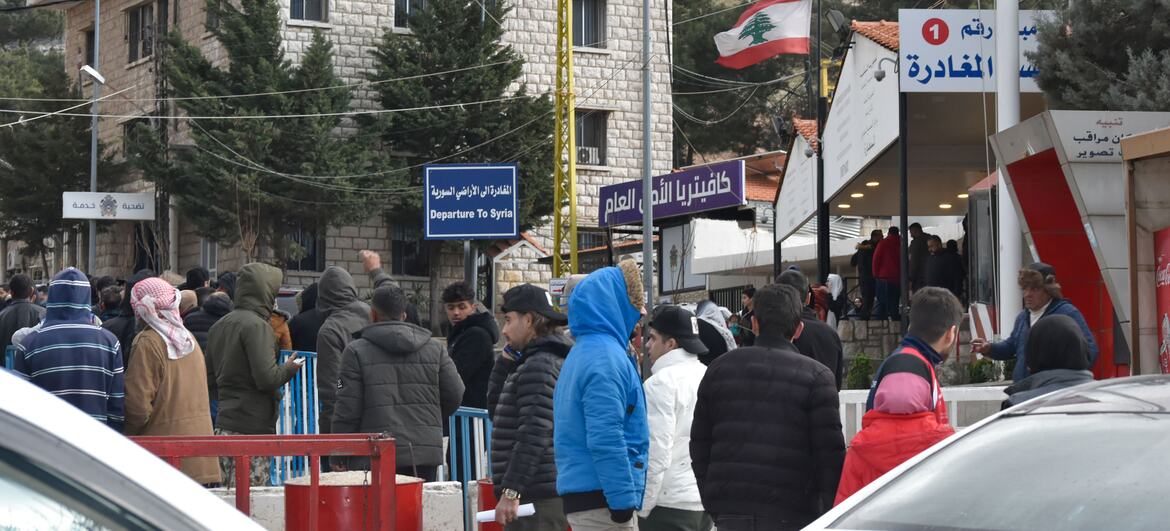
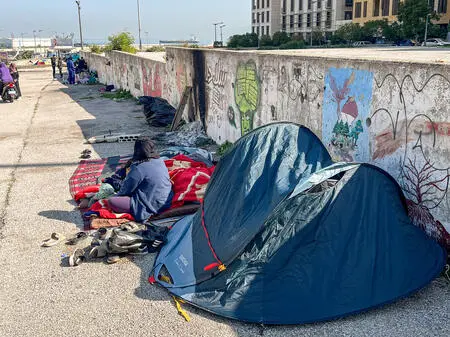 1 in 7 Displaced in Lebanon – NRC
 Hormuz: End of an Era of Martime Dominance
 Gaza Faces Massive Dust Storm



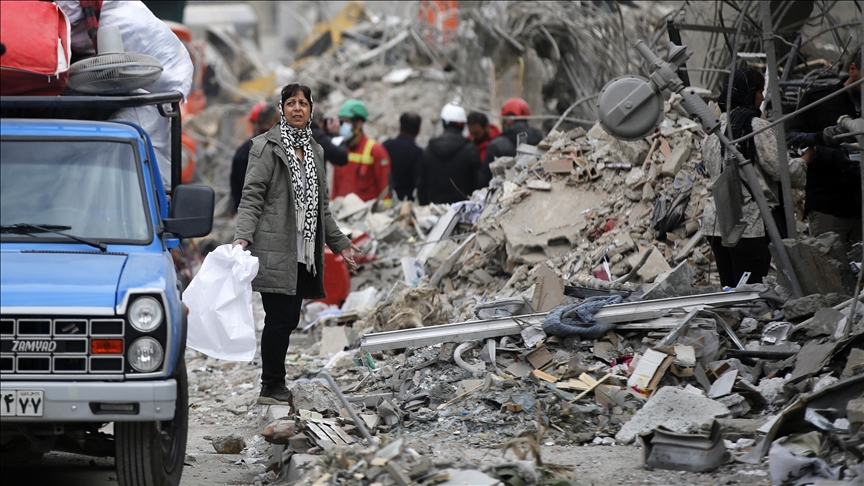
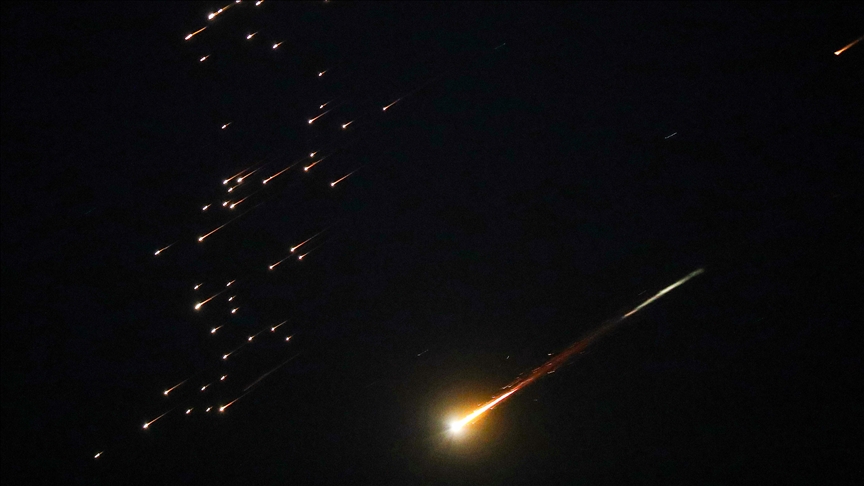
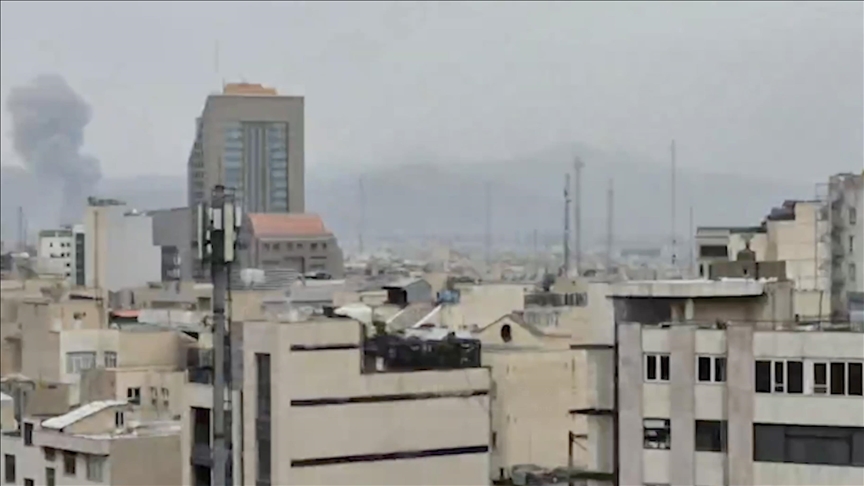
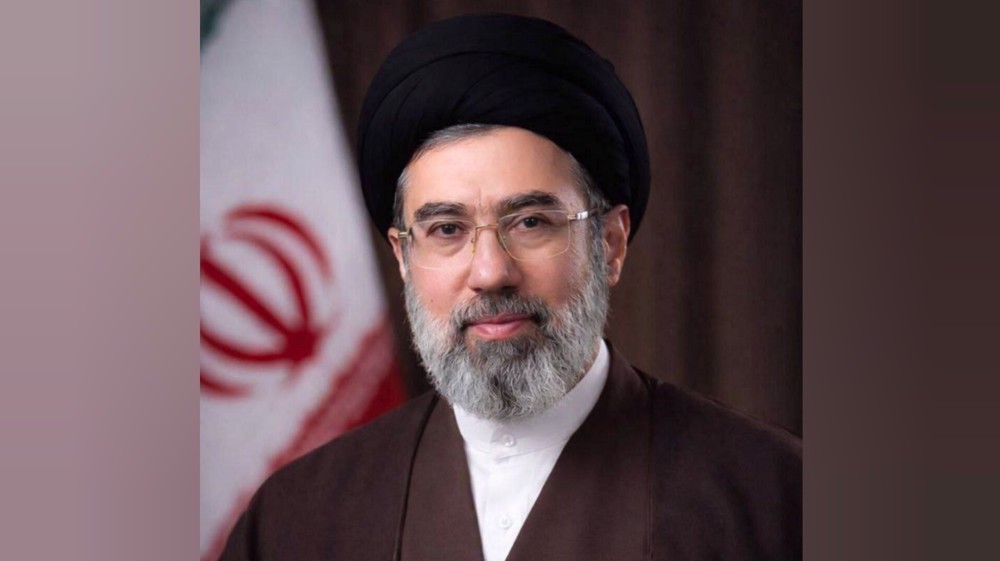
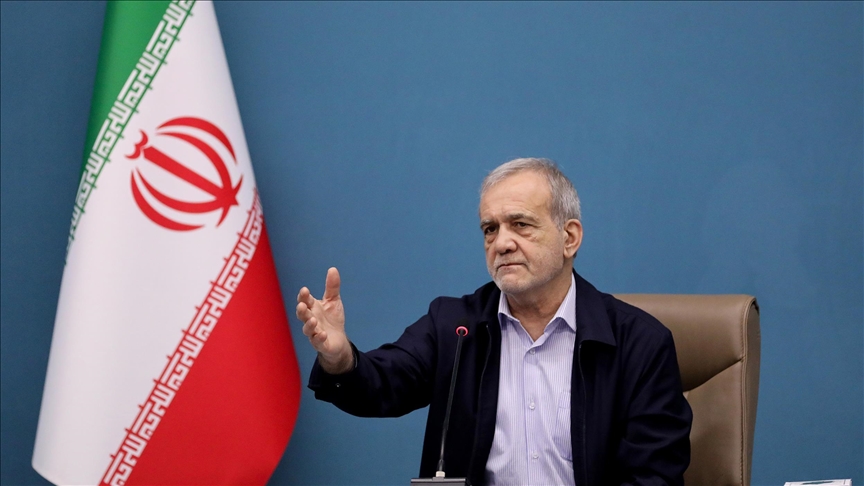
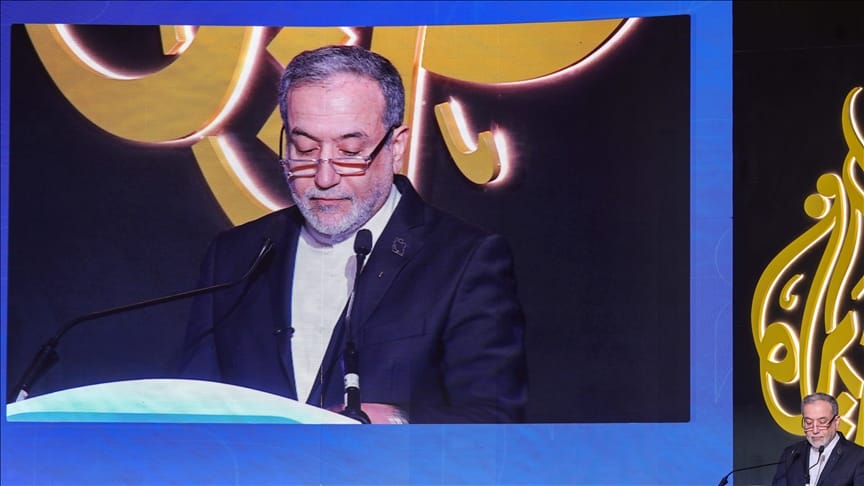
Pezeshkian: ‘Iran Will Not Surrender to Bullies’
 CrossFireArabia
- March 16, 2026
 CrossFireArabiaCrossFireArabiaCrossFireArabiaCrossFireArabiaCrossFireArabiaCrossFireArabiaCrossFireArabiaCrossFireArabiaCrossFireArabiaCrossFireArabiaCrossFireArabiaCrossFireArabiaCrossFireArabiaCrossFireArabiaCrossFireArabiaCrossFireArabiaCrossFireArabiaCrossFireArabiaCrossFireArabiaCrossFireArabiaCrossFireArabiaCrossFireArabiaCrossFireArabiaCrossFireArabiaCrossFireArabiaCrossFireArabiaCrossFireArabiaCrossFireArabiaCrossFireArabiaCrossFireArabiaCrossFireArabia
 Saleem Ayoub QunaCrossFireArabiaCrossFireArabiaCrossFireArabiaCrossFireArabiaCrossFireArabiaCrossFireArabiaCrossFireArabiaCrossFireArabiaCrossFireArabiaCrossFireArabiaCrossFireArabiaCrossFireArabiaCrossFireArabiaCrossFireArabiaCrossFireArabiaCrossFireArabiaCrossFireArabiaCrossFireArabiaCrossFireArabia
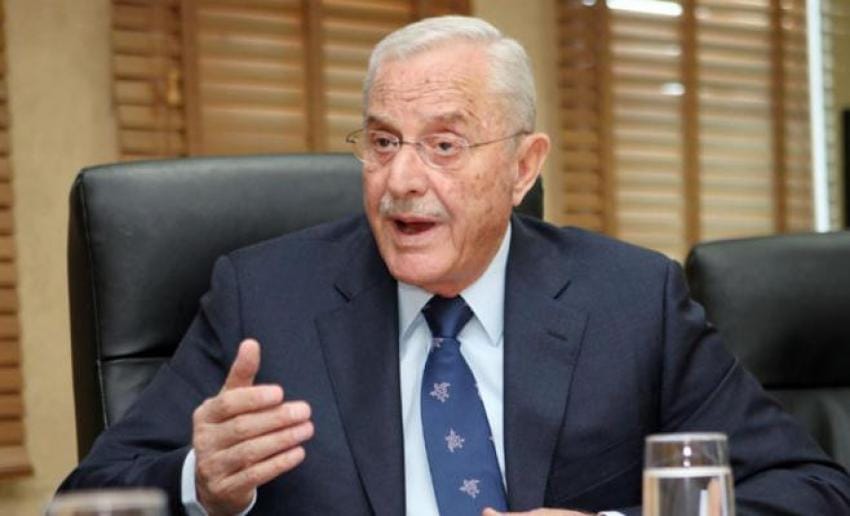
Jordan‘s Prime Minister Jafar Hassan offered profound condolences following the passing of former Prime Minister Ahmad Obeidat, Monday evening.
Reflecting on a life dedicated to the Hashemite leadership and the Jordanian people, the Prime Minister described Obeidat as a towering figure of the political establishment who served the nation with unwavering integrity during its most formative chapters.

Born in 1938 in Hartha, Irbid, Obeidat’s career was marked by his ascent to the highest echelons of government and security. He served as Prime Minister and Minister of Defense from 1984 to 1985, a tenure preceded by his leadership as Minister of Interior (1982–1984) and Director of the General Intelligence Directorate.
His legislative expertise was further utilized across multiple terms in the Senate, while his international standing was recognized through his role as a Goodwill Ambassador for the United Nations Environment Program.
Obeidat was a foundational architect of Jordan’s modern civil and judicial frameworks. He presided over the Royal Commission for Drafting the National Charter (1990 – 1991) and held vice-presidential roles on the Royal Commissions for Human Rights and Judicial Development in 2000.
From 2003 to 2008, he chaired the Board of Trustees of the National Center for Human Rights. A recipient of the Grand Cordon of the Order of the Renaissance (Wisam al-Nahda), First Class, his legacy remains a cornerstone of the Kingdom’s commitment to public service and institutional reform – Petra News Agency
CrossFireArabia
The Israeli government has initiated a significant expansion of settlements in the occupied West Bank and East Jerusalem , and while 2025 was a year of settlement expansion, 2026 is intended to be a year of “action on the ground” focusing on accelerating construction, retroactively legalizing outposts, and deepening control in strategically sensitive areas.
New construction projects, such as bypass roads and barriers, are actively slicing through the West Bank, creating disconnected “islands” of Palestinian areas and facilitating the expansion of settlements.
This strategy, heavily driven by Israeli far-right coalition members, aims to establish, legalize, and expand numerous settlements and outposts, effectively creating “de facto annexation”.
On his part, Israeli Finance Minister Bezalel Smotrich announced a plan to allocate 2.7 billion shekels in the 2026 state budget to establish 17 new colonies in the West Bank over the next five years.
Plans for 22 new settlements in the West Bank were approved in early 2026, building upon a record number of approvals in 2025, which totaled 41 new settlements.
Israel has moved to start construction on the contentious E1 project, with a tender for 3,401 homes posted in late 2025/ early 2026.
This project aims to connect Maale Adumim settlement with East Jerusalem, which analysts warn will divide the West Bank in two and block the contiguity of a future Palestinian state.
Plans are also advancing for a major new 9,000-unit settlement project in East Jerusalem, at the site of the former Atarot/ Qalandiya airport.
Besides, a new settlement named Mishmar Yehuda (or Givat Adumim) was recently approved, located near Kedar and Ma’ale Adumim.
Reports from May 2025 and January 2026 indicate a surge in the legalization of previously unauthorized settler outposts, transforming them into permanent, legal settlements under Israeli law.
Following the repeal of the 2005 Disengagement Law, plans are underway to rebuild and expand settlements in the northern West Bank, such as Homesh and Sa-Nur.
Settlement activity is heavily concentrated in the East Jerusalem area, the northern West Bank, and the Jordan Valley to sever Palestinian territorial continuity.
Settlement expansion has been accompanied by increased settler violence and attacks, with over 1,800 incidents documented in 2025, according to the UN.
Settlers have been involved in the killings of Palestinians, including children, and have caused thousands of injuries through physical assaults, shootings, and arson.
In the first weeks of 2026, the UN Office for the Coordination of Humanitarian Affairs (OCHA) recorded at least 55 settler attacks causing injury or property damage and injuring 30 Palestinians. These attacks, often targeted water systems and schools, have directly led to the displacement of over 100 Palestinian Bedouin and herding households.
In the Jericho area community of Ras ‘Ein al ‘Auja, at least 77 households began dismantling their homes following intensified nighttime settler attacks and threats.
Settler attacks have completely displaced 29 Palestinian communities since October 2023, more than one a month on average, UN data showed.
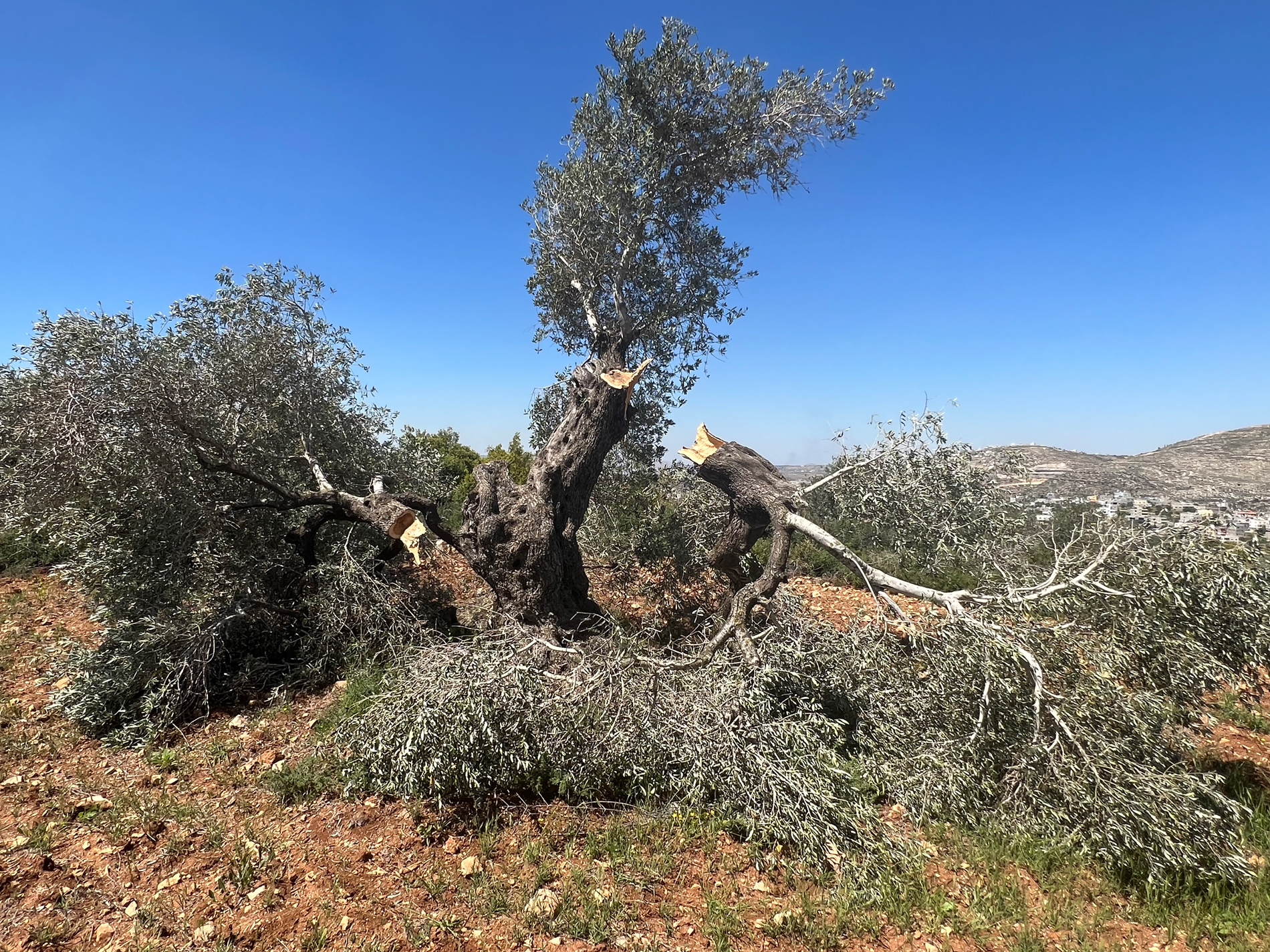
Attacks frequently target Palestinian property, including the burning of homes, destruction of vehicles , poisoning water sources , steeling livestock , devastating agricultural livelihoods and uprooting or chain sawing of olive trees.
Settler violence is a key driver of forced displacement, creating a coercive environment that has forced dozens of Palestinian communities to leave their homes.
Since October 7, 2023, thousands of Palestinians have been displaced due to settler attacks.
The Office of the United Nations High Commissioner for Human Rights (OHCHR) and various UN bodies have reported that the distinction between settler violence and state violence has become increasingly blurred, with settlers wearing uniforms and acting alongside or as part of the Israeli security forces.
The line between settler and state violence has blurred “to a vanishing point,” according to a 2025 UN report.
This is attributed to the involvement of settlers in official “settlement defense squads” and “regional defense battalions,” which are part of the Israeli army’s structure.
The UN has noted a high level of impunity for perpetrators, with very few investigations into settler attacks resulting in convictions.
The European Union, various international bodies, various nations, including the UK, Canada, and Germany, have urged Israel to halt these activities, citing that the settlements are obstacles to peace , illegal under international law and undermine the possibility of a two-state solution.
The UN human rights office has repeatedly called on Israeli authorities to protect Palestinians from these attacks, end the cycle of violence, and hold perpetrators accountable.
However as of January 2026, reports indicate that Israel is disregarding all condemnations and warnings and accelerating its actions in the occupied West Bank, shifting from a “slow creep” of control to a rapid expansion of settlements and infrastructure, which observers characterize as de facto annexation.
This, combined with increased settler violence and military actions, is profoundly altering the landscape of the West Bank.
This ongoing process, which was often referred to as “creeping annexation’’, and now some analysts call it “running annexation’’ aims to permanently incorporate the West Bank into Israel by creating irreversible, on-the-ground facts.
Najla M Shahwan contributed this article to the Jordan Times
CrossFireArabia
The Rafah crossing officially reopened on Monday, marking a partial resumption of movement between the Gaza Strip and Egypt after more than a year and a half of closure imposed under Israeli military control.
Egyptian official media confirmed that the crossing began operations with an initial exchange of travelers, allowing a limited number of Palestinians to leave Gaza and a smaller number to return. According to Egyptian and Israeli media reports, approximately 50 people were expected to cross in each direction on the first day, while around 150 patients and their companions were scheduled to exit Gaza for medical treatment in Egypt.
The Palestinian side of the crossing began operating on a trial basis on Sunday, following Israel’s completion of a new security corridor inside the terminal. Israel has controlled the Palestinian side of Rafah since May 2024, during its military campaign on Gaza that began in October 2023.
Under the current mechanism, all movement through Rafah is subject to prior Israeli approval. Israeli authorities have established a screening corridor—referred to by Israeli officials as “Regevim”—where identities are checked against pre-approved lists. Security procedures reportedly include physical searches and facial-recognition technology.
Palestinian personnel are operating the crossing under European Union supervision, while Israel maintains control over security approvals. The EU’s foreign policy chief described the reopening as a “positive step,” confirming that European monitors are present on the ground.
However, Palestinian officials say the process remains opaque and heavily restricted. Gaza’s government media office warned that the reopening risks becoming a “new form of siege” if Israel continues to impose unilateral conditions.
The limited reopening has underscored the scale of Gaza’s medical catastrophe. Gaza health officials estimate that at least 22,000 patients and wounded individuals urgently require treatment outside the enclave, including thousands of children and critically ill patients.
Dr. Mohammad Abu Salmiya, director of Al-Shifa Medical Complex, said Gaza hospitals were informed that only five critically ill patients would be allowed to leave on the first day, a figure he described as “catastrophically insufficient.”
Health authorities report that more than 1,200 patients have died over the past months while waiting for permission to leave Gaza for treatment.
According to Israeli and Egyptian officials, movement through Rafah is currently restricted to Gaza residents only. Israel approves exit lists in advance, while Egypt reviews entry requests. Palestinians who left Gaza during the war may return only after coordination with Egyptian authorities and Israeli security approval.
Foreign journalists are not permitted to enter Gaza through Rafah under the current arrangement.
Palestinian officials and rights groups say the reopening fails to address Gaza’s broader humanitarian needs. While movement of individuals has resumed on a limited scale, there has been no corresponding easing of restrictions on humanitarian aid, fuel, or essential goods.
Hamas warned that any Israeli obstruction at Rafah would constitute a violation of ceasefire understandings, urging mediators and guarantor states to closely monitor Israeli conduct at the crossing.
Critics argue that the gap between Gaza’s medical needs and Israel’s imposed movement quotas highlights the punitive nature of the current system. At the present rate, it would take months for critically ill patients to exit Gaza—assuming no further disruptions.
While the reopening of Rafah has been welcomed as a symbolic break in Gaza’s isolation, Palestinians stress that the crossing remains firmly under Israeli control. For thousands of patients, families, and displaced residents, Rafah’s reopening has so far offered limited relief—raising fears that the enclave’s humanitarian crisis will persist despite the appearance of movement – Palestine Chronicle
CrossFireArabia
Iran is ready for diplomatic negotiations, the country’s foreign minister said Monday, as tension continues to rise between Tehran and Washington.
“We are ready for diplomacy, but diplomacy also has its own principles. I hope we will see results soon,” Abbas Araghchi said during a visit to the shrine of Ayatollah Ruhollah Khomeini, the architect of Iran’s 1979 Revolution according to Anadolu.
“Iran’s enemies, who failed to achieve their goals,” whether through last year’s 12-day war or recent protests “have now turned to diplomacy.”
“These same parties are talking about diplomacy today, even though Iran has always been ready for this option, provided there is mutual respect and consideration of interests,” he added.
In June 2025, Israel, backed by Washington, launched a 12-day attack on Iran that targeted military and nuclear sites as well as civilian infrastructure and killed senior commanders and scientists. Iran responded by striking Israeli military and intelligence facilities with missiles and drones before the US announced a ceasefire.
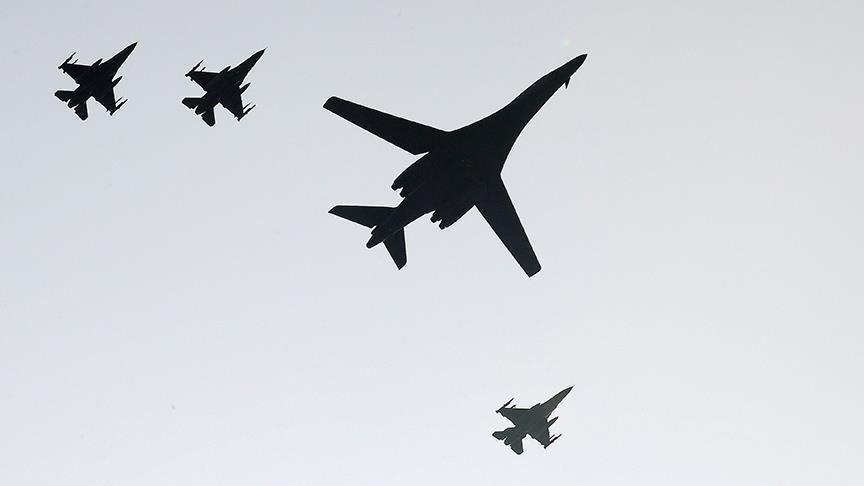
Araghchi’s remarks came amid heightened tensions between Iran and the US, with the American military fleet reportedly heading toward the region, as announced by President Donald Trump.
Trump confirmed that a large US “armada” was en route to the region, warning Iran to enter negotiations over its nuclear program or face potential military action.
In recent days, there has been intense diplomatic activity, with several regional countries – including Turkiye – intervening to ease tensions between the two nations.