
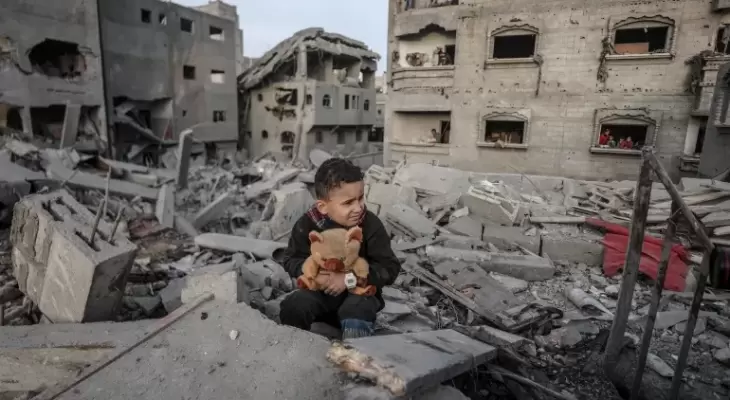
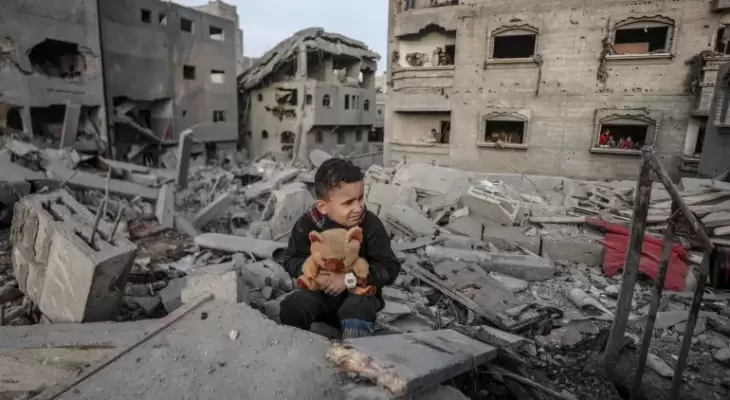
 Living With The Dead: Gazan Families Forced to Make Homes Among The Graves
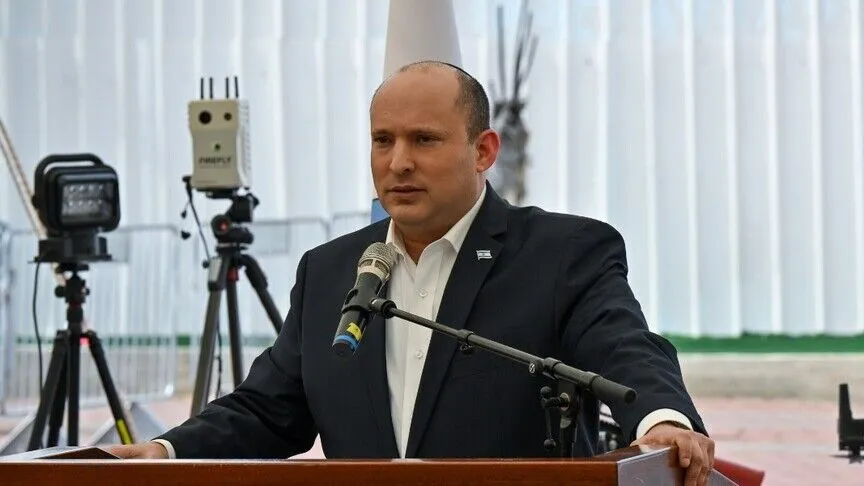 Former Jewish PM: Israel Has ‘Lost The United States…’
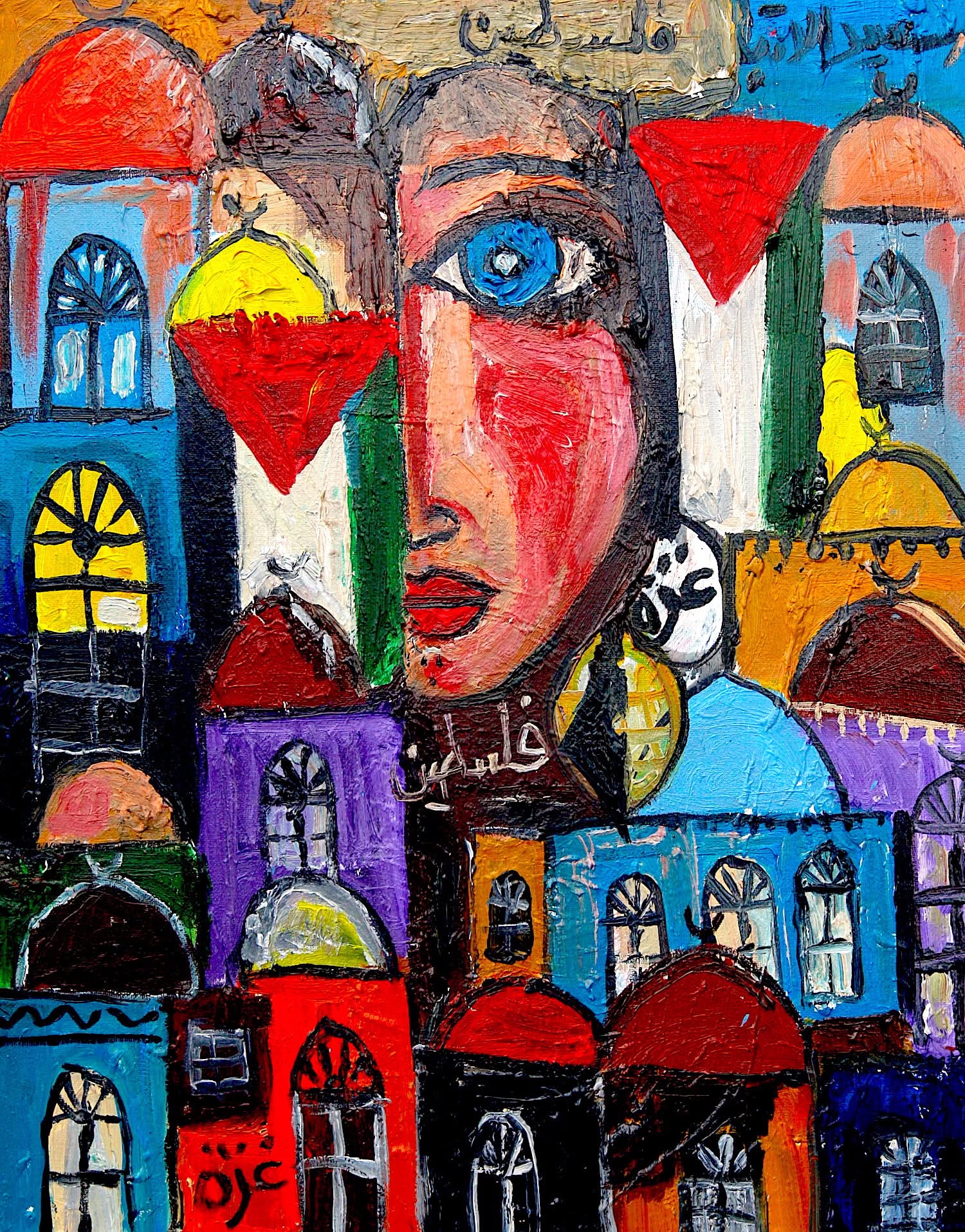
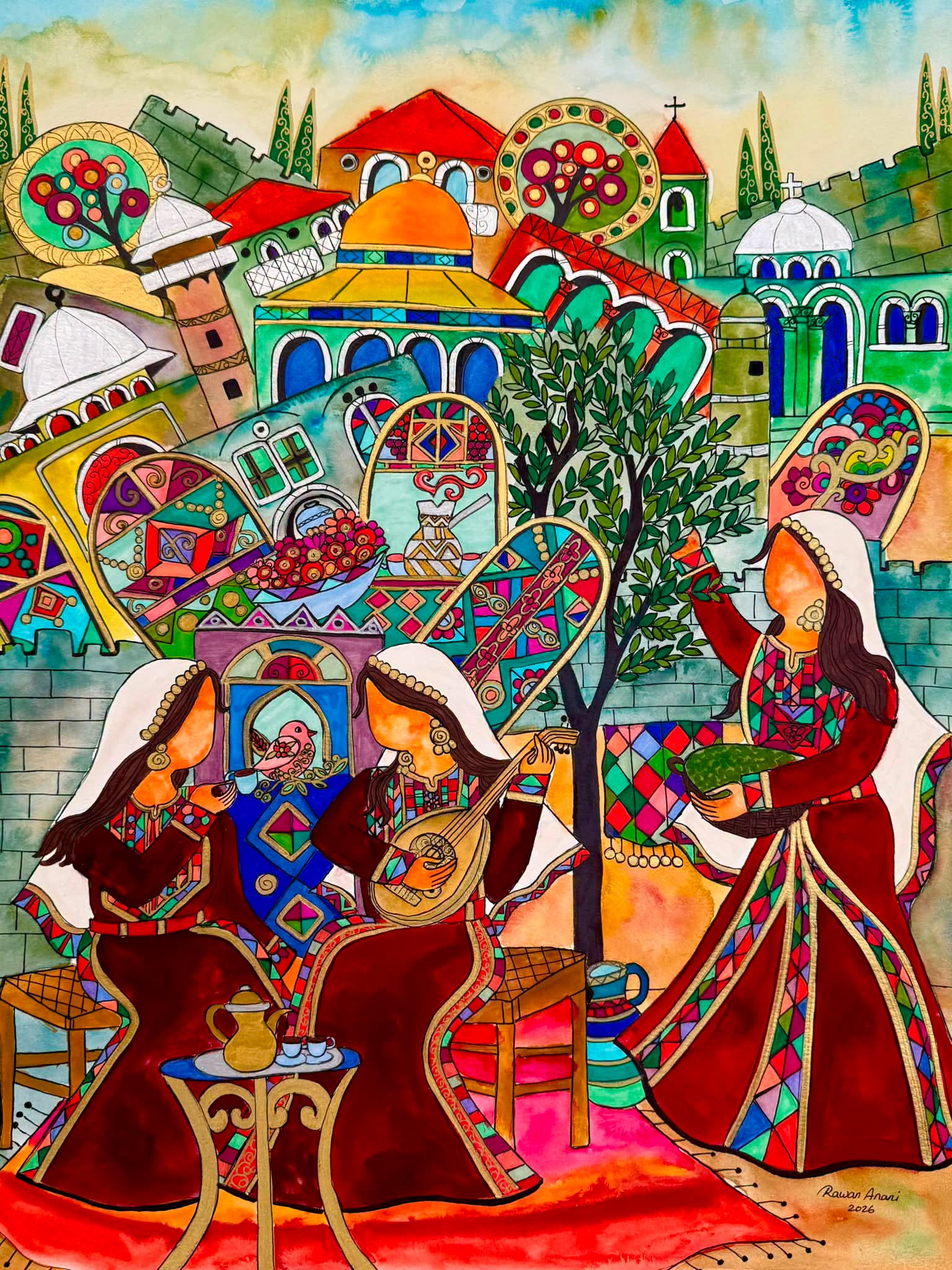
 Palestine in Color Dresses
 Khan al-Sultan Stands Proud in Jerusalem
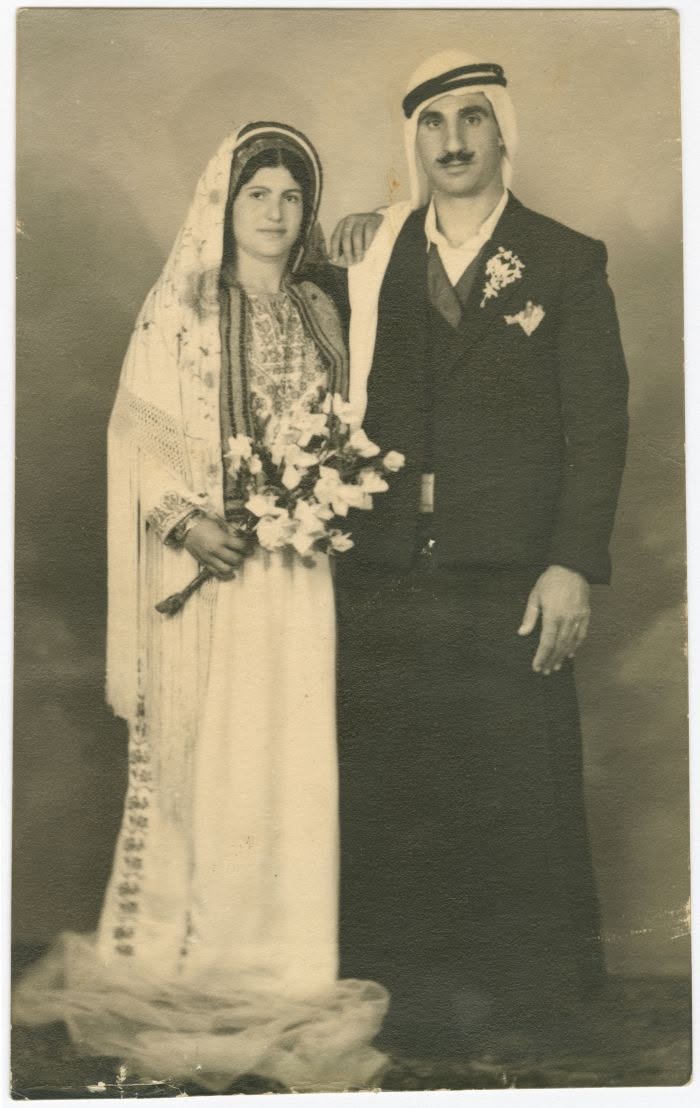
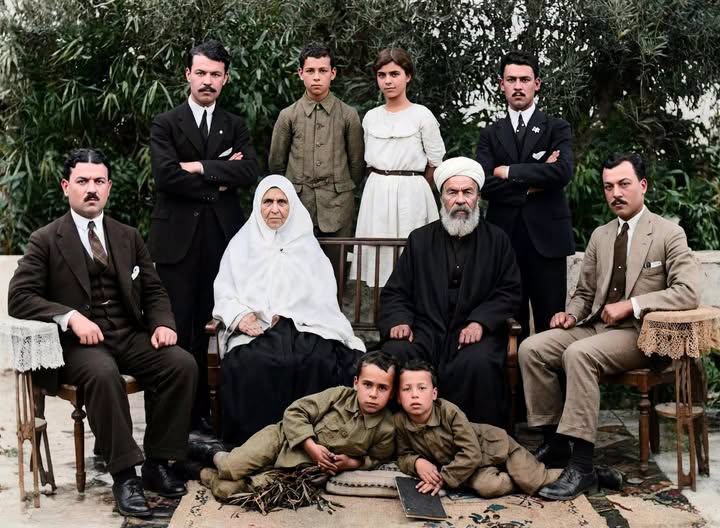
 Christian Wedding in Beit Jala 1940




 marwan
 Heba
Heba













 Saleem Ayoub Quna





































Spanish PM Sanchez Vows to Fight Trump on Gaza
 CrossFireArabia
- February 15, 2025
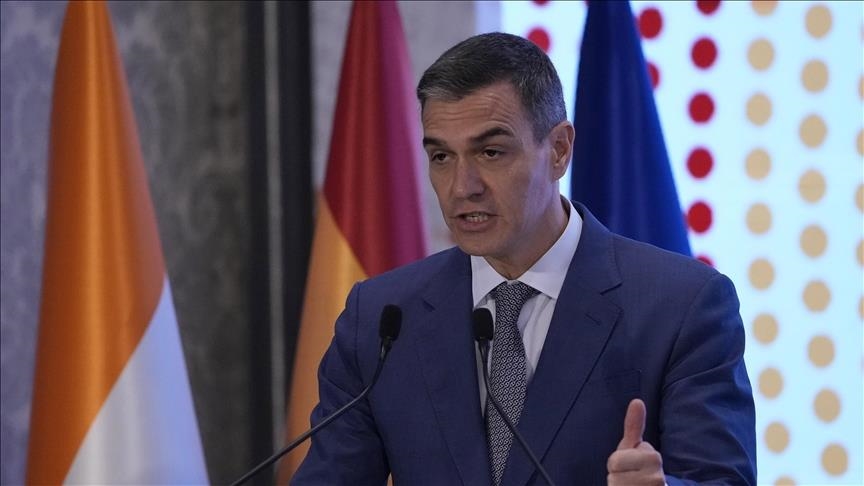
Spanish Prime Minister Pedro Sanchez vowed to fight against US President Donald Trump’s plan to displace Palestinians and turn Gaza into “the Riviera of the Middle East” at a rally on Saturday.
“No real estate operation can cover up the disgrace, the crimes against humanity… that we have seen in Gaza in recent years. We should not allow it. And from Spain, we will not allow it,” he said in the Basque Country.
Spain’s Socialist Party leader insisted instead on a two-state solution where Palestinians and Israelis live in “peace, harmony, and safety.”
Earlier this month, Trump said the US would ‘take over’ and ‘own’ Gaza, sending its entire population to neighboring countries to make room for luxury real estate development.
Spain’s Sanchez also rebuked US Vice President JD Vance’s recent comments in Munich, in which he called for European leaders to broaden their tolerance for far-right parties.
“What the international far-right wants is to destroy Europe from within,” said Sanchez, calling it a “Trojan horse.”
“Today we need more Europe than ever, not less,” he said, calling on Spain’s conservative Popular Party to break its pacts with Spain’s far-right party Vox.
Sanchez accused Spain’s right-wing groups of avoiding criticisms of the US while it slaps tariffs on European goods, both for countries like Spain and far-right-led nations like Hungary.
“They are tough against the weak but servile to the powerful. They don’t put country first; they put money first,” he added.
He described the far-right as a “multinational” made up of “neoliberals, billionaires, and the far-right” who want to privatize social welfare, roll back human rights, and disregard climate change.
“If we accept it, we normalize it, and our defeat begins… we need to raise our voice against this type of backsliding,” he added.
With the threat of further US tariffs on Europe, Spain’s prime minister said he is against trade wars and will fight for the interests of Spanish workers.
Sanchez also said Spain would stand up against “those who want to unilaterally break international law” and fight for multilateralism.
He said that when peace negotiations begin for Ukraine, “any future of Ukraine must pass through Ukrainian leadership. And any conversation about Europe’s security must be negotiated with Europeans.”
Besides leading Spain, Sanchez is also president of Socialist International, an organization that promotes democratic socialism globally according to Anadolu.
Palestinian Inmates Burn Star of David T-Shirts They Were Forced to Wear
- CrossFireArabia
- February 15, 2025
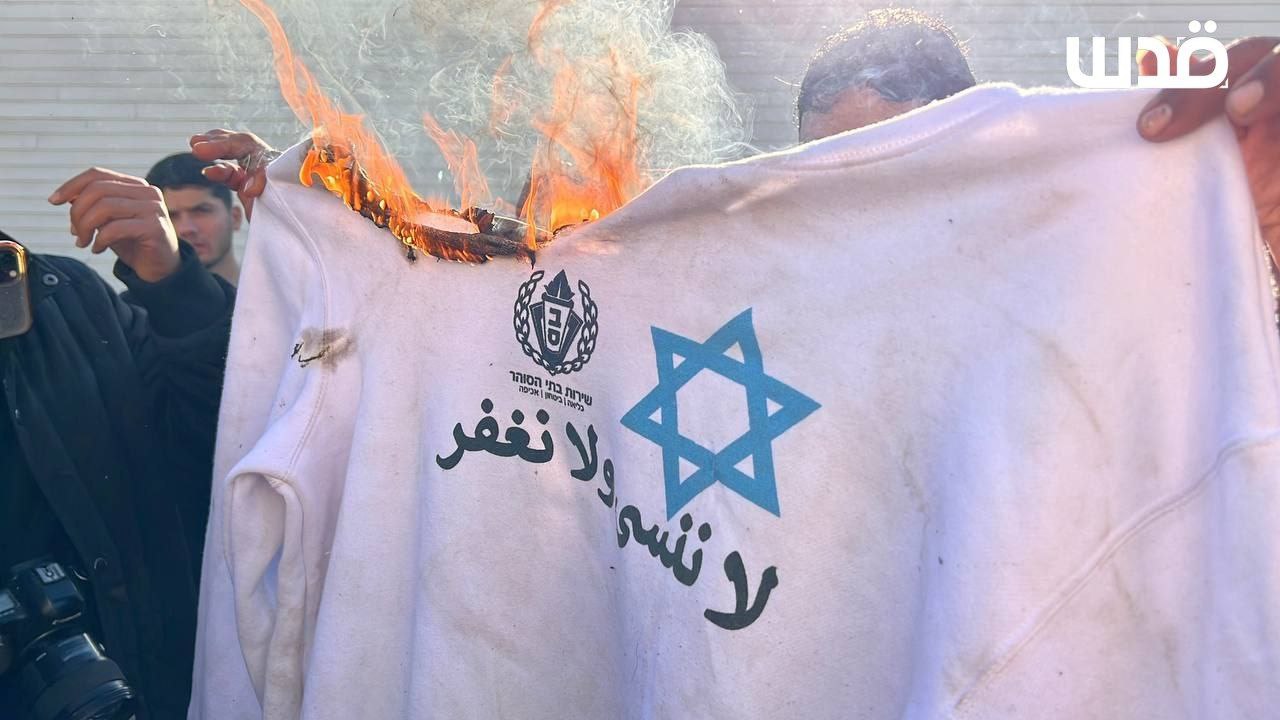
In pictures: Freed Palestinian detainees burn the uniforms marked with the Star of David and the slogan “We will not forgive, we will not forget” that Israel forced them to wear before being released today as part of the prisoner exchange deal.
This is the 6th batch of prisoners agreed to be released after the ceasefire deal reached between Hamas and Israel.

Freed at Last
- CrossFireArabia
- February 15, 2025
Gaza | Journalist Ahmed Shuqoura raises the victory sign after being freed from Israeli prisons as part of the exchange deal. He was detained by the Israeli occupation during the genocide war.

Israel Brands Palestinians Like Nazis Labelled Jews
- CrossFireArabia
- February 15, 2025
In previous batches, Israeli prison authorities forced released detainees to wear plastic hand bracelets inscribed with the biblical Psalm, “I pursued my enemies and overtook them!” which served as a blatant threat meant to haunt them even after their release. That same phrase was also displayed on a large banner outside Ofir Prison in the occupied West Bank, where Palestinian releases occur.
The humiliation escalated today as freed detainees were forced to wear shirts emblazoned with the Star of David alongside the Arabic declaration, “We do not forget, and we do not forgive.” This demeaning act has sparked fierce condemnation from Palestinians, who see it as a calculated attempt to strip them of dignity and impose a message of subjugation.

The forced branding of Palestinian detainees starkly echoes one of history’s darkest chapters. During the Holocaust, the Nazis compelled Jews to wear the yellow Star of David, known as the “Jewish Badge” or “Judenstern,” marking them for discrimination, persecution, and eventual extermination. This tool of dehumanization was designed to single out and marginalize an entire people.
The modern imposition of similar symbols and slogans on freed Palestinian detainees is not merely symbolic; it revives painful memories and reinforces an oppressive narrative, serving as a grim reminder that dehumanization is not confined to the past but persists today in Israel and among its officials.
Israeli media claim that the government was unaware of this behavior and did not condemn it. Instead, they assert that interim prison service chief Kobi Yaakobi, a former aide to the resigned National Security Minister Itamar Ben-Gvir, continues to uphold the inhumane treatment of Palestinian detainees, even after Ben-Gvir’s resignation following Netanyahu’s acceptance of the ongoing exchange deal.
Today, during the sixth batch of the prisoner exchange between Israel and the Gaza resistance, freed Palestinian detainees were subjected to a new level of humiliation.
In previous batches, Israeli prison authorities forced released detainees to wear plastic hand bracelets inscribed with the biblical Psalm, “I pursued my enemies and overtook them!” which served as a blatant threat meant to haunt them even after their release. That same phrase was also displayed on a large banner outside Ofir Prison in the occupied West Bank, where Palestinian releases occur.
The humiliation escalated today as freed detainees were forced to wear shirts emblazoned with the Star of David alongside the Arabic declaration, “We do not forget, and we do not forgive.” This demeaning act has sparked fierce condemnation from Palestinians, who see it as a calculated attempt to strip them of dignity and impose a message of subjugation.
The forced branding of Palestinian detainees starkly echoes one of history’s darkest chapters. During the Holocaust, the Nazis compelled Jews to wear the yellow Star of David, known as the “Jewish Badge” or “Judenstern,” marking them for discrimination, persecution, and eventual extermination. This tool of dehumanization was designed to single out and marginalize an entire people.
The modern imposition of similar symbols and slogans on freed Palestinian detainees is not merely symbolic; it revives painful memories and reinforces an oppressive narrative, serving as a grim reminder that dehumanization is not confined to the past but persists today in Israel and among its officials.
Israeli media claim that the government was unaware of this behavior and did not condemn it. Instead, they assert that interim prison service chief Kobi Yaakobi, a former aide to the resigned National Security Minister Itamar Ben-Gvir, continues to uphold the inhumane treatment of Palestinian detainees, even after Ben-Gvir’s resignation following Netanyahu’s acceptance of the ongoing exchange deal according to the Quds News Network.