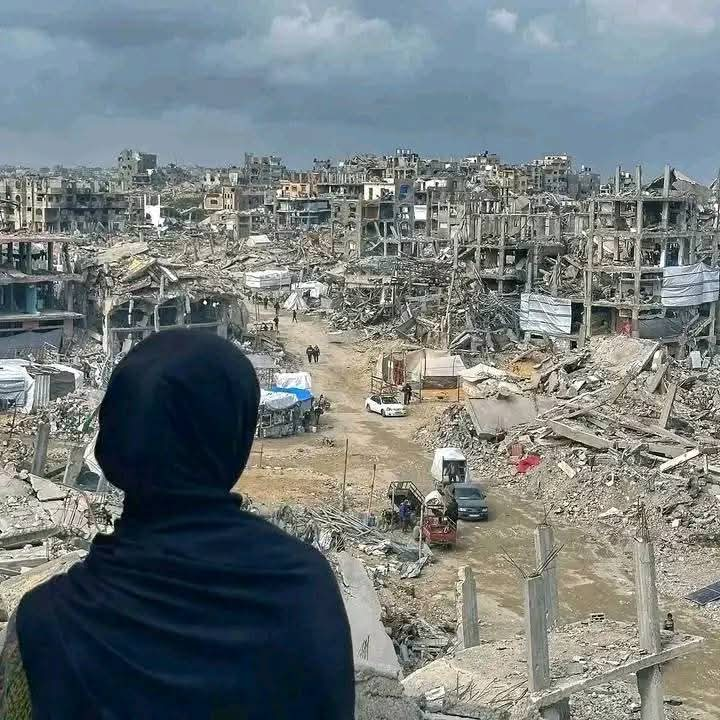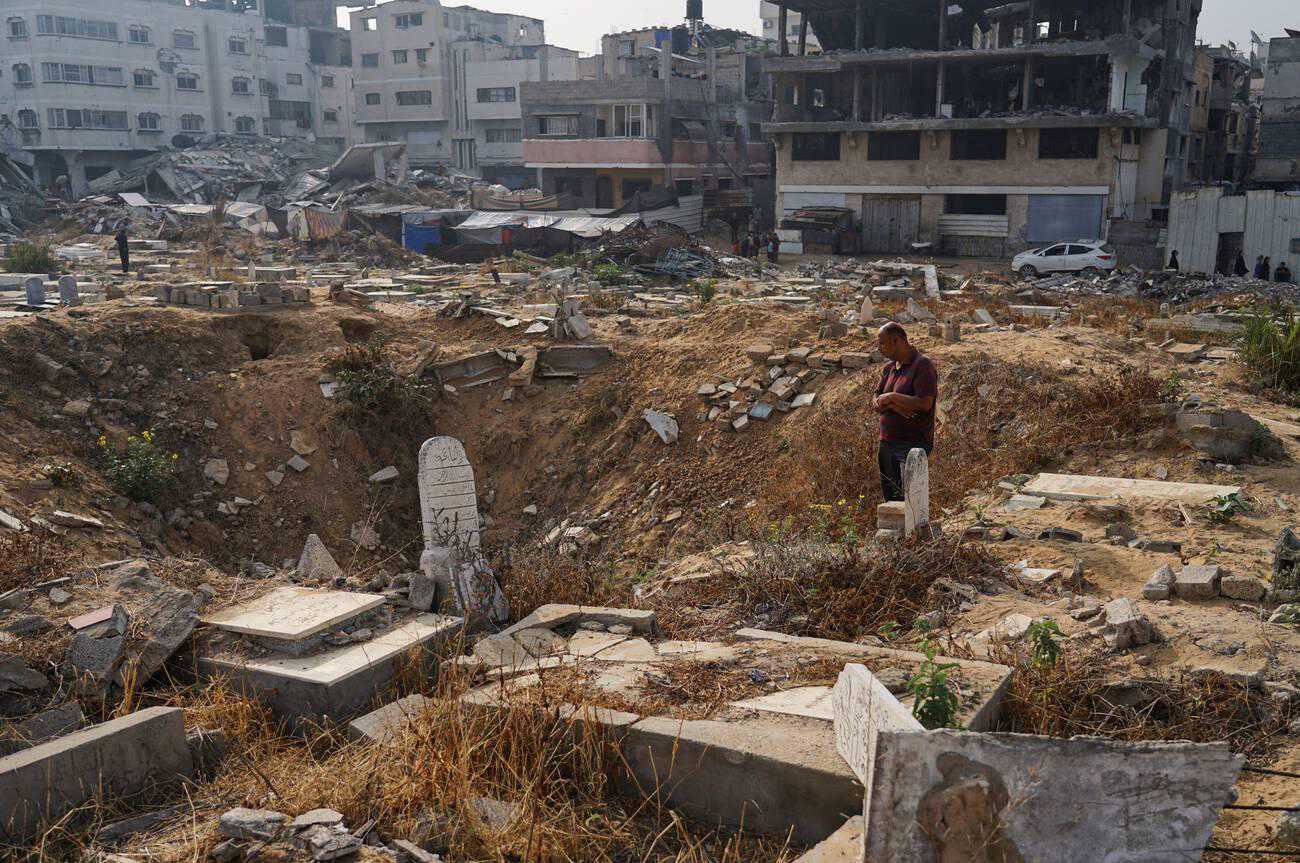
Anas Al Sharif Receives Another Award
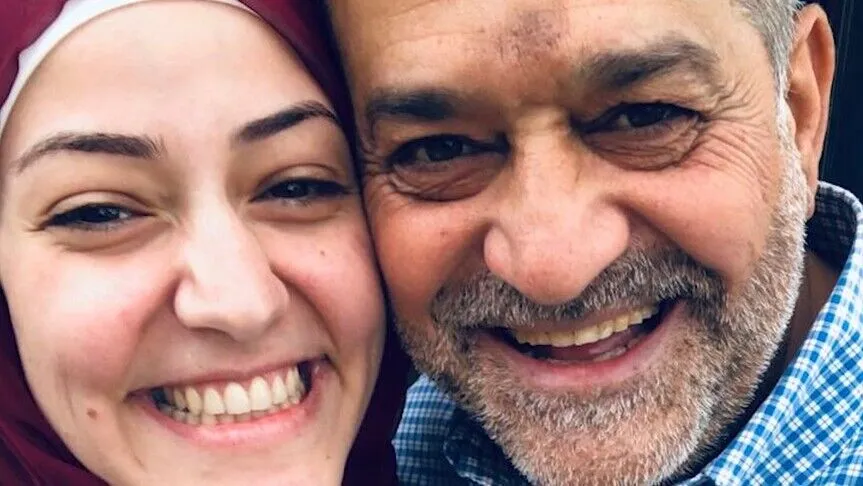
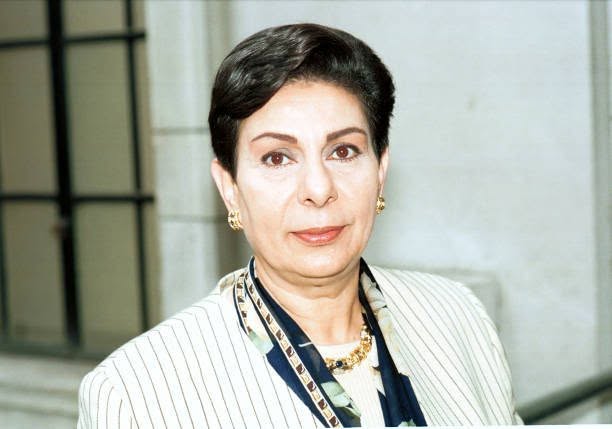
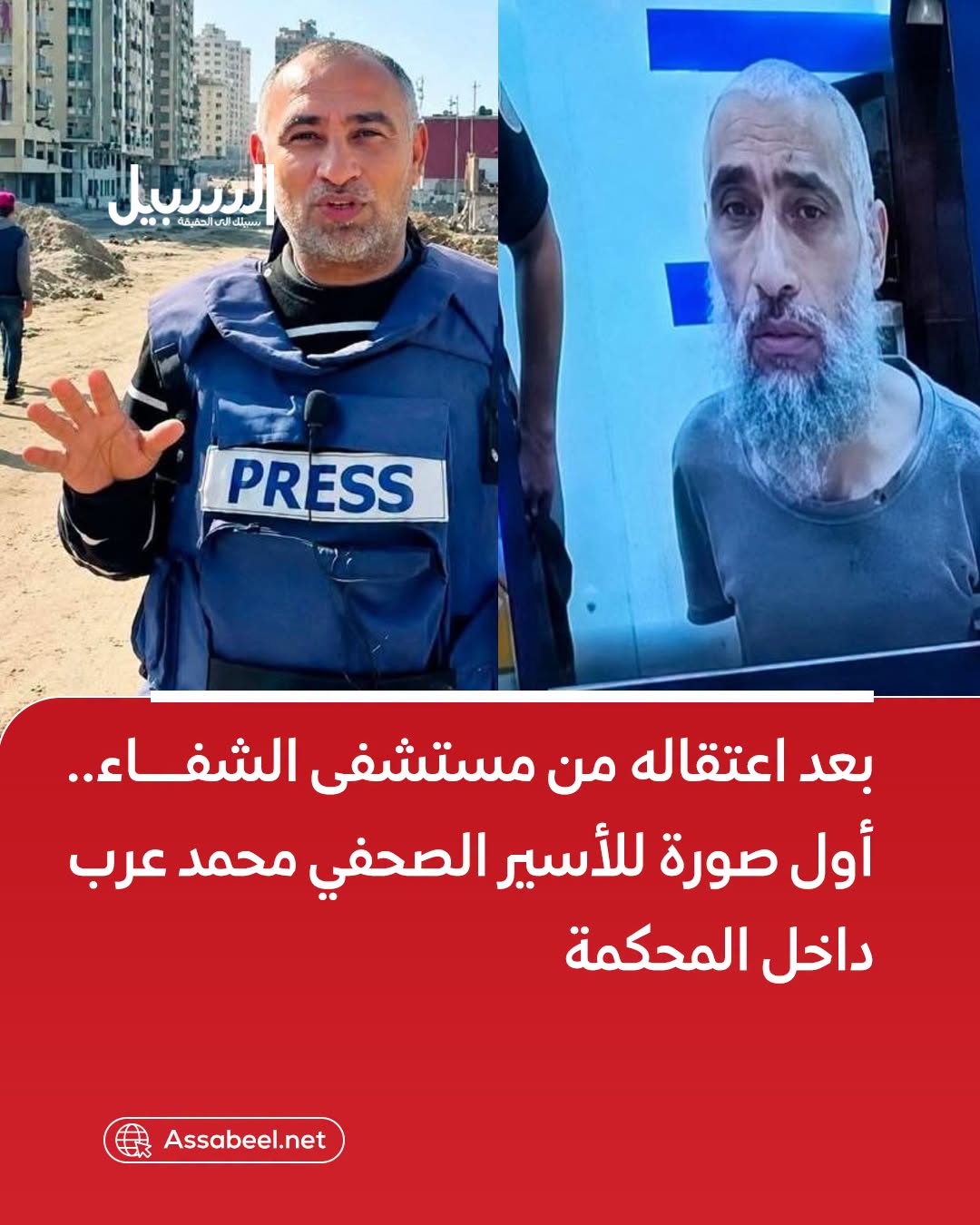
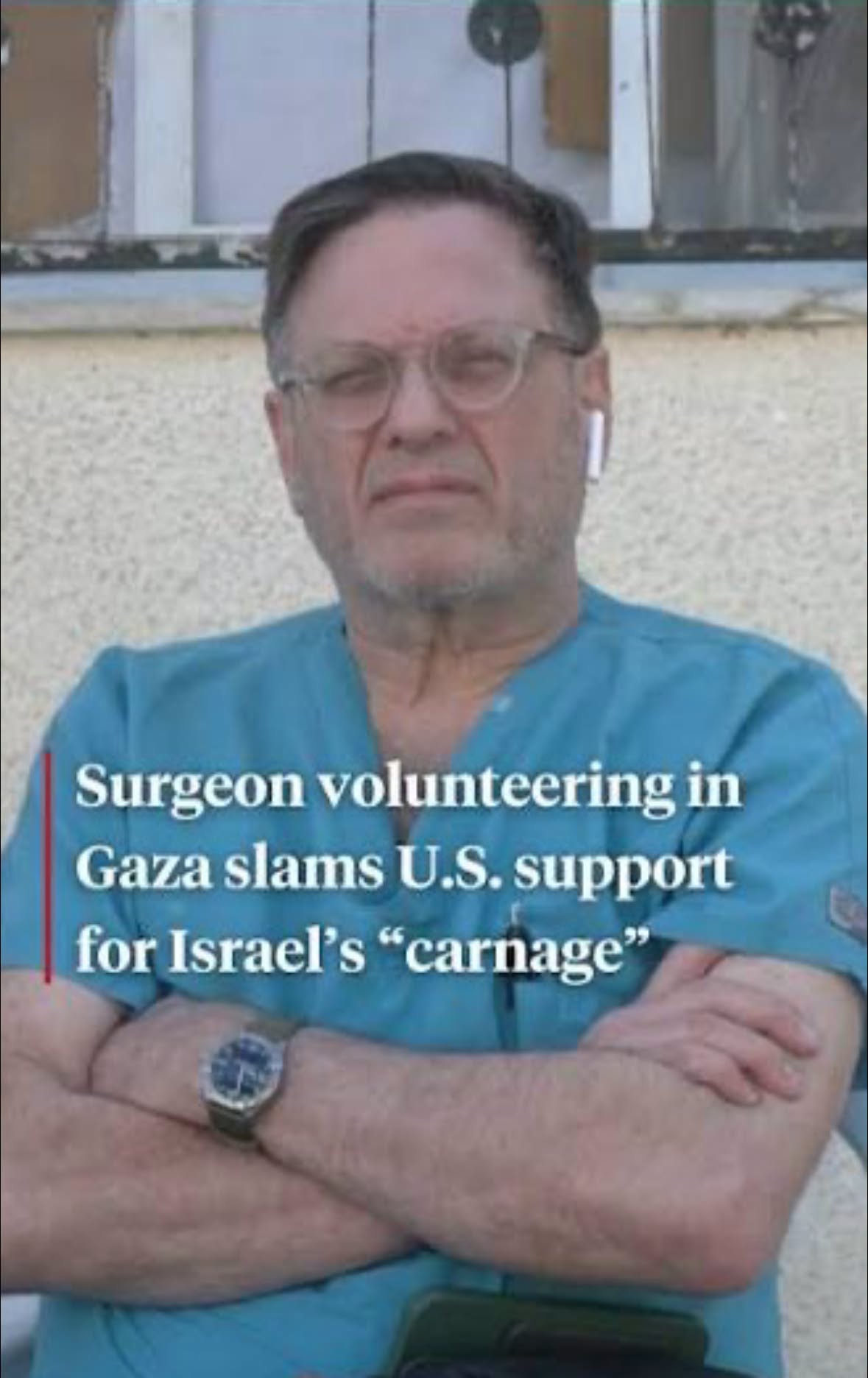
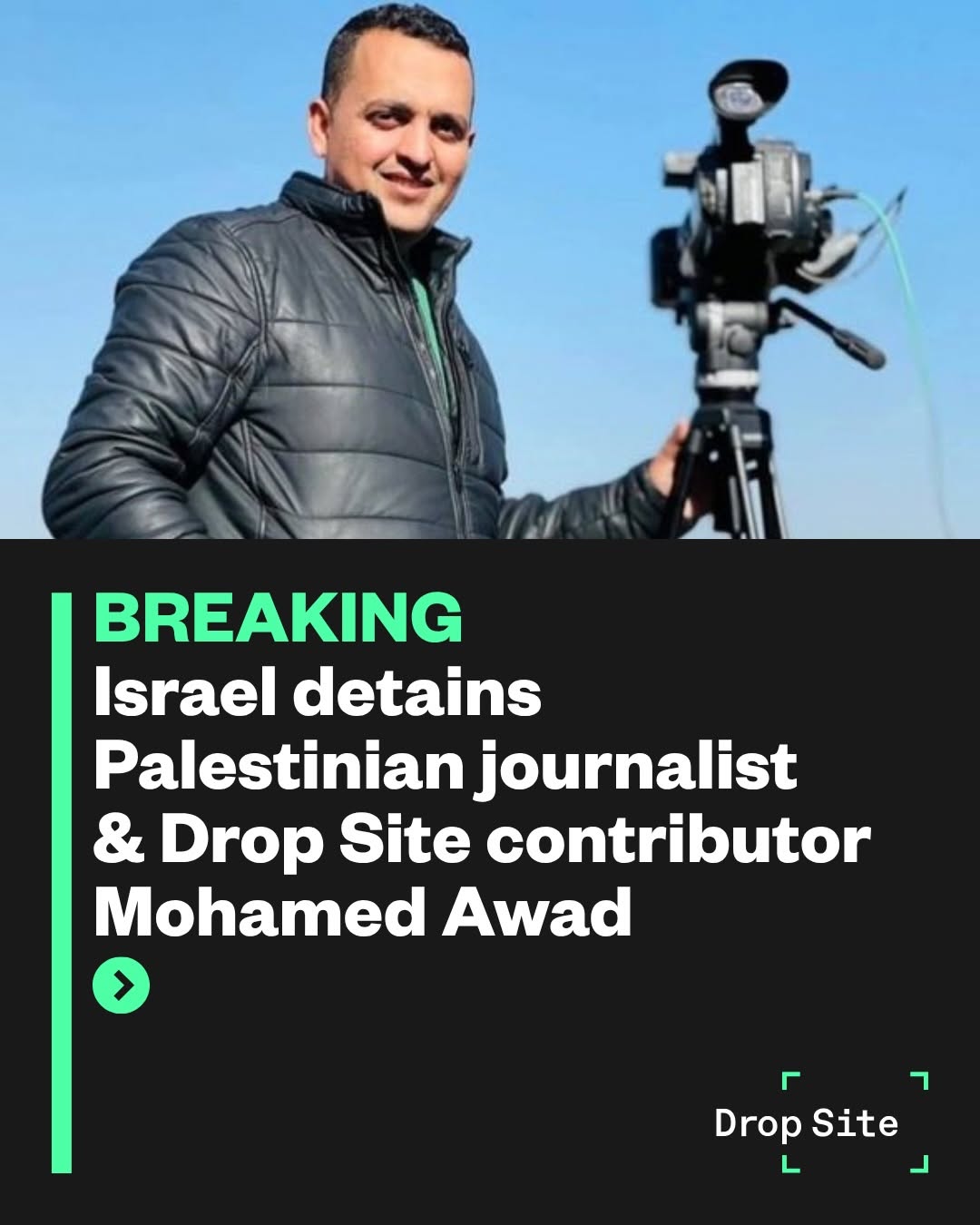
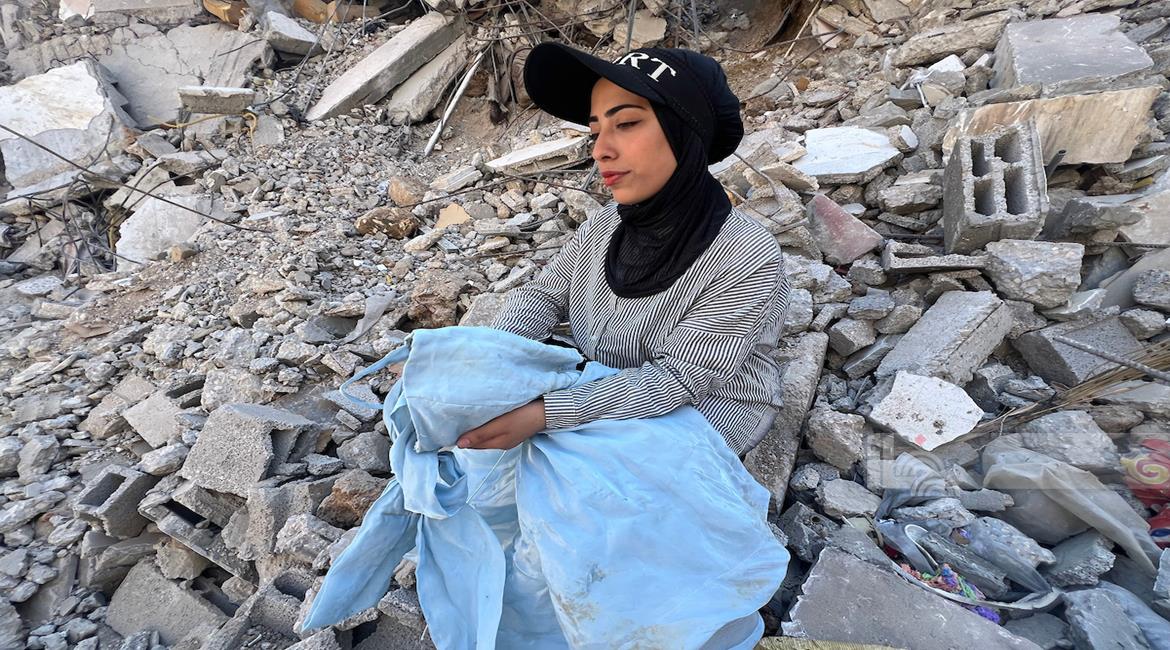
Amnesty International awards Al Jazeera reporter Anas al-Sharif the 2024 Human Rights Defender Award in recognition of his coverage of events in Gaza and his live reports on the suffering of civilians.
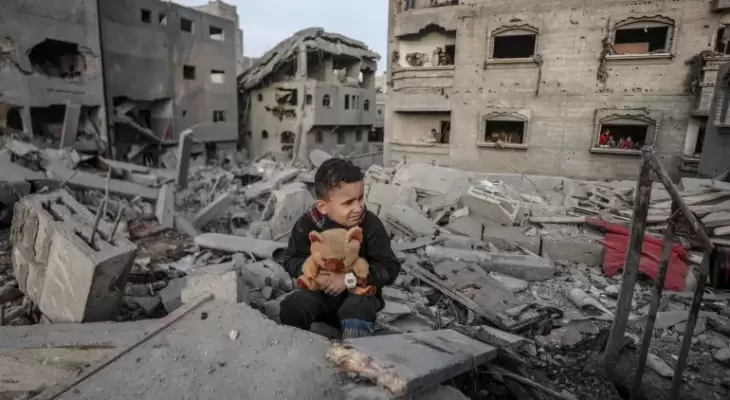
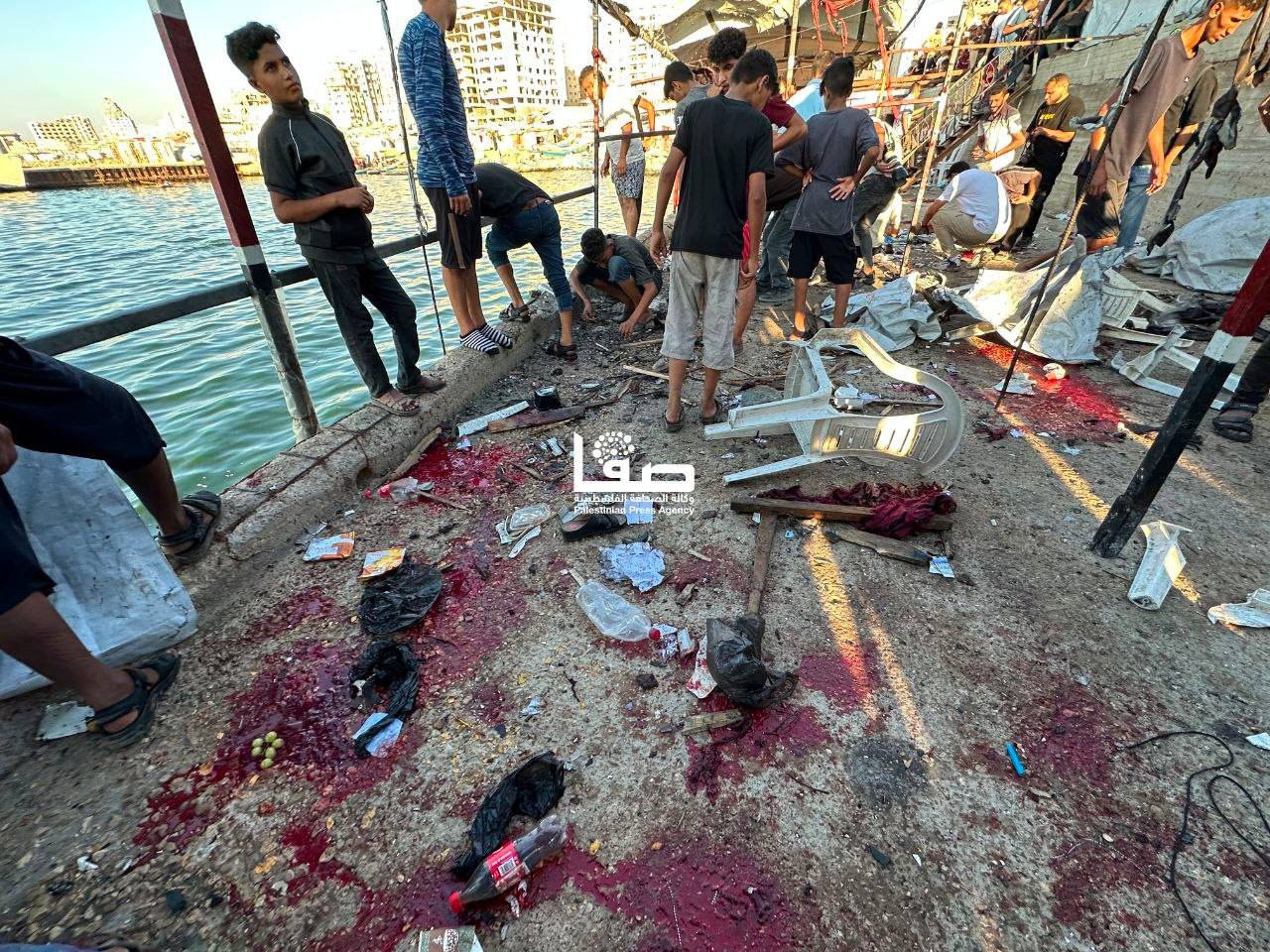
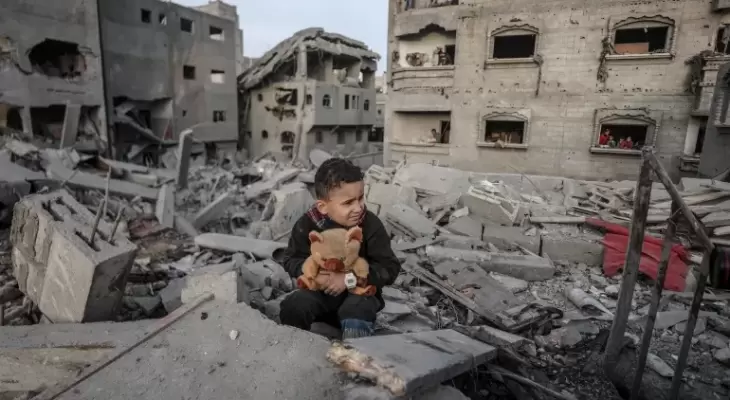
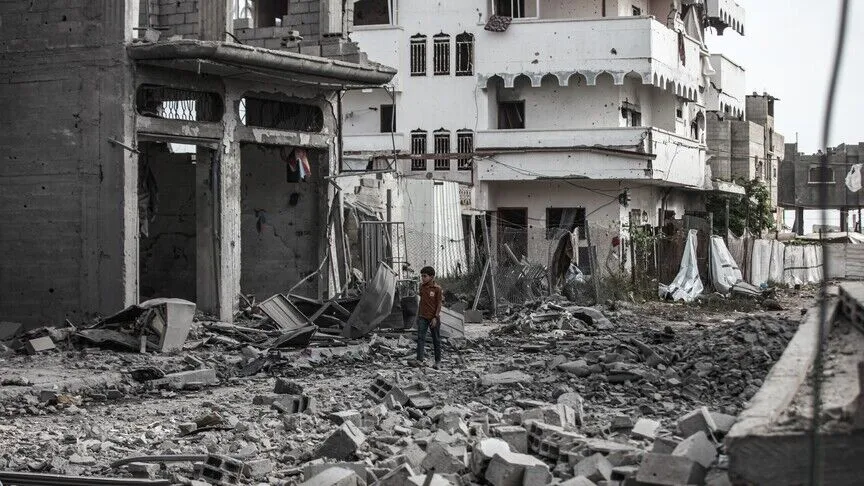
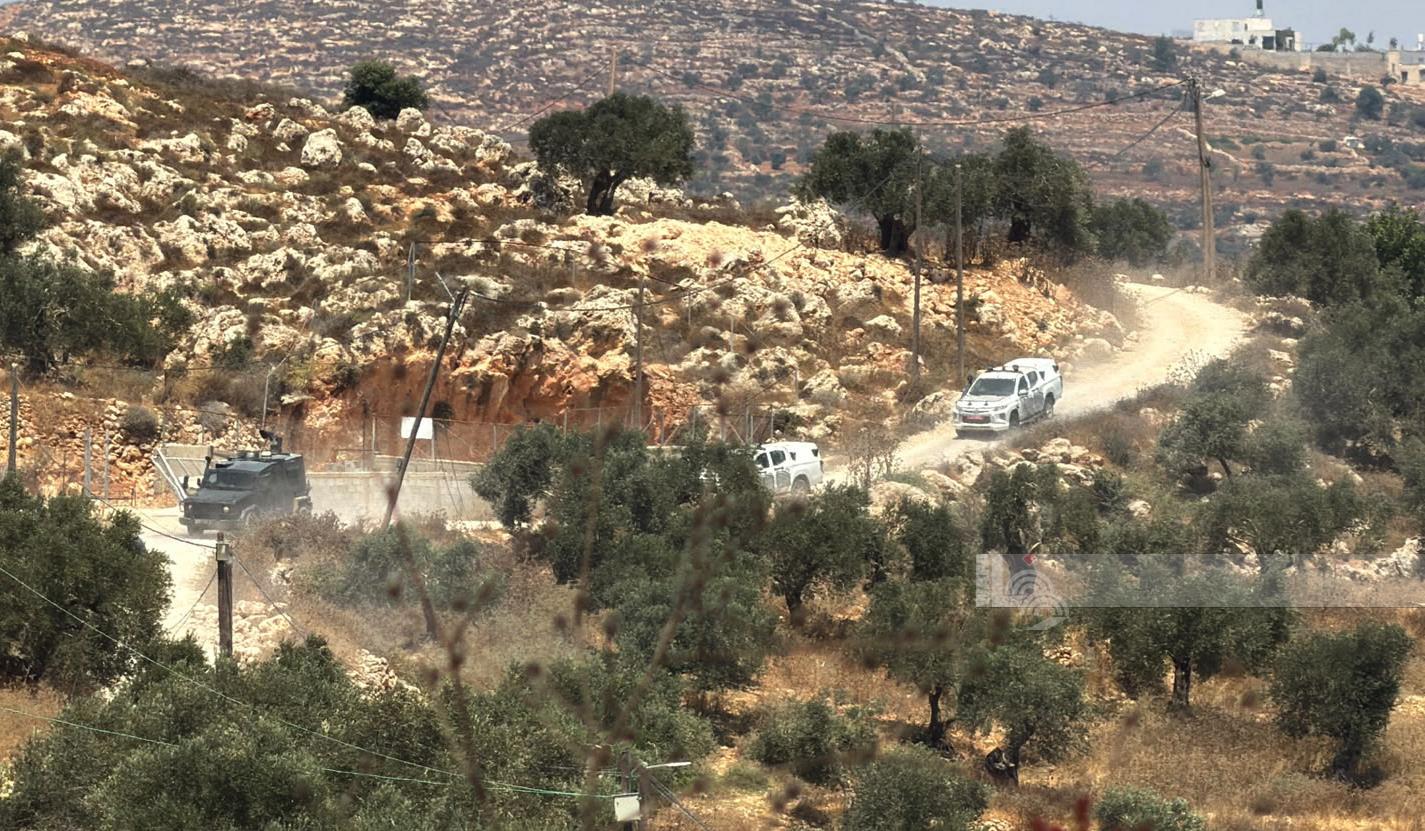
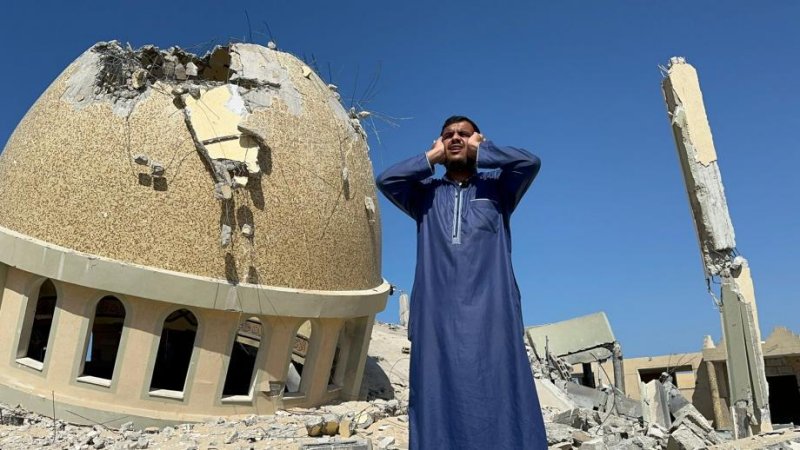
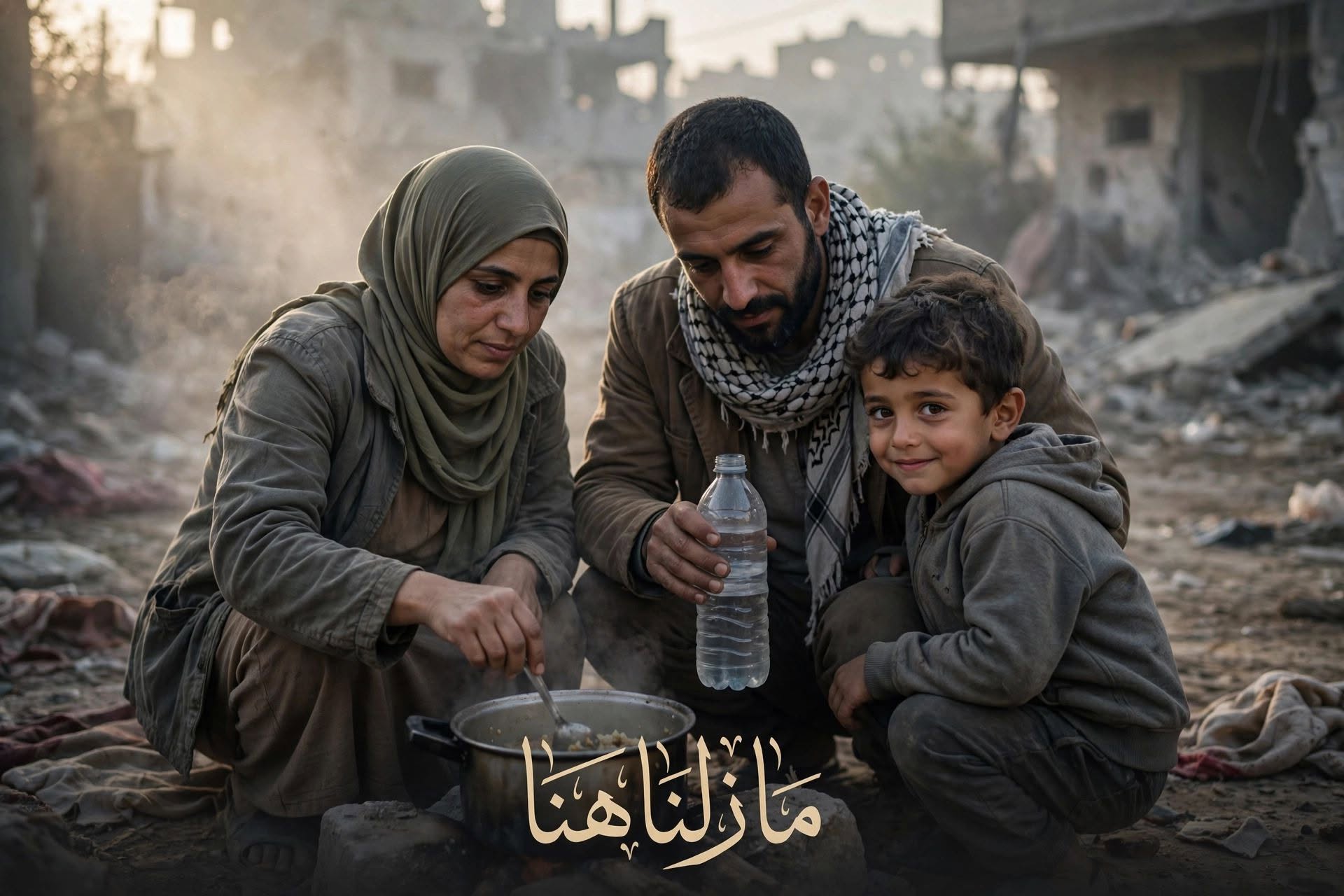
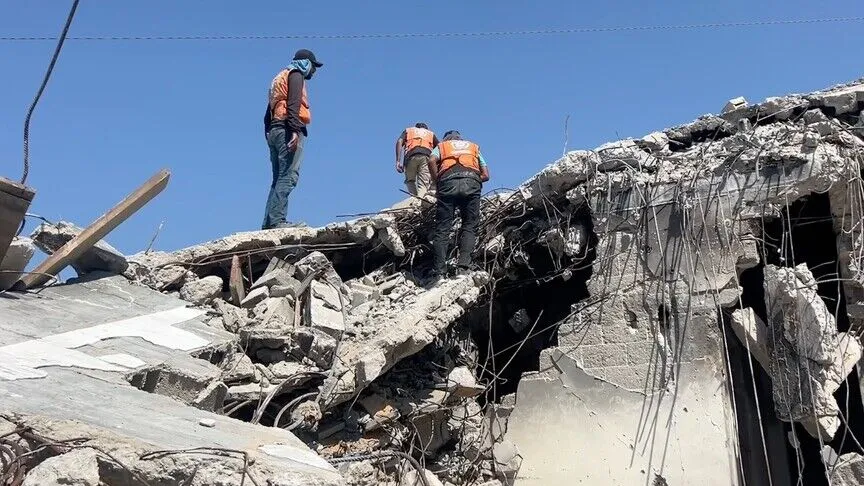
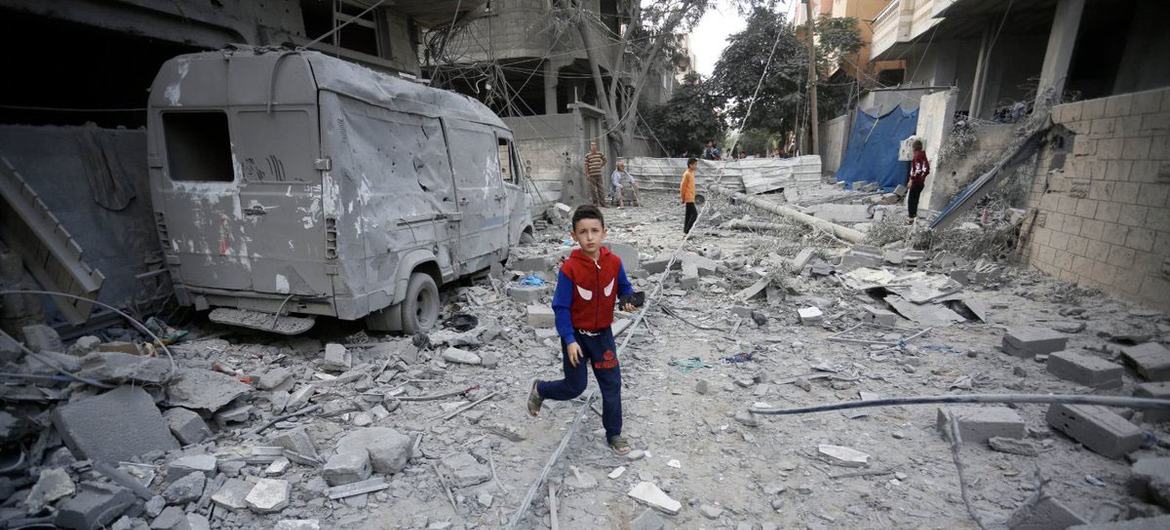
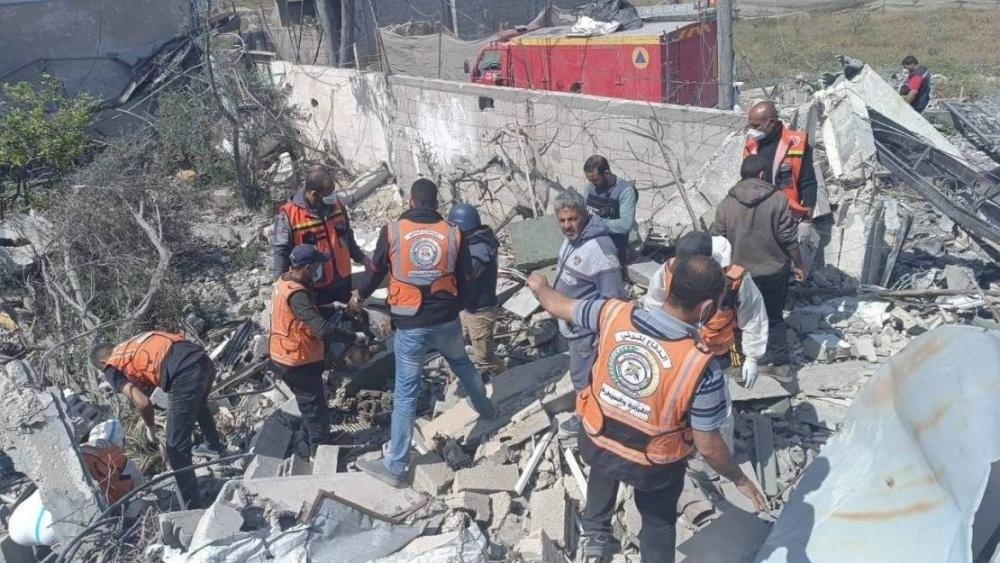
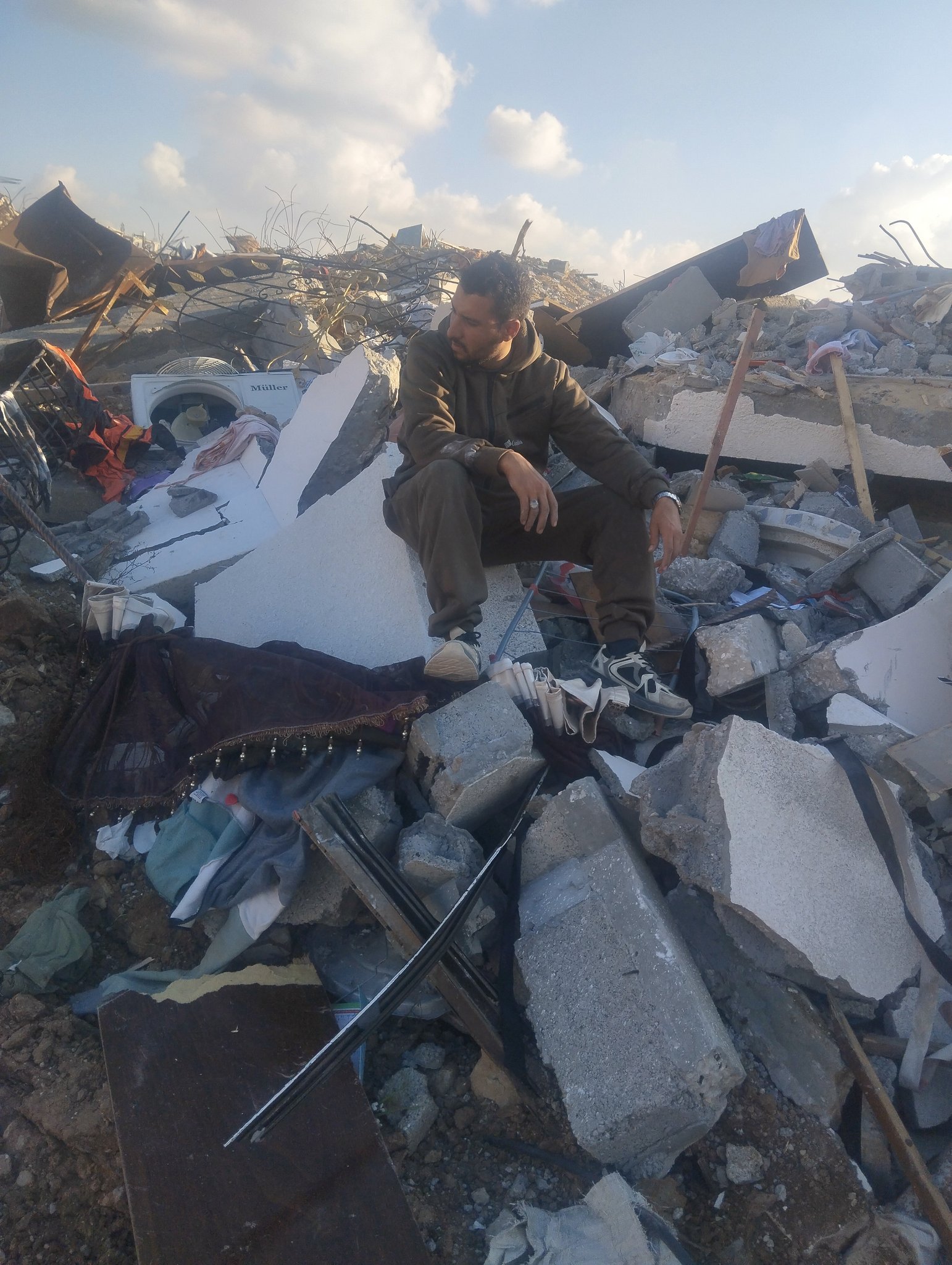
Israeli forces bomb the home of the Al-Juaidi family in Block 12 of the Al-Bureij refugee camp in the central Gaza Strip.
Daily Briefing by the Ministry of Health in Gaza on day 432 of the Israeli Genocide:
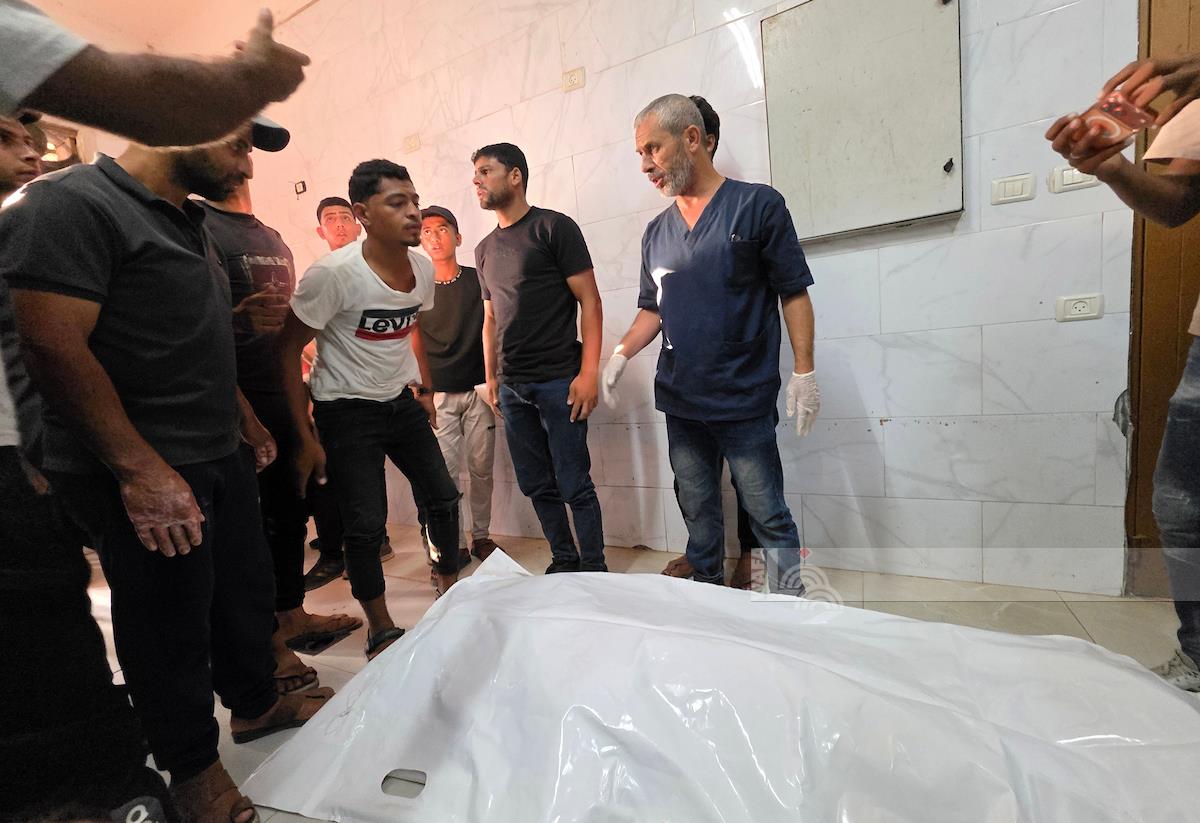
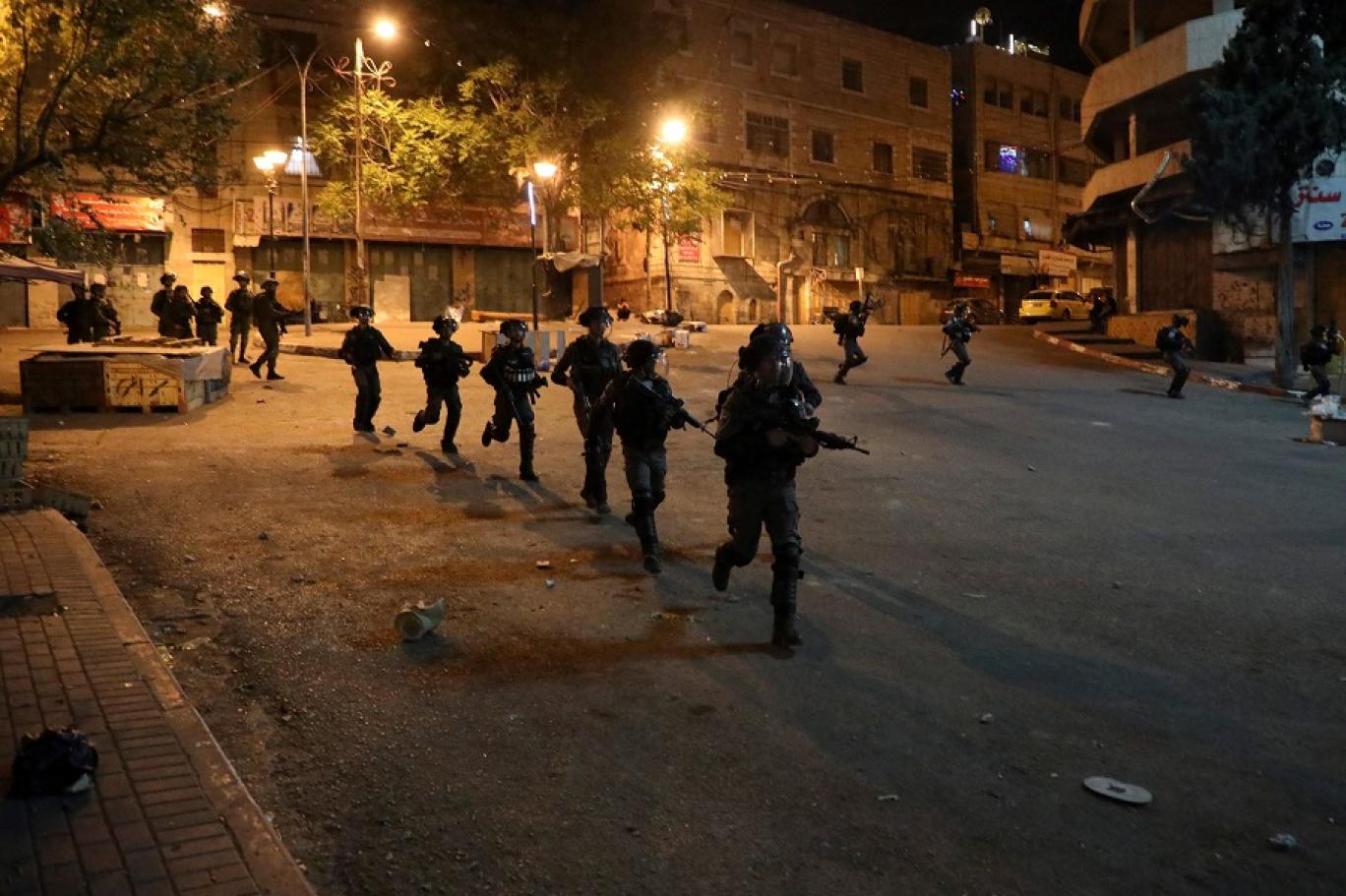
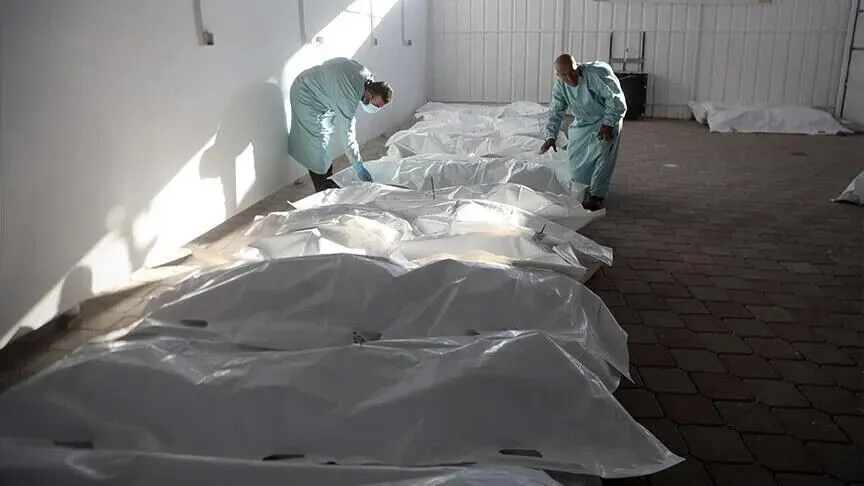
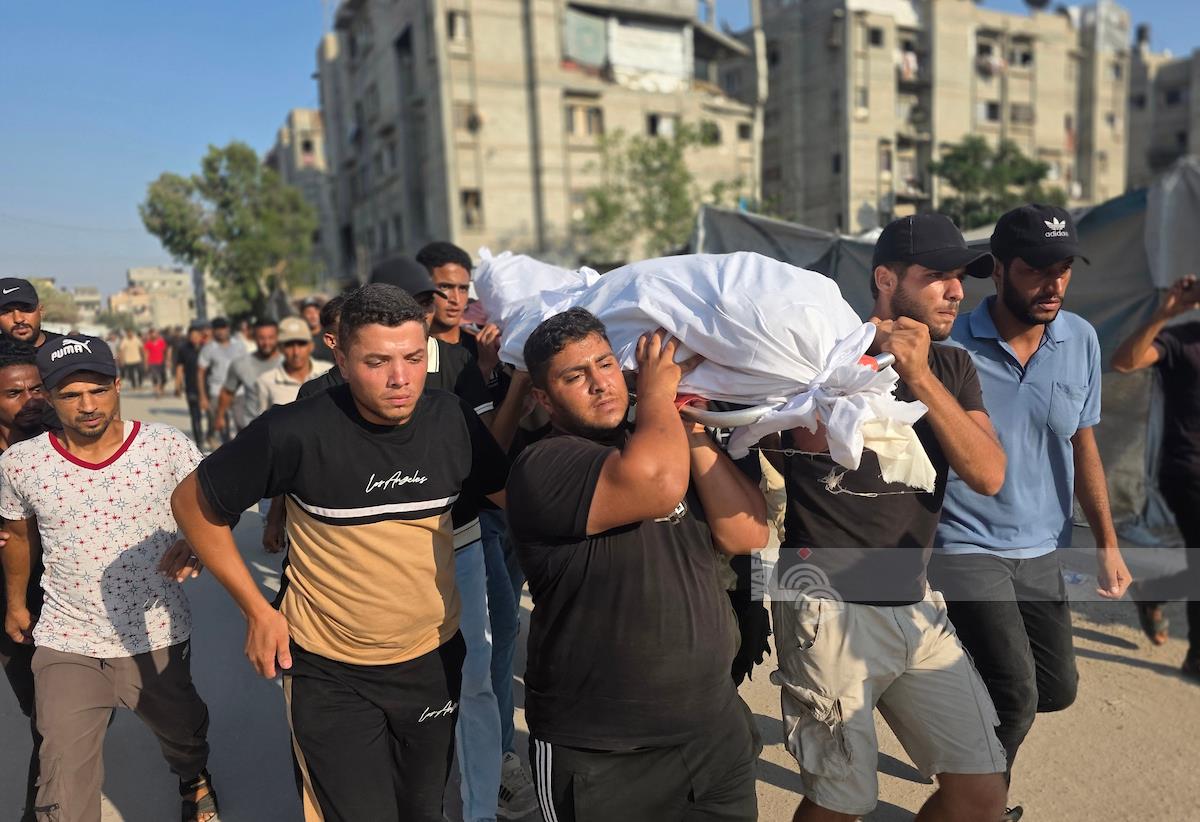
The Israeli occupation committed two massacres against families in the Gaza Strip over the previous 24 hours, resulting in 19 documented fatalities and 69 people injured.
The documented Palestinian death toll has now reached 44,805 individuals killed and 106,257 others injured since October 7, 2023.
Many victims are still unaccounted for, either buried under the rubble or scattered on the streets, and rescue and civil defense teams are unable to reach them.
Despite the weeks since she was attacked and bitten by an Israeli occupation dog, Umm Hassan continues to suffer from the physical and psychological pain of such a harrowing experience.
Umm Hassan has three children and lives in Khan Yunis, and her house was subjected to artillery shelling by the Israeli occupation army, which made it impossible to live in.
She recalls the details of her tragedy on 24 October, when the Israeli army launched a surprise attack on her residential area in the Al-Manara neighborhood of Khan Yunis.
She said: “Unbelievably and indescribably, we began to hear the sounds of tank tracks and quadcopters surround our homes which were packed with families at the time according to the Palestinian Center for Human Rights.
On that day, the occupation army began shelling these houses with artillery shells and warplanes, including the Al-Farra family’s house next to Umm Hassan’s home, where 13 people were killed, most of them children.
She continued: The occupation bombed the second floor of our house, we were about 20 laying on the ground floor with my children, husband, my brothers and my husband’s family.
We were besieged in the house, and due to the intensity of the continuous artillery shelling, we hid in the bathroom, and remained there till late evening.
But suddenly, the occupation forces brought in a dog equipped with a camera to search the house. It stopped in front of us and headed towards us, and then bit my 17-year-old sister who is married and pregnant.
Soon after that the dog came at me and bit me in the thigh causing deep wounds and severe bleeding. I was already nine months pregnant.
Umm Hassan’s husband tried to shoo the dog away but the animal wouldn’t let go, amid the screams of her terrified young children.
“Then the dog dragged me 15 meters from the bathroom whilst holding my feet tightly. I felt the flesh come out. My feet started to bleed profusely as the whole family in the house looked on in terror. The dog held my feet tightly for about 10 minutes and no one was able to pull its jaw off…
Soon we heard the sound of many soldiers ascending the stairs of the house whilst three of them came to pull the dog’s jaw out. But they could not do that until the fourth soldier, who was in charge, came and pulled the jaw out forcefully.”
Horrific
Her foot was mutliated. The wound was so deep, going all up to her thigh with an eight-centimeter-gash abd 12 centimeters long, the doctors later told her.
“The sight was horrific. I felt as if my feet were going to be cut off due to the severity of the wound. It seemed like the dog was chewing on flesh from my thigh. The floor was drenshed in blood. I was screaming in pain, and I felt I might lose my unborn child.
The soldiers occupied the house and took full control, climbing the roof in large numbers whilst shooting randomly in all directions with the artillery shelling continuing non-stop from the moment they stormed in until they left, seven hours later.
Umm Hassan said there was a total siege of the area: “We did not know the fate of the neighboring families, whether they made it alive or killed.
She said the Israeli soldiers isolated the men in a room and put the women and children who were in great distress, shouting and screaming, in another.
I was in pain and bleeding, and I slowly began to lose consciousness. The officer came again and told me if I spoke about what happened to anyone that the soldiers were the ones who released the dog on me, they would come and torture me, and kill my children and my entire family, threatening to get to me wherever I maybe, I thought they were going to kill me.
However at 2:30 am, the occupation forces withdrew from the house. They arrested Umm Hassan’s husband with a young man from the Al-Farra family, and left under artillery shelling that continued incessantly.
The children began to cry and scream again for their father. Their mother did not know anything about her husband until 7 am in the morning when they began to hear the sounds of ambulances. They learned then the army withdrew from the neighborhood, so family went to the Nasser Hospital.
While I was leaving, I was surprised at the large number of martyrs, including children, women and elderly people on the ground, with neighbors pulling out their martyrs, with pproximately 35 dead from the Abu Abdeen, Awida and Al-Farra families.
In hospital, the doctors were shocked by the severity of her wound, says Umm Hassan, and worried about her pregnancy.
After examining me, they told me I had high blood pressure and I was in the stage of preeclampsia due to the severe bleeding and the dog bite. The doctors told me the wound was very deep and needed urgent surgery to save my foot. Initially they were unable to treat the wound properly due to the lack of medicines, disinfectants, gauze and sterilizers and transferred me to the Mubarak Hospital on 28 October, 2024; their the doctors decided to perform an urgent caesarean section.
I entered the operating room at 9 am, and I waited for a doctor until 6:30 pm, the place was in a pitiful state and no suitable bed for delivery and after the caesarean section, I unfortunately lost the baby.
Three hours later, the doctors told her that she needed an urgent operation for the wound in her foot. Due to the lack of hospital resources, the operation was performed in the same operating room where she gave birth in.
An hour after the operation, Umm Hassan was transferred to intensive care at the Nasser Hospital, where she stayed there for a week. On 4 November, 2024, the occupation released her husband after 10 days, and told them he was taken to the border area with Egypt in Rafah where he was interrogated.
I still suffer from very difficult psychological conditions, and I become hysterical because of the threats I received from the officer and the physical pain I went through. I cannot forget the horror I experienced and my children were exposed to, especially my daughter Sham, who still suffers from extreme fear and involuntary urination due to the psychological trauma she was exposed to. I am still unable to walk or move normally, and I need to change the bandages twice a day so that the wound wouldn’t get infected.
Her husband’s arrest was not his first. On 13 November, 2023, Umm Hassan says the Israeli occupation army arrested him with workers in Qalqilya, and transferred him to Anatot prison, but he was released and returned to them safely after five days through the Kerem Shalom crossing.
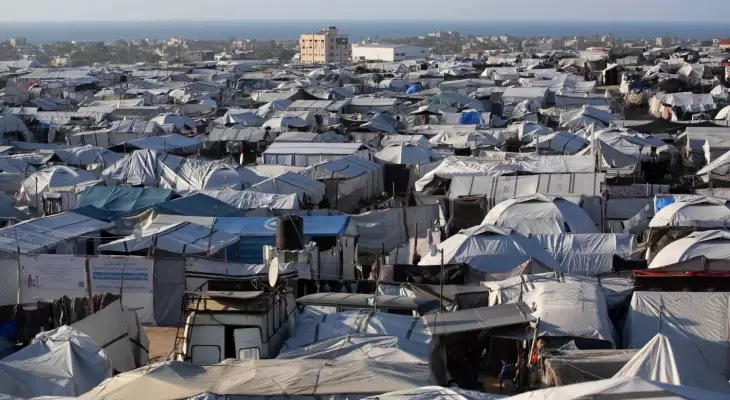
Before this incident, Umm Hassan suffered from repeated displacement from her home in Khan Yunis to Rafah and back to Mawasi, where they experienced hunger, cold and the heat of tents before returning to their home to find themselves facing new sufferings and a life of hardship.
During the rule of the collapsed Baath regime in Syria, thousands were subjected to torture in dozens of centers beyond Sednaya prison.
Since the uprising began in March 2011, the fallen Baath regime reportedly tortured and killed thousands. However, it is feared that the undocumented numbers reach tens of thousands.
According to the Syrian Network for Human Rights (SNHR), regime forces detained at least 1.2 million Syrians during the civil war and subjected them to various torture methods.
Although the regime announced over 20 so-called amnesty decisions during the war, international human rights organizations state that the regime continued detaining Syrians.
Numerous reports from international organizations emphasize that detainees were killed through torture.
Anadolu compiled details of torture centers and methods under the collapsed Baath regime, which ruled Syria for 61 years.
According to an exclusive SNHR report for Anadolu, the regime’s torture centers were categorized as civilian prisons, military prisons, secret unofficial detention centers, and security unit interrogation centers.
There were more than 50 such centers across almost all provinces in the country.
Prisons under Interior Ministry
In cities taken over by groups that toppled the Baath regime, their first action was to rescue detainees, most of whom were opposition members.
Prisoners were freed from major prisons, including Aleppo Central Prison, Hama Central Prison, Adra Central Prison in Damascus, Homs Central Prison, and Suwayda Central Prison.
Prisoners in the central prisons of Tartus and Latakia, however, are still awaiting release.
Centers of crime
Tens of thousands of people were tortured for years in military prisons under the Defense Ministry.
Among these, Sednaya, Mezzeh, and Qaboun in Damascus, and Al-Balloon and Tadmur in Homs, stood out as centers of severe torture. Many detainees held there were never heard from again.
After armed groups brought down the regime, prisoners in Mezzeh and Kabun were also freed.
Mezzeh prison, located at the military airport in Damascus’s Mezze district, was managed by military intelligence units under the Defense Ministry.
Secret and unofficial detention centers
There were also centers where the regime detained its opponents, but these centers were practically secret.
According to SNHR and other human rights organizations, the purpose of establishing these secret detention centers was to carry out even more severe torture. Those who ended up in these torture dens had no chance of survival.
These facilities operated under the Fourth Division, commanded by Assad’s brother, Maher Assad.
In early 2012, the regime also turned houses, villas, and stadiums into detention centers. One such facility was Deir Shmeil Camp in northwestern Hama.
Detention, torture centers
Security units tied to the regime also played an active role in operating interrogation and detention centers.
The security apparatus consisted of four main intelligence services: the Military Intelligence Service (known as “military security”), the Political Security Service, the General Intelligence Directorate (known as “state security”), and the Air Intelligence Directorate.
The Military Intelligence Service, with the largest network in the country, had at least 20 branches.
The Political Security Service maintained branches in most provinces, while the General Intelligence Directorate operated six main headquarters in Damascus.
The Air Intelligence Directorate ranked second in detentions after the Military Intelligence Service. With branches in nearly every province, the directorate was particularly active in areas with military airports.
These units were placed under the Syrian National Security Bureau, established in 2012. The Military Intelligence Service, under the Defense Ministry, functioned as the primary body responsible for detentions.
Those detained in these branches were typically transferred to main centers in Damascus after several days, where they could be held for years.
Across the country, security units operated more than 45 detention branches, with 18 of them located in Damascus.
Regime used 72 different torture methods
According to the SNHR report, the Baath regime employed 72 torture methods involving physical, psychological, and sexual violence.
The regime also subjected detainees to forced labor and solitary confinement, violating basic human rights.
Physical torture included pouring boiling water on victims’ bodies, simulating drowning by submerging heads in water, electrocuting individuals with electric batons, and placing them naked on electrified metal chairs. Other inhumane practices involved melting plastic bags onto bodies, extinguishing cigarettes on skin, and burning fingers, hair, and ears with lighters.
The regime also used brutal methods such as pulling out fingernails with pliers, tearing out hair, amputating body parts—including ears and genitalia—with sharp tools, and driving nails into sensitive areas like hands, tongues, and noses.
Spotlight on Sednaya prison
Sednaya prison, where tens of thousands are believed to be held, has the worst reputation of all.
After protests in March 2011, Sednaya became a center of torture, holding tens of thousands of political detainees.
Following the collapse of the 61-year-old Baath regime on 8 December, 2024, attention turned to the situation of prisoners in Sednaya.
Some detainees reportedly appeared on security cameras but could not be found in accessible areas, raising the possibility that they may be in secret compartments underground.
As teams continue to dig tunnels and break down walls, Syrians who have not heard from loved ones for years are flocking to the prison, searching for traces of their relatives.