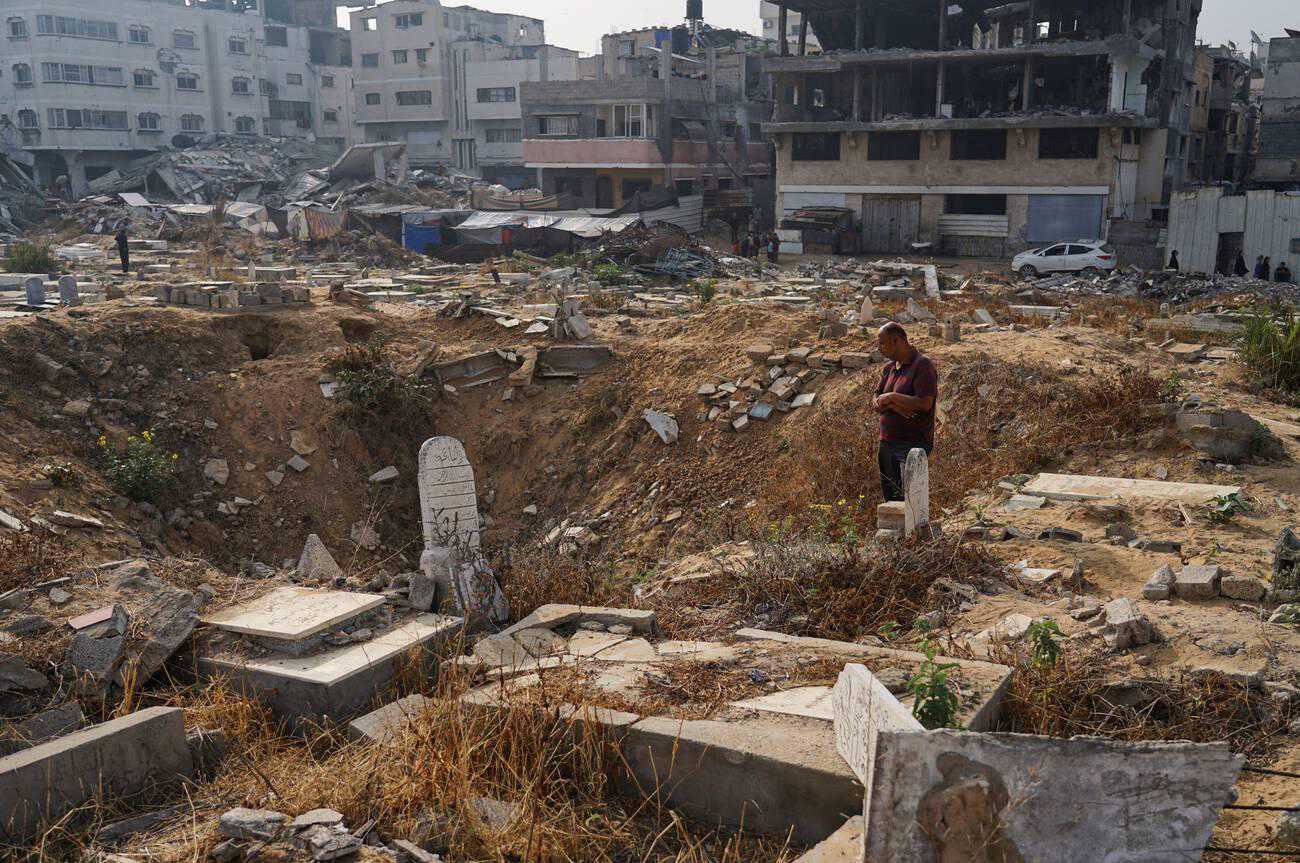
Israeli Airstrikes on Gaza Residential Block Kill 33 People
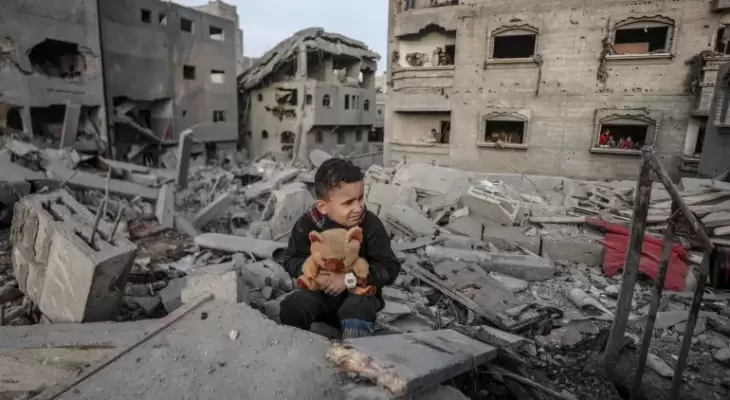
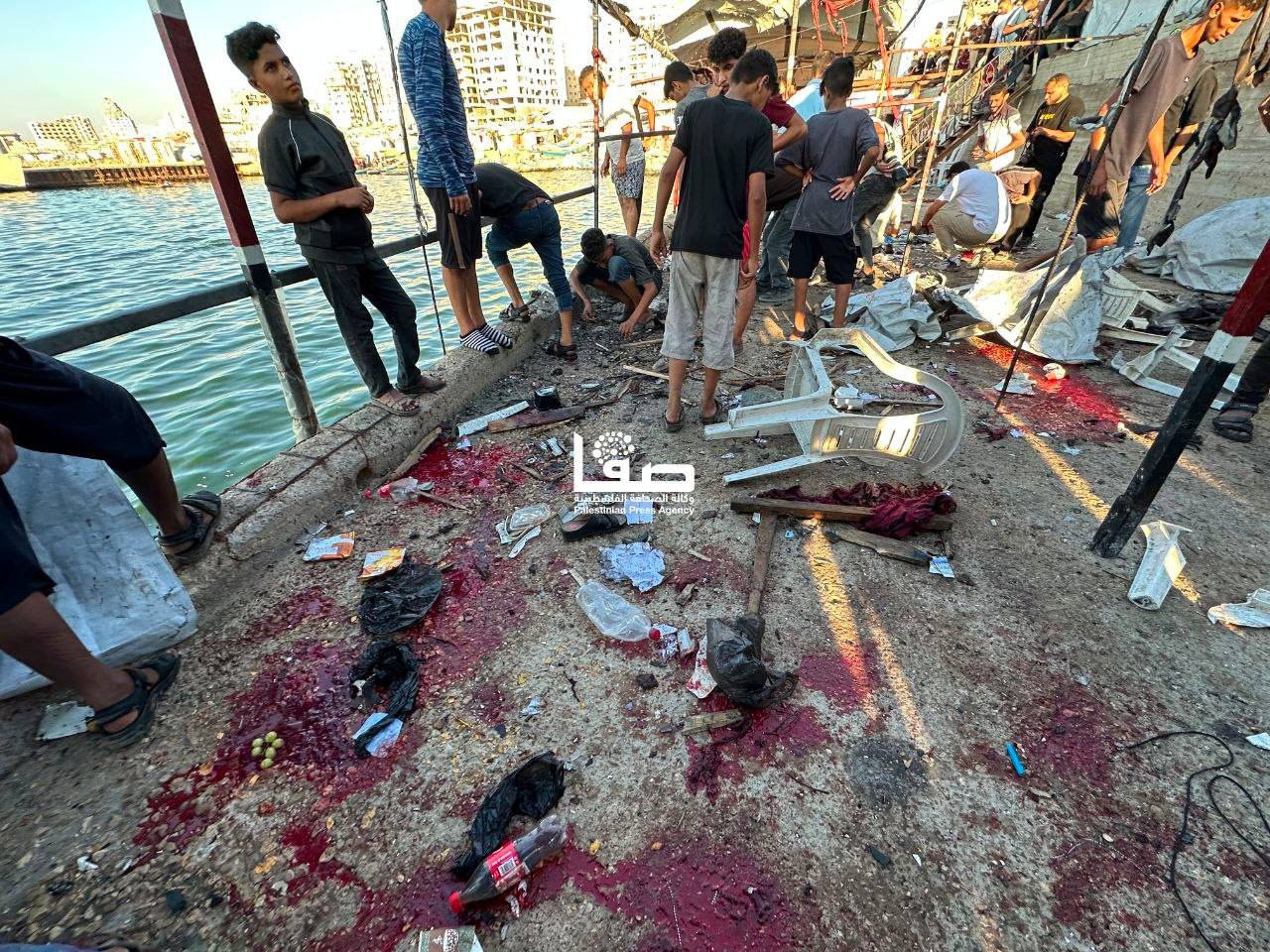
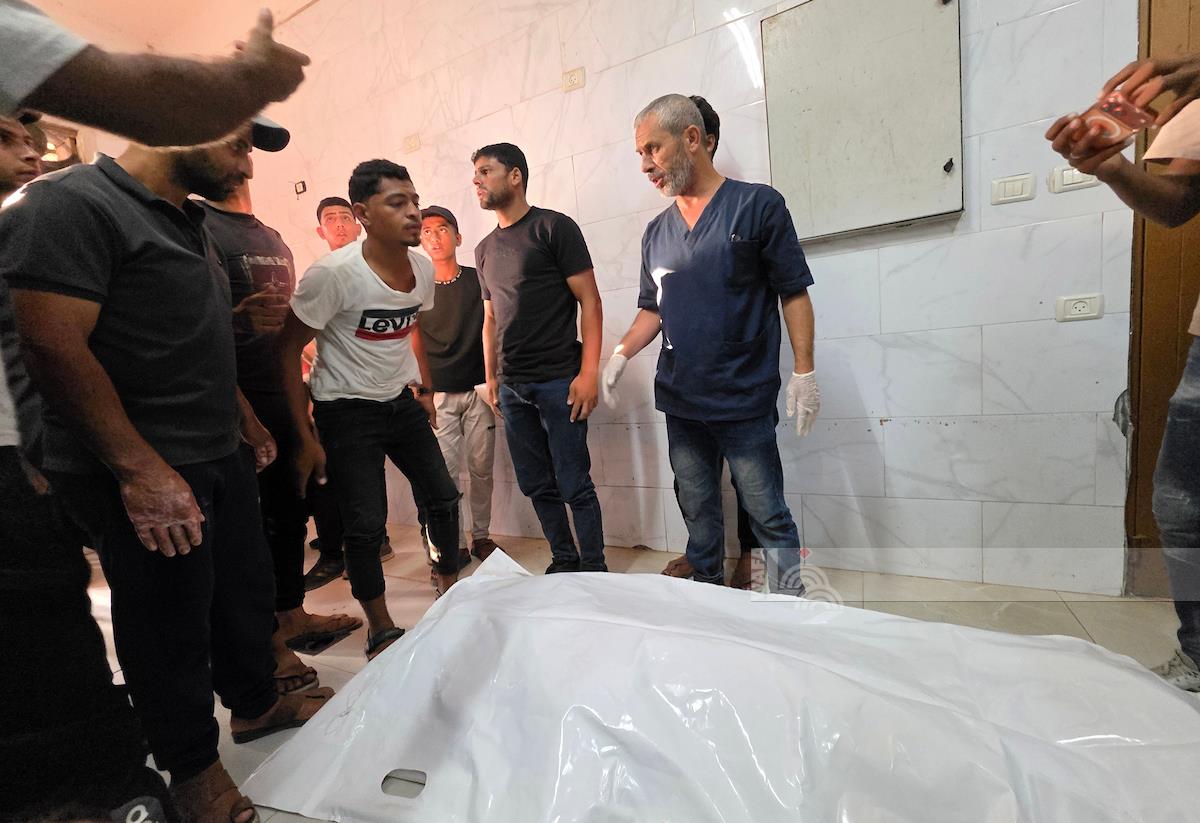
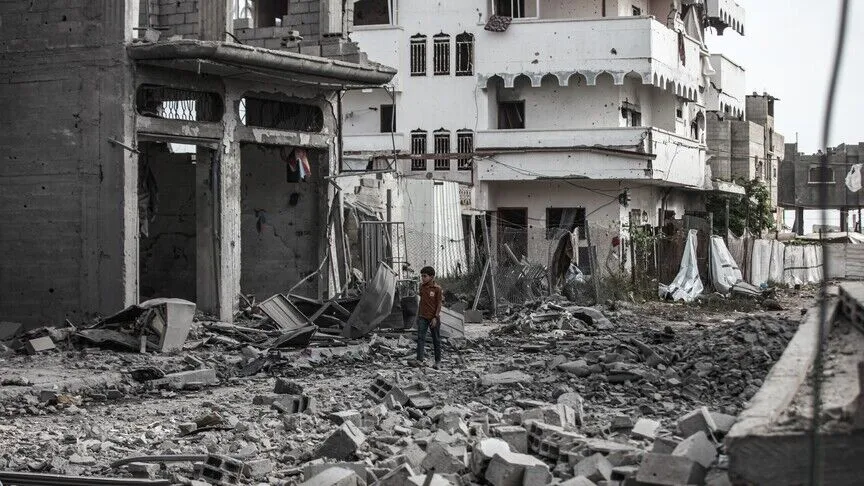
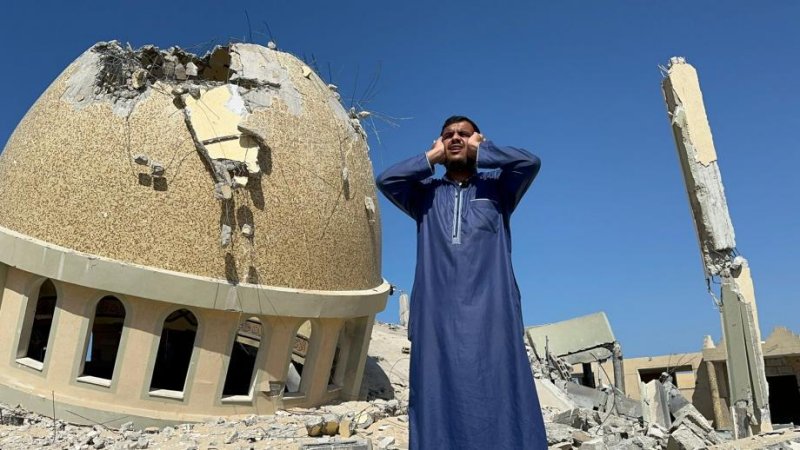
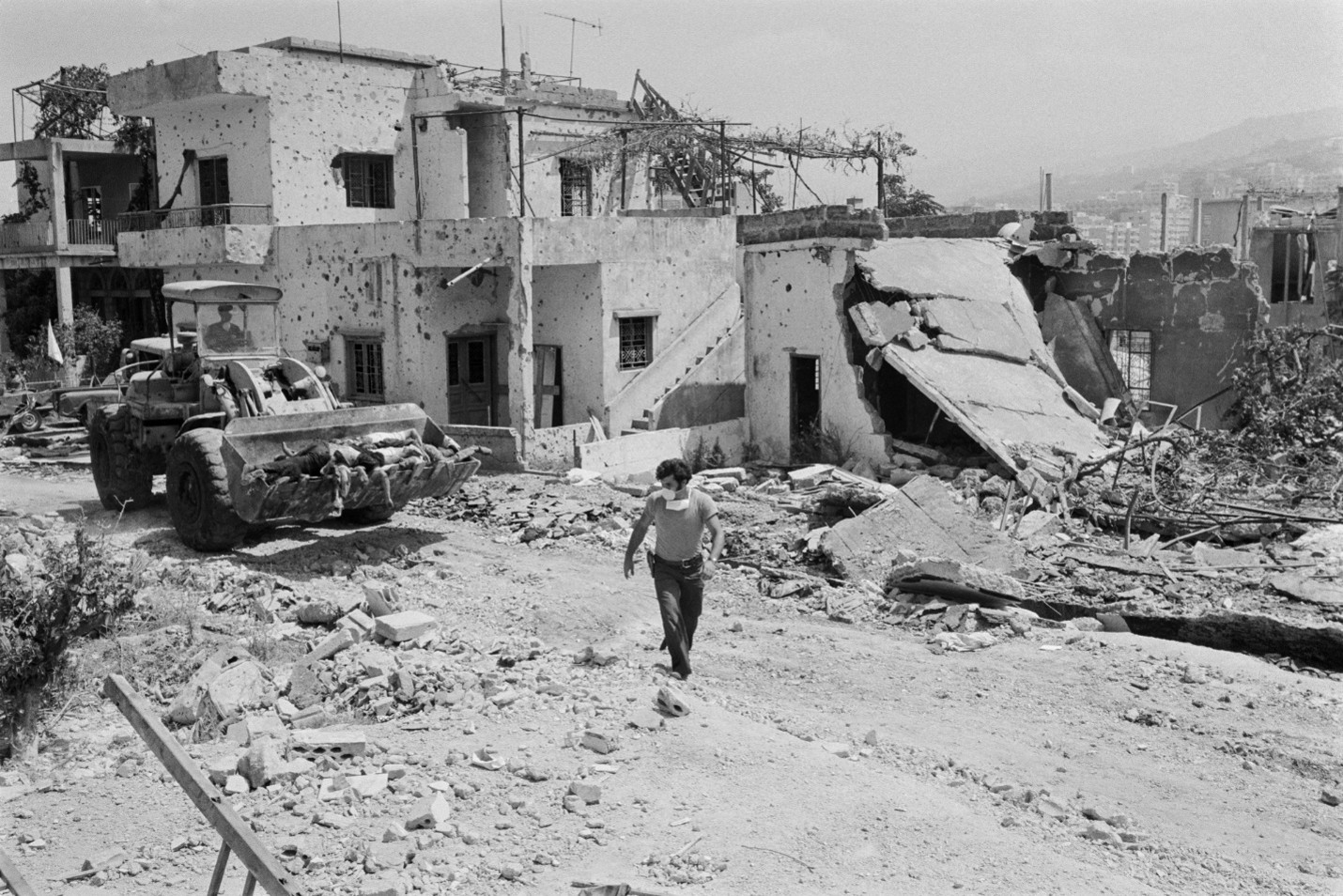
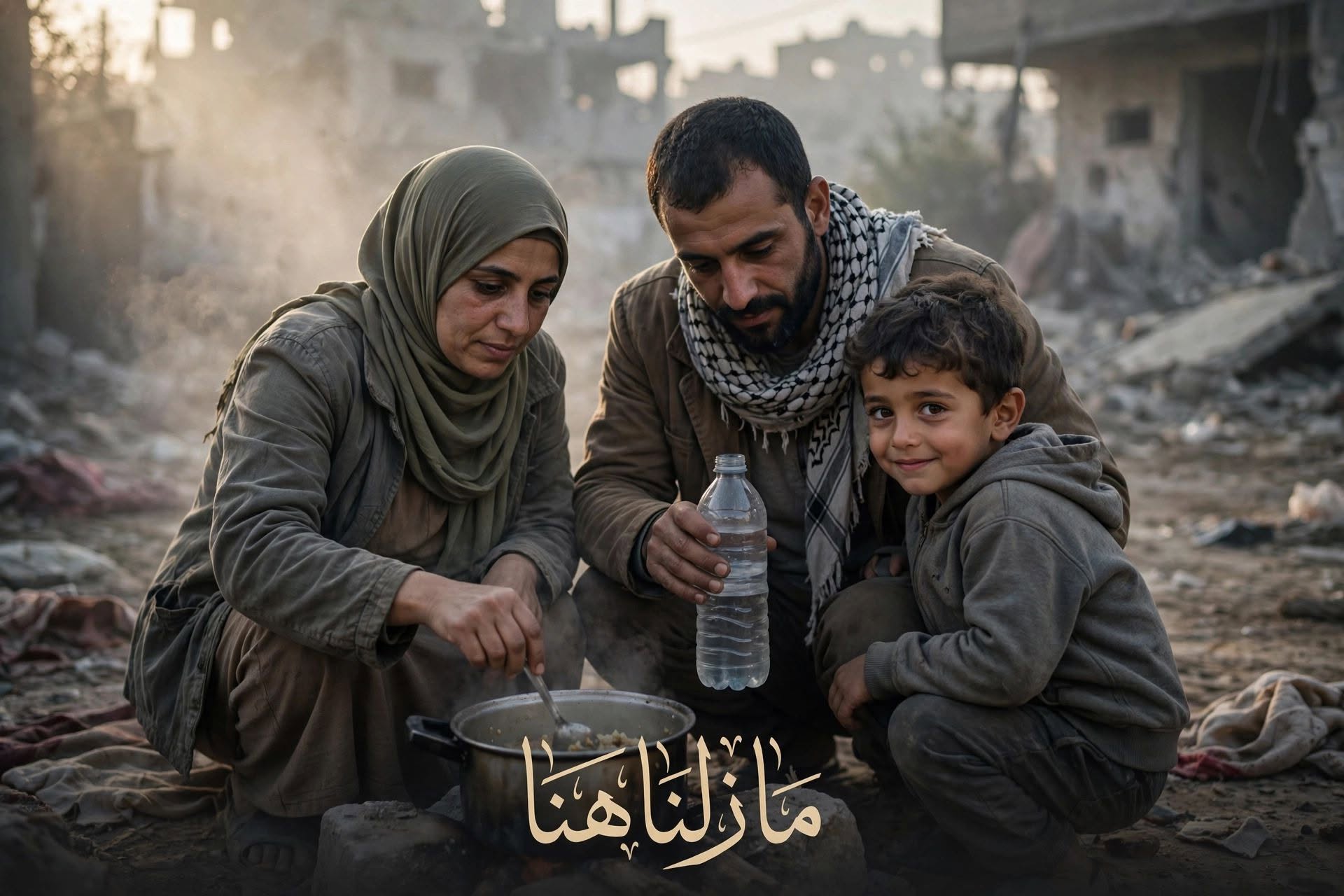
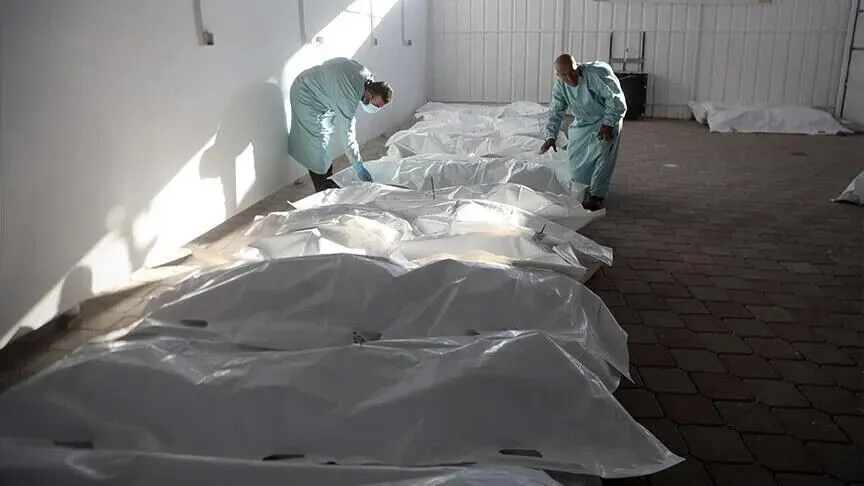
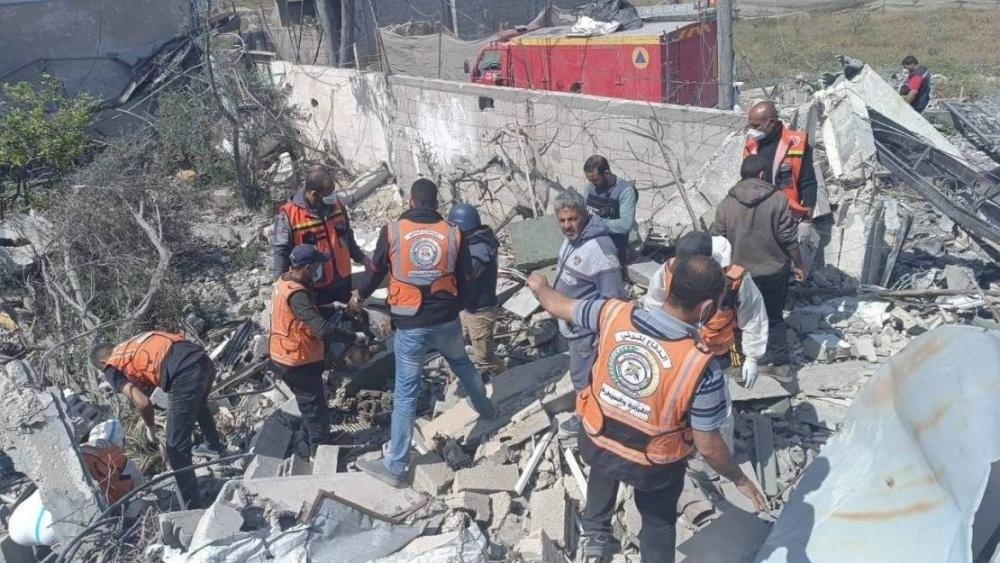
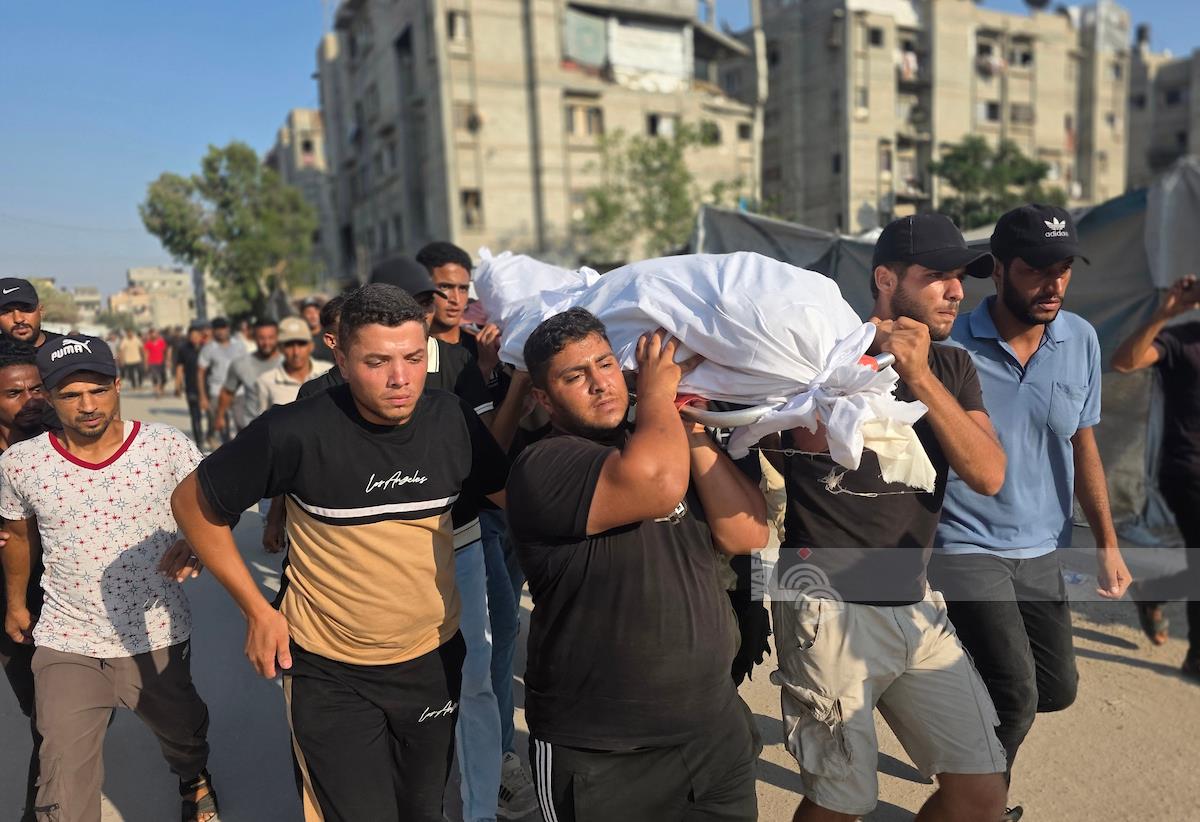
At least 33 people were killed, and more than 84 others were injured or are still missing under the rubble following “barbaric” Israeli airstrikes on a residential block in the al-Nuseirat camp in central Gaza last night.

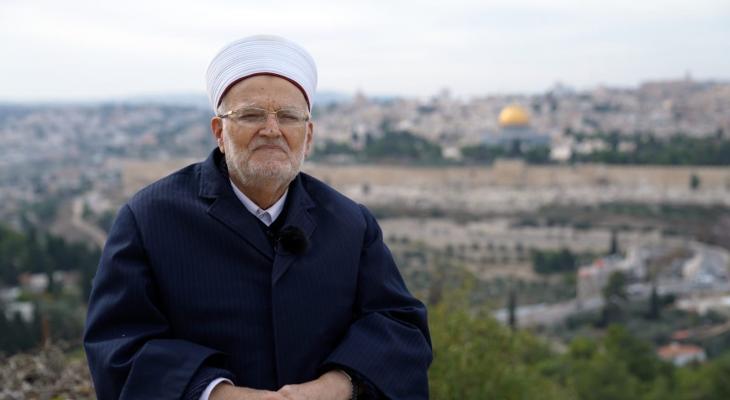
Gaza’s Government Media Office condemned the Thursday attack as a “barbaric and heinous massacre,” adding that most of the victims were members of the al-Sheikh Ali family according to the Quds News Network.

Most of the victims are women, children, and elders, the office added.

Local sources said Israeli fire struck a postal office in al-Nuseirat sheltering displaced Palestinian families, as well as nearby houses.

Thursday was a bloody day in Gaza, with medical sources confirming that at least 70 people were killed by Israeli strikes, with the majority in the central and southern parts of the besieged enclave.

Continue reading
Devastation in Gaza is Staggering – WFP Official

Describing the level of devastation across the Gaza Strip as “absolutely staggering”, the Head of Emergency Communications for the World Food Programme (WFP) has told UN News in an interview that civilians are desperate for lifesaving aid and there’s a growing risk of widespread famine.

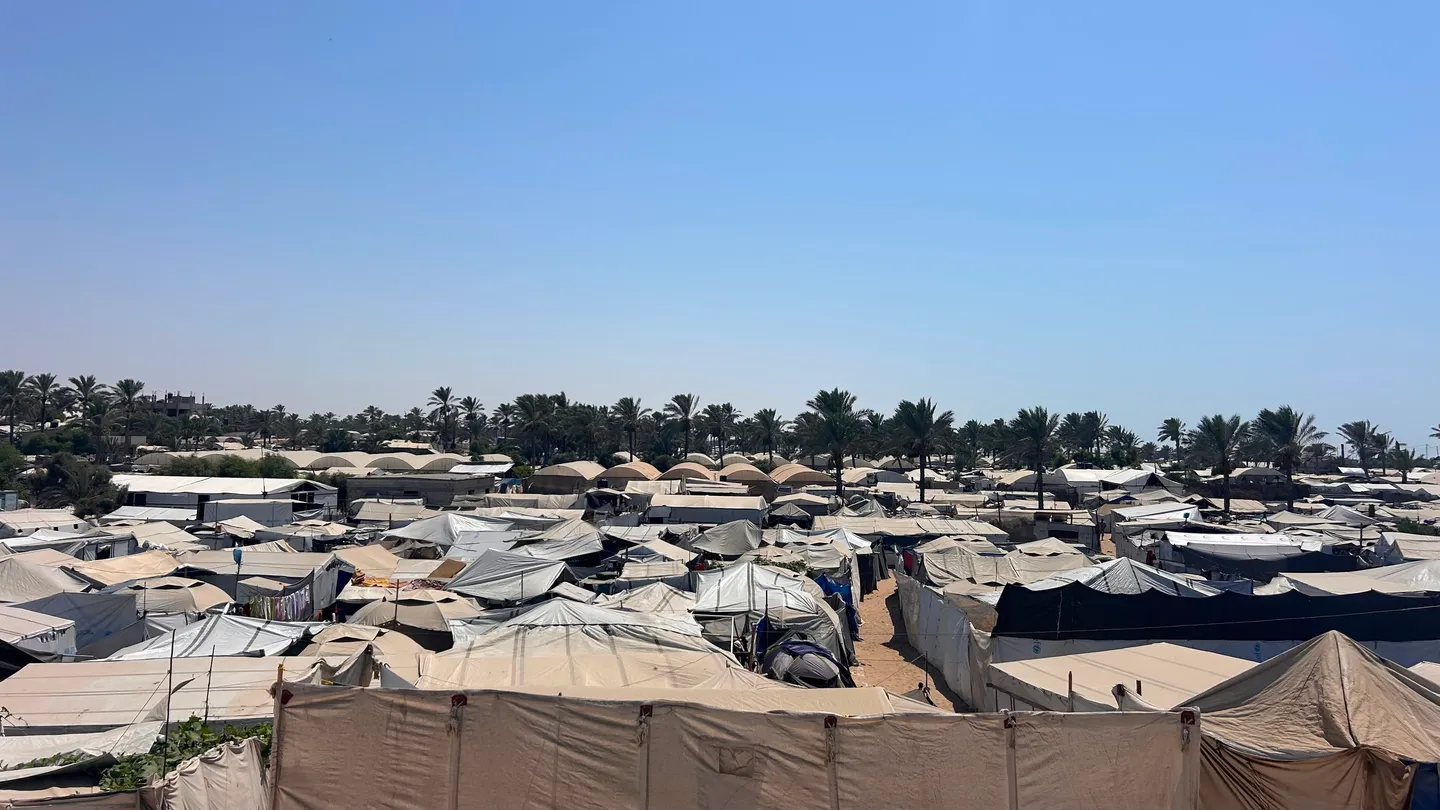
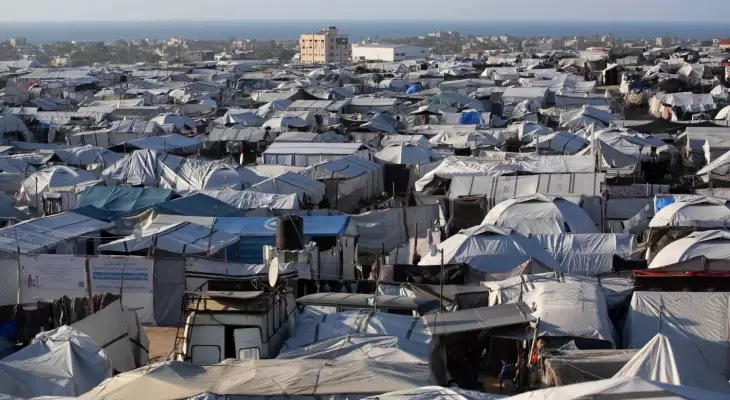
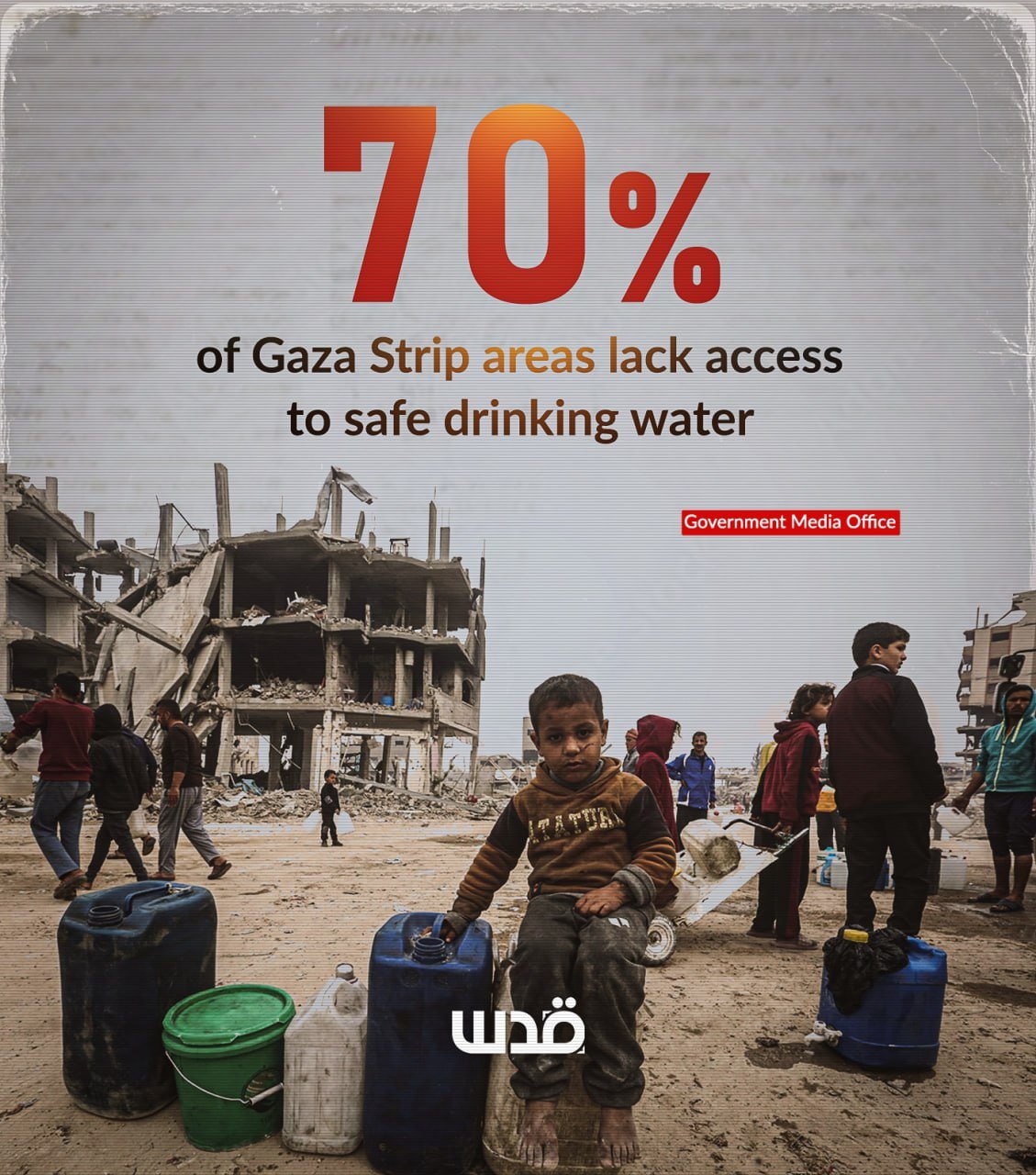
Speaking from Gaza, Jonathan Dumont said many people have been displaced multiple times, and that families are living either in tents or in the rubble of collapsed buildings, with no access to electricity or running water.

The text has been edited for length and clarity.

UN News: How do you describe the situation on the ground in Gaza, after more than a year since the war erupted there?

Jonathan Dumont: The devastation is absolutely staggering. This year, I’ve been to Goma, Port au Prince, Khartoum, a lot of different places where people have issues getting food or have been displaced. But in Gaza, I haven’t met anyone who hasn’t been displaced at least two or three times, due to military activity.

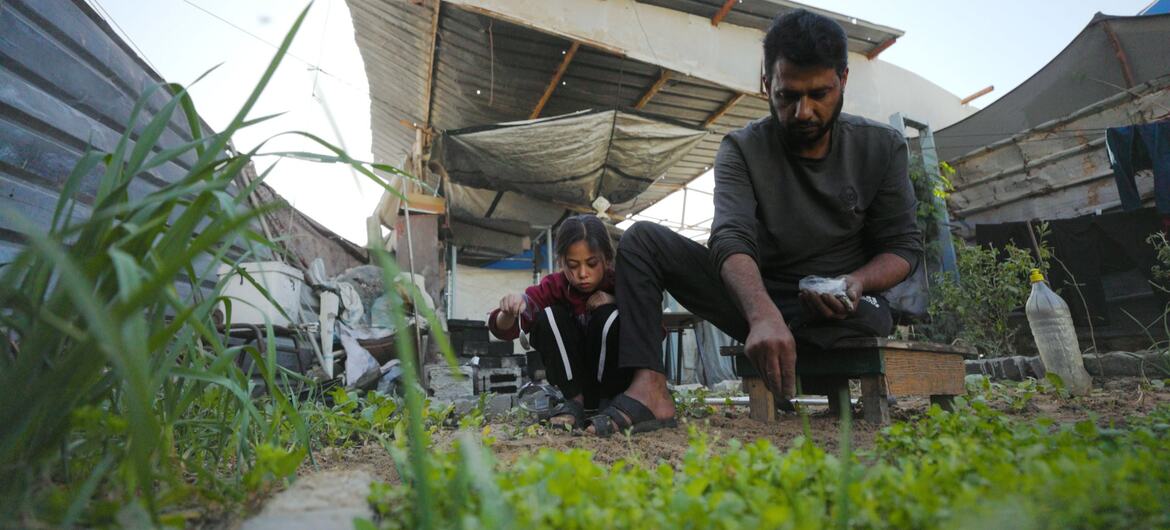
Almost everyone has lost their home. In the south, a lot of people are living in tents, and with the winter coming, you have rain and wind blowing them over, flooding them. Most kids don’t have shoes.

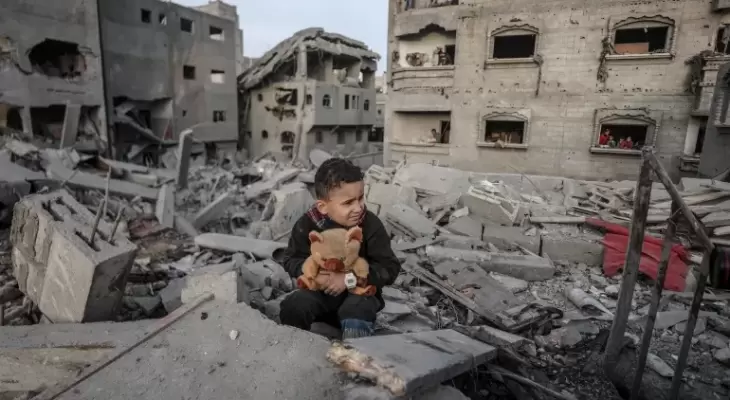
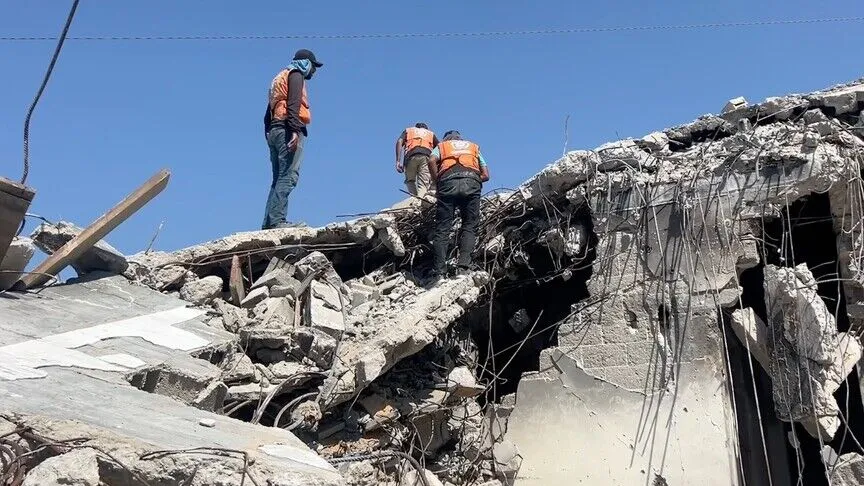
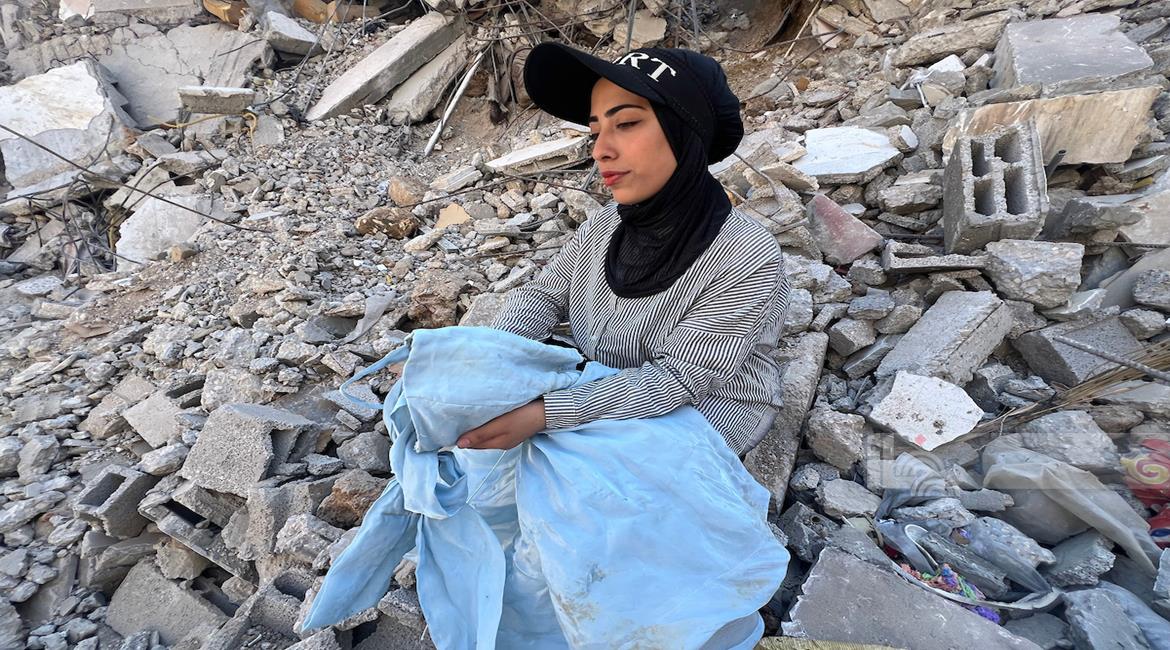
A lot of people feel they have no choice but to go back to their homes, which are quite frequently, literally rubble. I met a few families who are living in basically the cement blocks that have collapsed over them, and there’s no electricity, running water or sewage. This is the second winter for many of them that they’re homeless.

People walk on destroyed buildings in Gaza.

© WFP/Jonathan Dumont

People walk on destroyed buildings in Gaza.

UN News: What is the most striking story you’ve heard from people in Gaza?

Jonathan Dumont: When we were moving to Gaza City, we had to pass a checkpoint, and there were some bodies on a bridge in this sort of no man’s land area, and there were dogs eating the bodies. It was an horrific scene.

Some of our colleagues were tasked to pick up the bodies, and we couldn’t stop, but a bit later we came across two women and some children who were walking south, due to the intense military activity in the north. What struck me the most in that moment was that those children were going to come across the same scene of the dogs eating corpses, and I kept thinking about the impact that it might have on them.

UN News: You’ve been to the northern part of Gaza. Can you tell us more about what you saw there?

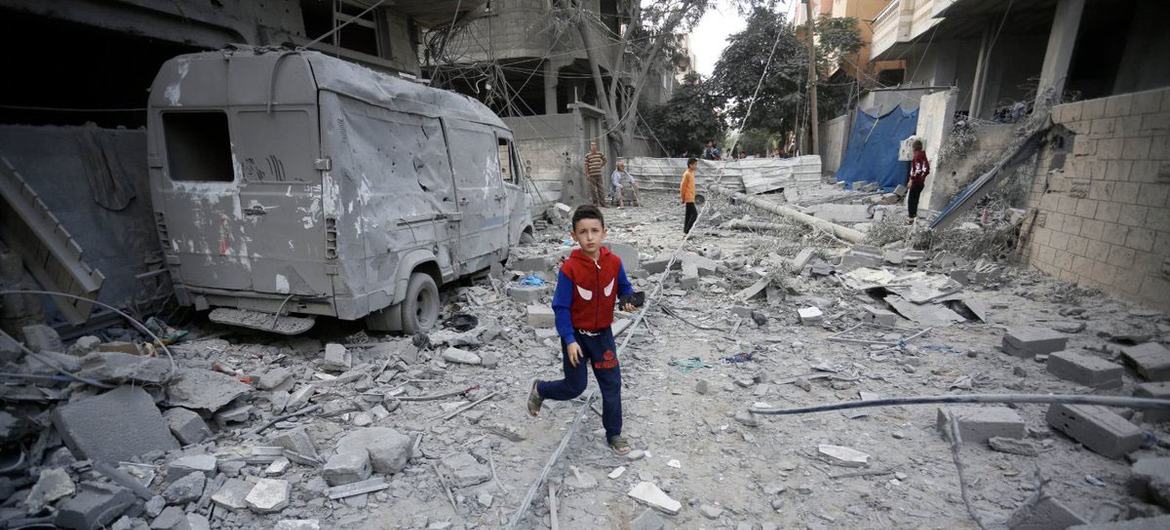
Jonathan Dumont: I’ve been to Gaza City, although I didn’t go to the areas in the far north. Gaza City is a huge city but many of the buildings have been destroyed. Before you had villas, beach cabanas and a fishing port, and now it is just a ghost town.

Much of Gaza has been destroyed in the ongoing conflict.

© WFP/Jonathan Dumont

Much of Gaza has been destroyed in the ongoing conflict.

WFP is able to reach that area, so there’s some food there, but the food prices of what’s not coming from the international community, or from WFP, are through the roof. There was someone selling peppers for 195 dollars…five dollars for one pepper. People can’t afford that.

Bakeries are being treated as banks – with metal slots and a metal corridor to channel people through because people are desperate, and they don’t want people to get injured or crushed trying to get food. 

In Khan Yunis, where we are distributing hot meals, people get really desperate – you can see it in their faces, in their eyes.

UN News: The IPC report warned of the acute hunger and maybe some of people are on the verge of famine. Do you think the food insecurity is getting worse in Gaza?

Jonathan Dumont: The problem is that there’s been a total breakdown of society here, there’s no police, no infrastructure or any of the structures of society. As a result, what we’ve had in the southern part of Gaza is that gangs are emerging. We’ve had our trucks coming in from the south looted, and our drivers beaten.

We are trying to find solutions to have a consistent flow of food in. Obviously, the easiest way to do that would be if there was a ceasefire, which we are always hopeful will happen. In the absence of that, we need to find a way of getting all the food that we have outside Gaza into the country so that people can access it. We need to make sure people have access to food.

UN News: Many of the bakeries are not functioning. How many of them are working at full capacity?

Jonathan Dumont: In the south there is none of the WFP’s bakeries which are big volume bakeries. In the north there are some, but in the south, there are just small bakeries, so people are improvising when they have some flour.

Bread is the staple here, bread is life. 

UN News

Continue reading
Rethinking America’s Approach to Syria

US President Joe Biden welcomed the shock ouster of his Syrian counterpart Bashar Assad but called it “a moment of risk and uncertainty” for this region. Biden said he would consult with partners on how to proceed with the regime led by Hay ‘at Tahrir Al Sham (HTS).

Having continued destructive US policies in Syria adopted by predecessors, Biden needs to entirely rethink the US approach to this core Eastern Arab World country. To provide Washington with leverage with HTS, Biden needs to tackle the 2019 Caesar Act passed by the US Congress which imposes sanctions on Assad-related Syrian industries and individuals. 

While Assad is no longer a factor, these entities and figures could remain sanctioned.  Biden must end the sanctions to encourage investment in the shattered Syrian economy and crumbling infrastructure. Unless HTS and its allies rebuild the economy and provide Syrians with electricity, water, affordable food, and decent health care, Syrians  will turn against their new rulers. 

Biden must also press Israel to stop grabbing Syrian territory. In the immediate aftermath of Assad’s fall, Israel occupied the demilitarised UN-controlled buffer zone between Syria’s Golan province and Israeli-occupied Golan Heights.  On Monday Israeli commandos seized the Syrian outpost on the highest peak of Jabal Al Sheikh (Mount Hermon), another piece of Syrian territory. 

https://twitter.com/jacksonhinklle/status/1866620574979498206

This peak is a strategic site from which provides the Israeli army with a wide view of southern Syria and provides a launch pad for missiles and artillery shells.  Israel has also conducted scores of strikes on arms depots, missile storage sites, and a research facility near Damascus. Meanwhile, to maintain regional tensions and assert its military hegemony, Israel has continued to bomb  Gaza and violate the ceasefire agreement with Hizbollah in Lebanon. 

By seizing sensitive Syrian territory while HTS is consolidating its rule, Israel is unnecessarily provoking the movement’s leader Ahmed Al Sharaa who adopted the nom de guerre of Abu Mohammad Al Jolani as his family was driven from Syria’s Golan Heights in 1967.  He was born in 1982 in Saudi Arabia. His father, Hussein, was an Arab Nationalist (Nasserite) who was imprisoned in Syria following the 1961 rupture between Syria and Egypt. After escaping prison, Hussein pursued higher education in Iraq and travelled to Jordan where he joined Palestine Liberation Organisation fighters. 

Ahmad followed in his father’s footsteps. In a 2021 interview with Frontline Jolani said he was politicised by the second Palestinian intifada in 2000. He stated, “I started thinking about how I could fulfill my duties, defending a people who are oppressed by occupiers and invaders.”  During the build up to the 2003 US invasion of Iraq, Jolani travelled to Baghdad and joined Al Qaeda where he served as a fighter. He was arrested and confined for five years in US prisons in Iraq where he and fellow inmates forged networks which enabled them to organize when they were freed.

Upon release in 2011, Jolani crossed into Syria to prepare the ground for the creation of local branch of Al Qaeda dubbed Jabhat al-Nusra which began operations in 2012. He later quarrelled with Iraq’s Al Qaeda chief Abu Bakr Al Baghdadi, who sought to merge Nusra with Daesh.  Jolani declared independence and focused on the struggle for Syria. In January 2017, he announced the Jabhat’s entry into the umbrella HTS coalition which occupied Syria’s northwest Idlib province.  HTS then mounted the campaign to oust Assad and rule Syria.

Jolani has renounced Al Qaeda’s proselytising fundamentalist ideology, focused on ending Assad’s reign in Syria and proclaimed himself a pragmatist.  However, when in control of Idlib, HTS imposed conservative practices, marginalized minorities, and ruled with an iron fist while providing utilities, education, and healthcare.  UN special envoy for Syria Geir Pedersen pointed out in a weekend CNN interview, “Idlib is not Syria.”  

In his official statement, he said, “..let me emphasise the clear desire expressed by millions of Syrians that stable and inclusive transitional arrangements are put in place urgently, and that the Syrian institutions continue to function, and that the Syrian people are enabled to begin to chart the path to meeting the legitimate aspirations of the Syrian people and restore a unified Syria, with its sovereignty, independence and territorial integrity, in a way that can receive the support and engagement of the entire international community.”

While welcoming the fall of the Assad dynasty, the dithering Biden administration claims it has opened backchannel contacts to HTS but has not removed the $10 million bounty for the death or delivery to the US of Jolani.  Instead, US officials have rushed to Turkey, Jordan, Lebanon, Iraq, Saudi Arabia, Egypt and Israel to discuss how to maintain stability in Syria stability in Syria and foster a smooth political transition.

By contrast, German Chancellor Olaf Scholz and French President Emmanuel Macron have agreed to work with the new regime in Damascus “on the basis of fundamental human rights and the protection of ethnic and religious minorities”. 

Michael Jansen is a columnist in The Jordan Times

Continue reading
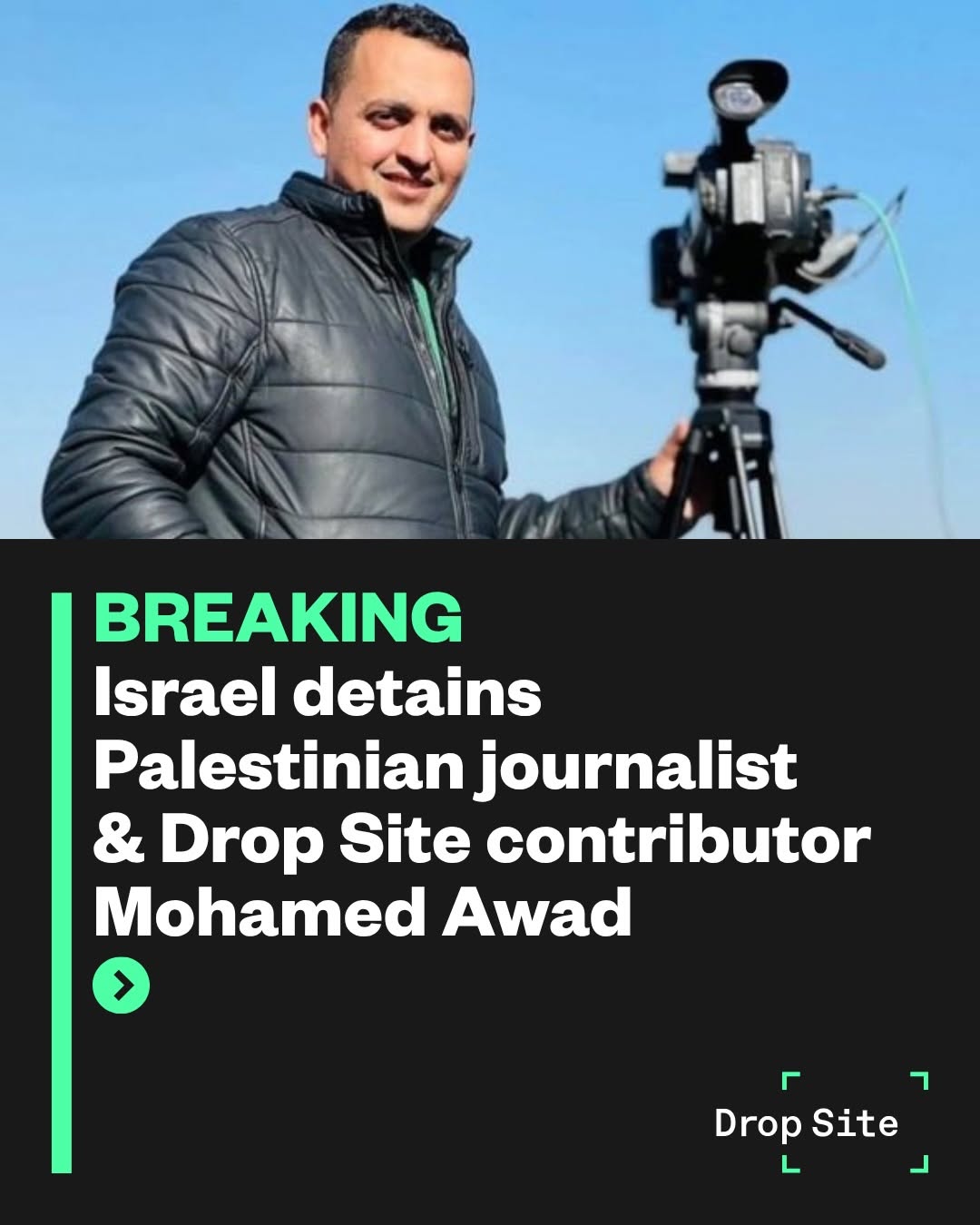
RSF: Israel is Third Largest Jailer of Journalists

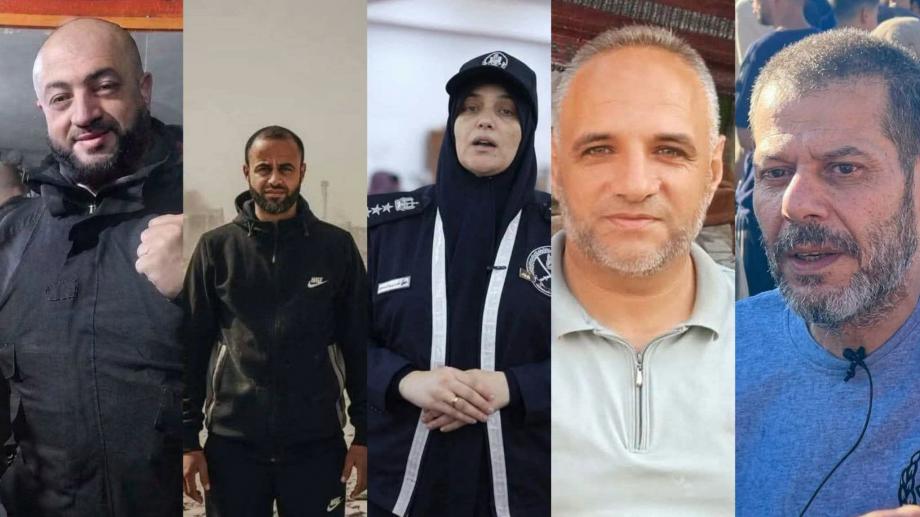
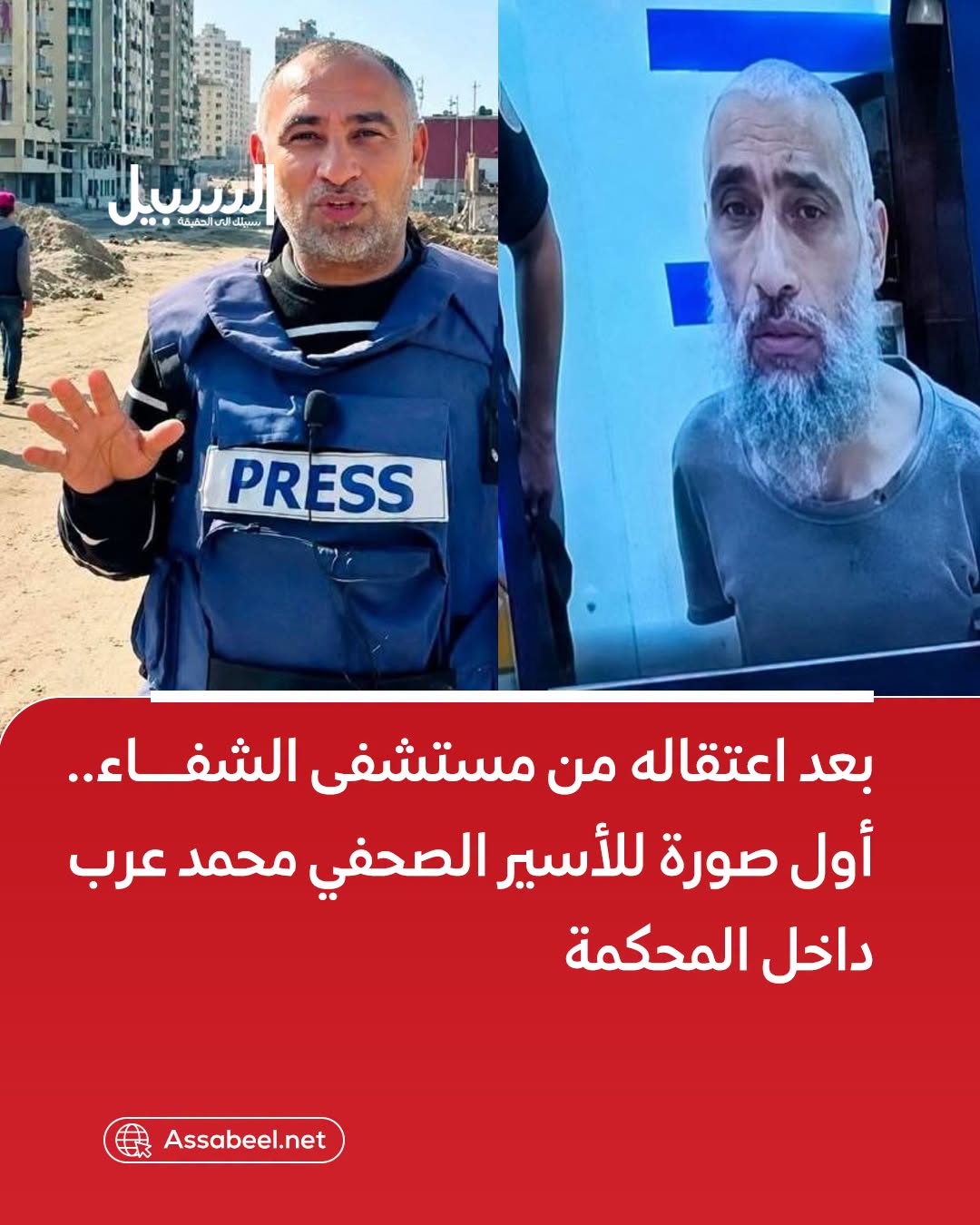
The Israeli army was behind one-third of all unnatural journalist deaths globally in 2024, according to a report released Thursday by Reporters Without Borders (RSF).

The RSF’s annual report on the state of press freedom highlighted the alarming risks faced by journalists worldwide. It revealed that 550 journalists were detained, 55 held hostage, and 95 reported missing this year.

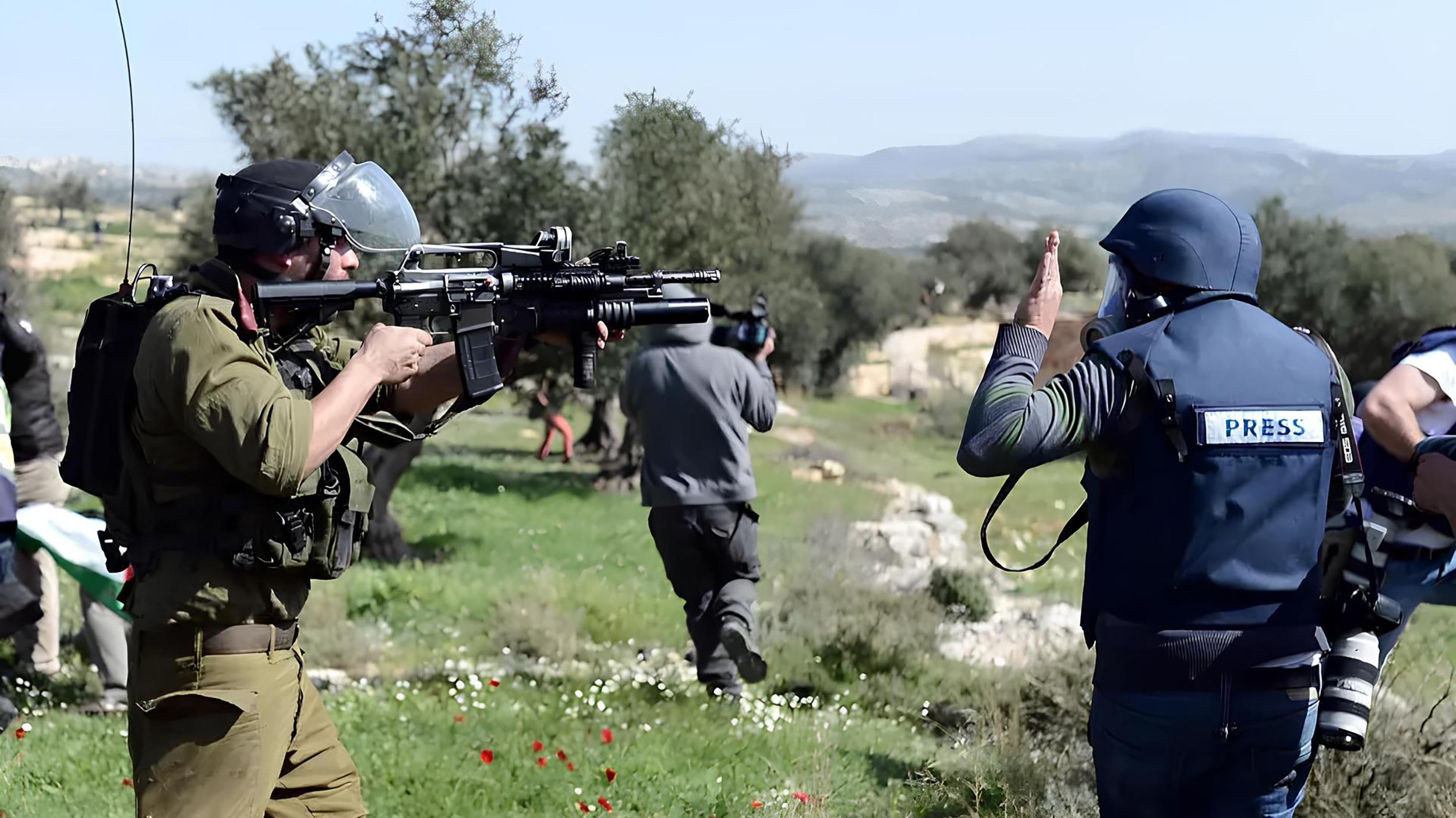
A total of 54 journalists were killed in 2024, the highest figure in the past five years, with most deaths occurring in conflict zones. Of those, one in three were killed during Israeli bombardments, including 16 in Gaza and two in Lebanon.

Since October 2023, more than 145 journalists have been killed in Gaza, with at least 35 deliberately targeted or killed while on duty by Israeli forces, the report stated.

RSF said it has compelling evidence that dozens of journalists in Gaza and Lebanon were targeted due to their profession, adding that it has submitted four war crime complaints against the Israeli army to the International Criminal Court (ICC).

Israel has also emerged as the world’s third-largest jailer of journalists this year, according to the report.

Commenting on the killings, RSF Director-General Thibaut Bruttin said: “Most of these reporters’ identities were easily verifiable, and their status should have offered them protection. Yet, they were killed in deliberate attacks by Israel, ignoring international conventions.”

Bruttin also criticized the ban on foreign media entering Gaza, describing it as a critical blow to press freedom. “In 2024, Gaza became the most dangerous place for journalists, where even the practice of journalism faces the threat of extinction,” he said.

Continue reading