Israeli Horrors

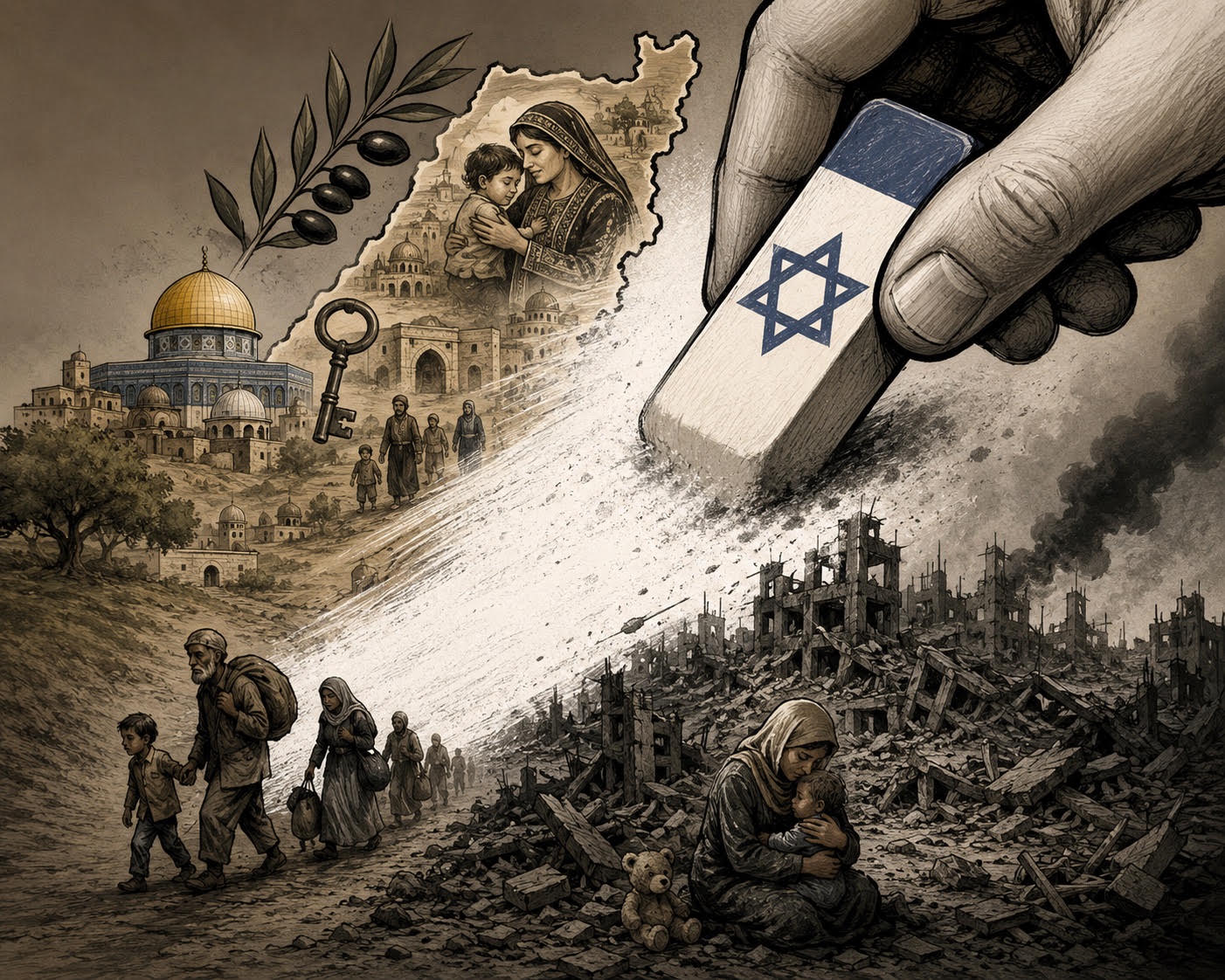
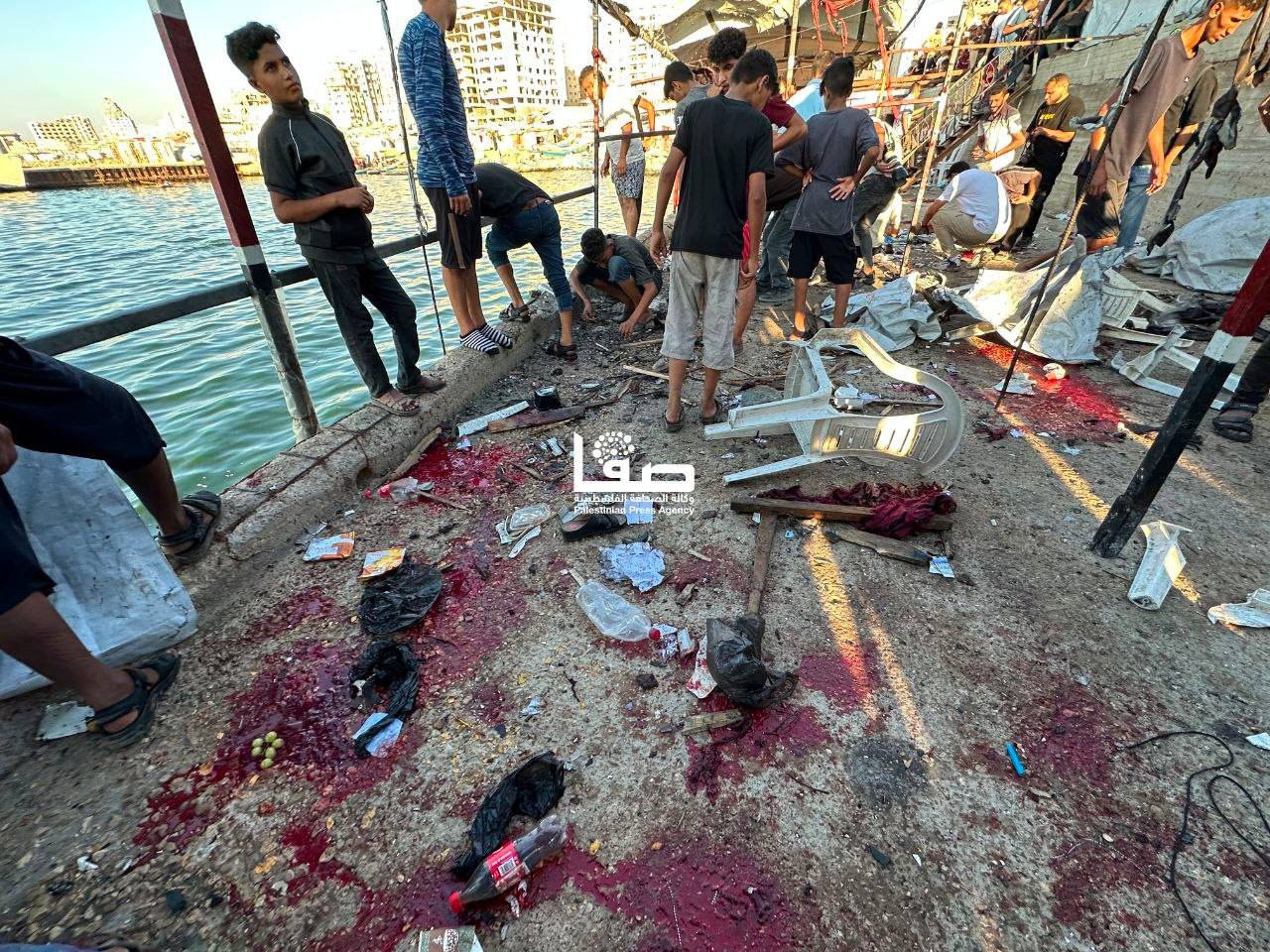
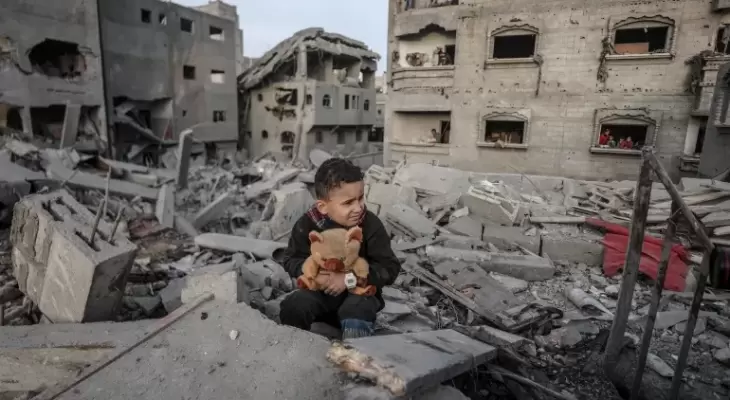
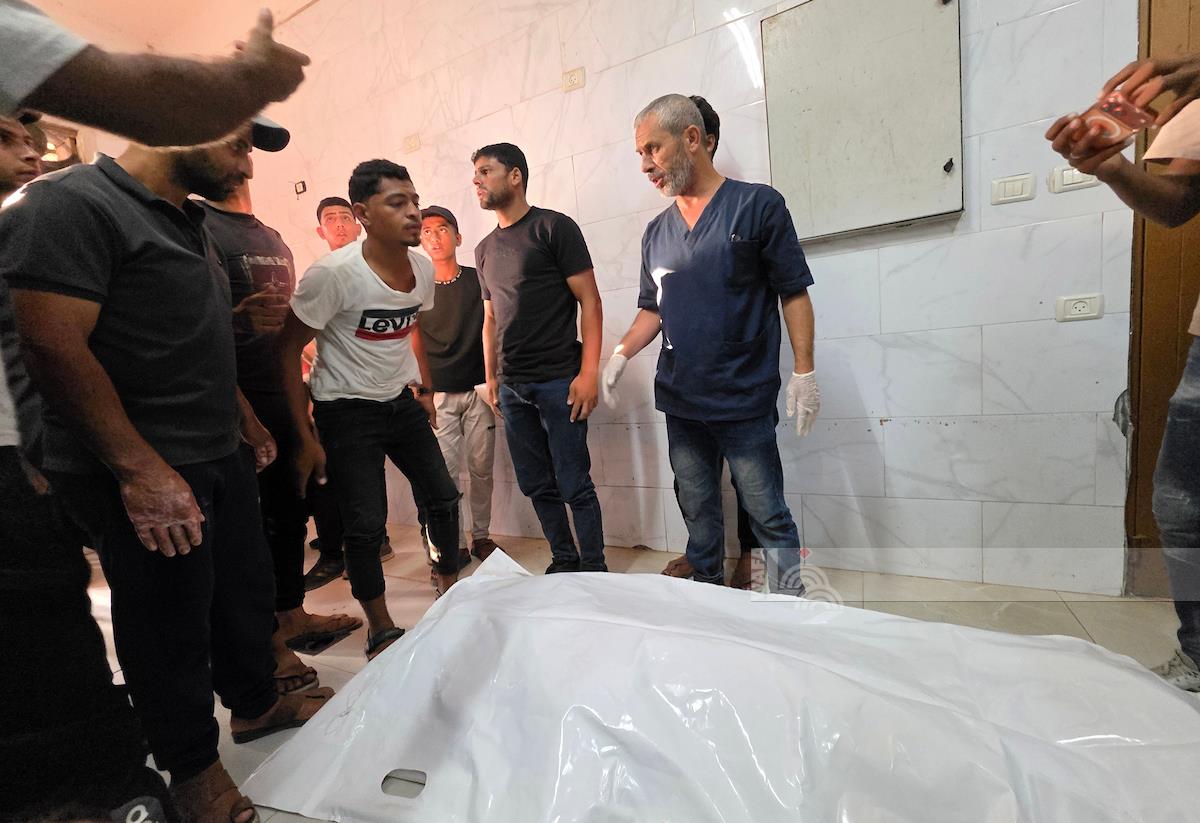
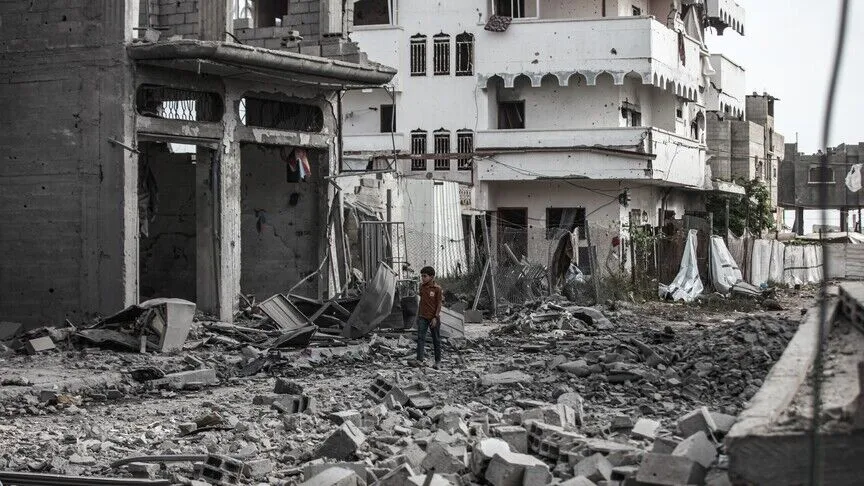
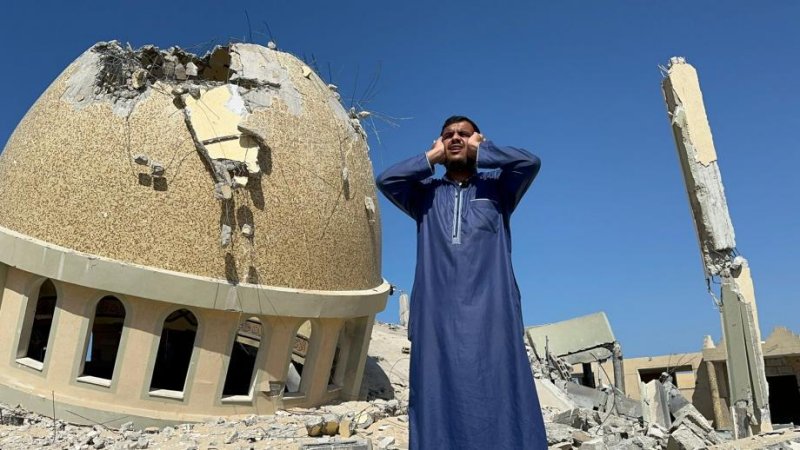
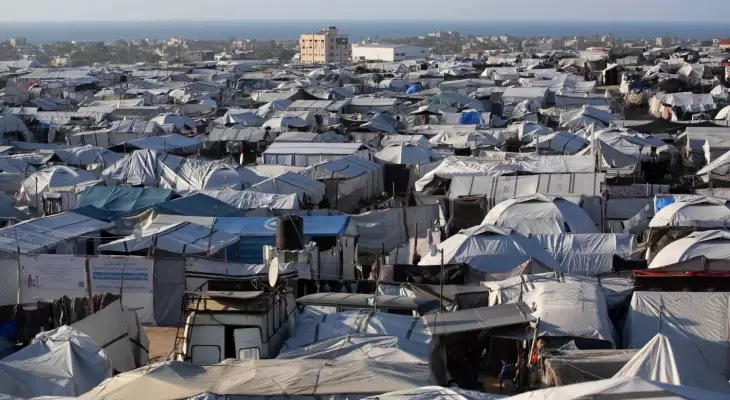
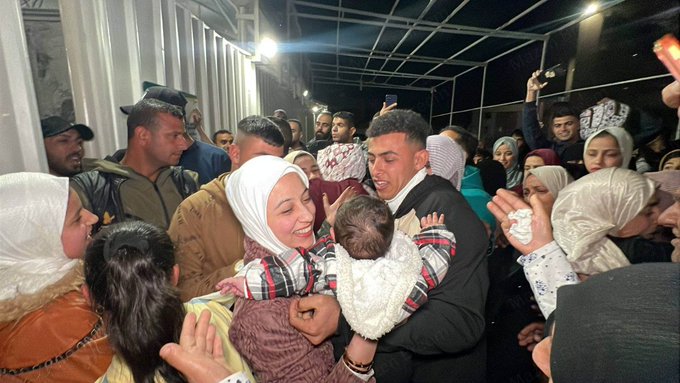
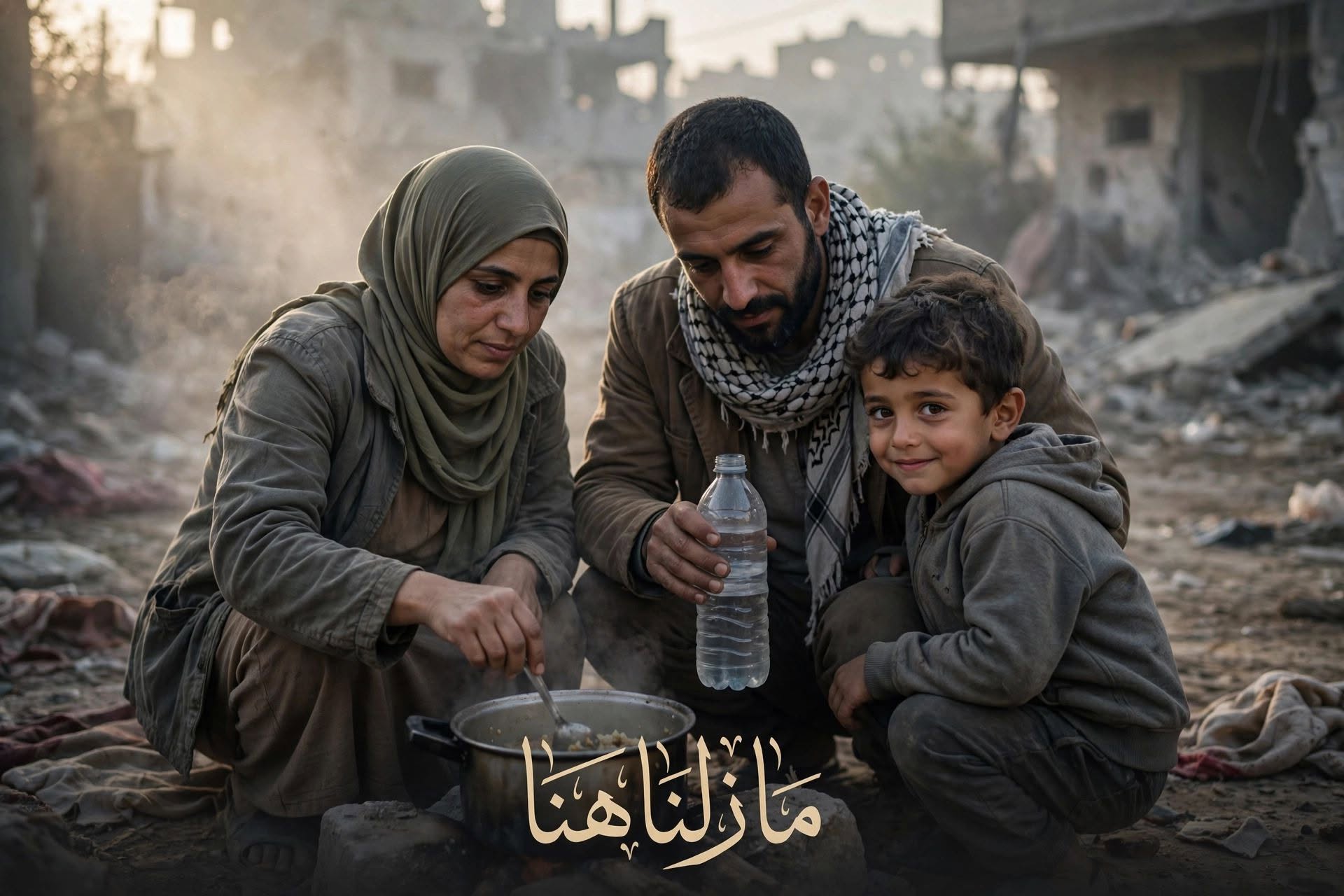
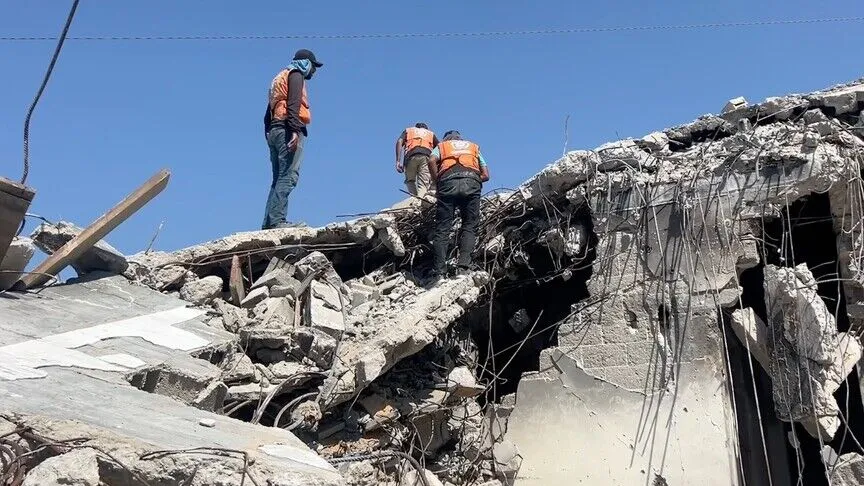
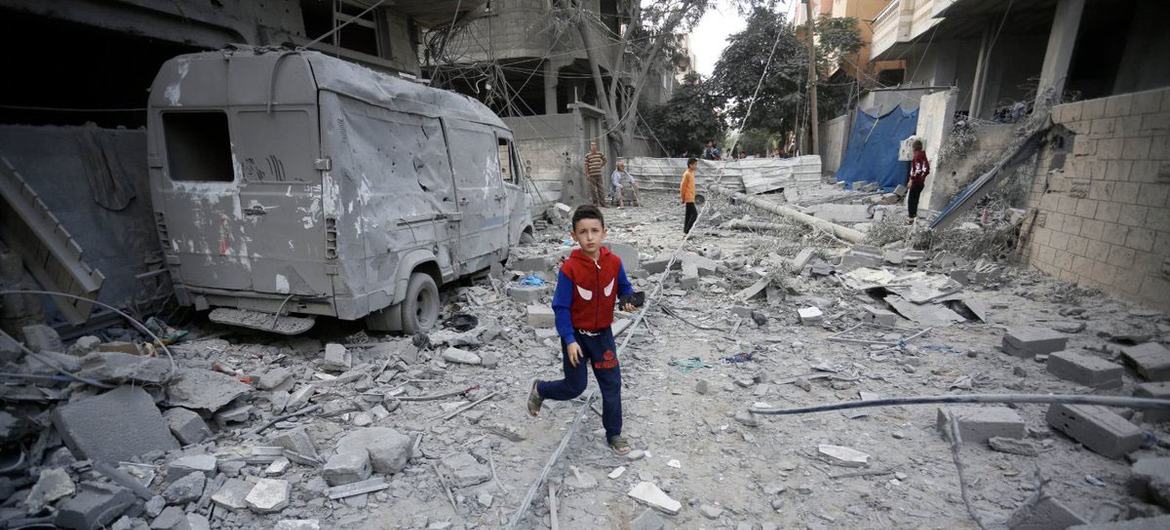
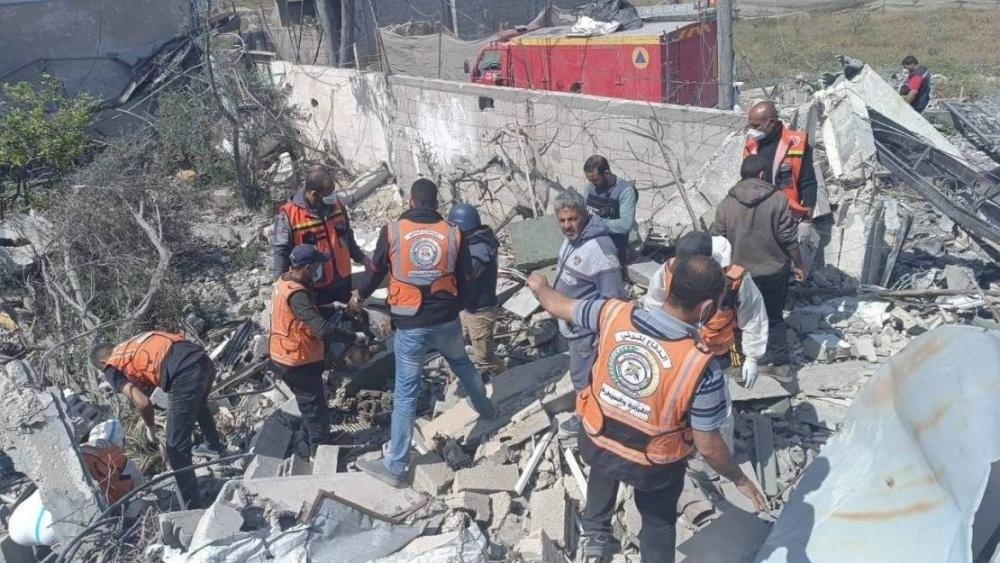
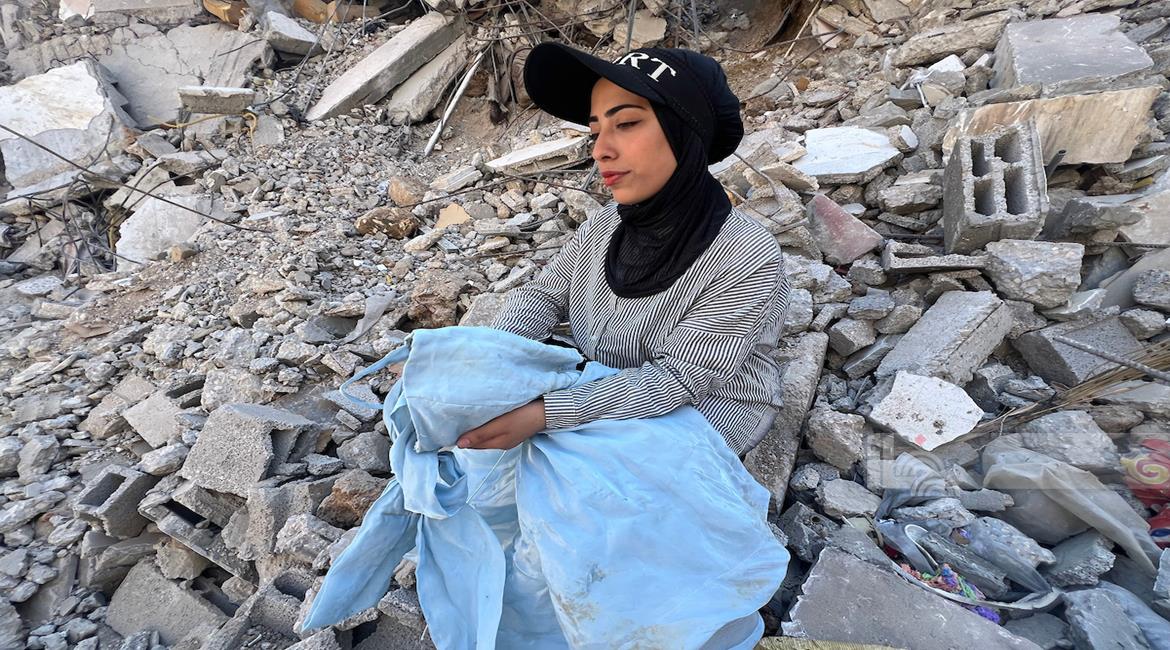
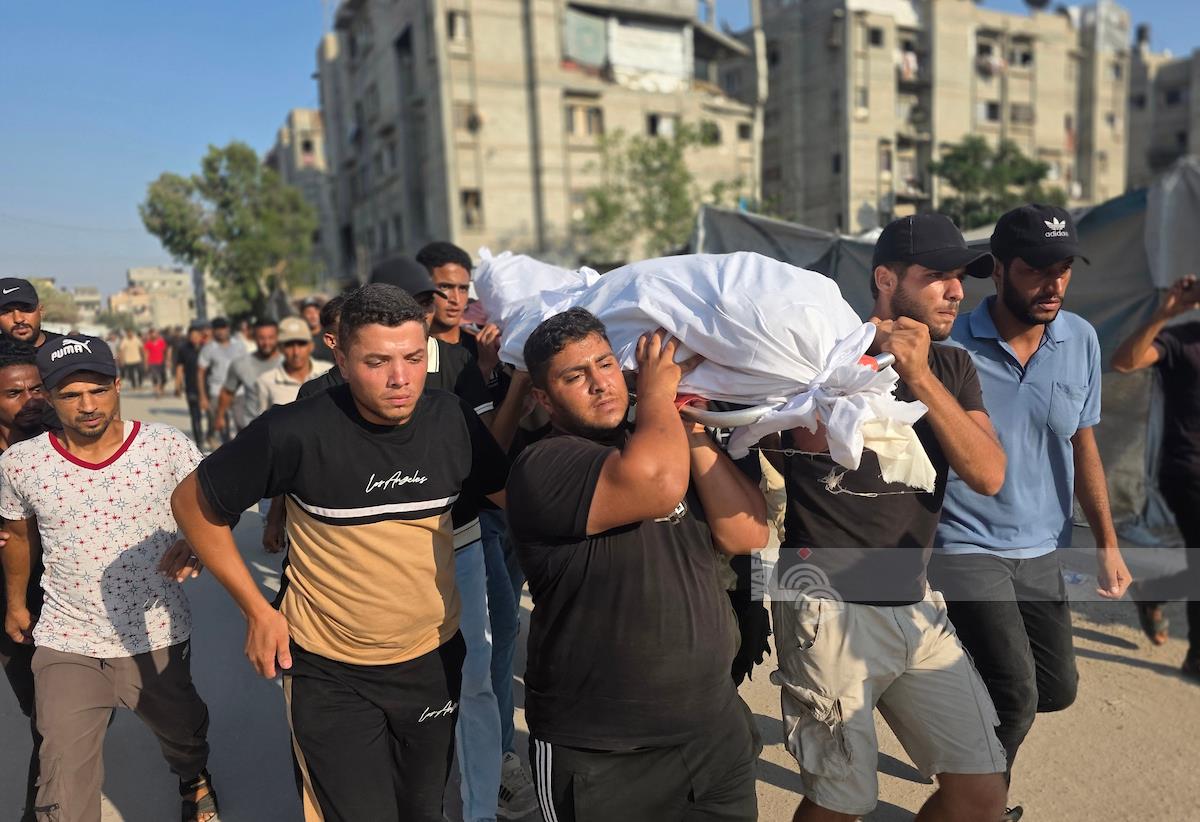
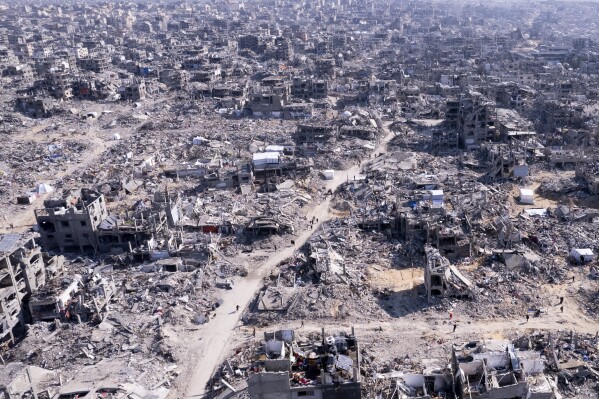
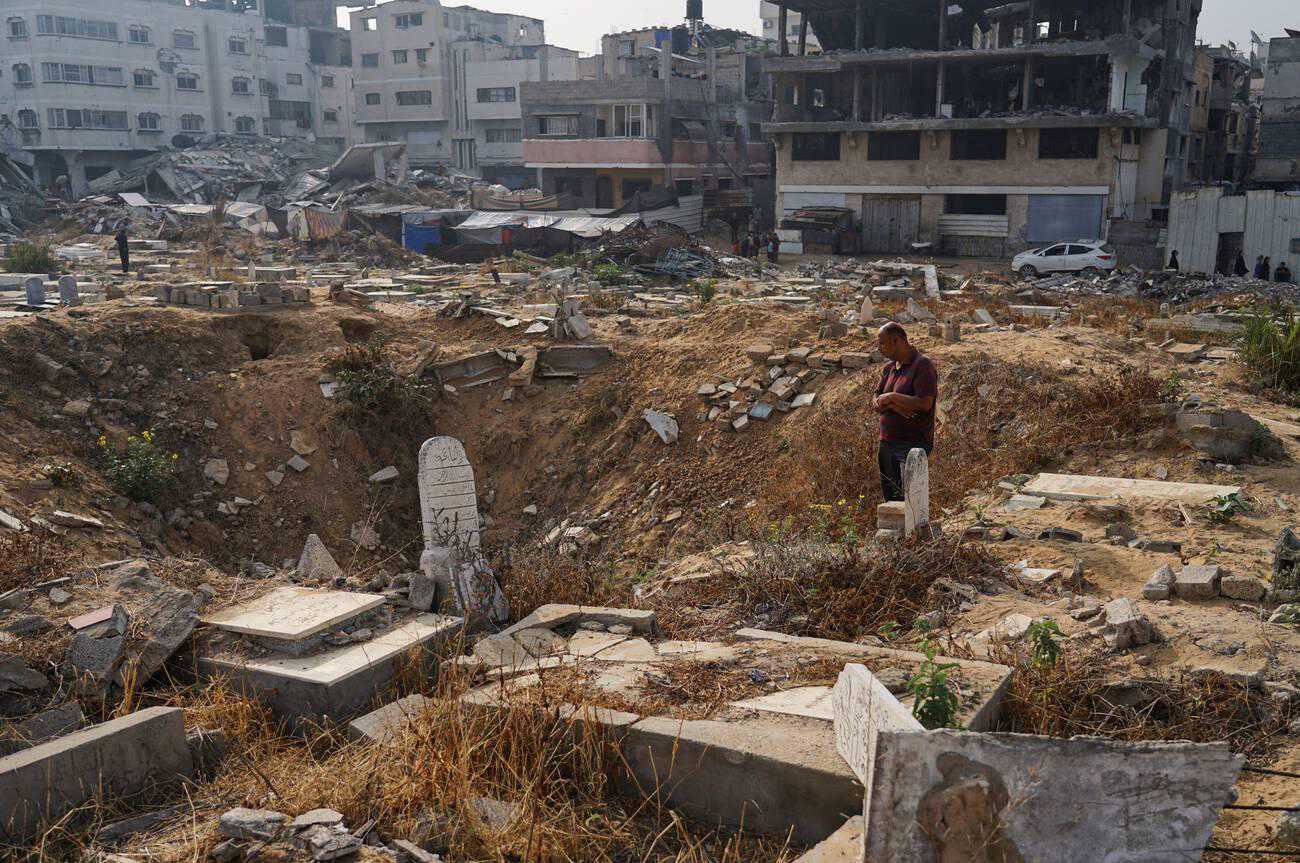
In Nuseirat, central Gaza, an Israeli airstrike destroyed a residential block, killing at least 36 people and leaving many torn apart.
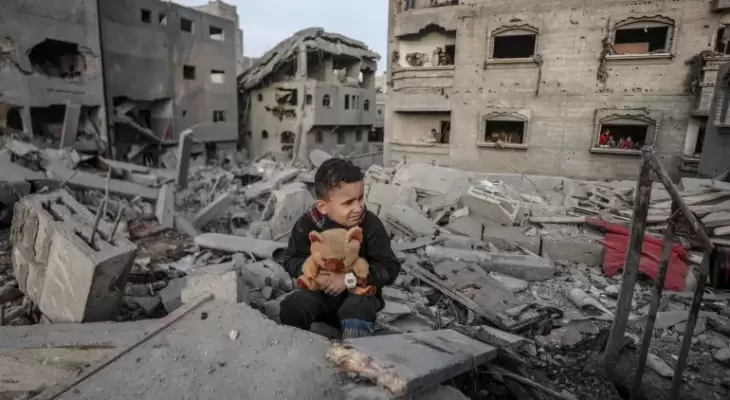
Akram Bayoumi found a limp, charred piece of flesh amidst the wreckage while searching for his cousin’s family, who were buried under the rubble.

Mokhtar Abou Ayaman Elshaar rushed to the scene with others, but with no equipment, they could only search using cellphone flashlights, hearing the cries of the trapped until they fell silent.

The scale of devastation was beyond words, an indescribable nightmare.

Continue reading
Fragmented Arab Nation May Yet Rise!

Dr. Saad Naji Jawad

The Arab nation has never lost its compass as it is doing so these days. It has never gone through such a state of disintegration, despair and inability to do anything since the World War I, and be satisfied with everything that others are doing to it.

If we go back in history when Britain and France occupied the Arab nation and divided it in the way we see it now, we will find that the spirit of revolution, liberation, love of independence and rejection of direct and indirect colonialism remained glowing within its societies.

Many national movements succeeded in obtaining independence, even if it was nominal, and some liberation movements succeeded in revolting against colonialism and expelling it from their lands. Then the Arab countries that gained their independence stood by those that were still struggling for that goal. When some Arab governments stood by the tripartite aggression against Egypt, demonstrations filled the streets, and the popular tide succeeded in toppling some of those regimes.

The same thing happened after the outbreak of the Algerian revolution, where all the masses of the nation and its independent countries stood by until it succeeded in achieving complete independence from French colonialism.

After the Bandung Conference (Asian-African Solidarity Conference 1955), which was the nucleus of the Non-Aligned Movement (1961) in the shadow of the Cold War, the late Gamal Abdel Nasser succeeded in leading the nation to a position that was taken into account, and the bloc was able to force the two world powers to respect the point of view of the movement’s members and supported the independence of most Asian and African countries. Some Arab capitals, Cairo in particular, became the headquarters and refuge for all Asian and African liberation movements.

Alarm bells

Indeed, that stage set the alarm bells ringing in Western countries about the possibility of the Arab homeland becoming an influential force in the regional and international arenas with its wealth. It is no exaggeration to say the entity that Western countries created in Palestine, the heart of the Arab homeland, was the one that activated this bell and kept its voice constantly loud.

This entity felt that its existence, which passed with the approval and submission of the Arab regimes that were groaning under colonial rule, and its attempts to expand beyond the area granted to it by the United Nations in the partition resolution in 1947, became clearly threatened, especially after the emergence of national regimes that rejected its existence.

This feeling increased when Nasser’s Egypt, with Syrian support, adopted the armed Palestinian resistance in Gaza and the West Bank since the mid-1950s, and other Arab countries followed suit after the 1967 setback.

Hence the decision to work to stifle any Arab renaissance project that could stand in the way of Zionist ambitions with American-British-European support was made. This decision was translated into two wars, the first of which failed (Suez and the tripartite aggression of 1956), and the second succeeded greatly (June 1967).

This introduction should not make us overlook the fact that those who helped the Israeli-American-British plan succeed were the Arab regimes and governments, which despite the national intentions of some of them, failed to create democratic institutions and societies that stand behind the regimes and support them.

Isolated regimes

Rather, it can be said these regimes isolated themselves with their oppressive policies, which they naively justified as necessary to protect revolutions and national experiences from foreign conspiracies. This is why a schism occurred between the peoples and their rulers.

This gap widened when the majority of citizens in all Arab countries felt marginalized and had no say in what was happening.  They participated in wars against their will, were forced to suffer defeats against their will, and accepted agreements that had no interest for them or their future generations. Most of them found themselves, and still are, living below the poverty line, while their wealth went into the pockets of the corrupt and the rulers.

The same failure befell other leaders who possessed enormous wealth. Instead of harnessing this wealth to build an economic, industrial, cultural, and agricultural renaissance in all Arab countries, they put all this enormous potential in the service of the American-Zionist project that aims to dismantle the Arab homeland, believing that this project is the one that will protect them and keep them in power.

These parties spent hundreds of billions of dollars to support civil wars within the Arab homeland, at a time when a small percentage of this money would have been enough to create an economic, cultural, and social renaissance in all Arab countries.

What is happening in our Arab region today is a path that began in 2003, then moved to most Arab countries (under the name of the Arab Spring), and resulted in the destruction of Libya, Syria and Yemen, then moved after the Al-Aqsa Flood to Palestine, to Gaza, then Lebanon and last but not least in Syria, where Israel and the United States were able to achieve easy victories they did not deserve.

Terrified

This even included the right-wing axis that normalizes and satisfied with Israeli expansion, which was terrified by what is happening. The problem is that people’s memories are narrow, weak and sometimes non-existent. What is happening now in Syria in particular happened twice in Iraq in 2003 and after, and in 2014 after the invasion of the terrorist ISIS gangs.

The result of both operations was catastrophic by all standards.

However, there are those who still support what America and Israel are doing and seek their help and obey them. A not insignificant group, including this writer, believe that the basis of the current disaster is the failure to activate the principle of (unity of arenas) after the launch of the Al-Aqsa Flood operation.

Perhaps there is no benefit to be gained from discussing such a topic with those who are driven by sectarian and racist fanaticism, or driven by narrow and limited interests and painful personal experiences (this is if we assume good intentions and the absence of suspicious connections), as all of these people cannot look at or discuss matters from the perspective of the supreme national interest.

Turkish ambitions

Perhaps one of the most difficult roles to explain to some is that played by Turkey, not only practically, but also in terms of its future intentions that harbor ill intentions for this nation, including talk in Istanbul and by official bodies about (the necessity of restoring Aleppo and then Mosul and annexing them to Turkey), then wrapping this up with honeyed words about (preserving the unity of Syrian territory).

Today, Turkish activity has extended to the Horn of Africa region, where it has succeeded in achieving an important historical reconciliation between Somalia and Ethiopia, a reconciliation that ultimately serves Addis Ababa and its policy, driven by Israel, in thirsting Egypt and depriving it of a large percentage of the Nile waters with the resulting major effects.

In other words, the destructive and fragmentation plan has begun to move to Egypt. Turkey has previously tried a strategy of destabilizing neighboring Arab countries, and that policy backfired, but it seems that it is not only the Arabs who are characterized by weak memories and failure to learn from experiences.

Yes, the Arab nation today lives on the edge of disaster, and it is threatened with fragmentation more than it is fragmented now, and what is more painful is that the occupying state, which was standing on the brink of a major defeat for itself and its expansionist settlement project, is today achieving, with American and Turkish support, and a cynical Russian, Iranian and official Arab position, a victory that it did not dream of.

It is not unlikely that after Trump comes to power, this will not only be strengthened, but new Arab countries will be forced to accept it, and it may even reach the point of forcing the International Criminal Court to withdraw the arrest warrants against Netanyahu and Galant, and the matter may extend to the International Court of Justice and prevent it from issuing a ruling on the genocide committed by the occupation in Gaza.

This bleak picture is only alleviated by the continuation of the resistance in Gaza despite everything that has happened and is happening, and the low state in which the occupying entity has fallen in the eyes of the world, especially the West, and the increasing boycott operations against it and its being considered a pariah and rogue regime.

The Arab nation has accustomed us to succeeding in difficult times in rising from the ashes and achieving victories despite all the setbacks. Perhaps such a thing now requires a period of time that is not short, but in the end this is what will happen at the hands of generations that have not rejected humiliation, subordination and the promotion of divisions.

And hope for this cannot be cut off no matter how long it takes. We have no choice but to take as an example of what was stated in the Holy Quran in the Battle of the Trench when the Muslims reached an unprecedented state of despair until the noble verse was revealed: In the name of Allah, the Most Gracious, the Most Merciful “Or do you think that you will enter Paradise while such [trial] has not yet come to you as it came to those who passed on before you? They were touched by poverty and hardship and were shaken until the Messenger and those who believed with him said, “When is the victory of Allah?” Unquestionably, the victory of Allah is near.”  God’s words are the truth.

The writer is an Iraqi academic who contributed this piece to Al Rai Al Youm

Continue reading
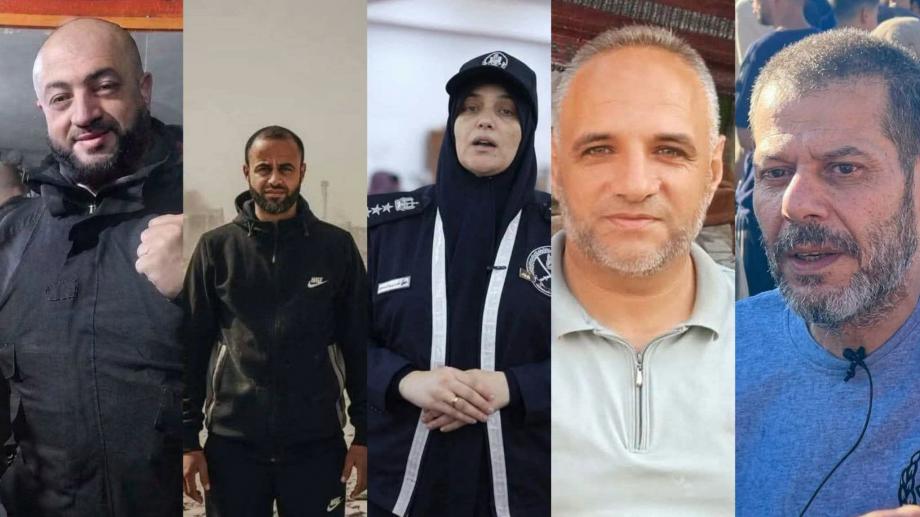
Fearless Journalist Mohammad Baalousha Killed by Israeli Quadcopter

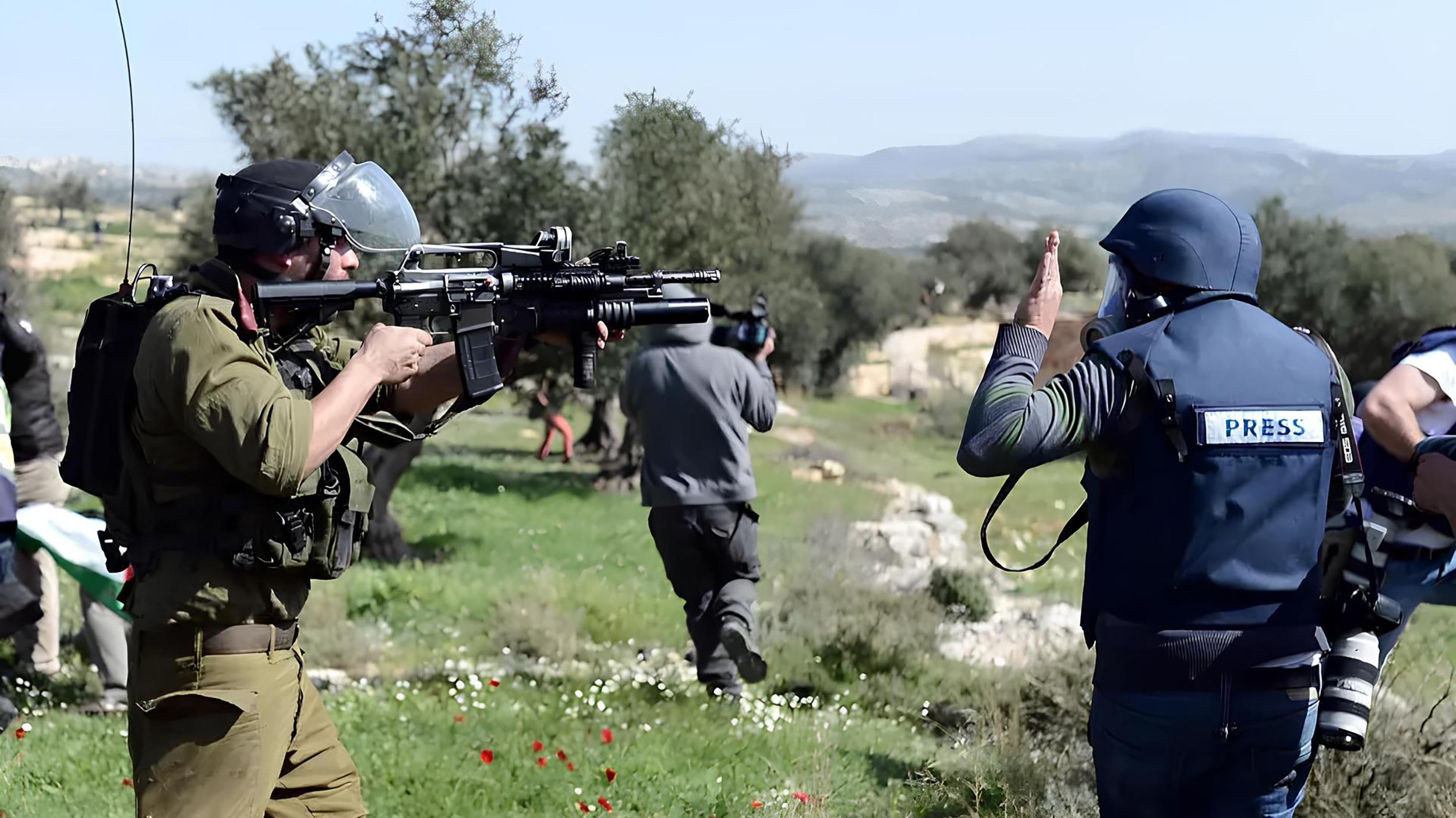
CROSSFIREARABIA – Israeli warplanes struck the home of journalist Mohammad Baalousha, Saturday, killing him instantly with no let up on the open murder of Palestinian journalists.

The latest strike on his home on the Ahmad Yassin Street in the Saftawi neighborhood of Gaza City killing is trending on the social media.

He becomes journalist number 194 to have been killed by the Israel since 7 October when the war on Gaza began.

Last January, Baalousha was injured by an Israeli sniper while reporting and was denied medical treatment for six hours, as Israeli tanks blocked his evacuation.

Nour Naim wrote: “Despite sustaining severe injuries in this war, he regained his strength and returned to work under harrowing conditions. He was known for his fearless reporting, including exposing the massacre of premature infants at Al-Nasr Hospital back in March 2024.

In this Israeli slaughter of the Gaza Strip about 400 journalists were injured and 40 others were arrested according to the Qatar Press Center.

“The number of journalist martyrs has risen to 195 following the martyrdom of journalist Mohammad Baalousha, a correspondent for Al-Mashhad Channel (a private Lebanese network based in Dubai), as a result of an Israeli airstrike on Gaza,” the Palestinian Journalists’ Forum said in a statement.

The Government Media Office in Gaza condemned in the strongest of terms the targeting, killing and assassination of Palestinian journalists by the Israeli occupation, and called on all countries of the world to condemn these systematic crimes against Palestinian journalists and media professionals in the Gaza Strip.

The office also put on the American administration the United Kingdom, Germany and France for the killing of the journalist because the are the major suppliers of weapons to the Israeli government.

It called on the international community, international organizations and organizations related to journalistic and media work in all world countries to condemn the crimes of the occupation, deter it and prosecute it in international courts for its ongoing crimes and bring the criminals of the occupation to justice according to the Palestine Information Center.

Continue reading
New Syrian Government Condemns Israeli Attacks

In its first official stance, the new Syrian Interim Government has condemned Israel’s invasion of Syrian territories. Syria’s Permanent Representative to the United Nations, Qusai Al-Dhahhak, sent two letters to the UN Secretary-General and the President of the Security Council. He demanded respect for the disengagement agreement and the mandate of the UNDOF peacekeeping forces.

“Syria condemns, in the strongest terms, the Israeli aggression and incursion into Syrian lands,” Al-Dhahhak stated. He called on the UN and the Security Council to take firm and immediate action to stop Israel’s attacks and ensure its withdrawal from areas it recently occupied according to the Quds News Network.

Ahmed Al-Sharaa, General Commander of the Military Operations Administration, stressed the importance of diplomatic solutions to ensure regional stability. “Diplomatic efforts are the only way to guarantee security and stability, avoiding reckless military adventures,” he said.

He warned of Israel’s actions crossing disengagement lines in Syria. “The Israelis have clearly violated disengagement lines, threatening unjustified escalation in the region,” Al-Sharaa stated. He also criticized Israel’s pretexts for the ongoing attacks, saying, “The Israeli excuses have become weak and no longer justify their recent violations.”

Al-Sharaa emphasized Syria’s current priorities. “The Syrian situation, weakened by years of war and conflict, does not permit engagement in new conflicts,” he explained. He called on the international community to act urgently. “There is a necessity for international intervention to address the latest Israeli escalation and ensure respect for Syrian sovereignty.”

Al-Sharaa urged focus on rebuilding the country rather than entering into further conflicts. “Our priority at this stage is reconstruction and stability, not being dragged into disputes that may lead to more destruction,” he concluded.

US and Israel Coordination

General Michael Kurilla, commander of US Central Command, met Israeli military officials in Tel Aviv to discuss the situation in Syria. They addressed regional security and the ongoing Israeli assaults.

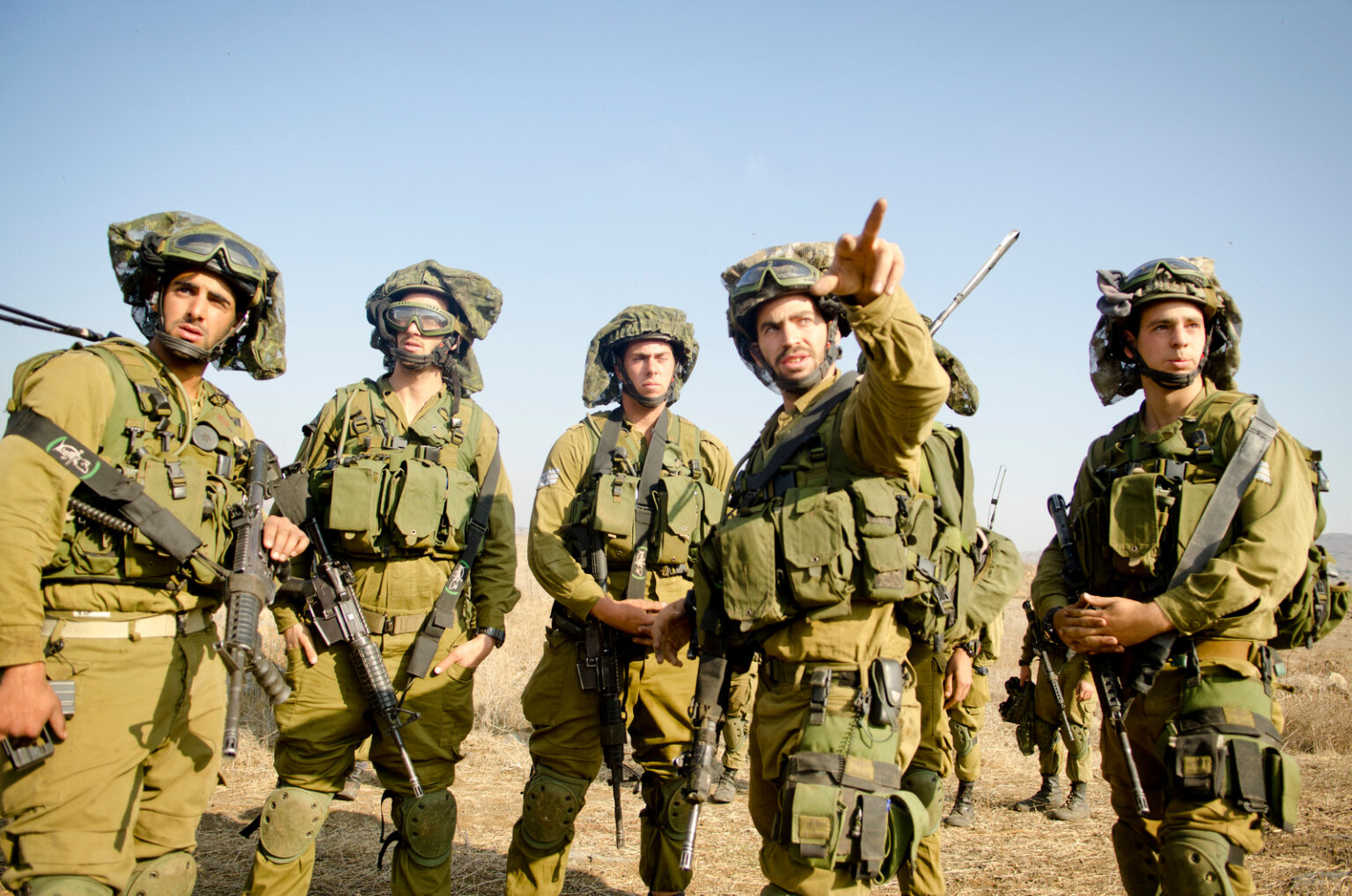
For the eighth consecutive day, Israeli forces have conducted air and ground strikes on Syria. Overnight, they targeted facilities near the town of Kafr and the 15th Special Forces Division, along with electronic warfare installations.

Local sources reported fresh airstrikes on areas near Damascus, Sweida, and Hama. Explosions were heard near the Scientific Studies and Research Center in Masyaf. Witnesses in Damascus documented remnants of Israeli missiles in the Rukn Al-Din area.

Israel claimed its attacks destroyed 90% of Syria’s military capabilities. Targets included warplanes, naval assets, and strategic sites, aimed at preventing them from falling into rebel hands after the collapse of the Assad regime.

Continue reading