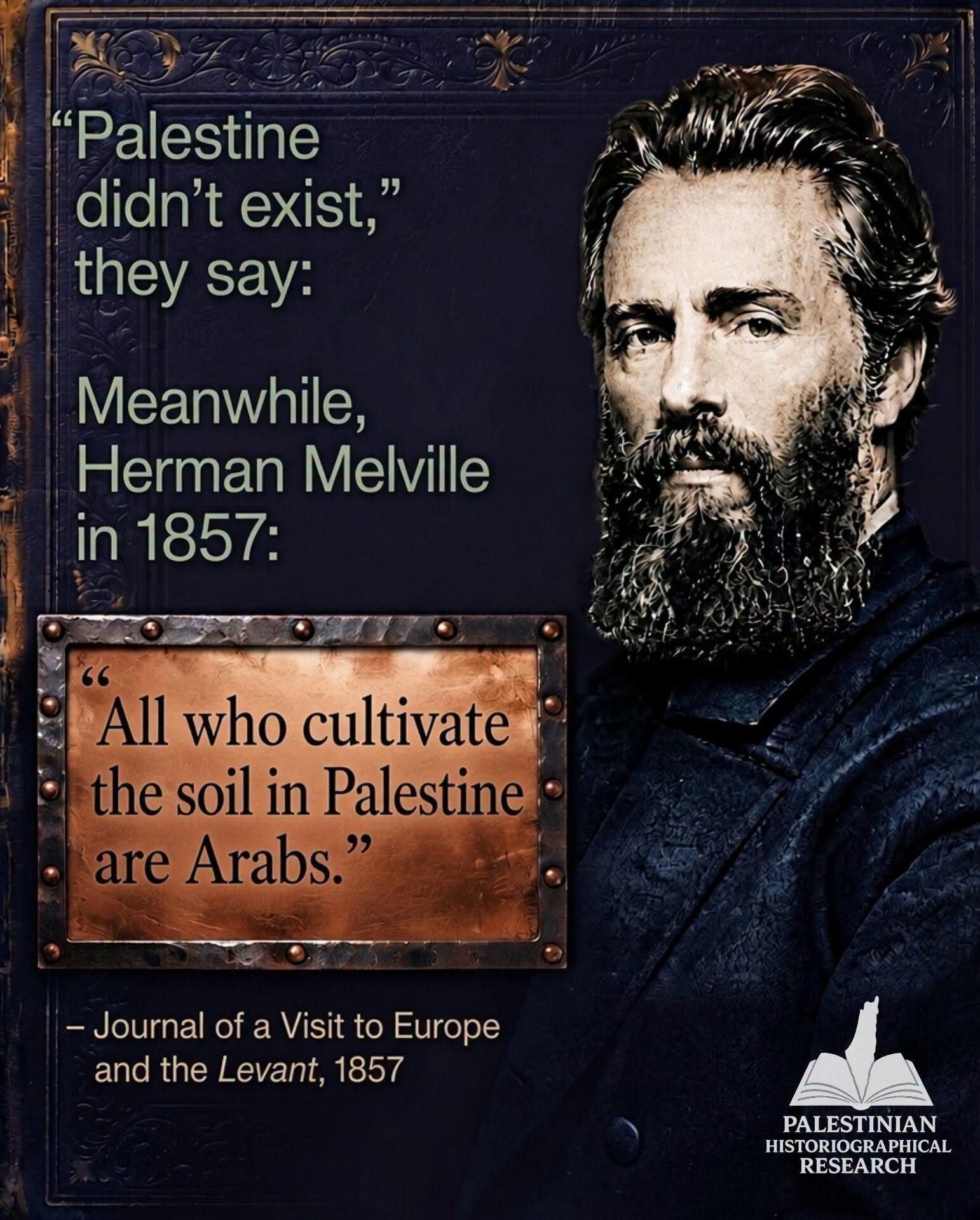
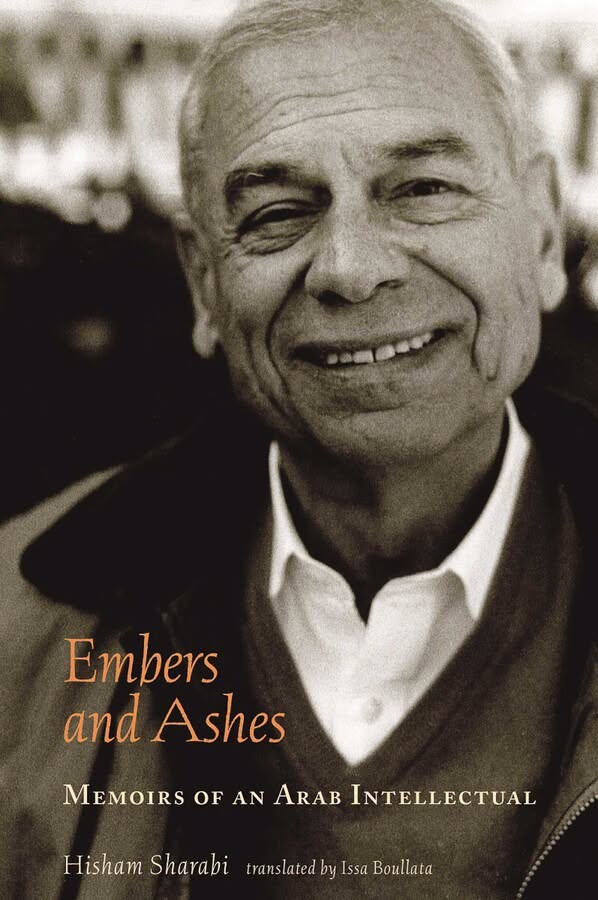
This a mad book tweets Matt Kennard. Israeli historian Shlomo Sand found no evidence that Exodus after 2nd Temple was destroyed in 70AD ever happened. The original Jews stayed and forcibly converted to Islam later. I.e. the real “ethnic” Jews are present-day Palestinians— colonized by Zionist converts.
With the conclusion of the first meeting between President Donald Trump and His Majesty King Abdullah, Jordan finds itself facing a real political test. The strategy of buying time with an administration that has been in office for only a few weeks may not offer much room for maneuvering, making it increasingly difficult to navigate the direction of US policy. Jordan has sought to carve out a space for itself by engaging with the American president and promoting an alternative that has broader Arab support. However, this approach requires swift action and the presentation of practical alternatives that could gradually shape Trump’s perspective.
Jordan now needs to build strong alliances to manage the next phase and counter the looming threat of forced displacement of Gaza’s population—a proposal that Trump has openly suggested as the only solution. Regionally, Jordan finds itself alongside Egypt as both countries face direct pressure from the US displacement plan. This shared challenge has reinforced their cooperation on various regional issues over the years, yet expanding the Arab alliance has now become an urgent necessity. The multiple forms of US pressure on Egypt make it crucial to establish a stronger, more resilient Arab coalition, with Saudi Arabia playing a central role.
Trump views Saudi Arabia as a gateway to regional peace and a key economic partner, not only for the United States, but also for a major strategic project aimed at linking India to Europe through the Arabian Peninsula, the Mediterranean, and Italy. This highlights the importance of Saudi Arabia’s role in Trump’s vision. At the same time, Jordan’s southern geography is closely tied to Saudi Arabia within this ambitious economic corridor, which strengthens shared economic interests between the two countries. This growing economic partnership could lay the groundwork for deeper political coordination, including a potential Jordanian-Saudi understanding regarding the proposed displacement policy.
On the international level, Jordan can work to rally support for its political stance, which enjoys broad consensus among key global actors. However, at this stage, prioritising Arab alliances and maintaining effective communication channels with the US administration is far more critical than merely seeking international backing.
Domestically, Jordan’s internal front remains the most crucial. The current climate presents an opportunity for the state to reinforce national unity, as growing regional instability has heightened public awareness of external threats. This requires decisive steps to foster genuine political participation and address long-standing grievances of exclusion and marginalization. A shift in political discourse, engagement strategies, and governance methods is necessary to strengthen national cohesion. Uniting Jordanians under an inclusive and representative state framework will be vital in shaping a new phase in the country’s history.
What remains striking is how Jordan was suddenly thrust into the equation of resolving the Gaza crisis. From the outset of the war, discussions primarily centered around Egypt due to its direct geographical connection to Gaza. However, Trump’s unexpected move to involve Jordan has now exposed the country to two major risks: the potential displacement of Gaza’s population and, more alarmingly, the forced displacement of West Bank residents. The push to make Jordan part of the US plan for Gaza raises concerns that this could lead to an imposed reality in which Jordan is expected to absorb West Bank residents as well.
Categorically rejecting forced displacement must be Jordan’s top priority. However, achieving this requires a high level of political agility and the ability to engage in direct negotiations with all relevant stakeholders. This approach would strengthen Jordan’s regional role at a time when further Israeli escalation across multiple fronts, including Gaza and the West Bank, seems increasingly likely. Such an escalation could be used by the Israeli government to block political maneuvering and impose new realities on the ground. A military confrontation could shift the issue of displacement from a political debate to an unavoidable reality, forcing all parties to confront its consequences.
The author is an academic writing for The Jordan Times.
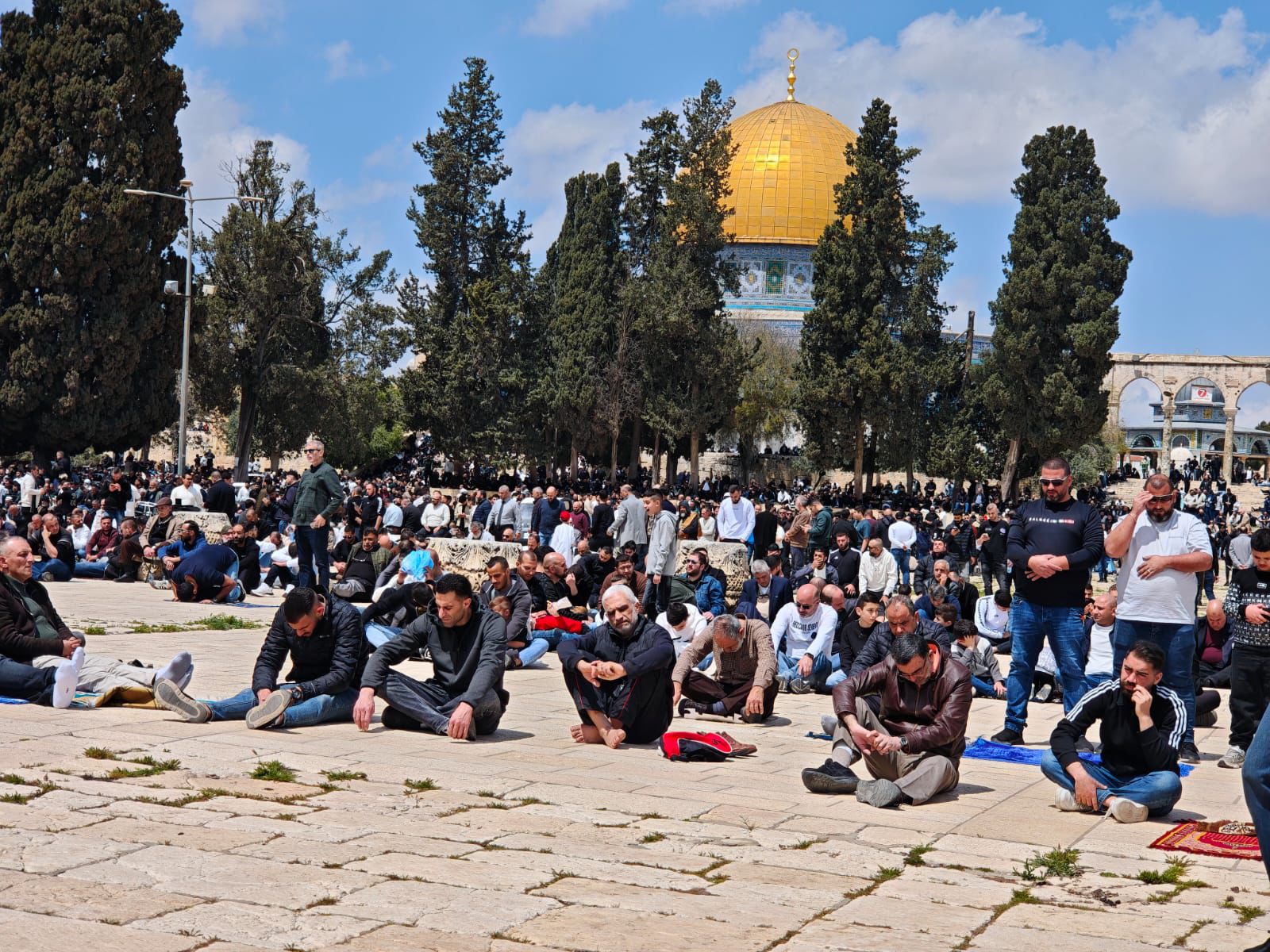
Palestine has strongly condemned the recent decision of the Fijian Prime Minister Sitiveni Rabuka to open a Fiji Embassy in occupied Jerusalem.
The Palestinian Foreign Ministry and Hamas has called such a move as a violation of international law and other relevant UN resolutions.
In separate statements, Tuesday, they urged the Fijian government to reverse its decision.
The Fijian decision is “an act of aggression against the Palestinian people and their inalienable rights,” and it impedes “prospects for peace based on the principle of the two-state solution,” the Palestinian Foreign Ministry according to Anadolu.
Hamas called the decision as “a blatant assault on the rights of our Palestinian people to their land and a clear violation of international law and UN resolutions, which recognize Jerusalem as occupied Palestinian territory.”
On Tuesday, the Fijian Foreign Ministry announced on its official website that the country’s Cabinet has approved the establishment of an embassy to Israel in Jerusalem.
If the decision is not reversed which it seems likely judging from close relationship between Rabuka and Israel, Fiji will become the seventh country to have an embassy in Jerusalem after the US, Guatemala, Honduras, Kosovo, Papua New Guinea, and Paraguay.
The Palestinian Foreign Ministry also affirmed it would take the necessary diplomatic, legal, and political steps to prosecute the countries that opened or relocated their embassies to Jerusalem according to the Wafa news agency.
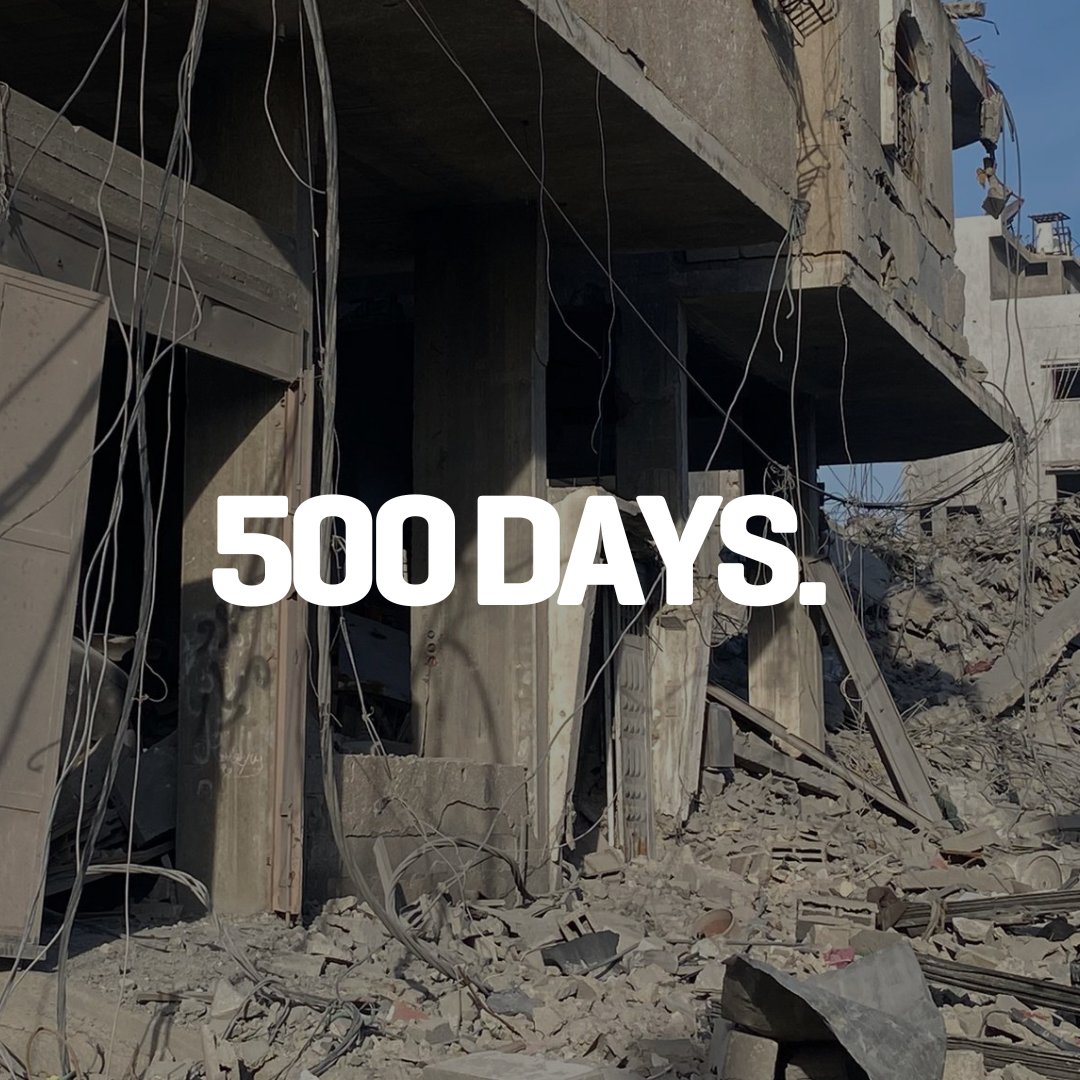
Palestinians in Gaza are suffering daily new horrors despite the ceasefire, Islamic Relief says as the world marks 500 days of the escalation.
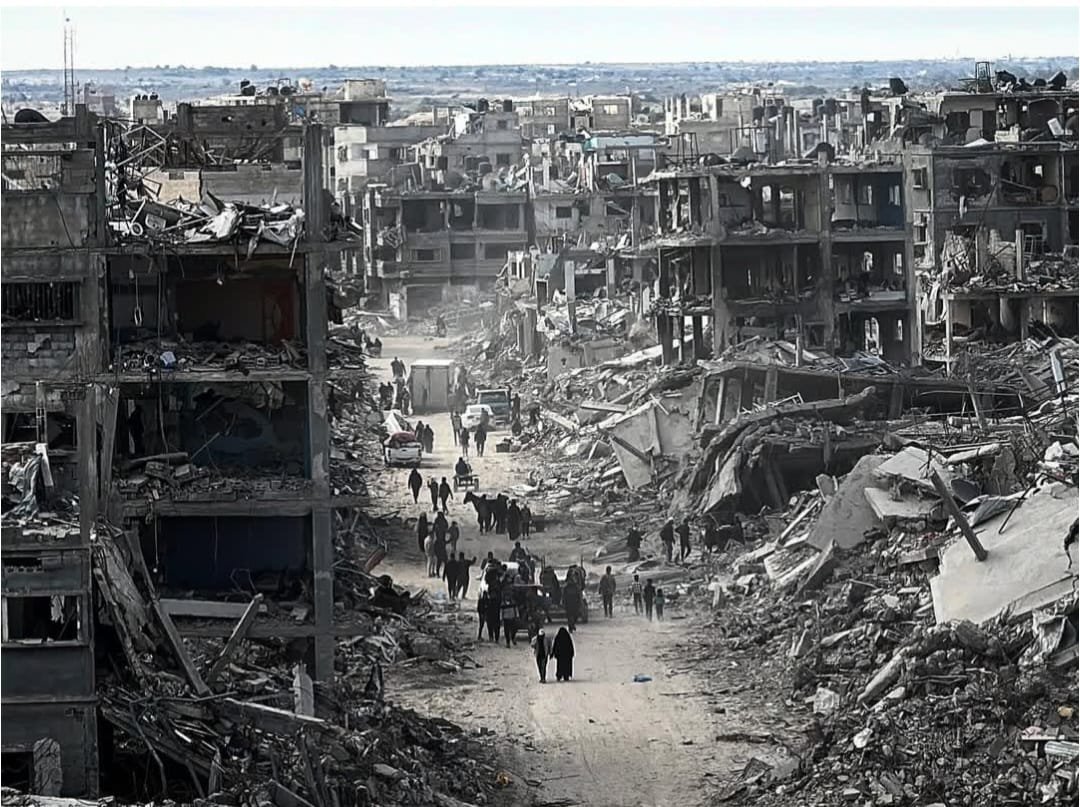
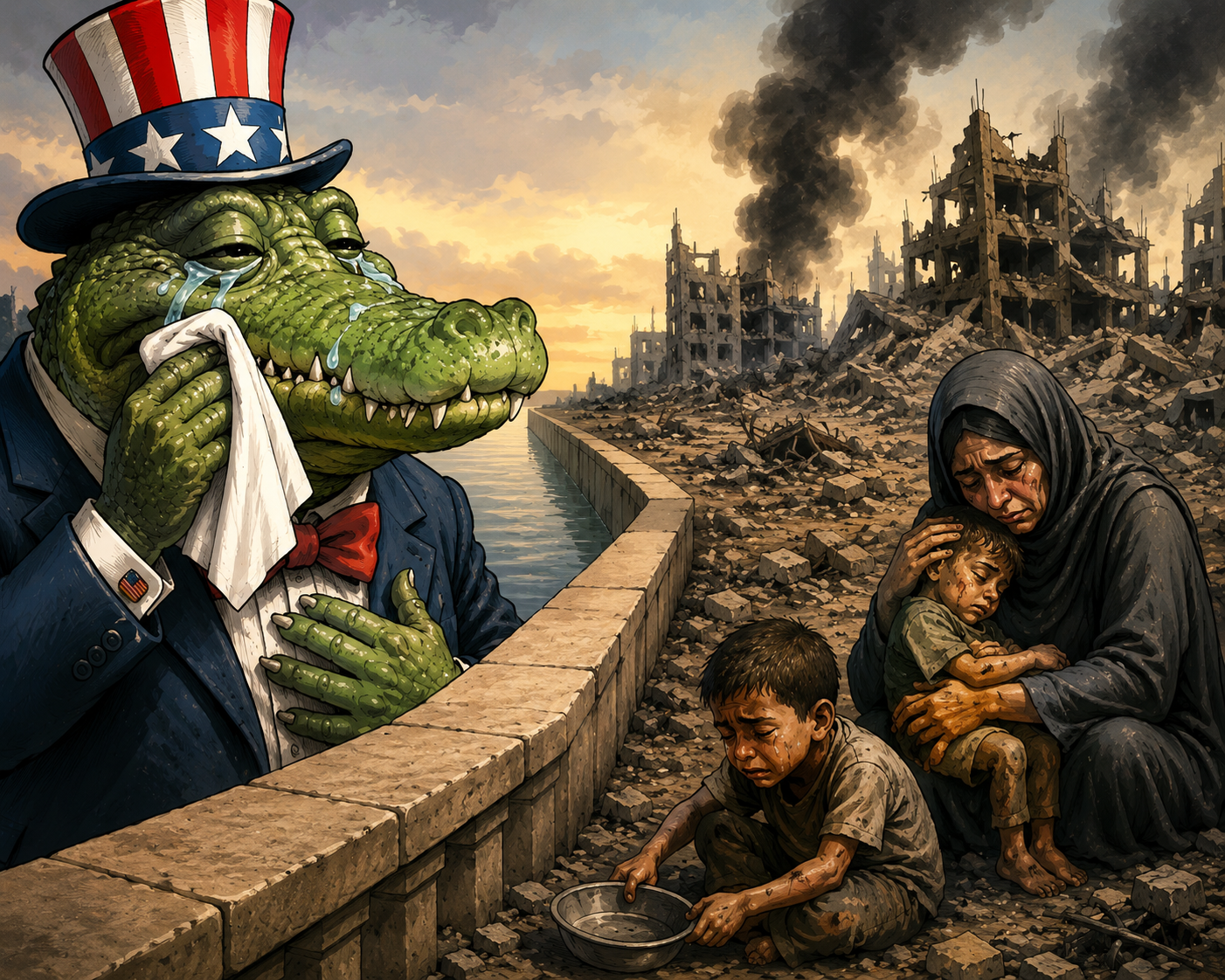
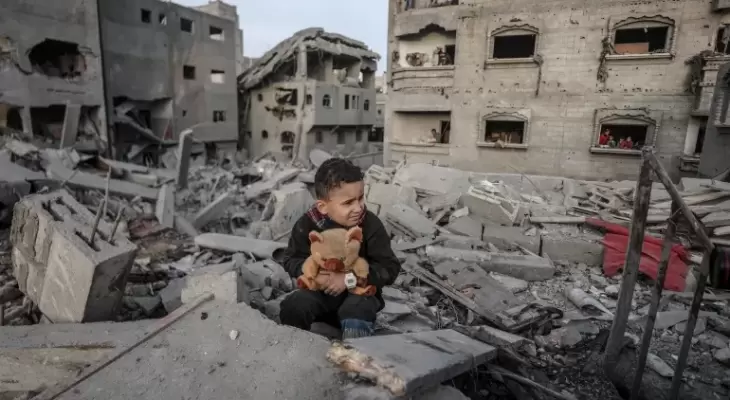
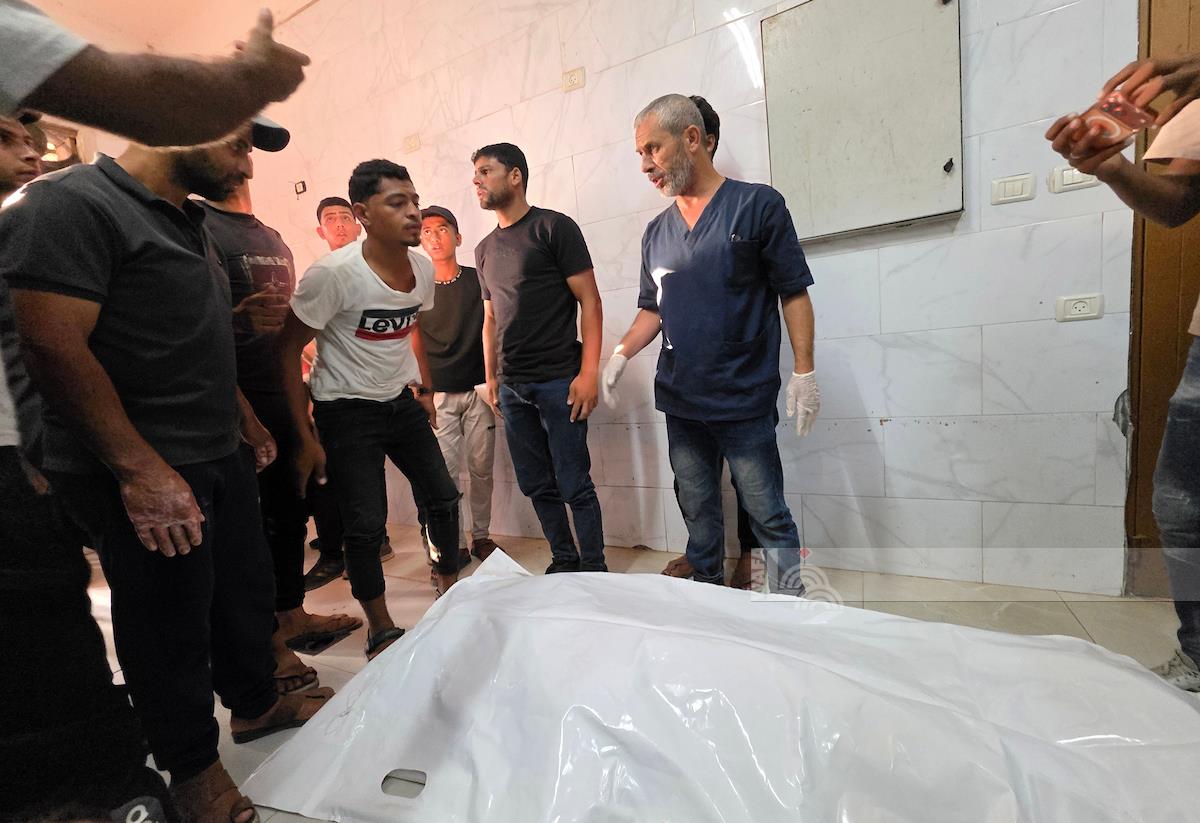
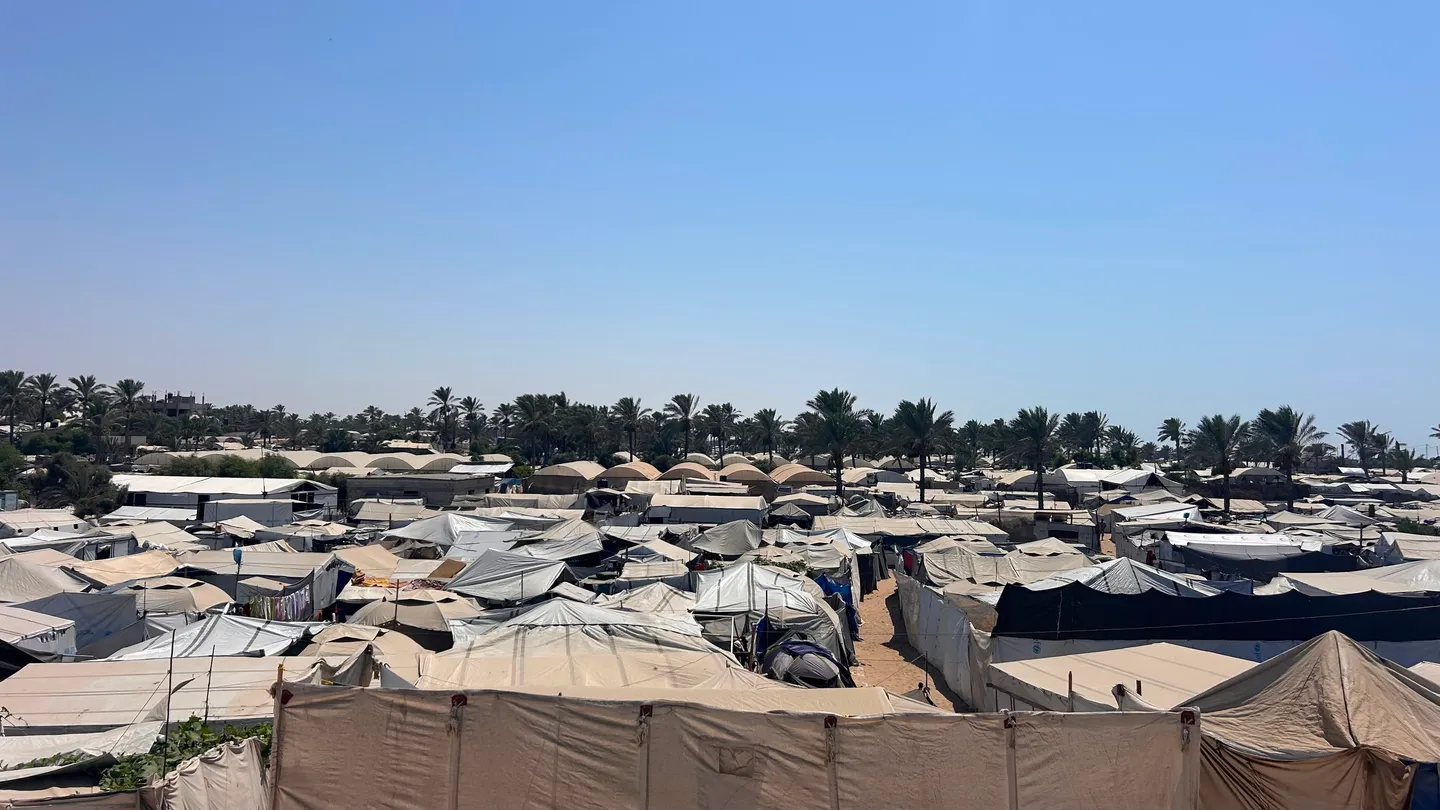
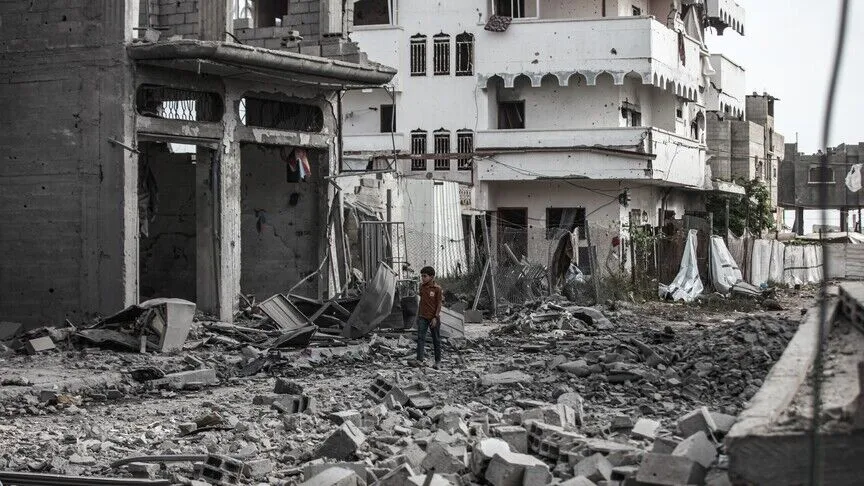
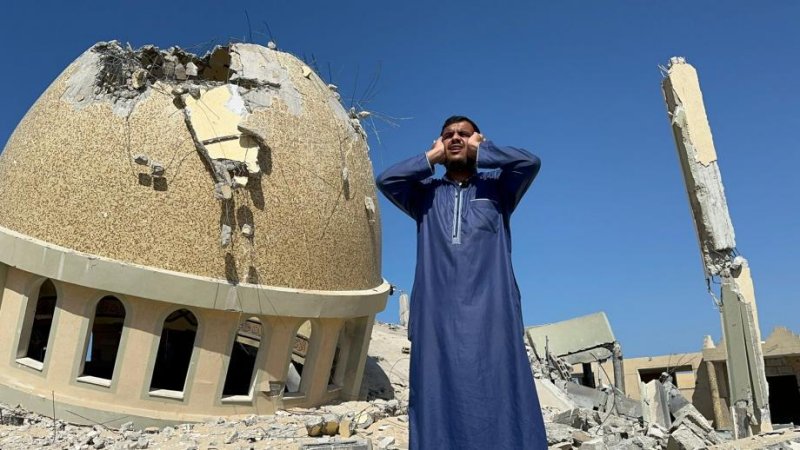
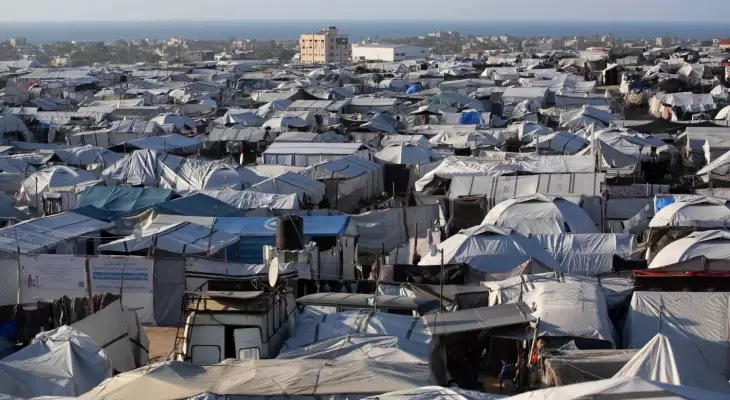
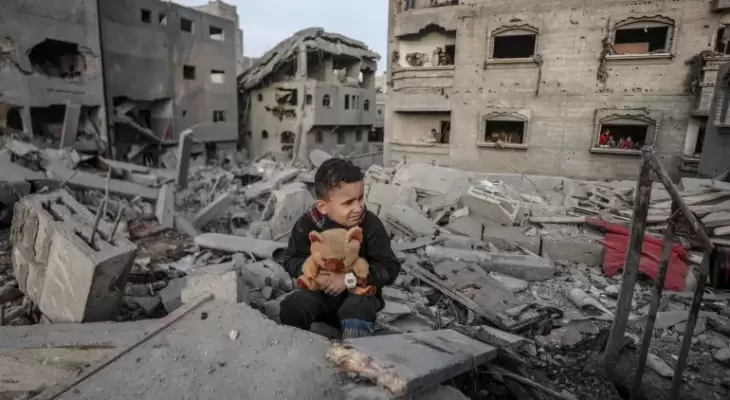
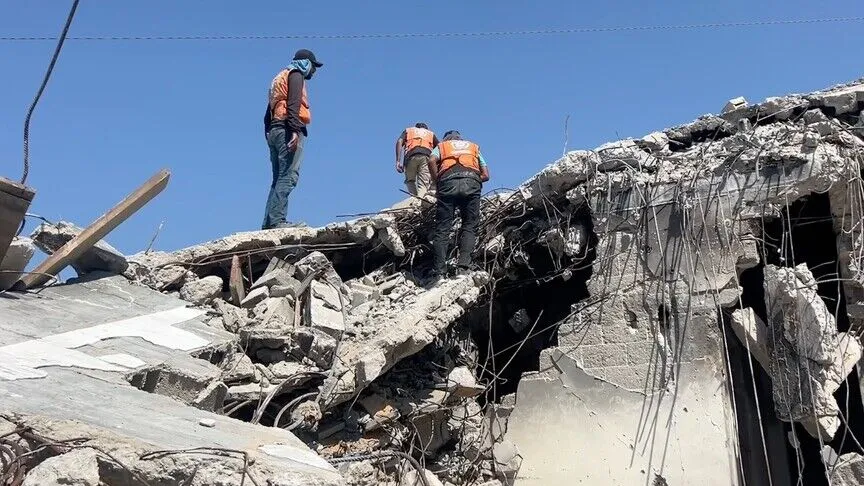
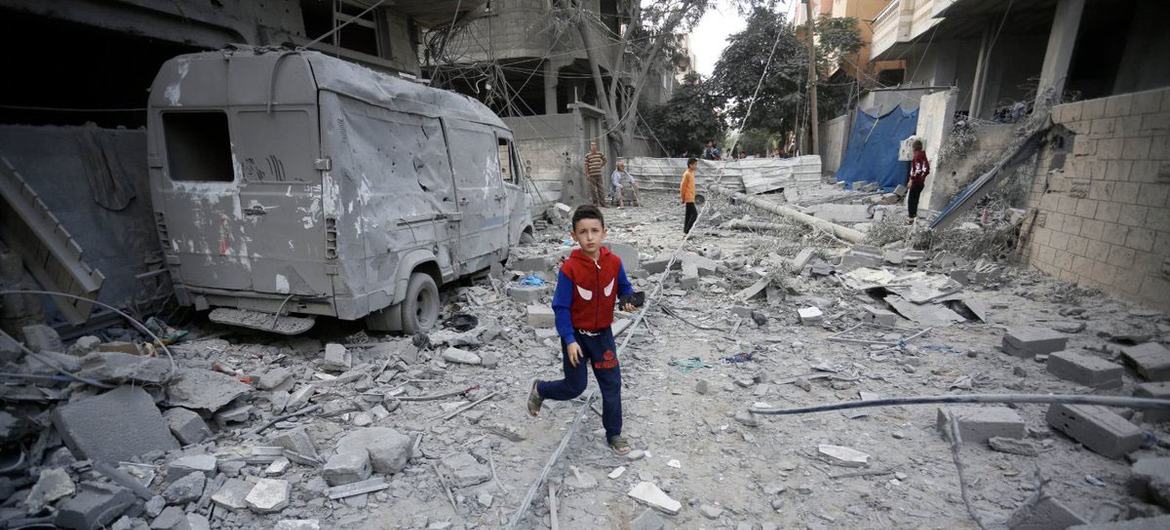
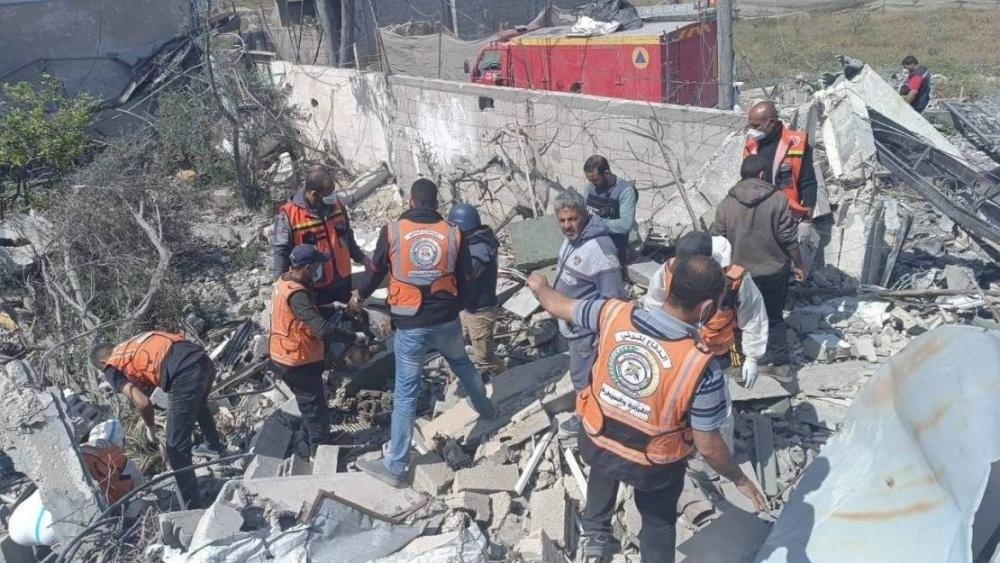
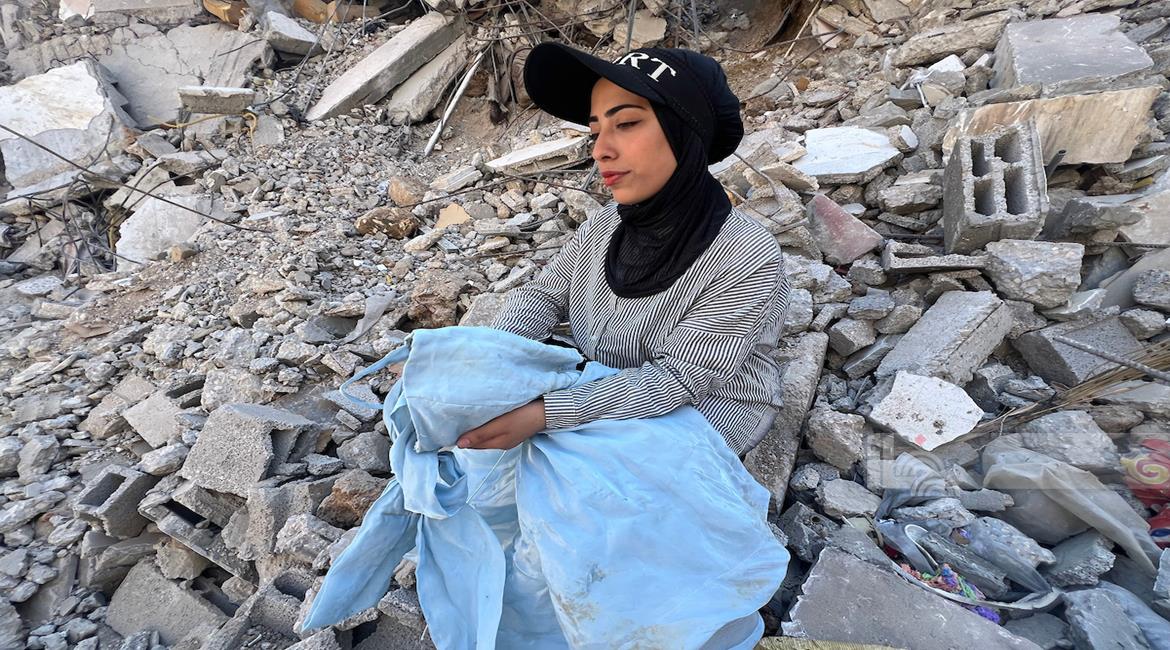
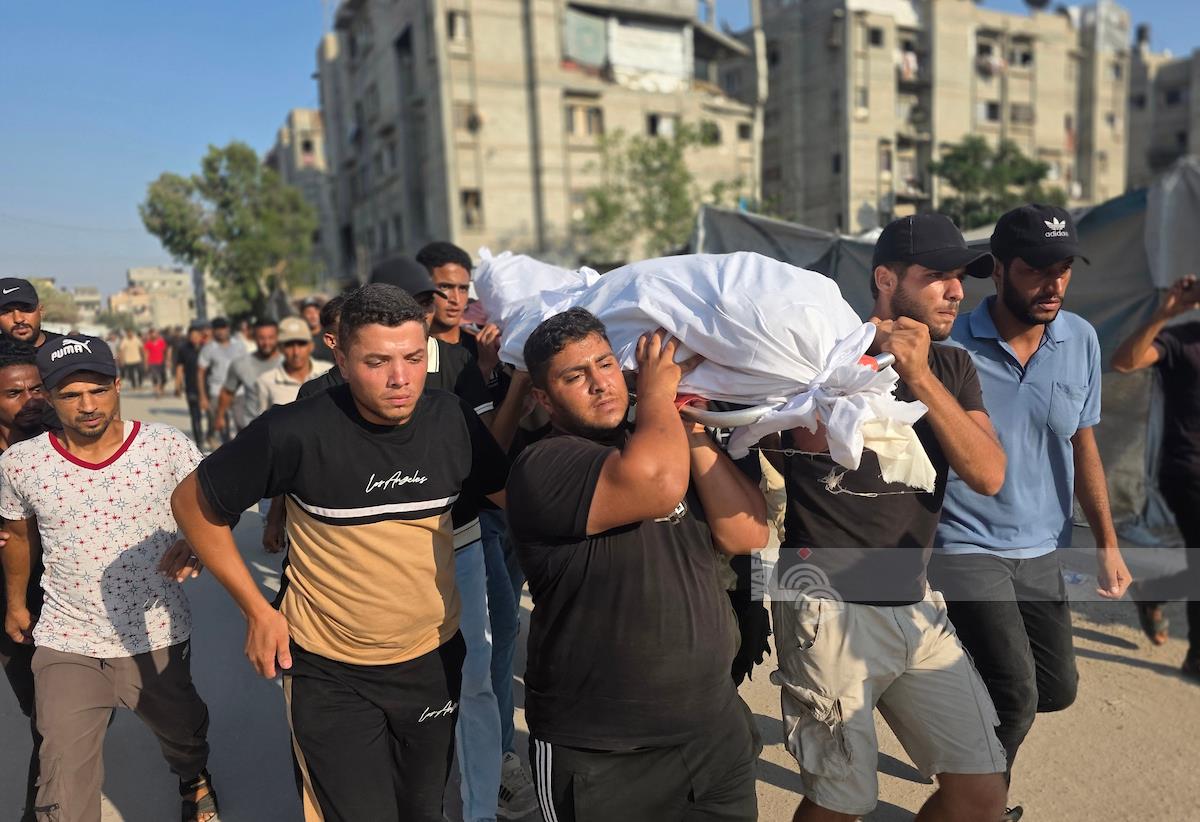
Hundreds of thousands of families remain homeless, forced to live in tents or temporary shelters, as more than 92% of homes have been damaged or destroyed by Israeli attacks and reconstruction has not yet begun. Families are still digging the bodies of loved from beneath 50 million tonnes of rubble that used to be homes, schools and health clinics, and neighbourhoods are now strewn with unexploded ordnance that have blown up and killed young children as they play or walk home.
The scale of destruction is unprecedented. Entire neighbourhoods and public services have been obliterated, and livelihoods shattered, and almost everyone left grieving. Israel’s attacks have systematically targeted every aspect of Gaza’s infrastructure and social fabric in a deliberate campaign to render Gaza unliveable.
Since the ceasefire there has been a big increase in aid allowed into Gaza, but it remains a drop in the ocean compared to the overwhelming needs. Although more food is now entering, there is still a desperate shortage of tents, medicine, fuel and heavy machinery for clearing rubble and repairing the damaged roads. Gaza remains under Israel’s illegal blockade that has been in place for almost 18 years, through which Israel controls the movement of all goods and people in and out of the territory and which has turned Gaza into the world’s largest open-air prison camp.
Islamic Relief has been able to scale up its work in Gaza since the ceasefire, reaching thousands more families all over the Strip. Since October 2023 Islamic Relief and partners have delivered aid including over 67 million hot cooked meals as well as supplying water, psychosocial support and physical rehabilitation for wounded children.
Yet, the ceasefire remains dangerously fragile and is being further undermined by rising Israeli attacks in the West Bank and growing threats to force Palestinians out of Gaza, which would amount to ethnic cleansing and must be opposed. International governments must not allow the ceasefire to collapse and must do all they can to ensure it becomes permanent.
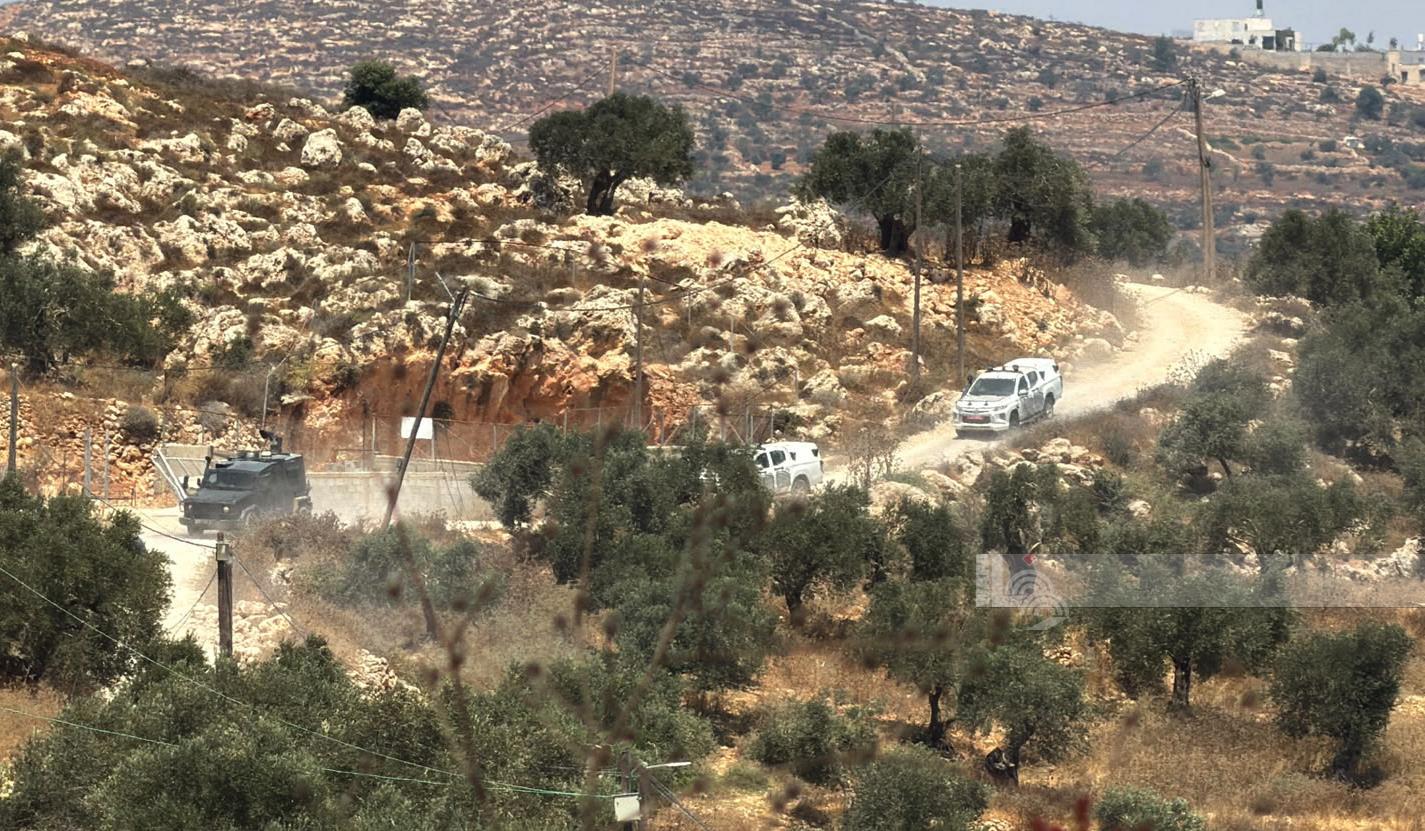
The surge in Israeli attacks in the West Bank have caused the highest levels of displacement there in decades, with 40,000 Palestinians forced from their homes over the last few weeks amid deadly and indiscriminate bombardment, ground offensives and tightening restrictions on civilian movement.
International governments must ensure there is accountability for the horrors and crimes of the past 500 days. As Israel continues to violate international law through its ongoing occupation and attacks on civilians, we continue to call on governments to end the impunity and take concrete action including ending arms sales that continue to fuel further violations of international law.
Islamic Relief believes the ceasefire in Gaza must lead to a lasting peace, where all people can live in safety and dignity, with their fundamental human rights upheld. We believe this will only be possible when there is an end to Israel’s illegal occupation of Palestine. International governments must immediately outline how they will abide by the International Court of Justice’s July 2024 ruling that Israel’s illegal occupation must be ended as soon as possible.
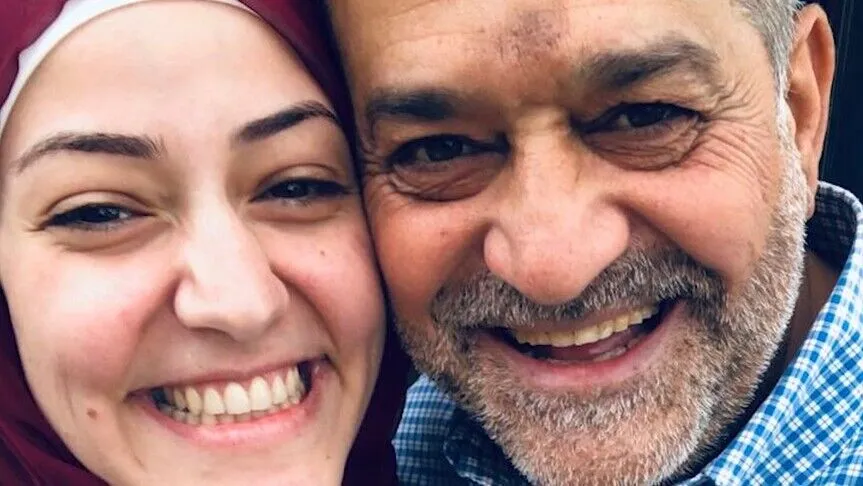
Displaced from Gaza, Noor Alyacoubi’s father longs not just for home, but for the fabric shop that defined his life—a place where his dreams, labor, and legacy took shape.
In every phone call I have with my mother—when we talk about our well-being—she always mentions how much my father misses Gaza. He longs for everything: the home, the air, the streets, but most of all, his work.
My father has owned a small, old-fashioned fabric shop on Omar Al-Mokhtar Street in the heart of Gaza City for decades. The shop is simple and unadorned, yet filled with vibrant fabric rolls that create a warm, cozy atmosphere. It’s a place where time seemed to slow down, where each day was marked by the rustle of fabric.
Since his twenties, this shop has been my father’s haven—a place where he found peace, surrounded by fabric and the rhythm of his work. Despite his formal education at Cairo University, where he graduated with a degree from the Faculty of Commerce in the 1970s, my father chose a different path. He turned down many tempting opportunities abroad—lucrative job offers and study programs—to follow in his father’s footsteps in the fabric trade. He was determined to stay in Gaza, to build a life there, even though the world outside offered him broader horizons.
For as long as I can remember, my father never took a day off—not even on holidays or special occasions. “It’s more important than anything else,” he would say to me and my siblings whenever we asked him to take a break. “It’s our livelihood—our main source of income.”
We used to think that if he took a day off, he would finally rest and relax, but as I grew older, I realized that his work was more than just a job. It wasn’t about the money alone. It was his refuge, his escape from the world outside, a place where he could lose himself in the work that brought him comfort and fulfilment.
Over the years, he worked tirelessly to grow the business, eventually making it one of the most well-known and enduring fabric shops in Gaza.
People who knew my father as the owner of Alyacoubi fabric shop would speak highly of both the shop and its owner, praising not only his quality products but also his honest, humble character. “Your father is like a second father to me,” a tailor once said to me. His dedication wasn’t merely about financial gain; he wanted to build a reputation in Gaza City. He wanted his name to be synonymous with trust and excellence, and he succeeded in doing so.
"My father mourns his shop more than our home," he told me after we were displaced from Gaza. Alyacoubi Fabric Shop was more than a business—it was his life's work, his purpose. Now, both he and the shop wait, uncertain when they'll be reunited.
Even after losing our home in an Israeli airstrike in March 2024, my father still counts the days until he can return to Gaza. “I mourn being away from my shop more than I mourn the loss of our home,” he once told me during a phone call.
The house, of course, was dear to him, but the shop was his life’s work. It was a reflection of who he was, of the years he’d spent there, of the people who had walked through its doors, and the community he had built around it.
This shop was inherited from my grandfather many decades ago, and my father’s bond with it runs deep. It’s not just a place of business; it’s a cornerstone of our lives. It’s where he poured his energy, his time, and his heart into providing for us. My siblings and I have always felt connected to the shop, too.
It wasn’t just about the money it provided—it was about the life it allowed us to have. The sacrifices he made in that shop gave us everything we needed to succeed. It’s where the wrinkles on his face deepened, where his sacrifices shaped the life we now live. It’s why we received a good education, the opportunity to strive for excellence, and the chance to create better lives for ourselves. That shop is our legacy, our foundation. It’s our name, our reputation in Gaza City.
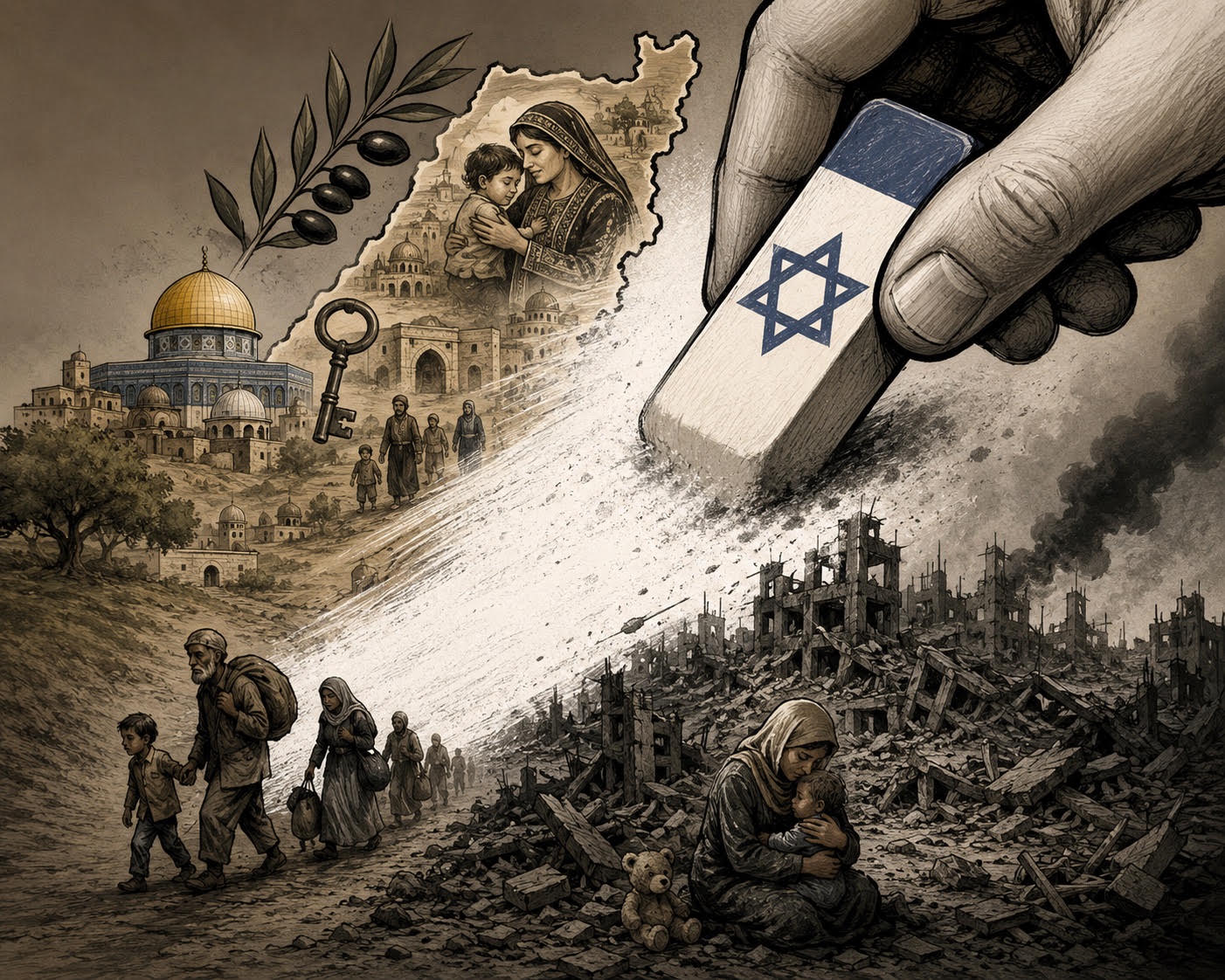
My grandfather kept the key to his house in Yaffa in 1948. He thought they would return in a few days. His name was Hasan. The house was destroyed. Others built a new one in its place. Hasan died in Gaza in 1986. The key has rusted but still exists somewhere, longing for the old… pic.twitter.com/e7HDD04XgN
My father used to be an energetic early riser who relished his morning routine—having breakfast, drinking his coffee, and heading straight to work. He spent eight hours a day in his shop, even on weekends, maintaining that routine without fail, without complaint.
But since being displaced to Egypt, his days have turned upside down. He stays up all night, staring at the ceiling in frustration, then sleeps in late. “Why should I wake up early?” he says whenever I ask. “I’m not in Gaza.”
It’s heartbreaking to see how the absence of his shop, the place where he had poured decades of his life, has changed him. The sense of purpose he once had, the rhythm of his daily life, has been shattered. Now, he struggles with a sense of aimlessness, and the simple joy of waking up early, of having a routine, has evaporated.
The devastation of being in a foreign country, far from everything he once owned, uncertain if or when he will ever return to what he built, is wearing on him deeply.
“He’s changed so much. He seems burdened, always in a bad mood,” my aunt told me after visiting my father in Egypt just a few days ago. The man who used to light up a room with his energy and optimism now seems weighed down by a grief too heavy to carry.
When the ceasefire talks began in November 2024, he called me with a hopeful tone. “We’re going to spend Ramadan in Gaza, Noor!” he said, full of optimism about the possibility of returning home. His eagerness was palpable, and for a brief moment, it seemed like a dream that could finally come true.
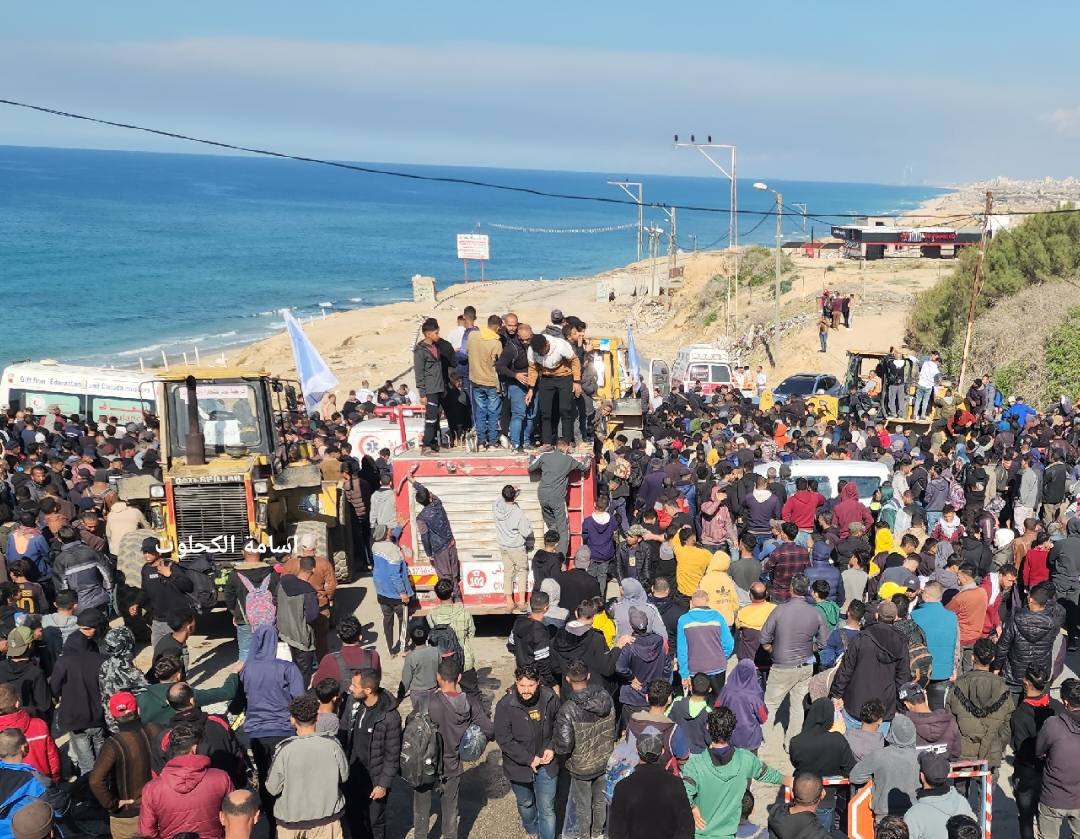
A ceasefire was agreed upon, and the issue of returning displaced people to northern Gaza seemed resolved. But the Rafah crossing remained a major obstacle, one that still looms large and keeps the dream of returning just out of reach.
In northern Gaza, I saw a tailor sitting on a worn-out chair, threading his needle through the fabric as if he were attempting to stitch together what life had torn apart. Beside him, a woman spoke softly, recounting a house reduced to rubble and days that seemed to blend into… pic.twitter.com/EUDWorgGDz
As Israeli and American threats loomed, threatening to block the return of displaced people and cut off the possibility of returning to Gaza, my father’s hope has turned into desperation. The nightmare that he might never be allowed to return to Gaza is consuming him. The fear of losing everything he once worked so hard to build has become his constant companion.
Despite everything he has lost, his attachment to his shop and his homeland remains unwavering. “I want to come back. I want to return,” he repeats, each word heavy with longing and desperation. He clings to the hope that, one day, he will step back into that shop, into the life he knew.
Since October 2023, my father’s fabric shop has been closed. The owner misses his shop, and the shop misses its owner. Every day, the empty shelves and the idle rolls of fabric seem to echo his absence. In some ways, it feels as if both the man and the shop are waiting for the moment when they can be reunited—when the door to the shop will open again, and the hum of life can continue in the place where it all began.
(The Palestine Chronicle)
– Noor Alyacoubi is a Gaza-based writer. She studied English language and literature at al-Azhar university in Gaza City. She is part of the Gaza-based writers’ collective We Are Not Numbers. She contributed this article to The Palestine Chronicle.

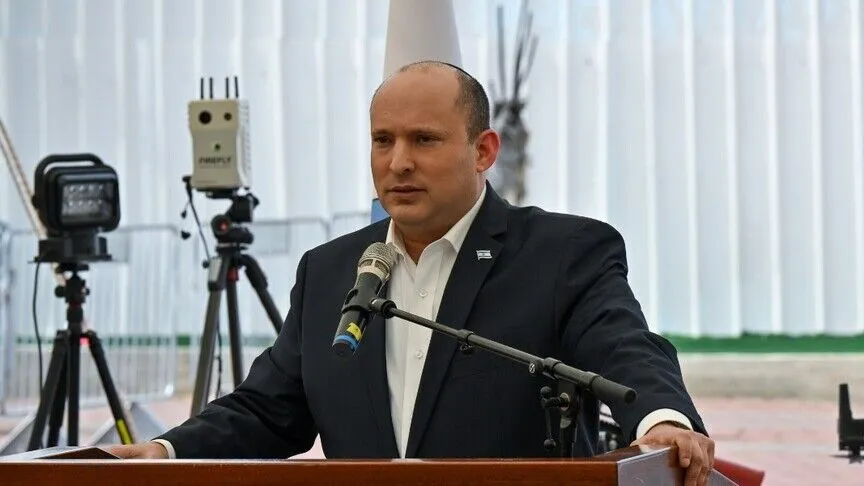 Former Jewish PM: Israel Has ‘Lost The United States…’
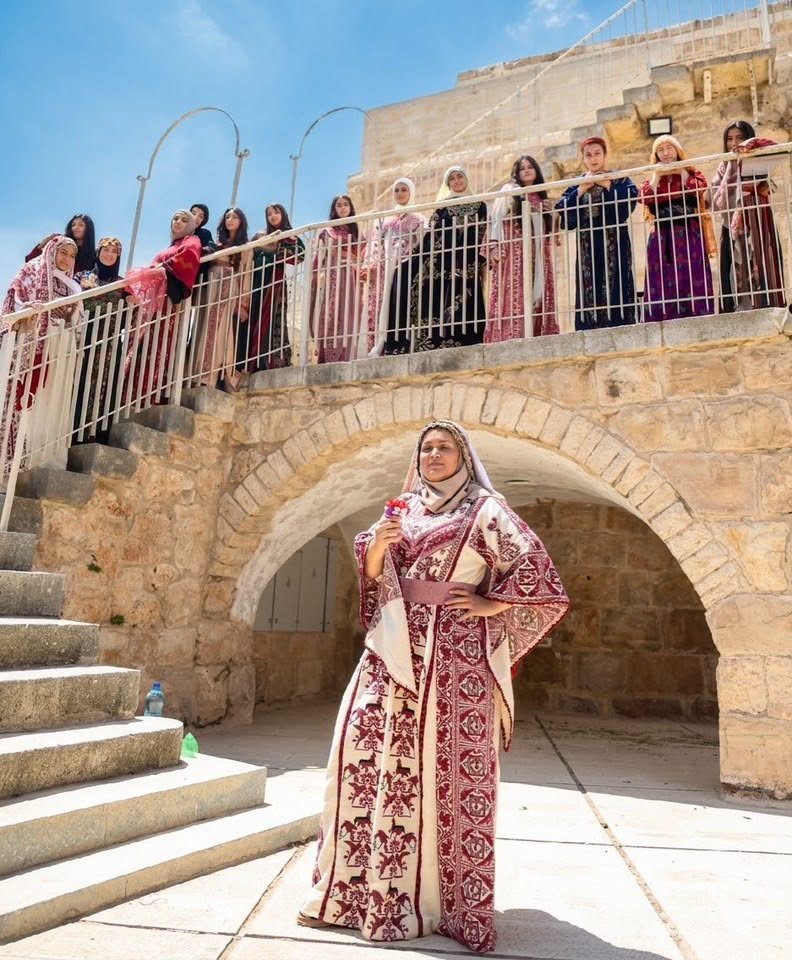 Palestine in Color Dresses
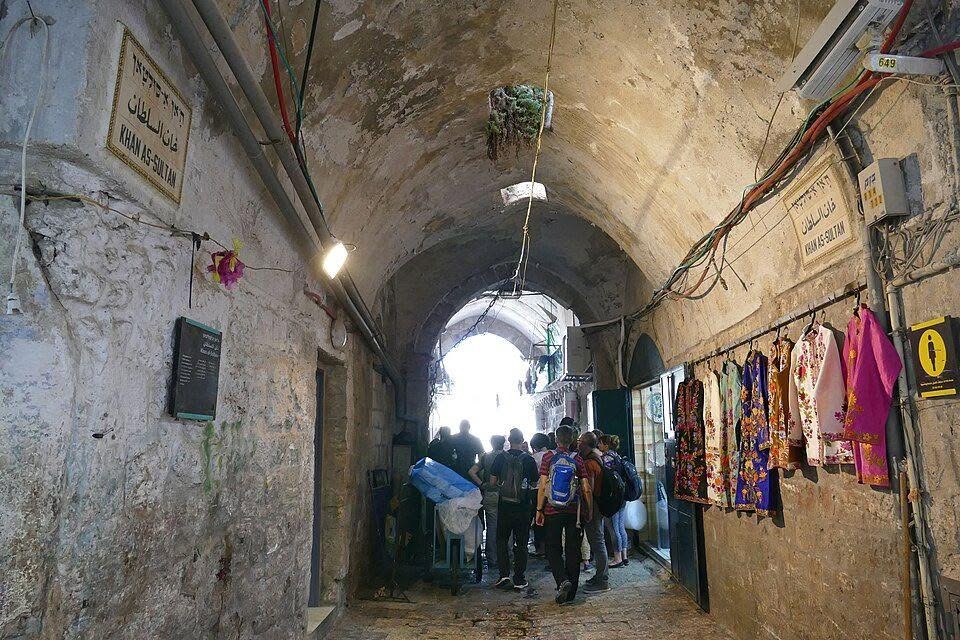 Khan al-Sultan Stands Proud in Jerusalem
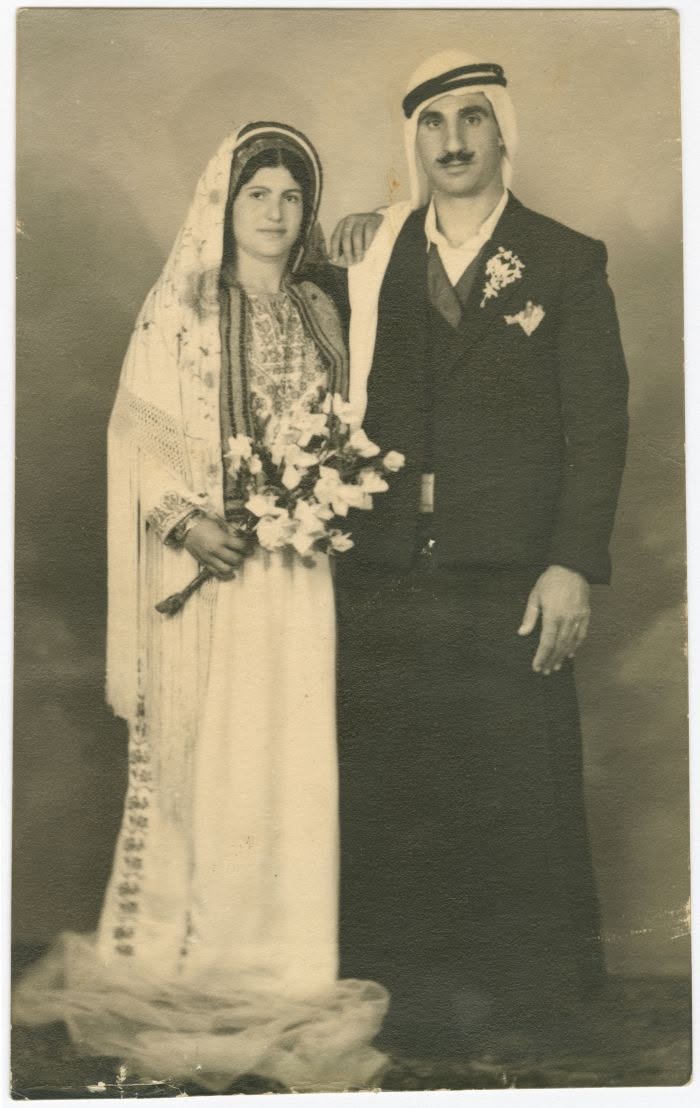
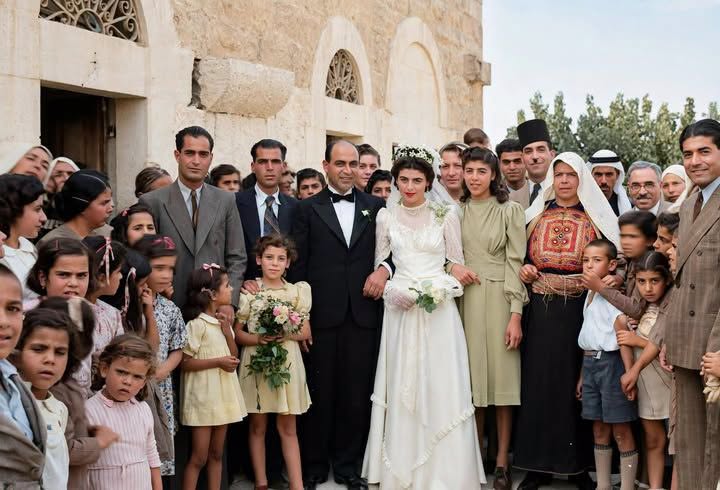 Christian Wedding in Beit Jala 1940
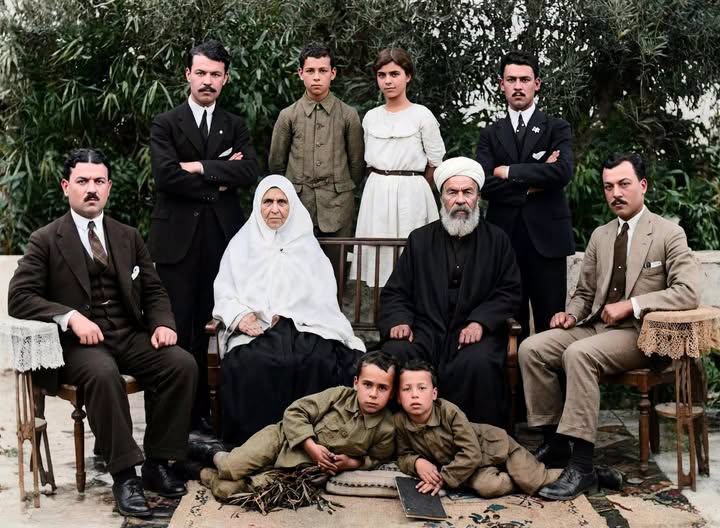
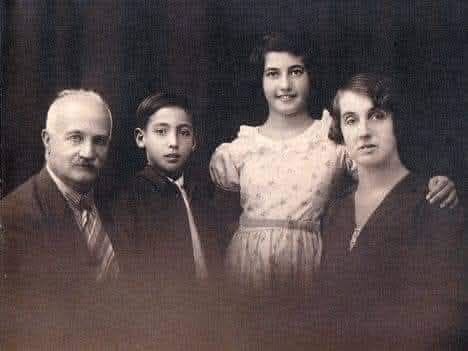 Palestinian Photographer Khalil Raad With Family in Early 20th Century

 marwan
 Heba
Heba



 Saleem Ayoub Quna











 CrossFireArabia