Syria: A Hot Political Potato

By Dr Khairi Janbek

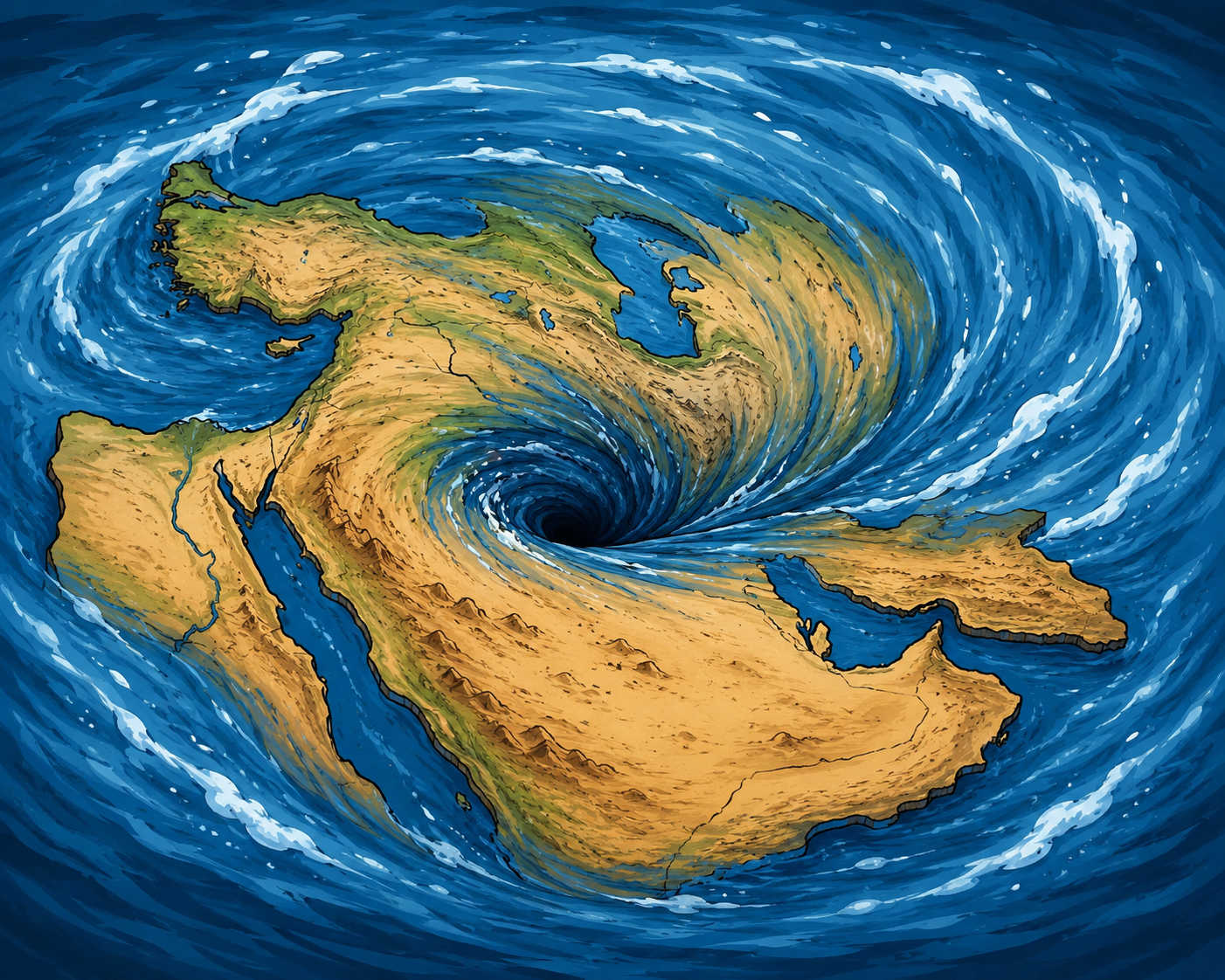
All eyes are on Syria, simply because the only thing known about how the new Syria will look like is frankly, the unknown. What is prevailing in the new predictions and analysis is at best, and at worst blunt fears.
Of course, this is understandable considering the composition of the groups which are now trying to run the country. What is vey disconcerting however, is how the international media presented the war prior to the fall of Damascus in no more than a side show, giving the impression that, as big Syrian cities fell one after the other in the hands of the rebels, that an agreement was likely to be struck which will solve the concept peaceably. Well, such an agreement was not struck, and the victorious rebellion became the hot potato in the hands of all.

Now, how will the new regime look like in Syria? Frankly your guess is as good as mine. Will they act momentarily in a pluralistic manner, then adopt political Islam as regime ideology? Again, only time will tell, but also that would depend primarily, on the prevailing regional and international actors and players.

For a start, the rapprochement between Russia and Turkey will not greatly depend on the shape of the new regime, so long of course, as the new regime in Damascus continues to protect the Russian interests in warm water bases, and be a wall against Kurdish armed groups threatening Turkish interests.

Then of course there is Israel, which after it destroyed Syrian military capabilities, has no fear of war with Damascus, but does fear the potential presence of a regime adopting political Islamist trappings on its borders, which it will use as an excuse use to expand and probably annex Syrian, and maybe Lebanese territories before the dust settles down.

However, when it comes to the Arab neighbors of Syria, Jordan and Iraq, it’s only natural they would feel concerned but for different reasons. For Jordan, the recent history of Iraqi political instability and the associated acts of terrorism are still fresh in the mind of everyone in the Kingdom, so in no uncertain terms, Jordan would wish to see on its border, a regime adopting political Islam, lest it suffers once more from terror acts that are likely to push for military action and in which it doesn’t wish to be involved in.

As for Iraq, the sectarian troubles are still fresh in the minds of everyone. Certainly the Iraqi government doesn’t wish to see a regime on its borders which has the potential of igniting an unwanted sectarian civil war. As for the rest of the Arab countries, the question remains theoretical – plainly speaking being against political Islam .

As for Syria itself, it’s rather banal to repeat the obvious which is, that it is pluralistic country. But, how can you mange such a country, if indeed this is the intention intention and not shoving it up everyone’s throat ideology by blood and fire.

For a start every community, ethnic and religious, has to feel secure, and secondly they need to know that they have a stake in the future of the country, and that can only happen by establishing a truly functioning parliament freely elected by all of its constituents, then adopt a prime ministerial system of government accountable to the people with a titular president of the republic. No political party should be prohibited to field parliamentary candidates except those associated with armed groups.

At the end of the day, the only thing which will turn the current victorious rebels into extremist islamists is the specter of internal civil conflict which everyone is trying to avoid.

Dr Khairi Janbek is a Jordanian commentator currently based in Paris.

Continue reading
How is an Extremist Marketed in Syria?

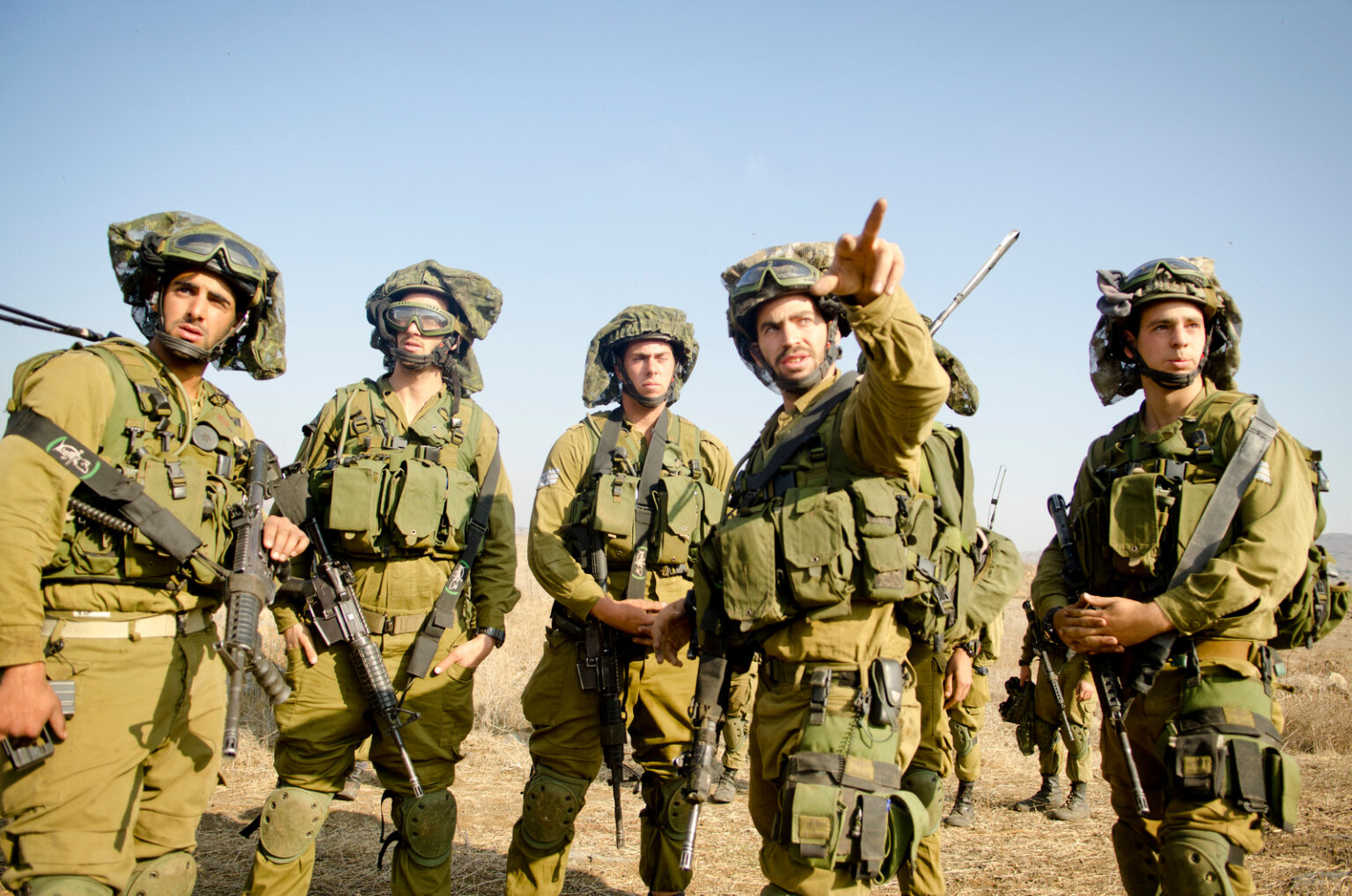
As the Syrian regime collapsed, Israel shifted its efforts towards redrawing the security geography and penetrating deeper into Syrian territory in an attempt to establish a future reality where some strategic Syrian land would remain under Israeli control and surveillance. These efforts included targeting Syria’s military infrastructure and dismantling its army’s arsenal, with the aim of creating a demilitarised Syria and rendering its geography unusable in any future equation that might target Israel.

While the world has been preoccupied with tracking the movements of the leader of Hay’at Tahrir al-Sham (HTS), Abu Mohammad al-Jolani (Ahmad al-Sharaa), his transformation in presence and rhetoric has drawn attention. This appears to be part of a strategy to market him as a suitable political option for the next stage. Despite his repeated assertions about respecting diversity within Syrian society, maintaining the country’s unity, and ensuring a democratic transition, doubts remain about HTS’s ability to translate these statements into practical action.

Al-Jolani, who currently leads the Syrian scene as a figure representing an ideological stance, may face serious challenges in accepting others, managing differences, or embracing the principle of power-sharing. His initial steps, forming a homogeneous government and attempting to dominate power, indicate a lack of a genuine strategy to address Syria’s social complexities and political legacy. The regime’s collapse may lead to significant difficulties in dealing with this legacy, both in its security and bureaucratic aspects. Such an approach could provoke expected reactions from various internal factions, such as the Druze and Kurds, or even within Idlib itself, who see this monopolisation of political decisions as a threat to their interests and future.

While simplifying al-Jolani and HTS’s rise to power by emphasising the oppressive image of the previous regime may make the Syrian scene appear clearer, the complexity of the current reality cannot be ignored. International support from the US and regional backing from Turkey may not fully guarantee a political transition, as the real challenge lies in how HTS handles extending its influence over the entirety of Syrian territory, a goal yet to be achieved. Additionally, integrating all segments of Syrian society into a national project remains nearly impossible for an ideologically driven organisation that struggles to embrace political diversity or power-sharing principles.

In recent years, the Biden administration took a notable step in Afghanistan by withdrawing and leaving the country to the Taliban, later marketed desperately as a reformed, moderate movement. Today, this phenomenon is being repeated with HTS, as promises to remove it from the terrorist list, distinguish it from other extremist groups, and present al-Jolani as a progressive, politically competent figure gain traction. However, removing HTS from the terrorist list warrants careful consideration of the potential repercussions. Most extremist groups may adopt escalation and rebellion as a primary strategy in the coming phase, particularly in their competition with each other and in their efforts to gain recognition as viable governing entities. This trend could extend beyond Syria’s borders.

Additionally, this development may reignite aspirations among Islamic parties, which retreated after the Arab Spring, to resume their pursuit of power. The symbolism of certain actions since the Syrian regime’s collapse, such as al-Jolani’s speech at the Umayyad Mosque, framing the event as a victory for the Islamic nation rather than a triumph for Syria’s opposition, and the newly appointed Prime Minister Mohammad al-Bashir delivering his first address from a Friday sermon pulpit at the same mosque, reflects an ideological agenda being marketed as the product of a political rather than religious revolution.

Political transition in Syria remains a challenging and complex process due to historical, social, economic and institutional factors. The risk of internal conflict remains significant, as many Syrian factions have yet to express their stance or acceptance of current developments. Furthermore, ceding control of their areas of influence will not be easy. The position of Daesh also remains ambiguous, with its movements since the regime’s fall unclear.

The region may be on the brink of significant repercussions resulting from what has happened and how things will develop in Syria, both politically and in terms of security. The next phase may also see Israel advancing practical measures on the ground before the Trump administration returns to the White House, including annexing areas of the West Bank, securing its borders with Lebanon and Syria, and striking farther targets which Israel considers to be fronts of Iranian influence extending from Iraq to Yemen and even inside Iran.

Dr Amer Al Sabaileh, a professor in the University of Jordan, is a columnist in The Jordan Times

Continue reading
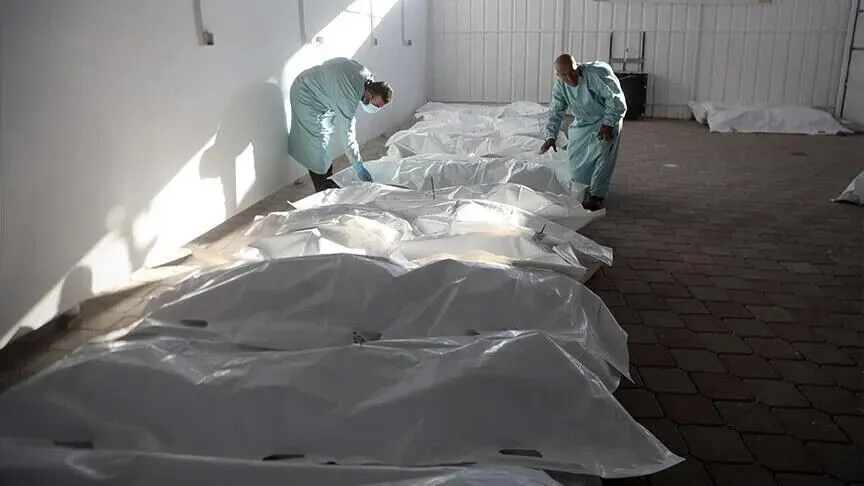
20 Killed in Israeli School Bombing

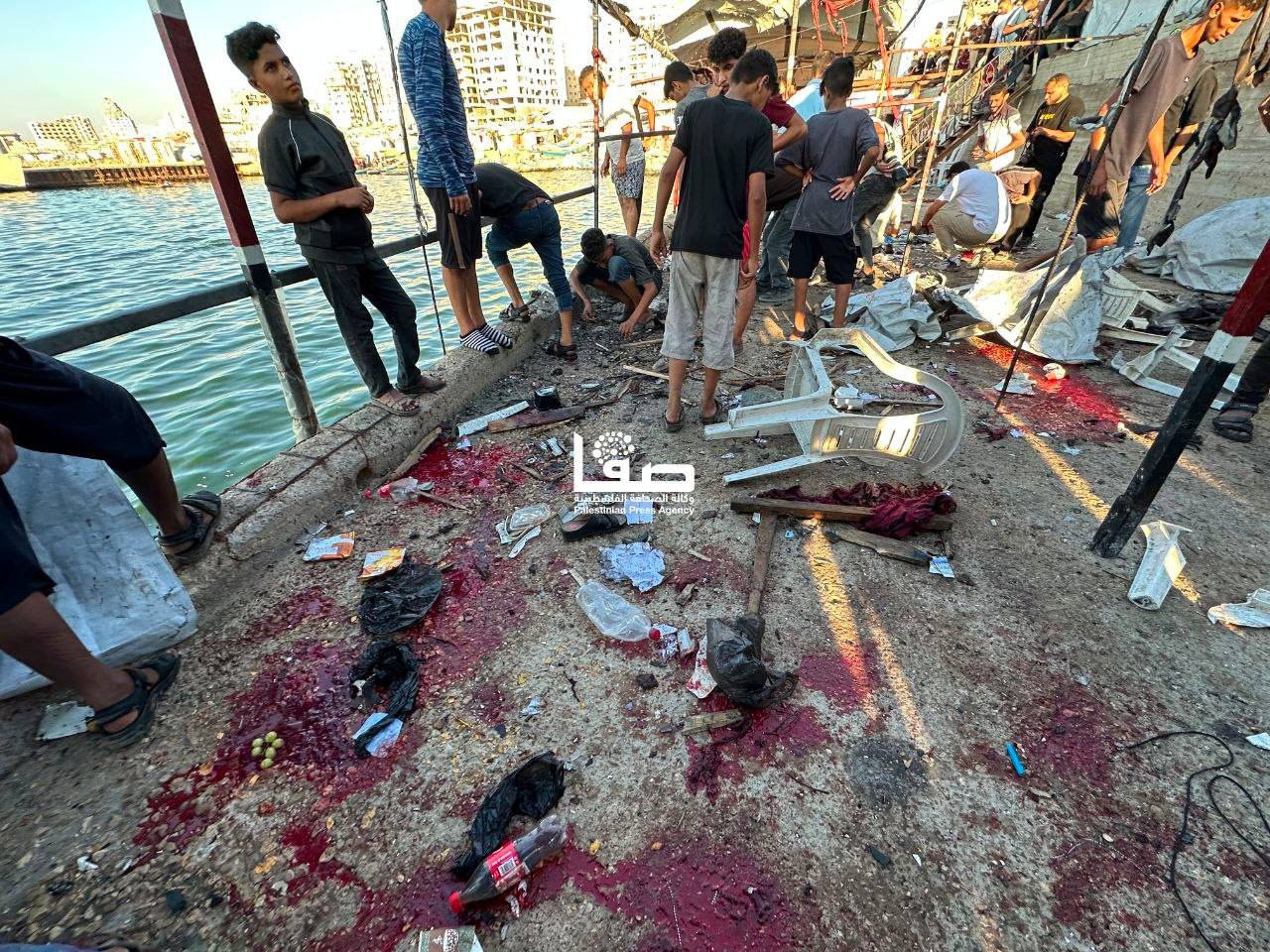
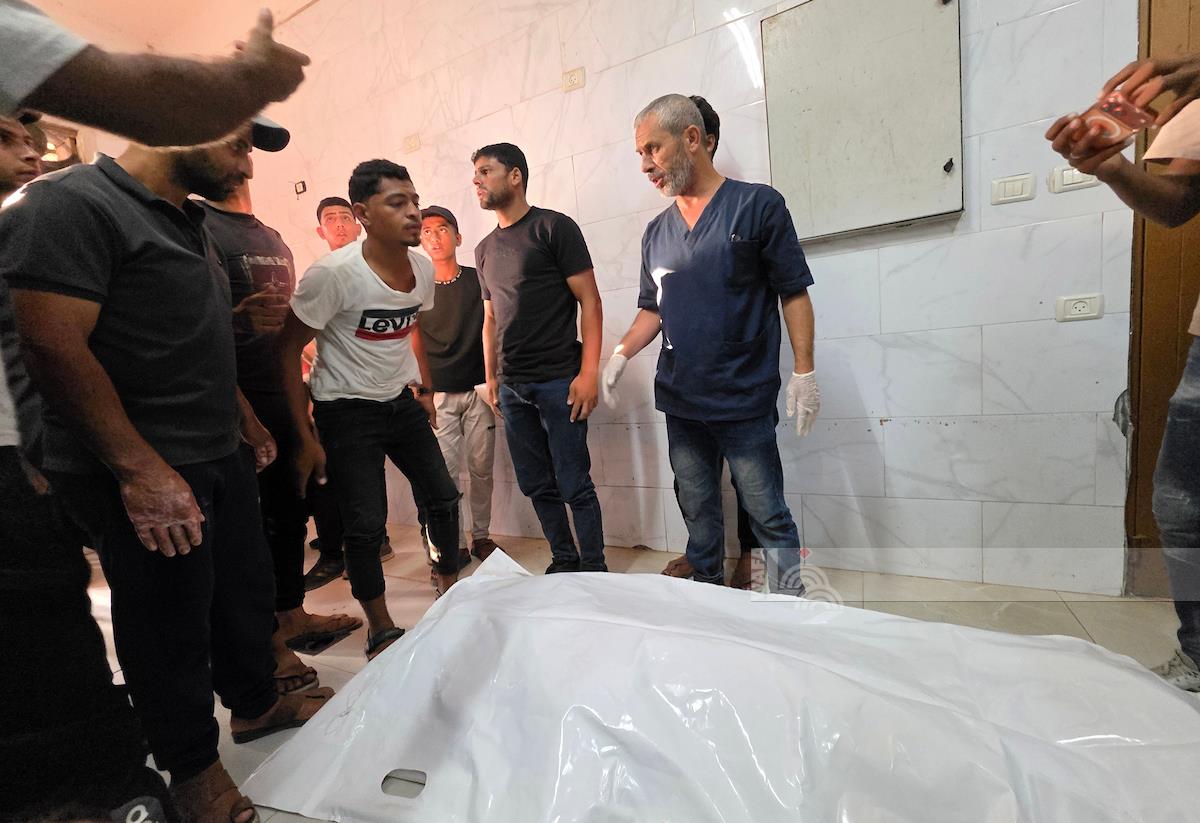
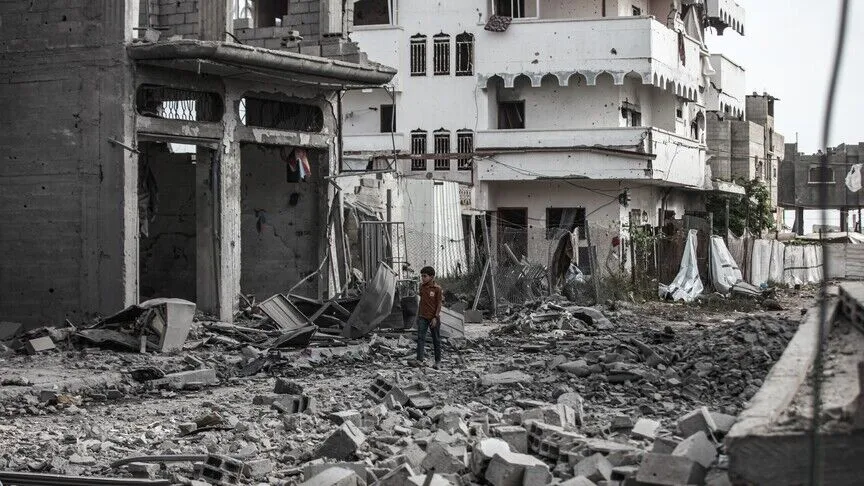
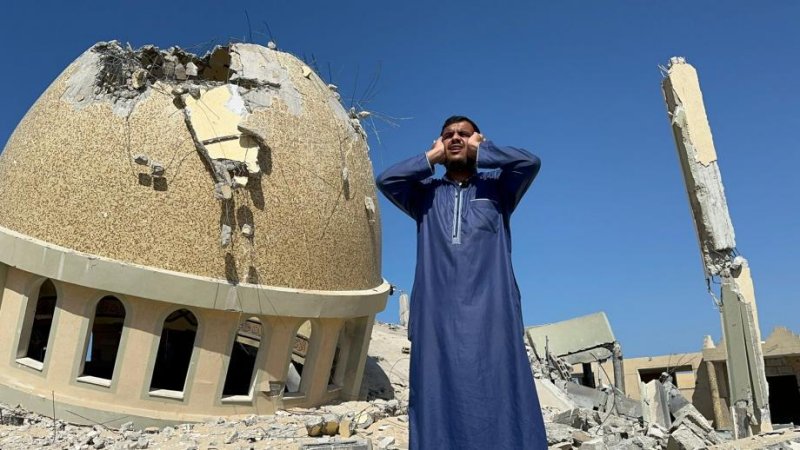
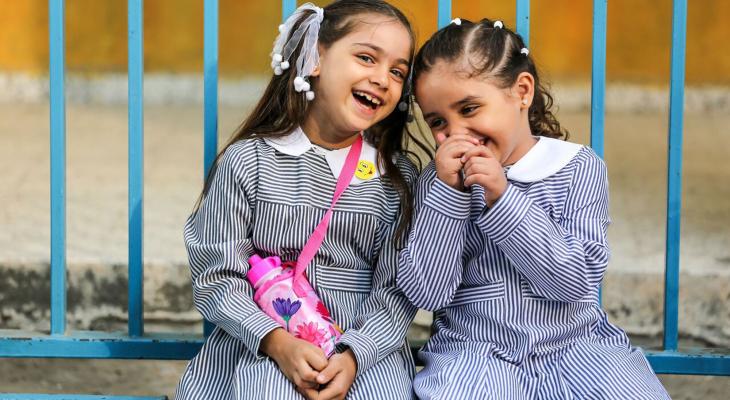
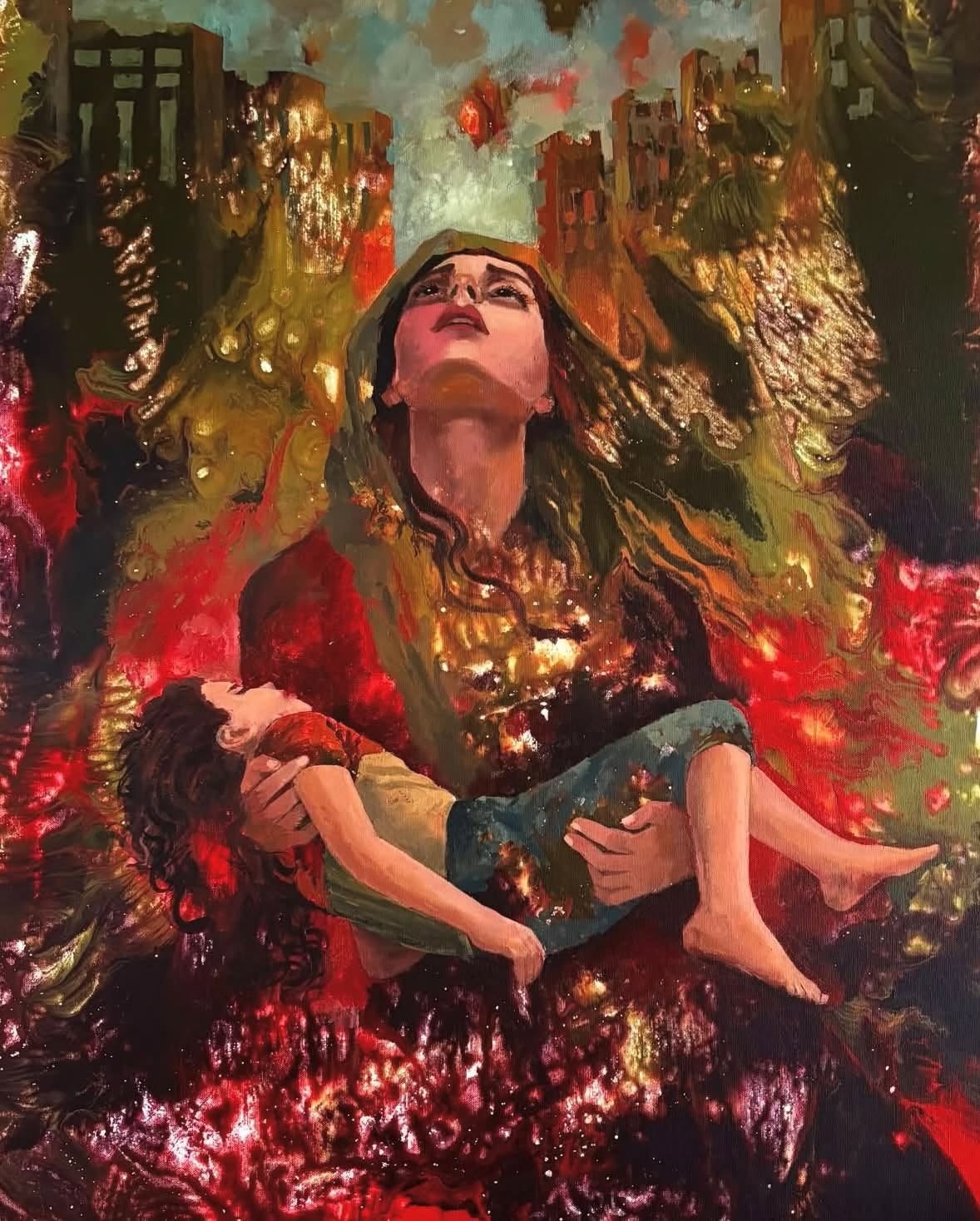
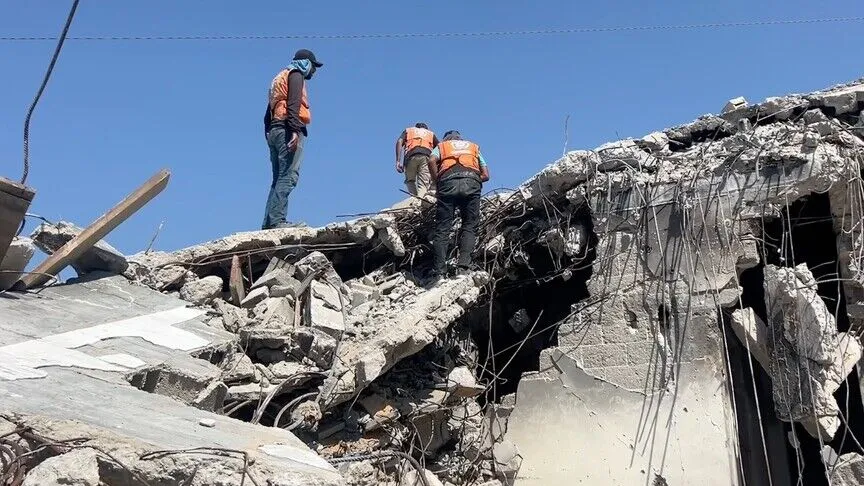
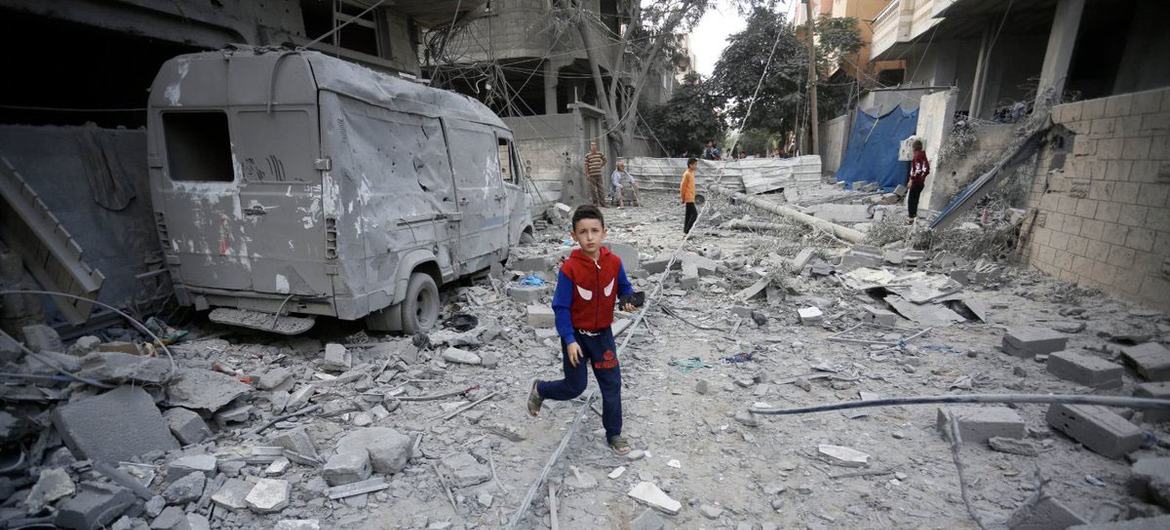
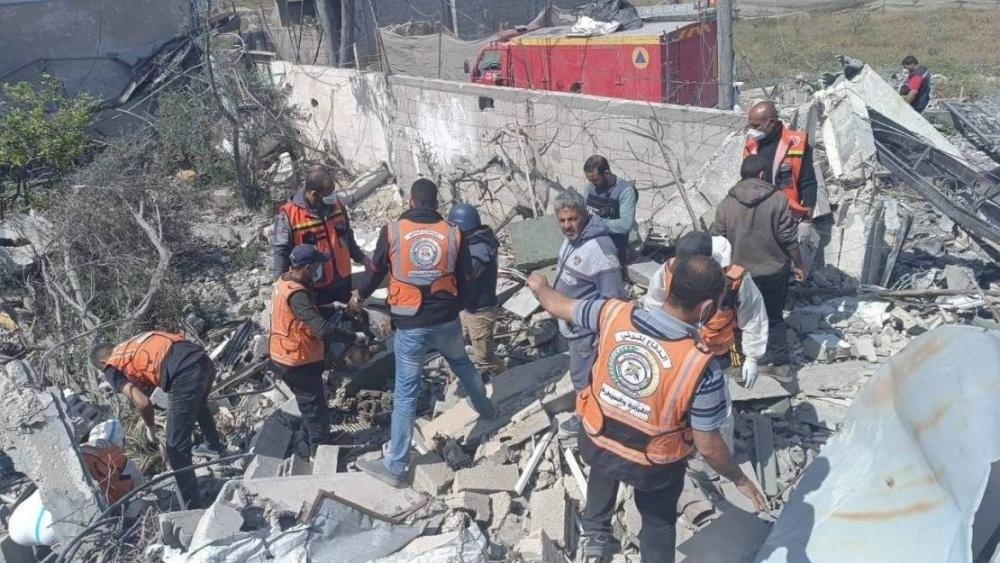
Last Sunday night, Israeli occupation forces bombed another UN-run school in southern Gaza, killing at least 20 displaced Palestinians sheltering in the building. A

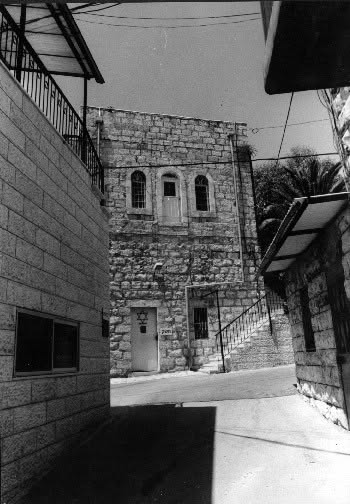
Ahmad Bin Abdul Aziz School, a three-story building, is located next to the Nasser Medical Complex.

The third floor was struck, leaving behind dozens of casualties and a huge level of destruction.

Continue reading