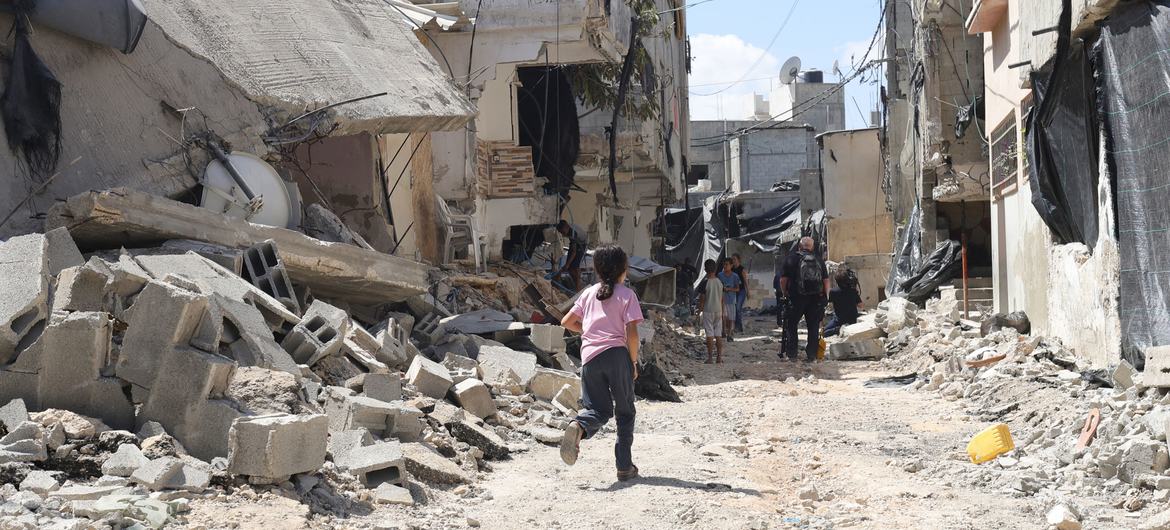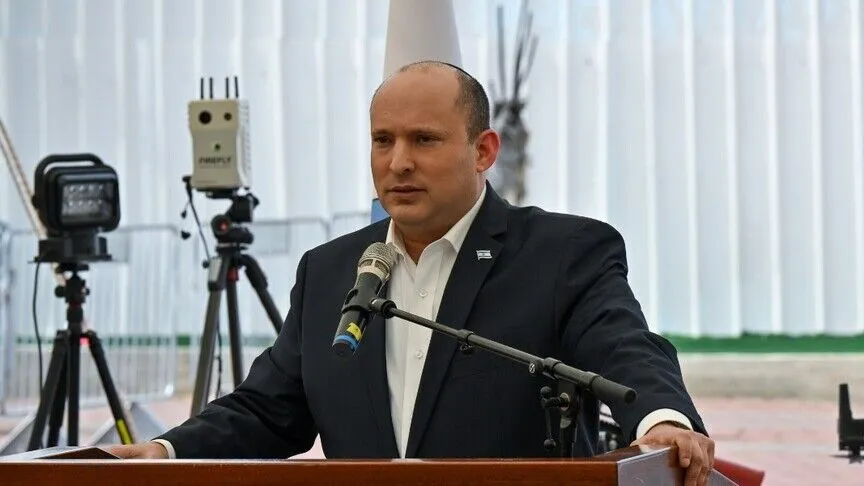
As it bans two MEPs many are asking what is Israel hiding?

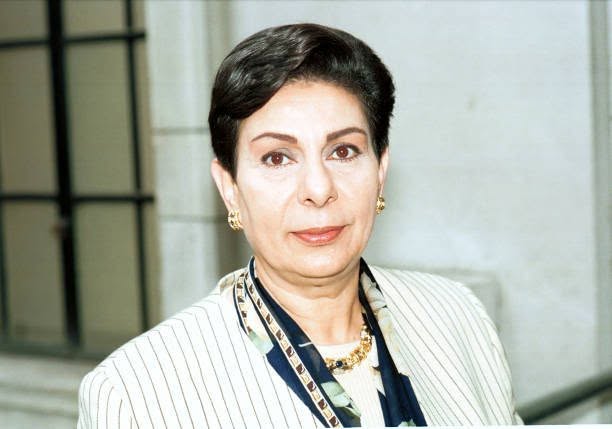
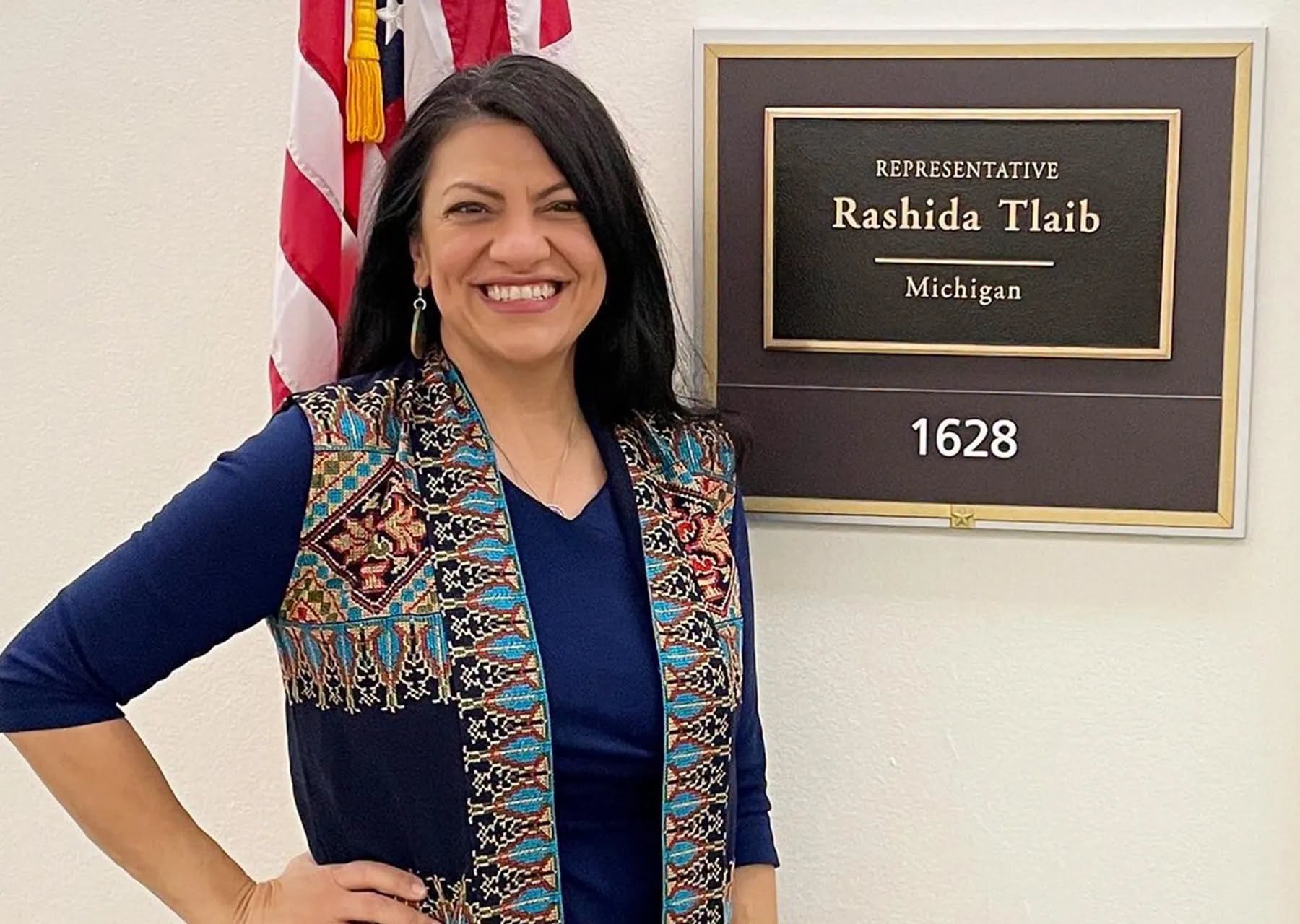
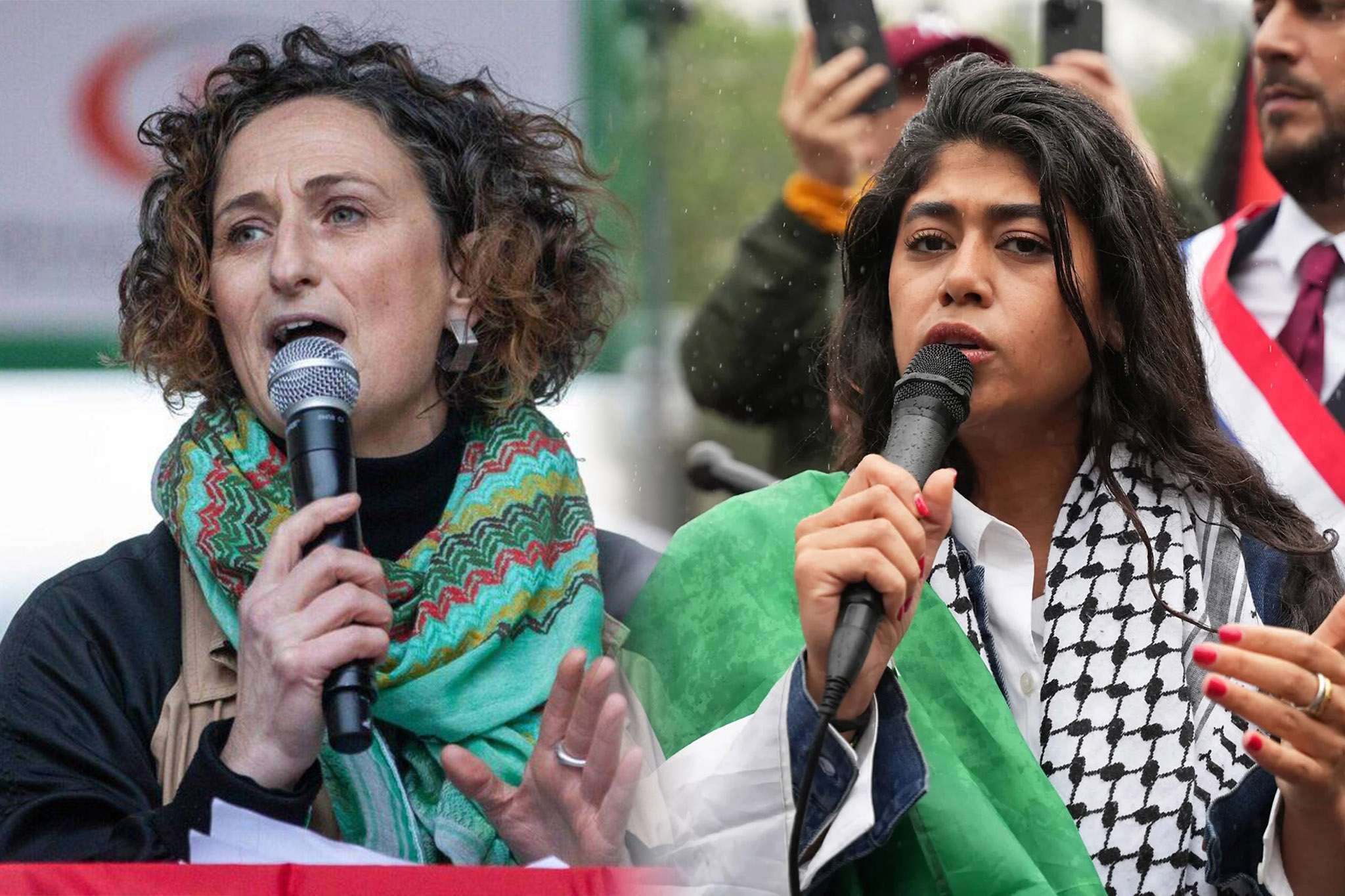
Israel’s decision to bar two members of the European Parliament (MEPs) from entering its territory due to their pro-Palestine position is arbitrary and unfair. It also reflects Israel’s strategy of concealing its crimes against Palestinians, and is an expected reaction to MEPs who reject the complicit role most European politicians have assumed in response to the Israeli genocide of Palestinians in the Gaza Strip.
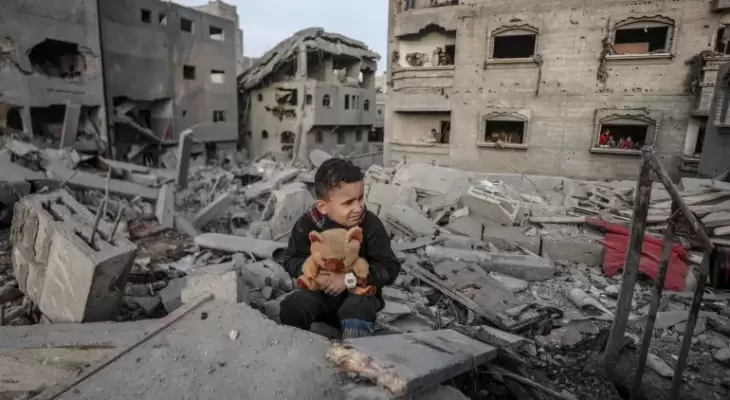
The Israeli authorities stopped MEP Lynn Boylan, the head of the European Parliament EU-Palestine delegation, and MEP Rima Hassan upon their arrival at Ben Gurion Airport. The EU lawmakers were returned to Europe because of Hassan’s alleged “hostile” campaign to boycott and sanction Israel.

This decision reveals Israeli decision-makers’ disregard for fundamental human rights, such as freedom of movement and freedom of opinion and expression. It also embodies Israeli authorities’ insistence on its blackout policy and systematic restrictions in the Occupied Palestinian Territory. These restrictions are intended to prevent any independent oversight or disclosure of the facts; by prohibiting the entry of human rights activists, independent investigation teams, politicians, journalists, and individuals opposed to its policies, Israel is attempting to hide evidence of its violations and monopolise public perception to avoid international scrutiny and accountability.

https://twitter.com/LNBDublin/status/1895218956560187853

This arbitrary measure is also used to maintain Israel’s illegal control over Palestinian borders and crossings. As part of its crime of apartheid and other human rights violations against the Palestinians, Israel uses its total control over movement into and out of the Occupied Palestinian Territory to persecute organisations and individuals for simply opposing illegal Israeli policies. It also denies the Palestinians their natural right to communicate with the outside world, such as by receiving international delegations and interacting with human rights and media institutions.

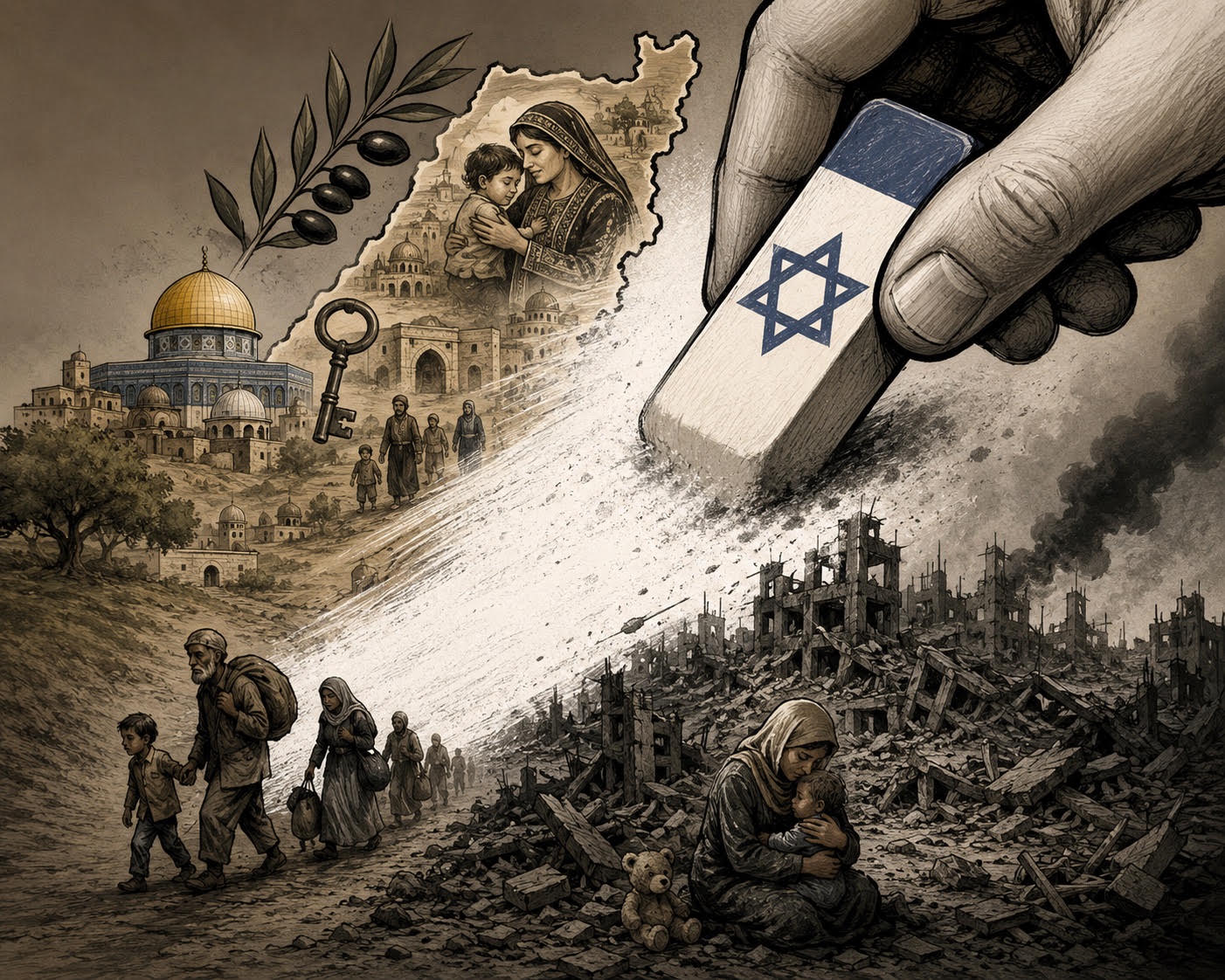
Moreover, the prevention of MEP Hassan from entering the Occupied Palestinian Territory is evidence of the Israeli government’s systematic policy of targeting and persecuting Palestinians in the diaspora by denying them the right to return to their homeland and imposing arbitrary restrictions on their ability to meet with their families. This is part of a larger Israeli strategy to isolate the Palestinians from their cultural roots and national identity, destroy their historical relationship with their land, and prevent the maintenance or establishment of any connection between displaced Palestinians and future generations and their homeland.

Given that MEP Boylan was planning to conduct tasks that are crucial to her job, such as meeting with representatives of civil society, Palestinian Authority officials, and Palestinian civilians affected by the Israeli occupation, the Israeli decision will inevitably make it more difficult for the two European MEPs to do their duties.

The European Union’s hesitant and frequently complicit stance towards Israeli crimes in the Occupied Palestinian Territory, particularly the genocide in the Gaza Strip for over 15 months, has not only shielded Israel from accountability but also encouraged it to intensify its repressive tactics to include EU citizens. By directly exploiting European silence, Israel is able to uphold its system of egregious oppression and illegally punish all those who oppose Israeli occupation and violations against Palestinians.

The two European MEPs were banned after the Israeli Knesset approved an amendment to the “Entry into Israel Law” on 19 February. The amendment forbids granting entry visas to anyone who denies the Holocaust or the 7 October attacks, or who supports the prosecution of Israelis based on their military service or security.

The new amendment enshrines an arbitrary, discriminatory policy that violates Palestinian rights as well as international law. It also lacks independent mechanisms for review and appeal, and is clearly a tool to punish human rights defenders, silence critics of Israel, and further exclude Palestinians from the international protection system.

Besides monopolising access to information to control the narrative, and ignoring or distorting facts that do not serve its interests, Israel’s policy of prohibiting or restricting the entry of independent individuals and entities concerned with human rights, relief efforts, and unbiased journalism into its territory affects the most vulnerable victims of its crimes more than anyone else. This policy primarily undermines humanitarian relief operations and the work of independent fact-finding and investigation committees concerned with interviewing victims and documenting violations.

Since the European Union is Israel’s biggest trading partner and accounts for roughly 29% of its goods trade, the Union has purposefully avoided using any of its pressure tools against Israel. Powerful EU nations like Germany have also persisted in sending sizable shipments of weapons to Israel in spite of knowing that they would be used in the genocide in the Gaza Strip.

Israel is an illegal occupying power with no legal authority to impose sovereignty or regulate anyone’s access to the Occupied Palestinian Territory. Therefore, the international community must act swiftly to force Israel to lift its illegal blockade on the Occupied Palestinian Territory—particularly the Gaza Strip—and to stop the arbitrary and illegal restrictions placed on the ability of individuals and organisations to travel there.

It is critical to end Israel’s policies of blackouts and refusals to cooperate in order, as these are plain attempts to isolate the Occupied Palestinian Territory and thwart any independent international oversight of Israeli violations. There is no question that the prohibitions placed on journalists, human rights advocates, and humanitarian organisations are intended to ensure the Palestinian population does not benefit from international protection mechanisms, plus prevent the documentation of Israeli crimes against Palestinians.

The European Union must end its pointless cycle of denunciation followed by inaction, and apply serious pressure on Israel to cease its flagrant transgressions of the EU’s partnership principles. The EU itself must also be compelled to halt all import and export activities involving weapons and technologies that Israel uses to perpetrate crimes against the Palestinian people.
Euro-Med Human Rights Monitor

Continue reading
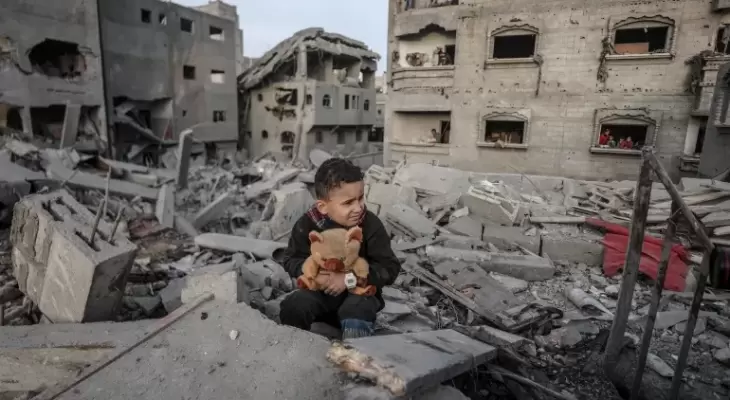
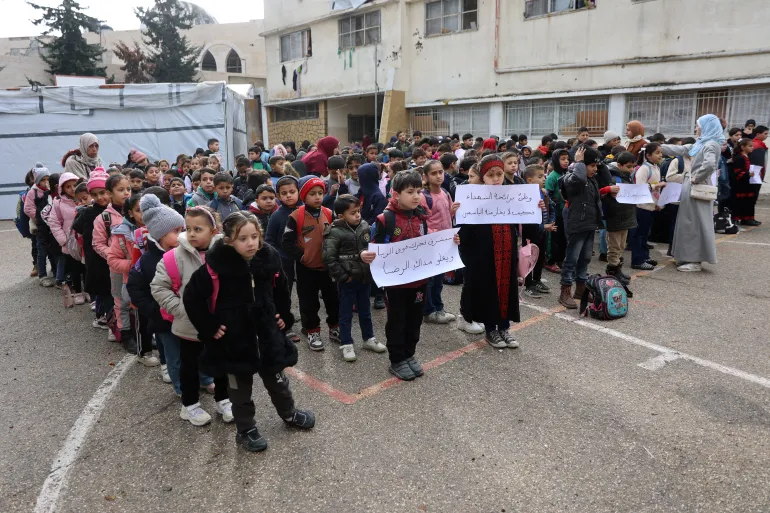
In Wrecked Classrooms: 100,000 Pupils Return to School in Gaza

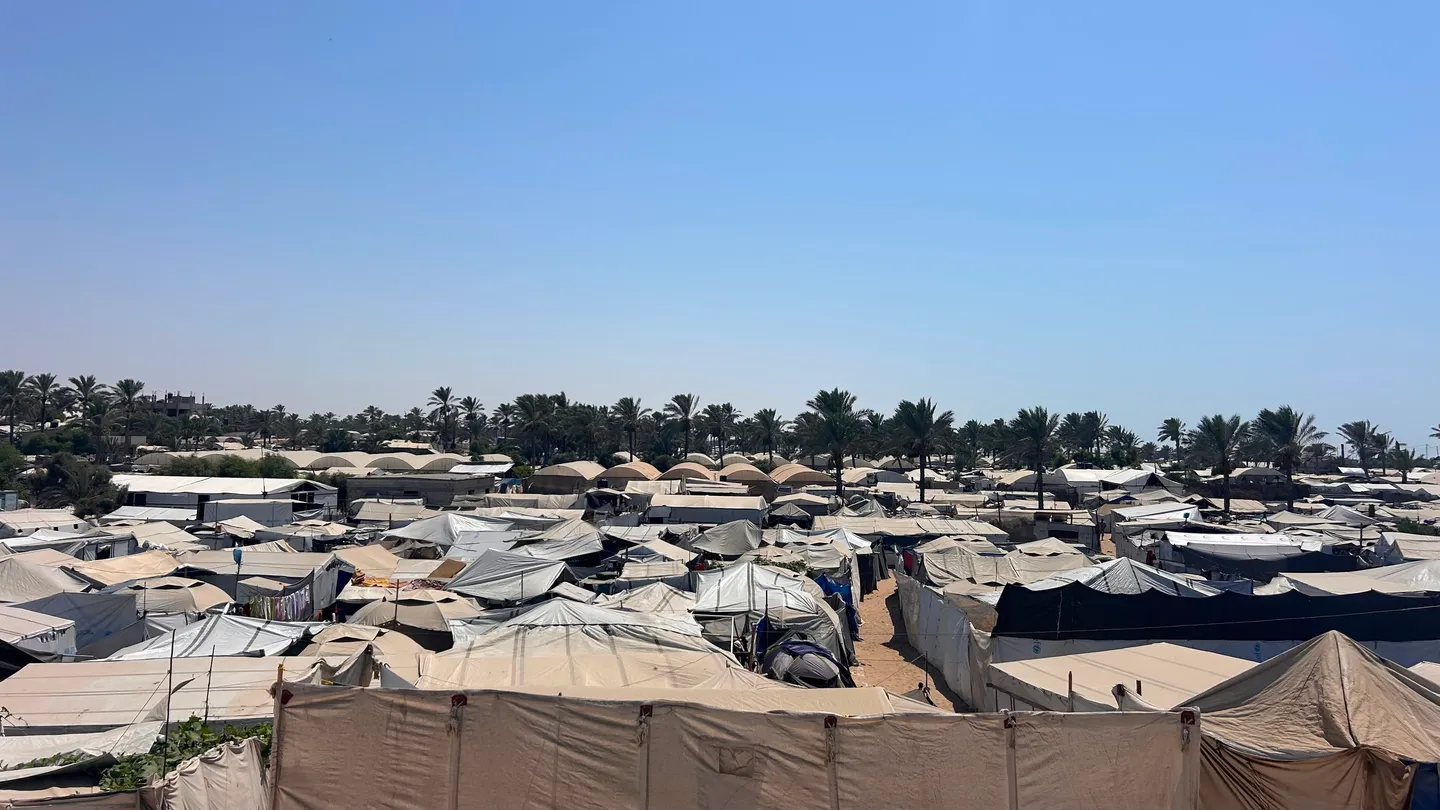
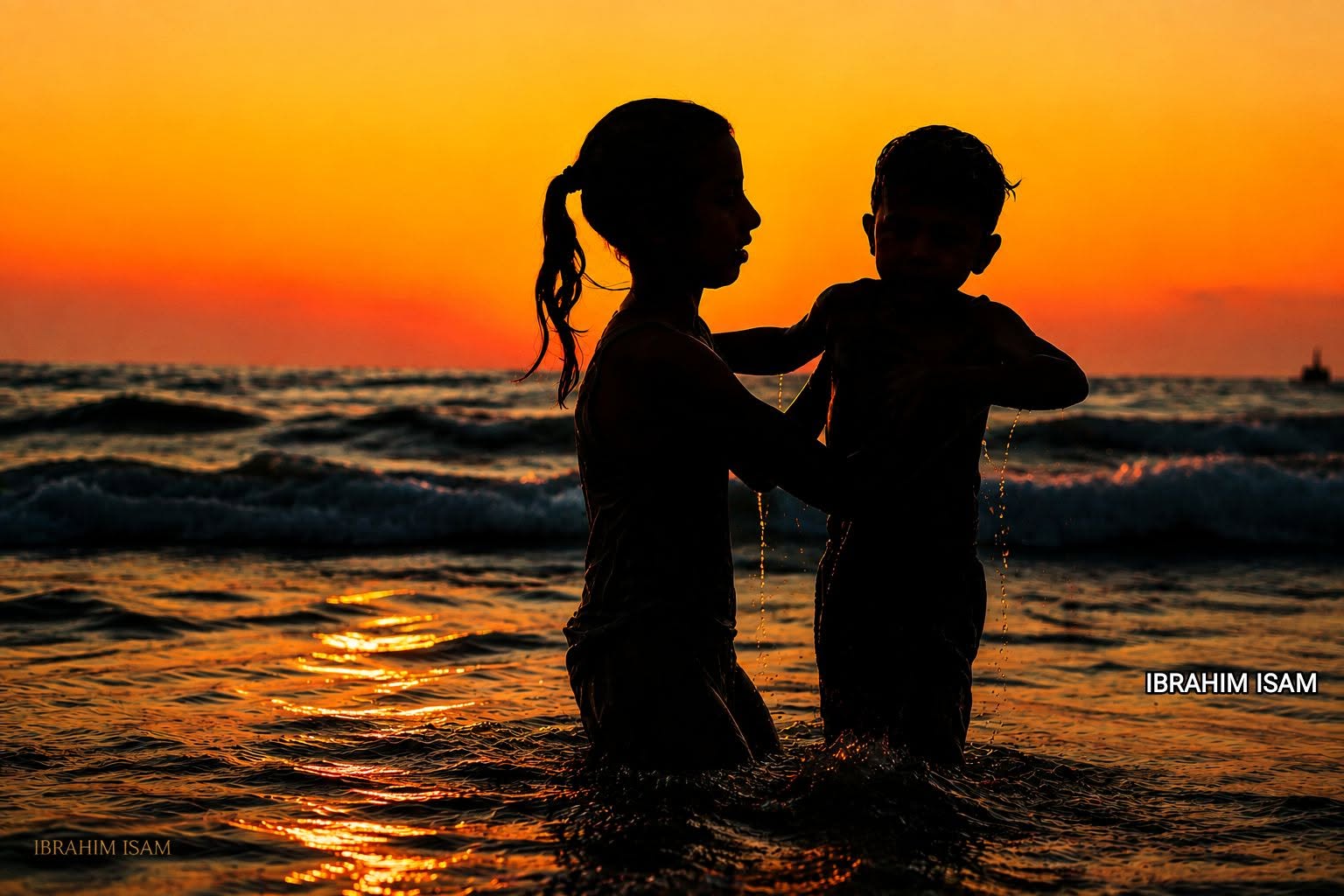
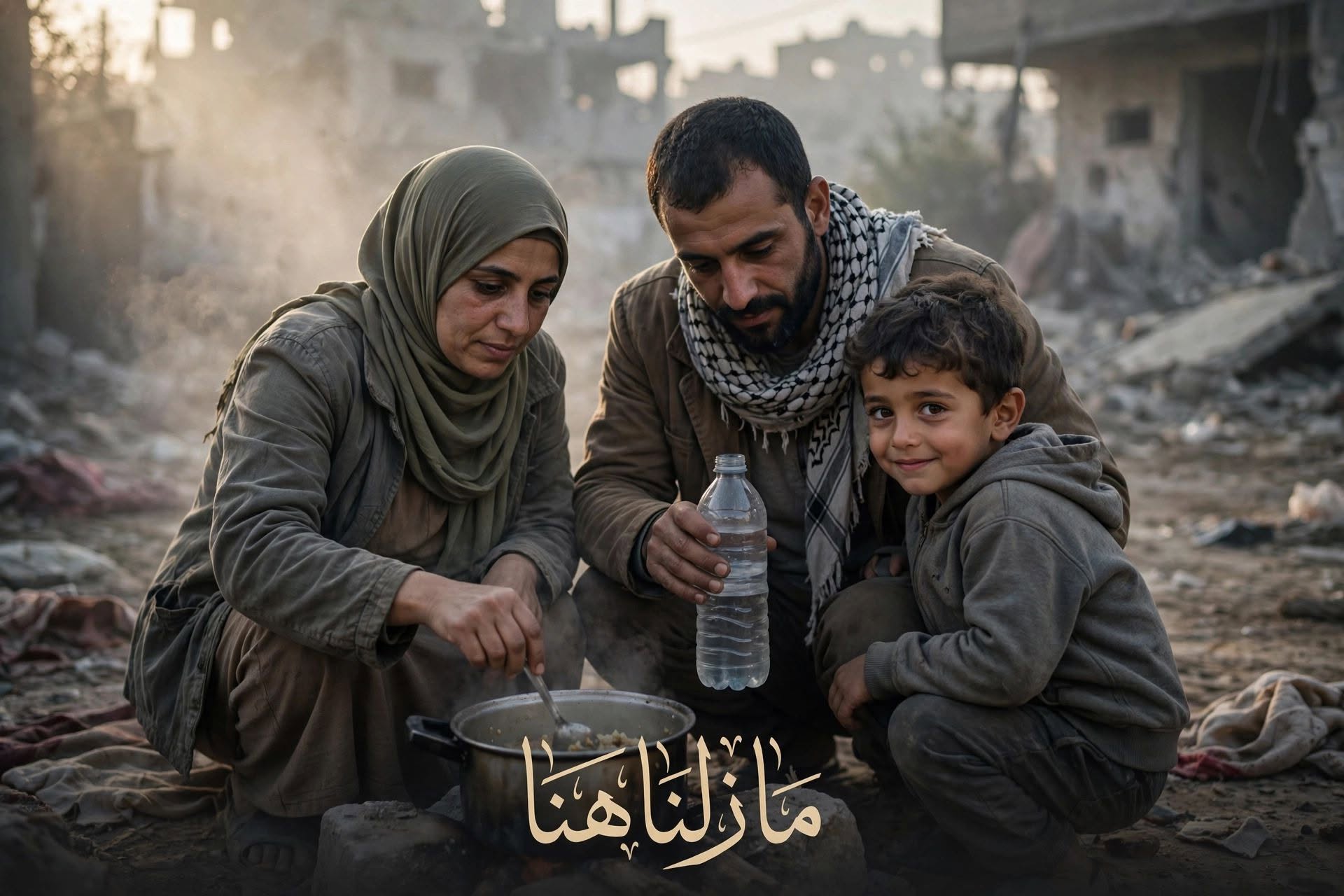
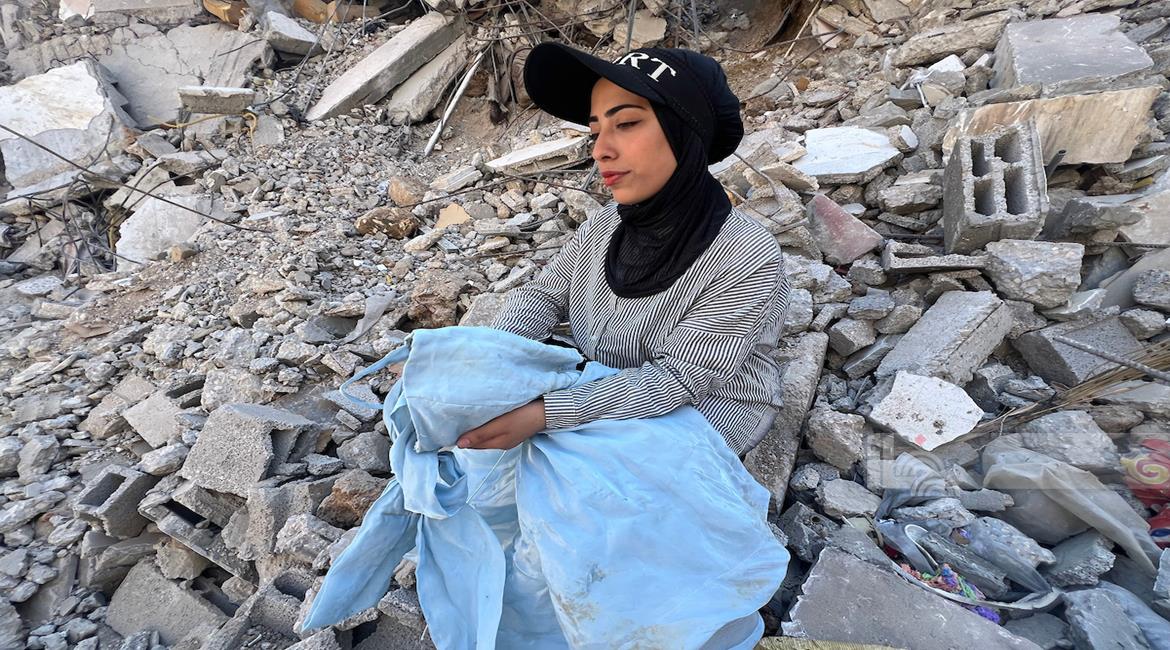
For the first time in 16 months pupils in Gaza are returning to schools despite the destruction of most of the educational system in Gaza.

The UN, Thursday, reported that more than 100,000 students have enrolled in schools across the Gaza Strip since the new academic year began Feb. 23.

“As of yesterday, more than 100,000 students have enrolled in school following the start of the new academic year on 23 February,” UN spokesman Stephane Dujarric said at a news conference as reported in Anadolu.

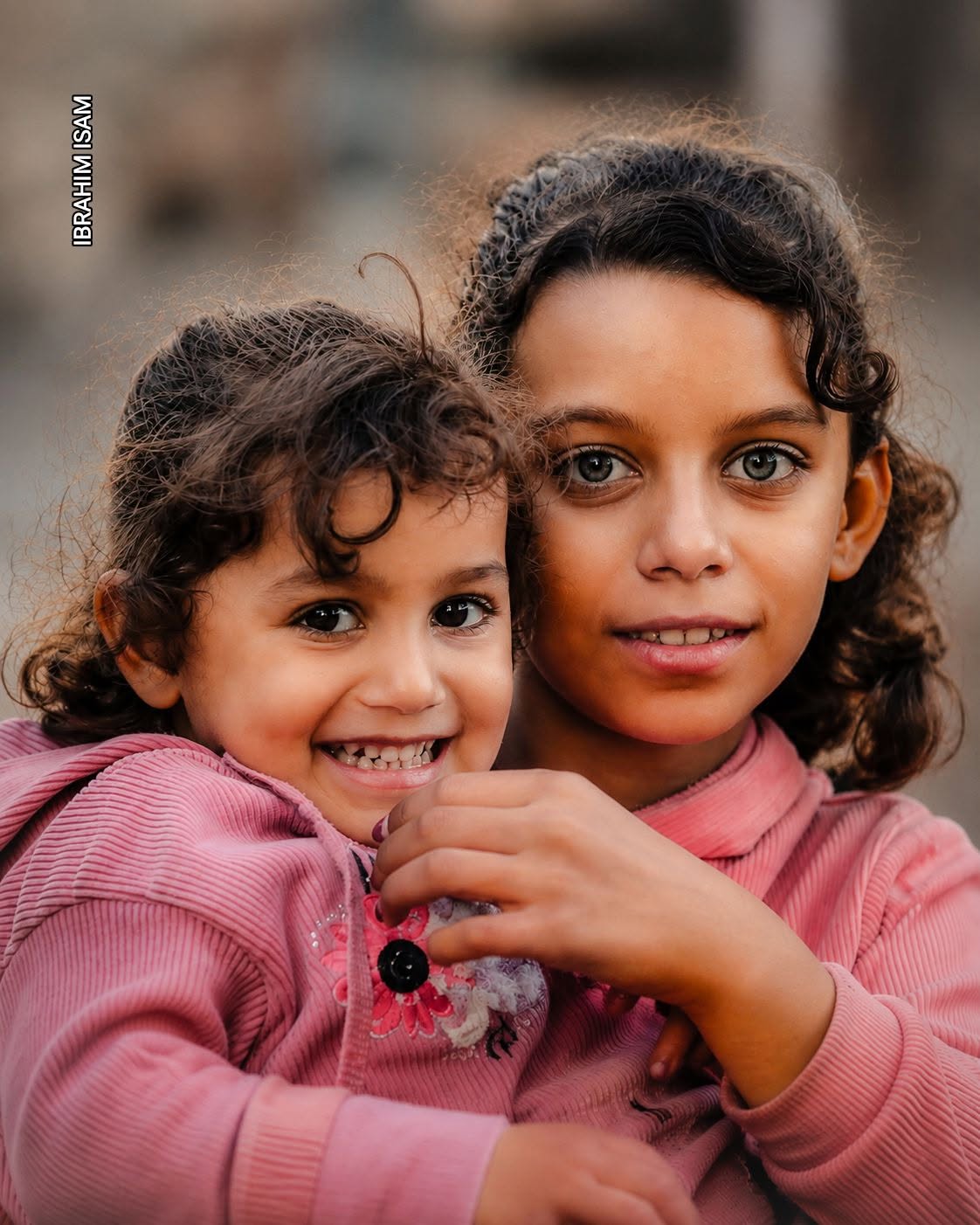
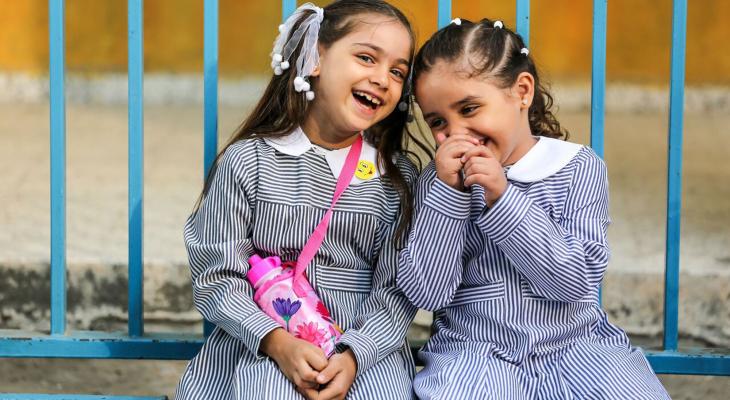
The “back-to-school” item is trending on the social media with much images of pupils and teachers return to what is left of their schools since Israel waged a genocidal war on the enclave soon after 7 October, 2023.

He stated that “to date, 165 public schools have reopened in Gaza. For most students, this will be their first time returning to in-person learning in 16 months.”

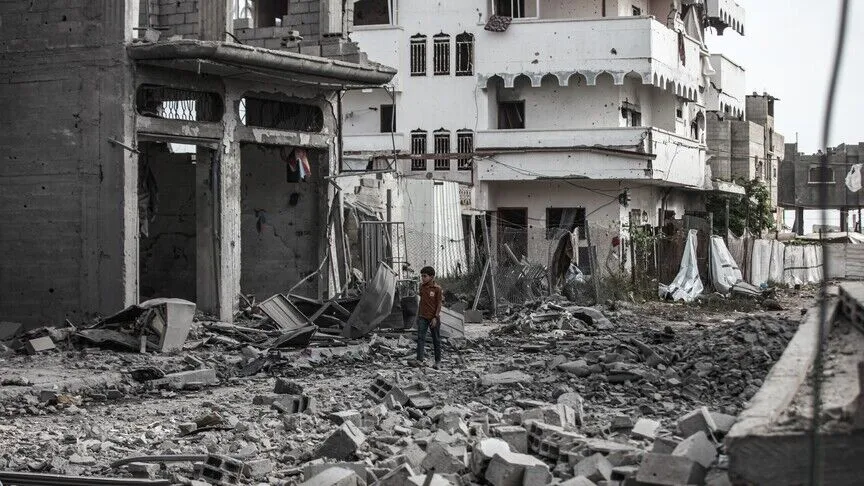
Available figures show 85% of schools in Gaza have been wrecked and no longer able to operate because of the Israeli bombardment.

The Gaza Media Office have reported at least 12,800 students, and 800 teachers and administrative staff, were killed, and 1,166 educational establishments destroyed in this Israeli war with  estimating damage to the education sector at more than $2 billion.

Continue reading
Trump’s Gaza Video: A Fake For Billionaires

Local authorities on Thursday denounced as “colonialist” a video posted by US President Donald Trump on his social media account promoting his plan for Palestinian displacement from the enclave. 

The 33-second video, which Trump shared on his social media platform Truth Social, opens with a scene of Gaza in ruins, displaying the inscription “Gaza 2025” in green, followed by “What’s next?” in red, white, and blue. 

https://twitter.com/mohammedakunjee/status/1894742614672338995

The video then showcases towering skyscrapers and children gazing upward as dollar bills fall from the sky. 

“This video and its degrading content reflect a colonialist mindset that distorts reality and seeks to justify Israeli occupation crimes by portraying Gaza as if it were a land without people,” Ismail al-Thawabta, who heads Gaza’s government media office, told Anadolu

He called Trump’s actions “a desperate attempt to legitimize the ethnic cleansing carried out by the Israeli occupation with clear US support.” 

“We strongly condemn this disgraceful video, which promotes rejected colonialist schemes targeting Gaza after the crime of forced displacement against our people – an act that constitutes a crime against humanity,” he added.   

Colonialist illusion 

Thawabta called on the international community to act immediately “to curb Trump’s rhetoric and hold Israel accountable for forced displacement and ongoing violations against Palestinian civilians.” 

He also urged “free nations worldwide to stand against these schemes, which are an extension of colonialist projects that have no place in our Palestinian homeland.” 

“Gaza has always been and will remain an integral part of Palestine,” he stressed. “Any attempt to turn it into a distorted entity disconnected from our deep-rooted history, culture, and values is a colonialist illusion that will not succeed.”  

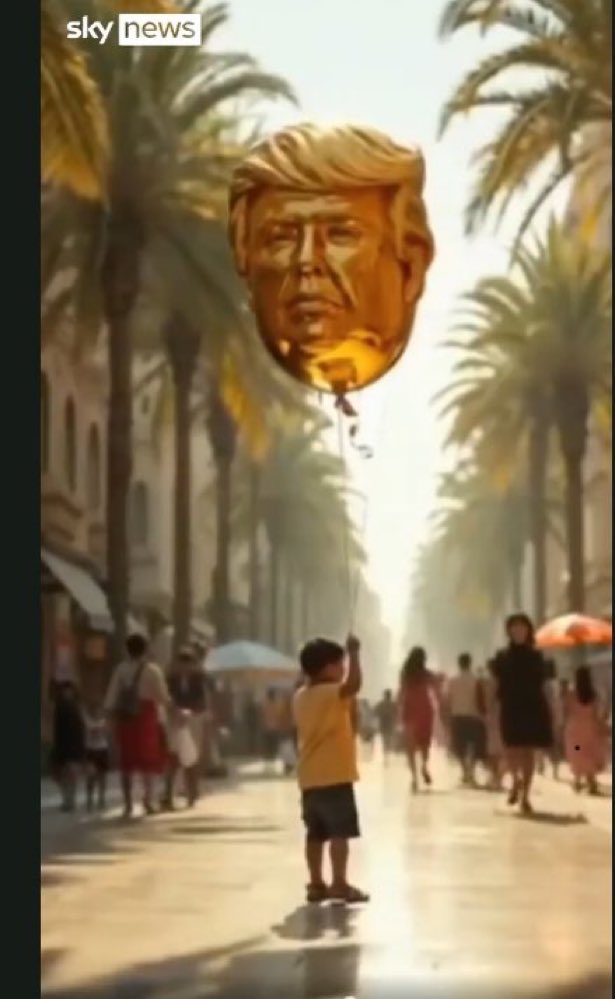
In Trump’s video, tech billionaire Elon Musk is seen enjoying hummus on a beach in the newly-developed tourist destination, and a young boy is seen holding a golden balloon featuring Trump’s face. 

https://twitter.com/MintPressNews/status/1894877131173192114

The video also features Trump dancing in a nightclub, while the entrance to a skyscraper prominently displays the inscription “Trump Gaza.” A massive golden statue of Trump is also showcased. 

Israeli Prime Minister Benjamin Netanyahu appears lounging on a deck chair beside Trump, both sipping beverages near a swimming pool, with “Trump Gaza” visible in the background. 

In the background, a song can be heard playing with lyrics, “Donald’s coming to set you free, bringing the light for all to see, no more tunnels, no more fear, Trump Gaza is finally here, Trump Gaza’s shining bright, golden future, a brand-new light, feast and dance, the deal is done, Trump Gaza number one.” 

The US president has repeatedly called for the US to “take over” Gaza, destroyed by Israel’s relentless bombardment, and resettle its population to redevelop the enclave into “the Riviera of the Middle East.” 

The idea has been vehemently rejected by the Arab world and other nations, who say it amounts to ethnic cleansing. 

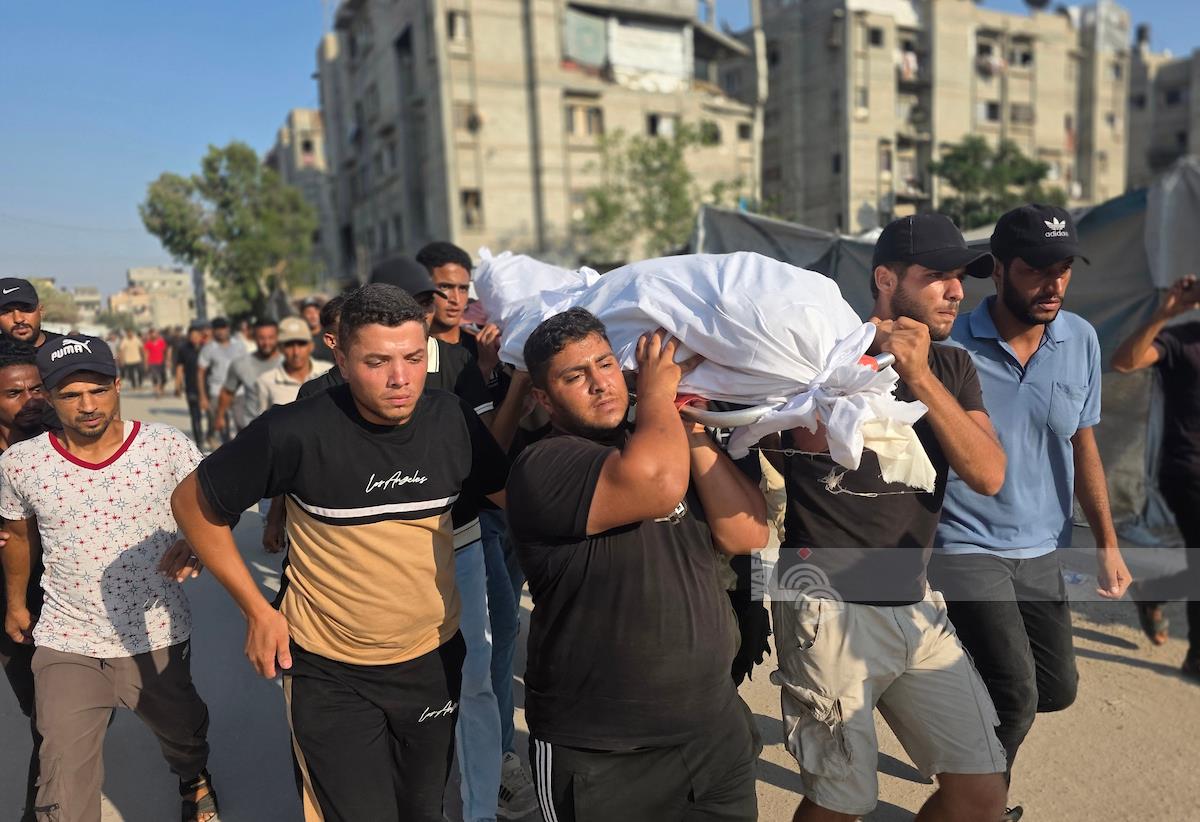
A ceasefire and prisoner exchange agreement has been in place since last month, pausing Israel’s destructive war on Gaza that has killed more than 48,360 people, mostly women and children, and left the enclave in ruins. 

Last November, the International Criminal Court issued arrest warrants for Netanyahu and his former Defense Minister Yoav Gallant for war crimes and crimes against humanity in Gaza. 

Israel also faces a genocide case at the International Court of Justice for its war on the enclave.

Continue reading
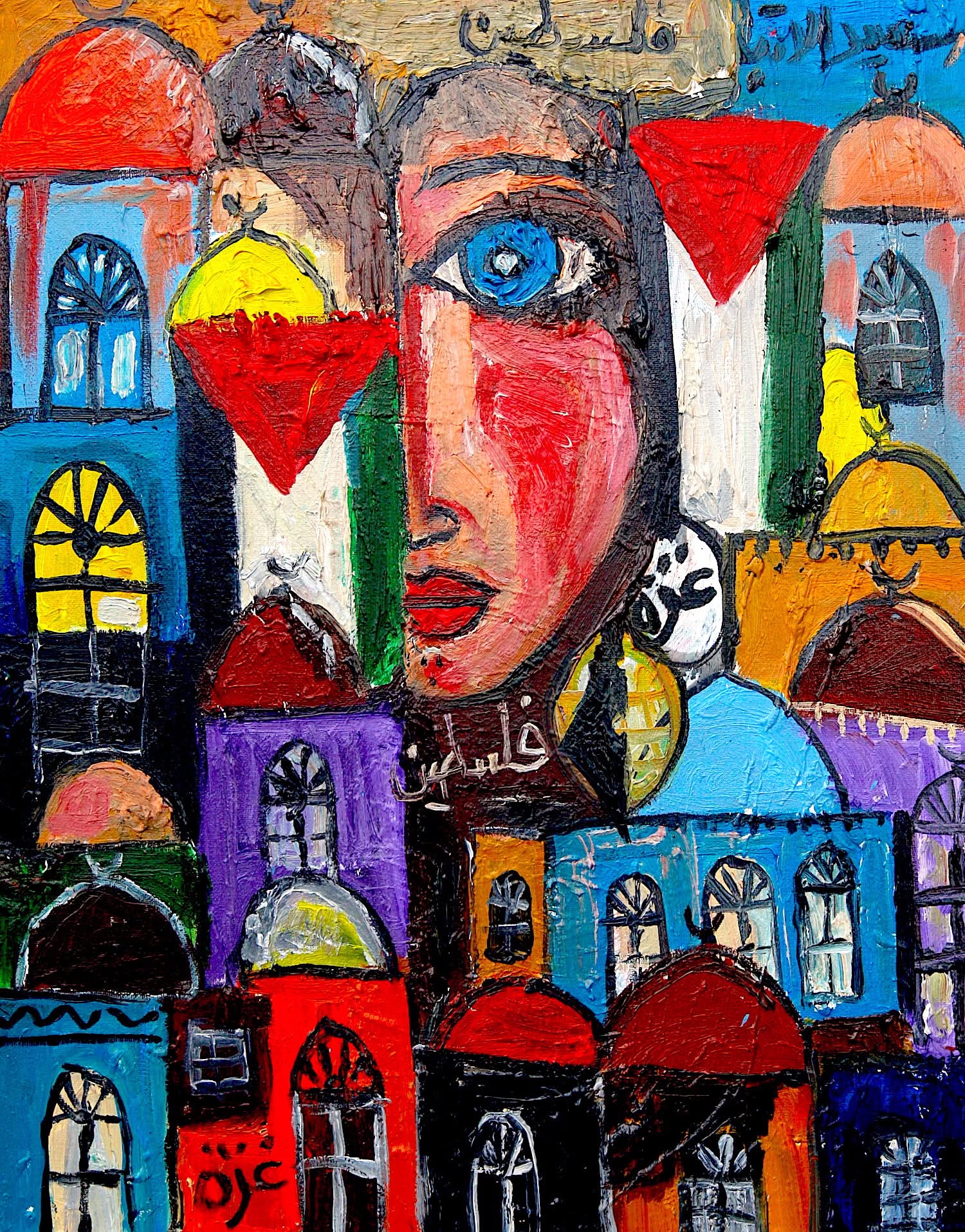
Art, Dark Satire, and a Voice For Palestine

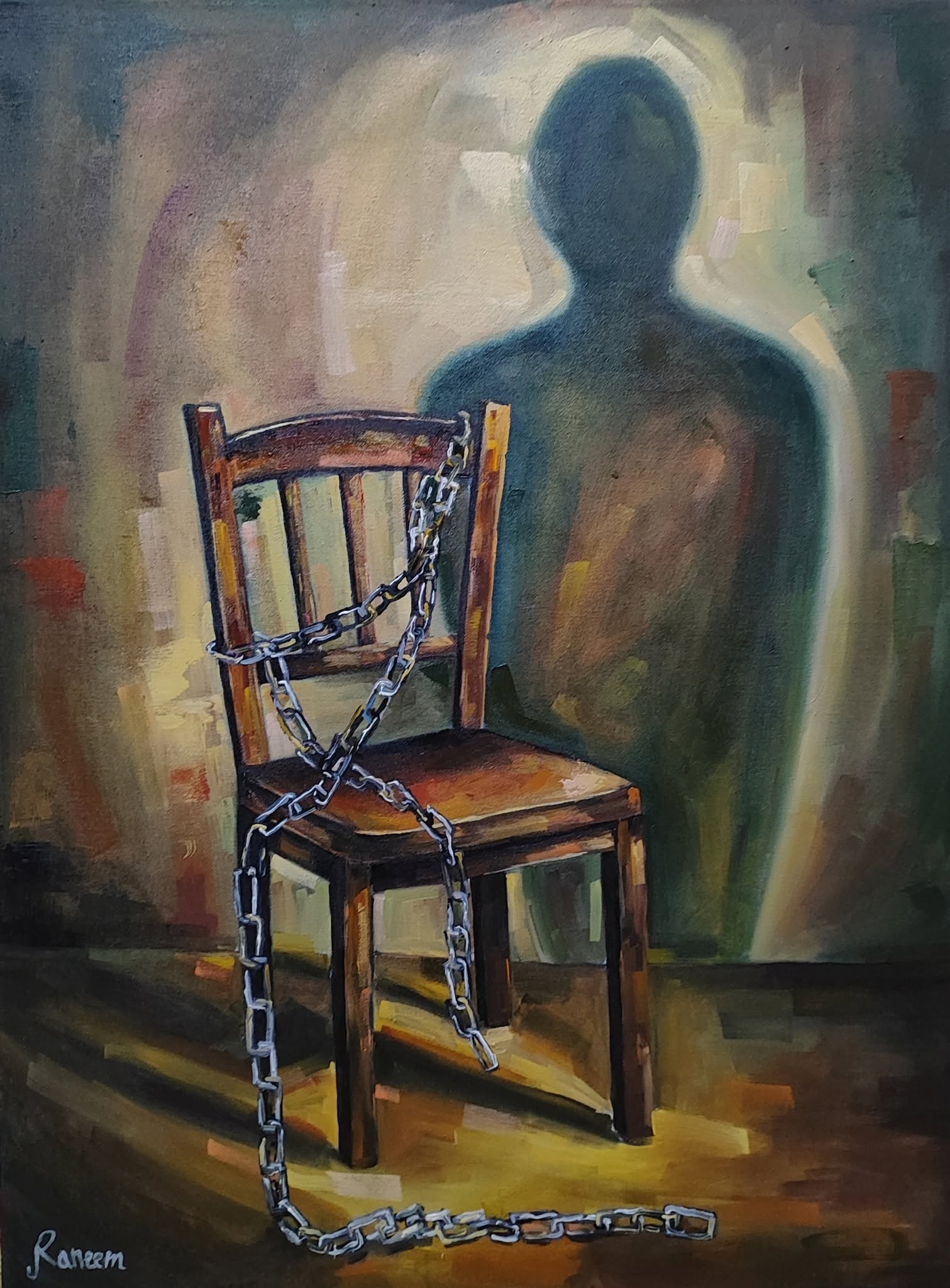
Erkul’s illustrations blend satire with activism, highlighting injustice of the Palestinians. Whether addressing war, disaster, or political hypocrisy, Erkul’s art amplifies the voices of the silenced.

Yusuf Kamadan

By Yusuf Kamadan

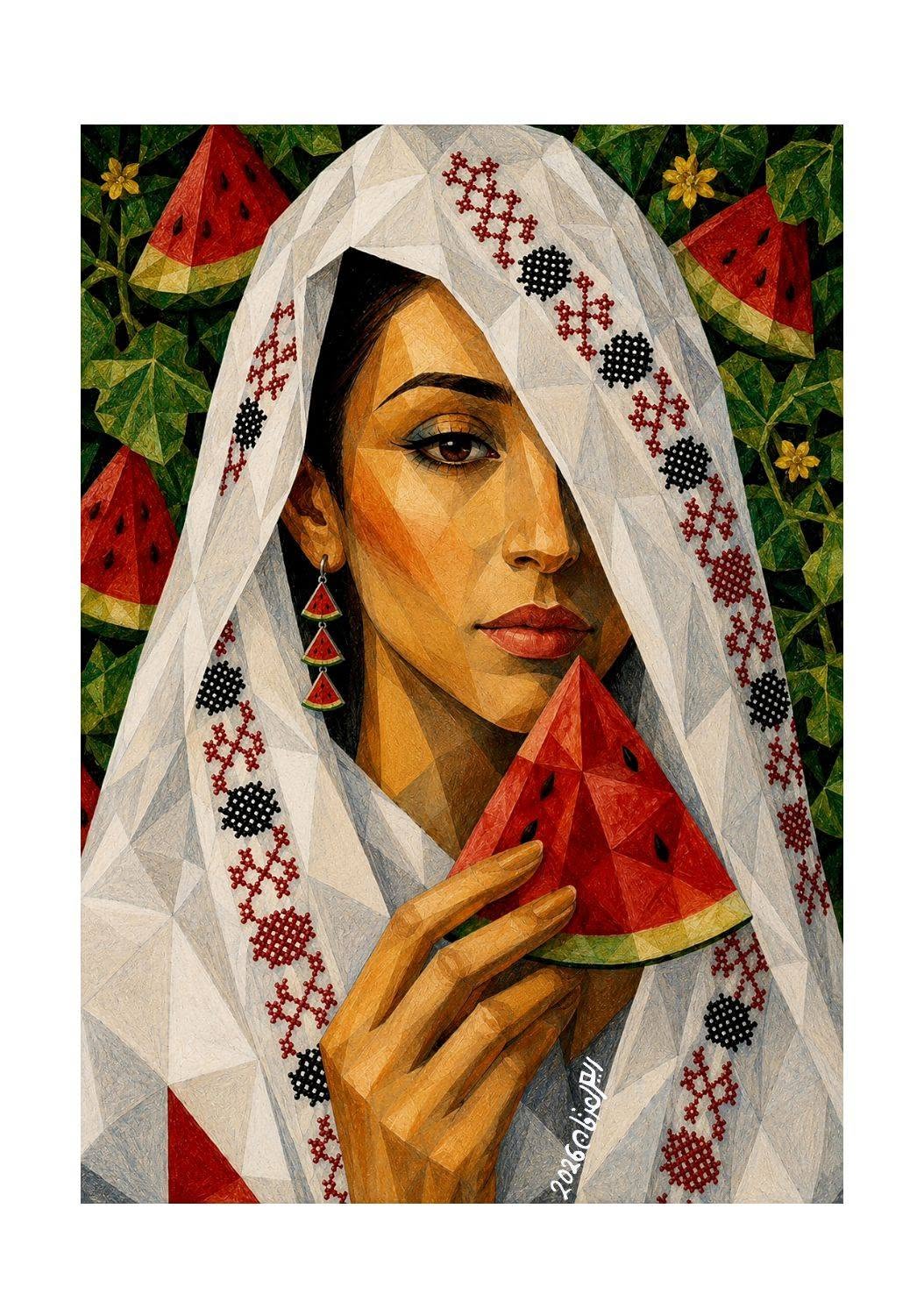
A slice of watermelon pierced by knives. A faceless figure in a suit, draped in the American flag, steering a cart off a cliff and into the flames. A set of scales, balancing Hitler on one side, Netanyahu on the other. A shapeless globe, caught in the grip of a monstrous, many-limbed octopus.

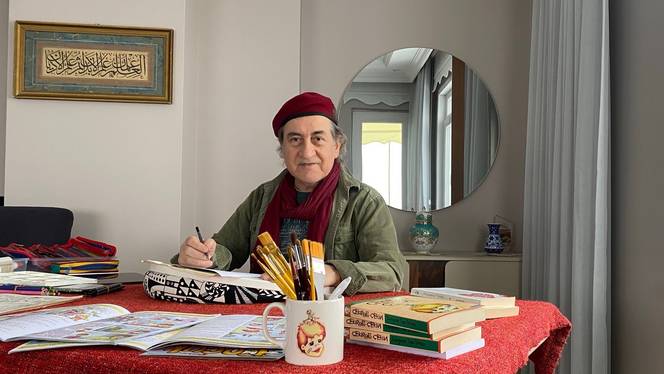
These are the unmistakable images of Muammer Erkul, the Turkish illustrator and journalist whose work—at once bold, unflinching, and darkly satirical—has spread widely across the social media. His drawings do not whisper; they speak loudly.

The satire is biting, but the implications are serious. At a time when many artists sidestep controversy, wary of political consequences, Erkul embraces it.

“I have an idea and I want to convey it to the other party. I want to pass on my feelings. One of the most effective ways to do this is to draw a cartoon,” he says.

His illustrations have become a kind of visual journalism, a counter-narrative to the political abstractions that often obscure the human cost of war.

With sharp lines and unflinching commentary, Erkul captures the resilience of Palestinians amid oppression.

Since the 1970s, Erkul has carved out a space for himself in Turkish newspapers and magazines, his work known for its wit, precision, and unrelenting social critique.

His drawings do not merely document suffering; they bear witness.

Scenes of bombed-out homes, grieving mothers, children clutching stones — his work captures the devastating realities of occupation while also portraying the quiet, stubborn resilience of a people who refuse to be erased.

“Millions of Palestinians have lost everything — their homes, their families, their lives,” Erkul says. “More than 150,000 bodies have been destroyed, and 50,000 of them have been martyred—most of them children and women.”

His words, much like his art, do not flinch from the brutal arithmetic of war. Beyond his artistic talent, Erkul has always used his work as a platform to address important issues.

Erkul’s art merges satire with activism, amplifying the voices of the oppressed through powerful imagery.

Why cartoons?

For Erkul, caricature is more than just a humorous art form; it is a means of resistance.

“Caricature is the easiest and most effective way to explain some things,” Erkul says. “A cartoon is drawn in a day and understood in an instant. It’s like the longest-range missile, and it sticks to its target.”

In an age of social media, where information moves at a breakneck pace, this immediacy is crucial. A single drawing, shared widely, can cut through the noise in ways that editorials and essays often cannot.

“I have an idea, and I want to convey it,” he says simply. “One of the most effective ways to do this is to draw a cartoon.”

Erkul has long been engaged in magazine publishing, serving as the editor-in-chief of Divanyolu, a cultural and literary magazine, until 2018.

Following the devastating 2023 earthquake, he shared his artwork on social media and made it freely available to magazines, believing that art can serve as a powerful tool for remembrance.

Reflecting on the disaster, Erkul described it as one of the most catastrophic earthquakes in history, emphasising its unprecedented scale and impact.

He recalled the initial shock and fear that gripped him, along with the overwhelming sense of helplessness. Wanting to contribute in a meaningful way, he turned to his art, realizing that while the disaster would eventually fade from public memory, visual documentation could ensure that future generations would not forget.

Early in his career, his cartoons blended humor with cultural commentary, but over time, his focus sharpened, his pen increasingly turned toward the struggles of the Palestinian people.

A single cartoon can convey what words cannot — Erkul’s work strikes at the heart of injustice with visual precision.

“Art is not neutral; it must take a side”

Erkul is not just chronicling injustice, he is building solidarity.

His illustrations are not just critiques; they are rallying cries. Erkul’s work does more than capture the suffering of Palestinians — it interrogates the machinery that sustains it.

His cartoons often expose the uneasy entanglements between Western nations and Israeli aggression.

“Everyone knows the closeness of the US and Israel,” he says. “But never in any period of history has this secret game been played so openly. It’s a chicken-and-egg story — an Israeli egg hatches from an American chicken, an American chick hatches from an Israeli egg, grows up, and lays Israeli eggs again.”

He believes artists have a responsibility to engage, to use their platforms to amplify the struggles of the voiceless. In his view, art is not neutral. It must take a side.

For Erkul, that side has always been clear: art is not just a means of entertainment; it is an act of defiance against injustice.

Art is not neutral; Erkul uses his pen as a tool of defiance against global injustice.

In his view, every artist has a responsibility to stand for justice and use their craft to fight against oppression.

His work is particularly significant in an era where digital media spreads messages rapidly, ensuring that his depictions of Palestinian suffering and resilience reach a global audience.

His legacy is not just one of artistic achievement, but of moral conviction.

His pen, like the voices of Palestinian poets, filmmakers, and musicians, is a tool for preserving memory, for fighting erasure. He firmly believes that the more artists engage with these issues, the stronger the message becomes.

“The more cartoonists and artists we have, the stronger our ideas will be,” he says.

TRTWorld

Continue reading
Is Israel Re-occupying The West Bank?

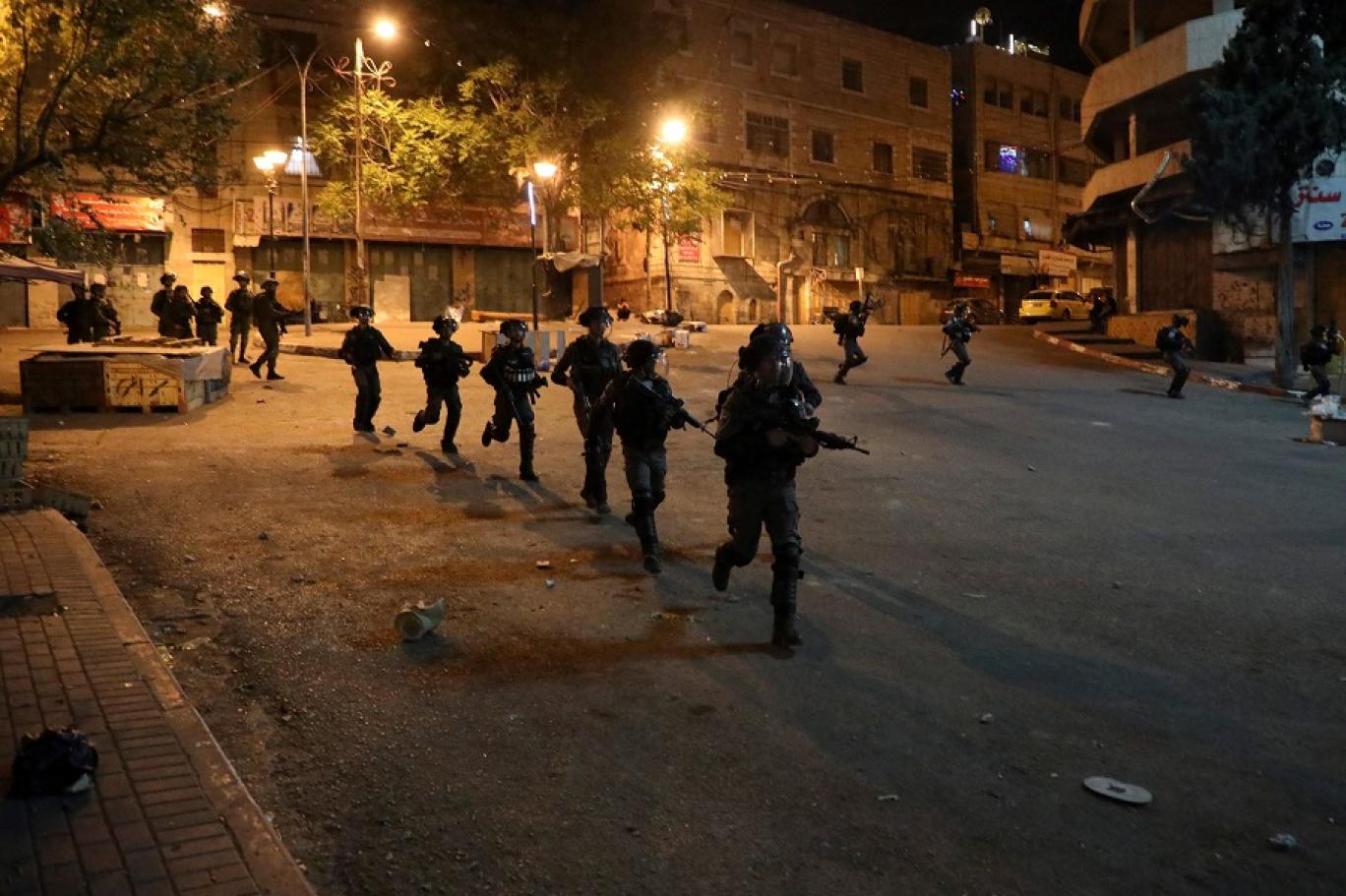
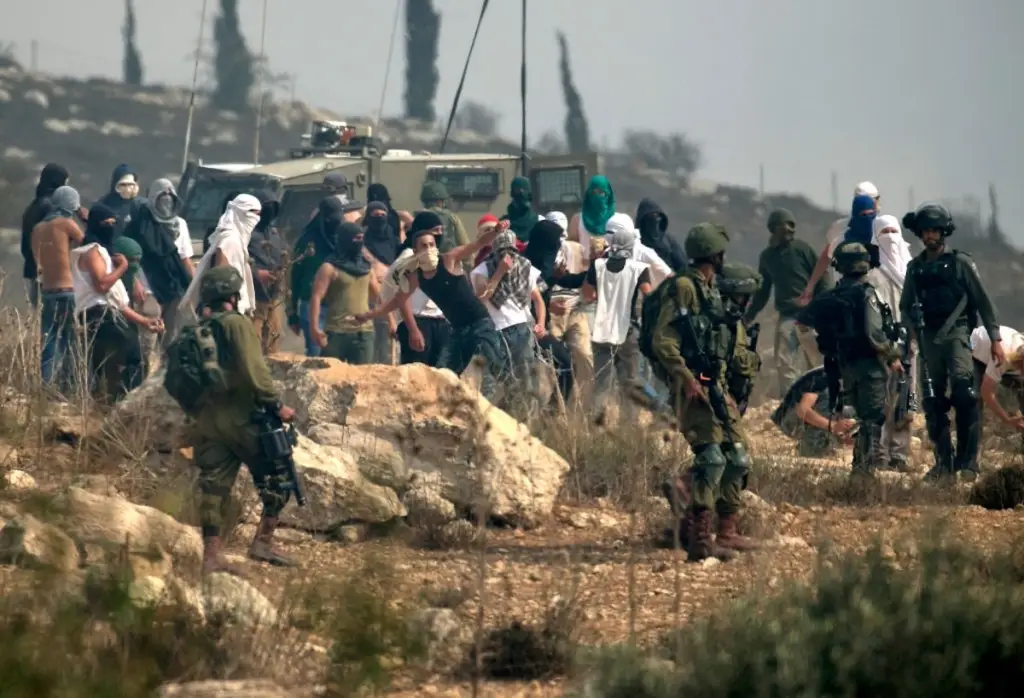
Weeks of deadly Israeli military raids in the occupied West Bank have turned Palestinian communities into “battlefields” and left 40,000 people homeless, UN humanitarians warned on Wednesday.

The violence has seen exchanges of fire between Israeli troops and Palestinian militants – and the use of bulldozers in refugee camps for the first time in 20 years which have destroyed public services, including vital electricity and water networks.

Israel’s defence minister said on Sunday forces could remain in the camps for the “coming year”. 

Philippe Lazzarini, head of the UN’s Palestine refugee agency, UNRWA, said that “fear, uncertainty, and grief once again prevail. Affected camps lie in ruins…Destruction of public infrastructure, bulldozing roads and access restrictions are common place.” 

More than 50 people including children have been killed since Israeli military raids started five weeks ago, the UN agency said, warning that the West Bank “is becoming a battlefield” where ordinary Palestinians are the first and worst to suffer.

Lethal force

Meanwhile, UN aid coordinating office, OCHA, also condemned the “lethal, war-like tactics” being employed by the Israeli military against Palestinian communities in the occupied West Bank.

OCHA confirmed further civilian casualties and mass displacement after a two-day Israeli military raid in the northern town of Qabatiya in Jenin governorate that ended on Monday.

Palestinians were detained in the operation, OCHA noted, before reiterating deep concerns about the use of excessive force against civilians and the additional humanitarian needs among people left homeless.

Responding to needs

UN partners on the ground are doing their utmost to help people uprooted by the violence despite growing “physical and administrative” challenges, OCHA said.

According to the UN World Food Programme (WFP), it reached 190,000 people in January with cash assistance and has provided one-off cash assistance to more than 5,000 displaced people from the Jenin refugee camp.

Gaza cold kills six children

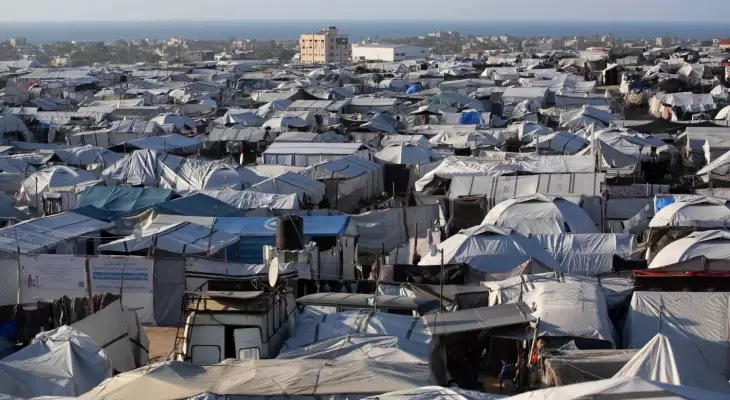
In neighbouring Gaza, UN and its humanitarian partners have continued to scale up food security and livelihood support, while six children reportedly died from the cold.

Needs remain enormous amid desperate humanitarian conditions caused by 15 months of constant Israeli bombardment sparked by Hamas-led terror attacks on Israel that left 1,200 dead and some 250 people captured as hostages.

Citing the Gazan health authorities, OCHA said that six children from the Gaza Strip have died in recent days because to the severe cold, bringing to 15 the total number of youngsters killed by the winter conditions.

Meanwhile, more than 800 trucks entered the Gaza Strip on Tuesday alone, OCHA said. Since the start of the ceasefire on 19 January, WFP has brought more than 30,000 tonnes of food into Gaza. More than 60 kitchens supported by the UN agency across the Strip have handed out nearly 10 million meals, including in North Gaza and Rafah in the south.

The biggest aid provider in Gaza, UNRWA, has reached nearly 1.3 million people with flour and reached about two million people with food parcels since the start of the ceasefire.

The UN Food and Agriculture Organization (FAO) also reported that it has delivered animal feed to northern Gaza for the first time since the escalation of hostilities.

The aid delivery last week has helped 146 families with livestock in Gaza City alongside another 980 in Deir al Balah.

Between the start of the ceasefire and 21 February, FAO distributed more than 570 metric tonnes of animal feed across the Gaza Strip to some 2,300 families with livestock.

OCHA noted in addition that aid partners working in education have identified additional schools in Rafah, Khan Younis and Deir al Balah that were used as shelters for displaced people. “These schools will be assessed and repaired to prepare for their reopening,” it said. 

UN News

Continue reading