How Israel Destroyed Rafah?

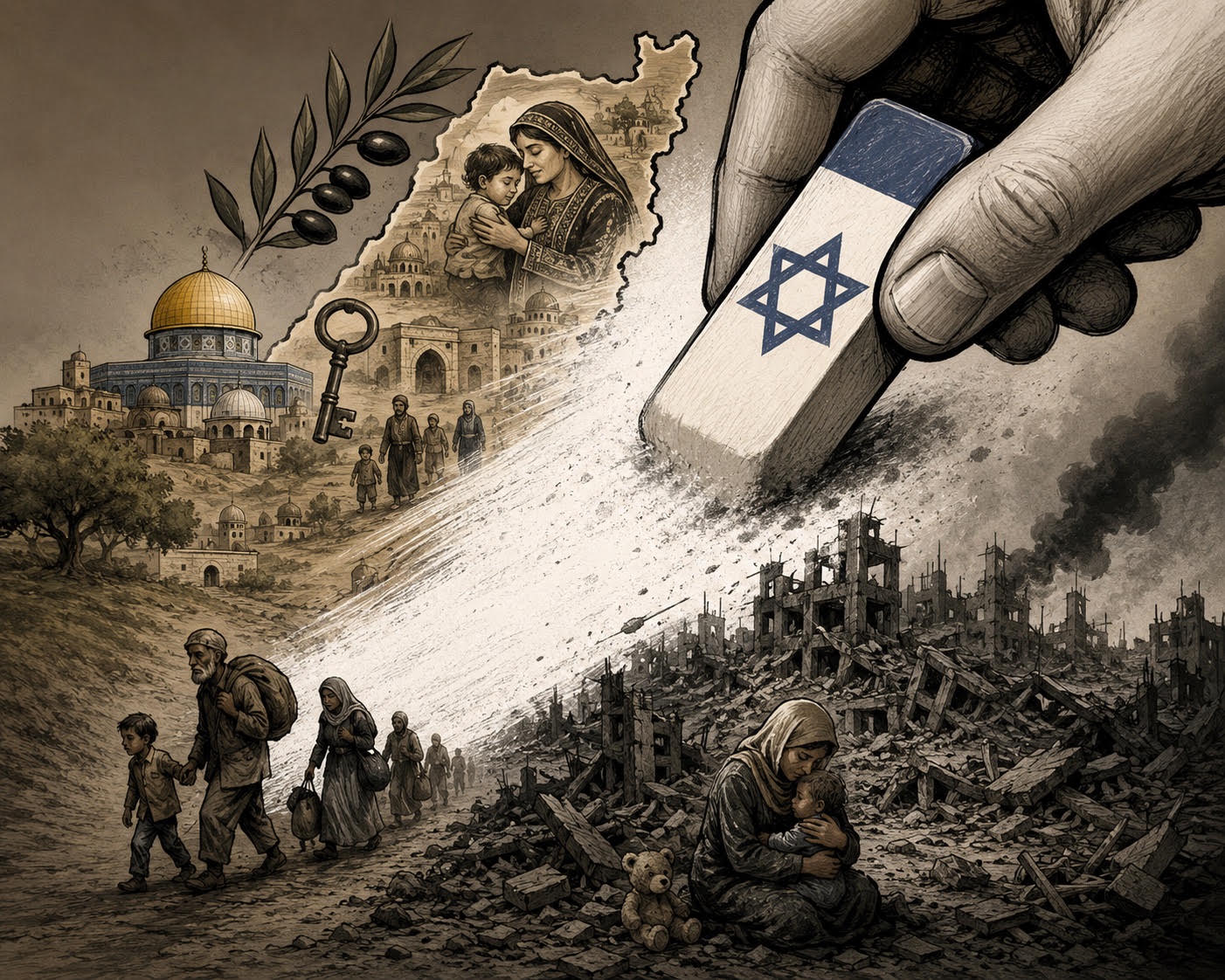
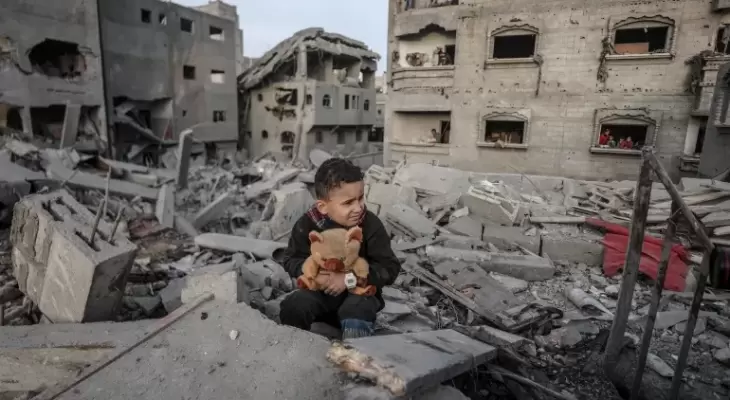
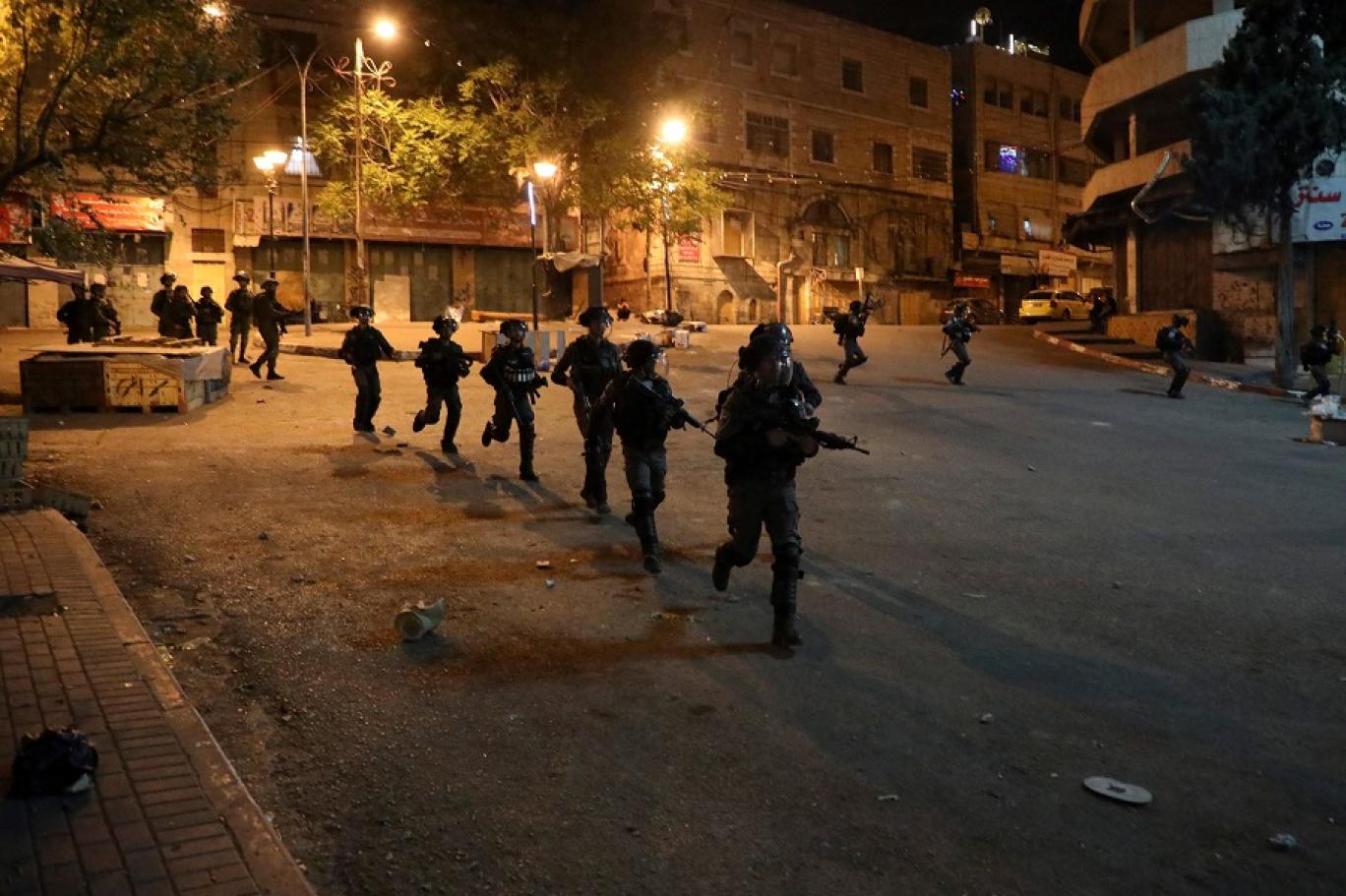
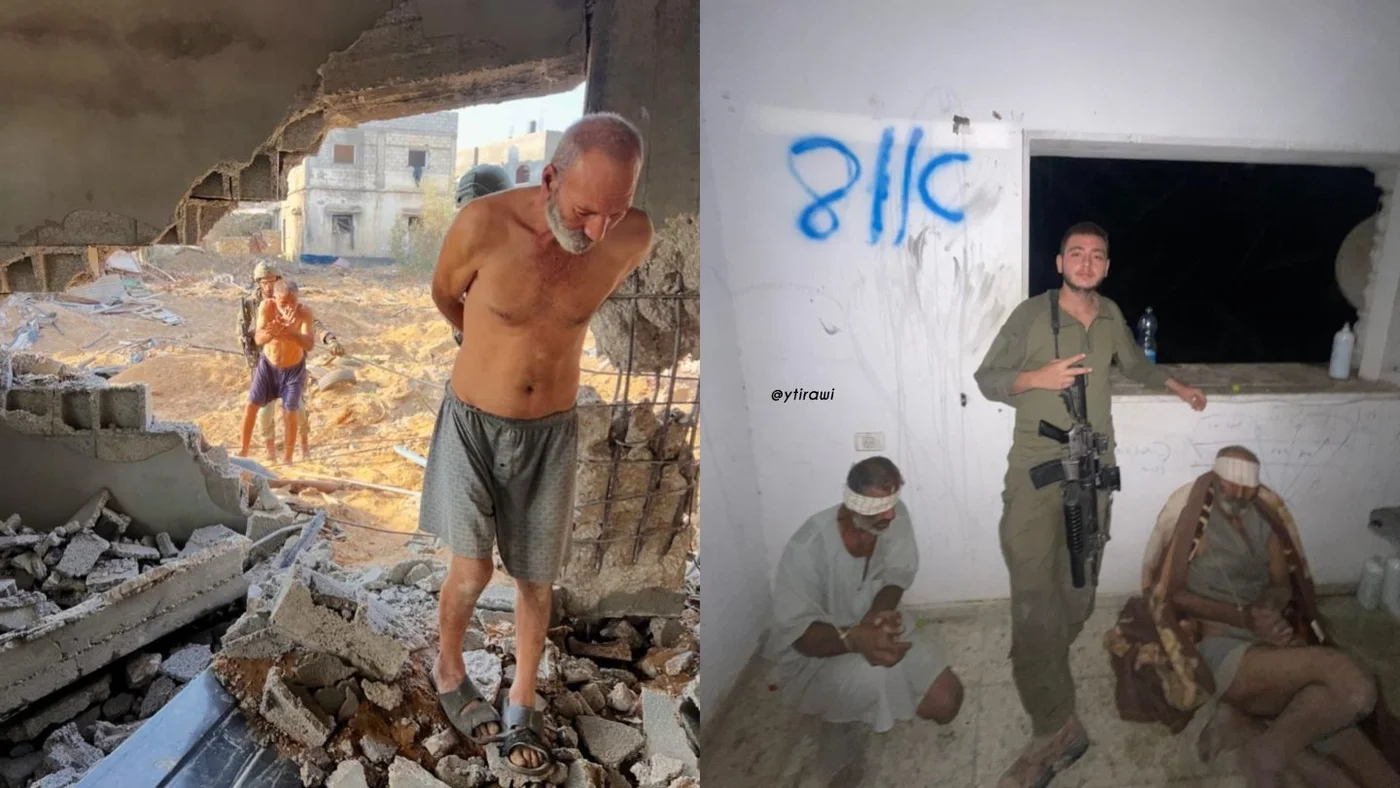
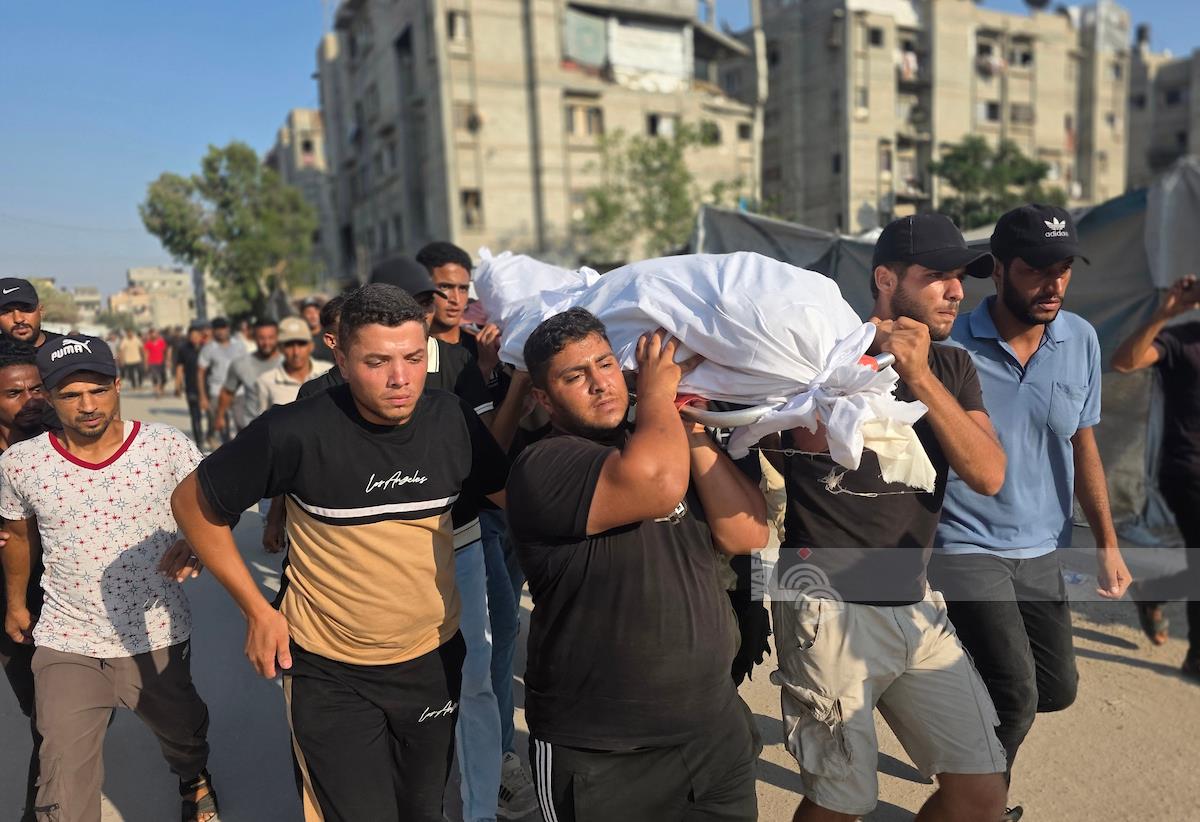
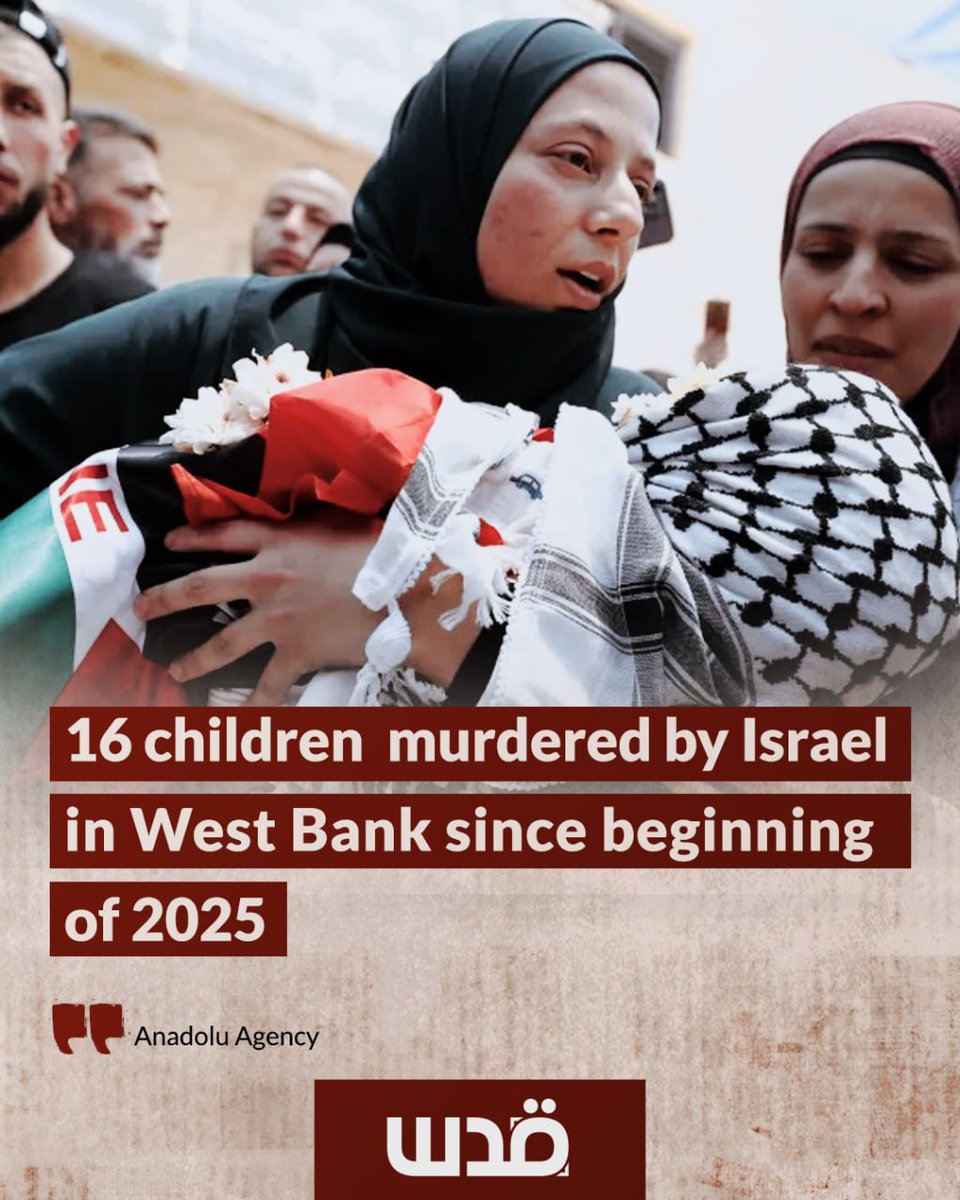
Israeli forces continue to attack Gaza residents in violation of the terms of the ceasefire agreement, the first phase of which took effect on 19 January. Airstrikes and gunfire targeting civilians and their property continue in various areas of Gaza, resulting in hundreds of deaths and injuries. Meanwhile, the entry and distribution of humanitarian aid – particularly medical equipment, hospital supplies, tents, mobile homes, and essential machinery for rubble removal and body recovery – remains severely hampered. As a result, civilians face deteriorating humanitarian conditions due to the widespread destruction of infrastructure and essential services. In Rafah, displaced residents continue to be prevented from returning to their homes, while Israeli forces are systematically demolishing both private and public buildings in the city.

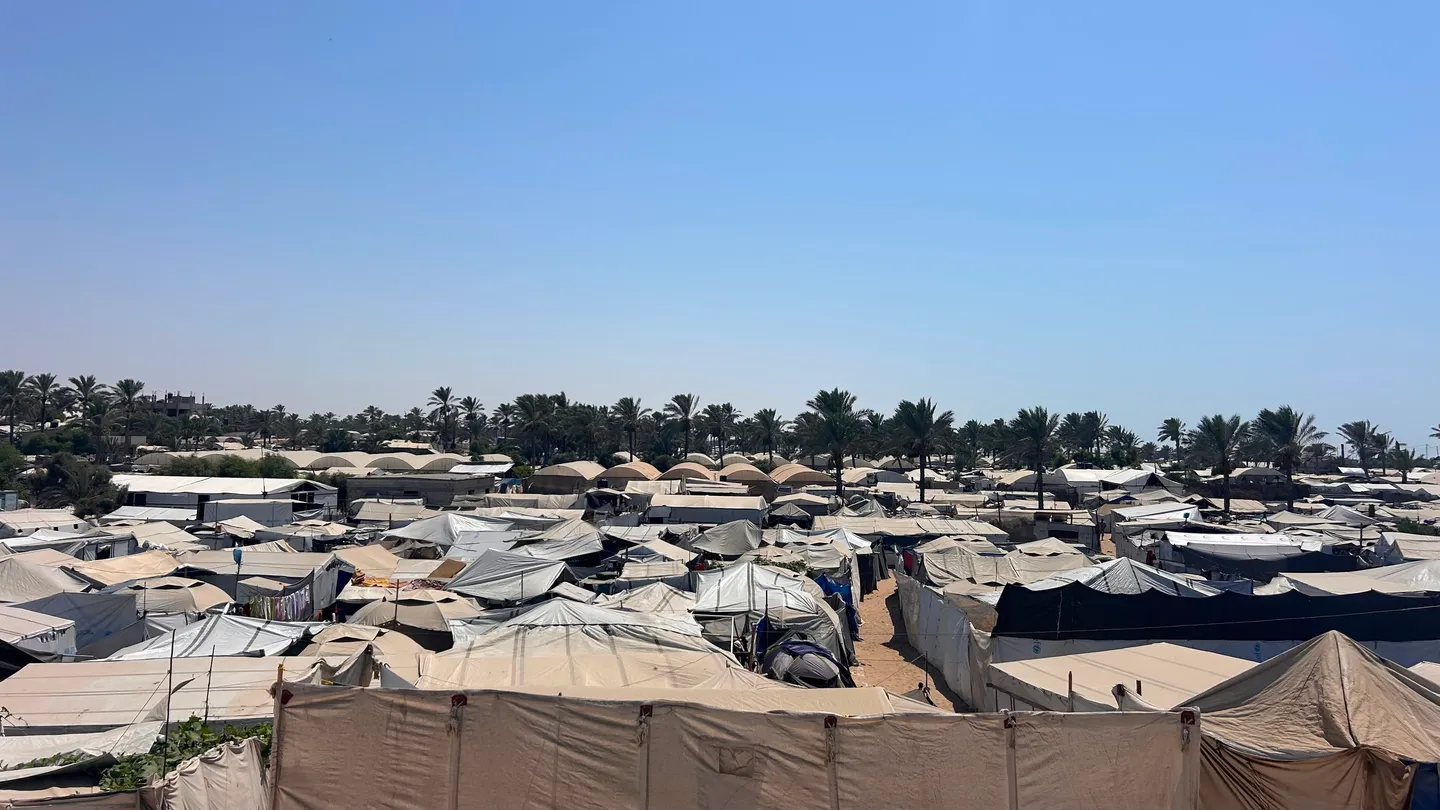
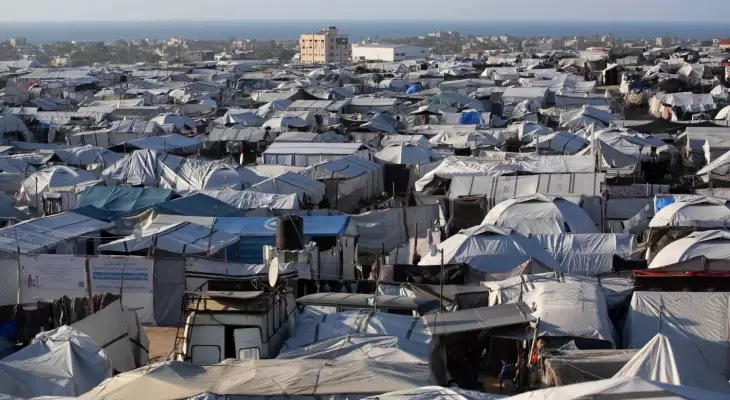
Israeli forces redeployed along Gaza’s borders in the first phase of the ceasefire agreement continue to maintain absolute control and a heavy military presence in most areas of Rafah in southern Gaza for the 10th consecutive month. Field reports indicate that since the invasion of Rafah in early May 2024 and the seizure of the Palestinian side of the Rafah crossing, the Salah al-Din axis (Philadelphi Corridor), and other parts of the city, Israeli forces have systematically destroyed infrastructure. Explosions and the sound of military machinery remain constant on the outskirts of the city, while residents are still barred from returning to most areas. The majority of Rafah’s displaced population remains in makeshift tents in central Gaza and in Al-Mawasi, Khan Younis.

According to information gathered by Al Mezan, Israeli forces have not kept within the designated areas outlined in the ceasefire agreement and continue to maintain positions deep inside Rafah – more than one kilometer inside the city center, extending to the eastern garage area, the Palestinian-Egyptian border to the south, and the eastern perimeter fence. These areas remain highly dangerous, where any movement is met with artillery fire, sniper attacks, and aerial bombardment.

According to the Rafah Municipality, 200,000 of the city’s 300,000 residents are still unable to return. No organizations have been able to access many of the areas that are still under Israeli control, including Abu Al-Saeed in Tal Al-Sultan – stretching from the coast to the Rafah Crossing – as well as neighbourhoods deep within the city, such as Al-Awda and Al-Najma squares. Of Rafah’s total area of 60,000 dunams, 60% has been declared a restricted and highly dangerous zone.

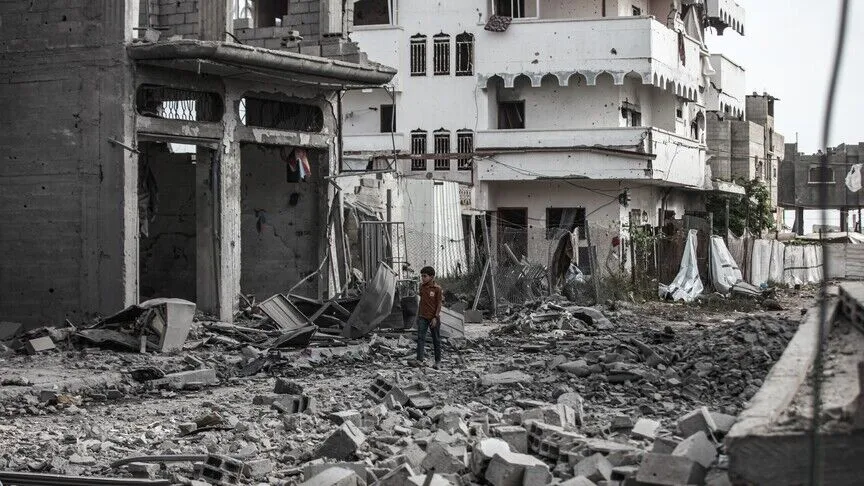
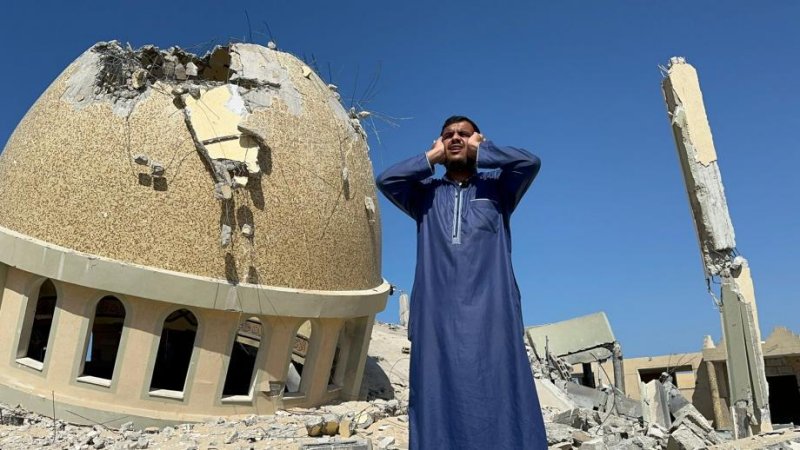
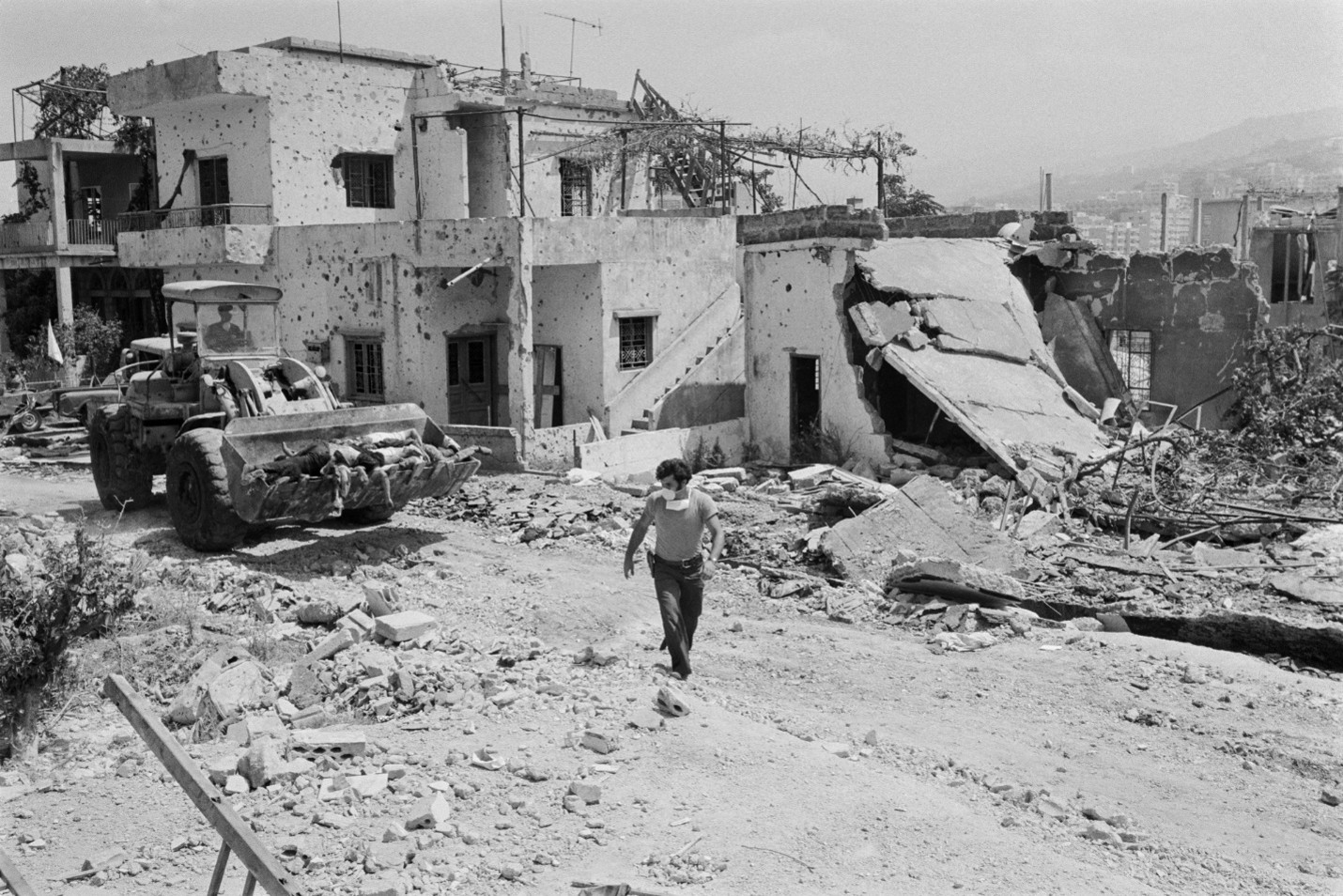
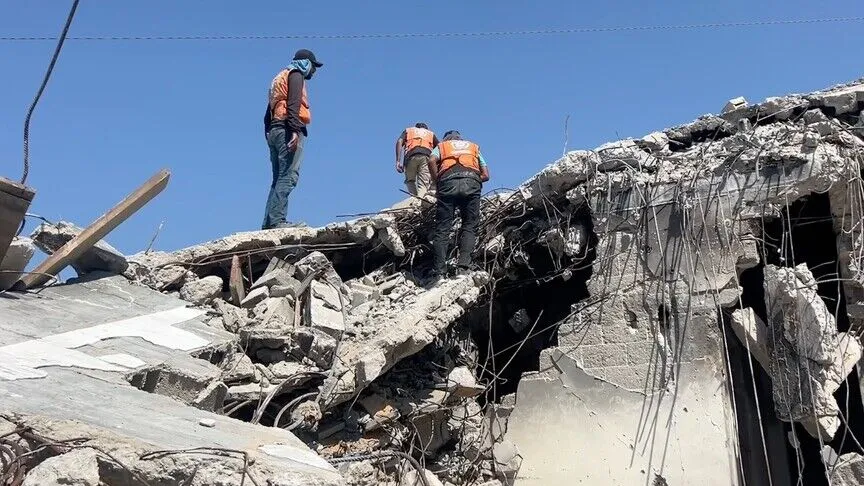
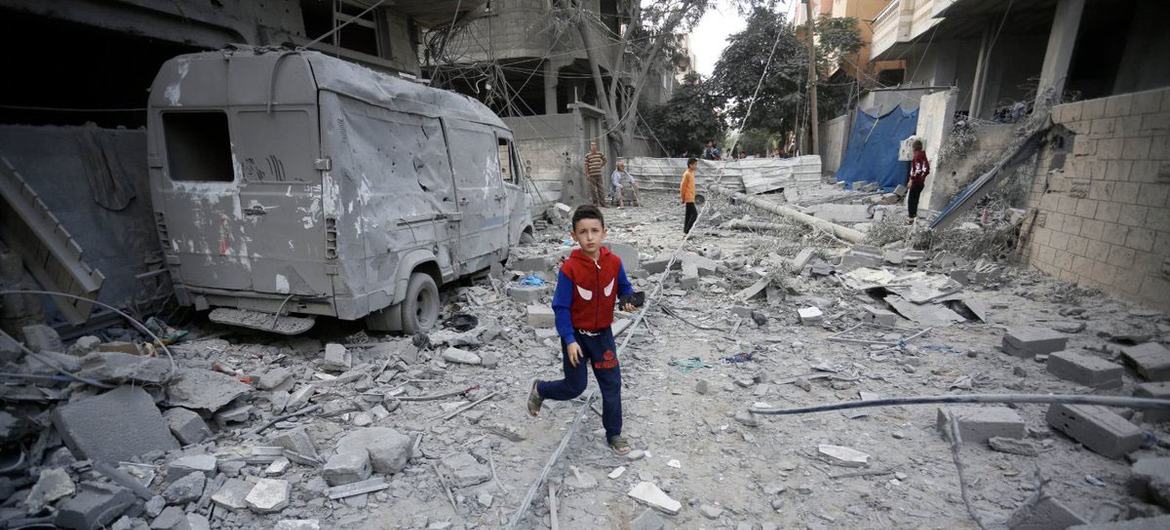
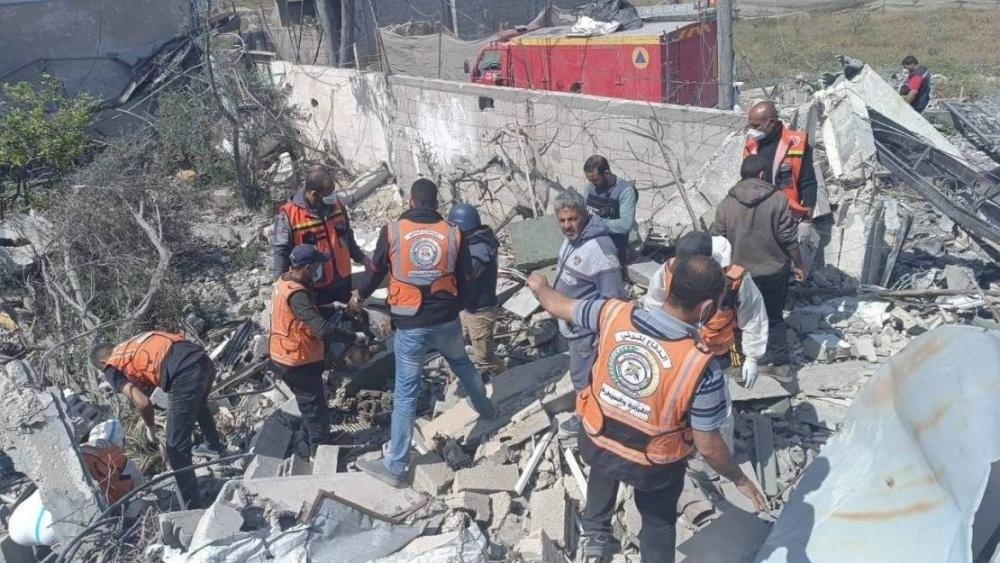
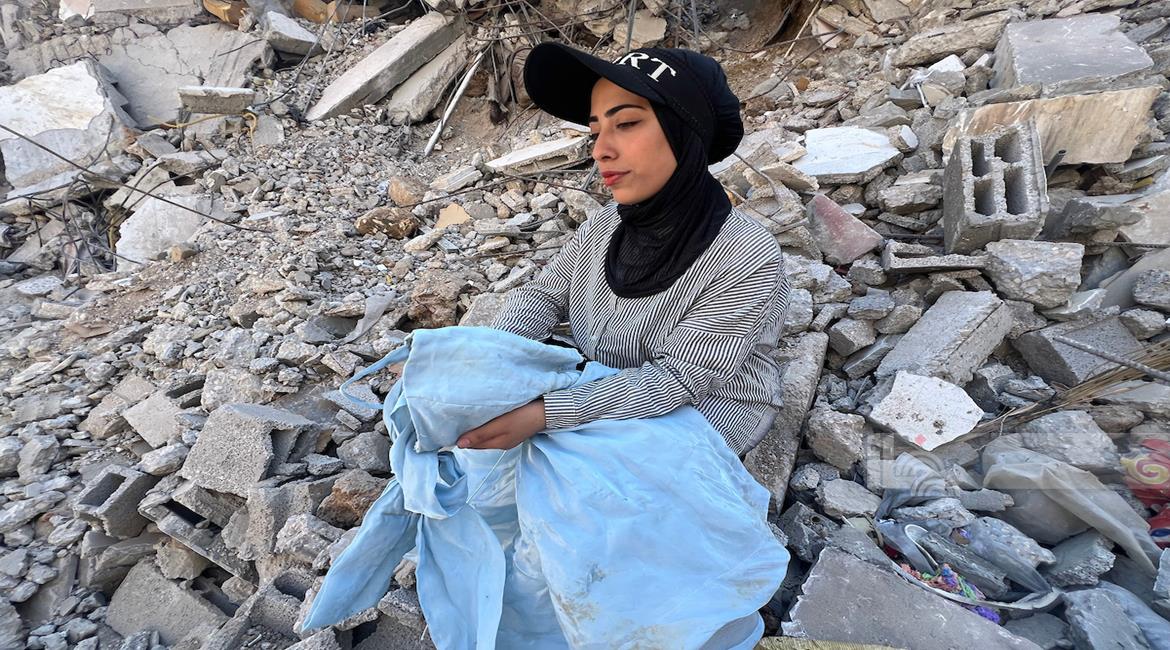
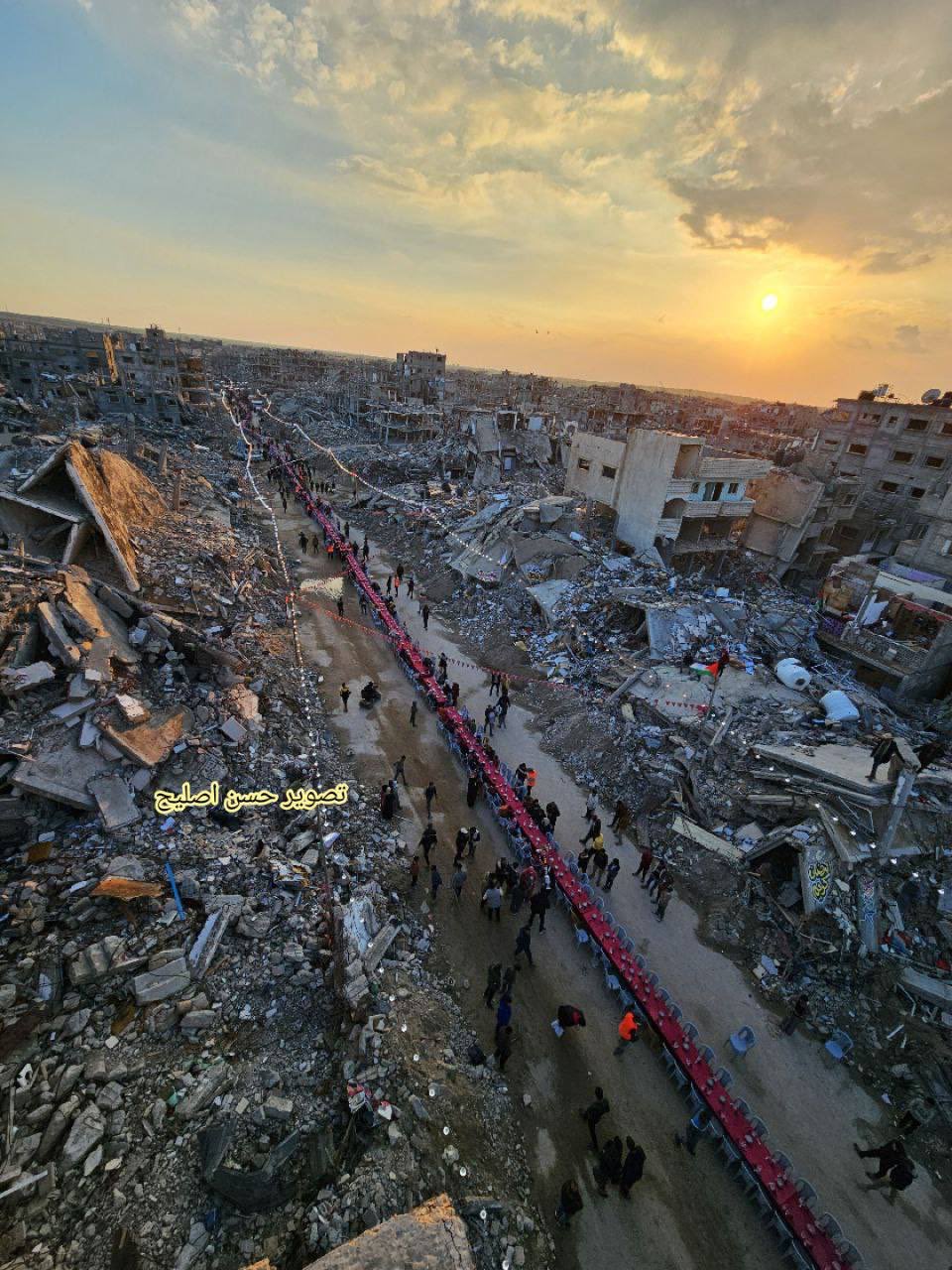
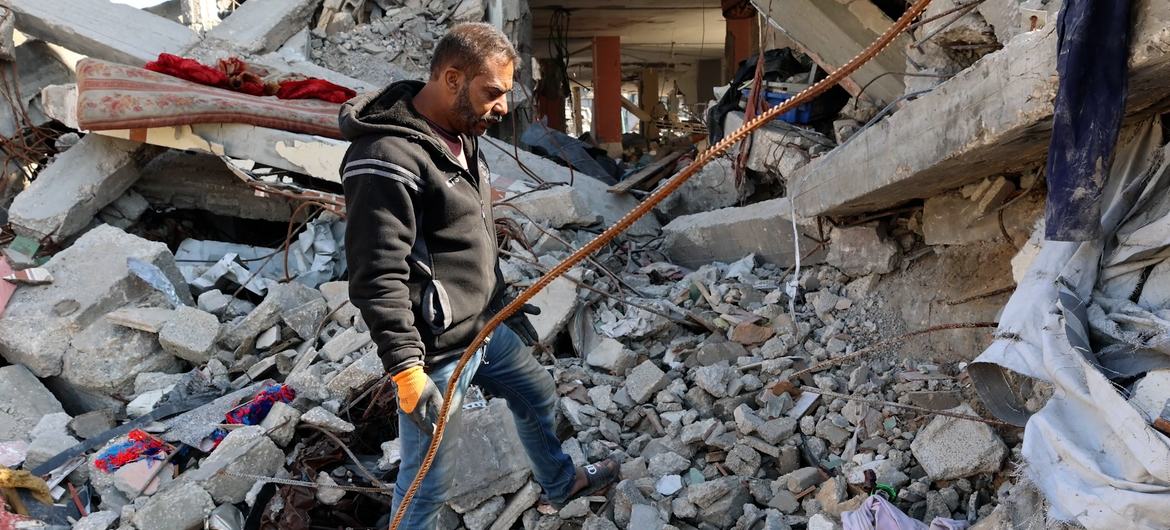
More than 90% of Rafah’s neighbourhoods have been completely or partially destroyed, with severe damage to residential buildings, roads, and essential public infrastructure – including health, government, and commercial facilities. The damage is particularly concentrated in the southern and western parts of the city, where six out of fifteen neighbourhoods and five refugee camps have been completely levelled. In addition, nine medical centers were destroyed, including the Abu Yousef Al-Najjar Hospital – the only government hospital in Rafah – the Kuwaiti Hospital, and the Indonesian Field Hospital. Approximately 70% of sewage and water pumps have been destroyed, while electricity and communications networks have nearly totally collapsed. The amount of rubble in Rafah is estimated at 20 million tons, with many bodies still believed to be trapped beneath it.

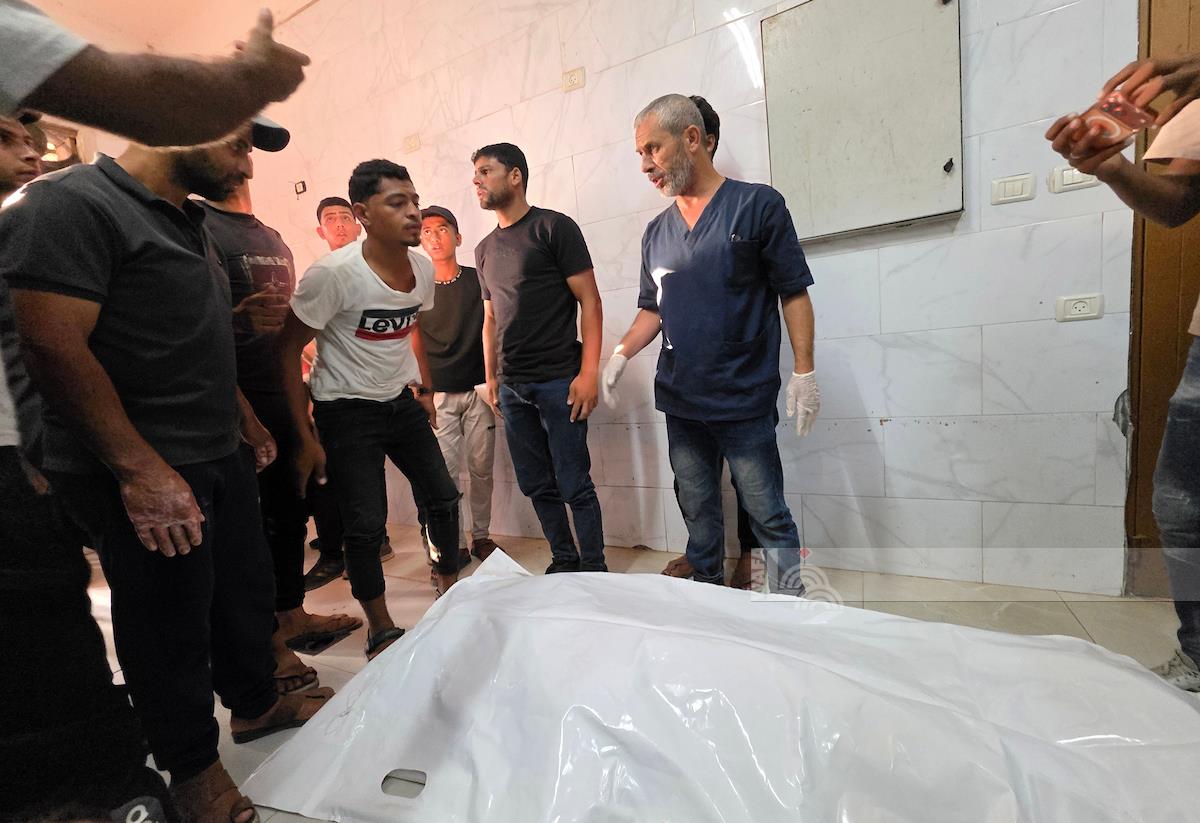
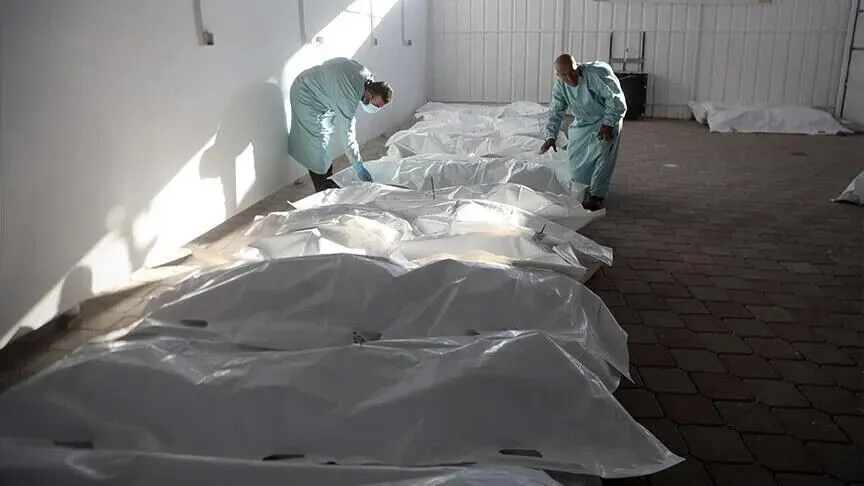
According to the Gaza Ministry of Health, Israeli forces have killed 111 civilians and injured 916 others since the ceasefire came into effect. The Rafah Municipality reports that approximately 40% of these casualties occurred in Rafah, as residents attempted to check on their homes and agricultural lands. The most recent victim, Hanaa Tawfiq Suleiman Hassanein (Al-Ghouti), was killed on 21 February 2025 when an Israeli tank fired at her home in the Al-Jeneina neighborhood, in the eastern part of Rafah, shortly after she returned home.

Mr. Mohammed Hassan Abu Sultan, 35 years old, married and a father of two, shared his experience of attempting to return to his home in Rafah:
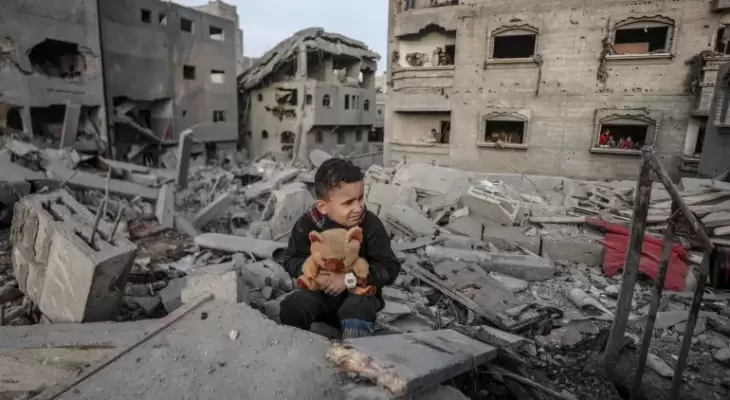
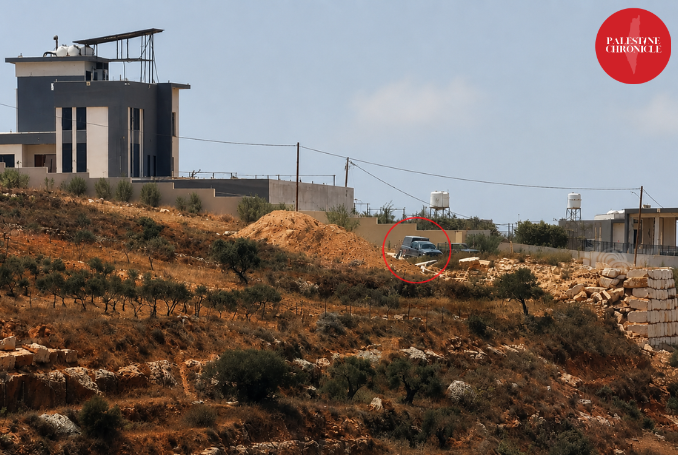
“In early May 2024, my family and I were forced to flee to Deir al-Balah, and later to Al-Mawasi, Khan Younis, where we struggled to live in a tent with meager resources. When the ceasefire was announced on 19 January 2025, I was overjoyed, believing that I could finally return home and leave the hardships of displacement behind. But the next day, I discovered that the Israeli forces had not completely withdrawn from Rafah. A few days later, I tried to check on my house in the Al-Jeneina neighbourhood. When I arrived in Rafah, I was shocked by the extent of the destruction. Before I even reached my neighbourhood, I and others who were going to inspect our homes came under fire. I barely escaped. I later learned that the gunfire came from an Israeli crane positioned south of Al-Jeneina, with tanks stationed on nearby sand dunes. Every day I hear of more civilians being killed or injured as they try to check on their homes. I am still living in a tent in Al-Mawasi, Khan Younis, enduring the bitter cold and poor conditions, waiting for the full withdrawal of Israeli forces so that I can return to my home – even if it has been destroyed.”

Similarly, Mohammed Mahdi Mousa Al-Dawoudi, 38 years old, married and a father of four, recounted his attempt to return to his home in Rafah after the ceasefire took effect:

“On 28 May 2024, my family and I, like many others, were forced to flee our home in the Tal Al-Sultan neighbourhood of Rafah due to intense bombardment and the advance of Israeli forces. We took refuge in a small tent in Al-Mawasi, Khan Younis, where we endured displacement and harsh living conditions. The ceasefire was announced on 19 January 2025, after we had waited for several months to return home. I finally went back to check on my home, but when I arrived in Tal Al-Sultan, I was horrified to see entire neighbourhoods reduced to rubble. As we inspected the aftermath of the bombardment in the area, Israeli forces positioned along the Philadelphi Corridor (the Egyptian-Palestinian border) opened fire on us. I barely made it back to Al-Mawasi. I later learned that most Rafah residents are unable to return due to Israeli gunfire and military presence in the eastern and southern parts of the city. Many civilians have been killed trying to reach their homes. I remain displaced in a tent, struggling to survive the freezing temperatures, waiting for the Israeli forces to completely withdraw so that I can return to what remains of my home.

As of the time of this press release, Israeli forces continue to maintain control over most areas of Rafah, attacking residents with gunfire and other weaponry, particularly those attempting to return to their homes. The ongoing Israeli operations include the widespread demolition of homes and infrastructure, especially in the Al-Awda and Tal Al-Sultan neighbourhoods, in what appears to be a deliberate effort to alter the city’s landscape and render it uninhabitable.

Al Mezan unequivocally condemns Israel’s ongoing crimes, perpetrated in furtherance of the continuing genocide in Gaza, particularly in Rafah. We call on the international community to take urgent and concrete measures to end the genocide, stop the systematic destruction of Rafah, and ensure the safe return of displaced residents. Immediate steps must be taken to hold those responsible accountable, including full support for the International Criminal Court and other accountability mechanisms, the imposition of a two-way arms embargo on Israel, and targeted sanctions against individuals and entities complicit in these crimes. The international community must also review and suspend bilateral agreements and diplomatic ties that enable Israel’s violations, work toward dismantling the unlawful occupation, and uphold the Palestinian people’s right to self-determination.
Reliefweb

Continue reading
‘We Will Not Leave But Rebuild Gaza’

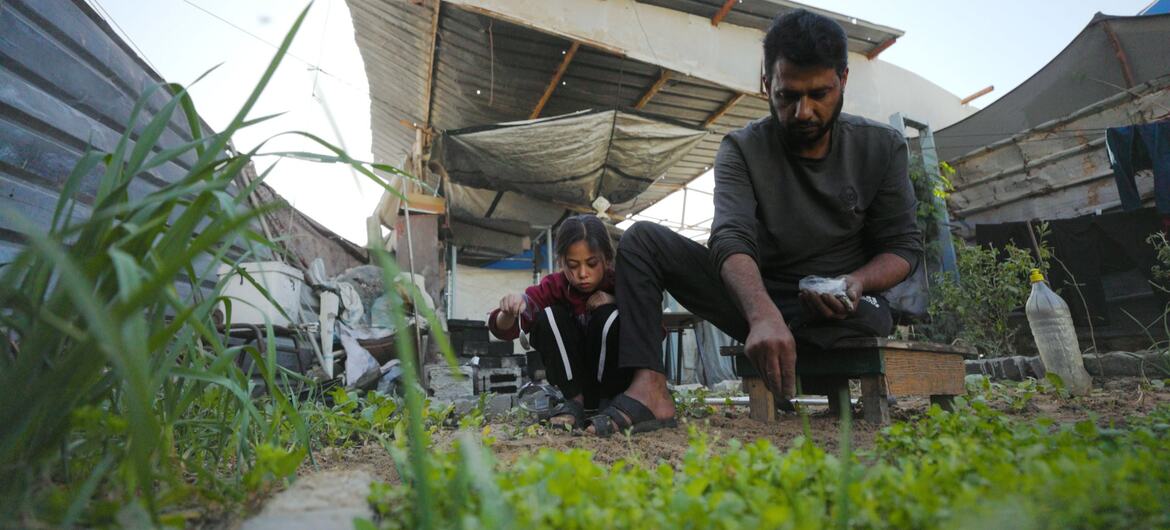
At night he sleeps under a tarpaulin sheet on the ruins of his family home. Like others returning to northern Gaza after months of being displaced by war, Sufian Al-Majdalawi clings to whatever he can find.

Using small tools and his bare hands, he sifts through mounds of twisted debris and dirt to try and unearth belongings and important paperwork such as property deeds to prove he is the legal owner.

He dreams of one day being able to rebuild; in the short-term, he hopes that even the rubble might hold some value.

The war in Gaza has left an unprecedented level of destruction, with an estimated 51 million tons of rubble blanketing the landscape where bustling neighborhoods once thrived.

According to a new UN damage and needs assessment report, over 60 per cent of homes – amounting to some 292,000 – and 65 per cent of roads have been destroyed, across the approximately 360 square kilometre enclave.

As the international community ponders Gaza’s future and how to rebuild, Al-Majdalawi is sure of one thing: “We will not leave. That will not happen. This is our land.’’

Watermark

Moving cautiously through the rubble, Yasser Ahmed says: “I am looking for my papers.” His desperate search is made even more daunting because adjacent structures have collapsed in on each other. “Maybe while I am removing the rubble, I will find a human body, an explosive device,’’ he adds, underlining the huge emotional and physical risks of dislodging debris in a war zone.

Working with Palestinian authorities, UN development and environmental agencies and non-governmental organizations are looking at how to safely clear the rubble so that families can rebuild.

With a fragile ceasefire in place, regional talks are underway on rebuilding Gaza after 16 months of conflict. Next Tuesday, UN Secretary-General António Guterres heads to Cairo for a reconstruction summit called by Arab leaders.

Meanwhile, UN staff are drawing on similar experiences in Mosul, Iraq, and the Syrian cities of Aleppo and Latakia, all decimated by war.

Debris and rubble lines the streets of Gaza.

UN News

UNOPS, a UN agency that provides infrastructure, procurement and project management services around the world, is part of Gaza’s ‘Debris Management Working Group.’

The agency has conducted threat and risk assessments throughout the Territory, and has developed advanced GeoAI and remote sensing techniques, including 3D modeling technologies, to enhance explosive hazard evaluation and rubble removal strategies.

UNOPS Executive Director Jorge Moreira da Silva, following a recent trip to Gaza, says explosive hazard education had been provided to 250,000 Palestinians and some 1,000 humanitarian workers, providing “critical knowledge to stay safe and navigate explosive hazards effectively.”

UNDP, which helps countries reduce poverty, build resilience and achieve sustainable development, started removing rubble from Gaza in December 2024, weeks before a ceasefire began.

Sarah Poole Special Representative of the Administrator for UNDP’s Programme of Assistance to the Palestinian People.

UN News

UNDP’s Sarah Poole says about 28,500 tons of rubble were initially removed, and 290 tons of it used for roadworks to enhance humanitarian operations, restoring access to sites such as a hospital, a bakery and a critical water supply plant.

Poole describes the issue of land and property ownership in Gaza as “very complex” – particularly when title deeds, inheritance records and other legal documents are lost or destroyed.

Amjad Al-Shawa, Director of the network of NGOs in the Gaza Strip, says the issue of rubble represents a “major challenge.’’

“We need a mechanism to dispose of the rubble which will take a long time, and which requires resources that are not available in the Gaza Strip,’’ he says.

“Today, this rubble also represents the possessions of the residents. Many disputes may arise between families.’’

Some $7 million has already been made available from various donors to aid the rubble removal – but Poole says an additional $40 million is needed “in this initial phase in order to significantly scale up the work.”

Amjad Shawa, Director of the Palestinian Nongovernmental Organizations Network in Gaza Strip.

UN News

“The issue of access and the ability to bring in some of the heavy equipment that is needed is also absolutely essential,” he adds.

The challenge ahead looks daunting: Once-thriving neighborhoods have been leveled – very little remains. In this Territory where people turning 18 have already lived through five massive armed conflicts, the destruction this time is significantly worse.

The cost of the damage to physical infrastructure has been estimated at some $30 billion, according to the UN. The housing sector was the hardest hit, with losses amounting to $15.8 billion. The costs of recovery and reconstruction are estimated at over $53 billion.

Yasser Ahmed stands in front of his destroyed home in Jabalia, in the north of the Gaza Strip.

UN News

Yasser Ahmed stands in front of his destroyed home in Jabalia, in the north of the Gaza Strip.

“There is no residential life here. I look around and see nothing but destruction,’’ says Ahmed, standing in front of the wreckage of his house. “The hard work of 59 years – the number of years of my life – was lost, and everything is gone.’’

“Everything is under the rubble,’’ he says. “I miss my home … a person is only comfortable in his home and his own place.”

Nearby, Ramadan Katkat sits on the remnants of his home. Living in tents precariously perched atop mounds of rubble, he echoes the despair felt by many: Beneath them could lie a perilous mix of unexploded devices and human remains.

His wish? “We want to live.’’

Al-Majdalawi is adamant, though: “We are capable of rebuilding the land.”

Ramadan Kutkut sits on the rubble of his house in Jabalia, in the northern Gaza Strip.

UN News

Ramadan Kutkut sits on the rubble of his house in Jabalia, in the northern Gaza Strip.

UN News

Continue reading
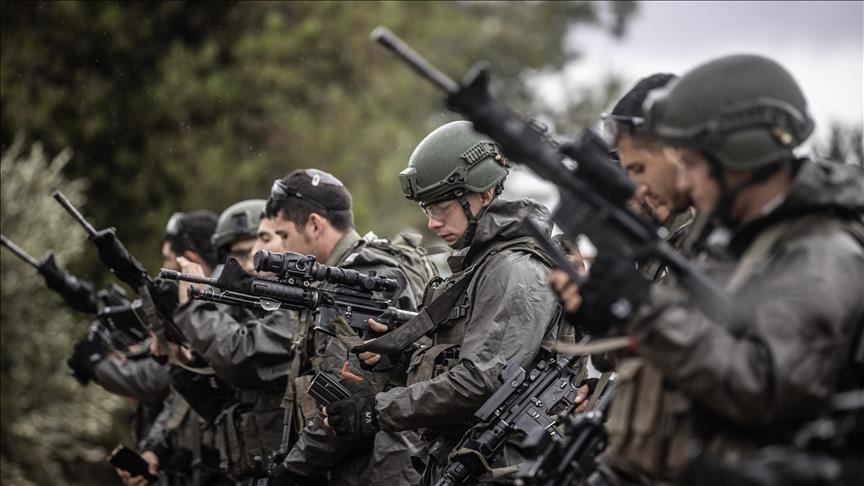
Israel on War Path With 400,00 Reserves Call-up

The Israeli government approved a bill allowing the military to call up an additional 400,000 reserve soldiers amid delays in the start of negotiations for the second phase of a Gaza ceasefire and prisoner exchange agreement.

Israeli Channel 14 said the decision came amid fears of renewed fighting in the Gaza Strip.

Under the new decision, the Israeli army will be able to mobilize up to 400,000 reserve soldiers by May 29, representing an increase of 80,000 soldiers compared to the previous order which approved a maximum mobilization of 320,000 reserve soldiers, the broadcaster said according to Anadolu.

“This decision comes amid ongoing challenges in recruiting human resources for reserve duty,” the channel said.

The first six-week phase of the ceasefire agreement, which took effect on Jan. 19, officially ended at midnight on Saturday. However, Israel has not agreed to move forward to the second phase of the deal to bring an end to the war in Gaza.

Israeli Prime Minister Benjamin Netanyahu had sought to extend the initial exchange phase to secure the release of as many Israeli captives as possible without offering anything in return or fulfilling the military and humanitarian obligations of the agreement.

The Palestinian resistance group Hamas has refused to proceed under these conditions, insisting that Israel abide by the terms of the ceasefire and immediately start negotiations for the second phase, which includes a full Israeli withdrawal from Gaza and a complete halt to the war.

The ceasefire agreement has halted Israel’s genocidal war on Gaza, which has killed more than 48,380 victims, mostly women and children, and left the enclave in ruins.

Last November, the International Criminal Court issued arrest warrants for Netanyahu and his former Defense Minister Yoav Gallant for war crimes and crimes against humanity in Gaza.

Israel also faces a genocide case at the International Court of Justice for its war on the enclave.

Continue reading
Mad President and Street Brawl

By Dr Khairi Janbek

People from my generation remember a pop group which used to sing a song called the lunatics have taken over the asylum. Now, they were not themselves lunatics but merely performing for their audience and their fans, in the same manner. Neither Trump nor his band wagon are necessarily a bunch of thugs, but they are merely performing for their fans and audience.

However one cannot find any reason for world leaders to go to the Oval Office in order to provide US president Donald Trump with the material to entertain his fans and audience.

He ambushed King Abdullah of Jordan with the entry of journalists when that was not supposed to happen in order to market his absurd Gaza plan, president Emmanuel Macron of France provided him with the opportunity of posturing as an antagonist to the EU, prime minister Keir Starmer provided him with the opportunity of showing what Britain was groveling for – a free trade agreement and a role of being a bridge between the US and EU.

Ironically however, the worst of the Trump performance was left for Volodymr Zelensky, though his trip was the only one that made sense.

Zelensky for all intents and purposes, went to sign an agreement to hand the resources of Ukraine to America, but suddenly the situation deteriorated to almost a street brawl. Why? The whole thing was agreed upon by both sides from the start.

Of course, Zelensky expected a protection commitment from the USA in exchange for the mineral resources, but in fairness, without an explicit US commitment protection would have been implicitly there since supposedly, American companies and workers would be working in Ukraine, so what has actually happened to derail the whole agreement?

Of course, any such agreement with potential implicit US protection of Ukraine, is totally against Russian interests, especially according to some speculation, Putin has the intention to occupy the whole of Ukraine, therefore the talk in the corridors, is that Putin has offered Trump the exploitation of Ukrainian resources in the occupied territories of Russia, which in effect sabotaged the minerals agreement between US and Ukraine, and rescued Trump from having to give security guarantees; albeit implicit to Ukraine.

Now, at the peril of repeating the usual cliche of the EU facing a crossroad on its path, something which had happened frequently, this time it’s in fact different. The truth is that the US has been distancing itself from the EU at least from the days of president Obama, but the difference now is that the EU is being attacked by both the US and Russia, and finds itself as the large leviathan with clay feet unable to move.

The dilemma of differences within the EU are prominent, with full support for Ukraine, with some having lukewarm support, while some with no support at all, moreover the NATO future is hanging in the balance, to keep or not to keep that is the question, but what is the alternative? A European army which is yet to crystallize as an idea, or just drop all the effort?

What it boils down to now, is the idea of leadership of the “Free World”, certainly this notion has always been a nebulous idea, still, the US stood by it and projected its image accordingly, but now, it seems the US is not interested in world affairs except in what it can exploit and use and abuse for its own interests, which means, who will be the new leader of the Free World?

In fact, is there a need for a leader of the free world assuming that there is such a world? If the EU has any such pretensions, then big changes are necessary within its membership as it must be realized the road is very long for such an objective. But in the mean time, we have to settle for the theory of the mad president, ie. Trump would do anything, and peace by force with an oxymoron.

Dr Janbek is a Jordanian writer based in Paris.

Continue reading