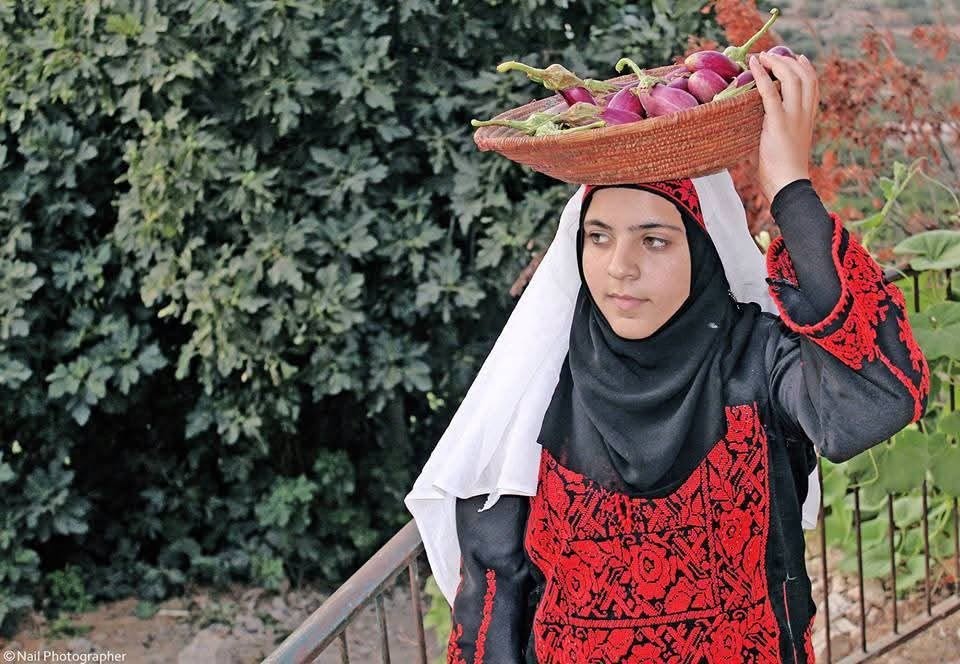
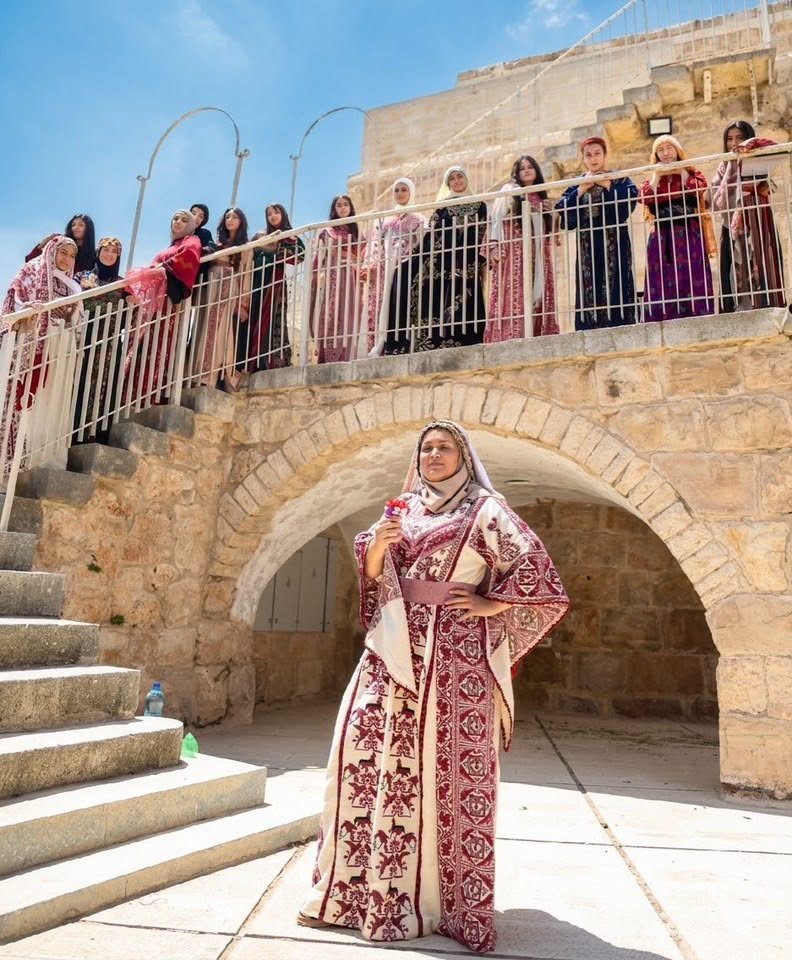
 Palestine in Color Dresses
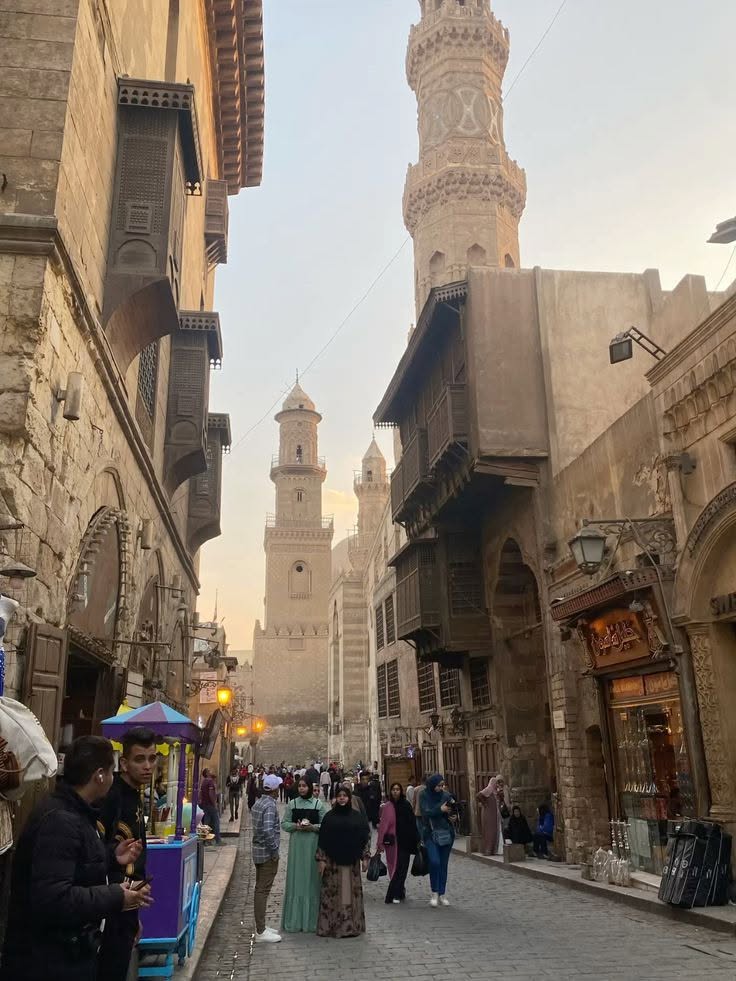
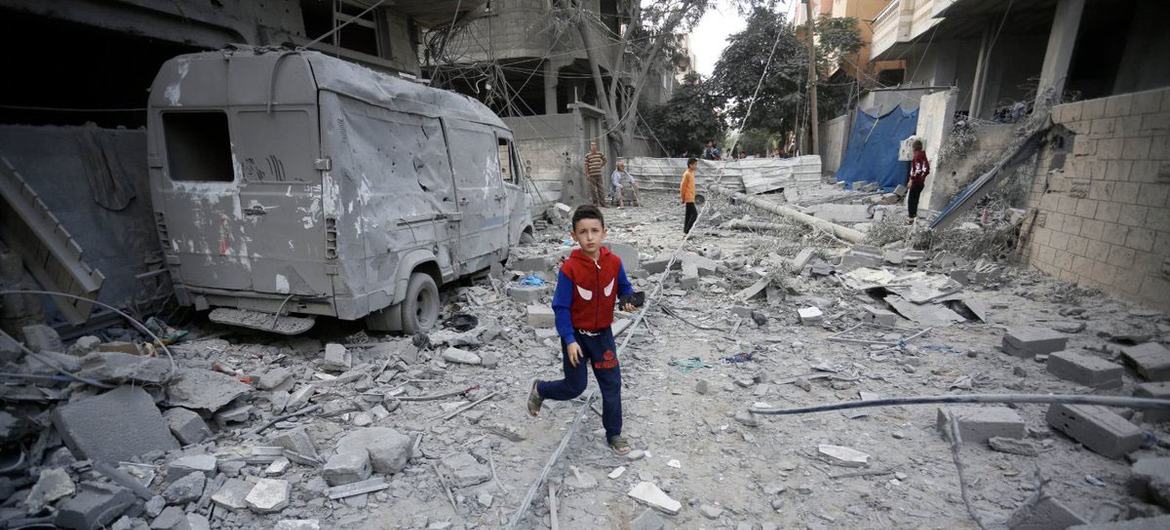
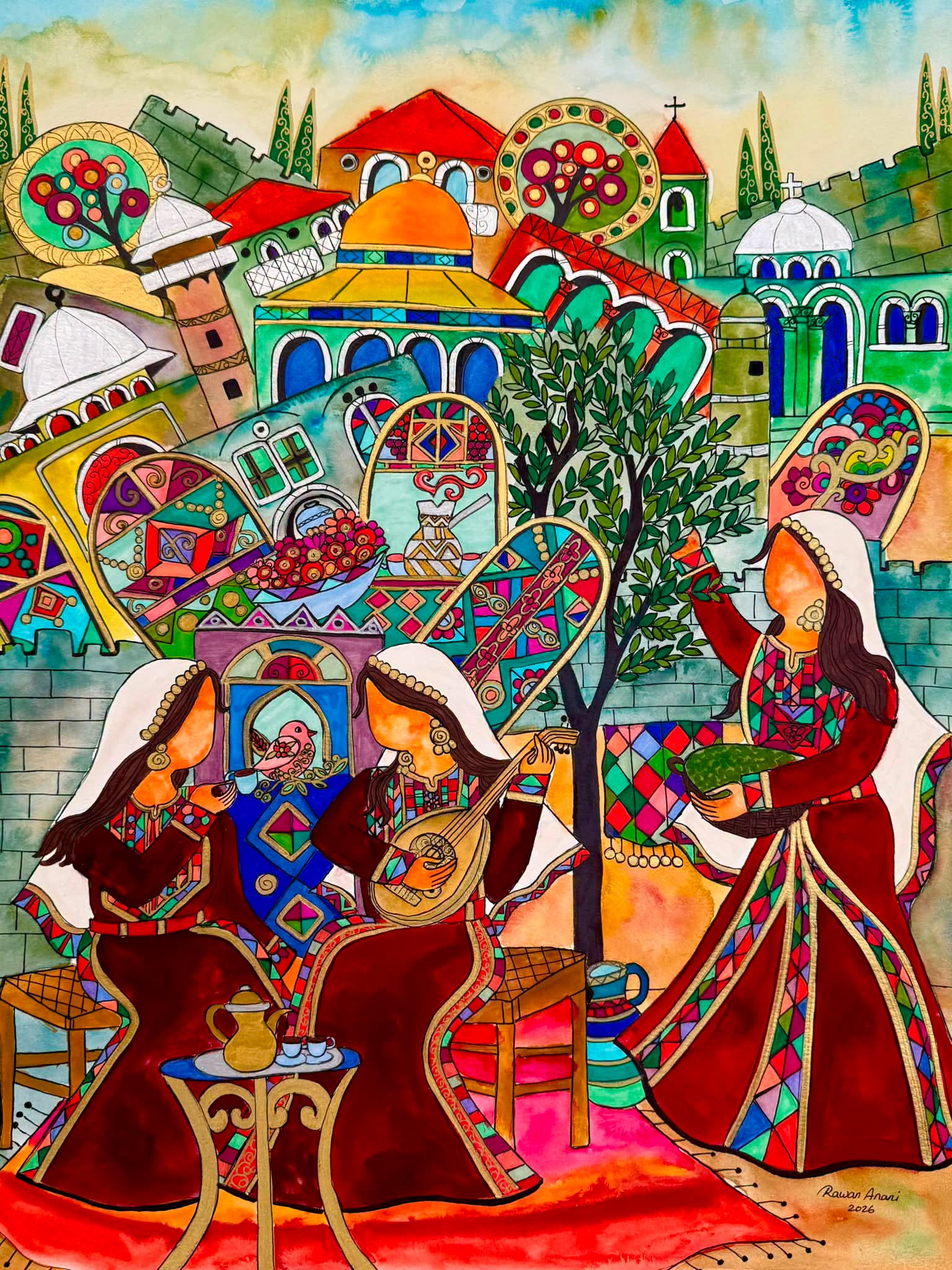
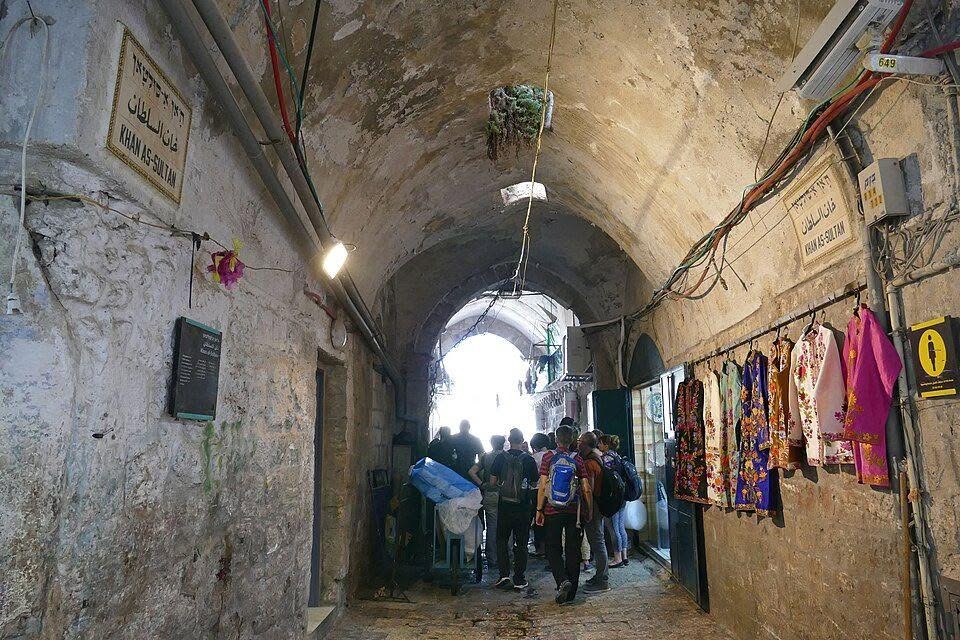 Khan al-Sultan Stands Proud in Jerusalem
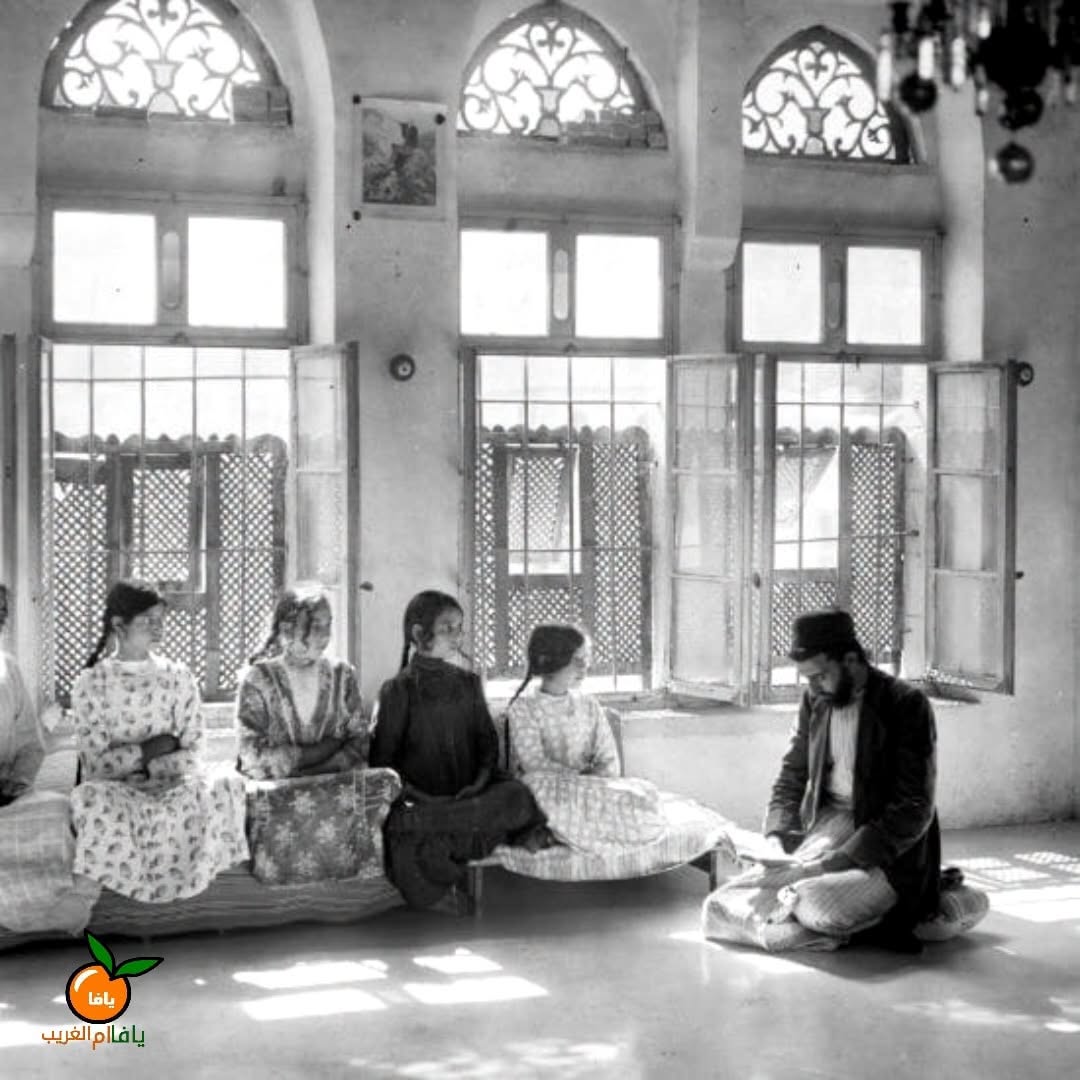
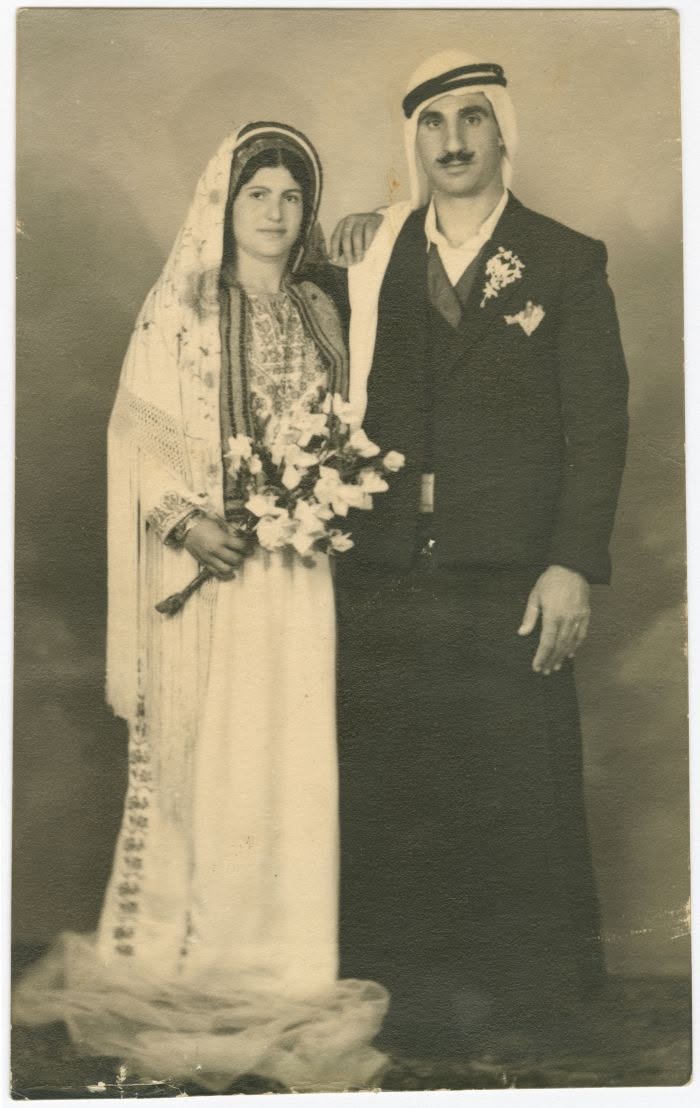
 Christian Wedding in Beit Jala 1940
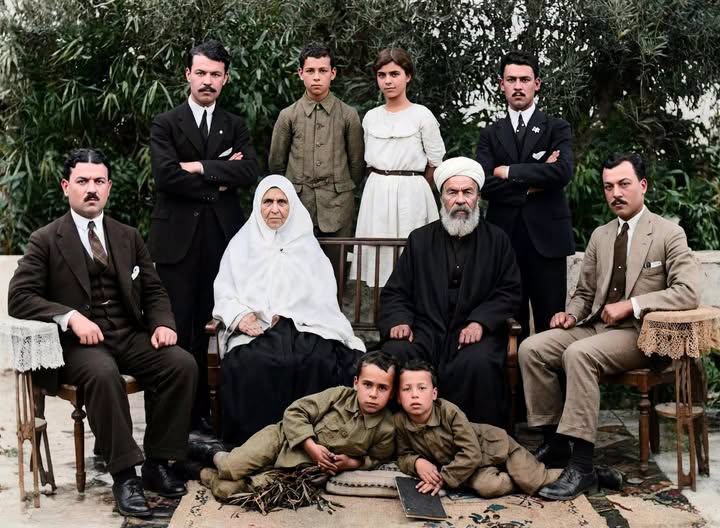
 Palestinian Photographer Khalil Raad With Family in Early 20th Century
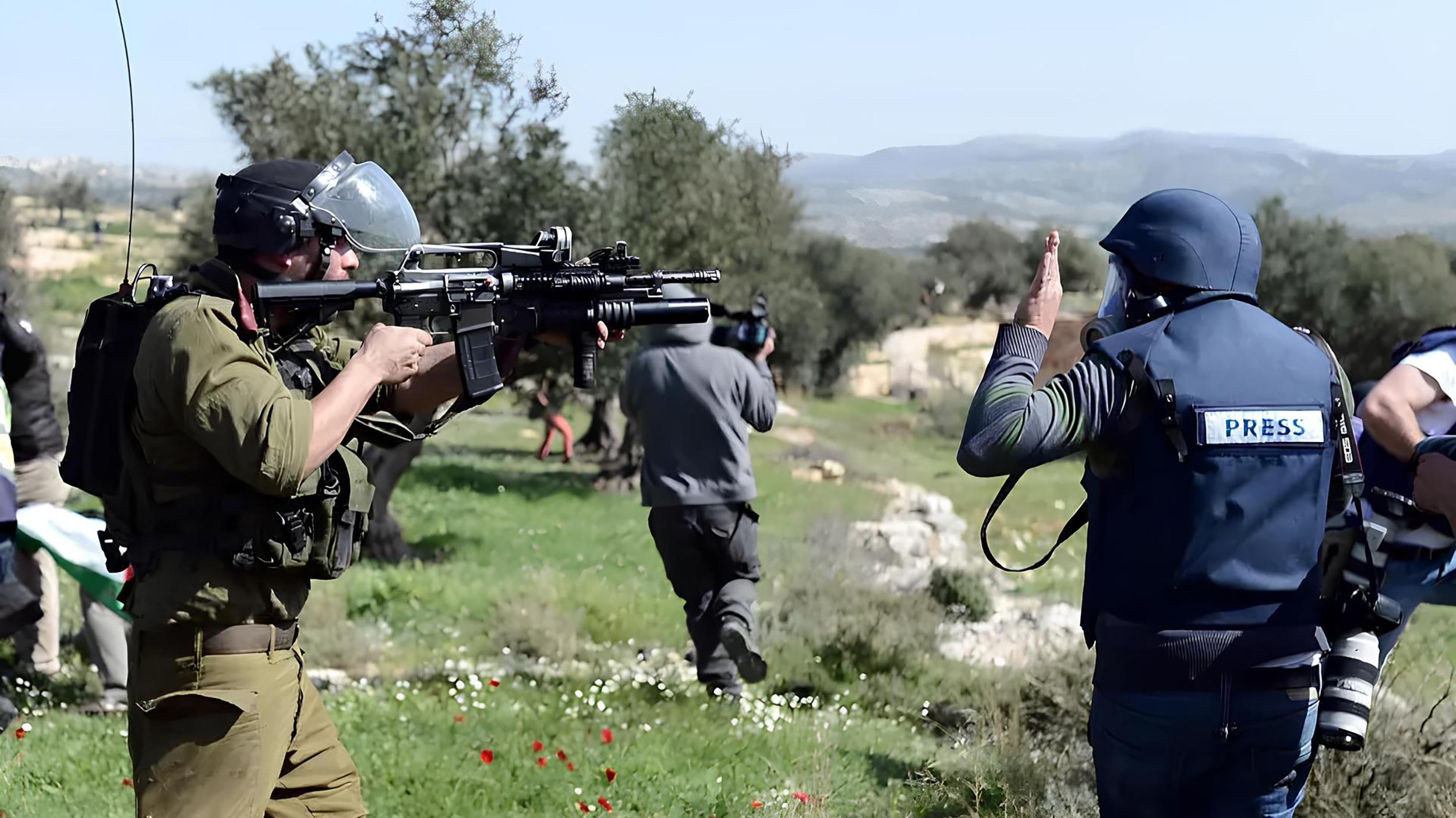
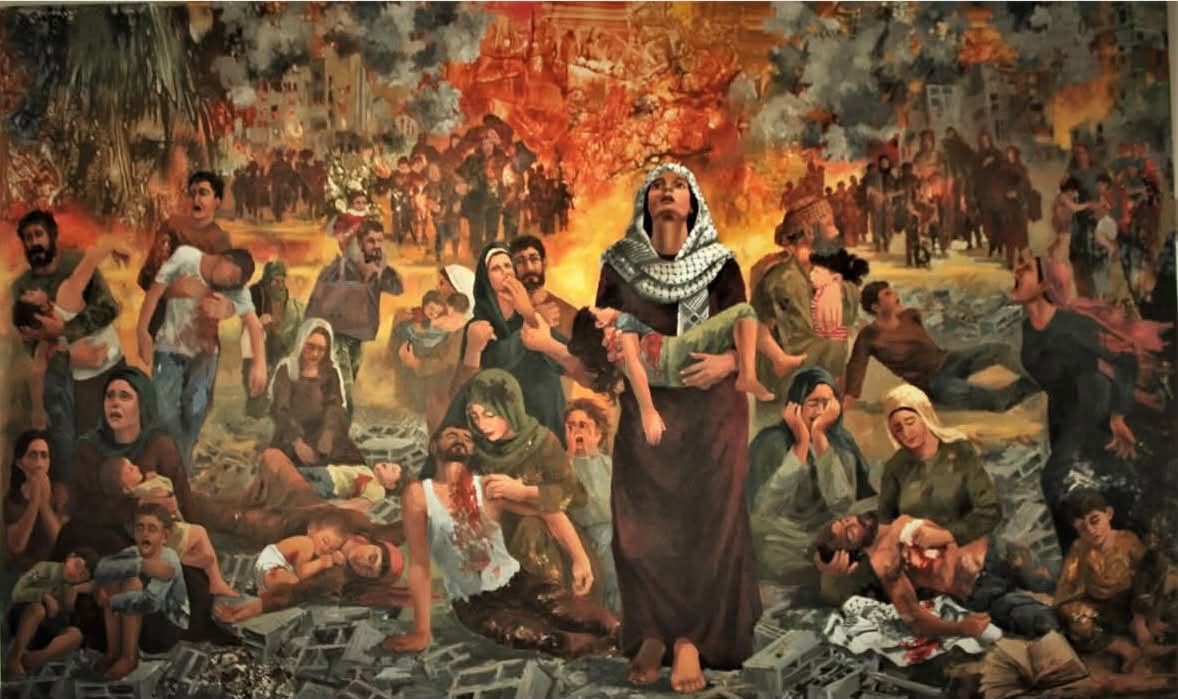
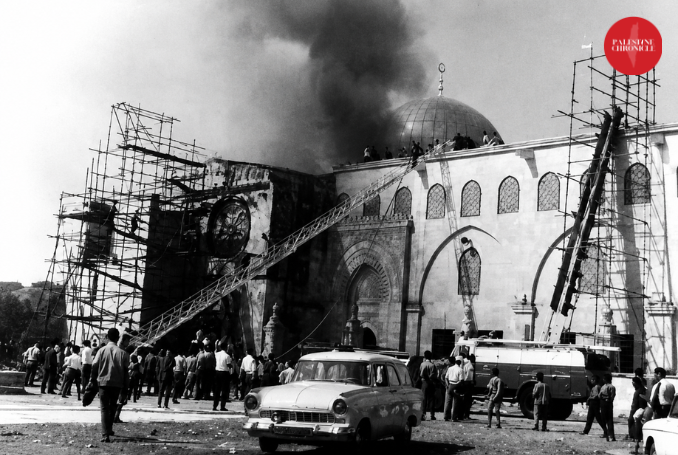 The Day Al Aqsa Was Set on Fire



Palestine in Color Dresses
 CrossFireArabia
- August 22, 2026
 CrossFireArabia
 marwan
 HebaCrossFireArabiaCrossFireArabiaCrossFireArabiaCrossFireArabiaCrossFireArabiaCrossFireArabiaCrossFireArabiaCrossFireArabiaHebaCrossFireArabiaCrossFireArabiaHebamarwanmarwanmarwanmarwanmarwanmarwanCrossFireArabiamarwanmarwan
 Saleem Ayoub QunamarwanCrossFireArabiaCrossFireArabiaCrossFireArabiaCrossFireArabiamarwanCrossFireArabiaCrossFireArabiamarwanCrossFireArabiaHebaCrossFireArabiamarwanCrossFireArabiamarwanHebaCrossFireArabiamarwanmarwanHebaCrossFireArabiamarwanmarwanCrossFireArabiamarwanHebaCrossFireArabiaCrossFireArabiaCrossFireArabiaHebamarwanCrossFireArabiamarwanHebaCrossFireArabiaHebamarwanmarwanCrossFireArabiamarwanmarwanmarwanmarwanmarwanmarwanmarwanmarwanmarwanCrossFireArabiaCrossFireArabiamarwanmarwanCrossFireArabia
By Deepmala Mahla
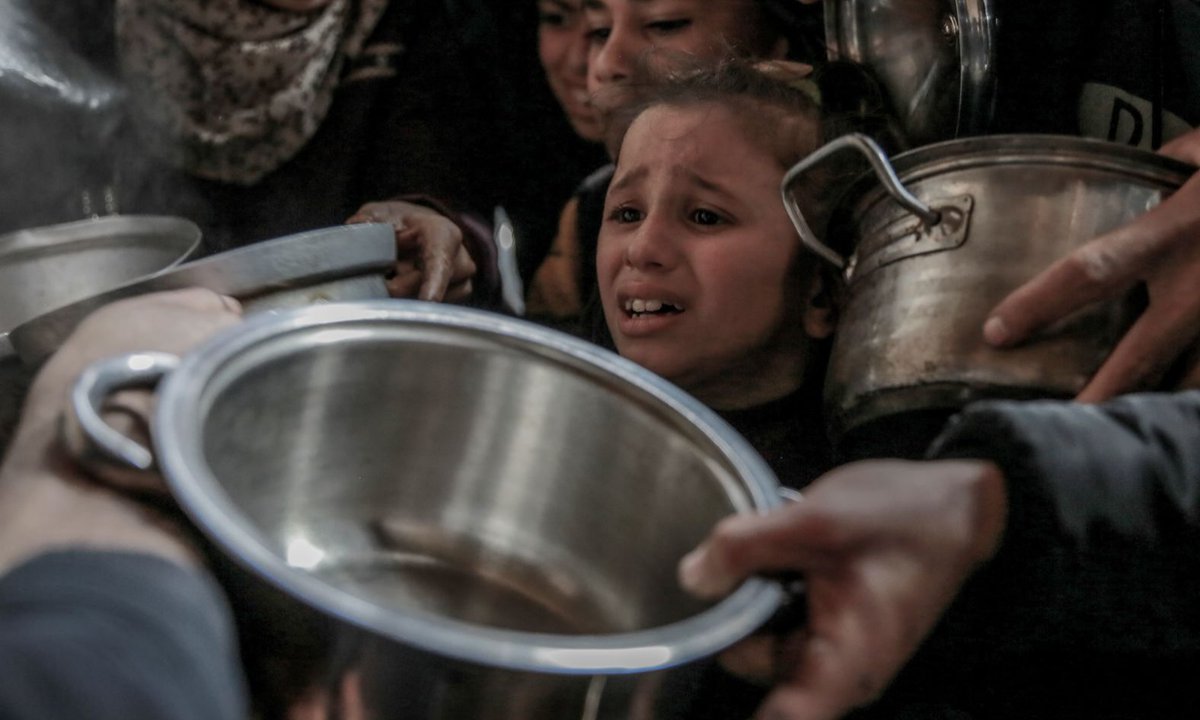
It has been close to a week since Israel’s extremely concerning March 2 decision to stop aid from entering Gaza – a decision that is having dire consequences for a population who have already endured 15 months of unimaginable suffering.
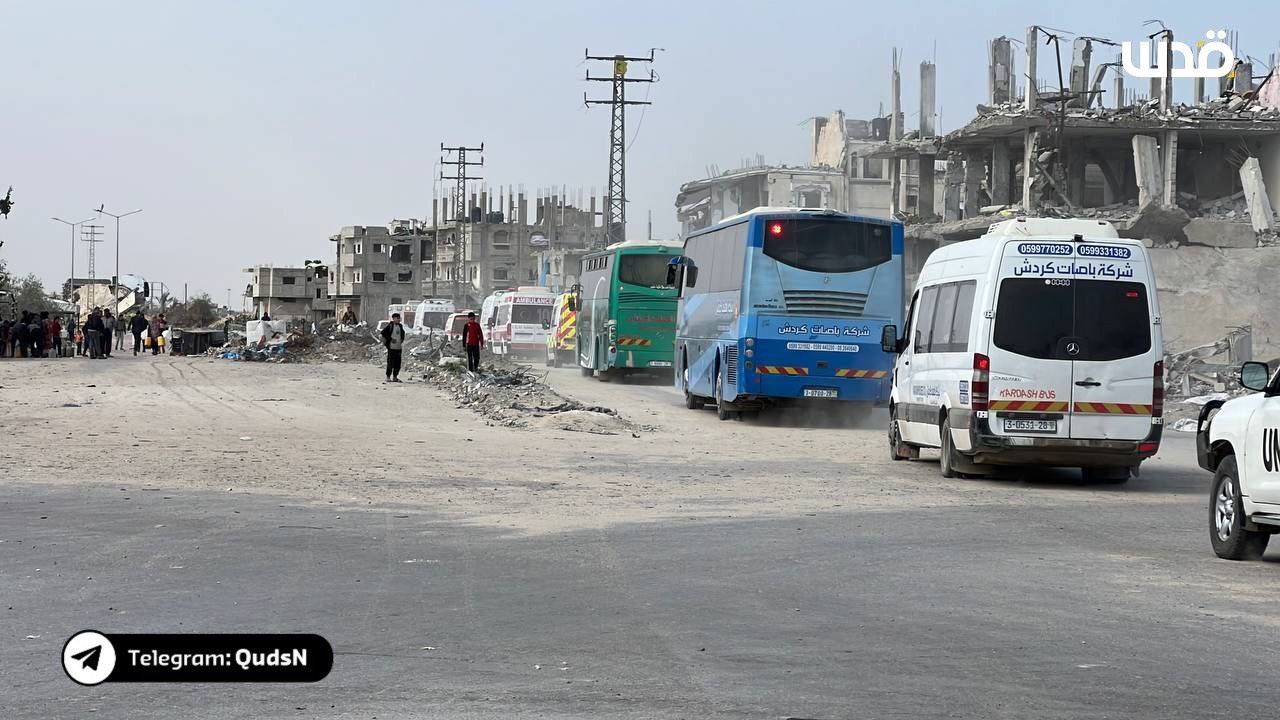
Trucks stocked with CARE food parcels, medical supplies, and shelter items – which were scheduled to arrive over the next weeks – are not reaching Gaza.
Meanwhile, our current supply of medical provisions will allow us to be fully operational for one month only, after which we will be forced to scale back our medical services. Our ability to supply our local partners will also be impacted should the aid suspension continue.
Israel is required under international humanitarian law to facilitate access of aid into and across all areas of Gaza. CARE and all humanitarian actors call for compliance with this law wherever we work. It saves and protects the lives of women, children, and families in times of conflict – from Sudan to Syria. Humanitarian assistance for civilians such as food, medicine, and other life-saving supplies should not be withheld as a bargaining chip within a conflict.
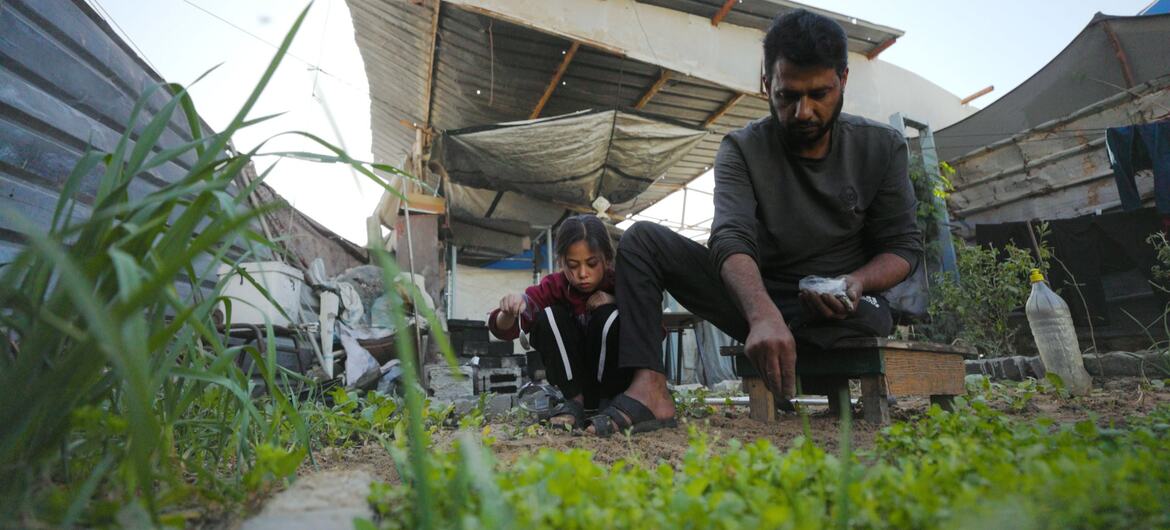
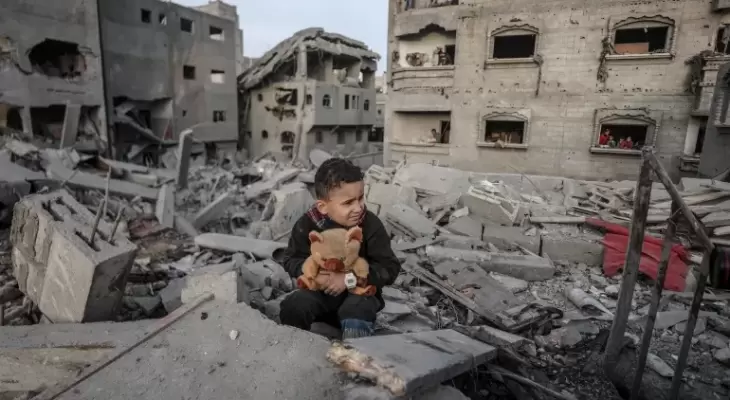
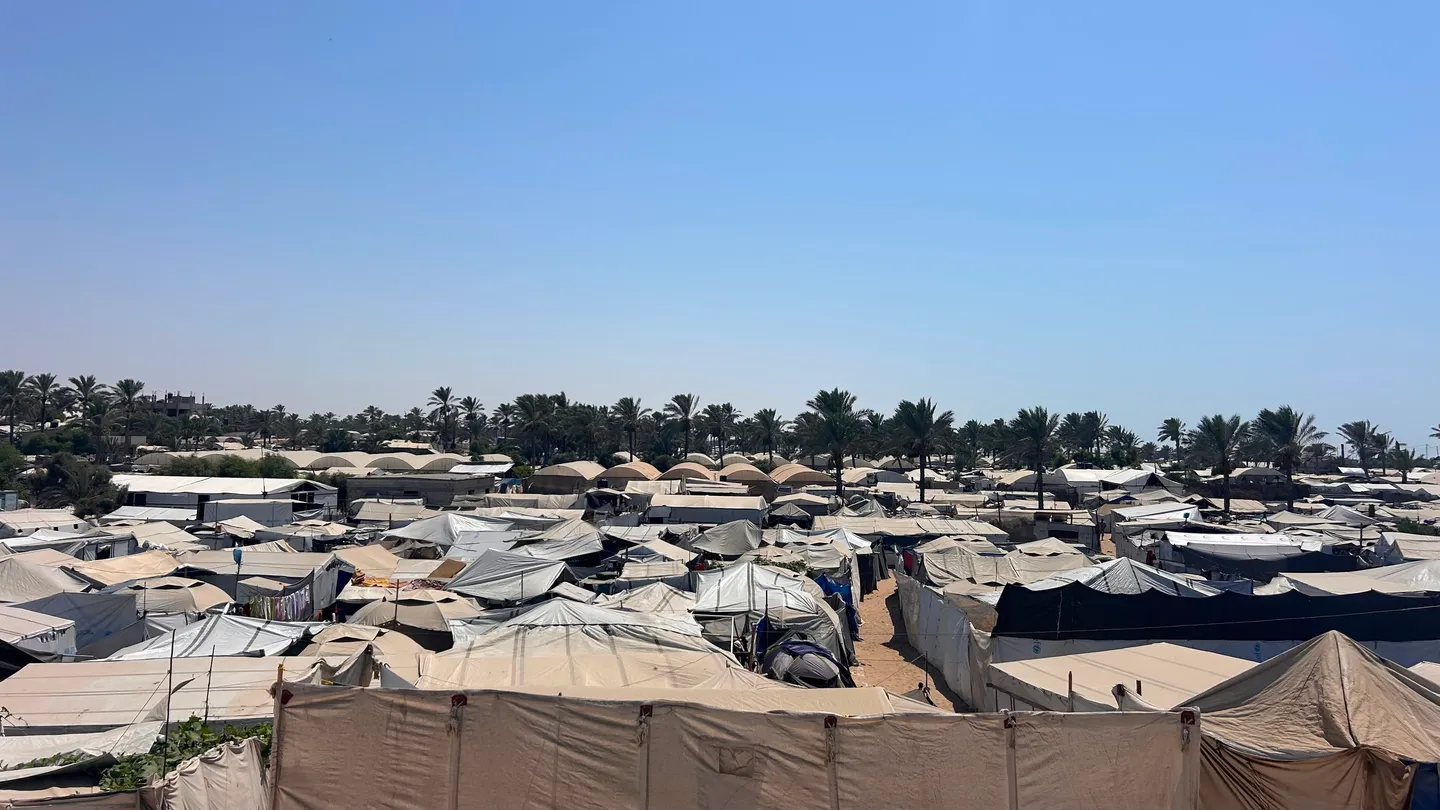
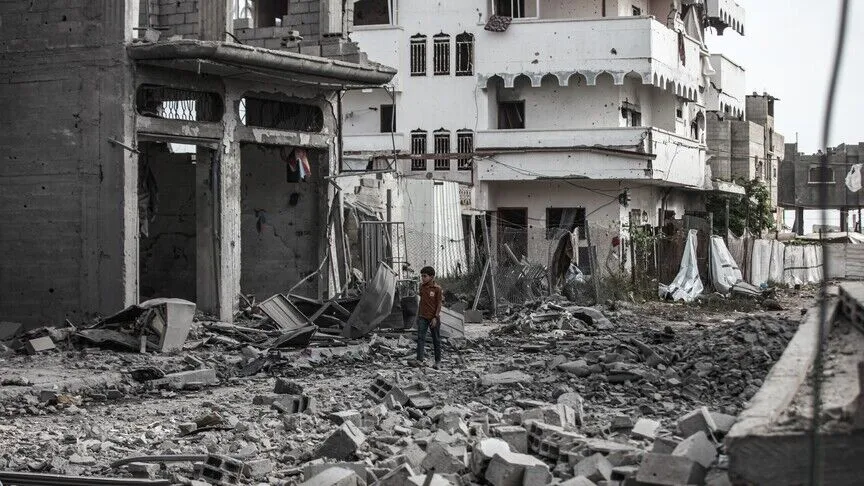
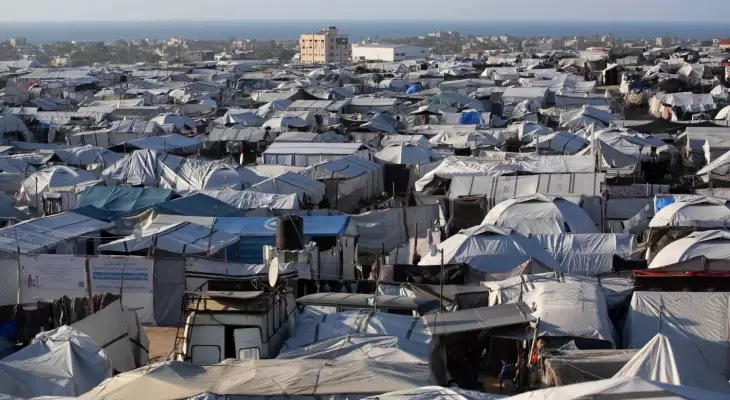
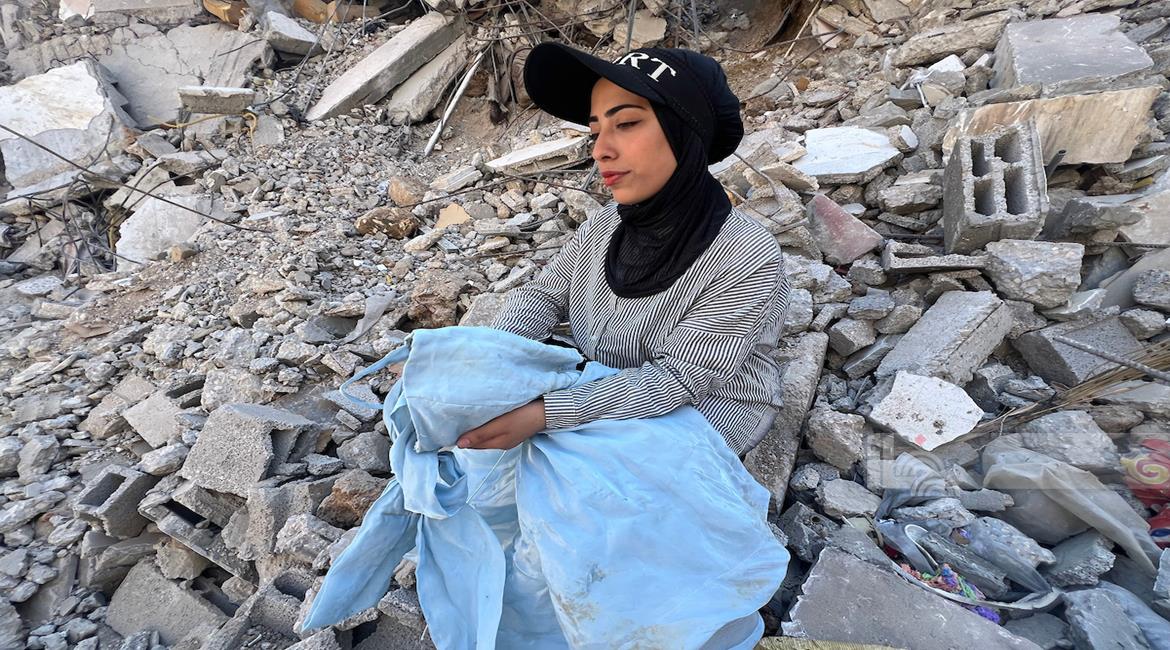
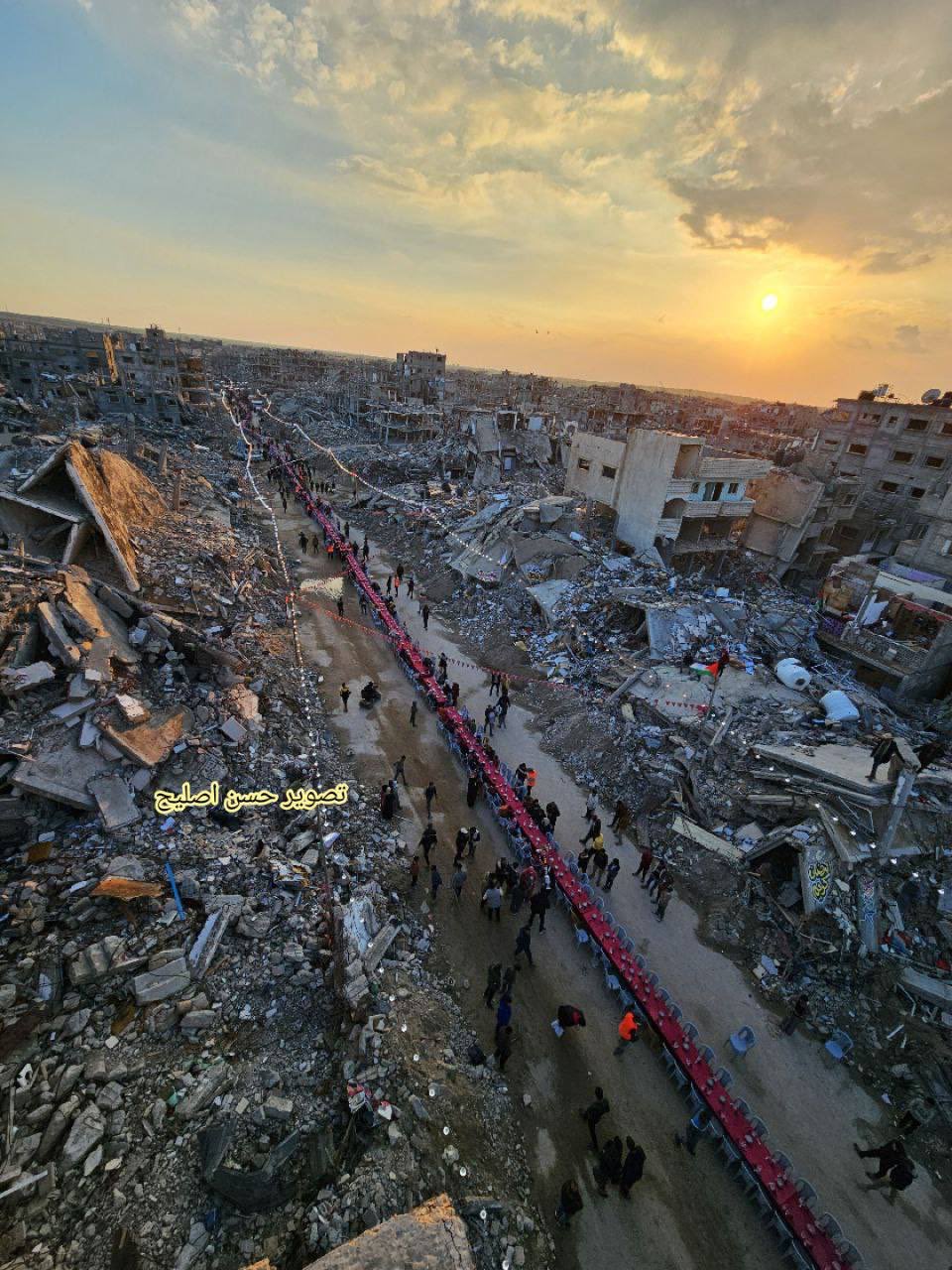
Families are already living in makeshift shelters on the ruins of their homes and are still battling exposure to the basic elements of cold and hunger. It is critical that aid deliveries continue while a sustained cease fire is negotiated towards a lasting peace and the return of hostages.
The writer is the Chief Humanitarian Officer of CARE International
CrossFireArabia
Israel rejected Egypt’s Gaza reconstruction plan, which opposes any forced displacement of Palestinians, a proposal put forward by US President Donald Trump, calling to encourage his “take over” Gaza plan.
Arab leaders met on Tuesday in Cairo for an emergency summit to discuss an Egyptian plan for Gaza’s reconstruction and governance following Israel’s genocide. The summit reaffirmed rejection of any forced displacement of Palestinians.
Israel’s Foreign Ministry claimed that the plan “continues to rely on the Palestinian Authority and UNRWA — both have repeatedly demonstrated corruption, support for terrorism, and failure in resolving the issue.”
“Now, with President Trump’s idea, there is an opportunity for the Gazans to have free choice based on their free will. This should be encouraged! Instead, Arab states have rejected this opportunity, without giving it a fair chance, and continue to level baseless accusations against Israel,” it added.
Egypt’s Foreign Minister Badr Abdelatty slammed Israel’s rejection as “unacceptable,” describing its position as “stubborn and extremist.”
“There will be no peace neither to Israel or to the region” without establishing an independent Palestinian state in accordance with United Nations resolutions, he said. He added, “Israel violates all international law rules … the international law must be imposed.”
“No single state should be allowed to impose its will on the international community,” he said.
Washington also voiced its disapproval.
“The current proposal does not address the reality that Gaza is currently uninhabitable and residents cannot humanely live in a territory covered in debris and unexploded ordnance,” White House spokesman Brian Hughes said when asked whether Trump would support the Arab leaders’ plan.
“President Trump stands by his vision to rebuild Gaza free from Hamas,” he added.
Trump’s “Riviera of the Middle East”
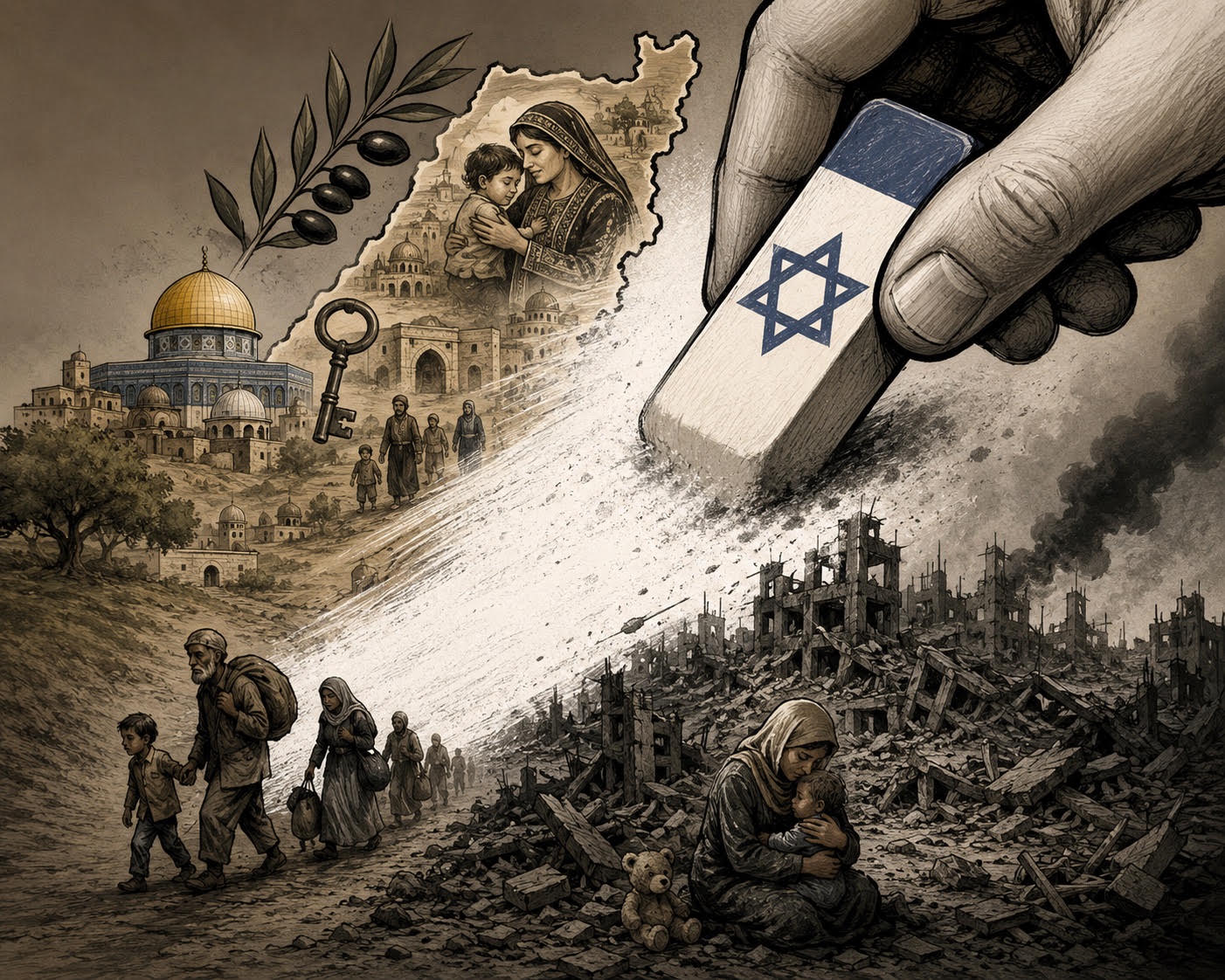
Trump had previously proposed permanently displacing Palestinians from Gaza and transforming the area into what he called the “Riviera of the Middle East.” His plan envisioned a developed, Palestinian-free zone under US control and ownership, where “the world’s people” could reside.
He suggested that Jordan and Egypt take in displaced Palestinians, but both countries firmly rejected the idea. Palestinian leaders also dismissed it.
However, two weeks ago, Trump appeared to walk back his Gaza plan. Speaking on Fox News Radio, he said he would not push the proposal but simply recommend it then own the Palestinian territory.
“I’m not forcing it. I’m just going to sit back and recommend it,” Trump said, suggesting that if implemented, “the US would own the site.”
“If you gave the people of Gaza a choice between that and living in a nice community, I think I know where they’d go,” he added, implying support for the ethnic cleansing plan against the Palestinian people but avoiding direct advocacy.
Trump’s remarks sparked global criticism, with many pointing out that he promotes ethnic cleansing. Legal experts warned that forced displacement violates international law and could destabilize the region.
Key Points of Egypt’s Reconstruction Plan
The plan comes as a reaction to Trump’s proposal. According to the draft final statement of the summit, the plan includes:
A six-month administrative committee that would govern Gaza under the Palestinian government. The committee will be independent and composed of technocrats, paving the way for a full Palestinian-led administration according to the Quds News Network.
Egypt and Jordan will train Palestinian police in preparation for deployment in Gaza. The possibility of international peacekeeping forces in Gaza and the West Bank will also be studied.
A medium-term ceasefire to build trust and halt unilateral actions, with a commitment to the two-state solution as part of a political resolution.
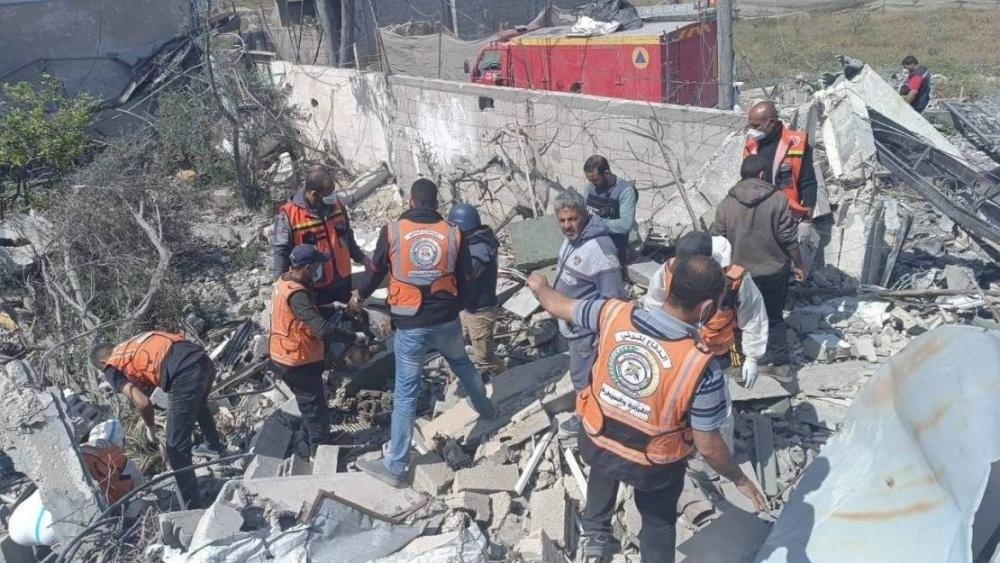
Debris removal and temporary housing for displaced residents. The plan includes 20 temporary housing zones built with the participation of Egyptian and international companies. Reconstruction efforts will take three years.
Palestinian elections within a year if conditions allow, reaffirming that Gaza is an inseparable part of Palestine.
A unified Arab stance against any attempts to displace Palestinians, with legal and international measures to protect their rights and ensure ceasefire commitments.
Hamas Welcomes Reconstruction Plan
In a statement issued on Tuesday, Hamas welcomed the extraordinary Arab summit in Cairo which “aims to address the critical threats to our Palestinian cause, in light of the ongoing Zionist aggression and the plans for extermination and displacement that our people in Gaza, the West Bank, and Jerusalem are enduring.”
Hamas also hailed the reconstruction plan adopted by the Arab summit in its final statement, calling for the “provision of all necessary resources to ensure its success. We also commend Egypt’s efforts in preparing to host an international conference for the reconstruction of Gaza.”
The movement emphasized its commitment to support any efforts that serve the interests of the Palestinian people in “removing the consequences of the aggression and genocide targeting our people and land.”
CrossFireArabia
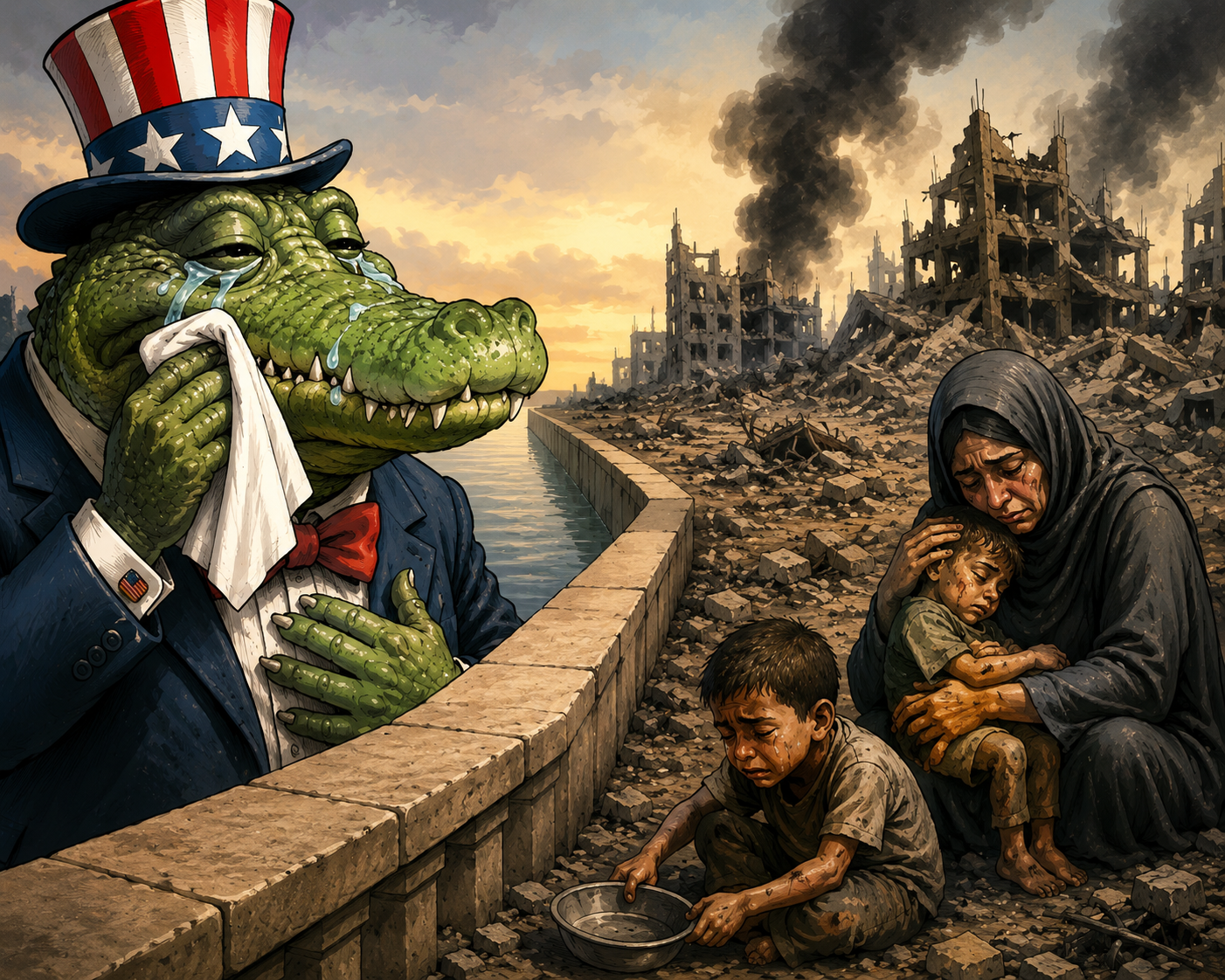
Israel’s decision to cut off all humanitarian aid to the Gaza Strip until further notice is deeply concerning. This dangerous escalation exacerbates the ongoing humanitarian crisis and weaponises starvation as a tool of genocide. The decision coincides with increasingly inflammatory statements by Israeli officials, underscoring a deliberate intent to continue Israel’s crime of genocide by depriving Palestinians of their most basic needs and imposing conditions that threaten their survival.
The Israeli government announced on Sunday a total blockade on humanitarian aid to the Gaza Strip, shutting all border crossings. Prime Minister Benjamin Netanyahu also publicly declared plans for “further consequences,” disregarding the dire humanitarian crisis affecting over two million people.
Humanitarian aid is a fundamental right of civilians under international humanitarian law, with no exceptions, and there is no legal justification for Israel to deny Palestinians access to essential aid. Israel is not only using humanitarian aid as a bargaining chip for political and military gain, but is also deliberately enforcing a policy of systematic starvation, creating life-threatening conditions designed to make survival in the Gaza Strip impossible.
Israel’s repeated statements announcing its full coordination with the United States administration, which has explicitly stated its intention to displace the Strip’s entire population, confirm that the crimes of starvation and blocking of humanitarian aid are not isolated incidents or negotiating tools. Instead, they are part of a deliberate plan aligned with the US strategy to forcefully displace and depopulate the Gaza Strip.
Euro-Med Monitor warns that statements by Israeli ministers and Knesset members reveal a premeditated intent to exterminate the Palestinian population in the Gaza Strip. International silence has allowed Israel and the US to move beyond threats and implement the total cut-off of humanitarian aid, advancing the 16-month genocide through blockade and starvation, with apparent impunity.
Most of the statements made by senior Israeli officials, including one on opening “the gates of hell” on the enclave and blocking all humanitarian aid to its residents, coupled with Israel’s actions on the ground, amount to direct and public incitement to genocide. Israeli Finance Minister Bezalel Smotrich declared that halting the entry of humanitarian aid into Gaza is an “important step in the right direction,” further stating that Israel must “open those gates as quickly and lethally as possible on the cruel enemy, until absolute victory”.
Israeli Foreign Minister Gideon Sa’ar dismissed warnings from the United Nations and international organisations regarding the risk of renewed famine in the Gaza Strip amid the tightened blockade and halting of humanitarian aid. Sa’ar said he considered these warnings to be “just a lie” and affirmed that the Israeli government has no commitment to delivering humanitarian aid.
Additionally, Israeli Knesset member and former Minister of National Security Itamar Ben-Gvir has declared that now is the best time to “open the gates of hell” and cut off electricity and water supplies to the Gaza Strip, urging continued efforts to implement plans for the forcible displacement of its residents. Israeli Knesset member Almog Cohen urged Israeli forces to kill Palestinians in Gaza “with no mercy” during the holy month of Ramadan, saying it “is the best time to kill them because they are weak and tired”.
The intention to commit genocide has been publicly expressed by the Israeli government and members of the mainstream Israeli media since the beginning of the genocide in Gaza on 7 October 2023, and even before that. Israeli Minister of Religious Services, Matan Kahana, previously voiced his wish to be able to “press a button” to expel all Palestinians. Following 7 October, genocidal rhetoric surged and making statements containing such rhetoric became a daily routine for senior Israeli officials, including the infamous statement by former Israeli Defence Minister Yoav Gallant: “We are imposing a complete siege on Gaza. There will be no electricity, no food, no water, no fuel, everything will be closed. We are fighting human animals, and we are acting accordingly.”
The inflammatory statements by Israeli officials could pave the way for an escalation of the genocide in the Gaza Strip, including in the conditions Israel has created to cause the physical destruction of the Palestinian population in whole or in part. The deliberate worsening of these conditions is being implemented through the ongoing blockade and denial of humanitarian aid, following over 15 months of relentless aggression targeting civilian facilities, infrastructure, hospitals, schools, and all aspects of daily life.
Israel’s blocking of humanitarian aid constitutes a war of starvation against the residents of the Gaza Strip, as they are entirely dependent on this aid for sustenance. Notably, the United Nations confirmed three days ago that there are many difficulties in delivering aid to residents of the Strip, and that the humanitarian conditions there have reached catastrophic levels.
Not only did Israel inflict widespread killing and massive destruction on the Gaza Strip for over 15 months, but it continues to implement policies that will effectively lead to the death of the Palestinian population without swift international intervention. This includes the ongoing Israeli policy of gradual killing of Palestinians through a comprehensive illegal blockade that obstructs the flow of humanitarian aid and essential materials, prevents the repair of vital infrastructure, and halts the provision of basic services necessary for the population’s survival.
Euro-Med Monitor emphasises that this Israeli policy can only be interpreted as a deliberate act of genocide as defined by the 1948 Convention on the Prevention and Punishment of the Crime of Genocide, which prohibits imposing living conditions on a group with the intent to destroy it, in whole or in part. Despite the ceasefire, Israel has continued to create conditions likely to result in the physical destruction of Palestinians in the long term, given the comprehensive nature of its actions, which affect all aspects of Palestinians’ lives, particularly due to the prolonged duration for which they have been subjected to such conditions.
All relevant states and entities must fulfil their legal responsibilities and take immediate action to halt the genocide in the Gaza Strip, compel Israel and the United States to adherence to international law, and implement effective measures to protect Palestinians from US-Israeli plans of slow killing and forced displacement. This includes activating an urgent response to meet the immediate needs of the population, resuming the unrestricted entry of all humanitarian aid, removing any blockades or restrictions that hinder ongoing relief efforts, and ensuring the provision of essential services such as healthcare, water, education, and temporary, adequate housing.
Euro-Med Monitor urges the international community to fulfill its legal and humanitarian responsibilities by ensuring the implementation of the International Court of Justice’s ruling on 28 March 2024. This includes the issuance of precautionary measures requiring Israel to take necessary and effective actions, in cooperation with the United Nations, to guarantee the unobstructed and timely entry of aid into the Gaza Strip, in accordance with its obligations under the Genocide Convention.
CrossFireArabia
Since its establishment, Israel has been accused of policies aimed at displacing Palestinian communities and altering the demographic landscape of the occupied territories. The occupation has employed lethal tactics against Palestinians including killings, torture, and arrests. Since 1967, over 1 million Palestinians have been prosecuted under Israel’s military court system and subjected to detention.
For decades, Palestinian political prisoners have been used by the Israeli occupation as bargaining chips during negotiations of the so-called “peace process.” They have exercised all forms of brutality and torture against Palestinian prisoners in interrogation and detention centers in an attempt to extract confessions – whether true or false – by force, using both psychological and physical methods against them, in a blatant disregard for international law and countless international treaties and laws related to human rights. The current level of abuse, torture, and maltreatment of Palestinian detainees is unprecedented in terms of scale and frequency.
After Oct. 7, 2023, Palestinians saw a severe spike in the occupation’s long-standing violent policies and practices. The crisis extends beyond Gaza. Reports indicate systematic abuses within Israeli prisons and military camps, amounting to crimes against humanity, as defined under international law. At least 58 Palestinian political prisoners, including 37 people arrested from Gaza, have been murdered and martyred in the occupation’s custody since Oct. 7, 2023, including through torture, lethal beatings, starvation, and severe deprivation of medical treatment. The 58 people killed are only the ones whose identities have been revealed by the occupation. Dozens more have been killed and subject to enforced disappearance in Israeli custody with authorities refusing to reveal their identities. All of this is occurring amid international inaction, with the UN, and international human rights institutions and bodies, proving their inability to protect the Palestinian people and their rights.
Enforced disappearance and mass arrests
It is worth mentioning that Israeli occupation authorities are committing the severe crime of enforced disappearance against thousands of Palestinian detainees who have been arrested from Gaza since the start of the genocide, particularly from the beginning of the ground invasion. Thousands of civilians, including men, women, and children, have been abducted from different parts of the Gaza Strip, as well as thousands more who were working as laborers in the 1948-occupied territories prior to the outbreak of the war.
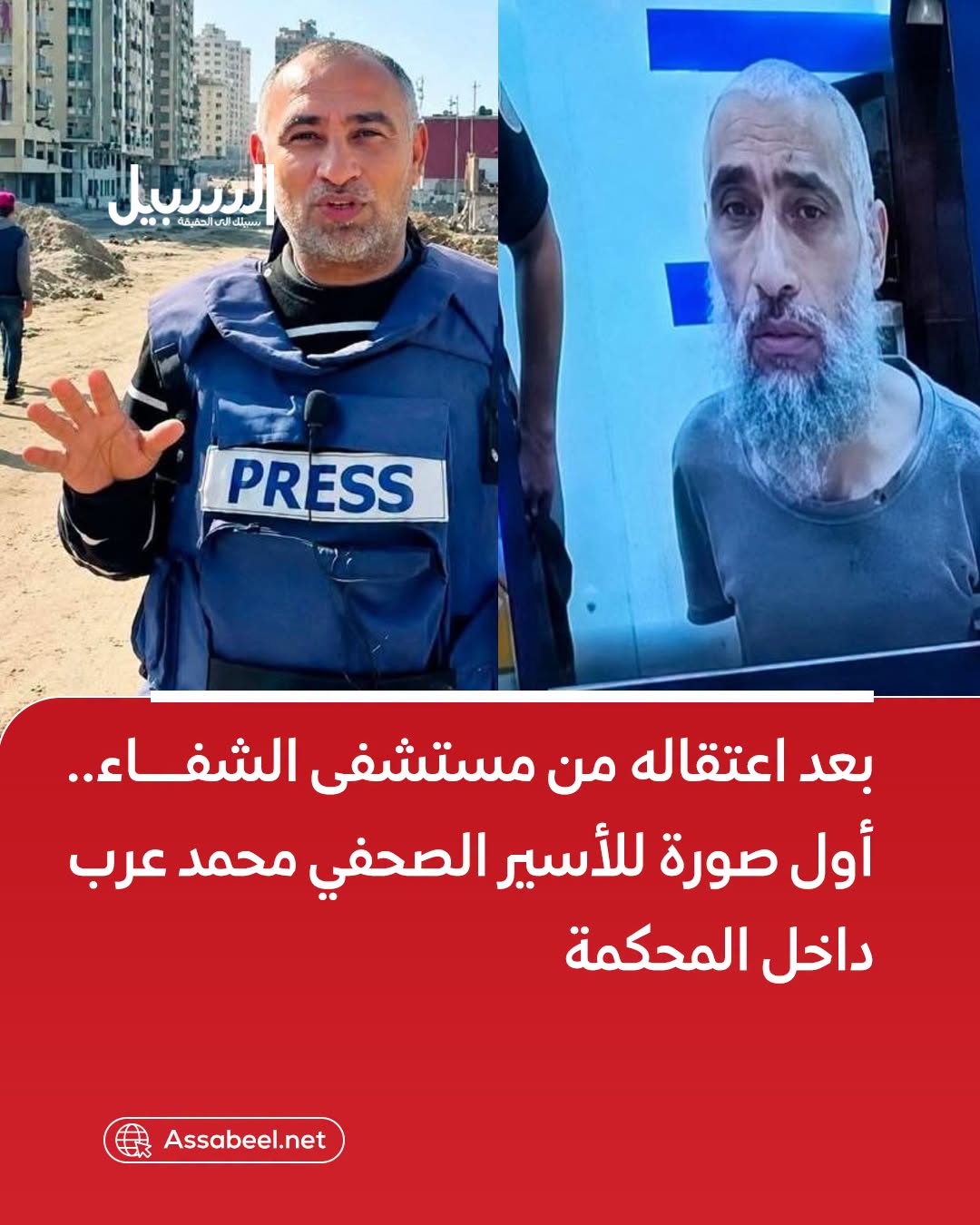
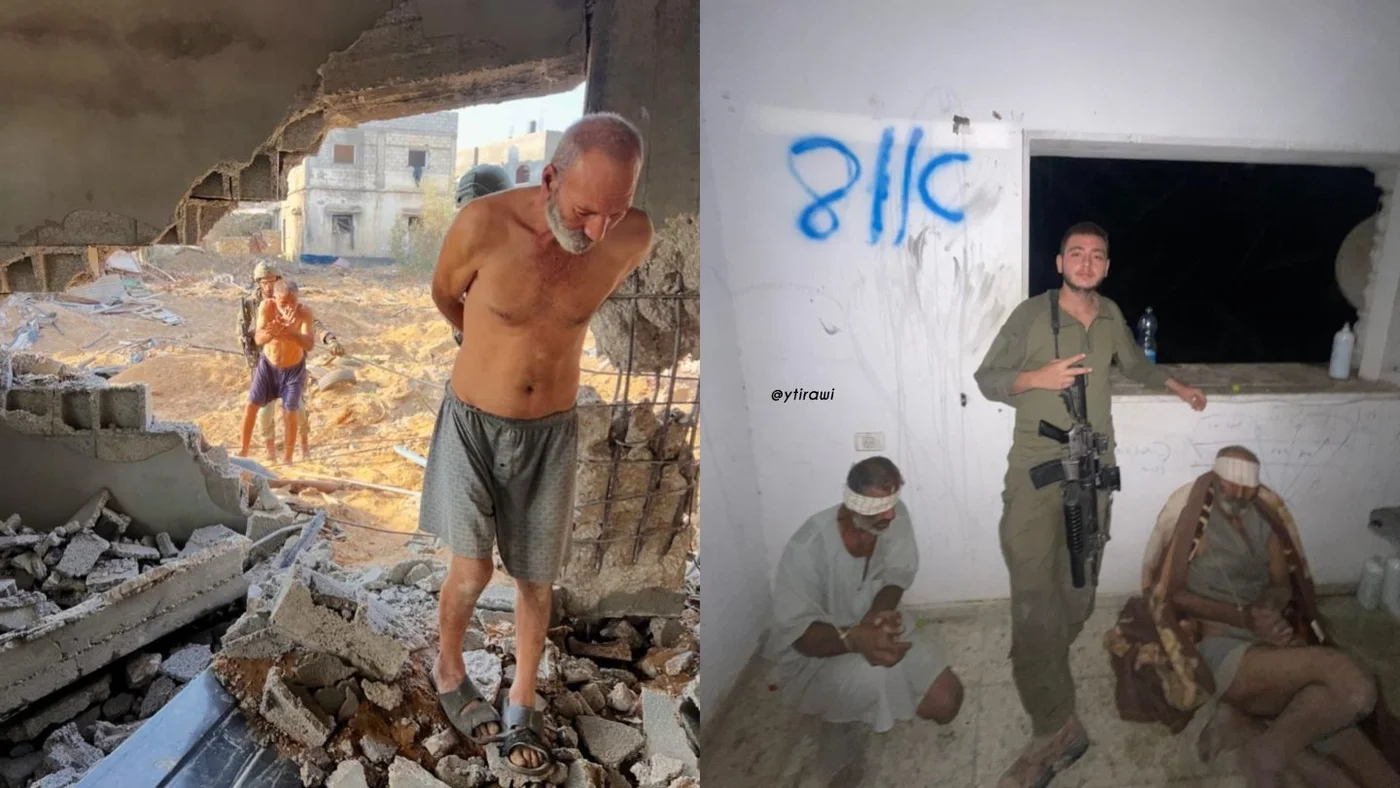
The crime of enforced disappearance is one of the main features of the genocide that went on for close to 500 days. Additionally, dozens of medical personnel were targeted with arrests during the Israeli army’s repeated invasions of hospitals, the largest of which was the invasion of the Shifa Hospital. Numerous videos circulated on social media showing Palestinian detainees in degrading conditions, including being stripped naked, blindfolded, and shackled in overcrowded spaces. Many were forced into tight groups in open areas, on the streets, and in military transport vehicles while restrained and exposed. They appeared in conditions that were highly degrading to human dignity and showed a severe disregard and contempt for Palestinian lives.
The Israeli judicial system has contributed to cementing the crime of enforced disappearance, further enabling the use of torture against detainees who were abducted from Gaza. Thousands of detainees from the strip were arrested and detained based on the “illegal combatants” law issued by the Knesset (Israeli parliament) in 2002, which fundamentally violates fair trial procedures and human rights. At the start of the genocide, the occupation made legal amendments to the “illegal combatants” law, which is similar in nature to its “administrative detention” military order used in the occupied West Bank.
Among the most significant amendments made to the illegal combatants law were as follows: Extending the detainee’s initial detention period for 45 days, judicial review after 75 days, and prohibition of detainees from meeting with their lawyers for 180 days. It is important to note that since the start of the genocide, the occupation has continued to refuse to allow the International Committee of the Red Cross to visit detainees and prisoners in jails and camps as per its mandate. These amendments further institutionalized policies associated with enforced disappearance, as Israeli authorities continue to withhold information on detainees from Gaza, including their identities and locations. As a result, several human rights organizations filed petitions to the Israeli Supreme Court demanding the identities of the detainees and their places of detention. In every instance, the Supreme Court affirmed its long-standing role as a fundamental tool in cementing crimes against Palestinians.
To this day, there is no clear or accurate information about the total number of Palestinians arrested from Gaza, including women and children, nor about the martyrs who were killed through torture or executions. The only available data, up until the beginning of February 2025, shows that at least 1,882 Palestinians arrested from Gaza are categorized as “illegal combatants,” and this data does not include all of the detainees held in military camps.
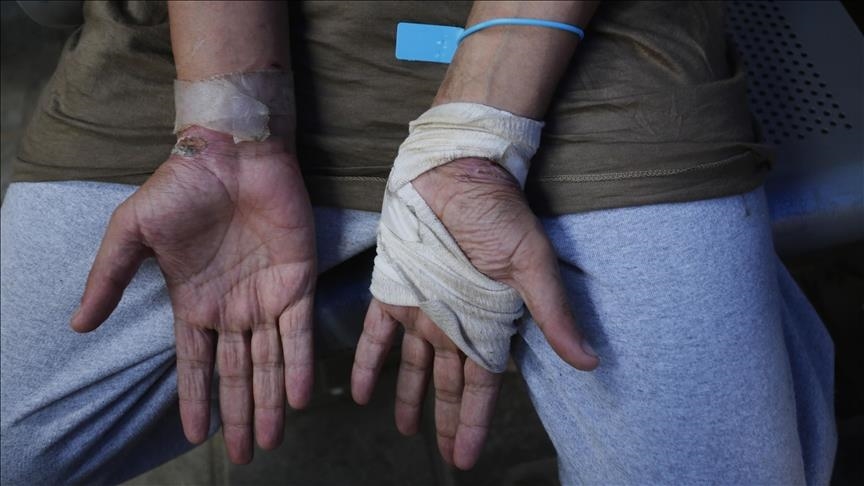
Prisoner rights groups highlighted that the occupation built and restored special military camps used to detain Palestinians abducted from Gaza, alongside the existing central prisons. Among the most notorious of these military camps was the Sde Teiman camp, where detainees were subject to severe sexual assault, including rape. Other military camps being used to hold detainees from Gaza are the Anatot and Ofer camps, which have also witnessed extreme violations against Palestinian prisoners. In November 2023, when the occupation began releasing laborers from Gaza who had been held in Israel’s military camps, the prisoners’ testimonies began to reveal the level of inhumane and humiliating violations they endured. This included severe beatings, starvation, dehydration, denial of medical treatment, and keeping detainees blindfolded and handcuffed 24/7, causing many of them to need limb removal surgeries.
As time went on and more prisoners were released from Israeli custody, the testimonies only increased in terms of how horrific and shocking the crimes being committed were. The images of the detainees upon their release serve as a living testimony to the unfathomable violations committed against them. These revelations continued through several reports and journalistic investigations conducted about the Sde Teiman camp, including the leaking of a video showing soldiers gang-raping a Palestinian detainee.
International responsibility
As the genocide continues, some legal teams and human rights lawyers have been allowed limited access to a small portion of Gaza detainees. Their reports confirm systematic crimes, including extrajudicial executions, torture, and enforced disappearance. In this context, the Israeli occupation is employing the severe crime of enforced disappearance against thousands of detainees abducted from Gaza, which constitutes a crime against humanity according to the International Convention for the Protection of All Persons from Enforced Disappearance. This convention defines enforced disappearance as “the arrest, detention, abduction or any other form of deprivation of liberty by agents of the State or by persons or groups of persons acting with the authorization, support or acquiescence of the State, followed by a refusal to acknowledge the deprivation of liberty or by concealment of the fate or whereabouts of the disappeared person, which place such a person outside the protection of the law.”
We reiterate our call to the international human rights system to overcome its ongoing impotence in the face of this genocide, and to take clear decisions and actions to hold the Israeli occupation accountable. This all-out war and aggression against our people, including those held in the occupation’s military camps and central prisons, must be halted now, and not a second later.
Raed Mohammed Mahmood Amer is the president of the Palestinian Prisoners Association and wrote this article for the Anadolu news website.