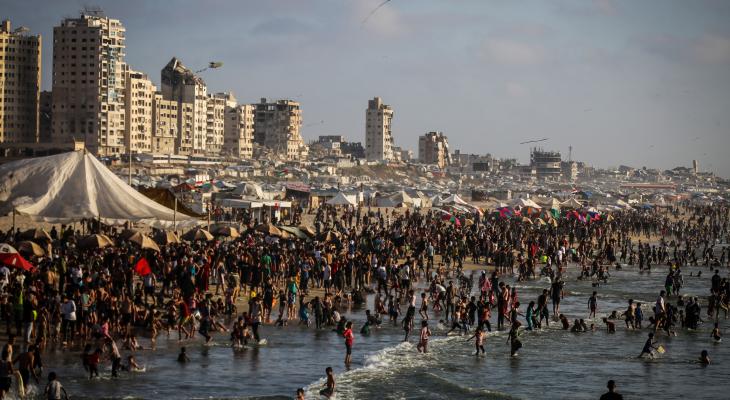
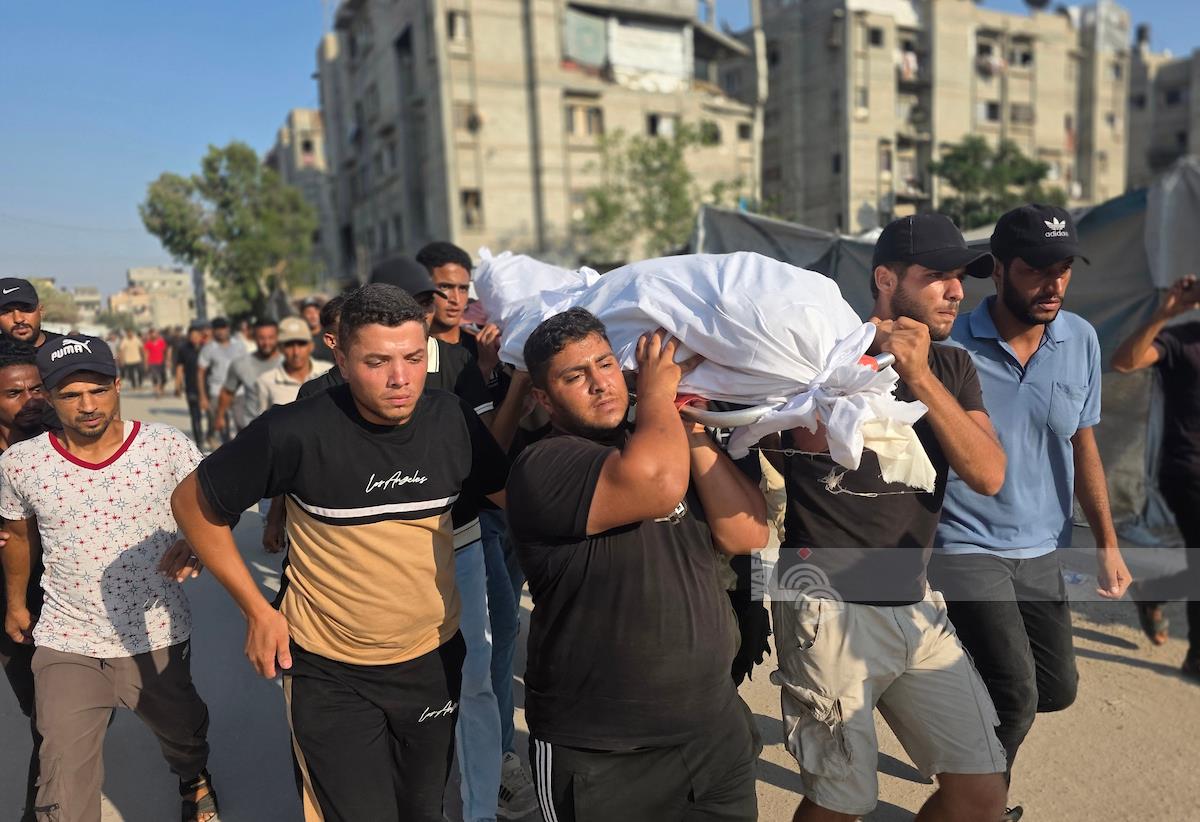
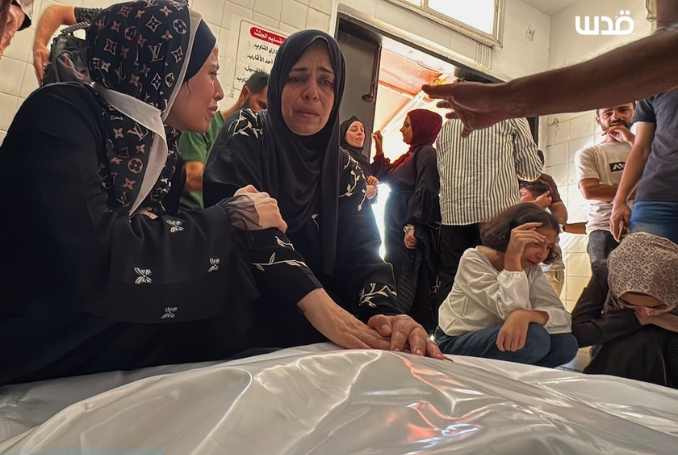
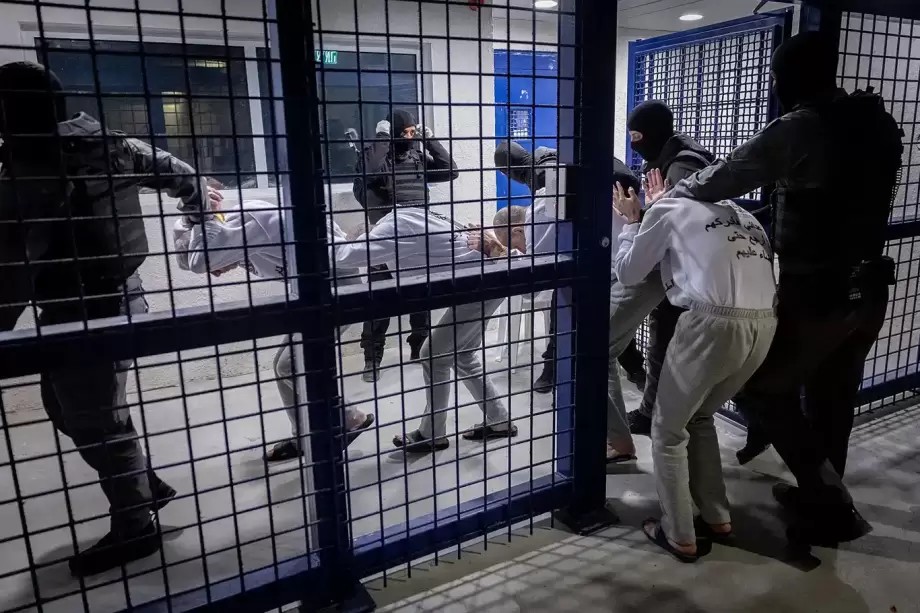
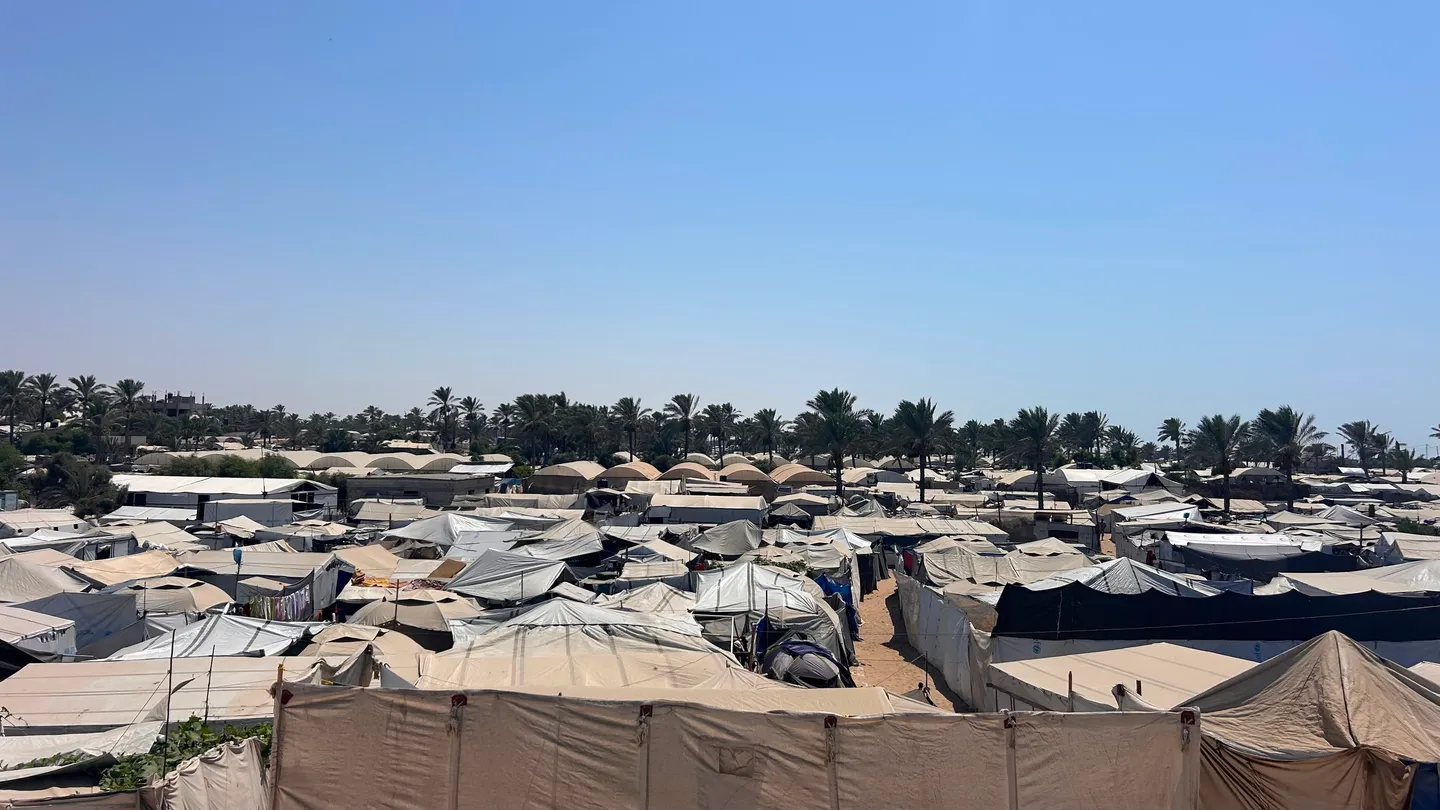
 In The Line of Fire: Gaza Families Fear The ‘Yellow Line’
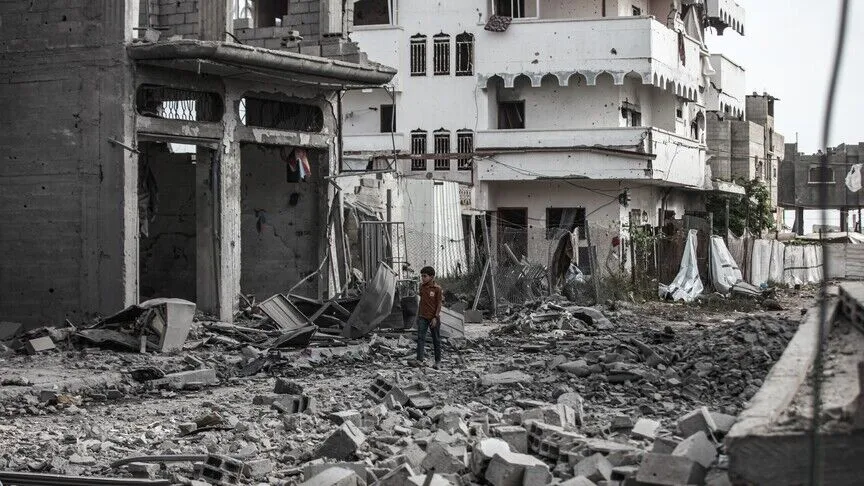 Kushner Tells Netanyahu Not to Move ‘Westwards’ in Gaza
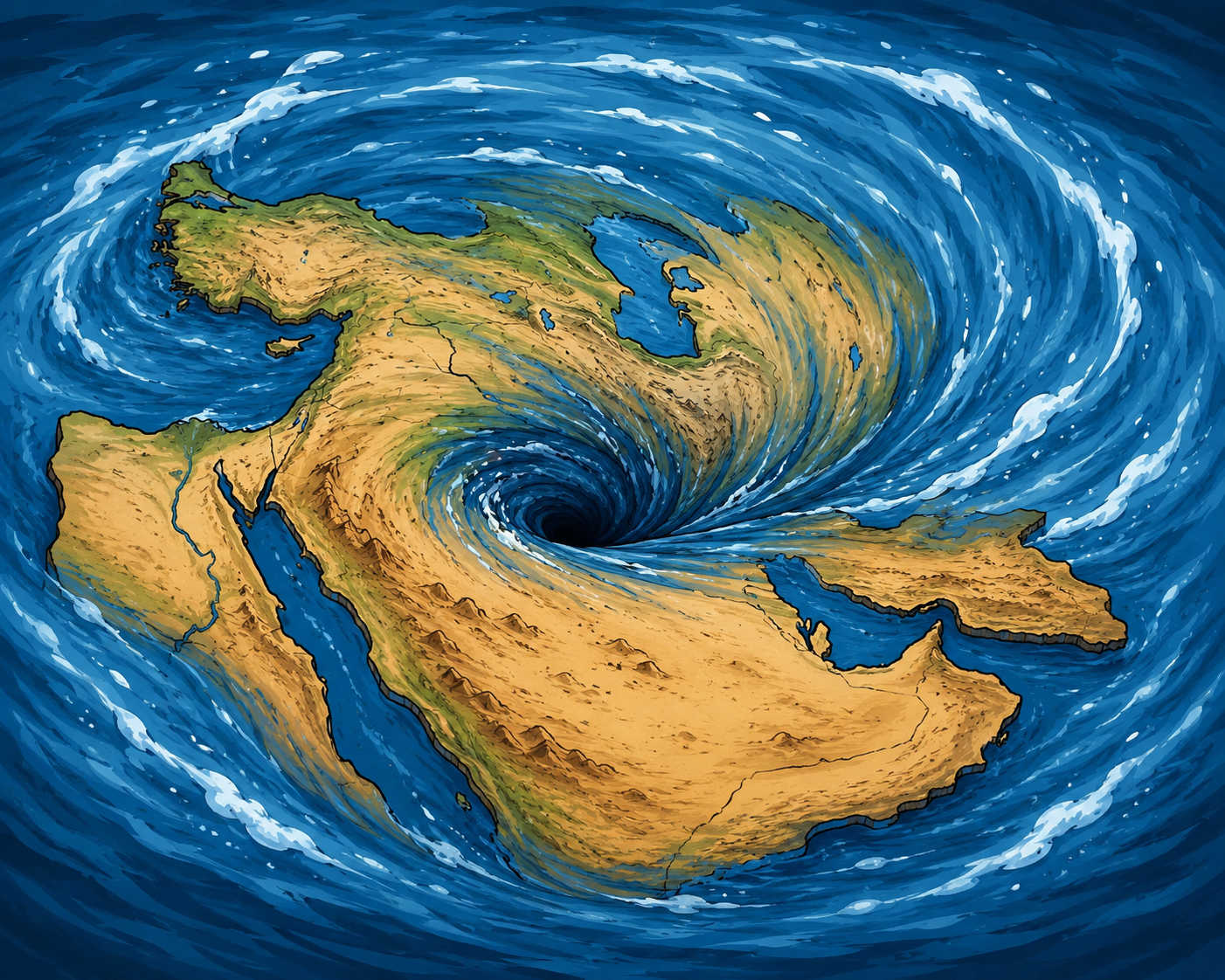 A Middle East Whirlpool! View From Amman
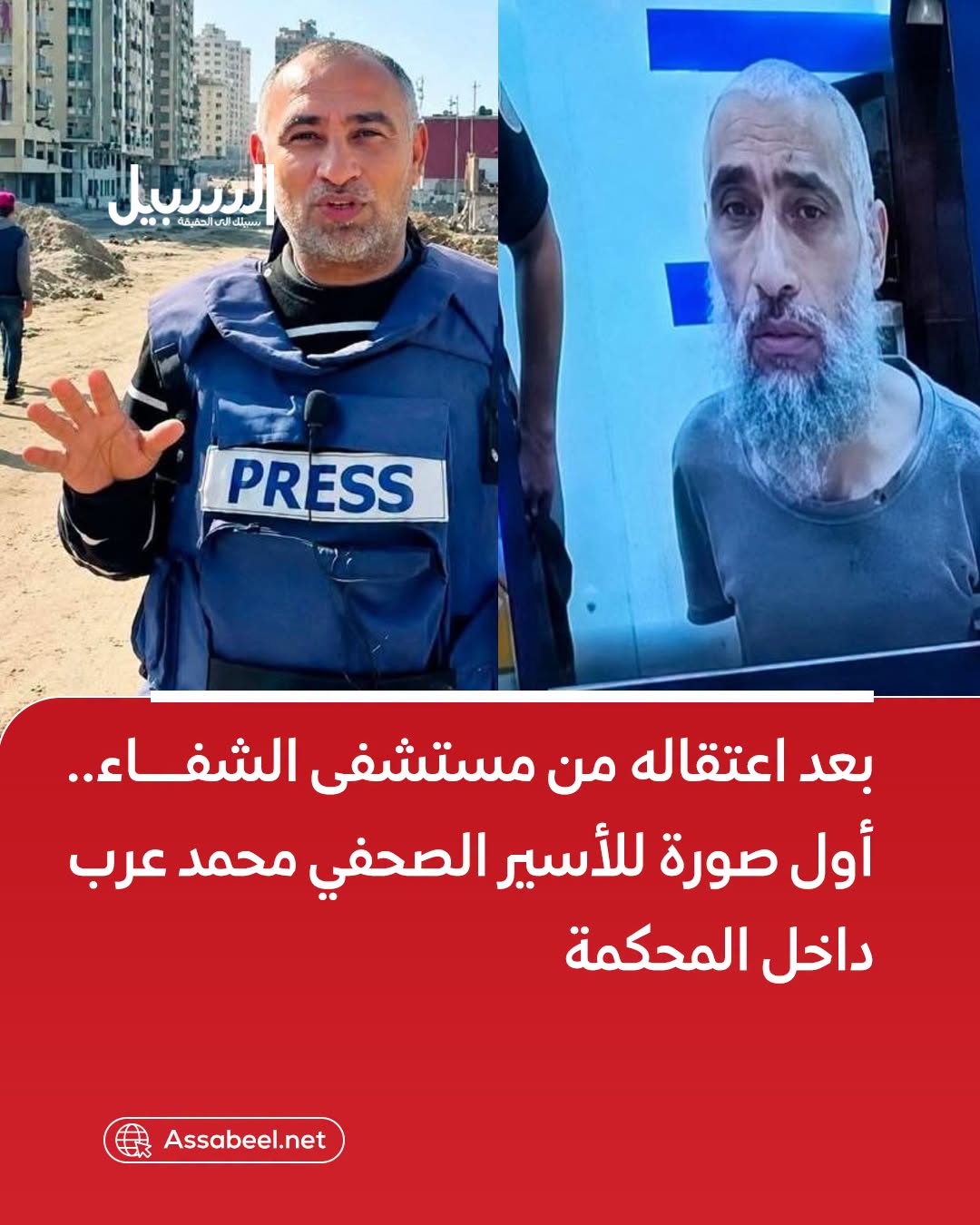 Prisoner Mohammad Arab Hadn’t Seen His Face in 2 Years!
 UN: 3000 Settler Attacks on West Bank Palestinians Since 2025
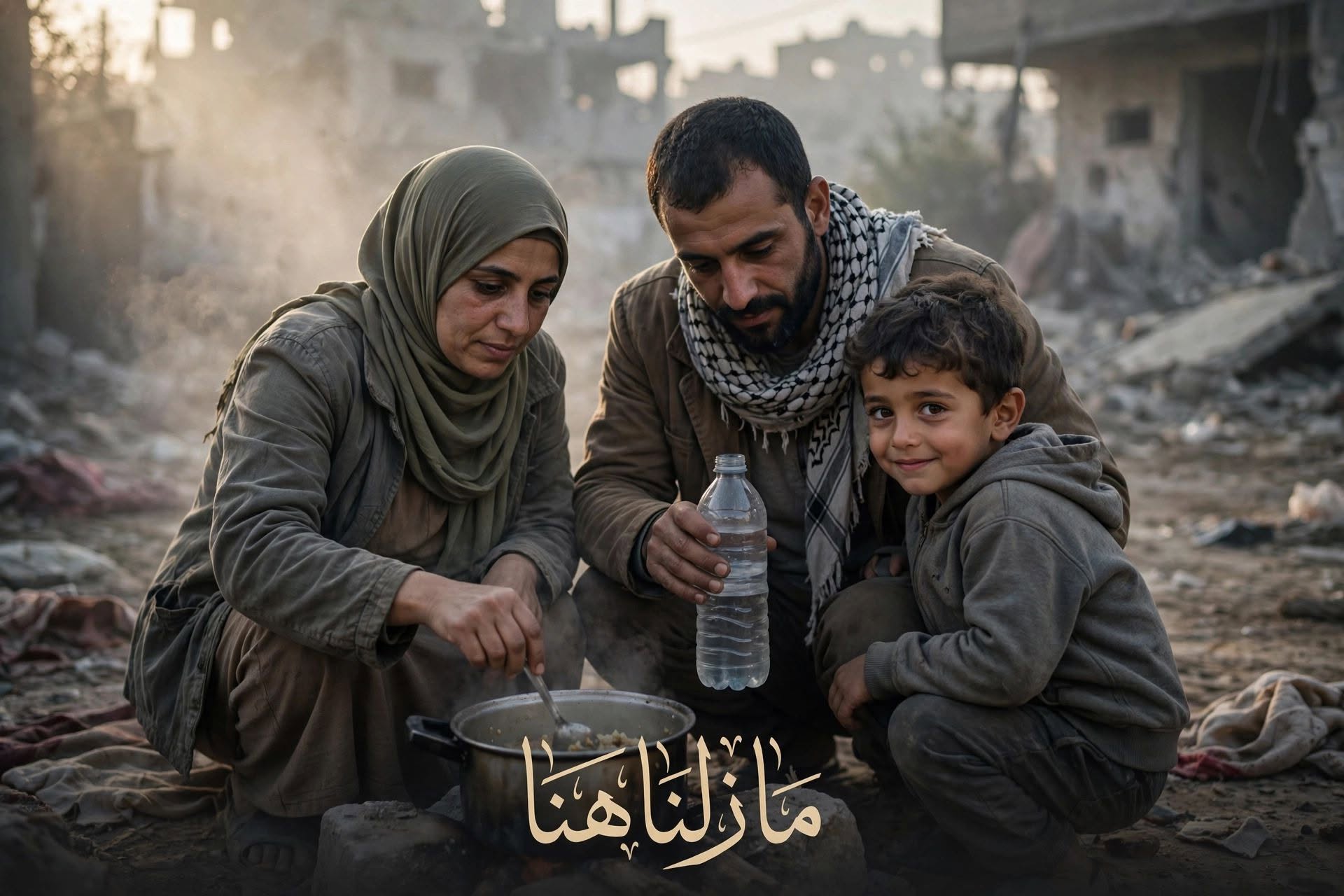
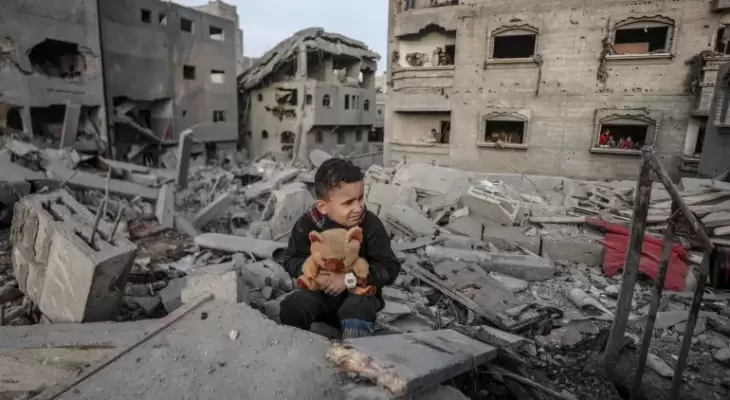
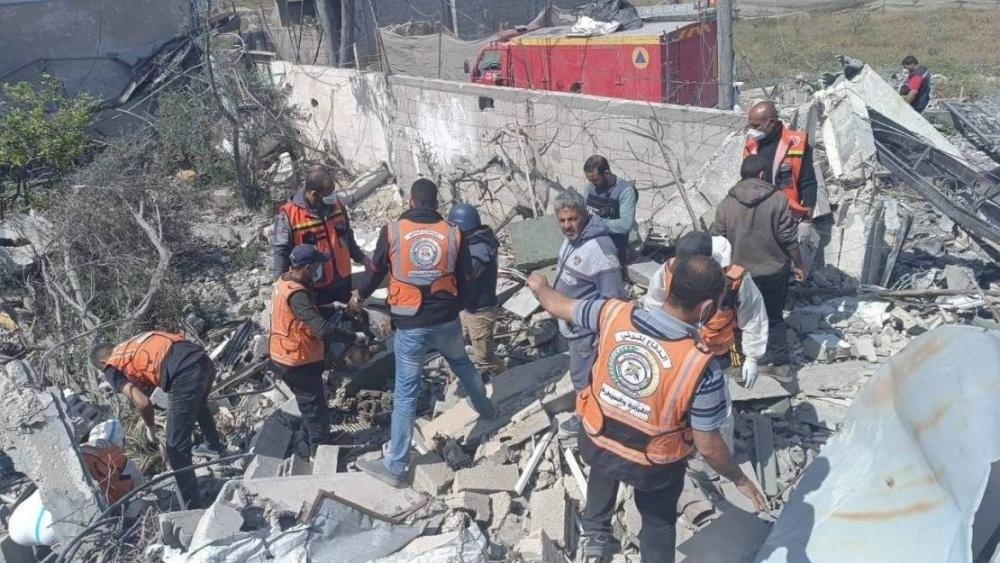
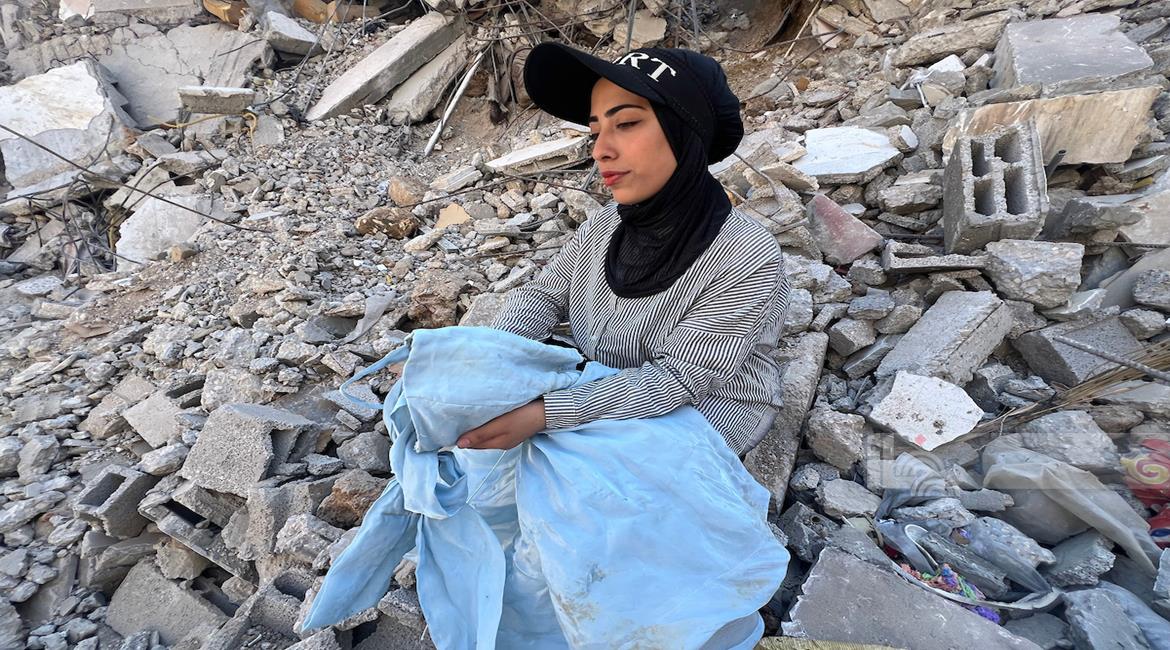
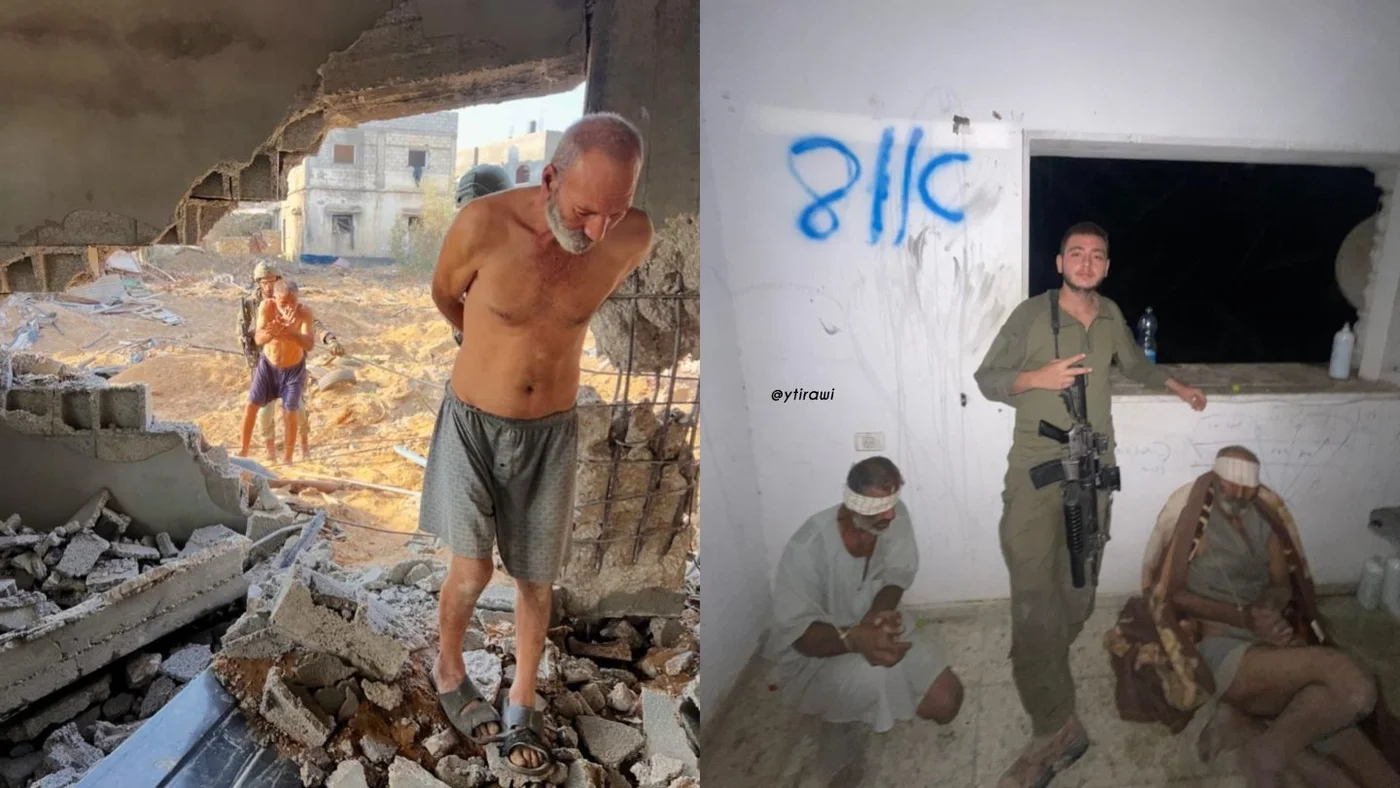
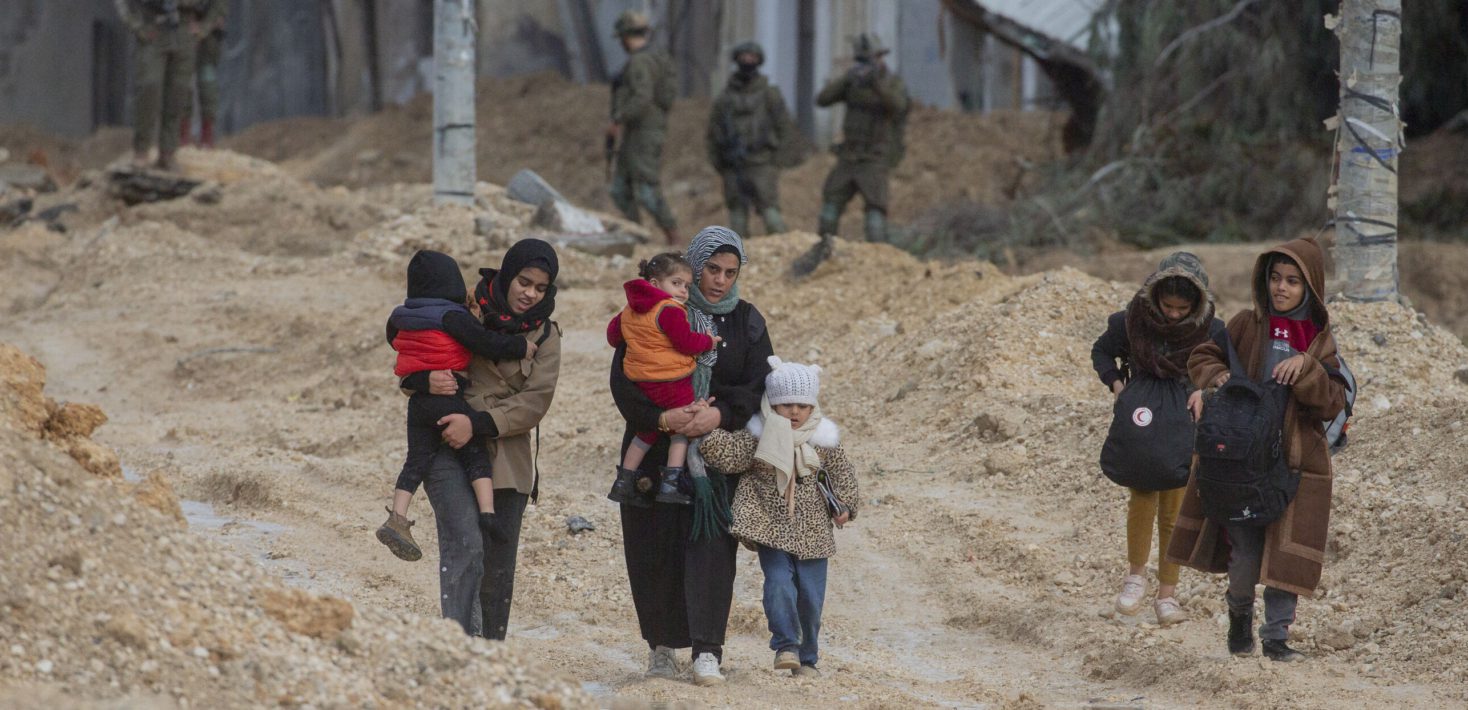
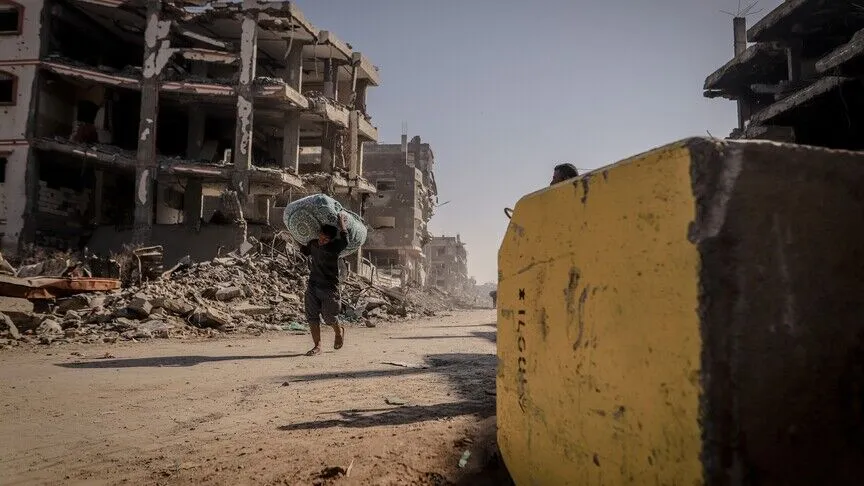
In The Line of Fire: Gaza Families Fear The ‘Yellow Line’
marwan
- August 17, 2026
 marwan
 Saleem Ayoub Qunamarwan
 CrossFireArabiaCrossFireArabiaCrossFireArabiaCrossFireArabiamarwanCrossFireArabiaCrossFireArabiamarwanCrossFireArabia
 HebaCrossFireArabiamarwanCrossFireArabiamarwanHebaCrossFireArabiamarwanmarwanHebaCrossFireArabiamarwanmarwanCrossFireArabiamarwanHebaCrossFireArabiaCrossFireArabiaCrossFireArabiaHebamarwanCrossFireArabiamarwanHebaCrossFireArabiaHebamarwanmarwanCrossFireArabiamarwanmarwanmarwanmarwanmarwanmarwanmarwanmarwanmarwanCrossFireArabiaCrossFireArabiamarwanmarwanCrossFireArabiaCrossFireArabiamarwanCrossFireArabiamarwanHebaHebamarwanmarwanCrossFireArabiamarwanmarwanmarwanmarwanCrossFireArabiaCrossFireArabiamarwanmarwanmarwanCrossFireArabiamarwan
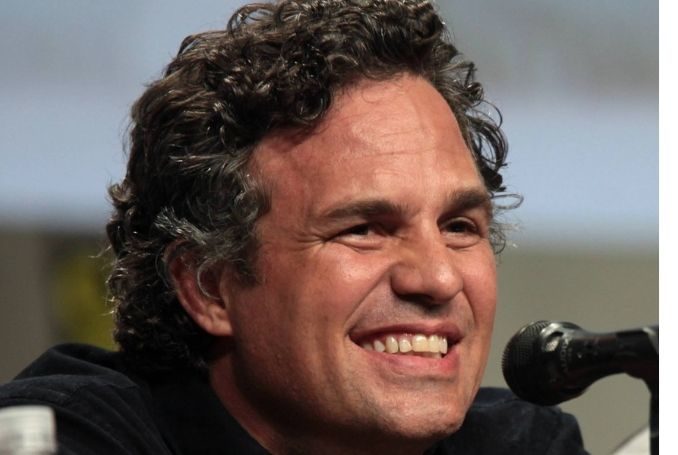
American actor Mark Ruffalo issued a sharp rebuke of Israeli Prime Minister Benjamin Netanyahu, asserting that the removal of the International Criminal Court (ICC) chief prosecutor cannot hide his atrocities in Gaza.
“You are a murderous maniac Benjamin Netanyahu,” Ruffalo wrote on US social media company X on Sunday.
He argued that lobbying to remove Karim Khan, who issued the arrest warrant for Netanyahu in 2024, does not mean “the war crimes disappear or your guilt is assuaged.”
Ruffalo maintained that the Israeli leader “will not lobby history” and will always be remembered for his actions. “You will not outrun justice.”
The actor’s comments followed Netanyahu’s welcoming of the removal of Khan. Member states of the ICC voted on Friday to dismiss the chief prosecutor over sexual misconduct allegations, which Khan denies.
Khan issued warrants for Netanyahu and former Defense Minister Yoav Gallant for war crimes and crimes against humanity in an offensive that has killed over 73,000 people in Gaza since October 2023 and has destroyed the enclave.
Ruffalo, one of Hollywood’s most outspoken voices for Palestinian rights, has frequently labeled the situation in Gaza as genocide and ethnic cleansing, a finding also supported by a number of UN agencies and rights groups. Anadolu
marwan
A London Opera performer raised a Palestinian flag during the final curtain call and refused to let it be taken away when a staff member attempted to remove it. The moment was captured on video and quickly spread across the social media, sparking widespread discussion about artistic expression, peaceful protest, and solidarity with the people of Gaza.
Disclaimer: This caption summarizes publicly reported events at London’s Royal Opera House. The flag display was described by the Royal Ballet and Opera as an unauthorized act by the performer, and the incident generated significant public debate and differing reactions.
CrossFireArabia
By Ismail Al Sharif
Imagine you are sitting with your children at home when a violent knock shakes the door. You open it to find a blond, European-looking man holding a weapon in one hand and a Torah or Talmud in the other, with soldiers behind him.
He orders you to leave the house, saying: “God gave me this house 3000 years ago.” You reply, “But it’s my home; I was born here, and my father and grandfather were born here before me.”
They push you aside, storm into your house, and throw your furniture outside. Your children cry, they throw your wife out, and your blood boils. You wrest the weapon from the blond man and shoot him. They kill you, and then a bulldozer comes to demolish your house.
The next day, the world’s newspapers headline: “Army kills terrorist after he tried to attack occupation soldiers.”
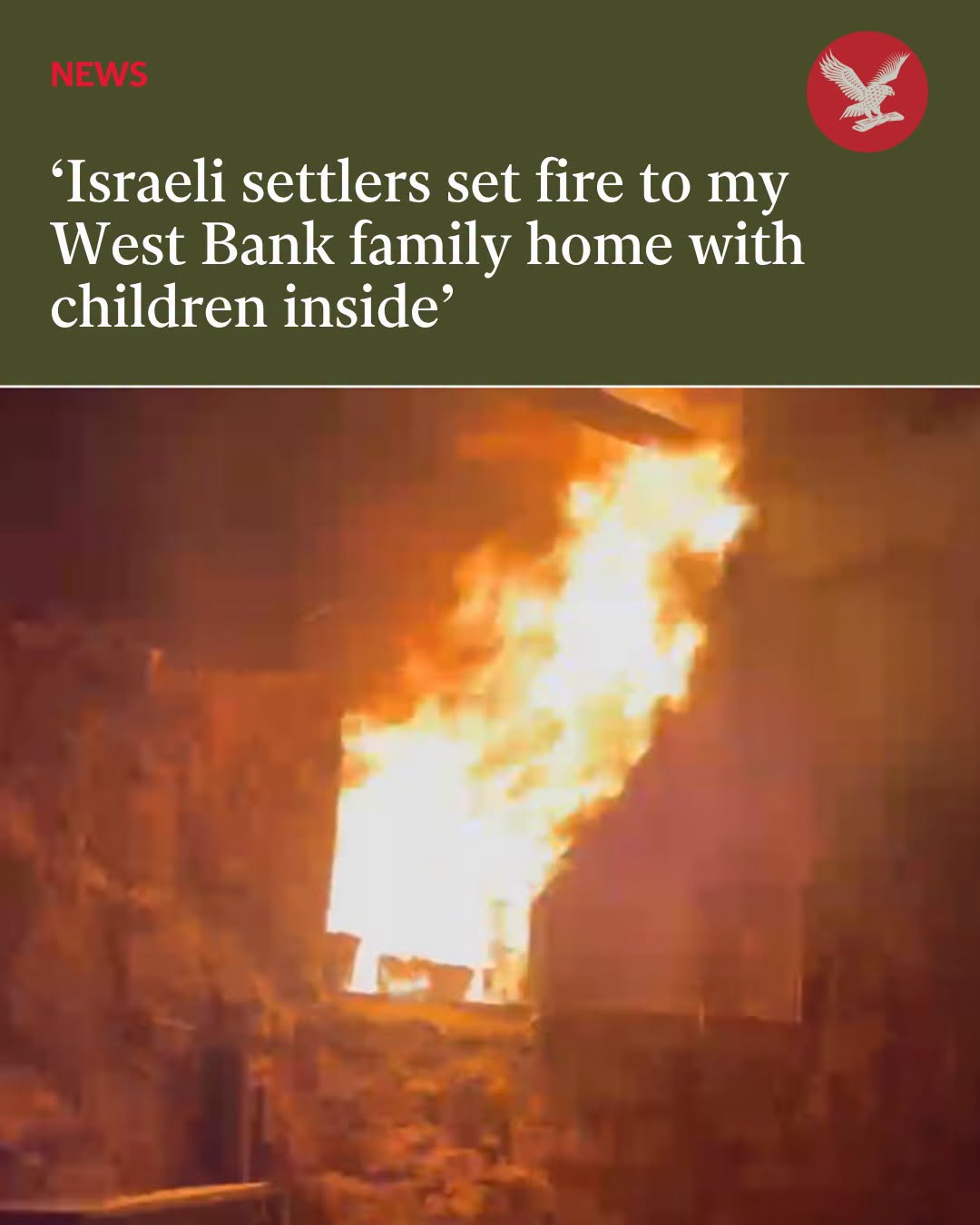
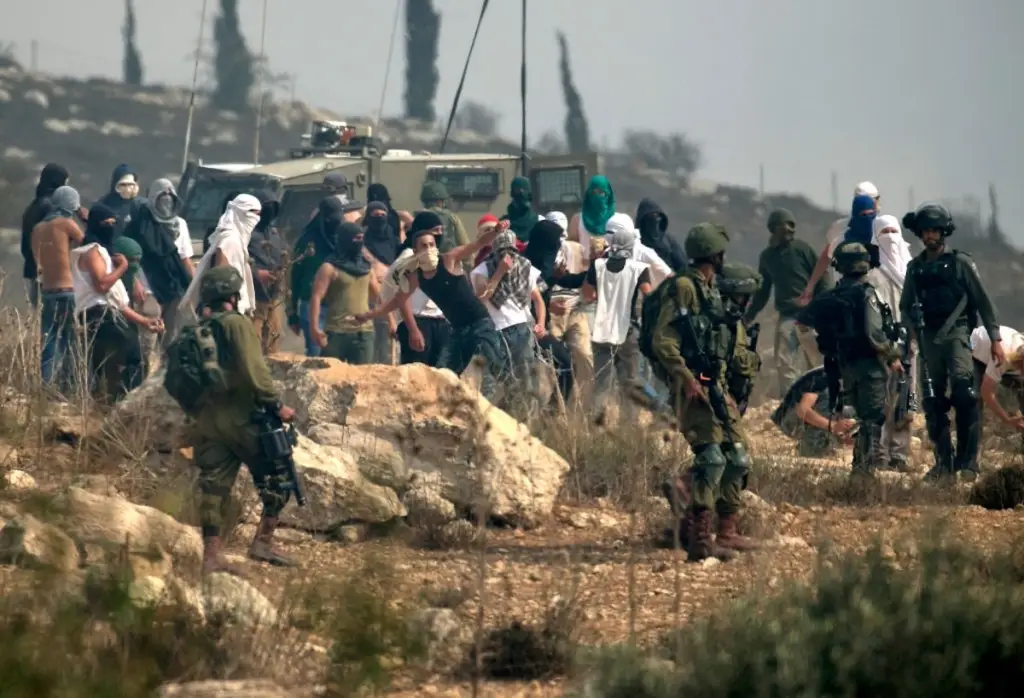
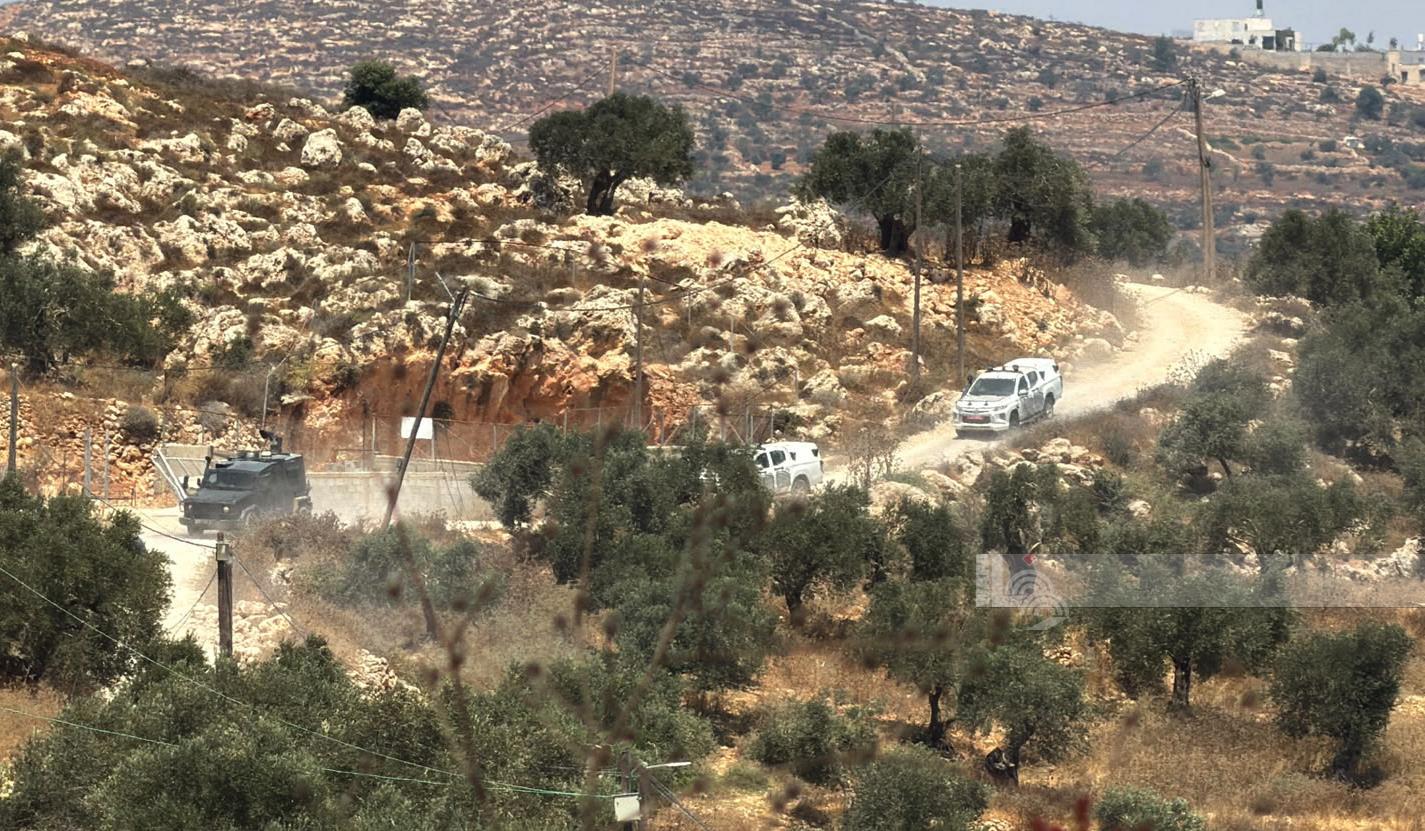
You might go out in the morning to graze your sheep, and in the distance, you see a few fair-haired young men who have pitched a tent on a fenced-off plot of land on a hill. At first, the scene seems fleeting, but soon you see them approaching your land, wandering among your olive trees and your flock, then attacking you, stealing your livestock, and burning your trees.
After that, they seize part of your land and annex it to the area they have taken over. The fence extends day by day, growing longer and wider. Over time, your land, and the land of your relatives, friends, and all the people of your village, becomes part of the nucleus of a new settlement.
Roads change, streets are closed, and checkpoints are erected, until reaching a place only a few hundred meters away becomes a journey that takes hours.
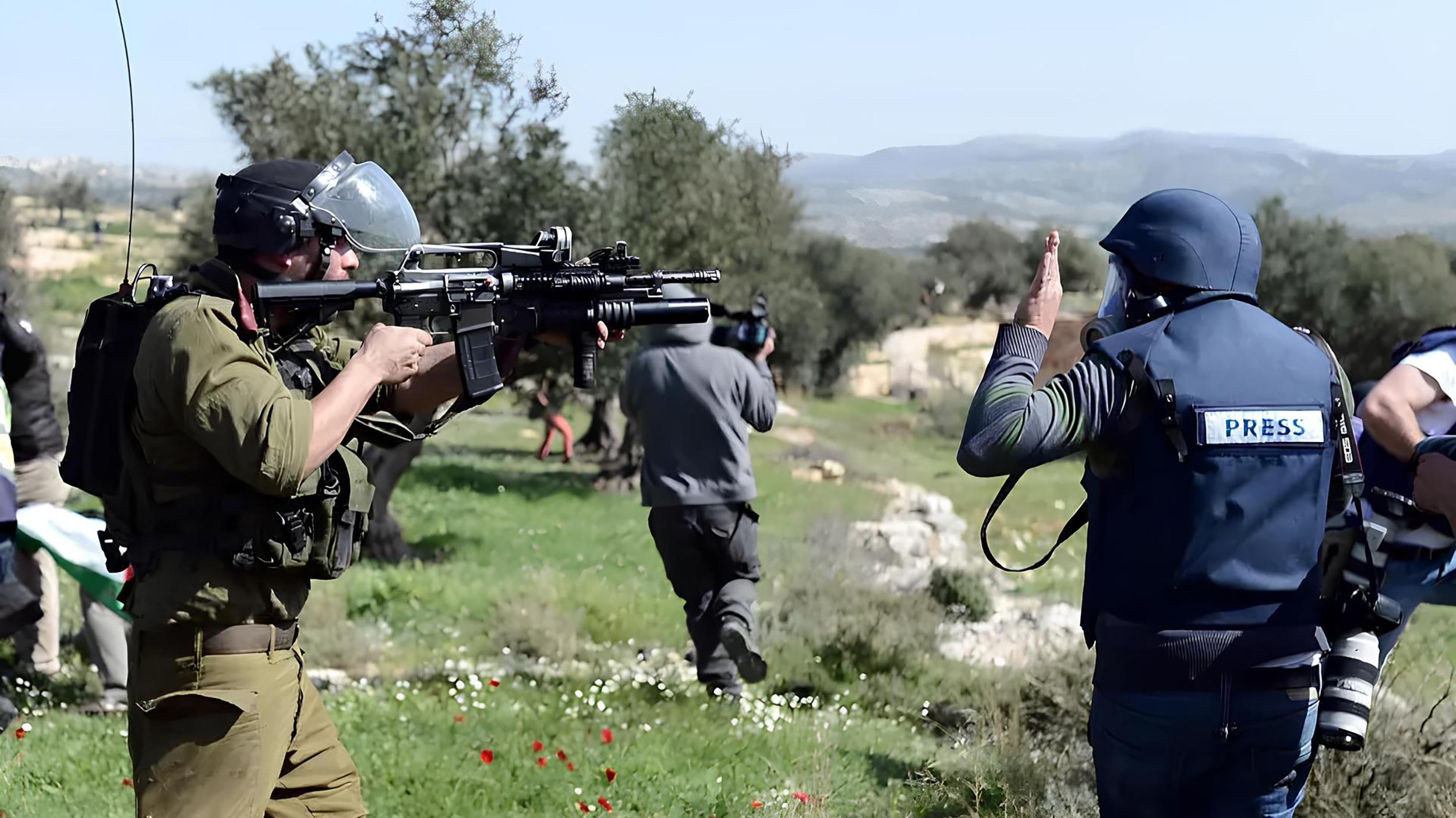
These scenes are repeated daily in the West Bank, where settlers terrorize, assault, and kill Palestinians under the protection of the occupation army, while ministers from the occupation government appear in the background of these attacks. The goal is clear: To empty the West Bank of its original inhabitants, both Muslims and Christians, and uproot them from their land, paving the way for its seizure and Judaization.
All of this is happening in full view of the world, amidst President Donald Trump’s objections and the condemnation of the international community, at a time when his 20-point peace plan was announced in a celebratory atmosphere on September 29th of last year.
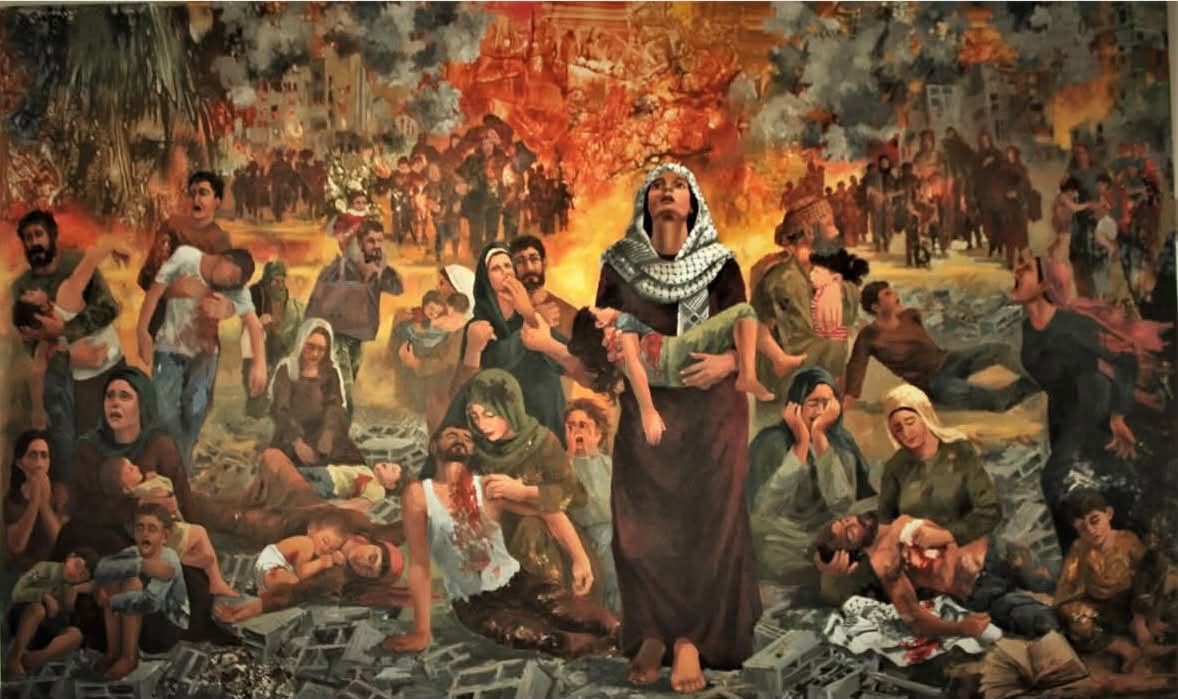
However, time has revealed that this plan was nothing but ink on paper. The occupation continues to control over 60% of the Gaza Strip, demolishing buildings and bulldozing agricultural lands in the areas under its control. It also continues its daily bombardment of the Strip, which, since the plan’s launch, has resulted in the deaths of approximately 1,200 Gazans and injured more than 3,600 others. This is while the siege continues and humanitarian aid is prevented from entering.
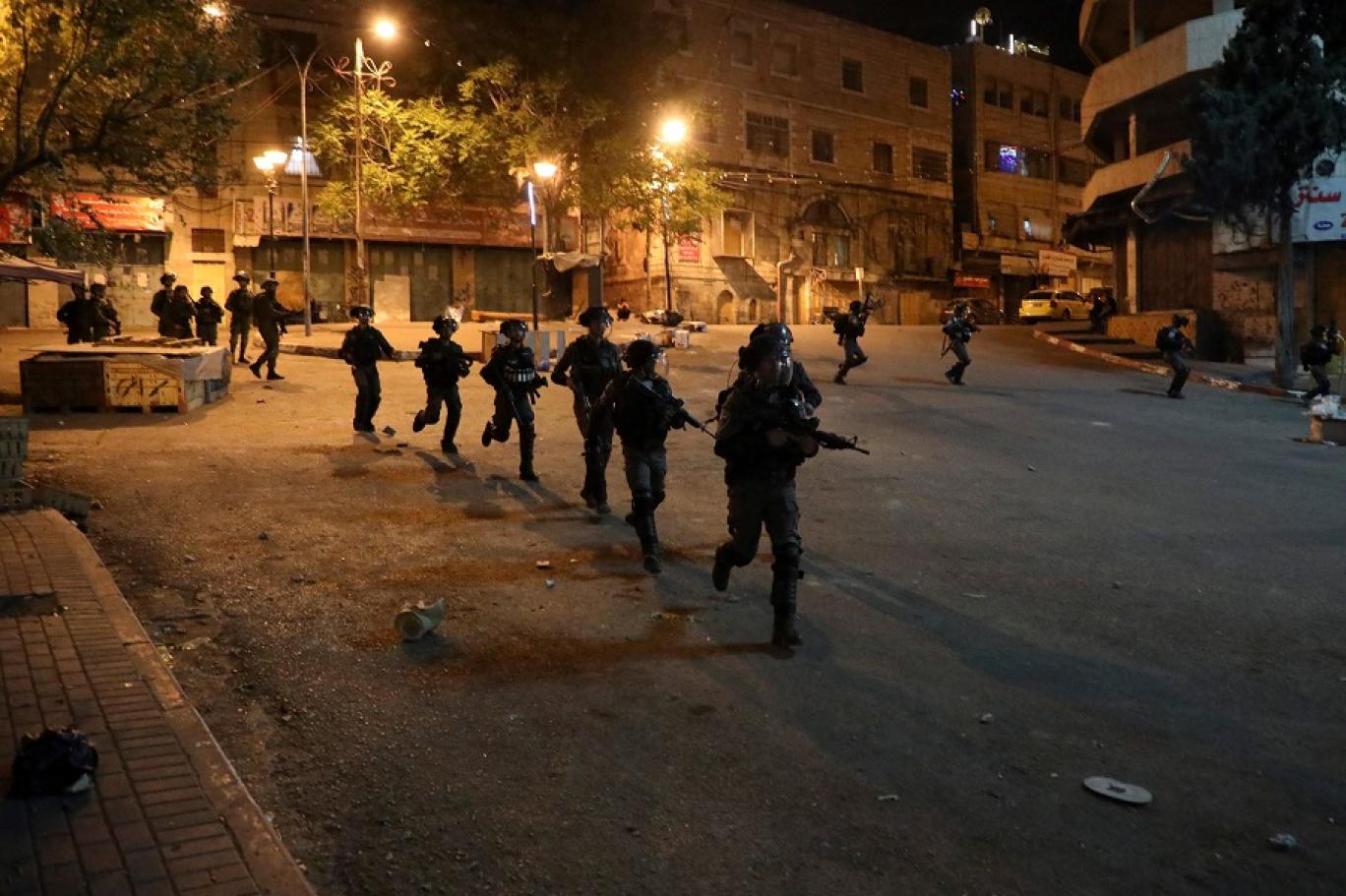
As for the West Bank, settlement outposts have expanded, and the occupation government recognized 19 additional settlements after the plan’s launch. This coincides with an unprecedented escalation in settler attacks, the continued demolition of homes and displacement of their residents, as well as the ongoing incursions into Palestinian cities, villages, and refugee camps.
The government of war criminal Benjamin Netanyahu makes no secret of its plans to annex the West Bank and thwart any attempt to establish a Palestinian state, while its leader orders the occupation army to launch continuous military campaigns in West Bank cities, villages, and refugee camps.
The West Bank today sits atop a powder keg, fueled by accumulated feelings of anger, fear, frustration, and resentment, awaiting a spark that could ignite the situation. Then, the sporadic confrontations could transform into a widespread popular uprising, which could very well extend beyond the borders of the West Bank.
No one knows how wide the circle of confrontation might widen, where it might spread, or the extent of the repercussions it might have in Jerusalem, the Palestinian territories within Israel, and neighboring countries. Arab governments and their armies may find themselves facing mounting popular and political pressure, pushing them either to engage in a confrontation they do not want, or to take positions and actions they have long sought to avoid.
This article was originally written in Arabic by Ismail Al Sharif and published in Jordan’s daily newspaper Ad Dustour and is reprinted in crossfirearabia.com. Mr Al Sharif long worked in newspaper management and publishing in Amman.
marwan
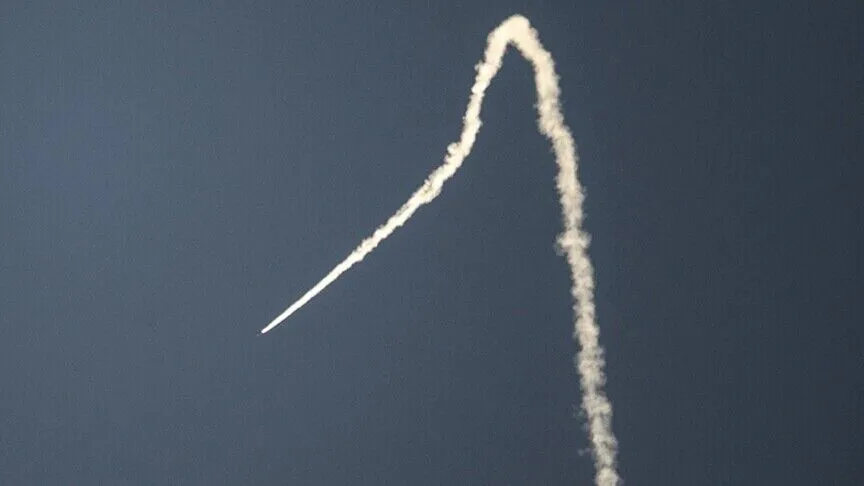
Jordan’s military shot down a drone early Tuesday after it entered the kingdom’s airspace over the eastern desert, the official Petra news agency reported.
The military said the drone was intercepted after breaching Jordanian airspace. No casualties or material damage were reported.
The incident came a day after Jordan’s military said it had shot down two drones targeting the kingdom, while the Israeli military said it intercepted two unmanned aerial vehicles near the Jordanian border that did not enter Israeli territory.
It also followed Saudi Arabia’s announcement Monday that it had intercepted and destroyed several drones launched from Iraqi territory that attempted to target oil facilities in the kingdom.
No group has claimed responsibility for the drone incidents.
On Sunday, an Iranian military spokesperson said Tehran had halted its military operations after the US stopped its attacks on Iran over the previous two days.
Axios reported that President Donald Trump ordered the US military to suspend further strikes on Iran after nearly two weeks of daily attacks.
Tensions between the US and Iran have intensified in recent weeks, with Washington carrying out strikes inside Iran and Tehran responding by targeting what it said were US military facilities and equipment in countries across the region. Anadolu