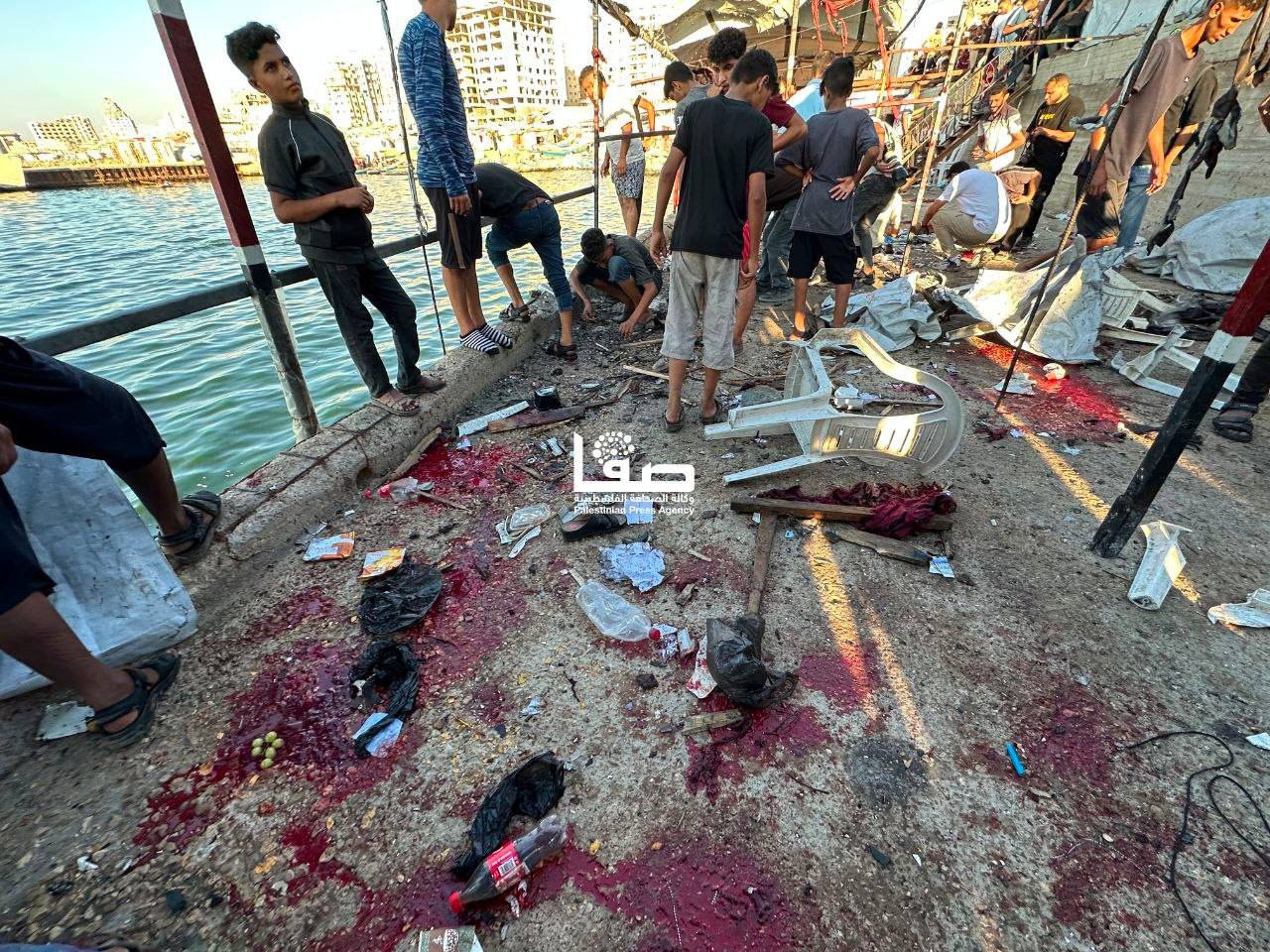
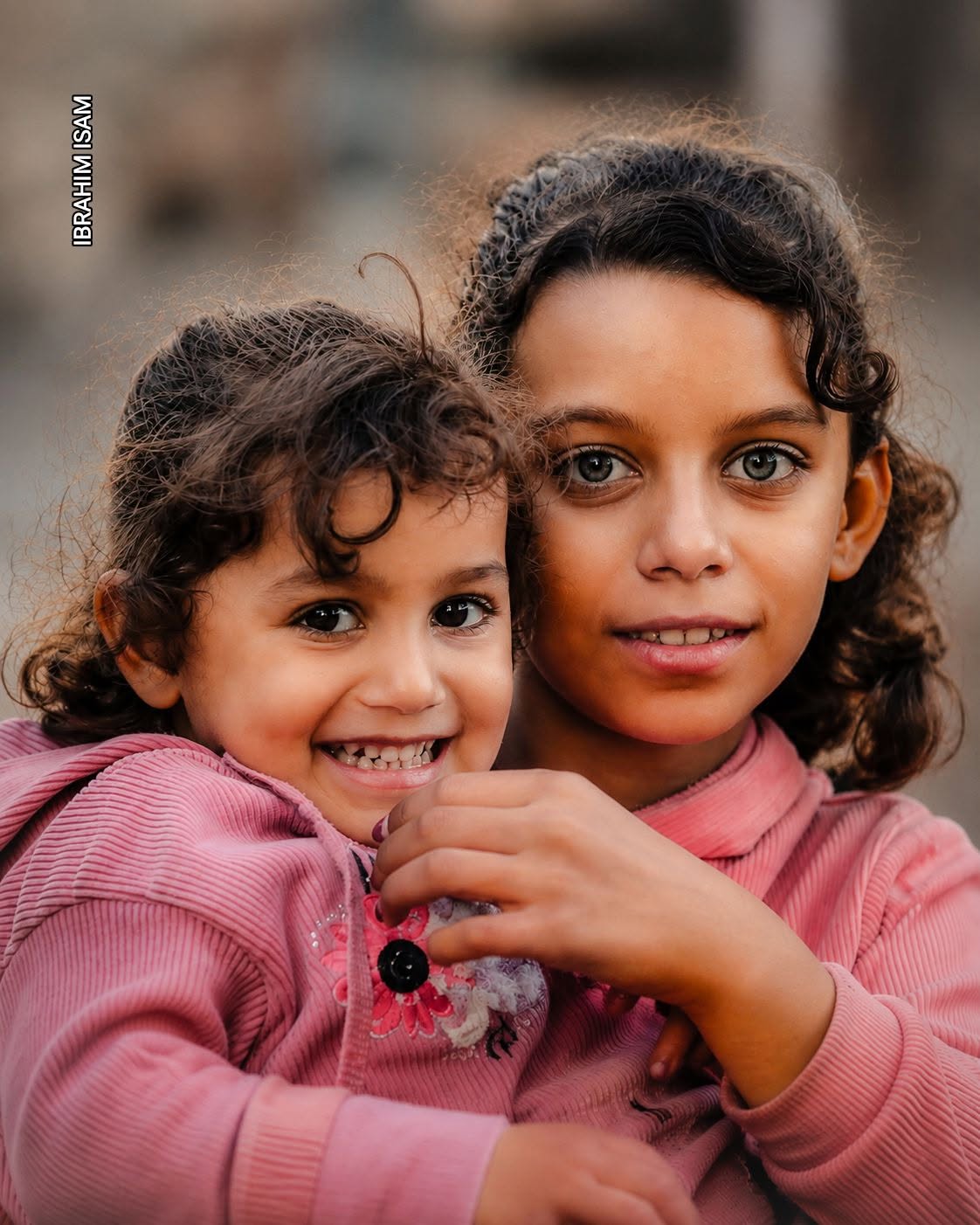
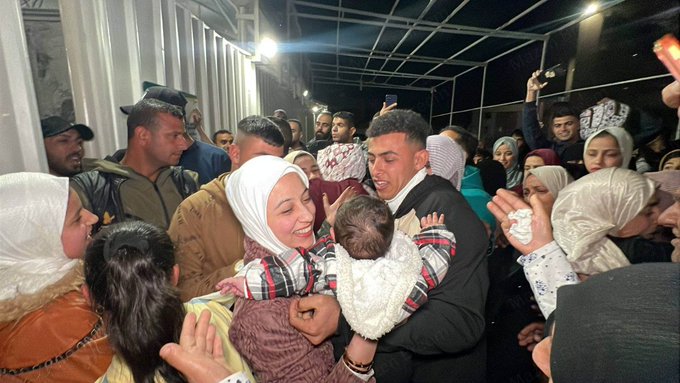
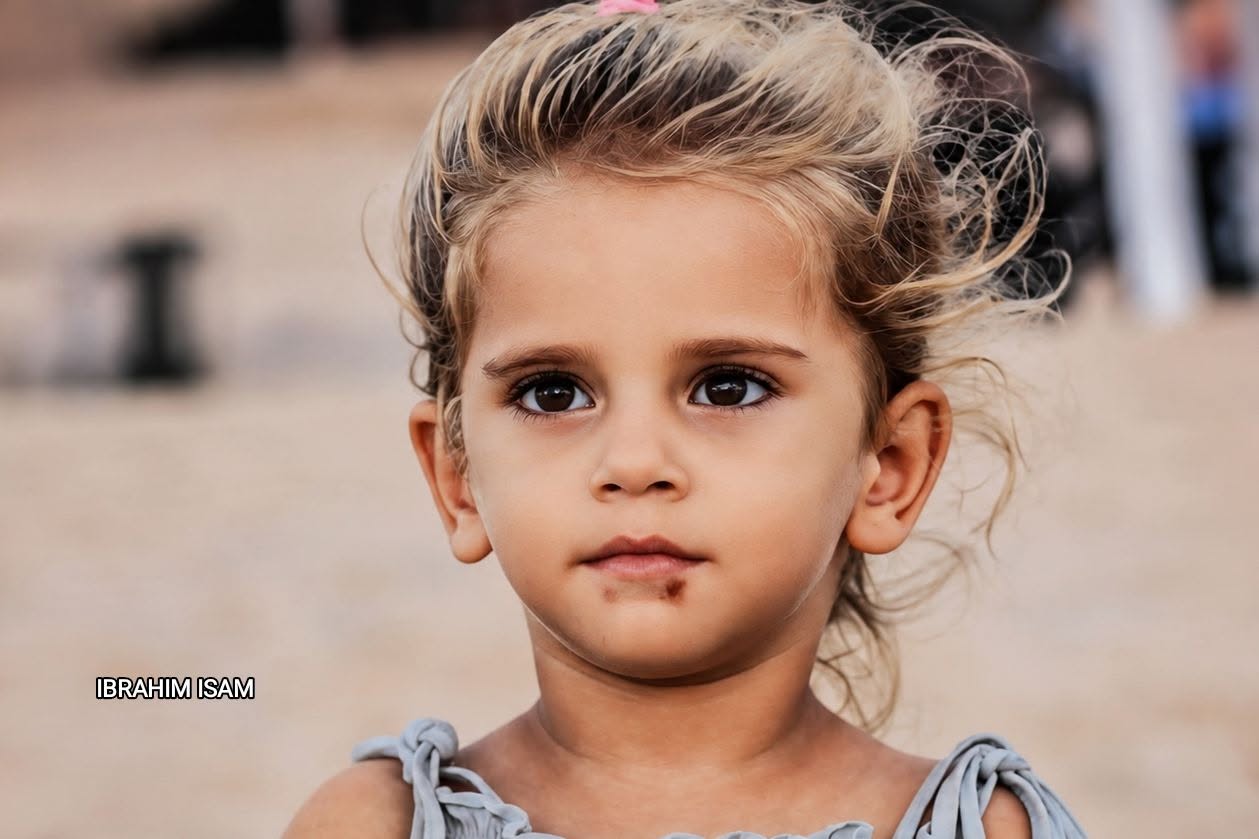
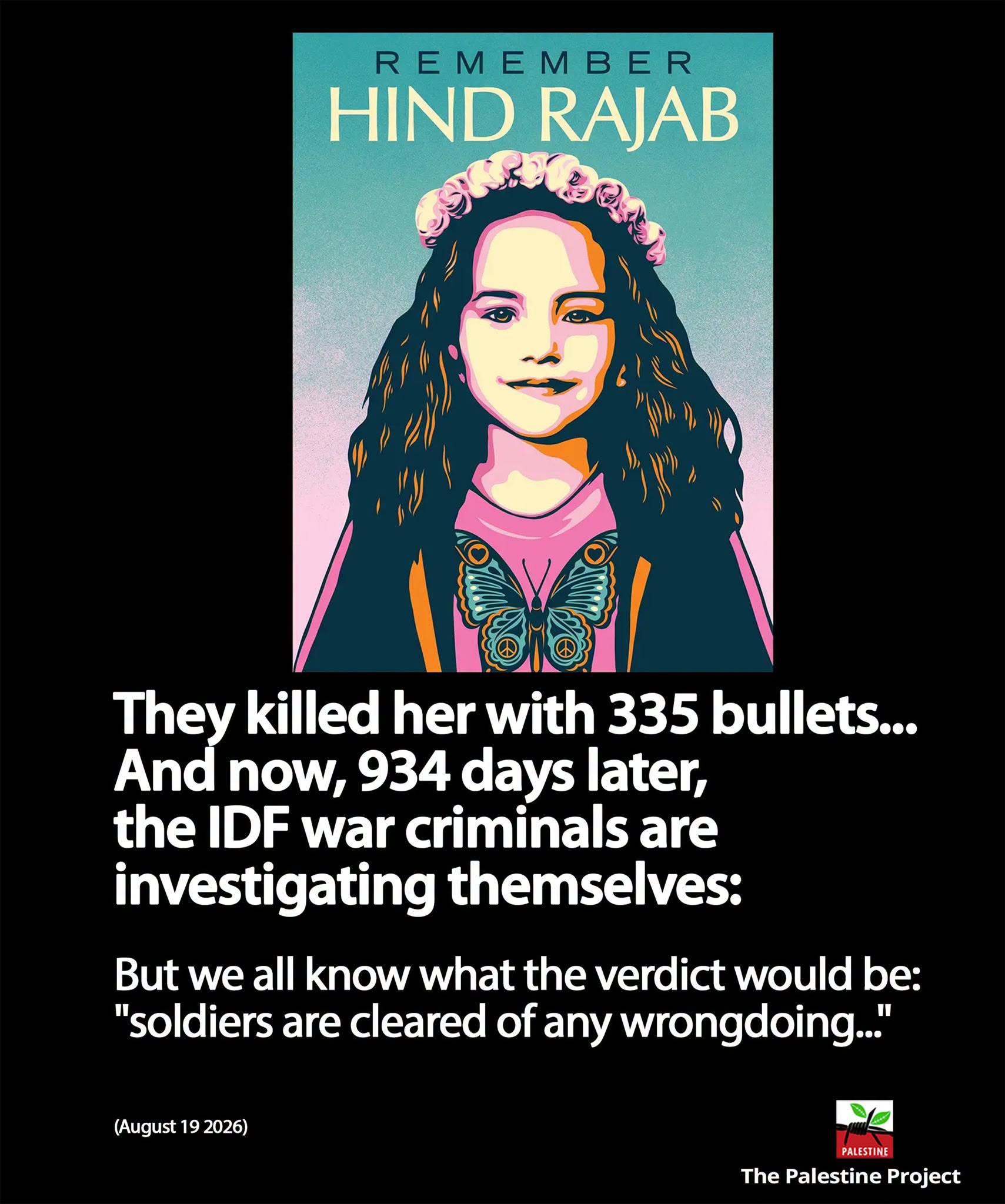
 Remember Hind Rajab
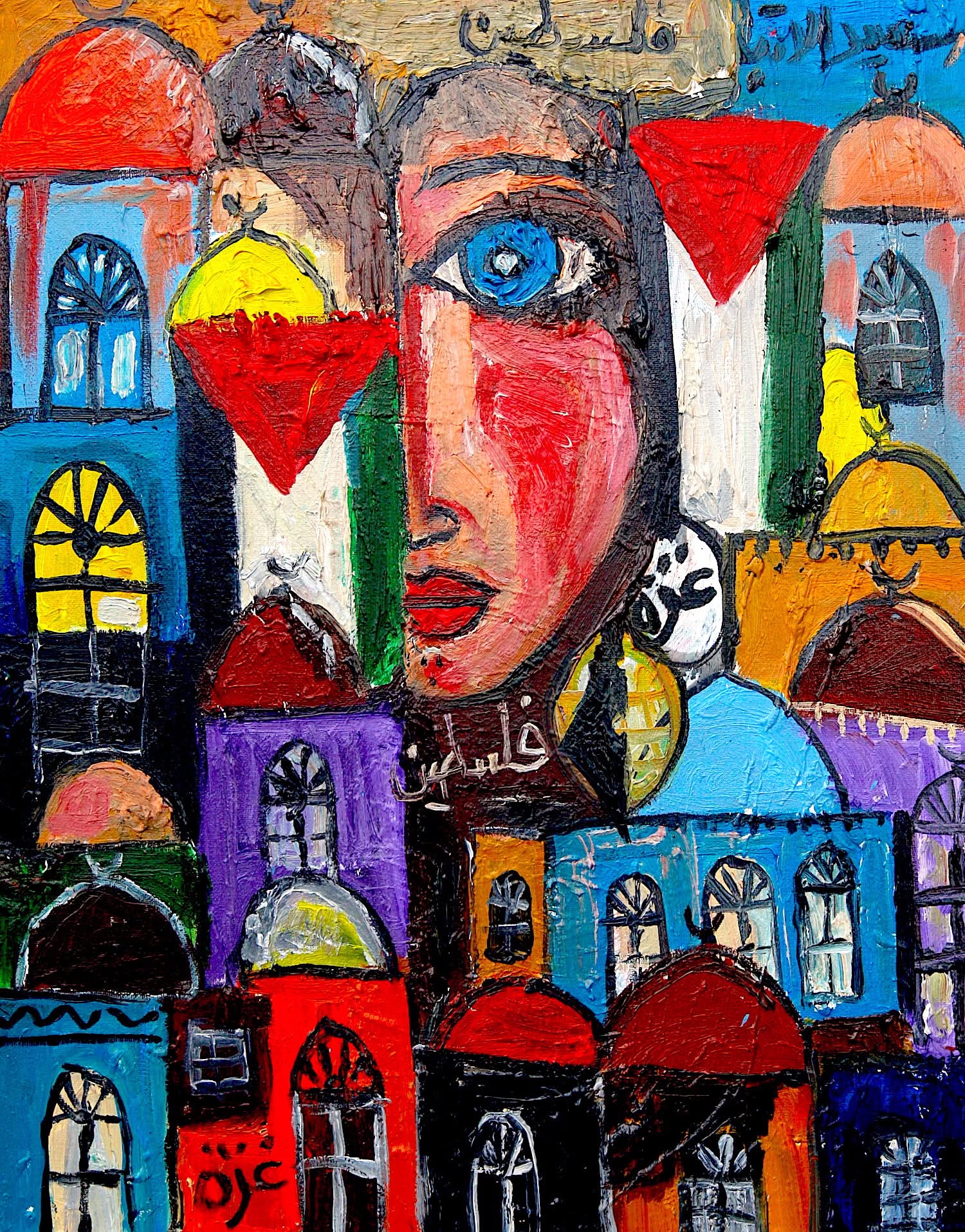
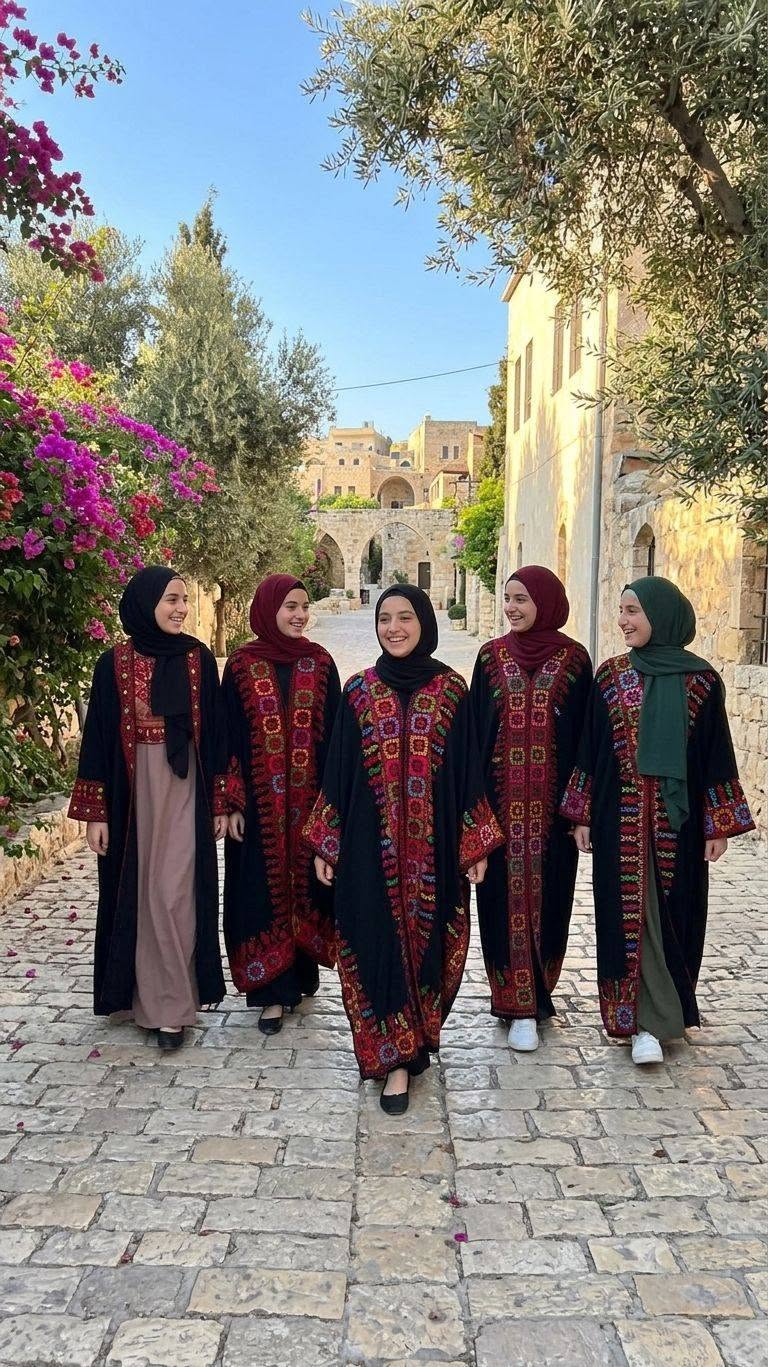
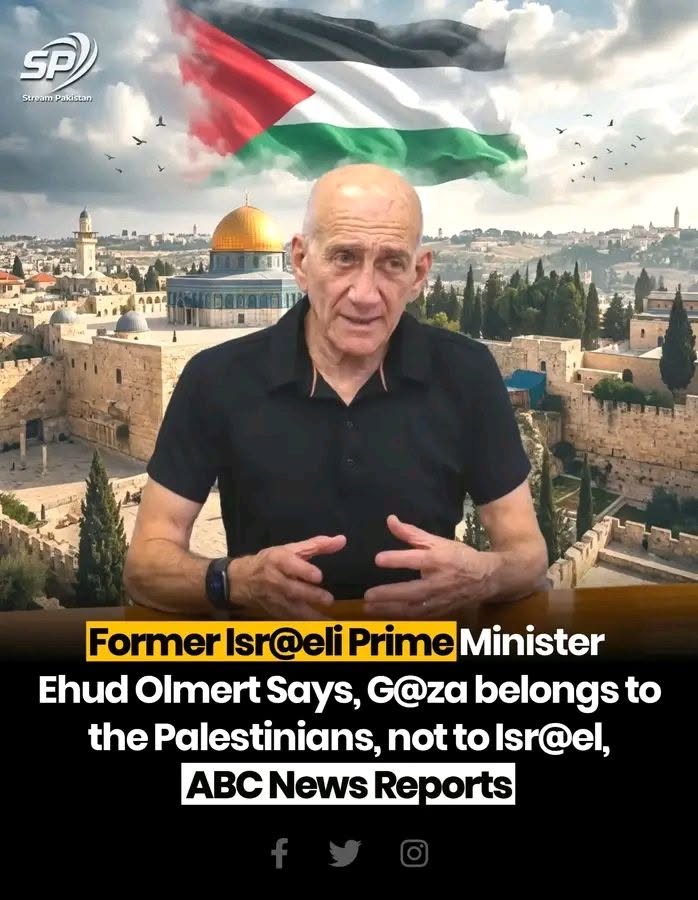
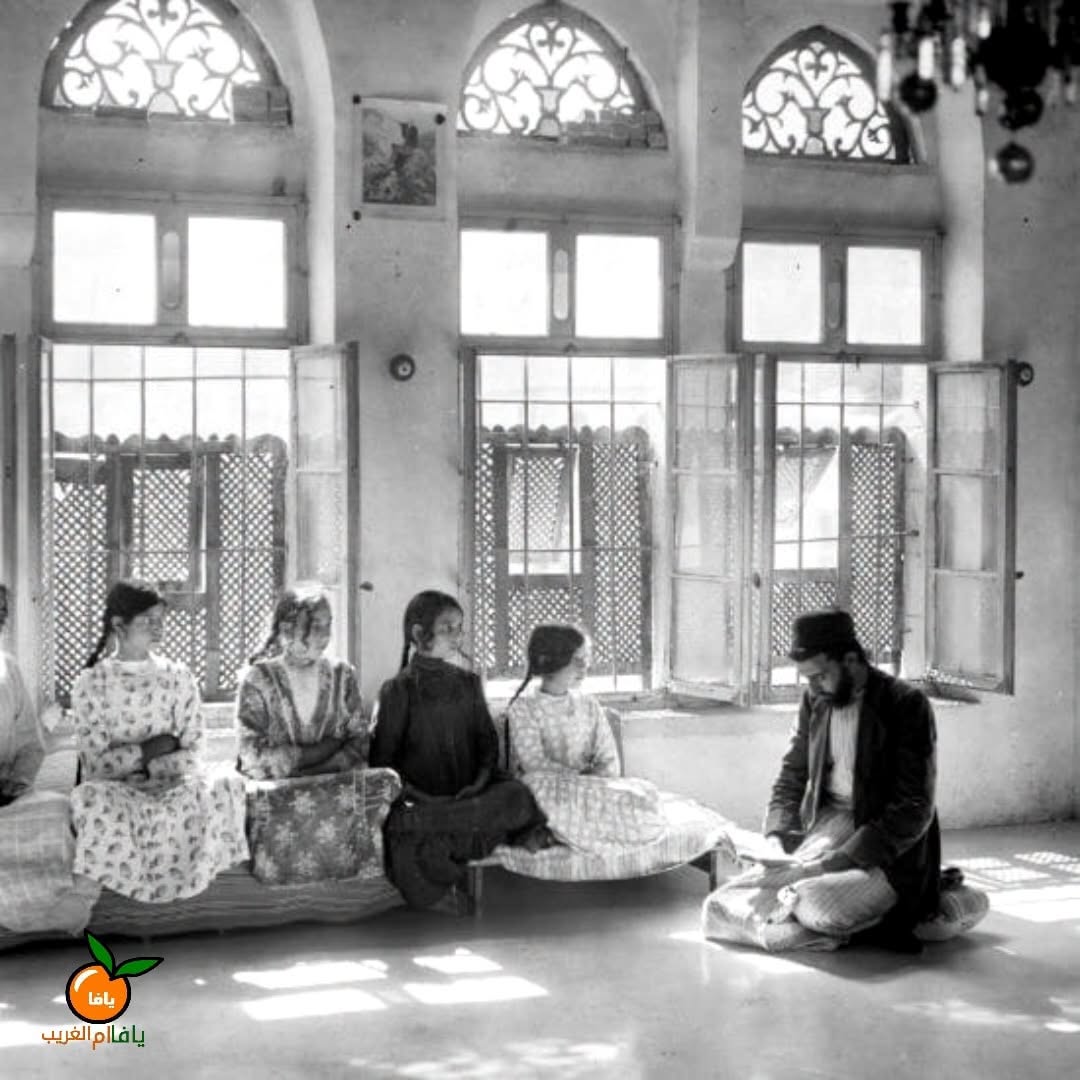
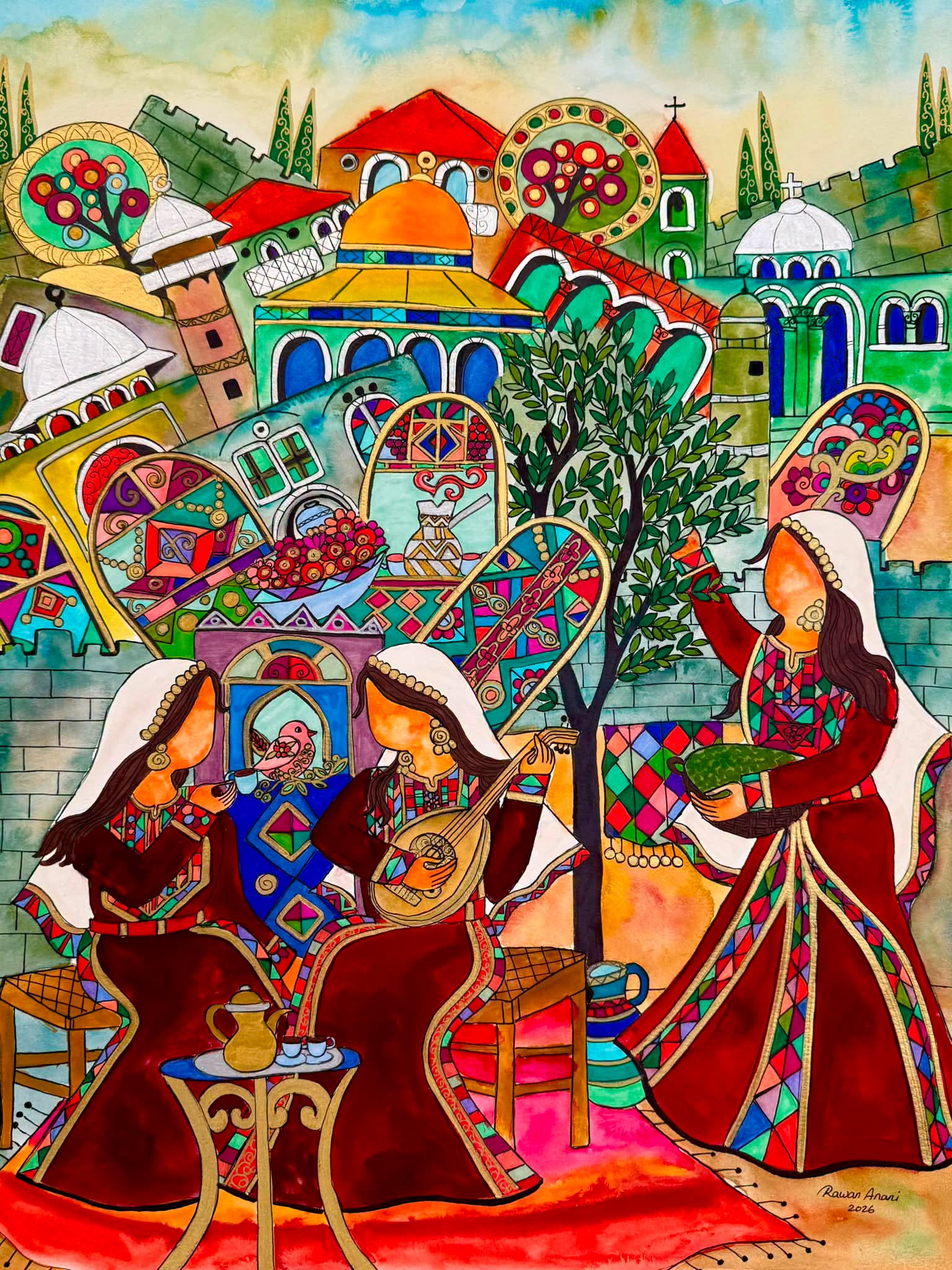
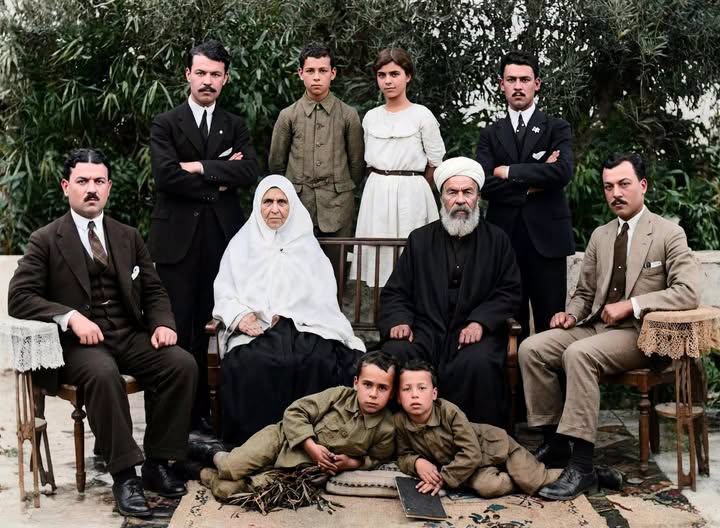
 A ‘Palestinian’ Palace in Jerusalem
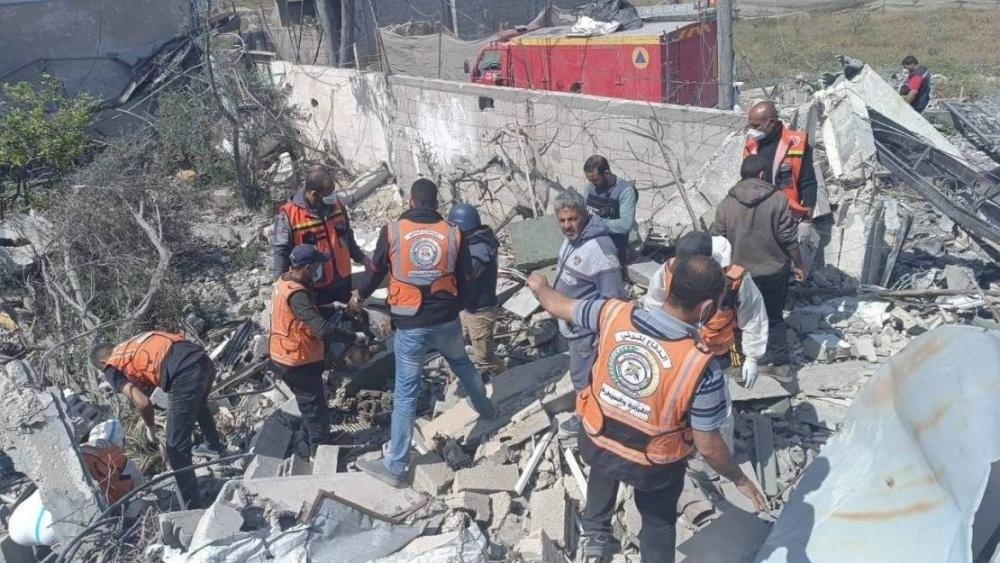
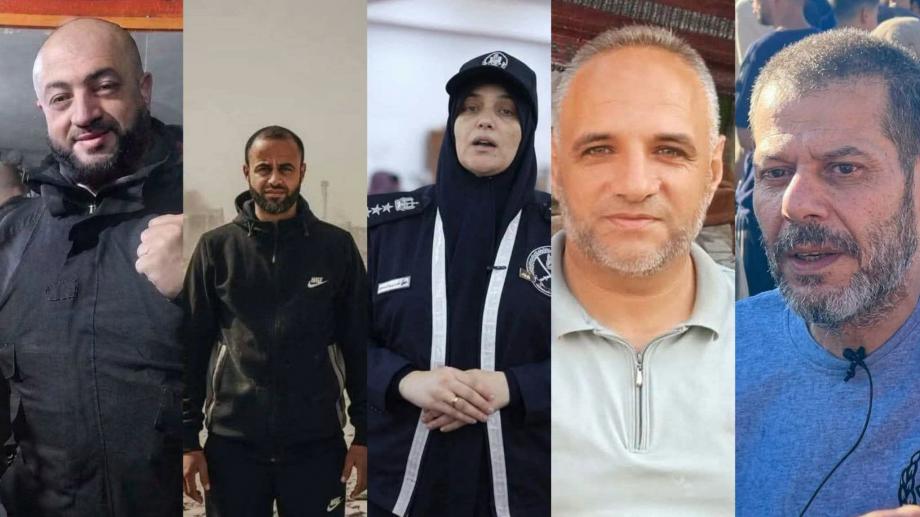 Israel Bombs Police Station, Kills Group of Officers
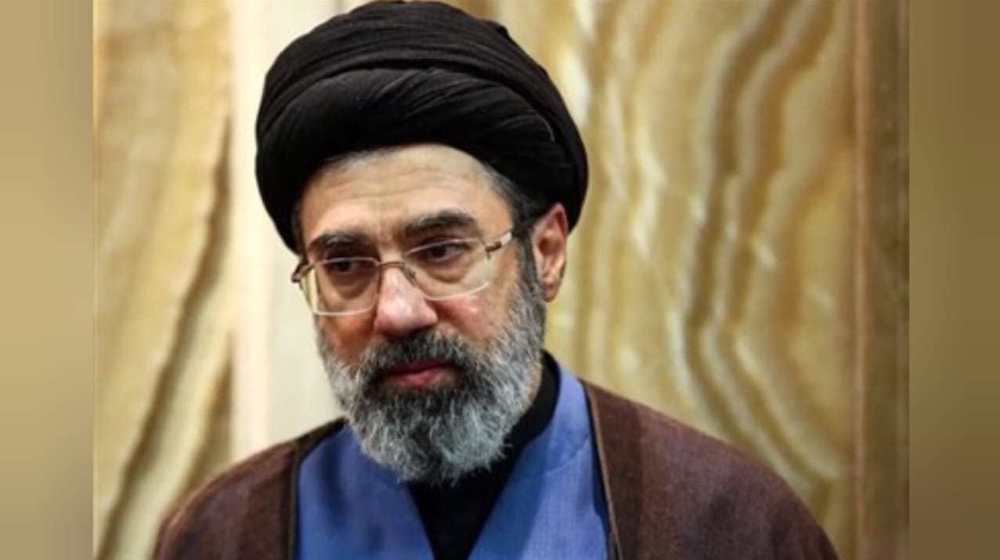
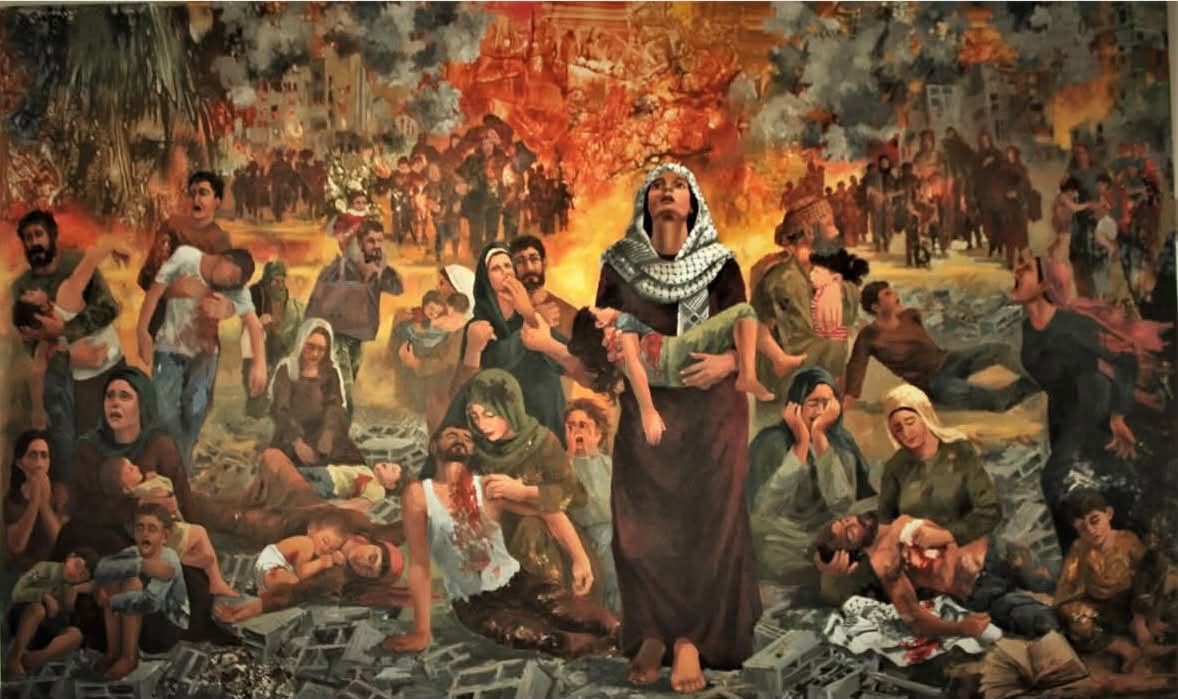
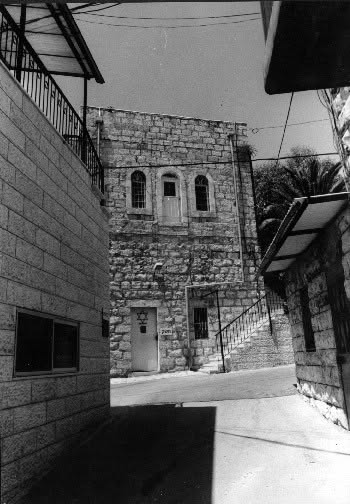 Don’t Forget Dier Yassin
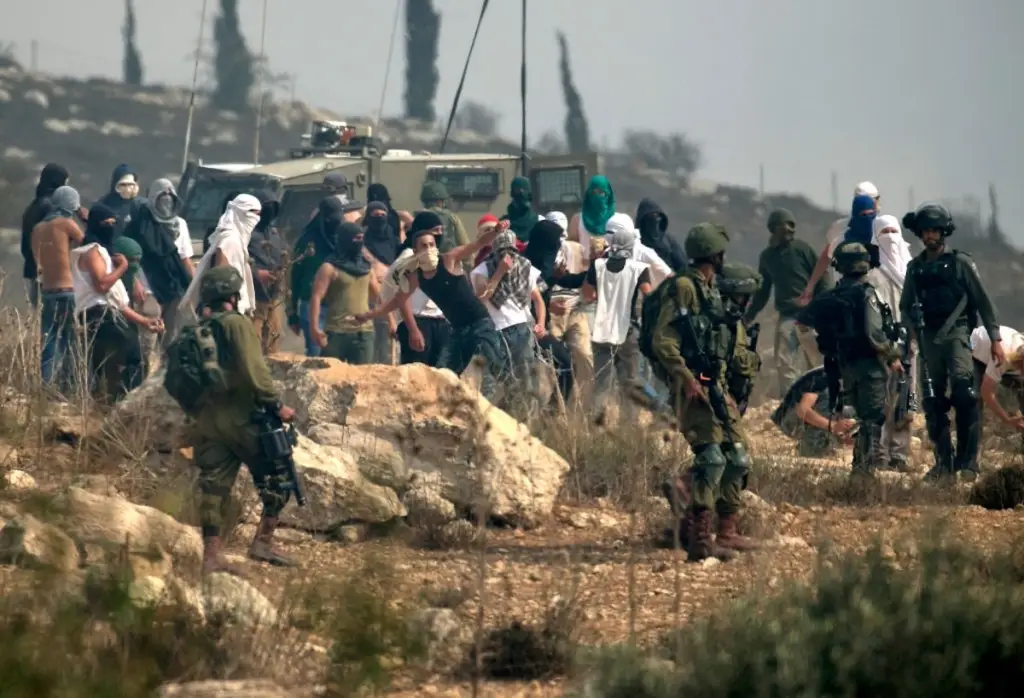
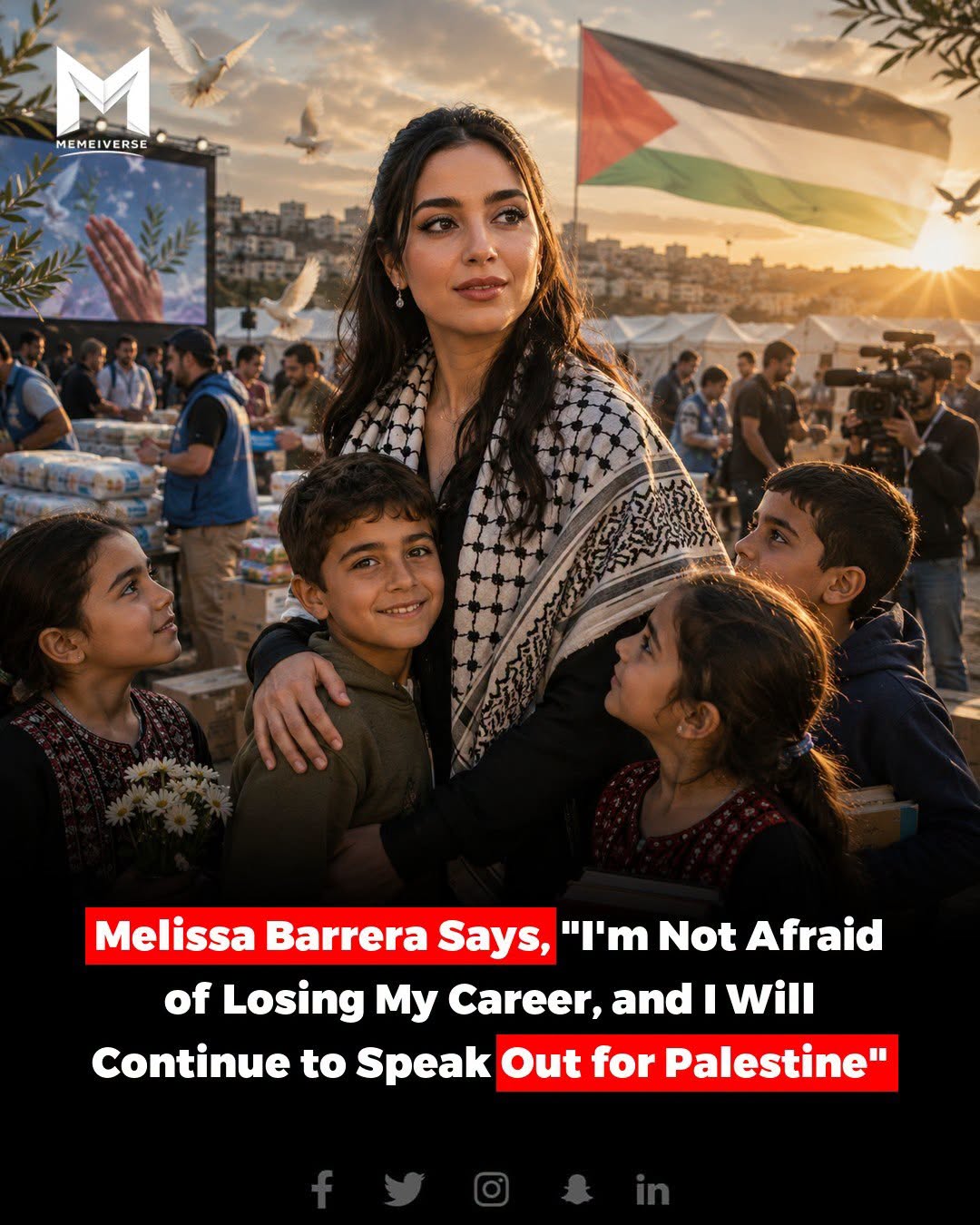
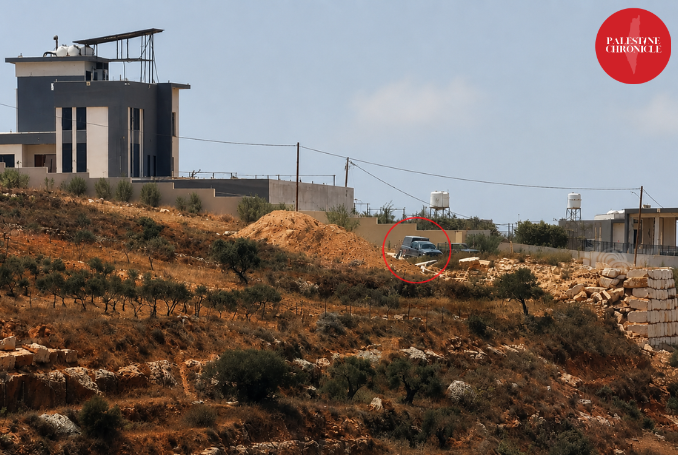 Israeli Army, Settlers Trap Three Palestinian Families in Their Homes for 11 Days

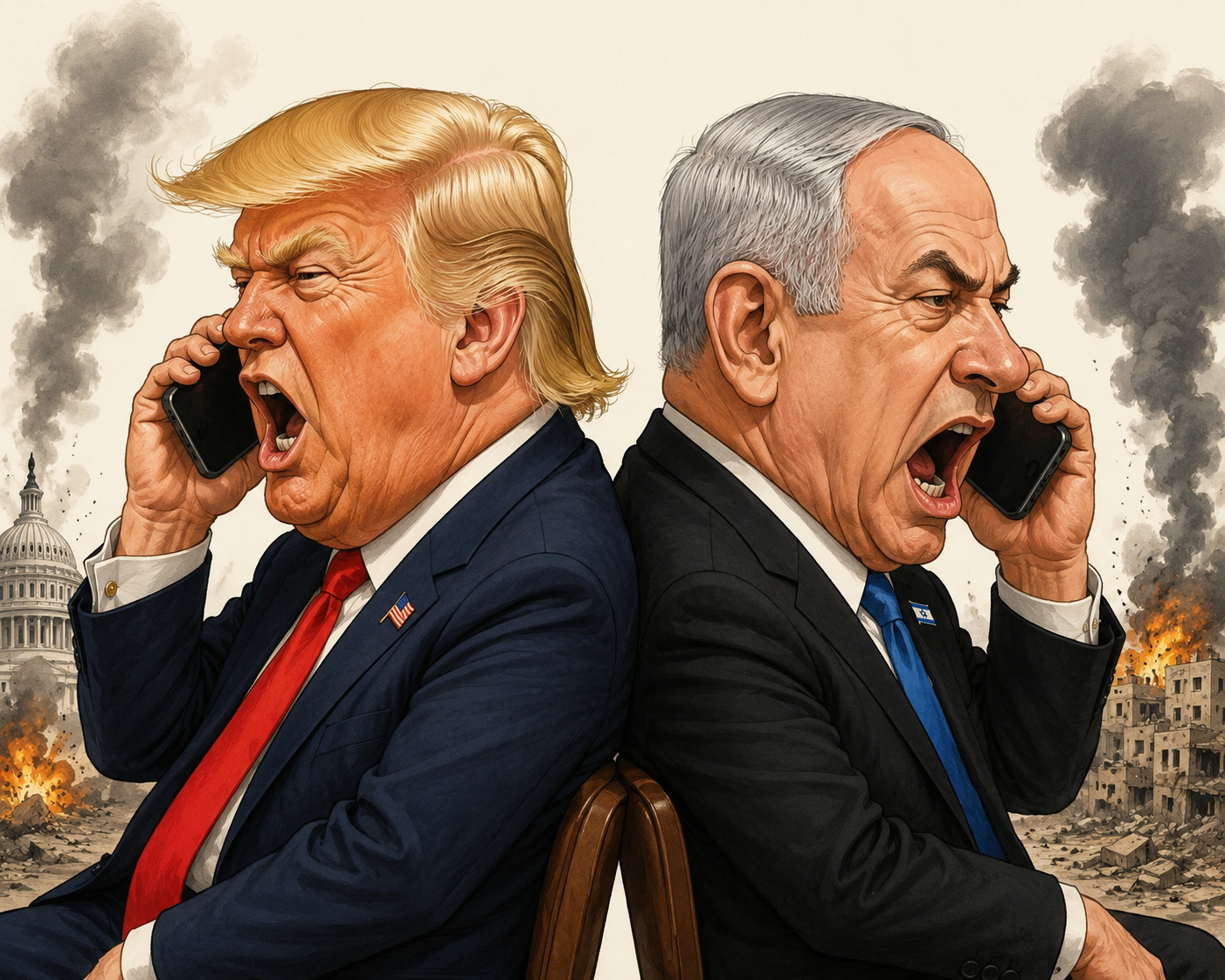
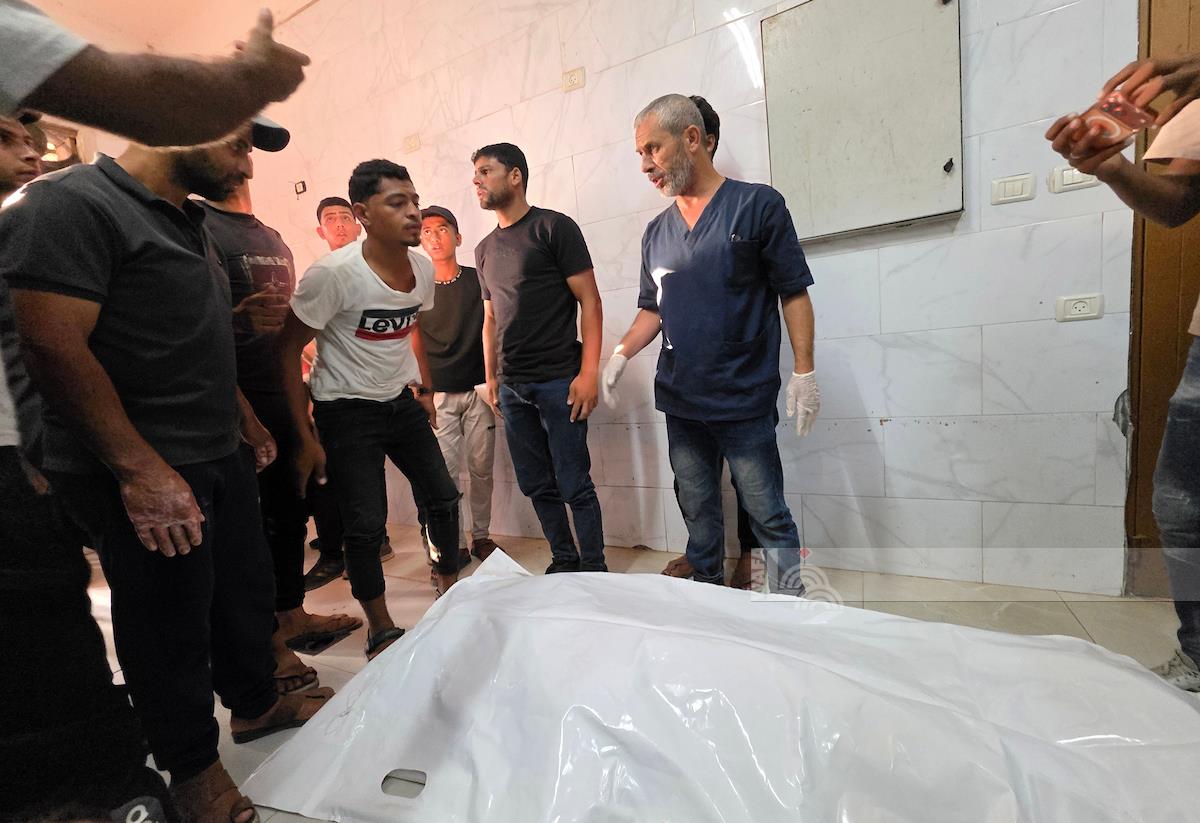
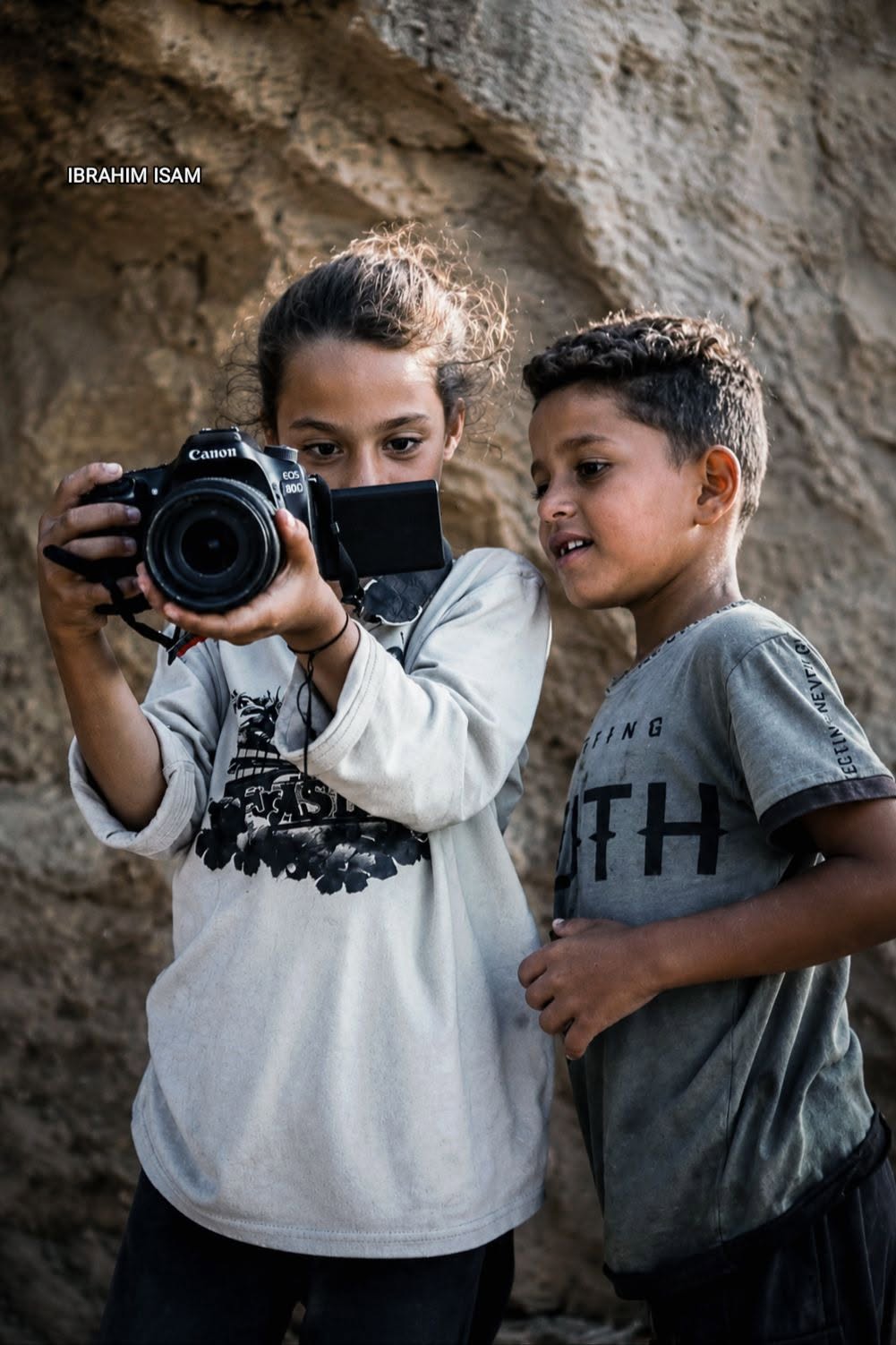
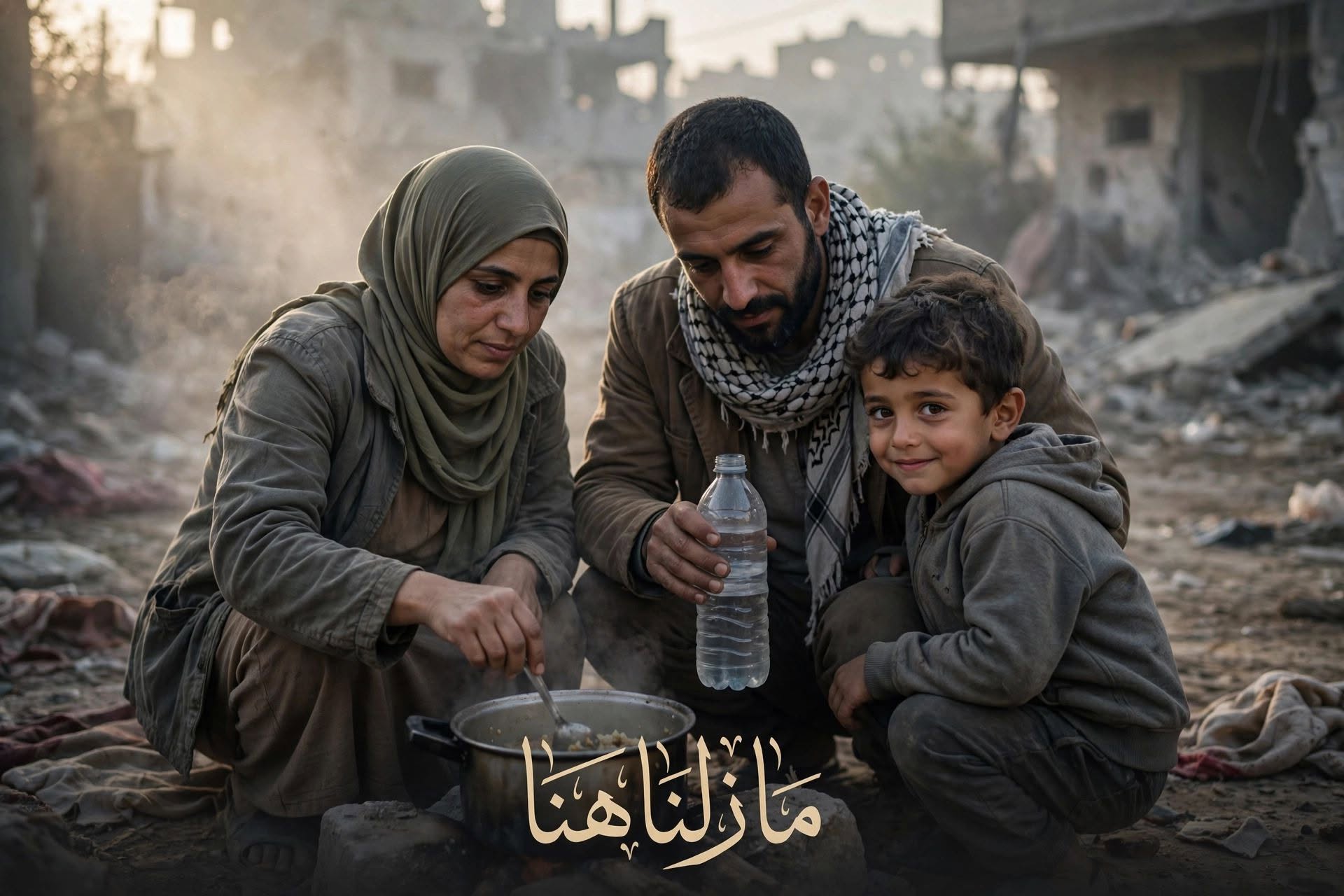
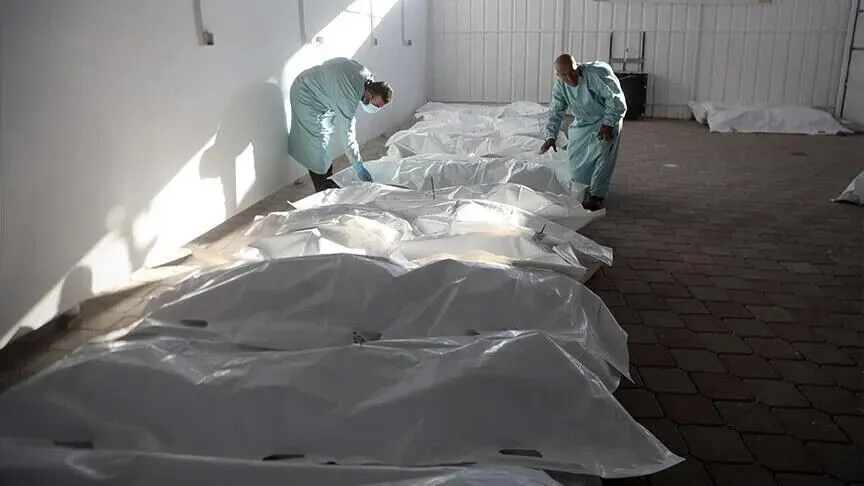
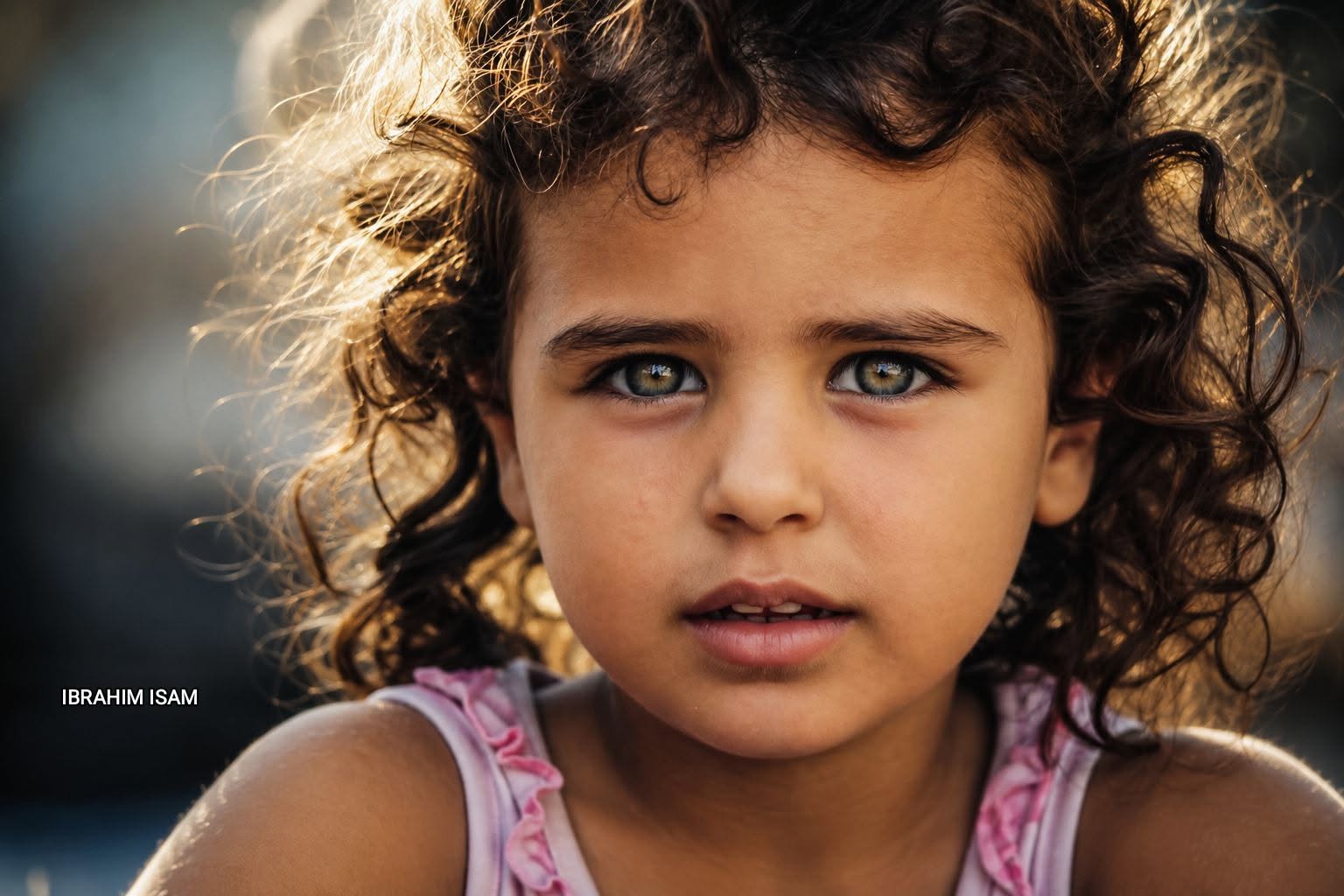
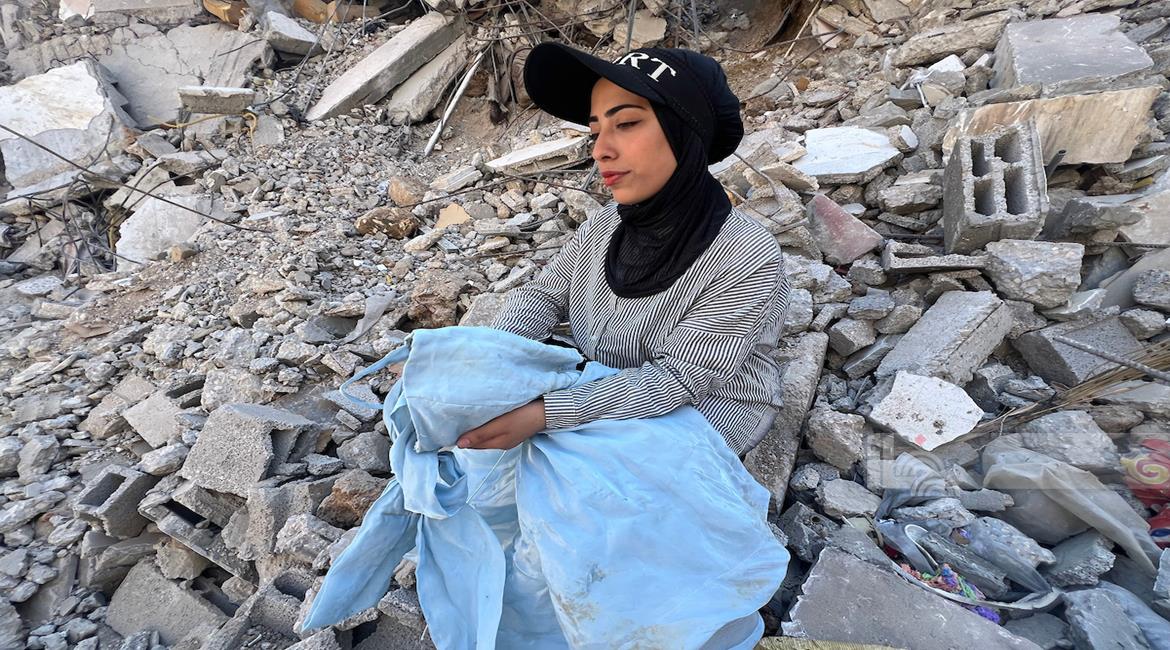
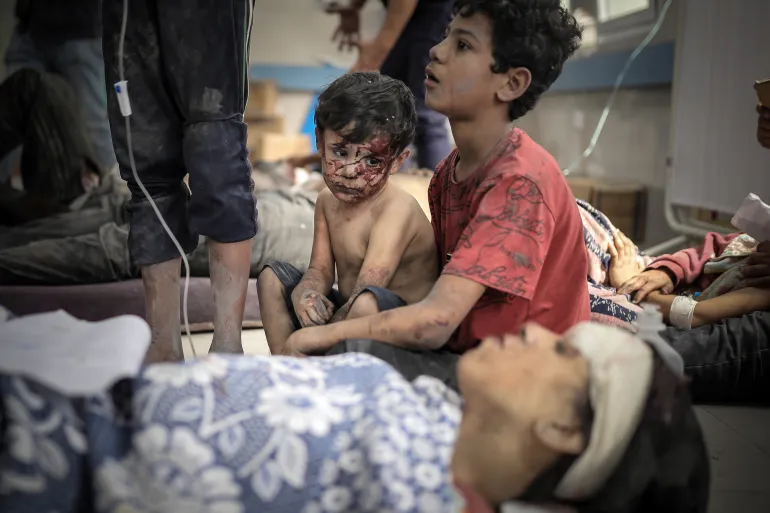
Remember Hind Rajab
Heba
- August 20, 2026
 Heba
Heba CrossFireArabiaCrossFireArabiaHeba
 marwanmarwanmarwanmarwanmarwanmarwanCrossFireArabiamarwanmarwan
 Saleem Ayoub QunamarwanCrossFireArabiaCrossFireArabiaCrossFireArabiaCrossFireArabiamarwanCrossFireArabiaCrossFireArabiamarwanCrossFireArabiaHebaCrossFireArabiamarwanCrossFireArabiamarwanHebaCrossFireArabiamarwanmarwanHebaCrossFireArabiamarwanmarwanCrossFireArabiamarwanHebaCrossFireArabiaCrossFireArabiaCrossFireArabiaHebamarwanCrossFireArabiamarwanHebaCrossFireArabiaHebamarwanmarwanCrossFireArabiamarwanmarwanmarwanmarwanmarwanmarwanmarwanmarwanmarwanCrossFireArabiaCrossFireArabiamarwanmarwanCrossFireArabiaCrossFireArabiamarwanCrossFireArabiamarwanHebaHebamarwanmarwanCrossFireArabiamarwanmarwanmarwan
CROSSFIREARABIA – In its latest report the Ministry of Health in Gaza, Thursday, stated that the number of Palestinian deaths since the 11 October, 2025 ceasefire increased to 1,266 people through Israeli gunfire. It added the number of those injured went up to 4200 while 813 were recovered from the wreckage. The Ministry stated one death was registered after being affected by his wounds while two other injuries were received by the various hospitals in the Gaza Strip. The Health Ministry stated that since 7 October, 2023 the cumulative number of deaths through Israeli attacks topped 73,400 and 174,312 injuries.
marwan
This is my third post highlighting remarkable Christian Arabs whose lives and achievements have made a lasting impact.
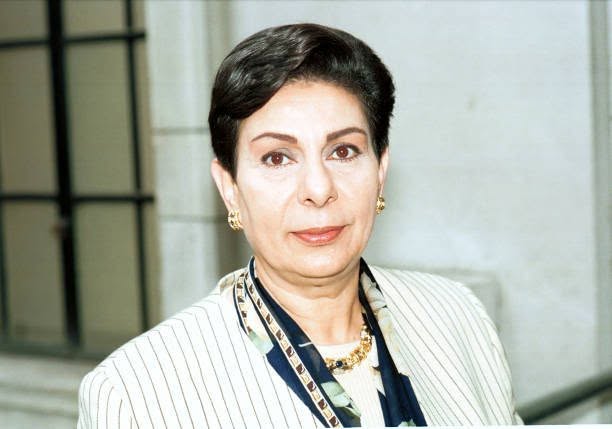
Today, I’d like to recognize Dr. Hanan Ashrawi, a Palestinian Christian woman whose voice has been heard around the world.
Born Hanan Daoud Mikhael in Nablus, Palestine, in 1946, she grew up in a Christian family and spent much of her childhood in Ramallah—the town where I was born!
Dr. Ashrawi is an educator, scholar, political leader, diplomat, human-rights advocate, and mother. She earned degrees from the American University of Beirut and a Ph.D. from the University of Virginia.
She taught at Birzeit University, where she became chair of the English Department and later Dean of the Faculty of Arts.
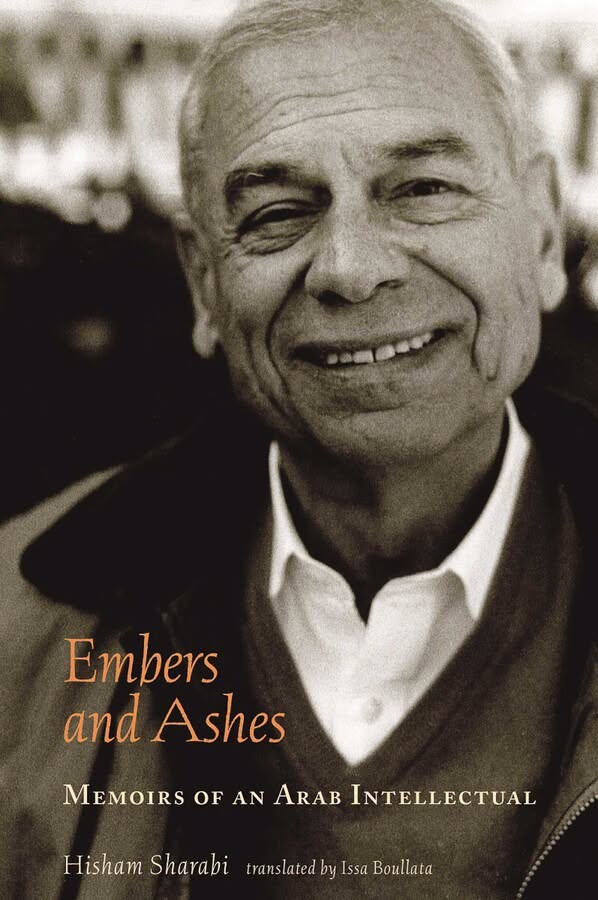
Dr. Ashrawi is also an author. She has written about Palestinian politics, culture, literature, occupation, and the peace process. Her memoir, This Side of Peace: A Personal Account, recounts her political involvement and her experiences representing Palestinians during an important period in their history.
Dr. Ashrawi became internationally known during the 1991 Madrid Peace Conference, where she served as a spokesperson for the Palestinian delegation. She helped bring Palestinian history, rights, and the desire for self-determination directly to an international audience.
Dr. Ashrawi also helped establish MIFTAH, an organization that promotes human rights, democracy, good government, and the participation of women and young people in Palestinian society. Interestingly, miftah means “key” in Arabic, which is an important symbol because it represents the homes and villages lost during the Nakba in 1948. When hundreds of thousands of Palestinians fled or were expelled during the war, many families took their house keys with them, believing they would soon return. In many cases, they were never allowed to go back. So, the key or miftah came to symbolize home, memory, displacement, and hope, and a claimed right of return.
What makes her story especially meaningful to me is that she is a Palestinian Christian woman from the land where Christianity began. Palestinian Christians have very deep roots in the Holy Land and have contributed to its faith, history, culture, education, and public life since the earliest days of Christianity, when Jesus walked this earth.
For decades, Hanan Ashrawi has used education, diplomacy, public service, writing, and advocacy to share the Palestinian story with the world. She will turn 80 on October 8, 2026, and continues to speak and write about Palestinian rights, peace, and political reform.
She broke barriers for Palestinian women and became one of the most recognizable Palestinian voices on the international stage.
Her story deserves to be known.
CrossFireArabia
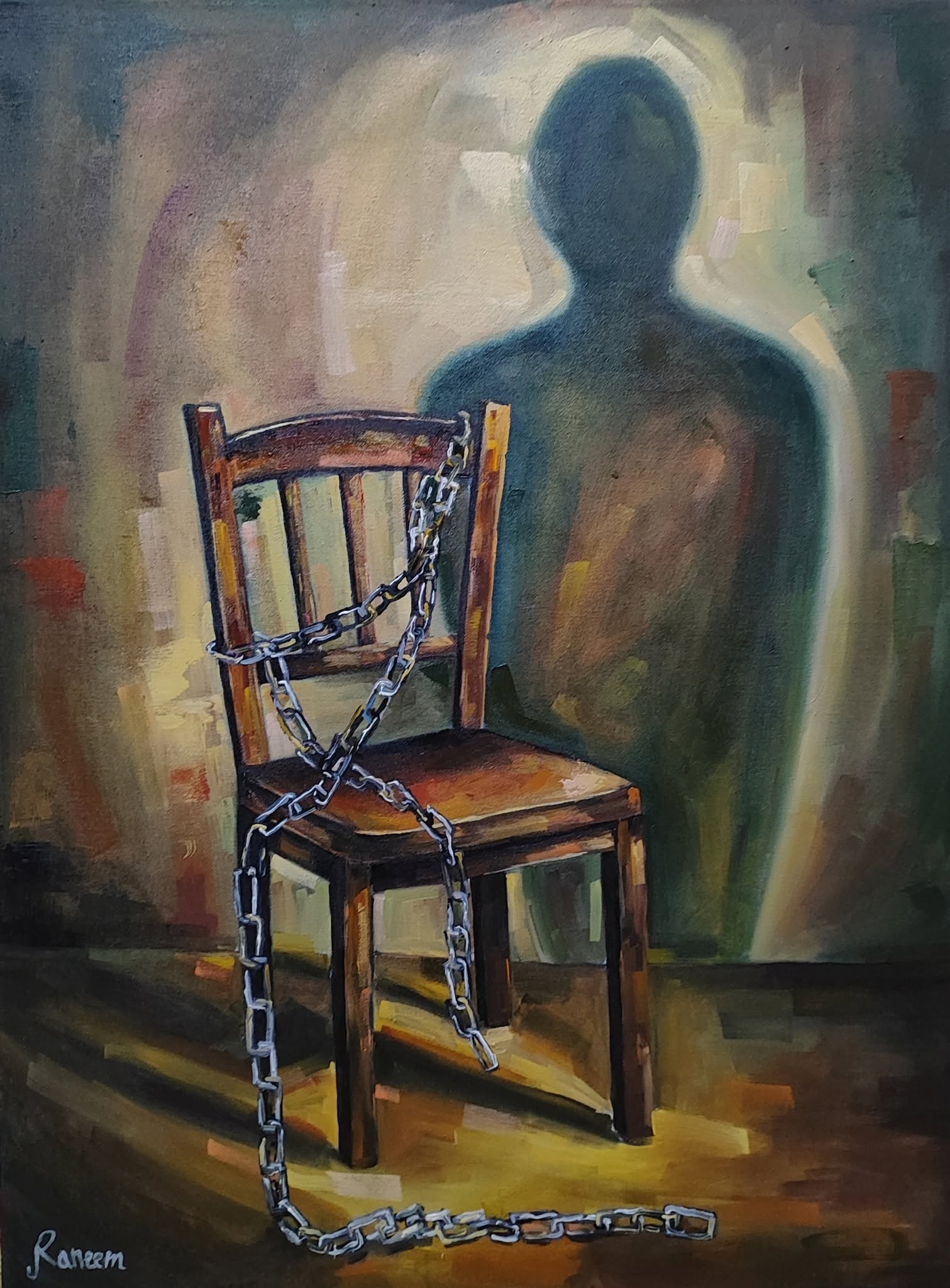
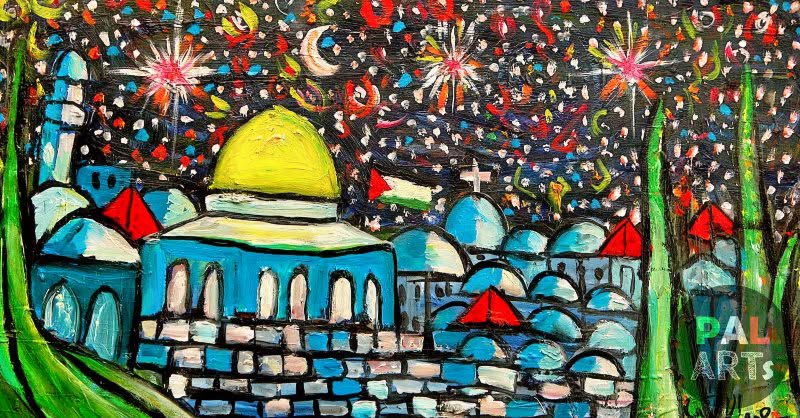
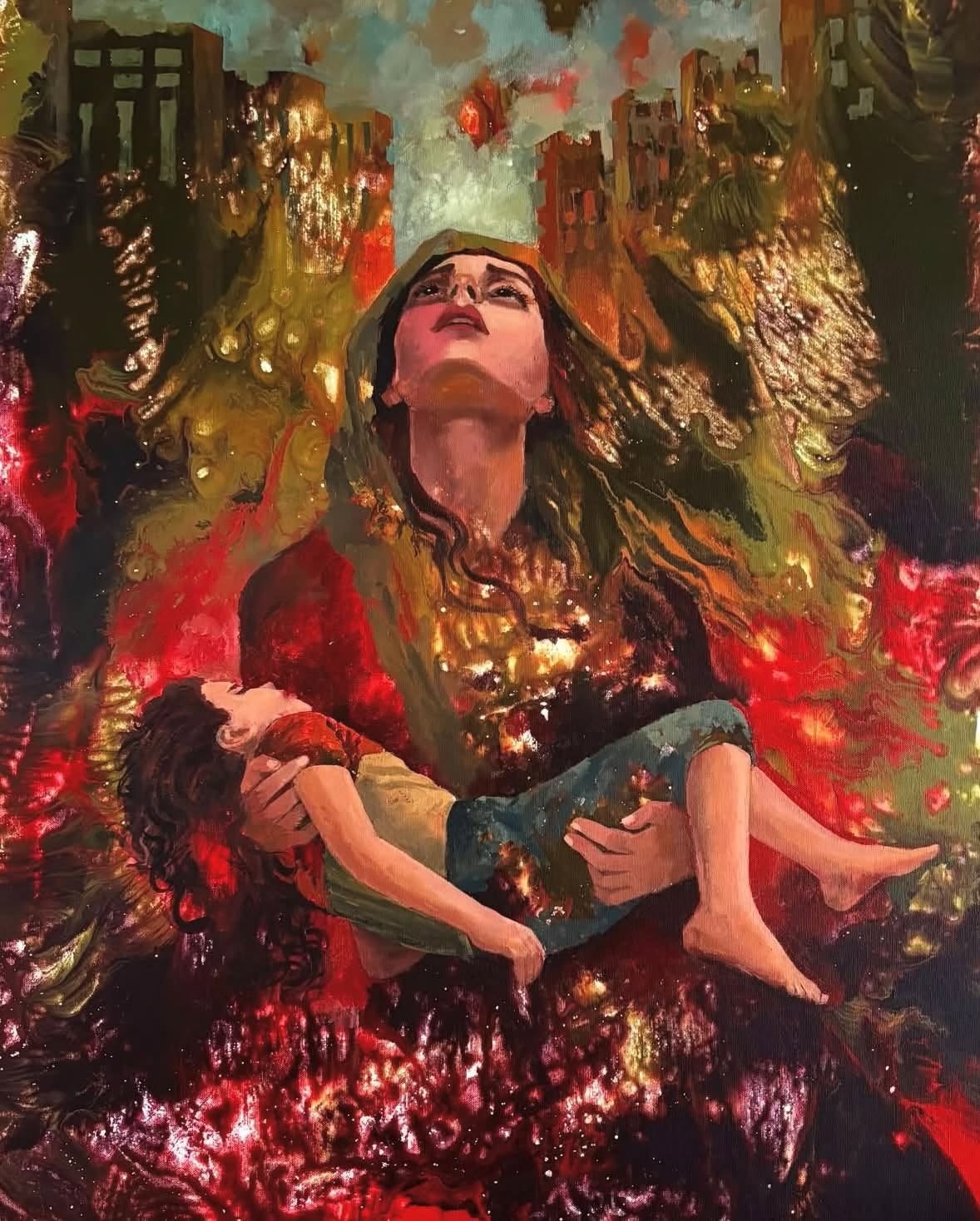
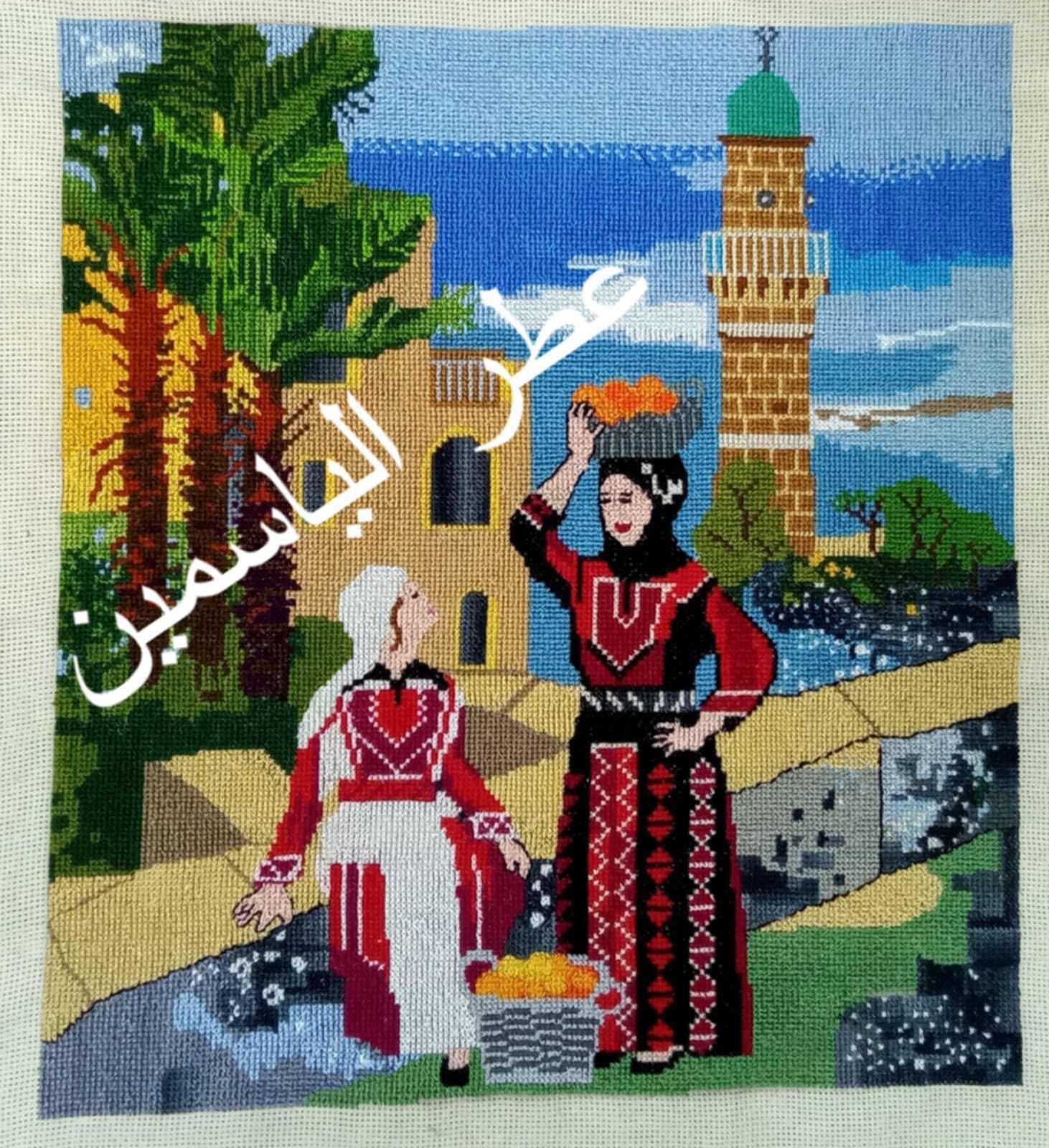
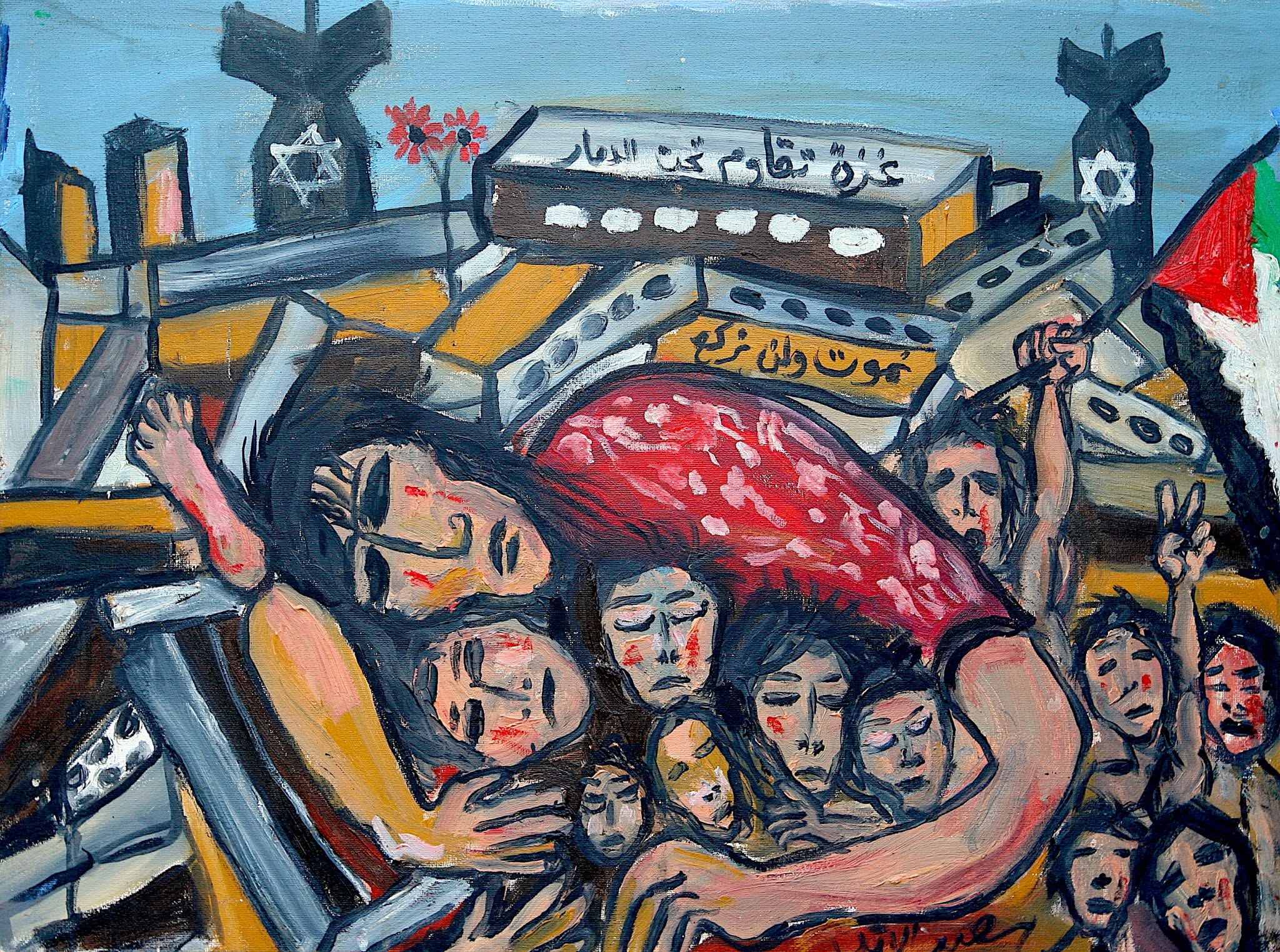
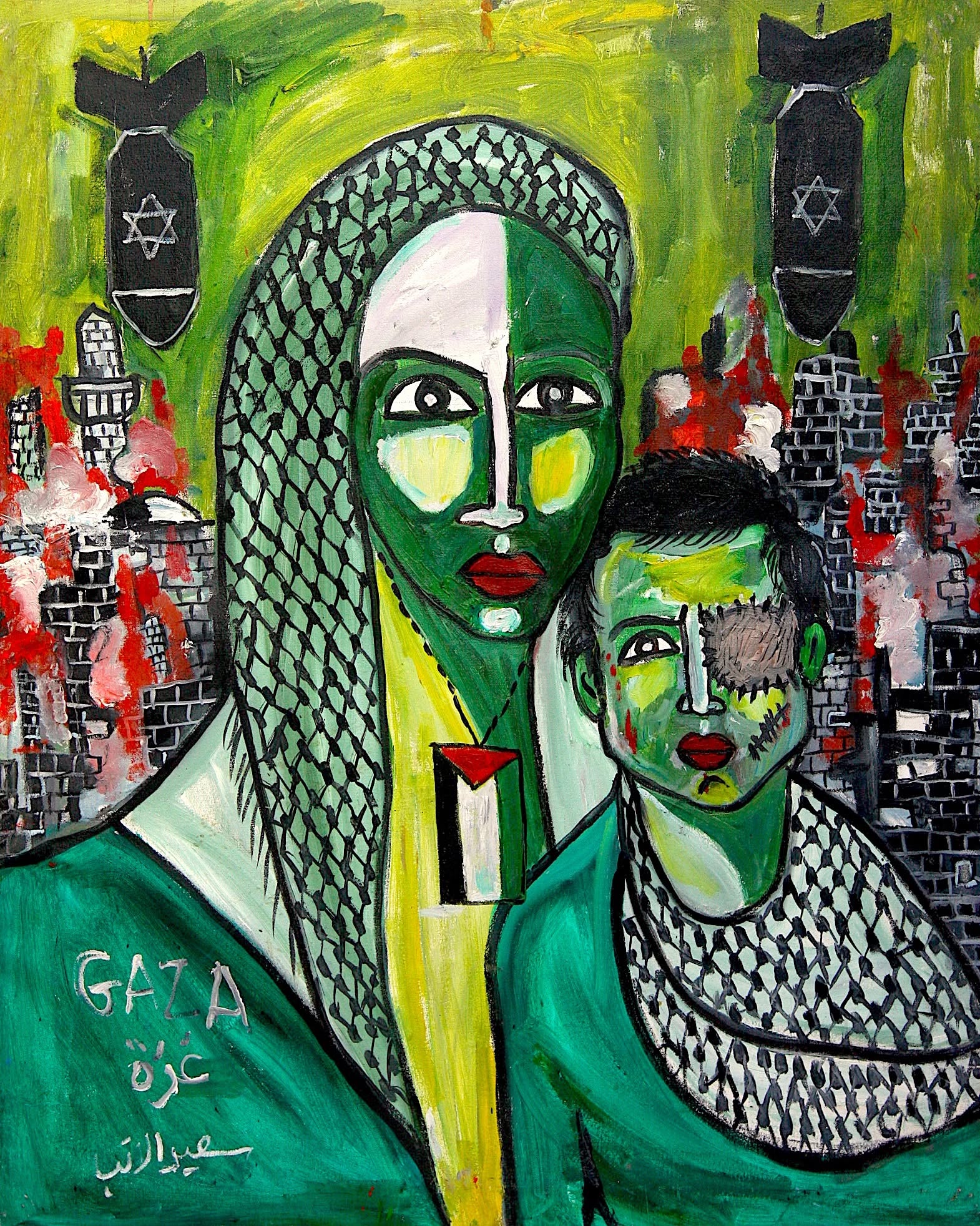
Painting made by Raneem Salah, an art student at the Najah National University in Nablus. She is studying there at the School of Fine Arts and lives in Tulkarem.
marwan
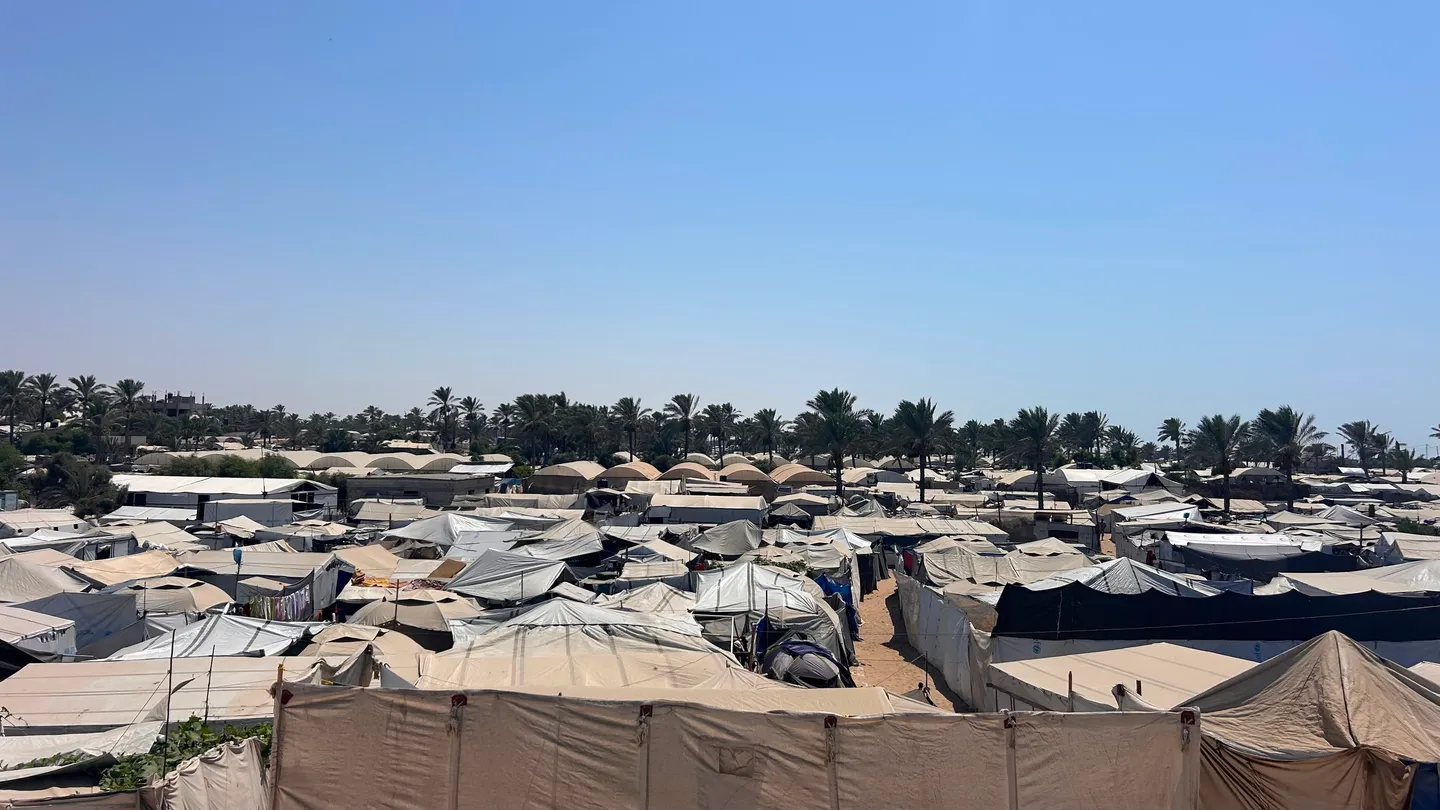
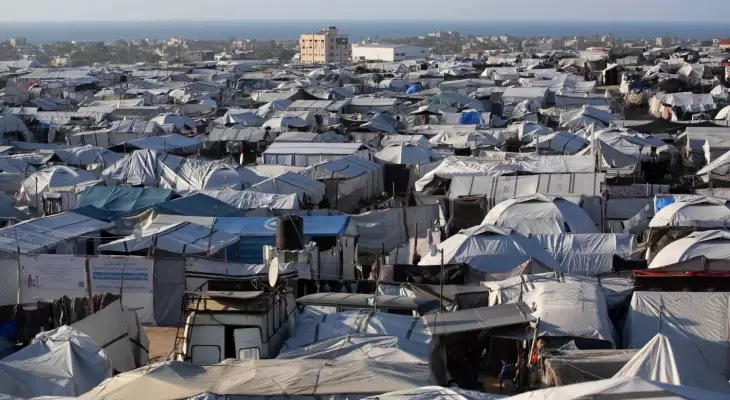
Hanan al-Dali was tidying up her threadbare tent on a humid August weekend when the staccato bursts of gunfire rang out.
She dropped everything to grab her three young children, the oldest just nine years old, and dropped to the ground. By now, it’s become almost routine – everyone flat on the floor, hands over their heads.
Al-Dali, 31, rarely lets her children roam outside the tent, despite the suffocating heat. It’s simply too dangerous.
They live just a hundred meters from the Yellow Line, the boundary that marks the start of Israeli-controlled territory in Gaza.
Despite a supposed ceasefire in October 2025, the violence has never stopped.
As world leaders prepare to gather in New York for the UN General Assembly’s high-level debate on September 22, Gaza will have endured nearly three years of war since October 2023.
Though a ceasefire took effect on 10 October 2025, it’s the latest in a long line of UN-backed decisions Israel has disregarded.
“We could no longer bear the shelter, the crowding, the lack of hygiene, and the disease, so we chose to take the risk near the Yellow Line,” she tells TRT World.
“But I never imagined the risk would be like this. Gunfire reaches us daily, and sometimes we don’t sleep for fear the Israeli army might storm in.”
https://youtube.com/watch?v=oYJLtGCMIxc%3Fenablejsapi%3D1%26origin%3Dhttps%253A%252F%252Fwww.trtworld.com%26widgetid%3D1%26forigin%3Dhttps%253A%252F%252Fwww.trtworld.com%252Farticle%252Feb2eb6c61b74%26aoriginsup%3D1%26gporigin%3Dhttps%253A%252F%252Fwww.trtworld.com%252F%26vf%3D1
Nine months since the so-called truce, Israel’s control over the devastated Palestinian enclave has now grown to over 65 percent, according to a UN body
That’s up from 53 percent when the “Yellow Line” was first drawn.
The October truce, under a 20-point US plan, was endorsed by a Security Council resolution on November 17, 2025. It followed an earlier ceasefire beginning January 19 the same year.
While this second truce reduced the fighting, deadly violence near the frontline has carried on. Gaza’s Ministry of Health said that more than 1,200 Palestinians have been killed since the ceasefire, as of early August 2026.
Al-Dali has had to watch the Yellow Line creep closer, steadily bringing the violence closer to their doorstep.
“We thought it would recede as the army withdrew. But it advanced and got closer to us.
Al-Dali’s husband was wounded in an Israeli strike in May 2025. It left him blind in one eye, unable to speak, and without movement in his right hand.
Most of his days are occupied with seeking whatever treatment he can find in the enclave, which faces catastrophic medical shortages amid Israel’s ongoing blockade.
Still, she hopes the UN’s upcoming session will bring action, not just resolutions, to force Israel “to end the genocide, destruction, and starvation it is inflicting on the people of Gaza”.

Hanan rarely lets her children roam outside the tent, despite the suffocating heat.
Two kilometres away, Osama Ahmad Said, 54, and his family are sheltering in a bombed-out timber shop.
He tells TRT World that he can view his own ruined home only from a distance, since it sits beside the line.
He hauls water from hundreds of metres away, as donors are too afraid to reach the area. Even UNRWA, once a critical aid source, has stopped providing assistance, he said.
Israel has abandoned every commitment, said Said, yet what saddens him most is the UN’s failure to enforce its own resolutions.
“If the UN holds its annual meetings just to produce words, with no enforcement or pressure, then what’s the point?” he asked.
“We have a saying: whoever feels safe from punishment behaves badly. As long as Israel remains beyond accountability, the Palestinian people’s Nakba will go on without end.”
Even so, Palestinians are committed to the UN, he says. “We demand mechanisms to enforce its resolutions, because we believe in peace and justice.”
A pattern of UN resolutions, rarely enforced
In late July 2026, Hamas agreed to a US-brokered 15-point disarmament roadmap. Trump hailed it as a “historic” step toward ending the war. Under the roadmap, Hamas would disarm in stages. Israel would withdraw in parallel, pulling back to the Yellow Line.
But on August 9, Netanyahu rejected the deal outright. Israeli forces, he insisted, would not withdraw until Hamas was “genuinely” disarmed first.
Hamas has said it won’t surrender its weapons until Israel withdraws to the Yellow Line, as the original ceasefire promised.
The deal remains stalled, and people like al-Dali and Said remain trapped in its shadow.
The tragedy unfolding in Gaza goes far beyond a humanitarian crisis, says Hussein Hammad, a Palestinian human rights defender.
It’s “a comprehensive, sustained collapse of the entire system of life, driven by Israel’s effort to turn Gaza into a hostile environment,” Hammad tells TRT World.
He pointed to an unemployment rate of nearly 85 percent, the repeated displacement of roughly two million people, generations of orphans, and the resurgence of diseases like polio amid collapsed sanitation.
Politically, he says, Israel has engineered Gaza into isolated “cantons,” with buffer zones and the Yellow Line blocking movement and cutting off food and water.
All of that comes even as UN bodies repeatedly rule against Israel.
In 2024, the ICJ ordered Israeli forces to fully withdraw. The General Assembly agreed and called for a September 2025 deadline. Israel ignored both.
Security Council resolutions have gone unenforced due to the US veto, and a UN commission concluded in September 2025 that Israel had committed genocide, which Israel denies.
Hammad calls the UN’s failure to enforce resolutions “a fatal marriage of structural flaws and international political complicity.”

UNRWA has long been a backbone of Palestinian survival, but it is now under pressure as Israel seeks to limit its capacity to respond.
The General Assembly “passes resolutions by sweeping majorities, but these are non-binding,” he says, while the Security Council “is completely hijacked by the US veto.”
The UN has reached a historic level of impotence, he said, unable to even protect its own staff – 397 have been killed during the war. Israel meanwhile declared the UN Secretary-General a persona non grata.
“The world’s largest organisation has turned into little more than a narrator of tragedies,” Hammad adds.
Former UNRWA spokesperson Sami Mshasha tells TRT World the problem isn’t a lack of resolutions but that “enforcement remains hostage to the will of member states”.
The General Assembly lacks an executive body to compel parties, he says, while Security Council action under Chapter VII can be politically blocked from within.
Gaza laid bare the consequences of such a compromised structure, says Mshasha.
The Council passed Resolution 2728 in March 2024, demanding a Ramadan ceasefire, then Resolution 2735 in June, endorsing a three-phase truce. “Yet neither was implemented in time.”
A UN committee report, he points out, found the Council’s failure wasn’t due to reluctance to invoke Chapter VII, since it was applied in Iraq and Libya.
That exposes “clear political selectivity.” What happened, he says, is “not simply a ‘UN failure’ but the failure of an international system whose enforcement mechanisms collided with political power.”
“It’s a credibility crisis, not a competence crisis,” Mshasha adds.
Gaza’s last lifeline
UNRWA has long been a backbone of Palestinian survival, stepping in to secure healthcare, food, and water sanitation. It’s now buckling under similar pressures, as Israel seeks to gut the humanitarian agency and limit its ability to respond.
In 2024, Israel’s Knesset designated the agency a terrorist organisation and passed laws to ban its activities.
Israel also convinced 16 donor states – including the US, Germany, the UK, Canada, and Japan to withdraw funding– pausing $450 million in aid.
Hammad describes UNRWA’s situation as “a reflection of an Israeli political decision to liquidate the refugee cause by destroying their agency.” It’s been reduced to “a mere relief organisation in maximum-emergency mode”.
RelatedTRT World – Most Gaza oxygen stations forced out of service over Israel’s total blockade
Even on a reduced budget, the UNRWA has tried to keep up its work.
“It is inaccurate to say UNRWA now has no role in Gaza, and equally inaccurate to say it operates as before the war,” Mshasha says.
Per its latest report, UNRWA runs six health centres and 61 mobile teams, providing 70,000 weekly consultations and delivering water to over 860,000 people daily.
Yet, according to Mshasha, direct food aid – which once reached 1.9 million people – collapsed once UNRWA exhausted its stockpile and was barred from entering Gaza directly, since March 2025.
In 2026, UNRWA faced a $100 million deficit, with just 44 percent of its budget funded.
Mshasha calls that proof that donors have abandoned their commitments, even as needs multiplied.
A weaker UNRWA could leave a vacuum nothing else could fill, said Mshasha, given its 11,500 staff and network built over decades, a concern the Colonna Commission also raised.
“This reality makes UNRWA exceptional,” he says, “because it treats the Palestinian as a refugee with legal rights registered since 1949, the year following the Nakba.
That is why Palestinians still see in its card their last proof of identity and rights, despite all its administrative flaws.”
(This article is published by TRT World in collaboration with Egab)
marwan
CROSSFIREARABIA – Israeli Prime Minister Benjamin Netanyahu has been ordered not to expand his self-styled “Yellow Line” further into the west of Gaza. The order came as he met with US envoy Jared Kushner, Monday, according to the Israeli media. Israel public broadcaster, Kan, reported that Israeli troops in Gaza were given a formal order not to move the line westward according to the wishes of US president Donald Trump. Kushner met with Netanyahu in presence of the Board of Peace Director Nickolay Mladenov according to Anadolu.