1000s of Palestinians Wait at Netzarim to Cross Into North Gaza

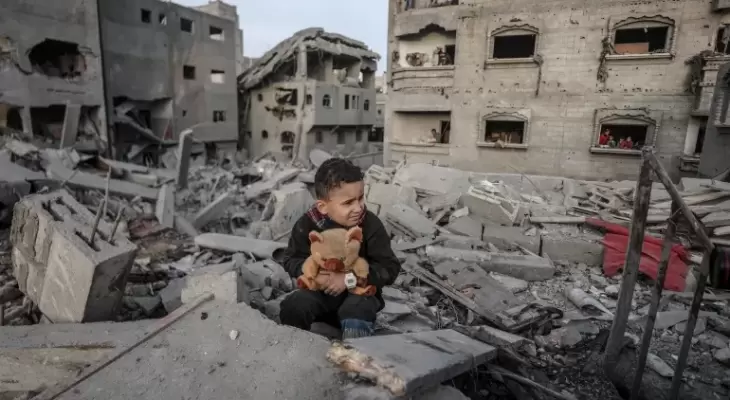
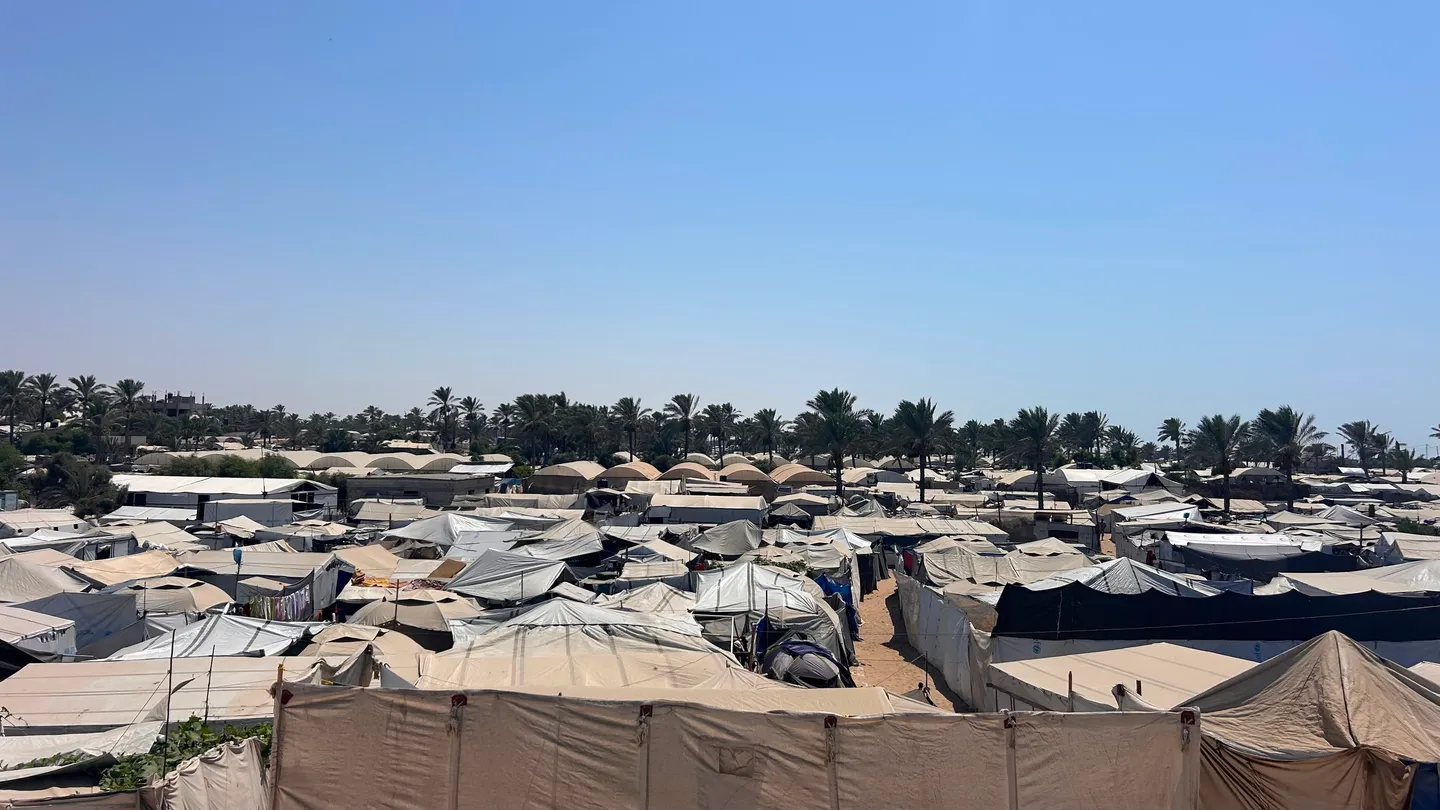
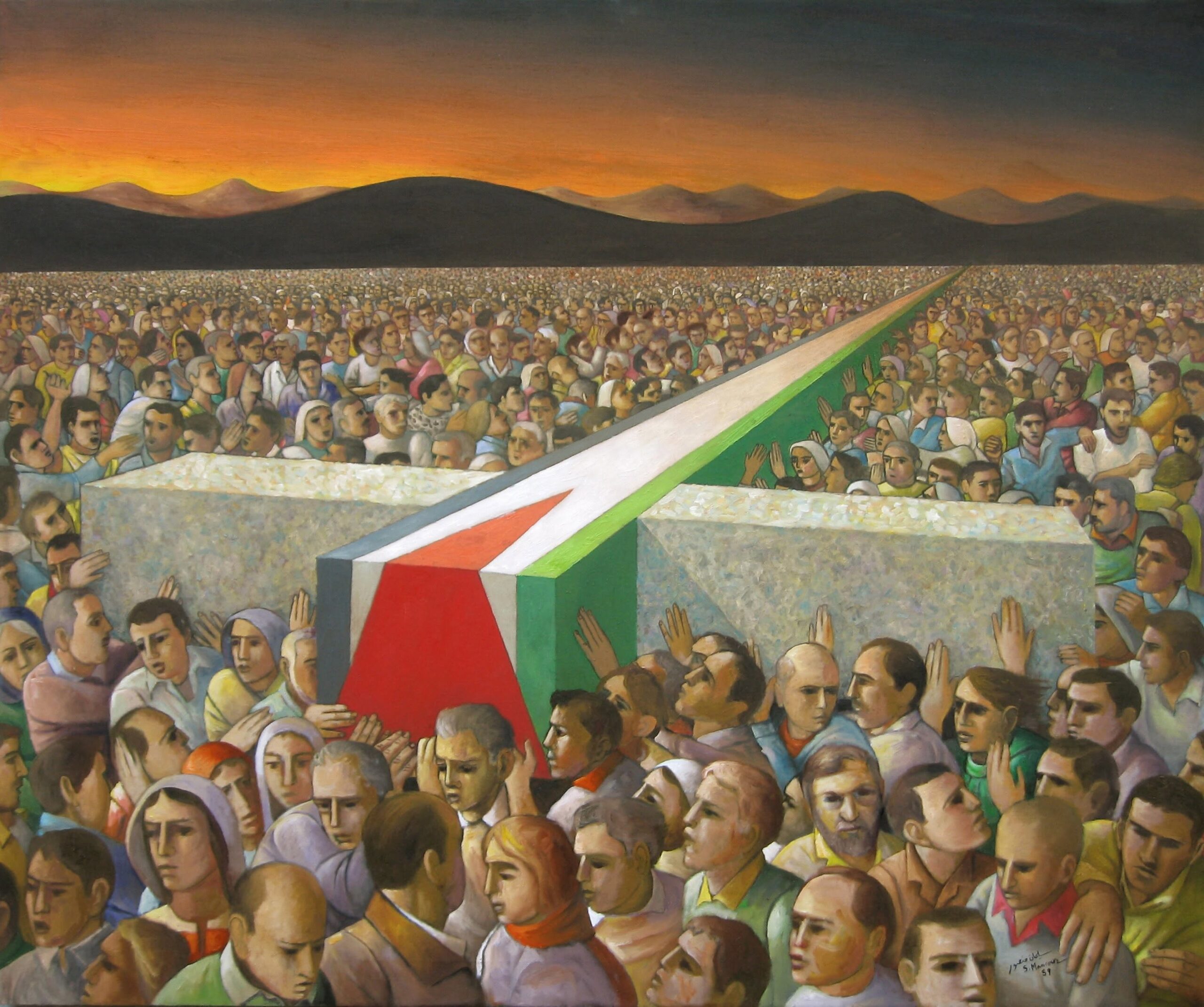
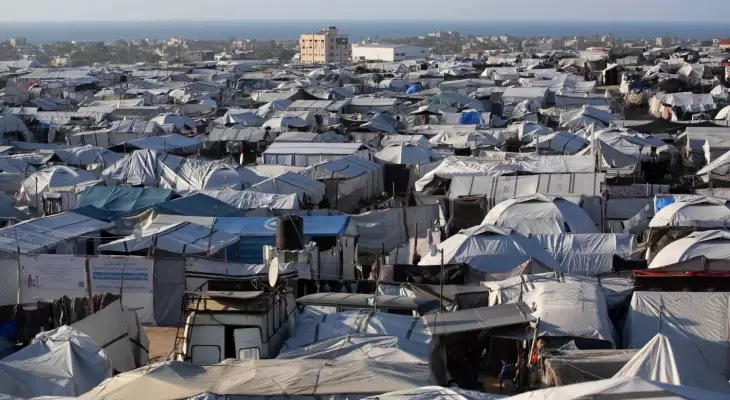
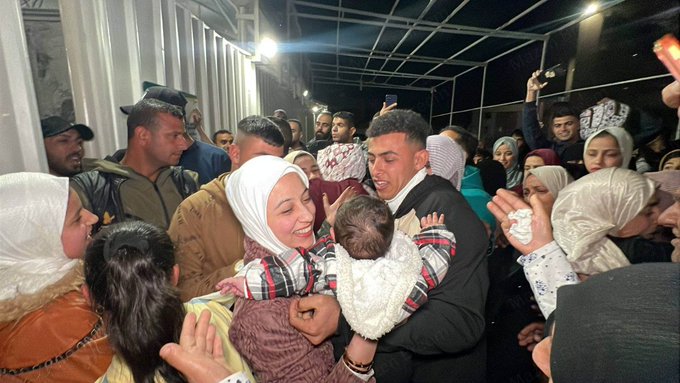
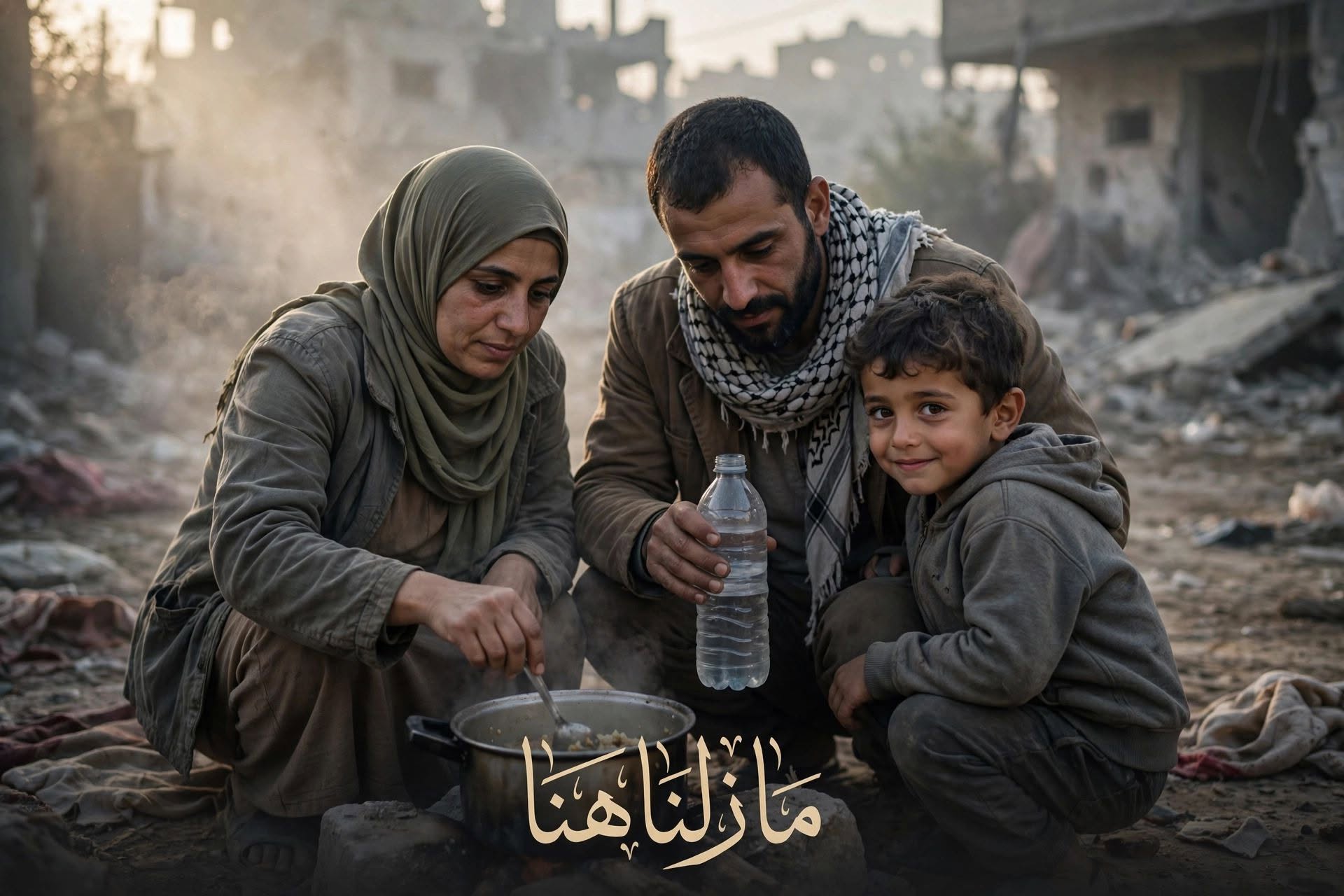
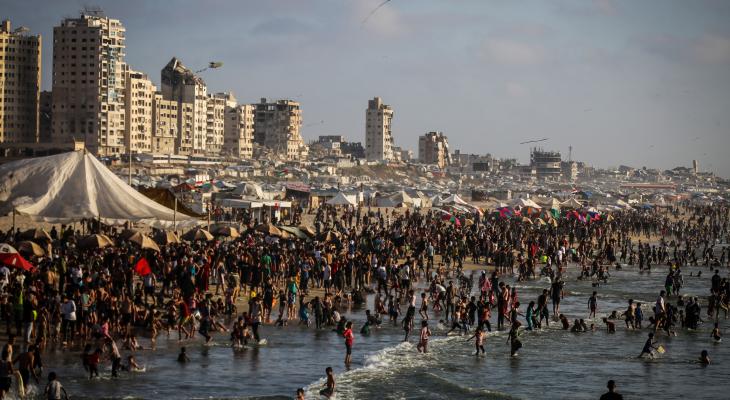
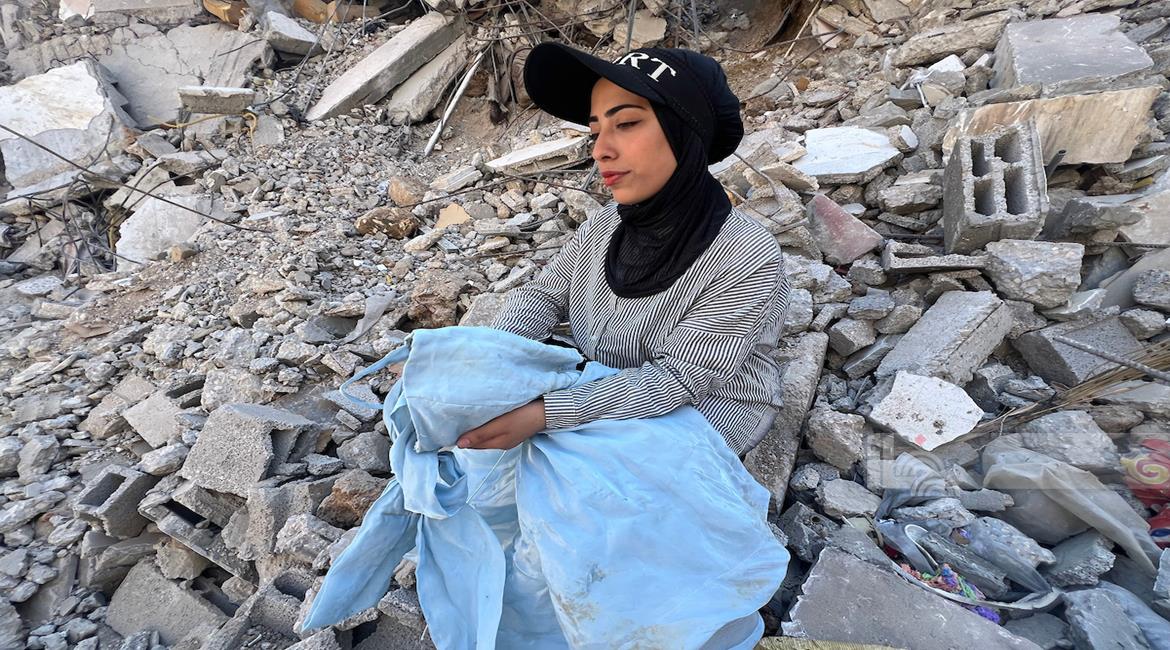
Thousands of displaced Palestinians have been gathering at the closest point to the Netzarim Corridor in central Gaza since Saturday, spending the entire night on the streets as they await a permit from the Israeli occupation to return to their homes in northern Gaza.

Women, children, and elderly people have been lining up along Al-Rashid Street (west), waiting for the Israeli military to permit them to begin streaming into northern Gaza. Meanwhile, vehicles filled with residents and their belongings are also waiting on Salah al-Din Street (east), where they will undergo searches before being allowed to cross into the northern areas.

The movement was expected to resume after Hamas handed over four Israeli soldiers as part of the ceasefire agreement on Saturday.

According to the agreement, the Israeli army is required to withdraw completely from west of the Netzarim axis, including the coastal Al-Rashid Street, to Salah al-Din Street in the east.

Under the deal, Israeli forces must dismantle military positions in the Netzarim area. Once completed, Palestinians would regain freedom of movement between Gaza’s north and south. Hamas sources confirmed this and said displaced Palestinians would be allowed to return to their homes unarmed. Humanitarian aid would also move freely via Al-Rashid Street.

Earlier on Saturday, Hamas said that Israel is delaying the ceasefire terms. In a statement, Hamas said, “The occupation continues to stall in implementing the ceasefire and prisoner exchange agreement by keeping Al-Rashid Street closed and blocking displaced civilians from returning north.”

Hamas warned Israel against further delays, holding it accountable for any disruptions to the agreement.

The ceasefire, which began on January 19, is set to last 42 days in its first phase. Egypt, Qatar, and the United States brokered the agreement.

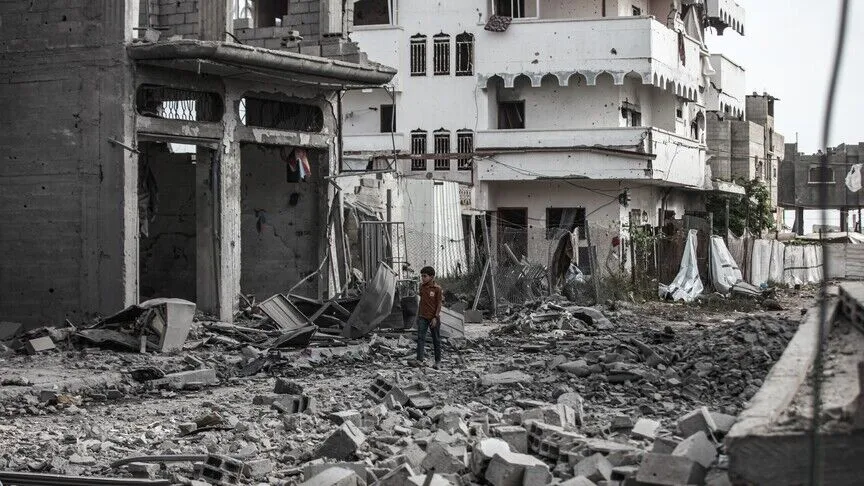
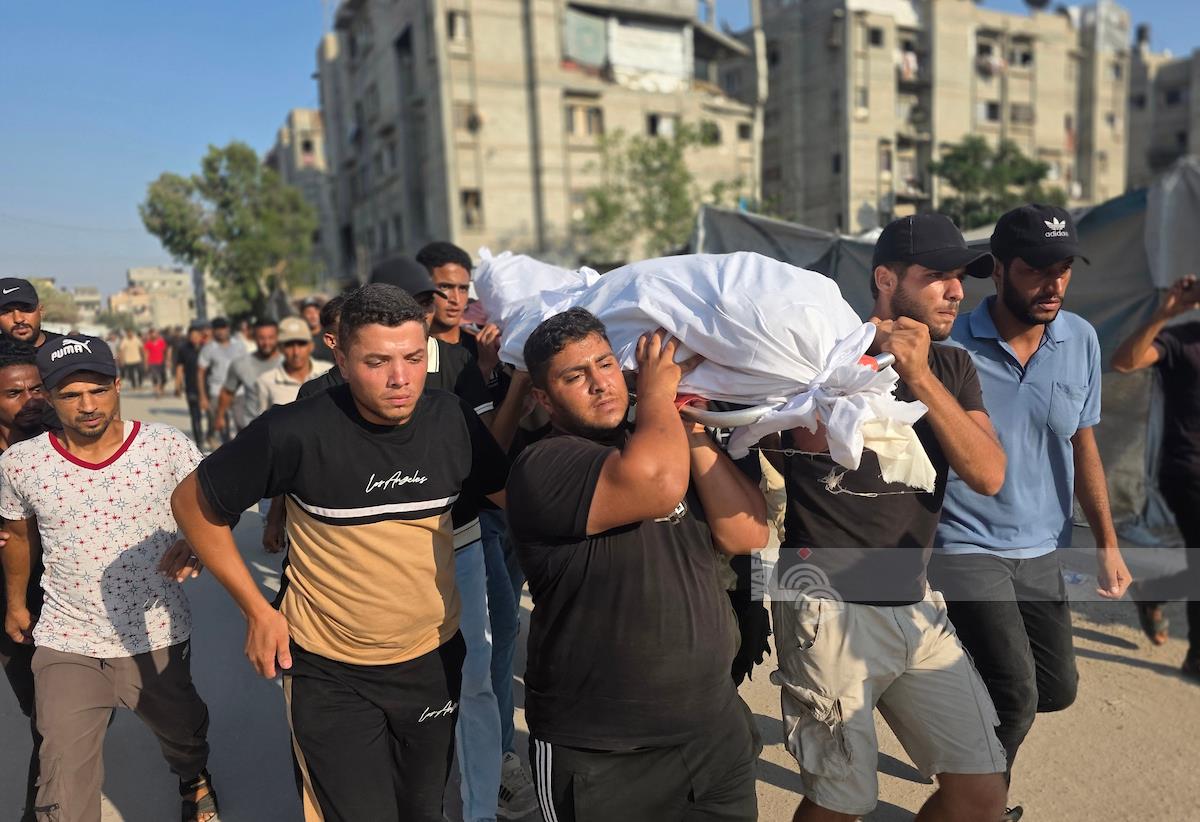
From October 7, 2023, to January 19, 2025, Israel’s genocide in Gaza caused catastrophic losses. Over 158,000 Palestinians, mostly women and children, were killed or injured. More than 14,000 remain missing, making this one of the world’s worst humanitarian disasters according to the Quds News Network.

Continue reading

BREAKING: A Lebanese woman was just shot dead by Israeli occupation forces while trying to return to her village of Kafr Kela in southern Lebanon, according to local sources.

Continue reading
Israeli Female Soldiers Say They Were Disguised as Palestinian Women

The Israeli Kan Channel revealed new details about the last four Israeli female prisoners who were released by the Qassam Brigades, the Hamas military wing, Saturday. They said they were with a female prisoner who is still held by the Islamist organization.

The Kan Channel said the female prisoners said that in the first days of their captivity, there was an older man with them, who took care of them and provided them with food.

The same source added Hamas members moved the female prisoners from one place to another, disguised as Palestinian women, noting that the female prisoners learned to speak Arabic in captivity.

The Qassam Brigades released the four Israeli female soldiers, Saturday, as part of a second exchange batch within the first phase of the ceasefire agreement in Gaza.

The ceremony of handing over the four Israeli female prisoners took place in Palestine Square in Gaza City, amid a notable military presence from the Palestinian resistance factions, especially the Qassam Brigades and the Al-Quds Brigades. The Qassam Brigades broadcasted pictures of the handover of the Israeli female soldiers.

The four released are Karina Arif, Danielle Gilboa, Naama Levy, and Liri Elbag, according to the list published by the Qassam Brigades on Friday according to JO24.

Continue reading
Trump Proposes Relocating Gazans to Jordan, Egypt

US President Donald Trump, Saturday, proposed relocating Palestinians from Gaza to neighboring countries like Egypt and Jordan. This is an unusual proposal that was opposed by the former administration of Joe Biden.
Speaking to reporters aboard Air Force One towards Miami, the president said he raised the matter during a telephone call with King Abdullah II of Jordan, and he might talk with Egyptian President Abdel-Fattah al-Sisi on Sunday.

“I said to him (Jordan’s king) that I’d love you to take on more because I’m looking at the whole Gaza Strip right now and it’s a mess, it’s a real mess,” said Trump. “I’d like him (Jordan’s king) to take people”.

“I’d like Egypt to take people. I’m talking to Gen. Al Sisi tomorrow sometime I believe. I’d like Egypt to take people. And I’d like Jordan to take people,” Trump continued.

“You’re talking about a million and a half people, and we just clean out that whole thing. You know over the centuries it’s had many, many conflicts. And I don’t know, something has to happen,” he added.

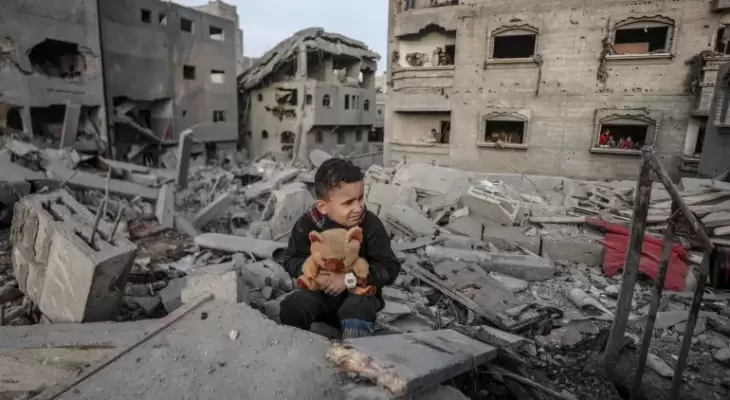
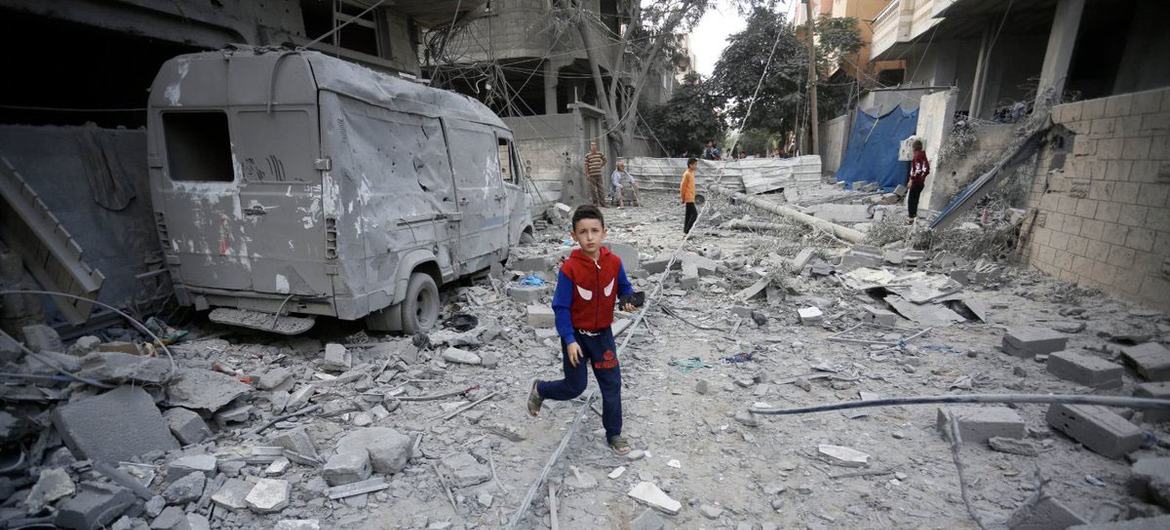
Describing Gaza as “a demolition site,” the US president said: “Almost everything is demolished and people are dying there. So l’d rather get involved with some of the Arab nations and build housing at a different location where they can maybe live in peace for a change.”

He added that the move “could be temporary or could be long-term.”

The Biden administration opposed relocating Gaza residents outside the enclave, advocating a return of Gazans to their homes in the aftermath of a potential peace and a two-state solution.

Israel’s genocidal war has killed more than 47,000 Palestinians, most of them women and children, and injured over 111,000 since Oct. 7, 2023.

Since Jan. 19, a ceasefire is in place to bring respite to civilians in the Palestinian enclave, but Trump said last week he is not confident that the truce will hold.

“It’s not our war. It’s their war. I think they are very weakened on the other side,” Trump told reporters in the Oval Office. “I looked at a picture of Gaza. Gaza is like a massive demolition site. That place is. … It’s really got to be rebuilt in a different way,” he said.

“Gaza is interesting. It’s a phenomenal location on the sea, best weather, you know, everything’s good. It’s like some beautiful things could be done with it, but it’s very interesting, but some fantastic things could be done with Gaza,” Trump added according to Anadolu.

Continue reading
Profile: Meet ‘Prince of Shadows’ Abdullah Barghouti

Nicknamed “the Prince of Shadows” Abdullah Barghouti is the Palestinian political prisoner with the most number of life sentences ever given to a single detainee.

A former leader of the Hamas’ al-Qassam brigade’s armed wing, in the West Bank, he now appears to be on the verge of release in the Hamas-Israel prisoner exchange. 

Born in Kuwait in 1972, Abdullah Barghouti grew up outside of occupied Palestine, despite his family having originated from the village of Beit Rima, located near Ramallah. Barghouti attended school, up until high school in Kuwait.

Upon the eruption of the first Intifada in the occupied Palestinian territories, in 1987, Barghouti recounted in his memoir that the uprising had inspired him to seek revenge against the occupiers, especially after Israeli forces murdered one of his cousins and youngest uncle. “Simply put, they threw stones at the Zionist occupation forces that were wreaking havoc, so they were shot and martyred” he stated.

During the first Gulf War (1990-1991), Abdullah Barghouti was reportedly arrested for around a month after being accused of participating in the fight against US forces, later being released after the war. Prior to this, Barghouti had decided to pursue the combat sport of Judo and was trained by a man named Munir Samik who was also Palestinian.

Samik once asked Barghouti: “Aren’t you Palestinian? Don’t you want to liberate your country? If you use it against all those who occupied your homeland, there in Palestine, use what you learned here.” Inspired to make himself physically strong and capable of fighting Israel, he then began training in the use of firearms and explosives in the Kuwaiti desert. During the war, Barghouti’s family was forced to flee to Jordan.

When he traveled to live in Amman, Jordan, he would finish high school there but due to his family being too poor to afford University, so he would borrow money from a relative in order to open up a mechanic shop, continuing to practice Judo as a hobby. However, he wasn’t able to earn enough money to keep his business afloat and pay back his relatives and decided to move abroad in order to pursue higher education instead. 

A friend of Barghouti had recommended he apply for a visa program to travel to South Korea, which ended up leading him there in pursuit of an education. When he arrived, he had no money and little but the clothes on his back.

Barghouti walked from the airport to a location that was supposed to help him secure an education; his journey would take three days during which he went without eating. He recalled that he drank water from public parks until reaching the address he had been given, finding out that it was a wood-cutting factory. 

So, without any money or prospects, he ended up working at the factory for 45 days without having money to buy food, eating only from what the factory would supply him.

In 1991, after a few months in the wood-cutting factory, he moved to work in a mechanical factory and studied in parallel with his work at an engineering institute, specializing in electromechanics. This was also the time during which he would meet his wife, who was of Korean origin.

However, his passion for seeking the liberation of Palestine through armed struggle would not perish while he lived in South Korea, as he would routinely go deep into the forest and practice making improvised explosive devices and refining his craft. In 1998 he would then return to Amman with his wife, before deciding to divorce her due to his desire to have children.

Around this time he started becoming more religious, moved to Jerusalem and then the West Bank, married a Palestinian wife, and settled down in his family’s village of Beit Rima. He later had two daughters, Safaa and Tala, and a son called Osama.

It just so happened that in 2001, Beit Rima would be the first area in the West Bank that would experience a full-scale military invasion during the Second Intifada. Israeli forces deployed tanks, attack helicopters, and a huge military force to the village.

Abdullah Barghouti joined the Qassam Brigades in 2001, seeking out his cousin Bilal Barghouti in order to share his expertise in bomb-making.

After his cousin, who is currently serving 16 life sentences in Israeli military prison, witnessed how skilled he was at engineering explosives, he told his superiors in the Hamas military wing and Abdullah Barghouti would begin military training in the Nablus area, going on to become a commander of the Qassam Brigades in the West Bank.

This entire time, almost nobody close to him knew of his secret ambition to seek revenge against Israel and his bomb-making skills. He would later go on to participate in the manufacturing of explosives that killed 66 Israelis and injured over 500.

When he was eventually tracked down in 2003 and arrested by the Israeli occupation forces, he was interrogated and tortured for over five months, before being handed 67 life sentences, amounting to 5,200 years in prison. In later interviews recorded with Barghouti from inside an Israeli prison, he would confidently state that one day interviewers would come to meet him while he sits inside a hot tub in Ramallah.

If he is to be released during the upcoming Hamas-Israel prisoner exchange, it is likely that Israel will request his deportation outside of occupied Palestine. It is speculated that Barghouti could be useful to Hamas in developing its influence in the armed struggle inside the West Bank, which is currently dominated by Palestinian Islamic Jihad (PIJ) and Fatah-aligned fighters.

(The Palestine Chronicle)

– Robert Inlakesh is a journalist, writer, and documentary filmmaker. He focuses on the Middle East, specializing in Palestine. He contributed this article to The Palestine Chronicle.

Continue reading