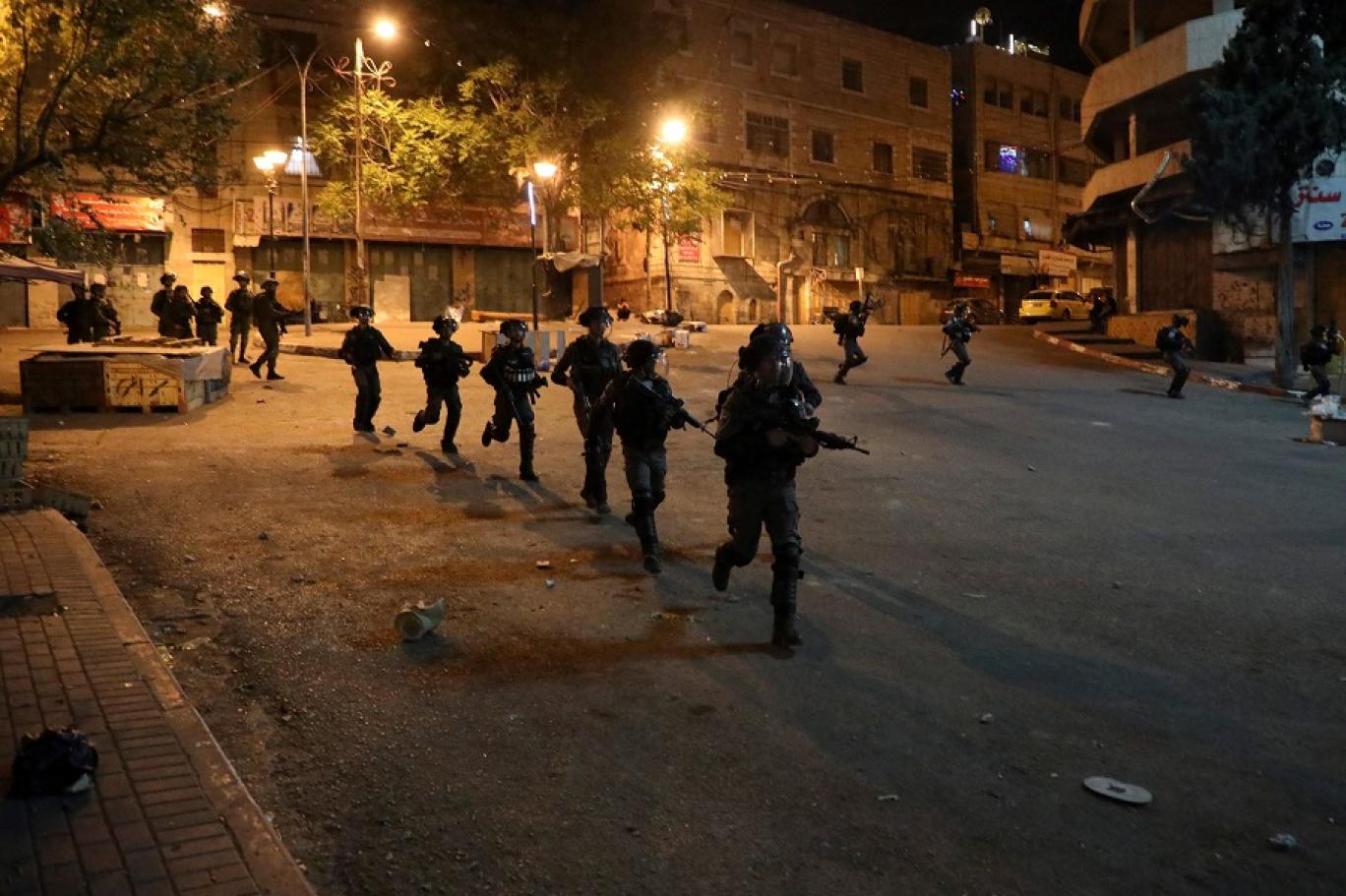
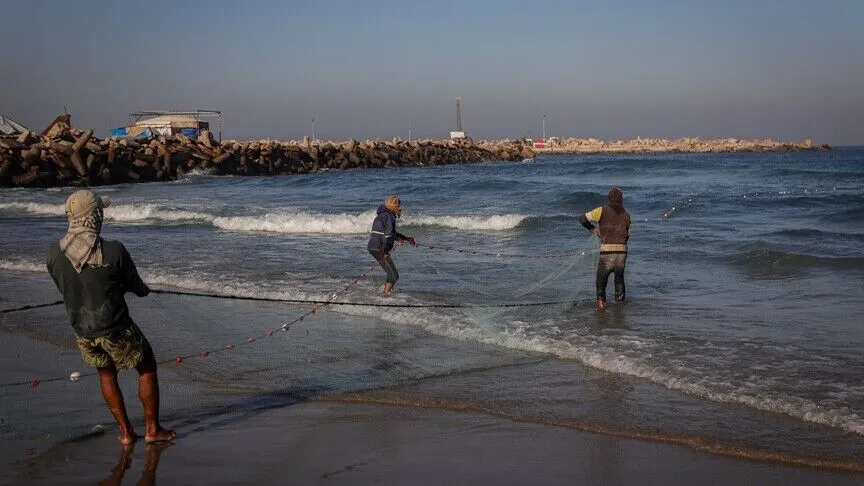
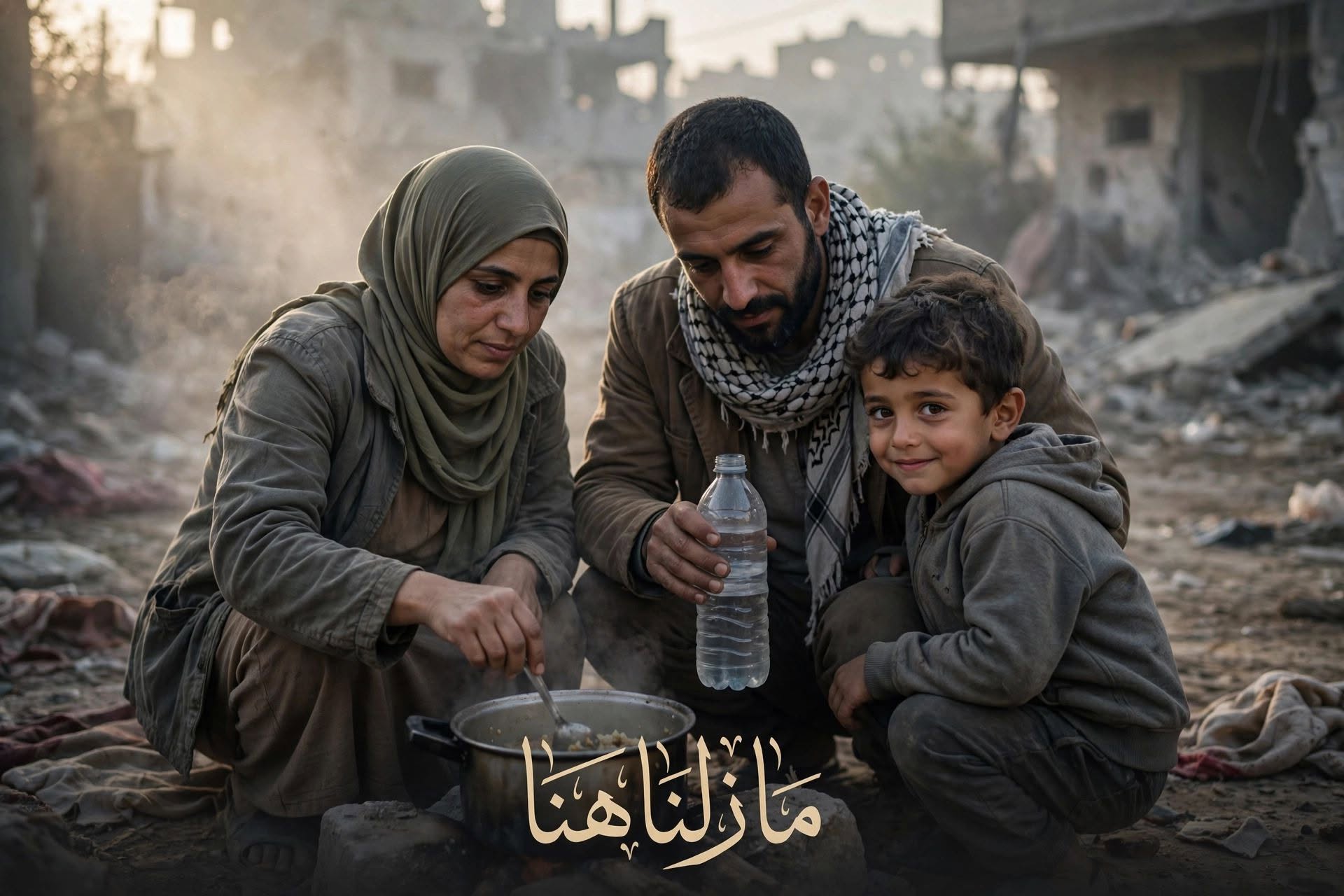
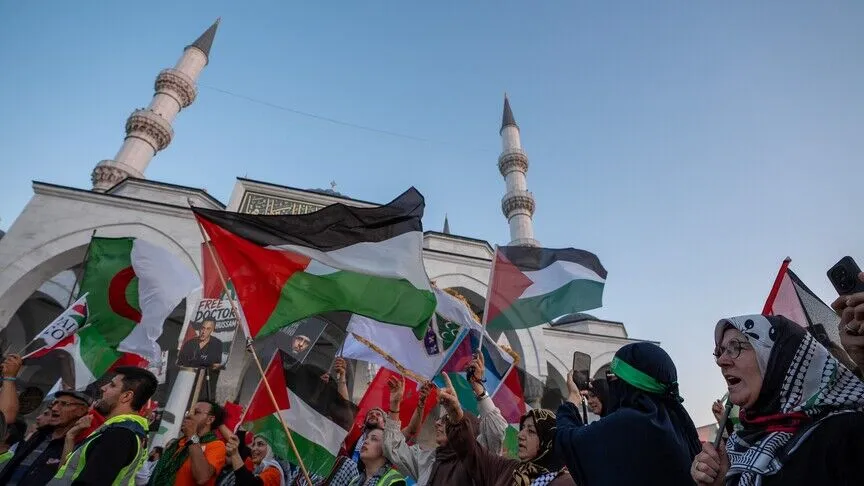
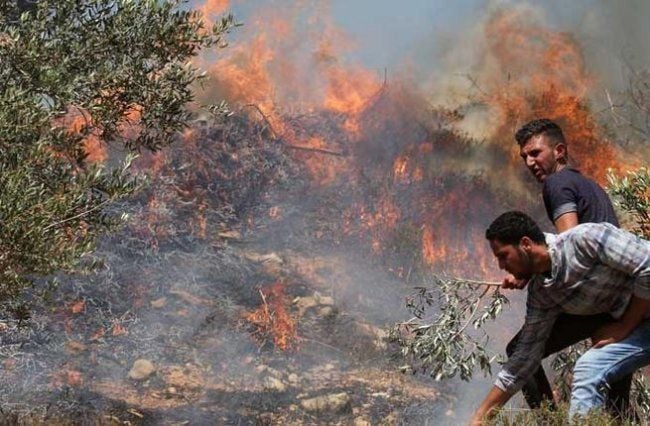
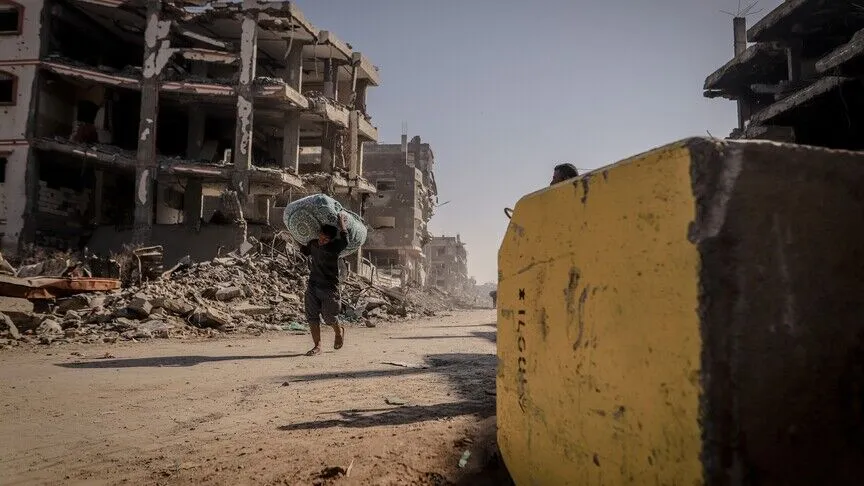
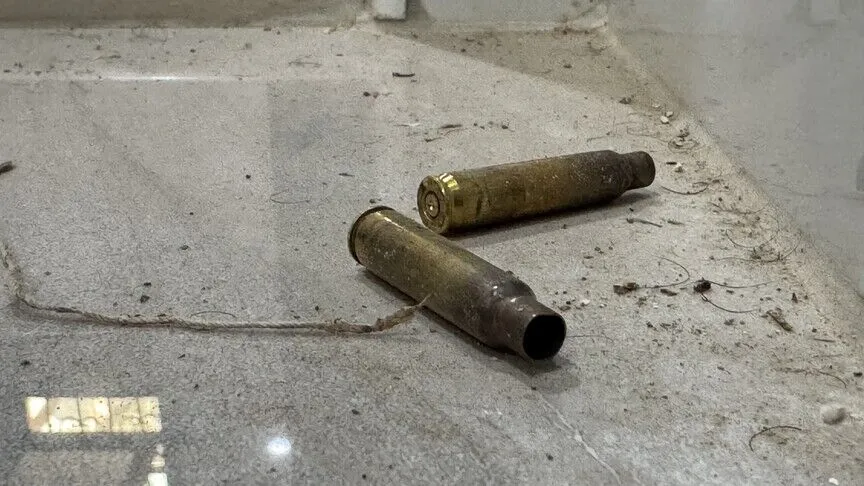
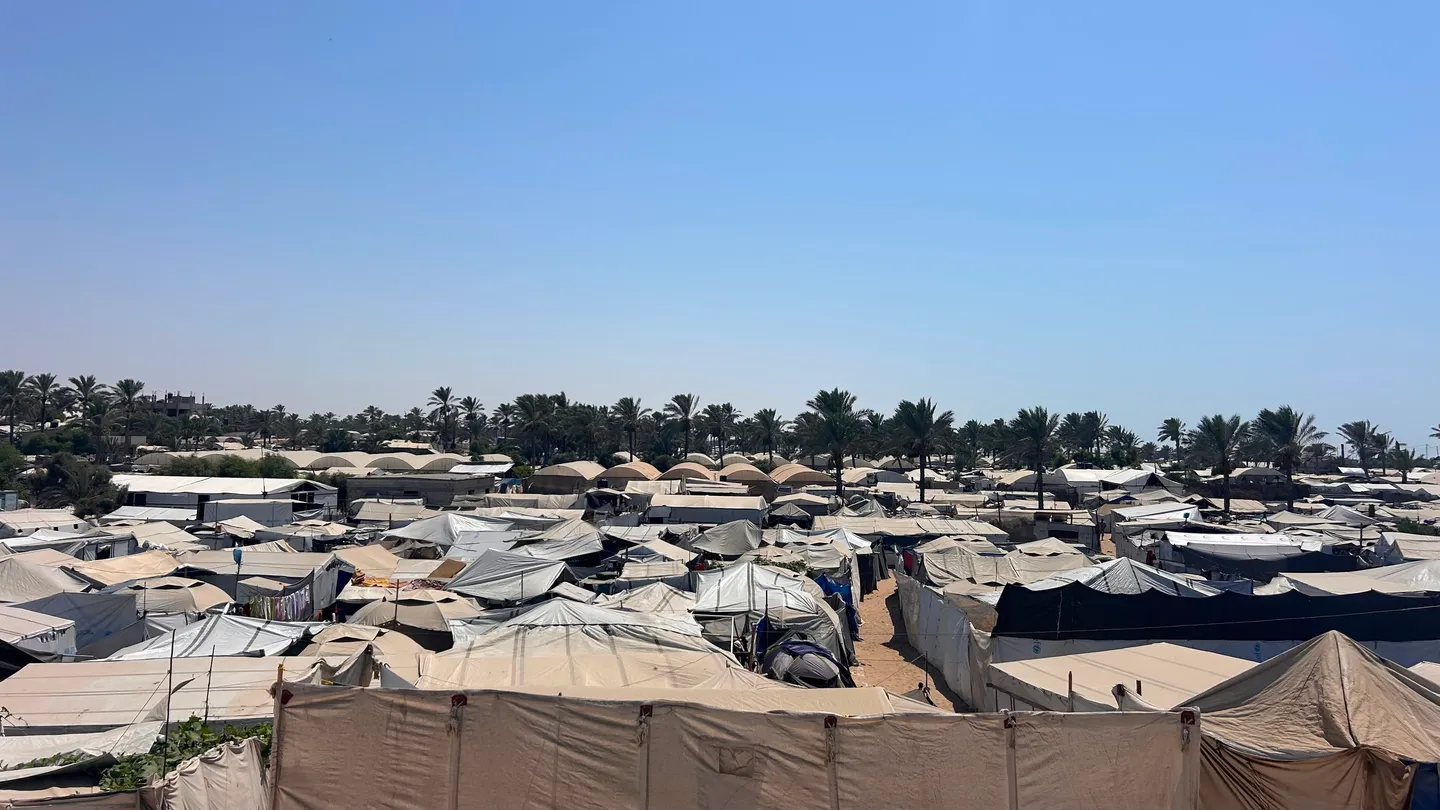
 In The Line of Fire: Gaza Families Fear The ‘Yellow Line’
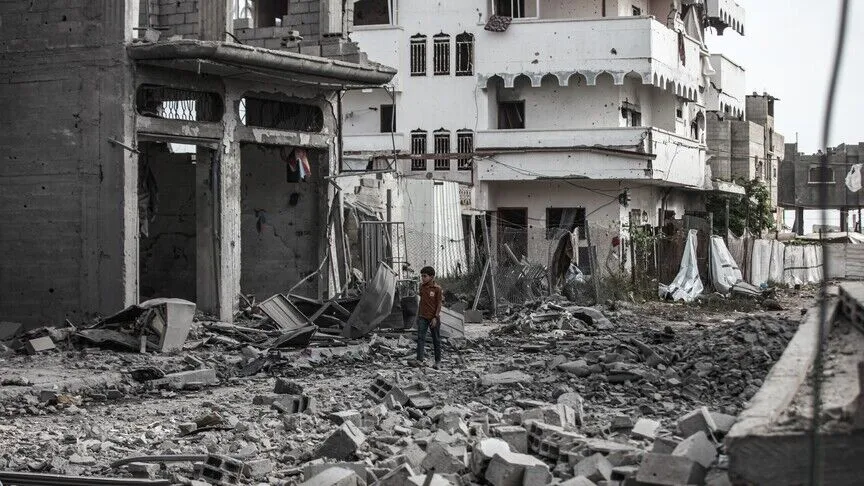 Kushner Tells Netanyahu Not to Move ‘Westwards’ in Gaza
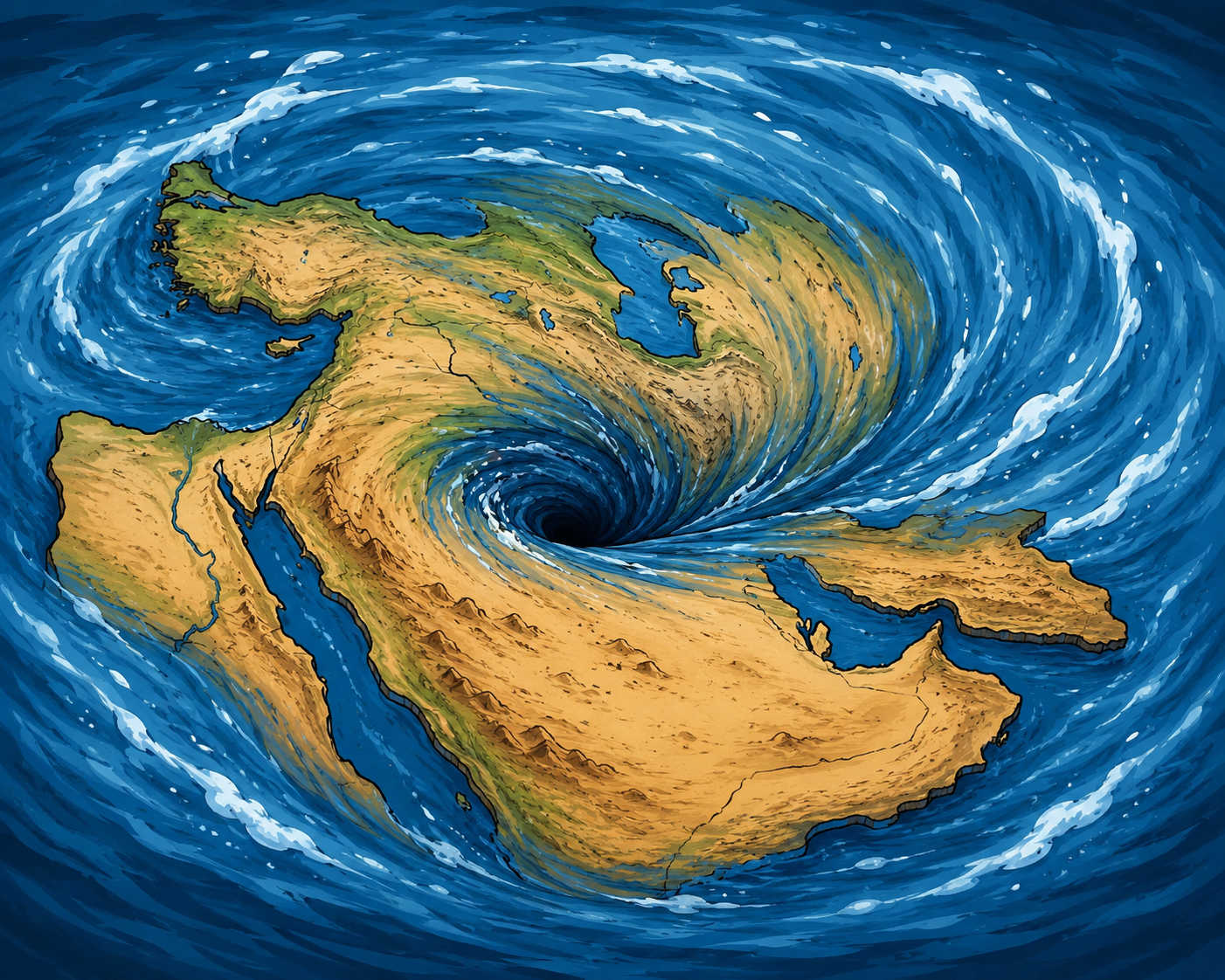 A Middle East Whirlpool! View From Amman
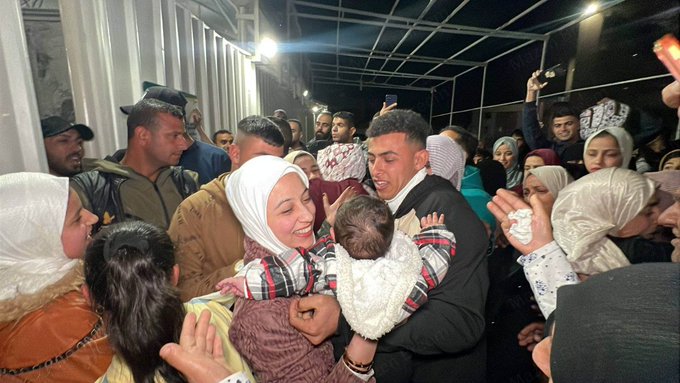
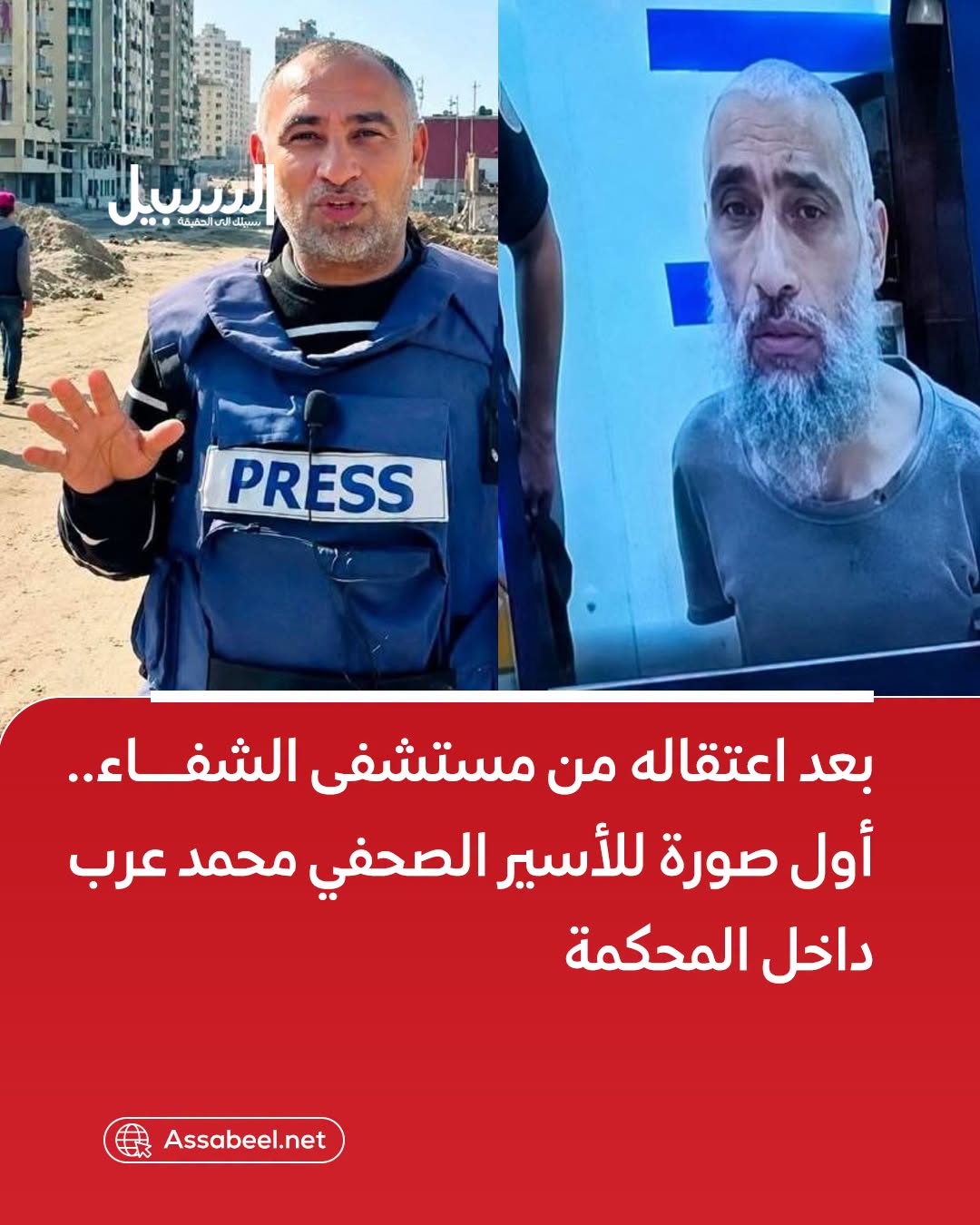 Prisoner Mohammad Arab Hadn’t Seen His Face in 2 Years!
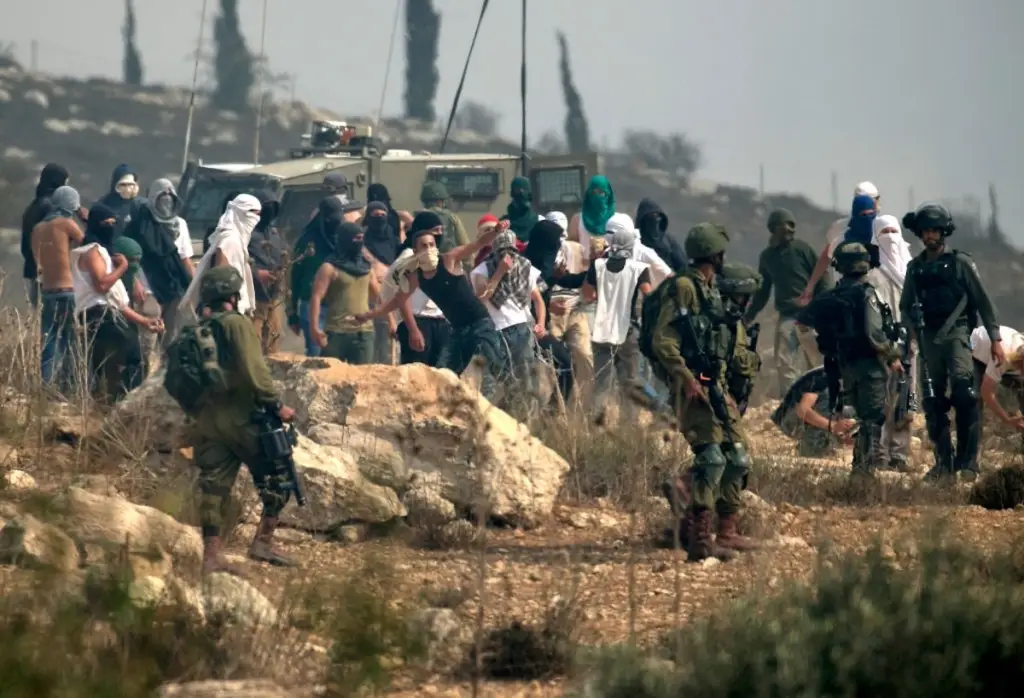
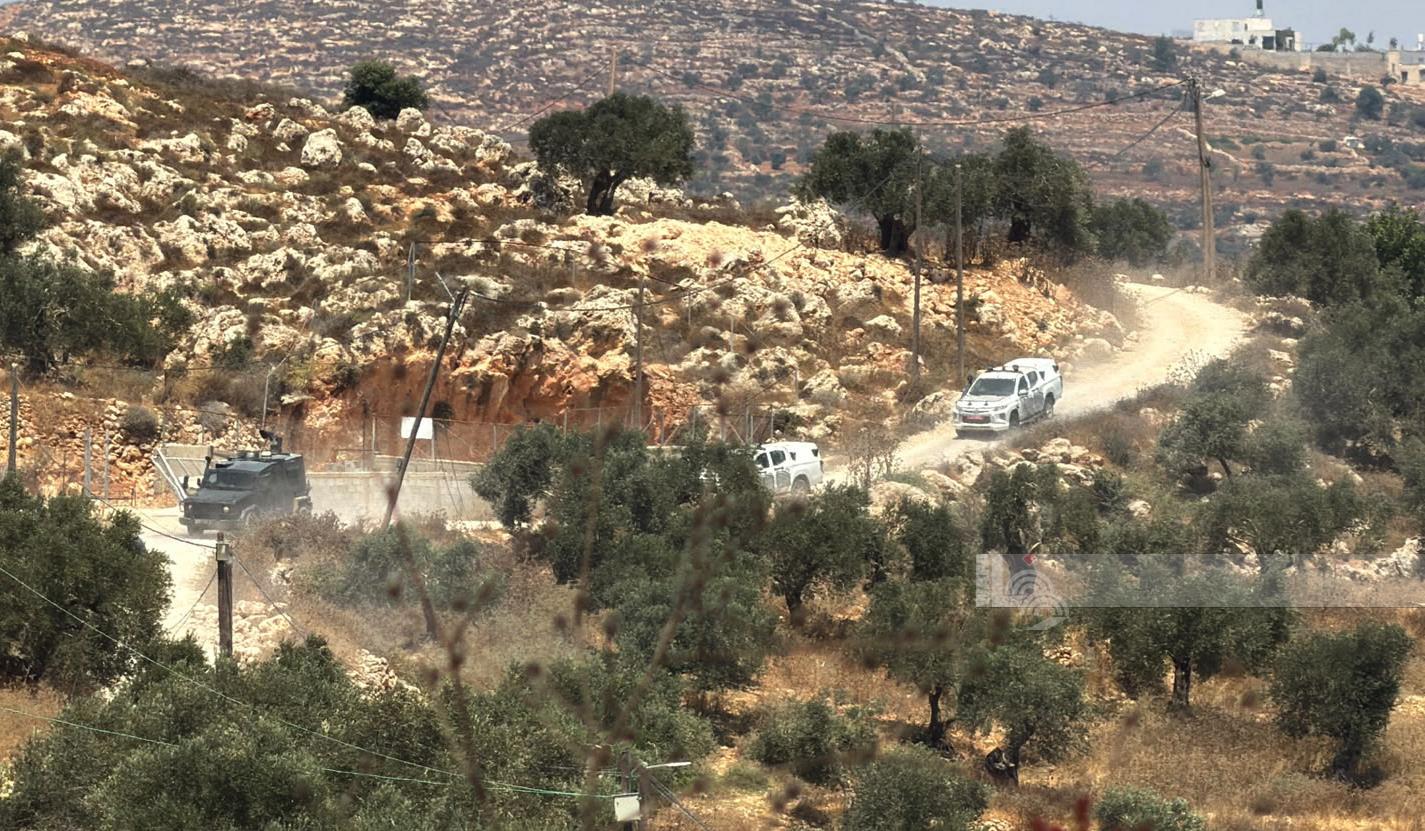 UN: 3000 Settler Attacks on West Bank Palestinians Since 2025
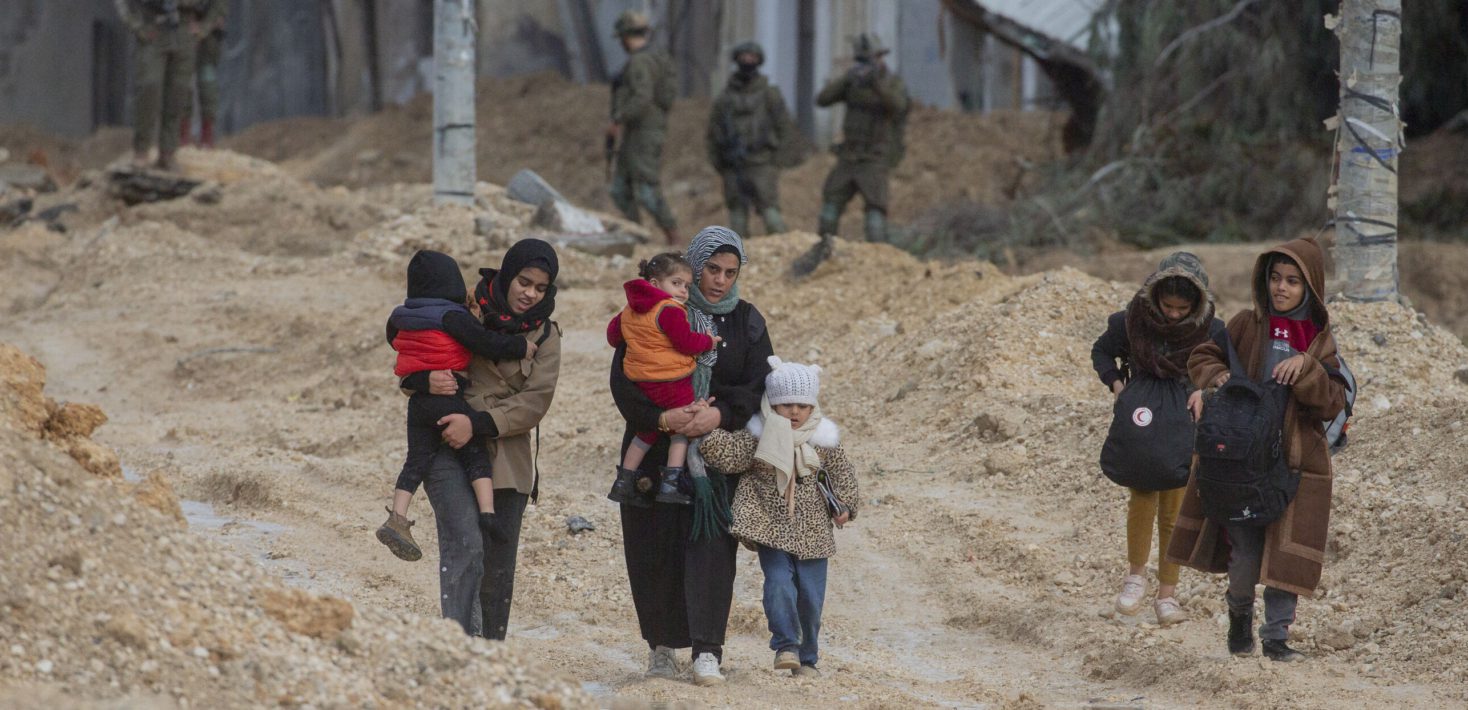
In The Line of Fire: Gaza Families Fear The ‘Yellow Line’
marwan
- August 17, 2026
 marwan
 Saleem Ayoub Qunamarwan
 CrossFireArabiaCrossFireArabiaCrossFireArabiaCrossFireArabiamarwanCrossFireArabiaCrossFireArabiamarwanCrossFireArabia
 HebaCrossFireArabiamarwanCrossFireArabiamarwanHebaCrossFireArabiamarwanmarwanHebaCrossFireArabiamarwanmarwanCrossFireArabiamarwanHebaCrossFireArabiaCrossFireArabiaCrossFireArabiaHebamarwanCrossFireArabiamarwanHebaCrossFireArabiaHebamarwanmarwanCrossFireArabiamarwanmarwanmarwanmarwanmarwanmarwanmarwanmarwanmarwanCrossFireArabiaCrossFireArabiamarwanmarwanCrossFireArabiaCrossFireArabiamarwanCrossFireArabiamarwanHebaHebamarwanmarwanCrossFireArabiamarwanmarwanmarwanmarwanCrossFireArabiaCrossFireArabiamarwanmarwanmarwanCrossFireArabiamarwan
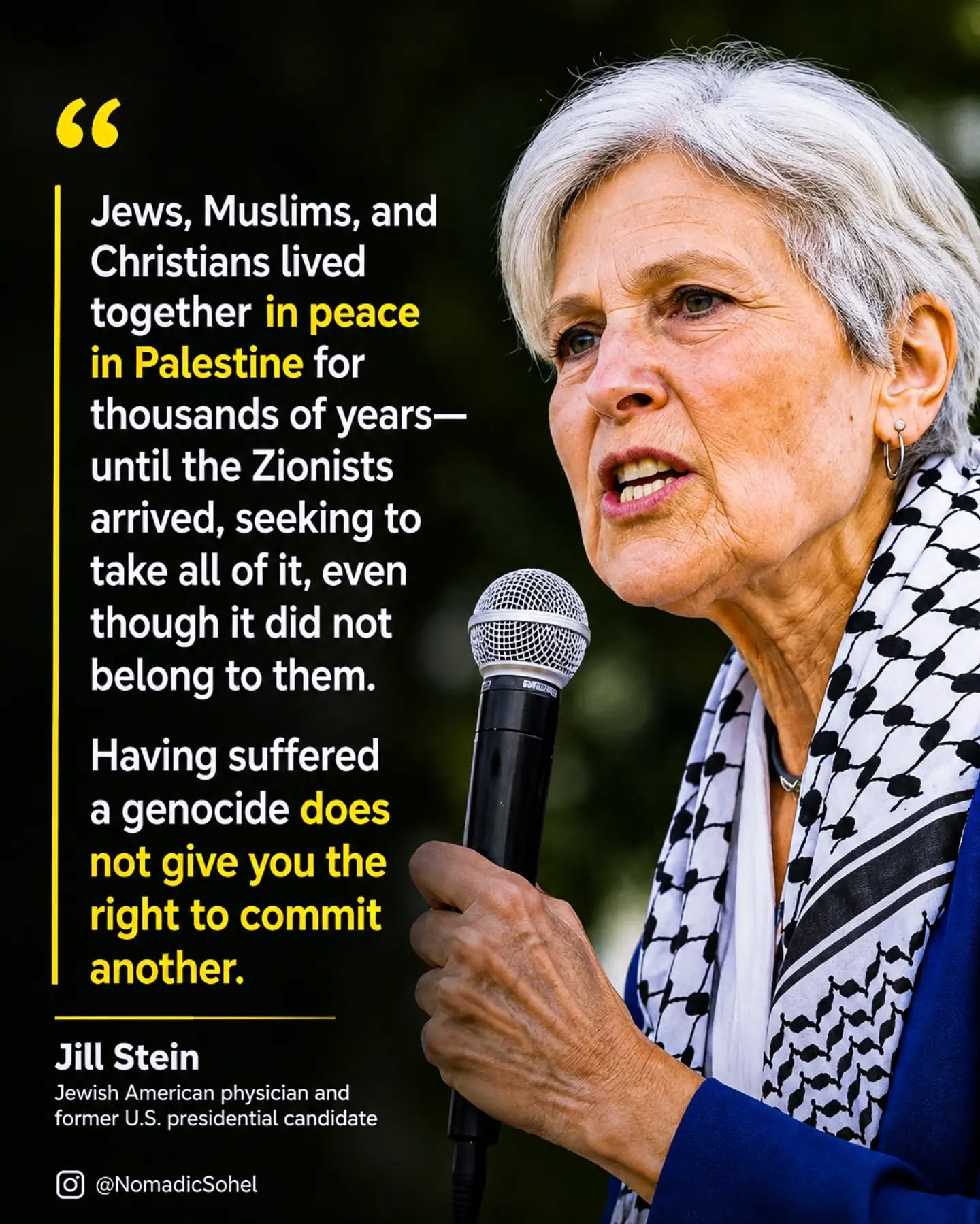
Jill Stein is an American physician, environmental activist, and politician. She is known for advocating human rights, peace, environmental protection, and healthcare reform.
marwan
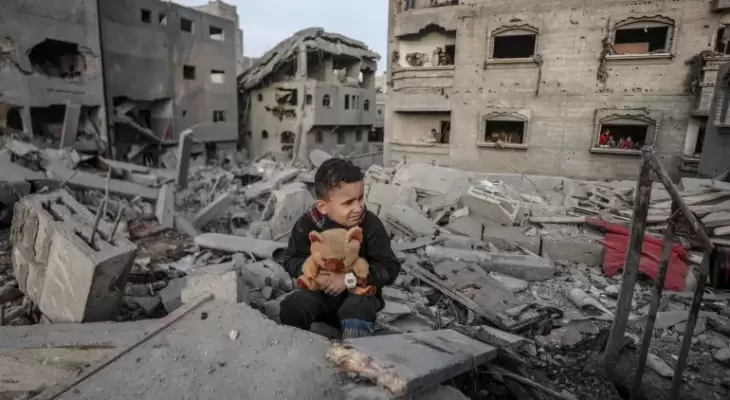
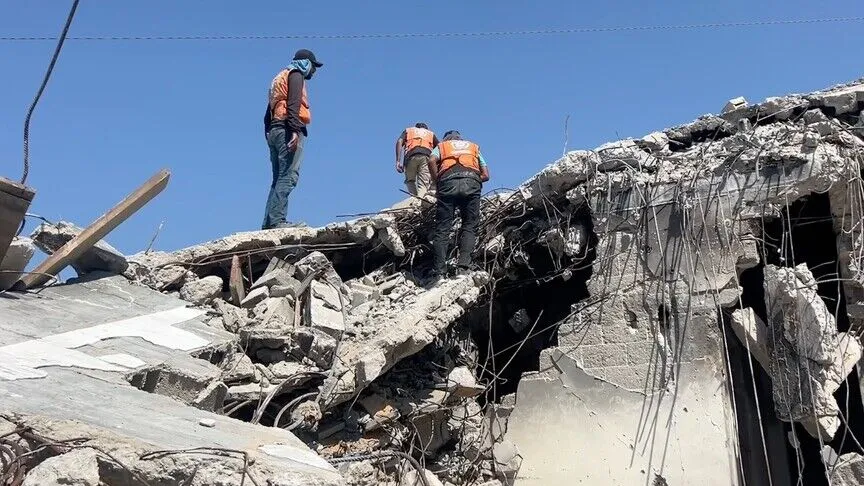
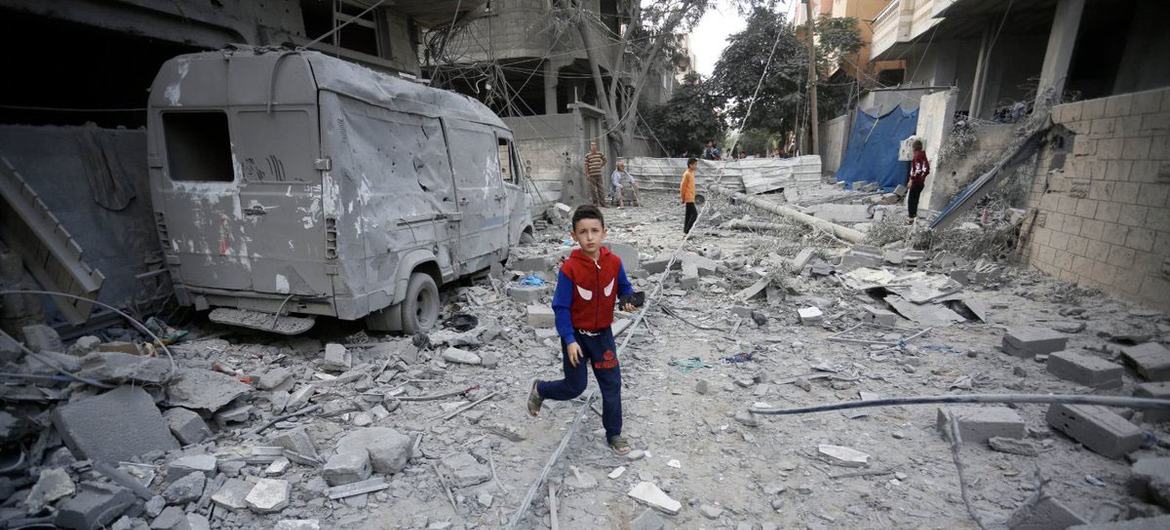
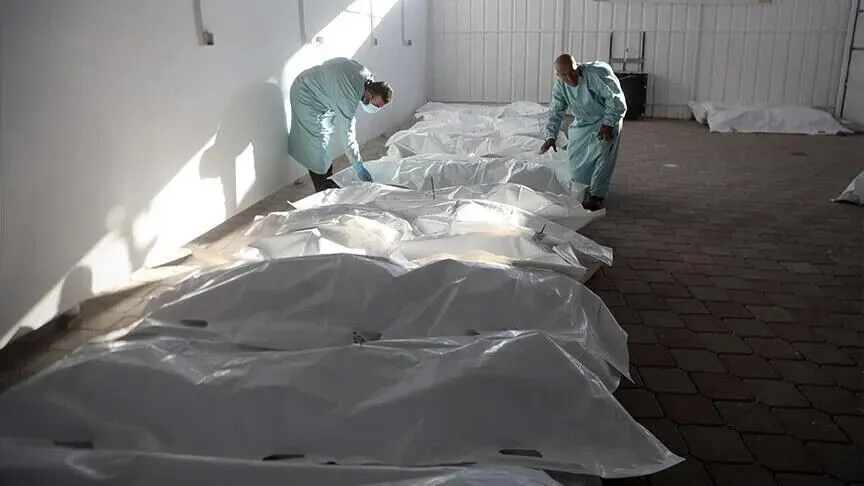
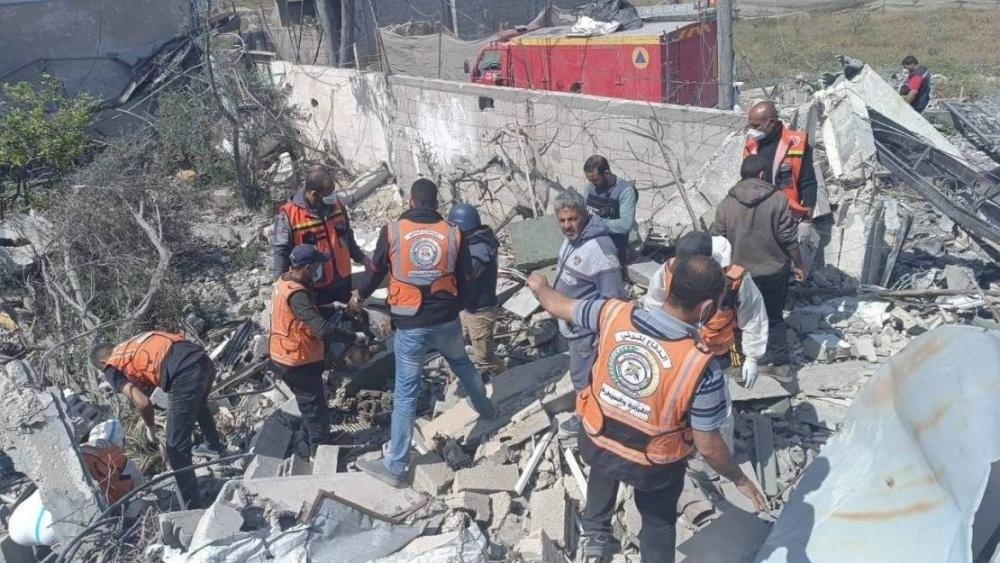
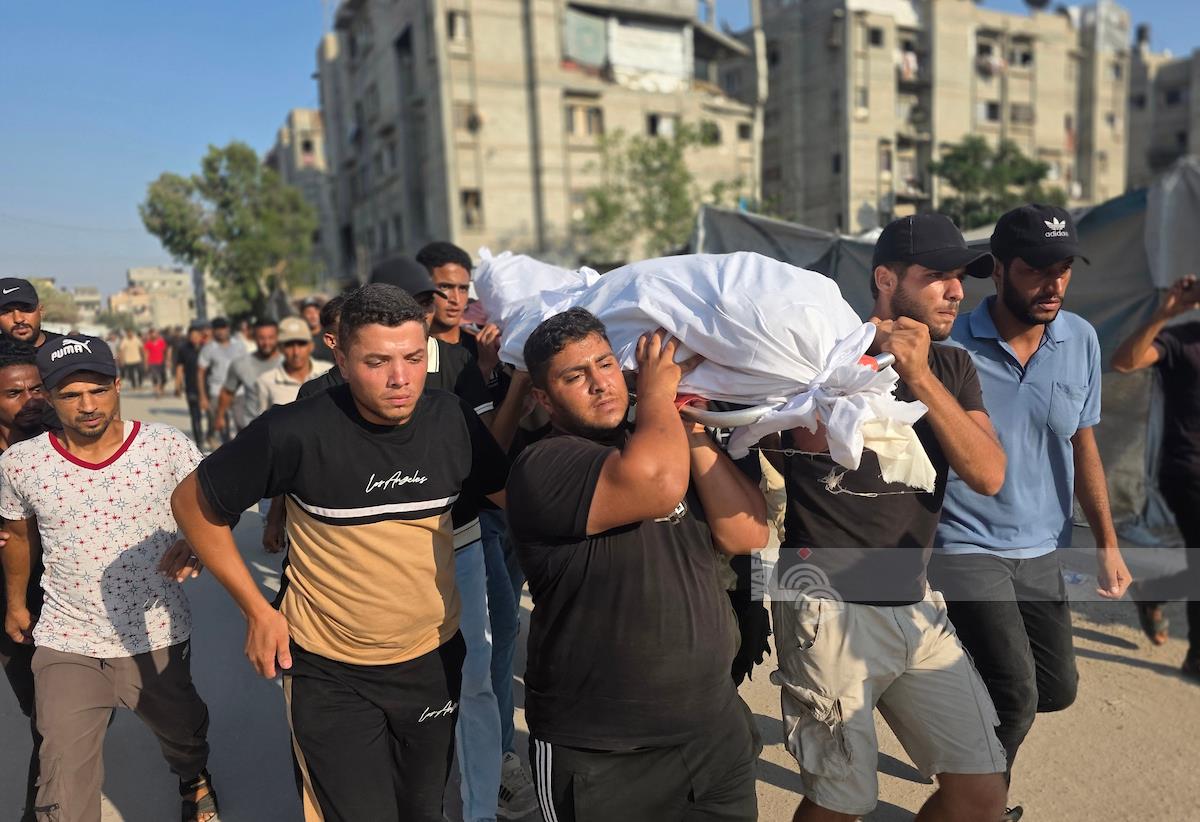
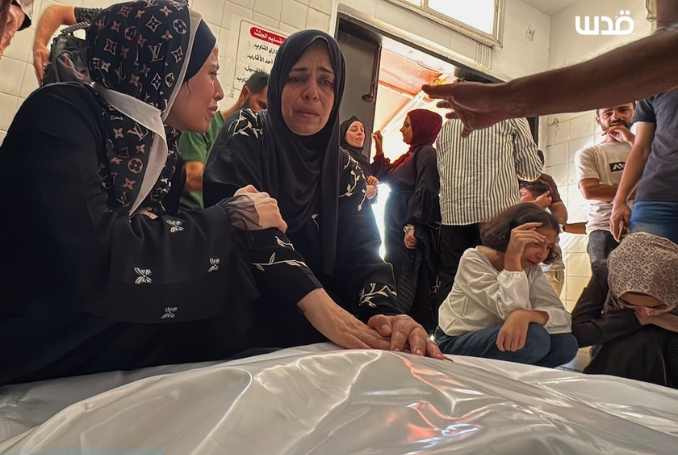
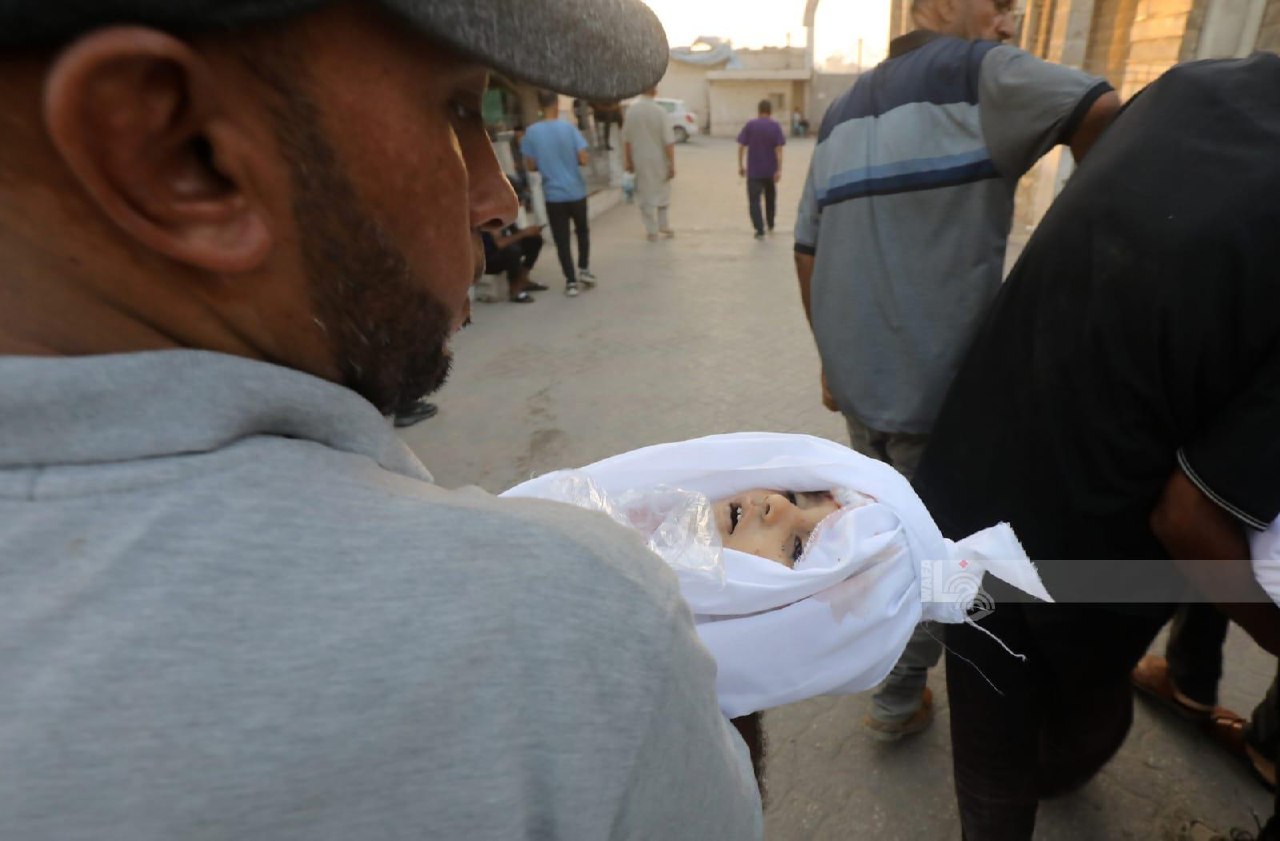
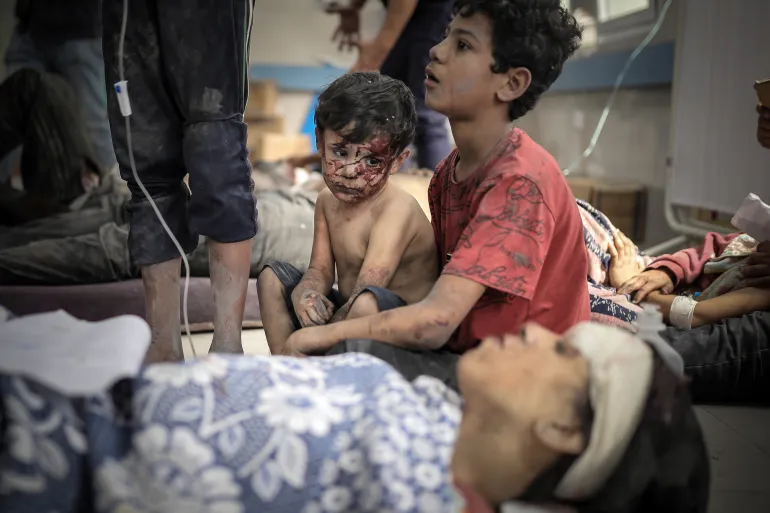
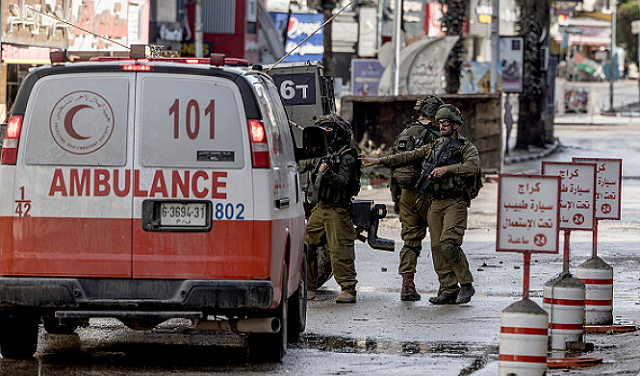
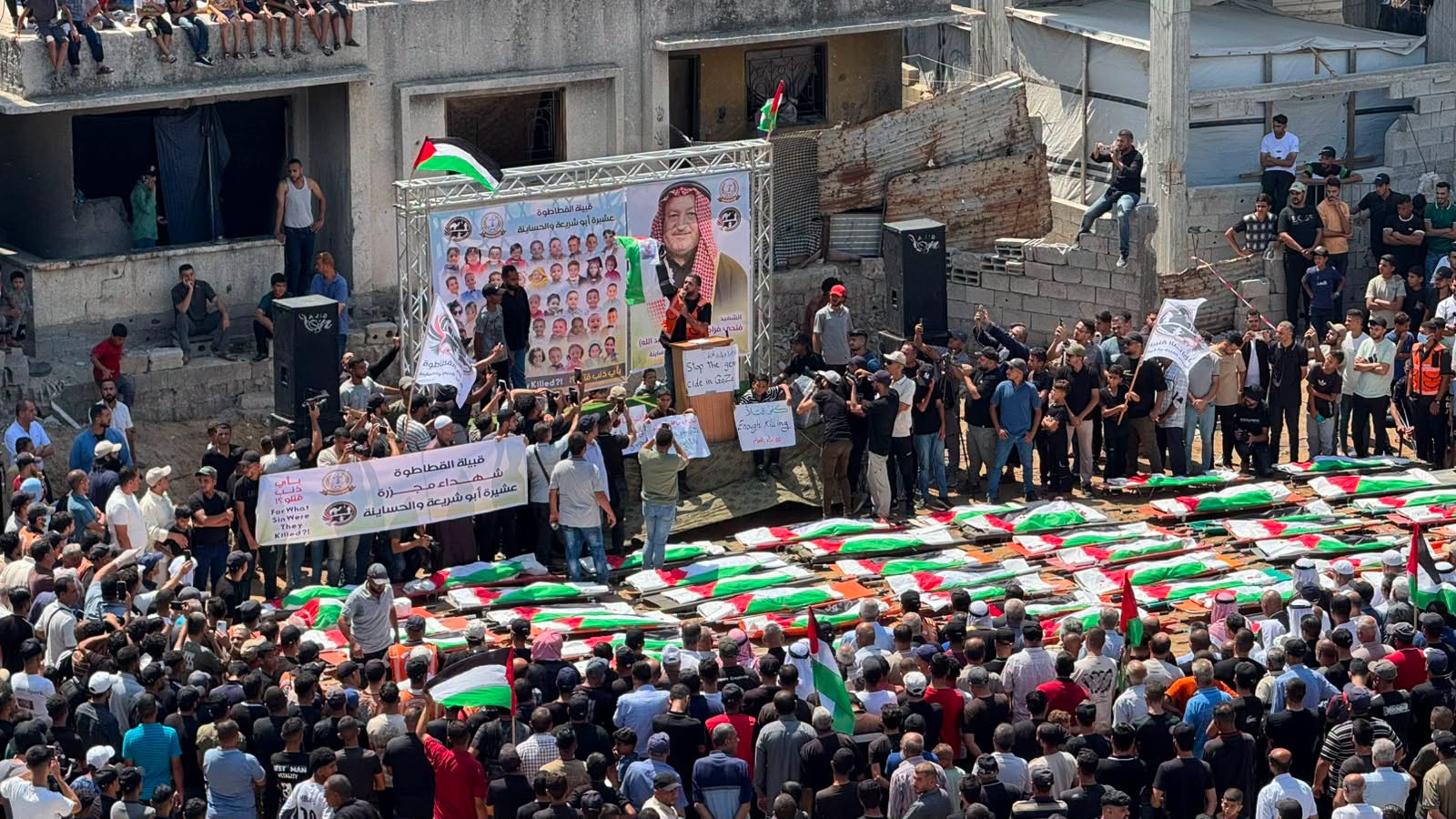
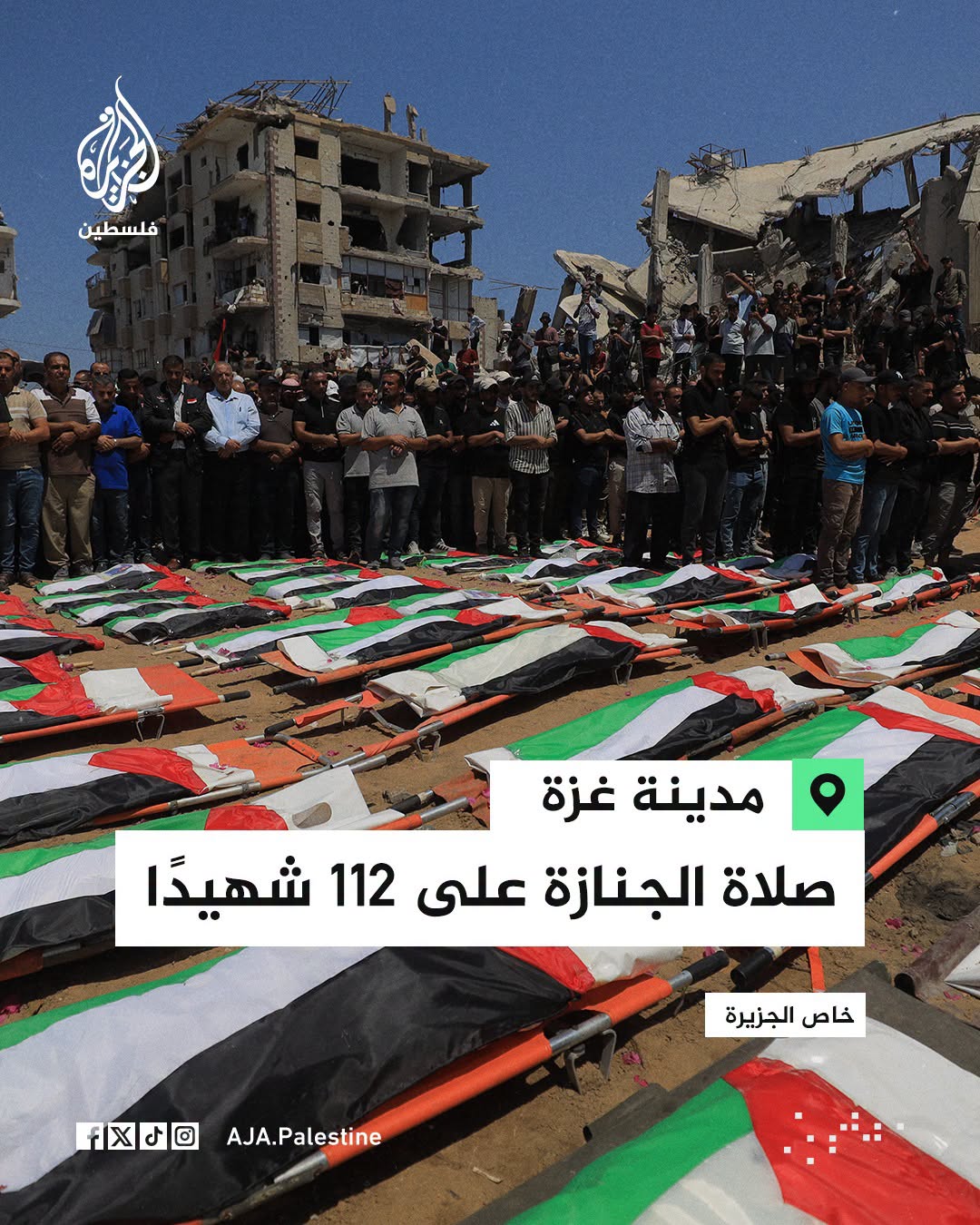
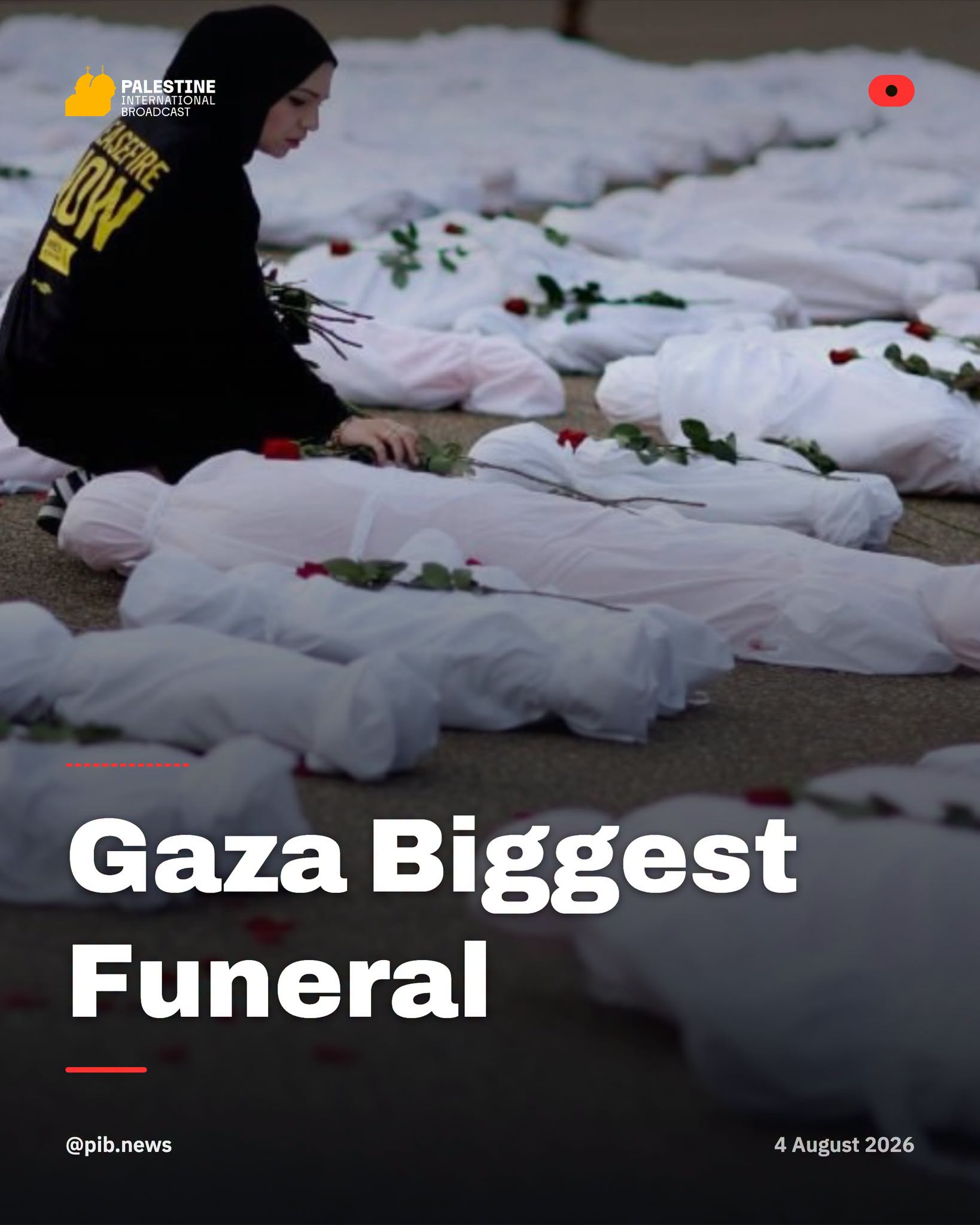
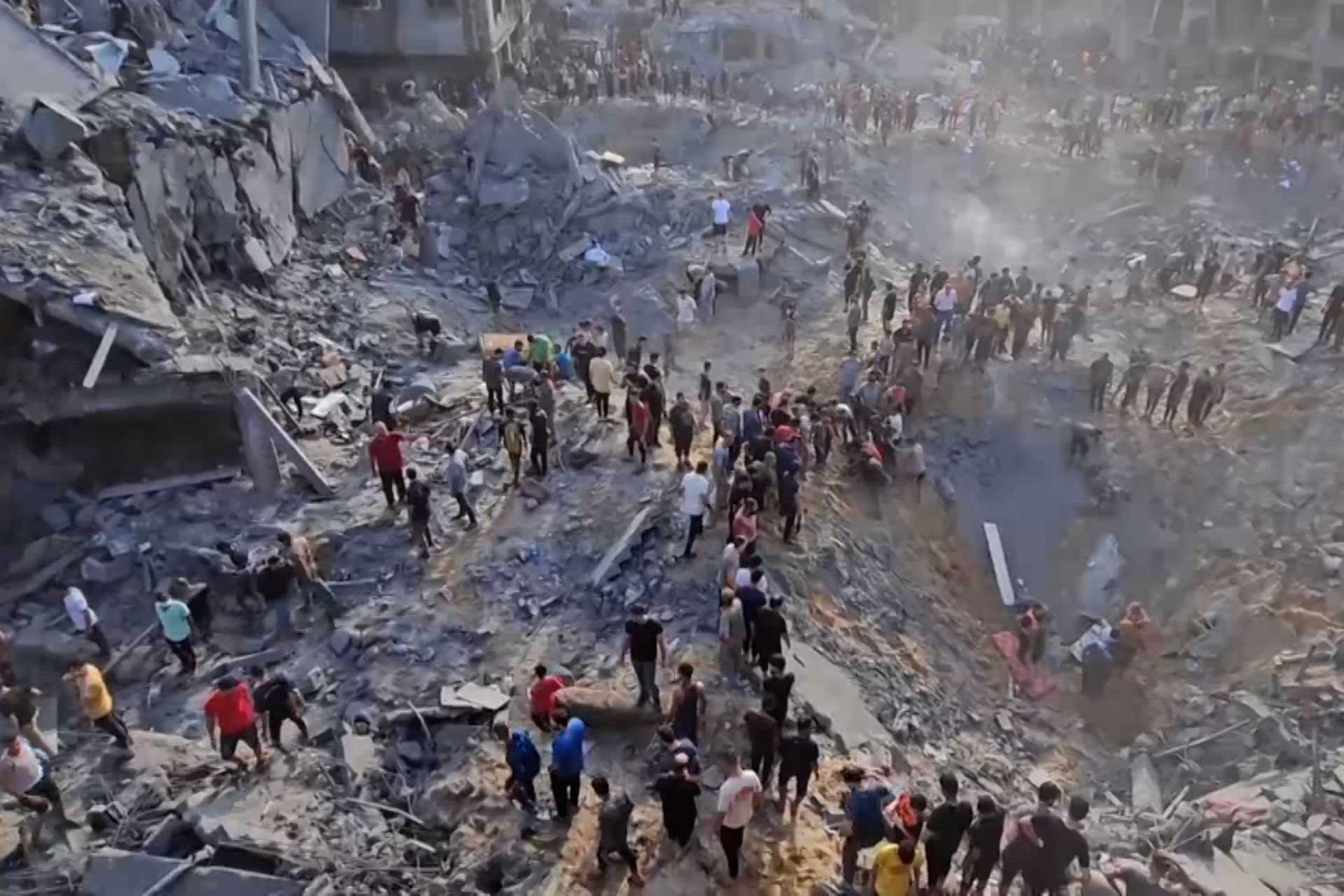
CROSSFIREARABIA – Palestinian medical sources announced, Tuesday, the death toll from the Israeli military offensive on the Gaza Strip rose to 73,333 martyrs and 174,023 wounded since October 7, 2023. The same sources added that hospitals in the Strip received four martyrs in the past 24 hours, including one who succumbed to his wounds, in addition to 14 injuries. They indicated that the total number of martyrs since the ceasefire on 11 October 2026 has risen to 1,207, and the number of injuries to 3,914, while the total number of bodies recovered has reached 803. They explained that a number of victims remain under the rubble and in the streets, as ambulance and rescue teams are unable to reach them according to the Palestinian news agency Wafa.
marwan
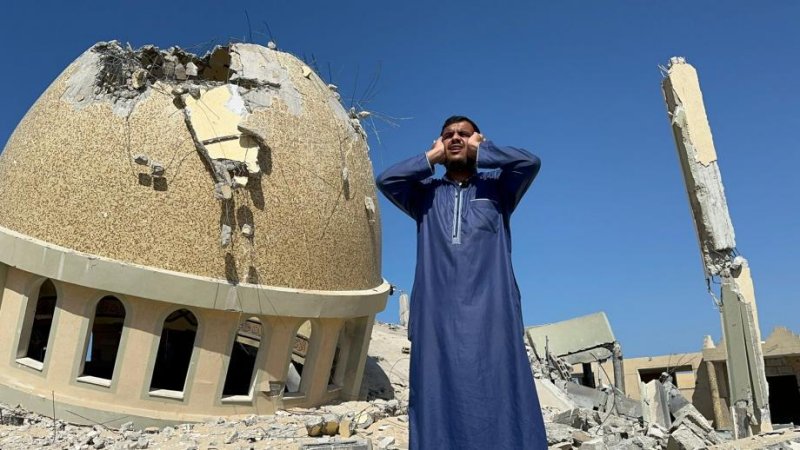
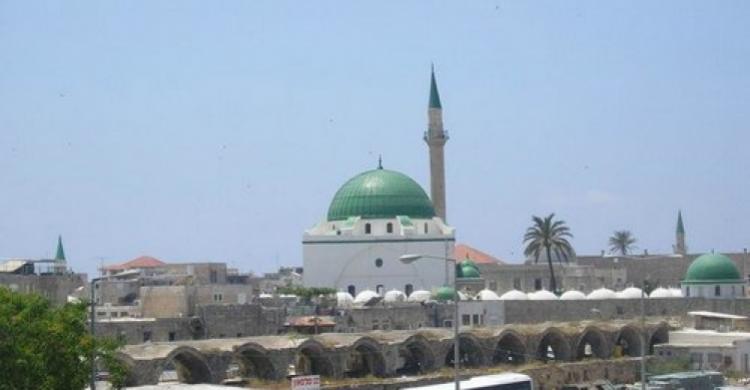
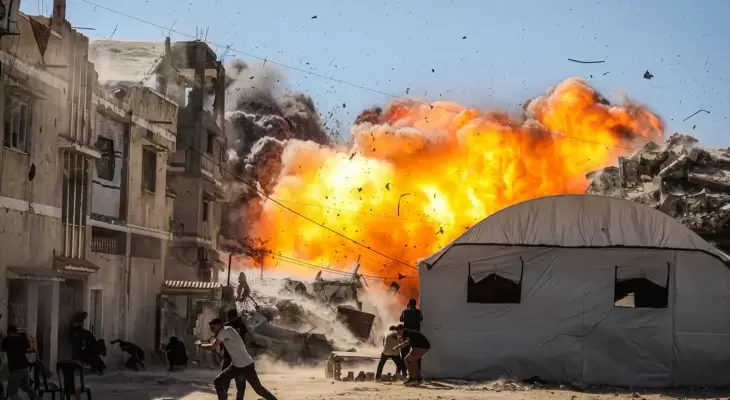
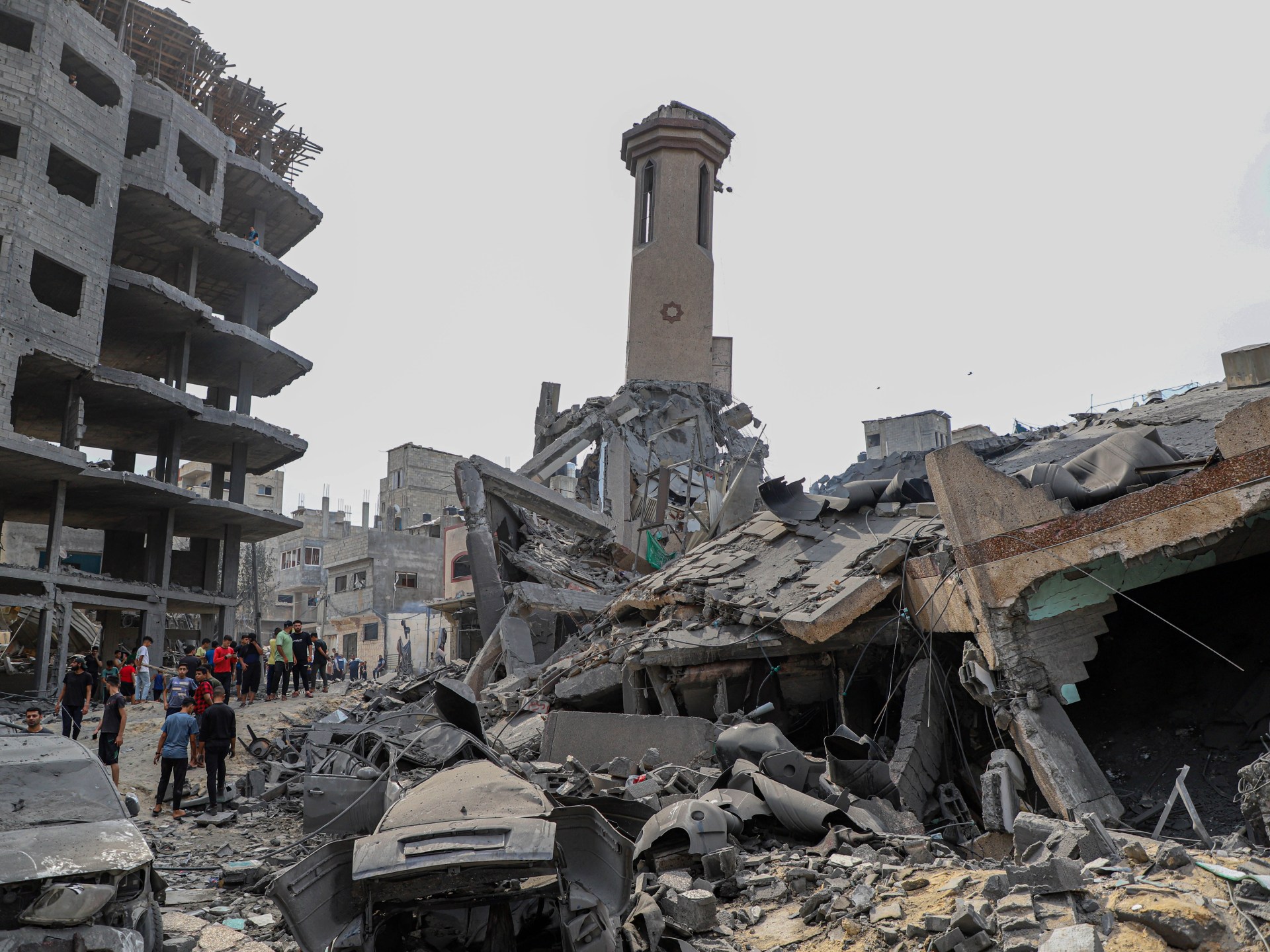
CEOSSFIREARABIA – Israeli warplanes bombed Al-Muttaqin Mosque in the Yarmouk area in central Gaza City, Tuesday evening. Local sources reported the bombing was extensive, swiping the mosque and all the surrounding area off the ground. Eyewitness reports say the bombing reached the building of the Young Men Christian Association (YMCA) that is situated next to the mosque. In addition, the tents that have come to surround the mosque over the past two years were affected by the blast and consequently hundreds of displaced people were made homeless. Since the genocide on Gaza soon after 7 October, 2023, Israeli warplanes completely destroyed 1050 mosques and partially damaged 191. This is out of a totally of 1,275 mosques that existed in the enclave before the war according to the Gaza Ministry of Religious Affairs.
CrossFireArabia
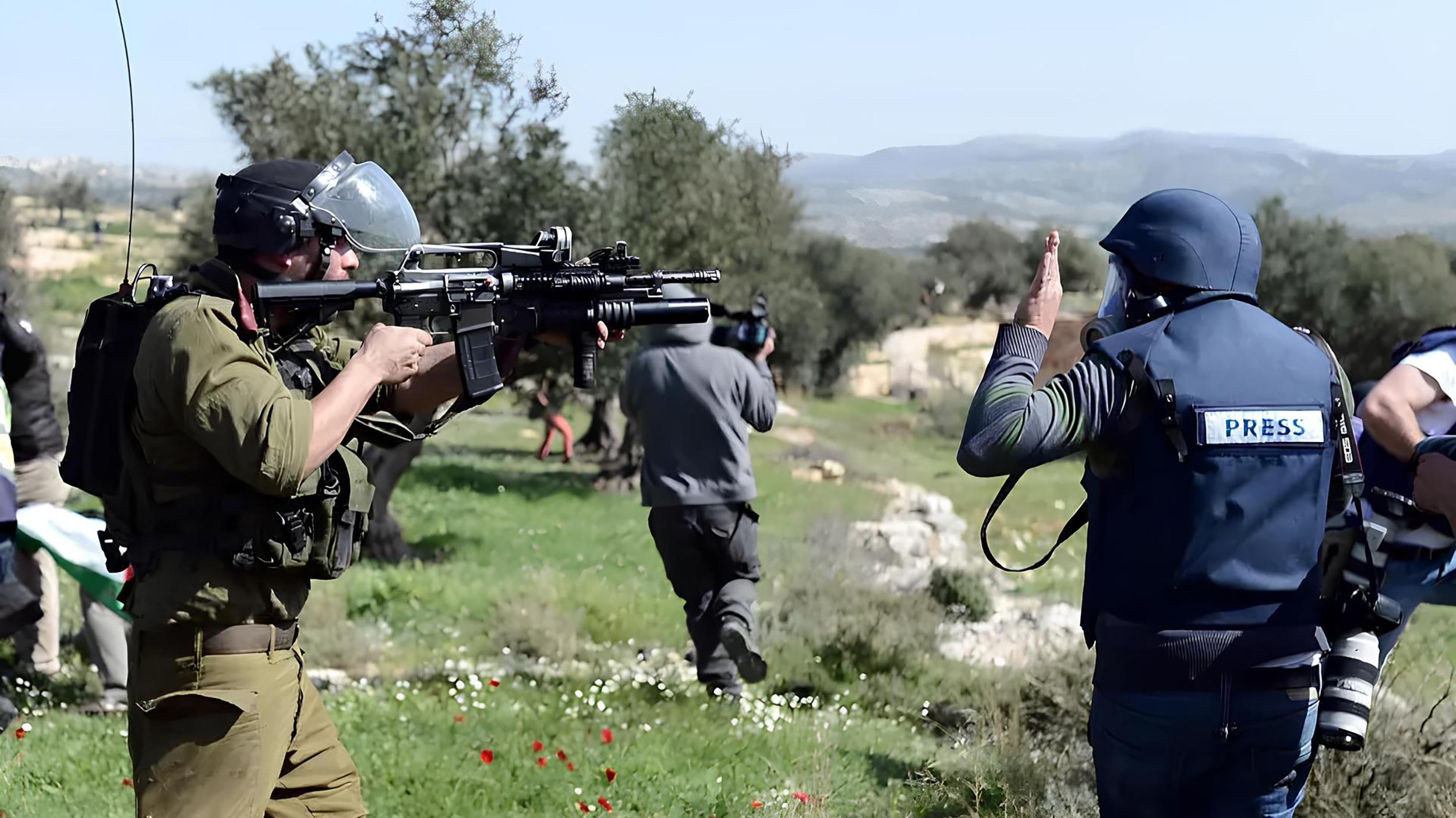
Members of the Media Freedom Coalition (MFC) issued a joint statement Tuesday expressing concern over the safety of journalists and media workers and the impact of escalating regional tensions in the Middle East on access to information.
The coalition said independent media play a critical role during armed conflicts by providing accurate and timely information to affected communities and the international public.
In the statement, the signatories said they were concerned about what they described as an increasing number of journalists being killed, arrested or detained across the region.
“The safety of journalists and media workers, and the access to information are under serious threat,” it said.
The statement accused the Israeli government of preventing independent international journalists from entering Gaza for over two years, saying the restrictions have limited independent reporting on the conflict.
“We strongly condemn all forms of violence directed against journalists and media workers, including media infrastructure, press facilities, and clearly marked media vehicles,” it said.
The coalition further expressed concern over what it described as a crackdown on journalists and freedom of the press in Iran, including internet shutdowns.
The statement said the reported incidents raise concerns about the protection of journalists under international humanitarian law and press freedom in conflict situations.
It called on all parties involved to comply with international humanitarian law and to ensure the protection of civilians, including journalists.
The coalition also said deliberate attacks on journalists are unacceptable and may constitute war crimes, while stressing that detained journalists should be treated in accordance with international law.
The statement was signed by Australia, Belgium, Canada, Denmark, Estonia, Finland, France, Ghana, Iceland, Ireland, Italy, Japan, Latvia, Lithuania, Luxembourg, the Netherlands, Norway, Portugal, Sierra Leone, Slovakia, Spain, Sweden, Switzerland, Ukraine, and the United Kingdom. Anadolu
CrossFireArabia
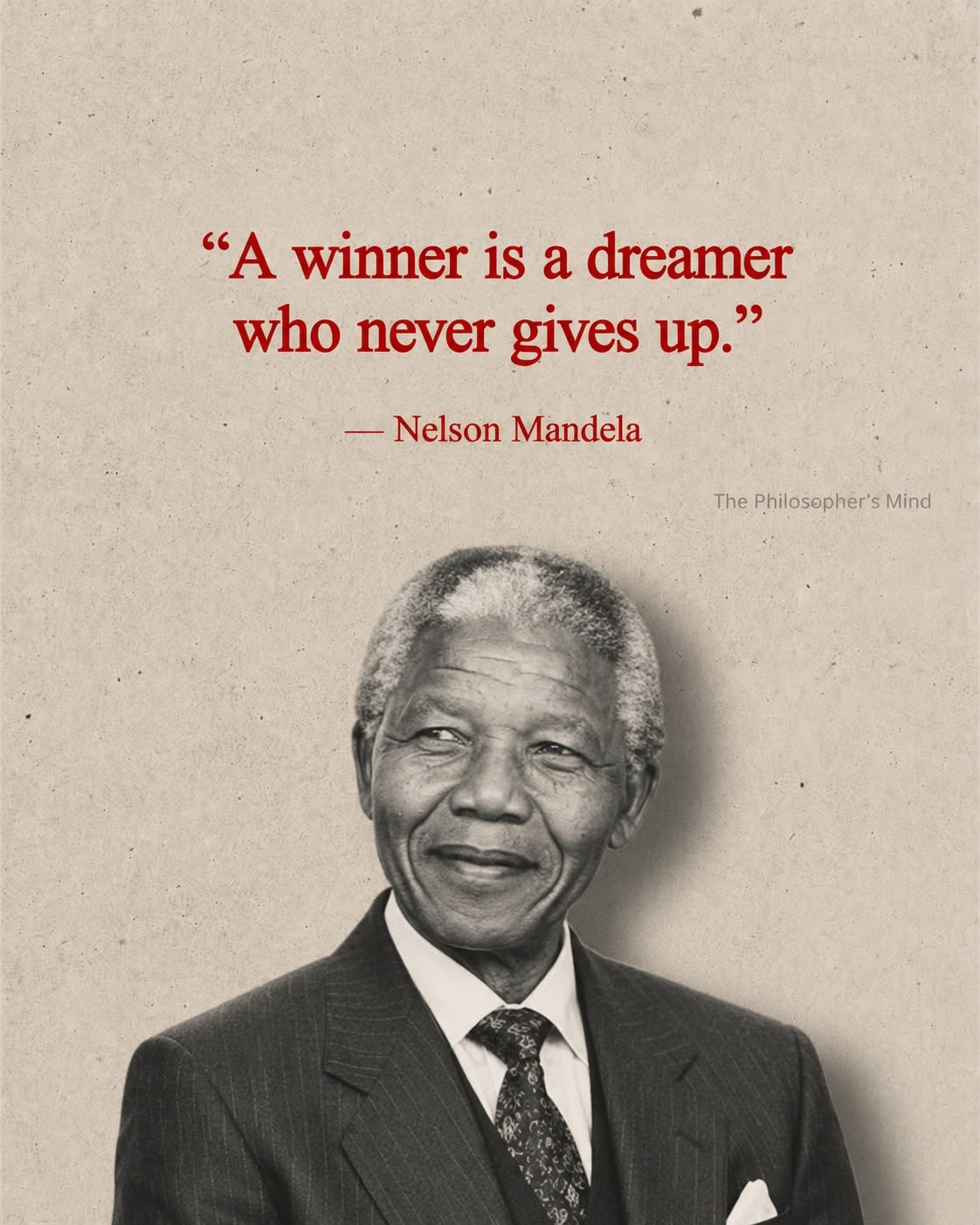
Nelson Mandela spent 27 years behind bars, much of it confined to a damp concrete cell on Robben Island. For decades, his name was banned from public mention in South Africa, and he was forced into grueling labor in a lime quarry. Most people would have let their vision of a free society wither away under the crushing weight of isolation and silence. Mandela did the opposite. He used those years to study, to understand the psychology of his captors, and to refine his vision for a democratic future.
His life serves as the ultimate proof for his own conviction: A winner is a dreamer who never gives up. It was not mere optimism that carried him through nearly three decades of imprisonment. It was a disciplined, unwavering commitment to a dream that most of the world had written off as impossible.
When he was finally released in 1990, he did not seek revenge. He sought reconciliation. He understood that a true winner does not just overcome their circumstances but transforms them.