 Gaza: Lolo Heriz Finally Buried After 975 Days
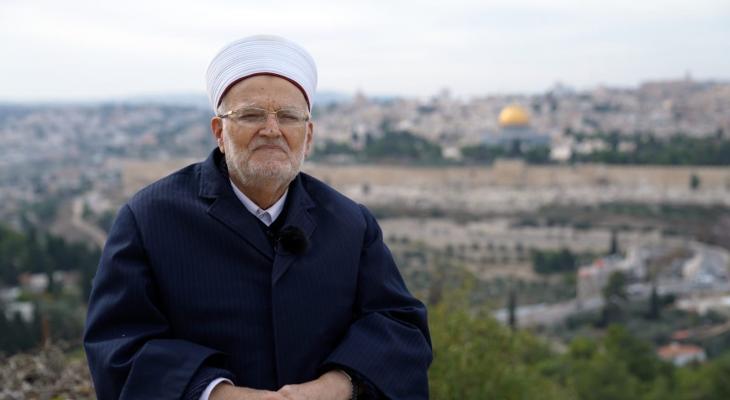 57th Year of Al Aqsa Burning: ‘The Fire Continues’ Ekrima Sabri Warns
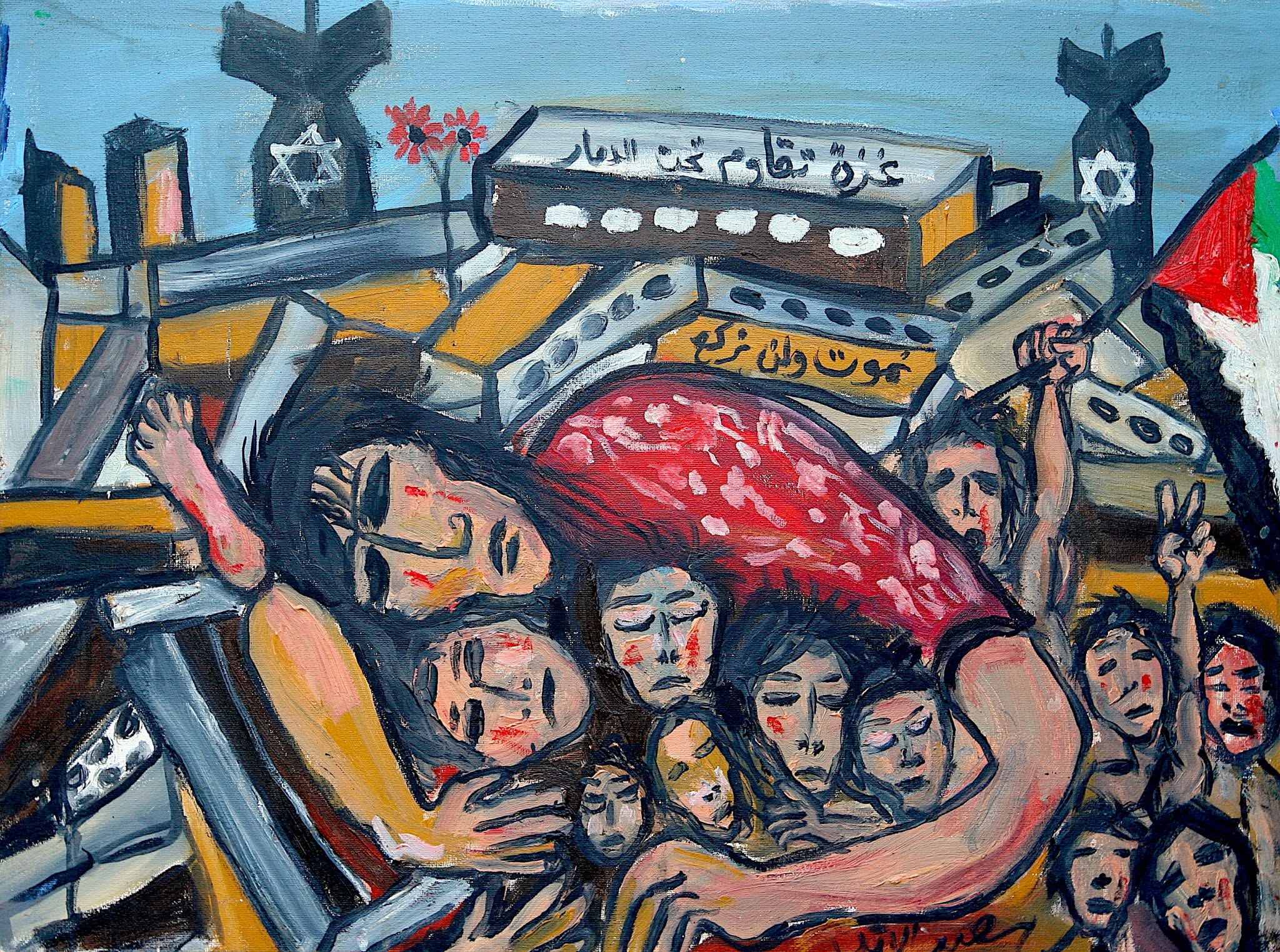
 Remember Hind Rajab
 A ‘Palestinian’ Palace in Jerusalem
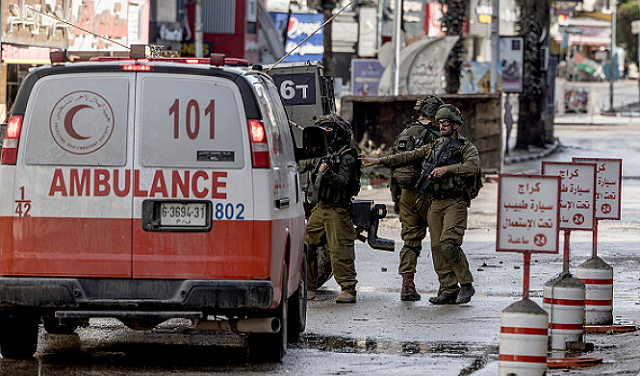
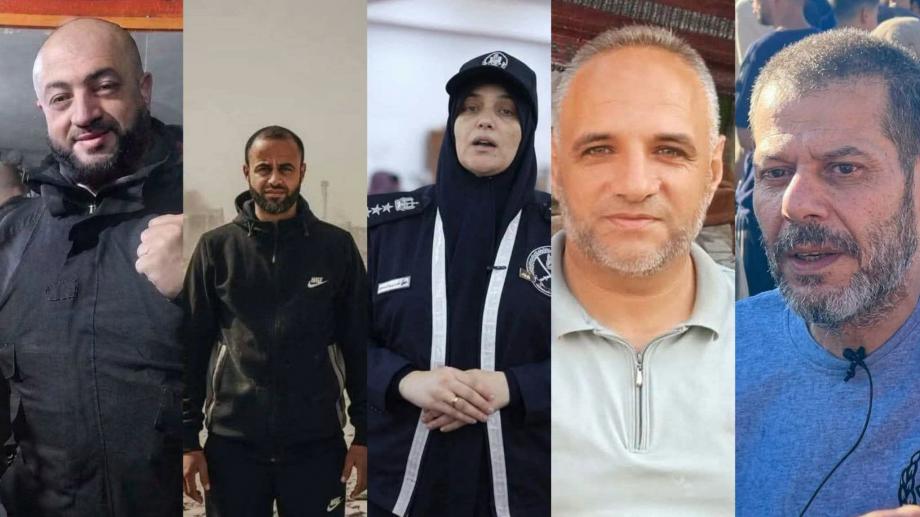 Israel Bombs Police Station, Kills Group of Officers




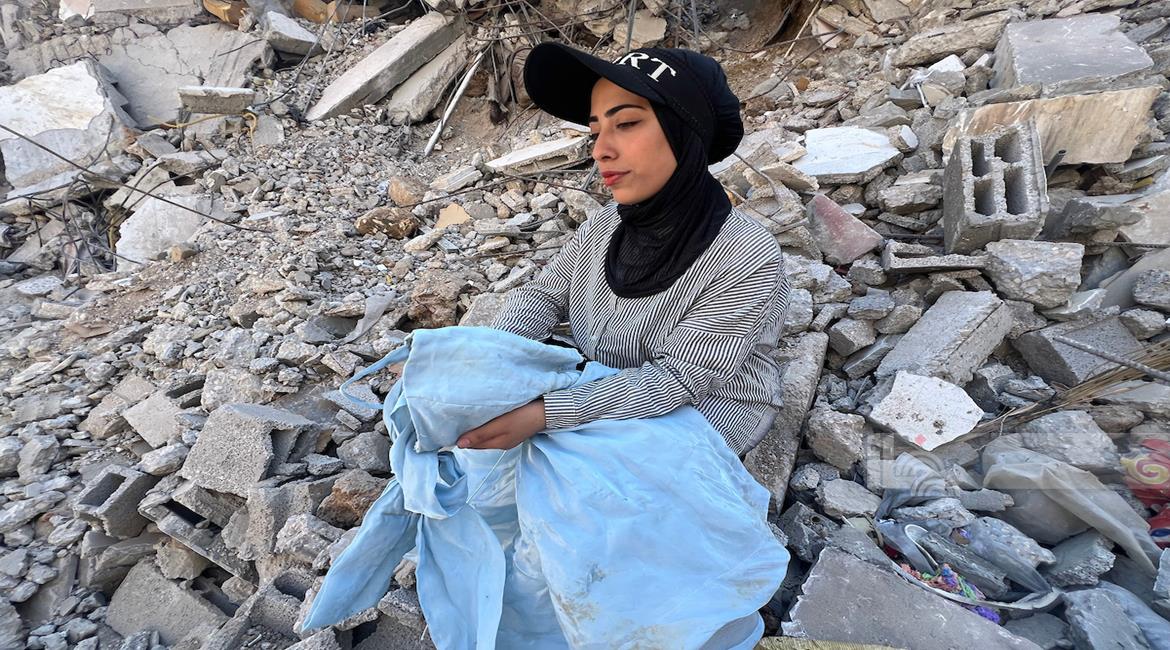
Gaza: Lolo Heriz Finally Buried After 975 Days
 CrossFireArabia
- August 20, 2026
 CrossFireArabia
 HebaCrossFireArabiaCrossFireArabiaHeba
 marwanmarwanmarwanmarwanmarwanmarwanCrossFireArabiamarwanmarwan
 Saleem Ayoub QunamarwanCrossFireArabiaCrossFireArabiaCrossFireArabiaCrossFireArabiamarwanCrossFireArabiaCrossFireArabiamarwanCrossFireArabiaHebaCrossFireArabiamarwanCrossFireArabiamarwanHebaCrossFireArabiamarwanmarwanHebaCrossFireArabiamarwanmarwanCrossFireArabiamarwanHebaCrossFireArabiaCrossFireArabiaCrossFireArabiaHebamarwanCrossFireArabiamarwanHebaCrossFireArabiaHebamarwanmarwanCrossFireArabiamarwanmarwanmarwanmarwanmarwanmarwanmarwanmarwanmarwanCrossFireArabiaCrossFireArabiamarwanmarwanCrossFireArabiaCrossFireArabiamarwanCrossFireArabiamarwanHebaHebamarwanmarwanCrossFireArabiamarwanCrossFireArabia
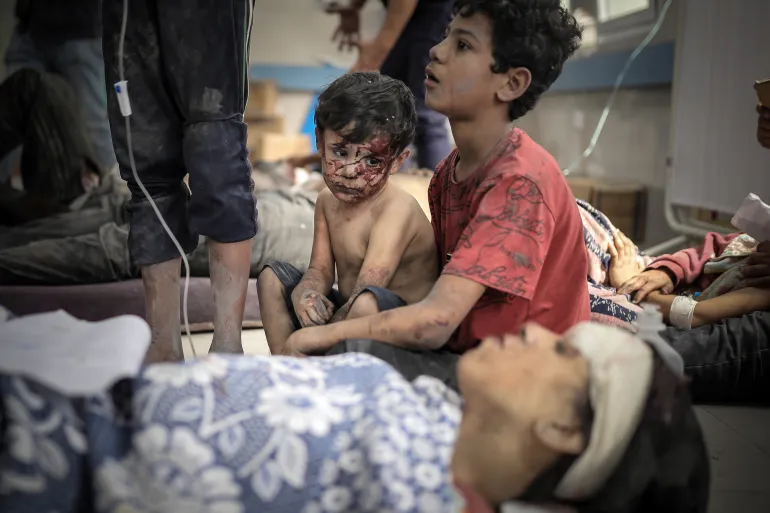
Noor Naim writes:
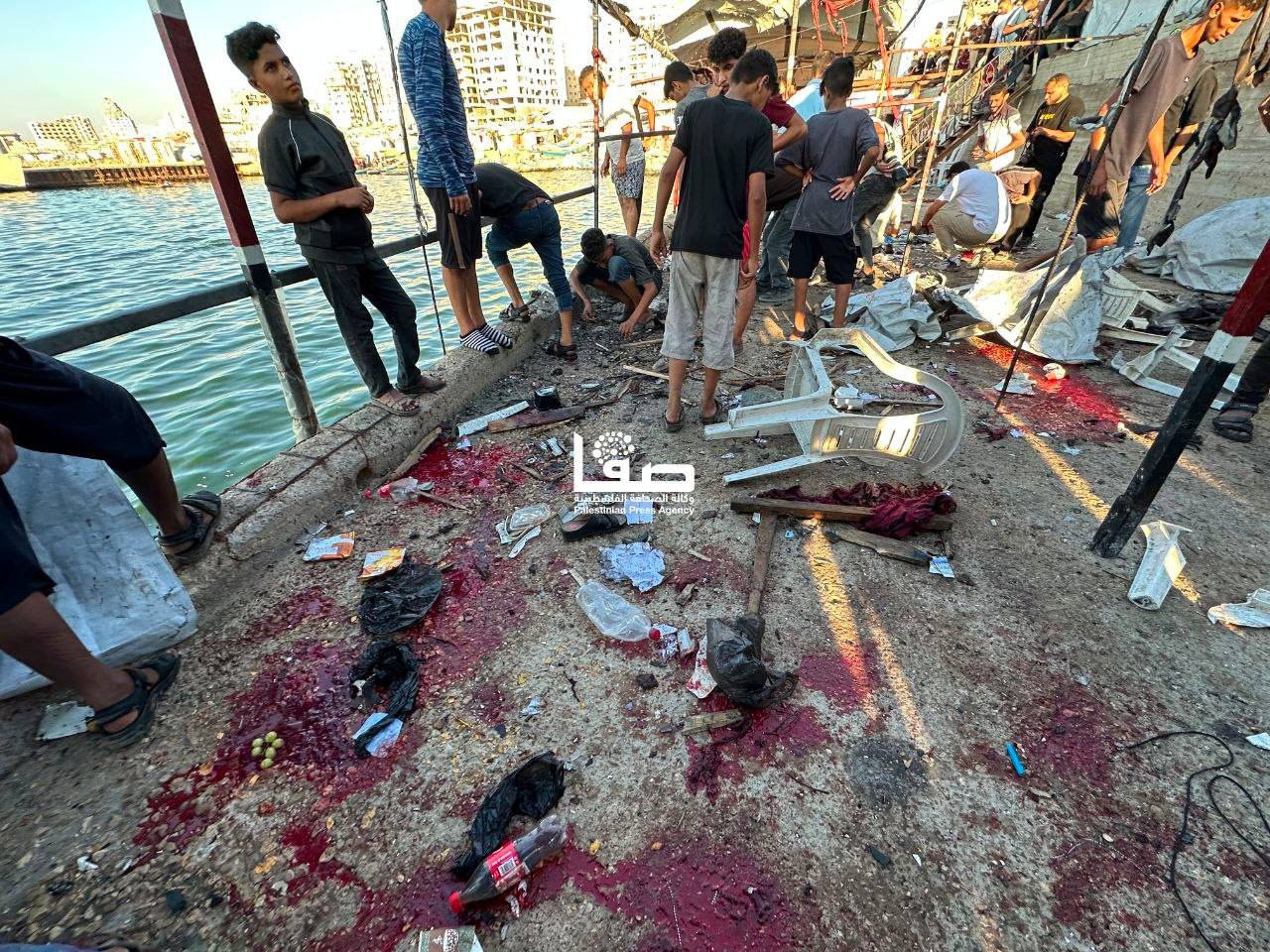
Killed by the Israeli army.
They had names.
They had families. They had hopes.
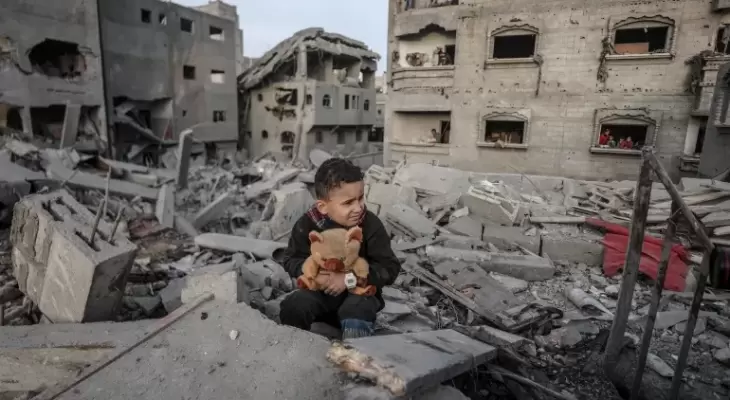
They had dreams. They loved life like anyone else in this unfair world. Stop the bloodshed of children in #Gaza now
 Dr Khairi Janbek
Dr Khairi Janbek
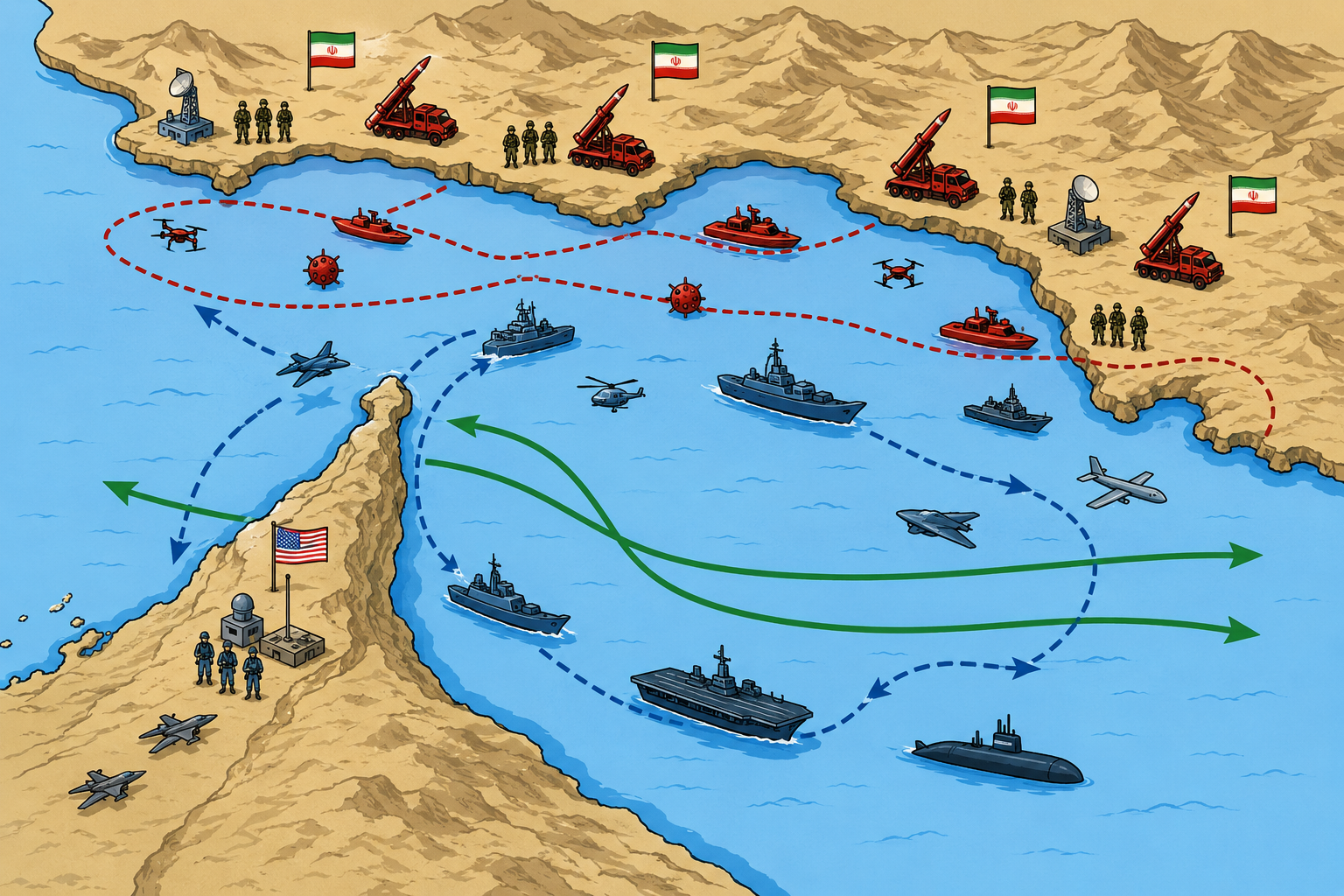
The US foreign policy in the Red Sea today is characterized by a robust military response to Houthi threats, aiming to protect critical maritime trade routes and assert influence in a geopolitical strategic area. While these military operations garnered international support, the ongoing conflict underscores the complexities and challenges of Middle East interventions.
The US military’s increased involvement in the Red Sea, including the deployment of two aircraft carriers, signals a commitment to ensuring freedom of navigation and countering the Iranians in the region. However, the present ongoing escalation also risks entangling the US in a prolonged conflict.
This is reminiscent of past Middle East engagements which the Americans should be well-aware of, and may put additional strain on the US military resources amid other pressing global priorities if faces.
That said, the present military strikes on Yemen are not just about the Houthis. They are also widely seen as demonstration of US strength towards the group’s main backer: Iran.
The Washington administration is currently locked in a series of negotiations regarding Iran’s nuclear programme and Trump has not ruled out military action if those talks fail, yet, it is possible still, that the US, and judging by recent history, the Americans may change their mind and everything is put on hold yet again.
But we need to wait and see! The US has already moved its patriot and THAAD missiles from Asia to the Middle East, and only in the first month of the preparedness campaign, $200 million of ammunition has been used and this is making military officials greatly concerned about the impact on stocks the US Navy might use in the event of a Chinese attack on Taiwan.
At the same time, there are various Yemeni groups opposed to the Houthis with regional backing, and dare one say with some international backing, reportedly considering taking advantage of the situation to launch a ground campaign to oust the Houthis once and for all, but Washington is yet to make a decision on whether to back such operations or not.
Most analysts and officials say that, American troops participating in any ground operations in Yemen is highly unlikely, moreover, even more limited support for ground operations would still be another case of the US backing armed groups in a messy middle Eastern war; exactly the sort of situation Trump blasted previous administrations for falling into.
Dr Janbek is a Jordanian analyst based in Paris, France.
CrossFireArabia
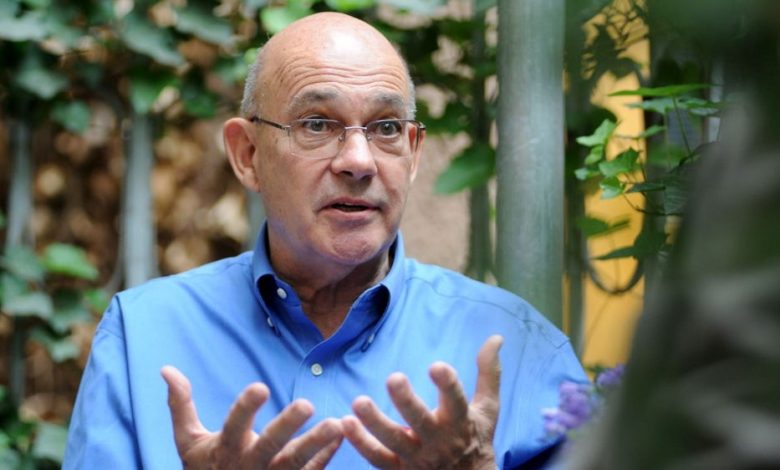
Tom Segev, one of Israel’s most renowned historians, has broken a decades-long silence. On his 80th birthday, he declared that Zionism—Israel’s founding ideology—was a mistake.
In a deeply personal interview with Haaretz, Segev said, “Zionism is not such a great success story. It also doesn’t provide security to Jews. It’s safer for Jews to live outside Israel.” He added that Zionism created myths instead of solutions.
Born in Jerusalem in 1945 to Jewish German parents who fled the Nazis, Segev has spent more than 50 years researching Israel’s history. His books include 1967, The Seventh Million, and Soldiers of Evil, all known for challenging Israeli narratives.
In the interview, Segev shared a painful truth about his father’s death. He grew up believing his father was killed by an Arab sniper during the 1948 war. “I was able to say that he was killed during the War of Independence and that I was a war orphan.”
But later, Segev’s sister revealed a different story. Their father had actually died in a freak accident—falling from a drainpipe while trying to deliver coffee to guards. He stated that he was brought up on a lie.
This moment of reckoning made him question everything—including the stories Israel tells about itself.
Segev now says the Zionist project was never meant for people like his parents. “My parents started to plan their return to Germany”, he revealed. “They were never Zionists and they wanted to go home. A month after the last letter my father wrote to a friend about how much he wanted to go back – he was killed.”
Despite growing up in Israel, Segev never fully embraced Zionist ideals. He stressed that much of what Israelis were told was myth.
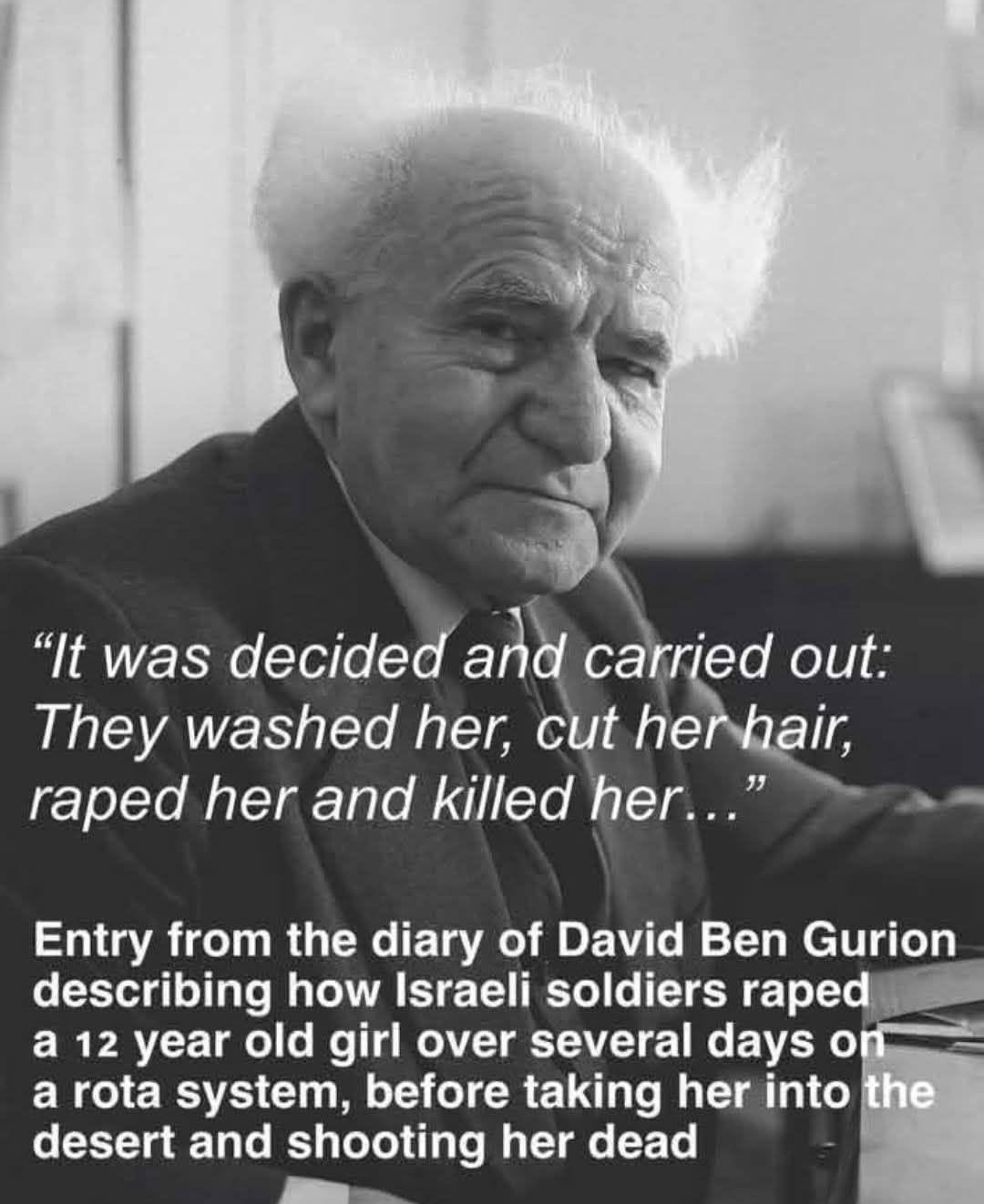
In his academic work, Segev often turns to documents rather than oral testimonies. He famously challenged former Prime Minister David Ben-Gurion in a 1968 interview, questioning the idea that Ben-Gurion became Zionist at age three.
Segev believes the Holocaust has been politically weaponized. In The Seventh Million, he argued that instead of teaching democracy and human rights, Israel used the Holocaust to fuel fear and justify wars.
He also criticized internal discrimination within Israeli society. In his book 1949: The First Israelis, Segev exposed how Jewish colonial settlers from Arab countries were pushed into camps, while Europeans were given hotels.
Segev insists he isn’t ideological. “People have also said I am anti-Zionist, but I am not an ideologue and not a philosopher, and I don’t think in terms of ideologies,” he says. “It was said that I want to shatter myths. But that’s not true, either. I was not part of the ‘New Historians’ but rather of the ‘First Historians.’ With respect to the state’s establishment there was no history here – just mythology and a great deal of indoctrination. In the 1980s we opened documents in the archives and said, ‘Wow, this isn’t what we were taught in school.’”
“We need to remember that the majority of the Holocaust survivors did not come to live in Israel and that the majority of Jews in the world are not coming to Israel”, he stressed. “They can, but they don’t want to live in this country. So Zionism is not such a great success story. It also doesn’t provide security to Jews. It’s safer for Jews to live outside Israel,” as reported in the Quds News Network.
CrossFireArabia
After nearly six weeks of intensive US airstrikes on different areas and cities of Yemen the Houthi Ansar Allah continues to assert that its military operations in the Red Sea and against Israeli targets will not stop until the ongoing Israeli war on the Gaza Strip ends.
Houthi military spokesman Yahya Saree, Saturday, announced the targeting of the Israeli Nevatim Air Base in the Negev with a ballistic missile, as well as two other sites in the Tel Aviv and Ashkelon areas and the targeting of warships on the US aircraft carrier SS Harry Truman in the northern Red Sea are just part of the continuing ongoing military strikes.
However in response to these attacks the US aircraft launched two airstrikes last Friday night on the Ras Isa oil port in the coastal province of Al Hudaydah, which Washington considers a major source of fuel used to finance the Ansar Allah group’s activities.
According to Dr Liqaa Makki, senior researcher at the Al Jazeera Center for Studies, the USA has failed miserably in its strikes against the Houthis because of its inability to move to the second phase. He said that as a result they are discussing an alternative scenario for this military campaign against the Houthis.
Makki believes that US President Donald Trump has reached a dead end, and that the ceiling he set regarding the Houthis is proven unrealistic, pointing out the United States, despite its military strength, is failing in Yemen because it is fighting a group, not a state.
On the other hand, military and strategic expert Brigadier-General Elias Hanna, believes that both sides are losing, whilst the image of the United States is being damaged, given the scale of the US military campaign and Trump’s engagement with the Houthis, who previously declared that “we [US] will withdraw from all the world’s wars.”
Reports estimate the cost of the airstrikes carried out by the US military on Houthi positions amounted to approximately $1 billion in the first three weeks of the military campaign alone.
The Associated Press reported the value of the seven downed American drones made by the Houthis exceed $200 million, and the continued loss of American drones makes it difficult for the US leadership to accurately determine the extent of the damage to the Houthis’ weapons stockpiles.
Brigadier-General Hanna said that Washington lacks a comprehensive strategy in its dealings with the Houthis, and that the political goal it announced—restoring deterrence and opening shipping lanes—has not been achieved.
He also pointed out the US military is targeting the centers of gravity within the Houthi military system to disrupt it, a strategy Israel has used with the Palestinian resistance but has failed to achieve.
Appeasing the Houthis
In light of Washington’s inability to achieve its goals against the Houthis, Brigadier-General Hanna believes the pressure being exerted on Israeli Prime Minister Benjamin Netanyahu regarding the entry of aid into the Gaza Strip is part of an effort to appease the Houthis so that they will halt their operations in the Red Sea and against Israeli targets.
Trump’s upcoming visit to the region also requires a de-escalation. According to the military and strategic expert, the US president cannot arrive while the Houthis are launching missiles.
In the same context, the senior Al Jazeera’s Makki expects that a Gaza ceasefire will soon be reached before Trump’s visit, allowing the Houthis to halt their operations as they have initially linked the cessation of their operations to an end to the war on Gaza and to the cessation of US strikes against them.
American officials have previously revealed to CNN that the US military has struck more than 700 Houthi targets and carried out 300 airstrikes since the campaign began in mid-March, “forcing them underground and creating confusion and chaos within their ranks.”
CrossFireArabia
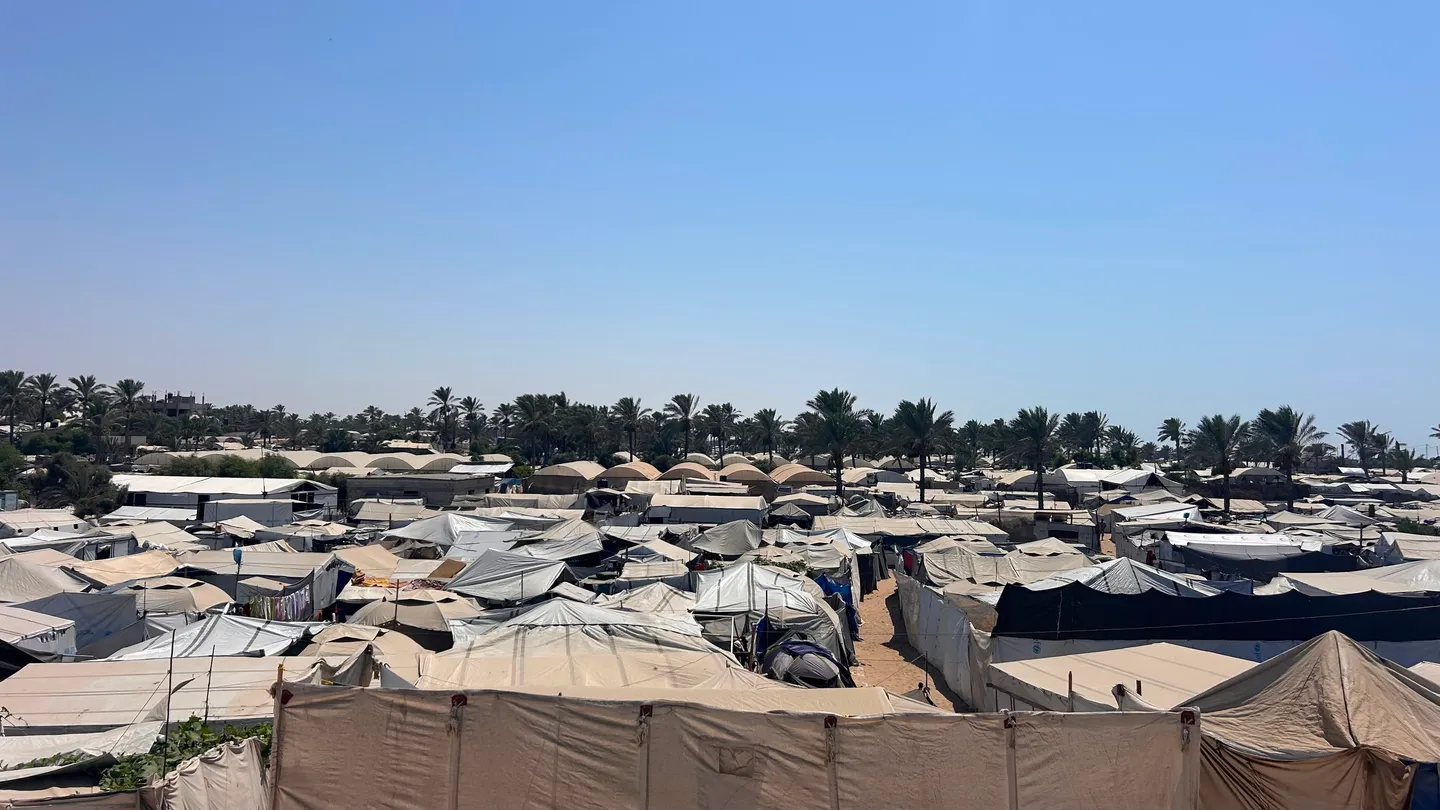
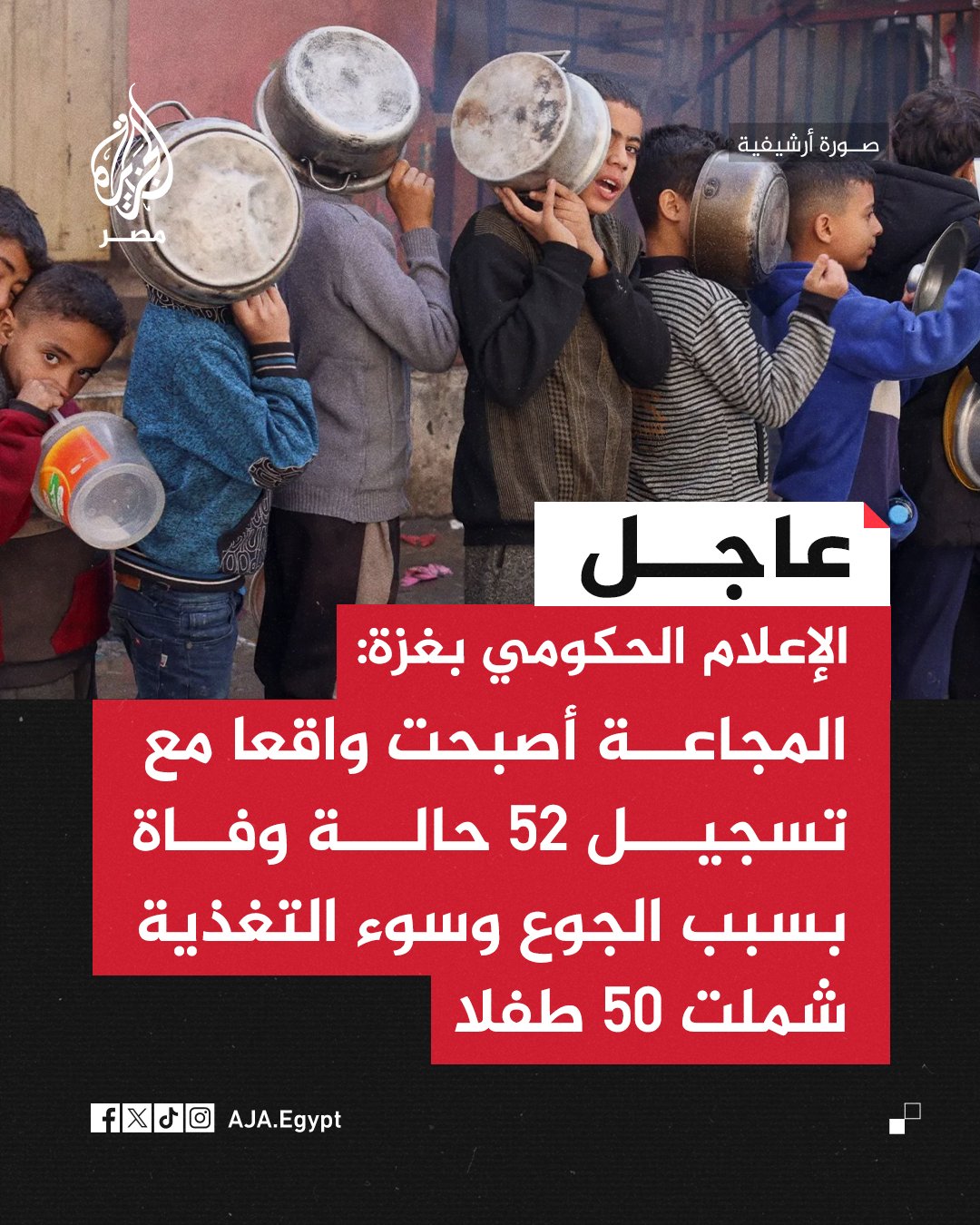
The Government Media in Gaza: It states that famine has become a reality once again with 52 deaths due to hunger and malnutrition, including 50 children.
Israel restarted its war on Gaza as of 19 March, 2025. Since then it has blocked all aid entering the Gaza Strip.