 Don’t Forget Dier Yassin
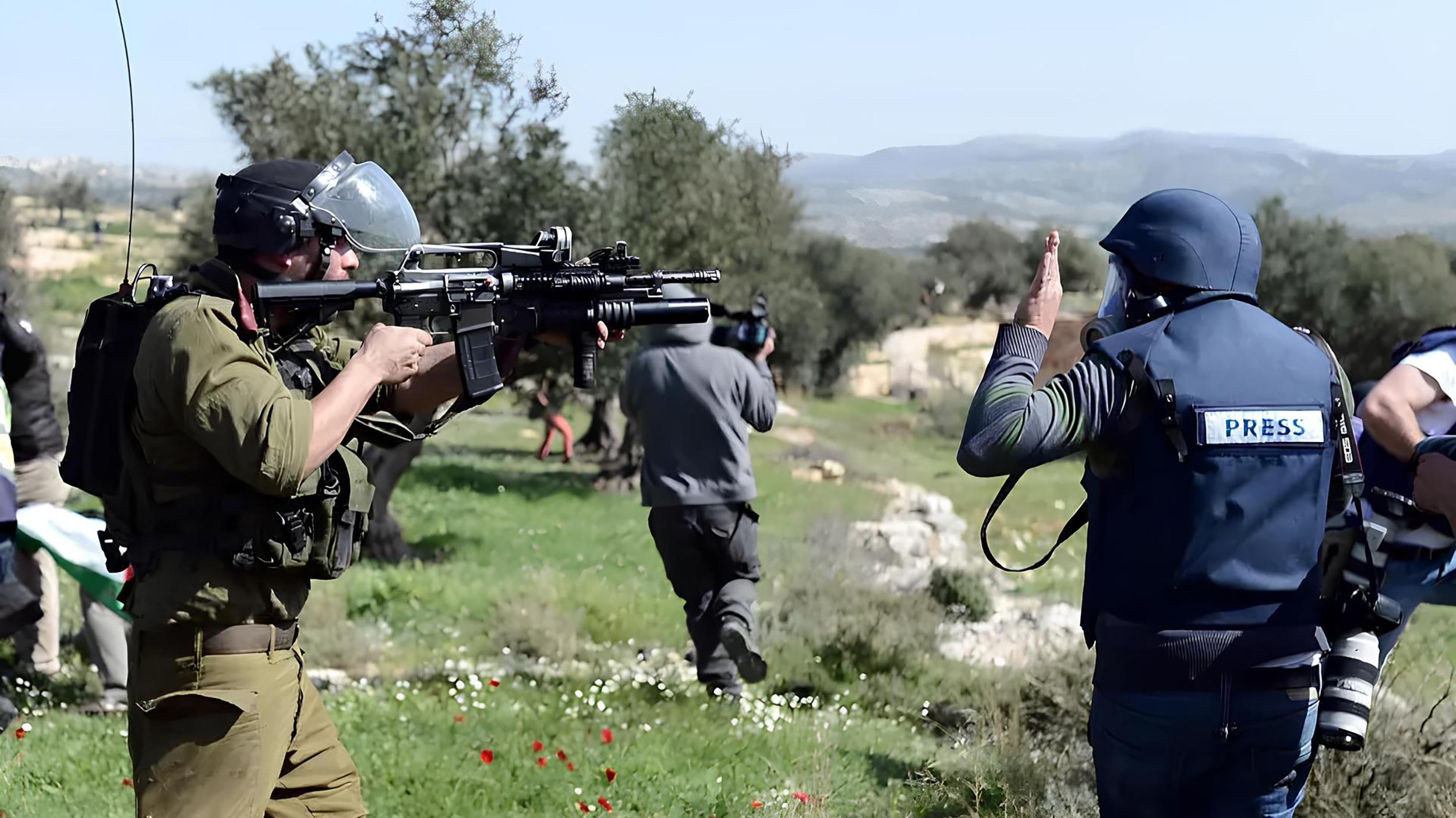
 Israeli Army, Settlers Trap Three Palestinian Families in Their Homes for 11 Days
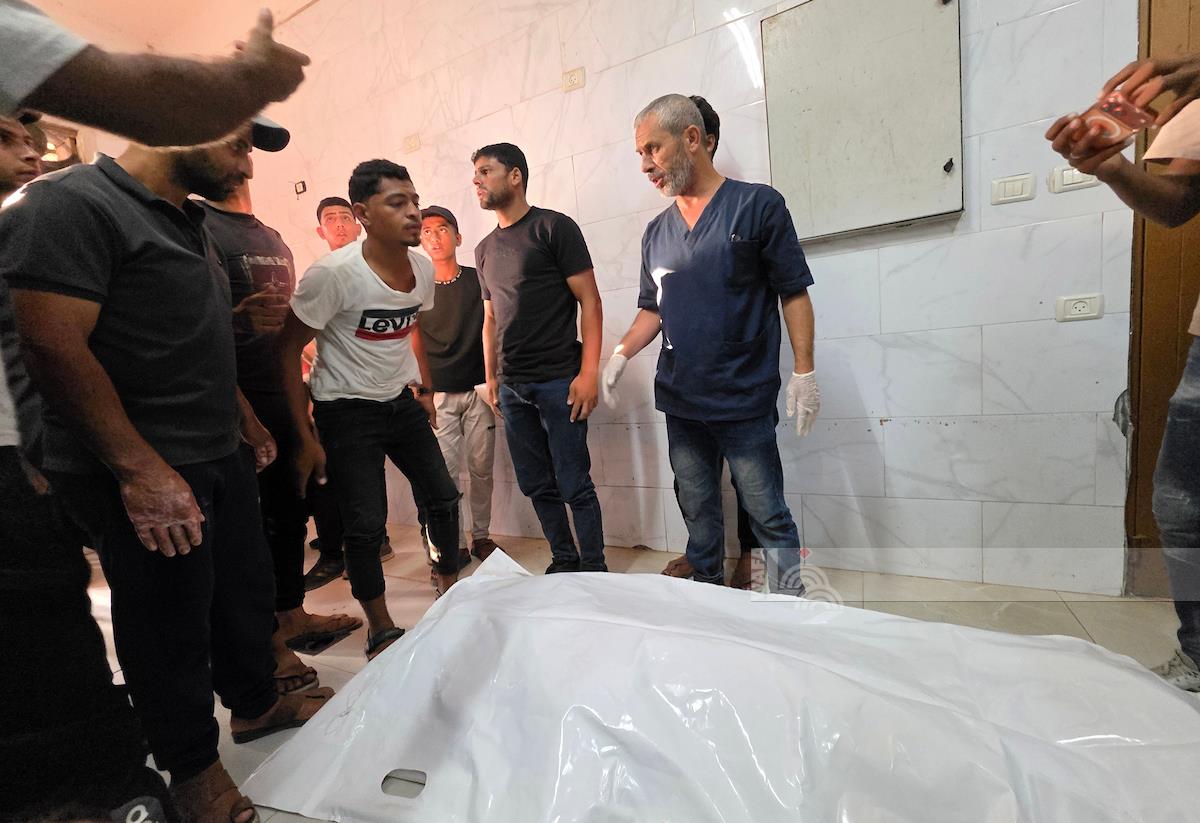
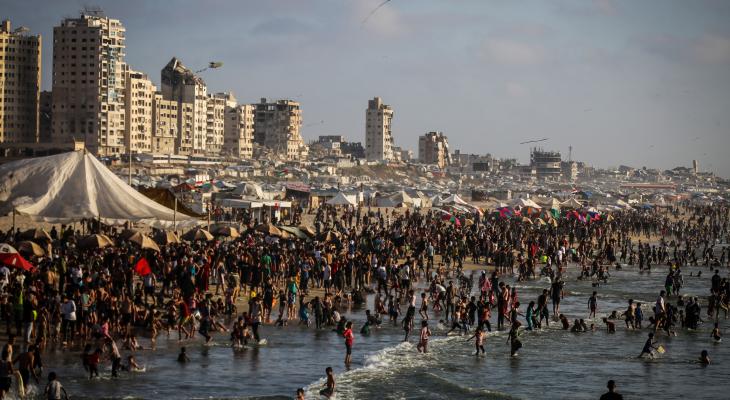
 Israeli Strikes Gaza Port Café, Leaves 6 Dead, a Child and 14 Wounded
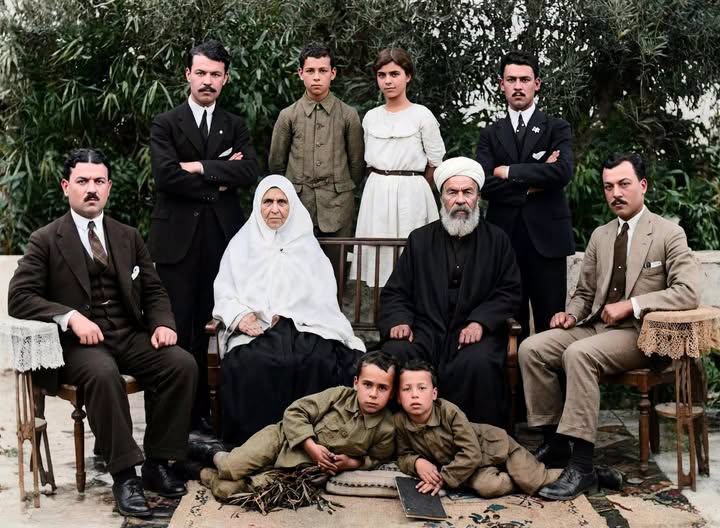
 Your Ben Gurion! Revelations
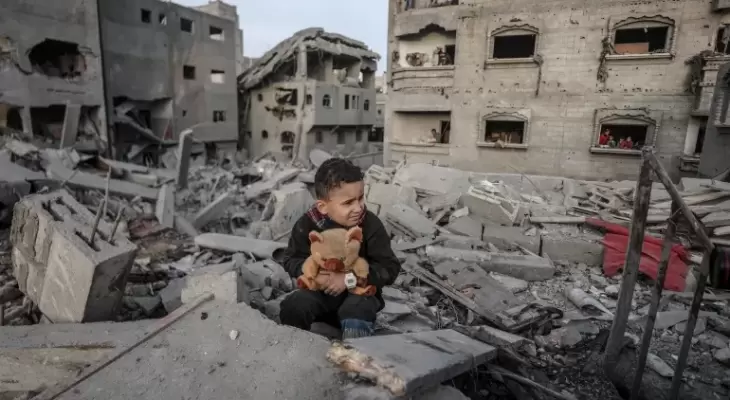
 Gaza’s Face of Destruction


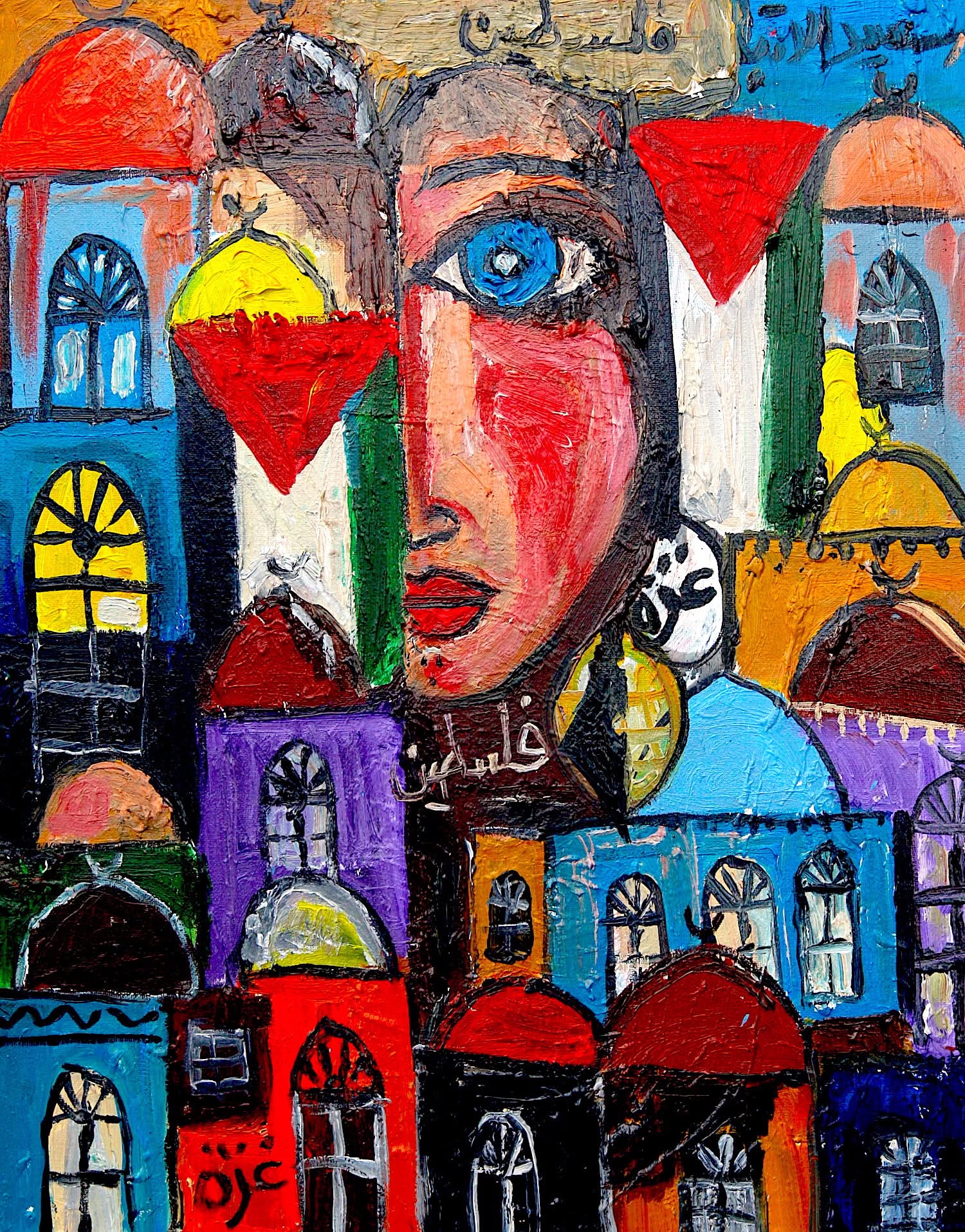
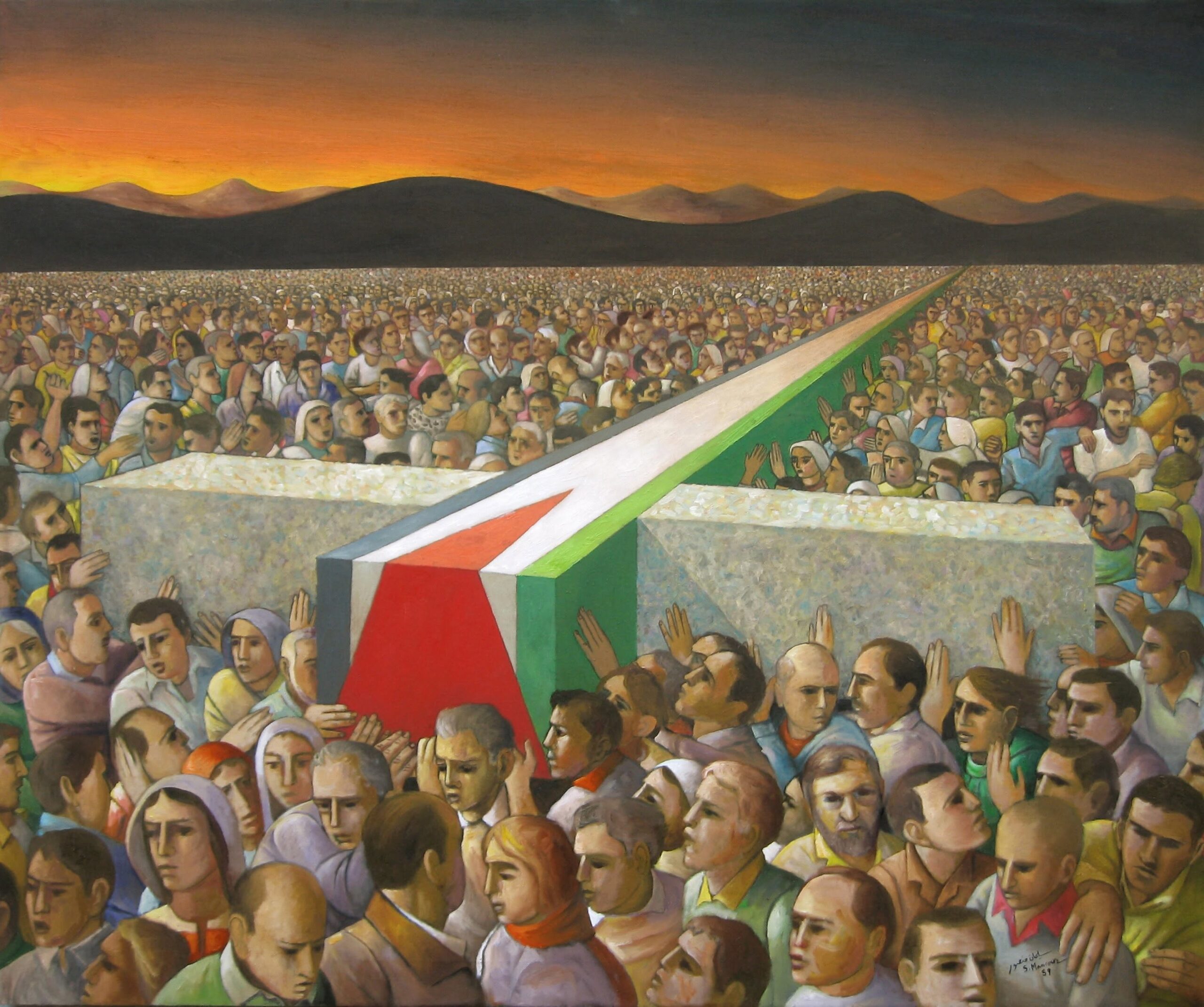
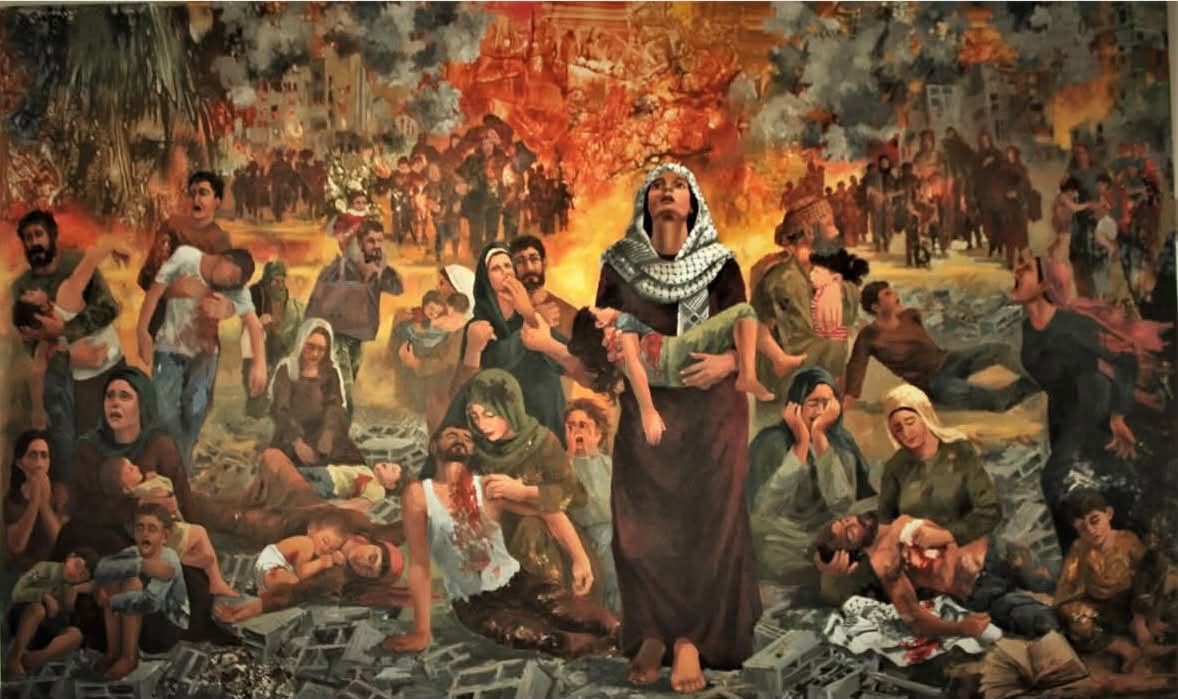
Don’t Forget Dier Yassin
Heba
- August 19, 2026
 Heba
Heba marwanmarwanmarwanmarwanmarwanmarwan
 CrossFireArabiamarwanmarwan
 Saleem Ayoub QunamarwanCrossFireArabiaCrossFireArabiaCrossFireArabiaCrossFireArabiamarwanCrossFireArabiaCrossFireArabiamarwanCrossFireArabiaHebaCrossFireArabiamarwanCrossFireArabiamarwanHebaCrossFireArabiamarwanmarwanHebaCrossFireArabiamarwanmarwanCrossFireArabiamarwanHebaCrossFireArabiaCrossFireArabiaCrossFireArabiaHebamarwanCrossFireArabiamarwanHebaCrossFireArabiaHebamarwanmarwanCrossFireArabiamarwanmarwanmarwanmarwanmarwanmarwanmarwanmarwanmarwanCrossFireArabiaCrossFireArabiamarwanmarwanCrossFireArabiaCrossFireArabiamarwanCrossFireArabiamarwanHebaHebamarwanmarwanCrossFireArabiamarwanmarwanmarwanmarwanCrossFireArabia
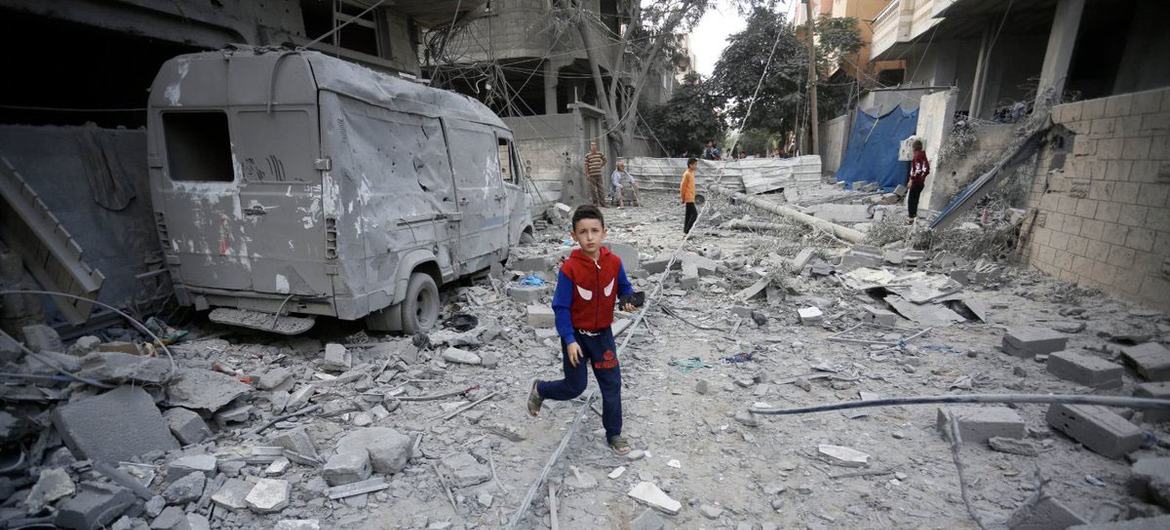
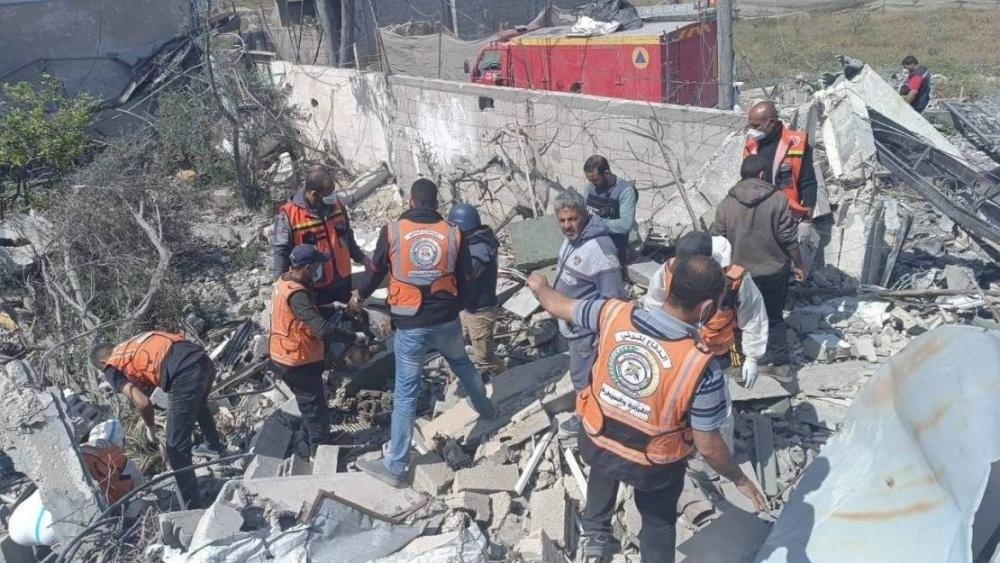
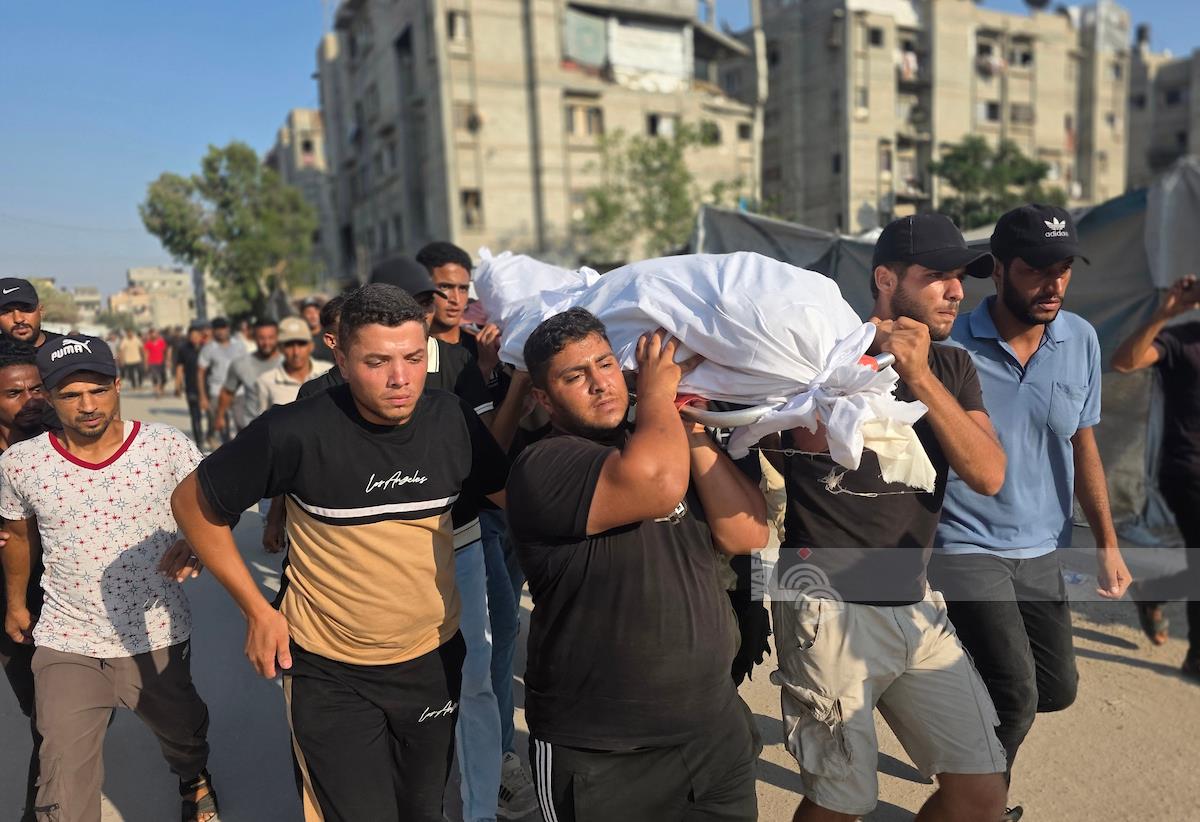
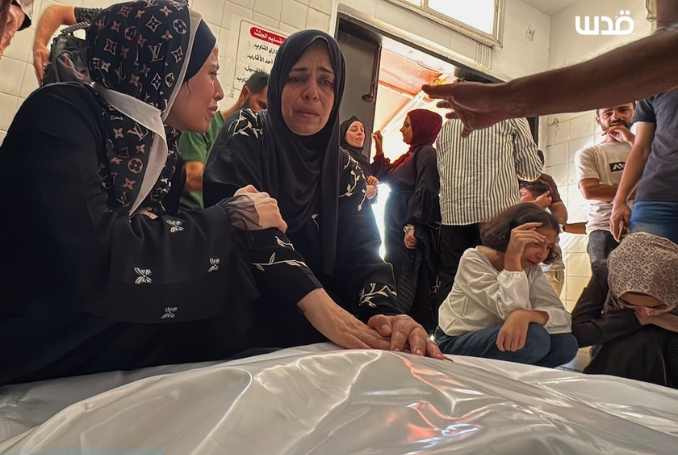
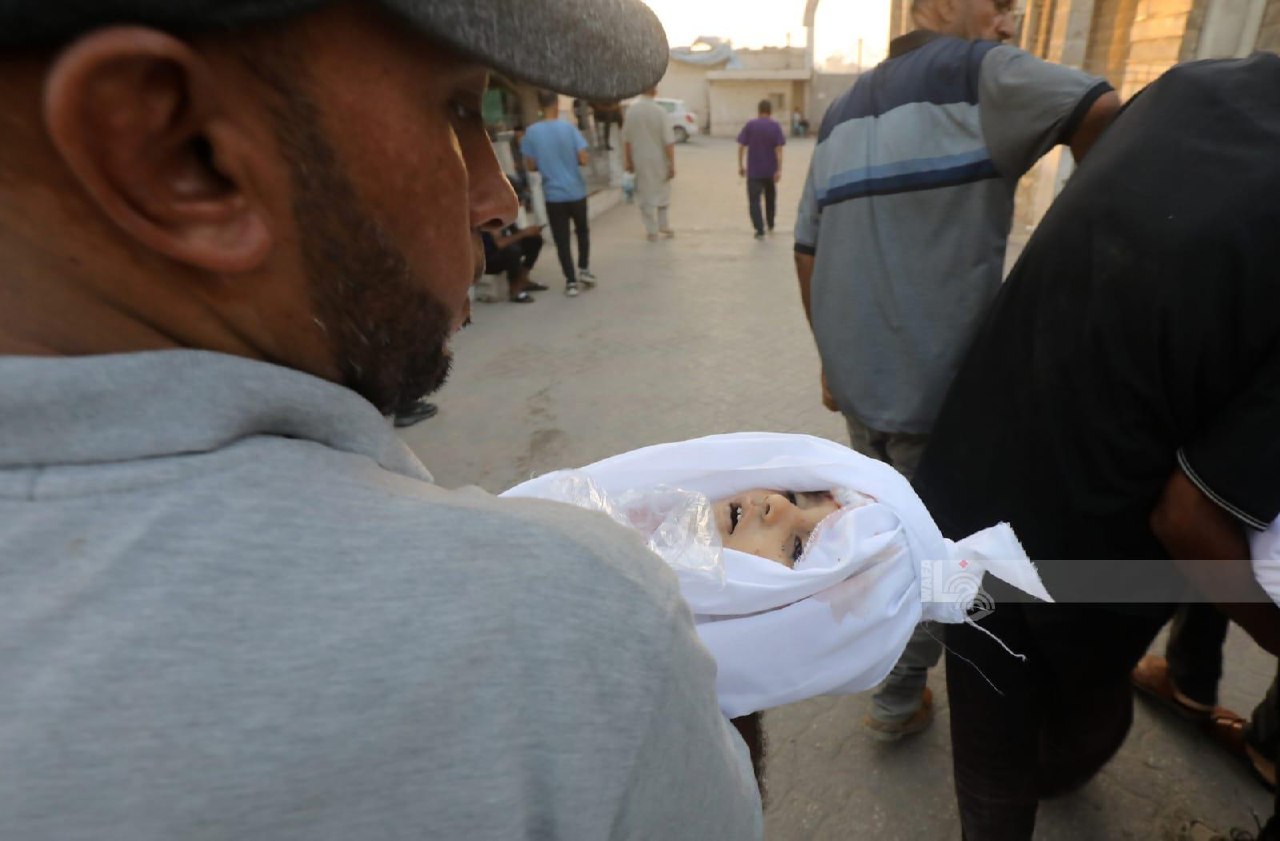
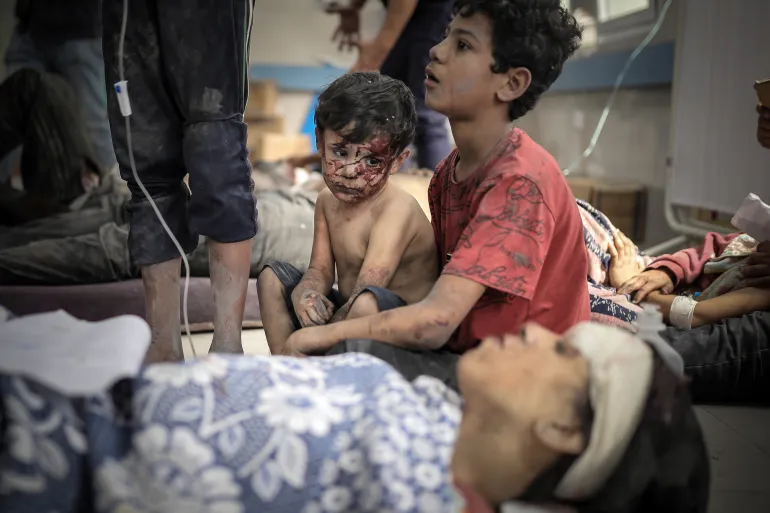
The violent aerial assaults carried out by Israeli warplanes on the grounds of the European Gaza Hospital and its surrounding areas in Khan Younis, southern Gaza, forced the hospital out of service and resulted in the deaths and injuries of dozens of civilians. These attacks came shortly after the bombing of the Nasser Medical Complex, representing yet another episode in a systematic campaign to eliminate spaces of survival and destroy what little remains of safe havens for Gaza’s population, within the broader framework of the ongoing genocide in the Strip.
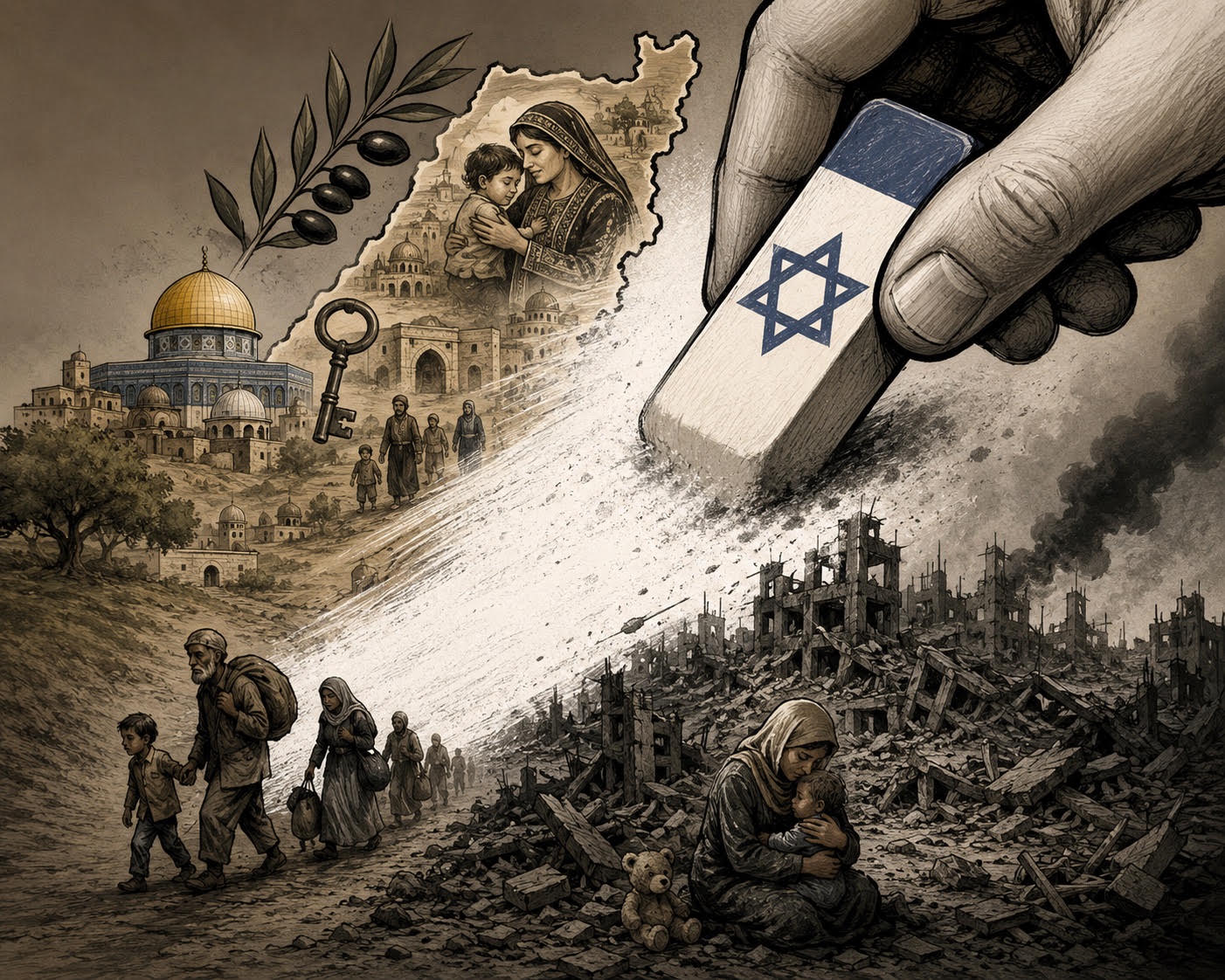
These attacks are not merely aimed at physical infrastructure or health facilities alone. Rather, they appear designed to engineer slow death, pushing Gaza toward total collapse by depriving civilians of even the most basic means of survival—and stripping them of any chance at life. This is part of a deliberate strategy to uproot Palestinian existence in Gaza from its foundations.
On the evening of Tuesday, 13 May 2025, Israeli aircraft launched a sudden and unannounced series of intense airstrikes on the European Gaza Hospital, including the entrance to the emergency and reception departments, as well as areas around the hospital buildings, surrounding roads, and adjacent lands. A large number of high-explosive missiles were used.
The strikes killed more than 35 Palestinians, including entire families wiped out in their homes or on the streets. Dozens more were injured, including four journalists.
Israeli forces reportedly blocked civil defence teams from rescuing or evacuating victims by deliberately targeting them, injuring several. Airstrikes continued into Wednesday morning, including one on a bulldozer operating in the hospital’s courtyard. Further attacks killed and wounded more civilians, including a journalist who had been covering the aftermath of the earlier bombing.
The hospital administration announced a sudden shutdown of electricity and oxygen systems, posing a critical threat to the lives of patients. Medical teams were unable to perform surgeries on the wounded from the renewed attacks, forcing them to transfer patients to Nasser Hospital. The hospital’s operating theatres went out of service, and its buildings sustained serious structural damage.
Israeli claims of underground militant infrastructure in or around the hospital follow a pattern of unverified allegations used to justify attacks on medical facilities throughout the war—none of which have ever been substantiated.
These claims are part of a familiar tactic to justify war crimes. Similar narratives were used in previous attacks on Al-Shifa Medical Complex in Gaza City and Nasser Medical Complex in Khan Younis, where no military targets were found.
The bombing of the European Gaza Hospital came just hours after a deadly airstrike targeted the surgical unit of Nasser Medical Complex earlier that day. That attack killed injured journalist Hassan Abdel Fattah Asleeh (37), along with Narcotics Police Director Ahmed Al-Qudra, and wounded 12 other patients who were receiving treatment.
The attack on Nasser Medical Complex constitutes multiple violations of international law, including targeting a medical facility fully protected under international humanitarian law, and killing a wounded journalist who had already survived a prior attack near the same hospital on 7 April.
Israeli forces justified both attacks by alleging that the journalist belonged to an armed faction and had participated in covering the events of 7 October 2023—claims that have not been supported by any credible evidence and remain legally and ethically indefensible.
Media work, including coverage of military operations, does not in itself constitute direct participation in hostilities, and therefore does not strip journalists of the protection granted to them under Article 79 of Additional Protocol I to the Geneva Conventions. As such, targeting journalists constitutes a violation of international law and may amount to a war crime. Similarly, police officers not directly engaged in hostilities, including those in criminal investigation units, remain protected under international humanitarian law, making attacks on them unlawful and criminal under international legal standards.
Even if military objectives were present, which has yet to be proven, Israel remains legally bound under international law, particularly international humanitarian law, to uphold and implement the principles of humanity, distinction, military necessity, proportionality, and the duty to take all feasible precautions. This obligation is absolute and applies to every military operation, in both planning and execution. It includes the choice of attack method, weapons used, and operational conduct, all of which must seek to minimisecivilian harm and damage to the greatest extent possible.
Israel’s recurring claims of “military use” of hospitals reflect a pre-scripted narrative used to retroactively justify systematic killings and destruction. These allegations, however, collapse under scrutiny due to the complete lack of credible evidence. Viewed in a broader context, they reveal a deliberate policy of targeting civilian infrastructure, particularly hospitals, which have consistently been central targets, without any legal justification and in direct violation of the protections afforded to medical facilities under international humanitarian law.
The attack on the Gaza European Hospital cannot be justified under any circumstances. The extensive destruction caused by the Israeli military’s fire belt operation and the severe physical and psychological trauma inflicted on patients, medical staff, and civilians sheltering in the facility clearly exceed any alleged military necessity, constituting a grave breach of international humanitarian law and an international crime warranting accountability and prosecution.
The repeated targeting of hospitals, which has led to 36 medical facilities being rendered non-operational at various times, is part of a systematic campaign to dismantle the health system in Gaza.
In recent weeks, Israeli forces have attacked Al-Ahli Hospital in Gaza City, destroyed the Turkish-Palestinian Friendship Hospital in southern Gaza—which served over 12,000 cancer patients—and previously levelled hospitals in Rafah, northern Gaza, and central Gaza City.
The ongoing destruction of hospitals and health infrastructure in Gaza constitutes a war crime and a crime against humanity. It exposes the systematic nature of the aggression, which appears aimed at dismantling the means of civilian survival—chief among them, the health system, which remains the last lifeline for Gaza’s civilian population.
This escalation marks a dangerous phase in a systematic strategy to eliminate “last refuge” spaces—including hospitals where civilians, especially the sick and wounded, seek protection and care. These facilities, and the medical teams operating under catastrophic conditions, should be protected at all times. Attacks on hospitals sheltering critically ill patients are direct assaults on the right to life, and within the broader context, represent a continuing chapter in the genocide being perpetrated against the Palestinian people in Gaza.
Since the beginning of March, Israel has completely barred the entry of medicines, medical supplies, and fuel into the Gaza Strip, despite a severe shortage of these essentials and the escalating intensity of Israeli attacks, which continue to cause a rising number of casualties.
All states, individually and collectively, must assume their legal responsibilities and take urgent action, using all available means, to halt the ongoing crime of genocide in Gaza. Immediate and effective measures must be taken to protect Palestinian civilians, including medical facilities, health workers, the wounded, and the sick, and to put an end to the ongoing policy of collective extermination targeting Palestinians in the Strip.
The international community must also ensure that Israel complies with international law and the rulings of the International Court of Justice (ICJ), and that it is held accountable for its crimes against Palestinians. Furthermore, the international community must support the execution of arrest warrants issued by the International Criminal Court (ICC) against the Israeli Prime Minister and Defence Minister, ensuring they are brought to justice without delay.
There must be serious economic, diplomatic, and military sanctions imposed on Israel in response to its systematic and grave violations of international law. These should include a full arms embargo, bans on dual-use goods, suspension of all political, financial, and military support, freezing the assets of officials involved in crimes against Palestinians, travel bans, and suspension of trade privileges and bilateral agreements that afford Israel economic advantages used to sustain its continued commission of international crimes.
The international community must also ensure that independent international and UN fact-finding missions are granted immediate access to Gaza to prevent the destruction of evidence related to crimes committed by Israel. This includes enabling access for the UN Independent International Commission of Inquiry on the Occupied Palestinian Territory, including East Jerusalem, and Israel, as well as ICC investigative teams, to allow them to fulfil their mandate in gathering evidence and holding perpetrators accountable.
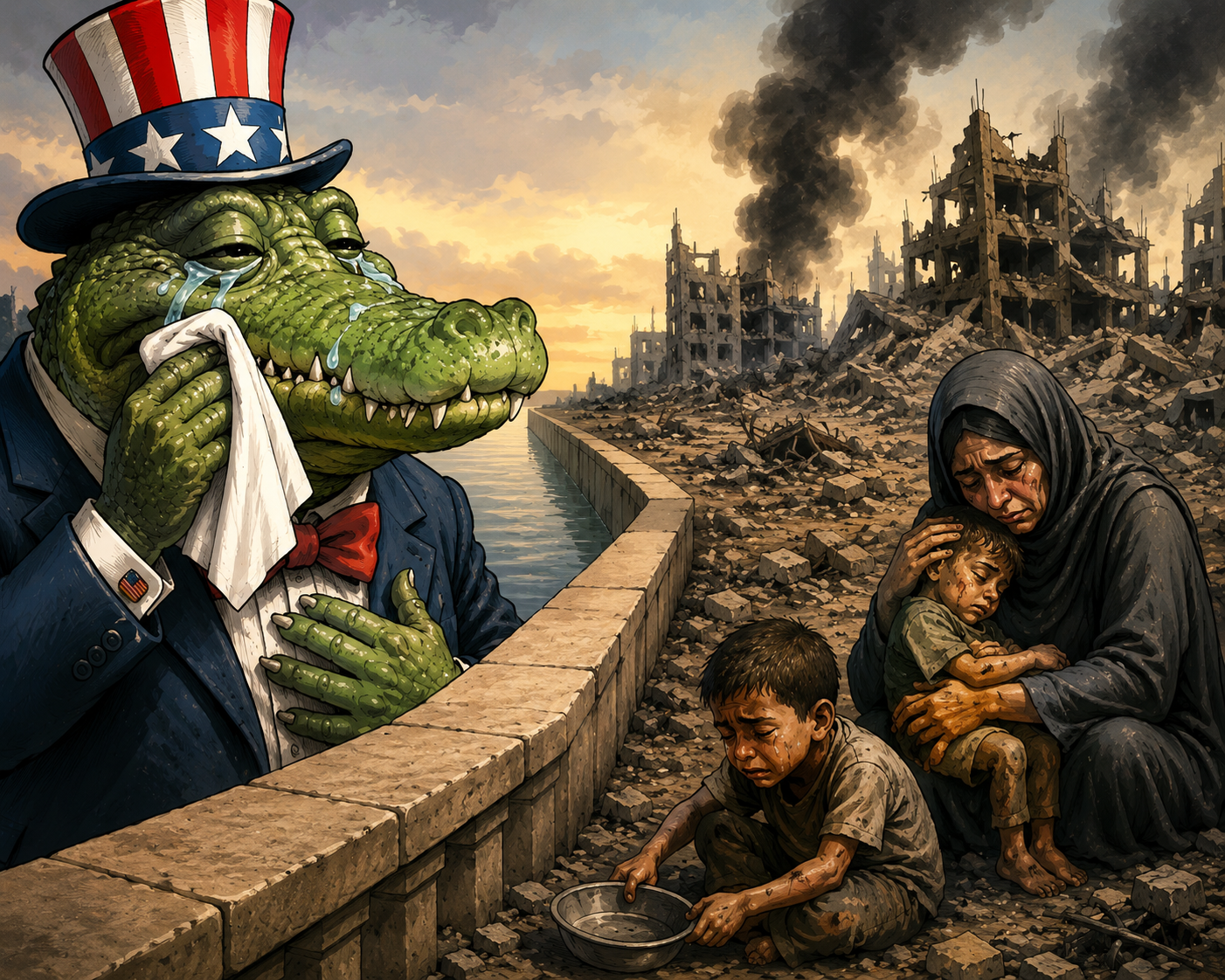
States and relevant entities must also pursueaccountability of countries complicit in or supportive of Israel’s crimes, most notably the United States, along with other governments that provide Israel with any form of assistance connected to these violations. This includes military, intelligence, political, legal, financial, and media support, as well as any contractual engagements that contribute to the continuation of these crimes.
The international community must immediately launch a comprehensive reconstruction process in the Gaza Strip, prioritising the repair and rebuilding of critical infrastructure, with particular urgency given to the devastated health sector. The provision of medicines, medical equipment, surgical and intensive care supplies, and power generators is now a humanitarian necessity that cannot be delayed, in light of the total collapse of the health system and the inability of hospitals to provide even the most basic care.
Finally, Israel must lift all restrictions on the entry of construction materials and humanitarian aid into Gaza, in accordance with its binding legal obligations under international humanitarian law. These cannot be made conditional upon political considerations, nor subject to Israeli approval—as Israel, as the occupying power, has no legitimate authority over the administration of the affairs of the Palestinian civilian population.
CrossFireArabia
By Michael Jansen
During his ongoing visits to Saudi Arabia, Qatar and the Emirates, US President Donald Trump seeks to focus on business opportunities and investment in the US rather than address the negative political realities to which he contributed during his first term (2017-2021).
At that time, he dismissed the two-state solution in favour of “The Deal of the Century” which would give Palestinians a degree of autonomy within Israel. He defunded UNRWA, recognised Jerusalem as Israel’s capital, moved the US embassy there, and said the US no longer considers Israeli settlements illegal overturning a 1978 policy. The fate of the refugees, Jerusalem, and settlers were meant to be negotiated under the two-state solution by the sides under the 1993 Oslo accord. He closed the US consulate in occupied East Jerusalem which served Palestinians and the PLO office in Washington. Trump recognized Israeli annexation of Syria’s occupied Golan.
Trump began his second term by calling for the expulsion of Palestinians from Gaza which would be redeveloped as a Middle East Riviera instead of exerting pressure on Israel to end the Gaza war and enable its reconstruction. Under Trump’s real estate venture Gazan Palestinians were supposed to settle in Egypt and Jordan, which along with all the Arabs flatly rejected this proposal. Egypt drew up a counterproposal to reconstruct devastated Gaza while its population stays put.
His resort scheme has angered the Arab public from the Gulf to the Atlantic. His call for Saudi Arabia to establish relations with Israel has been rejected as Riyadh has said it will normalise when there is a Palestinian state with its capital in Jerusalem.
Since Trump made Saudi Arabia his first foreign destination in 2017 during his first term, the region has changed significantly by pivoting to the East. Saudi Arabia and the Emirates have cultivated ties with Russia – Riyadh’s partner on oil production and pricing – and China which buys Gulf oil and exports billions of dollars in goods to the Gulf. The Emirates, Egypt and Iran joined BRICS (the grouping of Brazil, Russia, India, China, and South Africa) while Saudi Arabia applied but did not follow through. China mediated Saudi-Iranian reconciliation. This has ended Iran’s isolation in the region.
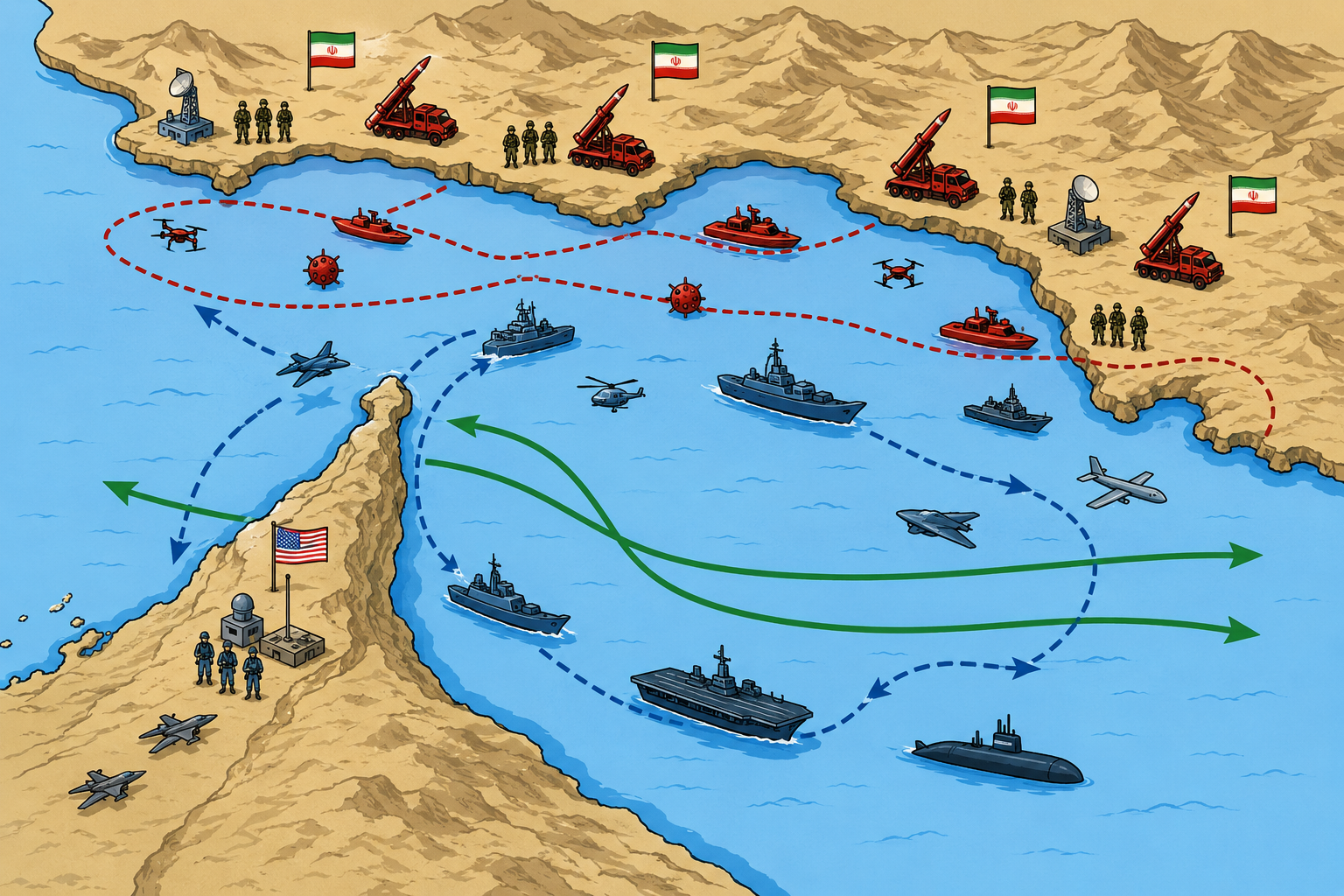
On the positive side, early in this term Trump opened talks with Iran over its nuclear programme to replace the 2015 deal from which he withdrew in 2018. A fifth round of talks is expected. Although Trump wants to be a peacemaker, he has threatened war if the talks fail.
As a peacemaker, Trump bombed Yemen heavily to force Yemen’s Houthis to end attacks on international commercial and naval vessels in the Gulf of Aden and the Red Sea. The Houthis and US agreed to end this confrontation. Trump has not, however, halted Houthi drone and ballistic missile attacks on Israel which the Houthis say will stop if Israel observes a ceasefire or ends the war on Gaza.
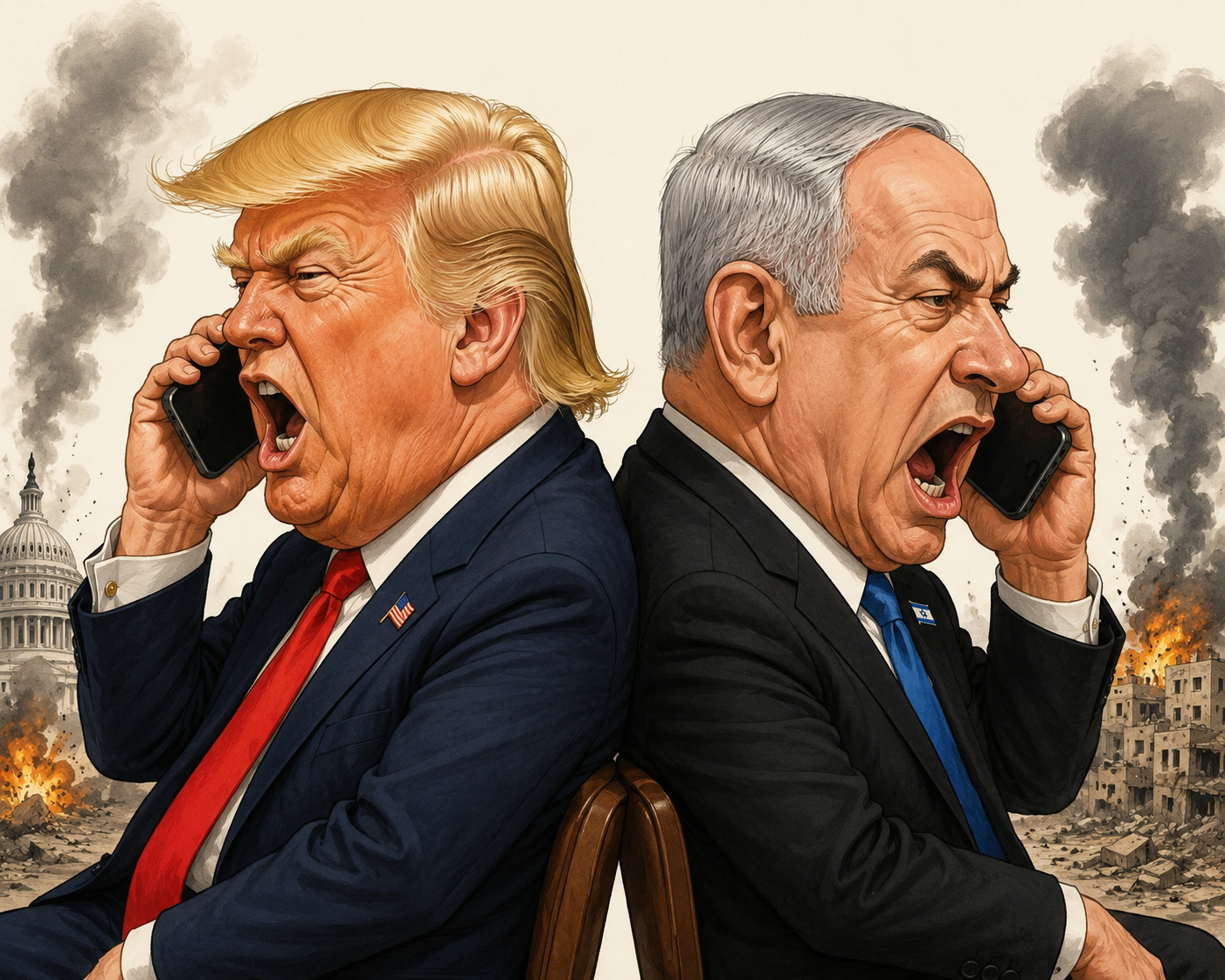
Trump has not planned to stop in Israel during this Gulf tour, indicating that there is some distance between him and Israeli Prime Minister Binyamin Netanyahu. He has not only refused to ceasefire in Gaza but also maintained a ten-week blockade of the strip. He could have done both to ease Trump’s swing around the Gulf where Gaza is high on the agendas of the rulers and public. Since Netanyahu has carried on with his Gaza war, Trump has ignored him when resuming talks with Iran on limiting its nuclear programme in exchange for lifting sanctions and agreeing to a ceasefire with Yemen’s Houthi. The ceasefire has been welcomed by Washington’s Arab allies, particularly Saudi Arabia which had been urging an end to US attacks on Yemen before Trump began his tour.
Without Israeli involvement, the US has also negotiated with Hamas over the release on Monday of US-Israeli hostage Edan Alexander. For Trump, this is a greatly desired success in the US. In Israel, families of hostages who are not US-Israel dual citizens fear their relatives will be forgotten by Netanyahu who is determined to not only continue with the war but also to expand it once Trump departs from the region. Hostage families are not alone in their suspicions. A majority (54 per cent) of Israelis said that the war was being driven by personal rather than security reasons. Only 21 per cent agreed with Netanyahu’s prioritisation of eliminating Hamas over rescuing the hostages. A March poll showed 70 per cent of Israelis wanted Netanyahu to resign.
He has adopted this stance for several reasons. First, right-wingers in his coalition have vowed to pull out if he ends the war. Second, once the war is over, Netanyahu will be called upon to account for lax Israeli security in the south where Hamas breached the fence on October 7th, 2023, killed 1,200 Israelis and visitors and abducted another 251. There was no excuse for laxity. Young female Israeli soldiers deployed as “watchers” along that part of the border with Gaza, warned repeatedly that Hamas was conducting drills and manoeuvres ahead of an attack. Their warnings were not taken serioiusly by senior Israeli officers. Some of these women were killed and some captured. Third, as long as the war is being waged, Netanyahu will not have to explain how lightly armed Hamas fighters have managed to carry on the fight while the mighty Israeli army and air force levelled Gaza and killed 53,000 Palestinians. Netanyahu has a lot of explaining to do.
Jansen is a columnist for the Jordan Times
CrossFireArabia
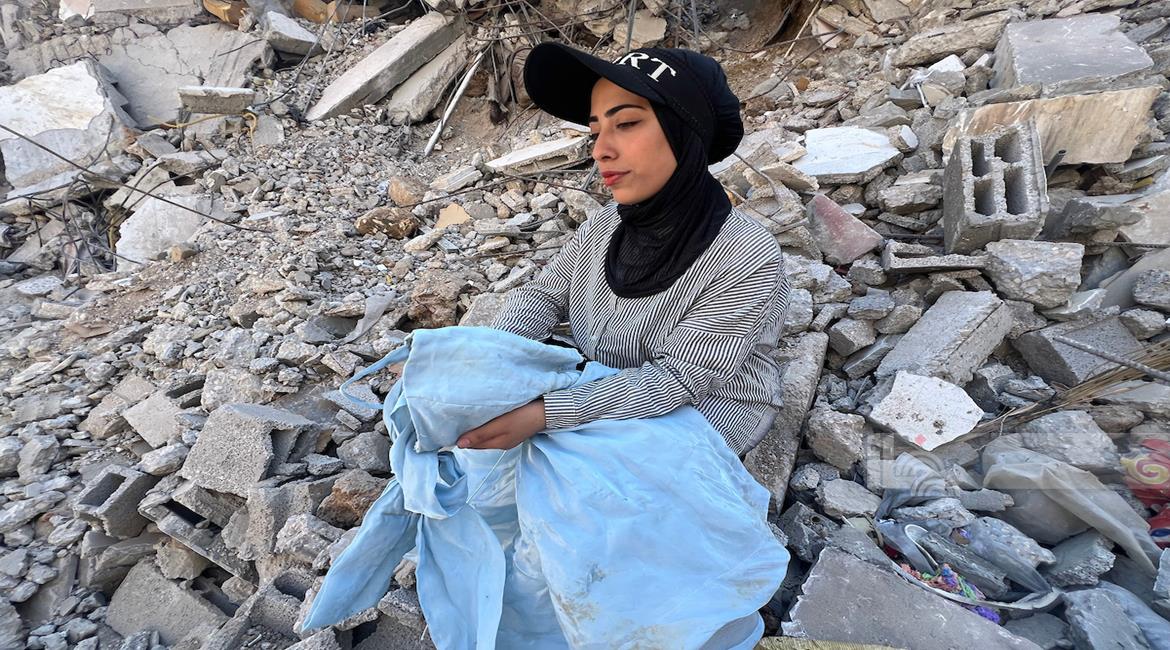
Since the start of its genocide in October 2023, the Israeli army has killed an average of 21.3 women per day through direct bombardment of the Gaza Strip. This amounts to approximately one Palestinian woman per hour, not including those who have died due to siege, starvation, or lack of medical care—none of which are encompassed in the statistics.
The shocking, unprecedented rate at which women are being killed in the Gaza Strip reflects a systematic Israeli pattern of mass killings deliberately targeting Palestinian women, especially mothers. Euro-Med Monitor’s field team has documented the killing of thousands of women, many of them of childbearing age, including thousands of mothers killed alongside their children in their homes, displacement camps, temporary shelters, or while fleeing in search of safety or trying to protect their children from bombardment. The escalating pattern of daily targeting indicates that Israel is using the killing of Palestinian women in the Gaza Strip as a tool to destroy an entire demographic, falling within the crime of genocide under international law.
Field data reveals a systematic Israeli pattern of killing pregnant women and young mothers alongside their children, or while they attempt to care for and protect their families. This is a blatant violation of international humanitarian law, and is an act that directly threatens the future of the Palestinian population.
Official health records confirm the killing of 12,400 Palestinian women, including 7,920 mothers, during the 582 days of Israel’s genocide in the Gaza Strip. Field data further indicates that death rates among mothers, pregnant women, and breastfeeding women have reached unprecedented levels due to direct Israeli bombardment.
Euro-Med Monitor has documented several cases of mothers being killed, including Naifa Sadiq Zaki Ali Awida (24), her husband Abdul Salam Mahmoud al-Agha, and their two daughters, Ayloul (less than 24 days old) and Zeina (18 months old). They were killed in a direct Israeli strike while sleeping in their tent in the al-Mawasi area of Khan Yunis at dawn on Sunday, 11 May 2025.
Nada Abu Shaqra, her husband Moatasem al-Alami, and two of their children were also killed in an Israeli airstrike targeting a displacement camp in the same area.
A third family was targeted at dawn on Thursday, 17 April 2025: Khadija Asaliya (30), her husband Ghassan Asaliya (31), and their five children were killed in a drone strike on their tent in Jabalia, in the north of the Gaza Strip.
“We were about 135 people in the house. There was a sudden Israeli strike, and only 12 of us survived,” said Sabreen Salem, a survivor of an Israeli airstrike on a building in Gaza on 19 December 2024. The strike killed over 120 people, including children and “many women and pregnant women whose bodies were torn apart”, according to Salem. “It was an unbearable scene.”
Israeli targeting extends beyond killings, as 60,000 pregnant women are currently enduring severe conditions due to malnutrition, hunger, and inadequate healthcare, according to the Palestinian Ministry of Health. This situation results directly from Israel’s strict blockade and ban on the entry of goods and aid since early March.
The killing of Palestinian women and mothers, particularly pregnant women, follows a clear pattern of birth prevention, constituting a fundamental element of genocide under Article 2(d) of the 1948 Genocide Convention. This Article defines “imposing measures intended to prevent births within the group” as an act of genocide.
Israel’s prevention of births in the Gaza Strip takes multiple forms, including the direct killing of women of childbearing age; the targeting of pregnant mothers; the destruction of healthcare infrastructure for childbirth as well as maternal care; the denial of essential medicines and medical supplies; the starvation of mothers and infants; and the lack of adequate nutrition for mothers and infants, resulting in slow deaths and severe health complications.
Palestinian mothers experience complex psychological distress due to the loss of their children, husbands, and/or homes, plus their inability to protect themselves, their families, and/or secure their livelihoods. The lack of safety and repeated displacements further intensify anxiety, depression, and severe psychological trauma.
“We have been displaced more than 10 times and survived many bombings,” said Abeer H., a mother of four from Gaza City who requested that her surname be withheld due to safety concerns. “I cannot reassure my children. Every night, they fall asleep to the sound of bombing, and I cry, fearing I might wake up to find none of them alive.”
She continued, “I have witnessed the tragedy of losing mothers and children. I have become a powerless mother, without food.”
All states, both individually and collectively, must fulfil their legal responsibilities by taking urgent action to stop the genocide in the Gaza Strip, through implementing effective measures to protect Palestinian civilians; ensuring Israel’s compliance with international law and the decisions of the International Court of Justice; and holding Israel accountable for its crimes against the Palestinians. The International Criminal Court must reissue arrest warrants for the Israeli Prime Minister and Minister of Defence at the earliest opportunity, in accordance with the principle that there is no immunity for international crimes.
The international community must also impose economic, diplomatic, and military sanctions on Israel for its systematic and grave violations of international law. These sanctions should include an arms embargo; an end to all political, financial, and military support; freezing the assets of officials involved in crimes against Palestinians; imposing travel bans; and suspending trade privileges and bilateral agreements that provide Israel with economic benefits that enable its continued crimes.
CrossFireArabia
“Landmark” deals signed by Qatar during US President Donald Trump’s visit signify a “historic” economic commitment worth at least $1.2 trillion, the White House said Wednesday.
“The landmark deals celebrated today will drive innovation and prosperity for generations, bolster American manufacturing and technological leadership, and put America on the path to a new Golden Age,” a White House statement said.
Among the deals it mentioned were a previously announced agreement with Boeing to supply Qatar Airways with 787 Dreamliner and 777X aircraft powered by GE Aerospace engines in what the White House said marks Boeing’s “largest-ever widebody order and largest-ever 787 order.”
The White House said the deal is worth $96 billion, and includes up to 210 American-made Boeing 787 Dreamliner and 777X aircraft powered by GE Aerospace engines. Trump earlier said the agreement was worth over $200 billion and included 160 aircraft.
The discrepancies were not immediately reconcilable. The White House did not immediately respond to a request for comment.
The statement also pointed to an energy development agreement with American firm Parsons, and a commitment from Qatari firm Al Rabban Capital to invest $1 billion in “state-of-the-art quantum technologies and workforce development in the United States.”
On the defense side, the White House said Raytheon inked a $1 billion deal to supply Qatar with counter-drone capabilities, making Qatar “the first international customer for Raytheon’s Fixed Site – Low, Slow, Small Unmanned Aerial System Integrated Defeat System (FS-LIDS) designed to counter unmanned aircraft.” General Atomics separately signed a $2 billion agreement to sell Qatar MQ-9B SkyGuardian surveillance drones.
A statement of intent signed between the US and Qatar further outlines more than $38 billion in what the White House called “potential investments including support for burden-sharing at Al Udeid Air Base and future defense capabilities related to air defense and maritime security.”
The facility, located just southwest of Doha, is the US’ largest military base in the Middle East.
“These new agreements and instruments aim to drive the growth of the U.S.-Qatar bilateral commercial relationship, create thousands of well-paying jobs, and open new trade and investment opportunities for both countries over the coming decade and beyond,” the White House said according to Anadolu.
CrossFireArabia
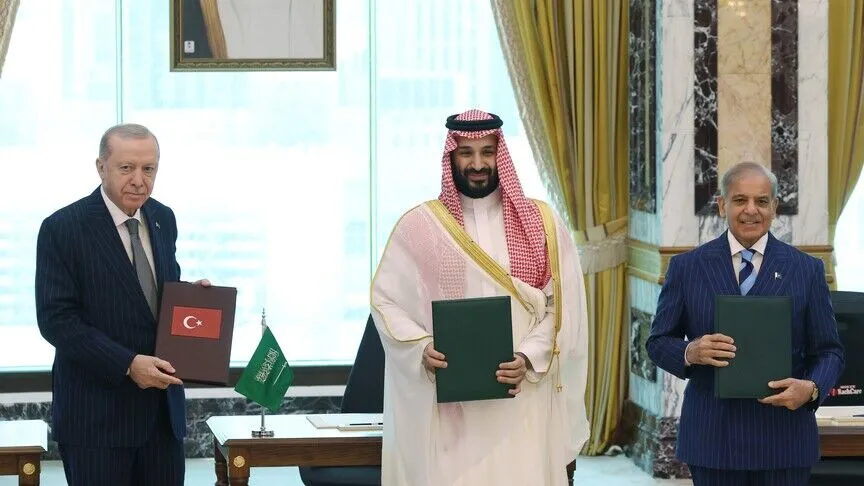
US President Donald Trump begun his Middle East tour on 12 May, starting in Saudi Arabia with the Gulf Cooperation Council (GCC) summit, then moving on to Qatar and concluding in the United Arab Emirates (UAE). Trump will be accompanied by a large delegation, including senior White House staff, several ministers, high-ranking officials, and an army of businesspeople. At the core of Trump’s tour to the influential and wealthy GCC states—Saudi Arabia, Qatar, and the UAE—will be investments, economic ties, business, and bilateral relationships. The Trump administration aims to attract hundreds of billions of dollars in investments from Gulf wealth funds into the United States.
Expected discussions include Israel’s military campaign in Gaza, Palestinian statehood, negotiations over Iran’s nuclear program, and the ceasefire deal with Yemen’s Houthi group. Additionally, Syria and Lebanon may also feature on the agenda. Syrian President Ahmad al-Sharaa is reportedly seeking a meeting with Trump during his visit to Saudi Arabia, aiming to persuade him to lift sanctions and increase US involvement in Syria’s reconstruction, economy, and oil sector.
Trump critically needs this tour to project an image of a successful leader who has secured hundreds of billions of dollars in pledged investments and deals, as well as closer political and security ties with GCC states. Hundreds of agreements are anticipated during the visit, covering areas such as AI, transportation, minerals, energy, infrastructure, aviation, defense, and potentially broader agreements on semiconductors and nuclear energy.
Matter of prestige
The significance of this tour is heightened by the fact that Trump is facing both internal and external challenges, having yet to achieve any substantial victories in his ongoing struggles. These include the tariff dispute, Israeli involvement in Gaza, the Iran nuclear deal, Russia’s war in Ukraine, tensions with Canada and Greenland, and his ongoing conflict with China. An image of victory during his Gulf tour would help compensate for these setbacks. Gulf leaders are well aware of this and will arrange exceptional welcome ceremonies and generous hospitality for him. In other words, they will arrange a wonderful show for him. This not only caters to his personal ego but also enhances his standing both domestically in the US and internationally, where he is in dire need of a win. The outcome could create a win-win situation. However, it is important to note that not all the promises made during this tour will materialize. While some initiatives may come to fruition, others may remain merely part of the spectacle.
Unlike his first visit to the region during his initial term in the White House, which included Israel, Tel Aviv is notably absent from his current itinerary. This exclusion is quite significant. Under Netanyahu, Israel has little to offer the US president, aside from more problems, a negative image in the region, and a tarnished reputation for the president himself. It serves as a reminder of his failure to achieve a ceasefire in Gaza, largely due to Netanyahu’s unwillingness to pursue it.
In a previous interview following Biden’s election at the end of 2020, Trump explicitly blamed Netanyahu for the failure of his peace initiative with the Palestinians, stating, “Netanyahu never wanted peace.” Amid the ongoing conflict, initiatives aimed at encouraging Saudi Arabia to recognize Israel—an objective pursued by Trump during his first term—are likely to remain on hold. Riyadh has indicated that it requires tangible progress toward a Palestinian state first, a condition that Israel has not been willing to meet. However, Reuters reported this week that the US has shifted its stance and is no longer insisting that Saudi Arabia normalize relations with Israel as a prerequisite for advancing discussions on civil nuclear cooperation.
Desire to appear as dealmaker
Regardless, Trump’s Middle East tour represents more than just a diplomatic engagement with key US allies; it is a calculated effort to reclaim geopolitical momentum and project strength amid mounting domestic and international challenges. The emphasis on economic deals, defense cooperation, and strategic investments highlights Washington’s strategy of leveraging the Gulf’s financial and political capital to enhance Trump’s image as a dealmaker-in-chief. However, beneath the pomp lies a web of unmet expectations and unresolved conflicts.
While Saudi Arabia, Qatar, and the UAE are acutely aware of Trump’s need for a symbolic win, they remain cautious about committing to politically costly moves without tangible concessions, particularly concerning Palestinian statehood. Ultimately, this trip may provide short-term optics that bolster Trump’s leadership narrative, but its long-term impact will depend on whether these engagements translate into sustained commitments or fade into the background noise of global challenges.
Dr Bakir is Assistant Professor at Qatar University, and non-resident senior fellow at the Atlantic Council.