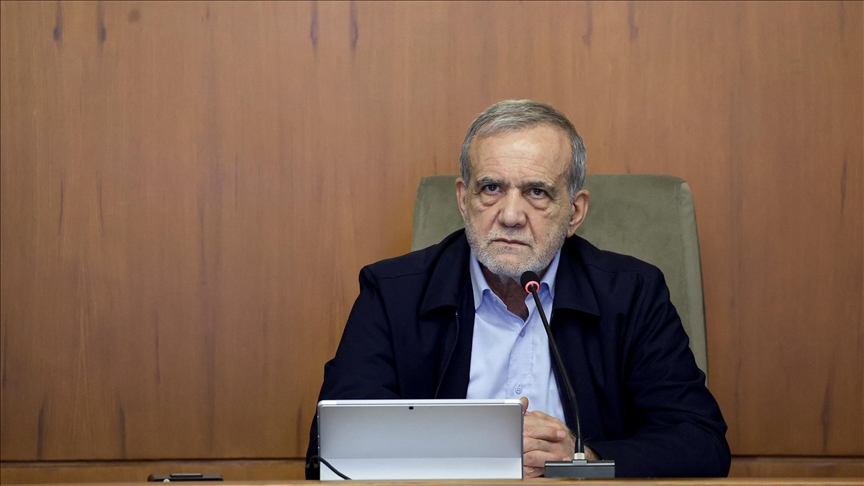
 Pezeshkian: ‘Iran Will Not Surrender to Bullies’
 Israeli Soldiers Enforce Closure of Al Aqsa
 1 in 7 Displaced in Lebanon – NRC
 Hormuz: End of an Era of Martime Dominance
 Gaza Faces Massive Dust Storm


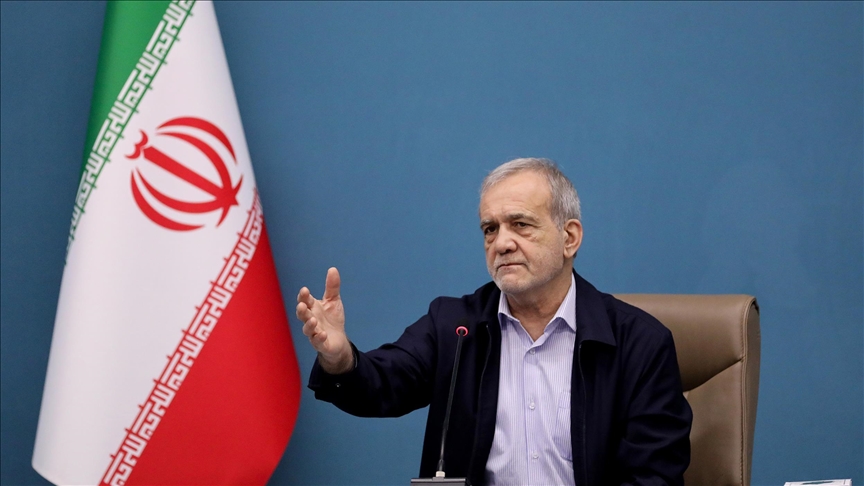
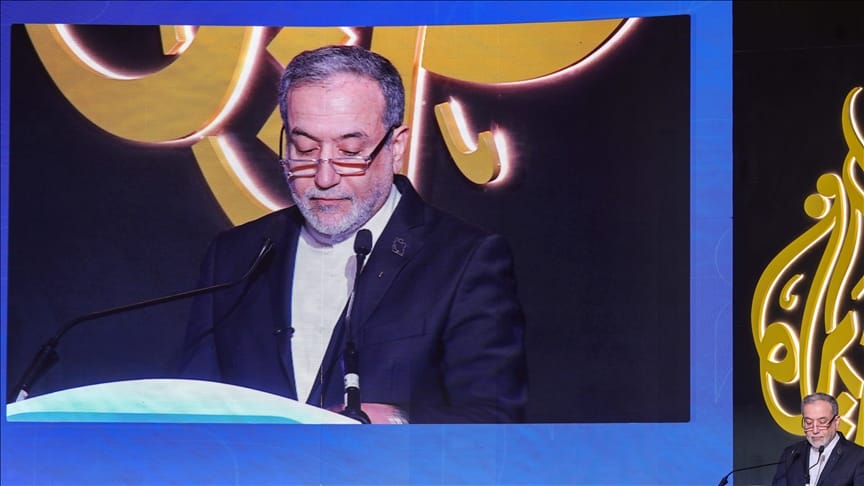
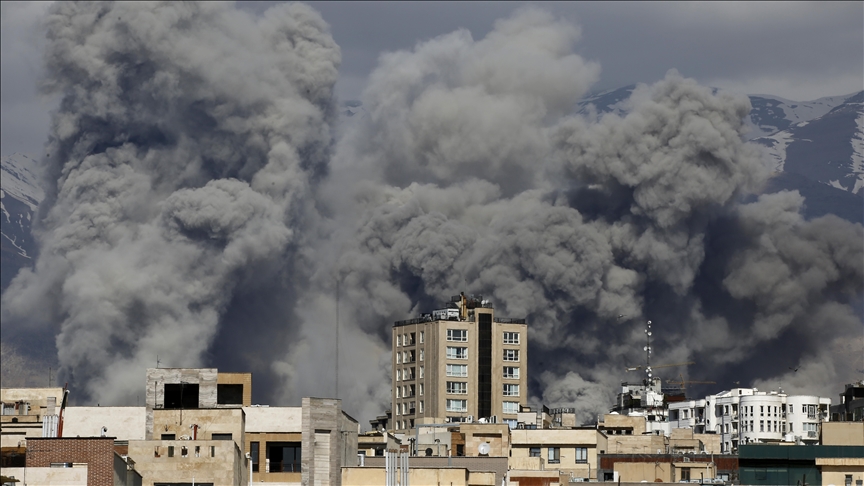
Pezeshkian: ‘Iran Will Not Surrender to Bullies’
 CrossFireArabia
- March 16, 2026
 CrossFireArabiaCrossFireArabiaCrossFireArabiaCrossFireArabiaCrossFireArabiaCrossFireArabiaCrossFireArabiaCrossFireArabiaCrossFireArabiaCrossFireArabiaCrossFireArabiaCrossFireArabiaCrossFireArabiaCrossFireArabiaCrossFireArabiaCrossFireArabiaCrossFireArabiaCrossFireArabiaCrossFireArabiaCrossFireArabiaCrossFireArabiaCrossFireArabiaCrossFireArabiaCrossFireArabiaCrossFireArabiaCrossFireArabiaCrossFireArabiaCrossFireArabiaCrossFireArabiaCrossFireArabiaCrossFireArabia
 Saleem Ayoub QunaCrossFireArabiaCrossFireArabiaCrossFireArabiaCrossFireArabiaCrossFireArabiaCrossFireArabiaCrossFireArabiaCrossFireArabiaCrossFireArabiaCrossFireArabiaCrossFireArabiaCrossFireArabiaCrossFireArabiaCrossFireArabiaCrossFireArabiaCrossFireArabiaCrossFireArabiaCrossFireArabiaCrossFireArabia
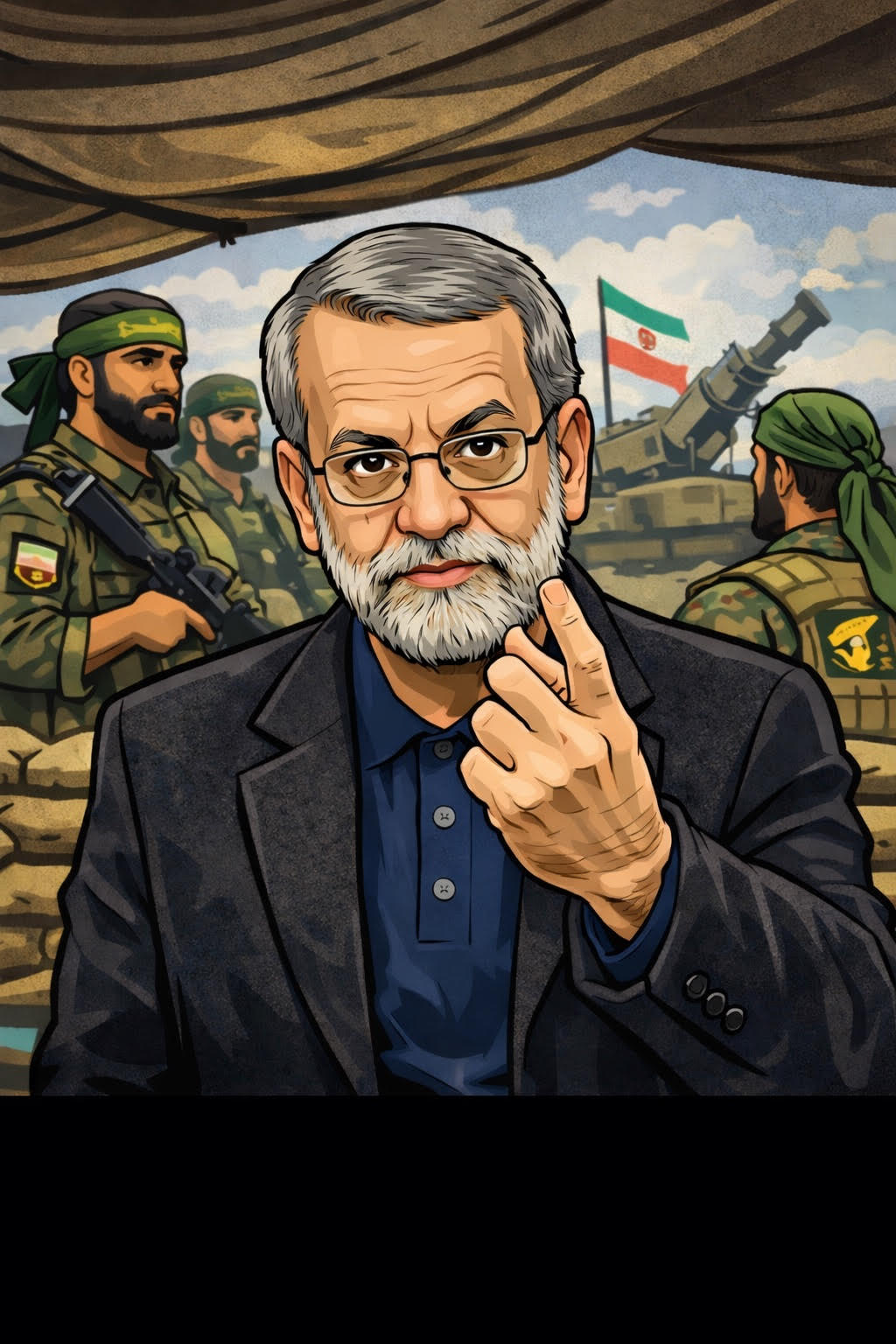
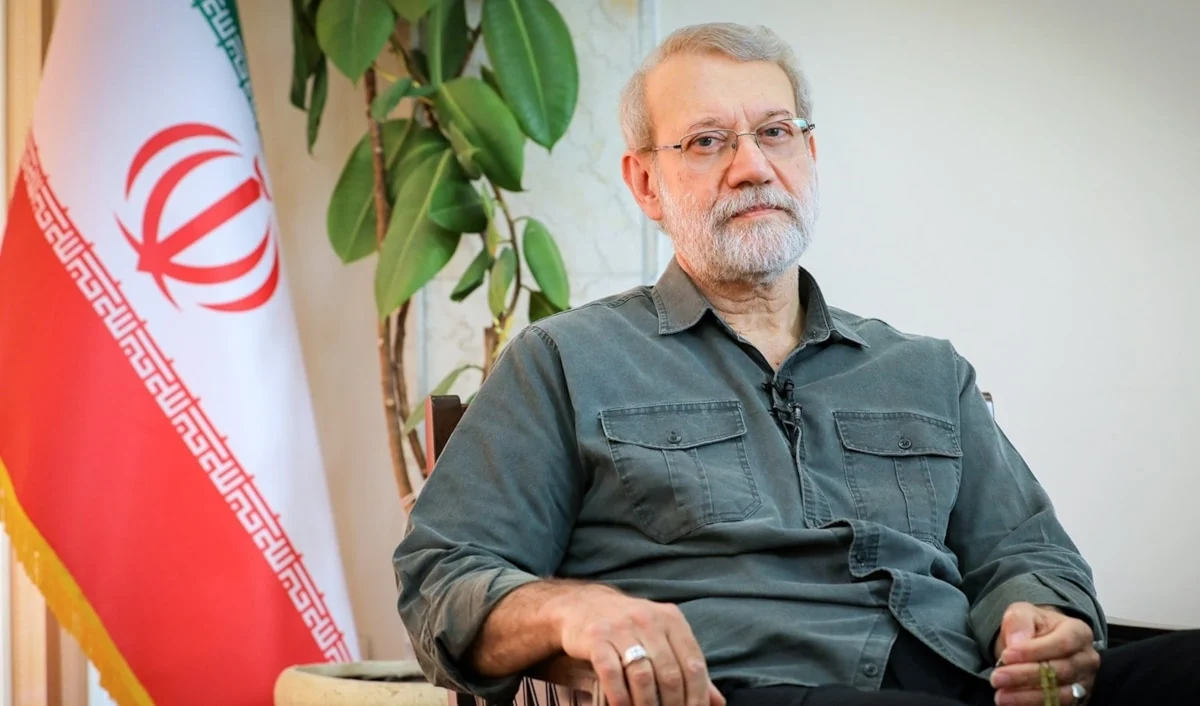
Military strategic expert Nidal Abu Zeid stated that Iran has activated its multi-layered command structure, indicating it fears that its top leaders could well be targeted. He explained that Supreme Leader Ali Khamenei has entrusted his advisor, Ali Larijani, with assuming command in the event of an attack, and has instructed various leaders to establish four alternative layers to prevent a collapse of the decision-making chain.
In his interview with Jordan 24, Abu Zeid pointed out that this move signifies Iran’s shift from centralized command to decentralized decision-making, ensuring the continuity of state and military administration during what he described as the “critical 48 hours” in the event of a surprise attack.
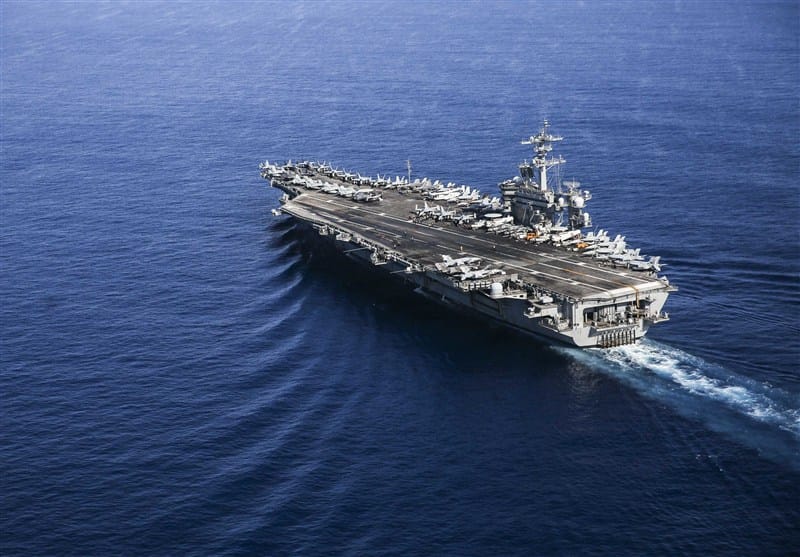
Abu Zeid believes the photograph released by the White House of the dinner that brought together US Secretary of State Marco Rubio and Secretary of Defense Pete Hegseth—both among the most ardent advocates of escalating tensions with Iran—reflects the outlines of a decision that may lean towards a military option. He added that Thursday’s meeting is still on, but that US President Donald Trump’s request for a draft negotiating framework 48 hours before the meeting may be part of a deceptive tactic aimed at achieving the element of surprise. This timeframe, he believes, is also sufficient for the aircraft carrier USS Gerald R. Ford to arrive at the port of Haifa.
Abu Zeid suggested that Trump might decide to launch a limited military strike while keeping the door open for negotiations, in order to pressure Tehran into making concessions during the upcoming meeting. He anticipates that the Iranian response will remain “restrained” if Tehran is assured that its leaders will not be targeted in the initial wave of strikes.
However, he warned that if Iran remains intransigent regarding Washington’s conditions, the US strike could expand to include high-value targets, including prominent leaders.
CrossFireArabia
By Sufian Al-Tal
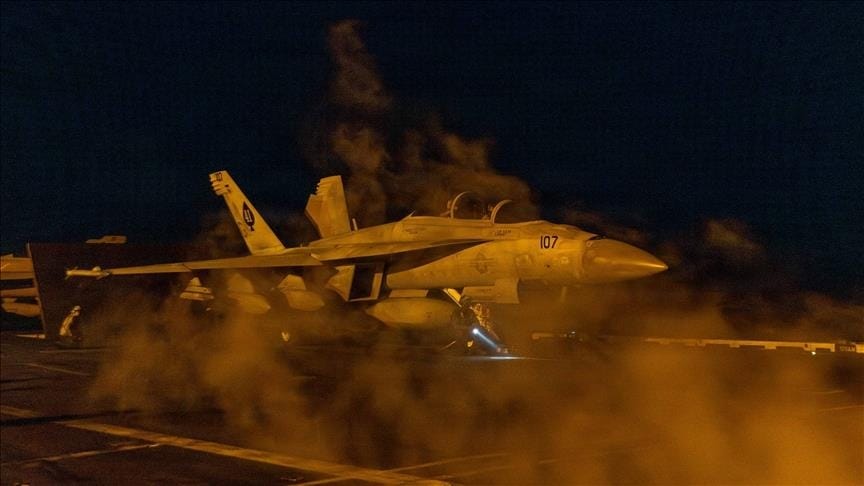
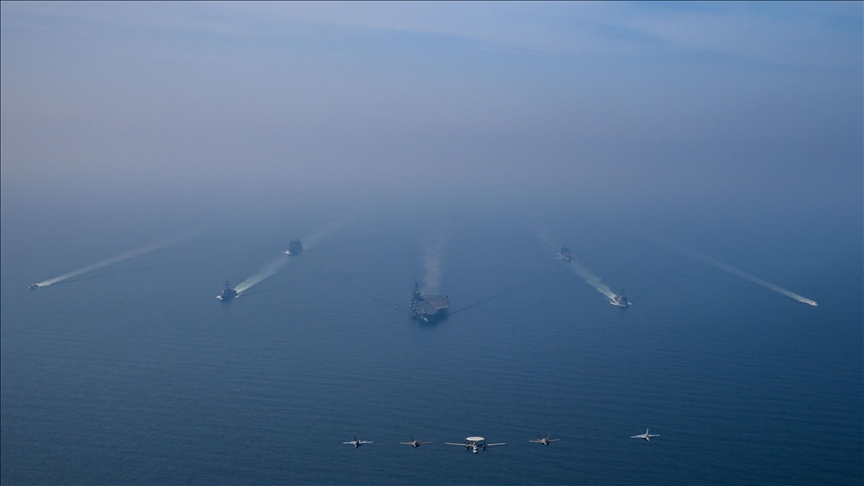
Construction of the aircraft carrier USS Gerald R. Ford began in 2005. Its plans were fully prepared and built on defensive foundations that, based on the data and military science available up to 2005, made it unsinkable.
However, between 2005 and 2025, 20 years of scientific and military development passed, and new sciences emerged and clashed, which the aircraft carrier’s plans and designs at the time did not take into account. In addition, the aircraft carrier USS Enterprise, which entered service in 1961, was officially decommissioned on February 3, 2017, after more than 55 years.
Thinking strategically?
The aircraft carrier USS Gerald R. Ford is one of the most advanced warships in modern history and is often referred to as “unsinkable.” However, while this description is valid in its military context, it remains relative, not absolute. The real question is not whether sinking it is theoretically possible, but whether its defensive design philosophy can still keep pace with the rapid scientific and military advancements the world witnessed between 2005 and 2025.
Work on the design of the aircraft carrier began at the start of the new millennium. This means that the engineering plans and defensive doctrines upon which it was based were grounded in the military science, weapons technologies, and anticipated threat patterns available at the time.
At that time, traditional naval threats, such as anti-ship and anti-submarine missiles, were known and incorporated into existing defense systems. This allowed the USS Gerald R. Ford aircraft carrier to be designed as a highly fortified, multi-system vessel capable of absorbing damage without losing combat capability. From an engineering perspective, no naval vessel is designed with the absolute impossibility of sinking in mind, but rather with the principle of survivability after being hit.
The aircraft carrier USS Gerald R. Ford relies on a complex internal layout that minimizes the risk of cascading sinking, advanced fire suppression and damage control systems, and the ability to continue operating even after sustaining direct hits. However, all of this assumes a specific type of threat and relatively conventional combat scenarios within the parameters of that era.
Hypersonic missiles
Between 2005 and 2025, the military world witnessed significant developments that were not part of the initial design calculations. Among the most prominent of these are the emergence of hypersonic missiles with speeds and trajectories that are difficult to intercept, the growing capabilities of cyber warfare targeting command and control systems, and the rise of drone swarms as a means of overwhelming defenses through saturation. Additionally, advancements in sensor technologies and artificial intelligence have enabled the tracking of small, large, complex, and moving targets. These transformations do not necessarily imply that the aircraft carrier has become weak, but they do raise legitimate questions about the adequacy of the defensive philosophy established two decades ago.
At that time, conventional maritime threats were well-known and integrated into the carrier’s design, which relied on layered defenses and advanced damage control systems. However, between 2005 and 2025, the world experienced tremendous and rapid scientific and military advancements. China, for example, has surged in military spending and innovation, with its development rate increasing by approximately 250–300% between 2005 and 2025, making it one of the world’s closest competitors.
In contrast, the United States maintained its dominance, albeit at a slower pace, with an estimated development rate of 160–180%. Russia, on the other hand, achieved selective modernization while preserving its nuclear capabilities, with an estimated development rate of 140–160%.
Iran, starting from a modest base, made a relatively significant leap in its missile and drone capabilities, with an estimated development rate of 300–350%. In this context, another question arises concerning the thinking of some countries that do not seek to emulate the United States in terms of fleet size or number of aircraft carriers, such as China, Russia, or Iran. Instead of engaging in a costly, conventional arms race, these countries’ military thinking (thinking outside the box) focuses on circumventing this model and seeking unconventional means to neutralize, disable, or directly destroy the platform.
Within this framework, discussions arise regarding technologies based on radiation, microwaves, or other directed energy sources. In principle, there is nothing to prevent the development of devices based on high-powered microwaves, electromagnetic pulses, or high-energy lasers. However, the potential role of these technologies, as currently understood, is not to melt or physically destroy the carrier’s hull, but rather to disable or confuse sensitive electronics, disable radar, navigation, and communication systems, or disrupt flight control systems on the carrier’s deck.
The idea of melting thick marine steel, armored hulls, or parts thereof with beams from combat range is unrealistic given current data, due to the enormous energy requirements, radiation dispersion, and the difficulty of precise targeting of a moving target protected by multiple layers of defense. However, we cannot confirm or deny that there are those who think and work in this field, shrouding their activities in absolute secrecy. Surprising the enemy with unexpected weapons has always been, and remains, a core element of military planning.
The real danger lies not in a super-radiation weapon, but in the integration of multiple fields, such as a cyberattack that disrupts combat command and control systems, electromagnetic jamming that confuses sensor systems, followed by a conventional physical attack. In such a scenario, the carrier transforms from a highly organized platform into a complex system suffering from information bottlenecks, one of the most serious challenges facing modern armies. Military history shows that what is described as secret science is not the discovery of new physical laws (which would be astonishing and groundbreaking if it occurred), but rather innovative applications of known sciences. The novelty lies in the application of these sciences.
This is often in the method of integration and deployment, not in the essence of the science itself. Therefore, despite the possibility of technologies whose details have not been disclosed, it is necessary to mention a Chinese and an Iranian development:
The media is currently reporting on a Chinese achievement dubbed the “aircraft carrier killer,” an air-launched ballistic missile likely designed to target American aircraft carriers and warships. Since this missile is hypersonic and employs a special guidance system, it is capable of maneuvering and evading anti-ship weapons.
Regarding Iran’s threats that a weapon capable of sinking a ship is more dangerous than the ship itself, Israeli sources are discussing the “Whale torpedo,” which is launched underwater, operates in a supercavitational cavity, and moves within a gas bubble that reduces its water resistance. At speeds of up to 360 km/h, it reduces the reaction time of targeted ships and makes interception difficult.
In conclusion, bypassing conventional weaponry has become a reality, and disabling an aircraft carrier is now, theoretically, possible. However, completely sinking one remains a secret weapon, not disclosed by those who possess it, in order to surprise the enemy.
This article is a translated piece of an Arabic version that appeared in Al Rai Al Youm.
CrossFireArabia
American TV host Tucker Carlsom has written on X: “I wish I lived among people who pray to God five times a day…”
In his post on the social media website it was written he recently defended Muslims on his programs. He hosted Christian who affirmed that Muslims love and believe in Jesus Christ (peace be upon him as well as his mother Mary (peace be upon her.
On facebook he pointed out that the Quran contains an entire chapter named after Mary (peace be upon her), demonstrating her exalted status in Islam. Carlson also refuted the false narratives circulating in the West that Muslims are enemies of the Prophet Jesus (peace be upon him).
 CrossFireArabia
The Israeli and US plans aiming to transform the Gaza Strip into an economy lacking financial sovereignty are extremely concerning. The plans suggest abolishing cash currency and enforcing a transition to a digital economy managed by external entities aligned with Israel.
This would change access to money and basic transactions from a fundamental right into a revocable privilege, making food, medicine, and shelter dependent on security decisions and military assessments. It reflects a coercive restructuring of daily life aimed at pushing the population toward poverty and displacement, managed through technology.
After over two years of financial blockade, Liran Tancman, an Israeli businessman and former officer in Israeli Intelligence Unit 8200, who has been involved with the Gaza Humanitarian Foundation (GHF), said at an event in Washington that rebuilding Gaza depends on restoring its digital and economic connectivity. He outlined a vision for creating a “secure digital backbone” to support electronic payments, education, and financial services, alongside an “Amazon-like logistics system”. This approach aims to transition the economy from a rights-based framework to one focused on operational and security control.
Introducing digital wallets as a technical solution for reconstruction functions as a cover for a new phase of engineering control over the population and increasing economic reliance on Israel. This strategy transforms financial technology into a programmable instrument for collective regulation, enabling real-time monitoring, arbitrary restrictions, and selective freezing of funds amidst ongoing blockade and occupation, all while lacking Palestinian sovereignty over data, financial systems, operational conditions, or options to object.
Subjecting the right of access to financial resources to a security authority, whether directly or indirectly, undermines the core of economic and social rights. It damages the right to food and human dignity and breaches international humanitarian law, which prohibits collective punishment and criminalising the population. Additionally, it violates the prohibition on the use of starvation as a warfare tactic and conflicts with the fundamental obligation to protect civilians and guarantee their access to essential survival needs.
Any digital infrastructure established under occupation or international tutelage without full Palestinian sovereignty over data and financial systems risks becoming a tool for collective control and subjugation. Israel has frequently enforced arbitrary movement restrictions based on vague and non-appealable security reasons, raising fears that similar restrictions could extend to access to financial resources.
Euro-Med Monitor warns that creating a digital financial system under Israeli control could serve as a comprehensive coercion tool against Palestinians, especially journalists, activists, and human rights defenders. Digital wallets might be frozen based on a single decision, or individuals could be assigned broad security labels, resulting in the loss of access to funds without proper oversight, due process, or remedies. This situation risks making essential rights to food, medicine, and shelter dependent on unchecked security judgments.
Israel’s extensive security classification system for Palestinians, which designates hundreds of thousands as having political or national affiliations, could potentially be used as a financial weapon under such a framework to block access to their wallets and enable coercion. This situation is similar to the current restrictions on travel for medical care or movement freedom, often justified by “lack of security approval,” despite the lack of clear standards or real chances to contest these decisions.
The threat goes beyond simply denying funds; it involves turning the economy into a network of conditions and restrictions. Basic services would become dependent on political and security compliance, while aid, salaries, and trade could be used as tools for classification. People would be tracked through digital records that decide their access to essential needs. This method risks reinforcing arbitrary discrimination and could lead to collective punishment that affects both individuals and groups.
Restricting the development of advanced internet services to areas like the so-called “New Rafah,” combined with partial reconstruction efforts, raises concerns about using technology as a pressure tool to alter demographics and enforce coercive changes. Digital services risk becoming a privilege tied to geographic location rather than a universal public right, thereby weakening the principles of non-discrimination and equitable access to services.
Euro-Med Monitor emphasises Tancman’s crucial role in the GHF, which is associated with contentious aid distribution methods amid the Gaza genocide. Field data indicate that the foundation’s policies helped engineer starvation in the enclave, resulting in about 1,200 civilian deaths and injuries to thousands more during food access efforts. He is also among those who suggested tying aid distribution to “biometric” checks, effectively turning relief efforts into mechanisms for data gathering, coercion, and security control.
Any digital or economic initiative that overlooks the occupation’s realities and provides the occupying power with more control tools over the population’s lives does not contribute to rebuilding Gaza or facilitating recovery. Instead, it solidifies an illegal system of domination and risks turning technology into a means to prolong violations and maintain the blockade in a “smart” manner. In this form, the blockade becomes programmable, with punishment that is swift and direct, serving as leverage to drive the population into poverty, displacement, and uprooting by limiting livelihoods and linking survival to security policies.
The reconstruction efforts and any transitional phase must be grounded in respect for international humanitarian law and human rights law, guarantee full Palestinian sovereignty over resources, systems, and data, and ensure the separation of humanitarian arrangements from security and intelligence functions.
Euro-Med Monitor underscores the prohibition on linking any financial services, humanitarian aid, or access to basic necessities to “biometric” verification, security classifications, or political conditions. It advocates adopting the principle of data minimisation and preventing the transfer or sharing of data with any third party, particularly security bodies or companies contracted with them.
Since October 2023, Israel has barred all cash entries into Gaza and enforced a strict financial blockade, resulting in the closure of all bank branches during the genocide. Although some branches later reopened partially, they were still not allowed to bring in cash, thereby preventing cash withdrawals.
Euro-Med Monitor urges rejection of any financial or digital arrangements imposed on Palestinians under occupation or made in their name without real Palestinian sovereignty, independent civil representation, and enforceable oversight and appeal processes. The idea of “consent” in the context of occupation lacks legitimacy as long as Palestinians do not control money and data.
Any system that does not guarantee full Palestinian sovereignty over data, infrastructure, standards, and governance, and that grants the occupying power or its agents the ability to access, disable, or freeze operations, remains an unlawful instrument of control, regardless of any humanitarian or developmental framing.
All digital systems should undergo regular independent audits focusing on privacy, cybersecurity, and human rights impacts, with the results openly published. Full transparency is required regarding funders, owners, operators, contractors, and contractual conditions. Euro-Med Monitor calls for safe non-digital alternatives and opposes making survival or access to services dependent on digital wallets, which could exclude vulnerable groups or those without connectivity or technical means.
The establishment of independent and effective appeal mechanisms with well-defined jurisdiction, competent judicial authority, and quick decision-making regarding asset freezes or transaction restrictions is crucial. These mechanisms should ensure transparency in operational standards and objection procedures and require that decisions be reasoned.
Euro-Med Monitor urges the establishment of an independent Palestinian civil authority to govern the financial and technological systems without interference from the occupation. It emphasises that genuine economic progress depends on lifting unlawful restrictions on crossings, cash flow, goods, and communications, rather than replacing a physical blockade with a “smart” digital one that increases dependency and perpetuates violations.
Saleem Ayoub Quna
By Saleem Ayoub Quna
Five years after his controversial disappearance from his cell in a Miami prison, Jeffry Epstein’s infamous legacy, remerges in unexpected ways and places.
His ex-clients, associates and “victims” are, one after the other, involuntarily, coming back to center stage, in no less embarrassing circumstances, than the ones they were, voluntarily, involved in in the first, hush-hush, part of this unfolding drama.
The released three million pages, certainly, harbor much more details about Epstein’s clandestine part of his empire, which he started in the late 1980s, and lasted for nearly three decades, than anyone could have anticipated, when Epstein was announced dead in 2019.
Potentially, it would take life-time assignment for brigades of investigators and researchers to turn every stone out of this huge pyramid of documents, i.e. more stunning information should be expected, more names of celebrities and heads of states could be queuing to be unmasked.
One of the most intriguing pieces of information revealed so far, yet not conclusively, is the one related to former Israeli Prime Minister, Ehud Barak’s connection with Epstein.
While it is widely believed that Epstein was originally recruited by Israeli intelligence services the ‘Mossad’, to build this international web of contacts for reasons that are familiar to all, it is not clear why among other present or ex-Israeli officials, Ehud Barak’s name would pop out in the way it did!
When asked about it, Ehud Barak, admitted that he had good relations with Epstein that lasted for the period of 15 years, during which Epstein had hosted him in his Manhattan private residence on many occasions!
The question here is who, among these two men, was using the other? Or who was working for the other and being paid by him? Or was it that kind of swapping stuff, whose value could not be translated into cash, considering that Barak was not a playboy!
Then, other big names came out such as Bill Gates, Bill Clinton, Donald Trump and many other VIPs, who all expressed their regret to have known or been associated with Epstein! Why any one of them did not do that, the “expression of regret”, five years ago when Epstein died? Or did they think or hope that their, behind the doors, relationships with Epstein would be buried, simultaneously, with the burial of Epstein’s body?
But there are other big names that were associated with Epstein who, seemingly, did not have neither the time nor the will to express their regret to have known Epstein. A group of VIPs, whom I would like to nickname the “Knights” of a very special order; knights of hot nights who willingly fell into the well-orchestrated silk traps weaved by Epstein’s establishment. Instead they found themselves, practically, paying dear for their friendship with him.
One of the most prominent knights is no other than ex-Prince of the British throne, Andrew Mountbatten who certainly was a big fish caught in Epstein’s net. He, the ex-prince, also knew how to keep his mouth shut for 5 years. But now and after his royal title and embarrassing pictures popped out, the local British police dared to book him, in broad day light, for preliminary interrogation. His elder brother, the actual King Charles III, had but to consent to the idea that his younger playboy brother should be put on trial for what he did!
Other high status figures and “knights” who already fell off their, once immune little thrones; include: Jack Lang, the ex-French politician and Head of Arab World Institute in Paris, Peter Mandelson, from the British political establishment, the Labor Party, Mona Juul, a Norwegian ex- Ambassador, Alexander Acosta, the ex-US labor Secretary and lastly Sultan Ahmad bin Suleim, the UAE tycoon businessman.
From this angel the whole thing looks absurd and surreal: When you think how all those big names of movers and shakers of world affaires were united, by their free-will, to fall in the smallest trap hole ever known to mankind?
Saleem Ayoub Quna is a Jordanian author writing on local, regional and international affairs and has two books published. He has a BA in English Literature from Jordan University, a diploma from Paris and an MA from Johns Hopkins University in Washington.