 Hormuz Strait in The Checkered Ceasefire
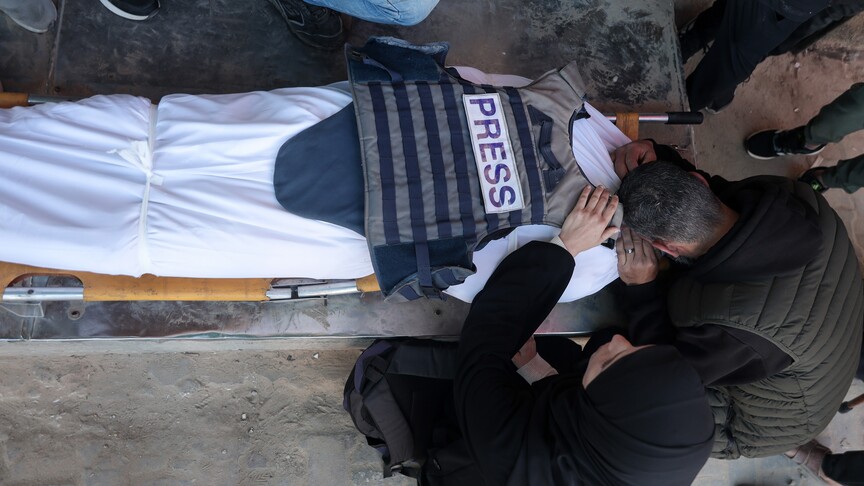
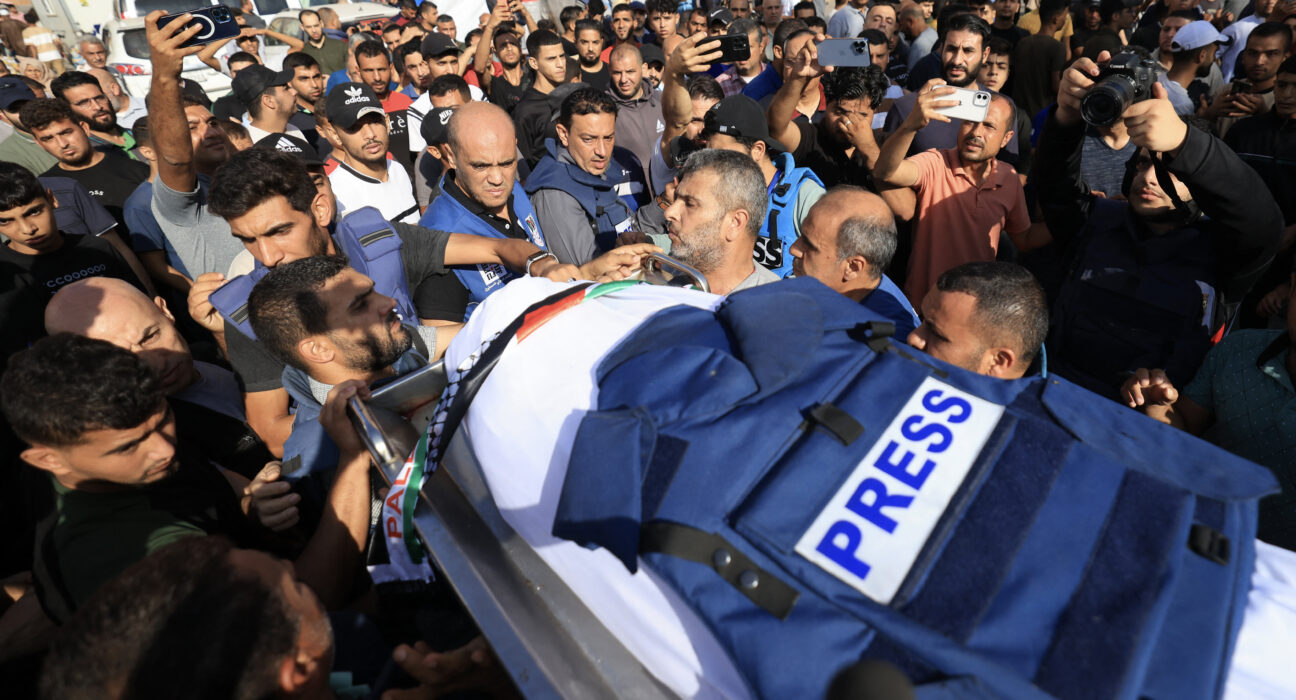 Media Cries Foul: CBJ Removes 20 Martyred Palestinian Journalists From its Records
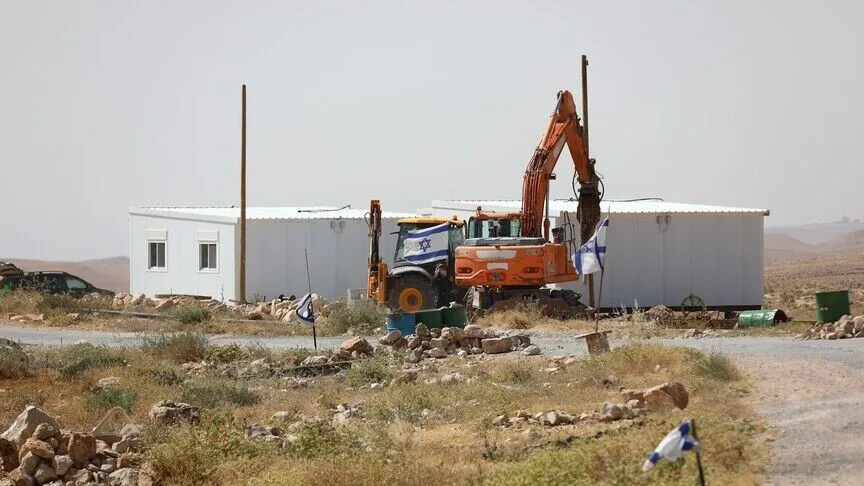
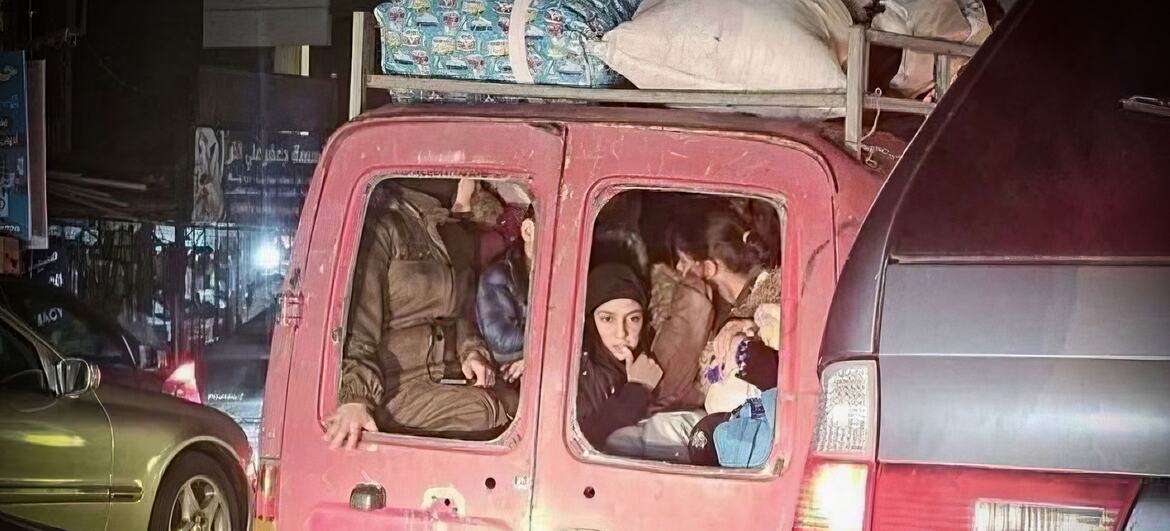
 UN: Israeli Expansion Risks Civilians
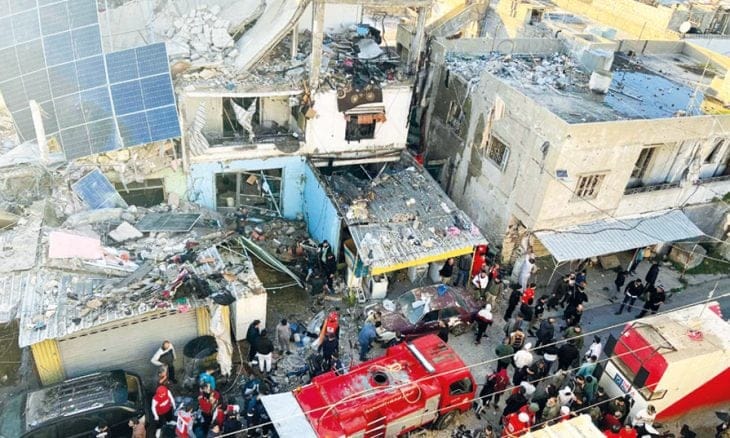
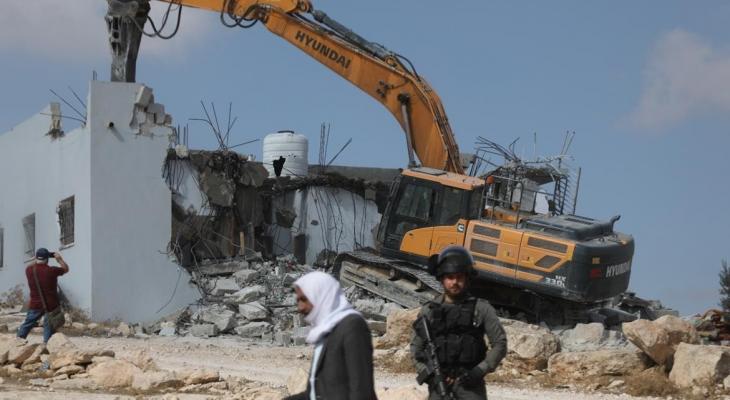 Israel Demolishes House Near Bethlehem
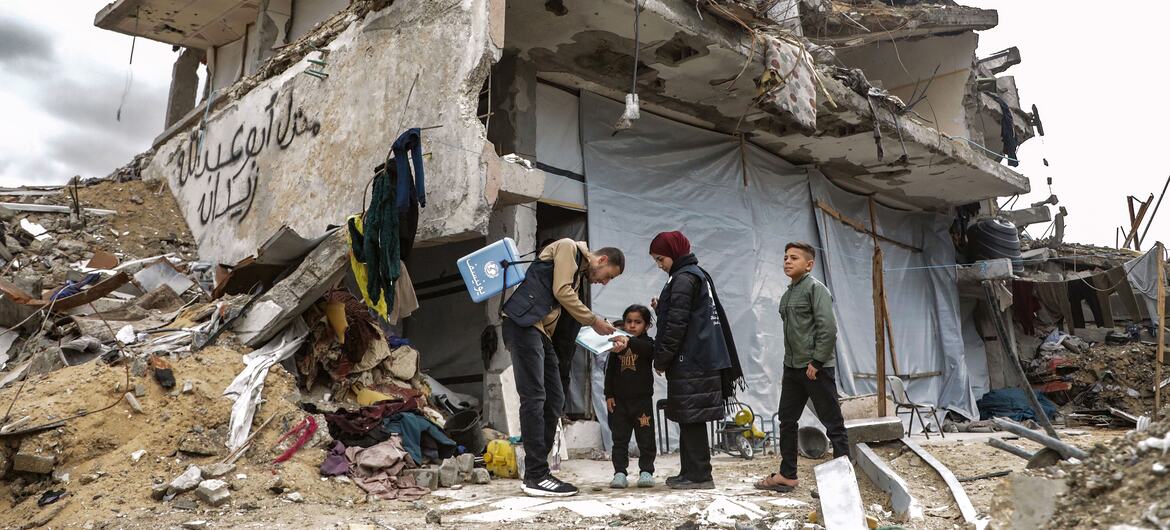
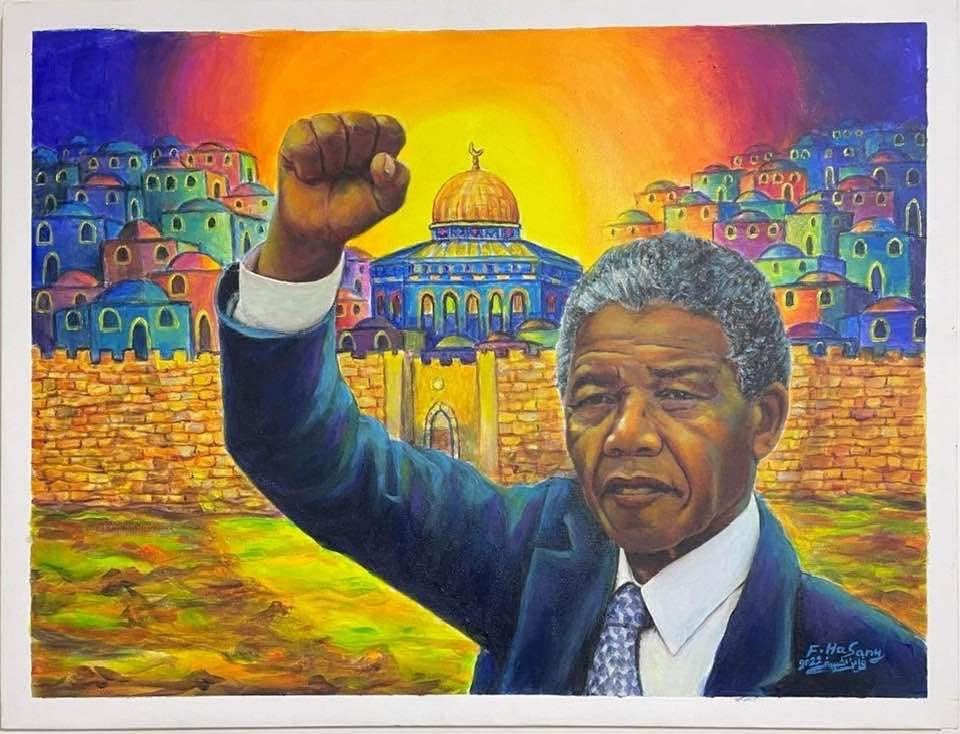 ‘We Will Win’



Hormuz Strait in The Checkered Ceasefire
 CrossFireArabia
- July 2, 2026
 CrossFireArabiaCrossFireArabiaCrossFireArabiaCrossFireArabiaCrossFireArabiaCrossFireArabiaCrossFireArabiaCrossFireArabiaCrossFireArabiaCrossFireArabiaCrossFireArabiaCrossFireArabiaCrossFireArabiaCrossFireArabiaCrossFireArabiaCrossFireArabiaCrossFireArabiaCrossFireArabiaCrossFireArabiaCrossFireArabiaCrossFireArabia
 marwanmarwanCrossFireArabiaCrossFireArabiamarwanCrossFireArabiaCrossFireArabiaCrossFireArabiaCrossFireArabiaCrossFireArabiaCrossFireArabiaCrossFireArabiaCrossFireArabiamarwanmarwanCrossFireArabiaCrossFireArabia
 Saleem Ayoub QunaCrossFireArabiaCrossFireArabiaCrossFireArabiaCrossFireArabiaCrossFireArabiaCrossFireArabiaCrossFireArabia
 Dr Khairi Janbek
Dr Khairi Janbek
The Arab world has been for some time now like a theme park with all the trappings. There are zones of fun and entertainment, with bright lights, cafes and restaurants with people living in them whilst other zones stand like halls of mirrors with distort images, chambers of horror, and ghost trains with their own population.
The ones who run both zones tend to be standing outside them frequently greeting each other. But the people of the entertainment zone are always wary that the people of the other zone may envy them, so they give them enough to let them carry on with their lives as best as they can.
The obsession with the geographical and civilizational unity of the Arab world has always inflated expectations of Arab solidarity as a tool to solve the problems of Arab societies ranging from economic development and good governance, to conflict resolution.
As the expectations go unmet, popular frustration at the weakness of one nation, prompt further calls for solidarity accompanied with anger from the other Arab people, however, it seems, and for all intents and purposes, the pan-Arab hopes seem to be always unreasonable. In fact when the colonialists thought that the Arab peoples should be grateful to each have their own nation-states across the geographical span, the Arab peoples, as a whole, felt cheated for not having a single, one-state to represent them.
As for the current Palestinian tragedy, its roots in recent terms have been planted in 1974, when the late King Hussein was put under extreme pressure to accept the notion that, the PLO, being the sole representative of the Palestinian people, in other words transferring the Arab burden of the Palestinian problem to the shoulders of the late Yasser Arafat.
Of course, one is not going to repeat the horrors which came after that regarding this issue, but the idea that the Palestinian issue being an Arab cause, ended there and then. The Palestinian issue went from being a political issue, to a mere human rights concern, with the option for the Arab states to support according to the levels of anger expressed by their own populace regarding the Palestinian people’s plight.
It was Saddam Hussein’s invasion of Kuwait in 1990 that struck the final nail in the coffin of the illusion that there can be an Arab solution to Arab problems, but even this illusion did not apply to the Palestinian problem, because that concern was gone almost two decades earlier.
So today, it is natural for sympathy for the Palestinians to direct its call to the international community to react, because frankly this is the only quarter which can do something, whatever it may be, because the realization had set in from before that the Arabs will not do anything.
We live in times now, in which no Middle Eastern regime, in addition to those having a state within a state inside them, will be ever permitted to ever threaten Israel by the Trump administration, be that through the threats of dividing countries, or in throwing them to the jaws of poverty and destruction through economic extortion; in fact, we are in the era of enforced ugly peace.
Dr Janbek is a columnist based in Paris France.
CrossFireArabia
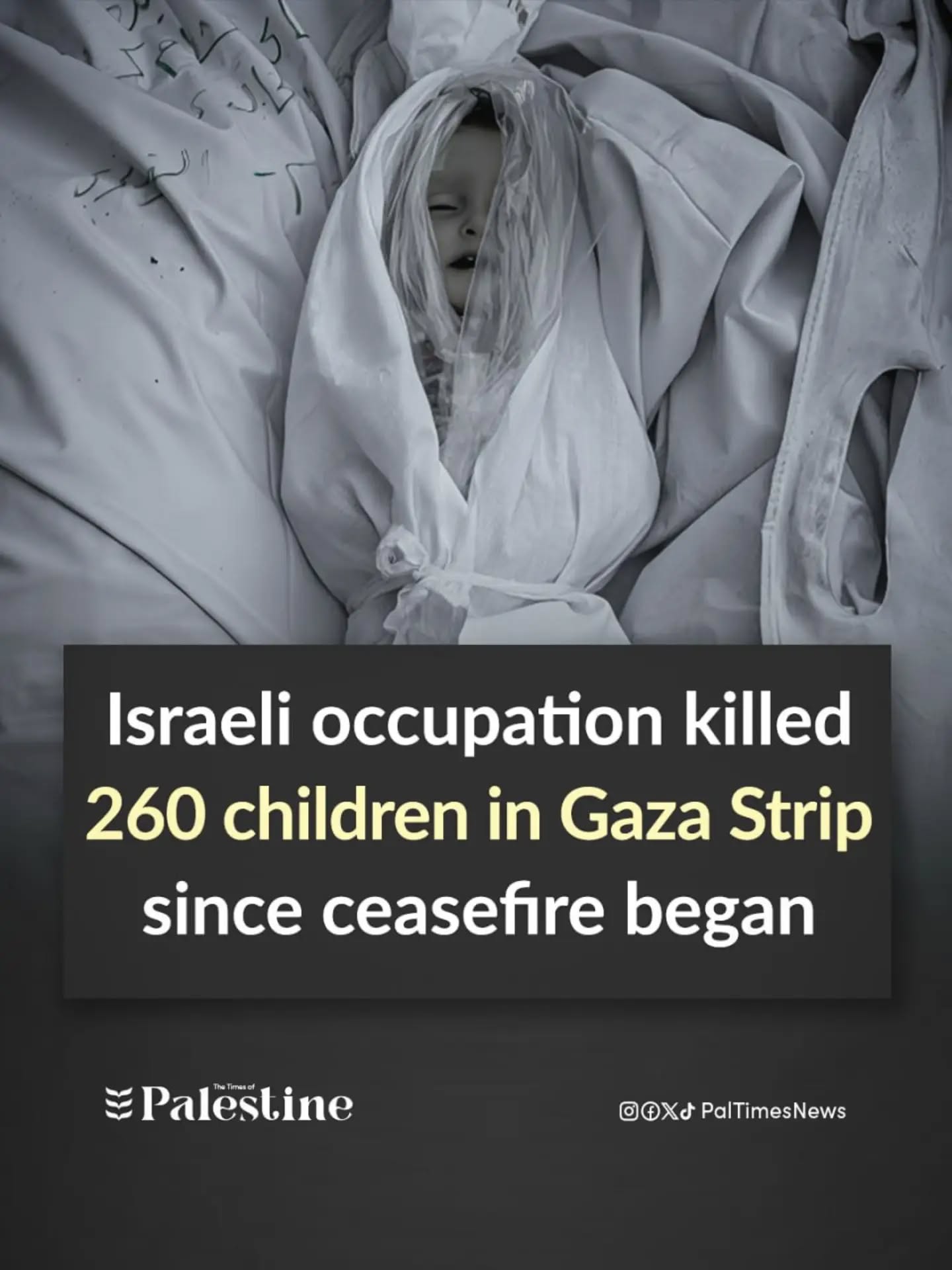
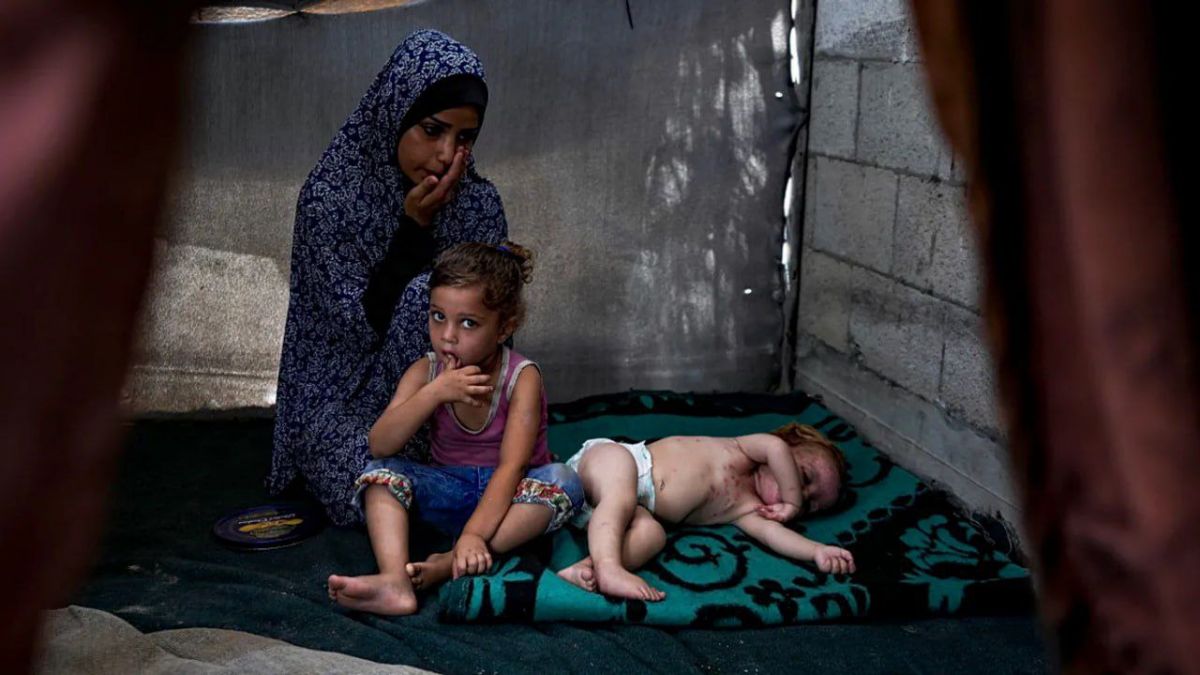
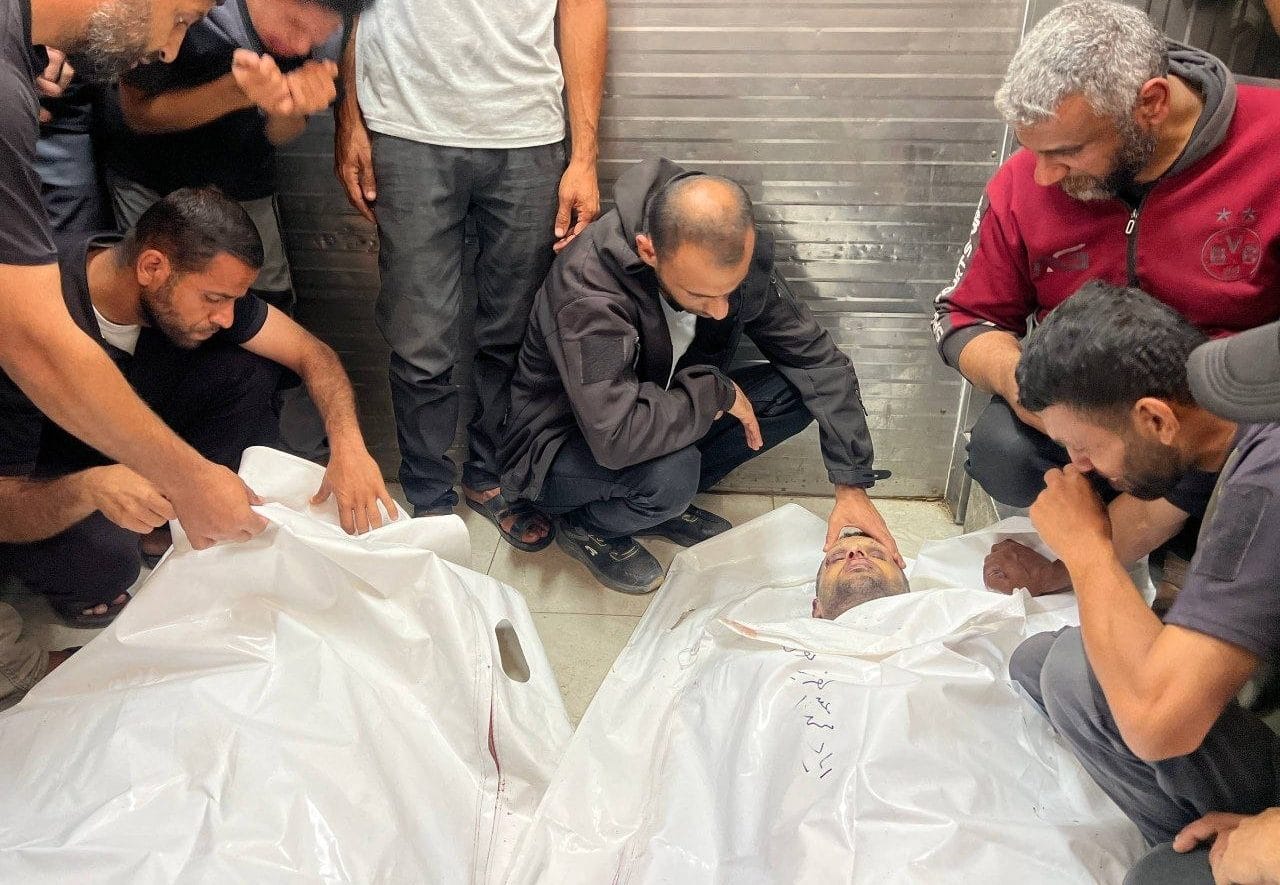
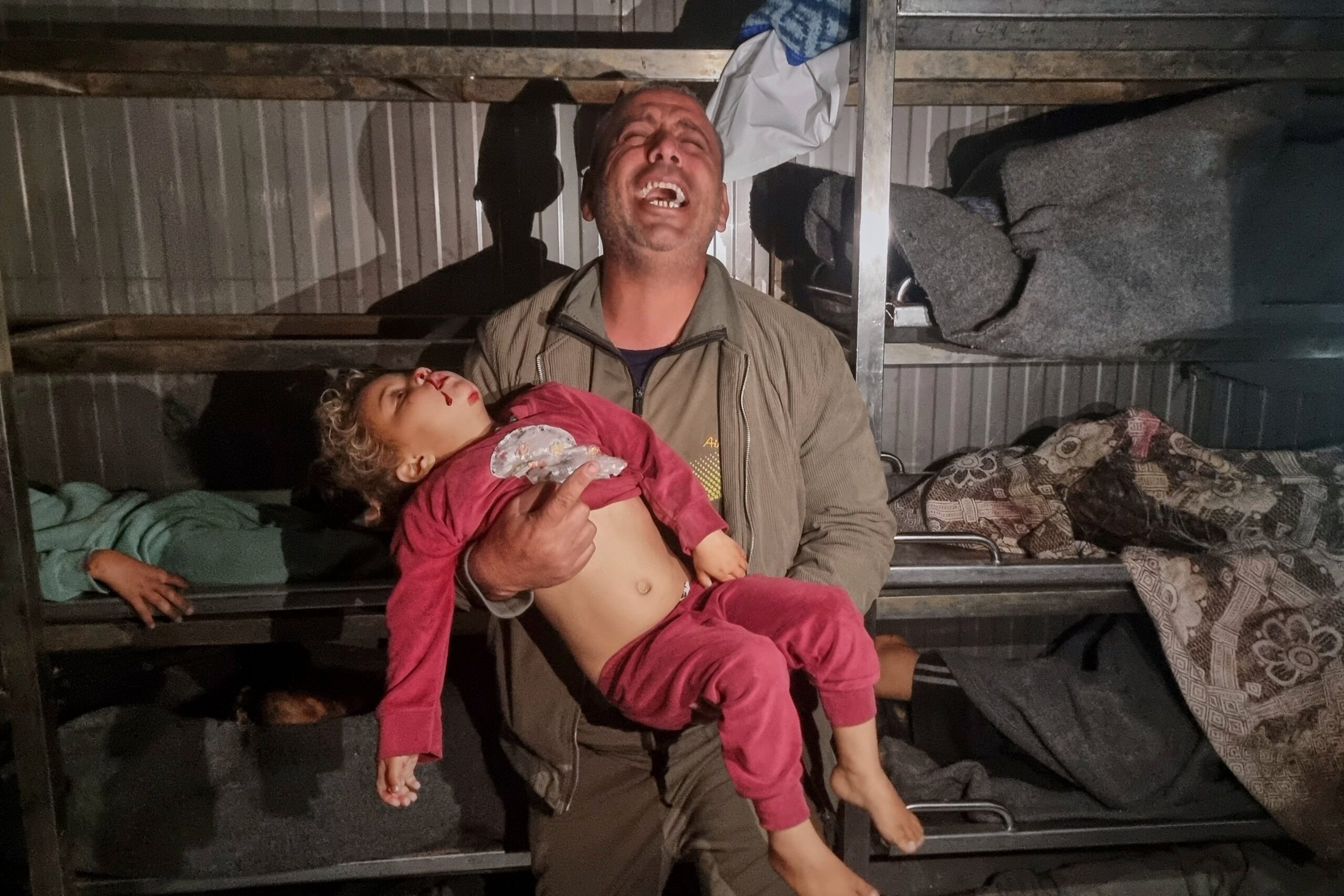
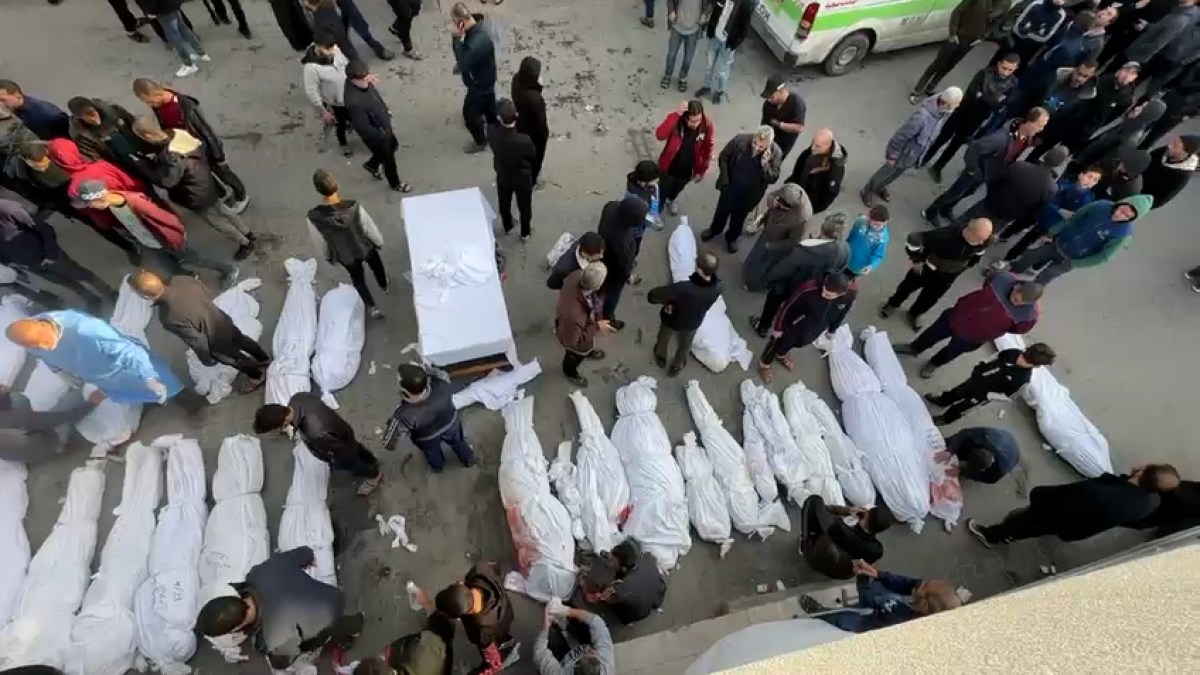
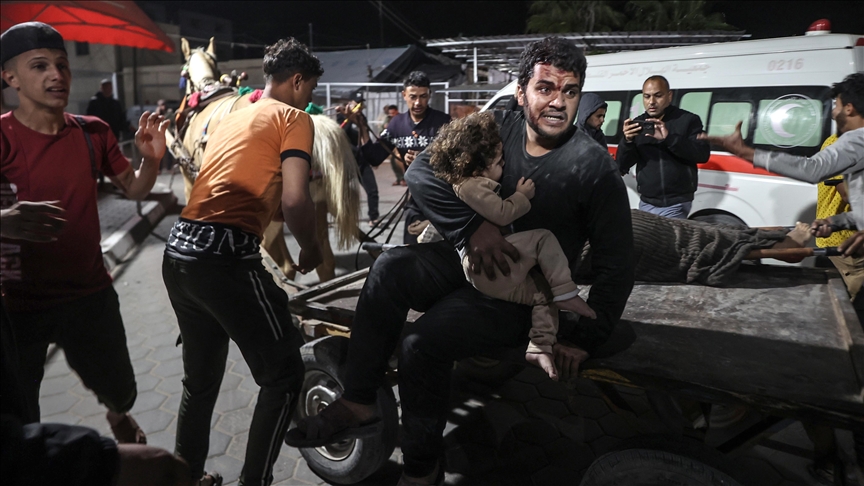
The UN Children’s Fund (UNICEF) chief denounced Israel’s deadly airstrikes against the Gaza Strip on Tuesday, which resulted in “the largest single-day child death toll in the last year.”
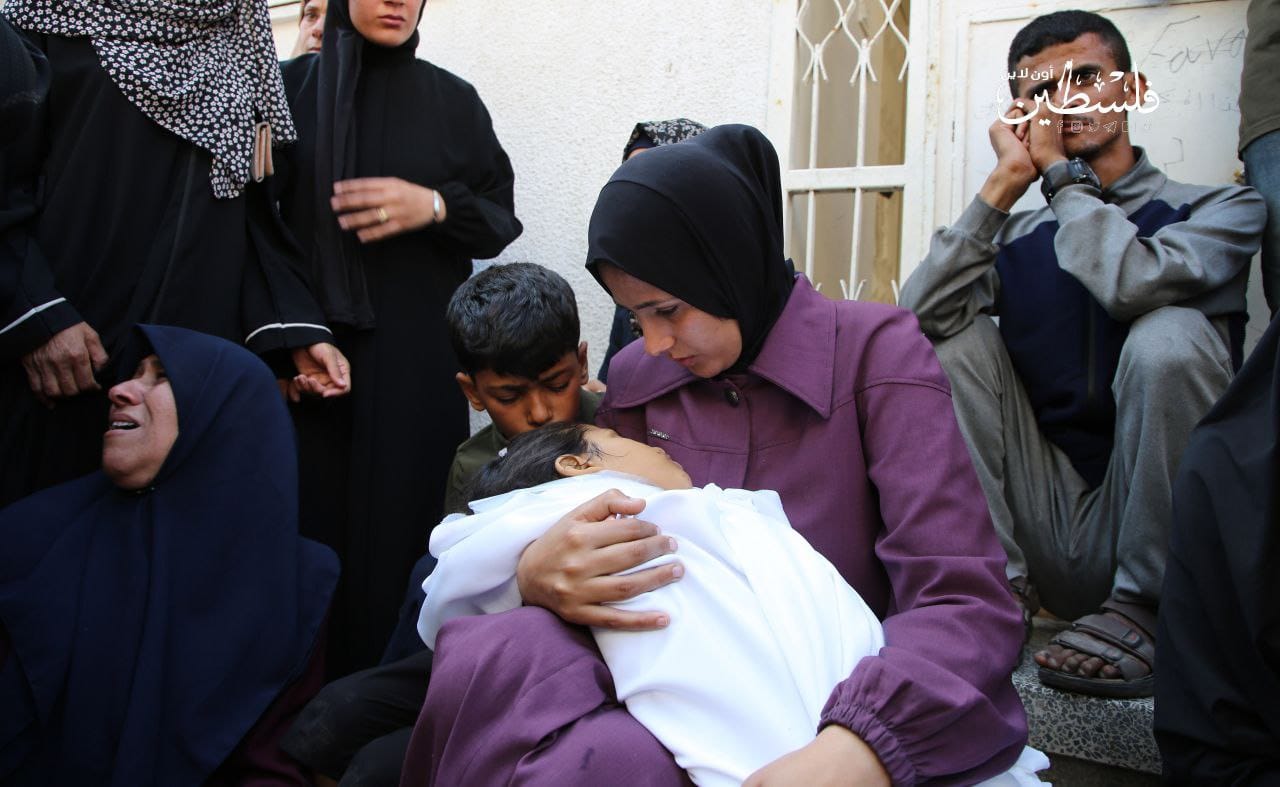
“Reports and images emerging from the Gaza Strip following today’s attacks are beyond horrifying. Hundreds of people have reportedly been killed, including more than 130 children, representing the largest single-day child death toll in the last year,” Catherine Russell said in a statement.
Emphasizing that the strikes are not only taking lives, Russell said it is increasing the suffering of already vulnerable populations.
“Some of the strikes reportedly hit makeshift shelters with sleeping children and families, another deadly reminder that nowhere is safe in Gaza,” she said.
Noting the dire humanitarian situation in Gaza, she recalled the Israeli aid blockade. “It has been sixteen days since the last truck delivering humanitarian aid crossed into Gaza. In addition, electricity has been cut to the main desalination plant, significantly reducing the amount of potable water,” she said. “Today, Gaza’s one million children – who have endured more than 15 months of war – have been plunged back into a world of fear and death. The attacks and the violence must stop – now.”
The UNICEF chief called for an immediate cessation of hostilities and urged “all parties to immediately reinstate the ceasefire, and we call on countries with influence to use their leverage to ensure the situation does not further deteriorate.”
“International humanitarian law must be respected by all parties, allowing the immediate provision of humanitarian aid, the protection of civilians, and the release of all hostages,” she said according to Anadolu.
CrossFireArabia
Israel relaunched its bloody war on Gaza, with vehemence and callousness and with the blessing of the Donald Trump administration in the White House.
Its back to the “good old bloody days” of murder, mayhem and slaughter of mostly innocent women and children who have no part in the current war waged between Israel and Hamas.
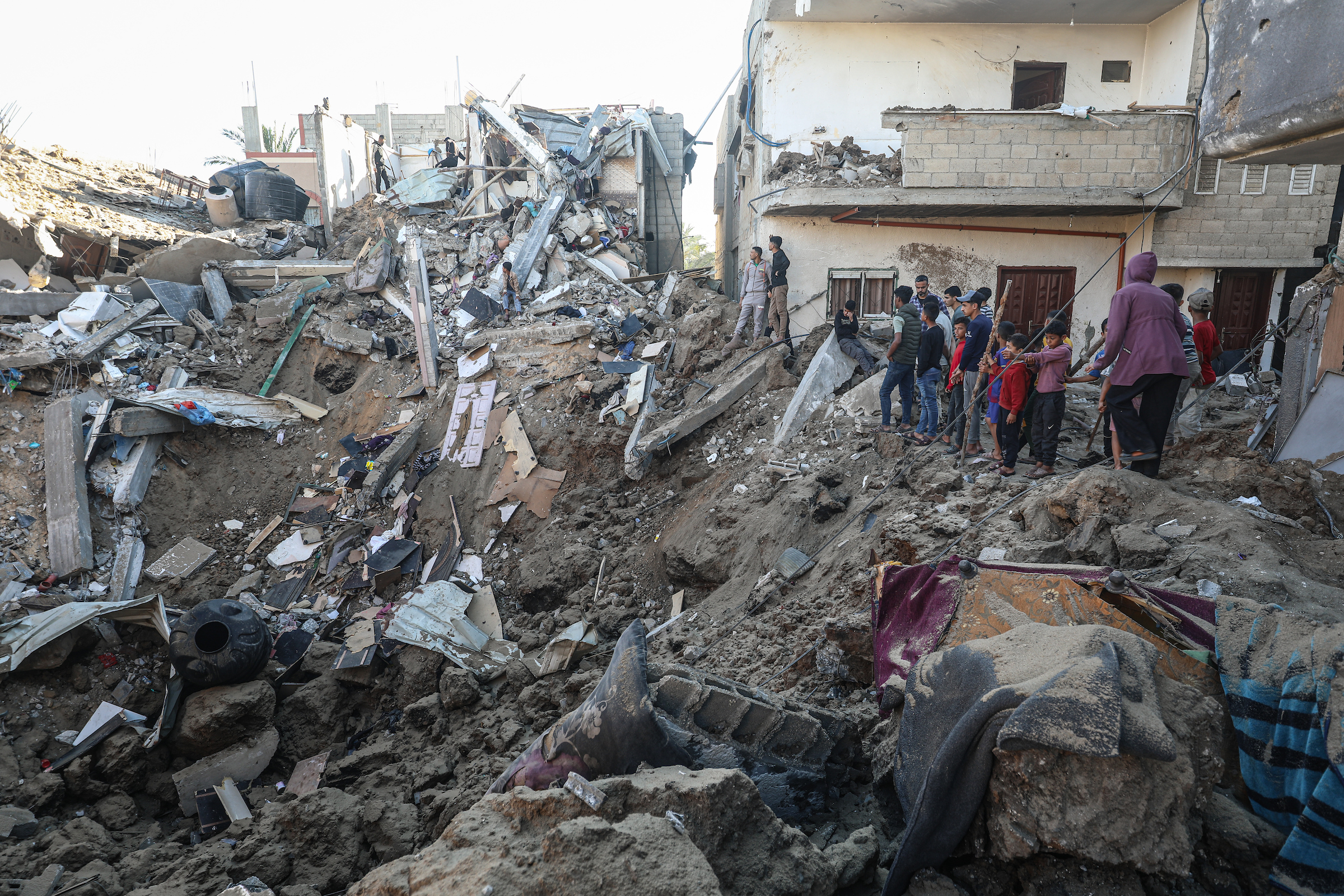
Unwilling to quench its thirst for blood, Israel relaunched its war on the 364-kilometer Gaza Strip by killing over 322 people in the first five hours of early morning Tuesday while everyone was fast asleep.
Up until then it has been a “slight” rest bite reached through a ceasefire on 19 January between Hamas and Israel through US, Qatari and Egyptian mediators bringing an end to the daily killing of Gazans that today stands at 48,500 people.
Everyone is asking if the ceasefire is wrecked and stands in ruin on day 525, the total length of the carnage started on the people of Gaza soon after 7 October 2023, when about 1200 Israelis were killed.
Whatever the politics of the recent war, it has become amply clear the Israel slaughter has not been aimed at Hamas fighters, which it couldn’t eradicate even after 15 months of war on the Islamic organization but resulted in the mass killing of the women and children of Gaza.
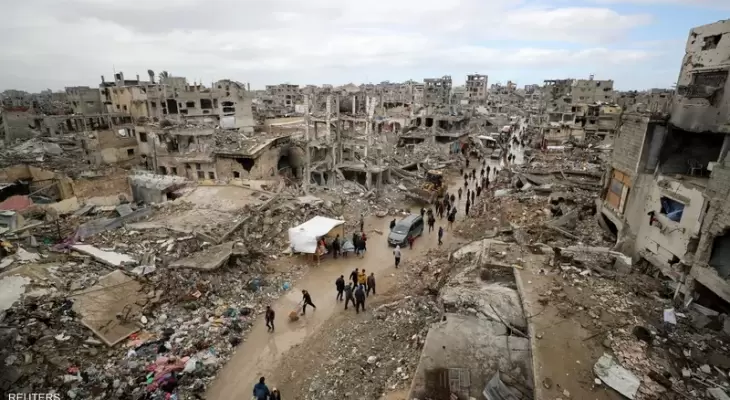
The latest spate of dropping bombs on the people of Gaza, facilitated by the United States which stands as complicit in this genocide, sees no end light, but is seen as just the beginning although Gaza and its infrastructure is already annihilated with its people displaced and living in the wild and under the skies.
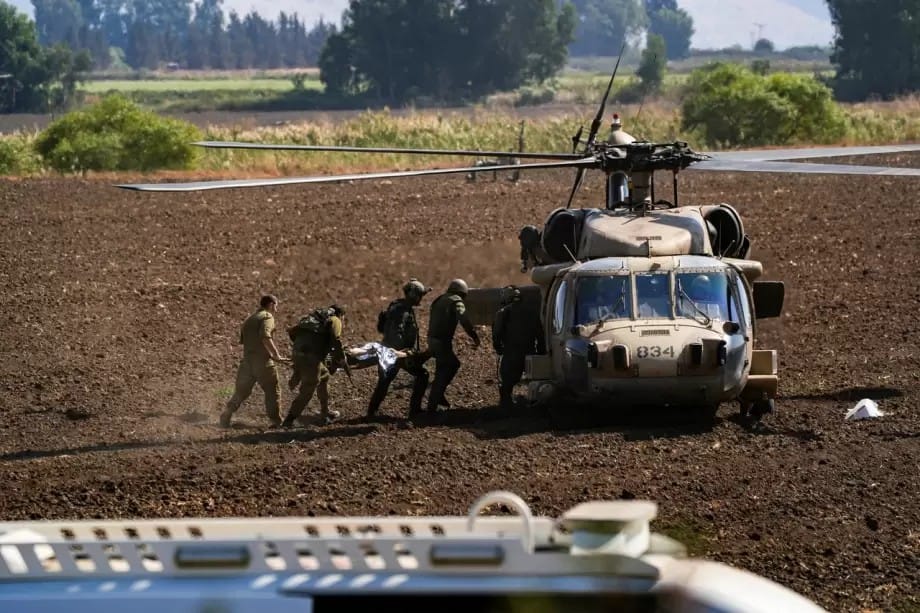
The world stands and waits to see, if the genocide will continue from this day onwards, or is it just a pressure tool to get Hamas to release the 59 or so Israeli prisoners it currently holds. If the latter is the case however, Hamas has long shown, it has a long breath and will not release the prisoners that originally were around 250 and now stands at the current number through exchange deals with the fact that the Israeli army has killed around 23 of them in failed rescue operations.
The latest bombings, carried from the air starting from the south of the strip on the southern city of Rafah, Nuseirat, Al Shati and Maghazi camps, and Deir Al Balah in the center of the enclave, including Gaza city and the destroyed northern areas, speaks of dark days are expected ahead.
Hamas are yet to respond militarily. There are couple of issues to consider here. Hamas officials have been talking to the Trump administration officials in the last couple of weeks about different paths.
Will that continue, particularly after this bloody debacle. Prime Minister Benjamin Netanyahu, who long wanted to destroy Hamas, and thus the war to continue, said this time around, the latest military operation in Gaza is being carried out “in consultation” with Trump and his associates.
If this is the case, the latest Israeli deadly spate, may not last long, particularly because Trump is on record of stating that he doesn’t want the war to continue but wants to end it which means he will not continue to supply Israel with weapons indefinitely and there will come a time when he will stop.
But that might be a while before that and he may continue to tolerate the mass bombing of Gaza. However, since he is talking to different parties through his envoy Steve Witkoff, he will likely “manage” what Israel continues to militarily do in the Gaza Strip and be involved in a “stop-go” war process.
The problem with Trump is that also he is looking for different objectives in Gaza. He first wanted to displace its 2.2 million people to neighboring countries like Jordan and Egypt. Now, he appears to be retracting from this position because of Arab and world pressure.
Will he backdown and order Israel for a quick “fix” and or let the war on Gaza continue by which time Hamas, will once again, start fighting Israel again, both in the Strip and through endlessly targeting its major cities, towns, settlements for the past 15 months.
Despite the fact that Trump said that “all hell will break lose” on Gaza if the war doesn’t stop and Hamas is not brought to heed, the US president is choosing to forget the Houthis, despite mass bombing them in the last couple of days. They promised they will continue to strike Israel if it continues to stand as an obstacle to humanitarian and food delivery to Israel and will not be deterred by US and British bombing of Yemen. And to prove their point, a ballistic missile was fired on the same day, Tuesday, after the Israeli bombing of the Strip.
Hence what Trump wants and what he will get on the ground are two different things. His wish to end the Israel-Hamas war and establish a “new Gaza” will not be achieved through parochial thinking.
The Palestinians are on the ground, they have no wish to go anywhere while Hamas continues to have a formidable fighting capability and have no qualms to going back to war. The fact they are talking to the mediating parties, including the US doesn’t mean they are ready to put their guns down and leave the grounds of Gaza.
Netanyahu must realize that unless he wants the whole Middle East region to be engaged in a perpetual long-term war. The question is Trump and the United States military establishment prepared for that?
The above-analysis is written by Dr Marwan Asmar, chief editor of the crossfirearabia.com website.
CrossFireArabia
One Israeli prisoner was killed and two others injured in Tuesday’s attack on the Gaza Strip that was launched by the Israeli army in the early morning hours according to a Hamas official who requested anonymity.
He explained that the death and injury occurred as a result of Israeli airstrikes that were unleashed on the different parts of the Gaza Strip.
Hamas is holding 59 prisoners, and sources estimate that half of them are alive, while the rest were killed in Israeli airstrikes on the Gaza Strip and in Israeli attempts to free them.
During the exchange deal, approximately 150 Israeli prisoners were released from Gaza in exchange for 1,700 Palestinian prisoners. The exchange did not include Israeli soldiers or senior Palestinian prisoner leaders according to Jo24.