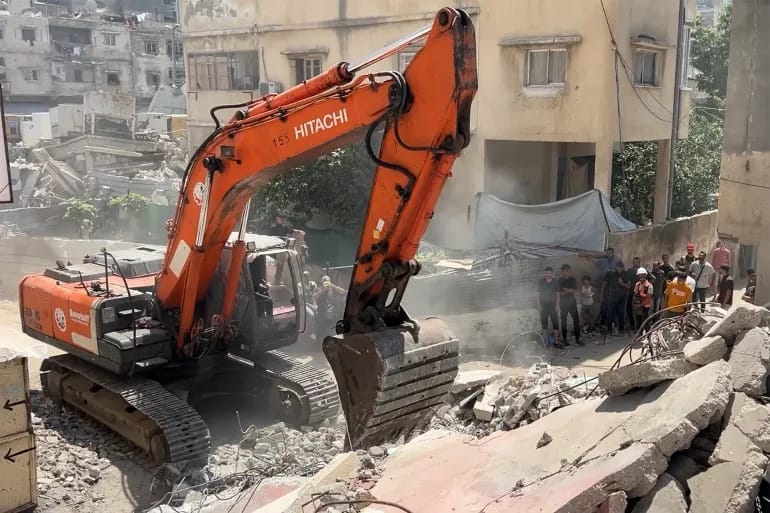
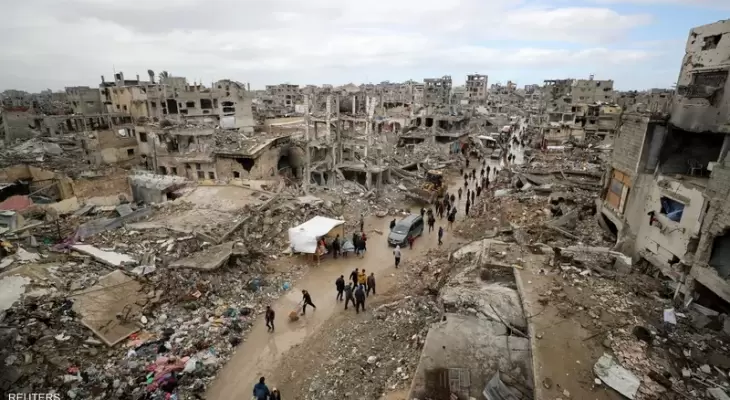
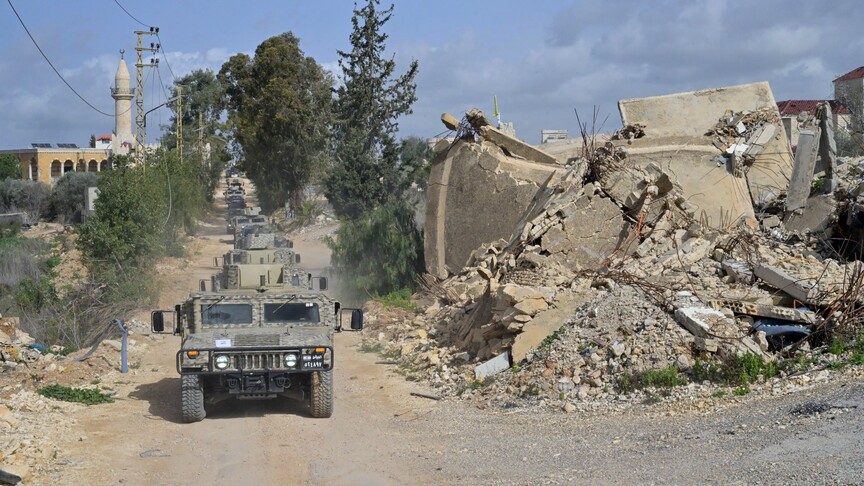
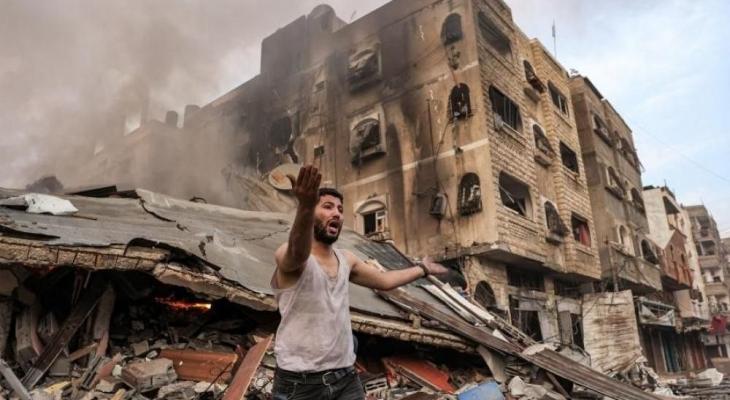
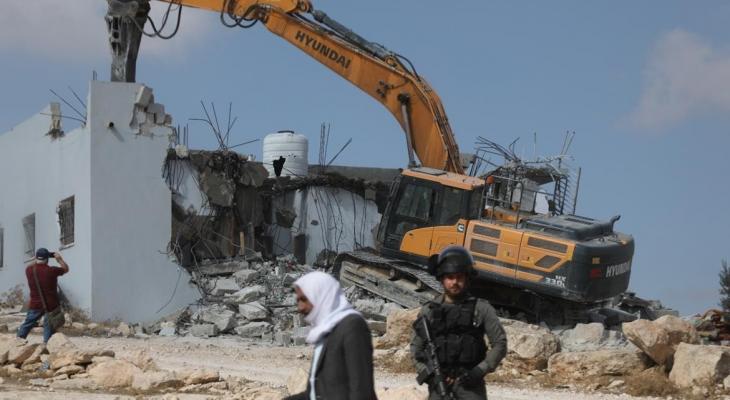
 Israel Demolishes House Near Bethlehem
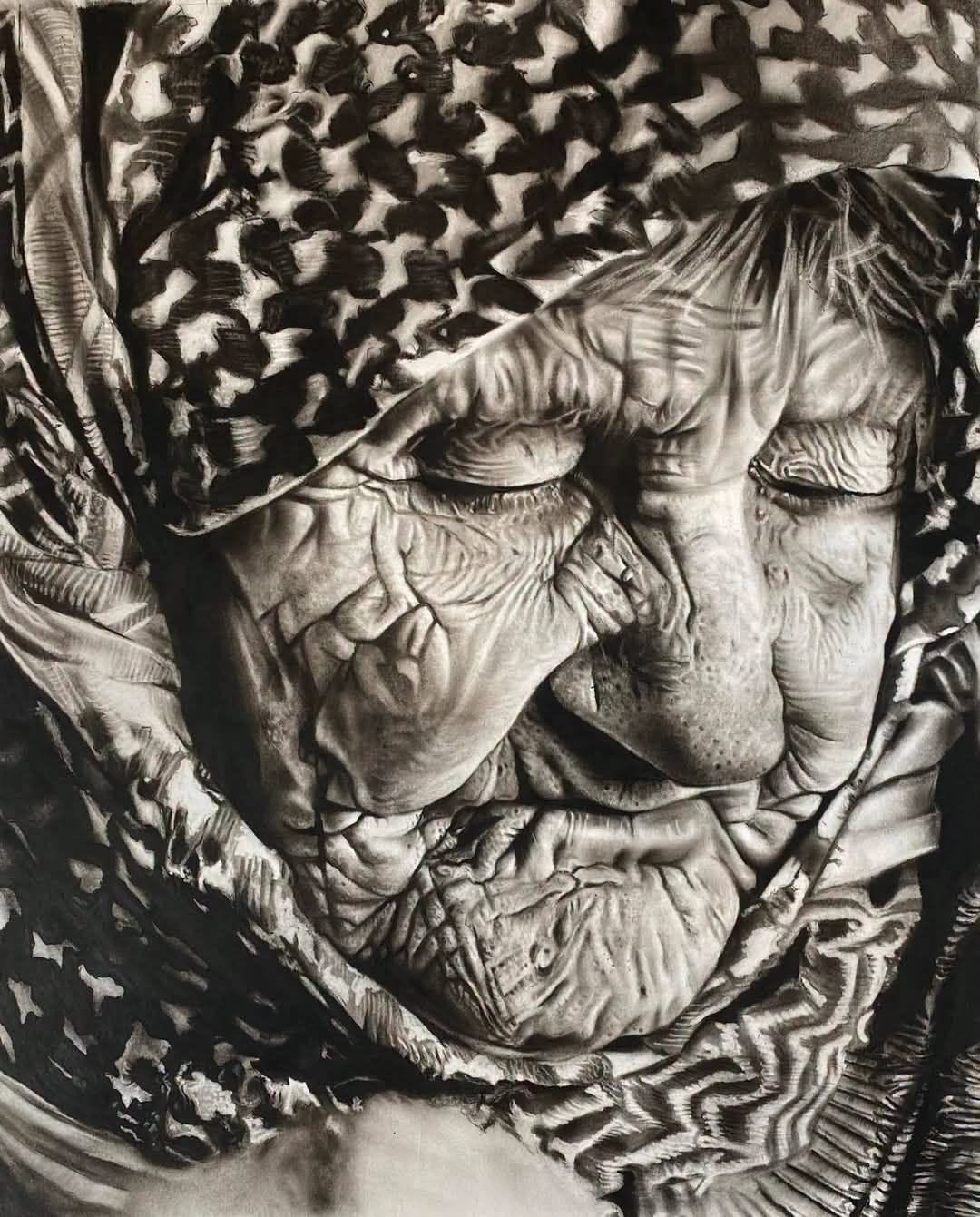
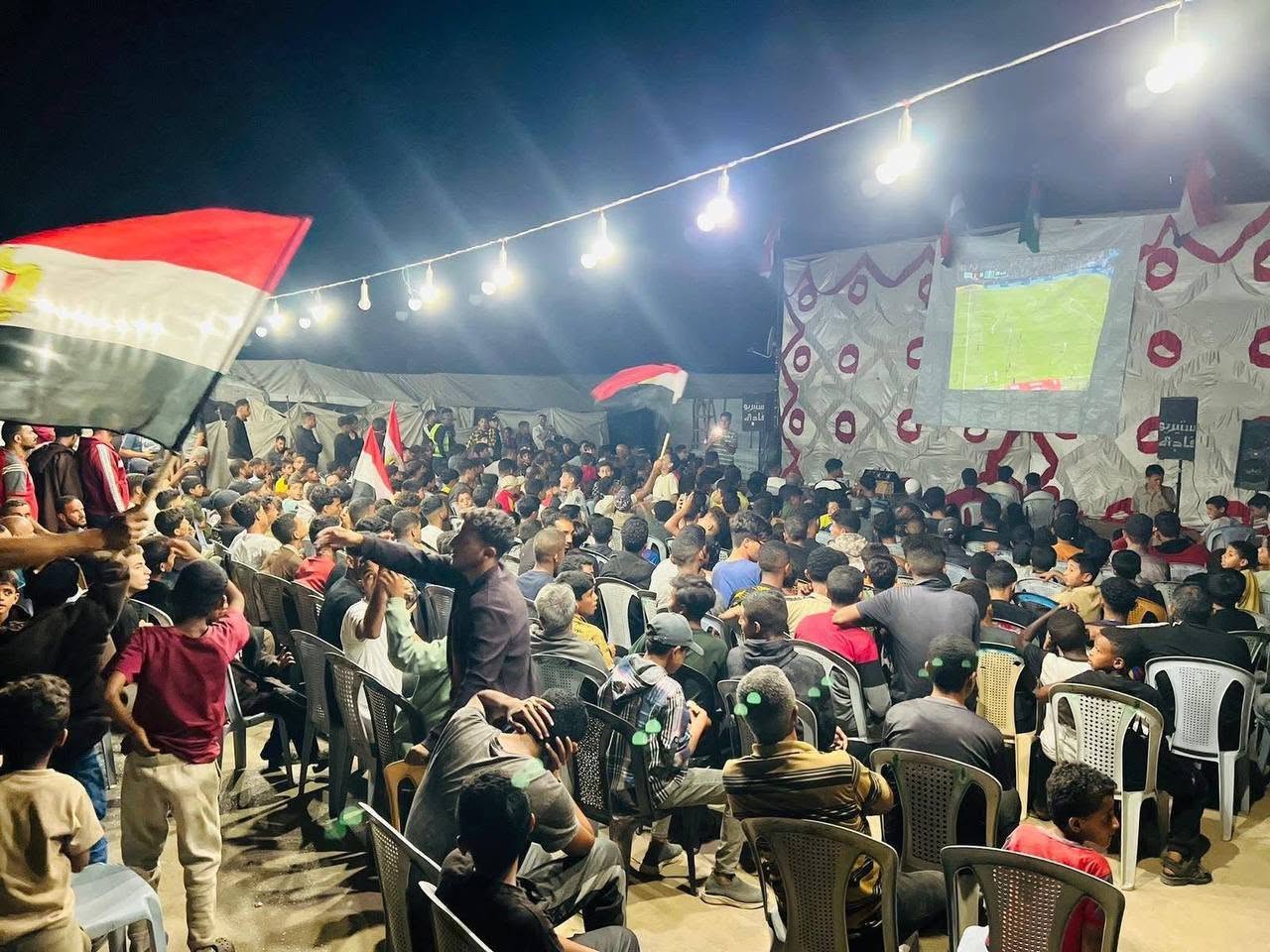
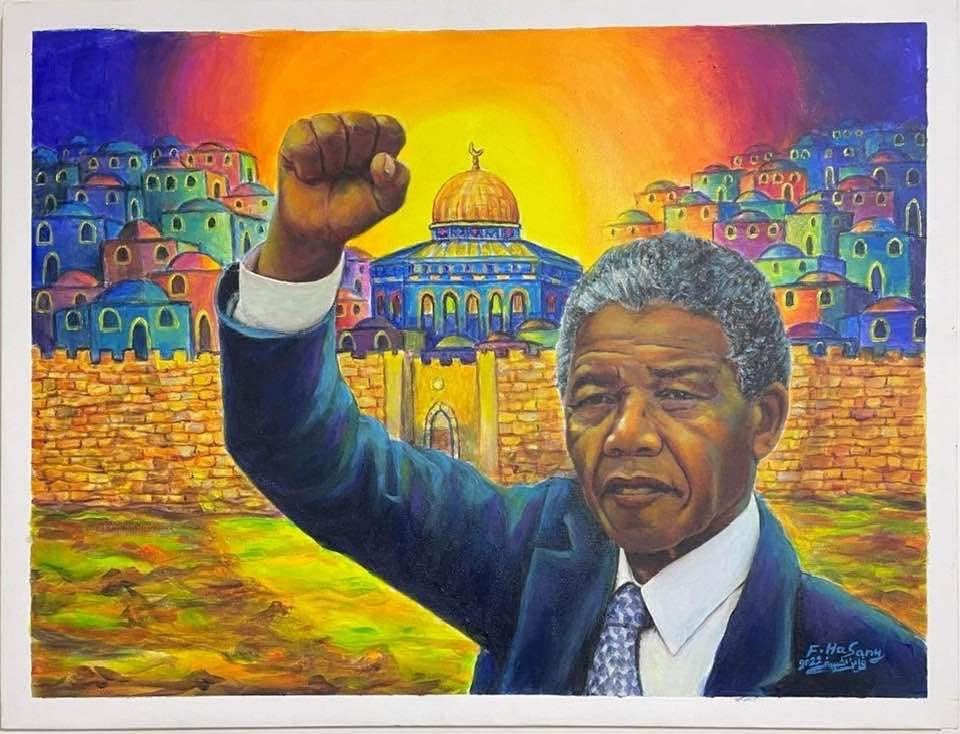 ‘We Will Win’
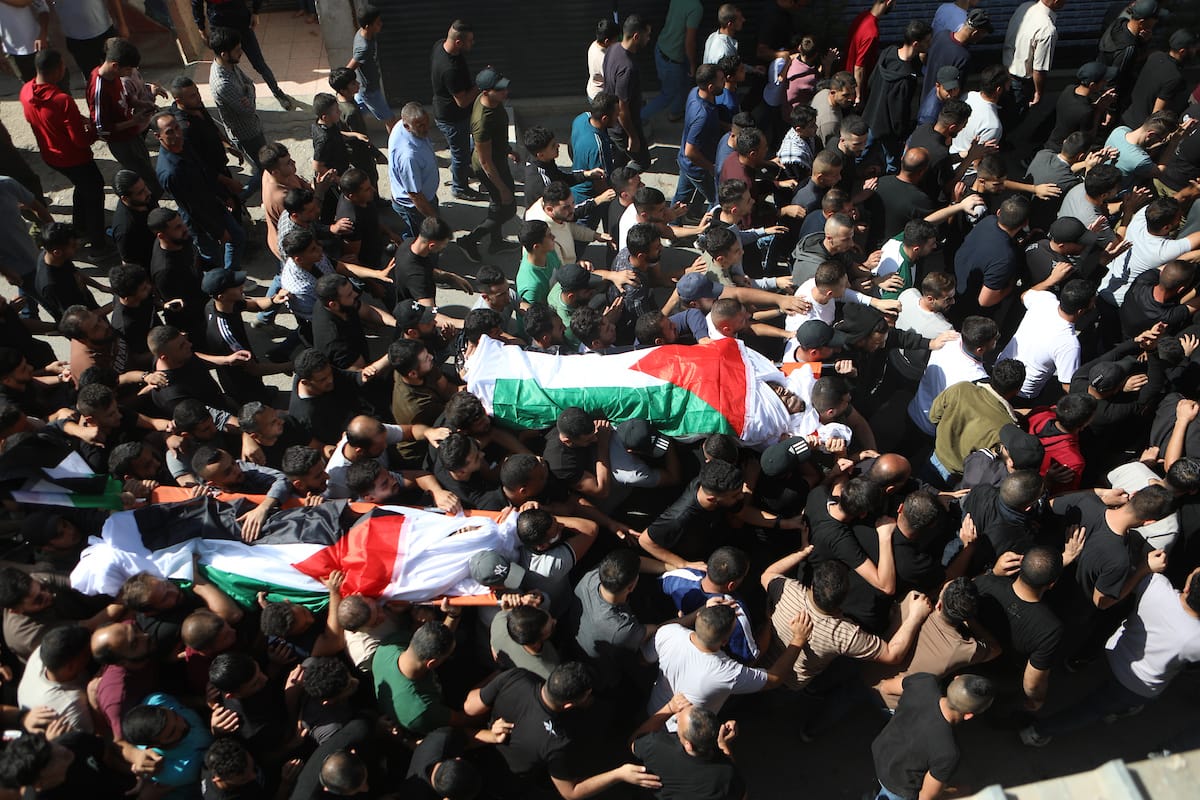
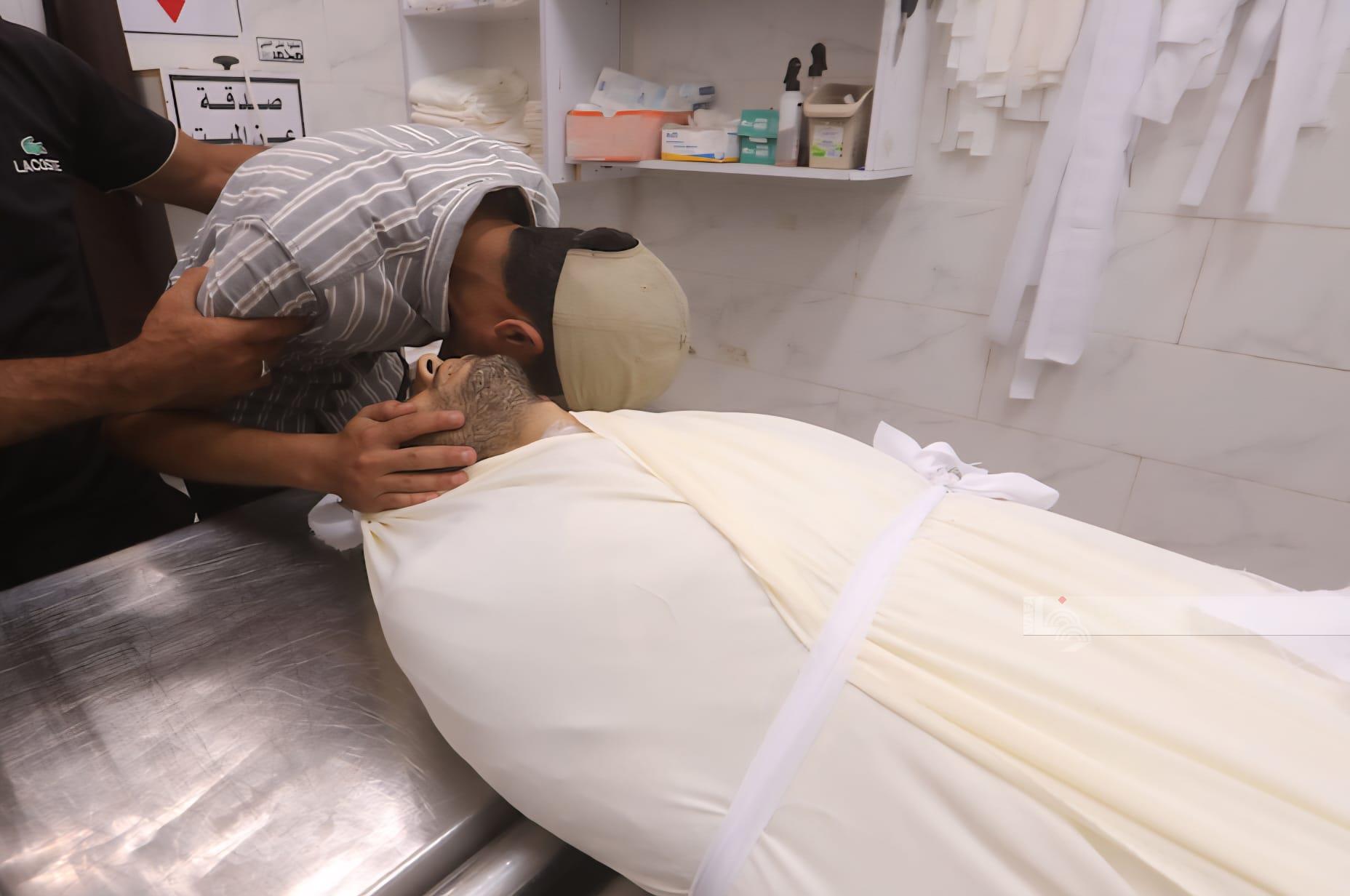
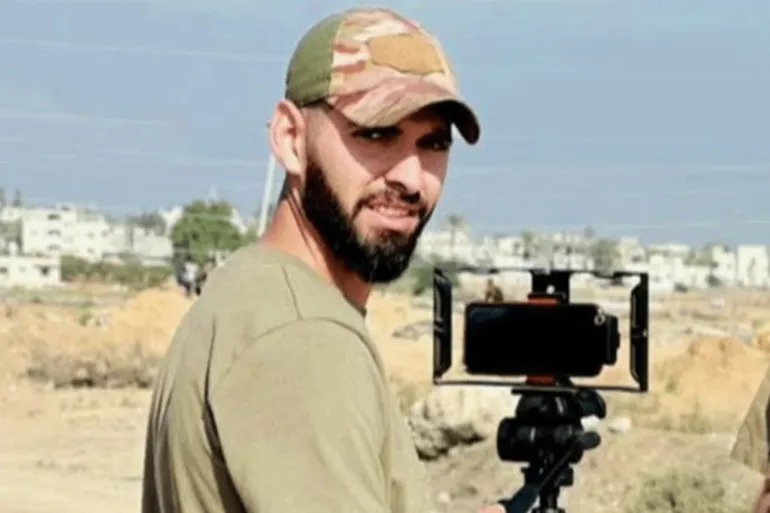
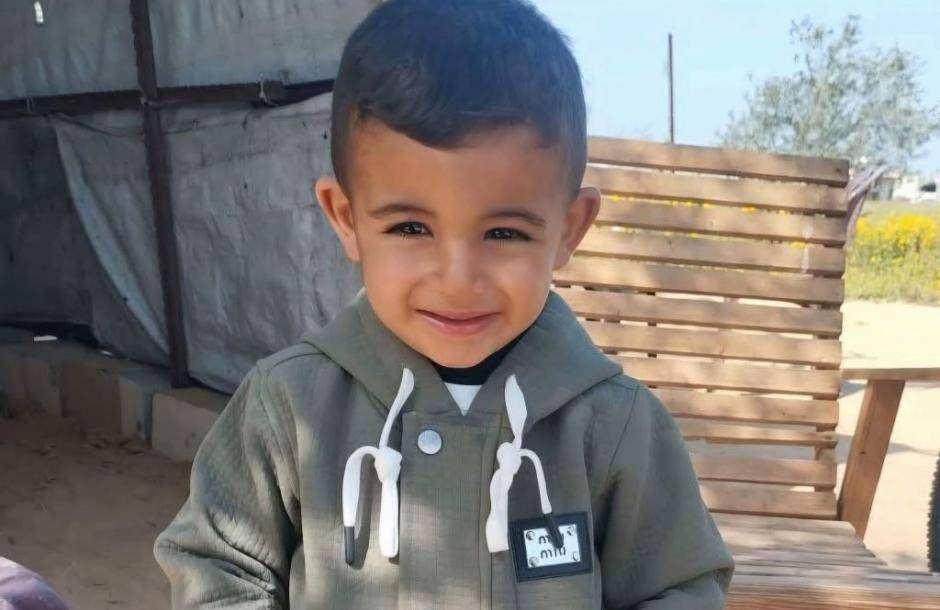
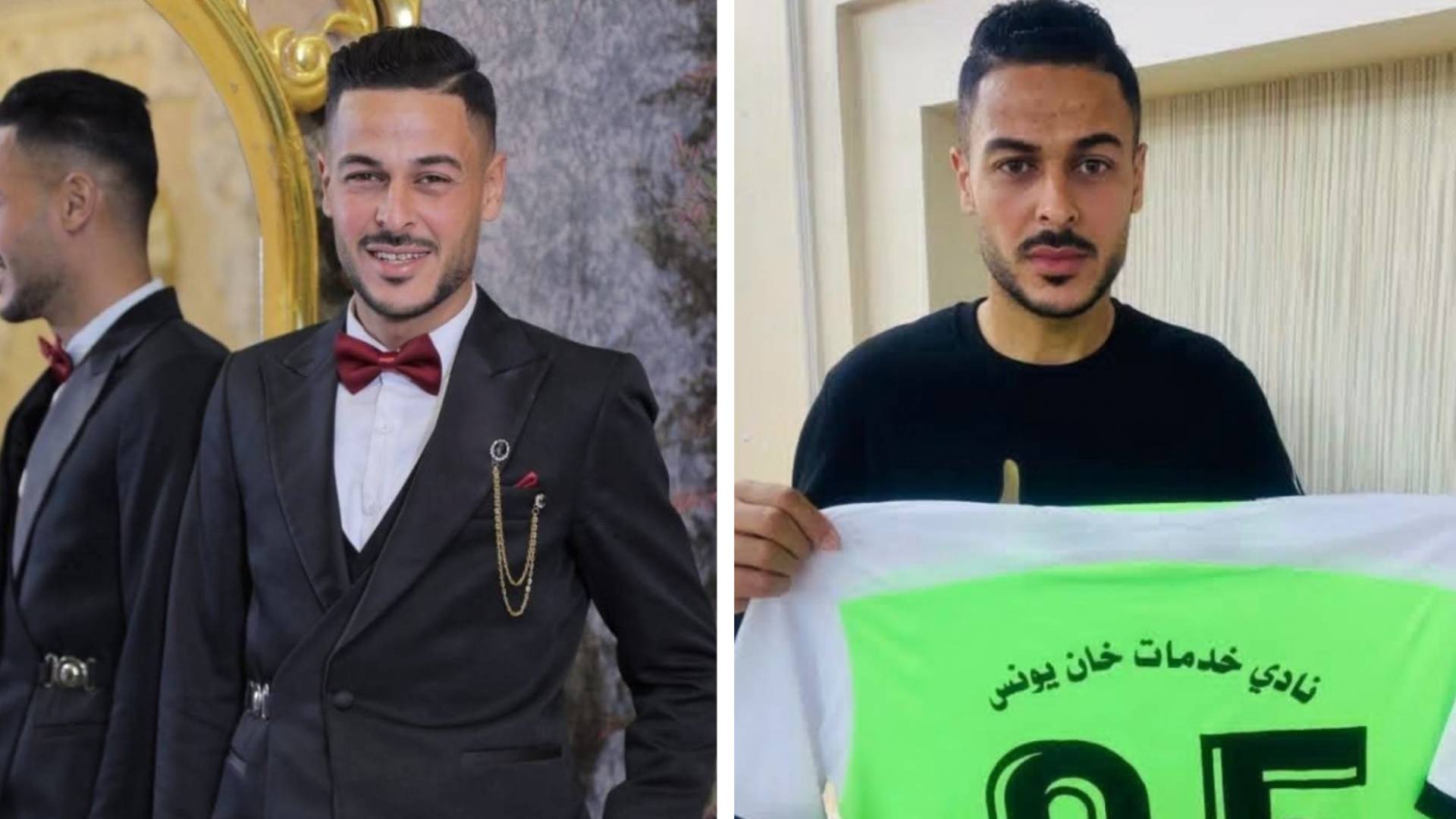 Israel Kill Palestinian Goalkeeper Saleem Al Ashqar
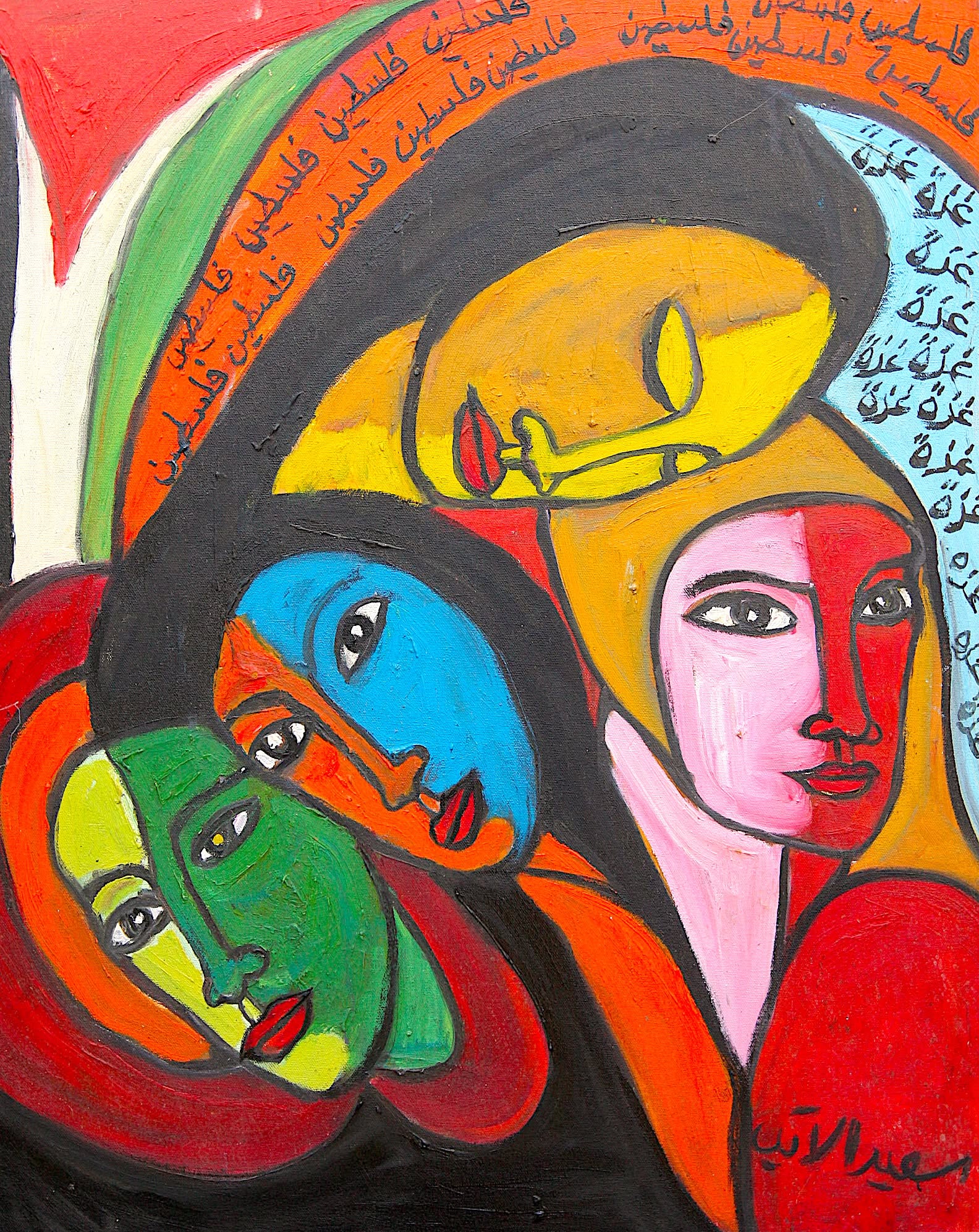
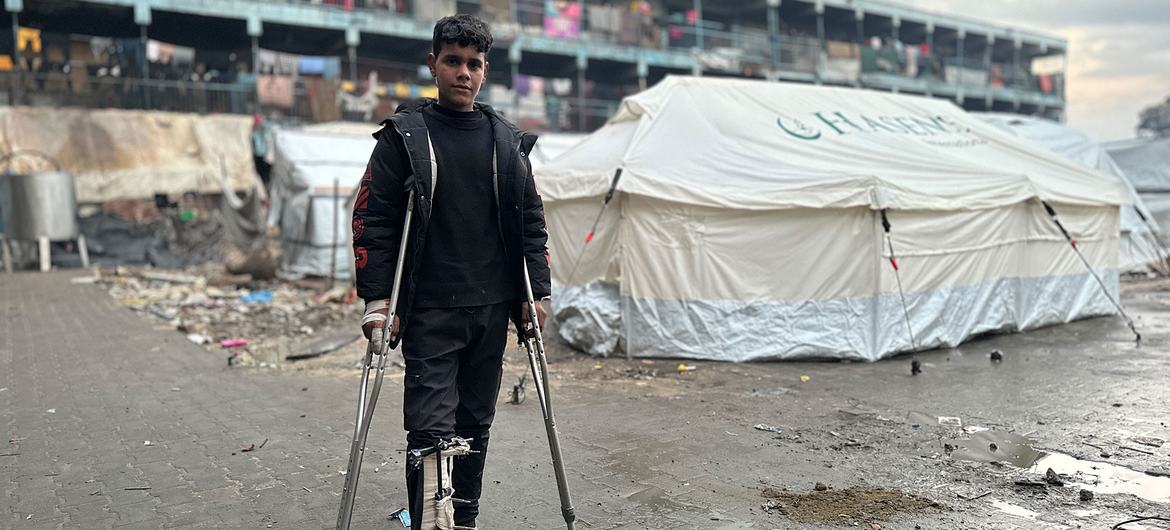
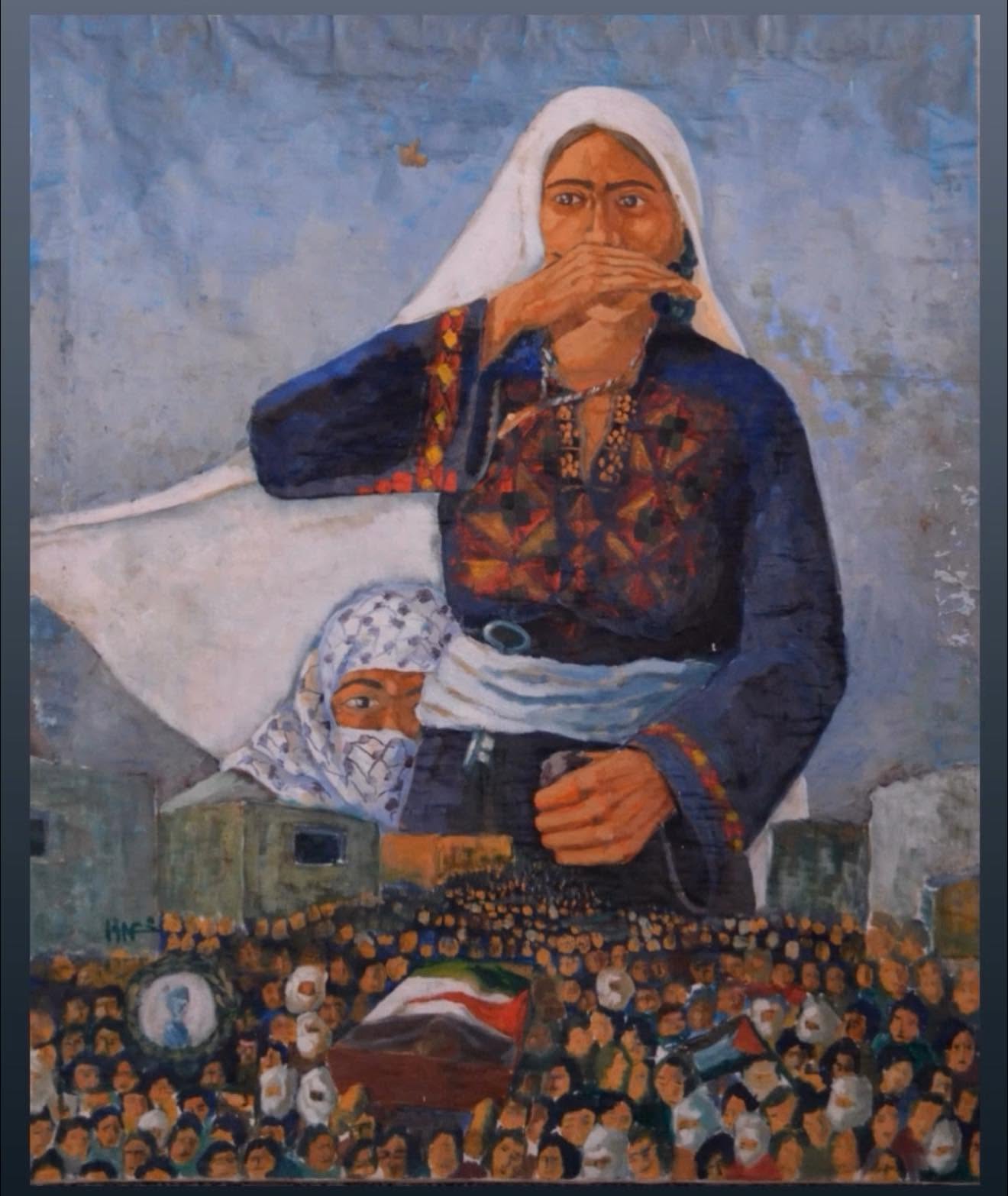 Joyful Mothers!
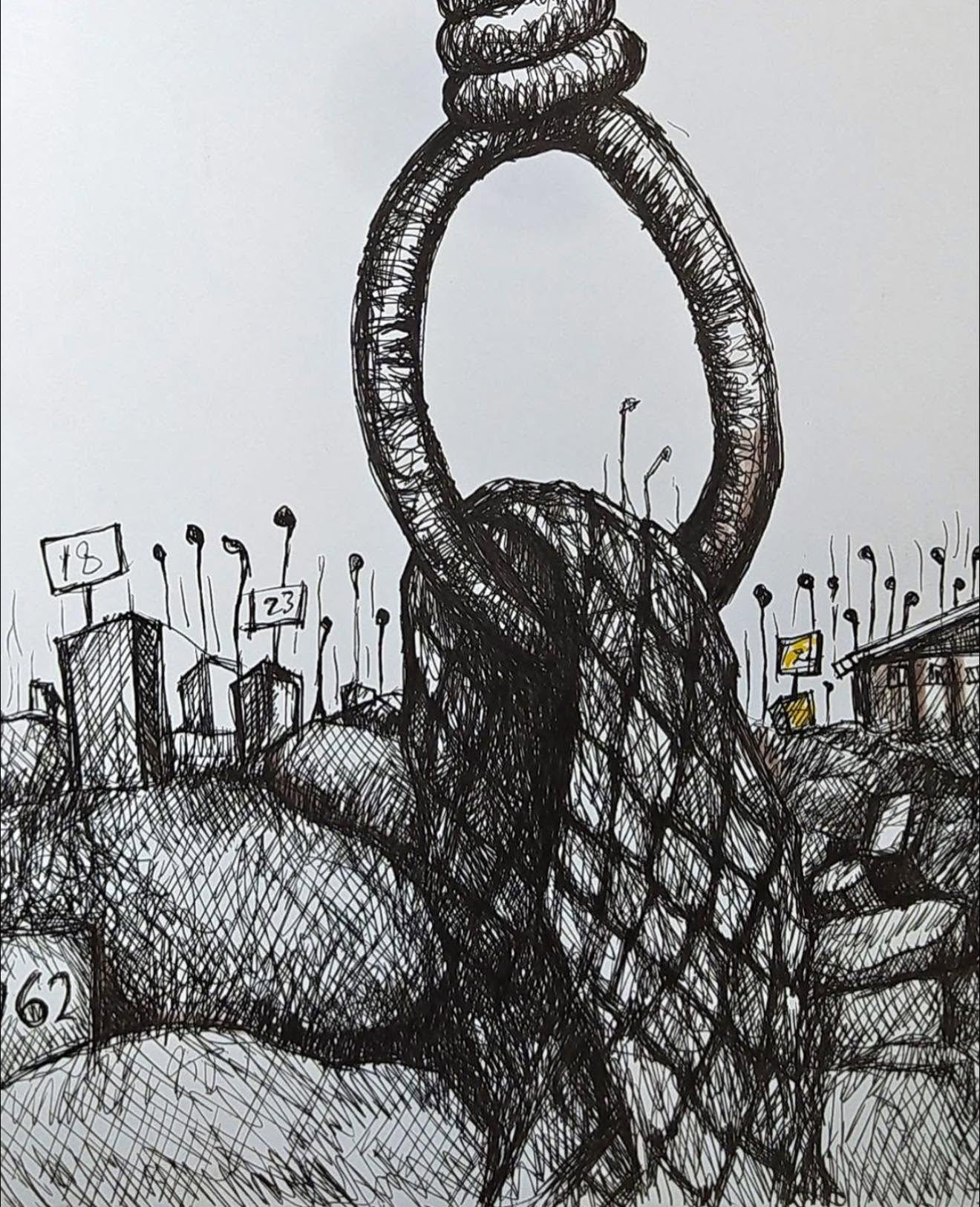
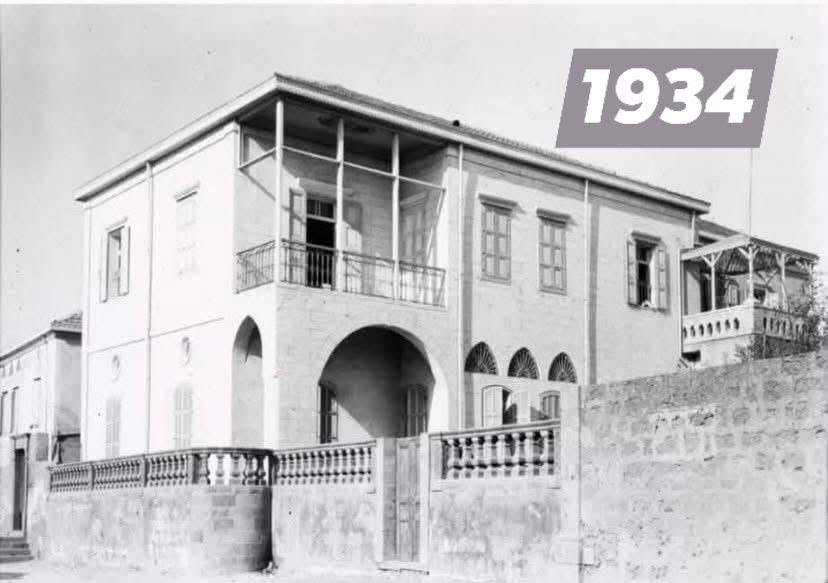
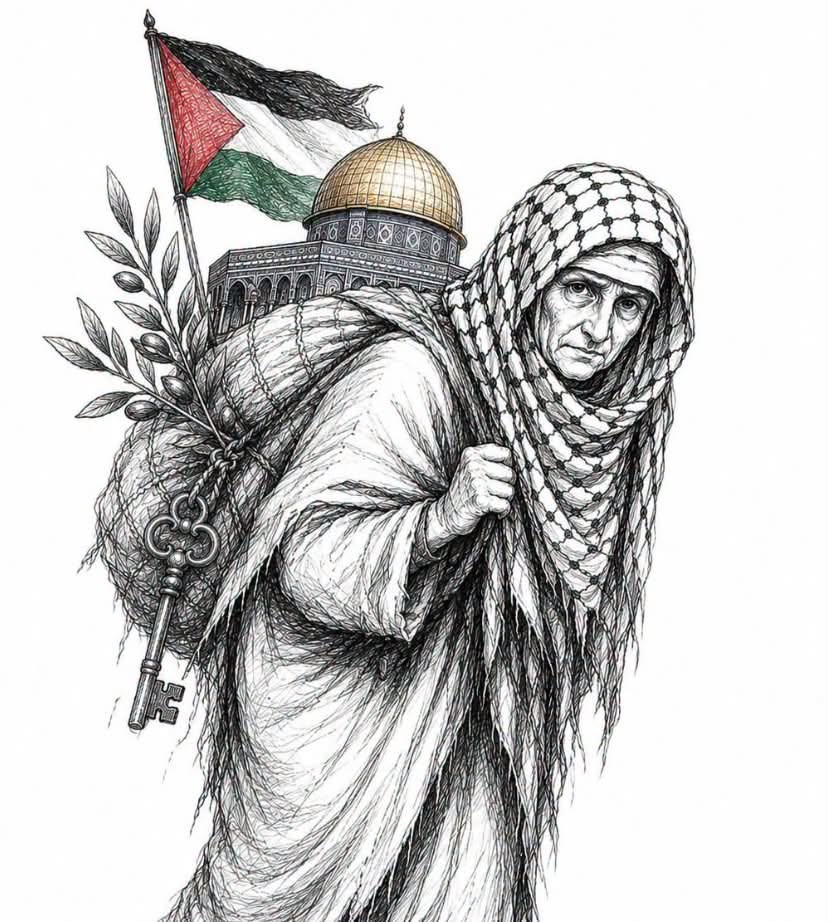 Remember Al Tantoura


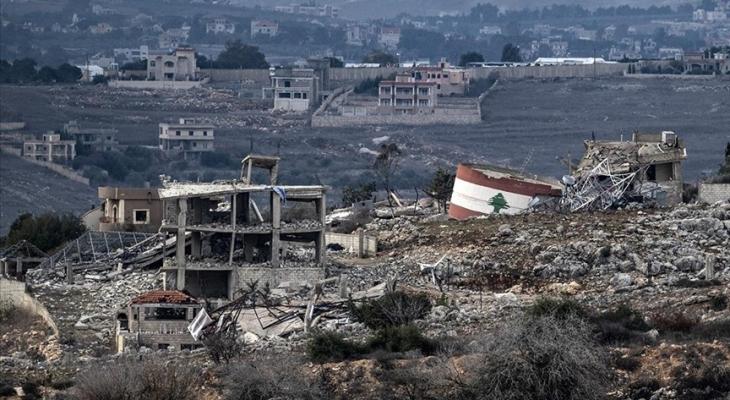
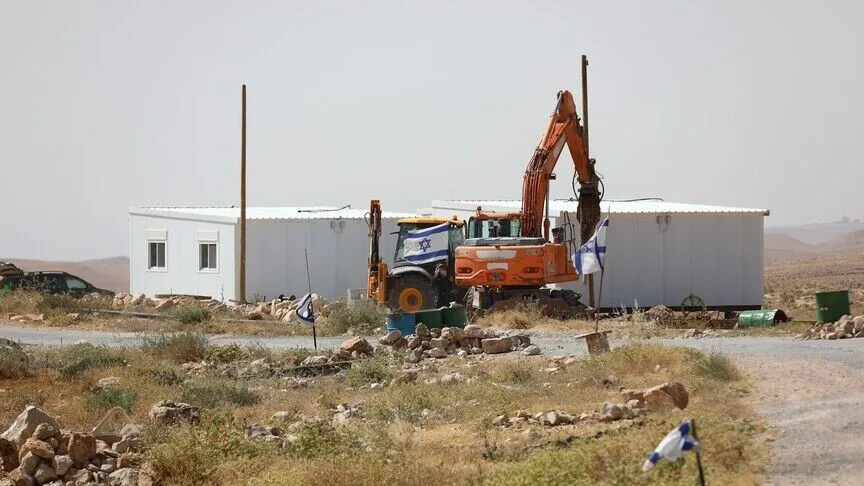
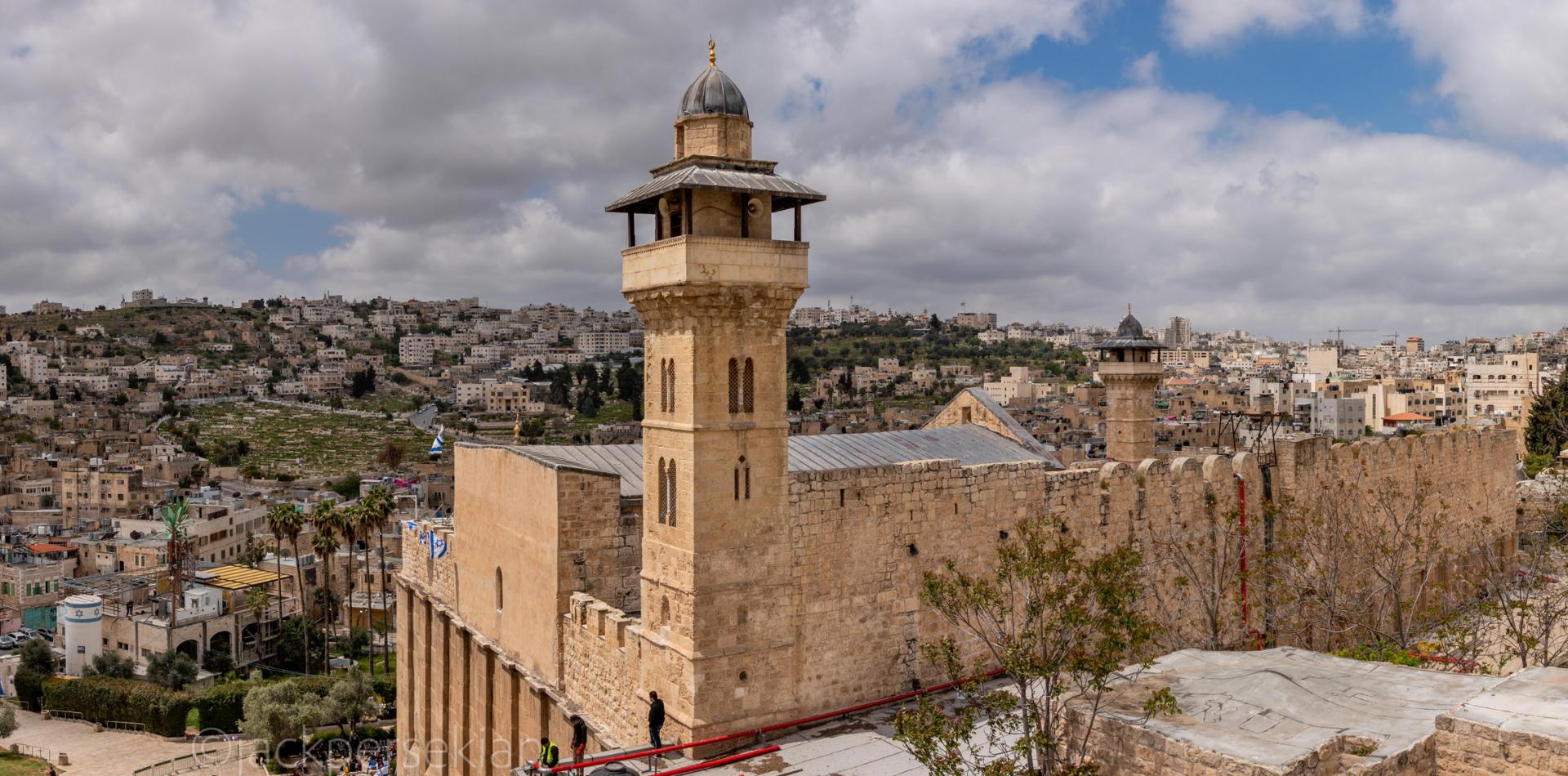
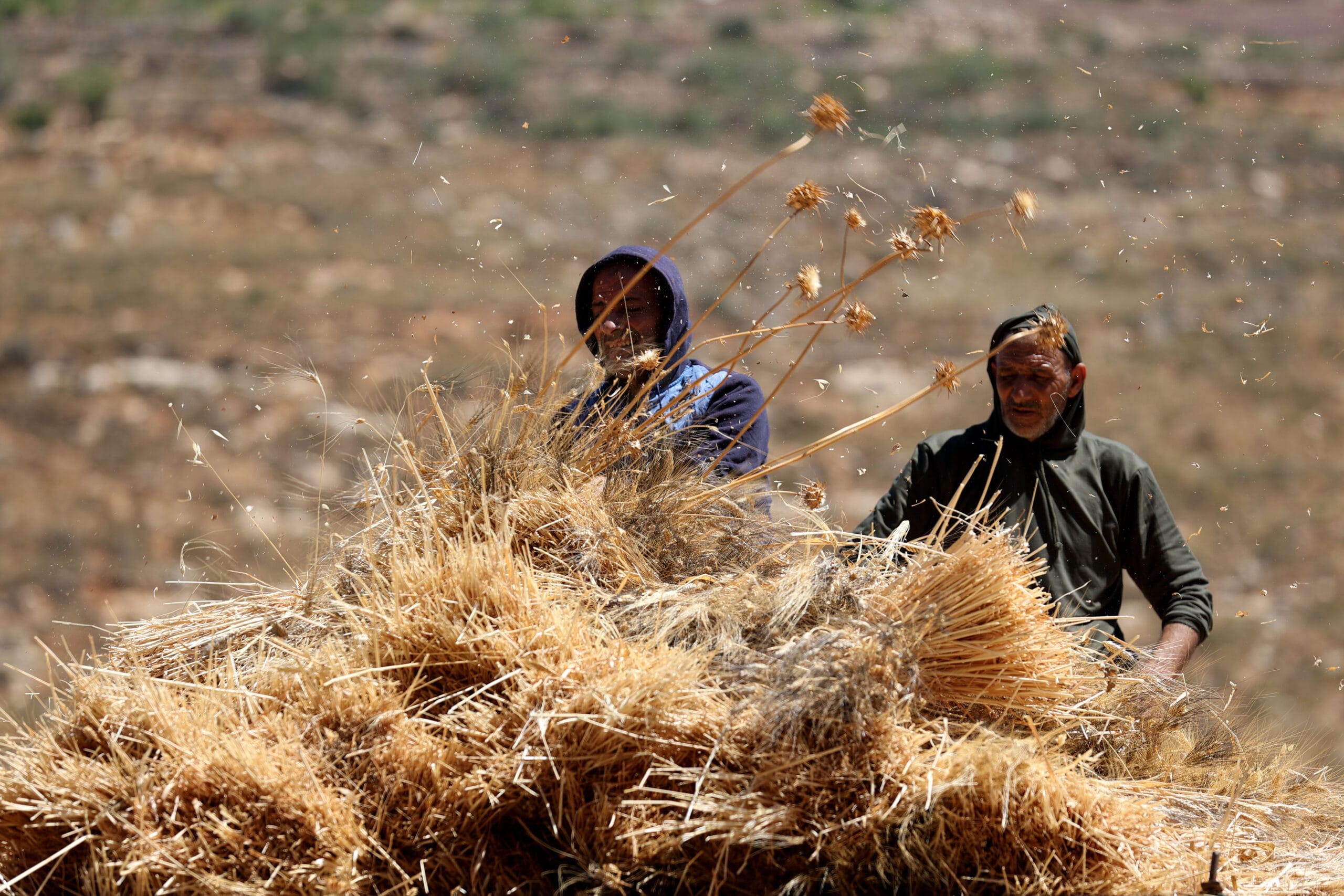
Israel Demolishes House Near Bethlehem
 CrossFireArabia
- July 2, 2026
 CrossFireArabiaCrossFireArabiaCrossFireArabiaCrossFireArabiaCrossFireArabiaCrossFireArabiaCrossFireArabiaCrossFireArabiaCrossFireArabiaCrossFireArabiaCrossFireArabiaCrossFireArabiaCrossFireArabiaCrossFireArabiaCrossFireArabiaCrossFireArabiaCrossFireArabiaCrossFireArabiaCrossFireArabiaCrossFireArabia
 marwanmarwanCrossFireArabiaCrossFireArabiamarwanCrossFireArabiaCrossFireArabiaCrossFireArabiaCrossFireArabiaCrossFireArabiaCrossFireArabiaCrossFireArabiaCrossFireArabiamarwanmarwanCrossFireArabiaCrossFireArabia
 Saleem Ayoub QunaCrossFireArabiaCrossFireArabiaCrossFireArabiaCrossFireArabiaCrossFireArabiaCrossFireArabiaCrossFireArabiaCrossFireArabiaCrossFireArabiaCrossFireArabiaCrossFireArabia
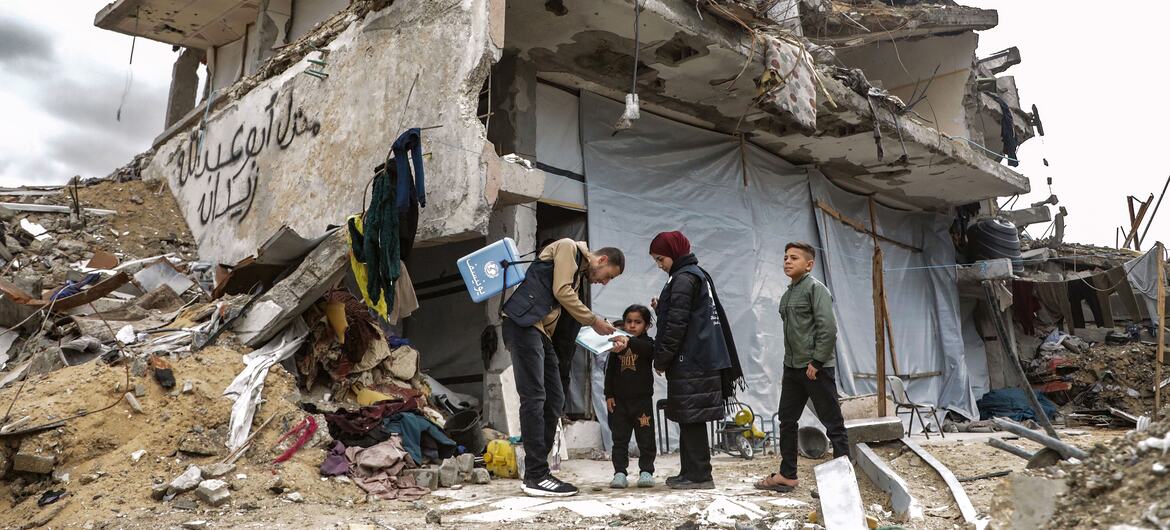
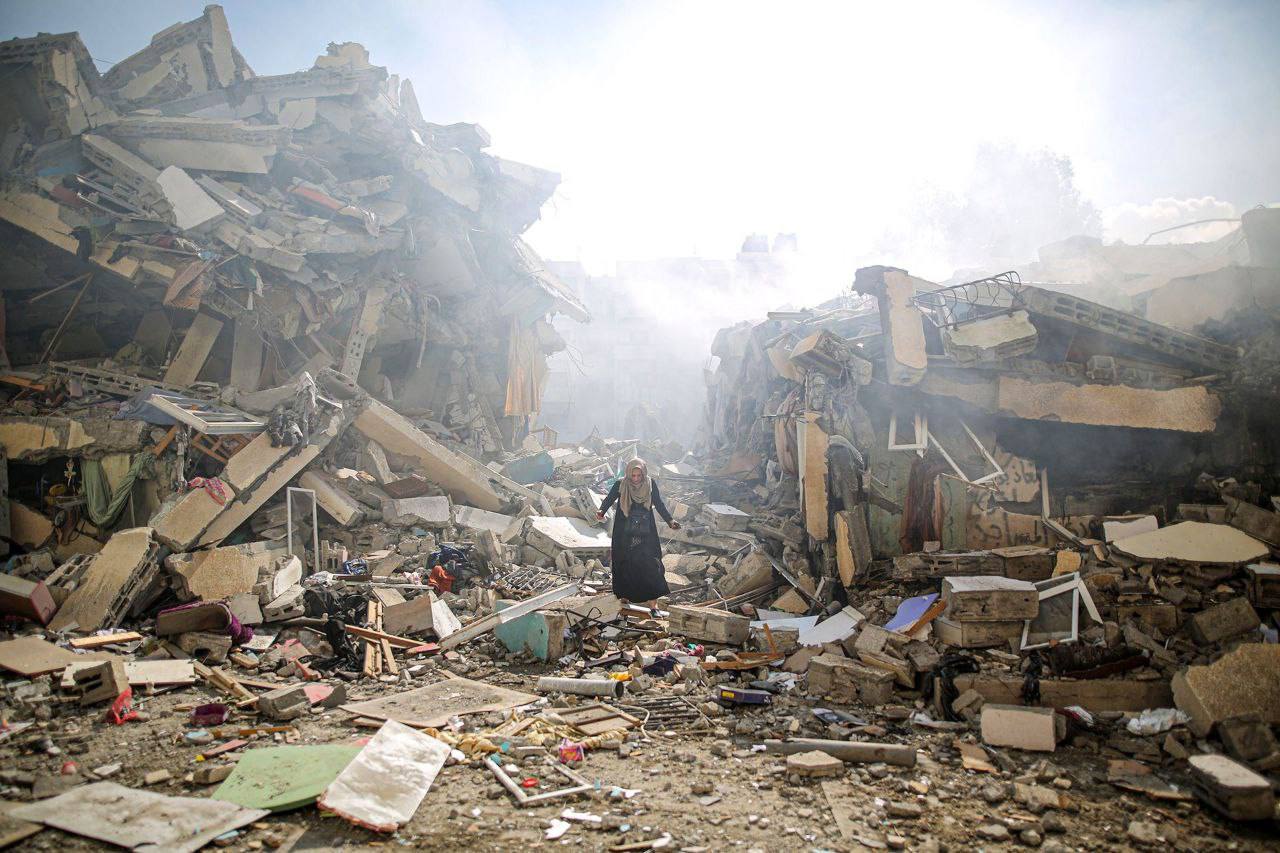
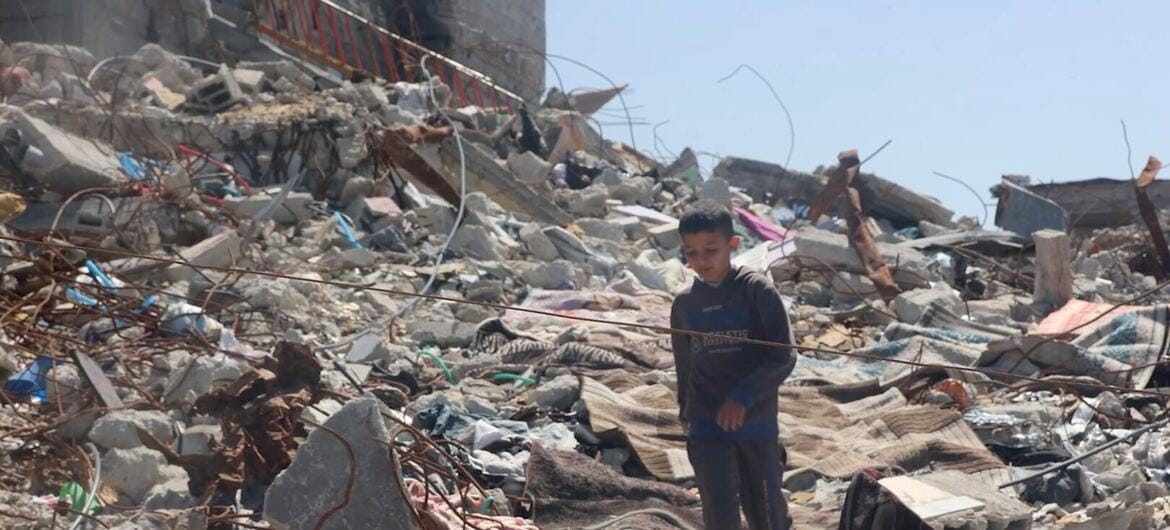
With no aid allowed into Gaza for more than a month, the UN Secretary-General appealed on Tuesday for guaranteed humanitarian access to the enclave.
Speaking to journalists at UN Headquarters, António Guterres also repeated his call for a renewed ceasefire between Israel and Hamas, and the release of all hostages still being held inside the shattered enclave.
No food, fuel, medicine and commercial items have entered Gaza since 2 March following the Israeli blockade, and supplies are piling up at crossing points.
Meanwhile, the ceasefire announced in January following 15 months of war has collapsed, amid airstrikes, renewed ground operations and rocket launches into Israel by Palestinian militants.
“As aid has dried up, the floodgates of horror have re-opened,” Mr. Guterres said.
“Gaza is a killing field – and civilians are in an endless death loop.”
He noted that “certain truths are clear since the atrocious October 7 attacks by Hamas,” chiefly that ceasefires work.
The truce allowed for the release of hostages, as well as the distribution of lifesaving aid, and proved that the humanitarian community can deliver.
He recalled that “for weeks, guns fell silent, obstacles were removed, looting ended – and we were able to deliver lifesaving supplies to virtually every part of the Gaza Strip,” which ended with the “shattering” of the deal.
“Hope sank for Palestinian families in Gaza and families of hostages in Israel – as I was reminded when I met again with hostage families yesterday,” he added.
For this reason, the Secretary-General has consistently been pushing for the immediate and unconditional release of all hostages, a permanent ceasefire, and full humanitarian access to the territory.
“In times like this, we must be crystal clear,” he said, noting that with crossing points shut and aid blockaded, there is no effective security and the ability to deliver assistance has been strangled.
He also cited a joint statement by UN humanitarian chiefs, issued on Monday, which refuted assertions that there is enough food in Gaza to feed everyone there.
“We must also be clear about the obligations,” Mr. Guterres continued, emphasizing the “unequivocal obligations” of Israel, as the occupying power, in line with international law.
He pointed to the Fourth Geneva Convention, which outlines the duty to ensure food and medical supplies for the population, as well as ensuring and maintaining medical and hospital establishments and services, public health and hygiene.
Additionally, medical personnel shall be allowed to carry out their duties.
“And Article 59, paragraph 1, of the Fourth Geneva Convention provides that ‘if the whole or part of the population of an occupied territory is inadequately supplied, the Occupying Power shall agree to relief schemes on behalf of the said population, and shall facilitate them by all means at its disposal,’” he quoted.
International humanitarian law also includes the obligation to respect humanitarian relief personnel, he added, paying tribute to the “humanitarian heroes” under fire in Gaza.
While UN agencies and partners stand ready and determined to deliver, “the Israeli authorities newly proposed ‘authorization mechanisms’ for aid delivery risk further controlling and callously limiting aid down to the last calorie and grain of flour,” the Secretary-General said.
“Let me be clear: We will not participate in any arrangement that does not fully respect the humanitarian principles: humanity, impartiality, independence and neutrality.”
Mr. Guterres said unimpeded humanitarian access must be guaranteed, and humanitarian personnel must be given protection, in line with international law.
He stressed that “the inviolability of United Nations premises and assets must be respected,” and again called for an independent investigation into the killing of humanitarians, including UN personnel.
The Secretary-General concluded the briefing by underlining the need to stick to core principles. He urged UN Member States to adhere to their obligations, adding that there must be justice and accountability when they do not.
“The world may be running out of words to describe the situation in Gaza, but we will never run away from the truth,” he said.
He warned that “the current path is a dead end – totally intolerable in the eyes of international law and history,” while the risk of the occupied West Bank transforming into another Gaza makes the situation even worse.
“It is time to end the dehumanization, protect civilians, release the hostages, ensure lifesaving aid, and renew the ceasefire,” he said.
 Dr Khairi Janbek
By Dr Khairi Janbek
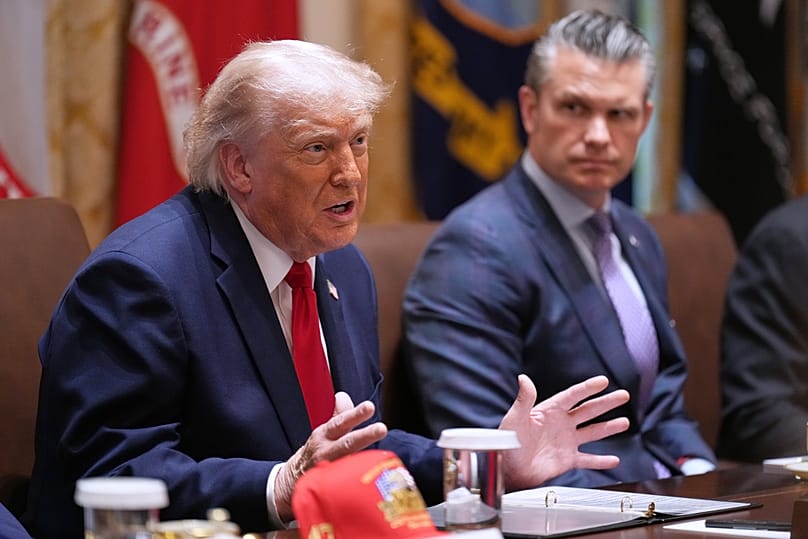
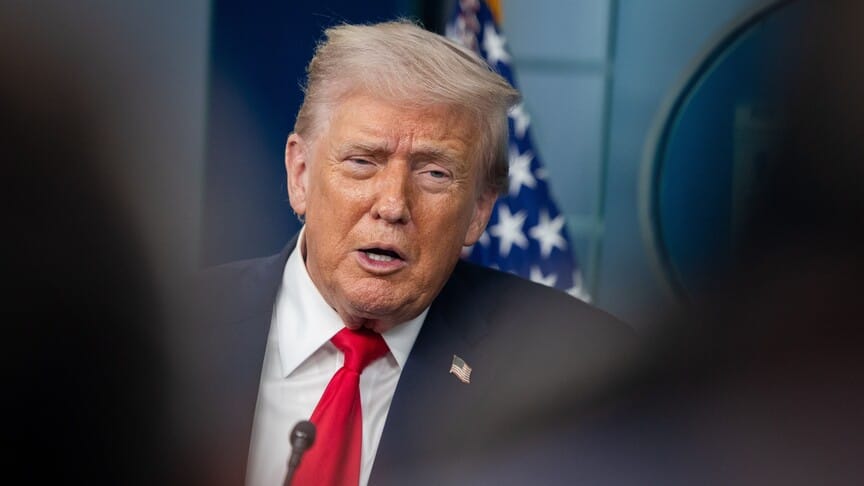
As far as one is concerned, the Middle East has been for a long time a matter of balance of power overlapping with strategic reluctance to change its status quo. But the advent of US President Donald Trump is ushering a new era with all sorts of possibilities.
On the microcosm level for instance, Arafat’s Fateh movement in the PLO was checked in a formula of a balance of power by the leftists organizations as well as the Palestinian organizations sponsored by some Arab countries, the affiliation of all in the PLO created the sense of a balance of power.
However, with the emergance of the PNA and the affiliation of the Palestinian groups in it, albeit with variable influence, created a unit which under the balance of power notion, necessitated the creation of a check and balance on its power.
Consequently Hamas was created, and what seemingly appeared as contradiction between them, turned out to be a symbiotic relationship between them. Now, one cannot say with certainity what will happen next, however, if the objective is to maintain the balance of power by just weakening Hamas, this will require symbiotically weakening the PNA as well, but if the objective is to eleminate Hamas, the next step will be to eleminate the PNA.
As for the macro level, and as one often repeats, the Middle East, has at least for the last five decades was strategically governed by the famous triangle, Iran-Israel-Turkey, with the Arab world having little say in their own affairs , if at all.
However, since the fall of the Shah regime in Iran, the search started for a third angle to replace Iran in governing the Middle East, considering the open hostility of Iran towards West. Consequently some Arab countries jumped into the frey as possible candidates, like Egypt, then Qatar, UAE and Saudi Arabia. But as it seems, a preference for the old triangle was decided upon by the world powers, accepting the inconvenience of having to negotiate with Iran.
Now, we can see a new development that breaks the taboo of the old balance of power in the region.
Starting mid-way from the Biden administration, and with the start of the second Trump administration, the notion of balance of power by the usual triangle has turned into a balance of aggressiveness in the region, as Israel and Iran “bombard” each other, Turkey’s involvement in toppling Assad, and now the distinct possibility of confrontation with Israel in Syria, while being threatened itself by Iran if it cooperates in any possible American attack on Persia. Thus the stability which this triangle had sustained itself, is no more.
From appearances, at least how things look like: It seems Israel is being supported by Trump explicitly and by many other international parties implicitly, to be either the major power that has a say in Middle Eastern affairs. This means that Iran’s grip on the region will be curtailed through negotiations at least if not war; and here the symbiotic issue appears again, with Turkey’s role curtailed through pressures and/or and economic threats.
Here, as well, the aim is to designate Israel as only point of compass on the map of the Middle East, which Arabs are expected to flock to and normalise with.
In this case events will inevitably take a nasty symbiotic turn, meaning Iran will have to be attacked and taken out altogether with its surrogates from the power relations of the Middle East, and Turkey forced to take a more insular step from the affairs of the region, even with a regime change if required.
But we will have to wait and see what lies in store!
Dr Janbek is a Jordanian writer based in Paris, France.
CrossFireArabia
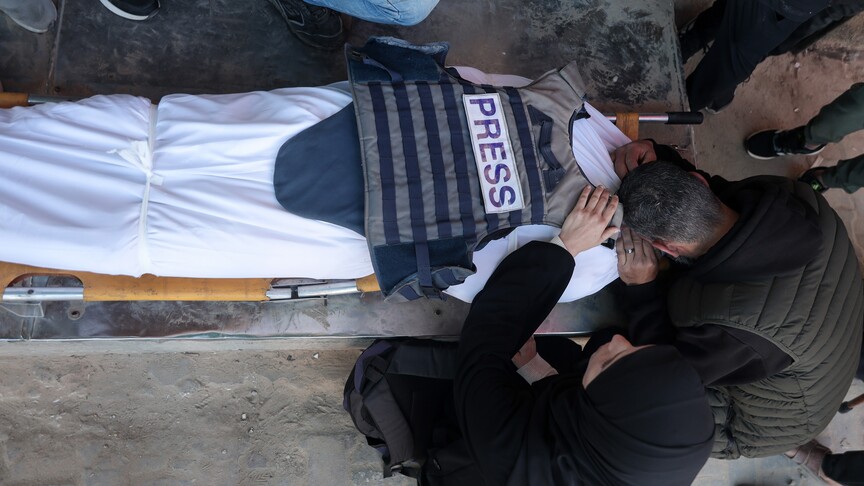
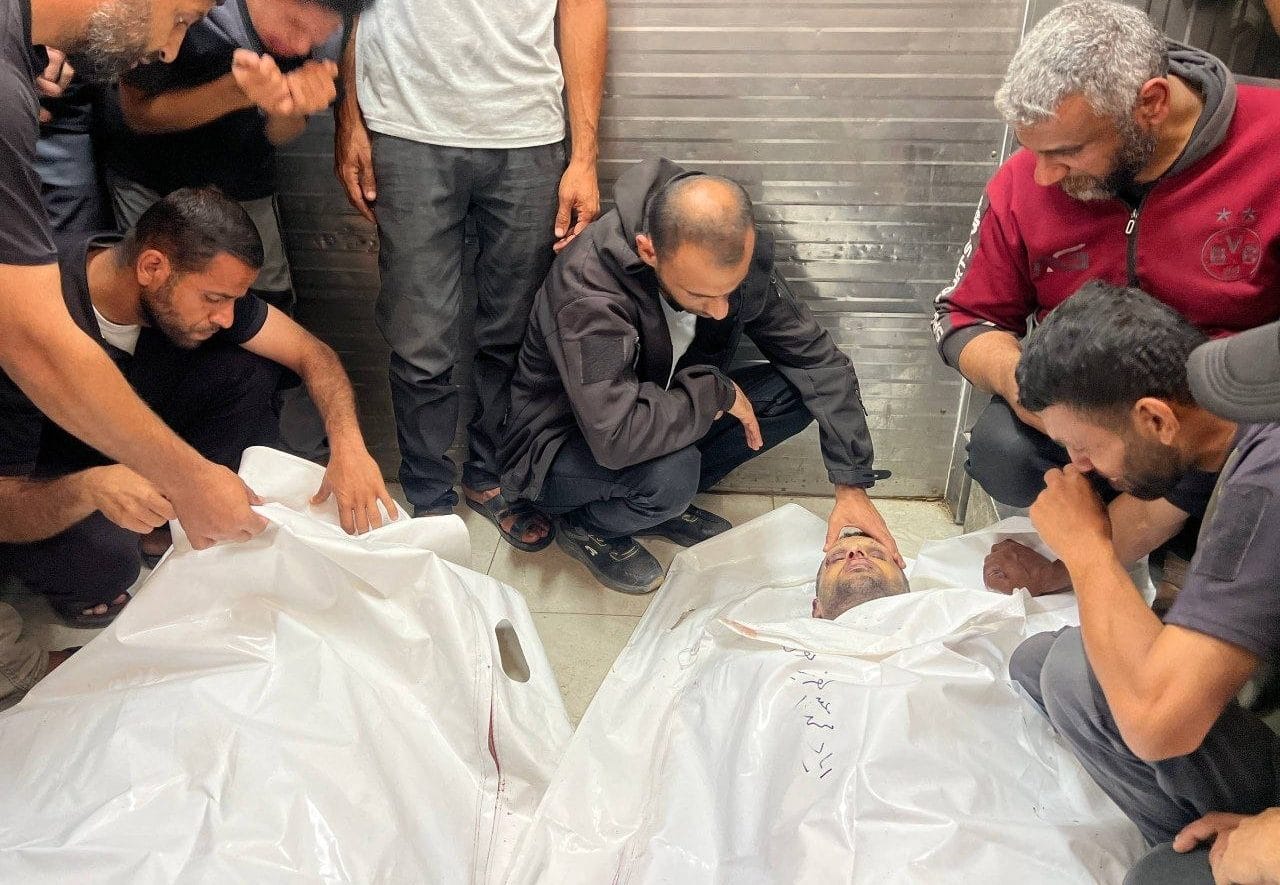
Israeli forces have bombed a tent housing Palestinian journalists near Nasser Hospital in Khan Younis in southern Gaza, killing two and wounding nine others while burning them alive.
At least nine journalists were injured. They are Ahmed Mansour, Hassan Eslaih, Ahmed Al-Agha, Mohammad Fayek, Abdallah Al-Attar, Ihab Al-Bardini, Mahmoud Awad, Majed Qdeih, and Ali Eslaih.
At least two of the wounded journalists are in critical condition, one of them with severe burns and the other with a head injury from shrapnel.
In a disturbing footage circulating on social media, journalist Ahmed Mansout can be seen consumed by fire as people and rescue workers tried desperately to put it out. Mansour is a father and a journalist for Palestine Today.
“(Israeli) Missiles burned Colleague Ahmed Mansour and is still in intensive care, suffering from severe burns as a result of the targeting of the tent where he is sitting in the journalists’ camp at Nasser Hospital,” Wael Abo Omar, a Palestinian journalist in the blockaded enclave, said on X.
Mahmoud Bassam, a photojournalist based in Gaza, said Mansour “needs a miracle” to recover from the severe burns.
Journalist Helmi al-Faq’awi was tragically killed in the horrific Israeli attack along with another man, Yousef al-Khuzendar.