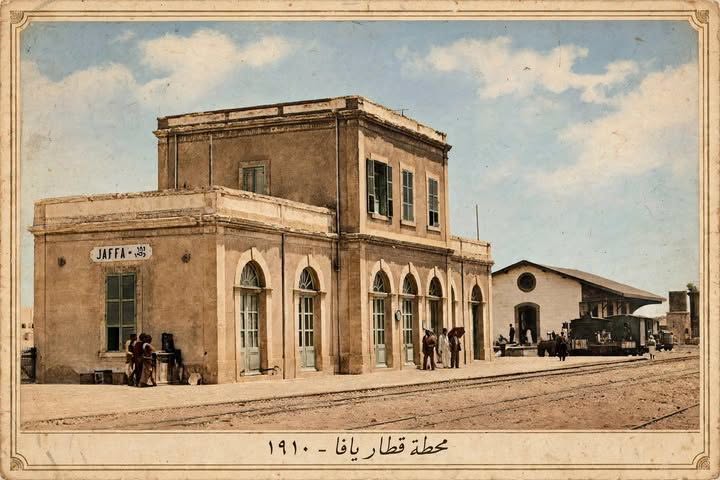
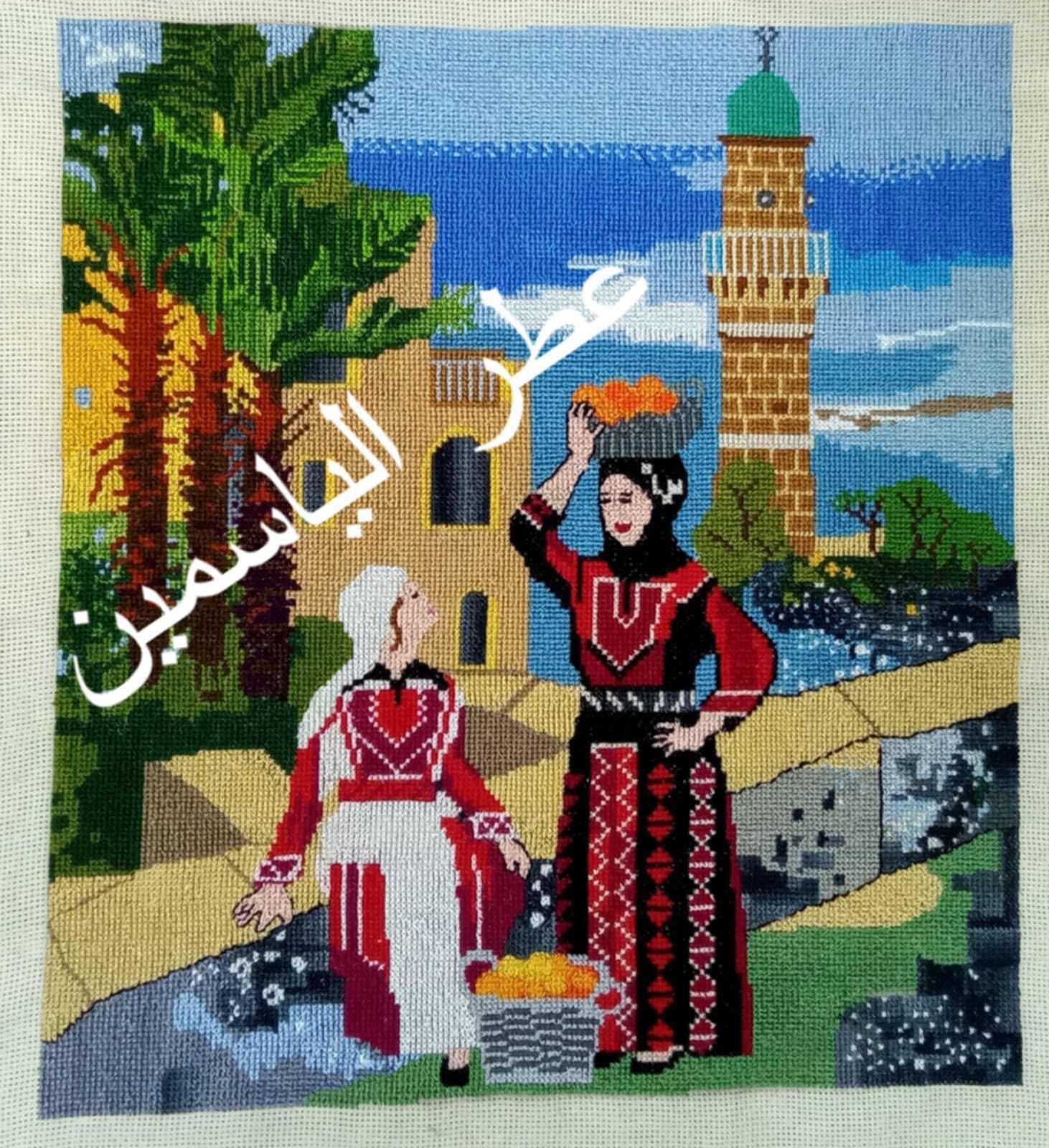
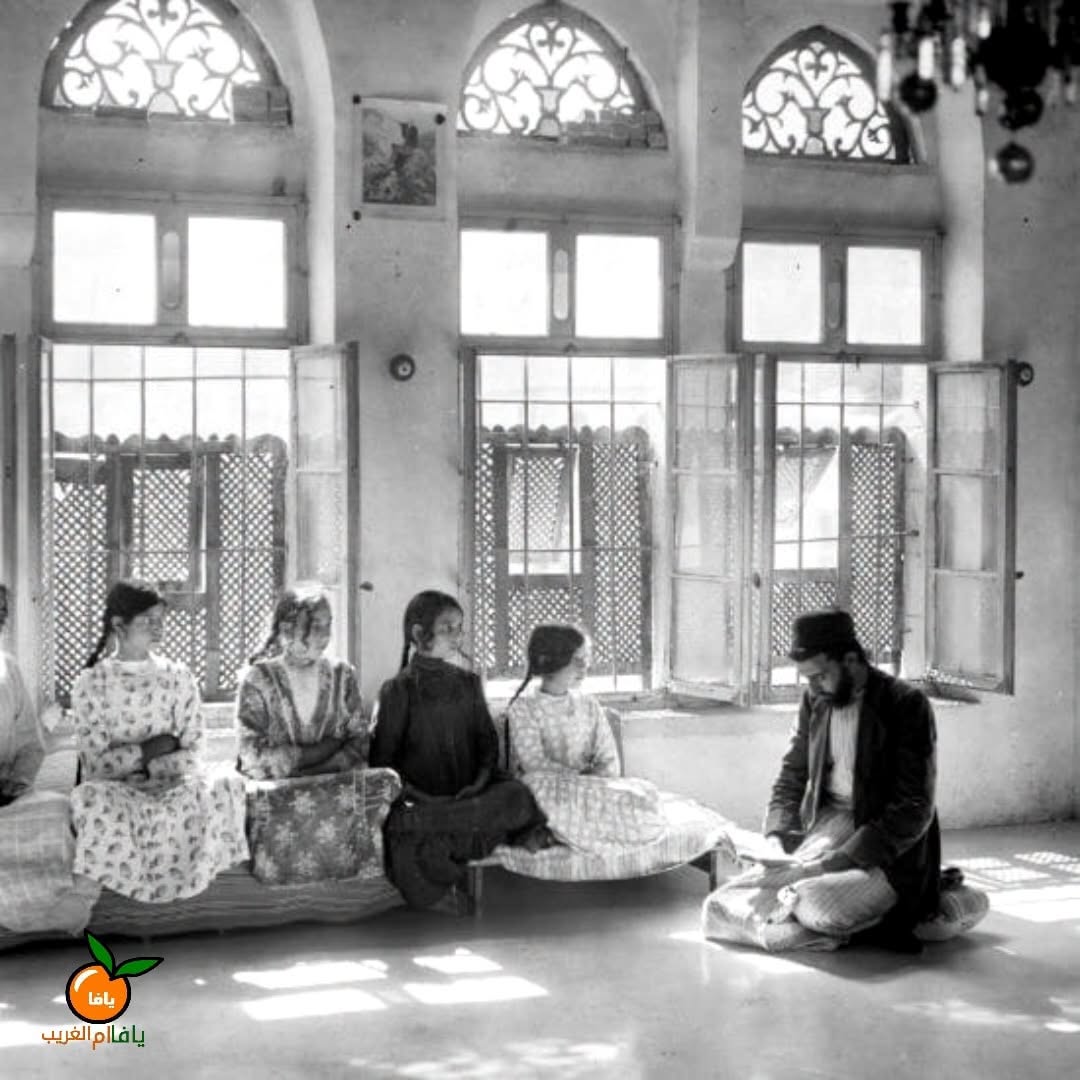
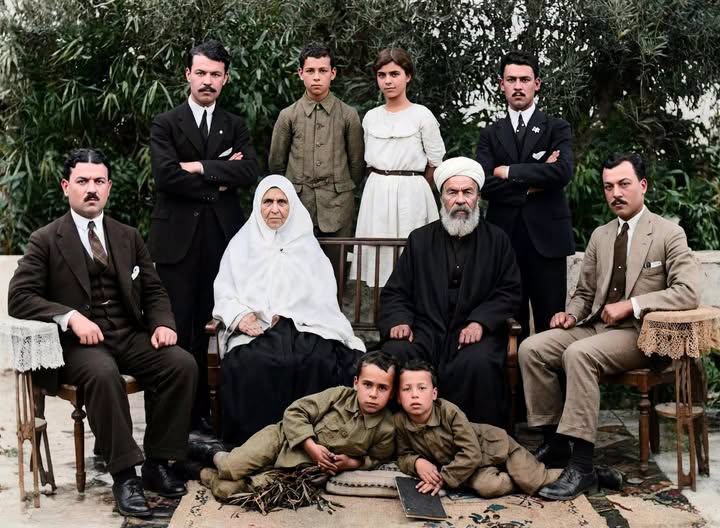
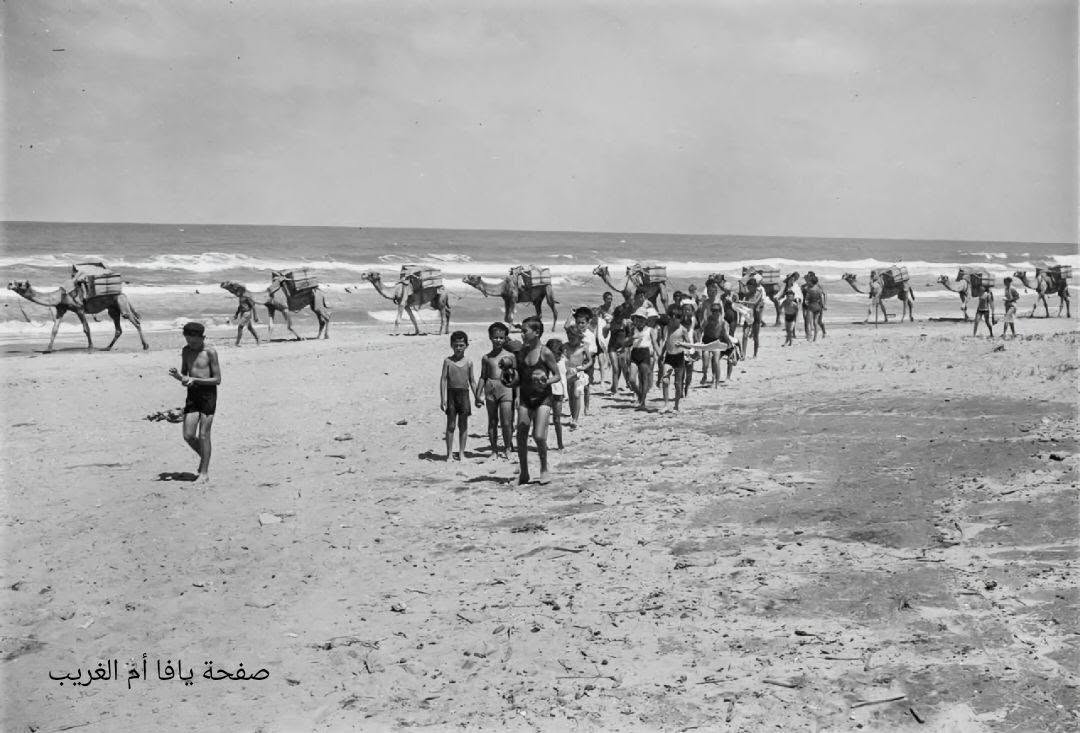
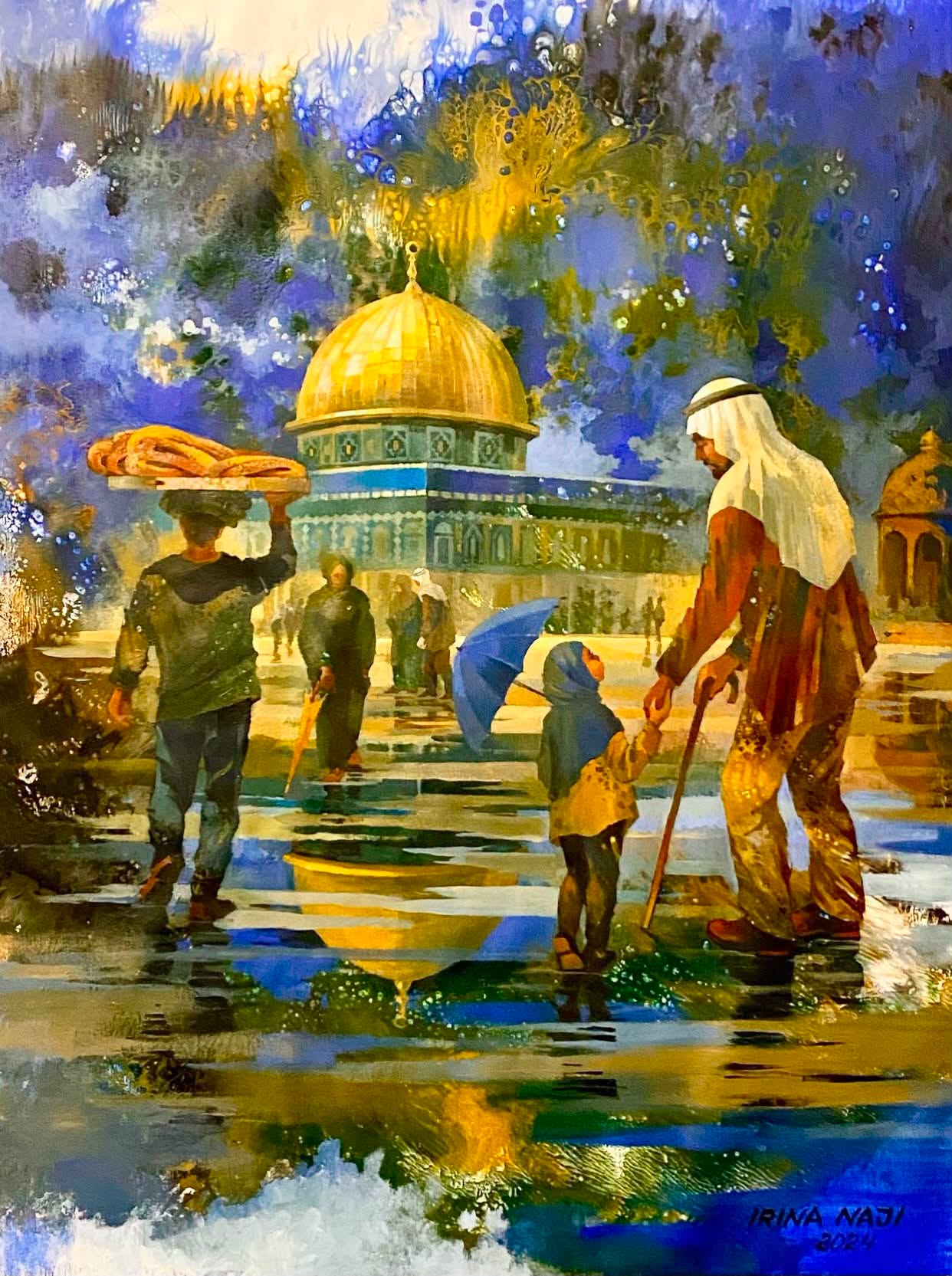
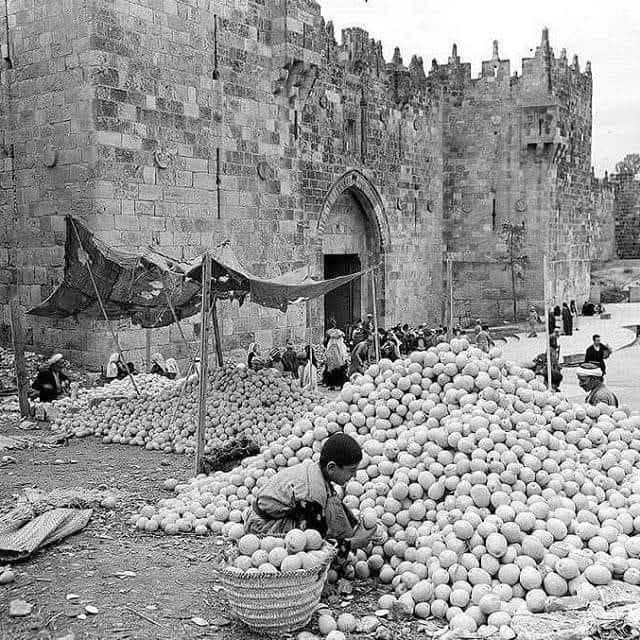
 Jaffa Oranges in Jerusalem, 1937
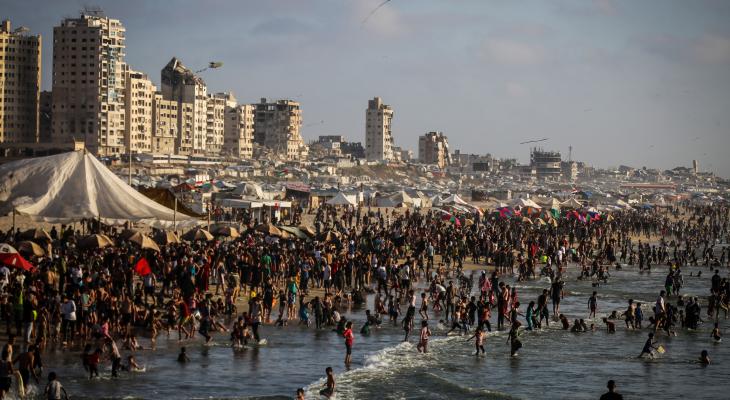
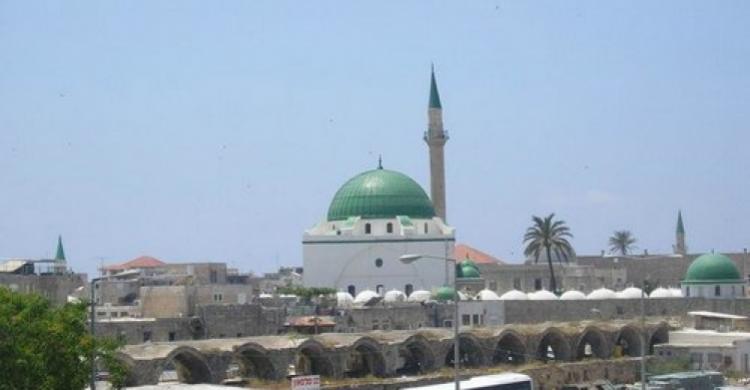
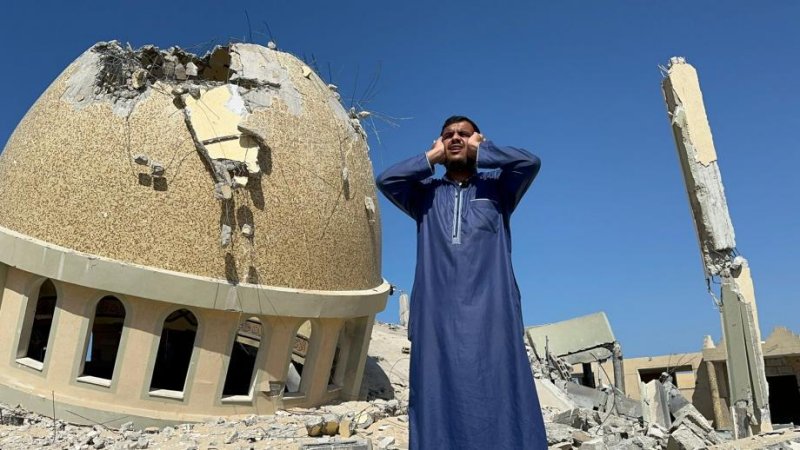 Gaza Begins to Restore Its Mosques
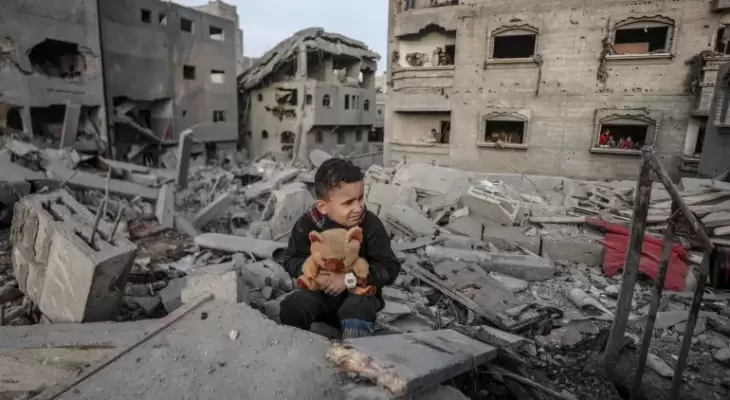
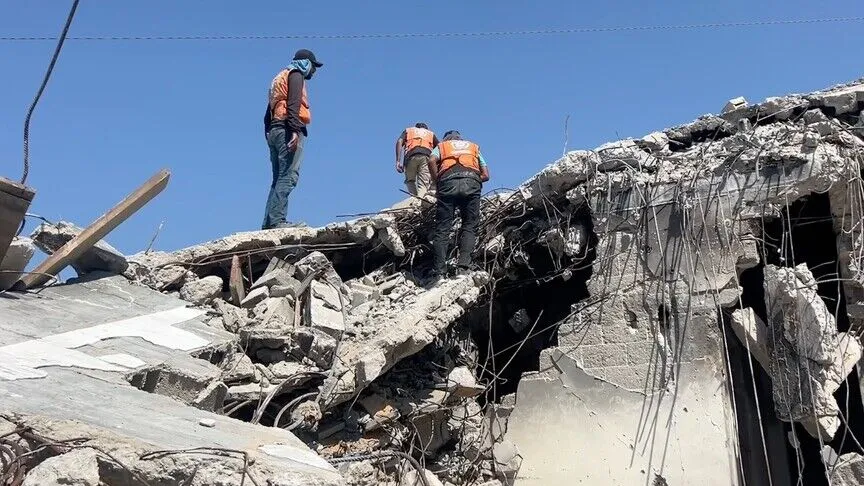
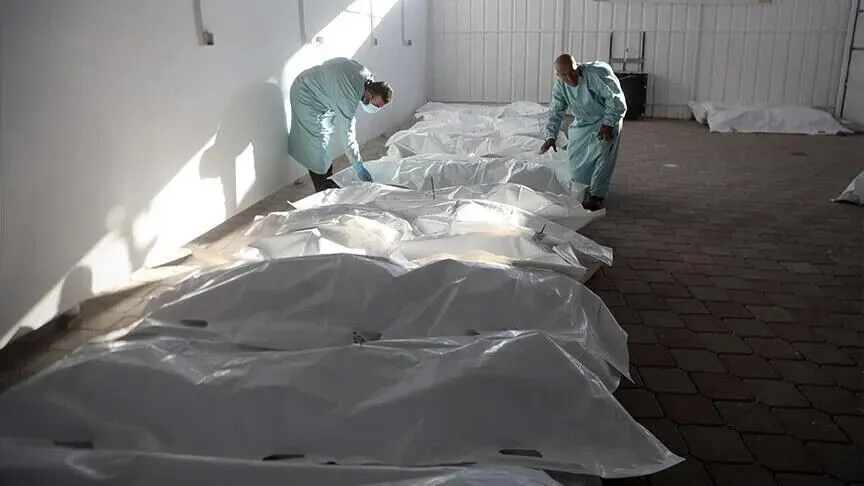
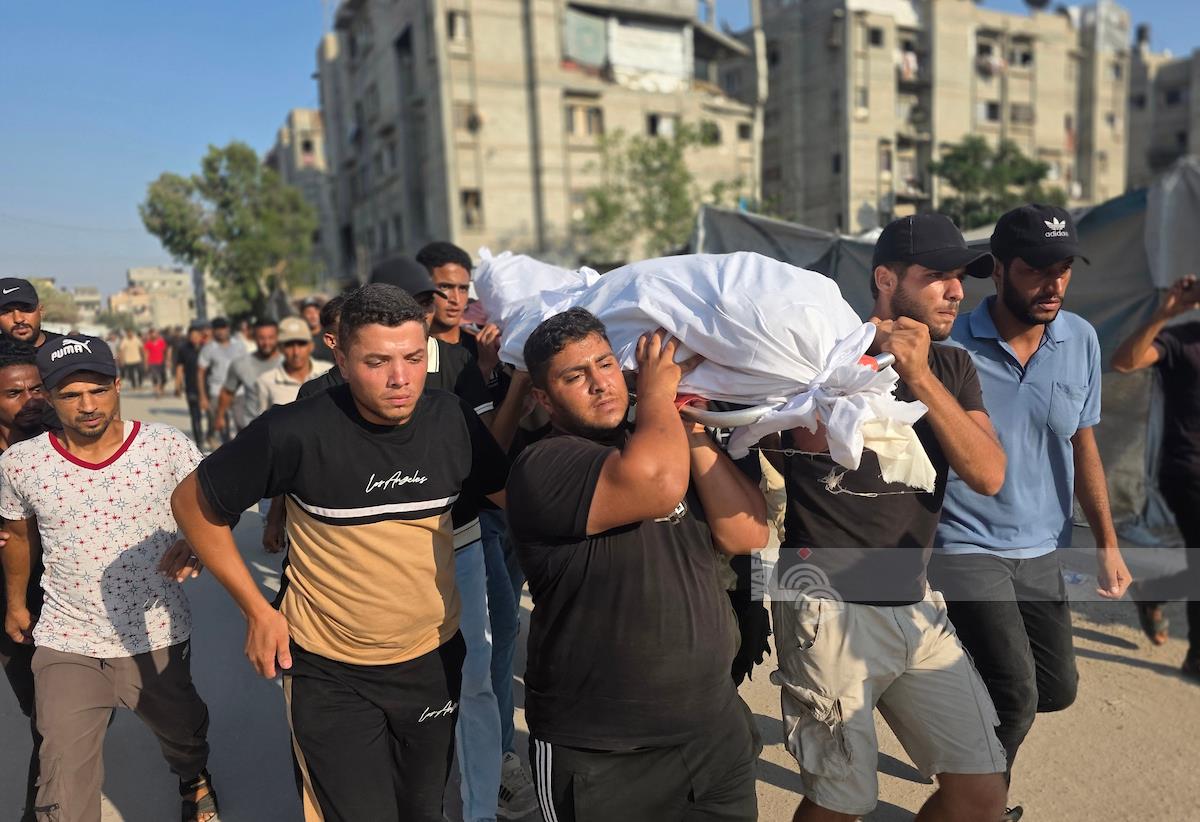
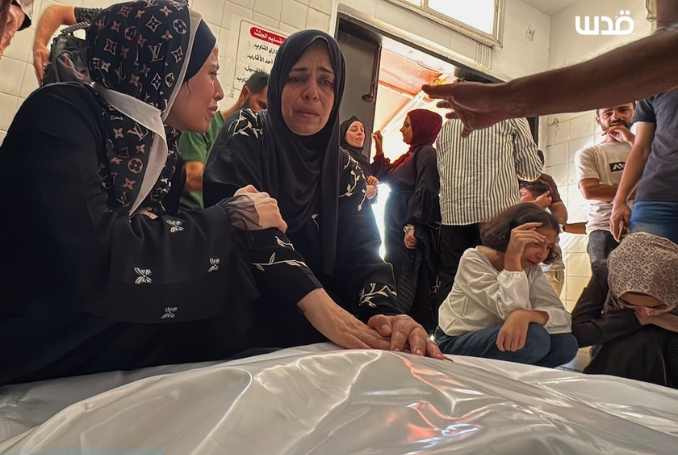
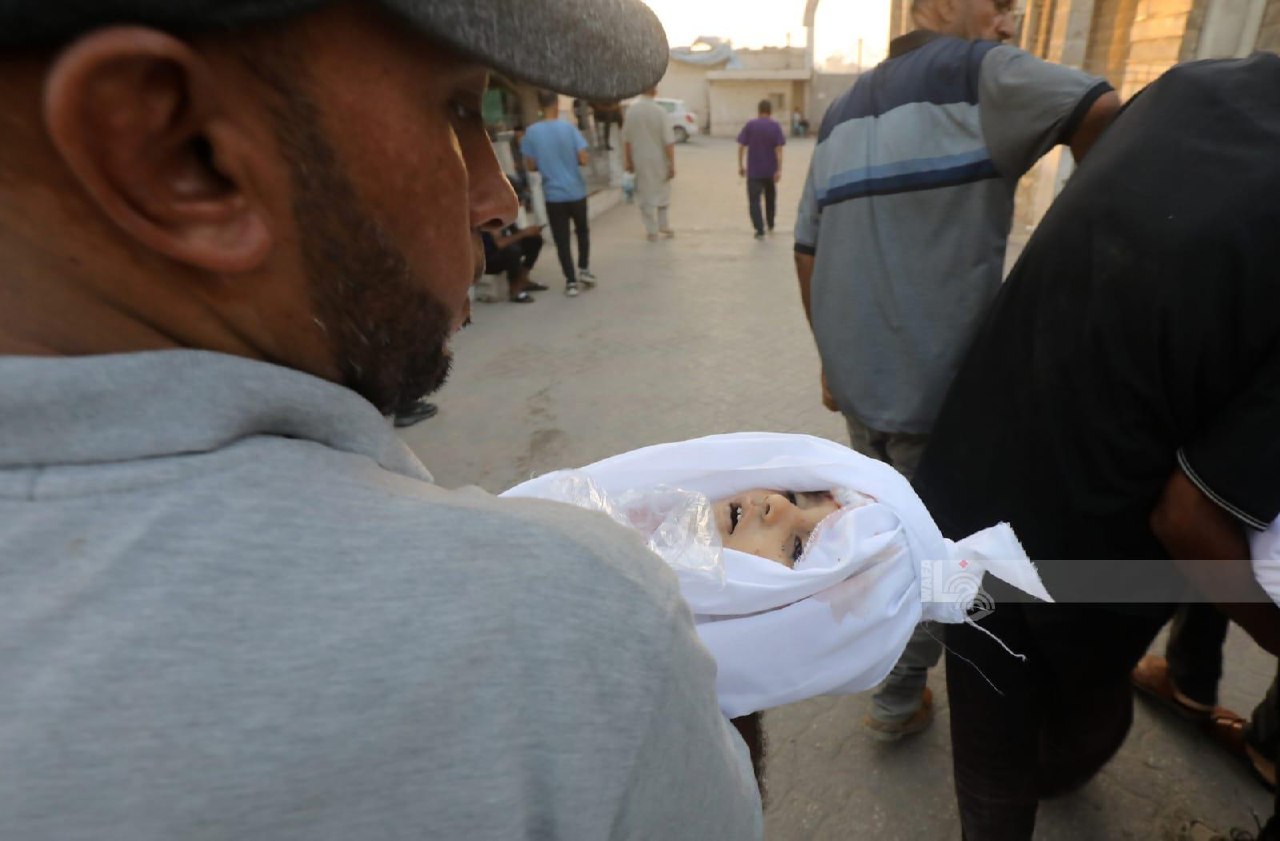
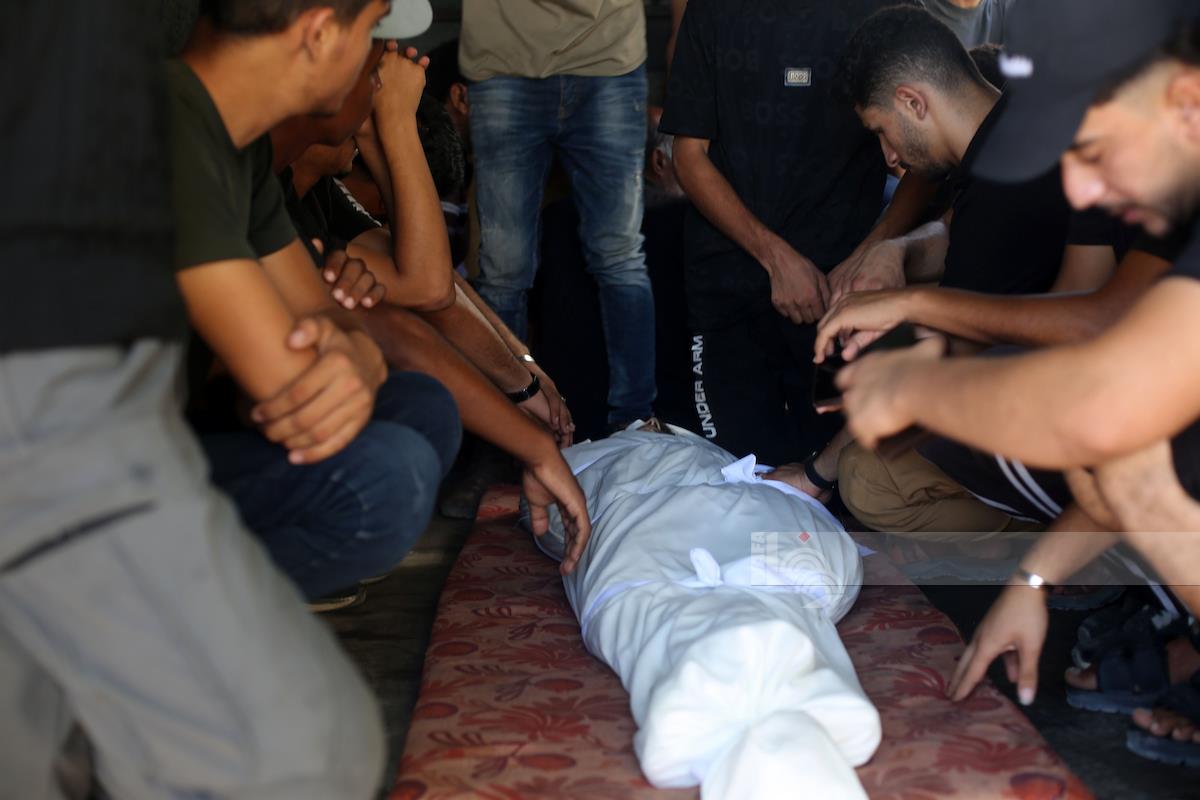
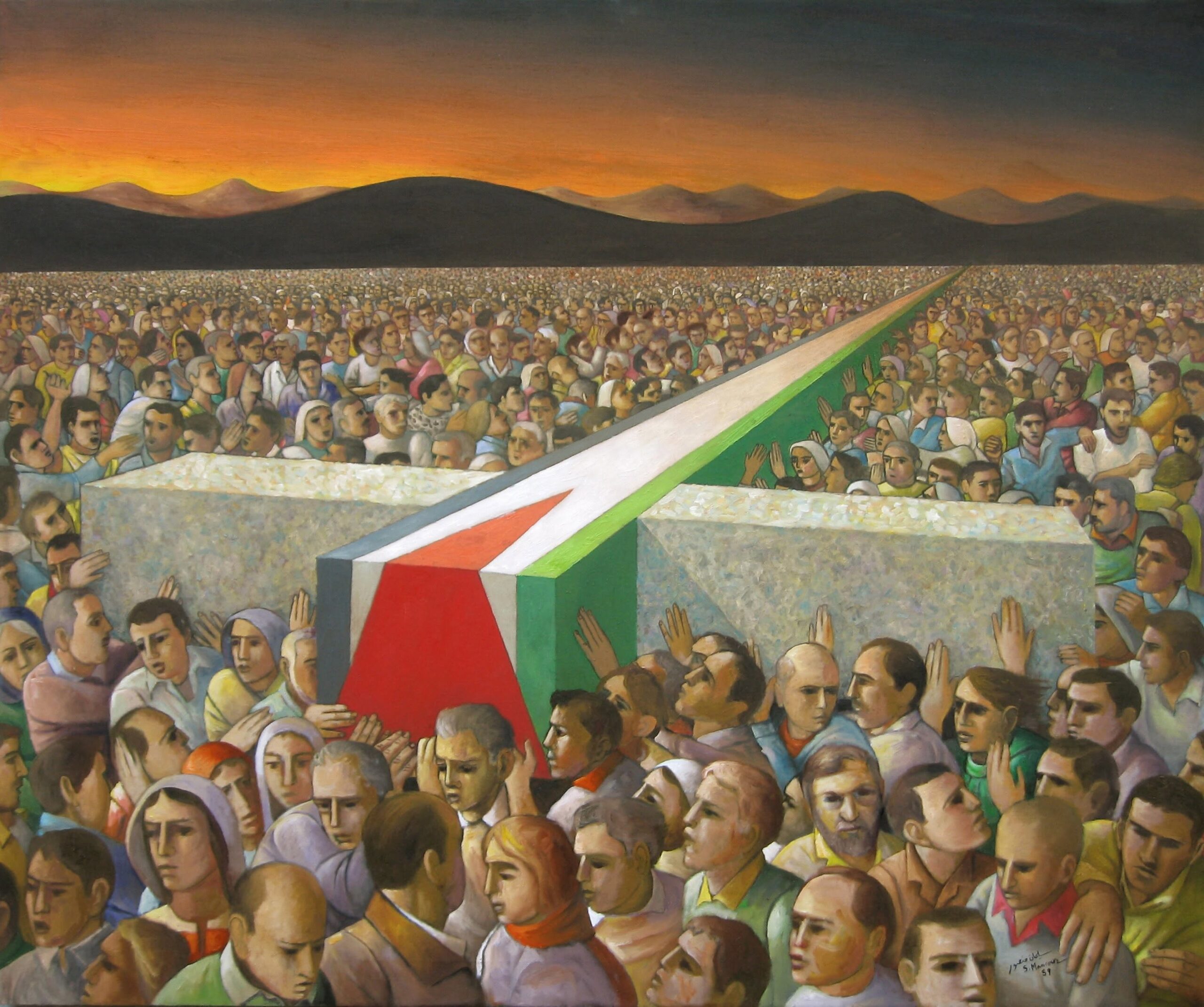 12 Bodies Uncovered in Gaza City
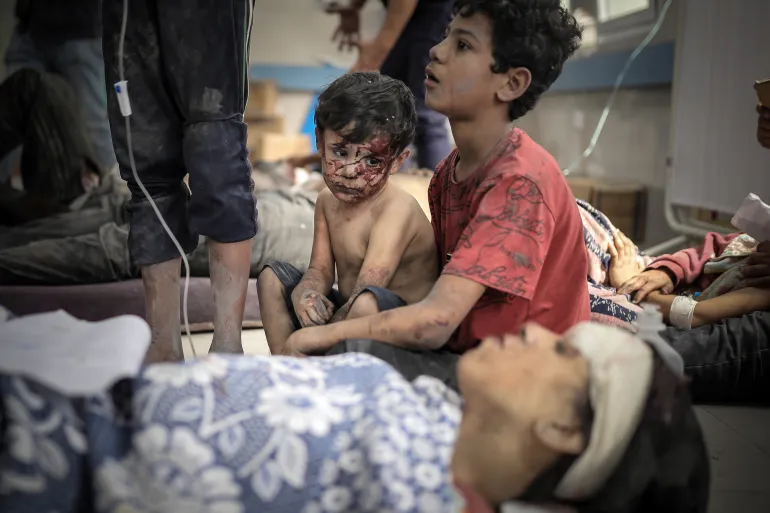
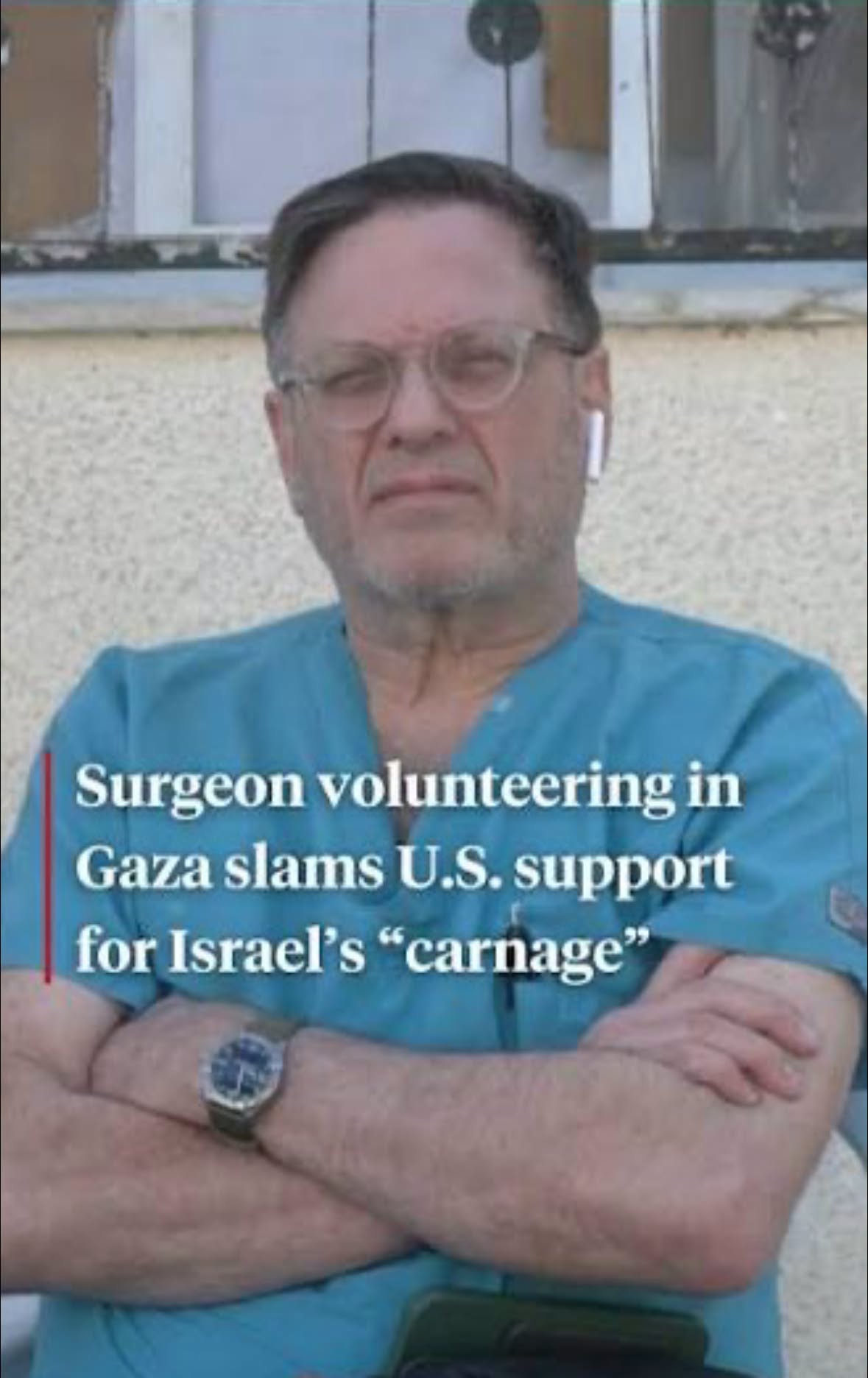 Dr. Mark Perlmutter recounts amputating the leg of a five-year-old girl in Gaza with no anesthesia available beyond an anesthesiologist singing to her.
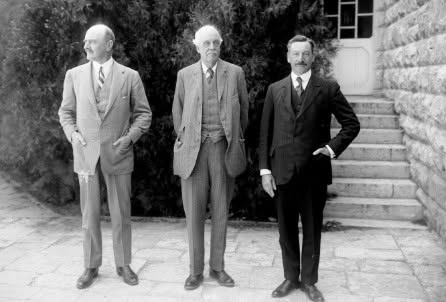
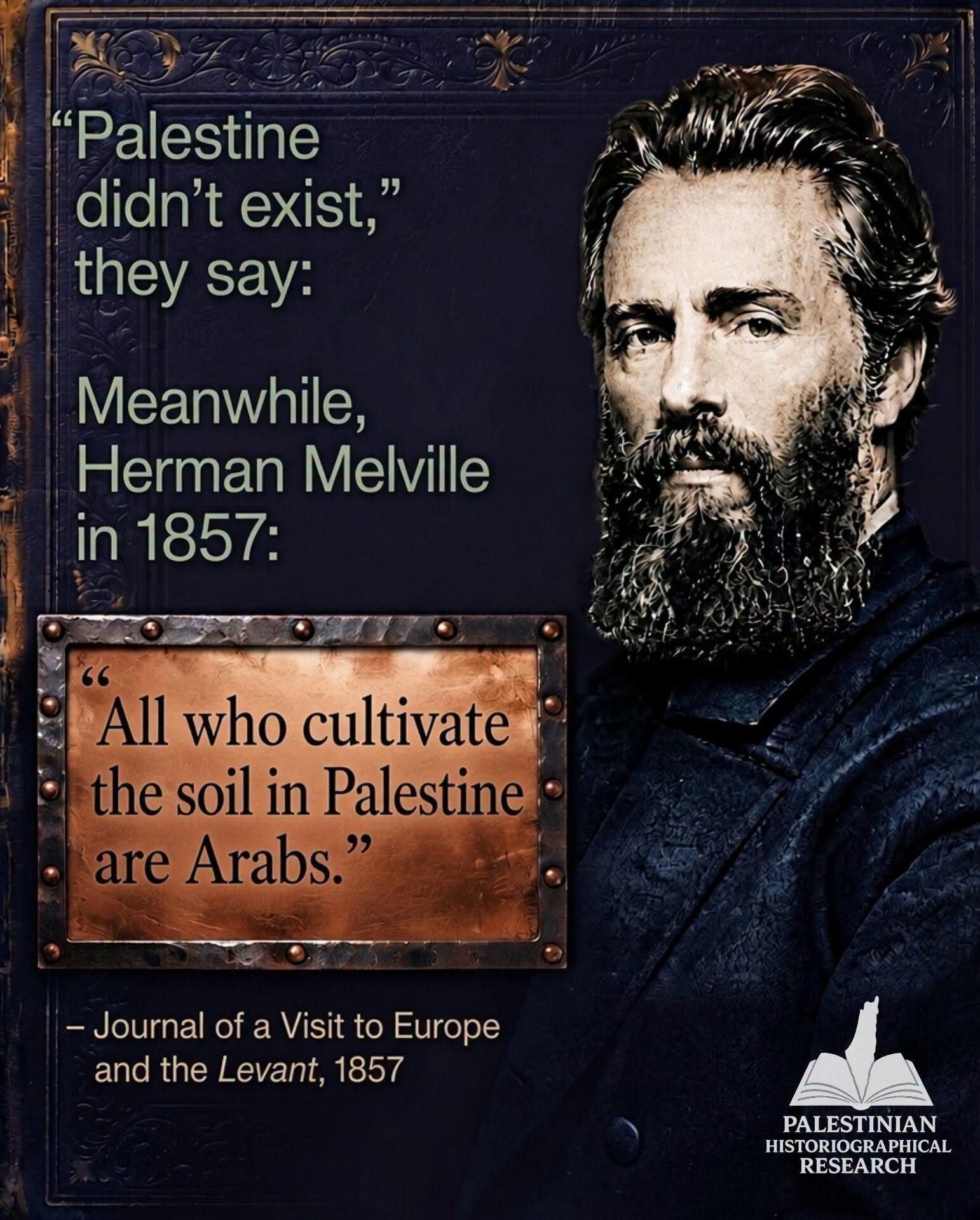 Herman Melville, Palestine, 1857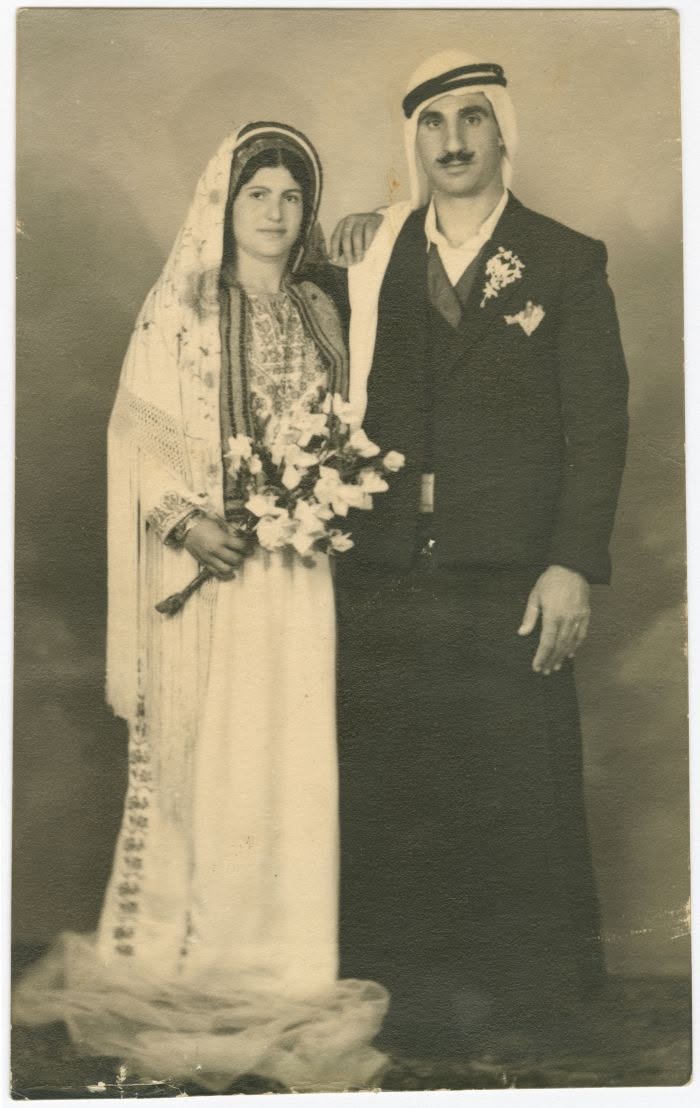
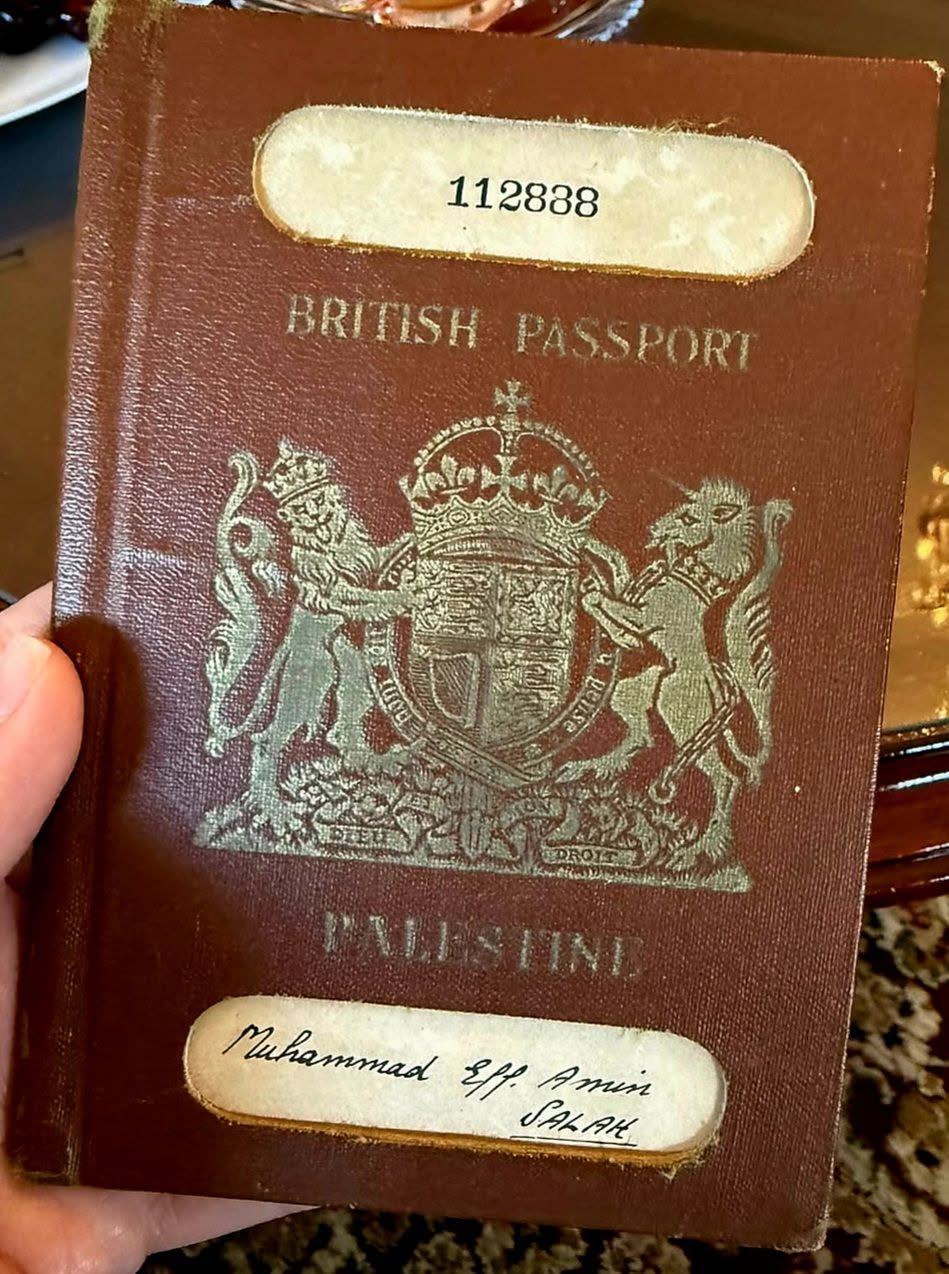

Jaffa Oranges in Jerusalem, 1937
 CrossFireArabia
- August 15, 2026
 CrossFireArabia
 marwanCrossFireArabiaCrossFireArabiamarwanCrossFireArabia
 HebaCrossFireArabiamarwanCrossFireArabiamarwanHebaCrossFireArabiamarwanmarwanHebaCrossFireArabiamarwanmarwanCrossFireArabiamarwanHebaCrossFireArabiaCrossFireArabiaCrossFireArabiaHebamarwanCrossFireArabiamarwanHebaCrossFireArabiaHebamarwanmarwanCrossFireArabiamarwanmarwanmarwanmarwanmarwanmarwanmarwanmarwanmarwanCrossFireArabiaCrossFireArabiamarwanmarwanCrossFireArabiaCrossFireArabiamarwanCrossFireArabiamarwanHebaHebamarwanmarwanCrossFireArabiamarwanmarwanmarwanmarwanCrossFireArabiaCrossFireArabiamarwanmarwanmarwanCrossFireArabiamarwanmarwanmarwanmarwanmarwanCrossFireArabiamarwanmarwanmarwanCrossFireArabia
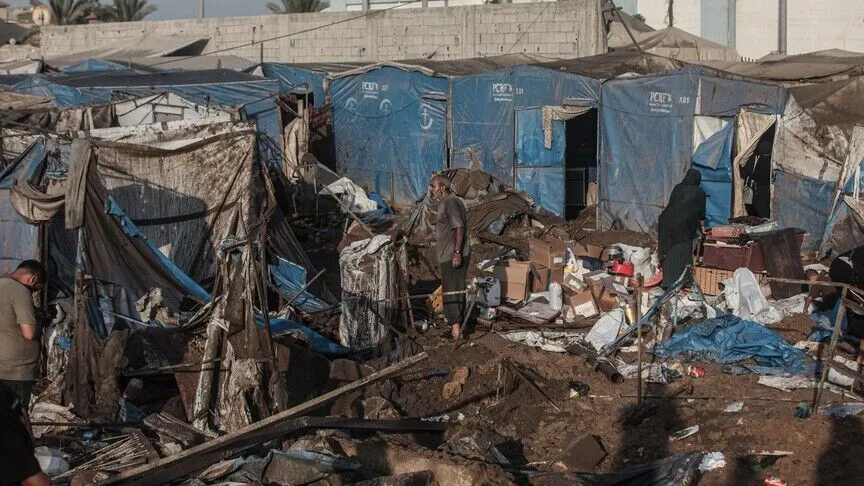
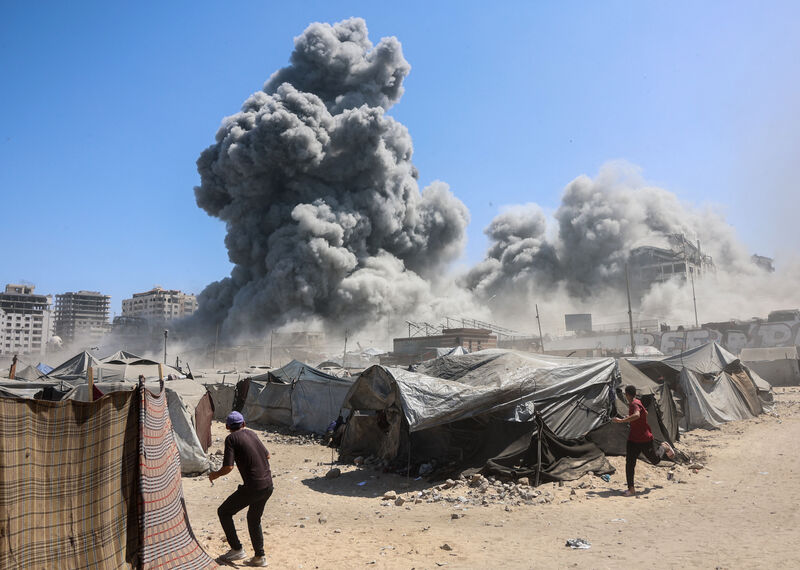
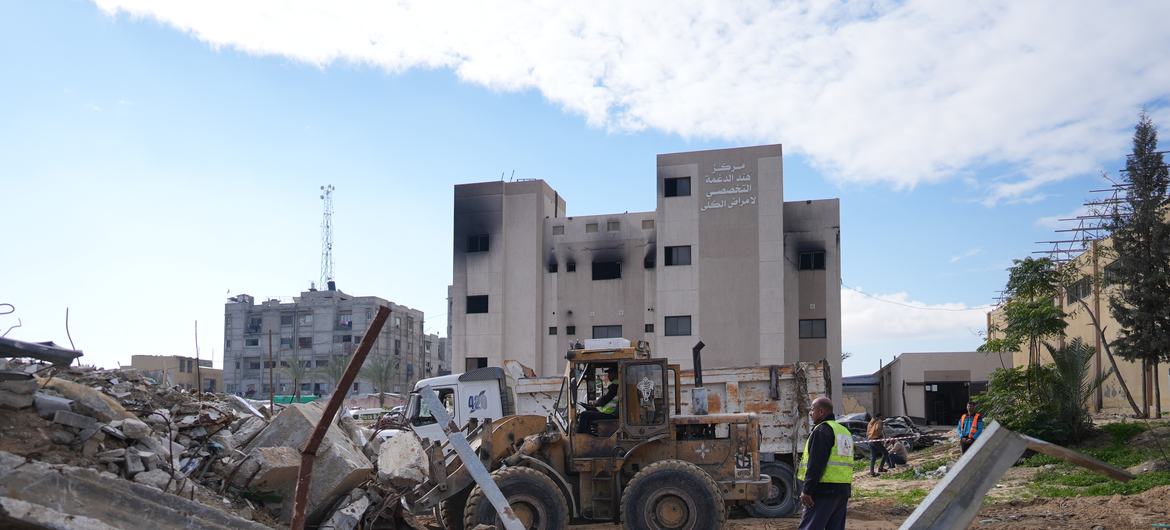
The Israeli army’s double-tap strike at Nasser Medical Complex in Khan Yunis today shows blatant disregard for international humanitarian law and epitomises the ongoing genocide in Gaza since October 2023.
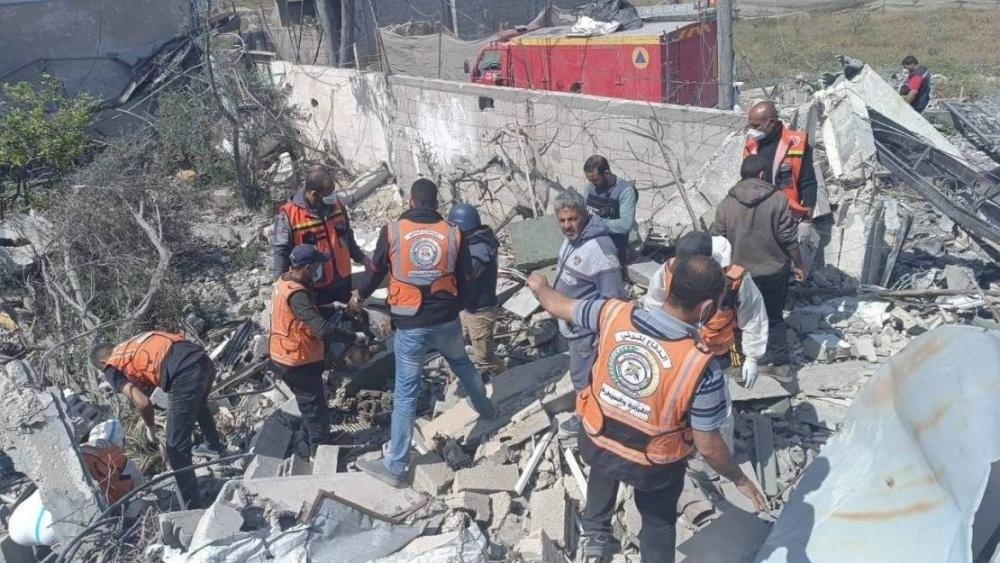
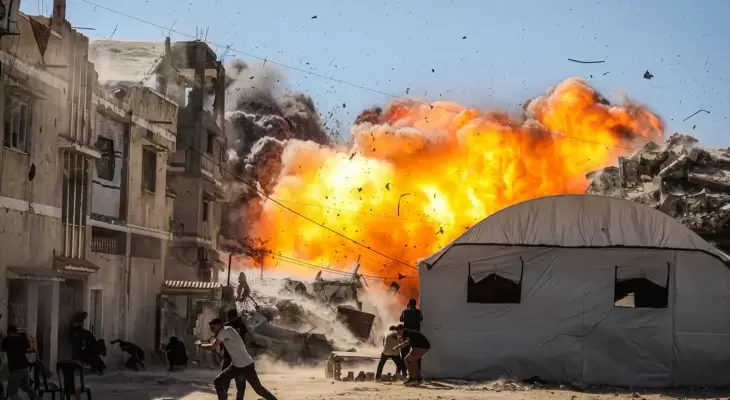
At around 10:00 a.m. on Monday, 25 August, an Israeli airstrike on the fourth floor of Building C (Emergency) at Nasser Medical Complex killed Reuters cameraman Hussam al-Masri and at least one other civilian. Several minutes later, as citizens and civil defence workers searched for survivors and journalists covered the incident, the army struck again with a direct bomb, killing and wounding rescue crews and journalists.
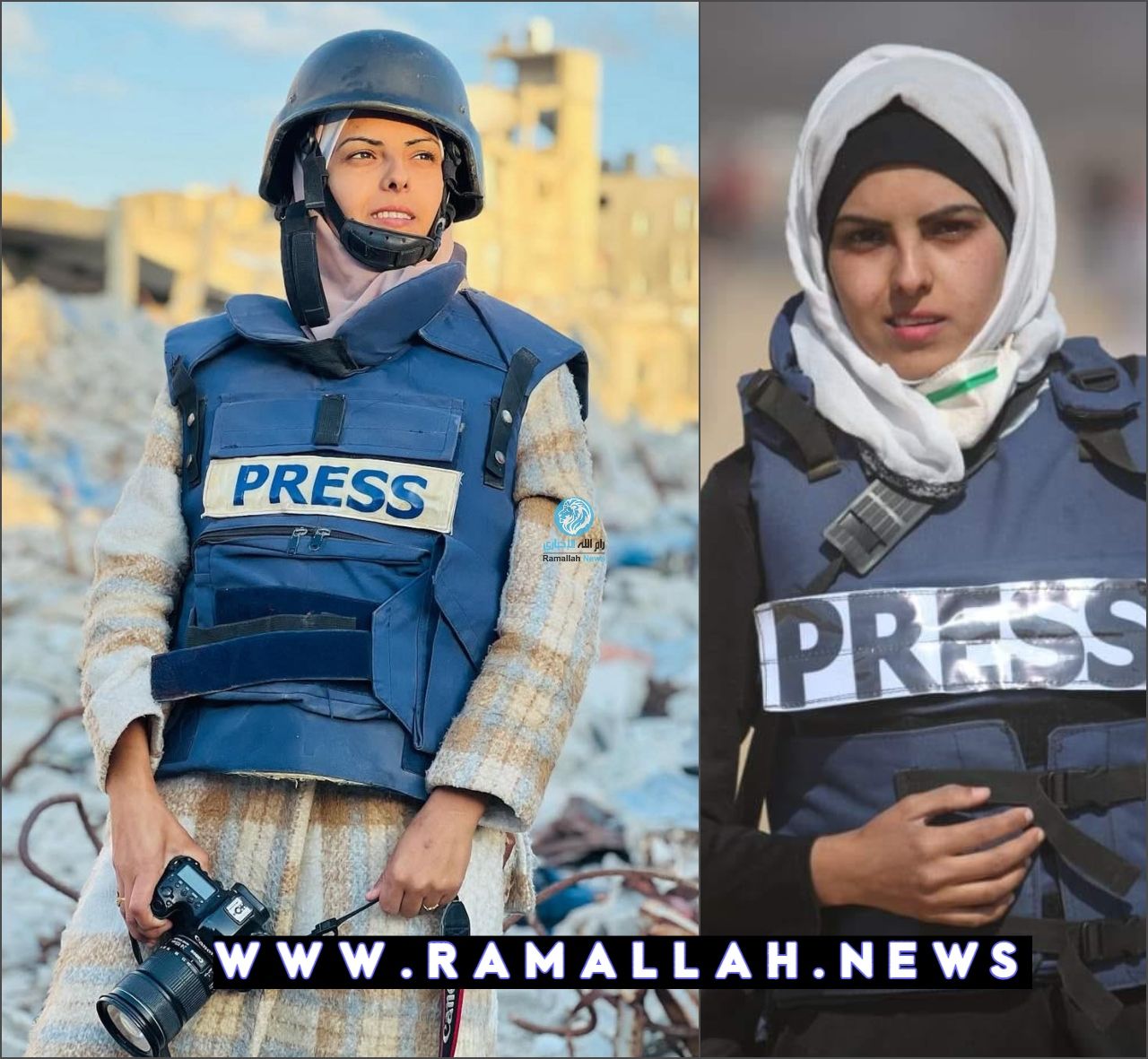
According to preliminary data, the attack killed 20 people, including Dr Mohammed al-Habibi and five journalists: Hussam al-Masri, a Reuters cameraman; Mohammed Salama, an Al Jazeera photographer; Mariam Abu Daqa, a journalist working with The Independent Arabic and Associated Press; Moaz Abu Taha, a freelance journalist; and Ahmed Abu Aziz, a local journalist. Civil Defence firefighter Abdullah al-Shaer and other civilians were also killed. At least ten others, including journalists and Civil Defence workers, were injured.
Euro-Med Monitor’s field team reported seeing an Israeli surveillance drone flying at low altitude over Nasser Medical Complex before the attack, providing further evidence that it was deliberate and intelligence-guided, with precise information collected about the site and the victims.
Israel killed a doctor, a firefighter, five journalists, and other civilians in a single attack, underscoring its intent to eradicate Palestinian society in Gaza by targeting its foundations and components as part of the genocide ongoing for over 22 months.
This attack is not an isolated incident, but part of a recurring and documented policy carried out in several locations during the genocide. Euro-Med Monitor’s field team has recorded dozens of cases where Israeli forces deliberately used double-tap strikes, a tactic designed not only to maximise civilian casualties but also to target civil defence teams, paramedics, and journalists responding to the initial attack. This practice turns rescue sites and media coverage into deadly traps, clearly reflecting a premeditated intent to paralyse relief efforts, silence witnesses, destroy evidence, and strip civilians of protection, even in medical facilities meant to be safeguarded under international law.
The attack constitutes a complex, full-fledged crime, involving the targeting of a protected medical facility, the killing of a doctor and journalists on duty, the targeting of patients during rescue efforts, and the killing and injuring of civil defense personnel while performing search and rescue duties. It represents a deliberate assault on persons and objects afforded special protection under international humanitarian law and, in itself, amounts to a war crime and a crime against humanity.
This crime is part of a broader systematic policy targeting Palestinians’ basic necessities and means of protection, including the killing of doctors and patients, the destruction of health facilities, the silencing of journalists, and the obstruction of rescue efforts. It demonstrates a deliberate intent to inflict collective harm and deprive society of its means of survival, placing these practices at the core of genocide.
Enforcing international humanitarian law is essential to protect Palestinian civilians in the Gaza Strip, guaranteeing special and effective protection for medical personnel, rescue teams, and journalists, enabling them to perform their duties without threat, and safeguarding health facilities from military attacks.
The international community’s silence on Israel’s genocide has provided cover for the continued commission of crimes against Palestinian civilians and has effectively denied protection to persons and objects explicitly safeguarded under international humanitarian law, including hospitals, medical facilities, humanitarian personnel, and journalists.
The UN General Assembly must urgently act under Resolution 377 (V) “Uniting for Peace” to establish and deploy an international peacekeeping force in the Gaza Strip. This step is necessary to end crimes against civilians, guarantee their protection, secure unhindered access to humanitarian aid, safeguard medical and relief facilities, and stop the systematic targeting of such facilities. Activating this mechanism is both a legal and moral duty of the international community to protect over two million people in Gaza from ongoing genocide and grave violations.
All states, individually and collectively, must fulfil their legal obligations and act urgently to stop this genocide in Gaza, taking every feasible measure to protect Palestinian civilians there. They must enforce Israel’s adherence to international law and the rulings of the International Court of Justice and hold Israel accountable for its crimes against Palestinians.
This includes, without waiver, enforcing the arrest warrants issued by the International Criminal Court for the Israeli Prime Minister and former Minister of Defence at the earliest opportunity and surrendering them to international justice, upholding the principle that no one is immune from prosecution for international crimes.
The international community must also impose economic, diplomatic, and military sanctions on Israel in response to its systematic and grave violations of international law. This includes banning weapons exports to Israel and halting arms purchases from it; suspending all forms of political, financial, and military support and cooperation; freezing the assets of officials involved in crimes against Palestinians or inciting such acts; and imposing travel bans on them. Moreover, trade privileges and bilateral agreements that grant Israel economic advantages, enabling it to commit crimes, must be suspended.
CrossFireArabia
Journalist Ahmed Al-Bata Abu Tamim from Ramallah News writes:
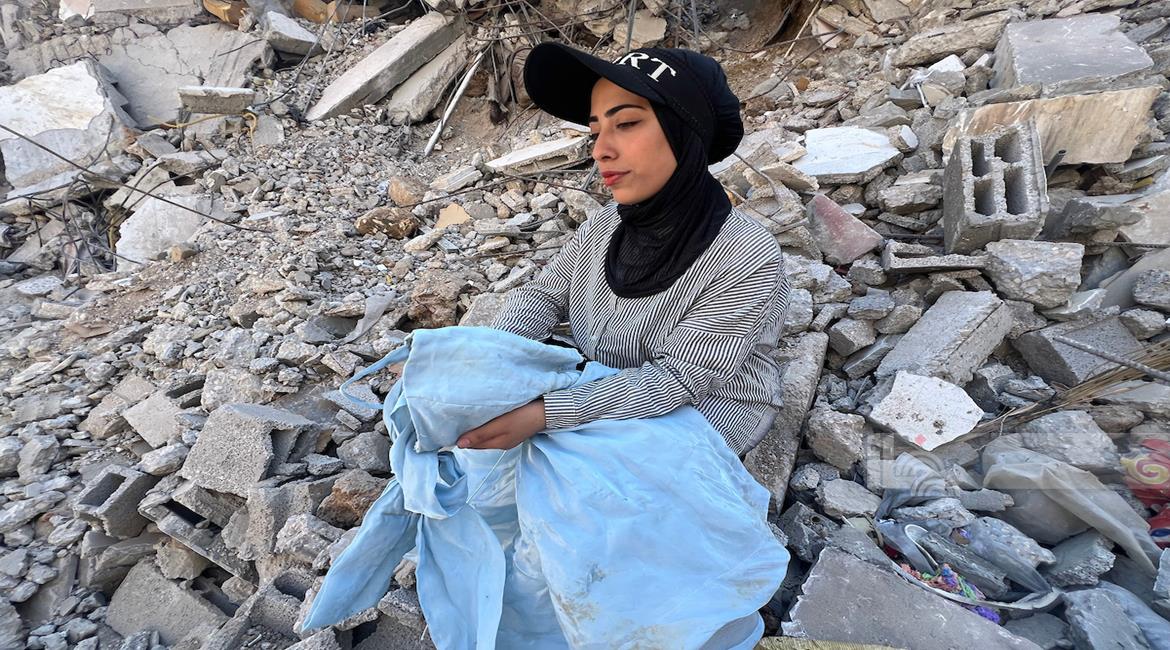
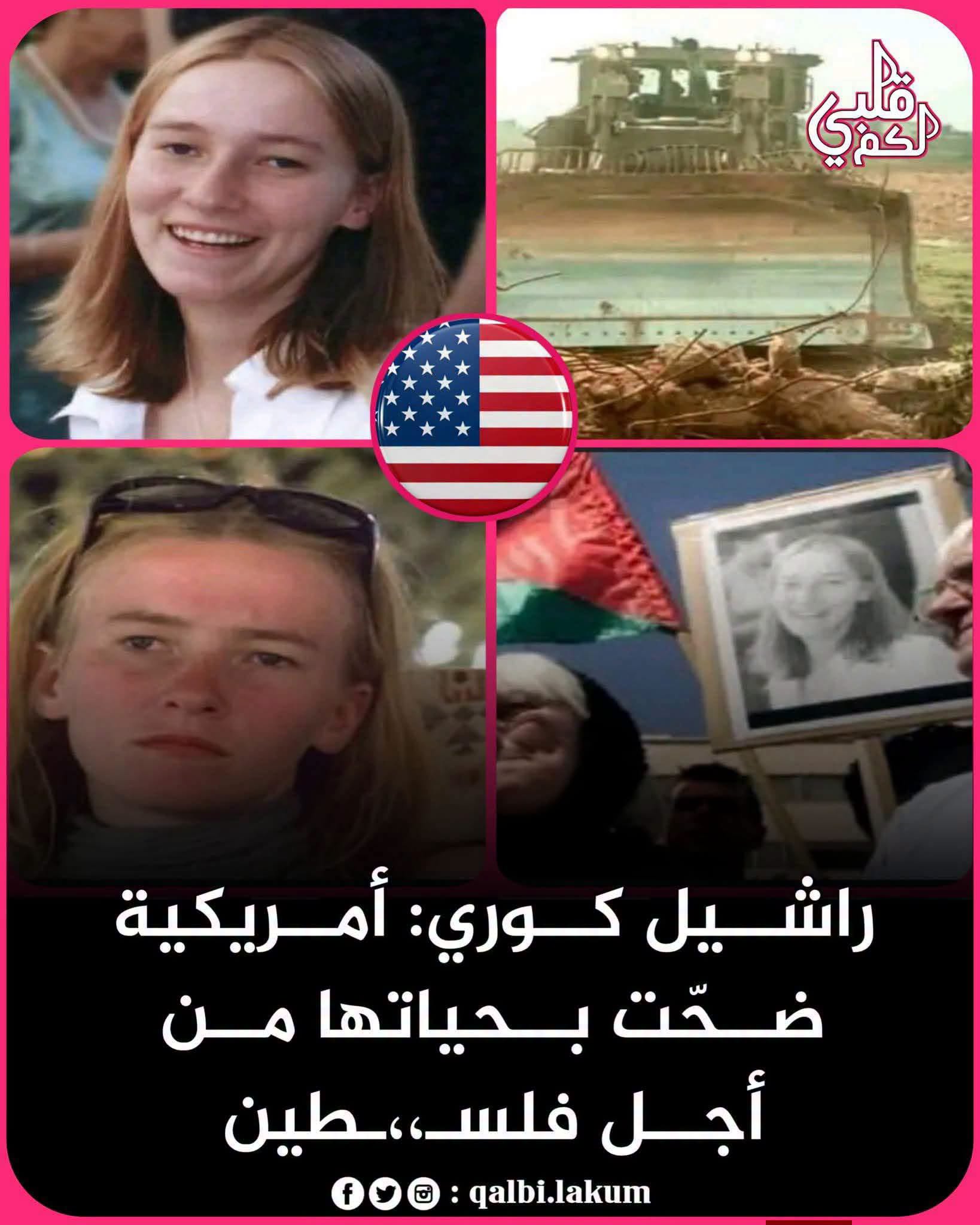
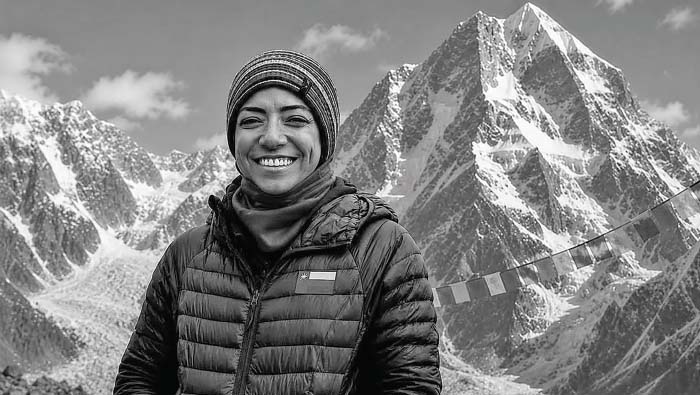
Dear colleague Maryam Abu Daqqa, a martyr of the massacre!
This is a heavy loss for one of the bravest who reported the news from the field.
To you Maryam, the virtuous one who donated her kidney to her father and refused to have her story be told and filmed!
Maryam, the sister of men, who accompanied our beloved Hassan Aslih from the beginning of the war, ignoring the occupation’s threats against him, taking him in her car on every coverage!
Maryam, who lived only for her son Ghaith and sacrificed and toiled for him!
Maryam, a heavy and painful loss. This departure is heartbreaking, our kind and virtuous sister!
CrossFireArabia
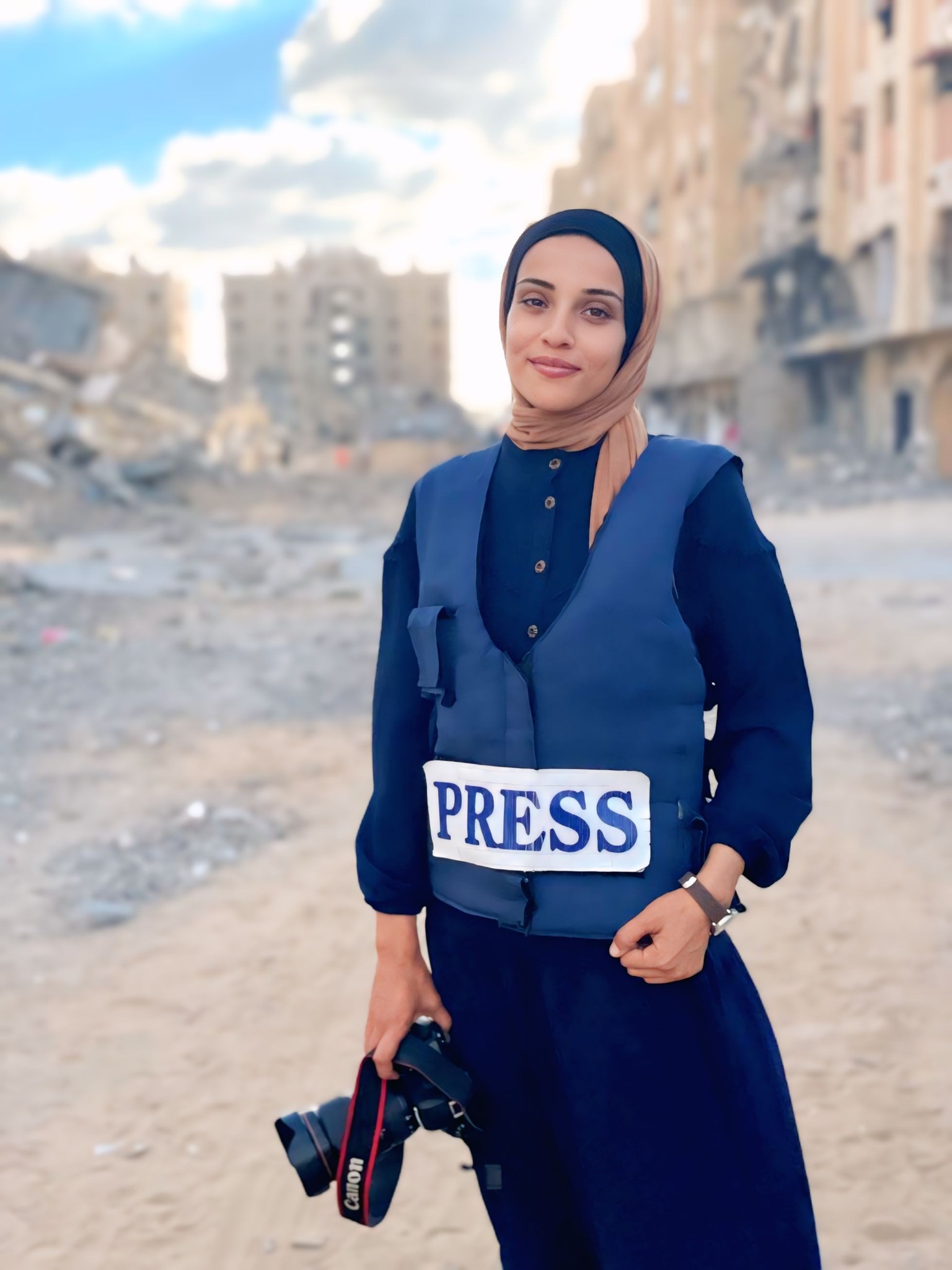
On behalf of myself, journalist Rasha Ahmed, I pledge to continue to carry the message of truth and speaking the truth.
We will carry to spread the word and message of all our martyred journalists…
The message of Hassan, Moaz, Mariam, Anas, Heba, Ahmed, Sherine, Ibrahim, Mohammed, and all those who died documenting the truth of the murders against our people.
The coverage will continue, the pen will not break, and the voice will not be silenced.
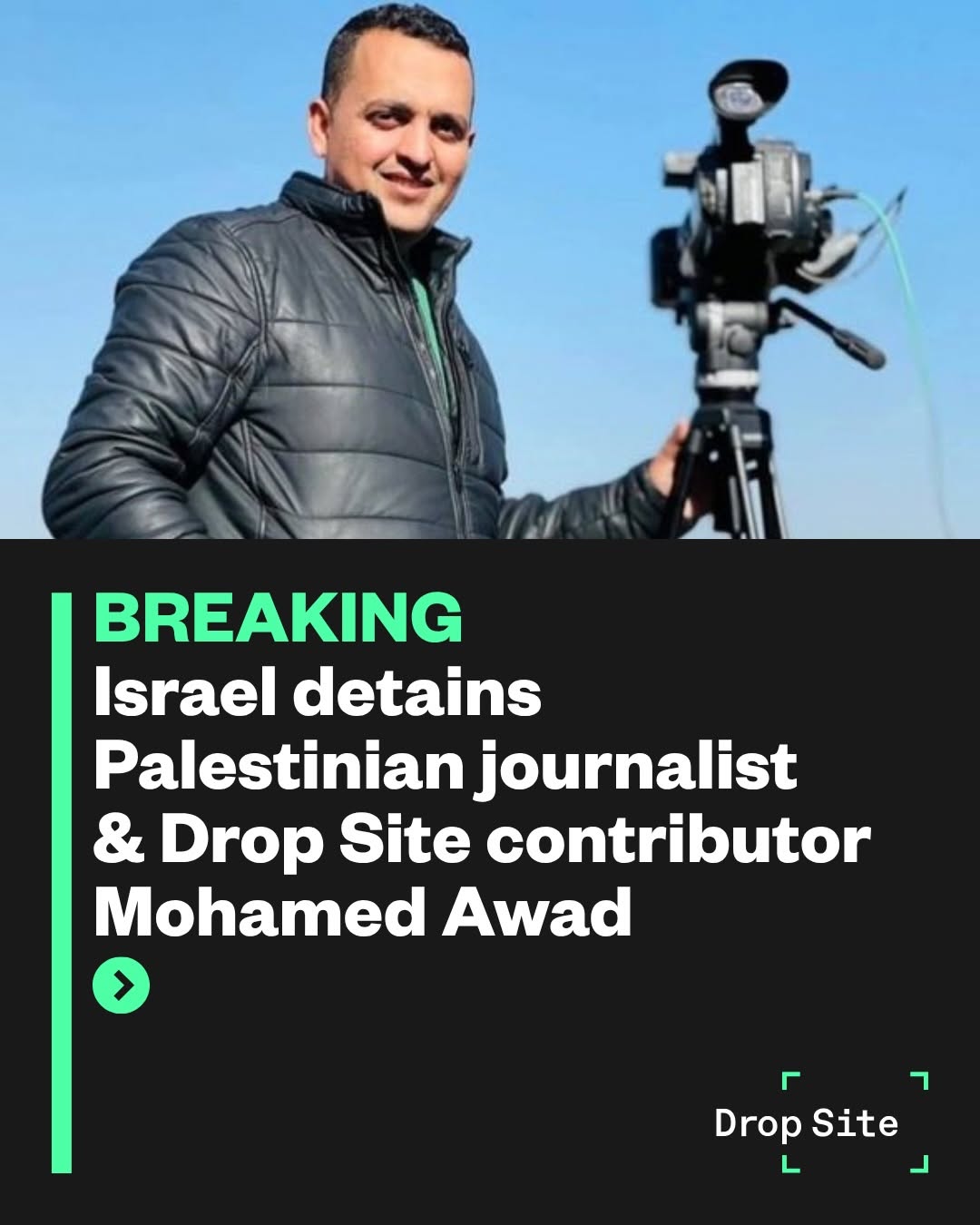
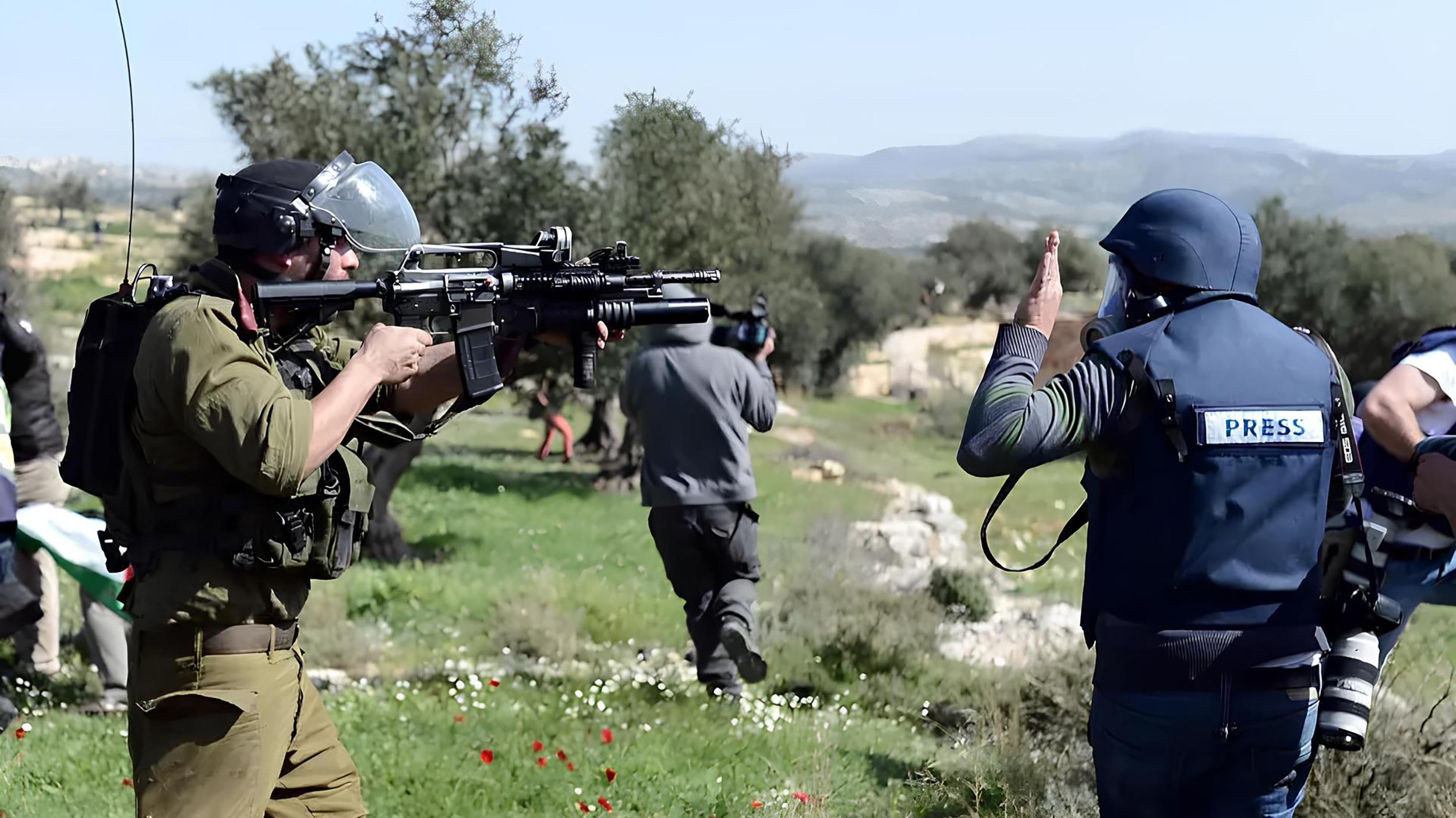
The Israeli war machine has killed around 246 journalists in Gaza since 7 October 2023 whilst over 400 have been maimed and injured.
CrossFireArabia
Eileen Shomali Al-Yateem writes:
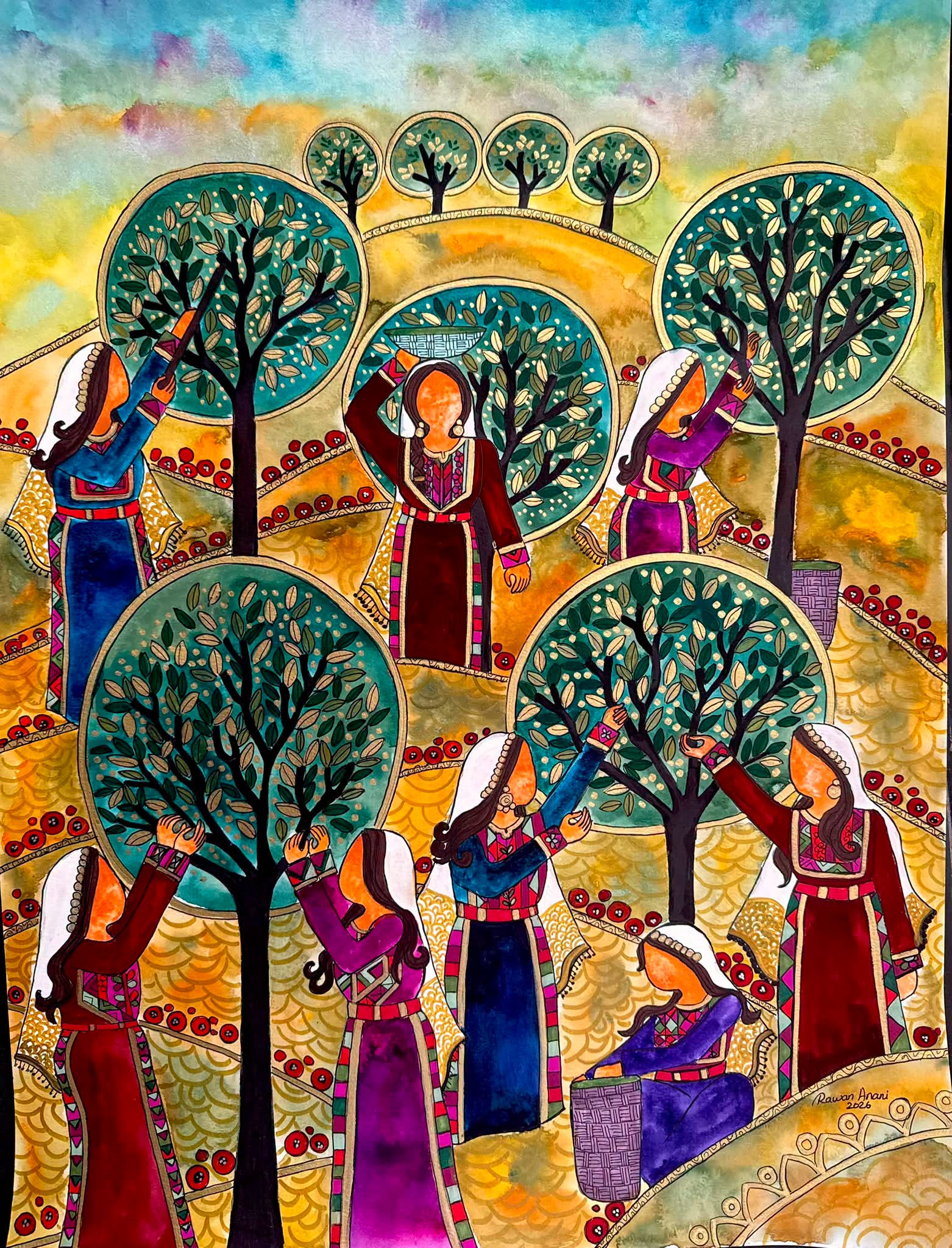
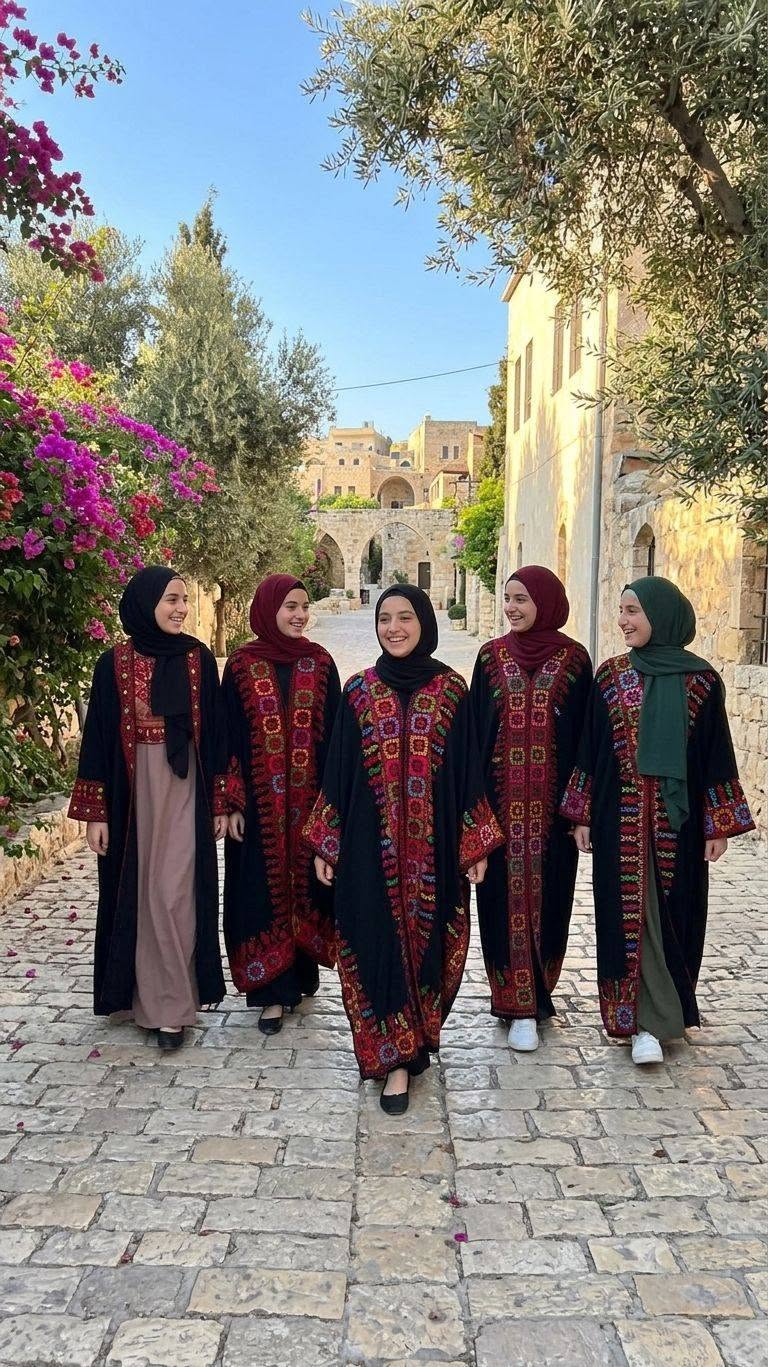
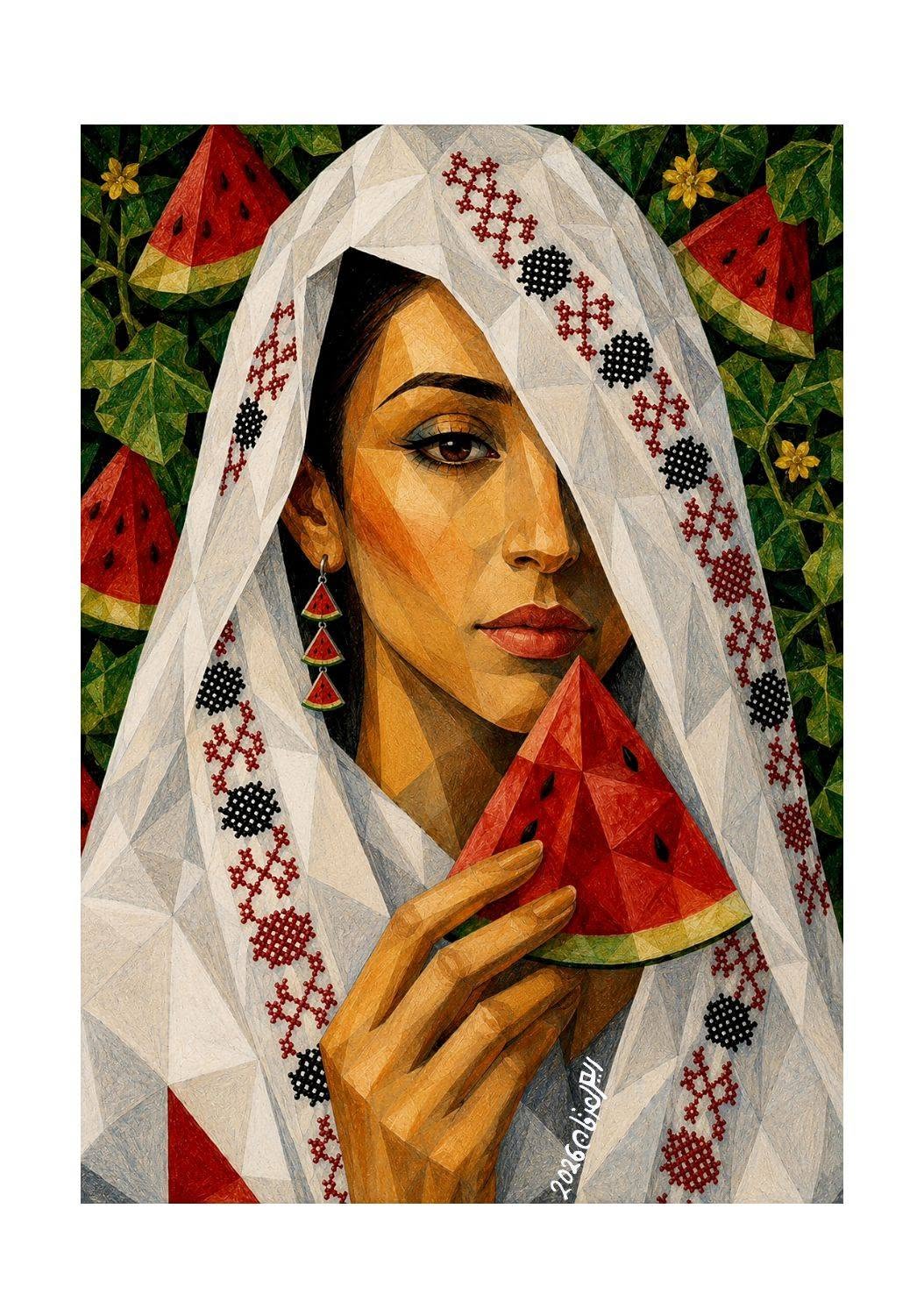
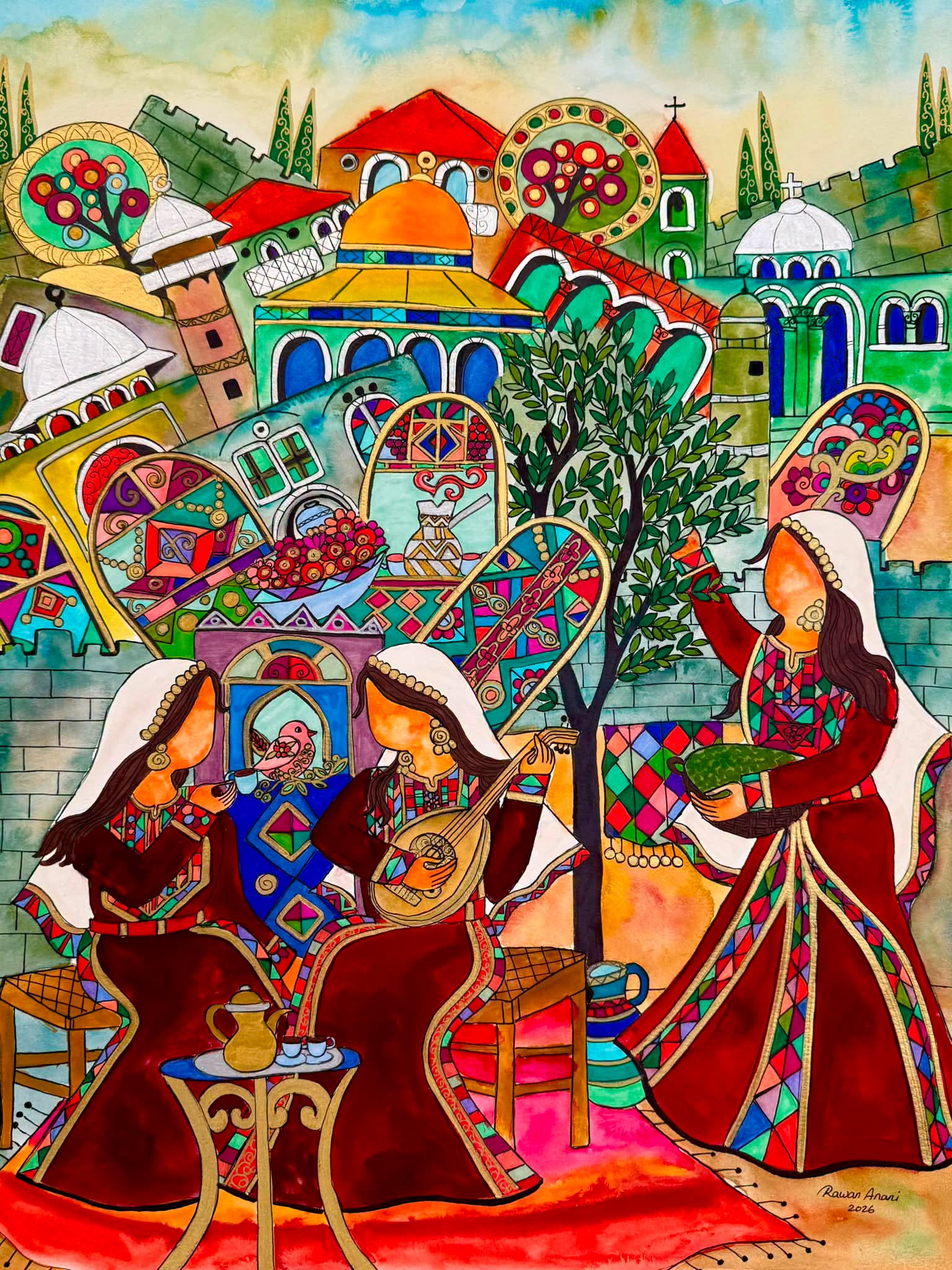
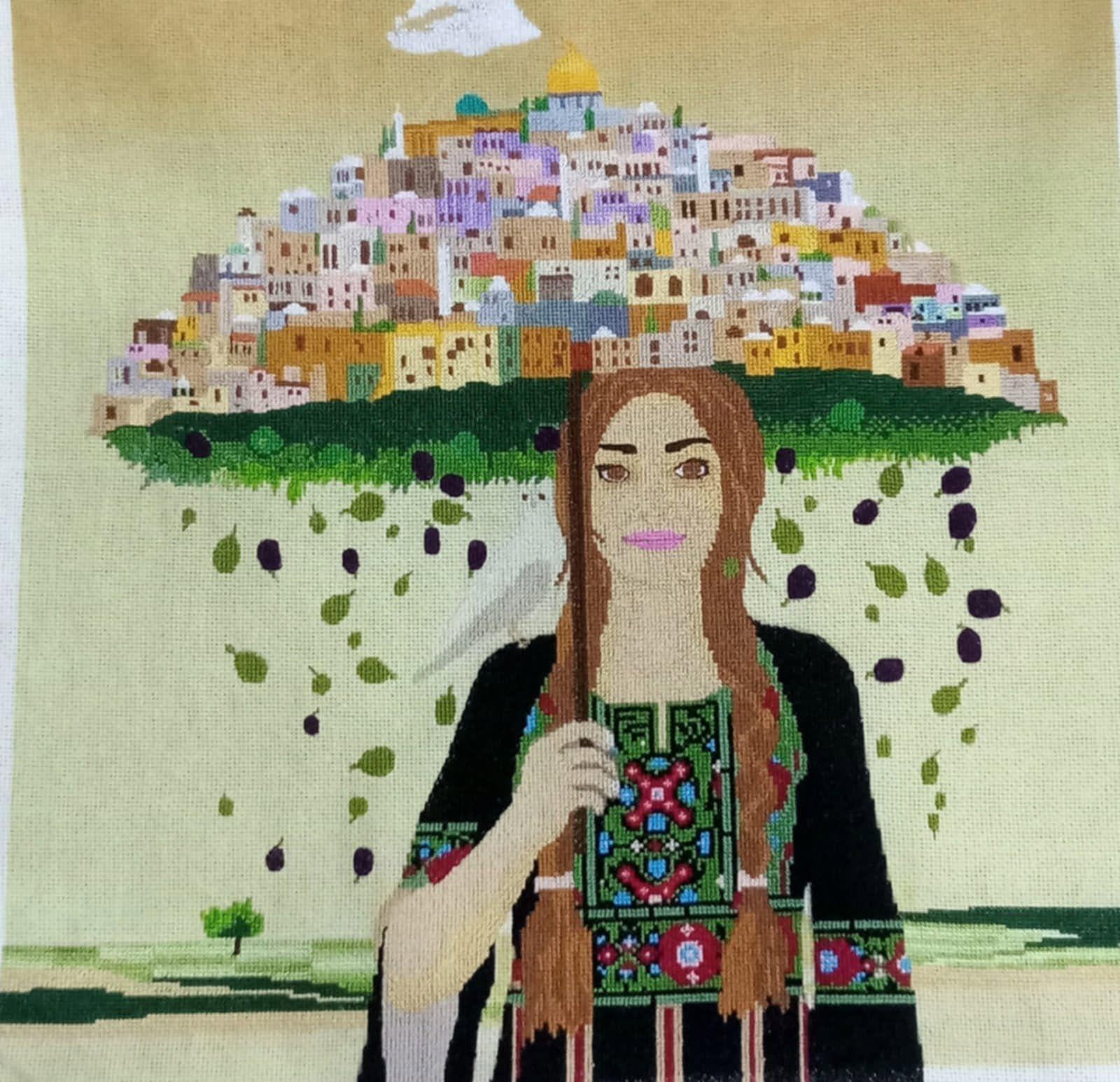
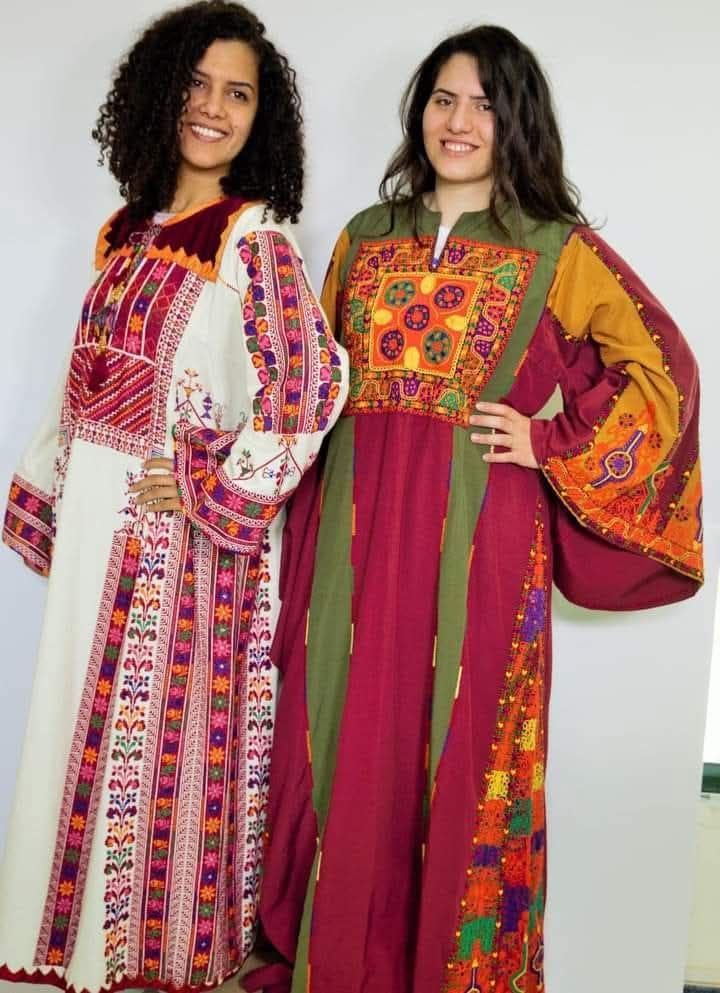
Palestinian dresses immortalize history, heritage, and tradition of the now displaced Palestinian villages.
The “Heaven and Hell” dress was named so because it was made of red and green silk fabric and was worn for weddings and special occasions in the displaced village of Lifta and some other villages in Jerusalem.
The white dress of the bride is from the displaced village of Yazur in the Jaffa District: It was made of white fabric, mostly red, with several cheerful colors… with beautiful floral designs on the dome and sides.