Hormuz: Mines, Strategy or Business?

By Ismail Al Sharif

The US thought that assassinating senior Iranian leaders would bring down the regime, but this did not happen.

Iran’s inability to match American military and technological superiority led it to adopt a number of strategies, most notably what is known in the military literature as the Mosaic Defense Doctrine. This doctrine is based on dismantling its military central command into small, independent units, each operating autonomously and making its own decisions without consulting the higher command.

From Day 1 of the war, Iran adopted this approach. However, the lack of coordination and the disintegration of the military hierarchy led to chaos and confusion which affected the management of its operations. The situation became contradictory; the politicians were declaring one thing and military commanders acting in a completely different manner and direction.

This was reflected on the ground through extremely dangerous behavior. Military units, using small boats, indiscriminately laid naval mines to deter enemy ships. However, the lack of coordination here backfired resulting in the Iranian navy officers losing their ability to pinpoint the coordinates of the mines they planted in the Hormuz Strait with no accurate maps or reliable records. Some of these mines may have been completely displaced by the currents of the sea. This was further complicated by the fact that these mines were not primitive but far from it; they were sophisticated and able to detect sound and pressure, and thus able to track the passage of large ships and submarines, and detonate automatically upon approach.

However, mine removal is not easy task, as history shows. Even today, news reports continue to surface of mines in various parts of the Kingdom, half a century after the last war. Indeed, mines from World War II are still being discovered on land and at sea.

Even with Britain’s pledge to remove mines after the war, and despite possessing the latest specialized technologies in this field, the task remains arduous, protracted, and uncertain. The specter of a sudden explosion looms, reminding us that the danger of mines is not easily eliminated.

But the decisive factor in weakening navigation in the Hormuz Strait is not primarily military, but rather material. Commercial ships are massive investments, with some vessels valued at around $150 million and their cargoes potentially worth hundreds of millions of dollars. Therefore, a single mine explosion can cause catastrophic losses to both the ship and its cargo. Consequently, no ship sails without insurance; ports, banks, and shipping companies refuse to deal with uninsured vessels, and without insurance, global shipping grinds to a halt.

Herein lies the real surprise: the fate of the Strait is no longer dependent on Iran’s pronouncements regarding its opening or closure, but has effectively fallen into the hands of insurance companies. With the escalating risks, insurance costs have skyrocketed; “war risk” premiums have jumped from approximately 0.25% of the ship’s value to nearly 1% or more, exceeding a massive $1 million per voyage. And it doesnt stop there; seven major insurance companies announced their complete withdrawal, issuing notices of coverage cancellation just within just 72 hours.

And here comes the decisive turning point: Once the insurance coverage is lost, maritime traffic ground to a halt. During this 39-war, ships have effectively ceased sailing with the number of vessels transiting the Strait plummeting by more than 80%. Around 150 oil tankers remain anchored offshore, and major shipping companies suspended their operations, as if this vital artery of global trade had been frozen by a financial, rather than a military decision.

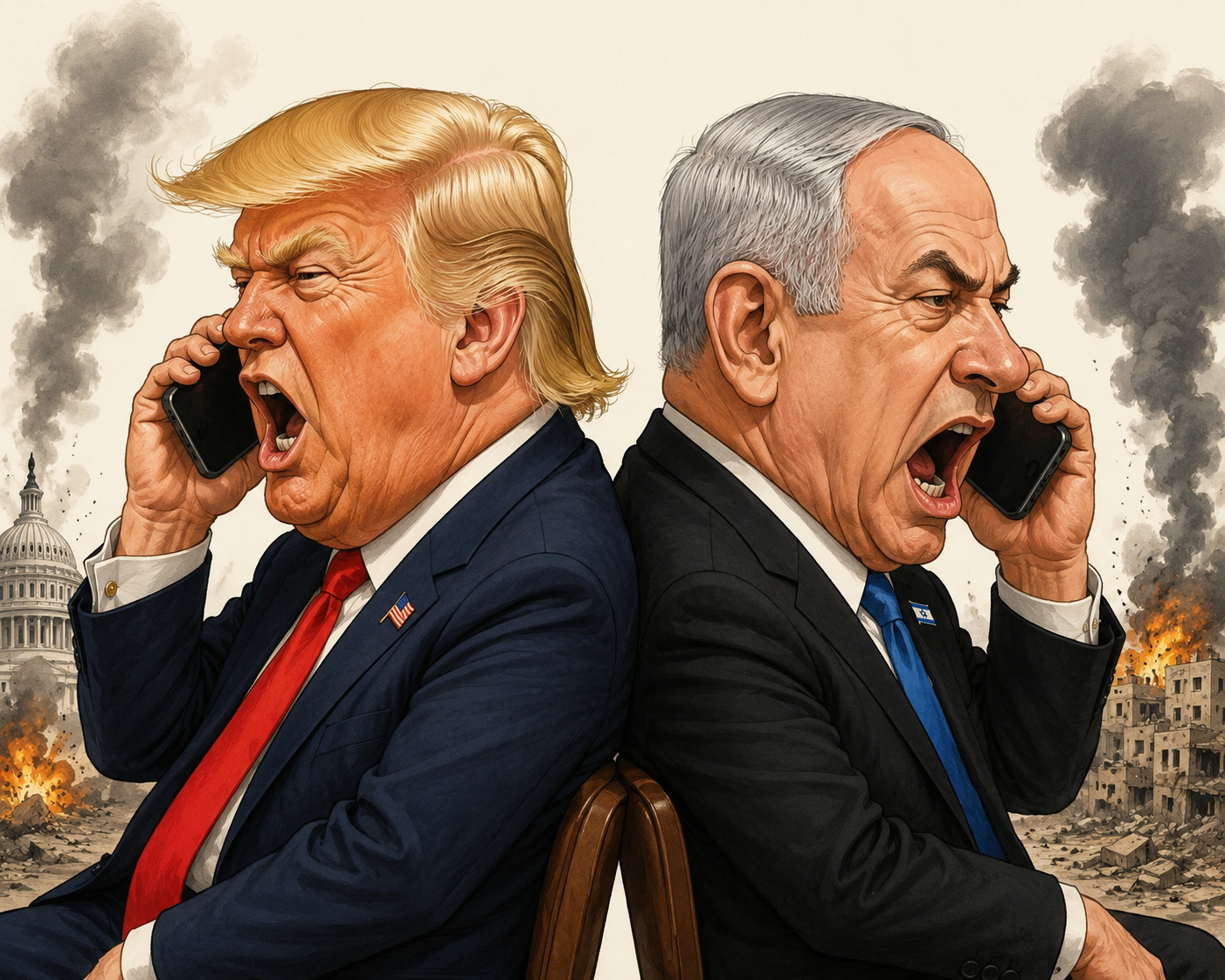
The US government attempted to provide alternative insurance coverage, but this effort failed and US President Trump’s pronouncements regarding mine removal were inconsistent with the reality.

The issue of reopening the Strait has once again become a prominent topic, but the deeper truth is that its fate is no longer determined by political statements or military actions, but rather by the decisions of insurance experts. Even if the war were to end immediately, ships would not resume sailing right away. Insurance companies need time to reassess the level of risk, and they base their decisions not on political logic, but on cold, hard numbers and rigorous data.

This article was originally published in Arabic in Addustour daily newspaper and republished in English in crossfirearabia.com.

Continue reading
Health Crisis: 18,000 Await to Leave Gaza

The Palestinian Red Crescent Society stated, Sunday, that only 700 patients were able to depart the Gaza Strip, to receive outside health care as of last 2 February, 2026 when the Rafah Crossing was partially opened.

The PRCS added that more than 18,000 patients and those that are injured are still waiting for permission to leave for medical reasons, amidst tight Israeli restrictions.

Raed Al Nims, PRCS spokesman told “Sawt Falestine” the current pace of evacuation is “very slow and does not match the growing needs,” whilst warning that the health crisis in the sector is worsening.

He added about 700 patients left the Gaza Strip for treatment, while more than 18,000 wounded and sick individuals are awaiting urgent medical care.

Al-Nims explained thousands of critical cases are at risk of death due to the lack of medical resources, adding: “Lives are at stake, and some patients have already died while waiting on long waiting lists due to the absence of life-saving medical services.”

He clarified that patient selection is based on medical criteria that takes into account the severity of their condition, but procedures related to security approvals delay their departure, exacerbating their health problems.

This comes amidst Israel’s control over the Gaza Strip crossings, including the Rafah crossing on the Palestinian side, while it continues to occupy more than 50 percent of the Strip’s area. This further restricts the movement of patients and limits their access to treatment outside Gaza.

Al-Nims called on the international community to intervene urgently to ensure the permanent opening of the crossings and to keep medical cases separate from any political or security considerations, while also stressing the need to provide safe and sustainable corridors for medical evacuations.

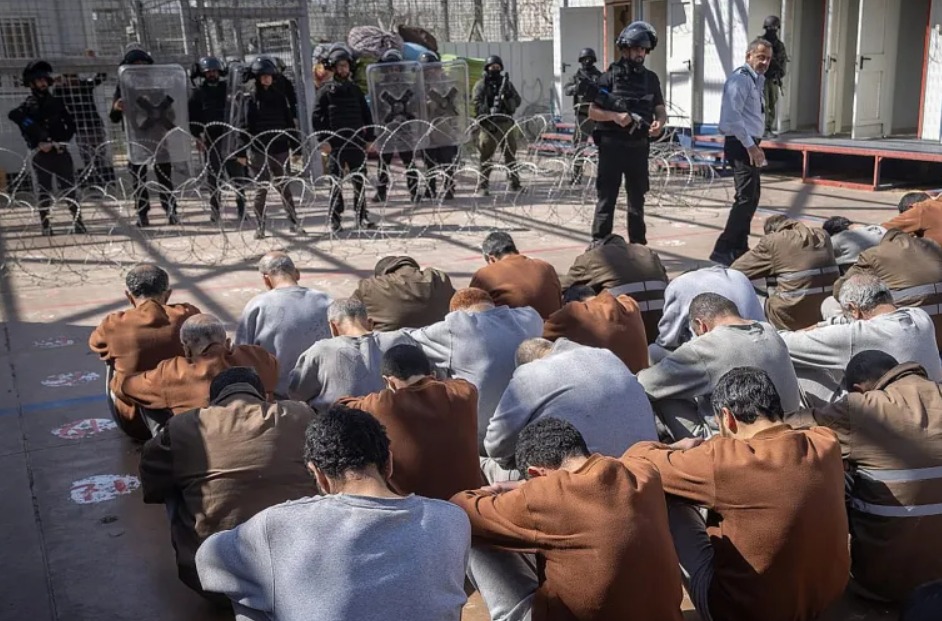
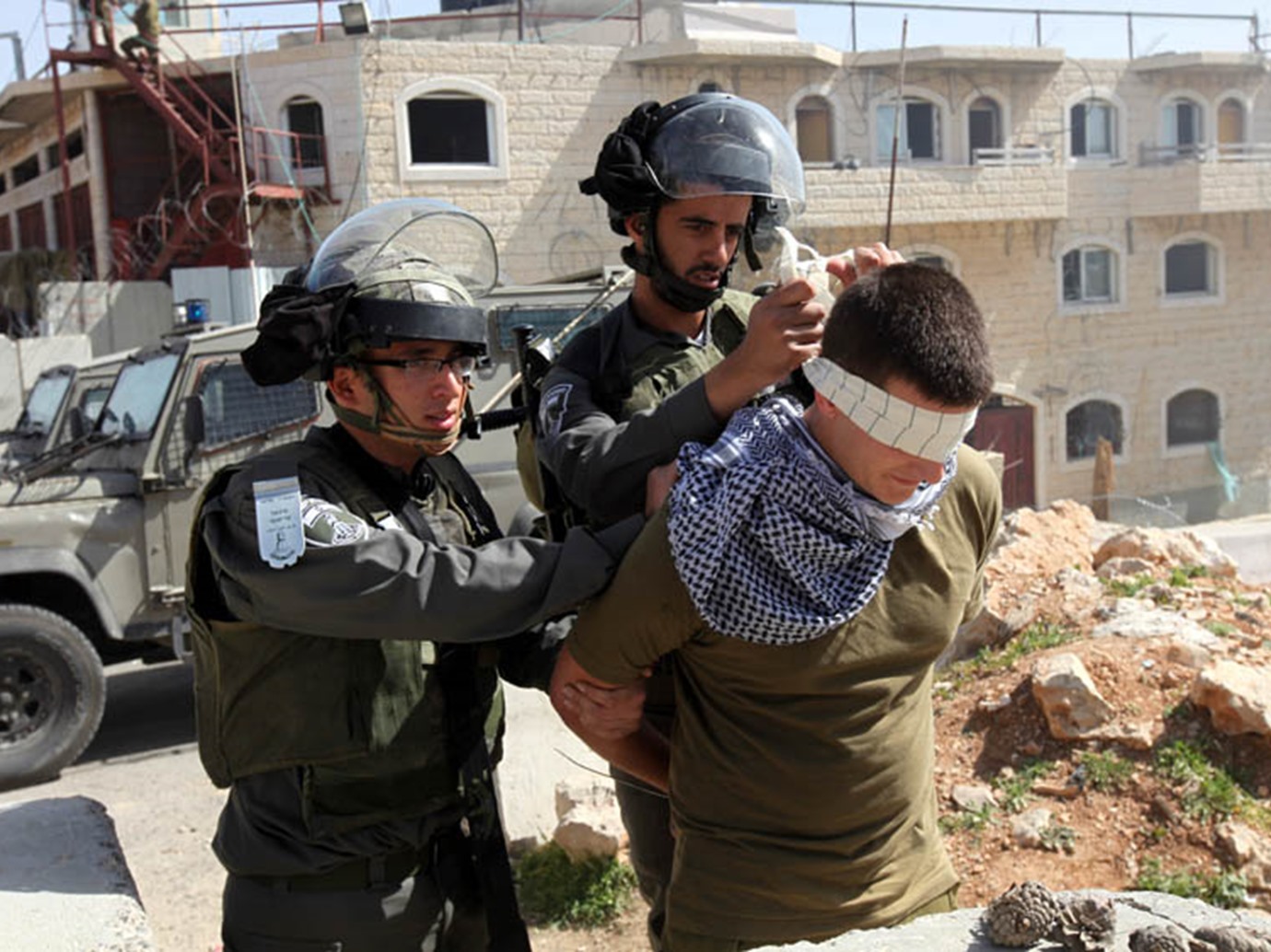
Since the reopening of the Rafah Crossing, Palestinians returning to Gaza have reported as being subjected to Israeli mistreatment, including detention and harsh interrogations lasting for hours, before being allowed to continue their journey into the Strip.

Before the war, hundreds of Palestinians left Gaza daily through the crossing, and hundreds more returned to the Strip in a normal flow of traffic. The crossing’s operations were managed by the Gaza Interior Ministry and the Egyptian authorities, without Israeli interference.

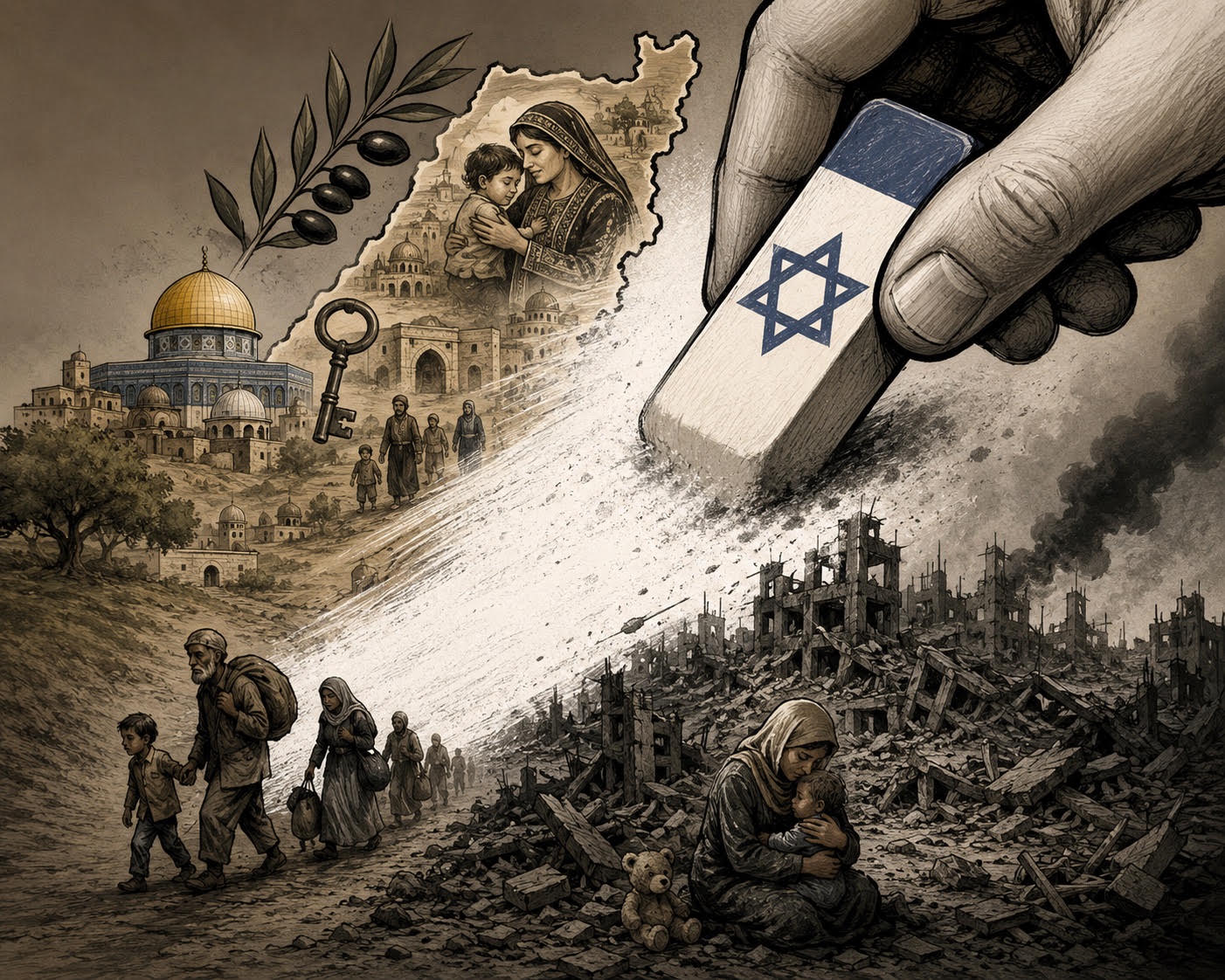
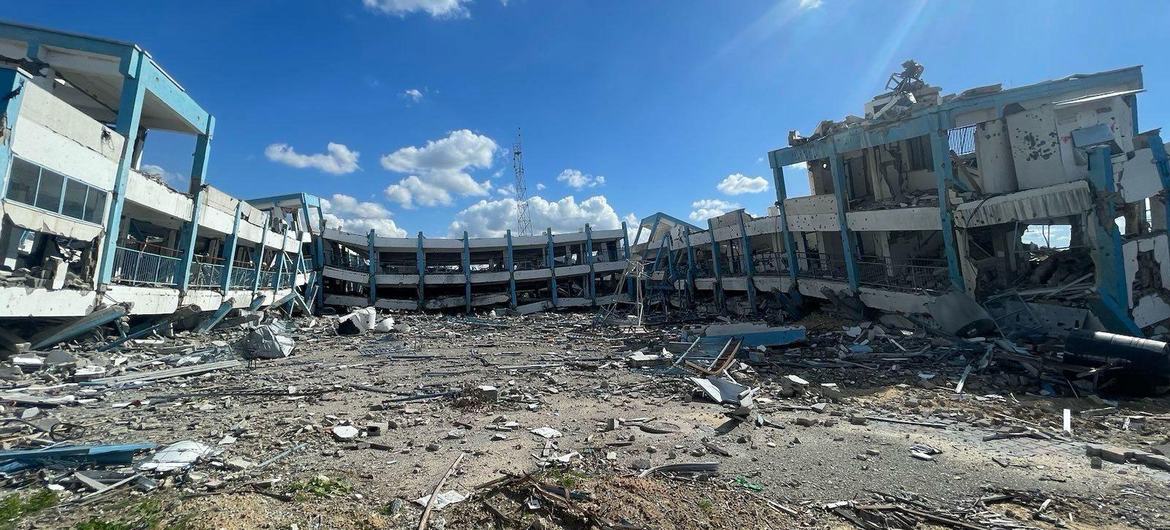
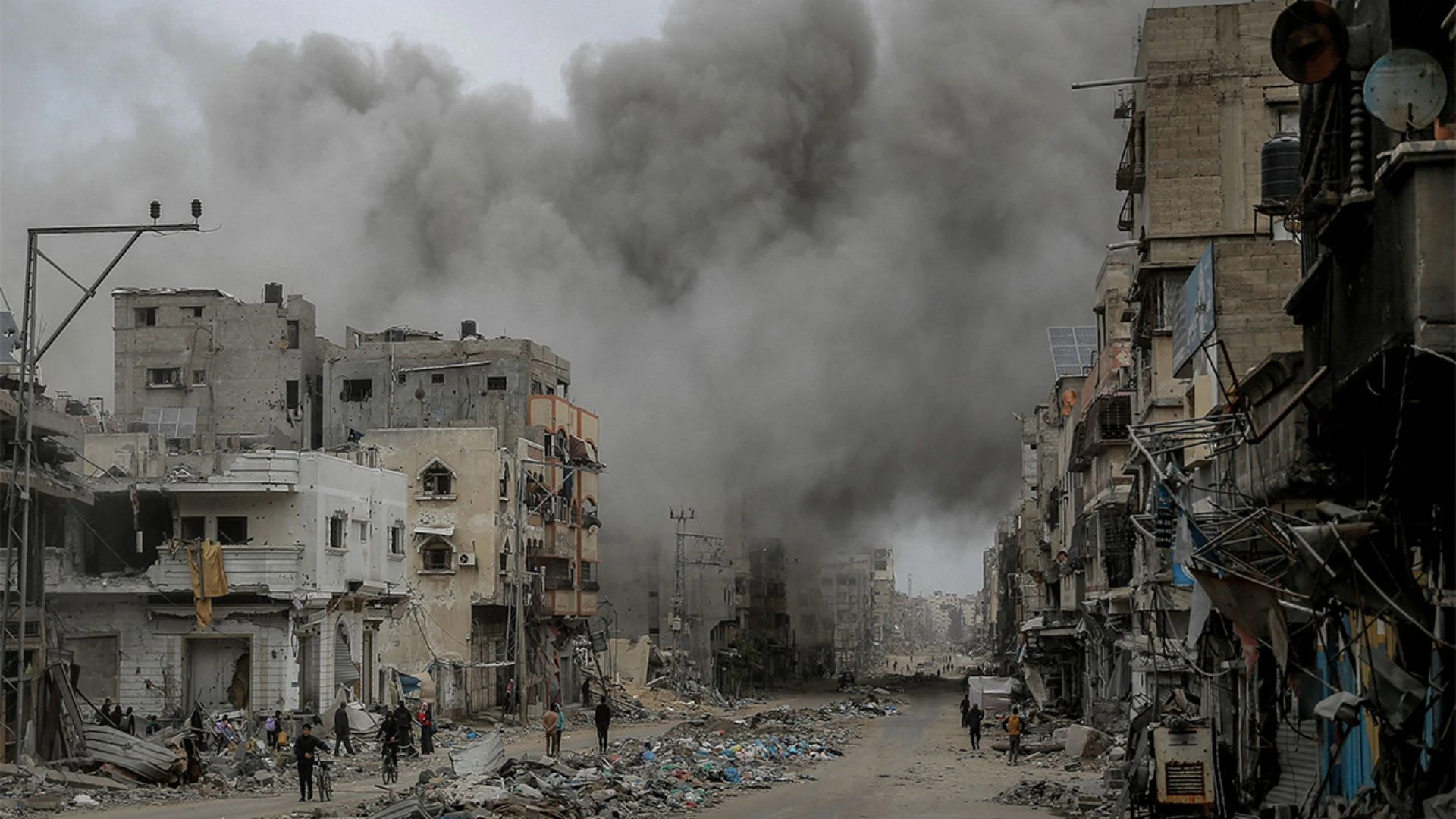
With American support, Israel launched a two-year war of genocide against Gaza on October 8, 2013, leaving more than 72,000 Palestinians dead and over 172,000 wounded, most of them children and women, and destroying 90 percent of the civilian infrastructure.

Despite the ceasefire agreement in effect since October 10, Israel continues its campaign of genocide through a persistent siege and daily bombardments, resulting in the deaths of 773 Palestinians and injuries to 2,171 others, mostly children and women, in addition to widespread material destruction. Israel is also preventing the entry of agreed-upon quantities of food, medicine, medical supplies, shelter materials, and prefabricated homes into Gaza, where some 2.4 million Palestinians, including 1.5 million displaced people, live in catastrophic conditions. Anadolu

Continue reading
A War That is Not Likely to Stop

By Dr Marwan Asmar

It’s day 22 of the US-Israeli war on Iran and it’s turning out to be a spiraling bloody conflict that is becoming difficult to contain with ballistic missiles at the top of the attack with reports that Tehran and Hezbollah has attacked Israel with at least 1200 missiles since 28 February 2026.

American President Donald Trump thought the war would be easy, slick and short leading to the collapse of the Islamic government of Tehran. But this has turned out to be a short-sighted, parochial view that meanings nothing to today’s international relations.

Today, the Iranian government is fighting in all three fronts: Striking at American bases in the surrounding Gulf region. Striking at American naval ships, tightly closing the Hormuz Strait to international shipping, especially to US and Israeli vessels and massively striking at the heart of Israel on a daily basis. 

On day 22 the war has failed to reach the US/israeli objective which is to change the regime in Tehran. Instead the Islamic government with its Islamic Revolutionary Guard Corp (IRGC) has remained intact, strong and fighting with their different missiles and drones that are being introduced for the first time to strike US military bases, navel ships and on Israeli cities and military installations the latest of which on locations very near the Dimona nuclear reactor in which 175 people have been injured.

While US-Israeli coordinated strikes on Iran and its capital Tehran are deadly – with so far over 7000 strikes and bomb drops, the Iranian military machine is proving formidable. Despite the killing of its leadership lead by Iran’s spiritual leader Ali Khameini on the first day of the war as well as 13 subsequent leaders and ministers, Iran today is fighting in what has become a war with strategic equations.

And despite the killing of Ali Larijani, secretary of the Supreme National Security Council, and who came to direct the efforts of the war, today the IRGC is the primary player that is leading the what has become a deadly fight. They have not been affected by the strikes on the country despite the American and Israel public relations campaign that is constantly stating that Iran’s arsenal has been greatly diminished and is about to give up. 

As evidence of that is the fact that USS destroyer Abraham Lincoln has been constantly hit and has finally been moved more than 1000 kilometers of Iran’s coast deep down the Arabian Sea, albeit to a safe place.  

This is while also, the USS destroyer Gerald Ford has been taken to Greece for repairs because of fire on its deck. Trump has said already that the Iranian navy has been destroyed but the fact is they continue today to patrol the Hormuz Strait tightly controlling the entry and exit of ships, vassals and oil tankers. 

The mighty US navy and their Israeli allies and their military might and superior air power that are said to control the Iranian airspace or so-called, haven’t been able to unlock the IRGC control over the strategic waterway resulting in soaring oil prices that today exceed $100 and are in an upward spiral while creating enormous disruption in trade, commodities and medical merchandise.

Today, the world is experiencing its worst economic days thanks to the intransigence of the US president and Israel, a state that is also experiencing its worst days because of the extent of the missiles that are penetrating their anti-rocket batteries and are falling on its cities, neighborhoods, destroying and damaging their buildings and homes whilst keeping millions of Israelis down underground shelters at all hours of the day and night because of their Prime Minister Netanyahu who has been the prime instigator of this war on Iran and forcing the hand of the US into this conflict.  

However, Iran has proved to be not an easy ride surprising everyone with its technological gadegatories and different state-of-the-art missiles.

Today it is refusing to get back to the negotiating table at the end of week 3 of the war despite the pleas made by Trump and his envoys Gerard Kusher and Steve Witkoff who have been sending emails, messages to Iran’s Foreign Minister Abbas Aragchi to stop the war and establish a negotiated settlement. 

The Iranian government have said they are not interested in a deal that is likely to be broken at the whim of Trump like what happed in the June 2025 12-day when the US president stopped the fighting at the please made by Israel. Today Aragchi says any agreement to a ceasefire must be made through ironclad conditions to make sure that Iran won’t be attacked again just when these countries feel like it.

Meanwhile the war goes on and Israel continues to be attacked which the US administration at the White House continuing to search for a way out to stop a war that is in nobody’s interest.

Marwan Asmar is an Amman-based writer who blogs at crossfirearabia.com

Continue reading
Will There be Another Day Tomorrow!

By Dr Marwan Asmar

By 1 pm Wednesday morning the whole of the Middle East region could turn pitch black, utter darkness. No neons no flicker with pylons fizzling out. It’s a slippery-slope to disaster that started with the ultimatums given by US President Donald Trump about his worldview.

He long told the Iranian leadership in voice but more like dictation, either open up the Strait of Hormuz or he will order the US army to start bombing the country’s infrastructure, power plants and electricity grids in a way that he has never done before “bombing the country to the Stone Age.”

His ultimatum was first made on 21 March giving Iran 48 hours or else he would start bombing the power plants then on the 23rd day of the same month, he extended the ultimatum for five more and then these dates kept being pushed forward till today, when 7 April, 2026 came; it has become a solid, no nonsensense cut-off date. But we are yet to say!

Two things happened in the last two to three weeks or so that made him delay his threat: First pressure from leaders of the Gulf countries. Iran’s leadership was very clear to the initial threat made by Trump. Its Islamic Revolutionary Guard Corp made it clear if their plants were struck they would turn their missiles on the energy plants and grids of the different Gulf countries which serve as lynchpins to their economies, societies and urbanizations.

Hearing of this, the Gulf governments quickly put the diplomatic pressure on the White House. For Kuwait, Qatar, UAE, Bahrain, Saudi Arabia and Oman, the Iranian threat which was very real since Iran has been striking with thousands of missiles of drones would be especially disastrous for the Gulf states which can’t live without electricity. 

Second, from the first week of the war that started on 28 February, Trump, and realizing that something was seriously wrong – a point made clear by the unexpected ferosity of the Iranian missiles strikes and drones – made it clear that he was willing to stop the war if Iran surrendered its nuclear stockpile of enrichment and ended its ballistic missile program.

As the war “hotted up” and with Iran striking US ships in the Arabian Sea, US military bases in the Gulf states and Israel, Washington once again appealed for a ceasefire. But they couldn’t live up to this for they were already on the run as symbolized by the fact their destroyers – SS Gerald Ford which was towed away to Greece after wreckage and with SS Abraham Lincoln quitely moving 1500 kilometers away deep into the Arabia Sea – proved to be no match for the coming Iranian ballistic, and otherwise, missiles.

In came different actors like Turkey, Cairo, Saudi Arabia and Pakistan to try to bring the two sides together. Very quickly, Islamabad took the lead with the negotiations in an attempt to grab a deal that started at least since mid-March, and maybe before. There was an earnest interest to stop what was seen as war that was becoming devastating for the economies of the region and the world.

Not a single drop of oil was passing the Strait of Hormuz, in a once bustling waterway that controlled 20 percent of the global petroleum market. The deal today, despite talks hangs in the balance, it is illusive, beyond immediate reach for Iran had conditions.

On top of that, things are not that simple especially when ideologies are far apart. The Iranians were always suspicious of the men in the White House! Its leaders wouldn’t directly talk to the Americans and had serious misgivings about ongoing US envoys Steve Witkoff and Gerard Koshner, Trump’s son-in-law, were regarded as pro-Israelis that couldn’t be trusted. 

Besides that Iran had iron-clad conditions. If they agreed to a ceasefire they demanded it should be long-lasting and that Trump wouldn’t start the war again, not a replay of the June 2025 confrontation when the US and Israel first waged a war on Tehran and asked for a ceasefire then broke it. Other conditions include compensation for the destruction of their country, an end to the Israeli occupation of southern Lebanon and new methods of payment for ships entrying and living the Hormuz Strait which they control.

Today, and despite the fact that Israeli cities like Tel Aviv are being struck on a daily basis from Iran, Hezbollah and now the Houthis from Yemen, Prime Minister Benjamin Netanyahu doesn’t want the war on Iran to stop. He wants to continue hammering Iran even at the cost of his people for more than 6000 Israelis have been injured up until now, not to mention the fast devastation across Israel.

As the clock ticks to midnight Trump is verbally escalating. He said if Iran doesn’t agree to open the Hormuz Strait “a whole civilization will die tonight.” Iran’s Prime Minister Massoud Pezeshkian on the other hand is ready and waiting. He said 14 million people are ready to fight for Iran and called for human chains around the electricity plants all over the country. 

Escalation is definitely reaching higher peaks. We wait for the next move. The conflict continues. The US Central Command says, and up-to-date the American Air Force carried out 13,000 raids on Iran.

By contrast, over 6000 missile and drone launches were carried by Iran on US warships, military bases, Gulf states and on Israel over the past 39 days of conflict. This is while Iran’s Foreign Minister Abbas Araqchi said Iran has the ability to continue for at least another six months at the current rate of launching ballistic missiles in the region.

Meanwhile we wait for Trump’s utterings and see of he is really prepared to bomb the country back into the Stone Age. Will there be another day tomorrow? We shall see for the deadly war may still have many surprises.

Dr Asmar is a writer from Amman and blogs for crossfirearabia.com

Continue reading
Analysis: Middle East in Iranian Eyes

CROSSFIREARABIA – During the Israeli Genocide on Gaza Benjamin Netanyahu used to stand up and say with a smirk: ‘We are changing the face of the Middle East’.

Upbeat about murdering the women and children of Gaza from the late 2023 onwards, he was talking about the further normalization of the Arab world as established by the Abraham Accords, establish an economic order under Israel’s hegemony and end Hamas, Hezbollah and Houthis while clipping the wings of Iran.

Of course, Netanyahu’s face soon changed, albeit two-and-a-half years later, when Iran and Hezbollah were forced into a war generated by Israel and the USA on 29 February, 2026. While Iran got a battering, in the next 39 days, US ships and military bases in the Gulf and Jordan received such a hammering that soon forced US President Donald Trump to plead for a ceasefire.

In this war, Israel received a great shock, being attacked literally on an hourly and daily basis with its buildings, military basis and infrastructure taking directs hits while its millions of people living in underground shelters around-the-clock. 

To use a metaphor Tel Aviv’s nose was being rubbed in the sand in a way that has never been imagined by Netanyahu nor his ilk of extremist right wing fascist politicians who started calling for the expulsion of Gaza Palestinians from their homeland ever since the Israeli genocide on them since 7 October, 2023. 

Today’s Netanyahu’s vision of a new Middle East has been drastically changed, thrown in his face in fact! Iran’s political stances and its missiles have changed things around. The US and Israel were not able to change the current Iranian government in Iran despite killing the country’s spiritual leader Ali Khameini, have not ended the country’s nuclear program nor ended its ballistic missiles. 

So what is Netanyahu talking about? Yes, today there is clearly a new Middle East emerging but it is not according to Netanyahu’s eyes nor his wishful thinking. If anybody should be ‘celebrating’ it is clearly Iran, it’s government, revolutionary guard, its Generals, officers and soldiers who are very probably changing the face of the Middle East and may even be setting the map of how the region should look like in form from now on. 

From day one of the war, Trump started running scared despite his outlandish mutterings! He came to realize quickly that Netanyahu and the Mossad pushed him against Iran, convincing him it would be an easy fight and the government there would fall like a pack of cards. Trump since, started kicking himself as he finally fell to Netanyahu’s squinted prism to go after that country. Netanyahu kept pushing for this wild step since the 1990s through previous US presidents from Bill Clinton, George W Bush, Barack Obama and Joe Biden.

But they did not listen to him however, Trump fell into the trap and maybe this is why he is now privately kicking himself because he basically sent the globe into an economic tailspin and soaring exorbitant oil prices, a potentially deep recession and financial chaos.

In this war Netanyahu may have shot himself in the foot. His alliance with the USA  juxtaposed by Hezbollah whose fighters laid dormant since November 2024 when it stopped firing at Tel Aviv was a big surprise to the latter. Israel had previously thought that Hezbollah agreed to a ceasefire out of weakness and thus their entry into military action was unexpected. Hezbollah kept the military pressure on for six more days after Washington signed off with Iran and beating the Israeli army into submission.


On day 46 Trump intervened calling on the Israeli army to stop fighting Hezbollah. He had ulterior motive, he wanted to extract a normalization agreement between the Lebanese government and Israel; their ambassadors had just started meeting in Washington at the invitation of the US State Department in an upbeat atmosphere and inline for a final agreement to establish an accord between Tel Aviv and Beirut alongside the ones signed between Israel and four Arab states, the UAE, Bahrain, Sudan and Morocco starting September 2020. 

Thus a normalization agreement would be a feather in Trump’s cap, a sort of prestige move for the US president. But his pressure may have been seen as a life-saving formula. Trump was saving Israel from Netanyahu’s insistence that his army to keep fighting in southern Lebanon. Its fight has already cost Israel at least 13 soldiers who were killed, more than 500 injured and more than 100 topnotch Merkava tanks destroyed. Israeli towns and cities were being hammered from the north.

Israel was being beaten from the north. Its towns, cities and military bases again were wide-open to incoming rockets from Lebanon and were not being deflected. It was a war that had to be stopped. This time Trump insisted. If a ceasefire with Iran was going to stick, then Netanyahu had to be forced to make his soldiers stop their fight in Lebanon. 

Thus for the time being Netanyahu’s hand lie in check. Yet in the long run his dream for a new Middle East with Israel playing a central part in it may have been halted. After all, no Gulf or even Arab states now would think of normalizing with Israel despite the fact that Lebanon is being forced into it, but even for then its early days.

Netanyahu can kiss goodbye his long-life attempt to sign a normalization accord with Saudi Arabia for instance, a kingdom which is seen as a “major puller” in the Arab and Muslim world. It has already said that normalization is off the table with Israel. The Gulf has been disappointed in this war because it showed that America were not able to protect them from Iranian missiles that targeted their infrastructure as well the US military bases strewn across the region.

Netanyahu has lost on the economic level as well. His country stands economically devastated, army in ruins as admitted to by the Israeli chief of staff Eyal Zamir, and the dream of opening an ‘economic Middle East’ is definitely dashed for the time being.

America, as Trump knows, is left to pick up the pieces of a tattered world caused by war any choas in a region that is vital to the global system.

Continue reading